OEM/ODM Sportswear Manufacturer | 3-Day Sampling | Low MOQ | 50K Monthly Capacity | ISO9001 & BSCI Certified
100 Cotton Clothing Plus Size Manufacturer for Custom Fit and Private Label Collections
Work with a 100 Cotton Clothing Plus Size Manufacturer for custom fit development, extended sizing, 100% cotton fabric selection, private label customization, sampling and reliable bulk production designed to support growing apparel brands from first collection through repeat orders.
50K+
Monthly Capacity
3 Days
Fast Sampling
6,000+
Custom Styles
10+
Years Experience
100 Cotton Clothing Plus Size Manufacturer for Custom 100% Cotton Plus Size Clothing Development
From a Product Idea to a Fit-Ready Plus Size Collection
Working with a 100 Cotton Clothing Plus Size Manufacturer should help your brand turn a product idea into a clear development plan, not simply make a standard garment bigger. Fit direction, cotton specifications, size range and product use need to work together before sampling begins.
For a custom plus size collection, the first step is to understand who will wear the products and what kind of fit the brand wants. As a 100 Cotton Clothing Plus Size Manufacturer, Pair Fashion can start the development from your Tech Pack, measurement chart, reference garment, design drawing or product idea, so different brands can begin their new product development based on the information they already have.
The product category should be defined early. A cotton T-shirt, relaxed top, lounge pant or other cotton garment can require different decisions for ease, garment length, shoulder balance, armhole room, waist, hip and movement allowance. These details become increasingly important when the collection extends across several plus sizes.
A 100 Cotton Clothing Plus Size Manufacturer also needs to consider how the size range develops beyond one approved sample. XL, 2XL, 3XL, 4XL and 5XL should not automatically increase by identical amounts at every measurement point. Key areas such as the bust, waist, hip, upper arm, shoulder, rise and garment length may require different grading rules according to the intended silhouette.
Fabric must be considered at the same stage. For a 100 Cotton Clothing Plus Size Manufacturer, cotton construction, fabric weight, finishing, shrinkage and dimensional change after washing can influence the final fit. These factors should be reviewed before measurements and production specifications are locked.
Pair Fashion supports pattern development, sample revision, full-size grading and private label customization for plus size apparel projects. This allows a 100 Cotton Clothing Plus Size Manufacturer project to move through a practical development path:
- Define the product, target customer and intended fit.
- Confirm the 100% cotton fabric direction and key specifications.
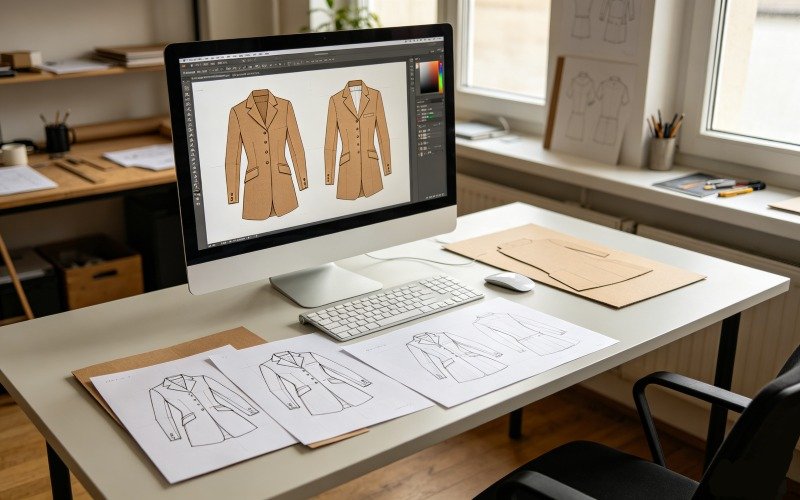
- Develop the base pattern and fitting sample.
- Review measurements, proportions and wearing comfort.
- Revise and approve the fit before full-size grading.
- Lock the approved specifications for production preparation.
The goal is not simply to produce larger cotton garments. By working with a 100 Cotton Clothing Plus Size Manufacturer that connects fabric, fit, grading and sampling within one development process, brands can build a more repeatable foundation for private label production and future replenishment.
Select 100% Cotton Fabrics Around Your Product and Target Market
Define More Than Fiber Content Before Sampling
When selecting fabric with a 100 Cotton Clothing Plus Size Manufacturer, it is not enough to only confirm “100% cotton” on the specification sheet. The fabric construction, weight, hand feel, finishing, season and garment type can all affect
For products sold in the United States, fiber-content claims should also be accurate: the Federal Trade Commission’s cotton labeling guidance explains that a textile product should not be labeled “100% Cotton” unless its fiber content supports that claim, subject to applicable rules for trim and decoration. Knit structure, yarn characteristics, fabric density, GSM and finishing can influence softness, drape, thickness, surface appearance and dimensional behavior. A 100 Cotton Clothing Plus Size Manufacturer should therefore connect the fabric specification to the actual product rather than treating fiber content as the complete material requirement.
The starting point is the garment itself. Lightweight cotton jersey may suit certain T-shirts and casual tops, while a heavier jersey can provide more body and structure.Cotton French terry can be considered for sweatshirts, lounge pieces and coordinated casual collections, while brands developing relaxed cotton sets can explore our custom loungewear manufacturing services for additional product and private label development options. The appropriate choice depends on the desired silhouette, season, wearing environment and price position.
For plus size clothing, material selection also affects the way the garment sits on the body. A 100 Cotton Clothing Plus Size Manufacturer may need to balance several practical requirements:
| Fabric Decision | What the Brand Should Define | Why It Matters |
|---|---|---|
| Composition | Required 100% cotton specification | Establishes the basic material requirement |
| Construction | Jersey, French terry or another suitable structure | Influences appearance, drape and garment use |
| GSM | Target weight or acceptable range | Changes thickness, structure and wearing season |
| Hand Feel | Soft, dry, smooth, substantial or other target | Helps align the material with brand positioning |
| Finishing | Required surface or dimensional treatment | Can affect appearance and final fabric behavior |
| Color | Standard color or custom Pantone direction | Affects sourcing, dyeing and minimum requirements |
| End Use | T-shirt, top, lounge piece or other garment | Keeps material selection connected to the product |
This is particularly important when a 100 Cotton Clothing Plus Size Manufacturer develops garments with more fabric volume across extended sizes. A fabric that feels suitable on a small swatch should still be considered in relation to coverage, drape, garment weight and the intended plus size silhouette.
Pair Fashion can source and develop fabrics through its material supply network and coordinate fabric selection with pattern and sample development. When working with a 100 Cotton Clothing Plus Size Manufacturer, brands can provide a physical fabric swatch, reference garment, composition requirement, target GSM or desired hand feel as the starting point.
For a faster quotation and sampling process, it is useful to provide the product type, target cotton specification, fabric weight, color requirements, expected quantity, target market and reference material together. This gives the 100 Cotton Clothing Plus Size Manufacturer clearer information for sourcing suitable options and moving the selected material into sample development.
Create Plus Size Patterns Around Fit, Proportion and Wearing Comfort
Develop the Shape Before Expanding the Size Range
Pattern development is a critical stage when working with a 100 Cotton Clothing Plus Size Manufacturer because a larger garment does not automatically create a better plus size fit. Body proportions, movement room and the intended silhouette need to be translated into measurable pattern decisions before the full size range is developed.
A successful plus size pattern begins with a defined customer and fit direction. Brands developing performance-focused extended-size products can also explore our plus size activewear manufacturing services for additional support with custom fit, pattern development, functional fabrics and private label production.
The main challenge is that different areas of the garment do not necessarily increase at the same rate. More room may be required through the bust or hip without creating excessive width at the neckline or shoulder. Upper-arm room can affect sleeve comfort, while changes around the thigh, rise and seat can influence both movement and the visual balance of bottoms.
For this reason, a 100 Cotton Clothing Plus Size Manufacturer should review the areas that directly influence fit:
- Shoulder and neckline: maintain proportion without unnecessary widening.
- Bust and upper body: provide appropriate ease for the intended silhouette.
- Armhole and upper arm: allow movement without creating excessive volume.
- Waist and hip: balance comfort, shape and garment drape.
- Rise, seat and thigh: support sitting, walking and everyday movement in bottoms.
- Garment and sleeve length: maintain the intended visual proportion as dimensions increase.
Fabric behavior must be considered alongside these measurements. When a 100 Cotton Clothing Plus Size Manufacturer develops a garment without relying on elastane for high stretch and recovery, the pattern needs to work with the selected cotton fabric rather than expecting the material to compensate for an unsuitable fit.
Pair Fashion can develop patterns from a Tech Pack, measurement chart, physical sample, reference image or design concept. After the first pattern is converted into a fitting sample, measurements and wearing performance can be reviewed before revisions are approved.
This process gives the 100 Cotton Clothing Plus Size Manufacturer a clearer base for correcting issues such as restricted upper arms, insufficient hip room, incorrect garment length or an unbalanced silhouette before those problems are carried into additional sizes.
Once the base fit is approved, the project can move into structured size grading. For brands, this means working with a 100 Cotton Clothing Plus Size Manufacturer to establish a measurable plus size foundation first, rather than attempting to correct fit problems after the complete size range has already entered production.
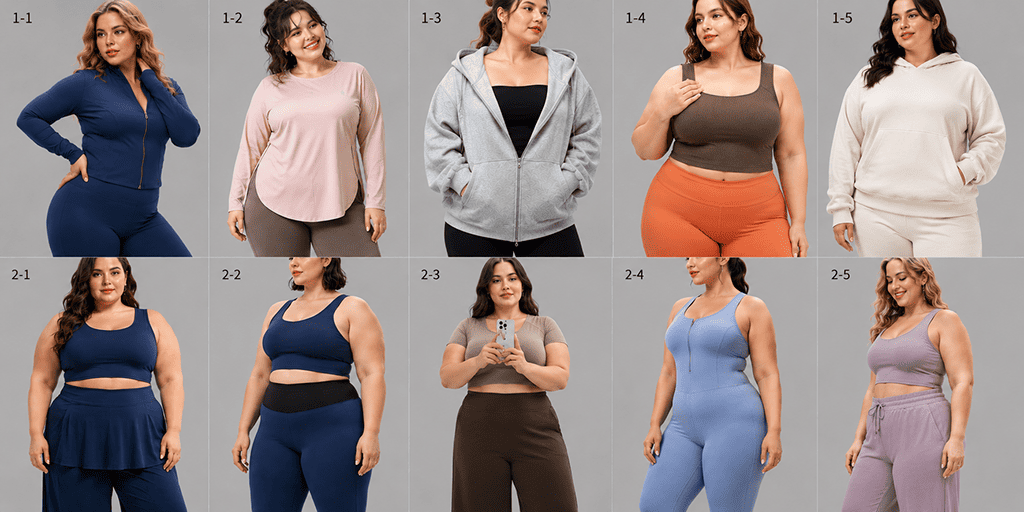
Build a Consistent Extended Size Range From Your Approved Base Fit
Turn One Approved Fit Into a Controlled Plus Size System
An approved base sample is only the starting point for a 100 Cotton Clothing Plus Size Manufacturer. To build a complete extended-size collection, the approved pattern needs controlled grading rules that define how each measurement changes between sizes while preserving the intended fit, proportion and product appearance.
Once the base fit is confirmed, a 100 Cotton Clothing Plus Size Manufacturer can establish the size chart and grade rules for the required range, whether the collection uses XL–5XL or a brand-specific sizing system. The objective is not to enlarge every pattern point by the same amount. Each measurement needs to reflect its actual function in the garment.
For tops, the grading should separately consider bust, waist, hip, shoulder, bicep, sleeve length and garment length. For bottoms, important measurement points can include waist, hip, thigh, front rise, back rise, inseam and leg opening. At the same time, design details such as
A 100 Cotton Clothing Plus Size Manufacturer can organize this process around four practical controls:
- Approved Base Size — establish the fit reference before expanding the range.
- Measurement Grade Rules — define how critical dimensions increase from one size to the next.
- Full-Size Pattern Grading — apply the approved increments to the production patterns.
- Size Set Verification — check selected sizes to identify proportion or measurement issues before bulk production.
This becomes particularly important when a 100 Cotton Clothing Plus Size Manufacturer is working with pure cotton fabrics. The final size specification should account for the approved material and its expected dimensional behavior so that grading decisions are not separated from the fabric used in production.
Pair Fashion supports full-size grading, measurement-chart development and size-set sampling as part of custom apparel development. Approved measurements, grading rules and tolerances can then be connected to the production specification rather than relying on visual judgment alone.
For growing brands, this structured approach also makes future development easier. When a bestselling style needs another color, a replenishment order or a related product, the 100 Cotton Clothing Plus Size Manufacturer can work from an established sizing foundation instead of rebuilding the size logic from the beginning.
A controlled extended-size system gives the brand more than additional sizes. It creates a repeatable reference for sampling, measurement inspection and future production, allowing the 100 Cotton Clothing Plus Size Manufacturer to carry the approved fit direction from the base size into a commercially usable plus size range.
Brands selling into the U.S. market should also review the FTC textile labeling requirements when preparing fiber-content and product labels, especially when a garment includes decoration, trim or different textile components that may require separate disclosure.
1. Product Development
Regular monthly product development ensures consistent updates to your brand line.
2. Fabric Sourcing
Regular monthly product development ensures consistent updates to your brand line.
3. Sample Making
Regular monthly product development ensures consistent updates to your brand line.
4. Bulk Production
Regular monthly product development ensures consistent updates to your brand line.
5. Packaging & Delivery
Regular monthly product development ensures consistent updates to your brand line.
Complete OEM & ODM Sportswear Solutions
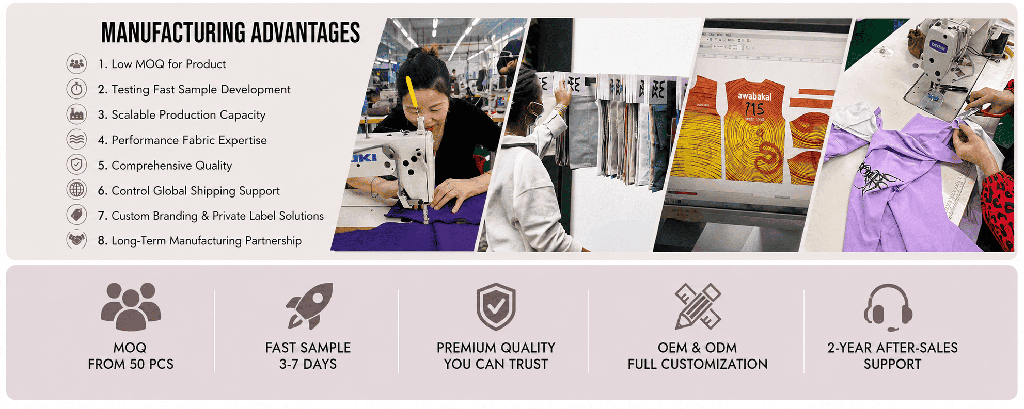
We provide complete custom sportswear manufacturing services from concept development and fabric sourcing to bulk production and worldwide delivery.
- OEM & ODM Product Development
- Functional Fabric Sourcing & Material Selection
- Pattern Making & Sample Development
- Private Label Branding & Custom Packaging
- Quality-Controlled Bulk Manufacturing
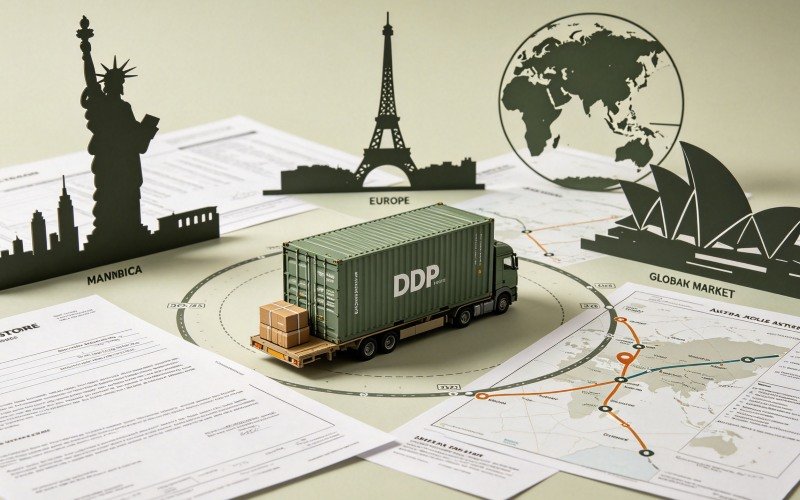
- Global DDP Shipping & Delivery Support
Manage Cotton Shrinkage Before Fit Specifications Are Locked
Verify Dimensional Change With the Actual Fabric and Garment
Cotton shrinkage should be addressed before a 100 Cotton Clothing Plus Size Manufacturer locks the final measurements for bulk production. A sample can fit correctly before washing but change in length, width or overall proportion afterward. Testing the actual fabric and garment provides a more reliable basis for final approval.
For a 100 Cotton Clothing Plus Size Manufacturer, “100% cotton” alone does not determine one fixed shrinkage result. Fabric construction, weight, finishing and the washing and drying conditions can influence dimensional change. This is why shrinkage expectations should be confirmed against the material selected for the actual project rather than assumed from fiber content alone.
A practical wash evaluation begins with consistent measurement points. Depending on the garment, these can include chest width, garment length, sleeve length, waist, hip, rise, inseam and leg opening. Measurements can be recorded before washing and checked again after the agreed wash procedure.
When a 100 Cotton Clothing Plus Size Manufacturer reviews the results, the important question is not simply whether the garment has changed. The change needs to be considered against the approved fit and measurement requirements.
A typical control process can include:
- Confirm the production fabric and relevant material specifications.
- Measure the sample before washing using defined measurement points.
- Wash and dry the garment under the agreed test conditions.
- Measure the garment again and record dimensional changes.
- Review the fit impact at critical areas such as chest, waist, hip and length.
- Adjust the pattern or specification when necessary before final approval.
This is particularly important for a 100 Cotton Clothing Plus Size Manufacturer developing extended sizes. A dimensional change that appears small on paper can still affect the intended ease, garment length or body proportion of a plus size style. The wash result therefore needs to be considered together with the approved silhouette rather than treated as a separate fabric issue.
Pair Fashion can coordinate fabric confirmation, sample development, measurement checking and production specifications within the same development workflow. Before bulk production, the 100 Cotton Clothing Plus Size Manufacturer project can use the approved sample, confirmed fabric, measurement chart and agreed tolerances as connected production references.
Once these details are locked, they also provide a clearer basis for in-line and final measurement inspection. This helps a 100 Cotton Clothing Plus Size Manufacturer carry the approved fit into bulk production while giving the brand a documented standard that can also support future repeat orders.

Customize Labels, Colors, Details and Packaging for Your Private Label Collection
Turn an Approved Garment Into a Brand-Ready Product
Private label development with a 100 Cotton Clothing Plus Size Manufacturer goes beyond placing a logo on a finished garment. Colors, branding positions, labels, hangtags and packaging should be confirmed as part of the product specification so the approved style can move into production as a complete brand-ready product.
When working with a 100 Cotton Clothing Plus Size Manufacturer, customization can begin with the garment itself. Brands may specify color direction, Pantone references, neckline details, pockets, stitching, trims and other design elements according to the style being developed. These details should be reviewed together with the selected cotton fabric and approved plus size pattern.
Logo development also needs a clear specification. Depending on the design and garment, branding may involve printing, embroidery or another suitable application method. Logo dimensions, position and appearance should be confirmed during sampling whenever possible rather than left for interpretation during bulk production.
A 100 Cotton Clothing Plus Size Manufacturer can also coordinate the private label components required to prepare the product for your market:
- Main labels for brand identification.
- Size labels matched to the approved extended-size range.
- Care labels with the required garment information.
- Hangtags using the brand’s approved artwork and format.
- Custom packaging based on the agreed order requirements.
- Size stickers, barcodes or other packing details when specified by the buyer.
These elements may appear small, but they affect how efficiently the order moves through production and packing. A 100 Cotton Clothing Plus Size Manufacturer needs final artwork, dimensions, placement and packing instructions early enough to coordinate them with the garment production schedule.
For new brands, customization should also remain commercially practical. Launching several styles across an extended size range already creates multiple SKUs. Adding many colors, specialized trims and different packaging versions can increase material requirements and production complexity. Keeping the first collection focused can make sampling, ordering and replenishment easier to manage.
Pair Fashion supports OEM, ODM and private label development, including garment customization, labels, hangtags and packaging. This allows brands working with a 100 Cotton Clothing Plus Size Manufacturer to coordinate product development and branding details through one production workflow rather than treating them as unrelated steps.
Before bulk production, the approved garment, color, logo placement, labels, trims and packaging requirements should be recorded together. By locking these details with the 100 Cotton Clothing Plus Size Manufacturer, the brand establishes a clearer production standard for the first order and a more practical reference for future color extensions and repeat orders.

Move From Tech Pack or Product Idea to an Approved Plus Size Sample
Start Development From the Information Your Brand Already Has
You do not need a complete production file before contacting a 100 Cotton Clothing Plus Size Manufacturer. Development can begin from a detailed Tech Pack, measurement chart, physical sample, reference images, design sketch or a clearly defined product concept. The development route can then match the information your brand already has.
Brands approaching a 100 Cotton Clothing Plus Size Manufacturer often start at different stages. An established label may already have approved measurements and construction details, while a new brand may only know the product category, desired fit, fabric direction and visual style. These projects should not be handled in exactly the same way.
If you already have a Tech Pack and size chart, we will first check the specifications together with the required fabric, garment construction and plus size fit. If you provide a physical sample, we can check its measurements and construction details, and confirm with you which parts should be kept and which parts need to be changed.
For a project based mainly on reference images or a concept, the 100 Cotton Clothing Plus Size Manufacturer needs to translate visual ideas into production details. These may include neckline shape, sleeve construction, garment length, fit ease, pockets, seams, trims, color and branding placement.
The development process can then move through clear approval stages:
- Project Review — confirm product type, target size range, cotton requirements and customization details.
- Pattern Development — convert the agreed measurements and silhouette into the first pattern.
- Prototype or Fit Sample — produce a physical garment for measurement and fit review.
- Sample Revision — correct fit, proportions, construction or other approved details.
- Approved Sample — confirm the product standard that the brand accepts.
- PP Sample Approval — verify the production-ready version when required before bulk manufacturing.
For plus size products, sample review should go beyond checking whether the garment looks similar to a reference image. A 100 Cotton Clothing Plus Size Manufacturer should give the brand a physical opportunity to review bust room, waist and hip balance, upper-arm comfort, shoulder position, garment length and movement allowance.
The selected cotton fabric also needs to be considered during approval. Hand feel, garment drape and relevant wash performance can influence whether further pattern or measurement adjustments are required before the specifications are locked.
Pair Fashion has an 11-person pattern and sample development team supporting custom product development and sample revisions, while our OEM and ODM manufacturing services can continue the project from fabric sourcing and pattern development through private label customization, bulk production and delivery. Working with a 100 Cotton Clothing Plus Size Manufacturer through defined sample stages helps turn design intentions into measurable production references rather than leaving important decisions to bulk production.
Once the fit, fabric, construction and customization details are approved, the 100 Cotton Clothing Plus Size Manufacturer project can move forward with an approved sample and locked specifications, creating a clearer reference for production, quality inspection and future repeat orders.
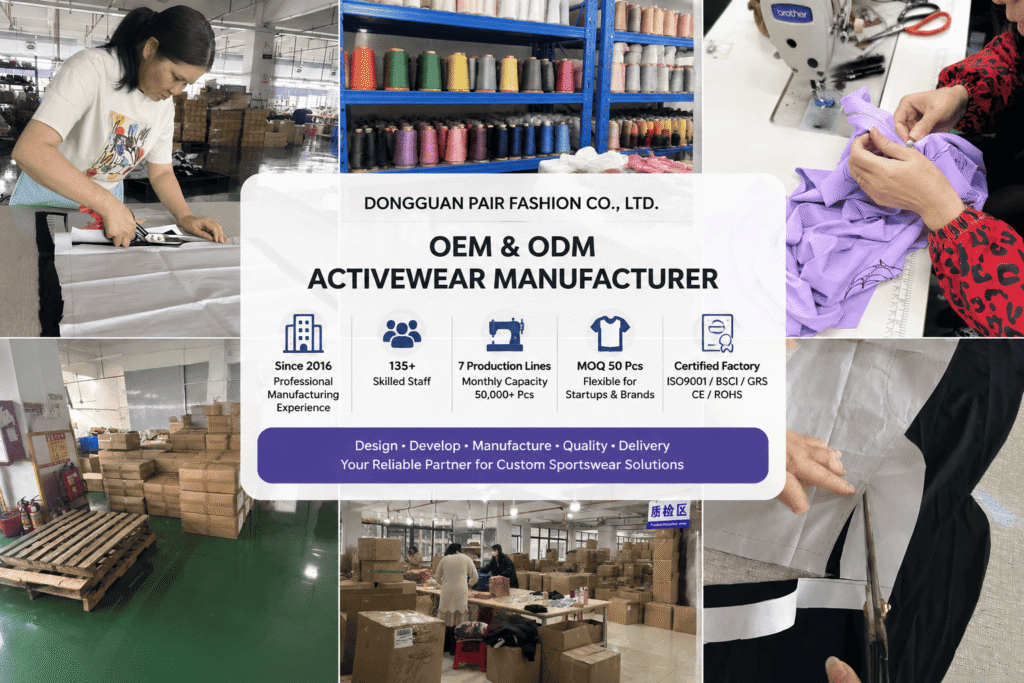
Why Brands Choose Our Plus Size Clothing Manufacturing Service
Practical Solutions for the Concerns Behind a Plus Size Production Order
Brands working with a 100 Cotton Clothing Plus Size Manufacturer need more than garment production. They need confidence that the approved fit, cotton fabric, extended sizing and private label details can move from development into bulk production without losing the standards established during sampling.
At Pair Fashion, our plus size clothing manufacturing service connects pattern development, sampling, size grading, material sourcing, private label customization, production and quality control within one workflow. For a 100 Cotton Clothing Plus Size Manufacturer project, this helps address practical buyer concerns before they become bulk-production problems.
| Buyer Concern | Pair Fashion Solution |
|---|---|
| “My plus size fit may become inconsistent across sizes.” | We develop the base pattern first, revise the fitting sample and establish full-size grading from approved measurements and fit direction. |
| “100% cotton may change after washing.” | Fabric specifications and relevant dimensional performance can be reviewed before final measurements and production specifications are locked. |
| “The sample may be good, but bulk production may be different.” | The approved sample, PP sample approval and locked specifications provide production references for fit, construction, materials and branding details. |
| “I do not want problems to be found only after production is finished.” | Incoming inspection, in-line inspection and final inspection provide control at different production stages. |
| “My first collection has many sizes and could become too complicated.” | Styles, colors, extended sizes and customization can be planned around a commercially manageable first order instead of adding unnecessary SKU complexity. |
| “I need future reorders to follow the original product.” | Approved patterns, measurements and product specifications provide references for replenishment and repeat production. |
Behind these solutions is a dedicated development and quality structure. Pair Fashion has an 11-person pattern and sample development team supporting pattern making, fitting samples and revisions, together with a 13-person QC team covering incoming, in-process and final inspection. This gives a 100 Cotton Clothing Plus Size Manufacturer project defined checkpoints from development through production.
Brands also enter production at different stages. Some already have a complete Tech Pack and established size chart. Others come with a physical sample, reference images or an early product concept. Our OEM, ODM and private label services allow the development route to start from the information already available rather than requiring every buyer to follow the same starting point.
For a 100 Cotton Clothing Plus Size Manufacturer order, this flexibility is especially useful when the brand needs to coordinate 100% cotton sourcing, plus size pattern development, extended sizing, custom colors, labels, hangtags and packaging within the same project.
Production control continues after sample approval. Once specifications are locked, the production team and QC process can work against defined requirements rather than relying only on visual comparison. This creates a clearer connection between what the buyer approves and what the factory is expected to reproduce.
The value of working with a 100 Cotton Clothing Plus Size Manufacturer is therefore not based on one isolated capability. It comes from connecting fabric, fit, sampling, branding and production control so that each stage supports the next.
For brands looking for a 100 Cotton Clothing Plus Size Manufacturer for a new collection or an existing product, Pair Fashion can begin with your Tech Pack, size chart, reference sample, target cotton specification, order quantity and branding requirements and turn those inputs into a practical development and production plan.
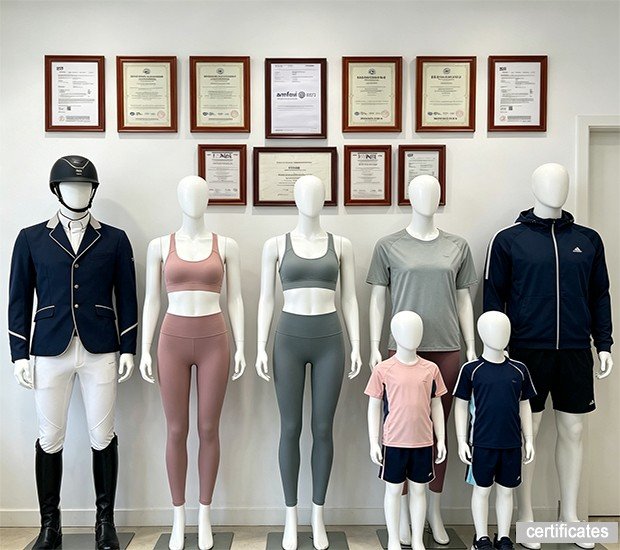
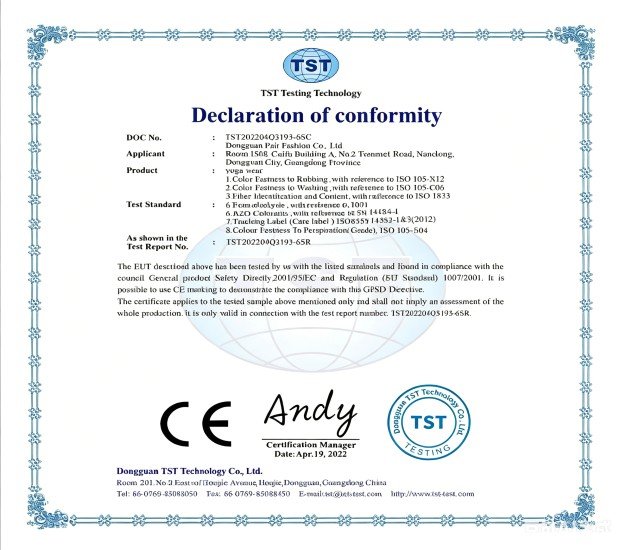
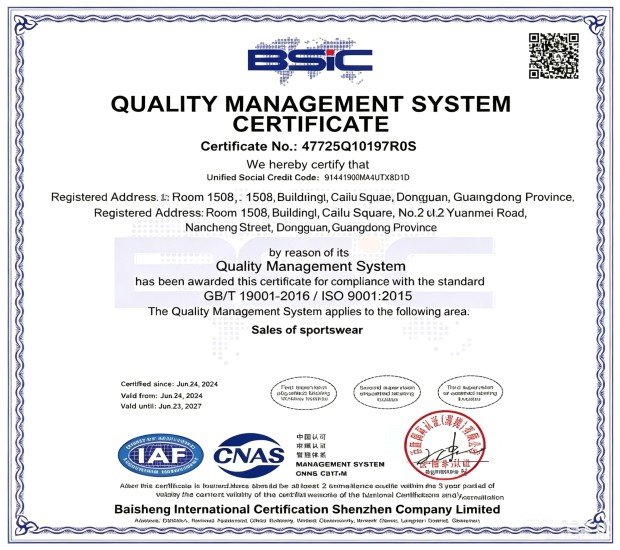
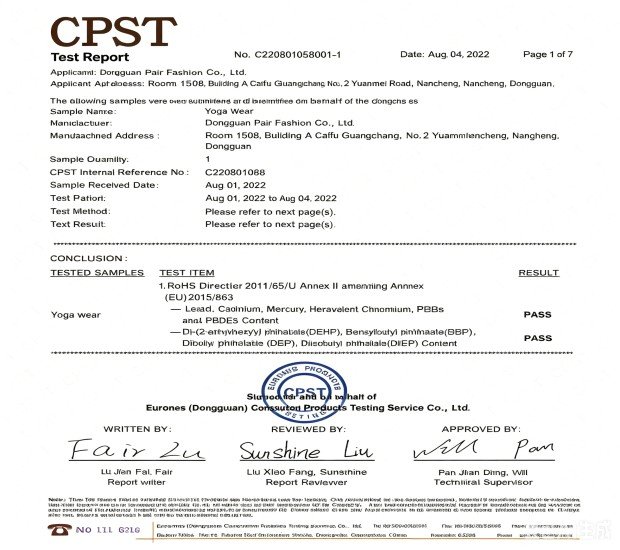
Trusted Manufacturing Standards For Global Sportswear Brands
We operate under internationally recognized quality, sustainability, and ethical manufacturing standards. Our certifications help ensure consistent product quality, responsible sourcing, and reliable production for global sportswear brands.
- 20+ Countries Served
- 6000+ Styles Developed
- 50,000 PCS Monthly Capacity
- 3-Day Sample Development
Keep Approved Fit and Quality Consistent Through Bulk Production
Carry the Approved Sample Standard Into Every Production Stage
Bulk production with a 100 Cotton Clothing Plus Size Manufacturer should follow the standards established during development rather than relying on the sample as a visual reference alone. Approved measurements, fabric specifications, construction details, colors, branding and packaging requirements need to become controlled production references before cutting and sewing begin.
Before production starts, a 100 Cotton Clothing Plus Size Manufacturer should connect the approved sample, PP sample approval and locked specifications with the actual materials and production instructions. This creates a clearer standard for the production team and reduces unnecessary interpretation once the order is on the line.
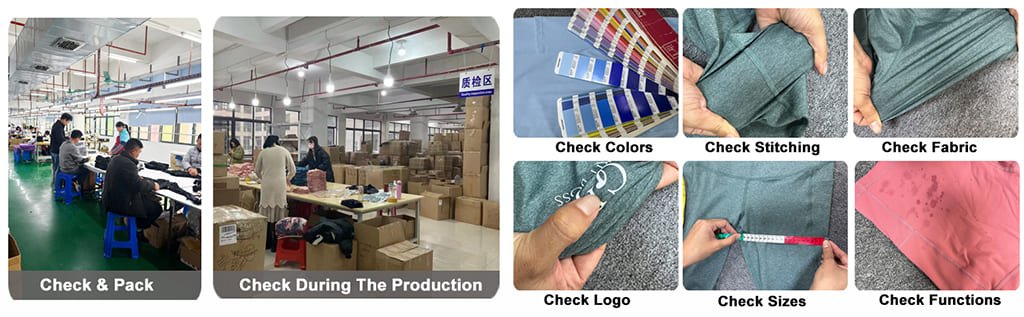
At Pair Fashion, quality control is organized across different production stages:
- Incoming Inspection — fabrics, trims and relevant materials are checked against order requirements before they move into production.
- Pre-Production Confirmation — approved specifications, measurements, construction and branding details are confirmed before bulk execution.
- In-Line Inspection — workmanship, construction and key measurements are checked while production is still running.
- Measurement Control — finished dimensions are checked against the approved size chart and agreed tolerances.
- Final Inspection — completed garments are reviewed for measurements, workmanship, appearance, labeling and packing requirements before shipment.
Measurement control is particularly important for a 100 Cotton Clothing Plus Size Manufacturer because extended sizing creates more measurement points that must remain consistent across the order. Depending on the garment, inspection may include bust, waist, hip, bicep, garment length, rise, thigh and inseam, together with other style-specific measurements.
The production fabric also needs to remain connected to the approved development standard. For a 100 Cotton Clothing Plus Size Manufacturer, changes in fabric construction, weight or finishing can affect hand feel, drape and dimensional behavior. Material confirmation therefore supports both product consistency and fit consistency.
Pair Fashion has a 13-person QC team covering incoming, in-process and final inspection. These production controls also sit within a broader quality-management approach; the ISO 9001 quality management standard provides an internationally recognized framework for controlling processes, monitoring performance and continually improving a quality management system.Instead of waiting until all garments are finished, this structure allows relevant issues to be identified at different stages of the production cycle.
When a measurement or workmanship issue is identified during production, the purpose of in-line control is to correct the process before the same problem continues across more units. This makes the approved sample and locked specifications practical working standards rather than documents used only at the beginning of the order.
For brands, working with a 100 Cotton Clothing Plus Size Manufacturer under this process provides a clearer connection between what was approved during sampling and what is inspected during bulk production. The same specifications can also become useful references when the style returns for replenishment.
The objective is repeatability. A 100 Cotton Clothing Plus Size Manufacturer should be able to carry the approved fit, materials, construction and private label details through bulk production with defined checkpoints, giving the brand a more stable foundation for the first shipment and future repeat orders.
Start With a Flexible Order and Scale Into Repeat Production
Build the First Order Around What Your Brand Needs to Prove
Starting with a 100 Cotton Clothing Plus Size Manufacturer does not mean the first production order needs to contain every planned style, color and size combination. A focused first order can help a brand launch the core products, test market response and create a clearer foundation for future replenishment.
For a new collection, the first discussion with a 100 Cotton Clothing Plus Size Manufacturer should consider styles, colors, size range, quantity, fabric requirements and customization together. MOQ is not an isolated number. Material availability, custom colors, trims, logo applications, packaging and the quantity allocated to each SKU can all affect the practical production structure.
A brand launching an extended-size collection may already have several sizes within one style. Adding too many colors and product variations at the same time can quickly multiply the number of SKUs. Keeping the initial assortment commercially focused can make sampling, production planning and inventory easier to manage.
A practical launch with a 100 Cotton Clothing Plus Size Manufacturer can follow four stages:
- Sample Development — confirm fabric, fit, size direction, construction and private label details.
- First Production Order — launch the approved core styles in a manageable combination of colors and sizes.
- Market Feedback — identify which products, colors and sizes generate repeat demand.
- Replenishment and Scaling — reorder proven products and expand quantities or related options when commercially justified.
Once a product begins selling consistently, the sourcing priority changes. Instead of developing the garment again, the 100 Cotton Clothing Plus Size Manufacturer needs to reproduce the approved standard. The original pattern, measurement chart, fabric specification, color, construction, branding and packaging details become important references for the repeat order.
This is also where production records create practical value. If a bestselling cotton top returns for replenishment, the brand should not need to redefine its neckline, garment length, label position or size measurements from the beginning. Approved information can be reviewed against the new order and updated only where changes are required.
Pair Fashion supports brands from product development and sampling through bulk production and repeat orders. This allows a 100 Cotton Clothing Plus Size Manufacturer project to begin with a controlled launch and develop into a longer-term production program as sales become more predictable.
Brands can also expand gradually. A successful first style may later add new colors, while an established fit can become the starting point for related products. Each expansion should still be sampled and approved where necessary, but the existing product standards provide a stronger development foundation.
To start a project with a 100 Cotton Clothing Plus Size Manufacturer, send your Tech Pack, reference images or sample, target size range, measurement chart, preferred 100% cotton fabric, colors, estimated quantity and private label requirements. Pair Fashion can use this information to review the development route, sampling requirements and production plan for your collection.
Browse Sportswear Catalog Categories
Explore custom sportswear catalog categories including activewear, equestrian apparel, lounge wear and specialty OEM apparel collections for global brands.
- Yoga Pant
- Sports Bras
- Tank Tops
- Gym Shorts
- Men & Kids Sportswear
- Riding Tops
- Breeches
- Competition Wear
- Jackets
- Man & Kids Equestrian
- Joggers
- Sweatshirt & Hoodies
- Sweaters
- Coat & Jacket
- Men & Kids Loungewear
Other OEM Apparel
- Tennis Clothing
- Jumpsuit
- Dress & Skirts
- Plus Size Activewear
- Maternity Activewear
Frequently Asked Questions About 100% Cotton Plus Size Clothing Manufacturing
1. What Is the MOQ for Private Label 100% Cotton Plus Size Clothing?
MOQ depends on the fabric, colors, size range, customization and total order structure, so the most useful approach is to review the complete SKU plan rather than judge the project by one minimum quantity number. For a 100 Cotton Clothing Plus Size Manufacturer project, XL–5XL sizing and multiple colors can quickly create many SKUs. Pair Fashion supports flexible production planning, including smaller starting orders where the product and material conditions allow. Send us your styles, colors, size range, target fabric and estimated quantity so we can confirm a practical MOQ for your collection.
2. How Much Does Custom 100% Cotton Plus Size Clothing Cost?
The final price depends mainly on cotton fabric specifications, garment construction, size range, order quantity, colors, branding and packaging, which means two visually similar plus size garments can have different production costs. A heavier cotton fabric, custom-dyed color, embroidery, complicated pockets or specialized packaging can change the quotation. As a 100 Cotton Clothing Plus Size Manufacturer, Pair Fashion quotes according to the actual product requirements rather than using one standard price for every style. For a more accurate quotation, provide your Tech Pack or reference images, target GSM, sizes, colors, quantity and private label requirements.
3. Do You Provide Custom Labels, Hangtags and Packaging?
Yes, private label projects can include custom brand labels, size labels, care labels, hangtags and packaging, allowing the garment and its branding components to be coordinated within the same production order. When working with a 100 Cotton Clothing Plus Size Manufacturer, buyers should provide artwork, dimensions, placement requirements and packaging instructions as early as possible. Pair Fashion can coordinate these details with garment sampling and bulk production. If you require barcodes, size stickers, individual bags or other packing details, include them in your inquiry because additional customization can affect cost, MOQ and production lead time.
4. Can You Develop Plus Size Clothing From My Tech Pack, Sample or Reference Photos?
Yes, development can start from a complete Tech Pack, measurement chart, physical garment, reference images, design sketch or a clearly defined product concept, depending on how far your brand has already developed the style. A 100 Cotton Clothing Plus Size Manufacturer should convert these inputs into measurable production requirements rather than simply copy the visual appearance. Pair Fashion can support pattern development, fitting samples and revisions before approval. If you already have a successful product, tell us which measurements and details must remain unchanged and which areas you want to improve for the new collection.
5. How Do You Develop Sizes Such as XL, 2XL, 3XL, 4XL and 5XL?
We first establish an approved base fit and then build controlled grading rules for key measurements, because professional plus size development should not enlarge the bust, waist, hip, shoulders, arms and garment length by one identical amount. For a 100 Cotton Clothing Plus Size Manufacturer, full-size grading can include bust, waist, hip, bicep, shoulder, rise, thigh, inseam and other style-specific measurements. Pair Fashion can develop the size chart and graded patterns from the approved base size. Size-set sampling can also be used when required to verify important sizes before bulk production.
6. Will 100% Cotton Plus Size Clothing Shrink After Washing?
100% cotton can experience dimensional change after washing, but the actual result depends on the fabric construction, weight, finishing and washing conditions, so shrinkage should be checked using the material selected for the real order. A 100 Cotton Clothing Plus Size Manufacturer should not assume one shrinkage percentage for every cotton fabric. During development, relevant measurements can be recorded before and after the agreed wash procedure to understand how the garment changes. If necessary, pattern or measurement specifications can then be adjusted before approval, helping protect the intended plus size fit in the finished product.
7. How Long Do Sampling and Bulk Production Take?
Sampling normally takes around 3–7 days depending on fabric availability and product complexity, while standard bulk production is generally around 20–25 working days after the required approvals and materials are ready. More complicated customization, special fabric sourcing, custom dyeing, multiple revisions or packaging requirements can extend the schedule. When placing an order with a 100 Cotton Clothing Plus Size Manufacturer, buyers should also allow time for sample review and PP sample approval rather than calculating lead time from sewing alone. Pair Fashion can confirm a project-specific timeline after reviewing your style, quantity, fabric and customization requirements.
8. How Do You Keep Repeat Orders Consistent With the Approved Sample?
Repeat production should use the approved pattern, measurement chart, fabric specification, construction details, colors, branding and packaging requirements as references, reducing the need to rebuild an established product from the beginning for every reorder. Pair Fashion connects approved samples and locked specifications with incoming inspection, in-line inspection and final inspection during production. For a 100 Cotton Clothing Plus Size Manufacturer project, this is particularly important because fit, cotton material behavior and extended sizing need to remain connected. If you change the fabric, color, fit or construction for a reorder, the revised details should be confirmed before production begins.
Get In Touch
Contact our OEM/ODM specialists for product development, sampling, pricing, and production support.