OEM/ODM Sportswear Manufacturer | 3-Day Sampling | Low MOQ | 50K Monthly Capacity | ISO9001 & BSCI Certified

Custom Tennis Clothing Manufacturer for Growing Sportswear Brands
Pair Fashion is a trusted tennis clothing manufacturer specializing in custom tennis apparel for brands, clubs, retailers, and private label businesses. We provide OEM and ODM solutions for tennis shirts, skirts, dresses, shorts, jackets, and complete tennis collections, with flexible MOQ, premium performance fabrics, and reliable global production support.
50K+
Monthly Capacity
3 Days
Fast Sampling
6,000+
Custom Styles
10+
Years Experience
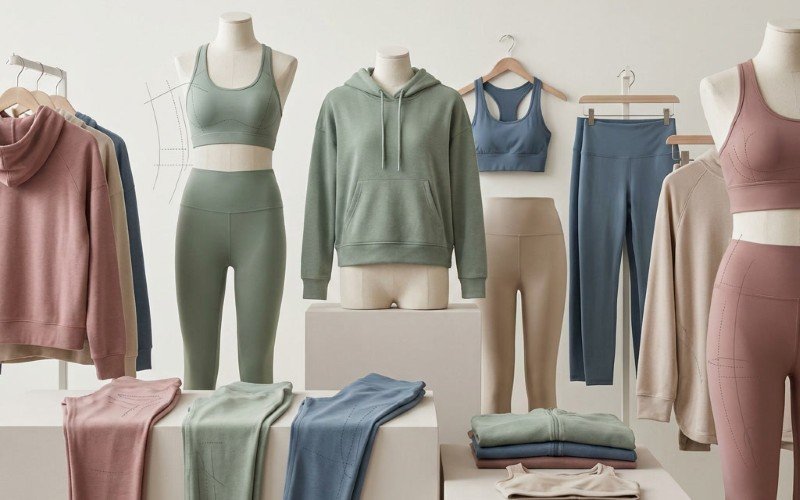
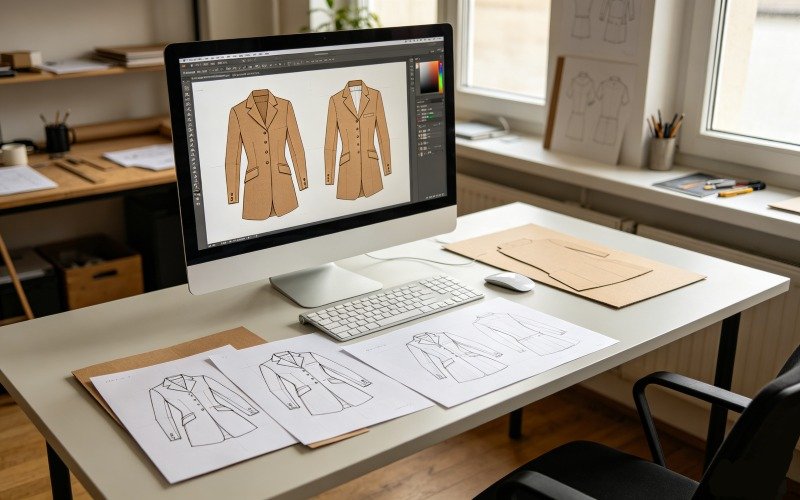
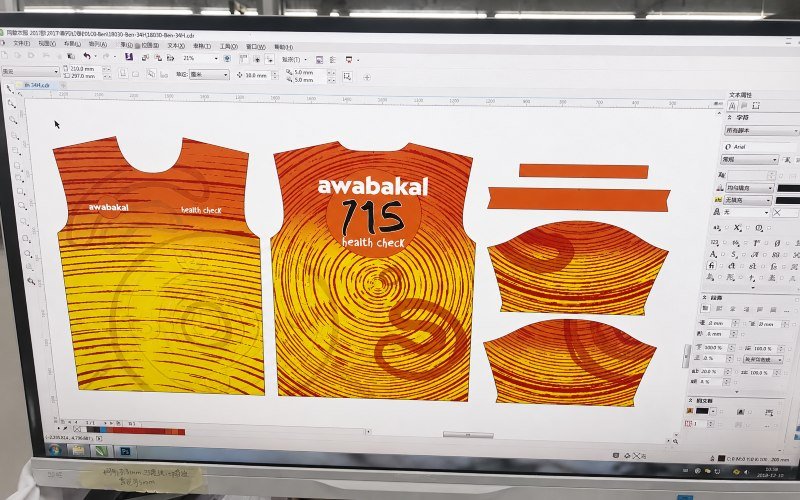
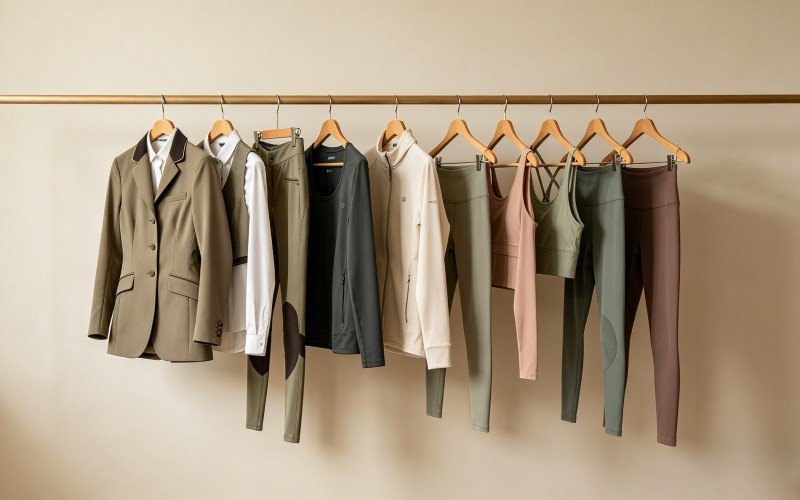
Launch Your Collection With an Experienced Tennis Clothing Manufacturer
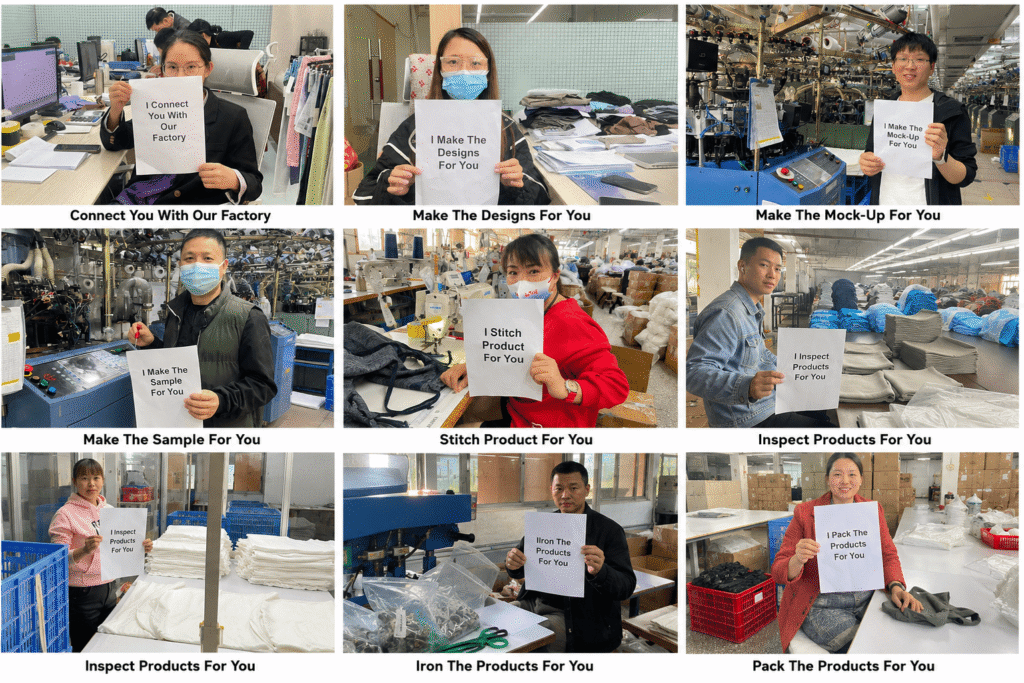
As an experienced tennis clothing manufacturer, we help brands create professional tennis apparel collections without the complexity of building and managing their own supply chain. From product development and fabric sourcing to sampling, quality control, and bulk production, we provide a complete manufacturing solution designed for growing tennis brands.
Content
For growing sportswear brands, tennis apparel is a strong category because it combines performance, style, and lifestyle wearability. A tennis dress, skirt, polo, short or warm-up jacket must look clean on court, move comfortably during play and still feel suitable for retail, club, academy or online sales. That is why the right manufacturing partner should help you develop the product, not only produce it.
Pair Sportswear supports brands that want to build custom tennis clothing with a practical, production-ready process. You can start from a Tech Pack, reference sample, sketch, product photo or simple concept. Our team helps review the structure, suggest suitable performance fabrics, confirm branding details, create samples and prepare the style for bulk production.
This approach is especially useful for:
Brand Situation | Manufacturing Support You Need |
New tennis apparel brand | Style planning, fabric advice and sample development |
DTC sportswear brand | Low-MOQ testing and fast product launch |
Private label retailer | Label, tag, packaging and bulk consistency |
Tennis club or academy | Team apparel, size range and repeat production |
Growing activewear brand | Seasonal tennis collection expansion |
With flexible MOQ from 50 pcs, fast sampling,performance fabric options and one-stop production support, brands can test new tennis products with lower inventory risk and scale successful styles with more confidence.
Turn Tennis Product Ideas Into Retail-Ready Collections
Many successful tennis apparel collections begin without a complete technical package or fully developed specifications.Some start from a product photo, a competitor garment, a design sketch or even a simple idea. What matters is having a development process that transforms concepts into products ready for production, sales and long-term brand growth.
Content
Bringing a tennis apparel product to market involves dozens of decisions before production begins. Fabric performance, fit accuracy, construction details, branding placement and manufacturing feasibility all affect how the final product performs on court and how customers perceive the brand.
A structured development process helps eliminate costly mistakes during production and ensures every style is built with clear commercial goals. Instead of moving directly into manufacturing, successful brands validate each stage before investing in bulk inventory.
Our development workflow is designed to help brands move from concept to production with greater confidence:
- Review Product Requirements
- Analyze reference images, sketches or samples
- Define target customer and usage scenario
- Evaluate functionality and price positioning
- Fabric and Trim Selection
- Choose performance fabrics based on climate and activity level
- Confirm stretch, weight, moisture management and durability
- Match trims, labels and branding components
- Pattern Development and Sampling
- Create production-ready patterns
- Build initial prototypes
- Test fit, comfort and movement
- Pre-Production Validation
- Confirm measurements and construction details
- Review branding placement
- Approve final sample before production
Development Stage | Primary Goal |
Concept Evaluation | Confirm product feasibility |
Material Selection | Balance performance and cost |
Sample Development | Verify fit and appearance |
Pre-Production Review | Reduce production risks |
Bulk Manufacturing | Deliver consistent products |
By investing time in development before production, brands can launch tennis apparel collections that are easier to scale, more consistent in quality and better aligned with customer expectations. This creates a stronger foundation for future seasonal releases, repeat orders and long-term brand growth.
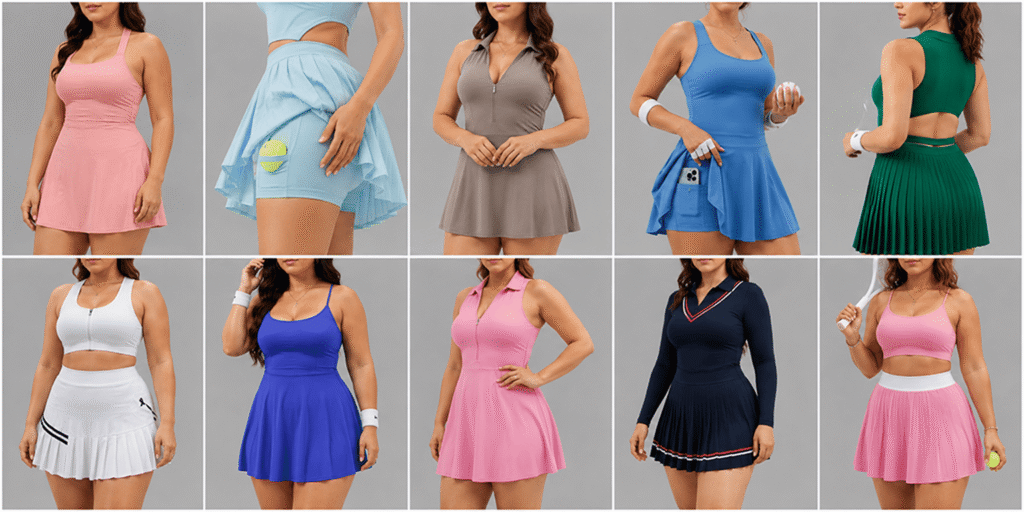
Develop Complete Tennis Apparel Collections Instead of Single Products
Building a successful tennis brand requires more than launching one good product. Customers increasingly expect coordinated collections that support training, competition, travel and everyday wear. A complete product range helps strengthen brand identity, increase average order value and create more opportunities for repeat purchases.
Content
Many emerging sportswear brands begin with a single tennis skirt or dress and quickly discover that customers want matching products. Athletes and tennis enthusiasts often prefer to purchase coordinated outfits rather than individual pieces. This creates an opportunity for brands to expand from isolated products into complete collections.
A well-structured tennis apparel collection allows brands to serve different customer needs while maintaining a consistent design language across multiple categories. Instead of developing unrelated products, successful brands create connected collections built around shared fabrics, colors, trims and performance features.
A typical tennis collection may include:
Product Category | Primary Purpose |
Tennis Dresses | Match play and club competition |
Tennis Skirts | Core performance and lifestyle product |
Tennis Polos | Training, tournaments and club uniforms |
Tennis Shorts | Practice sessions and recreational play |
Tennis Tank Tops | Warm-weather performance wear |
Warm-Up Jackets | Pre-match preparation and travel |
Tracksuits | Teamwear and off-court apparel |
Developing products as part of a collection also creates manufacturing advantages. Shared fabrics, trims and color palettes can improve production efficiency while helping maintain visual consistency throughout the range.
For growing brands, collection development often follows a phased approach:
- Launch core products.
- Expand into complementary categories.
- Introduce seasonal color updates.
- Add premium or limited-edition releases.
- Build year-round tennis apparel programs.
Rather than relying on a single product to drive growth, a complete collection creates a stronger foundation for long-term brand development. It allows brands to serve a wider customer base, increase product visibility and establish a more professional presence in the competitive tennis apparel market.
Many brands also expand into custom sports shirts manufacturing and performance hoodie collections to build a complete sportswear line.
Select Performance Fabrics That Match Competitive and Lifestyle Tennis Markets
Intro
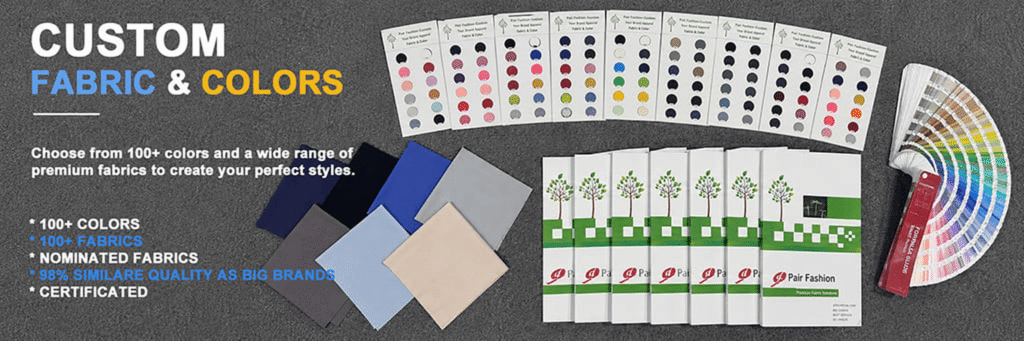
Fabric selection directly influences nearly every performance and comfort aspect of a tennis garment,from comfort and mobility to durability and retail positioning. The right fabric helps athletes perform better on court while supporting the quality expectations of modern consumers. Understanding fabric choices is essential when developing a tennis apparel collection that can compete in today’s market.
Content
Tennis apparel is exposed to continuous movement, repeated stretching, frequent washing and varying weather conditions. A fabric that performs well in casual activewear may not always meet the demands of tennis training or competition. Selecting the right material is therefore one of the most important decisions during product development.
Most successful tennis brands evaluate fabrics based on four primary factors:
- Comfort
- Performance
- Durability
- Commercial Positioning
Different customer groups often require different fabric solutions.
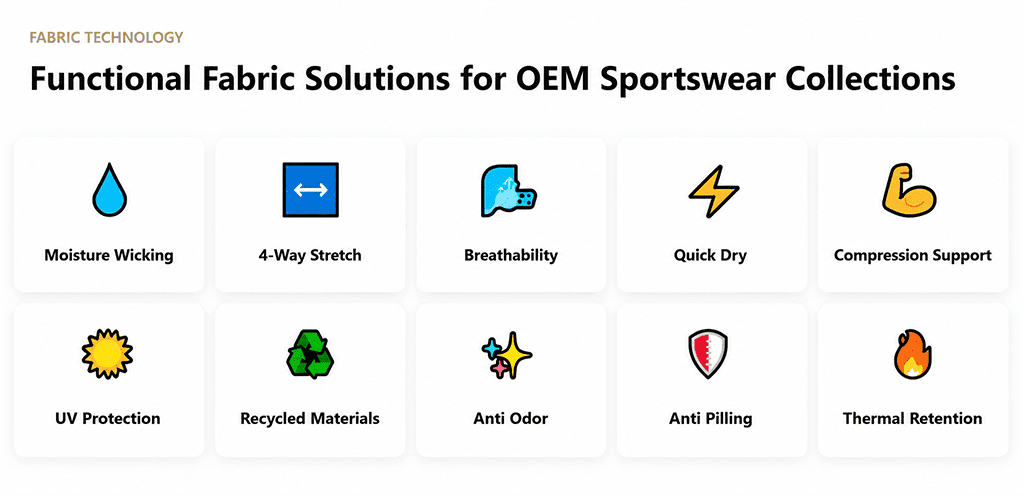
Fabric Feature | Customer Benefit |
Moisture Wicking | Helps keep players dry during extended matches |
4-Way Stretch | Supports unrestricted movement and flexibility |
Cooling Technology | Improves comfort in warm climates |
UV Protection | Provides additional outdoor protection |
Lightweight Construction | Reduces garment weight during play |
Recycled Materials | Supports sustainability initiatives |
For premium tennis apparel collections, brands increasingly choose fabrics that combine multiple performance characteristics rather than focusing on a single feature. A fabric may simultaneously offer stretch, breathability, quick-drying performance and environmental benefits.
These performance fabrics are also widely used across sports shirts, hoodies and other activewear categories to maintain consistent product quality across collections.
Common applications include:
Product Type | Recommended Fabric Direction |
Tennis Dresses | Lightweight stretch performance fabric |
Tennis Skirts | High-stretch fabric with shape retention |
Tennis Polos | Moisture-management performance knit |
Tennis Shorts | Lightweight quick-dry fabric |
Training Jackets | Stretch woven performance fabric |
Premium Collections | Recycled performance materials |
A well-planned fabric strategy does more than improve athletic performance. It helps create a consistent brand experience, supports premium pricing opportunities and reduces customer complaints related to comfort, shrinkage or garment durability. Brands that invest in fabric selection early often achieve stronger customer satisfaction and better long-term product performance.
Create Signature Fits That Differentiate Your Tennis Brand
Intro
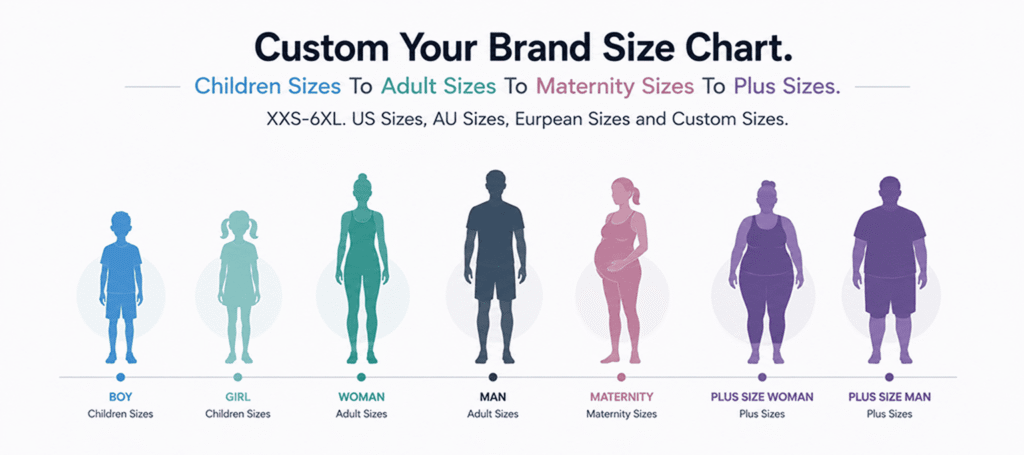
Many tennis apparel products use similar fabrics and construction methods, yet some brands consistently achieve higher customer satisfaction and stronger repeat purchases. One of the biggest differences is fit development. A well-designed fit improves comfort, enhances appearance and helps create a distinct brand identity that customers recognize and trust.
Content
In today’s tennis apparel market, consumers expect more than functional performance. They want garments that move naturally during play while delivering a flattering and comfortable fit. This is especially important for tennis apparel because players frequently perform rapid directional changes, stretching movements and extended periods of physical activity.
A successful fit strategy begins by understanding the target customer rather than applying the same measurements across every product category.
Different markets often require different fit approaches:
Market Focus | Fit Priorities |
Women’s Tennis Apparel | Waist definition, comfort and freedom of movement |
Men’s Tennis Apparel | Athletic silhouette and unrestricted mobility |
Junior Tennis Apparel | Growth accommodation and comfort |
Club Uniform Programs | Broad size coverage and consistency |
Premium Lifestyle Tennis Wear | Fashion-oriented fit with athletic functionality |
Several factors contribute to fit quality:
- Pattern Development
- Size Grading
- Body Shape Analysis
- Movement Testing
- Fit Sample Evaluation
- Production Consistency
For brands targeting North America, Europe and Australia, fit expectations can vary significantly. Developing products around the intended customer profile helps reduce returns and improve customer satisfaction.
A strong fit development process can also support long-term growth by creating recognizable product characteristics. Customers often return to brands because they trust the way the garments fit their bodies, not simply because they like the design.
Rather than treating sizing as a technical requirement, leading tennis brands view fit as a competitive advantage. A carefully developed fit system helps increase customer confidence, strengthen brand loyalty and create a product experience that is difficult for competitors to replicate.
Validate New Tennis Products Through Low-MOQ Production
Launching a new tennis apparel product always involves uncertainty. Even well-designed products require market validation before large-scale investment. Low-MOQ production allows brands to test demand, gather customer feedback and make informed decisions before committing to larger inventory purchases.
Content
Many tennis apparel brands fail not because the product quality is poor, but because too much inventory is produced before the market has been validated. Consumer preferences can change quickly, and predicting demand for new styles, colors or collections is never guaranteed.
A low-MOQ production strategy helps reduce this risk by allowing brands to launch products in smaller quantities, evaluate performance and scale production based on actual sales data.
This approach is especially valuable for:
Business Type | Why Low MOQ Matters |
Startup Tennis Brands | Reduce initial investment and inventory pressure |
DTC E-Commerce Brands | Test new products before scaling |
Private Label Programs | Validate demand from retail customers |
Tennis Clubs and Academies | Produce based on confirmed member orders |
Seasonal Collections | Evaluate new colorways and product concepts |
A typical validation process may include:
- Develop samples and approve final specifications.
- Produce a small pilot order.
- Launch products through selected sales channels.
- Analyze customer feedback and sales performance.
- Adjust future production plans based on market response.
Traditional Production Model | Low-MOQ Validation Model |
Large inventory commitment | Controlled inventory investment |
Higher financial risk | Lower financial risk |
Slower response to market feedback | Faster product optimization |
Difficult style adjustments | Easier collection refinement |
Flexible production also allows brands to introduce multiple styles simultaneously rather than relying on a single product launch. Testing several designs, colors or fits at the same time can provide valuable insights into customer preferences.
With flexible MOQ starting from 50 pieces, brands can enter the market faster, reduce inventory exposure and build a more data-driven product strategy. Instead of guessing what customers want, they can make production decisions based on real purchasing behavior and proven market demand.
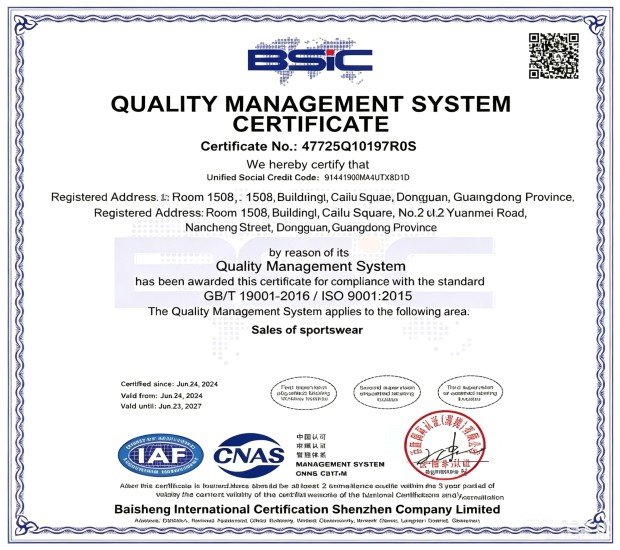
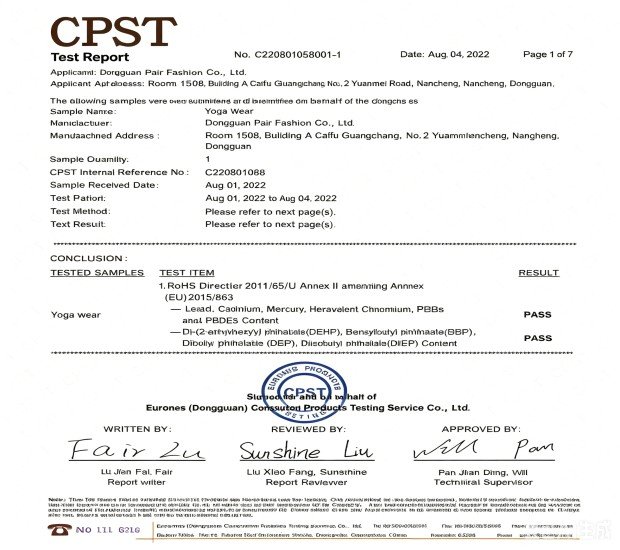
Trusted Manufacturing Standards For Global Sportswear Brands
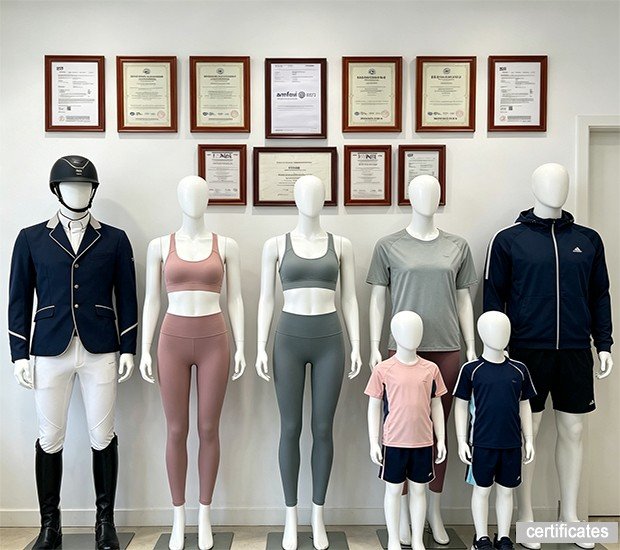
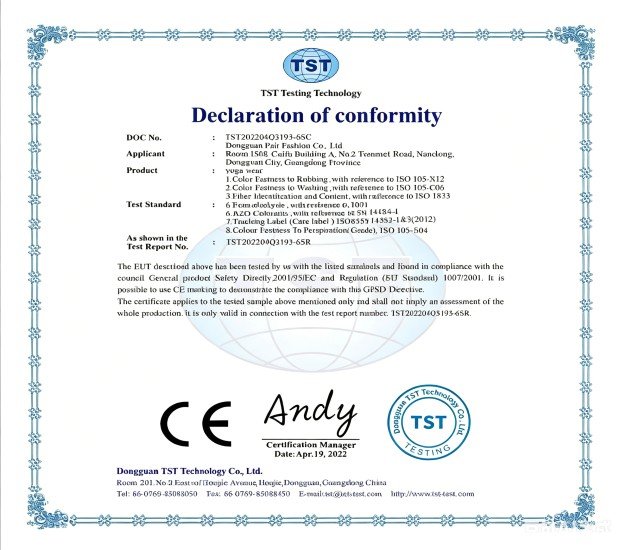
We operate under internationally recognized quality, sustainability, and ethical manufacturing standards. Our certifications help ensure consistent product quality, responsible sourcing, and reliable production for global sportswear brands.
- 20+ Countries Served
- 6000+ Styles Developed
- 50,000 PCS Monthly Capacity
- 3-Day Sample Development
Add Private Label Details That Increase Brand Recognition
A tennis apparel product becomes a brand product only when customers can recognize and remember it. Private label customization helps transform standard garments into branded merchandise by creating a consistent visual identity across products, packaging and customer touchpoints.
Content
Many tennis apparel brands focus heavily on product design but overlook the details that shape customer perception. While fabric, fit and performance influence product satisfaction, branding elements often determine whether customers remember the brand and return for future purchases.
Professional private label customization helps create a more complete retail experience. It allows brands to present a consistent identity across multiple product categories while reinforcing quality and professionalism.
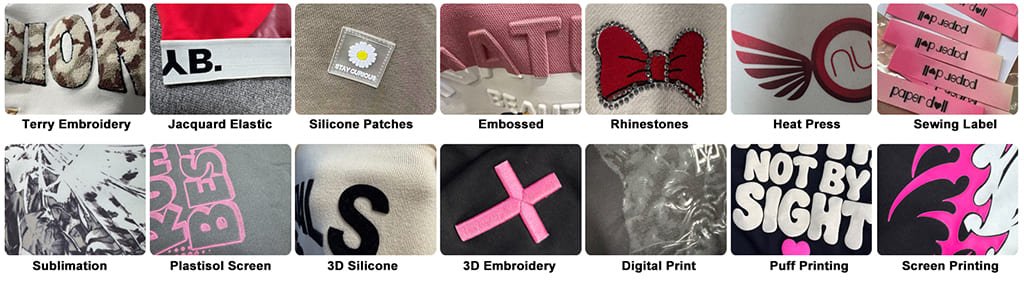
Common private label customization options include:
Branding Element | Purpose |
Main Labels | Establish brand identity inside the garment |
Care Labels | Provide product information and compliance details |
Size Labels | Improve customer experience and retail organization |
Custom Hang Tags | Communicate brand story and product features |
Printed Logos | Increase brand visibility |
Embroidered Logos | Create a premium appearance |
Custom Packaging Bags | Enhance product presentation |
Retail Gift Boxes | Support premium product positioning |
Strong branding is particularly important for growing tennis apparel brands because it creates consistency across different collections and sales channels.
Benefits of a unified branding system include:
- Improved brand recognition
- Higher perceived product value
- Stronger customer trust
- Better retail presentation
- More professional online product listings
- Greater customer retention
For brands selling through e-commerce stores, tennis clubs, specialty retailers or private label programs, branding details often influence purchasing decisions before customers experience the product itself.
Rather than treating labels and packaging as afterthoughts, successful tennis apparel brands integrate branding into the product development process from the beginning. A consistent private label strategy helps create a stronger market presence, supports premium positioning and allows customers to connect more deeply with the brand over time.

Reduce Production Risks Before Your Tennis Collection Goes Live
Intro
The biggest challenge in apparel manufacturing is not creating a successful sample. It is producing hundreds or thousands of garments that consistently match the approved sample. A structured quality control process helps reduce production risks, improve consistency and protect your brand reputation after launch.
Content
For tennis apparel brands, product consistency directly affects customer satisfaction. Consumers expect the second order to fit, feel and perform exactly like the first one. Even small differences in fabric quality, measurements or construction can lead to complaints, returns and damage to brand credibility.
That is why successful apparel production relies on prevention rather than correction. Instead of waiting for problems to appear after manufacturing, quality management should be integrated into every stage of the production process.
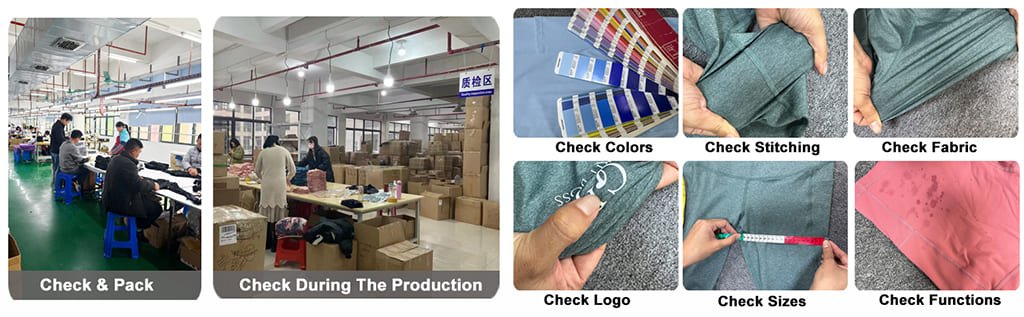
A comprehensive risk-control system typically includes:
Production Stage | Quality Focus |
Material Inspection | Verify fabric quality, color and specifications |
Pattern Verification | Confirm measurements and grading accuracy |
Pre-Production Review | Align production standards before manufacturing |
In-Line Inspection | Monitor sewing and construction consistency |
Final Quality Inspection | Check measurements, appearance and packaging |
Shipment Verification | Confirm order accuracy before delivery |
Many apparel manufacturers follow ISO textile testing standards to ensure consistent performance and quality control across production batches.
Several common production risks can be significantly reduced through structured control procedures:
- Sample-to-bulk inconsistencies
- Color variation between fabric batches
- Measurement deviations
- Logo placement errors
- Construction defects
- Packaging mistakes
- Missed delivery timelines
For performance tennis apparel, quality control is especially important because garments must withstand repeated movement, stretching and washing while maintaining their original shape and appearance.
A reliable manufacturing process creates confidence for future growth. When brands know that every production run can achieve the same standard, it becomes easier to launch new collections, expand distribution channels and increase order volumes.
Strong quality management is not simply about finding defects. It is about building a repeatable production system that helps brands deliver consistent products, protect customer trust and scale with fewer operational risks over time.
Scale Winning Tennis Products With a Repeatable Manufacturing System
Intro
Launching a successful tennis apparel product is only the beginning. Long-term growth depends on the ability to replenish best-selling styles, introduce new collections and maintain consistent product quality over time. A repeatable manufacturing system helps brands scale efficiently without sacrificing reliability or customer experience.
Content
Many apparel brands focus heavily on launching new products but underestimate the importance of operational scalability. A tennis skirt that performs well in the market today may require multiple replenishment orders throughout the year. Without a stable production system, growth can quickly become difficult to manage.
A scalable manufacturing approach is designed to support brands at every stage of development, from initial market testing to large-volume production programs.
As product demand grows, brands typically require:
Growth Stage | Manufacturing Requirement |
Market Testing | Small-batch production and flexibility |
Early Growth | Faster replenishment cycles |
Collection Expansion | Simultaneous development of multiple styles |
Retail Growth | Consistent quality across larger volumes |
Established Brand | Long-term production planning and capacity support |
Many brands start with tennis apparel and later expand into full OEM sportswear systems including shirts and hoodies for long-term brand
Repeatable manufacturing systems help reduce common growth challenges:
- Unstable production quality
- Delayed replenishment orders
- Fabric sourcing inconsistencies
- Difficulty managing multiple collections
- Capacity shortages during peak seasons
- Communication inefficiencies across larger projects
A structured supply chain also allows brands to build stronger forecasting models. Historical production data, approved materials and archived product specifications make future orders faster and more predictable.
For tennis apparel brands launching seasonal collections, continuity is particularly important. Consistent fabrics, repeatable sizing standards and documented production specifications help ensure that new products align with existing collections while maintaining the same customer experience.
The most successful tennis brands do not rely on one successful launch. They create systems that allow winning products to be repeated, improved and expanded. A manufacturing partner with scalable production capabilities helps support this process by providing the consistency, flexibility and operational stability needed for sustainable long-term growth.
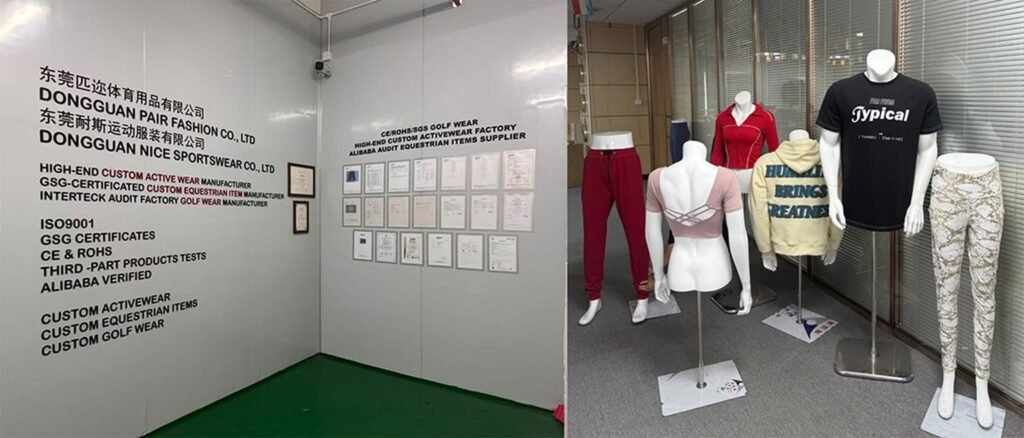
Work With a Tennis Clothing Manufacturing Partner That Grows With Your Brand
Intro
The right manufacturing partner does more than simply produce garments—it supports product development, quality control and long-term brand growth. A strong partner helps brands reduce operational complexity, improve product consistency and support long-term growth. Choosing a manufacturer with proven development, production and service capabilities creates a more stable foundation for building a successful tennis apparel business.
Content
As a tennis apparel brand grows, manufacturing requirements become increasingly complex. New collections, larger order volumes, expanding sales channels and higher customer expectations all place greater demands on the supply chain.
A manufacturing partner should be able to support these changes without requiring brands to constantly search for new suppliers or rebuild production systems.
At Pair Sportswear, our production and development resources are designed to support brands through different stages of growth, from first product launches to long-term collection expansion. Founded in 2016, our team focuses on performance sportswear manufacturing with experience across activewear, tennis apparel, equestrian apparel and specialized sportswear categories. We support both product development and bulk production through a structured manufacturing process.
Capability | Value for Brands |
Flexible MOQ From 50 Pieces | Lower entry barriers for new collections |
Fast Sample Development | Accelerate product launch timelines |
Dedicated Product Development Team | Support concept-to-production execution |
Quality Control System | Improve bulk order consistency |
Multi-Line Production Capacity | Support growth and replenishment needs |
Custom Branding Services | Strengthen private label programs |
Global Shipping Support | Simplify international order fulfillment |
Long-Term After-Sales Support | Reduce post-delivery concerns |
Many brands initially look for a manufacturer. Over time, they realize they need something more valuable: a reliable production partner that understands product development, quality expectations and growth challenges.
Whether you are preparing your first tennis apparel collection or expanding an established product line, working with a manufacturing partner that can support future growth helps reduce risk, improve efficiency and create a stronger foundation for long-term success.
Who We Work With
Intro
Not every tennis apparel manufacturer is the right fit for every business model. Different brands face different challenges depending on their stage of growth, sales channels and product strategy. Understanding where your business fits can help you identify the most effective manufacturing approach.
Content
Over the years, tennis apparel has evolved beyond traditional sports retail. Today, products are sold through direct-to-consumer websites, tennis clubs, specialty retailers, marketplaces and private label programs. Each business model requires different levels of flexibility, product development support and production planning.
We work with brands at various stages of growth, helping them build, test and scale tennis apparel collections according to their specific goals.
Customer Type | Typical Needs |
Startup Tennis Brands | Product development, low MOQ and launch support |
DTC E-Commerce Brands | Fast sampling and frequent new product releases |
Private Label Retailers | Consistent quality and branded packaging |
Tennis Clubs & Academies | Teamwear programs and repeat production |
Established Sportswear Brands | Scalable production and collection expansion |
Global Sourcing Companies | Reliable manufacturing and long-term capacity |
A successful manufacturing partnership starts with understanding the challenges behind each business model.
For example:
- A startup brand may prioritize low-risk inventory testing.
- A retailer may focus on product consistency and delivery schedules.
- A growing sportswear brand may require seasonal development support.
- A tennis academy may need reliable replenishment programs throughout the year.
The most effective production strategy depends on where your business is today and where you want it to be in the future.
By aligning manufacturing resources with business objectives, brands can launch more efficiently, manage inventory more effectively and build stronger foundations for long-term growth.
1. Product Development
Regular monthly product development ensures consistent updates to your brand line.
2. Fabric Sourcing
Regular monthly product development ensures consistent updates to your brand line.
3. Sample Making
Regular monthly product development ensures consistent updates to your brand line.
4. Bulk Production
Regular monthly product development ensures consistent updates to your brand line.
5. Packaging & Delivery
Regular monthly product development ensures consistent updates to your brand line.
Complete OEM & ODM Sportswear Solutions
We provide complete custom sportswear manufacturing services from concept development and fabric sourcing to bulk production and worldwide delivery.
- OEM & ODM Product Development
- Functional Fabric Sourcing & Material Selection
- Pattern Making & Sample Development
- Private Label Branding & Custom Packaging
- Quality-Controlled Bulk Manufacturing
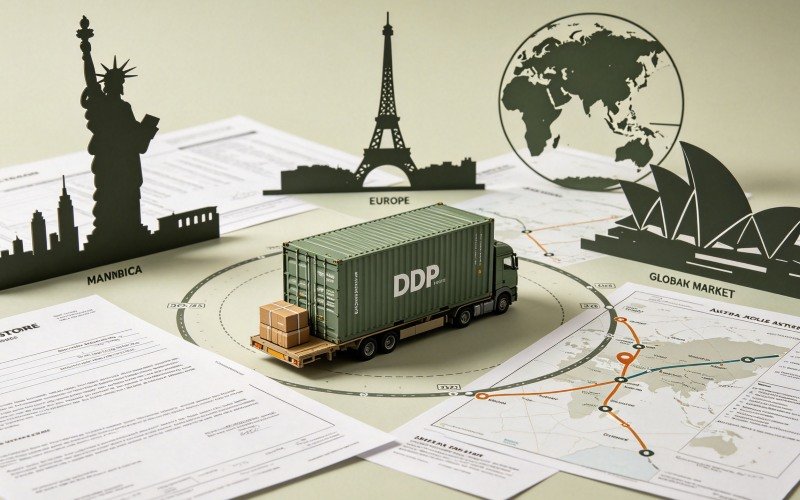
- Global DDP Shipping & Delivery Support
Frequently Asked Questions About Custom Sports Shorts Manufacturing
FAQ 1
What is the MOQ for custom tennis clothing?
The MOQ for custom tennis clothing can start from 50 pieces, making it suitable for startup tennis brands, DTC e-commerce sellers, tennis clubs and private label retailers that want to test products before scaling. Low-MOQ production helps brands reduce inventory risk while validating real market demand. For tennis dresses, tennis skirts, tennis polos and tennis shorts, brands can test fabric, fit, colorways and size performance before placing larger orders. This approach supports smarter product launches, especially when developing new collections or seasonal tennis apparel programs.
FAQ 2
Can I make custom tennis apparel without a Tech Pack?
Yes, custom tennis apparel can be developed from reference photos, sample garments, sketches, Pinterest ideas or a basic product concept, even if you do not have a complete Tech Pack. A structured development process helps turn early ideas into production-ready tennis clothing. The manufacturer can review garment structure, recommend performance fabrics, confirm fit details, plan logo placement and prepare sampling. This is especially useful for new brands that want to launch custom tennis apparel without having a full in-house product development team.
FAQ 3
What types of tennis clothing can be customized?
Custom tennis clothing can include tennis skirts, tennis dresses, polos, tank tops, shorts, jackets, warm-up apparel, training sets and club uniforms for performance, lifestyle and teamwear markets. For brands, developing a full collection is often more valuable than producing one single item. A tennis skirt can pair with a tennis tank top, while a tennis dress can be supported by a warm-up jacket. Complete product lines help improve retail presentation, increase average order value and support repeat purchases across seasonal tennis apparel launches.
FAQ 4
What fabric is best for tennis clothing?
The best fabric for tennis clothing should offer stretch, breathability, quick-dry performance, lightweight comfort, UV protection, cooling function and wash durability to support movement and customer satisfaction. Different markets require different fabric strategies. Warm climates may need cooling fabric and lightweight jersey, while outdoor tennis apparel benefits from UV protection fabric. Premium collections can use recycled nylon, recycled polyester or GRS recycled materials. Choosing the right fabric improves performance, supports pricing strategy and reduces complaints related to comfort, shrinkage or durability.
Sustainable tennis apparel fabrics are often certified under global standards such as Global Recycled Standard (GRS) for recycled textile production
FAQ 5
Can I customize logos, labels, tags and packaging?
Yes, custom logos, main labels, care labels, size labels, hang tags, poly bags and retail packaging can be developed to turn standard tennis apparel into private label branded products. For overseas brands, private label tennis clothing is not only about adding a logo. It creates a consistent brand identity across garments and customer touchpoints. Logo options may include heat transfer, embroidery, silicone printing or reflective printing. Packaging can be designed for e-commerce, retail display or tennis club programs, helping improve perceived value and customer trust.
FAQ 6
How long does tennis clothing sampling and production take?
Tennis clothing sampling time depends on style complexity, fabric preparation and customization details, while bulk production usually starts after the approved sample and pre-production details are confirmed. For buyers, the most important factor is not only speed but also process control. A reliable workflow includes requirement confirmation, fabric selection, pattern making, sample revision, PP sample approval, bulk production, quality inspection and shipment. Clear timelines help brands plan product launches, reduce rework and avoid delays during seasonal tennis apparel development.
FAQ 7
How do you keep bulk tennis clothing consistent with approved samples?
Bulk tennis clothing stays consistent with approved samples through fabric batch control, PP sample approval, measurement tolerance checks, in-line inspection and final quality control before shipment. Tennis apparel requires careful control of stretch, sizing, logo placement, seam strength and wash stability. If quality is checked only at the end, many issues are already difficult to correct. A structured QC process helps reduce color variation, sizing deviation, sewing defects and packaging mistakes, protecting brand reputation and improving customer satisfaction after launch.
FAQ 8
What types of brands are best suited for custom tennis clothing manufacturing?
Custom tennis clothing manufacturing is best suited for brands that need product development, private label branding, stable quality and long-term supply chain support, including startups, DTC brands, retailers, clubs and growing sportswear companies. It is not ideal for buyers who only want the lowest possible price without considering fabric, fit or quality standards. The best-fit clients usually need small-batch testing, repeat orders, seasonal collection development, custom branding, reliable QC and international shipping support. This creates stronger long-term value for both sides.
Browse Sportswear Catalog Categories
Explore custom sportswear catalog categories including activewear, equestrian apparel, lounge wear and specialty OEM apparel collections for global brands.
- Yoga Pant
- Sports Bras
- Tank Tops
- Gym Shorts
- Men & Kids Sportswear
- Riding Tops
- Breeches
- Competition Wear
- Jackets
- Man & Kids Equestrian
- Joggers
- Sweatshirt & Hoodies
- Sweaters
- Coat & Jacket
- Men & Kids Loungewear
Other OEM Apparel
- Tennis Clothing
- Jumpsuit
- Dress & Skirts
- Plus Size Activewear
- Maternity Activewear
Get In Touch
Contact our OEM/ODM specialists for product development, sampling, pricing, and production support.