OEM/ODM Sportswear Manufacturer | 3-Day Sampling | Low MOQ | 50K Monthly Capacity | ISO9001 & BSCI Certified
Wholesale Plus Size Activewear Manufacturer for Private Label Brands
Pair Fashion is a trusted plus size activewear manufacturer specializing in custom activewear for inclusive brands, retailers, and private label businesses. We provide OEM and ODM solutions for plus size leggings, sports bras, tops, shorts, and complete activewear collections, with flexible MOQ, premium performance fabrics, and scalable production capacity.
50K+
Monthly Capacity
3 Days
Fast Sampling
6,000+
Custom Styles
10+
Years Experience
What Sets a Professional Plus Size Activewear Manufacturer Apart From Standard Activewear Suppliers
As an experienced plus size activewear manufacturer, we understand that inclusive activewear requires more than simply grading up standard sizes. Plus size garments need specialized pattern development, improved support structures, strategic seam placement, and carefully selected performance fabrics to ensure comfort, fit, durability, and confidence across a wider range of body shapes and sizes.
The reality is that plus size activewear requires a different development approach from standard activewear. Body proportions change across size ranges, and the areas that experience the most movement, tension, and pressure also change. A pattern that performs well in a smaller size may not provide the same support, coverage, or comfort in an extended size range.
Common customer complaints in poorly developed plus size activewear include:
- Waistbands rolling down during movement
- Leggings becoming see-through when stretched
- Sports bras lacking adequate support
- Tops riding up during exercise
- Excessive pressure in some areas and loose fit in others
- Fabric abrasion between the thighs
- Inconsistent fit across different sizes
A professionally developed plus size collection focuses on both fit engineering and fabric performance.
Development Area | Why It Matters |
Waistband Structure | Improves stability and reduces rolling |
Hip-to-Waist Ratio | Creates a more balanced fit |
Bust Support Design | Enhances comfort and confidence |
Stretch Recovery | Maintains shape after repeated wear |
Coverage Control | Prevents transparency during movement |
Size Grading | Ensures consistency across the full size range |
The most successful plus size activewear brands understand that customers are not simply buying larger garments. They are investing in products that help them feel comfortable, supported, and confident during exercise. When fit, support, and movement are considered from the beginning of the development process, brands are able to create collections that generate stronger reviews, better repeat purchases, and long-term customer loyalty.
Trusted Manufacturing Standards For Global Sportswear Brands
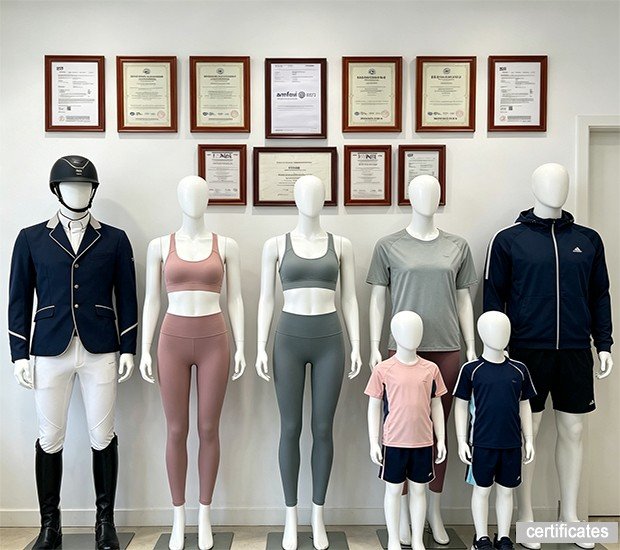
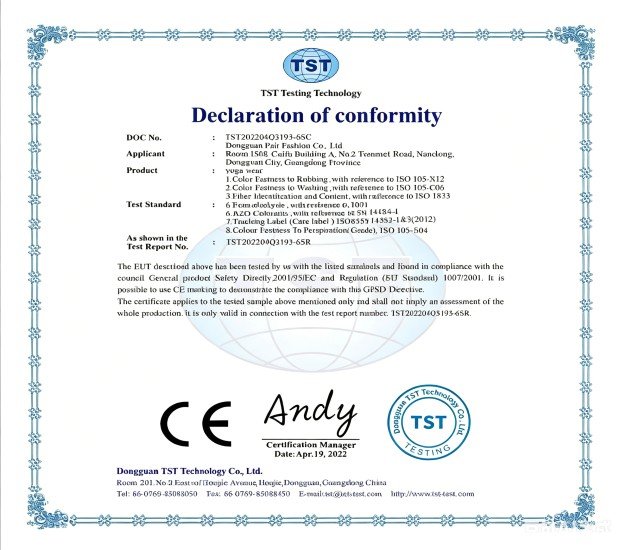
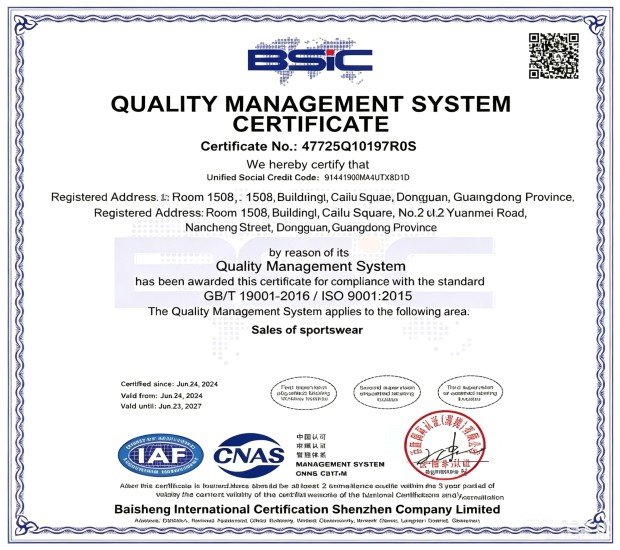
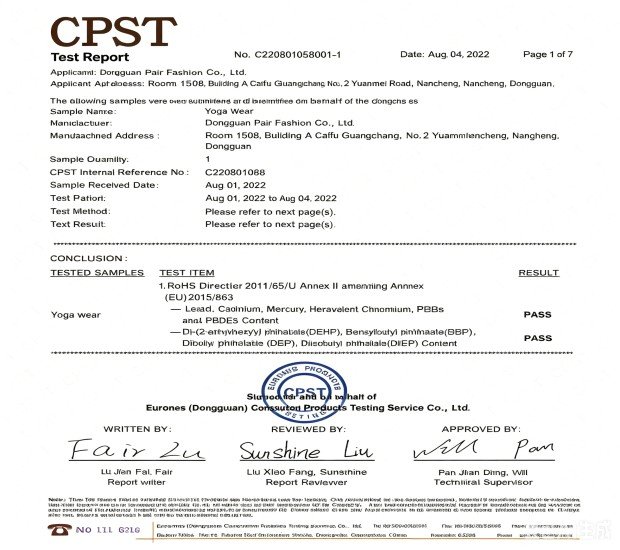
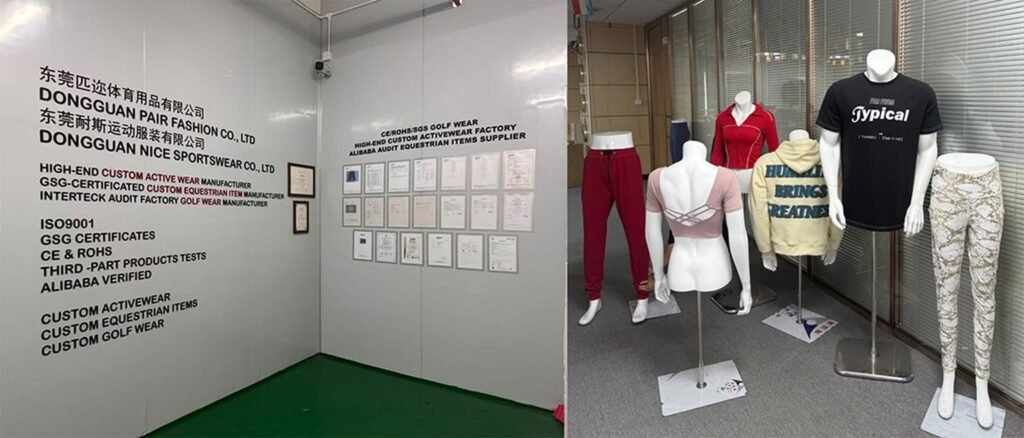
We operate under internationally recognized quality, sustainability, and ethical manufacturing standards. Our certifications help ensure consistent product quality, responsible sourcing, and reliable production for global sportswear brands.
- 20+ Countries Served
- 6000+ Styles Developed
- 50,000 PCS Monthly Capacity
- 3-Day Sample Development
Wholesale Plus Size Activewear Designed for Real Market Demand
Plus size activewear is no longer a small extension of standard workout clothing. Today’s plus size customers expect activewear that delivers confident support, comfortable coverage, unrestricted movement, and a flattering fit for every workout. They want leggings that stay in place, sports bras that offer dependable support, tops that feel breathable, and matching sets that look modern enough for both training and everyday wear.
For brands, this creates a strong opportunity in the wholesale plus size activewear market. A well-developed plus size collection can help reach a wider customer base, improve customer loyalty, and build a more inclusive product line without relying only on standard-size styles.
The key is not simply making garments bigger. Successful plus size fitness apparel requires better pattern balance, fabric recovery, waistband control, bust support, inner-thigh durability, and coverage in high-stretch areas. These details directly affect how customers feel when they squat, stretch, walk, ride, train, or wear the product all day.
Plus Size Activewear Item | What Buyers Usually Need |
Plus Size Leggings | High waist, squat-proof fabric, stable waistband |
Plus Size Sports Bras | Better bust support and wider size coverage |
Workout Tops | Breathable fit with comfortable body coverage |
Training Shorts | Anti-ride-up structure and stretch recovery |
Matching Sets | Coordinated retail-ready styles for brand collections |
Light Jackets | Layering options for gym, travel, and outdoor use |
A strong plus size activewear line helps brands serve customers who are often underserved by generic fitness clothing. When the fit, fabric, and construction are developed correctly, the result is not only a larger size range, but a more trusted and commercially valuable product category.
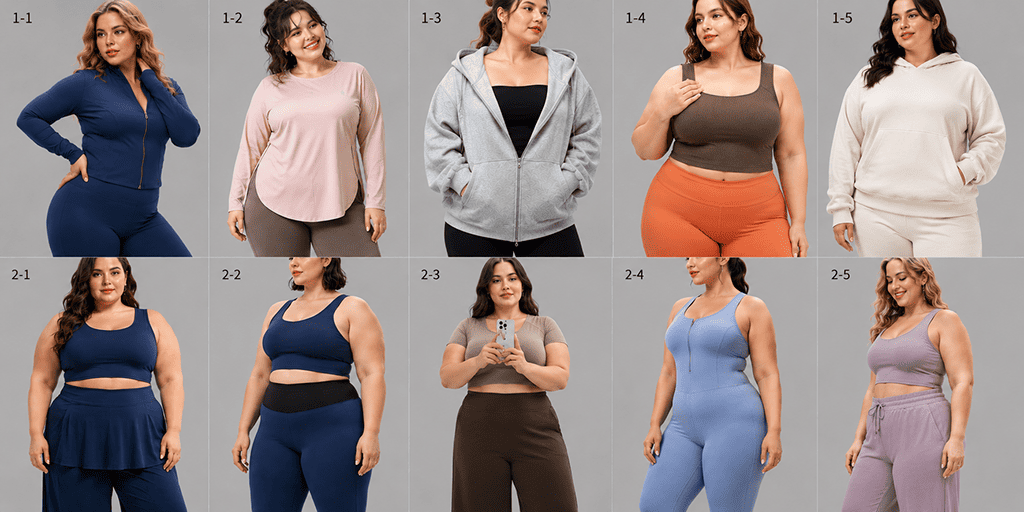
Build a Complete Private Label Plus Size Activewear Collection
A successful plus size activewear brand is rarely built around a single product. While leggings often serve as the entry point, customers typically look for complete outfit solutions that provide consistent fit, style, and performance across multiple categories. Developing a coordinated collection allows brands to increase average order value, strengthen brand identity, and encourage repeat purchases.
Rather than sourcing different products from multiple suppliers, many growing brands prefer to develop their complete plus size activewear collection through one manufacturing partner. This approach helps maintain consistency in sizing, fabric quality, color matching, branding, and production standards.
A complete collection may include:
Product Category | Typical Features |
Plus Size Leggings | High-rise waistband, squat-proof construction, compression support |
Plus Size Sports Bras | Medium to high support, adjustable straps, extended cup coverage |
Workout Tops | Moisture-wicking fabrics, relaxed or fitted silhouettes |
Tank Tops | Lightweight performance materials for training and layering |
Training Shorts | Flexible fit with anti-chafing construction |
Activewear Jackets | Lightweight layering pieces for indoor and outdoor activities |
Matching Sets | Coordinated tops and bottoms designed for retail presentation |
Many brands also expand their collections by offering different levels of support and functionality for different customer needs.
For example:
- Everyday comfort collections
- Gym and strength training collections
- Yoga and studio collections
- Running and outdoor training collections
- Travel and athleisure collections
Developing a complete product range allows customers to build an entire wardrobe around a single brand. It also creates stronger merchandising opportunities across e-commerce stores, retail displays, subscription boxes, fitness communities, and private label programs. By combining multiple product categories into one cohesive collection, brands can create a more professional market presence while improving long-term customer retention and repeat purchasing behavior.
Many brands also expand their collections with custom sports bras designed to provide consistent sizing and support across extended size ranges.
Size-Inclusive Pattern Development That Improves Fit and Confidence
One of the biggest mistakes in plus size activewear development is assuming that larger sizes can be created simply by scaling up smaller patterns. In reality, body proportions change as sizes increase, and successful products require a more thoughtful approach to fit development.
A well-designed plus size garment must account for differences in bust shape, waist distribution, hip proportions, thigh circumference, and movement requirements. Without proper pattern engineering, even premium fabrics may fail to deliver the comfort and support customers expect.
Professional size-inclusive development focuses on creating garments that move naturally with the body while maintaining balance, support, and coverage throughout a full size range.
Key considerations during pattern development include:
Fit Development Area | Purpose |
Bust Proportion Adjustment | Improves comfort and support in upper-body garments |
Waist-to-Hip Balance | Creates a more natural and stable fit |
Thigh and Seat Shaping | Enhances mobility and reduces fabric stress |
Rise Optimization | Improves comfort during sitting, bending, and training |
Armhole and Sleeve Design | Increases freedom of movement |
Extended Size Grading | Maintains consistency across all sizes |
A professional development process typically includes:
- Pattern creation based on target size specifications
- Prototype sample production
- Fit evaluation and adjustment
- Size grading across the full range
- Wear testing during movement
- Final approval before production
For brands building a plus size collection, fit is often the factor that determines whether customers become repeat buyers. When garments feel supportive, comfortable, and consistent across multiple sizes, customers gain confidence in both the product and the brand. Investing in proper pattern development from the beginning helps reduce fit-related complaints, improve customer satisfaction, and create a stronger foundation for long-term growth in the plus size activewear market.
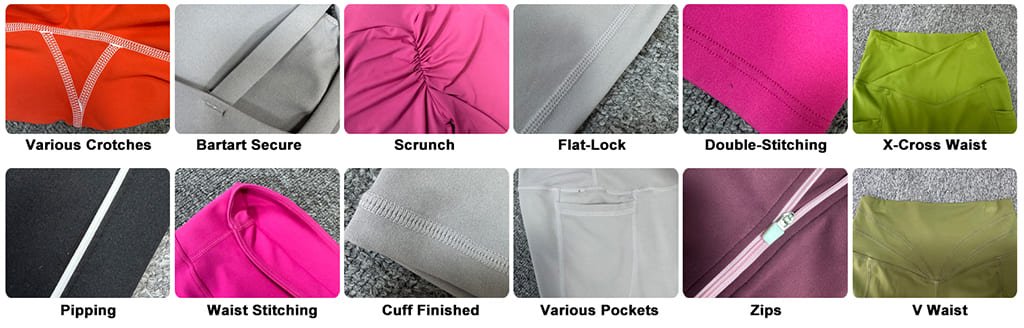
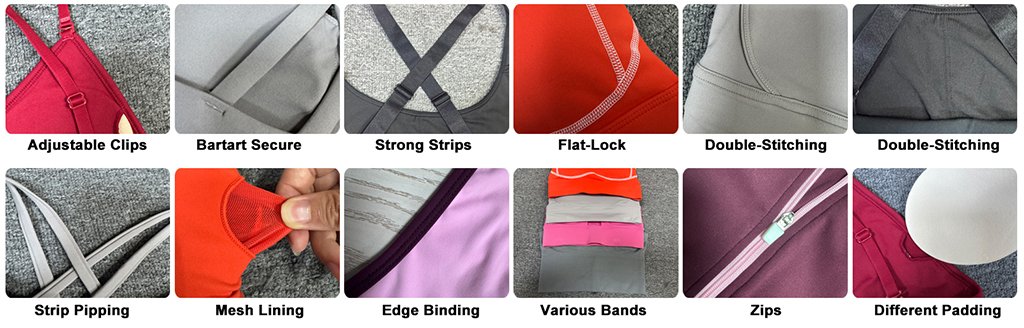
Functional Fabrics Selected for Support, Coverage and Movement
The right fabric not only improves comfort but also reduces garment returns by maintaining support, opacity, and recovery after repeated wear. Even the most carefully developed pattern cannot deliver the desired fit if the fabric lacks stability, recovery, support, or durability. For this reason, successful plus size collections are built on fabrics specifically chosen for movement, comfort, and long-term wear.
Customers expect activewear that remains comfortable throughout workouts, daily activities, and repeated washing cycles. They want leggings that stay opaque during stretching, sports bras that maintain support during movement, and tops that feel lightweight without becoming transparent.
Different products require different performance priorities.
Product Type | Key Fabric Requirements |
Leggings | Squat-proof coverage, four-way stretch, strong recovery |
Sports Bras | Support, compression, shape retention |
Workout Tops | Breathability, moisture management, softness |
Training Shorts | Flexibility, durability, anti-chafing performance |
Jackets | Lightweight protection, comfort, shape stability |
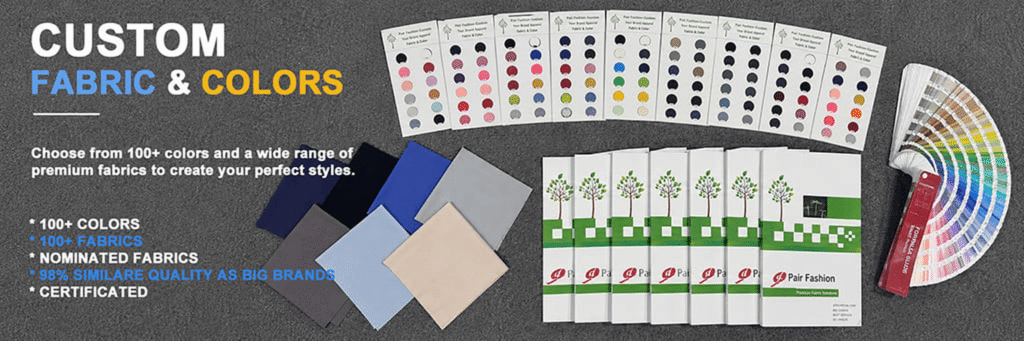
Common performance features used in modern plus size activewear include:
- Four-way stretch for unrestricted movement
- Moisture-wicking technology to keep the body dry
- High recovery yarns that maintain garment shape
- Squat-proof construction for better coverage
- Soft brushed surfaces for enhanced comfort
- Compression support for training and recovery
- UV protection for outdoor activities
- Recycled performance fabrics for sustainability-focused brands. Many brands also choose recycled fabrics certified by the Global Recycled Standard (GRS).
Many brands also choose to build multiple fabric programs within the same collection. Entry-level products may focus on affordability and everyday comfort, while premium collections often incorporate advanced compression, recycled materials, cooling technology, or specialized support structures.
The right fabric selection helps improve product performance, customer satisfaction, and long-term brand reputation. When fit development and fabric engineering work together, activewear performs more consistently across a wider size range, creating a better experience for every customer and strengthening the value of the collection as a whole.
Performance fabrics used in plus size collections are also widely applied in our custom yoga leggings for premium activewear brands.
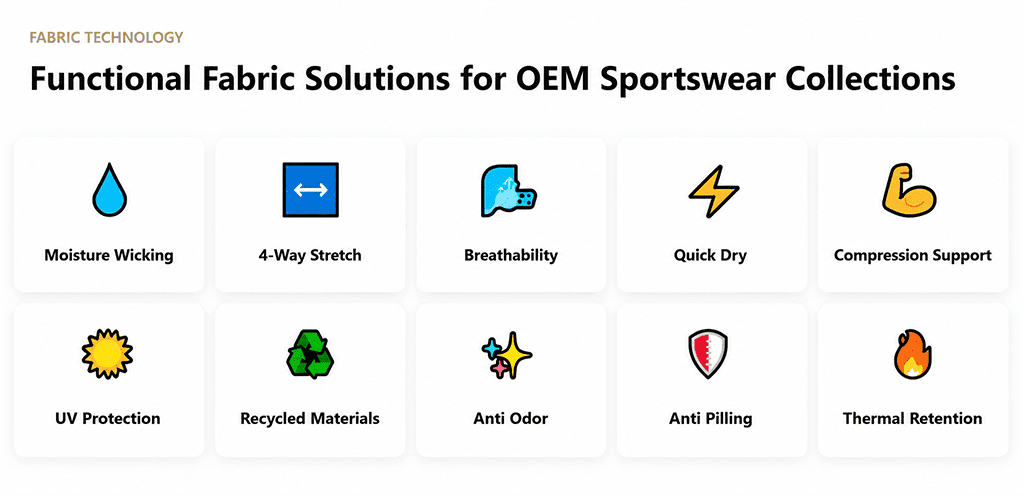
Private Label Plus Size Activewear With Flexible MOQ
Launching a plus size activewear collection should not require a massive inventory investment. Many emerging brands, online retailers, fitness communities, and private label startups prefer to test products in the market before committing to large production volumes.
A flexible manufacturing approach allows brands to validate product demand, collect customer feedback, refine sizing, and identify best-selling styles before scaling production. This reduces financial risk while creating a stronger foundation for sustainable growth.
For many growing brands, flexibility is often more valuable than simply achieving the lowest unit price. The ability to launch faster, test multiple styles, and replenish successful products efficiently can have a much greater impact on long-term profitability.
Common advantages of flexible MOQ production include:
Business Need | Benefit |
New Product Testing | Validate demand before large inventory commitments |
Multiple Style Launches | Introduce several products simultaneously |
Market Feedback Collection | Improve future collections using real customer data |
Lower Inventory Risk | Reduce unsold stock exposure |
Faster Product Iteration | Adapt quickly to market trends |
Gradual Brand Growth | Scale production based on proven demand |
Many successful private label brands follow a phased development strategy:
- Launch a small collection
- Gather customer feedback
- Identify top-performing products
- Optimize sizing and fabric selection
- Expand production volume
- Build seasonal collections and repeat programs
This approach is particularly effective for plus size activewear, where customer preferences, fit expectations, and size distribution can vary significantly across markets. By starting with manageable production quantities and scaling based on actual sales performance, brands can build stronger collections, improve cash flow management, and grow more confidently in a competitive activewear market.
For brands seeking a reliable manufacturing partner, flexible production creates the freedom to develop products strategically rather than relying on large inventory commitments from day one.
Reduce Returns With Better Sizing, Testing and Sample Approval
One of the biggest challenges for plus size activewear brands is managing returns caused by fit-related issues. Even when customers love the design, dissatisfaction with sizing, support, comfort, or garment performance can quickly lead to exchanges, refunds, and negative reviews.
For this reason, successful brands focus on reducing fit problems before products ever reach the market. A structured development and approval process helps identify potential issues early, allowing adjustments to be made before production begins.
The most common causes of returns in plus size activewear include:
- Inconsistent sizing between products
- Waistbands that roll or slide down
- Sports bras that provide insufficient support
- Fabric becoming transparent during movement
- Excessive compression or uncomfortable pressure points
- Garments that fit differently than expected
Reducing these issues starts with careful product validation.
Validation Stage | Purpose |
Fit Sample Review | Evaluate overall fit and comfort |
Pattern Adjustments | Refine measurements and proportions |
Size Set Testing | Verify consistency across multiple sizes |
Wear Testing | Assess performance during movement |
PP Sample Approval | Confirm production standards before bulk manufacturing |
Final Quality Inspection | Ensure consistency in finished products |
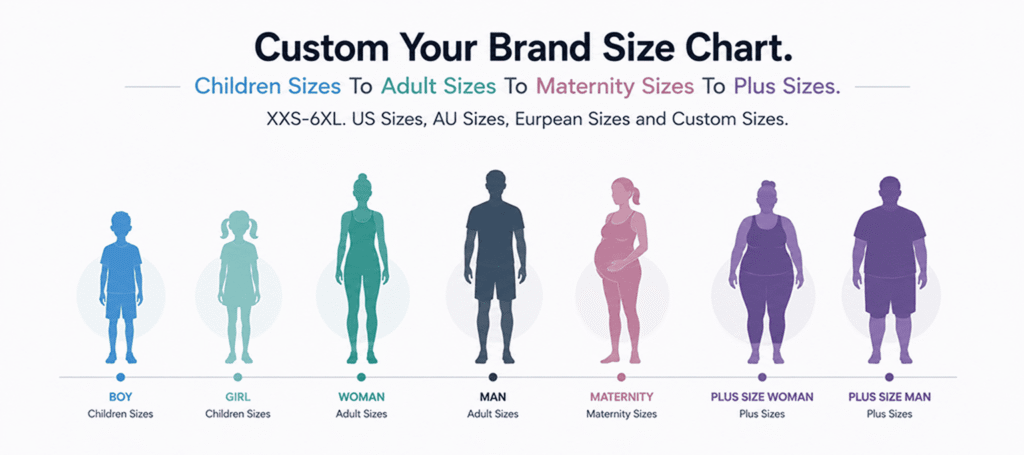
Brands that invest in fit validation typically experience lower return rates, stronger customer reviews, higher repeat purchases, and improved long-term brand loyalty:
- Lower return rates
- Better customer reviews
- Higher repeat purchase rates
- Greater customer confidence
- Reduced after-sales costs
- Improved brand reputation
In the plus size activewear market, customers are highly sensitive to fit and comfort because these factors directly affect confidence during exercise and daily wear. A disciplined sampling, testing, and approval process helps ensure that products perform consistently, creating a better customer experience while protecting the brand from avoidable returns and costly sizing-related issues.
From Concept to Bulk Production: How Custom Development Works
Building a successful plus size activewear collection begins long before production starts. Whether a brand has detailed technical specifications or only a concept idea, a structured development process helps transform that vision into a retail-ready product while minimizing risk and improving efficiency.
A clear workflow allows brands to maintain control over product quality, development timelines, and production expectations. It also ensures that critical decisions regarding fit, fabric, branding, and construction are confirmed before manufacturing begins.
A typical custom development process includes:
Step 1: Product Consultation
Share reference images, sketches, existing garments, tech packs, or collection concepts. Development requirements, target customers, and product goals are reviewed.
Step 2: Material and Construction Planning
Suitable fabrics, trims, support structures, branding details, and construction methods are selected based on product objectives. Learn more about our complete OEM activewear manufacturing capabilities before starting your collection.
Step 3: Sample Development
Initial samples are produced for evaluation of fit, appearance, fabric performance, and functionality.
Step 4: Fit Review and Refinement
Measurements, proportions, support levels, and comfort are reviewed. Necessary adjustments are implemented before approval.
Step 5: Production Confirmation
Final specifications, colors, labels, packaging requirements, and production quantities are confirmed.
Step 6: Bulk Manufacturing
Materials are prepared, cutting and sewing begin, and quality controls are implemented throughout production.
Step 7: Inspection and Packaging
Finished products undergo quality inspections before labeling, packaging, and shipment preparation.
Step 8: Shipping and Delivery
Orders are shipped according to the selected logistics solution and destination market requirements.
Development Stage | Primary Goal |
Consultation | Define product requirements |
Sampling | Validate fit and construction |
Approval | Confirm final specifications |
Production | Manufacture consistently at scale |
Inspection | Maintain quality standards |
Delivery | Ensure products arrive ready for sale |
A transparent development process gives brands greater confidence throughout the sourcing journey. By establishing clear checkpoints before production begins, businesses can reduce uncertainty, avoid costly mistakes, and bring new plus size activewear products to market more efficiently.
Packaging, Branding and Retail-Ready Customization Options
A successful plus size activewear collection is more than a group of garments. It is a complete brand experience. From the moment customers receive a product, every detail—from labels and packaging to presentation and branding—contributes to how the brand is perceived.
Private label activewear allows brands to create a unique identity without investing in their own manufacturing infrastructure. By combining custom product development with professional branding elements, businesses can launch collections that look consistent, credible, and ready for retail distribution.
Common branding options include:
Branding Element | Customization Options |
Main Labels | Woven labels, printed labels, heat-transfer labels |
Care Labels | Custom washing instructions and brand information |
Size Labels | Standard or customized sizing systems |
Hang Tags | Brand storytelling, product details, sustainability messaging |
Packaging Bags | Printed logo bags, recyclable packaging, custom designs |
Retail Boxes | Premium presentation for e-commerce and retail channels |
Carton Markings | Customized shipping and warehouse identification |
Many growing brands choose to create a complete private label system that includes:
- Consistent visual branding across all products
- Coordinated packaging for online and retail sales
- Product information tailored to target markets
- Sustainable packaging solutions
- Premium presentation that supports higher perceived value
Strong branding can influence purchasing decisions just as much as the product itself. Customers often associate professional packaging and consistent presentation with quality, reliability, and trust. For this reason, many successful activewear brands invest in creating a cohesive brand experience from the first sample through final delivery.
By combining custom activewear manufacturing with retail-ready branding solutions, businesses can enter the market faster, strengthen customer recognition, and build a more valuable long-term brand presence.

Reliable Manufacturing Capacity for Growing Plus Size Brands
As a plus size activewear brand grows, manufacturing needs become more demanding. A small launch may begin with a few styles and limited quantities, but successful products often lead to repeat orders, new colorways, extended size ranges, seasonal collections, and faster replenishment requests. At this stage, brands need more than a supplier that can make samples. They need a manufacturing partner that can support long-term wholesale growth.
Reliable production capacity helps brands keep product quality, delivery schedules, and customer expectations under control. This is especially important for plus size activewear, where fit consistency, fabric stability, and size grading must remain accurate across repeated production runs.
Manufacturing Capability | Why It Matters for Growing Brands |
Fast Sample Development | Helps brands test new styles and shorten launch cycles |
Flexible MOQ Support | Allows small-batch testing before larger wholesale orders |
Stable Production Lines | Supports repeat orders and seasonal collection planning |
In-Process Quality Control | Reduces mistakes before final inspection |
Fabric and Trim Coordination | Keeps materials, colors, and branding details consistent |
Bulk Order Management | Helps growing brands scale with fewer supply chain risks |
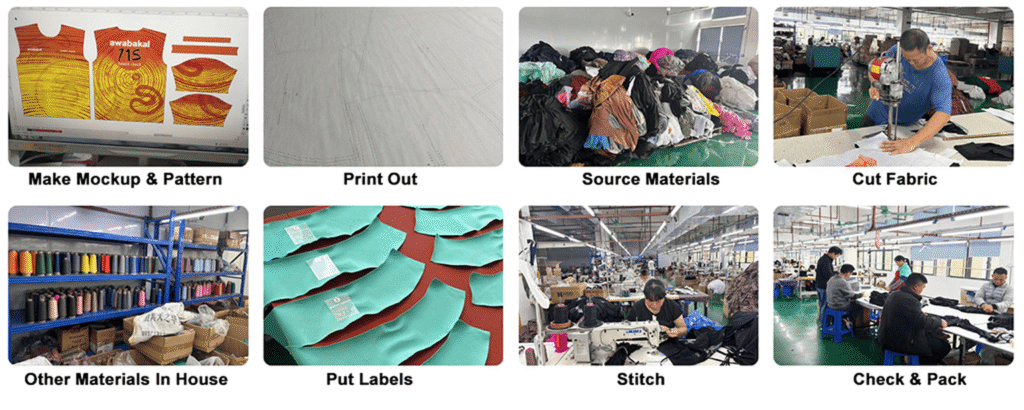
For brands moving from trial orders to regular wholesale production, a dependable factory should provide clear production communication, confirmed pre-production samples, organized material control, and final quality inspection before shipment.
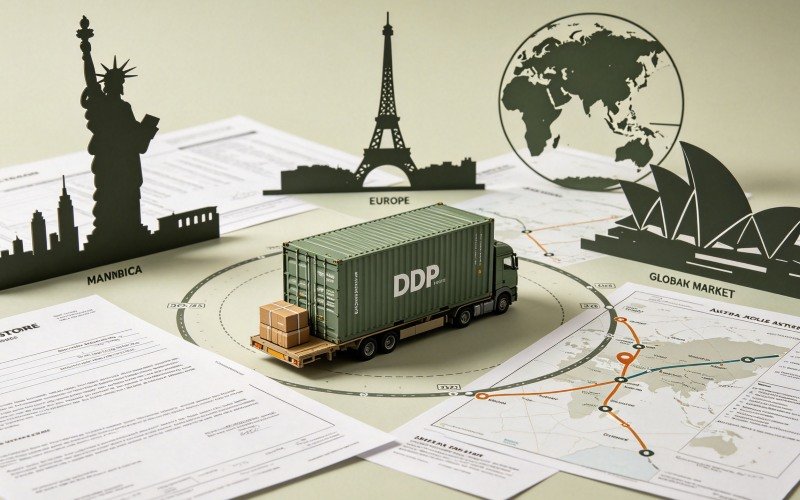
Pair Fashion supports plus size activewear brands with 3-day fast sampling, flexible MOQ from 50pcs, 7 production lines, 50,000pcs monthly capacity, dedicated QC control, private label customization, and global DDP shipping support. These capabilities help brands move from first launch to repeat orders with greater confidence.
A stable manufacturing foundation allows brands to focus on marketing, sales, and customer growth while knowing their plus size activewear production can continue with consistent quality and scalable delivery.
If your product range also includes maternity or modest activewear, we support unified development under one manufacturing system.
1. Product Development
Regular monthly product development ensures consistent updates to your brand line.
2. Fabric Sourcing
Regular monthly product development ensures consistent updates to your brand line.
3. Sample Making
Regular monthly product development ensures consistent updates to your brand line.
4. Bulk Production
Regular monthly product development ensures consistent updates to your brand line.
5. Packaging & Delivery
Regular monthly product development ensures consistent updates to your brand line.
Complete OEM & ODM Sportswear Solutions
We provide complete custom sportswear manufacturing services from concept development and fabric sourcing to bulk production and worldwide delivery.
- OEM & ODM Product Development
- Functional Fabric Sourcing & Material Selection
- Pattern Making & Sample Development
- Private Label Branding & Custom Packaging
- Quality-Controlled Bulk Manufacturing
- Global DDP Shipping & Delivery Support
Frequently Asked Questions About Wholesale Plus Size Activewear
FAQ 1
What Is the Best MOQ for Launching a Private Label Plus Size Activewear Brand?
For most emerging brands, the ideal MOQ is not necessarily the lowest possible quantity. The best starting point is a production volume that allows you to test demand, control inventory risk, and gather meaningful customer feedback without tying up excessive capital.
One of the most common mistakes new activewear brands make is launching too many styles, colors, or sizes at the same time. This often leads to slow-moving inventory and reduced cash flow flexibility.
A smarter strategy is to begin with a focused collection built around a few core products such as plus size leggings, sports bras, and matching activewear sets. Early sales data can then be used to guide future expansion decisions.
Brands that validate demand before scaling production typically experience healthier growth, better inventory management, and stronger long-term profitability than brands that overcommit inventory during launch.
FAQ 2
How Do I Know If a Plus Size Activewear Manufacturer Truly Understands Fit Development?
A manufacturer that truly understands plus size activewear will discuss fit before discussing production. Rather than simply offering larger sizes, experienced suppliers focus on body proportions, movement requirements, support zones, and size grading accuracy.
Professional fit development often includes considerations such as waist-to-hip balance, bust support, rise adjustments, coverage requirements, and mobility during movement. These factors directly affect comfort and customer satisfaction.
If a supplier only talks about available sizes but cannot explain how fit changes across an extended size range, the development process may rely on simple size enlargement rather than genuine plus size pattern engineering. Fit expertise is often one of the strongest indicators of long-term product success.
FAQ 3
Which Products Should Be Included in a New Plus Size Activewear Collection?
Most successful plus size activewear brands begin with a focused collection rather than launching every category at once. Core products typically generate the majority of early sales and help establish customer trust before expanding into additional categories.
The strongest foundation usually includes plus size leggings, sports bras, workout tops, and matching activewear sets. These products address the largest demand segments while providing opportunities for coordinated outfit purchases.
As the brand grows, additional products such as shorts, jackets, and seasonal styles can be added. A structured collection strategy often improves merchandising opportunities, increases average order value, and strengthens brand identity across both online and retail channels.
FAQ 4
What Fabrics Work Best for Plus Size Activewear?
The best fabric depends on the intended product category, target customer, and brand positioning. However, most successful plus size activewear collections prioritize a balance between support, comfort, coverage, and durability.
High-performing fabrics typically offer four-way stretch, shape retention, squat-proof coverage, moisture management, and long-term recovery after repeated wear and washing. These characteristics are particularly important in plus size products because garments experience greater movement and stress during use.
Popular fabric options include nylon-spandex blends for premium collections, polyester-spandex fabrics for versatile training products, brushed fabrics for enhanced comfort, recycled materials for sustainability-focused brands, and compression fabrics for higher-support activewear programs.
Learn more about OEKO-TEX® certified textile safety standards for apparel materials.
FAQ 5
How Can I Reduce Returns in Plus Size Activewear?
The most effective way to reduce returns is not simply using higher-quality fabrics. The real solution is validating fit, sizing, support, and garment performance before production begins.
Most returns in plus size activewear are caused by issues such as inaccurate sizing, poor support, rolling waistbands, transparency during movement, or inconsistent fit between sizes. These problems often originate during product development rather than manufacturing.
Brands that invest in fit samples, size set evaluations, wear testing, and pre-production approval generally experience lower return rates and stronger customer satisfaction. Solving fit-related issues before bulk production is significantly less expensive than managing returns after products reach the market.
FAQ 6
How Long Does It Take to Develop a Private Label Plus Size Activewear Collection?
The development timeline depends on product complexity, fabric sourcing requirements, sample revisions, and collection size. Brands with detailed tech packs or existing reference samples can typically move through development faster than brands starting from concept stage.
A typical project includes sample development, fit review, revisions, pre-production approval, and bulk manufacturing. Allowing sufficient time for fit refinement is particularly important in plus size activewear because customer expectations regarding comfort and support are often higher than in standard-size categories.
Brands that prioritize thorough development and testing generally achieve better product consistency, lower return rates, and stronger long-term customer satisfaction.
FAQ 7
Can I Start With Samples Before Placing a Bulk Order?
Yes. In fact, most successful activewear brands begin with sample development before committing to bulk production. Samples allow brands to evaluate fit, construction, fabric performance, support levels, and overall product quality before making larger inventory decisions.
For plus size activewear, sampling is especially important because fit and comfort directly influence customer satisfaction. A sample stage provides an opportunity to identify improvements, adjust measurements, and verify performance under real-world conditions.
Starting with samples helps brands reduce uncertainty, improve product confidence, and make more informed production decisions before scaling into larger wholesale orders.
FAQ 8
What Should I Look for When Choosing a Plus Size Activewear Manufacturing Partner?
Price is important, but it should not be the only factor when evaluating a plus size activewear manufacturer. The right partner contributes to product development, quality consistency, and long-term business growth rather than simply producing garments.
Key evaluation areas include fit development expertise, sample capabilities, fabric sourcing resources, quality control systems, production flexibility, and the ability to support future scaling. Manufacturers with genuine plus size experience are often better equipped to address challenges related to sizing, support, movement, and customer expectations.
The strongest partnerships are built on communication, technical expertise, and consistent execution. A manufacturer that understands your product goals can help reduce development risk while creating a stronger foundation for long-term brand growth.
Start Your Plus Size Activewear Collection With Pair Fashion
The plus size activewear market continues to create new opportunities for brands that are committed to delivering better fit, better comfort, and better performance for a wider range of customers. Building a successful collection requires more than simply offering larger sizes. It requires thoughtful product development, reliable manufacturing, consistent quality, and a clear understanding of customer expectations.
Whether you are launching your first collection, expanding an existing activewear line, or developing a private label program, a structured development process can help reduce risk and accelerate growth.
Working with an experienced manufacturing partner can help simplify every stage of the journey, including:
- Product development and sampling
- Pattern development and size grading
- Fabric sourcing and performance selection
- Private label customization
- Quality control and production management
- Packaging and logistics coordination
From a single product launch to a complete plus size activewear collection, the goal is to create products that customers trust and return to purchase again.
By focusing on fit, function, comfort, and long-term product consistency, brands can build stronger customer relationships and establish a more sustainable position within the activewear market.
If you are ready to develop a wholesale plus size activewear collection, now is the time to transform your ideas into products designed for real customers, real movement, and long-term brand growth.
Request a sample today and discover how Pair Fashion helps brands develop high-quality plus size activewear with better fit, flexible MOQ, and dependable production from sampling to bulk delivery.
Browse Sportswear Catalog Categories
Explore custom sportswear catalog categories including activewear, equestrian apparel, lounge wear and specialty OEM apparel collections for global brands.
- Yoga Pant
- Sports Bras
- Tank Tops
- Gym Shorts
- Men & Kids Sportswear
- Riding Tops
- Breeches
- Competition Wear
- Jackets
- Man & Kids Equestrian
- Joggers
- Sweatshirt & Hoodies
- Sweaters
- Coat & Jacket
- Men & Kids Loungewear
Other OEM Apparel
- Tennis Clothing
- Jumpsuit
- Dress & Skirts
- Plus Size Activewear
- Maternity Activewear
Get In Touch
Contact our OEM/ODM specialists for product development, sampling, pricing, and production support.