OEM/ODM Sportswear Manufacturer | 3-Day Sampling | Low MOQ | 50K Monthly Capacity | ISO9001 & BSCI Certified

Pair Fashion
Custom Sportswear Manufacturer
Professional Yoga Pant Manufacturer | Custom OEM Yoga Pants for Private Label Activewear Brands
As a trusted yoga pant manufacturer, we craft custom yoga pants to fuel your brand growth from initial concept to complete product collections. Featuring premium performance fabrics, tailored fit engineering, full private label customization and flexible manufacturing for all activewear brand owners.
50K+
Monthly Capacity
3 Days
Fast Sampling
6,000+
Custom Styles
10+
Years Experience
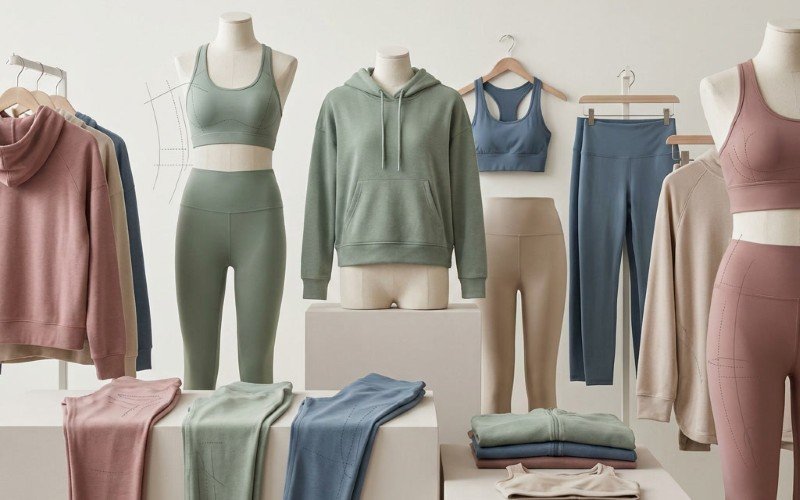
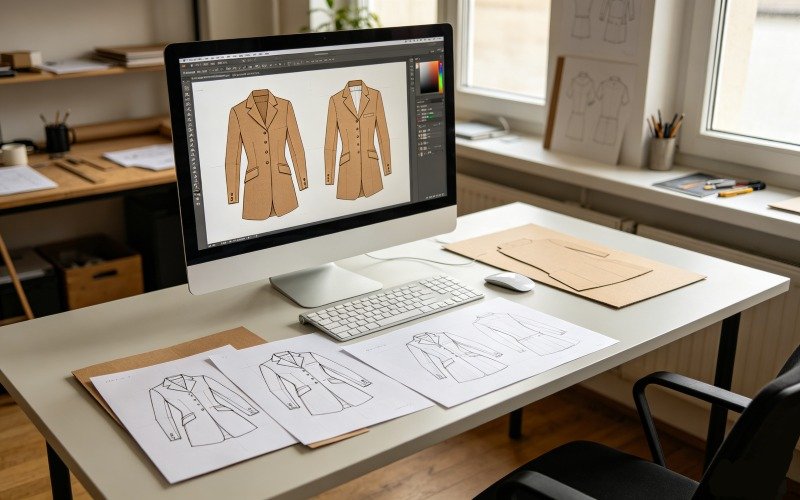
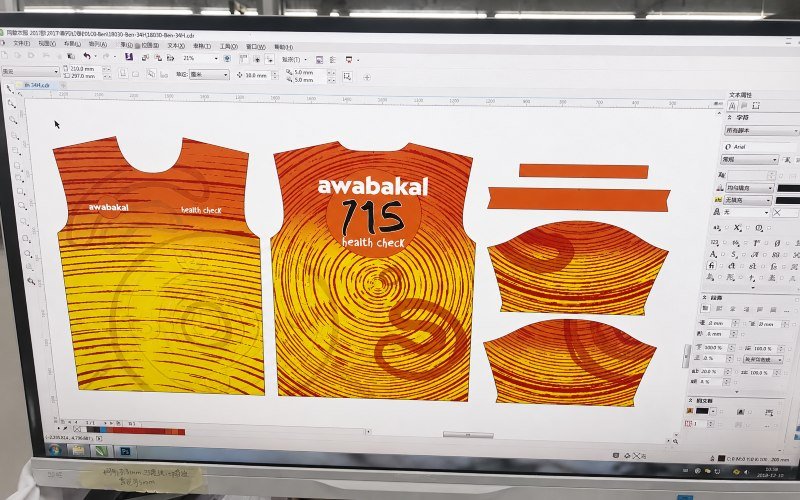
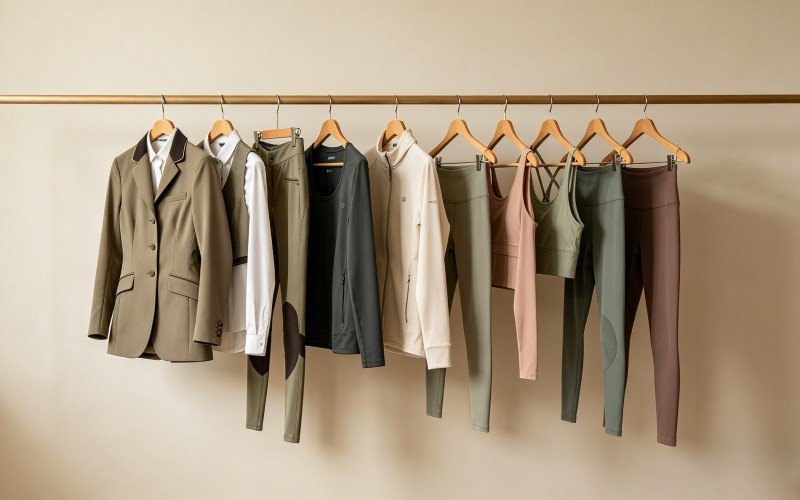
Work With A Professional Yoga Pant Manufacturer To Design Custom Yoga Pants Matching Your Brand Vision
Custom yoga pants should do more than stretch well and look good in product photos. For an activewear brand, they need to reflect a clear market position, fit the right body type, perform in real movement, and create a product experience customers are willing to buy again.
Every brand approaches yoga pants differently. A studio-focused yoga label may need soft, second-skin leggings for low-impact practice. A gym-driven activewear brand may prefer stronger compression and better squat-proof coverage. A DTC lifestyle brand may look for flare yoga pants, pocket leggings, or seasonal color drops that work for both workouts and everyday styling.
That is why custom development should begin with the brand vision, not only with fabric selection.
A well-developed yoga pant project usually considers:
Development Focus | What It Helps Define |
Target Customer | Fit, sizing, compression level, and style direction |
Wearing Scenario | Yoga, gym training, travel, lounge, or athleisure use |
Product Positioning | Entry-level, mid-range, premium, or sustainable collection |
Design Identity | Waistband shape, seam lines, colors, logo placement, and finishing |
Sales Strategy | Small batch launch, seasonal update, or long-term repeat order |
For brands with a complete Tech Pack, production can follow detailed measurements, fabric requirements, construction notes, and quality standards. For brands starting from a sample, sketch, reference photo, or product idea, the development process can begin with fabric matching, pattern adjustment, sample making, and fit review.
The goal is to create yoga pants that feel consistent with your brand, not generic leggings that could belong to any supplier’s catalog. From high-waist leggings and flare yoga pants to compression styles, pocket leggings, plus-size fits, and maternity-friendly options, each product should have a clear reason to exist in your collection.
Strong yoga pant development gives your brand more than one finished style. It gives you a product foundation for future colorways, matching tops, seasonal capsules, repeat orders, and a more complete activewear line.
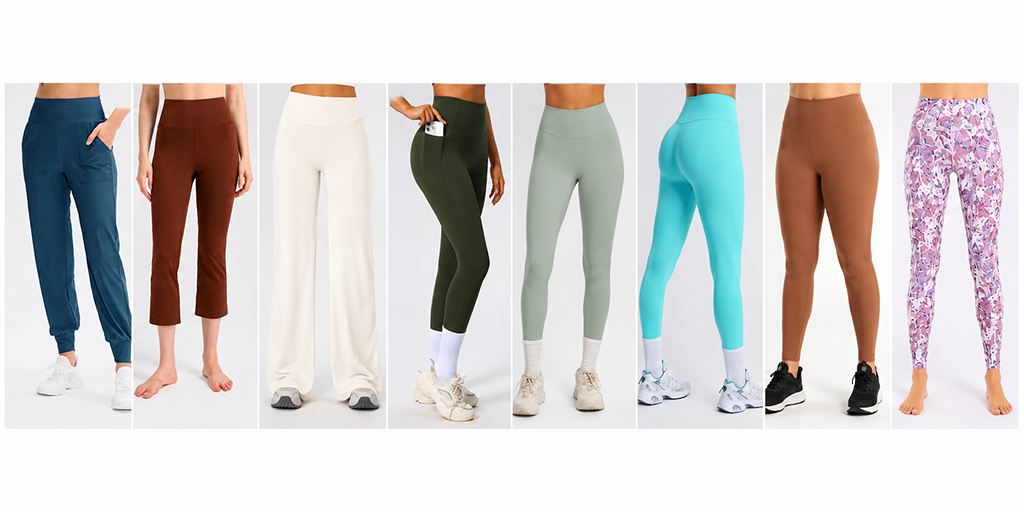
Performance Fabrics Behind Premium Yoga Pants
Fabric is one of the first things customers notice when they put on a pairfashion of yoga pants. It affects comfort, movement, durability, appearance, and overall product perception. More importantly, fabric often determines whether a customer describes a pairfashion of leggings as average, premium, or worth buying again.
There is no single fabric that works for every yoga pant collection. The most successful activewear brands select fabrics based on their target customer, product positioning, retail price point, and intended use.
Many activewear brands develop coordinated collections that combine yoga pants with matching sports bras. Explore our custom sports bra manufacturing solutions to build complete activewear sets under one brand identity.
A yoga studio collection designed around comfort and mindfulness may require an ultra-soft, second-skin feel. A gym-focused collection may prioritize compression, resilience, and moisture management. A sustainable brand may choose recycled materials that support environmental commitments while maintaining performance standards.
Brands using recycled materials often choose fabrics certified under the Global Recycled Standard (GRS) to improve transparency and supply chain credibility.
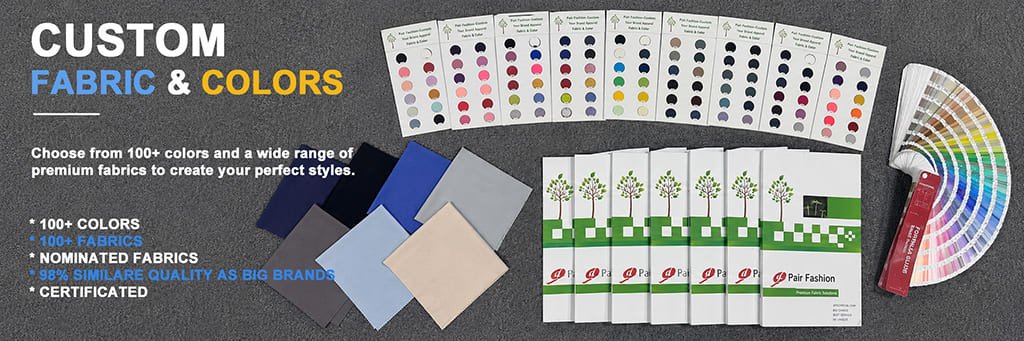
Common fabric directions used in modern yoga pants include:
Fabric Type | Best For | Key Characteristics |
Nylon Spandex | Premium yoga and studio wear | Soft hand feel, smooth surface, excellent stretch recovery |
Polyester Spandex | Everyday activewear | Durable, cost-efficient, moisture-wicking |
Brushed Fabric | Fall and winter collections | Warm, soft, comfortable against skin |
Compression Fabric | Training and gym leggings | Supportive fit and enhanced body shaping |
Ribbed Fabric | Fashion-focused activewear | Distinct texture and elevated visual appeal |
Recycled Fabric | Sustainable collections | Eco-conscious positioning with performance benefits |
Cool-Touch Fabric | Hot climates and summer wear | Lightweight, breathable, refreshing feel |
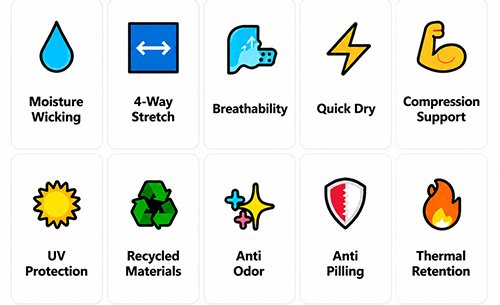
Beyond fabric composition, performance characteristics play an equally important role. Modern consumers increasingly expect yoga pants to offer:
- Four-way stretchfor unrestricted movement
- Moisture-wicking performanceduring workouts
- Squat-proof coverageunder tension
- Shape retentionafter repeated wear
- Color fastnessafter washing
- Pilling resistancefor long-term appearance
- Breathabilityfor daily comfort
The relationship between fabric weight and performance is also important. Lighter fabrics often create a softer and more natural feel, while heavier constructions can improve compression, support, and coverage. The ideal balance depends on the product’s purpose and the expectations of the end customer.
For many growing activewear brands, fabric selection becomes one of the most powerful ways to differentiate products. While two yoga pants may appear similar online, differences in hand feel, stretch recovery, opacity, and durability often become immediately noticeable once customers begin wearing them.
The right fabric does more than improve performance. It helps define how customers experience your brand, how they evaluate quality, and whether they return for future purchases.
What Makes a Yoga Pant Customers Actually Reorder
The most successful yoga pants are rarely the ones with the most complicated designs. They are the products customers reach for repeatedly because they feel comfortable, perform consistently, and make people feel confident every time they wear them.
For activewear brands, repeat purchases often matter more than first-time sales. A customer may try a new pairfashion of leggings because of marketing, but they only come back because of the product experience. Understanding what drives that experience is one of the most important parts of yoga pant development.
Consumers typically evaluate yoga pants based on several factors at the same time:
Customer Expectation | Product Requirement |
Flattering silhouette | Waist shaping and body-contouring fit |
Comfortable movement | Stretch recovery and flexible construction |
Confidence during workouts | Squat-proof coverage and secure support |
Long-term wearability | Durable seams and fabric resilience |
Everyday versatility | Performance and lifestyle compatibility |
One of the most common mistakes in product development is focusing on fabric alone. While fabric quality is important, customers often notice other details first. A waistband that rolls down during movement, leggings that become transparent under stretch, or seams that twist after washing can quickly damage the perception of an otherwise premium product.
High-performing yoga pants are usually built around a combination of features rather than a single selling point. These often include:
- High-rise waistbandsthat stay in place during movement
- Balanced compressionthat supports without restricting
- Four-way stretch fabricswith strong recovery
- Squat-proof constructionfor confidence during training
- Flatlock or minimal-chafe seamsfor comfort
- Body-enhancing seam placementthat improves visual fit
- Soft-touch surfacessuitable for all-day wear
Modern consumers also expect yoga pants to move seamlessly between activities. A product designed only for yoga may limit its market potential, while a legging that performs equally well for studio sessions, gym workouts, travel, and casual wear often achieves broader appeal.
Brands that consistently generate repeat orders understand that yoga pants are not simply athletic garments. They are products customers integrate into daily routines. The most valuable leggings are those that become a favorite pairfashion rather than just another option in the wardrobe.
When product development begins with customer experience instead of manufacturing convenience, the result is usually stronger loyalty, better reviews, and more sustainable long-term growth.
Trusted Manufacturing Standards For Global Sportswear Brands
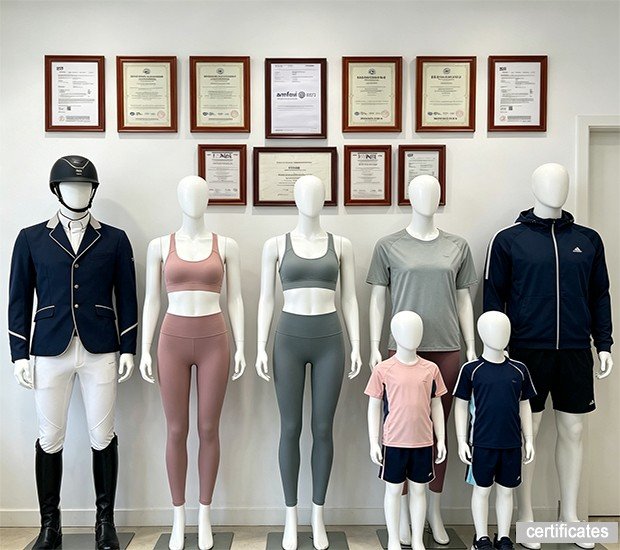
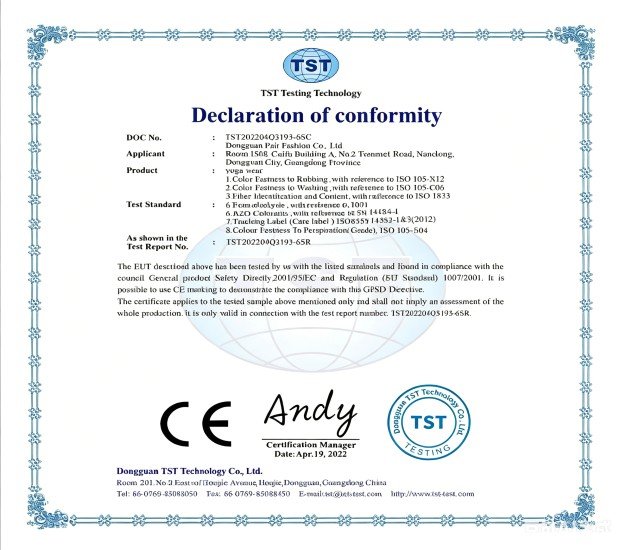
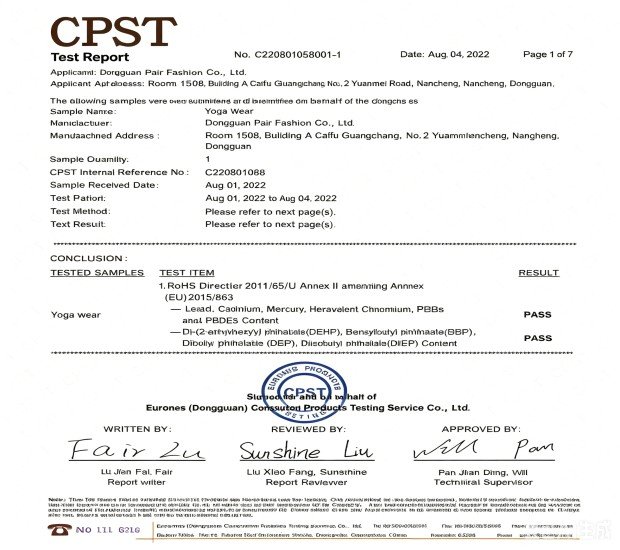
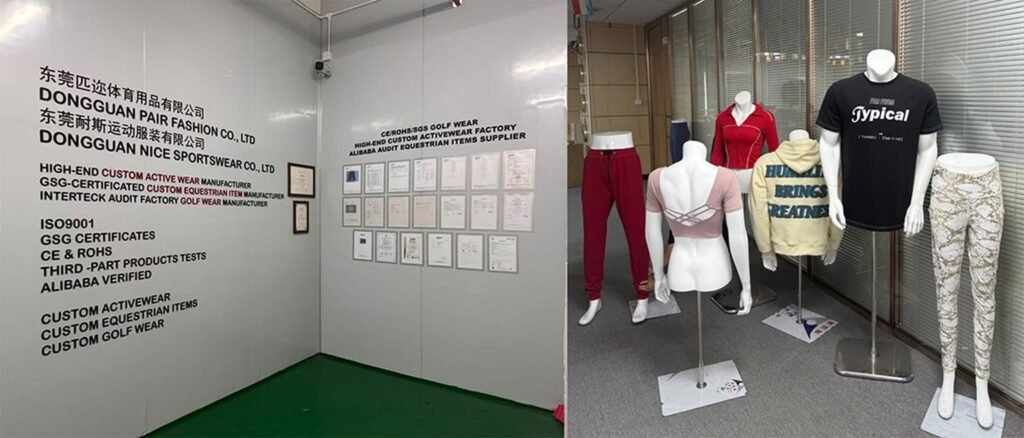
We operate under internationally recognized quality, sustainability, and ethical manufacturing standards. Our certifications help ensure consistent product quality, responsible sourcing, and reliable production for global sportswear brands.
- 20+ Countries Served
- 6000+ Styles Developed
- 50,000 PCS Monthly Capacity
- 3-Day Sample Development

Develop Yoga Pants That Fit Real Bodies and Real Markets
A yoga pant that performs well on one body type may not perform the same way on another. This is why fit development has become one of the most important factors in modern activewear design. Consumers expect leggings to feel supportive, comfortable, and flattering regardless of their size, height, or stage of life.
For many brands, fit is also one of the biggest opportunities for differentiation. While fabrics can often be sourced by multiple suppliers, a well-developed fit is much harder to replicate. It creates a more consistent customer experience and helps build long-term brand loyalty.
Today’s activewear market serves a wide range of consumers, each with different expectations. A single fit profile rarely satisfies every customer segment.
Common fit directions include:
Fit Category | Customer Need |
High-Waist Leggings | Core activewear market seeking support and shaping |
Petite Yoga Pants | Shorter inseams and balanced proportions |
Tall Leggings | Extended inseams and improved leg coverage |
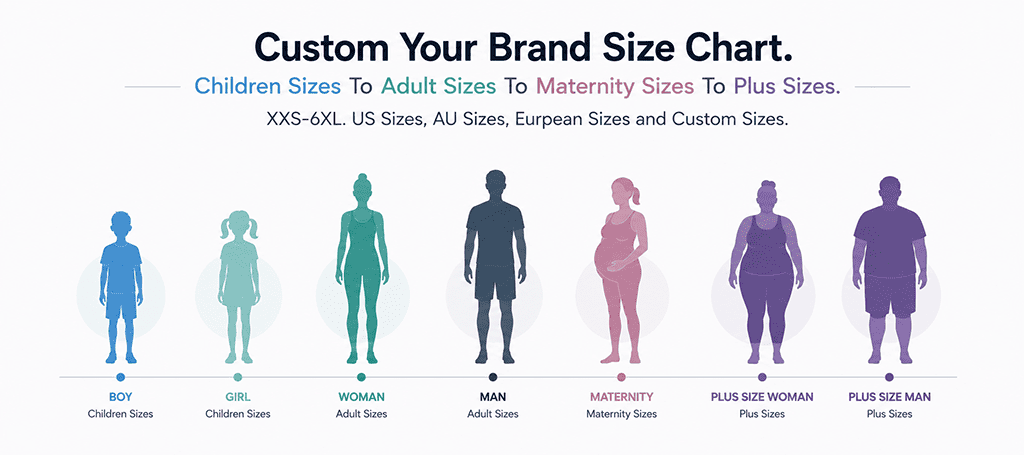
Plus Size Yoga Pants | Enhanced comfort, support, and movement flexibility |
Maternity Yoga Pants | Belly support and adaptable stretch zones |
Compression Leggings | Structured support for training and recovery |
Relaxed Yoga Pants | Comfort-focused lifestyle and lounge wear |
Fit development goes far beyond adjusting measurements. Every pattern decision affects how a garment moves and feels during wear.
Key areas often evaluated during yoga pant development include:
- Waistband height and stability
- Front and back rise balance
- Hip and glute contouring
- Crotch comfort and mobility
- Inseam proportion
- Compression distribution
- Leg opening shape
- Stretch recovery across multiple sizes
Different regions may also have different fit expectations. North American consumers often prefer stronger support and inclusive sizing. European customers may prioritize refined silhouettes and premium comfort. Growing maternity and plus-size segments require dedicated pattern adjustments rather than simple size enlargement.
The most successful yoga pants are designed around real movement and real bodies. They remain comfortable during stretching, training, sitting, walking, and daily wear without creating pressure points, slipping waistbands, or restricted mobility.
When fit development becomes part of the product strategy rather than an afterthought, brands are able to create yoga pants that not only look good online but perform consistently across a broader customer base. This often translates into better reviews, lower return rates, and stronger repeat purchase behavior over time.
Custom Design Possibilities Beyond Basic Leggings
The yoga pant market has evolved far beyond traditional black leggings. Today’s consumers are looking for products that combine performance, comfort, and personal style. As activewear continues to move into everyday wardrobes, design differentiation has become one of the most effective ways for brands to stand out in a crowded market.
For many successful activewear brands, product development is no longer focused on creating a single bestseller. Instead, it involves building a collection that serves different customer preferences, body types, and lifestyle needs while maintaining a consistent brand identity.
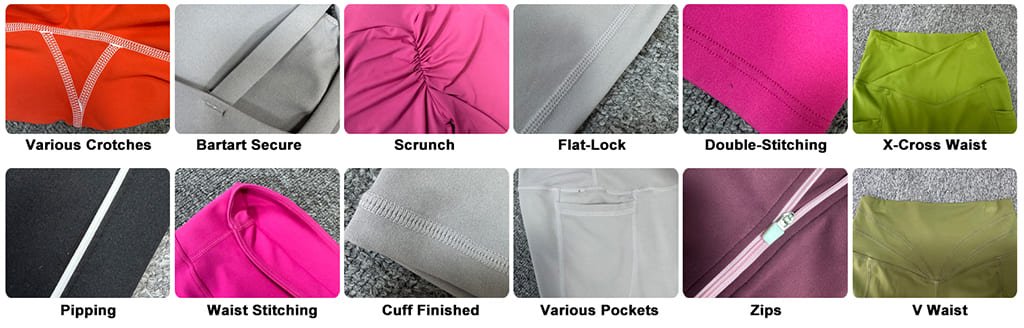
Modern yoga pants can be customized through a wide range of structural, functional, and aesthetic elements.
Popular style directions include:
Style Category | Key Features |
High-Waist Leggings | Core activewear essential with shaping support |
Flare Yoga Pants | Fashion-forward silhouette for studio and lifestyle wear |
Pocket Leggings | Functional storage for phones and essentials |
Scrunch Leggings | Enhanced glute contouring and visual shaping |
Crossover Waist Leggings | Contemporary waist design with elevated styling |
Ribbed Leggings | Textured appearance and premium visual depth |
Capri Yoga Pants | Lightweight option for warmer climates |
Maternity Leggings | Supportive construction for changing body needs |
Plus Size Leggings | Inclusive fit with optimized comfort and support |
Beyond silhouette selection, many brands customize specific design details to strengthen product identity.
These may include:
- Waistband constructions
- Hidden pockets
- Mesh panel inserts
- Contour seam placements
- Color-block layouts
- Reflective details
- Laser-cut ventilation zones
- Branded drawcord systems
- Seasonal fabric variations
The most effective collections balance trend-driven products with long-term core styles. While fashion-led pieces help generate attention and social engagement, foundational styles often drive the highest repeat purchase rates and create stability within the collection.
Many growing activewear brands use a layered product strategy. Core leggings provide year-round sales, while flare pants, crossover-waist designs, ribbed collections, and limited seasonal releases create opportunities for expansion. This approach allows brands to maintain consistency while continuously offering customers something new.
Consumers increasingly expect activewear to transition seamlessly between workouts, travel, casual wear, and everyday activities. As a result, successful yoga pant development often combines athletic functionality with lifestyle appeal.
The strongest collections are not built by following every trend. They are built by selecting the right design elements that align with the brand, resonate with the target customer, and support long-term product growth.
Private Label Yoga Pants That Look Like Your Own Brand
A customer may purchase a yoga pant because of its fit or performance, but what they remember is the brand behind it. Strong activewear brands are built through consistent product identity, not through generic products that look interchangeable with hundreds of others in the market.
Private label yoga pants allow brands to create a product experience that feels unique from the first impression to the final purchase. When every detail aligns with the brand image, customers are more likely to recognize the product, trust the quality, and return for future purchases.
Branding is more than simply placing a logo on yoga pants. Every detail, from labels and packaging to product presentation, helps build customer recognition and strengthens the overall brand image.
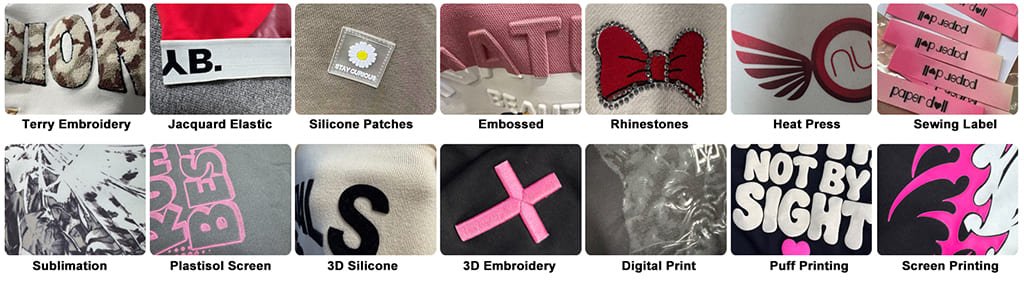
Common private label customization options include:
Branding Element | Purpose |
Heat Transfer Logo | Clean, modern appearance with minimal bulk |
Silicone Logo | Premium branding with enhanced visual impact |
Embroidery | Elevated look for selected collections |
Custom Main Label | Reinforces brand recognition |
Care Label | Communicates product information professionally |
Custom Hang Tags | Supports retail presentation and storytelling |
Branded Packaging | Enhances unboxing experience |
Custom Carton Marking | Improves inventory and logistics management |
Many successful activewear brands focus on creating a consistent visual language across their entire collection. Logo placement, color palette, label design, packaging materials, and garment details all work together to strengthen brand recognition.
Private label yoga pants can also be customized through product-specific features such as:
- Signature waistband designs
- Exclusive color programs
- Custom seam layouts
- Unique logo placements
- Limited-edition capsule collections
- Seasonal packaging concepts
- Retail-ready presentation standards
As competition within the activewear market continues to increase, branding often becomes one of the strongest differentiators between products with similar functional performance. Two leggings may offer comparable stretch, comfort, and durability, yet the product with a stronger brand identity frequently creates a greater emotional connection with customers.
This is particularly important for DTC brands, boutique fitness labels, yoga studios, subscription programs, and private label retailers seeking to establish a recognizable presence in the market.
A well-developed private label product should never feel like a factory item with a logo added afterward. It should feel like a product that was designed specifically for the brand from the very beginning.
For brands looking to expand beyond yoga pants, our private label activewear manufacturing services support full collection development, including leggings, sports bras, tops, shorts, and matching sets.
When branding, product development, and customer experience work together, yoga pants become more than a garment. They become part of a brand story customers can recognize, trust, and choose repeatedly.

From Sketch to Sample: Turning Ideas into Sellable Products
Every successful yoga pant starts with an idea. Sometimes that idea is a detailed Tech Pack with measurements, construction notes, and fabric specifications. In many cases, it begins with something much simpler—a screenshot, a competitor product, a Pinterest board, a rough sketch, or a concept for a new collection.
The development process helps turn your idea into a finished product ready for sampling, production, and market launch.
For emerging activewear brands, one of the biggest misconceptions is that product development requires extensive technical knowledge. In reality, a structured development process allows concepts to evolve step by step, reducing uncertainty while improving product quality and commercial viability.
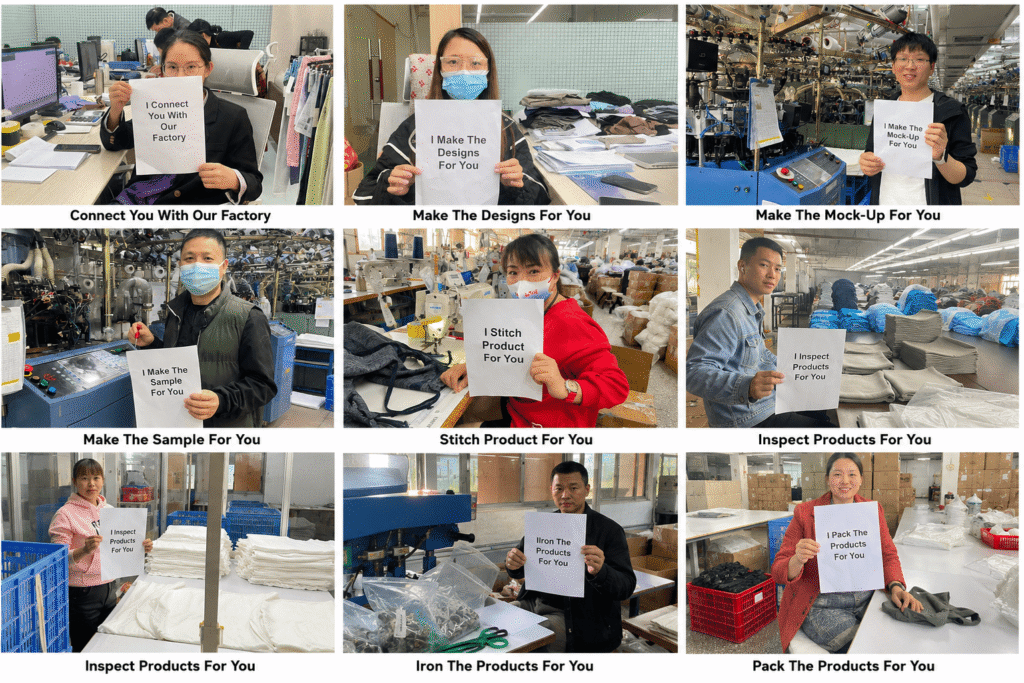
A typical yoga pant development journey includes:
Development Stage | Objective |
Product Concept | Define target customer and product positioning |
Design Review | Evaluate style direction and functional requirements |
Fabric Selection | Match performance characteristics to intended use |
Pattern Development | Create a fit structure based on measurements and sizing goals |
Sample Creation | Produce the first physical prototype |
Fit Evaluation | Review comfort, mobility, shaping, and appearance |
Sample Revision | Optimize construction and details |
Pre-Production Approval | Confirm final version before bulk production |
Throughout the process, seemingly small adjustments often create significant improvements. Changes to waistband height, seam placement, compression distribution, inseam length, gusset construction, or fabric weight can dramatically affect how the final product performs.
The sampling stage is particularly important because it allows decisions to be made before larger investments in production. Testing a product on real bodies provides insights that cannot be fully predicted through drawings or specifications alone.
Many successful activewear collections go through multiple rounds of refinement before reaching their final form. This is not a sign of inefficiency; it is often the reason why the finished product performs better in the market.
A well-developed sample serves as more than a prototype. It becomes the benchmark for future production, quality consistency, and repeat orders. When development is approached strategically, brands gain a stronger foundation for launching products, expanding collections, and building long-term customer trust.
The goal is not simply to create a yoga pant. It is to create a yoga pant that customers choose to wear, recommend, and purchase again.
Small Batch Launches and Scalable Production
Launching a new yoga pant collection always involves uncertainty. No matter how strong the concept appears, real market feedback cannot be fully predicted until customers begin purchasing, wearing, and reviewing the product.
For this reason, many modern activewear brands are moving away from large inventory commitments during the early stages of product development. Instead, they prefer a more flexible approach that allows them to test products, gather customer insights, and scale production based on actual demand.
A small batch launch offers several important advantages:
Business Objective | Benefit |
Product Validation | Test customer response before large investment |
Inventory Control | Reduce excess stock and cash flow pressure |
Market Feedback | Identify preferred colors, sizes, and styles |
Faster Iteration | Improve products based on real user experience |
Lower Risk Expansion | Scale only after demand is proven |
This approach is particularly valuable for emerging activewear brands, direct-to-consumer businesses, boutique yoga labels, and influencer-led collections. Rather than committing to large quantities immediately, brands can introduce a focused selection of products, monitor performance, and make data-driven decisions about future production.
A typical growth path often looks like this:
- Product Development
Finalize fit, fabric, branding, and construction details through the sampling process.
- Small Batch Launch
Release limited quantities to validate demand and collect customer feedback.
- Performance Analysis
Evaluate sales performance, customer reviews, return rates, and sizing trends.
- Product Optimization
Refine colors, size ratios, packaging, or product details where necessary.
- Production Expansion
Increase order volumes based on proven market demand rather than assumptions.
The most successful activewear brands rarely rely on guesswork. They build momentum through continuous testing, learning, and scaling. Products that perform well can evolve into long-term core styles, while less successful designs can be adjusted before significant resources are committed.
Scalable production is equally important once a product gains traction. A bestselling yoga pant may require repeat orders, seasonal color updates, additional size ranges, matching tops, or expanded collections. Consistency across these production cycles becomes critical for maintaining customer trust and brand reputation.
A manufacturing strategy that supports both small-batch testing and larger-scale production provides brands with greater flexibility, stronger inventory control, and a more sustainable path toward growth.
The goal is not simply to manufacture more units. The goal is to help brands invest confidently, respond quickly to market demand, and scale successful products without sacrificing quality or consistency.
Quality Standards for Yoga Pants That Perform Under Pressure
A yoga pant may look perfect when folded on a table, but real performance is measured during movement, stretching, training, washing, and long-term wear. The difference between an average product and a trusted bestseller often comes down to consistency in quality rather than appearance alone.
Consumers place high expectations on activewear. They expect leggings to remain opaque during squats, maintain their shape after repeated washing, and provide reliable support throughout daily use. When these expectations are not met, product returns, negative reviews, and lost customer trust can quickly follow.
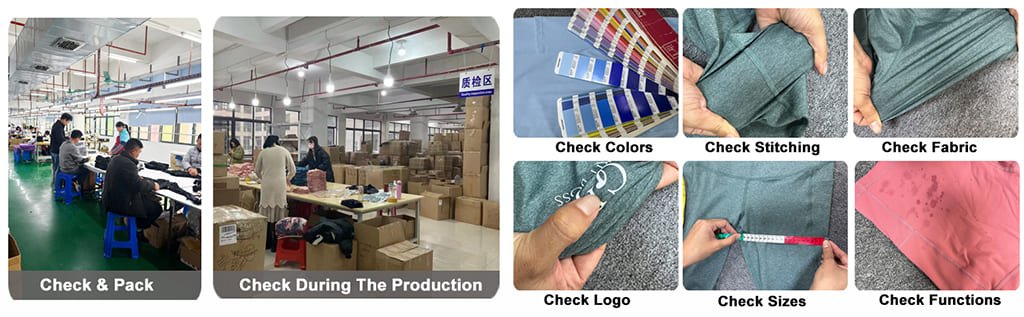
For activewear brands, quality control helps ensure product consistency and maintain customer trust.
Several key performance areas are commonly evaluated during yoga pant production:
Quality Area | Why It Matters |
Opacity and Coverage | Helps prevent transparency during stretching and movement |
Stretch Recovery | Maintains fit and shape after repeated wear |
Seam Strength | Reduces the risk of seam failure under tension |
Measurement Accuracy | Ensures consistency across all sizes |
Fabric Consistency | Supports color, weight, and performance uniformity |
Logo Durability | Protects brand presentation after washing |
Color Fastness | Prevents fading and dye transfer |
Packing Accuracy | Reduces fulfillment and inventory errors |
Many activewear brands prefer fabrics tested according to OEKO-TEX® Standard 100 requirements to support product safety and consumer confidence.
Yoga pants present unique quality challenges because they combine body-hugging fits with highly elastic materials. Small inconsistencies that may go unnoticed in loose-fitting garments often become immediately visible in leggings.
Particular attention is typically given to areas such as:
- Waistband stability during movement
- Four-way stretch performance
- Squat-proof coverage
- Fabric recovery after extension
- Flat and comfortable seam construction
- Color consistency across production lots
- Correct size grading across all sizes
Quality becomes even more important when a product evolves into a core bestseller. Customers who reorder expect the same fit, feel, and performance every time they purchase. Consistency across multiple production runs helps maintain customer confidence and supports long-term brand growth.
In today’s competitive activewear market, quality is rarely viewed as an added advantage. It is considered a baseline expectation. The brands that continue to grow are those that consistently deliver products customers can rely on, whether it is their first purchase or their fifth.
When yoga pants perform as expected every time they are worn, quality becomes invisible. And that is often the strongest sign that the product has been developed and produced correctly.
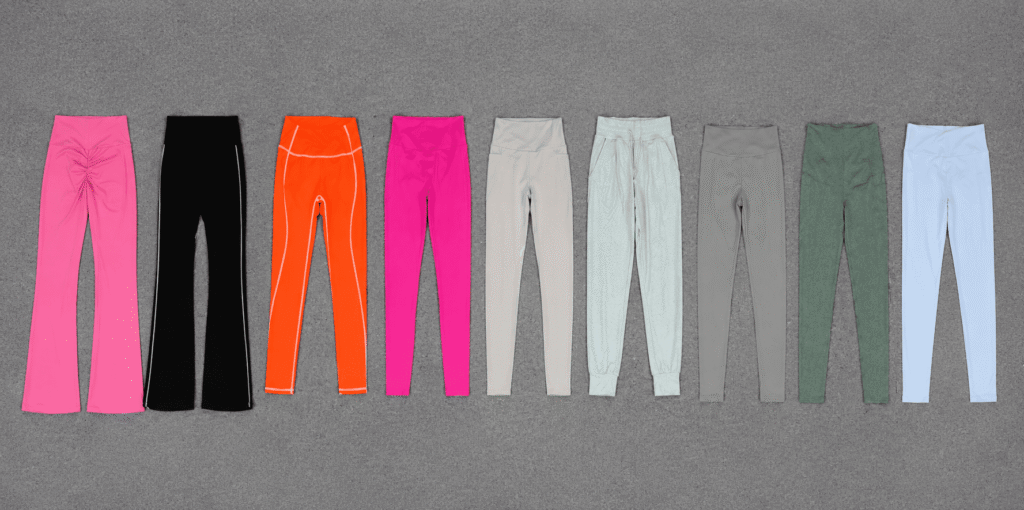
Build a Complete Yoga Pant Collection Instead of One Style
Many activewear brands begin with a single yoga pant design. It is often the fastest way to enter the market, validate demand, and establish an initial customer base. However, long-term growth rarely comes from one product alone.
The brands that achieve sustainable expansion typically build collections rather than relying on individual styles. They understand that different customers have different preferences, body types, activities, and purchasing motivations. A broader product architecture creates more opportunities to attract new customers while increasing repeat purchases from existing ones.
A well-structured yoga pant collection allows a brand to serve multiple customer needs without losing its identity.
A typical collection strategy may include:
Collection Role | Purpose |
Core Leggings | Foundation product with consistent year-round demand |
Premium Leggings | Higher-margin products with advanced fabrics and features |
Flare Yoga Pants | Fashion-oriented styles for lifestyle and studio wear |
Pocket Leggings | Functional products for active consumers |
Ribbed Collections | Elevated textures and trend-driven appeal |
Seasonal Releases | Limited collections that create excitement and urgency |
Maternity Styles | Expansion into a growing customer segment |
Plus Size Collections | Improved inclusivity and broader market reach |
As a collection grows, products begin to support one another. Customers who purchase a core legging may later purchase a flare style, a matching sports bra, a seasonal color release, or a specialized fit designed for their needs. This interconnected purchasing behavior often increases customer lifetime value while strengthening brand loyalty.
Collection development also creates greater flexibility in marketing. Instead of repeatedly promoting the same product, brands can launch seasonal stories, limited-edition color programs, capsule collections, and coordinated activewear sets. These initiatives provide fresh content for advertising, social media, email marketing, and product launches throughout the year.
Many growing brands start with yoga pants and later expand into complete activewear collections. Working with an experienced custom activewear manufacturer helps maintain consistency across multiple product categories.
Another advantage of collection-based growth is inventory balance. When demand fluctuates between products, a broader assortment can help reduce dependence on a single bestseller and create more stable revenue streams.
The strongest activewear brands are rarely defined by one successful legging. They are recognized for a cohesive product ecosystem that customers trust across multiple categories and purchasing occasions.
A thoughtfully developed yoga pant collection creates more than additional products. It creates more opportunities for customer engagement, repeat purchases, brand recognition, and long-term growth. As the collection expands, each new style strengthens the value of the entire brand rather than competing against it.
Why Modern Activewear Brands Are Expanding into Inclusive Yoga Wear
The activewear market has evolved significantly over the past decade. Consumers no longer expect brands to serve only a narrow range of body types, lifestyles, or life stages. Instead, they increasingly look for products that reflect the diversity of real people and provide solutions that fit their individual needs.
As a result, inclusive activewear has become one of the fastest-growing segments within the industry.
For many brands, expanding beyond traditional yoga leggings is no longer simply a social consideration. It is a strategic business opportunity that allows them to reach underserved audiences, increase customer loyalty, and create new avenues for growth.
Several categories have experienced particularly strong demand:
Inclusive Category | Consumer Need |
Plus Size Yoga Pants | Improved fit, comfort, and support across extended sizes |
Maternity Leggings | Flexibility and support throughout pregnancy |
Postpartum Activewear | Comfort and adaptability after childbirth |
Modest Activewear | Greater coverage while maintaining performance |
Inclusive Sizing Collections | Consistent fit across a broader size range |
The growth of these categories reflects a larger shift in consumer expectations. Today’s shoppers increasingly value brands that understand their specific needs rather than offering one standard solution for everyone.
However, expanding into inclusive activewear requires more than simply increasing measurements.
For example:
- Plus size yoga pantsoften require different grading strategies, waistband engineering, and compression balance.
- Maternity leggingsmust adapt to changing body shapes while maintaining support and comfort.
- Modest activewear collectionsfrequently require adjustments in fit, coverage, layering compatibility, and movement functionality.
These product categories involve unique design considerations that influence fit, performance, and customer satisfaction.
From a commercial perspective, inclusive product development can also strengthen a brand’s competitive position. Many activewear markets remain underserved, creating opportunities for brands to establish expertise and customer trust before categories become crowded.
Consumers who find products that genuinely meet their needs often demonstrate stronger brand loyalty and higher repeat purchase behavior. This makes inclusive activewear not only a product expansion strategy but also a customer retention strategy.
The future of activewear is moving toward greater personalization, accessibility, and inclusivity. Brands that embrace this shift are often better positioned to connect with a wider audience while building a more resilient product portfolio.
Expanding into inclusive yoga wear is not about creating separate products for separate groups. It is about creating a brand that more people can see themselves in, participate in, and remain loyal to over time.
Your Custom Yoga Pant Production Journey
Bringing a custom yoga pant to market involves more than selecting a fabric and placing an order. Behind every successful product is a structured process that transforms an idea into a finished garment ready for customers, retailers, warehouses, or online fulfillment.
A clear production journey helps reduce uncertainty, improve communication, and create greater consistency throughout development and manufacturing. It also allows brands to make informed decisions at each stage rather than reacting to unexpected issues later in the process.
While every project has unique requirements, most custom yoga pant developments follow a similar path.
Stage | Purpose |
Project Discussion | Define goals, target market, product direction, and requirements |
Product Evaluation | Review references, sketches, samples, or Tech Packs |
Fabric & Trim Selection | Confirm materials, performance features, colors, and branding elements |
Pattern Development | Create sizing and fit specifications |
Sample Creation | Produce the first physical version for evaluation |
Fit Review & Revision | Refine details based on testing and feedback |
Pre-Production Approval | Confirm final specifications before manufacturing |
Bulk Production | Execute approved production plans |
Quality Inspection | Verify consistency, measurements, and performance standards |
Packaging & Shipping | Prepare products for delivery and distribution |
If you are new to apparel sourcing, understanding the activewear sample development process can help reduce development risks and improve product launch efficiency.
Each stage plays a specific role in reducing risk and improving final product quality.
For example, sample approval helps identify potential issues before production begins. Fit reviews allow adjustments to waistband construction, compression levels, seam placement, and overall comfort. Quality inspections help ensure that products remain consistent from the first unit to the last.
A structured workflow is particularly valuable for brands managing multiple products or preparing seasonal launches. When product information, sizing standards, fabric specifications, and branding details are documented throughout the process, future developments and repeat orders become significantly more efficient.
As collections grow, maintaining consistency becomes increasingly important. Customers expect the same fit, feel, and quality every time they purchase a product. A well-organized production journey helps support that expectation while creating a stronger foundation for long-term brand growth.
The goal of the process is not simply to manufacture yoga pants. It is to create a repeatable system that allows brands to develop products confidently, launch more efficiently, and scale with greater control as their business expands.
1. Product Development
Regular monthly product development ensures consistent updates to your brand line.
2. Fabric Sourcing
Regular monthly product development ensures consistent updates to your brand line.
3. Sample Making
Regular monthly product development ensures consistent updates to your brand line.
4. Bulk Production
Regular monthly product development ensures consistent updates to your brand line.
5. Packaging & Delivery
Regular monthly product development ensures consistent updates to your brand line.
Complete OEM & ODM Sportswear Solutions
We provide complete custom sportswear manufacturing services from concept development and fabric sourcing to bulk production and worldwide delivery.
- OEM & ODM Product Development
- Functional Fabric Sourcing & Material Selection
- Pattern Making & Sample Development
- Private Label Branding & Custom Packaging
- Quality-Controlled Bulk Manufacturing
- Global DDP Shipping & Delivery Support
Frequently Asked Questions About Custom Yoga Pants
FAQ 1
Can Custom Yoga Pants Be Developed From a Photo, Sketch, or Reference Sample?
Yes. Most custom yoga pants are developed from reference materials such as photos, sketches, existing samples, competitor products, mood boards, or collection concepts rather than fully completed Tech Packs. A structured development process can transform these ideas into production-ready products.
Many growing activewear brands begin product development with inspiration rather than technical documentation. Professional manufacturers can analyze garment construction, fabric characteristics, fit profiles, waistband structures, seam placements, and performance requirements before creating a customized development plan.
A typical development process includes product evaluation, fabric selection, pattern development, sample creation, fit testing, and production approval. Each stage helps refine the product and reduce risks before bulk manufacturing begins.
For private label activewear brands, success is rarely determined by how detailed the initial reference is. Instead, it depends on how effectively the product is translated into a commercial design that matches the target customer, intended market position, and long-term brand strategy. A well-managed development process allows ideas to evolve into yoga pants that are both technically sound and commercially successful.
FAQ 2
What Information Is Helpful When Requesting a Quotation for Custom Yoga Pants?
The most accurate quotations are usually based on product references, fabric preferences, estimated quantities, size ranges, branding requirements, and target market information. However, a complete Tech Pack is not required to begin the quotation process.
Many activewear brands request quotations using reference photos, competitor products, sketches, or collection concepts. These materials help manufacturers evaluate construction complexity, fabric consumption, development requirements, and production methods.
The most useful information typically includes product images, intended fabric type, estimated order quantity, size range, logo application method, packaging requirements, and target retail market. Even when some details are still undecided, preliminary recommendations can often be provided.
A detailed quotation should do more than provide a price. It should help brands understand material options, production considerations, development costs, and potential opportunities to improve product value while staying aligned with their budget and business goals.
FAQ 3
Can Logos Be Added to Yoga Pants and What Branding Methods Work Best?
Yes. Custom logos can be applied to yoga pants using several branding methods, and the best option depends on the product positioning, fabric type, desired appearance, and target customer experience.
Modern activewear brands commonly use heat transfer logos, silicone logos, reflective branding, embroidery, or specialty printing techniques. Each method offers different advantages in terms of durability, appearance, flexibility, and perceived value.
For yoga pants, logo placement is just as important as logo type. Popular locations include the back waistband, hip area, lower leg, side panel, or integrated design elements. The goal is to maintain brand visibility without compromising comfort or garment performance.
Well-executed branding helps transform a pairfashion of leggings from a generic product into a recognizable brand asset. Consistent logo application across multiple collections can strengthen customer recognition, improve perceived quality, and support long-term brand growth.
FAQ 4
Can Yoga Pants Be Customized With Full Private Label Branding?
Yes. Yoga pants can be fully customized with private label branding, allowing brands to create a complete customer experience rather than simply adding a logo to an existing product.
Private label development often includes custom main labels, care labels, size labels, hang tags, packaging bags, retail boxes, barcode systems, and shipping carton markings. Together, these elements create a consistent brand presentation from product development through final delivery.
Strong branding influences how customers perceive quality, professionalism, and product value. Two yoga pants with similar performance characteristics can generate very different customer reactions depending on packaging, presentation, and brand consistency.
For growing activewear brands, private label customization is often one of the most effective ways to increase perceived value, strengthen customer loyalty, and build a recognizable market presence that extends beyond a single product launch.
FAQ 5
What Fabrics Are Best for Custom Yoga Pants?
The best fabric for custom yoga pants depends on your target customer, price positioning, and intended use. Most bestselling leggings achieve a balance between comfort, stretch recovery, support, durability, and long-term wear performance rather than focusing on a single feature.
Premium yoga collections often use Nylon Spandex fabrics because of their soft hand feel, smooth appearance, and excellent stretch recovery. Mainstream activewear brands frequently choose Polyester Spandex for its durability, moisture management, and cost efficiency.
Successful yoga pant collections typically combine different fabric programs for different product categories, allowing brands to serve multiple customer segments while maintaining consistent quality standards. The right fabric choice not only affects comfort and performance but also influences customer reviews, repeat purchases, and overall brand perception.
FAQ 6
Are Sustainable Fabric Options Available for Custom Yoga Pants?
Yes. Sustainable fabric options are widely available and have become increasingly important for activewear brands seeking to align product development with environmental goals and evolving consumer expectations.
Popular sustainable solutions include recycled nylon, recycled polyester, GRS-certified fabrics, eco-conscious packaging, and responsible dyeing programs. These materials can often deliver performance characteristics similar to conventional activewear fabrics while supporting sustainability initiatives.
Many consumers now actively seek products that reflect their environmental values. As a result, sustainable yoga pants can strengthen brand positioning, improve customer engagement, and create differentiation in a competitive market. The most successful sustainable collections combine environmental responsibility with premium comfort, durability, and performance rather than relying on sustainability messaging alone.
FAQ 7
Can Plus Size and Maternity Yoga Pants Be Developed?
Yes. Plus size and maternity yoga pants can be developed successfully, but they require dedicated pattern engineering and fit development rather than simple size enlargement from standard leggings.
Plus size consumers often need enhanced support, improved waistband stability, better mobility, and carefully balanced compression zones. Maternity leggings require adaptive stretch, belly support, and long-term comfort throughout different stages of pregnancy.
Brands that invest in specialized fit development for these categories often benefit from lower return rates, stronger customer loyalty, and access to underserved market segments. Inclusive activewear continues to expand globally, creating valuable opportunities for brands seeking long-term growth beyond traditional activewear sizing programs.
FAQ 8
How Many Samples Are Usually Needed Before Bulk Production?
Most custom yoga pant projects require one to three sample rounds before production. The exact number depends on product complexity, performance expectations, fit requirements, and the amount of customization involved.
The first sample is typically used to evaluate overall construction, fabric selection, and design execution. Additional revisions may focus on waistband performance, compression balance, seam placement, fit refinement, and branding details. A final pre-production sample is often approved before manufacturing begins.
Sampling should not be viewed as a delay. It is one of the most effective ways to reduce production risks, improve product quality, and ensure that the finished yoga pants meet both brand expectations and customer needs. Brands that invest in thorough sample validation often achieve better long-term product performance and customer satisfaction.
Start Building Your Next Bestselling Yoga Pant
Every successful activewear collection starts with a product that customers genuinely want to wear.
Whether you are developing your first yoga pant, expanding an existing activewear line, launching a private label collection, or exploring new market segments, a well-planned development process creates a stronger foundation for long-term growth.
Custom yoga pants can be tailored around your brand’s unique goals, including:
- Target customer profiles
- Fabric preferences
- Fit requirements
- Branding standards
- Product positioning
- Seasonal collection plans
- Inclusive sizing strategies
- Sustainability initiatives
From initial concepts and sample development to production and future collection expansion, every decision contributes to how customers experience your brand.
The most successful activewear products are rarely created by accident. They are built through thoughtful product planning, clear market positioning, and consistent execution.
If you are ready to create yoga pants that align with your brand vision, support your business objectives, and provide long-term product potential, the next step starts with a conversation.
Share your ideas, references, sketches, samples, or specifications, and begin building a yoga pant collection designed for growth, differentiation, and repeat customer demand.
Browse Sportswear Catalog Categories
Explore custom sportswear catalog categories including activewear, equestrian apparel, lounge wear and specialty OEM apparel collections for global brands.
- Yoga Pant
- Sports Bras
- Tank Tops
- Gym Shorts
- Men & Kids Sportswear
- Riding Tops
- Breeches
- Competition Wear
- Jackets
- Man & Kids Equestrian
- Joggers
- Sweatshirt & Hoodies
- Sweaters
- Coat & Jacket
- Men & Kids Loungewear
Other OEM Apparel
- Tennis Clothing
- Jumpsuit
- Dress & Skirts
- Plus Size Activewear
- Maternity Activewear
Get In Touch
Contact our OEM/ODM specialists for product development, sampling, pricing, and production support.