OEM/ODM Sportswear Manufacturer | 3-Day Sampling | Low MOQ | 50K Monthly Capacity | ISO9001 & BSCI Certified

Custom Loungewear Manufacturer for Private Label Apparel Brands
As a trusted loungewear manufacturer, we develop custom loungewear collections with premium fabrics, comfortable fits, private label branding and flexible manufacturing support.
This reliable loungewear manufacturer helps you build lounge sets, hoodie sets and jogger collections crafted for everyday wear, scalable growth and long-term brand value.
50K+
Monthly Capacity
3 Days
Fast Sampling
6,000+
Custom Styles
10+
Years Experience
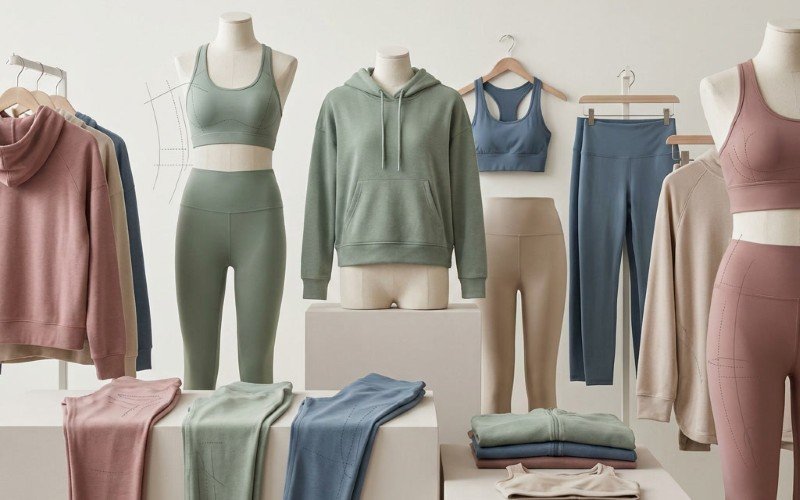
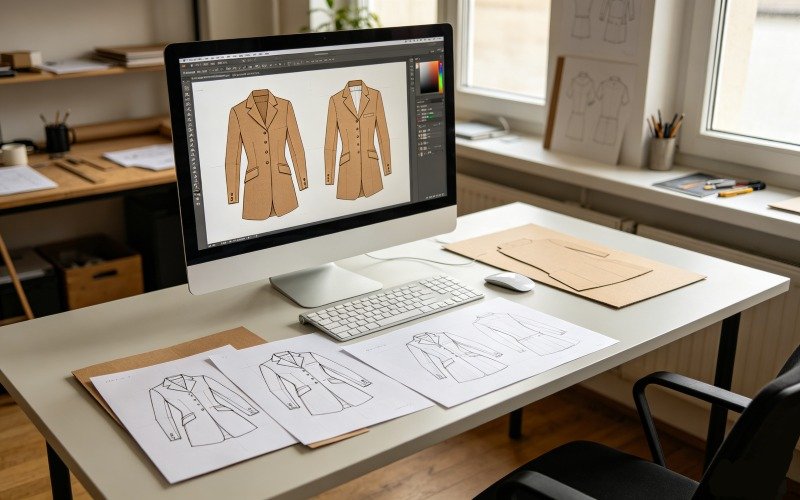
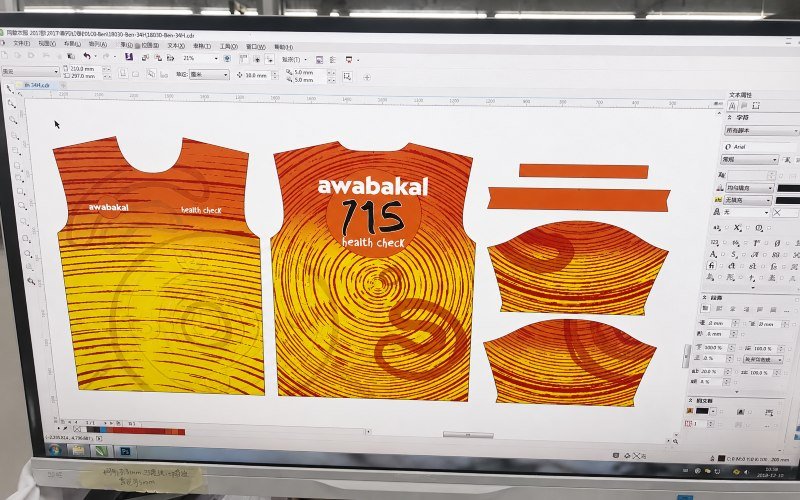
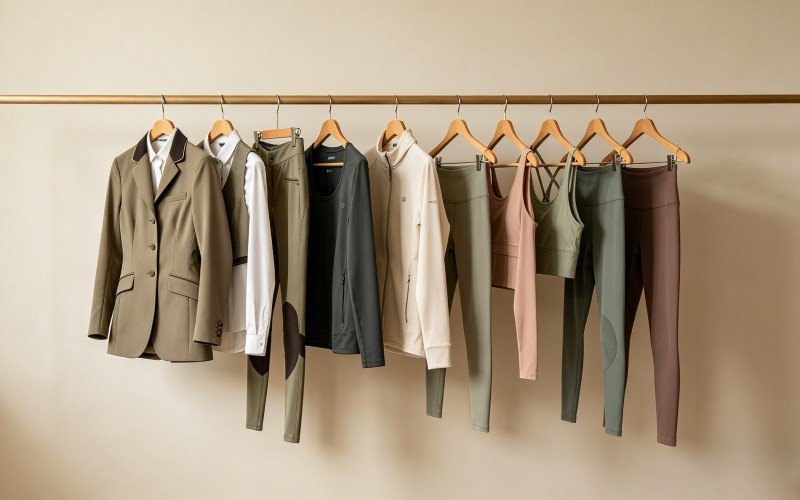
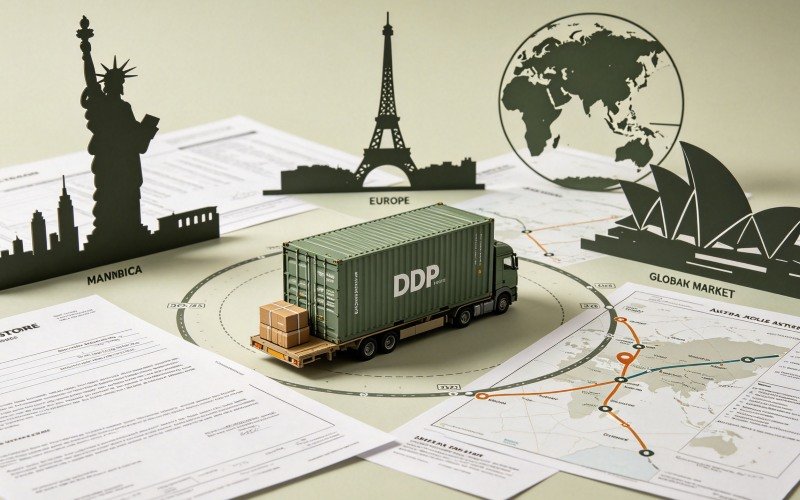
Work With Our Professional Loungewear Manufacturer To Build Custom Loungewear Collections For Everyday Wear
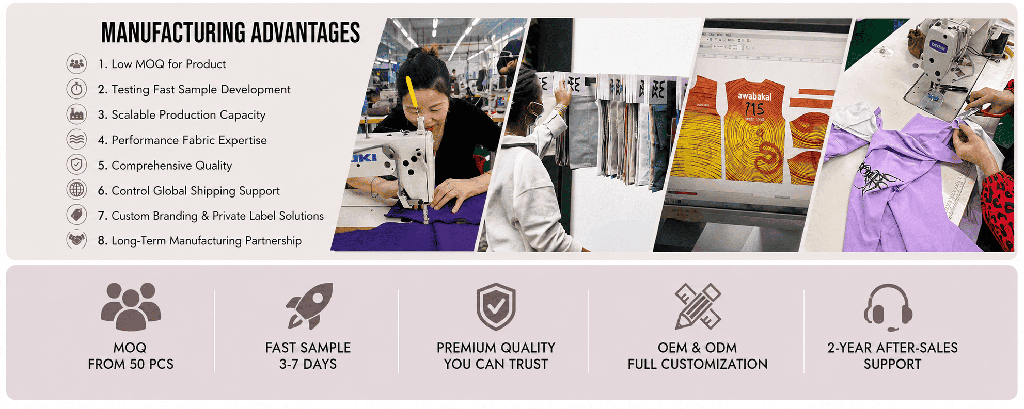
A successful custom loungewear collection should deliver lasting comfort, maintain its shape after repeated washing and reflect the elevated lifestyle standards modern consumers expect.This section helps brands understand how the right manufacturer can turn a simple lounge set idea into a retail-ready product line.
At Pairfashion Sportswear, we support apparel brands, activewear labels, DTC sellers and private label retailers in developing custom loungewear, lounge sets, hoodie sets, jogger sets and relaxed lifestyle apparel. Your project can start from a Tech Pack, a reference sample, product photos, sketches or a clear product concept. Our development process helps define the fabric, fit, construction, branding details and production plan before bulk manufacturing begins.
Modern loungewear is no longer limited to home use. Many customers wear it for travel, remote work, weekend errands, light training, recovery days and casual social settings. That means every detail matters: fabric softness, stretch recovery, shrinkage control, waistband comfort, seam quality, color consistency and brand presentation.
For brands, the goal is not simply to make comfortable clothing. The goal is to create products customers want to wear repeatedly and reorder across seasons. A well-developed loungewear collection can support product drops, private label programs, capsule collections and long-term replenishment orders.
Brand Need | Manufacturing Focus |
Comfort-focused collection | Soft-touch fabrics, relaxed fit and smooth seams |
Premium lifestyle line | Better hand feel, clean construction and refined branding |
DTC market testing | Flexible MOQ and fast sample development |
Private label program | Custom labels, hangtags, packaging and repeat production |
Seasonal product drop | Coordinated colors, fabric planning and scalable production |
With flexible customization, functional fabric sourcing and structured OEM/ODM support, Pairfashion Sportswear helps brands develop loungewear collections that are easier to test, easier to scale and more valuable to customers in everyday life.
Develop Lounge Sets That Match Your Brand Positioning
The most successful loungewear brands are built around a clear product strategy rather than a single best-selling item. Different customers shop for different reasons. Some prioritize comfort at home, while others want versatile pieces that can transition from lounging to travel, casual outings or remote work.
Developing the right mix of products helps create a collection that feels intentional, complete and aligned with your brand identity. Instead of launching isolated products, many apparel brands build coordinated loungewear programs that encourage repeat purchases and increase average order value.
Popular Loungewear Categories for Private Label Brands
Product Type | Target Customer | Key Selling Point |
Hoodie Set | Lifestyle and casual wear consumers | Versatility and year-round appeal |
Jogger Set | Athleisure and comfort-focused shoppers | Everyday wearability |
Oversized Lounge Set | Trend-driven fashion customers | Relaxed fit and modern styling |
Ribbed Lounge Set | Premium casual collections | Elevated texture and appearance |
Knit Lounge Set | Comfort-focused consumers | Softness and warmth |
Shorts Lounge Set | Spring and summer collections | Lightweight comfort |
Before developing a collection, it is useful to define:
- Who is the target customer?
- What price point will the collection occupy?
- Is the focus comfort, fashion or versatility?
- Will products be sold individually or as coordinated sets?
- Does the brand need year-round products or seasonal drops?
Building a Balanced Collection
Many successful brands begin with a core group of products that can be expanded over time.
A common launch structure includes:
- A signature lounge set
- A matching hoodie or sweatshirt
- Coordinating joggers
- Seasonal color variations
- Limited-edition capsule releases
Collection Strategy | Benefit |
Single Hero Product | Faster launch and simpler inventory |
Coordinated Product Line | Higher customer retention |
Seasonal Collection | More opportunities for repeat purchases |
Capsule Program | Creates exclusivity and urgency |
A carefully planned collection makes it easier for customers to build complete outfits while helping brands create stronger product differentiation in an increasingly competitive loungewear market.
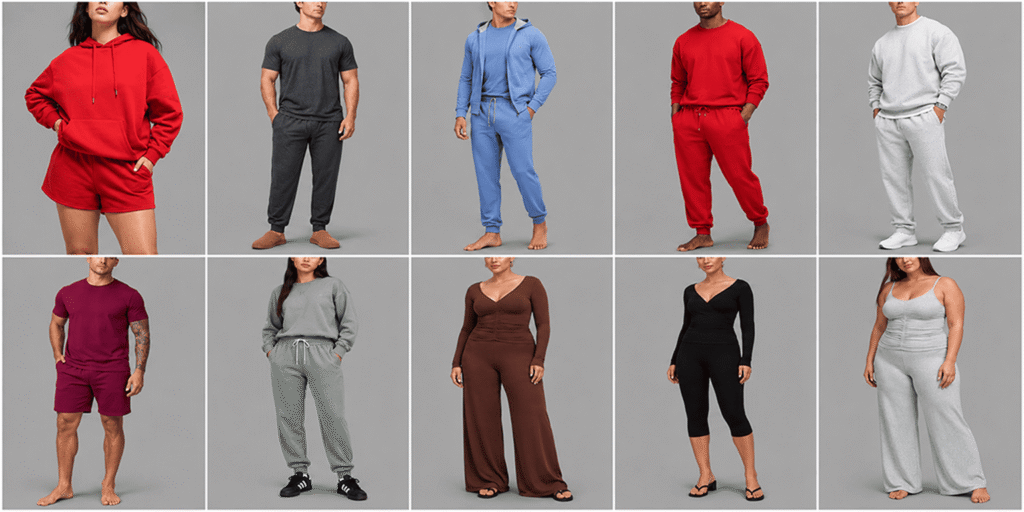
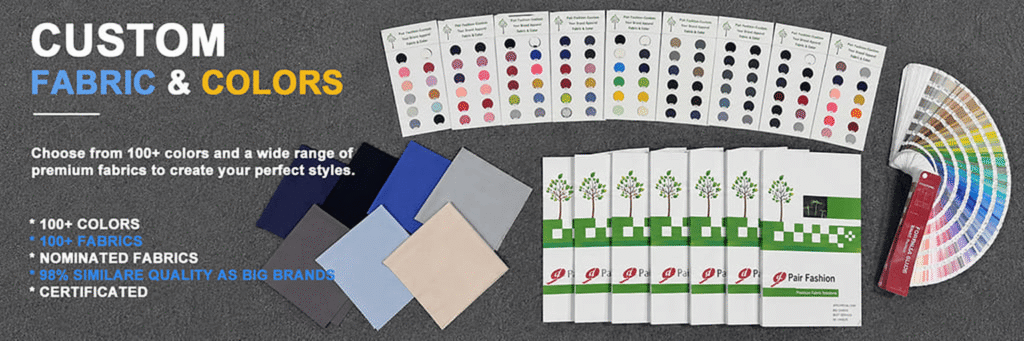
Choose the Right Loungewear Fabrics for Your Target Customer
Fabric is often the single biggest factor influencing how customers perceive a loungewear product. Before they notice branding, construction or packaging, they notice how the garment feels against the skin. Softness, breathability, weight, stretch and durability all contribute to whether a customer wears a product once or makes it part of their daily wardrobe.
For private label brands, fabric selection is also closely linked to pricing strategy and market positioning. A premium lifestyle collection may require exceptional softness and drape, while a value-oriented program may prioritize durability and ease of care. The right material should support both the intended customer experience and the commercial goals of the brand.
Popular Fabric Options for Custom Loungewear
Fabric Type | Key Benefits | Best For |
Cotton Jersey | Soft, breathable and versatile | Everyday lounge collections |
Modal Blend | Smooth hand feel and premium drape | Elevated lifestyle products |
Bamboo Fabric | Lightweight and moisture-managing | Comfort-focused collections |
French Terry | Soft interior with added structure | Hoodie and jogger sets |
Rib Fabric | Stretch, texture and body contouring | Fashion-oriented lounge sets |
Cotton-Poly Blend | Durability and shape retention | High-volume retail programs |
What Customers Expect From Modern Loungewear
Today’s consumers often evaluate loungewear based on more than comfort.
They expect:
- Soft-touch fabric
- Minimal shrinkage
- Color durability after washing
- Comfortable stretch
- Shape retention
- Breathability
- Easy care performance
Fabric Selection by Collection Type
Collection Positioning | Recommended Direction |
Premium Lifestyle | Modal blends and luxury jersey fabrics |
Essential Basics | Cotton-rich constructions |
Athleisure-Inspired | Stretch-enhanced blends |
Sustainable Programs | Bamboo and recycled materials |
Winter Collections | French terry and brushed fabrics |
The best-performing loungewear products are rarely built around trends alone. They succeed because the fabric continues to feel comfortable after repeated washing, repeated wearing and long-term use. By selecting materials that support both comfort and durability, brands can create collections that encourage repeat purchases and strengthen customer loyalty over time.
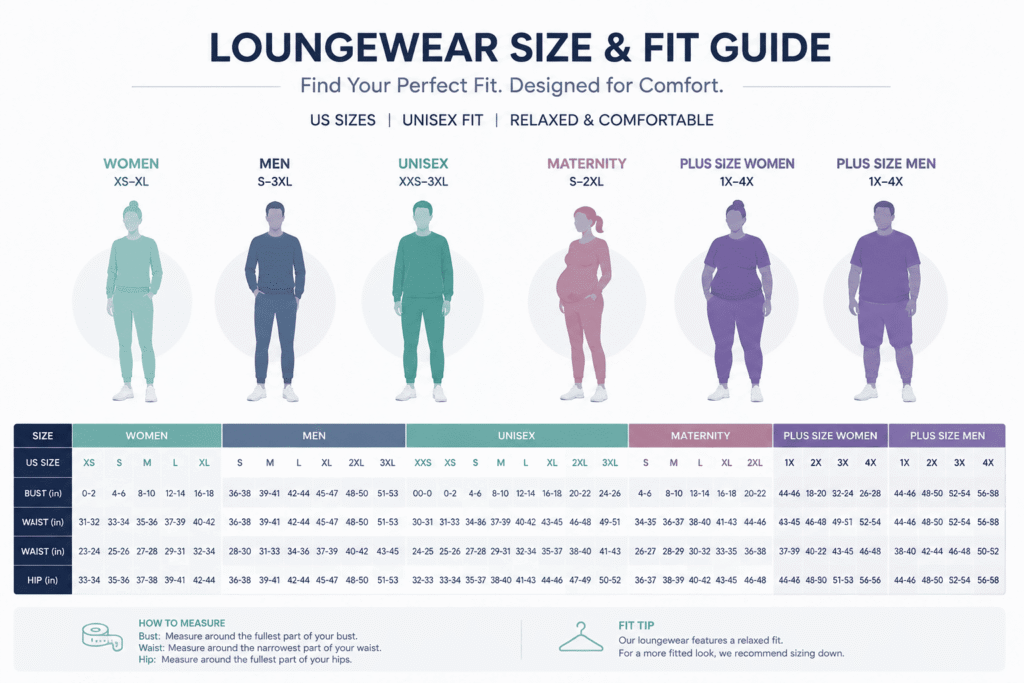
Custom Fit Development for Relaxed, Oversized and Inclusive Collections
Fit is one of the most overlooked factors in loungewear development, yet it has a major influence on customer satisfaction and repeat purchases. Two garments made from the same fabric can create completely different customer experiences depending on how the pattern is developed, graded and fitted.
Today’s loungewear consumers are looking for more than comfort. They want garments that feel relaxed without appearing oversized by accident, provide freedom of movement without looking shapeless and deliver a consistent fit across different sizes.
For this reason, fit development should be aligned with the intended customer profile from the beginning of the project.
Popular Loungewear Fit Categories
Fit Type | Characteristics | Ideal Customer |
Regular Fit | Balanced silhouette and everyday versatility | Broad consumer market |
Relaxed Fit | Extra room without excessive volume | Comfort-focused customers |
Oversized Fit | Fashion-forward loose silhouette | Trend-driven lifestyle brands |
Slim Relaxed Fit | Clean appearance with added comfort | Premium casual collections |
Plus Size Fit | Proportional grading and comfort-focused shaping | Inclusive sizing programs |
Key Elements of Loungewear Fit Development
A successful fit program often includes:
- Pattern creation based on target market
- Size grading across full size ranges
- Body measurement analysis
- Movement and comfort evaluation
- Fabric-specific fit adjustments
- Plus-size development considerations
- Oversized silhouette calibration
Why Fit Matters for Brand Growth
Poor Fit Development | Professional Fit Development |
Higher return rates | Better customer satisfaction |
Inconsistent sizing | Reliable fit across collections |
Negative product reviews | Stronger customer confidence |
Lower repeat purchases | Improved brand loyalty |
Supporting Inclusive Product Strategies
Many modern apparel brands are expanding beyond traditional size ranges.
Development can be customized for:
- Women’s loungewear
- Men’s loungewear
- Unisex collections
- Plus-size programs
- Maternity loungewear
- Oversized capsule collections
Customers often decide whether to repurchase a garment based on how it fits after weeks or months of wear. A carefully developed fit system helps ensure that products remain comfortable, flattering and consistent across the entire collection. When fit, fabric and construction work together, brands are better positioned to build customer trust and long-term retention.
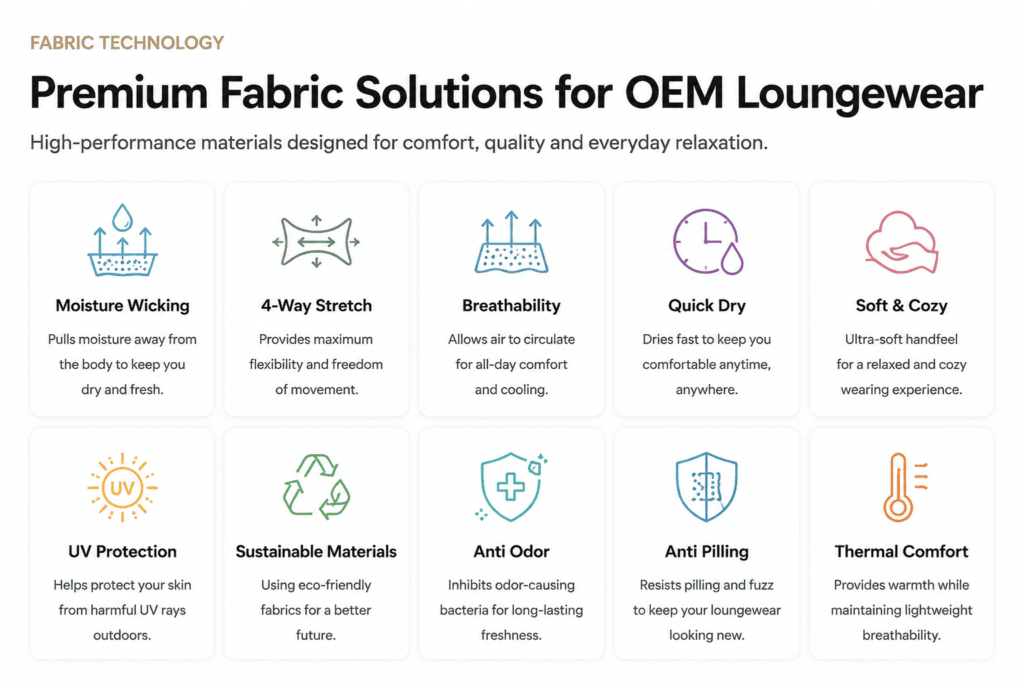
Fabrics That Deliver Softness, Durability and Repeat Purchases
The most successful loungewear products are rarely defined by design alone. While color, silhouette and styling may attract attention, fabric is often what determines whether customers wear a product repeatedly, recommend it to others or purchase additional pieces from the same collection.
For modern apparel brands, fabric selection influences much more than comfort. It affects product positioning, retail pricing, customer reviews, return rates and long-term brand perception. A fabric that feels exceptionally soft on day one but loses shape after several washes can damage customer trust. By contrast, fabrics that maintain their appearance and comfort over time often become the foundation of best-selling collections.
What Customers Expect From Premium Loungewear
Consumer demand for breathable and comfortable apparel continues to grow according to industry research from Textile Exchange.
Consumer demand for breathable and comfortable apparel continues to grow according to industry research from Textile Exchange.
Today’s consumers expect loungewear to perform beyond basic comfort.
They typically look for:
- Soft hand feel
- Breathability
- Shape retention
- Low shrinkage
- Color durability
- Pilling resistance
- Easy care performance
- Year-round comfort
Popular Fabric Options for Custom Loungewear
Fabric Type | Key Advantages | Best Applications |
Cotton Jersey | Breathable, natural and versatile | Everyday lounge collections |
Cotton-Modal Blend | Exceptional softness and drape | Premium lifestyle products |
Bamboo Fabric | Smooth texture and moisture management | Sustainable collections |
French Terry | Structured comfort and durability | Hoodie and jogger sets |
Rib Knit Fabric | Stretch and visual texture | Fashion-forward lounge sets |
Cotton-Poly Blend | Shape retention and wash durability | High-volume retail programs |
Fabric Selection Based on Brand Goals
Brand Objective | Recommended Fabric Direction |
Premium Collection | Cotton-modal and luxury jersey fabrics |
Sustainable Program | Bamboo and recycled blends |
Athleisure Collection | Stretch-enhanced constructions |
Entry-Level Collection | Durable cotton-poly blends |
Winter Lounge Program | French terry and brushed fabrics |
For brands comparing different performance fabrics, our detailed guide to custom activewear fabrics can help identify the best material options for specific customer segments.
The fabrics used in a loungewear collection directly influence how customers experience the product after weeks, months and even years of use. A garment that remains soft, comfortable and visually appealing after repeated washing is far more likely to generate positive reviews and repeat purchases.
By selecting materials that balance comfort, durability and long-term performance, brands can create loungewear collections that not only sell well at launch but continue to drive customer loyalty long after the first purchase.
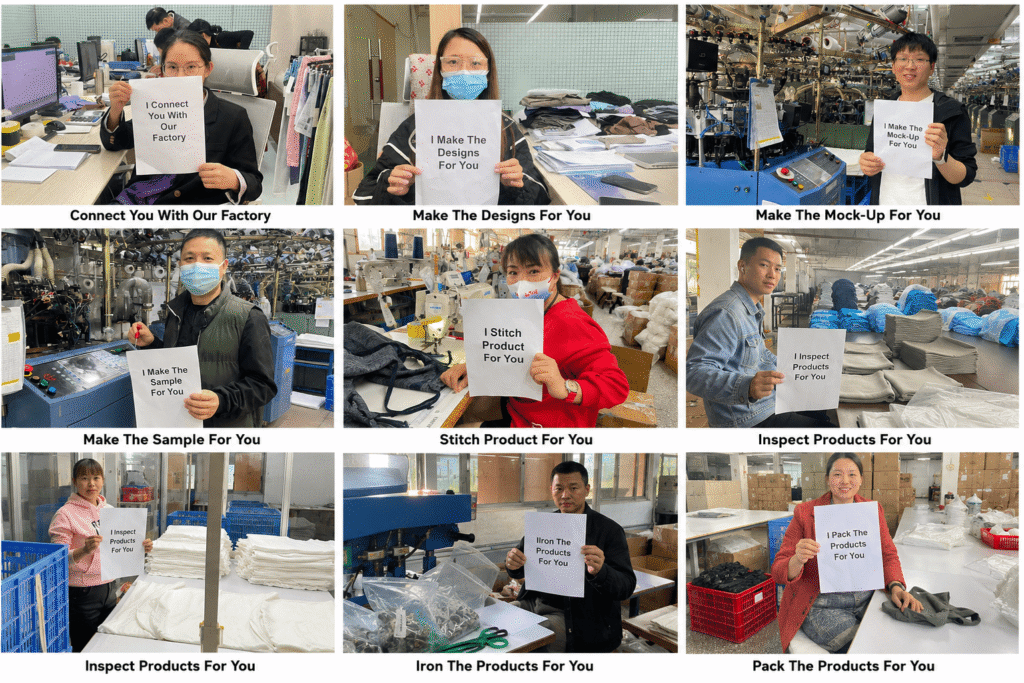
Turn a Product Idea Into a Retail-Ready Loungewear Collection
Many apparel brands begin with a product idea rather than a complete Tech Pack, making structured product development an essential part of the manufacturing process.Many successful loungewear collections start with a simple idea, a mood board, a reference sample or a collection of inspiration images. What matters most is having a structured development process that transforms those ideas into products that are ready for retail.
Product development is where design concepts become commercial products. It is the stage where fabrics are selected, patterns are created, fit is refined and branding elements are integrated. A well-managed development process helps reduce costly mistakes, improve production efficiency and create a smoother path toward launch.
Ways Brands Commonly Start a Project
Starting Point | Development Approach |
Tech Pack | Direct pattern and sample development |
Reference Sample | Construction analysis and customization |
Product Photos | Design interpretation and prototyping |
Sketches | Technical refinement and sample creation |
Product Concept | Full development support from idea to sample |
Typical Development Workflow
- Project Evaluation
Review product goals, target customer and market positioning. - Fabric Selection
Confirm fabric composition, weight, texture and performance requirements. - Pattern Development
Create patterns based on approved measurements and fit direction. - Sample Production
Produce the first prototype for review and testing. - Fit Optimization
Refine measurements, proportions and construction details. - Pre-Production Approval
Confirm branding, packaging, specifications and production requirements.
What Can Be Customized
- Fabric composition
- Garment fit
- Color options
- Logo application
- Labels and tags
- Packaging
- Size range
- Trim details
- Collection branding
Development Benefit | Brand Advantage |
Structured process | Faster product launches |
Early sample validation | Reduced production risk |
Fit refinement | Better customer satisfaction |
Material confirmation | Greater quality consistency |
The most successful loungewear collections are built through careful development rather than rushed production. By investing time in fabric selection, fit testing and product refinement before manufacturing begins, brands can launch products with greater confidence and create collections that are easier to scale as demand grows.
Private Label Details That Increase Perceived Brand Value
Customers rarely judge a loungewear product based on fabric alone. The overall brand experience—including labels, packaging, logo presentation and product finishing—often influences how premium a product feels and how much customers are willing to pay for it.
For growing apparel brands, private label customization is one of the most effective ways to differentiate products in a crowded market. Two garments may share a similar silhouette, but the one with stronger branding, more refined presentation and greater attention to detail often achieves better customer engagement and stronger perceived value.
Private Label Customization Options
Branding Element | Available Customization |
Main Labels | Woven labels, satin labels and printed labels |
Care Labels | Custom washing instructions and brand information |
Size Labels | Standard or customized sizing systems |
Hangtags | Premium branded product tags |
Packaging Bags | Custom polybags and eco-friendly packaging |
Gift Boxes | Retail-ready branded packaging |
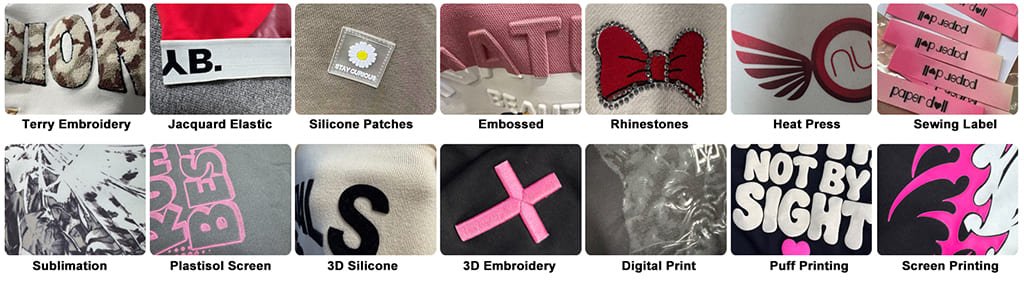
Logo Applications | Embroidery, silicone, heat transfer and screen printing |
Barcode Labels | Retail and inventory management solutions |
Building a Consistent Brand Experience
Strong brands maintain consistency across every customer touchpoint.
Many growing brands also combine custom loungewear with broader private label activewear programs to create a more complete product offering.
This often includes:
- Unified logo placement
- Consistent packaging design
- Brand color standards
- Premium garment finishing
- Coordinated collection presentation
- Professional product information
Why Branding Matters
Basic Product | Private Label Product |
Competes mainly on price | Competes on value and identity |
Limited customer recognition | Stronger brand recall |
Lower perceived value | Higher perceived quality |
Difficult to differentiate | Easier market positioning |
Details Customers Notice
Many purchasing decisions are influenced by small details.
Customers often evaluate:
- Label quality
- Logo execution
- Packaging appearance
- Product presentation
- Brand consistency
- Overall professionalism
A well-developed private label program helps transform loungewear from a simple garment into a recognizable product that customers remember and trust. When branding is integrated into product development from the beginning, collections become easier to market, easier to scale and more capable of supporting long-term brand growth.

Flexible MOQ for New Brands, Seasonal Drops and Market Testing
Launching a successful loungewear collection requires balancing product development, inventory planning and market validation. One of the biggest challenges for apparel brands is managing inventory risk while testing market demand. Ordering too much stock too early can tie up capital, while ordering too little may limit growth opportunities.
For this reason, many successful brands adopt a staged production strategy. Instead of committing to large quantities from the beginning, they validate products through samples, test orders and controlled launches before expanding production.
Why Flexible MOQ Matters
A flexible production model allows brands to:
- Test new product ideas with lower risk
- Launch seasonal collections more efficiently
- Validate sizing and color options
- Collect customer feedback before scaling
- Reduce inventory pressure
- Improve cash flow management
Common Production Strategies
Brand Stage | Recommended Approach |
New Brand Launch | Limited quantity market testing |
Seasonal Drop | Small batch production with fast replenishment |
Product Validation | Multi-color or multi-size trial orders |
Growing Collection | Structured repeat order planning |
Established Program | Scheduled production and inventory support |
How Brands Typically Scale
- Develop Samples
Confirm fit, fabric and branding details. - Launch a Test Order
Evaluate customer response and product performance. - Analyze Sales Data
Identify best-selling colors, sizes and styles. - Expand Production
Increase quantities based on proven demand. - Build Repeat Orders
Establish a stable replenishment cycle.
Benefits Beyond Inventory Reduction
Traditional Large MOQ Model | Flexible MOQ Model |
Higher inventory exposure | Lower inventory risk |
Slower product testing | Faster market validation |
Greater cash flow pressure | Improved financial flexibility |
Difficult collection adjustments | Easier product optimization |
A flexible MOQ strategy helps brands make better decisions based on real customer demand rather than assumptions. By testing products before scaling production, brands can improve launch success, reduce waste and build collections with greater confidence. This approach is particularly valuable for startups, DTC brands, boutique retailers and companies introducing new loungewear concepts to the market.
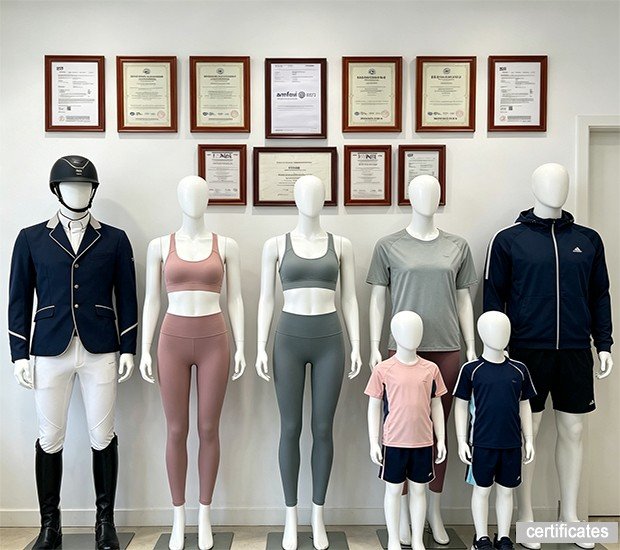
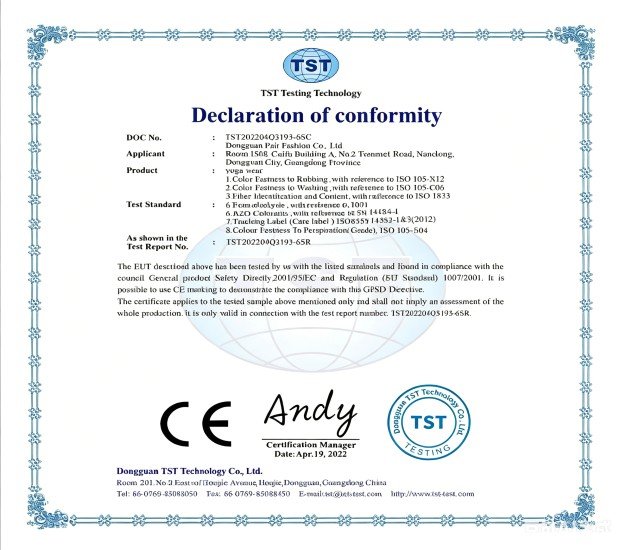
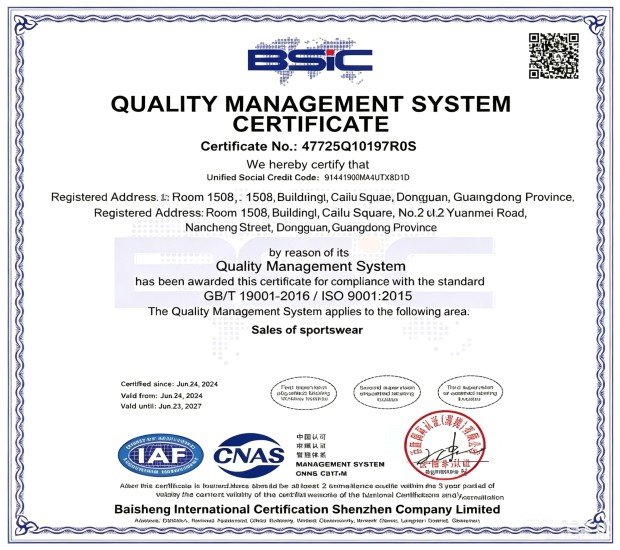
Trusted Manufacturing Standards For Global Sportswear Brands
We operate under internationally recognized quality, sustainability, and ethical manufacturing standards. Our certifications help ensure consistent product quality, responsible sourcing, and reliable production for global sportswear brands.
- 20+ Countries Served
- 6000+ Styles Developed
- 50,000 PCS Monthly Capacity
- 3-Day Sample Development
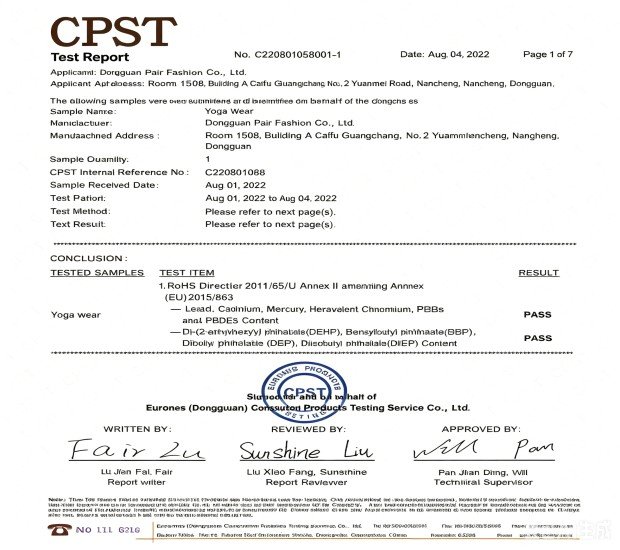
How We Control Fabric Feel, Fit and Consistency Before Production
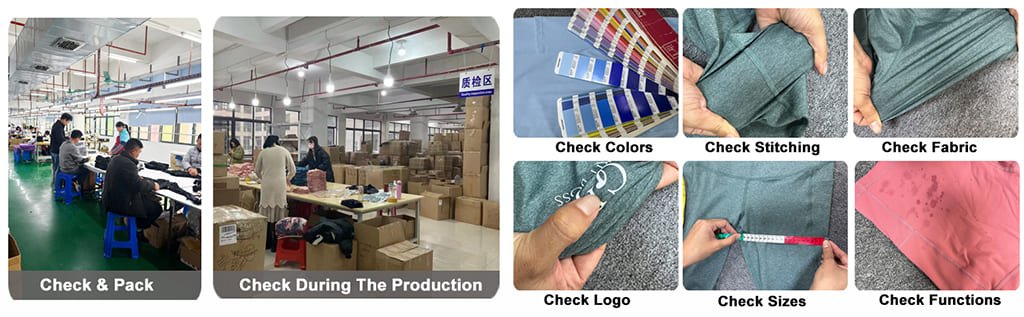
For loungewear brands, quality is measured by consistency. Customers expect the same softness, fit, color and comfort every time they purchase a product. Even minor variations in fabric performance, measurements or construction can affect reviews, returns and long-term brand trust.
That is why quality control should begin long before bulk production starts. A reliable manufacturing process focuses not only on making garments but also on maintaining consistency across every stage of development and production.
Key Quality Areas for Loungewear
Quality Factor | Why It Matters |
Fabric Hand Feel | Maintains the intended customer experience |
Shrinkage Control | Helps preserve garment sizing after washing |
Color Consistency | Ensures products match across production batches |
Measurement Accuracy | Reduces size-related complaints |
Stitching Quality | Improves durability and wear life |
Shape Retention | Maintains appearance after repeated use |
Packaging Standards | Supports retail-ready presentation |
Quality Control Throughout Production
Many international apparel buyers also reference AATCC testing standards when evaluating fabric durability, colorfastness and wash performance.
- Material Verification
Before production begins, fabrics, trims, labels and accessories are reviewed to confirm specifications and performance requirements.
- In-Process Inspection
During manufacturing, production teams monitor:
- Sewing quality
- Measurement consistency
- Logo placement
- Fabric appearance
- Construction details
This helps identify and correct issues before they affect larger quantities.
Many international apparel buyers also reference AATCC testing standards when evaluating fabric durability, colorfastness and wash performance.
Final Product Inspection
Finished garments are evaluated for:
- Measurements
- Fabric condition
- Color consistency
- Workmanship
- Branding accuracy
- Packaging quality
Performance Tests Commonly Used
Test Type | Purpose |
Shrinkage Testing | Evaluates post-wash dimensional stability |
Color Fastness Testing | Verifies color durability |
Stretch Recovery Testing | Assesses fabric resilience |
Seam Strength Testing | Checks construction durability |
Measurement Verification | Confirms size consistency |
Why Consistency Matters
Inconsistent Production | Controlled Production |
Higher return rates | Better customer satisfaction |
More product complaints | Stronger brand reputation |
Unpredictable replenishment | Reliable repeat orders |
Increased operational risk | Greater confidence in scaling |
The most successful private label brands are built on consistency rather than one successful production run. Customers expect the same quality whether they purchase today or six months later.
By controlling fabric performance, garment measurements and manufacturing standards before bulk production begins, brands can reduce risk, improve customer retention and create loungewear collections that support long-term growth.
Manufacturing Capacity That Supports Brand Growth
A successful loungewear brand rarely stays the same for long. As collections gain traction, brands often introduce new styles, expand size ranges, launch seasonal colorways and increase order volumes. The ability to scale production smoothly becomes just as important as the quality of the product itself.
Choosing a manufacturing partner is not simply about fulfilling today’s order. It is about finding a production system capable of supporting future growth without compromising quality, consistency or delivery performance.
For many apparel brands, growth creates new challenges. Increased demand requires stronger production planning, more efficient replenishment systems and greater operational flexibility. Without a reliable manufacturing structure, rapid growth can create inventory shortages, delayed launches and inconsistent customer experiences.
What Growing Brands Typically Require
Business Stage | Manufacturing Priority |
Startup Launch | Product development and market testing |
Early Growth | Repeat order support and inventory planning |
Collection Expansion | Additional styles and color management |
Brand Scaling | Larger production volumes and scheduling |
Multi-Channel Retail | Long-term manufacturing stability |
How Production Capacity Supports Growth
- Consistent Replenishment
Reliable manufacturing makes it easier to restock best-selling products and maintain inventory continuity.
- Faster Collection Expansion
New lounge sets, seasonal products and complementary categories can be developed using established production systems.
- Improved Production Planning
Structured scheduling helps brands align manufacturing with sales forecasts and launch calendars.
- Better Operational Stability
A dependable supply chain reduces disruptions during periods of rapid business growth.
Key Manufacturing Advantages for Growing Brands
Capability | Brand Benefit |
Flexible Production Scheduling | Better response to changing demand |
Repeat Order Management | Faster replenishment cycles |
Multiple Production Lines | Improved production flexibility |
Dedicated Development Support | Easier product expansion |
Quality Control Systems | Consistent customer experience |
The strongest apparel brands are built on reliable supply chains. Product development, quality consistency and production scalability must work together to support long-term growth.
A manufacturing partner should be able to support your first order, your tenth order and your future expansion plans with the same level of reliability. By combining development expertise, flexible production resources and structured manufacturing processes, brands can create a stronger foundation for sustainable growth and long-term success in the loungewear market.
Why Apparel Brands Choose Pair Fashion as Their Loungewear Manufacturing Partner
Finding the right manufacturing partner is about more than comparing prices or production capabilities. The supplier you choose will influence product quality, development speed, customer satisfaction and your ability to scale successfully over time.
For many apparel brands, manufacturing is one of the most important parts of the customer experience. A great product idea can only succeed when it is supported by reliable development, consistent production and dependable delivery.
At Pairfashion Sportswear, we work with brands at different stages of growth, from emerging startups launching their first collection to established apparel companies expanding existing product lines. Our focus is not only on manufacturing garments but also on helping brands create products that customers want to buy again.
What Brands Often Look For in a Manufacturing Partner
| Priority | Why It Matters |
| Reliable Product Development | Reduces launch delays and costly revisions |
| Consistent Quality Standards | Protects brand reputation |
| Flexible MOQ Options | Supports product testing and growth |
| Responsive Communication | Improves project efficiency |
| Scalable Production | Supports future expansion |
| Private Label Support | Strengthens brand identity |
| Long-Term Reliability | Reduces supply chain uncertainty |
Benefits of Working With a Specialized Partner
- Faster Product Launches
Structured development processes help brands move from concept to production more efficiently.
- Lower Development Risk
Fit testing, fabric validation and sample refinement reduce costly production mistakes.
- Greater Consistency
Standardized production procedures improve quality control and repeat order reliability.
Easier Collection Expansion
Established development systems make it easier to introduce new products and seasonal collections.
Manufacturing Partner vs Production Vendor
Production Vendor | Manufacturing Partner |
Produces garments | Supports product development |
Focuses on transactions | Supports long-term growth |
Limited strategic input | Provides development guidance |
Short-term order execution | Ongoing collaboration |
The most successful loungewear brands are rarely built through isolated production orders. They are built through strong products, reliable supply chains and manufacturing relationships that evolve alongside the business.
By combining product development expertise, private label support, quality-focused production and scalable manufacturing resources, Pairfashion Sportswear helps brands create collections that are positioned for sustainable growth rather than short-term success.
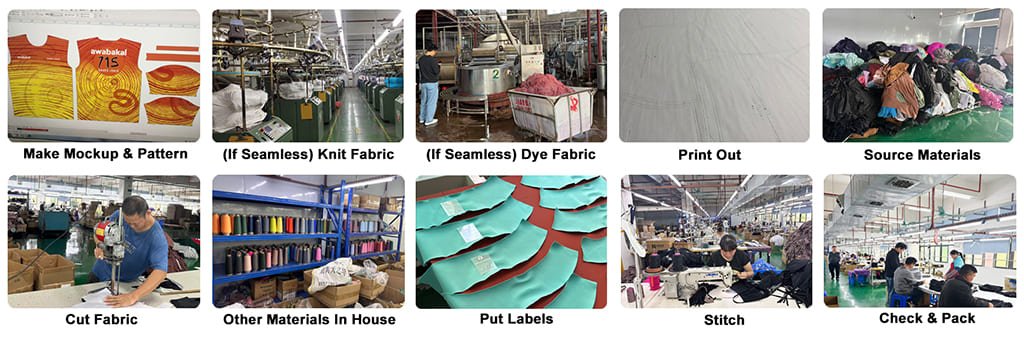
1. Product Development
Regular monthly product development ensures consistent updates to your brand line.
2. Fabric Sourcing
Regular monthly product development ensures consistent updates to your brand line.
3. Sample Making
Regular monthly product development ensures consistent updates to your brand line.
4. Bulk Production
Regular monthly product development ensures consistent updates to your brand line.
5. Packaging & Delivery
Regular monthly product development ensures consistent updates to your brand line.
Complete OEM & ODM Sportswear Solutions
We provide complete custom sportswear manufacturing services from concept development and fabric sourcing to bulk production and worldwide delivery.
- OEM & ODM Product Development
- Functional Fabric Sourcing & Material Selection
- Pattern Making & Sample Development
- Private Label Branding & Custom Packaging
- Quality-Controlled Bulk Manufacturing
- Global DDP Shipping & Delivery Support
Frequently Asked Questions About Custom Yoga Pants
FAQ 1
How Do I Choose the Right Fabric for a Custom Loungewear Collection?
The best loungewear fabric is not necessarily the softest one on day one; it is the fabric that continues to feel comfortable, maintain its appearance and support your brand positioning after repeated wear and washing.
When developing a custom loungewear collection, fabric selection should be based on customer expectations, retail price point, seasonality and long-term performance. While softness attracts initial purchases, durability and comfort drive repeat purchases.
Collection Positioning | Recommended Fabric |
Premium Lifestyle | Cotton-Modal Blend |
Sustainable Program | Bamboo or Recycled Blend |
Core Essentials | Cotton Jersey |
Hoodie & Jogger Sets | French Terry |
The most successful private label collections balance softness, breathability, durability and shape retention, creating products that customers continue wearing long after the initial purchase.
FAQ 2
What Is the Best MOQ for Launching a New Private Label Loungewear Brand?
For most startup apparel brands, the ideal MOQ is not the lowest possible quantity but the quantity that allows meaningful market validation while minimizing inventory risk and protecting cash flow.
Many new brands assume that larger orders automatically reduce costs, but inventory that does not sell often becomes more expensive than a slightly higher unit price. Successful brands typically scale through controlled testing rather than aggressive first-time purchases.
Stage | Primary Goal |
Sample Development | Product validation |
Test Order | Market feedback |
Repeat Order | Demand confirmation |
Scale Production | Margin improvement |
A flexible MOQ strategy helps brands launch faster, collect customer insights and grow based on actual demand instead of assumptions.
FAQ 3
Can I Start a Custom Loungewear Project Without a Tech Pack?
Yes. Many successful private label loungewear collections begin with reference images, existing garments or product ideas rather than a fully completed Tech Pack.
While a Tech Pack can speed up development, it is not required to start a project. Experienced manufacturers can help convert ideas into technical specifications through fabric selection, pattern development and sample creation.
Useful starting materials include:
- Product photos
- Reference garments
- Pinterest inspiration
- Brand guidelines
- Target retail pricing
- Logo files
The development process is designed to transform concepts into production-ready products, even when technical documentation is limited at the beginning.
FAQ 4
How Can I Make My Loungewear Brand Look More Premium?
Premium loungewear is rarely defined by logos alone; it is created through a consistent combination of fabric quality, fit, construction, branding details and customer experience.
Many brands focus heavily on visual branding while overlooking the elements customers interact with most frequently. Soft fabrics, refined fit, durable construction and thoughtful packaging often have a greater impact on perceived value than decorative features.
Factor | Impact on Perceived Value |
Fabric Quality | ★★★★★ |
Fit Development | ★★★★★ |
Packaging Experience | ★★★★ |
Logo Execution | ★★★★ |
Label & Trim Quality | ★★★★ |
Customers tend to associate premium brands with consistency. When every detail feels intentional, products become easier to position at higher price points and more likely to generate repeat purchases.
FAQ 5
How Long Does It Take to Develop and Produce Custom Loungewear?
The timeline for a custom loungewear project is influenced by development complexity, fabric sourcing, sample approvals and production planning, but most delays occur during product development rather than bulk manufacturing.
Many brands focus only on production lead times while underestimating the importance of sampling and refinement. Successful launches usually result from careful planning rather than rushed manufacturing.
Stage | Primary Objective |
Product Development | Fabric and fit planning |
Sample Creation | Prototype development |
Sample Revisions | Fit and detail refinement |
Pre-Production Approval | Final specification confirmation |
Bulk Production | Manufacturing execution |
Shipping | Distribution and delivery |
Brands that begin development early typically achieve better product quality, smoother launches and stronger inventory planning compared to brands operating under tight deadlines.
FAQ 6
What Makes Customers Reorder Loungewear Again and Again?
Customers usually reorder loungewear because the product continues to feel comfortable, fit well and maintain its appearance after repeated wear and washing, not simply because it looked attractive online.
The first purchase is often influenced by design and marketing. Repeat purchases are earned through product performance. When customers trust a garment to remain soft, comfortable and reliable, they are more likely to purchase additional colors, styles and future collections.
Factor | Impact on Repeat Purchases |
Fabric Comfort | ★★★★★ |
Fit Consistency | ★★★★★ |
Wash Performance | ★★★★★ |
Brand Experience | ★★★★ |
Packaging | ★★★ |
The strongest loungewear brands focus on creating products that become part of customers’ daily routines rather than one-time purchases.
FAQ 7
How Do I Reduce Risk When Choosing a Loungewear Manufacturer?
The safest way to choose a loungewear manufacturer is to evaluate development expertise, quality management, communication and long-term reliability rather than focusing exclusively on unit cost.
A lower price can be attractive initially, but delays, inconsistent quality and weak communication often create far greater costs over time. Strong manufacturing partnerships reduce uncertainty and improve business stability.
Evaluation Area | Importance |
Product Development Capability | ★★★★★ |
Quality Control Systems | ★★★★★ |
Communication Efficiency | ★★★★★ |
Repeat Order Support | ★★★★ |
MOQ Flexibility | ★★★★ |
Price | ★★★ |
The best manufacturing relationships are built on trust, consistency and operational reliability rather than short-term cost savings alone.
FAQ 8
Can Loungewear Be Expanded Into a Full Lifestyle Apparel Collection?
Yes. Many successful loungewear brands eventually evolve into broader lifestyle brands by expanding into complementary categories that share similar customers, fabrics and design aesthetics.
Loungewear often serves as an entry point because it is versatile, accessible and widely accepted by consumers. Once a brand establishes trust, it becomes easier to introduce additional products and increase customer lifetime value.
Initial Category | Expansion Opportunity |
Lounge Sets | Hoodie Sets |
Joggers | Sweatshirts |
Pajama Collections | Activewear |
Core Loungewear | Travel and Lifestyle Apparel |
Brands that build coordinated product ecosystems typically benefit from stronger customer retention, higher average order values and more sustainable long-term growth than brands that rely on a single product category.
Start Your Custom Loungewear Project Today
Every successful loungewear collection starts with a clear idea and the right manufacturing partner.
Whether you already have a complete Tech Pack, a reference sample, product photos or simply a concept for a new collection, the development process can begin from where you are today. Many of the most successful private label brands started with a single product idea and gradually expanded into full collections through structured development and reliable manufacturing support.
At Pairfashion Sportswear, we work with apparel brands, lifestyle labels, DTC businesses, online retailers and private label companies to transform concepts into retail-ready products. From fabric sourcing and pattern development to branding, packaging and production, every stage is designed to help brands move forward with greater confidence and lower risk.
We Can Support
Service Area | What We Help With |
Product Development | Turn ideas into production-ready products |
Sample Creation | Develop and refine prototypes |
Fabric Sourcing | Identify materials that match your positioning |
Fit Optimization | Improve comfort, sizing and wearability |
Private Label Branding | Labels, packaging and brand presentation |
Bulk Production | Scalable manufacturing for growing brands |
Repeat Orders | Consistent replenishment and long-term support |
A Simple Path From Idea to Market
- Share Your Concept
Send a Tech Pack, sample, photo or product idea. - Discuss Requirements
Define fabrics, fit, branding and production goals. - Develop Samples
Review construction, quality and overall appearance. - Approve Specifications
Finalize materials, measurements and branding details. - Begin Production
Move into bulk manufacturing with approved standards. - Launch Your Collection
Receive products ready for retail, e-commerce or distribution.
Why Brands Start Early
Starting Earlier | Benefit |
More development time | Better product refinement |
Earlier sampling | Faster market entry |
Better production planning | Reduced supply chain pressure |
Seasonal preparation | Stronger launch execution |
The best time to begin developing your next collection is before you need it. Early planning creates more flexibility, improves product quality and helps brands launch with confidence.
Whether you are creating your first lounge set, expanding a successful collection or building a long-term private label program, the next step is simple.
- Yoga Pant
- Sports Bras
- Tank Tops
- Gym Shorts
- Men & Kids Sportswear
- Riding Tops
- Breeches
- Competition Wear
- Jackets
- Man & Kids Equestrian
- Joggers
- Sweatshirt & Hoodies
- Sweaters
- Coat & Jacket
- Men & Kids Loungewear
Other OEM Apparel
- Tennis Clothing
- Jumpsuit
- Dress & Skirts
- Plus Size Activewear
- Maternity Activewear
Get In Touch
Contact our OEM/ODM specialists for product development, sampling, pricing, and production support.