OEM/ODM Sportswear Manufacturer | 3-Day Sampling | Low MOQ | 50K Monthly Capacity | ISO9001 & BSCI Certified
Best Custom Jogger Manufacturer in China for Sportswear Brands
Partner with our professional Custom Jogger Manufacturer to create joggers your customers love for daily loungewear, gym training and street style. Premium fabrics, tailored custom fits, full private label branding and flexible low-MOQ manufacturing help sportswear brands boost repeat orders and long-term business expansion.
50K+
Monthly Capacity
3 Days
Fast Sampling
6,000+
Custom Styles
10+
Years Experience
Jogger Manufacturer: Fully Custom Jogger Pants Tailored To Your Unique Brand Style
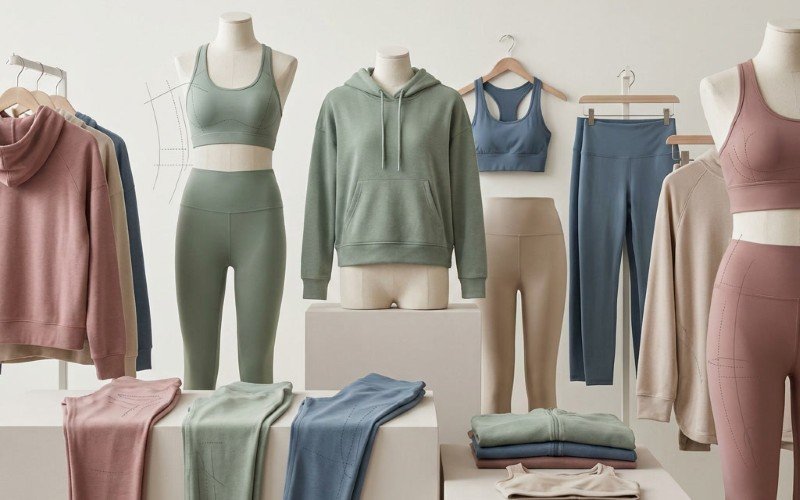
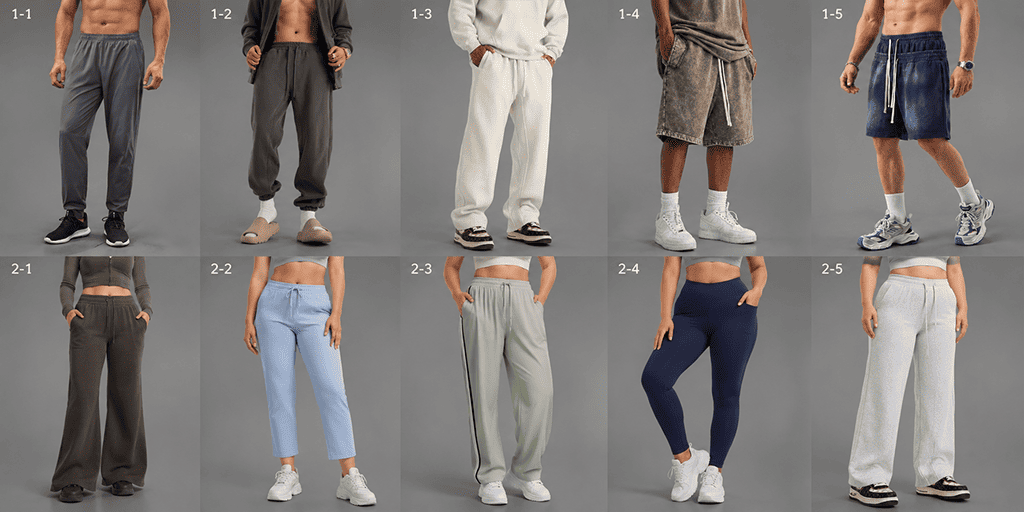
Not every brand starts with a complete product development team. Many activewear startups, DTC brands, private label programs, and emerging retailers begin with nothing more than a few inspiration images, a competitor sample, or a rough concept for a new jogger collection.
A capable custom jogger manufacturer should do more than produce garments. The right partner helps transform ideas into products that can be sampled, tested, sold, and reordered with confidence.
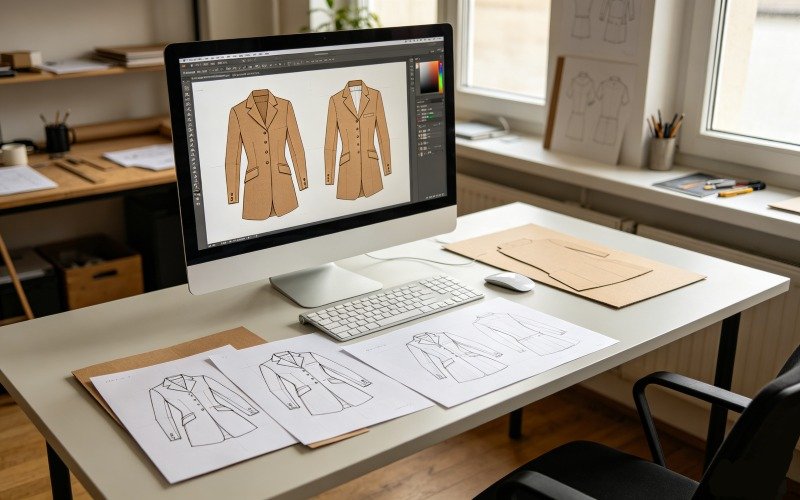
Whether you provide Pinterest references, AI-generated concepts, hand sketches, physical samples, or a detailed tech pack, our development team can evaluate construction details, fabric requirements, fit expectations, branding elements, and production feasibility. The goal is not simply to copy an existing product, but to create a jogger that works for your market, pricing strategy, and customer expectations.
Before sampling begins, we focus on several critical factors:
- Is the product aligned with the target customer?
- Is the fabric suitable for the intended use?
- Does the fit support the desired brand positioning?
- Can the construction be reproduced consistently in bulk production?
- Does the estimated cost support your retail pricing goals?
This development-first approach helps reduce unnecessary revisions, shorten product launch timelines, and lower the risk of costly mistakes later in production.
What You Provide | Development Support |
Reference photos | Style analysis and development recommendations |
Existing samples | Garment breakdown and pattern recreation |
Sketches or concepts | Pattern development and fit planning |
Tech packs | Accurate sample execution |
Brand direction | Product strategy and material recommendations |
By combining product development experience, pattern-making expertise, and production knowledge, we help turn ideas into joggers that are built for commercial success rather than just sample approval.
Build a Jogger Collection That Fits Your Brand and Customers
Successful custom joggers are built around product positioning, fabric performance, fit consistency, and brand identity—not simply by adding a logo to a standard garment. For activewear brands, DTC stores, private label retailers, and fitness lifestyle labels, joggers can become a year-round product with strong repeat purchase potential. The right collection should match your brand position, fabric hand feel, fit preference, target price, size range, and real customer wearing scenarios.
At Pair Fashion, we help brands develop custom joggers from product direction instead of rushing into sampling without a clear plan. Your jogger line can be built for gym training, athleisure, streetwear, club uniforms, matching tracksuits, or private label essentials. Based on your sales channel, we help you decide whether the product should focus on lightweight performance, soft fleece warmth, French terry comfort, recycled fabrics, or stretch sportswear blends.
For startup brands, our mature style library helps reduce development cost by starting from proven silhouettes and adjusting details. For growing brands, we support seasonal color planning, size expansion, collection consistency, and repeat production. You can provide reference photos, original samples, sketches, or a full tech pack, and we will turn them into a clear jogger development plan ready for sampling, quotation, and bulk production.
Brand Need | Recommended Jogger Direction | Purchasing Value |
Startup activewear brand | ODM-based styles with flexible MOQ | Lower development and inventory risk |
DTC e-commerce brand | Multi-color, multi-size joggers for fast launches | Faster new product testing |
Private label retailer | Core joggers and matching set programs | Stable quality and repeat supply |
Fitness club or teamwear buyer | Logo-customized joggers and uniforms | Stronger brand identity |
With flexible MOQ, fast sampling support, functional fabric options, and structured production management, we make it easier to build joggers that look on-brand, feel comfortable, and are ready for real commercial sales.
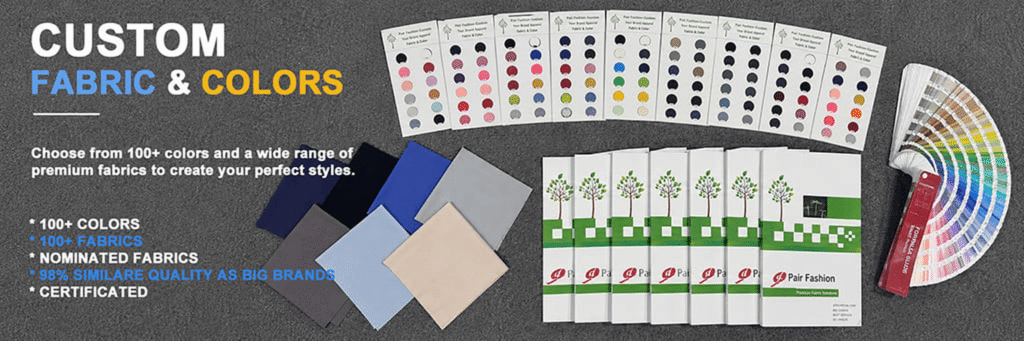
Choose the Right Jogger Fabrics for Performance and Everyday Wear
The quality of a jogger often starts with the fabric.
Consumers may never remember the exact fiber composition, but they will remember how the garment feels. Softness, stretch, warmth, breathability, durability, and shape retention all influence customer satisfaction, repeat purchases, and long-term brand perception.
Many recycled fabrics used in premium joggers comply with internationally recognized sustainability standards such as the Global Recycled Standard (GRS).
Different markets and sales channels require different fabric strategies. Premium athleisure brands often prioritize comfort, drape, and elevated hand feel, while teamwear programs and promotional projects may place greater emphasis on durability and cost efficiency. Choosing the right fabric is not simply a sourcing decision—it is a product positioning decision.
Common fabric options for custom joggers include:
Fabric Type | Key Benefits | Best For |
French Terry | Breathable, soft, versatile for year-round wear | Athleisure and DTC brands |
Brushed Fleece | Warm, comfortable, premium winter feel | Fall and winter collections |
Cotton Blend | Natural comfort and everyday appeal | Lifestyle and casual brands |
Recycled Fabric | Sustainable and environmentally responsible | Eco-focused collections |
Performance Knit | Stretch, moisture management, athletic comfort | Fitness and training products |
Fabric weight is equally important. Lightweight constructions support spring and summer collections, while heavier fabrics often create a more premium appearance and enhanced warmth. The right balance depends on your target customer, retail price point, and intended use.
Beyond fabric sourcing, successful jogger development requires consideration of wash performance, pilling resistance, shrinkage control, color consistency, and long-term wearability. These factors directly affect customer reviews and reorder potential.
Selecting the right fabric is not about following trends. It is about building a product that aligns with your brand identity, supports your pricing strategy, and delivers the wearing experience your customers expect. A well-chosen fabric helps transform a basic jogger into a product customers wear repeatedly and recommend confidently.
Explore our custom activewear fabric options to compare stretch, moisture management, recycled materials, and performance textiles for different jogger collections.
Create a Better Fit Through Professional Pattern Development
A great jogger is not defined by fabric alone. The way it fits, moves, and performs during everyday wear often determines whether customers purchase again or look elsewhere.
Fit development is one of the most important factors in successful custom jogger manufacturing. Even when two products use identical fabrics, differences in pattern construction can create completely different customer experiences. A well-developed fit improves comfort, appearance, mobility, and overall product value.
Different markets also expect different silhouettes. Fitness-focused consumers often prefer a more athletic shape that follows the body without restricting movement. Lifestyle customers may prioritize comfort and versatility, while streetwear audiences frequently favor oversized proportions and relaxed styling.
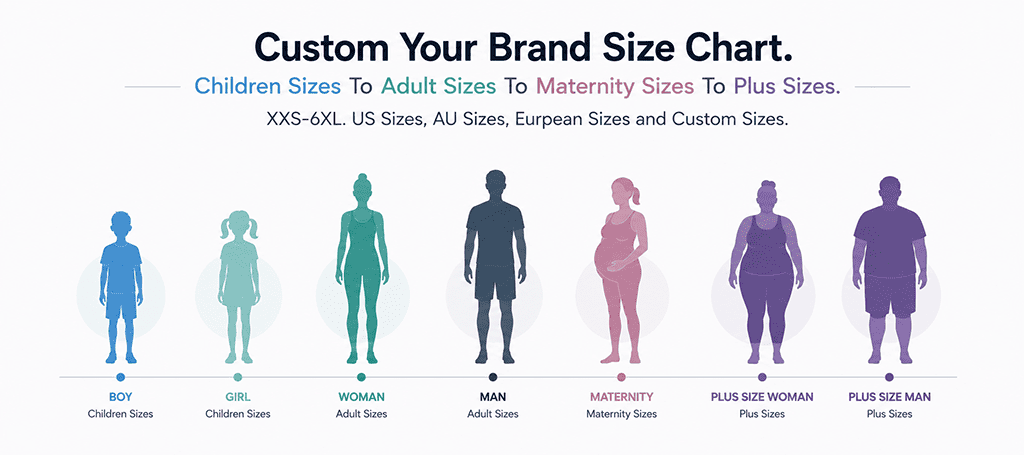
During development, jogger patterns are typically built around a specific fit direction:
Fit Type | Characteristics | Ideal For |
Slim Fit | Streamlined and body-conscious silhouette | Fitness and training collections |
Athletic Fit | Balanced mobility and modern appearance | Activewear brands |
Regular Fit | Everyday comfort with broad appeal | Mainstream retail programs |
Relaxed Fit | Extra comfort and casual styling | Lifestyle collections |
Oversized Fit | Fashion-forward proportions and volume | Streetwear brands |
Beyond the overall silhouette, professional pattern development focuses on details that directly affect wearability:
- Waistband comfort and stability
- Rise and crotch construction
- Hip and thigh mobility
- Leg taper balance
- Cuff proportion
- Size grading consistency
- Length optimization across sizes
Fit samples and wear testing play an essential role before bulk production begins. Small adjustments at the development stage can significantly improve customer satisfaction and reduce costly returns later.
For brands building long-term product programs, investing in fit development creates a stronger competitive advantage than simply following trends. Customers may purchase a jogger for its appearance, but they return because of its comfort, fit consistency, durability, and everyday wearing experience.
Customize Every Detail to Strengthen Your Brand Identity
In today’s activewear market, producing a quality jogger is only the starting point. What separates a recognizable brand from a generic product is the ability to create a consistent identity across every customer touchpoint.
Customers are not simply purchasing joggers. They are buying into a brand experience. From the moment a package arrives to the first time the garment is worn, every detail contributes to how your brand is perceived.
Successful private label joggers are often built through thoughtful customization rather than overly complicated designs. Consistency in branding, trims, packaging, and product presentation can create a stronger market position than frequent style changes.
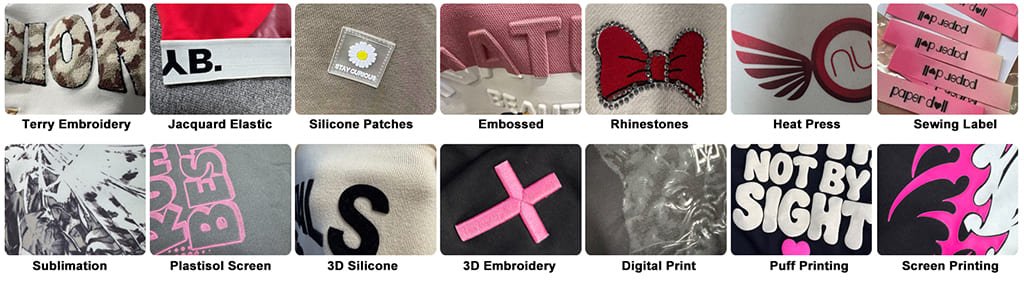
Learn more about our private label apparel branding services, including custom labels, packaging, embroidery, silicone logos, and heat transfer applications.
Common customization options for custom jogger manufacturing include:
Customization Area | Brand Benefit |
Embroidered logos | Creates premium brand recognition |
Silicone logos | Adds a modern and elevated appearance |
Woven main labels | Reinforces brand identity |
Care labels | Supports compliance and professional presentation |
Custom hangtags | Enhances retail merchandising |
Branded packaging bags | Improves unboxing experience |
Custom drawcords | Adds unique product details |
Pantone color matching | Maintains visual consistency across collections |
Beyond branding elements, many activewear brands also customize waistband construction, pocket configurations, cuff styles, stitching details, and matching collection colors to create a more distinctive product line.
For growing brands, these details help establish recognition across multiple products and collections. Customers begin to associate certain design elements, packaging standards, and product finishes with your brand, creating stronger trust and repeat purchase behavior.
A successful jogger should not feel like a generic garment with a logo added at the end of production. It should feel intentionally designed, professionally branded, and fully aligned with the identity your customers expect. Strong branding transforms a basic product into a long-term brand asset that supports growth, differentiation, and customer loyalty.
Launch Faster With Flexible MOQ and Rapid Sampling
Speed has become a competitive advantage in today’s apparel market. The ability to move from an idea to a sellable product quickly often determines whether a brand captures demand or misses an opportunity.
Many activewear brands, private label programs, and DTC businesses no longer rely on large inventory commitments when launching new products. Instead, they use a more agile strategy: test small, validate demand, and scale production based on real sales data.
This approach reduces risk while allowing brands to respond faster to changing consumer preferences and seasonal trends.
A typical jogger development process often follows four stages:
Stage | Primary Objective |
Sample Development | Validate design, fit, and fabric selection |
Small Batch Production | Test customer response and demand |
Market Evaluation | Analyze sales performance and feedback |
Bulk Reorders | Scale proven products with confidence |
Flexible production programs make it easier for brands to enter new categories, launch seasonal collections, or experiment with new designs without committing to excessive inventory.
Rapid sampling is equally important. Faster sample turnaround allows teams to review products earlier, make adjustments sooner, and shorten the overall development timeline. This creates more opportunities to launch products during the right season and maximize market potential.
For startup brands, emerging labels, crowdfunding projects, and growing activewear businesses, a flexible MOQ strategy provides a practical way to reduce financial exposure while building a stronger product portfolio.
The most successful jogger programs are rarely built through large speculative orders. They are built through continuous testing, data-driven decisions, and reliable production support that allows brands to grow at a sustainable pace. Flexible MOQ and rapid sampling create the foundation for that growth.
Ensure Consistent Bulk Production With Structured Quality Control
For apparel brands, the most expensive problems rarely come from manufacturing costs. They come from inconsistent quality, customer complaints, returns, delayed launches, and damage to brand reputation.
A jogger that performs well as a sample has little value if the same standard cannot be maintained during bulk production. Consistency is what transforms a successful sample into a successful product program.
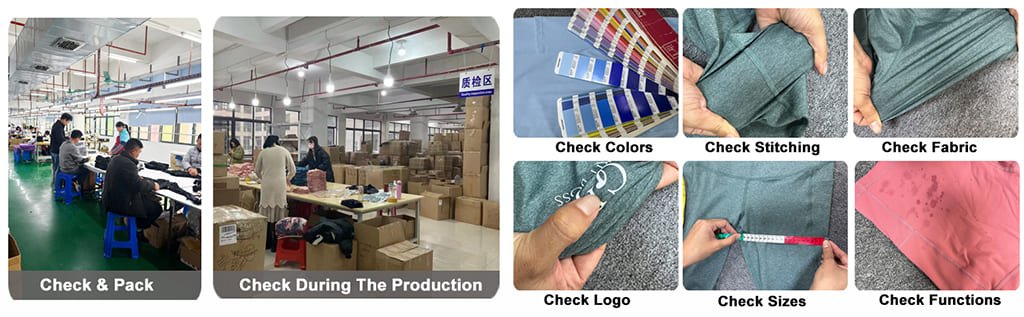
Professional custom jogger manufacturing requires a structured quality control system that monitors every stage of production rather than relying solely on final inspection. From raw materials to finished garments, each process should be evaluated against predefined quality standards.
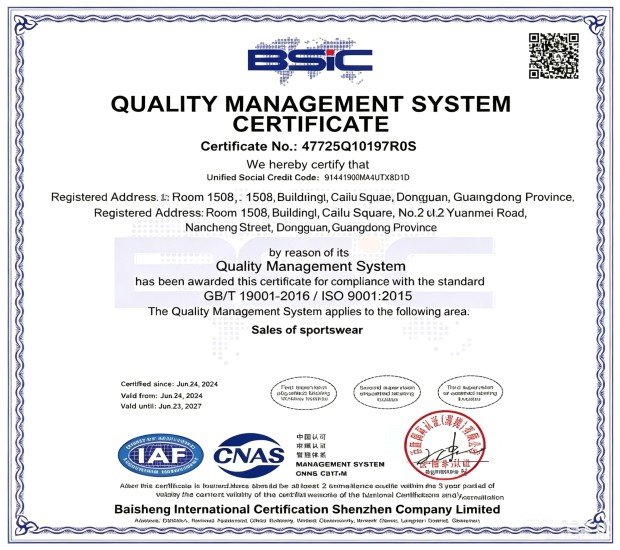
Our quality management principles follow internationally recognized ISO 9001 quality management practices.
Quality management typically begins before production starts. Fabric weight, stretch performance, color consistency, shrinkage control, and surface appearance all influence the final product. During manufacturing, regular inspections help identify potential issues early, reducing the risk of large-scale defects.
See how our complete apparel quality control process helps maintain consistency from sampling to bulk production.
A structured quality control process generally includes:
Inspection Stage | Key Focus |
Incoming Material Inspection | Fabric and trim quality verification |
Pre-Production Approval | Sample and construction confirmation |
In-Line Production Inspection | Sewing accuracy and workmanship control |
Finished Product Inspection | Measurements, appearance, and packaging |
Pre-Shipment Inspection | AQL-based final quality verification |
Beyond technical compliance, consistent quality creates operational advantages for brands. Stable sizing, repeatable fabric performance, and reliable construction reduce customer complaints and improve long-term product reviews.
For growing activewear brands and private label programs, quality consistency becomes increasingly important as order volumes increase. A structured inspection system helps ensure that the hundredth shipment performs as reliably as the first.
Reliable quality control is not simply about preventing defects. It is about protecting brand reputation, supporting customer retention, and creating the confidence needed to scale production over time. When customers know what to expect from every order, repeat business becomes much easier to achieve.
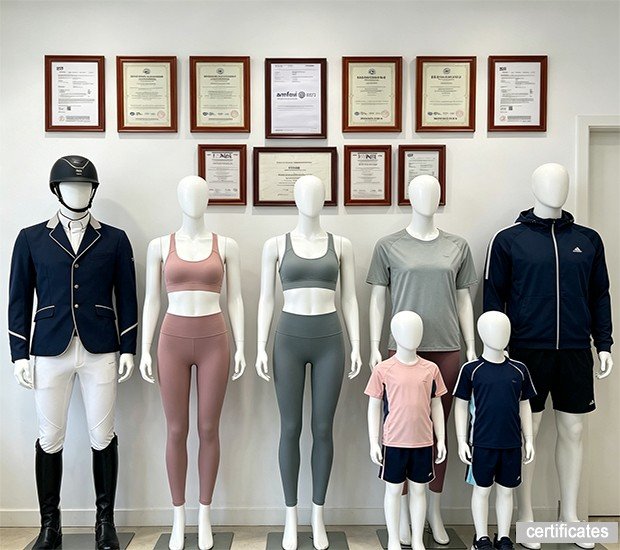
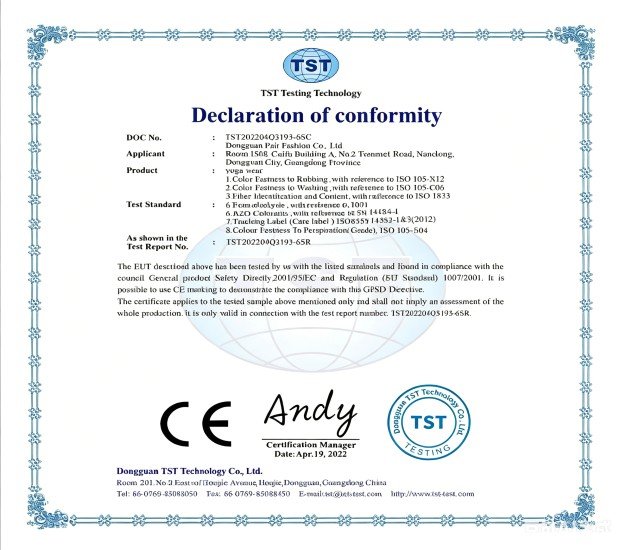
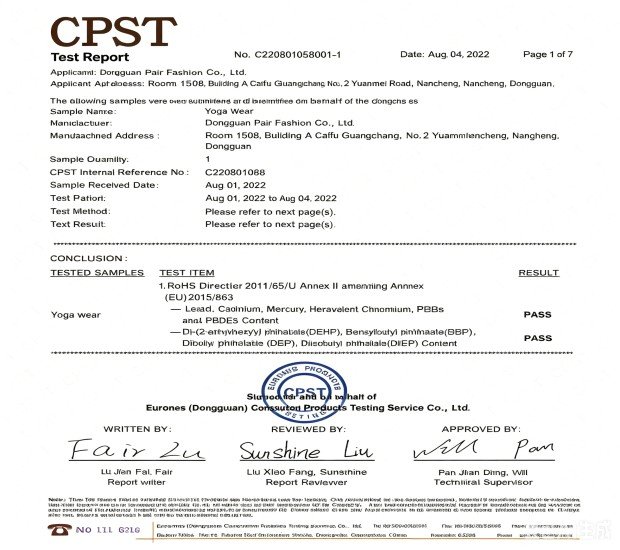
Trusted Manufacturing Standards For Global Sportswear Brands
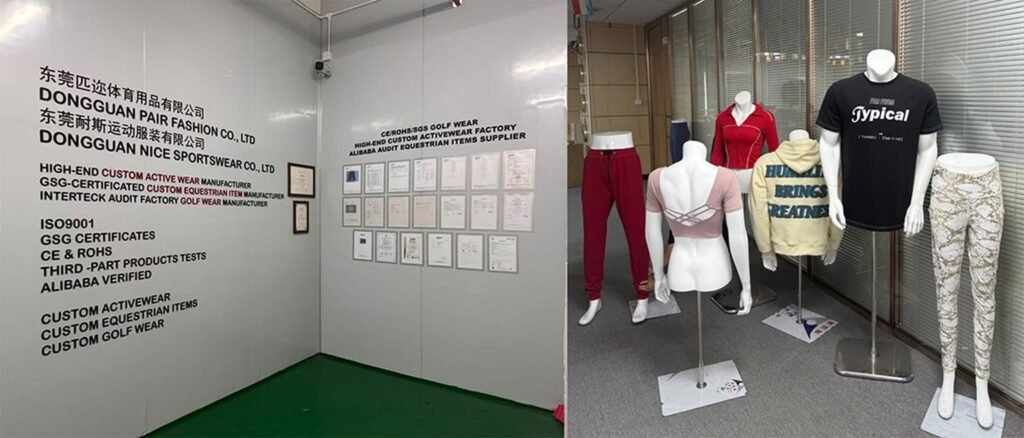
We operate under internationally recognized quality, sustainability, and ethical manufacturing standards. Our certifications help ensure consistent product quality, responsible sourcing, and reliable production for global sportswear brands.
- 20+ Countries Served
- 6000+ Styles Developed
- 50,000 PCS Monthly Capacity
- 3-Day Sample Development
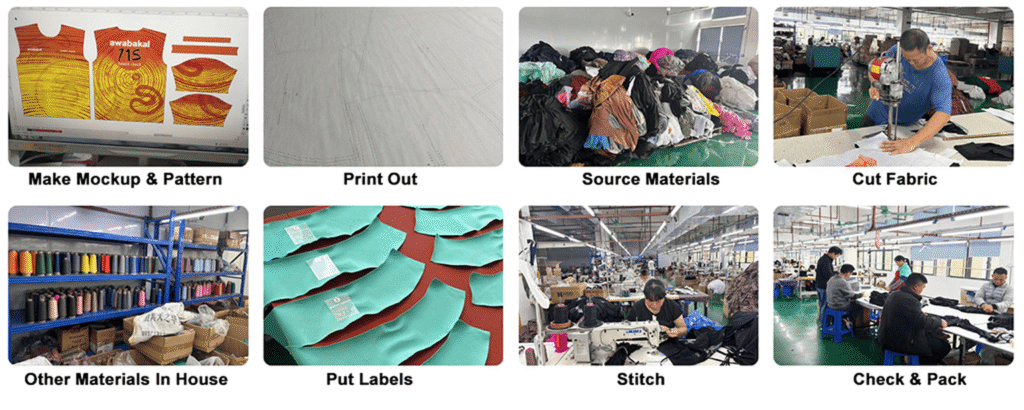
Simplify Sourcing With One Manufacturing Partner
As an apparel brand grows, managing the supply chain often becomes more challenging than designing the product itself.
Launching a jogger collection may begin with a single style, but successful brands quickly expand into multiple colors, fabric programs, seasonal collections, coordinated sets, and additional product categories. As complexity increases, so does the number of suppliers involved in the process.
Many brands eventually find themselves coordinating fabric mills, trim suppliers, printing vendors, embroidery factories, packaging companies, inspection teams, freight forwarders, and production facilities simultaneously. Each additional supplier creates more communication, more administration, and more potential for delays or inconsistencies.
This is why many growing brands prefer working with a full-service custom jogger manufacturer capable of managing multiple stages of production through a single point of contact.
A complete jogger development program typically includes:
Production Stage | Scope of Support |
Fabric Development | Material sourcing and performance recommendations |
Trim Development | Labels, hangtags, drawcords, zippers, and accessories |
Brand Customization | Logo applications and packaging solutions |
Sample Development | Prototype creation and revisions |
Bulk Manufacturing | Production planning and execution |
Quality Assurance | Inspection and testing procedures |
Global Logistics | Export coordination and final delivery |
A streamlined supply chain offers advantages beyond convenience. It helps reduce communication gaps, improve development efficiency, shorten lead times, and create better alignment between product development and production execution.
For activewear brands, private label retailers, fitness businesses, and emerging apparel companies, working with one reliable manufacturing partner can free internal resources for marketing, customer acquisition, and brand growth.
The goal is not simply to manufacture joggers—it is to build a streamlined supply chain that allows your brand to launch faster, reduce sourcing complexity, and scale with confidence. The goal is to create a manufacturing process that is easier to manage, easier to scale, and more capable of supporting long-term business success.
Support Brand Growth From Small Test Orders to Large Reorders
Most successful apparel brands are not built through a single order. They are built through a series of product launches, customer feedback cycles, repeat purchases, and continuous collection expansion.
A jogger that performs well in the market often becomes more than a standalone product. It evolves into a core item that supports new colors, seasonal updates, matching sets, expanded size ranges, and recurring production programs.
For this reason, choosing a manufacturing partner should not be based solely on current production needs. Brands benefit most from working with a supplier that can support future growth as business requirements evolve.
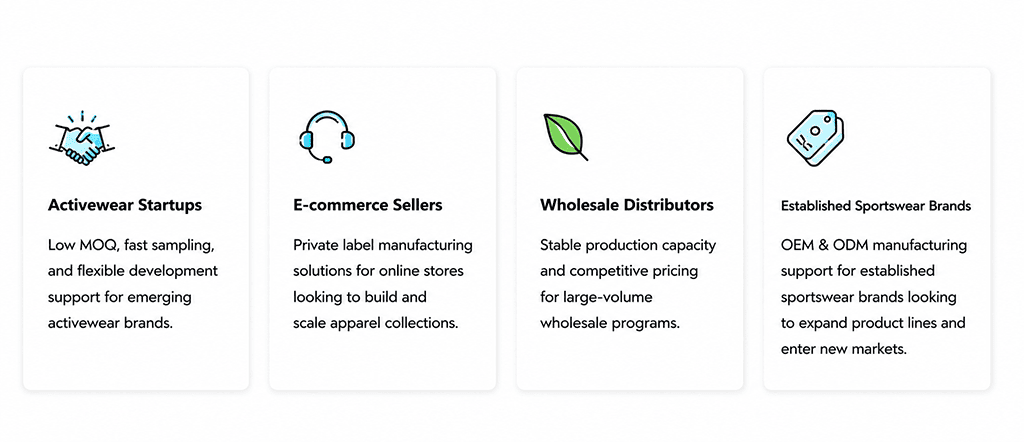
Different stages of growth typically require different levels of manufacturing support:
Brand Stage | Primary Manufacturing Need |
Startup Brand | Lower development risk and flexible production |
Growing Brand | Consistent launches and faster replenishment |
Established Brand | Reliable quality and scalable capacity |
Multi-Channel Brand | Simultaneous development across collections |
As order volumes increase, operational consistency becomes increasingly important. Brands need confidence that future production runs will maintain the same fit, fabric performance, construction quality, and overall customer experience that made the original product successful.
A scalable manufacturing system helps support:
- Consistent fit across multiple production runs
- Reliable fabric sourcing and material continuity
- Faster reorder execution
- Improved inventory planning
- Reduced supply chain disruption
- Better long-term cost efficiency
The strongest manufacturing relationships are built around growth rather than transactions. A supplier that understands your products, maintains production records, and supports future expansion can help reduce development time and operational complexity as your business grows.
For brands aiming to build sustainable long-term success, the value of a reliable manufacturing partner often exceeds the savings gained from chasing short-term pricing advantages. Growth becomes easier when your production foundation is already prepared to scale with you.
Why Growing Sportswear Brands Choose Pair Fashion as Their Long-Term Jogger Manufacturing Partner
Finding a manufacturer is relatively easy. Finding a manufacturing partner capable of supporting your brand over multiple product launches, production cycles, and growth stages is far more challenging.
For most activewear brands, the decision is not based on a single quotation. It is based on the overall value a supplier can bring throughout the product lifecycle. Development support, production consistency, communication efficiency, and long-term reliability often have a greater impact on business performance than small differences in unit cost.
A reliable custom jogger manufacturer should help brands achieve more than production objectives. The right partner contributes to faster product launches, lower operational risk, improved product consistency, and a more efficient supply chain.
When evaluating manufacturing partners, brands often focus on the following areas:
Evaluation Area | Business Benefit |
Product Development Capability | Faster product execution |
Sampling Efficiency | Shorter launch timelines |
Flexible MOQ | Lower inventory exposure |
Quality Control Systems | Better customer satisfaction |
Production Stability | Reliable repeat orders |
Communication and Service | More efficient project management |
Strong manufacturing partnerships are built through repeatable results rather than promises. Consistent quality, dependable lead times, transparent communication, and the ability to adapt as business needs change are often what distinguish long-term suppliers from short-term vendors.
Whether you are launching your first jogger collection, expanding an existing activewear line, or building a larger private label program, working with a manufacturing partner that understands both product development and scalable production can create significant long-term advantages.
The most successful brands rarely succeed because they found the lowest-cost supplier. They succeed because they built reliable systems and trusted partnerships that support sustainable growth over time.
Start Your Custom Jogger Project With Confidence
Launching a successful jogger collection does not always begin with a complete tech pack or a fully developed product specification. Many of the most successful activewear programs start with a simple idea, a reference image, or an existing garment that needs improvement.
What matters most is having a manufacturing partner capable of transforming that concept into a product that can be sampled, tested, produced, and scaled with confidence.
Whether you are introducing a new activewear brand, expanding an existing product line, developing a private label collection, or searching for a more reliable production partner, the process can begin with a straightforward conversation about your goals.
You can start your project by sharing:
- Reference photos
- Existing garment samples
- Tech packs
- Size specifications
- Fabric preferences
- Logo files
- Product development ideas
Based on your requirements, our team will evaluate fabric options, construction methods, fit requirements, branding details, production feasibility, and estimated cost ranges before development begins.
A typical custom jogger project follows a structured process:
Stage | Objective |
Requirement Discussion | Define product goals and specifications |
Product Evaluation | Review fabrics, construction, and development options |
Sample Development | Create and refine prototypes |
Sample Approval | Confirm final product standards |
Bulk Production | Execute manufacturing plans |
Quality Inspection | Verify consistency and workmanship |
Global Delivery | Arrange international shipment and fulfillment |
A successful manufacturing partnership is built on clear communication, reliable execution, and long-term support. Whether your first order is a small test run or part of a larger production program, the objective remains the same: develop joggers that meet customer expectations, strengthen your brand, and create opportunities for sustainable growth.
Ready to launch your next custom jogger collection? Share your reference photos, tech pack, or product ideas today, and our development team will help turn them into market-ready products with flexible MOQ, professional sampling, and reliable bulk production.
1. Product Development
Regular monthly product development ensures consistent updates to your brand line.
2. Fabric Sourcing
Regular monthly product development ensures consistent updates to your brand line.
3. Sample Making
Regular monthly product development ensures consistent updates to your brand line.
4. Bulk Production
Regular monthly product development ensures consistent updates to your brand line.
5. Packaging & Delivery
Regular monthly product development ensures consistent updates to your brand line.
Complete OEM & ODM Sportswear Solutions
We provide complete custom sportswear manufacturing services from concept development and fabric sourcing to bulk production and worldwide delivery.
- OEM & ODM Product Development
- Functional Fabric Sourcing & Material Selection
- Pattern Making & Sample Development
- Private Label Branding & Custom Packaging
- Quality-Controlled Bulk Manufacturing
- Global DDP Shipping & Delivery Support
Frequently Asked Questions About Custom Joggers
FAQ 1.
What Is the MOQ for Custom Joggers?
Our regular MOQ for custom joggers can start from 50pcs, making it practical for startup activewear brands, DTC stores, private label programs, and small-batch test orders to validate demand before scaling production. The final MOQ depends on fabric type, color quantity, size range, logo method, and packaging requirements. ODM-based jogger styles usually offer more flexibility, while custom-dyed fabrics, complex embroidery, or fully customized trims may require higher quantities. A flexible MOQ is not only about ordering less; it helps brands reduce inventory risk, test customer response, and build a smarter custom jogger launch plan.
FAQ 2.
Can You Make Custom Joggers From Photos or Samples?
Yes, custom joggers can be developed from reference photos, existing samples, sketches, or brand ideas, even if you do not have a complete tech pack. Our team can help analyze style direction, fit structure, fabric requirements, pocket details, waistband construction, cuff design, and bulk production feasibility. Many emerging brands begin without technical documents, so the first step is turning inspiration into a clear sampling plan. If you provide a physical sample, we can recreate and improve the pattern. This approach helps reduce unnecessary revisions and moves your jogger project more efficiently toward quotation, sampling, and production.
FAQ 3.
What Fabrics Are Best for Custom Joggers?
The best fabrics for custom joggers include French terry, brushed fleece, cotton blends, performance knits, and recycled fabrics, depending on your target market, season, retail price, wearing scenario, and brand positioning. Lightweight breathable fabrics work well for spring and summer athleisure, while brushed fleece or heavier terry is better for fall and winter collections. For sustainable activewear brands, recycled fabric options can support a more eco-conscious product story. Fabric choice affects softness, drape, warmth, shrinkage, wash performance, and customer reviews. The right fabric helps improve repeat purchases and supports stronger perceived product value.
Fabric Option | Best For |
French Terry | Year-round athleisure joggers |
Brushed Fleece | Warm winter joggers |
Cotton Blend | Daily lifestyle joggers |
Recycled Fabric | Sustainable collections |
FAQ 4.
How Long Does Jogger Sampling and Production Take?
Custom jogger sampling time depends on style complexity, fabric availability, logo technique, and the number of revisions; when details are clear and materials are ready, samples can be developed within a faster timeline, while bulk production depends on order quantity and production scheduling. For brands, lead time management is not only about asking how many days production takes. A reliable process should clarify each stage: requirement confirmation, fabric approval, pattern making, sample development, revisions, PP sample approval, bulk production, inspection, and shipment. Confirming colors, size specs, packaging, and logo files early helps avoid unnecessary delays.
FAQ 5.
Can I Add My Own Logo, Labels, and Packaging?
Yes, custom joggers can be fully branded with your own logo, woven labels, care labels, hangtags, packaging bags, silicone badges, heat-transfer marks, embroidery, and carton marks. Private label customization helps turn a basic garment into a complete branded product. For activewear brands, branding is not just about placing a logo; it is about creating a consistent customer experience from packaging to wearing. We can recommend suitable logo techniques and trim solutions based on your brand style, price point, and target market. Premium jogger programs often use embroidery, silicone logos, custom drawcords, and elevated packaging to strengthen brand identity.
FAQ 6.
How Do You Keep Bulk Joggers Consistent With the Approved Sample?
Bulk jogger consistency depends on pre-production sample approval, controlled fabric batches, clear measurement standards, technical documentation, in-line inspection, and pre-shipment checking rather than relying only on final inspection. A good sample does not guarantee stable bulk production unless each detail is documented and controlled. Before production, we confirm fabric, color, fit, logo placement, sewing method, trims, and packaging requirements. During production, key checkpoints cover stitching quality, measurements, appearance, and finishing. This structured quality process helps reduce color variation, shrinkage issues, size deviation, misplaced logos, and packing mistakes, protecting both customer satisfaction and brand reputation.
FAQ 7.
Do You Support Startup Activewear Brands?
Yes, we support startup activewear brands with flexible MOQ, ODM-based jogger styles, fabric recommendations, sample development, and basic private label branding so they can control budget and inventory risk before scaling production. For a new brand, the key is not launching too many styles at once, but choosing the right first products that can actually sell. We can help evaluate style direction, fabric cost, size range, logo technique, and packaging options. If you only have a brand concept and reference images, starting from an existing jogger silhouette with custom adjustments can make your first launch faster, safer, and more cost-effective.
FAQ 8.
What Information Do You Need to Start a Custom Jogger Project?
To start a custom jogger project, you can provide reference photos, garment samples, tech packs, size charts, fabric preferences, logo files, color requirements, target quantity, and sales market information; the more complete the details, the more accurate the quotation and sampling plan will be. If you do not have full documents yet, you can begin with a product idea and target customer profile. The most important details for development include style, fabric, quantity, size range, logo method, packaging, and expected timeline. Clear information helps reduce communication errors and allows the project to move faster into sampling and production.
Information Needed | Why It Matters |
Reference photo/sample | Confirms style direction |
Fabric requirement | Affects comfort and cost |
Quantity | Determines MOQ and pricing |
Logo files | Supports branding plan |
Size range | Guides pattern grading |
- Yoga Pant
- Sports Bras
- Tank Tops
- Gym Shorts
- Men & Kids Sportswear
- Riding Tops
- Breeches
- Competition Wear
- Jackets
- Man & Kids Equestrian
- Joggers
- Sweatshirt & Hoodies
- Sweaters
- Coat & Jacket
- Men & Kids Loungewear
Other OEM Apparel
- Tennis Clothing
- Jumpsuit
- Dress & Skirts
- Plus Size Activewear
- Maternity Activewear
Get In Touch
Contact our OEM/ODM specialists for product development, sampling, pricing, and production support.