OEM/ODM Sportswear Manufacturer | 3-Day Sampling | Low MOQ | 50K Monthly Capacity | ISO9001 & BSCI Certified

Custom Jumpsuit Manufacturer for Private Label Activewear Brands
Pair Fashion is a trusted jumpsuit manufacturer specializing in custom activewear jumpsuits for private label brands, retailers, and fitness businesses. We provide OEM and ODM services, flexible MOQ, fast sample development, premium performance fabrics, and reliable bulk production.
50K+
Monthly Capacity
3 Days
Fast Sampling
6,000+
Custom Styles
10+
Years Experience
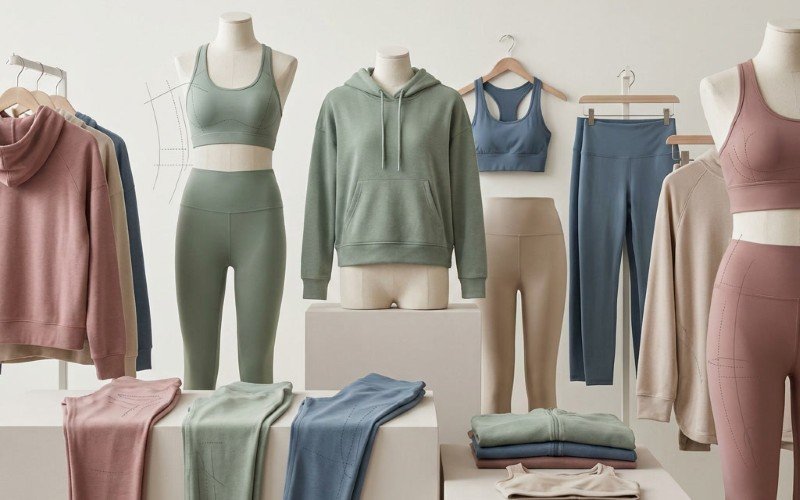
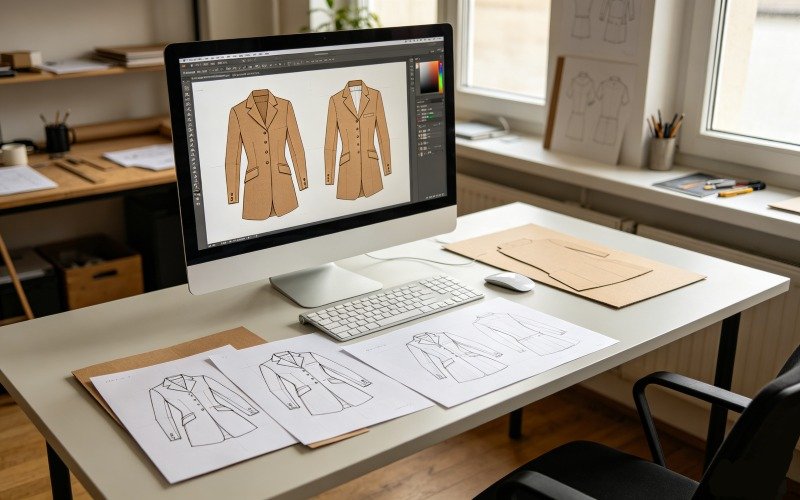
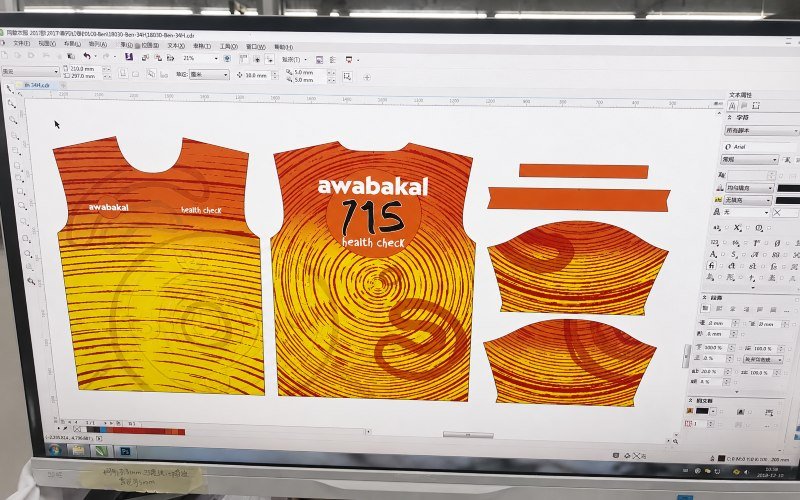
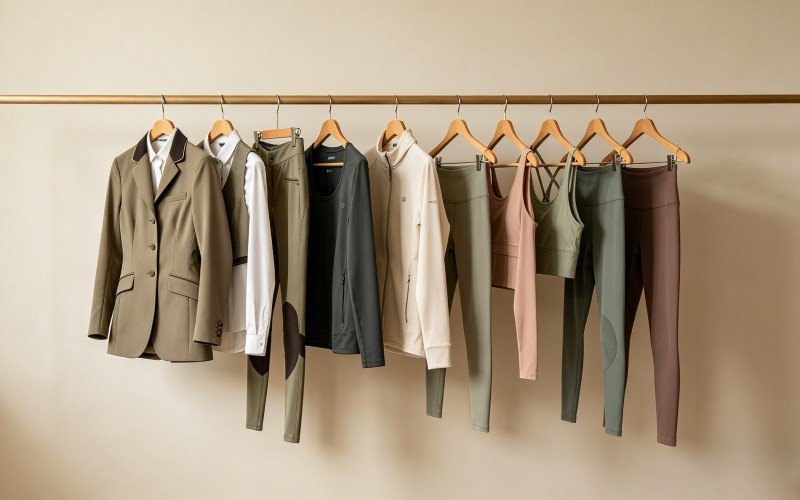
Launch Your Private Label Collection With an Experienced Jumpsuit Manufacturer
Intro
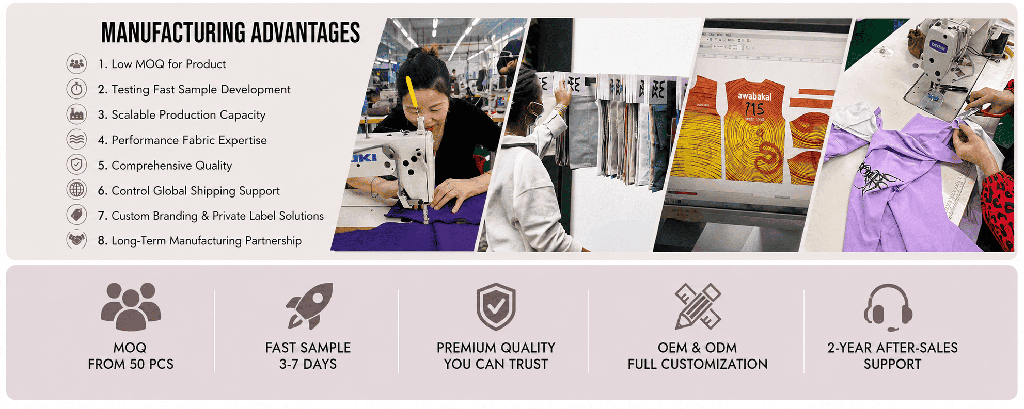
As an experienced jumpsuit manufacturer, we help activewear brands develop custom jumpsuits that combine style, comfort, and performance. From design development and fabric sourcing to sampling and bulk production, we provide a complete manufacturing solution under one roof.
Content
A private label sportswear jumpsuit combines performance, body shaping, comfort and everyday versatility, making it one of the fastest-growing categories for activewear brands.Unlike basic tops or leggings, a jumpsuit must balance support, stretch, coverage, movement and visual proportion across the entire body. This makes product development more demanding, but also gives private label brands more room to build a distinctive product.
Pair Sportswear helps brands develop custom jumpsuits from different starting points, including a Tech Pack, reference sample, sketch, product image or early concept. The development process can include fabric recommendation, pattern making, sample adjustment, logo placement, label customization, packaging planning and bulk production preparation.
This approach is suitable for brands that want to launch or expand:
Business Need | Manufacturing Support |
New jumpsuit collection | Product development and sample creation |
Private label activewear line | Labels, tags, logos and packaging |
DTC sportswear launch | Low-MOQ testing and faster market entry |
Boutique fitness brand | Premium fit and fabric customization |
Seasonal collection update | Color, fabric and style expansion |
With flexible MOQ, performance fabric options and one-stop production support, brands can reduce development pressure, test new jumpsuit designs more safely and move from concept to sales-ready products with greater confidence.
Transform Product Ideas Into Retail-Ready Jumpsuits
Intro
A successful jumpsuit collection starts with more than a single design. Brands that achieve stronger sales often develop multiple jumpsuit styles tailored to different customer preferences, workout scenarios and price points. Understanding which products belong in a collection helps create a stronger foundation for long-term growth.
Content
The sportswear jumpsuit category has expanded far beyond traditional gym apparel. Today’s consumers expect products that can move between fitness activities, studio sessions, travel and everyday lifestyle use. As a result, successful private label brands often develop jumpsuit collections that address multiple customer needs rather than relying on a single silhouette.
When planning a jumpsuit collection, brands typically evaluate three key factors:
- Target Customer
- Intended Activity
- Market Positioning
Different product categories serve different purposes.
Jumpsuit Type | Primary Customer Need |
Yoga Jumpsuit | Flexibility, comfort and studio performance |
Fitness Jumpsuit | Compression, support and body shaping |
Seamless Jumpsuit | Smooth appearance and lightweight comfort |
Ribbed Jumpsuit | Fashion-forward activewear styling |
Maternity Jumpsuit | Comfort and adaptive support |
Plus Size Jumpsuit | Inclusive fit and confidence-enhancing design |
Many growing brands begin with one core jumpsuit and gradually expand into complementary categories. This approach allows them to validate demand while building a recognizable product ecosystem.
A structured development process typically follows these steps:
- Define target customer profile.
- Select core jumpsuit categories.
- Determine fabric and performance requirements.
- Develop fit specifications.
- Create samples and collect feedback.
- Finalize products for production.
Rather than treating jumpsuits as isolated products, successful brands view them as part of a broader activewear strategy. A carefully planned collection can improve product visibility, increase average order value and create more opportunities for repeat purchases across multiple customer segments.
Build a Jumpsuit Collection That Serves Multiple Customer Segments
Intro
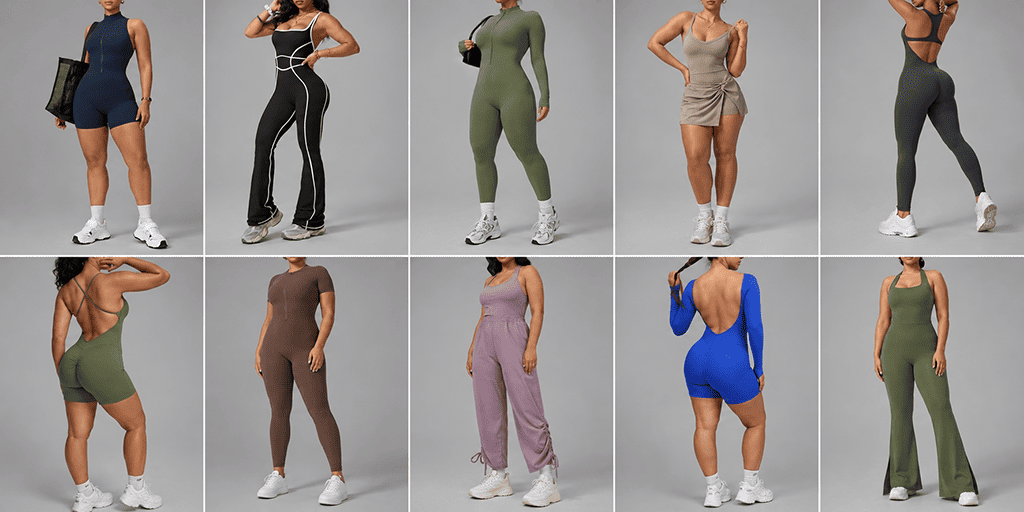
A successful jumpsuit business is rarely built around a single product. Different consumers have different expectations regarding support, comfort, fit and style. Developing a collection that serves multiple customer segments helps brands reach broader audiences, improve customer retention and create stronger long-term growth opportunities.
Content
The global activewear market has evolved significantly over the past decade. Consumers no longer purchase sportswear solely for exercise. Many now expect products that transition seamlessly between fitness, travel, work-from-home routines and everyday activities.
This shift has created new opportunities for private label sportswear brands. Instead of focusing on one jumpsuit design, brands can develop targeted product categories that address the needs of specific customer groups.
A diversified jumpsuit collection may include:
Customer Segment | Recommended Jumpsuit Direction |
Yoga Enthusiasts | Soft-touch yoga jumpsuits with unrestricted stretch |
Fitness Consumers | Compression jumpsuits with enhanced support |
Studio & Pilates Users | Seamless jumpsuits with lightweight comfort |
Lifestyle Shoppers | Ribbed jumpsuits with elevated fashion appeal |
Maternity Customers | Adaptive support jumpsuits with flexible fit zones |
Plus Size Consumers | Inclusive-fit jumpsuits designed for comfort and confidence |
Building products around customer needs provides several advantages:
- Broader market reach
- Increased repeat purchase opportunities
- Higher average order value
- Stronger brand positioning
- Reduced dependence on a single product category
Many successful activewear brands follow a phased collection strategy:
Phase 1 Launch a core hero product.
Phase 2 Introduce complementary jumpsuit styles.
Phase 3 Expand into additional customer segments.
Phase 4 Develop seasonal color and fabric updates.
Phase 5 Create limited-edition or premium collections.
Collection Strategy | Business Benefit |
Single Product Focus | Faster launch but limited growth |
Multi-Segment Collection | Stronger scalability and customer retention |
Rather than competing with hundreds of similar products, brands that build customer-focused jumpsuit collections create more reasons for consumers to engage with the brand. A structured collection strategy not only increases product diversity but also creates a stronger foundation for sustainable growth in the activewear market.
Create Signature Fits That Customers Want to Wear Again
Intro
Fit is one of the most influential factors in the success of a sportswear jumpsuit. While fabrics and styling attract initial attention, fit determines how customers feel when they wear the garment. A well-developed fit improves comfort, enhances confidence and increases the likelihood of repeat purchases.
Content
Sportswear jumpsuits present unique fit challenges because a single garment must perform across multiple areas of the body at the same time. Unlike leggings or sports bras, a jumpsuit must balance support, flexibility and proportion from the shoulders down to the ankles.
Customers quickly notice fit issues such as excessive compression, poor torso length, uncomfortable shoulder tension or fabric bunching around the waist and hips. Even when premium fabrics are used, poor fit can significantly reduce product satisfaction.
Successful jumpsuit brands invest heavily in fit development because it directly affects both customer experience and product reviews.
Key fit considerations include:
Fit Element | Customer Benefit |
Torso Length Balance | Improved comfort and movement |
Waist Positioning | Better body shaping appearance |
Hip and Glute Contouring | Enhanced silhouette and confidence |
Bust Support Structure | Greater stability during activity |
Leg Proportion Optimization | More flattering overall appearance |
Mobility Testing | Improved workout performance |
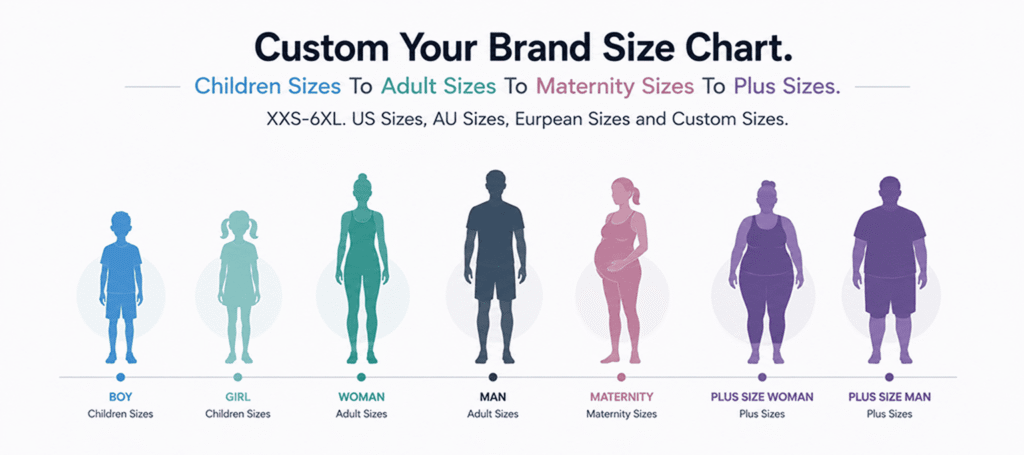
Many private label brands also develop different fit profiles for different customer groups.
Examples include:
- Performance-focused fitness users
- Yoga and studio consumers
- Plus-size activewear customers
- Maternity activewear buyers
- Lifestyle and athleisure shoppers
A structured fit development process often includes:
- Pattern creation
- Prototype sampling
- Fit evaluation
- Movement testing
- Size grading
- Production standardization
Development Focus | Long-Term Impact |
Generic Fit | Increased competition and price pressure |
Signature Fit System | Stronger brand loyalty and repeat purchases |
Customers often return to a brand because they trust how the product fits their body. By developing a recognizable fit philosophy rather than relying solely on fashion trends, sportswear brands can create products that customers actively seek out and repurchase season after season.
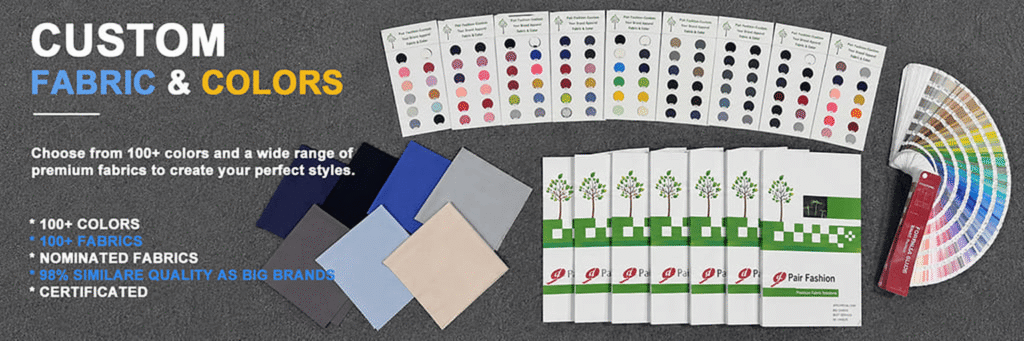
Select Fabrics That Improve Performance, Comfort and Retail Appeal
Fabric is one of the most important decisions in jumpsuit development. Because a jumpsuit covers the entire body, the material directly influences comfort, support, mobility, durability and customer satisfaction. Choosing the right fabric helps create products that perform well during activity while maintaining strong retail appeal.
Content
Unlike separate tops and leggings, a sportswear jumpsuit functions as a complete garment system. Every movement places stress on the fabric across multiple areas of the body, including the shoulders, waist, hips, knees and back. As a result, fabric performance becomes a critical factor in both athletic functionality and long-term wearability.
When evaluating fabrics for custom jumpsuits, brands typically focus on several key performance requirements:
- Stretch and Recovery
- Body-Shaping Support
- Moisture Management
- Breathability
- Soft Hand Feel
- Durability
- Color Retention
Different fabrics support different product goals.
Fabric Type | Recommended Application |
Nylon Spandex | Premium performance jumpsuits |
Compression Fabric | Sculpting and high-support styles |
Rib Fabric | Lifestyle and fashion-forward collections |
Seamless Fabric | Lightweight training and studio wear |
Cooling Fabric | Warm-climate activewear programs |
Recycled Fabric | Sustainable private label collections |
Beyond performance, fabric selection also influences pricing strategy. Higher-end collections often utilize premium nylon blends, seamless constructions or recycled performance materials to support stronger brand positioning and increased perceived value.
Performance fabrics with moisture management and stretch are widely recommended by the Hohenstein Institute for functional sportswear development.
A successful fabric strategy should balance:
Priority | Business Impact |
Comfort | Higher customer satisfaction |
Performance | Better workout experience |
Durability | Fewer product complaints |
Appearance | Stronger retail presentation |
Sustainability | Broader market appeal |
The best-selling private label jumpsuit collections usually combine multiple performance fabrics to meet different customer needs, climates and price points.Instead, brands choose materials that align with their target customer, intended activity and pricing goals. A carefully selected fabric package helps create products that customers enjoy wearing, recommend to others and purchase again in future collections.Explore our OEM Activewear Manufacturing service to learn how performance fabrics are selected for different sportswear collections.
Add Branding Elements That Increase Perceived Product Value
Intro
A custom sportswear jumpsuit becomes a valuable private label product when customers recognize the brand, trust its quality and return for repeat purchases.Strategic branding transforms a garment from a functional item into a product that supports customer loyalty, premium pricing and long-term brand growth.
Content
Many activewear brands invest heavily in fabric development and product design but underestimate the influence of branding details. While performance features help attract customers, branding elements often shape the first impression and influence purchasing decisions before the garment is ever worn.
A strong private label program creates consistency across products, packaging and customer touchpoints. It helps customers recognize the brand instantly and reinforces the quality standards that the brand represents.
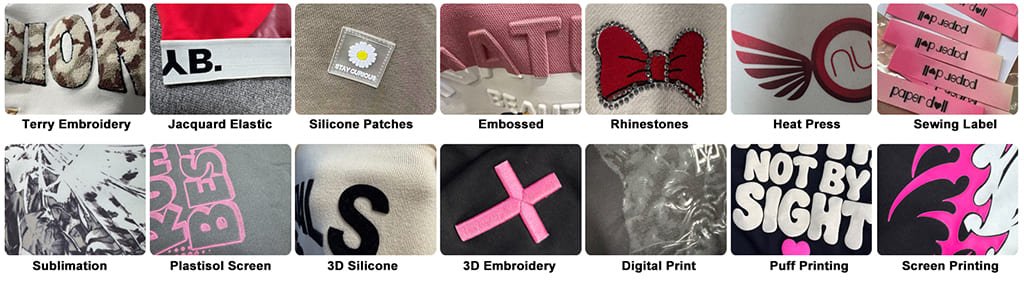
Common customization options include:
Branding Element | Purpose |
Heat Transfer Logos | Clean and lightweight brand visibility |
Silicone Logos | Premium and durable brand presentation |
Embroidery | Elevated retail appearance |
Woven Labels | Long-term brand identification |
Care Labels | Product information and compliance support |
Custom Hang Tags | Brand storytelling and product positioning |
Packaging Bags | Improved customer experience |
Retail Boxes | Premium unboxing presentation |
Well-developed branding can also increase perceived value by creating a more professional retail experience.
Benefits often include:
- Stronger brand recognition
- Higher perceived product quality
- Improved customer trust
- Better social media presentation
- More premium market positioning
- Increased repeat purchase potential
For sportswear jumpsuits, branding should feel integrated rather than excessive. Strategic logo placement, coordinated packaging and consistent visual identity often create a more sophisticated appearance than overly aggressive branding.
Branding Approach | Customer Perception |
Generic Product Presentation | Easily replaceable |
Consistent Private Label Identity | More memorable and premium |
Consumers rarely recommend a product because of a factory. They recommend products because they trust the brand behind them. Investing in thoughtful branding helps create a stronger connection between the product and the customer, turning a functional jumpsuit into a recognizable part of a growing sportswear brand.Learn more about our OEM Sportswear Manufacturing solutions for complete private label branding support.
Validate New Jumpsuit Designs Through Low-MOQ Production
Intro
Launching a new sportswear jumpsuit always involves uncertainty. Even well-designed products need market validation before large inventory commitments are made. A low-MOQ production strategy allows brands to gather real customer feedback, reduce financial exposure and make more informed decisions before scaling.
Content
Many activewear brands assume that product quality alone determines success. In reality, even premium jumpsuits can struggle if customer preferences, pricing expectations or market timing are misjudged. The ability to test products before committing to large production volumes has become one of the most effective ways to reduce risk in apparel development.
Small-batch production provides an opportunity to evaluate performance under real market conditions. Instead of relying on assumptions, brands can collect actual sales data, customer reviews and fit feedback before expanding inventory.
Low-MOQ production is particularly valuable for:
Business Type | Key Benefit |
Startup Activewear Brands | Lower initial investment |
DTC Brands | Faster product validation |
Influencer Brands | Reduced inventory exposure |
Boutique Fitness Labels | Greater collection flexibility |
Private Label Retailers | Easier product testing before expansion |
A typical validation process may include:
- Develop and approve final samples.
- Launch a small production run.
- Introduce products through selected sales channels.
- Gather customer feedback and performance data.
- Optimize colors, sizes or fit details.
- Scale production based on proven demand.
Traditional Inventory Approach | Validation-Based Approach |
Large upfront investment | Controlled investment |
Higher inventory risk | Lower inventory risk |
Limited flexibility | Easier product refinement |
Slower response to market feedback | Faster product improvement |
Brands can also test multiple variables simultaneously, including colorways, fabric options, logo placements and fit variations. This creates a more data-driven development process and helps identify winning products faster.
A low-MOQ strategy is not only about producing fewer units. It is about creating a smarter pathway from product idea to profitable growth. By validating demand before scaling, brands can build stronger collections, manage cash flow more effectively and expand with greater confidence.
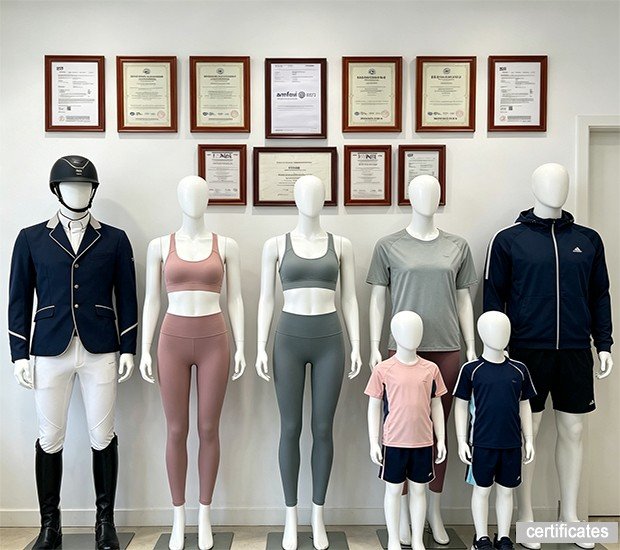
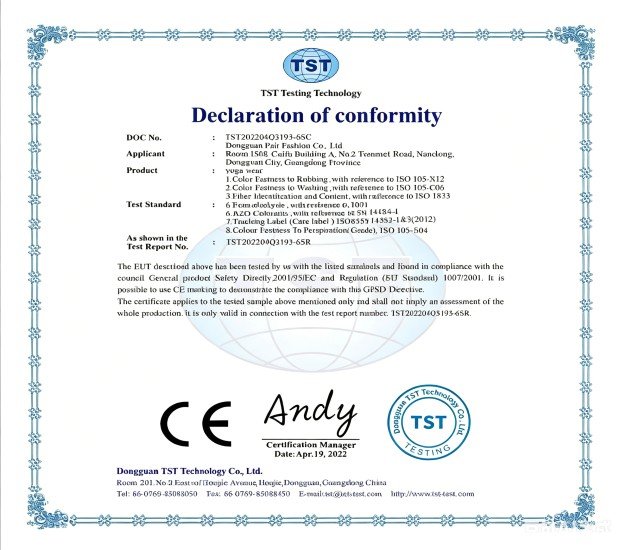
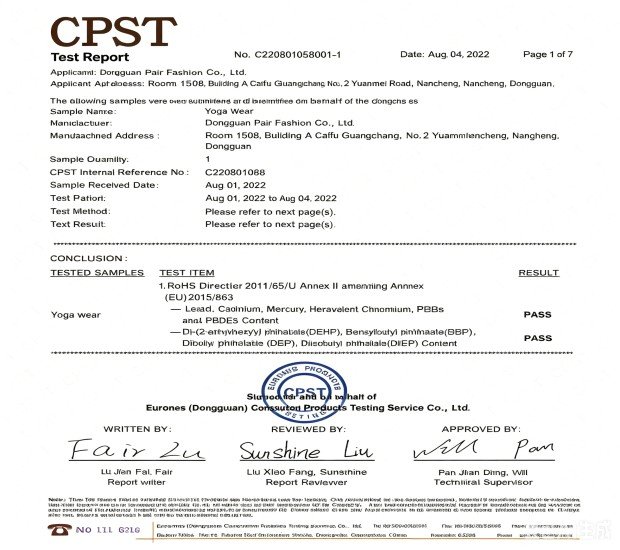
Trusted Manufacturing Standards For Global Sportswear Brands
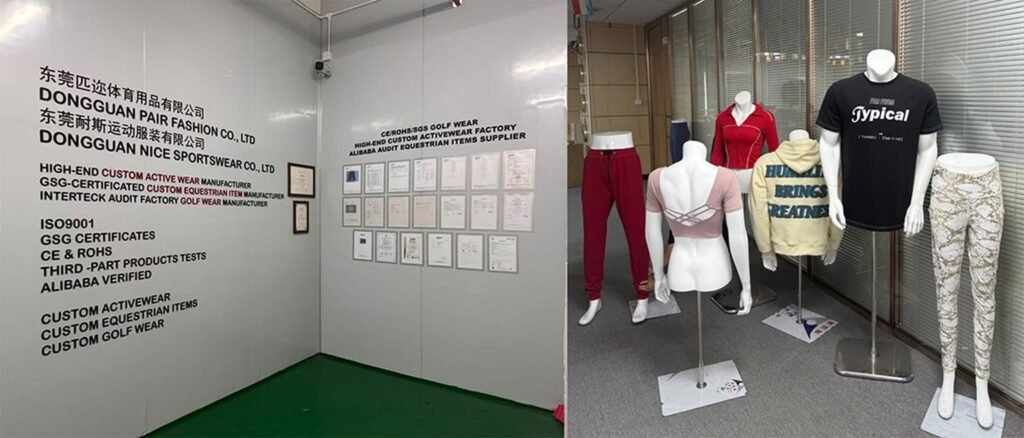
We operate under internationally recognized quality, sustainability, and ethical manufacturing standards. Our certifications help ensure consistent product quality, responsible sourcing, and reliable production for global sportswear brands.
- 20+ Countries Served
- 6000+ Styles Developed
- 50,000 PCS Monthly Capacity
- 3-Day Sample Development

Reduce Development and Production Risks Before Launch
Intro
The most successful activewear brands do not rely on luck. They rely on systems that reduce uncertainty throughout product development and production. Managing risk before launch helps protect product quality, maintain customer trust and improve the long-term profitability of a jumpsuit collection.
Content
A strong sample is only the beginning of a successful production program. The real challenge is ensuring that every jumpsuit delivered in bulk production matches the approved standard in terms of fit, fabric, construction and appearance.
For sportswear jumpsuits, consistency is particularly important because a single garment must perform across multiple areas of the body. Small deviations in fabric stretch, stitching accuracy or pattern grading can significantly affect customer satisfaction.
Common production risks include:
Risk Area | Potential Impact |
Fabric Variation | Inconsistent performance and appearance |
Measurement Deviation | Fit complaints and higher return rates |
Logo Placement Errors | Reduced brand presentation quality |
Construction Defects | Lower durability and customer trust |
Color Inconsistency | Mismatched inventory and customer dissatisfaction |
Packaging Errors | Fulfillment issues and retailer complaints |
Reducing these risks requires quality management at multiple stages of development and production.
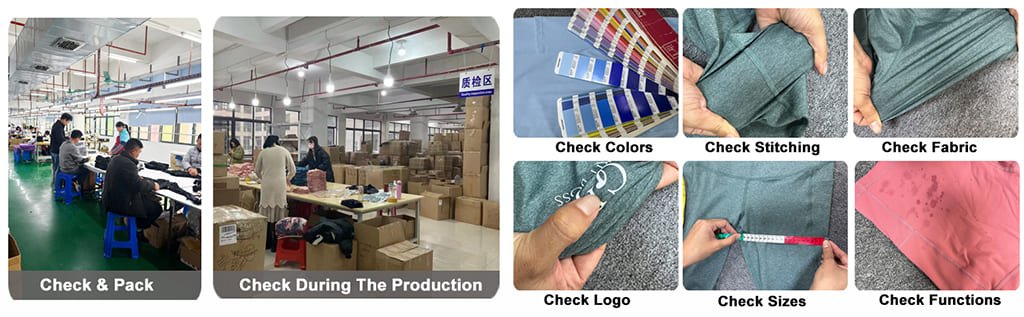
A structured process often includes:
- Material verification before production.
- Pattern and specification review.
- Pre-production sample approval.
- In-line quality inspections during manufacturing.
- Final quality evaluation before packing.
- Shipment verification before dispatch.
Quality Control Focus | Business Benefit |
Early Issue Detection | Lower correction costs |
Production Consistency | Better customer satisfaction |
Measurement Accuracy | Reduced returns |
Standardized Processes | Easier repeat orders |
Reliable Deliveries | Stronger retailer confidence |
Risk management is not simply about identifying problems after they occur. The goal is to prevent issues before they reach the customer.
International quality management practices are commonly based on the ISO 9001 Quality Management System, helping manufacturers standardize production and improve consistency.
Brands that build risk-control procedures into product development often experience smoother launches, more reliable replenishment cycles and stronger customer loyalty. Over time, this consistency becomes a competitive advantage that is difficult for lower-quality suppliers to replicate.
Turn Successful Jumpsuits Into Repeatable Revenue Drivers
Intro
Launching a successful jumpsuit is an important milestone, but sustainable growth comes from what happens next. The brands that achieve long-term success are often those that transform individual products into repeatable revenue streams through strategic expansion, replenishment planning and collection development.
Content
Many activewear brands focus heavily on creating new products while overlooking the commercial potential of their best-performing styles. In reality, a successful jumpsuit often represents more than a single product opportunity. It can become the foundation for future collections, seasonal updates and long-term customer retention.
Once market demand has been validated, brands can begin expanding successful products through a structured growth strategy.
Common expansion opportunities include:
Growth Opportunity | Business Benefit |
Additional Colorways | Reach broader customer preferences |
Extended Size Ranges | Increase market accessibility |
Fabric Upgrades | Support premium product positioning |
Seasonal Editions | Maintain customer interest throughout the year |
Matching Product Sets | Increase average order value |
Limited Releases | Create exclusivity and brand excitement |
A scalable growth model often follows a predictable progression:
- Launch a core jumpsuit.
- Analyze customer feedback and sales data.
- Expand into additional colors and sizes.
- Introduce complementary products.
- Develop seasonal collections.
- Build long-term replenishment programs.
Short-Term Product Strategy | Long-Term Collection Strategy |
One-time sales focus | Ongoing revenue generation |
Constant new product dependency | Stronger repeat purchase behavior |
Limited customer lifetime value | Increased customer retention |
Higher development pressure | More efficient product scaling |
Many successful sportswear brands build their collections around a small number of proven products rather than continuously chasing new trends. A well-performing jumpsuit can support multiple future launches, reduce development risk and create a stronger connection with existing customers.
By focusing on repeatability rather than short-term success, brands can transform individual products into long-term revenue drivers that support sustainable business growth and more predictable inventory planning.
Choose a Private Label Jumpsuit Manufacturer for Long-Term Brand Growth
Intro
Choosing a jumpsuit manufacturer is not only about producing garments. It is about building a supply chain relationship that can support product development, consistent production and future expansion. A reliable manufacturing partner helps brands grow with greater stability and fewer operational challenges.
Content
As a sportswear brand evolves, manufacturing requirements become increasingly complex. New collections, larger order volumes, additional sales channels and higher customer expectations all place greater demands on the supply chain.
Many brands discover that changing suppliers every season creates unnecessary disruptions. Product specifications become inconsistent, development timelines slow down and operational complexity increases. Long-term growth is often easier when brands work with a manufacturing partner capable of supporting multiple stages of business development.
An effective manufacturing partnership should provide more than production capacity. It should contribute to product improvement, process optimization and supply chain reliability.
Key areas of support include:
Manufacturing Capability | Brand Benefit |
Product Development Support | Faster transition from concept to launch |
Flexible Production Programs | Easier testing and collection expansion |
Quality Management Systems | Greater consistency across repeat orders |
Private Label Services | Stronger brand presentation |
Production Scalability | Support for future growth |
Global Shipping Coordination | Simplified international fulfillment |
As collections grow, brands often need:
- Faster replenishment cycles
- Additional color launches
- Expanded size ranges
- New fabric developments
- Seasonal collection planning
- Long-term production forecasting
A manufacturing partner that understands these requirements can help reduce operational pressure and create a smoother path toward growth.
Short-Term Supplier Relationship | Long-Term Manufacturing Partnership |
Focus on individual orders | Focus on sustainable growth |
Reactive production planning | Strategic production support |
Limited development continuity | Ongoing product evolution |
Higher operational complexity | Greater supply chain stability |
Strong brands are rarely built through isolated transactions. They are built through reliable systems, repeatable processes and trusted partnerships. Working with an experienced private label jumpsuit manufacturer helps activewear brands shorten development cycles, improve product consistency and scale confidently as demand grows.You can also discover our complete OEM Activewear Production Process to understand how we support long-term manufacturing partnerships.
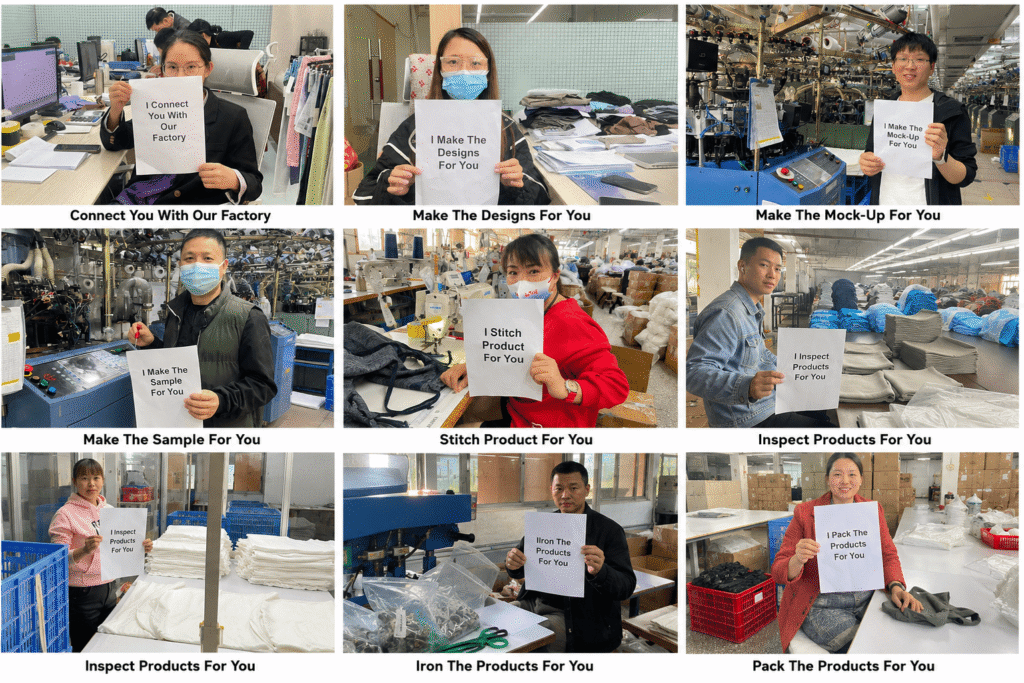
Who This Custom Jumpsuit Manufacturing Solution Is Built For
Intro
Every sportswear brand is at a different stage of growth. Some are preparing to launch their first product, while others are expanding established collections across multiple markets. Understanding whether a manufacturing solution aligns with your current business goals is an important part of building a successful private label program.
Content
Private label jumpsuit manufacturing is not limited to a single type of customer. Different brands require different levels of product development support, production flexibility and supply chain coordination. The most effective manufacturing partnerships are built when production capabilities match the operational needs of the brand.
This solution is designed for businesses that want to create differentiated products while maintaining flexibility for future growth.
Brand Type | Typical Objectives |
Startup Activewear Brands | Launch first products with controlled investment |
DTC Sportswear Brands | Test new collections and respond quickly to market feedback |
Private Label Retailers | Build exclusive product lines and strengthen brand identity |
Boutique Fitness Brands | Develop premium activewear with unique positioning |
Influencer-Led Brands | Launch branded collections with flexible production |
Established Sportswear Companies | Expand product categories and increase production capacity |
Common reasons brands choose custom jumpsuit manufacturing include:
- Building a differentiated activewear collection
- Expanding beyond leggings and sports bras
- Increasing average order value
- Entering new customer segments
- Creating premium private label products
- Developing long-term product programs
A successful manufacturing relationship is often determined by more than price alone. Product quality, development support, production consistency and communication efficiency all play important roles in long-term success.
Business Priority | Manufacturing Requirement |
Product Innovation | Strong development capabilities |
Brand Growth | Scalable production support |
Customer Retention | Consistent quality standards |
Market Expansion | Flexible supply chain resources |
Whether you are preparing your first production run or managing a growing activewear business, the right manufacturing partner should provide the flexibility, reliability and development support needed to help your brand move forward with confidence.
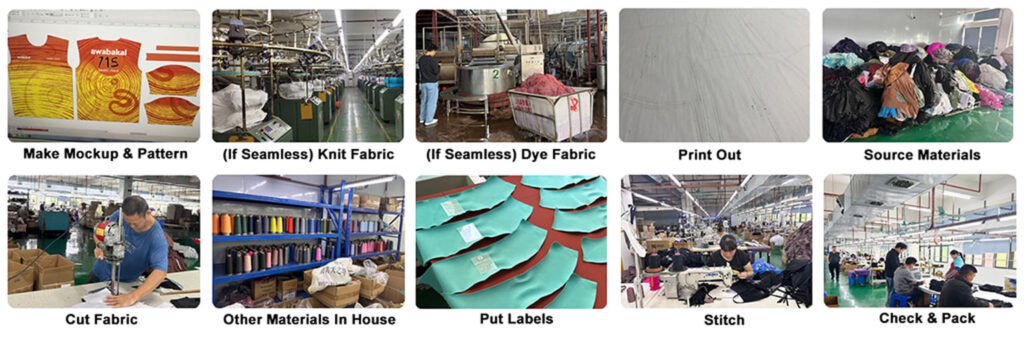
1. Product Development
Regular monthly product development ensures consistent updates to your brand line.
2. Fabric Sourcing
Regular monthly product development ensures consistent updates to your brand line.
3. Sample Making
Regular monthly product development ensures consistent updates to your brand line.
4. Bulk Production
Regular monthly product development ensures consistent updates to your brand line.
5. Packaging & Delivery
Regular monthly product development ensures consistent updates to your brand line.
Complete OEM & ODM Sportswear Solutions
We provide complete custom sportswear manufacturing services from concept development and fabric sourcing to bulk production and worldwide delivery.
- OEM & ODM Product Development
- Functional Fabric Sourcing & Material Selection
- Pattern Making & Sample Development
- Private Label Branding & Custom Packaging
- Quality-Controlled Bulk Manufacturing
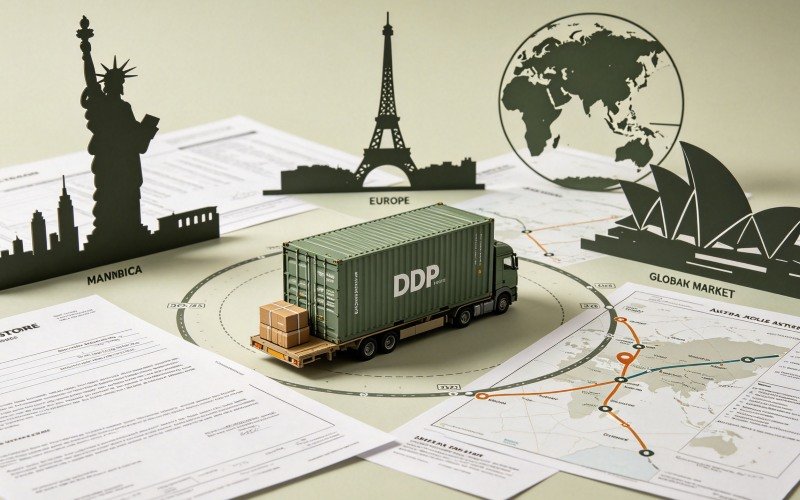
- Global DDP Shipping & Delivery Support
Frequently Asked Questions About Private Label Sportswear Jumpsuits
FAQ 1
What is the MOQ for private label sportswear jumpsuits?
The MOQ for private label sportswear jumpsuits can start from 50 pieces, helping startup activewear brands, DTC labels and boutique fitness brands test new designs before committing to larger production. For a high-value product like a custom jumpsuit, low MOQ reduces inventory pressure and allows brands to validate fabric, fit, color, size range and pricing with real customers. This is especially useful for first product launches, influencer drops, Shopify stores, seasonal collections and private label activewear programs that need flexibility before scaling.
FAQ 2
Can I develop a custom jumpsuit without a complete Tech Pack?
Yes, a custom sportswear jumpsuit can be developed from reference photos, sample garments, sketches, product links or a basic design idea, even if you do not have a complete Tech Pack. A strong development process helps turn early concepts into production-ready specifications. The manufacturer can review the garment structure, recommend suitable fabrics, define fit details, plan logo placement, confirm size range and prepare sampling. This approach is valuable for new activewear brands that need product development support before moving into bulk production.
FAQ 3
What brands are best suited for custom sportswear jumpsuits?
Custom sportswear jumpsuits are well suited for private label activewear brands, yoga labels, fitness clothing brands, DTC stores, studio brands, influencer-led brands and boutique retailers targeting premium products. A jumpsuit is more visually complete than basic leggings or sports bras, making it useful for yoga, Pilates, gym training, athleisure, social media launches and limited collections. For brands, private label jumpsuits can increase average order value, strengthen product differentiation and create a more recognizable activewear collection.
FAQ 4
What fabric is best for custom activewear jumpsuits?
The best fabric for custom activewear jumpsuits should provide stretch recovery, body-shaping support, breathability, quick-dry performance, soft hand feel and wash stability because one garment covers the upper body, waist, hips and legs. Common options include nylon spandex, compression fabric, rib fabric, seamless fabric, cooling fabric and recycled fabric. Premium collections may use naked-feel stretch fabrics or GRS recycled materials, while sculpting jumpsuits often require stronger compression and better recovery.
FAQ 5
What should brands consider when developing jumpsuit fit?
Jumpsuit fit development should focus on bust support, strap stability, waist placement, hip contouring, crotch comfort, leg proportion and movement security because these details directly affect comfort and repeat purchases. A jumpsuit is more complex than separate tops or leggings because one garment must fit the whole body. For North American, European and Australian markets, fit development should also consider different heights, body proportions and size expansion. A strong fit system improves shaping, mobility, confidence and long-term brand loyalty.
FAQ 6
Can I customize logos, labels, tags and packaging for jumpsuits?
Yes, private label sportswear jumpsuits can include custom logos, heat transfer marks, silicone logos, embroidery, woven labels, care labels, size labels, hang tags, poly bags and retail packaging boxes. For a private label brand, branding is not only about adding a logo. It creates a complete identity across the product and customer experience. Logo placement, packaging quality, hang tag messaging and inner label details all influence perceived value. Consistent branding helps increase trust, support premium pricing and improve repeat purchase potential.
FAQ 7
How do you keep bulk jumpsuit production consistent with samples?
Bulk jumpsuit consistency depends on fabric batch control, PP sample approval, measurement tolerance checks, in-line inspections, final inspection and packaging verification instead of relying only on end-stage checking. Sportswear jumpsuits require careful control of stretch, crotch comfort, strap stability, waist-to-hip proportion, logo placement and seam strength. Small deviations can affect the entire wearing experience. A structured quality control process helps reduce color differences, sizing issues, fabric hand-feel variation, seam defects and packaging mistakes before products reach customers.
FAQ 8
How long does custom jumpsuit sampling and bulk production take?
Custom jumpsuit sampling and bulk production timelines depend on style complexity, fabric availability, logo techniques, size range and packaging requirements; mature projects can move faster, but samples should be approved before bulk production begins. For buyers, process control matters more than rushing production. A reliable workflow includes requirement confirmation, fabric selection, pattern making, first sample, revisions, PP sample approval, bulk production, QC and shipment. Clear timelines help brands reduce rework, plan launches more accurately and manage pre-sale or seasonal collection schedules.
- Yoga Pant
- Sports Bras
- Tank Tops
- Gym Shorts
- Men & Kids Sportswear
- Riding Tops
- Breeches
- Competition Wear
- Jackets
- Man & Kids Equestrian
- Joggers
- Sweatshirt & Hoodies
- Sweaters
- Coat & Jacket
- Men & Kids Loungewear
Other OEM Apparel
- Tennis Clothing
- Jumpsuit
- Dress & Skirts
- Plus Size Activewear
- Maternity Activewear
Get In Touch
Contact our OEM/ODM specialists for product development, sampling, pricing, and production support.