OEM/ODM Sportswear Manufacturer | 3-Day Sampling | Low MOQ | 50K Monthly Capacity | ISO9001 & BSCI Certified

Activewear Manufacturers for Startups: Build Your First Collection With Confidence
Find reliable activewear manufacturers for startups offering low MOQ production, sample development, functional fabrics, and flexible manufacturing support to help new brands launch and grow.
50K+
Monthly Capacity
3 Days
Fast Sampling
6,000+
Custom Styles
10+
Years Experience
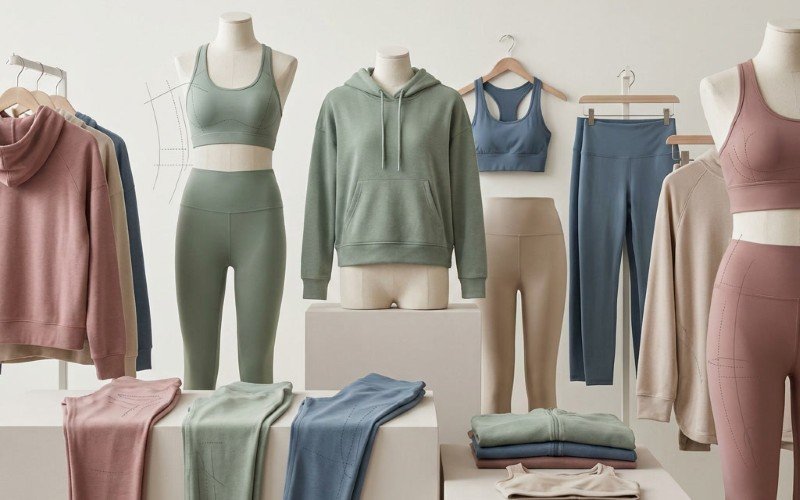
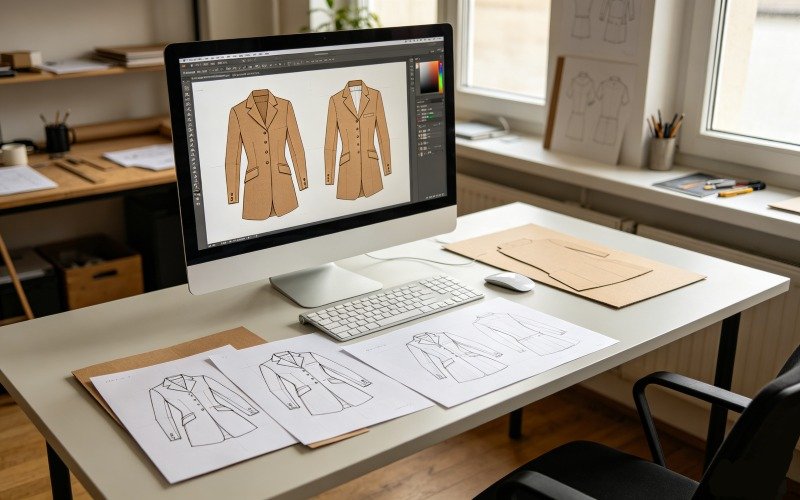
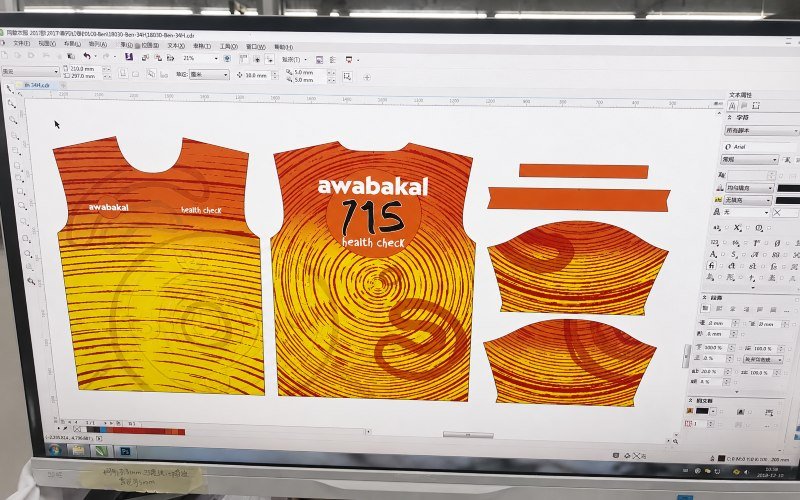
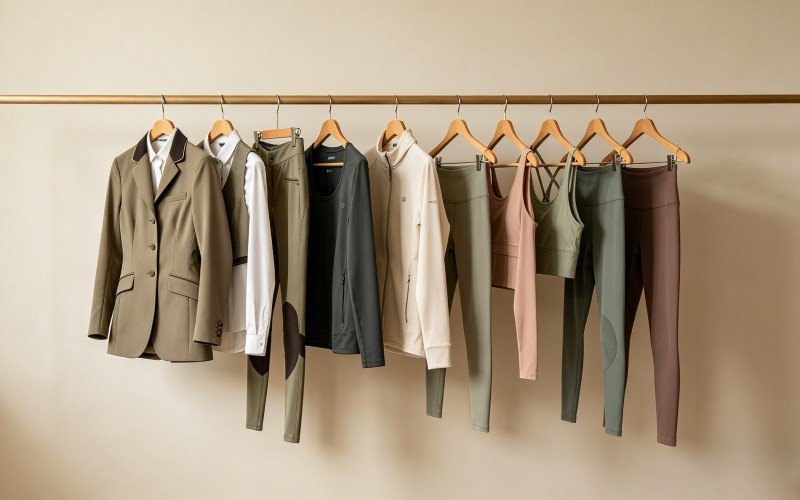
Work With Activewear Manufacturers for Startups to Turn Ideas Into Real Products
Intro
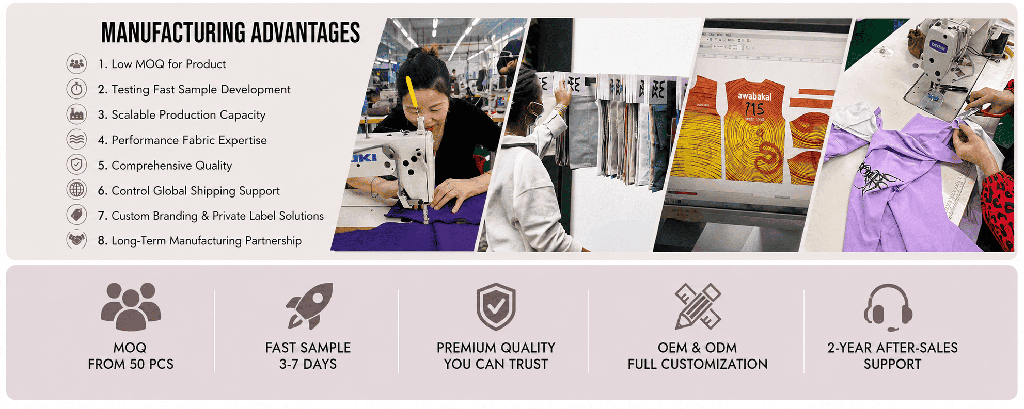
Starting an activewear brand requires more than a good product idea. New brands need the right manufacturing support to evaluate designs, select suitable materials, develop samples, and build a reliable production plan before entering the market.
Content
The continued expansion of global activewear market growth has created opportunities for new brands entering fitness, wellness, and lifestyle categories. However, turning that idea into a finished product requires experience in areas such as fabric selection, garment construction, sizing, sampling, and production management.
For many startups, the biggest challenge is not creating a design concept but finding an activewear manufacturer for startups that understands the early stages of brand development. Working with an experienced manufacturing partner can help reduce unnecessary mistakes and create a clearer path from product ideas to market-ready garments.
For startups looking for broader production capabilities, understanding a manufacturer’s activewear manufacturing capabilities can help evaluate whether the supplier can support future growth. A reliable startup-focused manufacturer should be able to support key areas including:
- Product feasibility evaluation before production begins
- Functional fabric recommendations based on product requirements
- Sample development to test fit, appearance, and performance
- Flexible production options for brands starting with smaller quantities
- Quality control support to maintain consistent product standards
Many emerging activewear brands begin without a complete technical package or a large supply chain team. In these situations, a manufacturer with practical product knowledge can help bridge the gap between creative ideas and professional production.
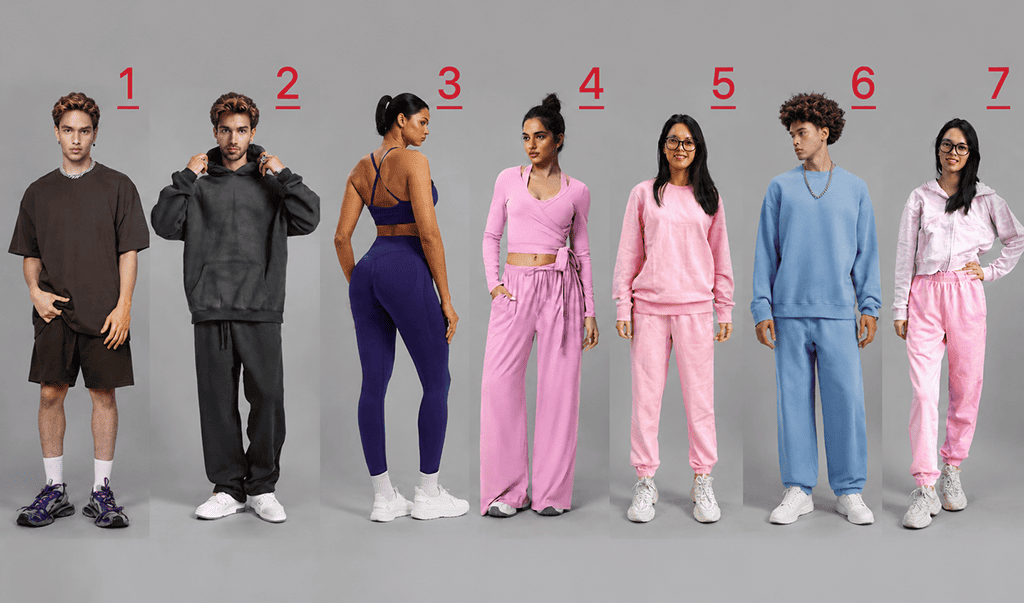
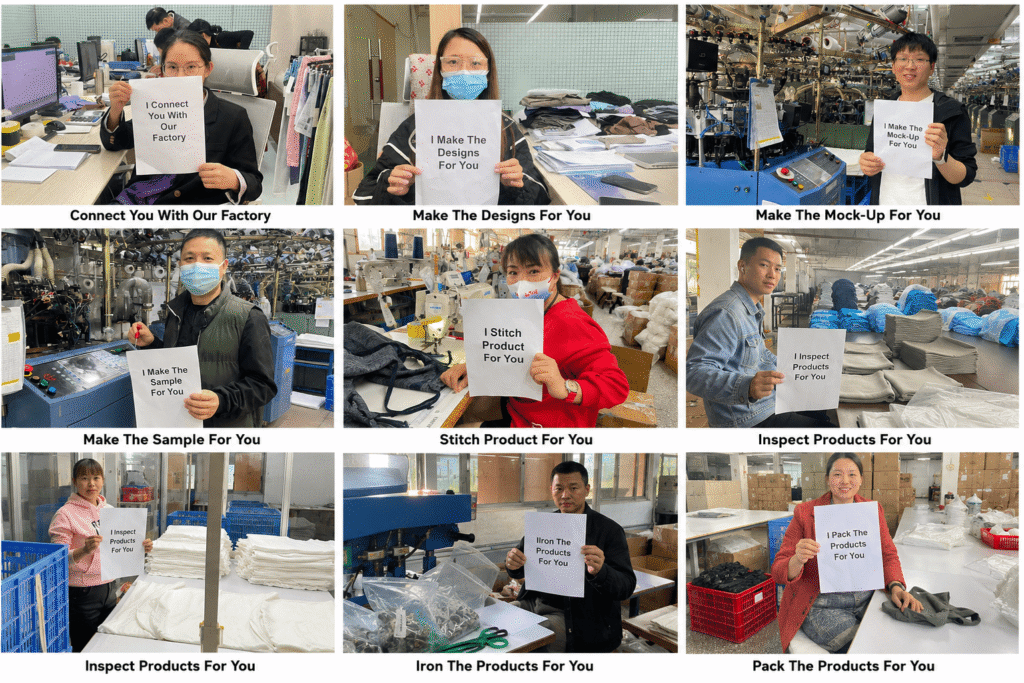
With experience in functional activewear manufacturing, Dongguan Pair Fashion works with international brands across different development stages, supporting categories such as fitness apparel, yoga wear, equestrian apparel, plus size activewear, and maternity activewear.
For startups, choosing the right manufacturing partner means having a more reliable foundation to test products, improve collections, and gradually scale production based on real market feedback.
Why Startups Need a Different Type of Activewear Manufacturing Partner
Intro
Choosing an activewear manufacturer is one of the most important decisions for a new brand. Startups often have different challenges compared with established companies, including limited order quantities, uncertain market demand, and the need for stronger manufacturing guidance during the early stages.
Content
A startup activewear brand is not simply a smaller version of an established company. The priorities, risks, and sourcing requirements are often completely different.
Large brands usually have established product teams, predictable sales channels, and long-term production planning. Startups, however, are often testing their first collections, learning customer preferences, and building their supply chain from the beginning.
This is why choosing the right activewear manufacturer for small brands is critical. A factory that only focuses on large-volume production may not always be the best choice for emerging companies that need more flexibility and support.
For startups, a suitable manufacturing partner should provide:
- Flexible minimum order quantities to reduce initial inventory pressure
- Efficient sample development to test product ideas before larger investment
- Clear communication to help brands make better production decisions
- Product expertise to avoid common manufacturing mistakes
- Scalable production capability when the brand begins to grow
The difference between a traditional supplier and a startup-friendly manufacturer is not only production capacity. It is the ability to understand the challenges of building a new activewear business.
| Evaluation Factor | Traditional Large-Volume Factory | Startup-Friendly Activewear Manufacturer |
|---|---|---|
| Order Flexibility | Usually focused on larger quantities | More suitable for smaller production runs |
| Product Support | Mainly production-focused | More guidance during product development |
| Communication Style | Standardized process | More collaborative communication |
| Sampling Approach | May prioritize bulk orders | More suitable for testing new products |
| Growth Support | Designed for established brands | Can adapt as brands expand |
For emerging brands, the right manufacturing partner can help create a smoother path from initial product testing to long-term production growth.
Dongguan Pair Fashion supports brands at different development stages with flexible manufacturing capabilities, including lower MOQ options, professional sample development, and experience across multiple activewear categories. This allows startups to validate products while building a stronger foundation for future expansion.
Low MOQ Activewear Production for Testing Your First Collection
Intro
For startups entering the activewear market, the first production order is often the biggest challenge. Flexible MOQ options allow emerging brands to test products, reduce inventory risks, and improve collections based on real customer feedback before scaling production.
Content
Launching your first activewear collection requires careful planning. Many new brands face the challenge of balancing product quality, investment costs, and market uncertainty. Ordering too much inventory too early can create unnecessary financial pressure, while ordering too little may limit production efficiency.
This is why choosing a low MOQ activewear manufacturer can be a valuable advantage for startup brands.
A flexible minimum order quantity allows businesses to introduce products gradually, collect customer feedback, and make better decisions before committing to larger production volumes.
For emerging activewear brands, small-batch production can help with:
- Market testing before large-scale investment
- Lower inventory risk during the early growth stage
- Product validation based on real customer response
- Collection adjustments before expanding production
- Cash flow management for growing businesses
A professional manufacturer understands that startups often need a different production approach compared with established brands. The goal is not simply producing fewer pieces, but creating a reliable process where brands can test, improve, and scale with confidence.
At Dongguan Pair Fashion, we support growing brands with flexible production options, including MOQ starting from 50 pieces for selected products. This approach helps startups explore new product ideas while maintaining professional manufacturing standards.
Whether launching a first leggings collection, testing a new sportswear category, or expanding an existing fitness brand, flexible production capabilities can make the early manufacturing journey more manageable.
Choosing the Right MOQ: What Startups Should Consider
A lower MOQ is helpful, but it should not be the only factor when selecting a supplier.
Brands should also evaluate:
| Evaluation Factor | Why It Matters |
|---|---|
| Product Quality | Small orders should still meet brand standards |
| Fabric Availability | Certain materials may require higher quantities |
| Production Consistency | Quality should remain stable at different order sizes |
| Future Scalability | The supplier should support growth after successful testing |
–
The ideal manufacturing partner provides a balance between flexibility and production reliability.
For startups, the right MOQ strategy is not about ordering the smallest quantity possible. It is about finding a production model that reduces risk while creating opportunities for sustainable growth.
From Design Inspiration to First Sample: A Startup-Friendly Development Process
Intro
Many startup brands have strong product ideas but lack the technical knowledge required to turn concepts into finished garments. A structured activewear sample development process helps brands evaluate designs, improve product details, and move from inspiration to production with fewer risks.
Content
Starting an activewear collection does not always begin with a complete technical package. Many emerging brands begin with a vision: a reference image, a product idea, a customer demand, or a specific style they want to create.
The challenge is transforming that initial idea into a product that can be manufactured consistently.
A reliable activewear prototype manufacturer can help bridge the gap between creative concepts and production requirements by evaluating product details, recommending suitable materials, and developing samples that allow brands to test design, fit, and performance before bulk manufacturing.
A professional development process usually includes:
1. Product Concept Review
The manufacturer reviews:
- Design references
- Product functions
- Target customer needs
- Expected price positioning
This helps determine whether the idea is practical for production.
2. Fabric and Material Selection
Activewear performance depends heavily on fabric choice.
Important considerations include:
- Stretch performance
- Comfort level
- Breathability
- Compression requirements
- Durability
The right material selection directly affects the final consumer experience.
3. Pattern Development and Sample Creation
After confirming product direction, the manufacturer develops:
- Patterns
- Size specifications
- Construction details
- Initial samples
Samples allow brands to evaluate:
- Fit
- Appearance
- Function
- Product improvements
4. Sample Review and Production Preparation
Before moving into bulk production, brands can review the sample and adjust details such as:
- Measurements
- Fabric options
- Design elements
- Functional features
This process helps reduce production risks and ensures the final product matches brand expectations.
For startup brands, having access to professional activewear product development support can significantly simplify the early manufacturing journey.
Dongguan Pair Fashion combines product development experience with functional sportswear manufacturing capability, supported by an experienced development team and more than 6,000 developed styles across different apparel categories.
Whether a brand starts with a complete tech pack or only an initial concept, a structured development process helps transform ideas into practical, production-ready activewear products.
What Information Should Startups Prepare Before Developing Activewear Samples?
Although manufacturers can provide development guidance, preparing basic information can make the process more efficient.
| Information | Why It Helps |
|---|---|
| Product Reference Images | Helps understand design direction |
| Target Customer | Defines fitting and functional requirements |
| Expected Price Range | Supports material and construction decisions |
| Preferred Fabrics | Helps evaluate performance needs |
| Brand Positioning | Creates consistent product direction |
–
Why Sample Development Matters Before Bulk Production
Skipping proper sample evaluation can create problems such as:
- Incorrect sizing
- Unsuitable fabric selection
- Poor fit performance
- Unexpected production adjustments
A successful initial sample serves as more than just a product trial. It offers a chance to refine items before committing to bulk orders.
For emerging brands, the sampling phase builds confidence and delivers crucial insights ahead of full-scale production.
Choose the Right Activewear Manufacturing Model for Your Brand Stage
Intro
Not every startup needs the same manufacturing approach. Understanding the differences between OEM, ODM, and private label activewear manufacturing helps new brands select a production model that matches their budget, product goals, customization requirements, and growth stage.
Content
Choosing the right manufacturing model is one of the first important decisions for a new activewear brand. Many startups focus on finding a factory but overlook whether the supplier’s business model actually matches their current needs.
A brand creating a completely original performance collection may require a different approach compared with a company testing its first fitness products.
The three most common manufacturing models include:
- OEM activewear manufacturing
- ODM activewear manufacturing
- Private label activewear manufacturing
Each option provides different levels of flexibility, investment requirements, and product control.
OEM Activewear Manufacturing: Maximum Product Control
OEM (Original Equipment Manufacturing) is suitable for brands that already have clear product concepts, specifications, or technical requirements.
Under an OEM model, the brand usually controls:
- Product design direction
- Fabric requirements
- Construction details
- Functional features
- Brand specifications
Best suited for:
- Established activewear brands
- Designers with original concepts
- Companies seeking unique products
Main advantages:
| Advantage | Benefit |
|---|---|
| Higher control | Brands maintain product direction |
| Strong differentiation | Easier to create unique collections |
| Product ownership | Supports long-term brand positioning |
–
However, OEM usually requires more preparation because brands need clearer product information and stronger decision-making involvement.
ODM Activewear Manufacturing: Faster Development With Manufacturing Expertise
ODM (Original Design Manufacturing) allows brands to use a manufacturer’s existing product knowledge and development experience while making adjustments according to their market needs.
This approach can help startups reduce development complexity.
Brands may customize:
- Colors
- Fabrics
- Product details
- Branding elements
Best suited for:
- Growing activewear brands
- Companies without large product teams
- Businesses needing faster product development
Main advantages:
| Advantage | Benefit |
|---|---|
| Faster development | Reduces time from idea to sample |
| Lower development pressure | Uses existing manufacturing experience |
| Practical guidance | Helps brands make production decisions |
–
ODM is often a suitable option for startups that want professional manufacturing support without managing every technical detail independently.
Private Label Activewear Manufacturing: A Practical Starting Point for New Brands
Private label activewear manufacturing is commonly chosen by startups that want to enter the market with lower initial complexity.
This model allows brands to use existing product foundations and add their own branding elements.
Common private label options include:
- Custom labels
- Packaging
- Color selection
- Basic product adjustments
Best suited for:
- First-time activewear entrepreneurs
- E-commerce brands
- Fitness communities
- Small businesses testing market demand
Main advantages:
| Advantage | Benefit |
|---|---|
| Lower entry barrier | Easier for new brands to start |
| Faster launch | Less product development complexity |
| Reduced risk | Suitable for market testing |
–
However, brands should consider differentiation carefully because similar product foundations may be available in the market.
OEM vs ODM vs Private Label: Which One Is Right for Startups?
| Factor | OEM | ODM | Private Label |
|---|---|---|---|
| Customization Level | Highest | Medium | Basic to Medium |
| Development Time | Longer | Moderate | Faster |
| Brand Control | Highest | Medium | Depends on customization |
| Initial Investment | Higher | Medium | Lower |
| Best For | Unique product development | Faster product creation | Market testing |
–
How Should Startups Choose the Right Manufacturing Model?
Before selecting a manufacturing approach, startups should consider:
1. Product Goals
Ask:
- Do I need a completely unique product?
- Am I testing an existing market category?
- Do I need technical performance features?
2. Available Resources
Consider:
- Product development experience
- Budget
- Timeline
- Internal design capability
3. Long-Term Brand Strategy
A small startup today may become a larger brand in the future.
The ideal manufacturing model should allow room for growth.
For example:
A brand may begin with private label products to test demand, then move toward ODM or OEM development after understanding customer preferences.
Dongguan Pair Fashion supports different brand development stages by combining flexible production capability with activewear manufacturing experience. Whether a startup needs smaller-batch production, product development support, or scalable manufacturing capacity, choosing the right production model helps create a stronger foundation for long-term growth.
Product Categories Startups Can Launch With Lower Risk
Intro
Picking the right products is a vital call for new activewear brands. Instead of rolling out numerous items at launch, startups should target categories with proven market demand, achievable production needs and potential for further growth.
Content
For a new activewear brand, the first collection does not need to include every possible product category. Successful startups usually begin with a focused product strategy that allows them to test customer response, understand market demand, and improve future collections.
Working with experienced activewear manufacturers for startups can help brands evaluate which products are suitable for their target customers and business stage.
Some activewear categories are often selected by emerging brands because they combine strong consumer demand with relatively mature manufacturing processes.
1. Leggings: One of the Most Popular Starting Categories
Leggings remain one of the most widely recognized activewear products because they are suitable for multiple consumer groups, including:
- Yoga customers
- Fitness enthusiasts
- Athleisure consumers
- Everyday lifestyle users
Important product considerations include:
- Fabric stretch
- Opacity
- Waistband comfort
- Compression level
- Fit consistency
For startups, leggings can provide opportunities to test different fabrics, colors, and design concepts with a product category customers already understand.
2. Sports Bras: Combining Function and Brand Differentiation
Sports bras are another common starting product because they allow brands to demonstrate both design and functional value.
Key factors include:
- Support level
- Comfort
- Fabric performance
- Strap design
- Body fitting
Different customer groups may require different product positioning, from lightweight yoga styles to higher-support training products.
3. Activewear Sets: Creating a Complete Brand Identity
Matching activewear sets have become increasingly popular because they provide customers with a complete outfit solution.
Common combinations include:
- Sports bra + leggings
- Tank top + shorts
- Crop top + pants
For startups, coordinated collections can help create stronger visual branding and improve product presentation across:
- E-commerce stores
- Social media platforms
- Marketing campaigns
4. Tank Tops and Training Tops: Flexible Everyday Products
Activewear tops are practical products that can support different market segments.
They are often used for:
- Gym training
- Running
- Yoga
- Casual athleisure
Advantages include:
- Lower product complexity
- Easy styling combinations
- Broad customer appeal
5. Specialized Activewear Categories for Market Differentiation
Some brands choose specialized categories such as plus size activewear solutions, maternity activewear, or equestrian apparel to create stronger differentiation.
Examples include:
Plus Size Activewear
Designed for customers looking for:
- Better fitting solutions
- Inclusive sizing
- Improved comfort
Maternity Activewear
Focused on:
- Adaptive fitting
- Comfort during different stages
- Functional design
Equestrian Apparel
A niche category requiring:
- Durable stretch fabrics
- Functional construction
- Sport-specific fitting
Comparing Activewear Products for Startup Launches
| Product Category | Market Demand | Development Difficulty | Startup Suitability |
|---|---|---|---|
| Leggings | High | Medium | Excellent |
| Sports Bras | High | Medium | Excellent |
| Activewear Sets | High | Medium | Excellent |
| Tank Tops | Medium to High | Lower | Good |
| Specialized Activewear | Growing | Higher | Suitable for differentiated brands |
–
How Should Startups Decide Which Products to Launch First?
Before developing the first collection, brands should consider:
Target Customer
Understand:
- Who will buy the product?
- What activities do they participate in?
- What problems do existing products fail to solve?
Brand Positioning
Decide whether the brand focuses on:
- Performance
- Fashion
- Sustainability
- Inclusivity
- Specific sports communities
Production Capability
Evaluate whether the selected manufacturer has experience with the chosen category.
Different products require different expertise.
For example:
A leggings-focused brand should evaluate:
- Fabric knowledge
- Stretch performance
- Fit accuracy
A sports bra brand should focus on:
- Support construction
- Comfort testing
- Size grading
Dongguan Pair Fashion supports a wide range of activewear categories, including fitness apparel, yoga wear, equestrian apparel, plus size activewear, and maternity activewear. This allows growing brands to begin with focused product launches while maintaining opportunities to expand into additional categories as their customer base grows.
For startups, the most effective product strategy is usually not launching everything at once. It is selecting the right products, testing market response, and building the next collection based on real customer feedback.
Build Brand Differentiation Through Fabrics, Fit, and Custom Details
Intro
For emerging activewear brands, competing on price alone is seldom a sustainable strategy. Standout products stem from premium fabric choices, precise sizing, functional design details, and distinctive brand features that forge deeper bonds with target audiences.
Content
Entering the activewear market can be challenging because customers already have many choices from established brands. For startups, the key question is not simply how to produce activewear, but how to create products that offer a better reason for customers to choose them.
A reliable activewear manufacturer for small brands should help businesses understand how product decisions influence customer experience and market positioning.
Strong activewear products are usually built around three important elements:
- Functional fabrics
- Comfortable and accurate fitting
- Meaningful brand details
These elements work together to transform a basic garment into a product with stronger market value.
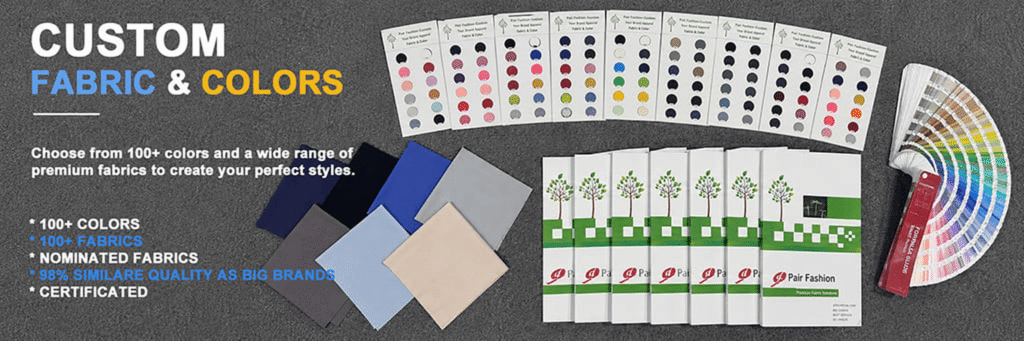
1. Functional Fabrics Improve Product Performance
Working with a functional activewear manufacturer can help brands select suitable materials and develop products based on specific performance requirements.
Different product categories require different fabric characteristics.
| Fabric Feature | Product Value |
|---|---|
| Four-way stretch | Supports flexible movement during workouts |
| Moisture-wicking fabric | Helps manage sweat and improves comfort |
| Quick-dry materials | Suitable for high-intensity activities |
| Compression fabrics | Provides supportive fitting and body shaping |
| Anti-bacterial treatment | Helps improve freshness and wearing comfort |
| UV protection fabric | Suitable for outdoor sports |
| Recycled fabrics | Brands using recycled materials should also understand recognized sustainable textile standards to ensure responsible sourcing and accurate product communication. |
–
For example:
A yoga collection may focus on:
- Soft hand feel
- Stretch flexibility
- Comfortable movement
A training collection may require:
- Strong recovery
- Compression support
- Durability
A running collection may prioritize:
- Lightweight construction
- Breathability
- Moisture management
The right fabric choice should always match the product purpose and customer expectations.
2. Better Fit Creates Better Customer Experience
Many new brands focus heavily on design appearance but underestimate the importance of garment fitting.
In activewear, fit affects:
- Comfort during movement
- Product performance
- Customer satisfaction
- Repeat purchases
Important fitting considerations include:
- Body shape differences
- Size accuracy
- Stretch recovery
- Support areas
- Seam placement
For example:
Leggings
A professional leggings product should consider:
- Waistband stability
- Coverage during stretching
- Fabric recovery
- Seam comfort
Sports Bras
A sports bra requires attention to:
- Support level
- Strap construction
- Body comfort
- Movement control
Inclusive Activewear
For categories such as:
- Plus size activewear
- Maternity activewear
accurate fitting becomes even more important because customers expect products designed around different body requirements.
3. Brand Details Turn Products Into Recognizable Collections
For startups, branding details can help create a stronger connection between products and customers.
Common customization elements include:
- Main labels
- Care labels
- Hangtags
- Packaging bags
- Retail packaging
These details help communicate:
- Brand identity
- Product information
- Quality perception
- Professional presentation
However, effective branding is not only about adding a logo.
Successful brands also consider:
- Target customer expectations
- Product positioning
- Packaging experience
- Consistent visual identity
Basic Activewear vs Differentiated Brand Products
| Category | Basic Activewear | Differentiated Brand Product |
|---|---|---|
| Fabric | Standard materials | Functional performance fabrics |
| Fit | General sizing | Customer-focused fitting |
| Design | Common styles | Market-specific product direction |
| Branding | Simple labeling | Complete brand experience |
| Competition | Price-focused | Value-focused |
–
How Can Startups Create More Competitive Activewear Products?
New brands do not always need completely new product concepts.
Many successful collections improve existing categories through better execution.
A practical approach includes:
Step 1: Understand Your Customer
Identify:
- Target lifestyle
- Sports activities
- Comfort expectations
- Product problems they want solved
Step 2: Select Suitable Materials
Choose fabrics based on:
- Product function
- Customer needs
- Brand positioning
Step 3: Improve Product Details
Focus on:
- Better fit
- Functional features
- Comfortable construction
- Brand presentation
Step 4: Test and Improve Before Scaling
Use samples to evaluate:
- Appearance
- Performance
- Customer feedback
- Production feasibility
Dongguan Pair Fashion supports brands developing functional activewear products with experience across different categories, including fitness apparel, yoga wear, equestrian apparel, plus size activewear, and maternity activewear.
For startups, creating a successful activewear collection is not only about manufacturing garments. It is about understanding customers, choosing the right materials, improving product details, and building products that can compete in a demanding market.
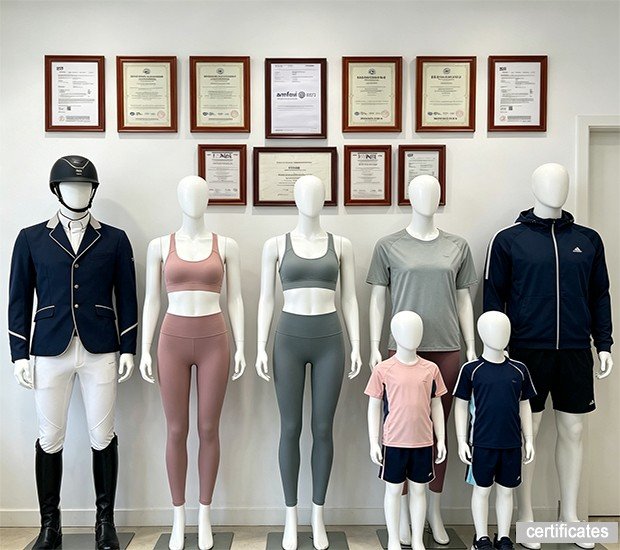
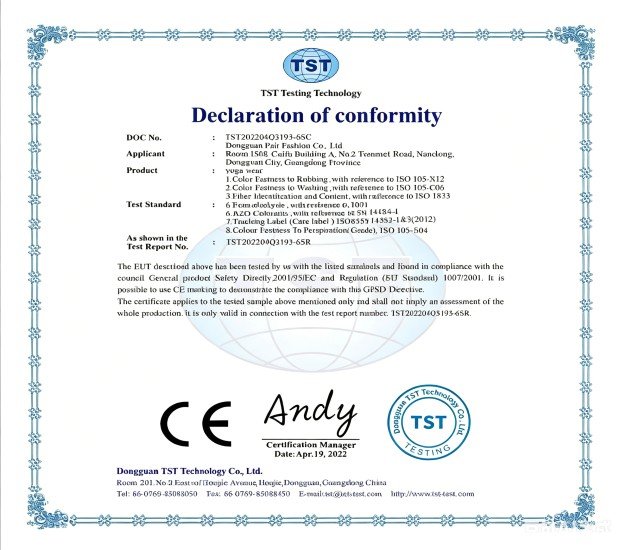
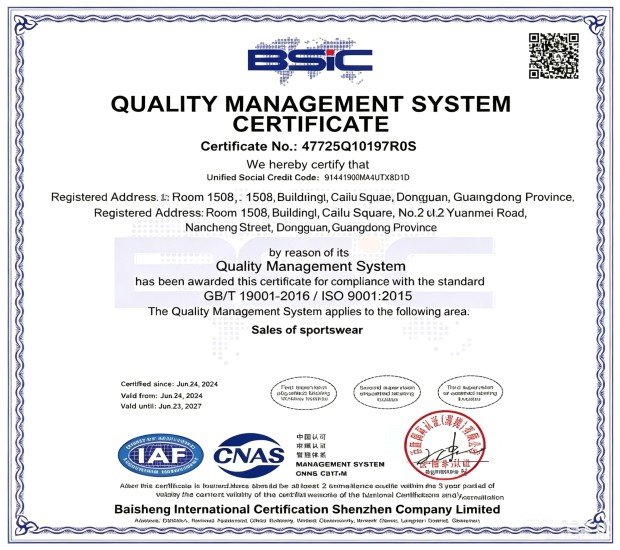
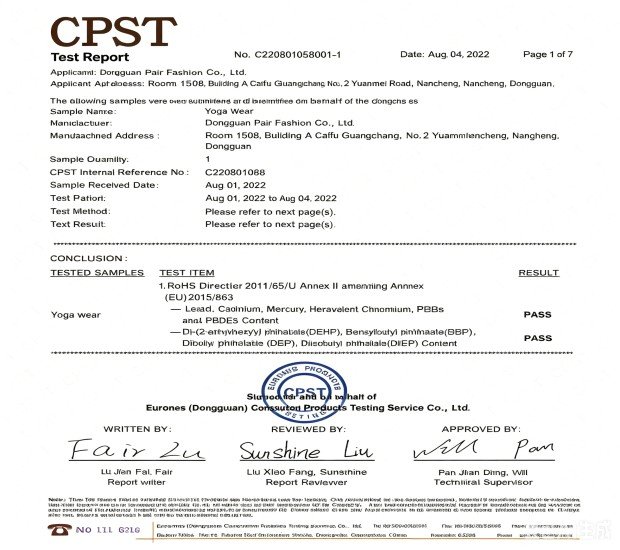
Trusted Manufacturing Standards For Global Sportswear Brands
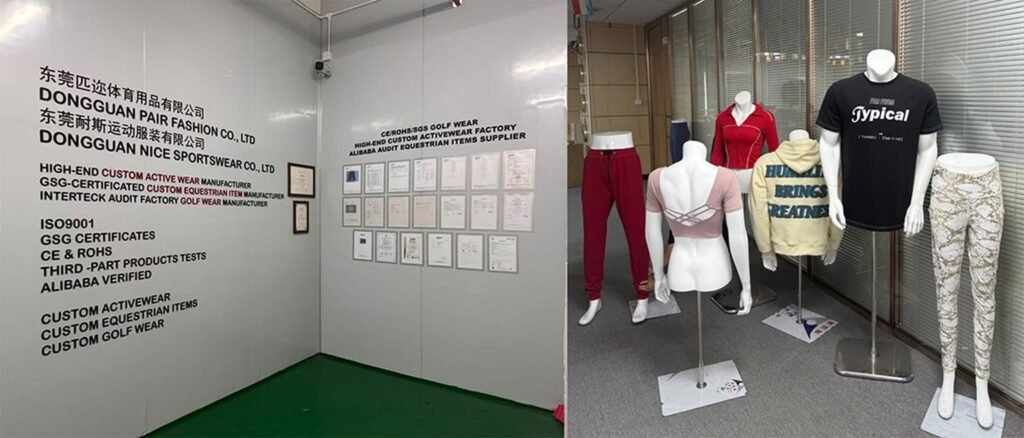
We operate under internationally recognized quality, sustainability, and ethical manufacturing standards. Our certifications help ensure consistent product quality, responsible sourcing, and reliable production for global sportswear brands.
- 20+ Countries Served
- 6000+ Styles Developed
- 50,000 PCS Monthly Capacity
- 3-Day Sample Development
Private Label Support for Building Your Own Activewear Brand
Intro
For emerging brands, the initial production order marks a vital milestone. Partnering with a manufacturer equipped with robust quality control systems lowers production risks, sustains consistent product standards, and guarantees finished apparel aligns with buyer expectations.
Content
For emerging activewear brands, manufacturing quality can directly influence customer reviews, repeat purchases, and long-term brand reputation.
A product may look attractive in a design concept, but the final customer experience depends on many production details, including:
- Fabric performance
- Size accuracy
- Sewing quality
- Construction consistency
- Product finishing
This is why choosing a reliable activewear factory requires more than checking product photos or comparing prices.
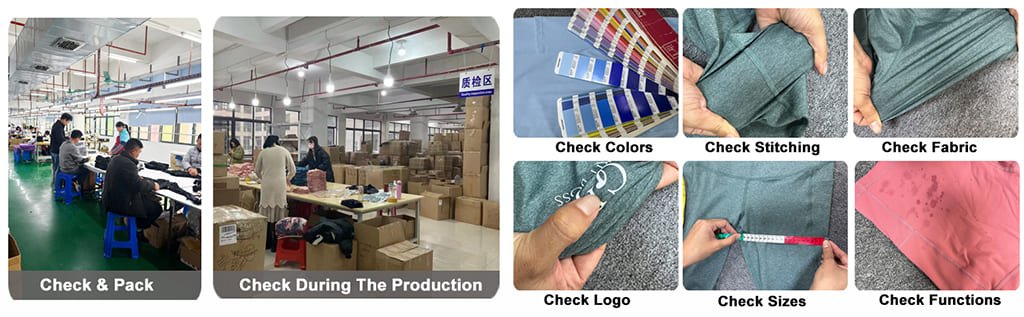
A professional manufacturer should have a clear quality management process that monitors products from materials to finished garments.
1. Material Inspection: Ensuring the Right Foundation
Activewear performance begins with fabric quality.
Before production starts, manufacturers should evaluate materials based on:
- Fabric composition
- Stretch performance
- Color consistency
- Weight and thickness
- Functional requirements
For performance apparel, suitable materials can influence:
- Comfort
- Durability
- Movement flexibility
- Overall wearing experience
Common activewear fabric features include:
- Four-way stretch
- Quick-dry performance
- Moisture management
- Compression support
- Anti-bacterial properties
- Recycled materials
A reliable manufacturer helps brands select materials that match the intended product function.
2. Production Inspection: Maintaining Consistency During Manufacturing
Even after sample approval, production quality must be monitored throughout the manufacturing process.
A professional quality system usually includes multiple inspection stages.
| Quality Stage | Main Purpose |
|---|---|
| IQC (Incoming Quality Control) | Checks incoming materials and components |
| IPQC (In-Process Quality Control) | Monitors production quality during manufacturing |
| FQC (Final Quality Control) | Checks finished products before shipment |
–
This multi-stage approach helps identify problems earlier and reduces the risk of large-scale production issues.
3. Sample Approval: Reducing Production Risks Before Bulk Orders
For startups, samples are especially important because the first collection often determines future customer feedback.
Before moving into bulk production, brands should evaluate:
Product Appearance
Check:
- Color accuracy
- Design details
- Finishing quality
Fit Performance
Evaluate:
- Size accuracy
- Comfort
- Movement flexibility
- Support level
Manufacturing Details
Review:
- Stitching quality
- Seams
- Labels
- Packaging requirements
A professional sample review process allows brands to make improvements before investing in larger quantities.
4. Certifications and Compliance Support
International buyers often need suppliers that understand market compliance requirements.
Depending on product category and target market, manufacturers may support standards and certifications including:
| Certification / Standard | Purpose |
|---|---|
| ISO9001 | Quality management system |
| BSCI | Social compliance assessment |
| GRS | Recycled material certification |
| CE | Product compliance requirements |
| RoHS | Restriction of hazardous substances |
–
Certifications are not the only measure of supplier quality, but they can provide additional confidence when evaluating manufacturing partners.
5. Why Quality Control Matters More for Startup Brands
Large brands may have established systems to handle production issues.
Startups usually have less room for mistakes.
A quality problem in the first collection can lead to:
- Customer complaints
- Negative reviews
- Additional production costs
- Delayed launches
- Loss of brand trust
This is why startups should prioritize manufacturing reliability from the beginning.
A slightly better manufacturing partner can often save more cost than choosing the cheapest supplier and dealing with quality problems later.
Production Quality Checklist for Activewear Startups
Before selecting a manufacturer, brands should ask:
| Question | Why It Matters |
|---|---|
| Does the factory inspect materials before production? | Ensures fabric reliability |
| Is there quality control during manufacturing? | Reduces production defects |
| Are samples approved before bulk orders? | Prevents unexpected issues |
| Can the supplier provide compliance documents? | Supports international sales |
| Can the factory maintain consistent quality? | Protects brand reputation |
–
Supporting Growing Brands With Reliable Manufacturing Systems
Dongguan Pair Fashion applies structured quality management throughout production, supported by an experienced QC team and established manufacturing procedures.
The company supports international activewear brands across categories including:
- Fitness apparel
- Yoga wear
- Equestrian apparel
- Plus size activewear
- Maternity activewear
With quality control systems, functional fabric experience, and flexible production capabilities, the focus is helping brands build products that meet customer expectations from the first order and beyond.
For startups, reliable manufacturing is not only about avoiding mistakes. It is about creating confidence that allows brands to grow with a stronger foundation.

Common Mistakes Startups Make When Choosing an Activewear Manufacturer
Intro
Choosing an activewear manufacturer ranks among the most critical decisions for emerging brands. Numerous startups fixate on upfront expenses while ignoring elements that impact product quality, production dependability and long-term business expansion.
Content
Finding the right manufacturing partner can determine whether an activewear brand builds a stable foundation or faces unnecessary challenges during its early stages.
Many startup founders are passionate about their products but may have limited experience with apparel sourcing and manufacturing. Without proper evaluation, it is easy to choose a supplier based on incomplete information.
Common mistakes often include:
- Selecting a manufacturer only because of the lowest price
- Ignoring product specialization
- Skipping sample evaluation
- Not checking factory capability
- Choosing a supplier that cannot support future growth
Understanding these mistakes before starting production can help brands make better sourcing decisions and avoid expensive problems.
Mistake 1: Choosing a Manufacturer Only Based on Price
Price is an important factor, but it should not be the only consideration.
The lowest quotation may sometimes come with hidden risks, including:
- Lower material quality
- Limited production support
- Higher defect rates
- Unexpected additional costs
For activewear products, manufacturing value depends on the balance between:
- Product quality
- Fabric performance
- Production reliability
- Communication efficiency
A supplier offering slightly better manufacturing capability may create better long-term value than a lower-cost factory that causes quality issues.
Mistake 2: Ignoring the Manufacturer’s Product Experience
Not every clothing factory has the same level of activewear expertise.
A manufacturer experienced in basic apparel may not fully understand the requirements of performance clothing.
Activewear production often requires knowledge of:
- Stretch fabrics
- Body-focused fitting
- Functional construction
- Performance requirements
For example:
A leggings manufacturer should understand:
- Fabric recovery
- Waistband construction
- Movement comfort
A sports bra manufacturer should understand:
- Support structure
- Elastic performance
- Fit balance
Choosing a supplier with relevant product experience helps reduce development problems.
Mistake 3: Skipping Sample Testing Before Bulk Production
One of the biggest mistakes for new brands is moving directly into production without carefully evaluating samples.
Samples allow brands to review:
- Product appearance
- Fabric performance
- Size accuracy
- Comfort
- Construction quality
A sample is not only a production requirement. It is an opportunity to identify improvements before larger investment.
Skipping this step can lead to:
- Incorrect fitting
- Unsuitable materials
- Product complaints
- Additional production costs
Mistake 4: Not Verifying Factory Capability
The supplier with the best website is not always the most suitable manufacturer.
Before cooperation, brands should evaluate:
- Actual production capability
- Product categories
- Factory experience
- Quality control procedures
- Previous export experience
Important questions include:
| Evaluation Question | Why It Matters |
|---|---|
| Does the company manufacture activewear regularly? | Confirms product expertise |
| Can they provide production examples? | Verifies actual experience |
| Do they have quality control systems? | Reduces production risk |
| Can they handle future growth? | Supports long-term cooperation |
–
Mistake 5: Choosing a Manufacturer That Does Not Match Your Brand Stage
Different brands require different types of suppliers.
A startup testing its first collection may need:
- Flexible MOQ
- Product guidance
- Smaller production quantities
A mature brand may prioritize:
- Large production capacity
- Supply chain management
- Higher production volume
Choosing a supplier that does not match your current stage can create unnecessary challenges.
The best manufacturer is not always the largest factory. It is the one whose capabilities match your business needs.
Mistake 6: Not Considering Future Growth
Some startups only focus on their first order.
However, a successful brand eventually needs to consider:
- Additional product categories
- Larger production volumes
- More frequent collections
- Stronger supply chain support
A good manufacturing partner should be able to grow with the brand.
For example:
A startup may begin with:
- Small-batch leggings production
Then expand into:
- Sports bras
- Activewear sets
- Specialized sportswear categories
Choosing a supplier with broader capability can make future expansion easier.
Startup Manufacturer Selection Checklist
Before choosing an activewear supplier, ask:
| Question | Purpose |
|---|---|
| Does the supplier understand my product category? | Confirm expertise |
| Can they support my current order size? | Match production needs |
| Can they provide quality samples? | Reduce product risk |
| Do they have reliable production systems? | Ensure consistency |
| Can they support future expansion? | Build long-term partnership |
–
How Can Startups Make Better Manufacturing Decisions?
A successful supplier selection process should focus on long-term value rather than short-term savings.
A practical approach includes:
Step 1: Define Product Requirements
Understand:
- Product category
- Target customer
- Expected quality level
- Brand positioning
Step 2: Compare Suitable Manufacturers
Evaluate:
- Experience
- Product capability
- MOQ
- Quality systems
- Communication
Step 3: Test Before Scaling
Start with:
- Samples
- Smaller production runs
- Customer feedback
Then expand based on real market performance.
Choosing the right activewear manufacturers for startups requires careful evaluation and realistic expectations.
The goal is not simply finding a factory that can make products. It is finding a manufacturing partner that can support product quality, reduce risks, and provide a stronger foundation for brand growth.
Grow From Your First Activewear Order to a Long-Term Supply Partnership
Intro
Building an activewear brand is just the starting point. As brands expand, they need a manufacturing partner to back new product development, growing order volumes, uniform product quality and enduring supply chain stability.
Content
The first production order is an important milestone for every startup activewear brand, but long-term success requires more than completing one shipment.
As a brand grows, manufacturing needs usually become more complex.
A company that starts with a small product test may later need:
- More product categories
- Larger production quantities
- Faster collection development
- More consistent quality management
- Stronger supply chain coordination
This is why choosing an activewear supplier for growing brands should be based on long-term capability rather than only the requirements of the first order.
A reliable manufacturing partner should be able to support different stages of brand development.
Stage 1: Testing Your First Collection
During the startup stage, brands usually focus on:
- Product validation
- Customer feedback
- Market testing
- Inventory control
At this stage, important supplier capabilities include:
- Flexible production options
- Sample development support
- Clear communication
- Quality consistency
The goal is to understand what products customers respond to before expanding investment.
Stage 2: Expanding Product Categories
After successful market testing, brands often begin developing broader collections.
Expansion may include:
- New colors
- Additional styles
- Matching activewear sets
- Different product categories
A manufacturer with wider product experience can help brands expand more efficiently.
For example, a brand may start with leggings and later introduce:
- Sports bras
- Tank tops
- Training apparel
- Specialized activewear products
Stage 3: Scaling Production With Greater Confidence
As customer demand increases, production requirements also change.
Growing brands may need:
- Higher production capacity
- Stable material supply
- Consistent quality standards
- Reliable delivery schedules
A scalable manufacturing partner should be able to adjust production support as the brand develops.
The ability to grow together helps reduce the challenge of changing suppliers during important growth stages.
What Makes a Long-Term Activewear Manufacturing Partner Valuable?
A strong partnership is built on more than production capability.
Important factors include:
| Capability | Why It Matters |
|---|---|
| Product Development Experience | Helps improve future collections |
| Flexible Production Ability | Supports different growth stages |
| Quality Management Systems | Maintains product consistency |
| Category Knowledge | Supports product expansion |
| Communication Efficiency | Improves cooperation |
–
Supporting Brands From First Order to Future Growth
Dongguan Pair Fashion works with brands at different stages of development, providing manufacturing support across various activewear categories.
The company combines:
- Functional activewear manufacturing experience
- Flexible production capabilities
- Professional sample development
- Quality control systems
- Multi-category production experience
With more than 6,000 developed styles, a monthly production capacity of approximately 50,000 pieces, and experience serving international markets, Pair Fashion supports brands as they move from initial product testing toward larger-scale production.
Why Startups Should Think Beyond Their First Order
Choosing a manufacturer only for the first collection may create problems later if the supplier cannot support future growth.
A better approach is selecting a partner that can support:
- First product testing
- Collection expansion
- Increasing order volume
- Long-term product development
The right manufacturing relationship allows brands to focus more on customers, marketing, and business growth while maintaining a reliable production foundation.
Build Your Activewear Brand With a Manufacturing Partner That Grows With You
The activewear market continues to evolve, and successful brands need suppliers that understand both product requirements and business development stages.
For startups, the ideal manufacturer is not simply a factory that produces garments.
It is a partner that can help transform early ideas into professional products, support future collections, and provide stable manufacturing capabilities as the brand grows.
1. Product Development
Regular monthly product development ensures consistent updates to your brand line.
2. Fabric Sourcing
Regular monthly product development ensures consistent updates to your brand line.
3. Sample Making
Regular monthly product development ensures consistent updates to your brand line.
4. Bulk Production
Regular monthly product development ensures consistent updates to your brand line.
5. Packaging & Delivery
Regular monthly product development ensures consistent updates to your brand line.
Complete OEM & ODM Sportswear Solutions
We provide complete custom sportswear manufacturing services from concept development and fabric sourcing to bulk production and worldwide delivery.
- OEM & ODM Product Development
- Functional Fabric Sourcing & Material Selection
- Pattern Making & Sample Development
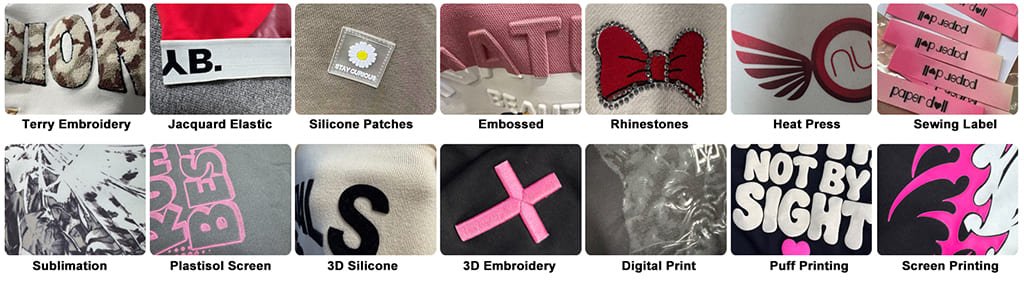
- Private Label Branding & Custom Packaging
- Quality-Controlled Bulk Manufacturing
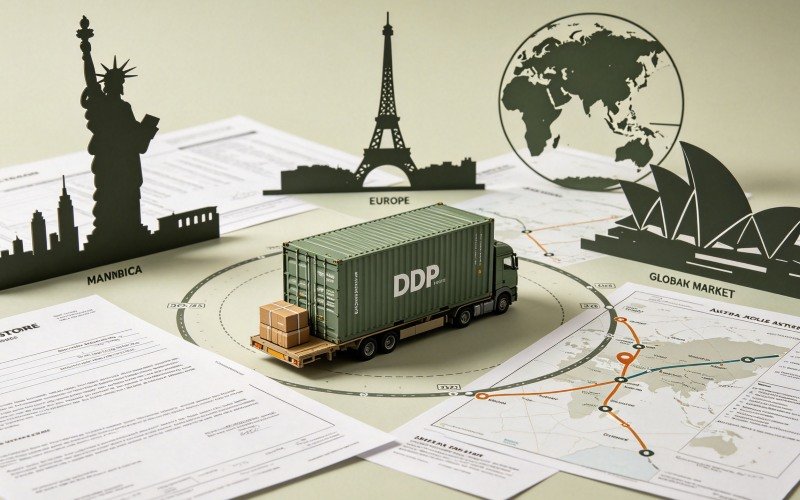
- Global DDP Shipping & Delivery Support
Frequently Asked Questions About Activewear Manufacturers for Startups
Q1: Can I start an activewear brand without previous apparel manufacturing experience?
Yes, startups can build an activewear brand without previous apparel manufacturing experience when they work with a manufacturer that provides product development guidance, sampling support, and practical production knowledge.
Many successful activewear brands begin with a strong market idea rather than deep manufacturing expertise. However, understanding fabrics, sizing, construction, and production processes is important when developing professional products.
A suitable activewear manufacturer for startups can help bridge this knowledge gap by supporting areas such as material selection, sample development, product improvements, and production planning.
Instead of managing every technical detail alone, new brands can focus on customer positioning, marketing, and building their brand identity while relying on experienced manufacturing support.
Q2: What is the minimum order quantity for startups working with an activewear manufacturer?
The minimum order quantity for startup activewear brands depends on product type, customization requirements, fabric selection, and the manufacturer’s production capabilities, with flexible MOQ options helping reduce early-stage inventory risks.
Many startups prefer low MOQ activewear manufacturers because smaller production quantities allow them to test products before making larger investments.
A practical first order strategy helps brands evaluate:
- Customer response
- Product performance
- Market demand
- Future collection direction
For selected products, Dongguan Pair Fashion supports flexible production options starting from smaller quantities, allowing emerging brands to validate their ideas while maintaining professional manufacturing standards.
The right MOQ should balance production efficiency, product quality, and business risk rather than simply focusing on the lowest possible quantity.
Q3: How do startups choose the right activewear manufacturer for their first collection?
Startups should choose an activewear manufacturer by evaluating product experience, sample quality, MOQ flexibility, quality control systems, communication ability, and the supplier’s capability to support future growth.
The cheapest factory is not always the best option because production problems can create additional costs through delays, defects, and customer complaints.
Before selecting a supplier, startups should review:
- Previous activewear production experience
- Product category specialization
- Fabric knowledge
- Quality inspection procedures
- Development support
A reliable activewear manufacturer for small brands should understand the challenges of early-stage businesses and provide solutions that match the brand’s current stage.
The goal is finding a manufacturing partner that can support both the first collection and future expansion.
Q4:Can activewear manufacturers help startups develop products without a tech pack?
Yes, many activewear manufacturers can support startups without a complete tech pack by helping transform product ideas, reference images, and design concepts into production-ready samples.
Many new brands begin with:
- Product photos
- Sketches
- Competitor references
- Fabric preferences
- Brand concepts
An experienced activewear sample development partner can help evaluate product feasibility, recommend suitable materials, develop patterns, and create samples for testing.
However, providing more detailed information can make the development process more efficient and reduce unnecessary revisions.
For startups, the ideal manufacturer is not only a production supplier but also a technical partner that helps turn early ideas into professionally developed activewear products.
Q5: How much does it cost to start an activewear brand with a manufacturer?
The cost of starting an activewear brand depends on product type, order quantity, customization requirements, fabric selection, branding details, and the manufacturing partner’s production model.
There is no fixed investment amount because every brand has different goals and product strategies.
Startup costs are usually influenced by:
- Sample development requirements
- Fabric and material choices
- Production quantity
- Custom labels and packaging
- Product complexity
For example, a brand testing a small collection of leggings and sports bras may require a different investment compared with a company developing a complete performance apparel line.
Many startups begin with a focused product range and smaller production quantities to validate customer demand before expanding.
Working with a flexible private label activewear manufacturer or startup-friendly supplier can help reduce initial risk by allowing brands to test products, improve collections, and invest more confidently based on real market feedback.
The most important factor is not finding the cheapest production option, but creating a realistic manufacturing plan that supports long-term brand growth.
Q6: How long does activewear production take for startups?
The production timeline for startup activewear brands depends on product complexity, sample development requirements, material availability, order quantity, and manufacturing schedules.
The typical activewear development and production process includes several stages:
| Stage | Main Purpose |
|---|---|
| Product discussion | Confirm design direction and requirements |
| Material selection | Choose suitable fabrics and components |
| Sample development | Test fit, appearance, and performance |
| Production preparation | Confirm details before bulk manufacturing |
| Bulk production | Manufacture and inspect finished products |
–
For simple products, sample development may be completed faster, while technical activewear products may require more adjustments.
Dongguan Pair Fashion supports efficient development processes, with sample development capabilities that can be completed in around 3 days for suitable projects, while bulk production timelines generally depend on product requirements and order volume.
For startups, a realistic production schedule is important because it helps coordinate:
- Product launches
- Marketing campaigns
- Inventory planning
- Customer expectations
Choosing a manufacturer that communicates timelines clearly can help avoid unnecessary delays during the first collection launch.
Q7: What activewear products should startups launch first?
The best activewear products for startups are usually categories with strong customer demand, manageable production requirements, and opportunities for future collection expansion, such as leggings, sports bras, tops, and matching activewear sets.
Many new brands make the mistake of launching too many products at once. A focused first collection allows startups to:
- Test customer interest
- Control inventory investment
- Improve products based on feedback
- Build a clearer brand identity
Popular starting categories include:
| Product | Why Startups Choose It |
|---|---|
| Leggings | Strong demand and versatile usage |
| Sports Bras | Combines function and design opportunities |
| Activewear Sets | Creates complete brand collections |
| Tank Tops | Flexible for fitness and lifestyle markets |
–
Some brands choose specialized categories such as:
- Plus size activewear
- Maternity activewear
- Equestrian apparel
to create stronger differentiation.
The best first collection is not necessarily the largest one. It is the collection that matches the target customer, brand positioning, and available resources.
Q8: Can an activewear manufacturer support my brand as it grows?
A reliable activewear manufacturer should be able to support brand growth through scalable production capacity, consistent quality management, product expansion support, and long-term supply chain cooperation.
Many startups begin with small production orders, but successful brands often need more support as demand increases.
Future growth may require:
- Larger production quantities
- More product categories
- Faster collection development
- Stronger quality management
Choosing a supplier with long-term capability can prevent the challenges of changing manufacturers during important growth stages.
Dongguan Pair Fashion supports brands at different development stages with:
- Flexible production options
- Multi-category activewear manufacturing experience
- Professional product development support
- Scalable production capability
With experience across fitness apparel, yoga wear, equestrian apparel, plus size activewear, and maternity activewear, the company helps brands move from initial product testing toward more stable production growth.
For startups, the ideal manufacturing partner is not only a supplier for the first order, but a partner that can support the brand’s future development.
Browse Sportswear Catalog Categories
Explore custom sportswear catalog categories including activewear, equestrian apparel, lounge wear and specialty OEM apparel collections for global brands.
- Yoga Pant
- Sports Bras
- Tank Tops
- Gym Shorts
- Men & Kids Sportswear
- Riding Tops
- Breeches
- Competition Wear
- Jackets
- Man & Kids Equestrian
- Joggers
- Sweatshirt & Hoodies
- Sweaters
- Coat & Jacket
- Men & Kids Loungewear
Other OEM Apparel
- Tennis Clothing
- Jumpsuit
- Dress & Skirts
- Plus Size Activewear
- Maternity Activewear
Get In Touch
Contact our OEM/ODM specialists for product development, sampling, pricing, and production support.