OEM/ODM Sportswear Manufacturer | 3-Day Sampling | Low MOQ | 50K Monthly Capacity | ISO9001 & BSCI Certified
Activewear Wholesale Apparel Manufacturer for Private Label Brands
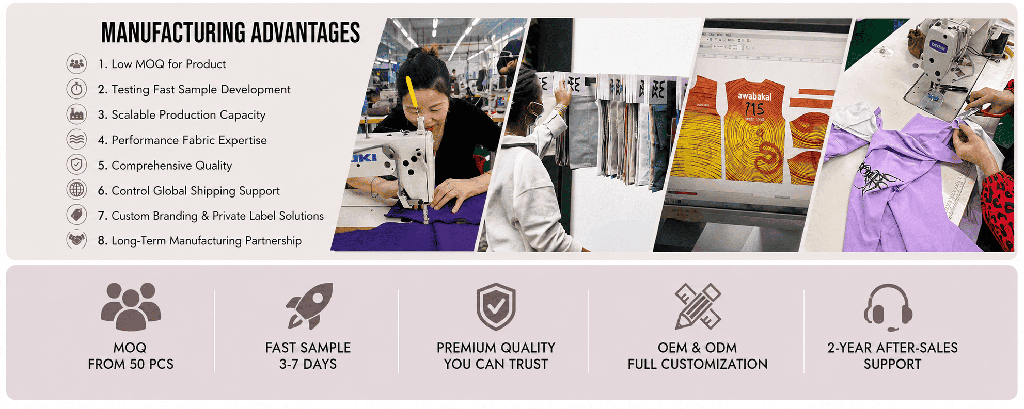
As a professional Activewear Wholesale Apparel Manufacturer, Pair Fashion helps private label brands develop custom leggings, sports bras, shorts, tops, and complete activewear collections. We support flexible MOQ, fast sampling, technical fabric selection, custom branding, standardized production, and multi-stage quality control for startups, wholesalers, retailers, and growing international activewear brands.
50K+
Monthly Capacity
3 Days
Fast Sampling
6,000+
Custom Styles
10+
Years Experience
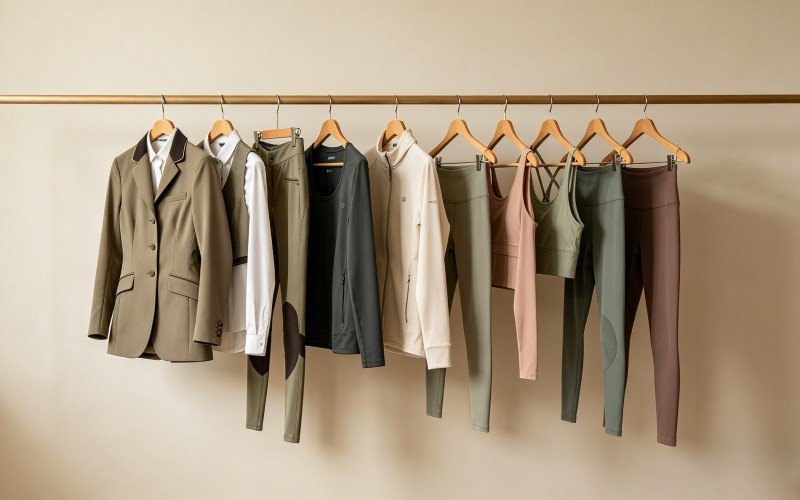
Develop Custom Collections With an Activewear Wholesale Apparel Manufacturer
Intro
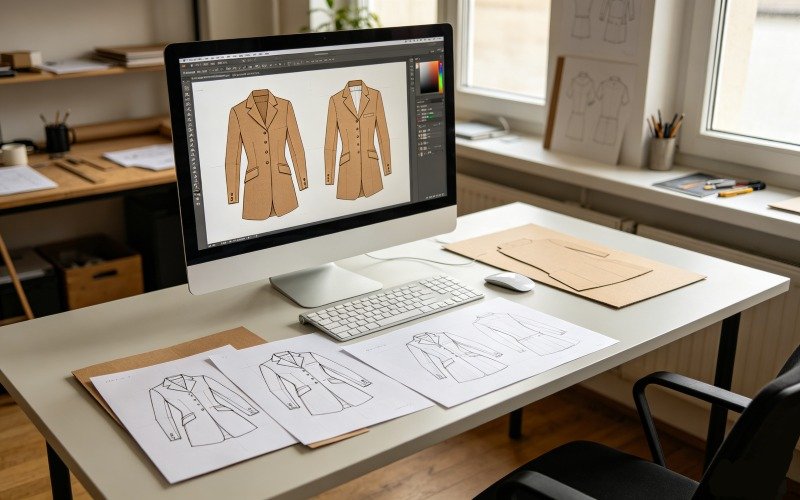
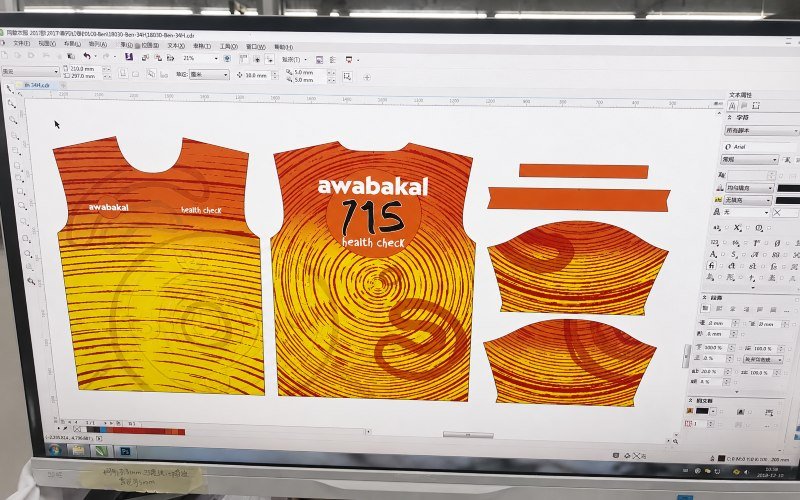
Working with an experienced Activewear Wholesale Apparel Manufacturer allows brands to transform ideas into market-ready products efficiently. Whether you begin with a concept sketch, reference garment, technical drawing, or complete tech pack, an organized development process helps reduce revisions, shorten lead times, and improve production accuracy. From fabric sourcing and pattern development to sample refinement and bulk manufacturing, every stage is coordinated to ensure your custom activewear collection reflects your brand’s positioning, quality expectations, and commercial goals.
Content
Securing the right wholesale activewear apparel manufacturer is but one step toward establishing a sustainable brand. Of equal significance is defining your flagship initial products and positioning them to support your overarching business strategy.
Many emerging brands believe launching more styles will attract more customers. In reality, introducing too many products too early often increases inventory costs, complicates purchasing decisions, and makes future replenishment less efficient. Brands that achieve sustainable growth usually begin with a focused collection designed around a specific customer group or activity, such as yoga, gym training, running, Pilates, athleisure, or studio fitness.
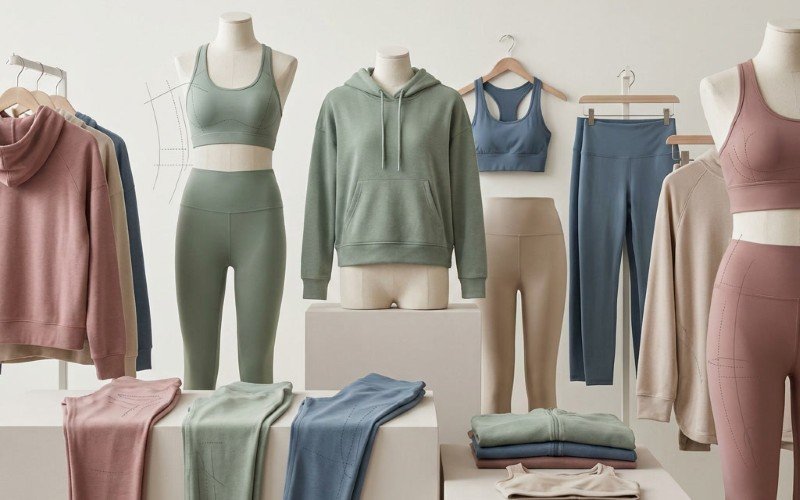
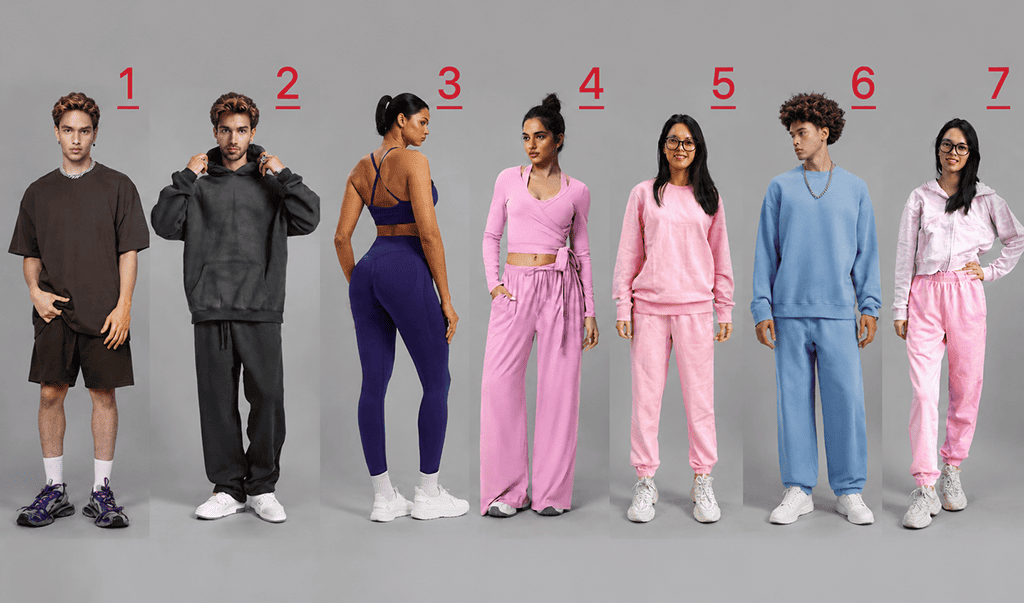
Rather than treating each garment as an individual product, successful collections are planned as coordinated product systems. High-waisted leggings, medium- and high-support sports bras, performance tank tops, oversized training T-shirts, lightweight jackets, and joggers can be combined into multiple outfits that encourage repeat purchases and increase average order value.
Before product development begins, several factors should be clearly defined.
| Planning Factor | Business Value |
|---|---|
| Target Customer | Determines fit, sizing, and functional requirements. |
| Sales Channel | DTC brands, wholesalers, retailers, and fitness studios require different product strategies. |
| Retail Price Positioning | Influences fabric selection, construction methods, trims, and packaging. |
| Product Application | Yoga, running, training, and everyday wear demand different performance characteristics. |
| Collection Planning | Creates a stronger foundation for future product expansion and repeat orders. |
–
As an experienced Activewear Wholesale Apparel Manufacturer, Pair Fashion works with brands at different stages of development. Some customers provide complete Tech Packs, while others begin with reference images, physical samples, or early product concepts. By combining market positioning, performance expectations, target pricing, and manufacturing expertise, we help transform initial ideas into production-ready activewear collections that are both commercially competitive and suitable for consistent bulk manufacturing.
Many established activewear brands do not launch dozens of new products every season. Instead, they build market confidence through a carefully selected core collection, then expand with additional colors, sizes, and complementary styles based on real customer feedback. This approach reduces inventory pressure, improves supply chain stability, and creates a stronger foundation for long-term brand growth.
Ultimately, a successful activewear collection is defined not by the number of products it contains, but by how consistently every product reflects the same customer needs, price positioning, performance expectations, and brand identity.
1. Product Development
Regular monthly product development ensures consistent updates to your brand line.
2. Fabric Sourcing
Regular monthly product development ensures consistent updates to your brand line.
3. Sample Making
Regular monthly product development ensures consistent updates to your brand line.
4. Bulk Production
Regular monthly product development ensures consistent updates to your brand line.
5. Packaging & Delivery
Regular monthly product development ensures consistent updates to your brand line.
Complete OEM & ODM Sportswear Solutions
We provide complete custom sportswear manufacturing services from concept development and fabric sourcing to bulk production and worldwide delivery.
- OEM & ODM Product Development
- Functional Fabric Sourcing & Material Selection
- Pattern Making & Sample Development
- Private Label Branding & Custom Packaging
- Quality-Controlled Bulk Manufacturing
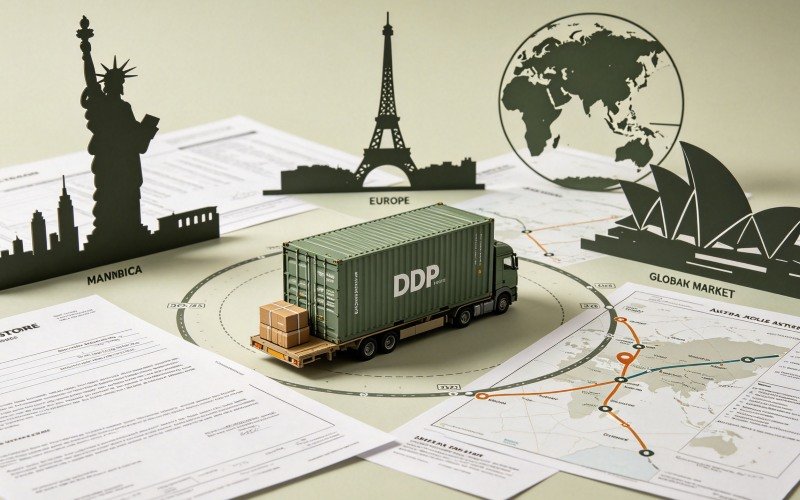
- Global DDP Shipping & Delivery Support
Build an Activewear Collection That Fits Your Brand and Customers
Intro
All custom activewear lines follow a clear development process. Whether you hold a full tech pack, reference pictures, physical samples or simply an initial concept, orderly product development builds reliable technical support for precise sampling, fast manufacturing and consistent bulk goods.
Content
Successful activewear manufacturing begins long before production starts. Every decision made during product development influences garment fit, comfort, functionality, production efficiency, and long-term product consistency. For this reason, Pair Fashion approaches development as a complete engineering process rather than simply producing a sample garment.
As an experienced Activewear Wholesale Apparel Manufacturer, we support brands with different levels of product development experience. Some customers provide detailed Tech Packs with measurements, construction specifications, and material requirements. Others begin with reference garments, design sketches, product photos, or mood boards. Regardless of where the project starts, our development team works through a structured process to transform ideas into production-ready activewear.
Our development process typically includes:
- Understanding your product objectives, target market, and commercial positioning
- Evaluating suitable fabrics, trims, and functional components
- Creating patterns and grading size specifications
- Producing prototype samples for technical evaluation
- Adjusting fit, construction, and performance details
- Confirming branding, colors, labels, packaging, and finishing requirements
- Approving a pre-production sample before bulk manufacturing begins
Developing performance apparel requires more than reproducing an existing design. Different products demand different technical solutions. Training leggings may require stronger compression, reinforced seams, and durable stretch recovery, while yoga apparel often prioritizes softness, flexibility, and unrestricted movement. Sports bras require different support structures based on activity level, while lightweight jackets and performance tops must balance breathability, weight, and durability. Every development decision should reflect how the garment will actually be used.
Each approved revision becomes part of a documented production standard. Patterns, measurement charts, fabric specifications, trim details, branding placement, sewing instructions, and packaging requirements are recorded throughout development. This structured documentation helps reduce production variation, shortens future development cycles, and ensures every repeat order follows the same approved manufacturing standard. Every successful collection starts with a clear product strategy before manufacturing begins.
Choose Fabrics Based on Performance, Comfort, and Target Price
Intro
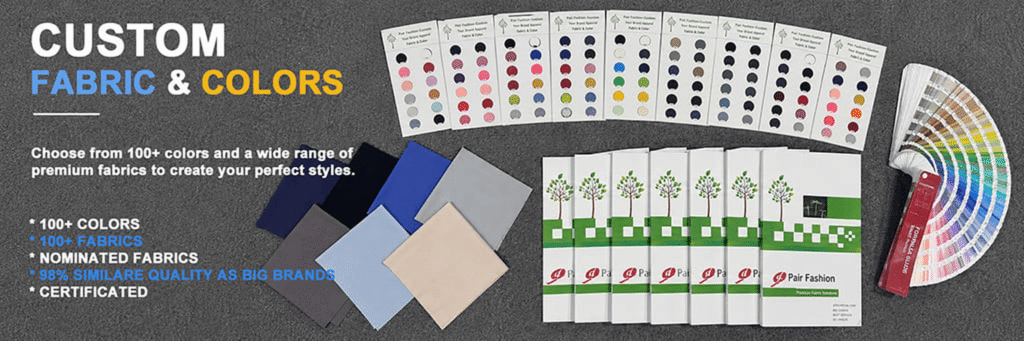
Fabrics do more than define activewear’s look and touch. Ideal textiles boost performance, comfort and durability while streamlining production and boosting retail value. Choose fabrics aligned with your product function, customer needs and price range to build items that hold steady quality in sales and bulk orders.
Content
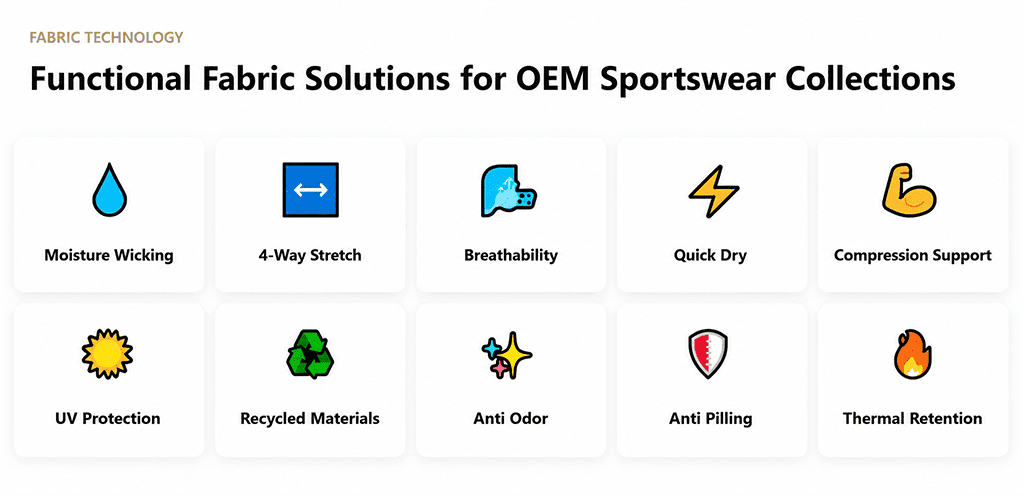
The performance of activewear begins with the fabric. Stretch, recovery, moisture management, durability, weight, and surface texture all contribute to how a garment performs during training and how customers perceive its quality after repeated wear. Choosing fabric simply by composition or weight often overlooks the functional requirements that distinguish one product category from another.
For brands prioritizing consumer safety and textile compliance, materials certified under OEKO-TEX® STANDARD 100 provide additional confidence that tested textile components meet internationally recognized safety requirements.
As a professional Activewear Wholesale Apparel Manufacturer, Pair Fashion recommends fabric solutions based on how the product will be used rather than relying on a single standard material. Every development project considers the intended activity, target customer, expected retail price, seasonal requirements, and manufacturing feasibility before fabric specifications are confirmed.
Different applications require different performance priorities. Yoga apparel typically benefits from soft hand feel, four-way stretch, and smooth recovery that allow unrestricted movement. Training products often require stronger compression, higher abrasion resistance, and greater shape retention during repeated exercise. Running apparel generally emphasizes lightweight construction, moisture management, and enhanced breathability, while athleisure collections balance technical performance with everyday comfort and modern styling.
| Fabric Performance Factor | Product Benefit |
|---|---|
| Four-Way Stretch | Supports unrestricted movement and body contouring. |
| Stretch Recovery | Helps garments maintain their original shape after repeated wear. |
| Moisture Wicking | Keeps the body drier during exercise. |
| Breathability | Improves comfort during high-intensity activity. |
| Compression | Provides muscle support and a secure fit. |
| Squat-Proof Coverage | Increases confidence during movement and stretching. |
| Abrasion & Pilling Resistance | Extends product durability and maintains appearance. |
| Recycled Performance Fabrics | Supports sustainability initiatives without compromising functionality. |
–
Fabric selection also influences sewing methods, logo application, printing performance, color consistency, garment weight, and long-term durability. Evaluating these factors during product development helps reduce manufacturing risks while improving production efficiency.
Rather than recommending the same fabric across every project, Pair Fashion develops fabric solutions that match each collection’s performance goals, commercial positioning, and target cost. This balanced approach allows brands to create activewear that delivers the functionality customers expect while remaining commercially competitive within their chosen market segment.
Engineer Better Fit, Support, and Movement
Intro
Premium activewear shines through movement performance, not just fabric quality. Custom patterns, sturdy construction and ergonomic shaping work in tandem for better comfort, support, durability and flexible motion — pieces customers want to wear over and over.
Content
High-performance activewear depends on more than technical fabrics. Even when two garments use the same material, differences in pattern development, panel construction, seam placement, and garment engineering can produce completely different wearing experiences. These structural details influence comfort, body support, movement, and long-term product performance.
As an experienced Activewear Wholesale Apparel Manufacturer, Pair Fashion develops garments around the way people move rather than simply reproducing existing designs. Every product category requires a different construction strategy based on its intended activity, customer expectations, and performance objectives.
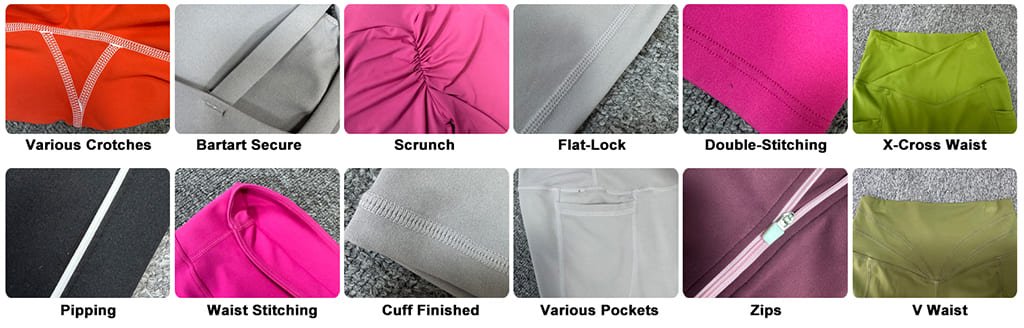
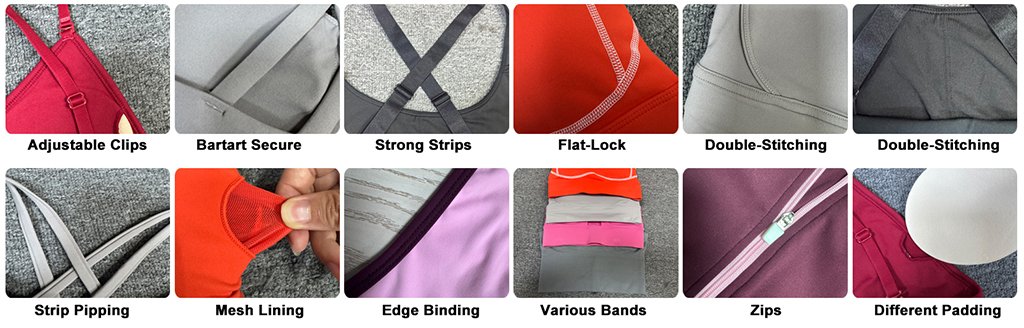
For example, leggings require carefully engineered waistbands, gusset construction, and balanced compression to remain secure during stretching, squatting, and high-intensity workouts. Sports bras require different support structures depending on activity level, while training tops benefit from ergonomic panel placement that improves mobility without restricting movement. Lightweight jackets and outer layers must balance flexibility, coverage, and comfort while allowing space for layering.
During development, we evaluate multiple construction elements to improve overall garment performance.
| Construction Feature | Performance Benefit |
|---|---|
| Supportive Waistband Construction | Improves stability and reduces rolling during movement. |
| Ergonomic Gusset Design | Enhances flexibility while reducing friction. |
| Balanced Compression Zones | Provides support without limiting mobility. |
| Flatlock Seams | Minimize skin irritation and improve durability. |
| Ergonomic Panel Placement | Supports natural body movement and improves garment shape. |
| Functional Pocket Design | Adds practical storage without affecting performance. |
| Consistent Size Grading | Maintains reliable fit across the complete size range. |
–
Well-engineered construction delivers benefits beyond comfort. Better fit improves customer confidence, reduces sizing complaints, lowers return rates, and strengthens brand loyalty. Products that move naturally with the body are more likely to become repeat purchases and long-term best sellers.
At Pair Fashion, garment engineering is treated as an essential part of product development rather than a final production adjustment. By integrating pattern development, fabric behavior, construction techniques, and fit refinement from the beginning, we help brands create activewear that performs consistently in real training environments and remains reliable through repeat production.
Customize Every Detail Beyond the Brand Logo
Intro
Private label activewear involves much more than adding a logo to an existing garment. Consistent branding is created by combining fabric selection, fit development, functional construction, trims, labels, and packaging into one unified product system that reflects your brand identity across every collection.
Content
A recognizable activewear brand is built through consistent product details rather than branding alone. Customers experience your brand through the way a garment fits, feels, performs, and is presented from the moment they open the package. Every design decision contributes to the overall perception of quality and strengthens long-term brand recognition.
As a professional Activewear Wholesale Apparel Manufacturer, Pair Fashion provides comprehensive private label customization that extends throughout the entire product development process. Instead of applying a logo to a standard design, we work with brands to develop products that align with their positioning, customer expectations, and commercial objectives.
Customization can be applied across multiple aspects of the product.
| Customization Area | Available Options |
|---|---|
| Fabric | Fiber composition, weight, texture, stretch performance, recycled materials |
| Color | Pantone matching, custom dyeing, seasonal color programs |
| Fit & Pattern | Silhouette, compression level, sizing, grading specifications |
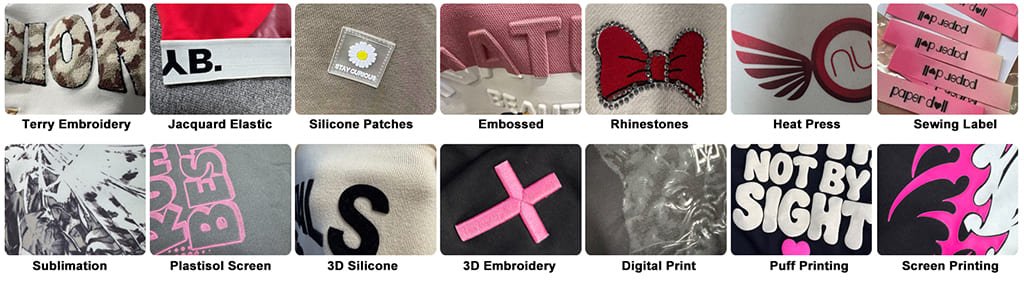
| Logo Application | Silicone printing, heat transfer, embroidery, reflective graphics, woven patches |
| Functional Details | Waistbands, pockets, mesh panels, zippers, drawcords, elastic trims |
| Brand Identification | Main labels, care labels, size labels, woven labels |
| Packaging | Hang tags, polybags, barcode labels, cartons, custom retail packaging |
–
Every brand has different priorities. Premium collections often emphasize refined construction, elevated materials, and distinctive finishing details. Emerging brands may focus on creating a recognizable visual identity while maintaining commercial flexibility. Wholesale programs typically require practical customization that supports consistent quality, efficient production, and reliable repeat ordering.
To support long-term collaboration, approved brand assets are documented throughout the development process. Pantone color references, logo artwork, pattern files, measurement charts, fabric specifications, trim selections, and packaging standards are maintained as part of the project record. This documentation helps ensure future orders remain consistent, simplifies new product development, and allows additional collections to build upon established brand standards instead of starting from the beginning each season.
A successful private label program is not defined by the number of customization options available. It is defined by how consistently every product represents the same brand identity, quality expectations, and customer experience across every order and every collection.

Start With Flexible Quantities and Test the Market Safely
Intro
There’s no need for massive initial inventory when launching a new activewear collection. A smart small first batch helps brands test market response, collect customer opinions, and design later lines confidently, cutting financial and stock risks.
Content
Every successful activewear brand starts with informed decisions rather than oversized inventory. While larger production volumes may reduce unit costs, they also increase inventory exposure when products have not yet been validated in the market. For many brands, especially those introducing new collections or entering new markets, a phased purchasing strategy creates greater flexibility and supports more sustainable growth.
As an experienced Activewear Wholesale Apparel Manufacturer, Pair Fashion helps brands launch collections through production plans that balance commercial objectives with practical inventory management. Instead of encouraging customers to develop a large number of products in their first order, we recommend building a focused collection around carefully selected core styles that represent the brand while generating meaningful market feedback.
A typical launch collection may include leggings, sports bras, training tops, shorts, and lightweight outerwear produced in a limited number of colors and size combinations. This approach enables brands to evaluate customer preferences before expanding into additional product categories or larger production volumes.
Small-batch production also provides valuable business insights.
| Development Strategy | Business Advantage |
|---|---|
| Launch With Smaller Quantities | Reduces inventory exposure and improves cash flow management. |
| Test Multiple Core Styles | Identifies which products generate the strongest customer demand. |
| Evaluate Color Performance | Reveals the most commercially successful color options. |
| Analyze Size Distribution | Improves size planning for future production. |
| Replenish Based on Sales Data | Supports more accurate inventory decisions and faster restocking. |
| Expand Proven Collections | Builds future product lines around validated best-selling styles. |
–
Market feedback collected from early orders often becomes one of the most valuable resources for future product development. Sales performance, customer reviews, return patterns, and purchasing behavior provide practical information that helps brands refine fit, colors, fabrics, and product assortments before increasing production volumes.
Rather than viewing the first order as a one-time purchase, Pair Fashion approaches it as the beginning of a long-term product development strategy. By combining flexible production quantities with structured planning and continuous product improvement, brands can expand their collections with lower risk, stronger market confidence, and a more stable supply chain.
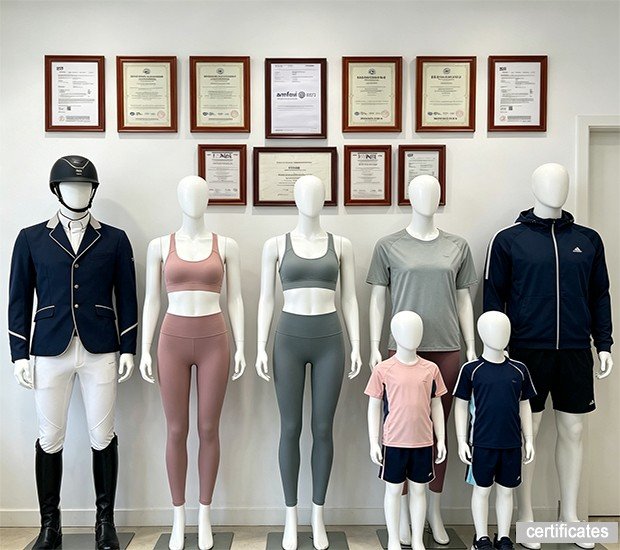
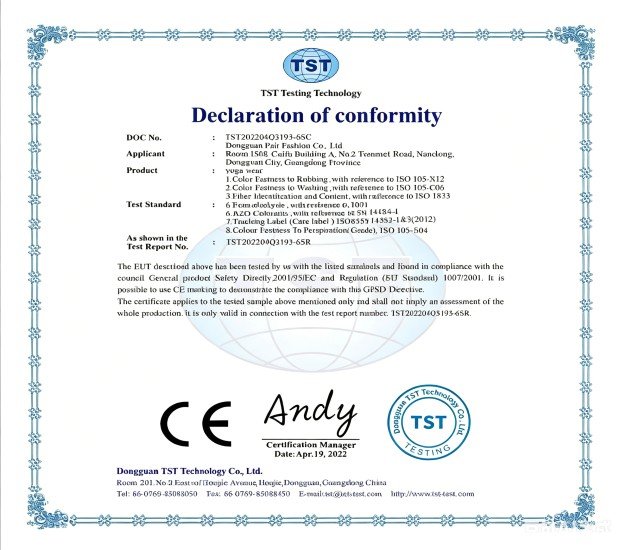
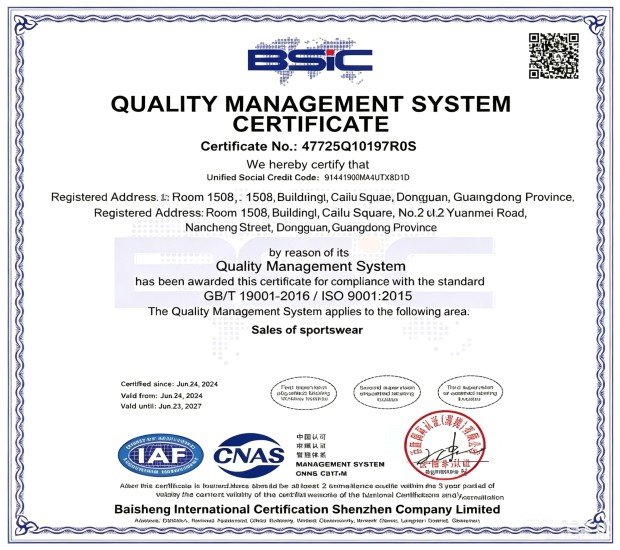
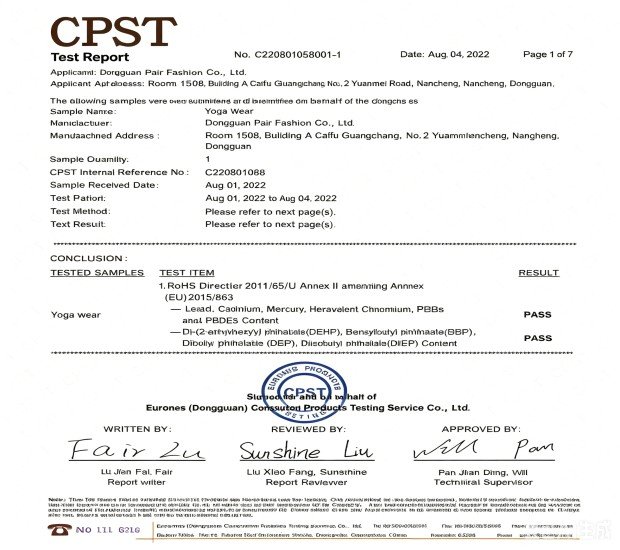
Trusted Manufacturing Standards For Global Sportswear Brands
We operate under internationally recognized quality, sustainability, and ethical manufacturing standards. Our certifications help ensure consistent product quality, responsible sourcing, and reliable production for global sportswear brands.
- 20+ Countries Served
- 6000+ Styles Developed
- 50,000 PCS Monthly Capacity
- 3-Day Sample Development
Confirm Every Detail Through a Structured Sampling Process
Intro
A sample is more than a prototype—it is the technical foundation for every bulk order that follows. A structured sampling process helps identify improvements before production begins, reduces manufacturing risks, and establishes clear standards for consistent quality across future orders.
Content
Successful bulk production begins with a well-managed sampling process. Rather than treating samples as a simple approval step, Pair Fashion uses each stage of development to verify product performance, refine technical details, and establish manufacturing standards that can be repeated consistently in production.
As a professional Activewear Wholesale Apparel Manufacturer, we guide every project through a structured sampling workflow designed to improve accuracy, reduce unnecessary revisions, and ensure every approved detail is fully documented before production starts.
Our sampling process typically includes the following stages:
| Development Stage | Primary Objective |
|---|---|
| Project Review | Confirm product goals, target market, and development requirements. |
| Pattern Development | Establish garment structure, measurements, and size specifications. |
| Prototype Sample | Evaluate overall appearance, construction, and workmanship. |
| Fit Evaluation | Refine fit, mobility, comfort, and sizing. |
| Sample Revision | Improve fabrics, trims, branding, and construction details. |
| Pre-Production Sample (PPS) | Approve the final production standard before manufacturing. |
| Bulk Production Release | Lock all technical specifications for consistent production. |
.
Each sampling stage focuses on more than appearance alone. Garment fit, fabric performance, seam construction, logo placement, color accuracy, functional details, measurements, and wearing comfort are reviewed together to ensure the product performs as intended in real use. Every approved revision is reflected in the pattern files, measurement charts, construction specifications, and production documents used during manufacturing.
A structured sampling process also creates long-term value. Approved samples, patterns, fabric references, color standards, branding details, and packaging specifications are retained as part of the product record. These documented standards simplify repeat orders, accelerate new color development, and support future collection expansion while maintaining consistent quality across multiple production runs.
By resolving technical questions before bulk manufacturing begins, brands gain greater confidence in product quality, improve communication throughout the project, and reduce the risk of unexpected changes during production. A carefully managed sampling process ultimately leads to faster development, smoother manufacturing, and more reliable long-term supply.
Turn Approved Samples Into Repeatable Production Standards
Intro
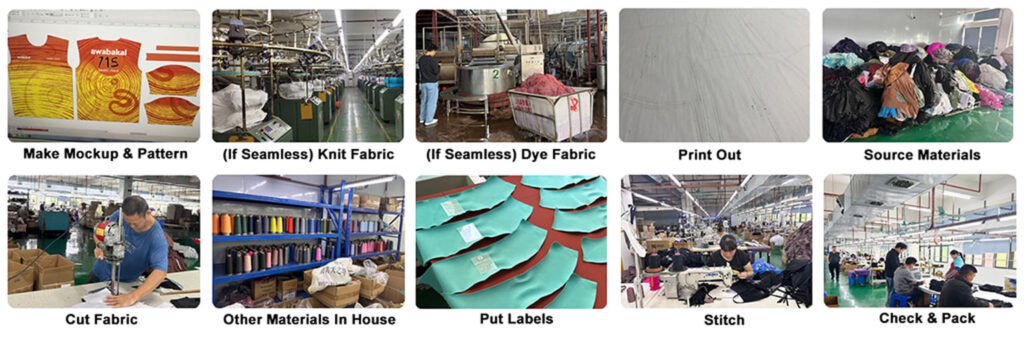
Approving a sample is only one milestone in the manufacturing process. Consistent bulk production depends on converting every approved detail into clear production standards that can be followed across different production runs, helping brands maintain reliable quality and a consistent customer experience.
Content
An approved sample provides a visual reference, but it is not sufficient to support consistent manufacturing on its own. Before bulk production begins, every approved detail must be translated into standardized technical documentation that guides sourcing, cutting, sewing, inspection, and packaging. This structured approach reduces variation throughout production and helps ensure that every order reflects the same product standards.
As a professional Activewear Wholesale Apparel Manufacturer, Pair Fashion establishes comprehensive production documentation after sample approval. Instead of relying on manual interpretation, every department involved in manufacturing works from the same verified technical specifications, creating a repeatable production system for every project.
Before production starts, we typically prepare the following documentation.
| Production Standard | Purpose |
|---|---|
| Approved Sample | Serves as the primary quality reference for production. |
| Pattern Files | Define garment construction and grading specifications. |
| Measurement Chart | Establish finished garment measurements and allowable tolerances. |
| Fabric Specifications | Confirm composition, weight, color, and functional performance. |
| Trim List | Standardize labels, elastics, zippers, drawcords, and other components. |
| Construction Guidelines | Document sewing methods, stitch requirements, and critical workmanship details. |
| Branding Specifications | Define logo size, placement, and application methods. |
| Packaging Standards | Standardize hang tags, folding methods, barcode labels, polybags, and carton packing. |
–
Sharing the same technical standards across product development, sourcing, production, and quality control helps eliminate misunderstandings during manufacturing. Clear documentation reduces measurement deviations, inconsistent logo placement, color variation, trim substitution, and packaging errors that often occur when production relies on verbal instructions or individual interpretation.
These production standards continue to create value beyond the initial order. Approved patterns, fabric references, measurement specifications, branding files, and packaging requirements are retained as part of the project’s technical archive. Future colorways, seasonal updates, repeat orders, and product extensions can therefore be developed from established standards, improving development efficiency while maintaining consistent quality and reinforcing the integrity of your activewear collection across every production cycle.
Control Quality at Every Stage of Activewear Production
Intro
Consistent product quality is achieved through continuous process control rather than final inspection alone. By monitoring every stage of manufacturing, brands can reduce production risks, improve consistency, and ensure every order meets the same approved quality standards.
Content
Quality control begins long before finished garments are packed. Every stage of manufacturing has the potential to influence product performance, appearance, and consistency. For performance apparel, even small variations in fabric quality, measurements, construction, or branding can affect customer satisfaction and increase the likelihood of returns.
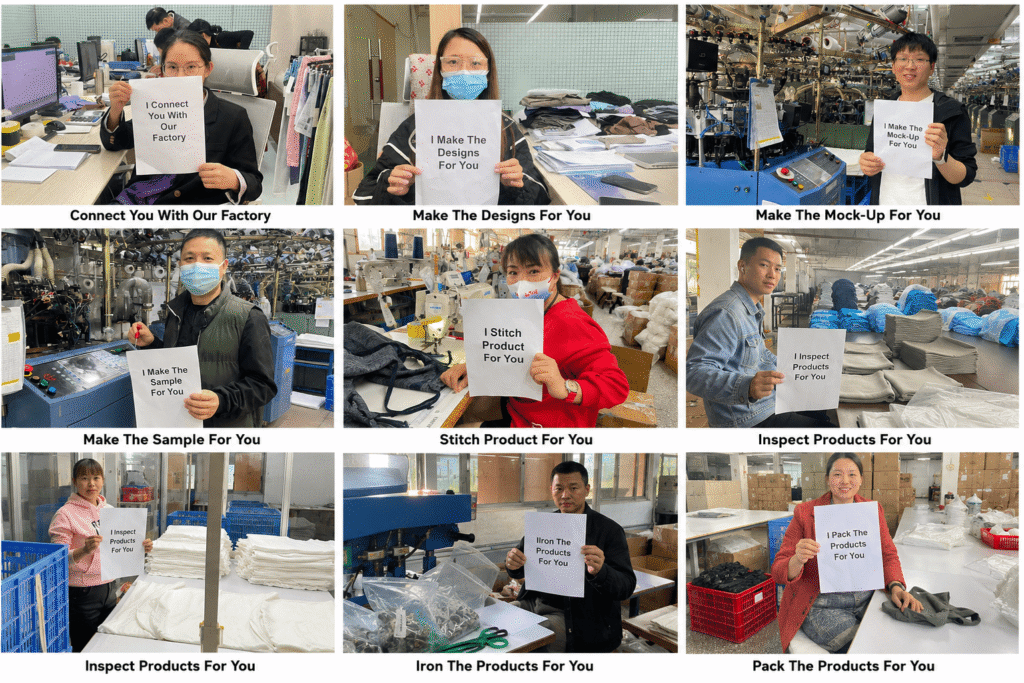
As a professional Activewear Wholesale Apparel Manufacturer, Pair Fashion integrates quality control throughout the entire production process instead of relying solely on end-of-line inspections. Every department works according to the approved production specifications established during product development, allowing potential issues to be identified and corrected before they affect large production volumes.
Our quality management process typically includes the following stages.
| Quality Control Stage | Inspection Focus |
|---|---|
| Incoming Material Inspection (IQC) | Verify fabric composition, color consistency, weight, shrinkage, and trim quality before production. |
| Pre-Cutting Verification | Confirm approved patterns, fabric direction, marker layout, and color matching. |
| In-Process Inspection (IPQC) | Monitor sewing quality, stitch density, logo application, and critical construction details during production. |
| Measurement Verification | Check finished garment measurements and allowable tolerances across all sizes. |
| Final Quality Inspection (FQC) | Review appearance, workmanship, color consistency, pressing, and overall product quality. |
| AQL Shipment Inspection | Conduct random sampling based on internationally recognized AQL standards before shipment. |
| Packing Verification | Confirm labels, hang tags, barcode labels, folding, quantities, and carton information before dispatch. |
–
Our final shipment inspections can follow internationally recognized AQL (Acceptable Quality Limit) sampling procedures, helping buyers evaluate shipment quality using widely accepted inspection standards.
In addition to routine inspections, we evaluate performance characteristics that are especially important for activewear. Fabric recovery, stretch performance, print durability, seam strength, color consistency, and overall garment construction are reviewed to help ensure products perform reliably during regular use. Identifying potential issues during production is significantly more efficient than correcting them after manufacturing has been completed.
Quality management is also a continuous improvement process. Inspection records, production observations, and customer feedback from completed orders are reviewed to refine manufacturing methods and strengthen future production. By combining standardized production documentation with multi-stage quality control, Pair Fashion helps brands maintain consistent product quality, improve repeat-order reliability, and deliver a dependable customer experience across every collection.
Plan Production, Delivery, and Reorders With Clear Timelines
Intro
Reliable delivery depends on careful planning rather than production speed alone. A well-organized manufacturing schedule helps brands coordinate product launches, manage inventory more effectively, and maintain consistent product availability as their business continues to grow.
Content
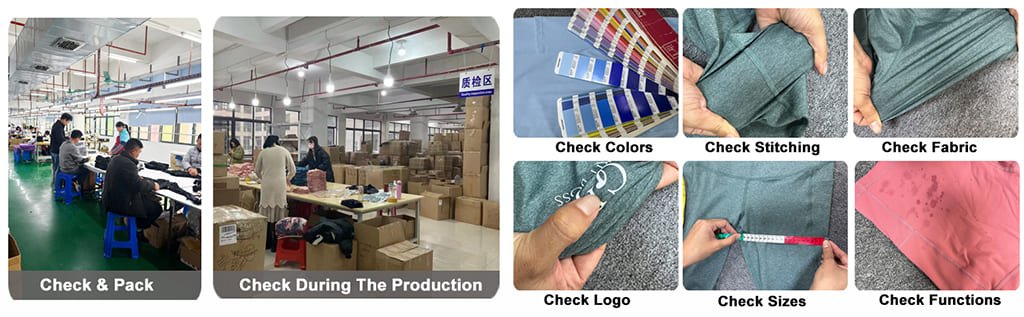
Successful activewear manufacturing is built on predictable planning from the very beginning of a project. Every stage—from product development and material preparation to production, inspection, and shipment—contributes to the overall delivery schedule. Establishing realistic timelines early allows brands to prepare marketing campaigns, coordinate inventory, and launch new collections with greater confidence.
As an experienced Activewear Wholesale Apparel Manufacturer, Pair Fashion works with customers to develop production schedules that match both manufacturing requirements and commercial objectives. Project timelines are created according to product complexity, order quantity, material availability, and the customer’s target launch date, allowing each stage to progress with clear expectations.
A typical production schedule includes the following milestones.
| Project Stage | Typical Timeline |
|---|---|
| Project Review | Confirm product specifications, development priorities, and production planning. |
| Sample Development | 3–7 Days |
| Material Preparation | Source and prepare approved fabrics, trims, and accessories. |
| Bulk Production | 15–25 Working Days |
| Quality Inspection | Complete in-process and final quality inspections before shipment. |
| Shipping Arrangement | Coordinate packaging, documentation, and transportation schedules. |
| Replenishment Planning | Prepare future production based on sales performance and inventory levels. |
–
Production planning extends beyond a single order. For seasonal collections, promotional launches, or high-demand periods, confirming materials and production capacity in advance helps reduce scheduling conflicts and supports more reliable delivery. Flexible shipping arrangements and phased deliveries can also be coordinated when they better match inventory requirements or sales strategies.
Long-term cooperation further improves supply chain efficiency. Once approved patterns, measurement charts, fabric specifications, branding files, and packaging standards have been established, future developments and repeat orders require fewer technical confirmations and can move into production more efficiently. This streamlined process shortens preparation time while maintaining the same quality standards across every order.
Reliable delivery is ultimately the result of structured planning, clear communication, and consistent execution. By coordinating development, sourcing, manufacturing, quality management, and logistics within one organized workflow, Pair Fashion helps brands reduce supply chain uncertainty and build activewear collections that can be launched, replenished, and expanded with greater confidence.
Build a Consistent Activewear Line Across Future Orders
Intro
A successful activewear brand grows through continuous product development rather than isolated orders. Expanding collections while maintaining consistent fit, quality, branding, and customer experience creates a stronger product portfolio and supports sustainable long-term business growth.
Content
Most activewear brands begin with a focused collection and gradually expand as customer demand increases. New colors, additional sizes, seasonal products, and complementary categories are introduced over time. As product lines grow, maintaining consistency across every collection becomes just as important as developing new products.
As a trusted Activewear Wholesale Apparel Manufacturer, Pair Fashion supports brands beyond individual production orders. We help customers build scalable product lines by developing new styles based on established technical standards, allowing collections to grow without compromising product quality, fit, or brand identity.
A typical brand development journey may include the following stages.
| Growth Stage | Primary Objective |
|---|---|
| Launch Collection | Introduce a focused range of core products and validate market demand. |
| Collection Expansion | Add new colors, sizes, and proven best-selling styles. |
| Category Development | Expand into additional activewear categories and complementary products. |
| Seasonal Collections | Develop spring/summer, autumn/winter, and performance-specific ranges. |
| Brand Standardization | Maintain consistent fit, construction, branding, and packaging standards. |
| Long-Term Partnership | Continuously improve products and optimize supply chain efficiency. |
–
As the product range expands, consistency becomes increasingly valuable. Customers expect every purchase to reflect the same level of quality, comfort, fit, and visual identity that first earned their trust. Maintaining standardized patterns, measurement specifications, fabric references, branding guidelines, and packaging requirements helps ensure that products introduced months or even years apart still feel like part of the same brand.
Long-term collaboration also creates development advantages. As we become more familiar with your brand positioning, customer preferences, and commercial objectives, product development becomes more efficient and recommendations become more relevant. Existing technical standards reduce repetitive development work, while accumulated manufacturing knowledge helps support faster sampling, smoother production, and more predictable product launches.
Building a successful activewear brand is an ongoing process rather than a series of independent orders. By combining consistent product standards with continuous development and reliable manufacturing support, Pair Fashion helps brands expand their collections with confidence while preserving the quality and identity that drive long-term customer loyalty.
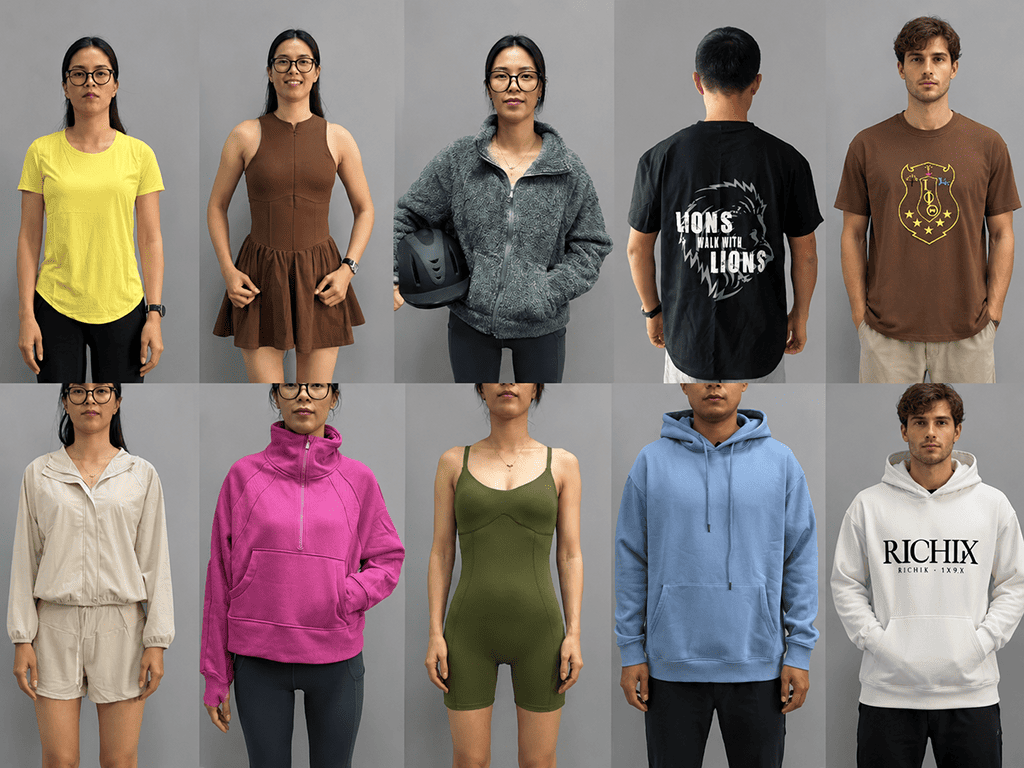
Activewear Manufacturing Support for Different Business Models
Intro
Every business has different manufacturing priorities. The right production strategy depends on your sales channels, target customers, product positioning, and growth stage. Flexible manufacturing support allows brands to develop activewear collections that align with their commercial goals instead of following a one-size-fits-all approach.
Content
Activewear brands grow in different ways. Some begin with a small online store, while others launch through retail partners, wholesale distribution, fitness studios, or established international sales networks. Because every business model has different purchasing patterns and product strategies, manufacturing solutions should be adapted to support those specific requirements rather than applying the same production process to every customer.
As a professional Activewear Wholesale Apparel Manufacturer, Pair Fashion works with brands at different stages of development by providing flexible product development, manufacturing, and supply chain support based on their business objectives.
Our manufacturing solutions commonly support the following business models.
| Business Type | Typical Manufacturing Support |
|---|---|
| Startup Brands | Low minimum order quantities, development guidance, and flexible sampling. |
| DTC & E-commerce Brands | Private label production, fast collection launches, and repeat-order support. |
| Amazon Sellers | Consistent product quality, barcode labeling, and customized packaging solutions. |
| Wholesale Distributors | Stable production capacity, scalable manufacturing, and dependable delivery schedules. |
| Retail Chains & Boutiques | Seasonal product development, standardized sizing, and retail-ready packaging. |
| Fitness Studios & Gyms | Custom-branded activewear collections and member merchandise programs. |
| Established Activewear Brands | Ongoing product development, category expansion, and long-term supply chain optimization. |
.
Although every business model has different priorities, successful manufacturing projects share the same foundation. Clear product specifications, standardized production processes, consistent quality management, transparent communication, and reliable delivery all contribute to stronger long-term business performance regardless of company size or sales channel.
As brands continue to grow, manufacturing requirements naturally become more complex. Product ranges expand, seasonal launches become more frequent, and inventory planning requires greater coordination. Working with a manufacturing partner that understands your business objectives makes it easier to adapt production strategies, introduce new product categories, and support future growth without sacrificing quality, efficiency, or brand consistency.
1. Product Development
Regular monthly product development ensures consistent updates to your brand line.
2. Fabric Sourcing
Regular monthly product development ensures consistent updates to your brand line.
3. Sample Making
Regular monthly product development ensures consistent updates to your brand line.
4. Bulk Production
Regular monthly product development ensures consistent updates to your brand line.
5. Packaging & Delivery
Regular monthly product development ensures consistent updates to your brand line.
Complete OEM & ODM Sportswear Solutions
We provide complete custom sportswear manufacturing services from concept development and fabric sourcing to bulk production and worldwide delivery.
- OEM & ODM Product Development
- Functional Fabric Sourcing & Material Selection
- Pattern Making & Sample Development
- Private Label Branding & Custom Packaging
- Quality-Controlled Bulk Manufacturing
- Global DDP Shipping & Delivery Support
Frequently Asked Questions About Activewear Wholesale Manufacturing
1. What is the minimum order quantity for custom activewear?
Pair Fashion’s minimum order quantity normally starts from 50 pieces per style or color, depending on the fabric, design complexity, color requirements, logo application, size range, and whether customized materials must be produced specifically for the order.
This flexible MOQ allows startups and growing activewear brands to test new products without purchasing excessive inventory. Buyers can begin with several focused styles, evaluate customer feedback, and increase quantities for successful products. Some custom-dyed fabrics, specialized trims, or complex printing methods may require higher quantities because upstream material suppliers have separate minimum requirements. We confirm the practical MOQ after reviewing your product specifications.
2. How long does activewear sample development take?
Standard activewear samples are generally completed within 3–7 days after the fabric, measurements, colors, construction details, branding requirements, and reference materials have been confirmed, although highly technical or newly developed products may require additional time.
The exact schedule depends on whether you provide a complete Tech Pack, an existing sample, a reference image, or only an initial concept. Sample development may include pattern creation, fabric sourcing, sewing, logo application, fit evaluation, and revisions. We recommend allowing enough time for testing and adjustments instead of approving samples based only on appearance. A properly confirmed sample provides a more reliable foundation for bulk production.
3. Can you develop custom activewear without a complete Tech Pack?
Yes, Pair Fashion can develop custom activewear from sketches, reference images, existing garments, measurement requirements, or initial product concepts, although providing more complete information usually improves sample accuracy and reduces unnecessary development revisions.
Our development team can assist with fabric recommendations, pattern creation, measurement charts, construction methods, trims, logo placement, and packaging specifications. Buyers should clearly explain the target customer, intended activity, preferred fit, price position, and important functional requirements. When no Tech Pack is available, an approved reference sample is particularly helpful. All confirmed details are documented during development so the final sample can become a clear and repeatable production standard.
4. What activewear products and customization options are available?
Pair Fashion supports private label development for leggings, sports bras, shorts, tops, jackets, yoga wear, gym clothing and related performance apparel, with customization covering fabrics, patterns, colors, logos, trims, labels, functional details and packaging.
Available options include Pantone color matching, custom printing, embroidery, heat-transfer logos, silicone applications, reflective graphics, pockets, waistbands, mesh panels, zippers, drawcords, woven labels, care labels, hang tags, barcodes, polybags, and retail packaging. Customization should be selected according to your target customer and price range rather than adding unnecessary details. Our team can recommend practical solutions that improve brand differentiation while keeping production complexity and costs under control.
5. How is the price of custom wholesale activewear calculated?
Custom activewear pricing is mainly determined by fabric cost, garment construction, order quantity, size range, logo technique, trims, packaging, testing requirements and workmanship complexity, so an accurate quotation requires clear product specifications rather than only a reference photograph.
Two visually similar products can have significantly different costs because of fabric weight, stretch recovery, seam construction, compression, printing quality, or internal support structures. Larger quantities may reduce unit costs, but choosing cheaper materials can negatively affect performance and customer satisfaction. To receive a reliable quotation, buyers should provide the product type, expected quantity, target fabric, size range, branding requirements, packaging needs, and intended price position.
6. How do you control quality during bulk activewear production?
Pair Fashion controls quality through material inspection, pre-production confirmation, cutting verification, in-line sewing checks, measurement inspection, final garment review and packing verification, rather than depending only on one inspection after production is completed.
The approved sample, measurement chart, fabric specification, trim list, branding guide and packaging instructions become the reference standards for production. Inspectors review fabric appearance, color consistency, workmanship, seam strength, measurements, logo placement, stretch recovery, labels and packing details. Problems found during production can be corrected before they affect the full order. Pre-shipment inspections can also be arranged according to agreed AQL sampling requirements or buyer-specific inspection standards.
7. What is the typical bulk production and delivery time?
Bulk activewear production normally takes approximately 15–25 working days after the final sample, fabrics, trims, colors, order quantities, payment terms and packaging details are approved, while shipping time depends on the destination and transportation method selected.
Lead times may be longer during peak seasons or when products require custom-dyed fabrics, complex prints, special accessories, third-party testing, or extensive size ranges. Buyers should reserve time for sample approval, material preparation, production, inspection, and shipping when planning a launch date. Repeat orders can often progress more efficiently because approved patterns, measurements, branding files and packaging standards are already available in the project archive.
8. Is Pair Fashion suitable for startup and growing activewear brands?
Pair Fashion is suitable for startups and growing brands that need flexible quantities, product development guidance, private label customization, fast sampling and a manufacturing process that can expand gradually as product demand and order volumes increase.
New brands often need more support because their technical specifications, size standards, fabric strategy, and sales data are still developing. We help customers begin with focused collections, confirm realistic product requirements, test the market with manageable quantities, and use early sales feedback to plan reorders. As the business grows, approved patterns and product standards can support additional colors, categories, seasonal collections, and larger production volumes without rebuilding the supply chain from the beginning.
Browse Sportswear Catalog Categories
Explore custom sportswear catalog categories including activewear, equestrian apparel, lounge wear and specialty OEM apparel collections for global brands.
- Yoga Pant
- Sports Bras
- Tank Tops
- Gym Shorts
- Men & Kids Sportswear
- Riding Tops
- Breeches
- Competition Wear
- Jackets
- Man & Kids Equestrian
- Joggers
- Sweatshirt & Hoodies
- Sweaters
- Coat & Jacket
- Men & Kids Loungewear
Other OEM Apparel
- Tennis Clothing
- Jumpsuit
- Dress & Skirts
- Plus Size Activewear
- Maternity Activewear