OEM/ODM Sportswear Manufacturer | 3-Day Sampling | Low MOQ | 50K Monthly Capacity | ISO9001 & BSCI Certified
Customize Plus Size Clothing Manufacturers for Brand-Specific Apparel Development and Scalable Production
Work with customize plus size clothing manufacturers for custom fit development, extended sizing, fabric sourcing, sampling, private labeling and scalable production. Pair Fashion helps apparel brands turn product ideas into production-ready plus size collections with consistent specifications and reorder support.
50K+
Monthly Capacity
3 Days
Fast Sampling
6,000+
Custom Styles
10+
Years Experience
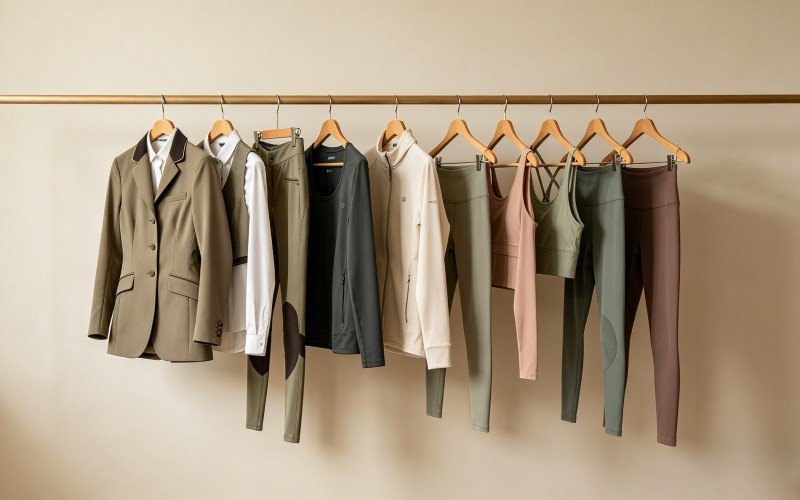
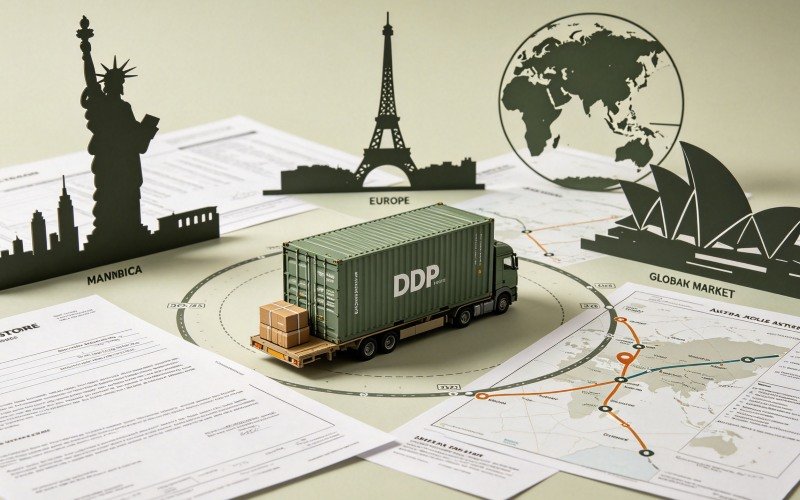
Customize Plus Size Clothing Manufacturers for Brand-Specific Apparel Development
Brands searching for customize plus size clothing manufacturers usually need more than an existing style made in larger sizes. Custom development should begin with your target customer, product positioning, fit direction and technical requirements, then turn these inputs into clear specifications that can move through sampling and bulk production.
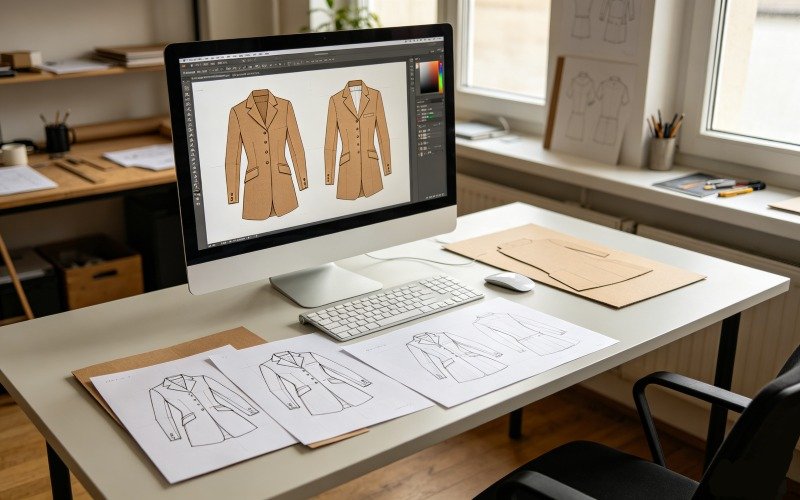
Every plus size collection can start from a different situation. Some brands already have a complete Tech Pack and measurement chart, while some brands may only have a physical reference sample, design sketch, product image or initial product idea. Pair Fashion can work from these different starting points to develop the pattern, fabric, construction, color, branding details and target size range.
For brands working with customize plus size clothing manufacturers, the product does not need to be limited to an existing ready-made style. A fitted active top, relaxed T-shirt, legging, jogger or matching set can be developed according to its own silhouette, end use and wearing experience.
Our development process normally starts with five practical inputs:
Brand Positioning: who the product is designed for and where it should sit in your collection.
Fit Direction: fitted, regular, relaxed or oversized.
Size Range: which extended sizes your brand plans to sell.
Product Requirements: fabric, function, construction, pockets, colors and workmanship.
Brand Identity: logos, labels, care labels, hangtags and packaging.
Professional customize plus size clothing manufacturers also need to translate these inputs into repeatable production information. At Pair Fashion, development can begin from a Tech Pack, physical garment, sketch or reference image, followed by pattern development, sampling and full-size grading.
This is also why brands contacting customize plus size clothing manufacturers do not always need every technical document completed before starting. A clear product direction and useful references can provide the starting point, while technical details are confirmed through development and sampling.
The objective is not simply to make “a larger garment.” When brands work with customize plus size clothing manufacturers, the more important goal is to turn a brand-specific concept into a defined product with clear fit, sizing, materials, construction and production standards, creating a reliable foundation for sample approval and bulk production.
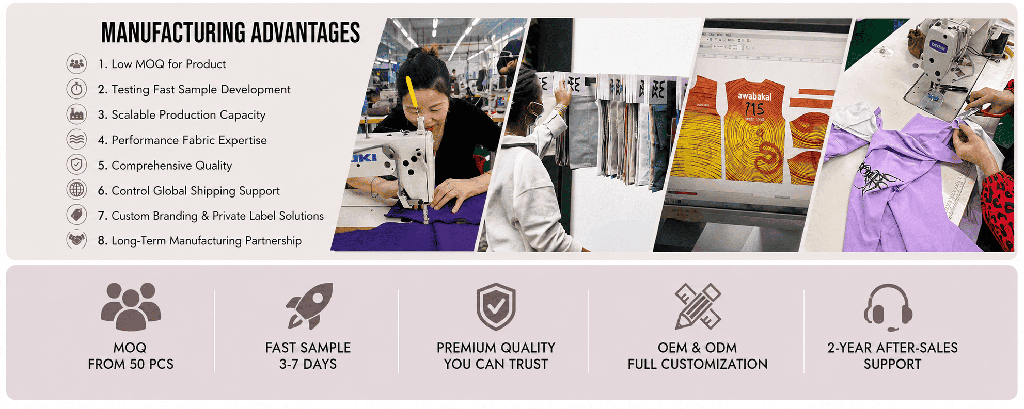
Develop Plus Size Fit Beyond Simple Size Enlargement
For a custom plus size collection, increasing every measurement from a standard-size pattern by the same percentage rarely creates a balanced fit. Body proportion, garment ease, fabric behavior and the relationship between key measurement areas can change across an extended size range. Pair Fashion develops plus size patterns around the actual product and intended wearing experience.
For brands searching for customize plus size clothing manufacturers, the important question is not whether a supplier can put 3XL, 4XL or 5XL on a size label. The garment still needs to maintain its intended fit, comfort and function when worn by the target customer.
A T-shirt or top may require closer attention to the bust, shoulder, upper arm, waist, hip and garment length. Leggings or joggers introduce different fit points, including the waistband, hip, thigh, front rise, back rise and inseam. Each product therefore requires its own pattern decisions rather than one fixed enlargement formula.
Professional customize plus size clothing manufacturers need to connect measurement numbers with actual garment behavior. A size chart can be mathematically graded and still produce an unsatisfactory fit. Fabric stretch, recovery, weight and the intended silhouette—fitted, regular, relaxed or oversized—all influence how those measurements work on the body.
Our plus size fit development focuses on several practical areas:
Body Proportion: avoiding the assumption that every body area increases at the same rate.
Garment Ease: controlling the space between body measurements and garment measurements according to the product.
Fit Balance: reviewing front and back length, shoulder position, waist-to-hip balance and rise where relevant.
Fabric Behavior: considering stretch, recovery and drape when adjusting the pattern.
Size Continuity: maintaining logical progression between neighboring sizes.
When customize plus size clothing manufacturers develop fitted performance garments, fabric stretch may allow some garment measurements to sit below body measurements. A relaxed cotton top or sweatshirt requires a different approach to ease and silhouette. The same extended-size label therefore cannot be treated identically across every product category.
This is why we establish the base fit before completing the wider grading range. A Fit Sample provides a physical reference for identifying proportion and balance issues, and approved corrections can then guide the next stage of size development. For customize plus size clothing manufacturers, this turns size enlargement into controlled fit development.
The goal is a size range that keeps the original product intention recognizable as sizes increase. Brands working with customize plus size clothing manufacturers need this continuity across fit, proportion and garment function—not simply a measurement chart with more XL sizes.
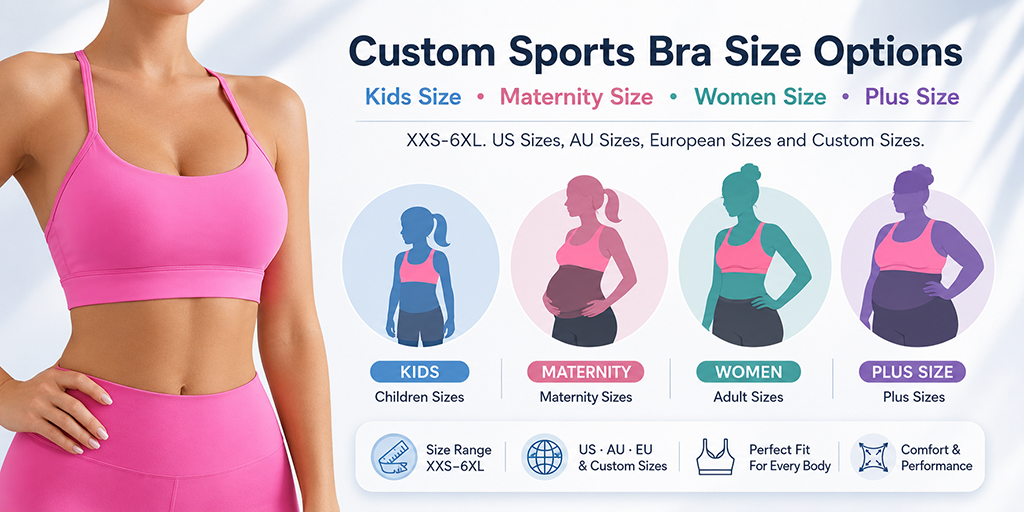
Build Your Own Inclusive Size Range With Custom Grading
A reliable plus size collection needs more than additional size labels. It needs a clear sizing system that defines how each size develops from the approved base fit, while industry references such as ASTM apparel body-measurement standards can provide additional context for standardized body measurement and plus size sizing terminology.
Pair Fashion can work based on your measurement chart, target size range and product silhouette to develop full-size grading, so the approved pattern can be extended into a complete size range ready for production.
For brands working with customize plus size clothing manufacturers, the starting point depends on what is already available. If your brand has an established measurement chart, development can follow those specifications. If you are building a new plus size line, the base size, key measurement points and target size range can be confirmed during product development and sampling.
Grading does not mean adding the same amount to every measurement. Moving from XL to 2XL may require different increments for the bust, waist, hip, upper arm and garment length. The rules also change by product. A legging requires control of the waist, hip, thigh, rise and inseam, while a T-shirt depends more heavily on the bust, shoulder, sleeve width and garment length.
This is why customize plus size clothing manufacturers need to connect several parts of the sizing system:
Base Size: establishes the reference for initial pattern and fit approval.
Key Measurement Points: defines which garment areas must be controlled in every size.
Grading Rules: determines how individual measurements change between neighboring sizes.
Target Size Range: establishes how far the approved pattern needs to extend.
Size Set: checks whether graded garments maintain the intended proportion and fit.
A Size Set Sample becomes especially useful when customize plus size clothing manufacturers develop a wider size range. One approved Fit Sample confirms the behavior of one size, but it does not automatically confirm that every graded size will maintain the same balance. Selected sizes can be produced and measured to identify grading issues before bulk production.
Once approved, the measurement chart also becomes an important production document. During bulk manufacturing, critical points such as bust, waist, hip, garment length or inseam can be checked against the agreed specifications and measurement tolerances.
For brands planning regular product launches, this sizing structure has value beyond one style. After working with customize plus size clothing manufacturers to establish a stable sizing direction, future products can begin from a clearer brand fit reference instead of redefining the customer’s sizing experience with every new SKU.
The goal is not simply to offer more sizes. Pair Fashion combines pattern development, custom grading, size-set verification and locked measurement specifications to help brands working with customize plus size clothing manufacturers turn inclusive sizing into a practical system that can move from sampling into production and future reorders.
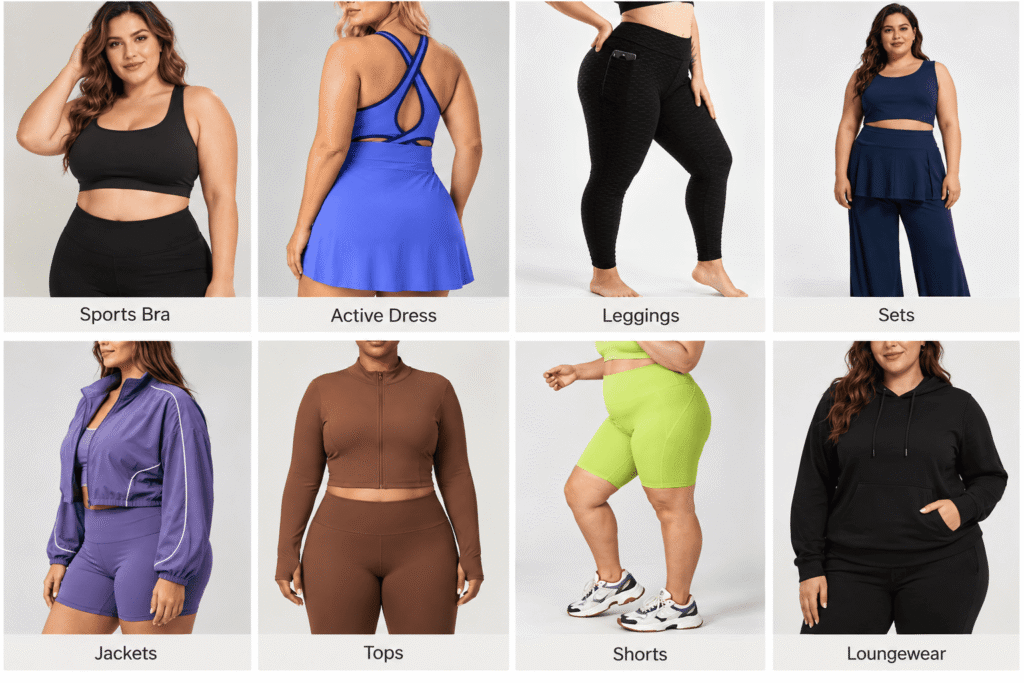
Create a Complete Plus Size Clothing Collection Under One Supplier
A plus size brand normally does not grow with only one product. After the first style is developed and confirmed, the brand may start adding related tops, bottoms, matching sets or seasonal products, while keeping a consistent fit direction, sizing logic and brand identity. Pair Fashion supports this development within one product system, helping brands gradually expand from individual SKUs into a more complete and coordinated plus size collection.
For brands working with customize plus size clothing manufacturers, this approach is useful when several product categories need to be developed together.
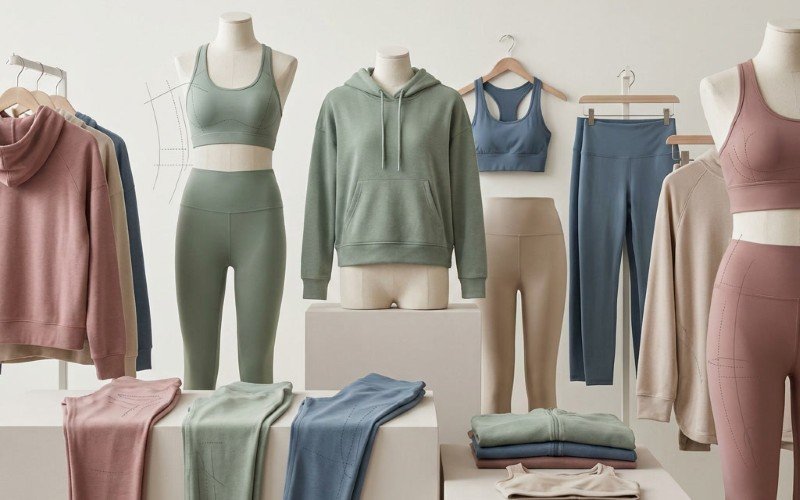
Depending on the collection direction, we can develop T-shirts, tops, leggings, shorts, joggers, sweatshirts, hoodies, matching sets and plus size activewear, with fit, fabric and construction adjusted for each end use.
Different products in one collection should not simply copy the same pattern logic. A plus size T-shirt may need more attention to bust room, upper-arm comfort and garment length. Leggings require control of the waistband, hip, thigh, rise and fabric recovery. A sweatshirt may need additional ease through the chest, sleeves and hem. Customize plus size clothing manufacturers therefore need to preserve the function of each product while keeping the collection connected.
Collection development can be organized around four practical areas:
Core Products: establish the main styles that represent the brand and target market.
Coordinated Products: add tops or bottoms that can be merchandised with the core styles.
Consistent Size Direction: keep the customer’s sizing experience understandable across related SKUs.
Consistent Brand Language: coordinate colors, logos, labels, trims and packaging across the collection.
Working with customize plus size clothing manufacturers can also make fabric planning more structured. One suitable knit may work across several related styles, while technical stretch fabrics may be reserved for leggings or fitted performance garments. Fabric sharing should depend on GSM, stretch, recovery, drape and end use, rather than forcing every product into the same material.
A new brand does not need to launch too many SKUs at once. Pair Fashion can begin with a focused core product direction and expand related styles as the collection develops. Established plus size brands can develop multiple products around seasonal launches, replenishment needs or a broader category plan.
Experienced customize plus size clothing manufacturers do more than produce different garments in the same order. The important work is maintaining clear development standards as the collection expands, so sizing direction, material positioning, colors and branding remain connected from one product to the next.
Pair Fashion supports OEM, ODM and private label development for different stages of plus size apparel programs. For brands partnering with customize plus size clothing manufacturers, this provides a practical route from the first approved style to a coordinated collection that can continue into production, replenishment and future product expansion.
1. Product Development
Regular monthly product development ensures consistent updates to your brand line.
2. Fabric Sourcing
Regular monthly product development ensures consistent updates to your brand line.
3. Sample Making
Regular monthly product development ensures consistent updates to your brand line.
4. Bulk Production
Regular monthly product development ensures consistent updates to your brand line.
5. Packaging & Delivery
Regular monthly product development ensures consistent updates to your brand line.
Complete OEM & ODM Sportswear Solutions
We provide complete custom sportswear manufacturing services from concept development and fabric sourcing to bulk production and worldwide delivery.
- OEM & ODM Product Development
- Functional Fabric Sourcing & Material Selection
- Pattern Making & Sample Development
- Private Label Branding & Custom Packaging
- Quality-Controlled Bulk Manufacturing
- Global DDP Shipping & Delivery Support
Start Your Custom Project From a Tech Pack, Sample, Sketch or Product Idea
A new plus size apparel project does not always start with a complete technical file. Some brands already have a Tech Pack, measurement chart and material requirements, while other brands may only have a physical garment, design sketch, reference image or clear product idea. Pair Fashion can start development from these different stages and gradually turn the available information into clear specifications for sampling and production.
Brands contacting customize plus size clothing manufacturers can begin by sharing what they already have instead of preparing every technical detail before the first inquiry. More complete information usually creates a clearer starting point, while early-stage concepts require more decisions during pattern and sample development.
Depending on the project, development can begin in several ways:
Tech Pack Development: work from defined measurements, construction, materials, workmanship and branding requirements.
Physical Sample Development: use a supplied garment as a reference for fit, construction or details, then adapt the product to the required plus size range.
Sketch Development: translate a visual design into patterns, material choices, construction and manufacturable details.
Reference Image Development: identify the silhouette, function and design elements the brand wants to achieve, then define practical specifications.
Product Concept Development: begin with the target customer, product category, wearing scenario and intended market position.
When customize plus size clothing manufacturers receive incomplete development information, important product decisions should not be filled in by guesswork. Fabric, fit, pockets, waistbands, garment length, logo placement and other details that affect the final product can be confirmed during development.
For brands with established technical files, the process can be more direct. Pair Fashion can develop patterns and samples according to the supplied Tech Pack, measurement chart and material requirements, then incorporate approved feedback into the next sample version.
This allows brands at different stages to work with customize plus size clothing manufacturers. A startup may need more product-development support, while an established brand may focus more on specification execution, sample accuracy and preparation for repeatable bulk production.
Regardless of the starting point, the project should eventually establish clear production information, including the approved pattern, measurement chart, fabric, color, construction, branding details and packaging requirements. These specifications become clearer through sampling instead of remaining only as a visual reference.
When contacting customize plus size clothing manufacturers, useful information for the first inquiry includes the product you want to develop, target size range, estimated quantity, available references, preferred fabric or function, branding requirements and expected timeline.
Pair Fashion turns these inputs into a structured development process. For brands searching for customize plus size clothing manufacturers, this means an early-stage idea can move forward from the information already available and become progressively more production-ready through pattern development, material confirmation and sample revisions.
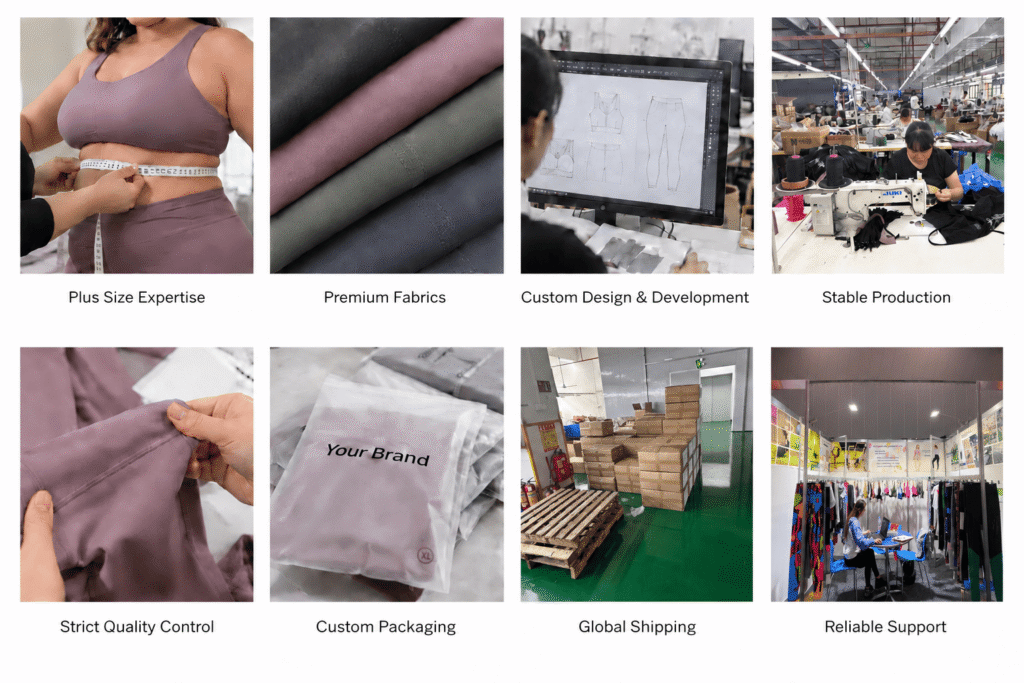
Select Fabrics That Work With Plus Size Fit and Garment Structure
Fabric affects more than hand feel and appearance in plus size apparel. It can change fit, coverage, support and garment shape once the product is worn. The same pattern can behave very differently in two fabrics, so Pair Fashion matches materials to the product, intended silhouette, season and end use rather than selecting fabric by composition alone.
For brands working with customize plus size clothing manufacturers, fabric decisions should begin with the finished garment. A relaxed T-shirt may depend more on weight, drape, shrinkage and coverage. Leggings require closer attention to stretch, recovery, opacity and support. Sweatshirts introduce different requirements for thickness, structural stability and dimensional change after washing.
Several fabric characteristics are particularly important during development:
GSM & Coverage: whether the material provides suitable weight and coverage for the product.
Stretch: how far the fabric can extend in the required directions.
Recovery: whether the material returns to shape instead of gradually becoming loose.
Drape: how the fabric affects the silhouette of fitted or relaxed garments.
Shrinkage: whether washing may change critical garment measurements.
Hand Feel: whether the material supports the intended wearing experience and brand positioning.
End Use: whether the garment is designed for training, leisure, everyday wear or another application.
This is why customize plus size clothing manufacturers should not evaluate fabric only by labels such as “cotton,” “nylon” or “polyester.” Two materials with similar fiber compositions can perform differently because of GSM, knit structure, elastane content and finishing.
Pair Fashion can source and develop materials including high-stretch nylon, quick-dry polyester, four-way stretch knits, breathable mesh, organic cotton for plus size clothing, materials associated with the Global Recycled Standard (GRS), UV-protection fabrics, water-repellent materials, fleece and compression fabrics.
Composition, weight, color and functional requirements can be further defined according to the project.
Recovery becomes particularly important when customize plus size clothing manufacturers develop fitted extended-size products. A fabric may feel highly elastic during the first fitting but still lose shape if recovery is insufficient, especially around high-stretch areas such as the waistband, knees and hips.
Relaxed plus size garments create different material decisions. A fabric that is too light may not provide the desired coverage or drape, while excessive weight can change the silhouette and wearing experience. Professional customize plus size clothing manufacturers therefore need to connect fabric specifications with actual garment construction instead of reviewing material data in isolation.
The selected material should ultimately be tested together with the pattern during sampling, while recognized AATCC textile test methods provide useful industry references for evaluating properties such as dimensional change, colorfastness, water resistance and other textile performance characteristics.
This allows the brand to review real drape, coverage, stretch and overall silhouette before bulk production. Pair Fashion connects fabric sourcing, fit development and sample approval so brands working with customize plus size clothing manufacturers can approve materials based on actual garment performance, not only a small fabric swatch.
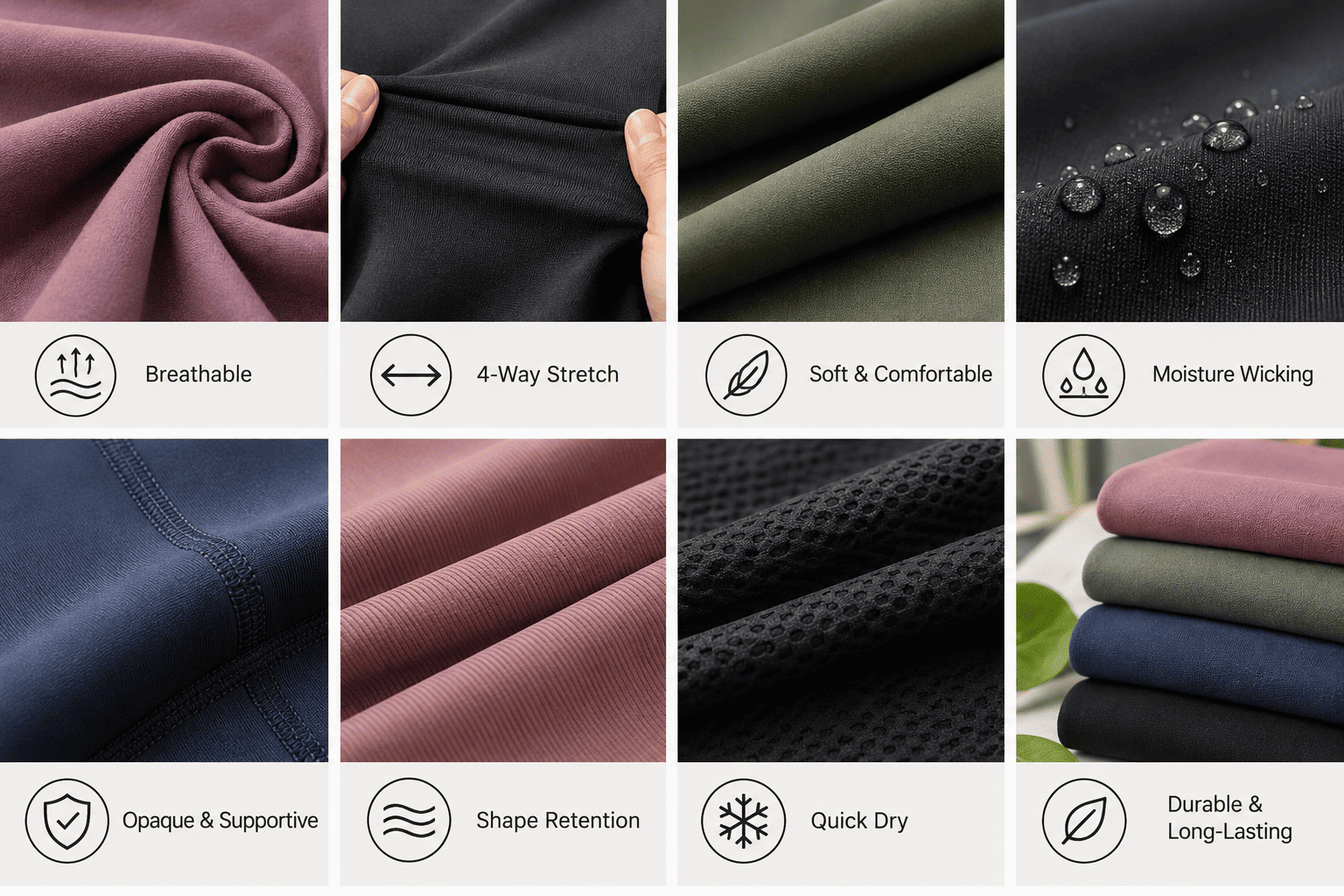
Refine Fit Through Sampling Before Moving Into Production
Sampling in plus size apparel is not only about checking whether a product “looks right.” Different samples answer different questions, from the first pattern and construction to the extended size range and final production standard. Pair Fashion supports multiple sample stages so brands can progressively confirm the product before committing to bulk production.
For brands working with customize plus size clothing manufacturers, the first sample should not automatically be treated as the final production reference. An early sample may reveal adjustments needed in the overall silhouette, garment length, bust-to-waist-to-hip balance, sleeve width, waistband, rise or other product-specific areas. Approved comments can then be incorporated into the next sample version.
Different sample stages can serve different purposes:
| Sample Type | Main Purpose | What the Brand Confirms |
|---|---|---|
| Proto Sample | Turn the initial concept into a physical garment | Overall design, construction and first pattern direction |
| Fit Sample | Refine fit and garment balance | Proportion, ease, measurements and wearing experience |
| Size Set Sample | Review selected graded sizes | Size progression and consistency across the extended range |
| Photo / Salesman Sample | Support launch preparation when required | Appearance, presentation and confirmed product details |
| PP Sample | Establish the pre-production reference | Final fit, fabric, construction, branding and finishing |
For customize plus size clothing manufacturers, the Fit Sample is very important because a measurement chart alone cannot fully show how the garment fits and performs on the body. During fit checking, the brand can review whether the bust is too tight, the upper arm has enough room, the waist and hip are balanced, the waistband can stay in the correct position, and the garment length is suitable during movement.
A Size Set answers a different question. Approval of the base size does not automatically verify an entire XL–5XL or wider range. Customize plus size clothing manufacturers can produce selected graded sizes to check whether measurement progression and garment proportions remain consistent with the approved fit direction.
Sample revisions should also become more specific with each round. Feedback can be organized around measurements, fit, fabric, construction, branding and finishing, helping the product move toward a stable specification instead of changing fundamental requirements between versions.
Once fit, material, color, construction and branding details are confirmed, the PP Sample becomes an important checkpoint before bulk production. For customize plus size clothing manufacturers, the approved PP Sample should work together with the final measurement chart and other locked specifications as the production reference.
Pair Fashion supports development from initial sampling through pre-production confirmation. For brands working with customize plus size clothing manufacturers, this staged approval process helps resolve product issues during development and allows bulk production to begin from an approved physical sample and clearly defined specifications.

Customize Fabrics, Colors, Details, Branding and Packaging
A private label plus size product should involve more than placing a logo on an existing garment. Fabric, color, construction details, functional features, labels and packaging all influence how the finished product represents the brand. Pair Fashion can develop these elements together with the pattern and sample so the final garment follows a more complete brand specification.
For brands working with customize plus size clothing manufacturers, customization can begin with fabric and color. Brands can provide requirements for composition, GSM, hand feel, stretch or function, and suitable materials can be sourced or developed around the project. Colors can follow a brand palette, Pantone reference or collection-specific direction.
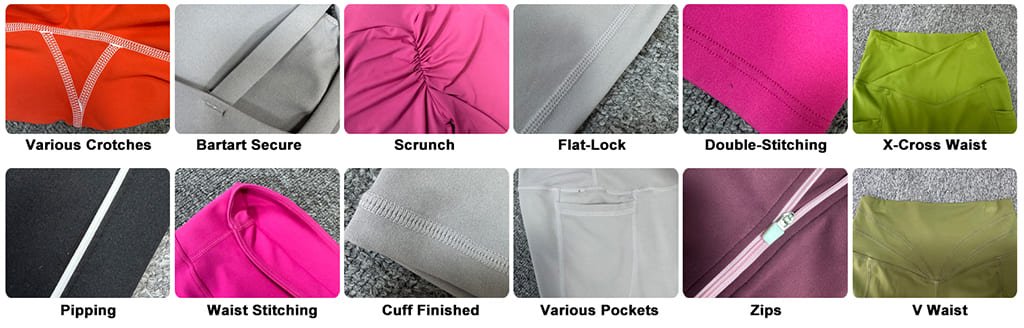
Garment construction can also be adjusted according to the product. Leggings may require different waistband heights, pocket positions, seam lines or lengths. T-shirts and tops can use different necklines, sleeves, hems and silhouettes. Hoodies and sweatshirts may require customized hoods, pockets, rib structures, zippers or other details.
The customization scope available through customize plus size clothing manufacturers can include:
Fabric & Function: composition, GSM, stretch, recovery and performance requirements.
Custom Colors: Pantone references and coordinated collection colors.
Garment Details: necklines, waistbands, pockets, seams and functional construction.
Printing & Embroidery: brand graphics, logos and decorative applications.
Garment Labels: main labels, size labels and care labels.
Hangtags & Trims: brand-specific identification and finishing details.
Packaging: individual garment bags and customized packaging requirements.
Logo size and placement can also be confirmed during sampling. For customize plus size clothing manufacturers, this matters because the visual proportion of branding may change across an extended size range. Printing or embroidery should therefore be reviewed together with the actual garment size and construction rather than treated as an isolated artwork file.
Private label details can also reflect the final sales channel. A DTC brand may place more attention on individual packaging, hangtags and presentation, while wholesale or team programs may prioritize clear size identification, packing efficiency and carton requirements.
When working with customize plus size clothing manufacturers, approved branding details should become part of the final product specification instead of remaining only in reference images or messages. Color references, logo placement, labels, packaging and related trims can be confirmed before bulk production.
Pair Fashion supports OEM, ODM and private label development, connecting product development, fabric sourcing, custom branding, sampling and bulk production within one manufacturing process.
For brands searching for customize plus size clothing manufacturers, this allows the product to be customized from fit and fabric through to the labels, hangtags and packaging the customer finally receives, creating a more complete and recognizable plus size collection.

Why Brands Choose Our Plus Size Clothing Manufacturing Service
When sourcing plus size apparel, the important point is not only whether a manufacturer can make larger sizes. The product also needs to move from development to bulk production with clear fit, material and specification requirements, and these standards should remain controllable when successful styles need repeat orders. Pair Fashion connects pattern development, fabric sourcing, sampling, customization, production control and replenishment support into one complete manufacturing process.
For brands contacting customize plus size clothing manufacturers, a project often begins with a specific concern: the existing pattern loses balance in larger sizes, technical files are incomplete, the selected fabric does not behave as expected, or the brand needs stronger control between sample approval and bulk production.
| Buyer Concern | Pair Fashion Solution |
|---|---|
| Fit becomes distorted as sizes increase | Develop plus size patterns and grading rules around the garment instead of relying on simple proportional enlargement. |
| The Tech Pack is not complete | Start development from a Tech Pack, physical sample, sketch, reference image or defined product concept. |
| Fabric performance is uncertain in extended sizes | Review GSM, stretch, recovery, drape and coverage together with the intended fit and end use. |
| One Fit Sample cannot confirm the full size range | Use Size Set samples after base-fit approval to review selected graded sizes before production. |
| Bulk production may differ from the approved sample | Use the PP Sample together with confirmed measurements, fabric, color, construction and branding details as production references. |
| Repeat orders may change in fit, materials or details | Maintain product and production records to support more consistent replenishment of approved styles. |
This is why experienced customize plus size clothing manufacturers need to connect product development with production control. Problems in plus size apparel are rarely isolated. A fabric change can influence fit, a pattern correction can affect grading, and logo placement or pocket construction may need to be reviewed against the actual garment size.
Pair Fashion has dedicated pattern and sample development resources, with different sample stages used to progressively confirm the product. Once bulk production begins, quality control continues through incoming inspection, in-line inspection and final inspection. Brands working with customize plus size clothing manufacturers can therefore carry approved product requirements forward into manufacturing instead of treating sample approval and production as disconnected stages.
The same structure can support different stages of brand growth. A new brand can begin with one focused style and establish its product standards. A growing brand can expand into multiple SKUs and seasonal collections. An established program can place greater attention on replenishment and long-term consistency.
When brands search for customize plus size clothing manufacturers, useful manufacturing support should continue throughout the product lifecycle—from the first concept and approved sample to bulk production and the next replenishment order.
Pair Fashion connects development, sampling, customization, production control and replenishment support as one continuous process. For brands building long-term relationships with customize plus size clothing manufacturers, each approved fit, measurement, material and branding requirement can become a clearer production reference for the next stage of the collection.
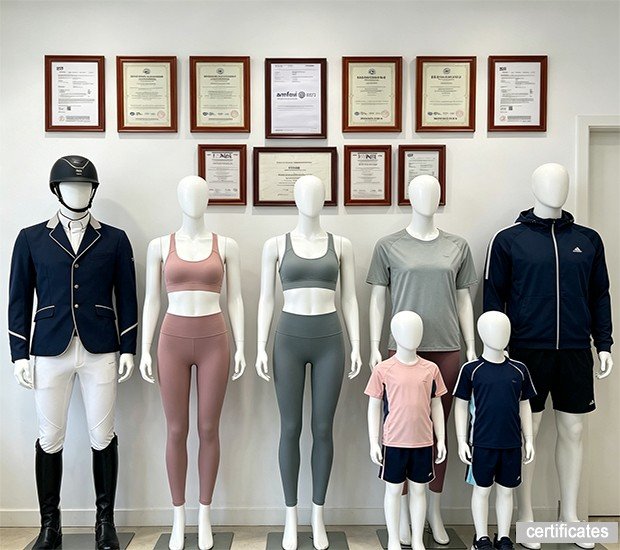
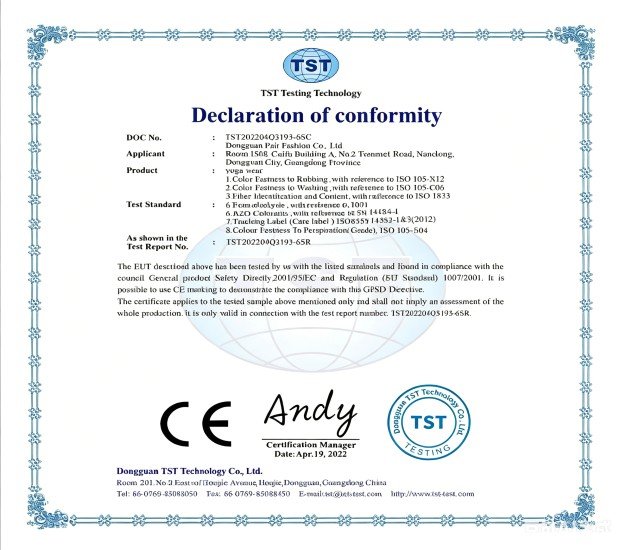
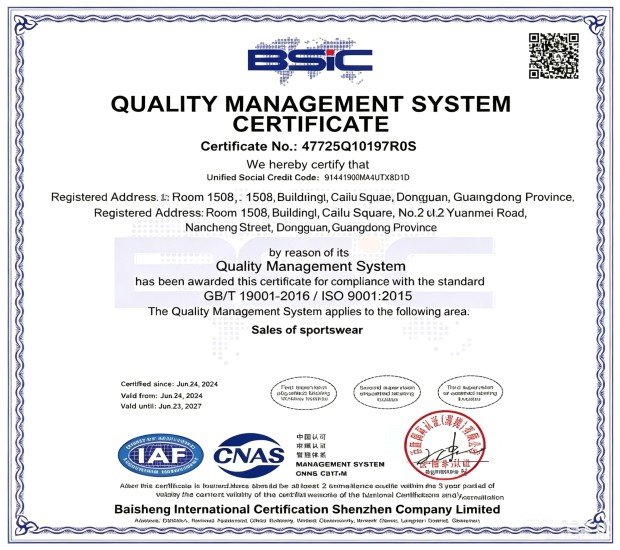
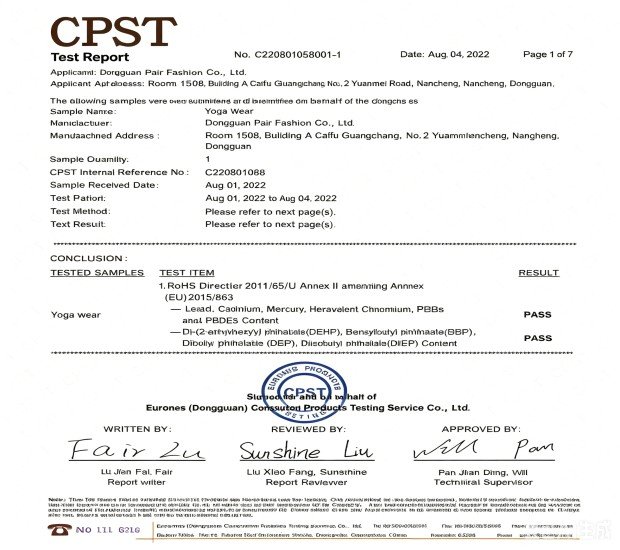
Trusted Manufacturing Standards For Global Sportswear Brands
We operate under internationally recognized quality, sustainability, and ethical manufacturing standards. Our certifications help ensure consistent product quality, responsible sourcing, and reliable production for global sportswear brands.
- 20+ Countries Served
- 6000+ Styles Developed
- 50,000 PCS Monthly Capacity
- 3-Day Sample Development
Lock Approved Specifications Before Bulk Production
Sample approval is an important milestone, but an approved garment becomes a stronger bulk-production reference when it is connected to clearly defined technical specifications. Before production begins, Pair Fashion confirms the critical product requirements so the manufacturing team can work from the same approved physical and documented standards.
For brands working with customize plus size clothing manufacturers, simply writing “sample approved” does not define the complete product. The final fit may be correct, but fabric, color, trims, logo placement, labels, workmanship, packaging and measurement tolerances still need to remain consistent with the approved version.
Before bulk production, the following specifications can be locked:
Approved Sample: establishes the final fit, construction and overall product appearance.
Measurement Chart: confirms key measurement points, graded size specifications and agreed tolerances.
Fabric: locks the approved composition, GSM, color and required performance characteristics.
Trims: confirms zippers, elastic, drawcords, rib or other relevant components.
Branding: defines logo size, placement, printing, embroidery and garment labels.
Workmanship: records sewing, seams, pockets, waistbands and other construction requirements.
Packaging: confirms folding, garment bags, hangtags, size identification and packing requirements.
For customize plus size clothing manufacturers, the measurement chart is particularly important at this stage because one physical sample represents only its own size. Bulk production may include multiple sizes, so the approved grading specifications and measurement tolerances need to work together with the physical reference.
A PP Sample brings several approved elements together in one pre-production garment. It provides another opportunity to confirm fit, fabric, color, construction and branding against the final requirements. For customize plus size clothing manufacturers, this helps reduce information gaps between product development and actual manufacturing.
Version control also matters. If a sample has been revised three times but production still follows an earlier measurement chart, unnecessary errors can occur. The latest approved version should replace outdated specifications so the relevant production information remains aligned.
Once these requirements are locked, customize plus size clothing manufacturers can translate “the product the brand approved” into standards that production teams can follow. Cutting, sewing, measurement checks, branding applications and final inspection can then reference the same confirmed requirements.
Pair Fashion connects approved samples, PP confirmation and final specifications before production. For brands working with customize plus size clothing manufacturers, this creates a clearer production baseline based on approved product standards rather than verbal understanding or scattered revision records.
Keep Your Best-Selling Styles Consistent for Repeat Orders
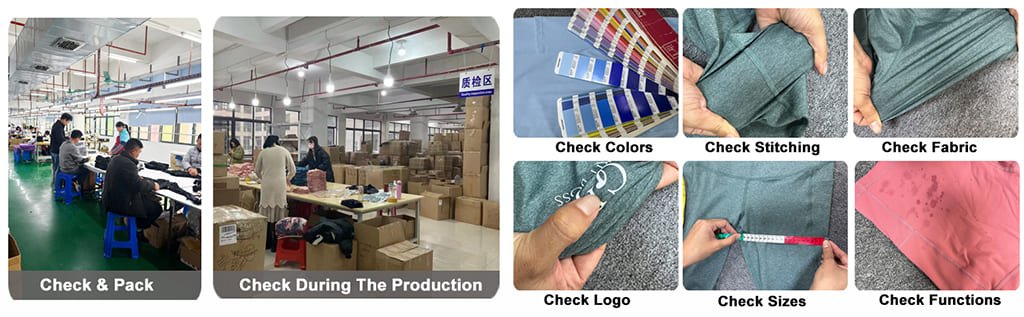
Quality control for plus size apparel should begin before fabrics and trims enter production, not only after every garment is completed. Pair Fashion uses incoming, in-line and final inspection stages to check whether bulk production continues to follow the approved product requirements.
For brands working with customize plus size clothing manufacturers, bulk quality standards should come from specifications already confirmed during development. The approved sample, measurement chart, fabric, color, workmanship, logo placement, labels and packaging requirements provide clear references for production inspection.
Pair Fashion has a 13-person QC team, with quality checks distributed across multiple production stages:
IQC — Incoming Quality Control: inspect fabrics, trims, colors and relevant incoming materials before production.
Cutting & Production Preparation: check key preparation requirements against the confirmed pattern and specifications.
IPQC — In-Process Quality Control: identify workmanship issues during sewing and assembly instead of waiting until all garments are completed.
Measurement Inspection: check critical garment measurements against the approved size specifications and tolerances.
Branding Inspection: review logos, printing, embroidery, labels and other customized details.
FQC — Final Quality Control: inspect finished garments for appearance, workmanship and key specifications.
Packing Inspection: confirm sizes, hangtags, individual packaging and packing requirements before shipment.
Measurement inspection is particularly important for customize plus size clothing manufacturers because one bulk order may contain several extended sizes. A correct base size does not automatically mean that every other graded size will remain within the approved specifications.
For example, a T-shirt may require checks at the bust, garment length, sleeve width and hem, while leggings may require measurement of the waist, hip, thigh, front and back rise, and inseam. Inspection points should follow the actual product rather than one generic measurement checklist.
In-process inspection is equally important. When customize plus size clothing manufacturers identify issues with seams, pockets, waistbands or logo placement during sewing, corrective action can take place before the entire order reaches completion.
Final inspection provides another checkpoint after production. Pair Fashion combines IQC, IPQC and FQC within its quality management process, with inspection requirements applied according to the actual order and approved product standards.
For brands, the value of quality control is not simply having more inspection names. When working with customize plus size clothing manufacturers, measurements, workmanship and branding details need defined references that can be checked throughout production.
Pair Fashion connects approved development standards with manufacturing inspection. For brands building long-term relationships with customize plus size clothing manufacturers, this turns quality control from a final attempt to find defects into a practical process covering materials, production, finished garments and packing.
Browse Sportswear Catalog Categories
Explore custom sportswear catalog categories including activewear, equestrian apparel, lounge wear and specialty OEM apparel collections for global brands.
- Yoga Pant
- Sports Bras
- Tank Tops
- Gym Shorts
- Men & Kids Sportswear
- Riding Tops
- Breeches
- Competition Wear
- Jackets
- Man & Kids Equestrian
- Joggers
- Sweatshirt & Hoodies
- Sweaters
- Coat & Jacket
- Men & Kids Loungewear
Other OEM Apparel
- Tennis Clothing
- Jumpsuit
- Dress & Skirts
- Plus Size Activewear
- Maternity Activewear
Keep Your Best-Selling Styles Consistent for Repeat Orders
Lorem ipsum dolor sit amet, consectetur adipiscing elit. Ut elit tellus, luctus nec ullamcorper mattis, pulvinar d
When a plus size style begins selling consistently, the next replenishment order should not restart product development from zero. Brands usually want to preserve the fit, sizing, fabric, color and branding details their customers already recognize. Pair Fashion maintains approved product and production information to provide a clearer reference for repeat manufacturing.
For brands building long-term relationships with customize plus size clothing manufacturers, repeat-order consistency begins with the standards established during the first production. The approved pattern, measurement chart, fabric requirements, color references, trims, logo placement and packaging specifications can all provide important references for the next order.
Several areas should remain controlled during replenishment:
Pattern & Grading: continue from the approved pattern and established size progression.
Measurement Specifications: follow the final measurement chart and agreed tolerances.
Fabric: reference the approved composition, GSM, stretch, recovery, hand feel and other critical requirements.
Color: use approved color references and confirm the material for the new production batch.
Trims & Branding: maintain labels, logos, printing, embroidery and customized components.
Packaging: retain the approved packing and size-identification requirements.
For customize plus size clothing manufacturers, a repeat order does not mean that every confirmation step should automatically disappear. Even when the pattern remains unchanged, a new fabric lot, dye lot or trim batch may still require checking. Historical specifications provide a defined reference for the new production instead of relying on memory.
This is particularly important in plus size apparel. If the waistband height, hip room or fabric recovery of a best-selling legging changes between orders, the garment may create a different wearing experience even when the overall appearance looks similar.
Professional customize plus size clothing manufacturers therefore need to treat repeatability as the reproduction of approved product standards, not simply the production of another order under the same SKU name.
Product records can also support larger replenishment programs. As sales increase, a brand may raise order quantities or reorder more frequently. Working with customize plus size clothing manufacturers that maintain clear historical product references can reduce the need to redefine basic specifications during every replenishment cycle.
Pair Fashion carries approved product information forward into repeat production. For brands developing long-term programs with customize plus size clothing manufacturers, this creates a more repeatable manufacturing foundation that can help successful styles progress from the first production order into ongoing replenishment.
apibus leo.
Scale Your Plus Size Collection as Your Brand Grows
A plus size apparel program does not need to become a large collection from the first launch. Many brands begin with one core style, add coordinated products after receiving market feedback, and then move into repeat orders, seasonal launches and more stable long-term production. Pair Fashion can support product development and manufacturing according to the brand’s stage of growth.
For startup brands working with customize plus size clothing manufacturers, the 0-to-1 stage can begin with one focused product. This allows the brand to establish its target customer, fit direction, sizing system, fabric, branding details and first production requirements without introducing too many SKUs at the same time.
After the core product receives market feedback, the collection can move into the next stage. When working with customize plus size clothing manufacturers, approved fit direction, sizing logic, material experience and product records can provide a clearer foundation for developing related styles.
A plus size program can grow through several practical stages:
First Style: establish the first approved plus size product and its production standards.
Small Collection: add coordinated tops, bottoms or matching sets around the initial product direction.
Repeat Orders: replenish successful styles while maintaining approved specifications.
Seasonal Development: introduce new colors, materials or products according to the brand’s launch calendar.
Multi-Style Production: manage a broader range of SKUs and production requirements.
Long-Term Production: build a more stable rhythm for replenishment and continuing collection development.
For growing brands, the role of customize plus size clothing manufacturers also develops over time. The requirement moves beyond producing the first successful garment and begins to include multi-style development, product consistency, repeat manufacturing and regular collection updates.
Established brands may operate with more structured seasonal calendars and annual replenishment programs. At this stage, clear product records, approved specifications and stable production references become increasingly important.
Pair Fashion operates 7 production lines with a stable monthly production capacity of approximately 50,000 pieces. Cooperation can include OEM, ODM, private label development, replenishment orders, capsule collections and broader production programs according to the project requirements.
Building a long-term relationship with customize plus size clothing manufacturers also means that every collection expansion does not need to restart from zero. Approved patterns, sizing direction, materials and branding requirements can continue to provide useful references for new products and repeat orders.
For brands planning to grow from one product into a broader custom sportswear collection, Pair Fashion connects development, manufacturing and replenishment within one continuing process.
Working with customize plus size clothing manufacturers allows the program to begin with a focused product and progressively expand its SKUs, collections and production volume as real market demand develops.

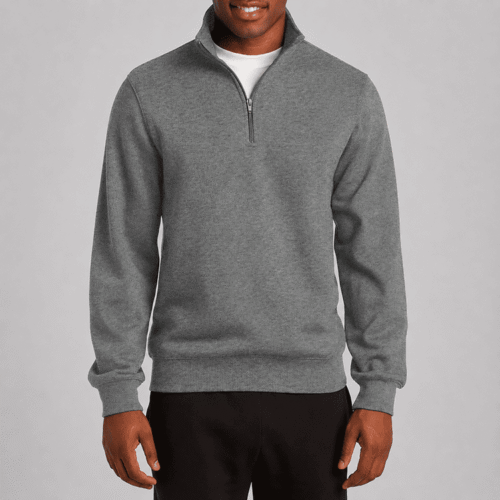
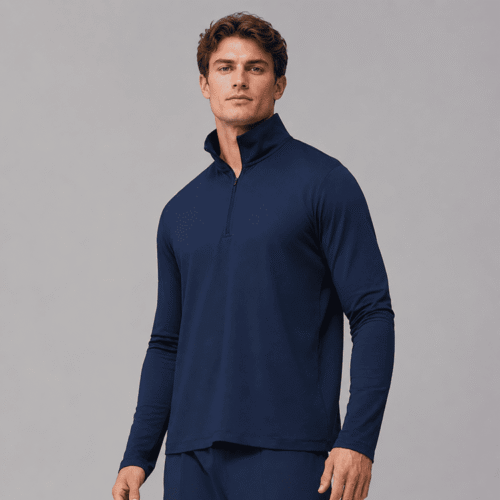
Custom Men’s Quarter Zip Sweatshirt Mock Neck Pullover OEM ODM
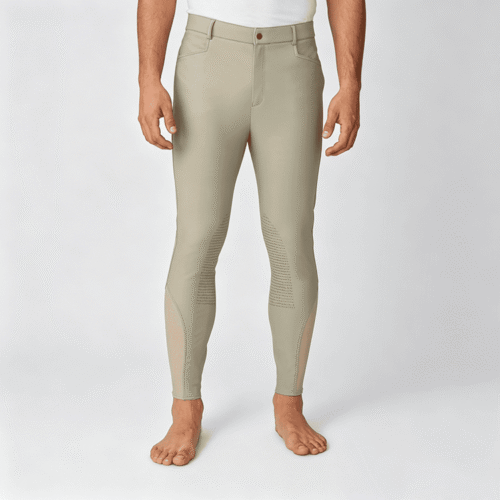
Custom Men’s Riding Breeches Knee Grip Equestrian Pants OEM ODM
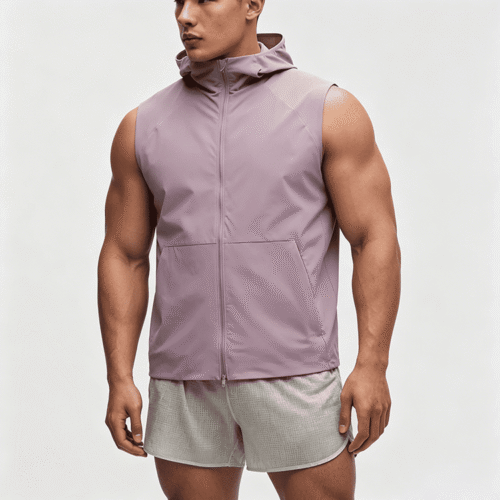
Custom Men’s Sleeveless Zip Up Hoodie Gym Training Vest OEM ODM
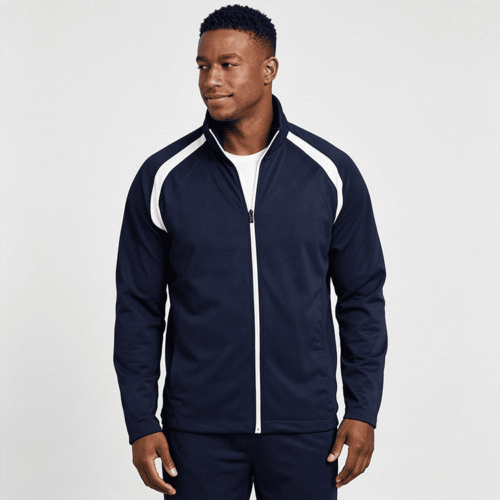
Custom Men’s Track Jacket Full Zip Athletic Sweatshirt OEM ODM
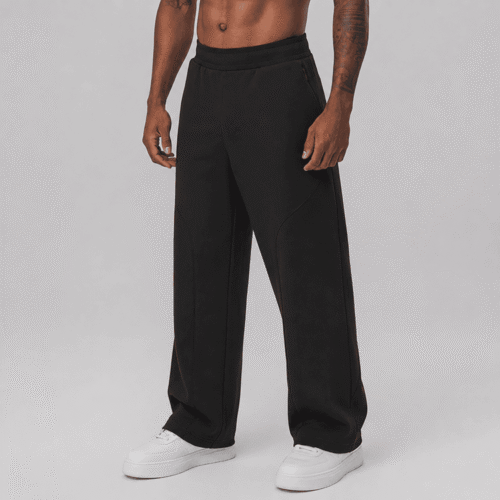
Custom Men’s Wide Leg Sweatpants OEM ODM Relaxed Fit Lounge Pants
Custom Men’s Workout Training Top Quarter Zip Long Sleeve Shirt OEM ODM
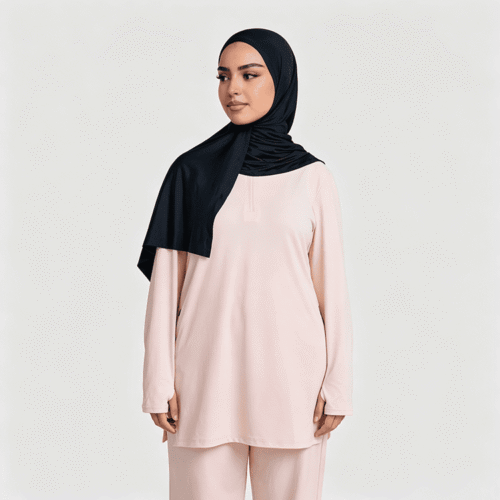
Custom Modest Activewear Set OEM ODM Muslim Sportswear Outfit
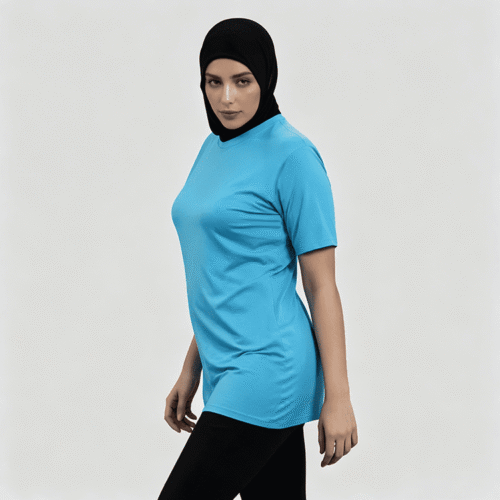
Custom Modest Activewear T-Shirt OEM ODM Muslim Sportswear Top
FAQs About Working With Customize Plus Size Clothing Manufacturers
1. What Do I Need to Start a Custom Plus Size Clothing Project?
You do not need a complete Tech Pack to start; a product image, design sketch, physical sample, measurement chart or clearly defined product idea can provide enough information for initial development with customize plus size clothing manufacturers. The more complete your information is, the easier it is to define the first sample. If available, send your measurements, fabric, colors, construction, branding and packaging requirements. For early-stage concepts, begin with the target product, size range, estimated quantity and references, then confirm technical details through pattern development and sampling.
2. Can You Develop Our Own Plus Size Chart and Custom Grading?
Yes. Pair Fashion can develop brand-specific size specifications and full-size grading around your target customer, base size, product silhouette and required extended size range instead of simply enlarging a standard-size pattern proportionally. During development, key measurement points and grading progression between sizes can be defined. A Fit Sample helps establish the base fit, while selected Size Set Samples can be used to review how the graded sizes develop. This gives brands working with customize plus size clothing manufacturers a more repeatable sizing foundation for future styles.
3. What Is the MOQ for Custom Plus Size Clothing?
MOQ depends on the actual product, fabric, colors, size distribution, branding process and packaging requirements, so Pair Fashion confirms the workable order quantity after reviewing the specifications rather than applying one fixed MOQ to every project. Stock-supported fabrics may have different conditions from custom-dyed materials, while printing, embroidery and specialized trims can introduce their own minimum requirements. For new brands contacting customize plus size clothing manufacturers, a practical first step is to define the core styles, necessary colors and expected size mix, then confirm the production quantity for that specific order.
4. How Much Does Custom Plus Size Clothing Manufacturing Cost?
The final unit price depends on the garment specifications because fabric composition and GSM, material consumption, construction, size range, colors, branding, packaging and total order quantity can all change the manufacturing cost. A product photo alone is therefore usually not enough for an accurate bulk quotation. Brands contacting customize plus size clothing manufacturers can send a Tech Pack, physical reference garment or product image, together with the required size range, estimated quantities and customization details. Pair Fashion can then prepare pricing around the actual manufacturing requirements instead of giving a generic price.
5. Can I Order Samples Before Starting Bulk Production?
Yes. Sampling before bulk production allows the brand to confirm fit, measurements, fabric, construction and product details before committing to a larger quantity, which is particularly important when developing a new extended-size range. A Proto Sample can establish the initial product, a Fit Sample can refine proportion and measurements, a Size Set can review selected graded sizes, and a PP Sample can confirm the pre-production standard. Pair Fashion normally completes sampling in around 7 days, with some first samples possible in approximately 3 days, depending on material availability and product complexity.
6. Do You Provide Private Label, Custom Labels and Packaging?
Yes. Pair Fashion supports private label development including main labels, size labels, care labels, hangtags, logos, printing, embroidery and customized packaging, allowing brands to develop both the garment and its customer-facing brand details within the same project. Brands can provide existing artwork and packaging specifications or confirm these elements during product development. DTC projects may prioritize individual packaging and presentation, while wholesale programs may focus more on size identification, packing efficiency and carton requirements. Approved branding and packaging details can then become part of the final production specifications.
7. How Long Does Bulk Production Take for Custom Plus Size Clothing?
Standard bulk production at Pair Fashion is generally around 20–25 working days, while some suitable projects may be completed in approximately 15 working days; the final schedule depends on the confirmed product and order requirements. Fabric sourcing or dyeing, order quantity, number of styles, printing, embroidery, specialized trims and packaging can all affect lead time. Brands working with customize plus size clothing manufacturers should provide their target launch or delivery date during the inquiry stage so sampling, material confirmation and production scheduling can be planned around a realistic timeline.
8. How Do You Keep Fit, Sizing and Fabric Consistent on Repeat Orders?
Repeat-order consistency is supported by using approved patterns, measurement specifications, fabric requirements, color references, trims, branding details and packaging information as production references instead of treating each replenishment order as a completely new product. Even when the style remains unchanged, new fabric lots, dye lots or trims may still require confirmation. For brands building long-term programs with customize plus size clothing manufacturers, maintaining these product records reduces the need to redefine basic specifications during every reorder and provides a clearer foundation for keeping successful plus size styles consistent over repeated production cycles.
Get In Touch
Contact our OEM/ODM specialists for product development, sampling, pricing, and production support.