OEM/ODM Sportswear Manufacturer | 3-Day Sampling | Low MOQ | 50K Monthly Capacity | ISO9001 & BSCI Certified


Maternity Support Leggings Manufacturing Cost Breakdown: China Manufacturers Comparison Guide for Global Buyers
Understand the real cost factors behind maternity support leggings manufacturing, compare different Chinese supplier options, and learn how global brands evaluate manufacturers, pricing structures, production capabilities, and quality standards before choosing the right long-term apparel partner.
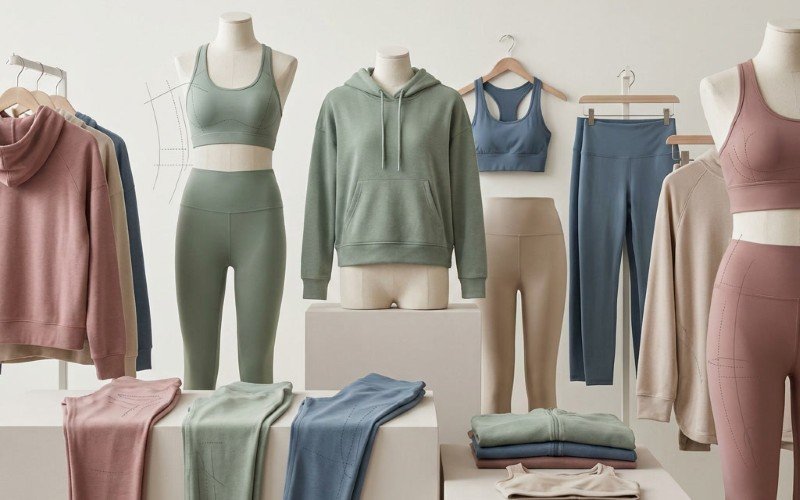
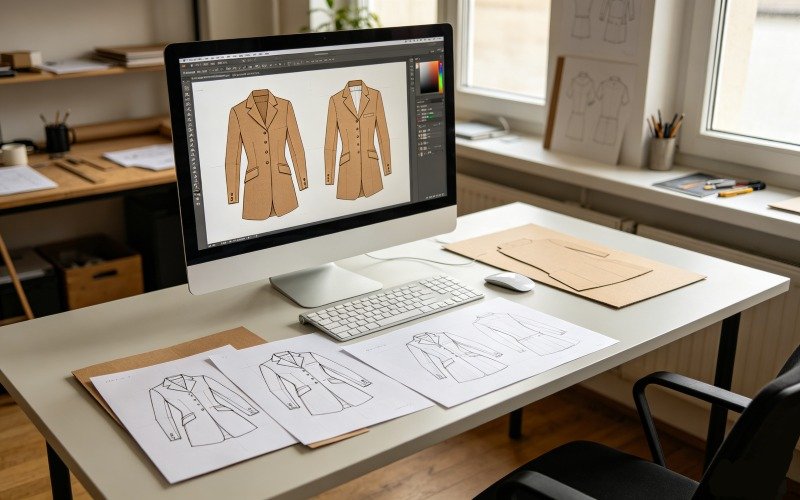
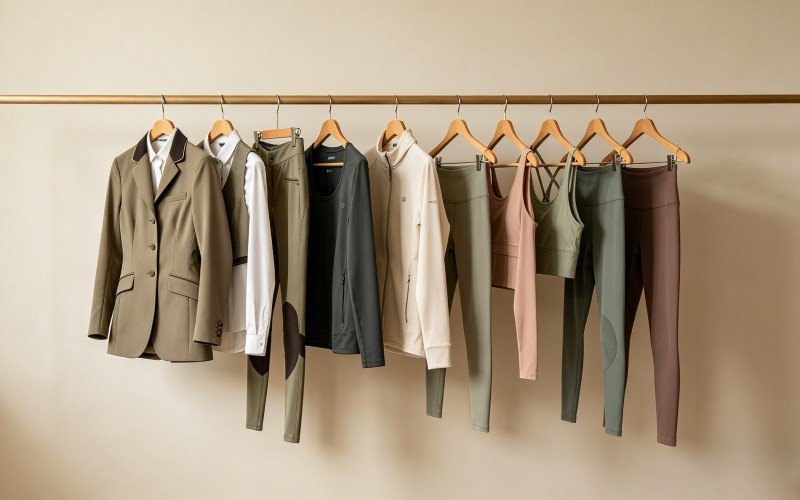
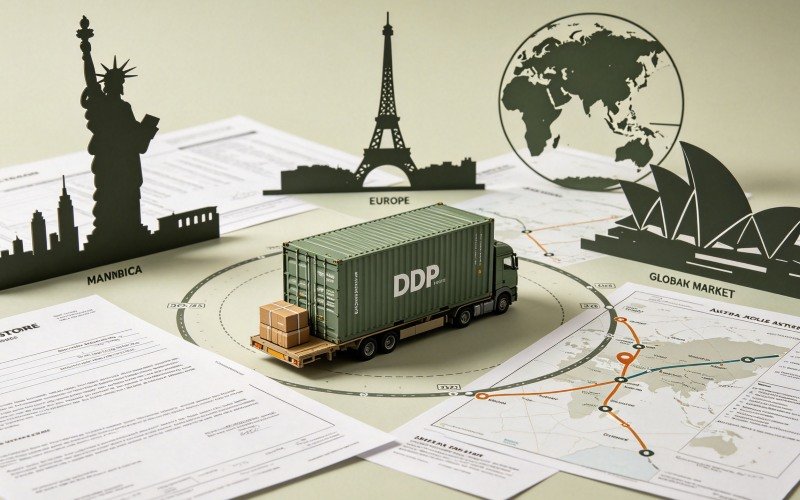
Top Maternity Support Leggings Manufacturing Suppliers in China: Manufacturer Comparison Guide for Global Buyers
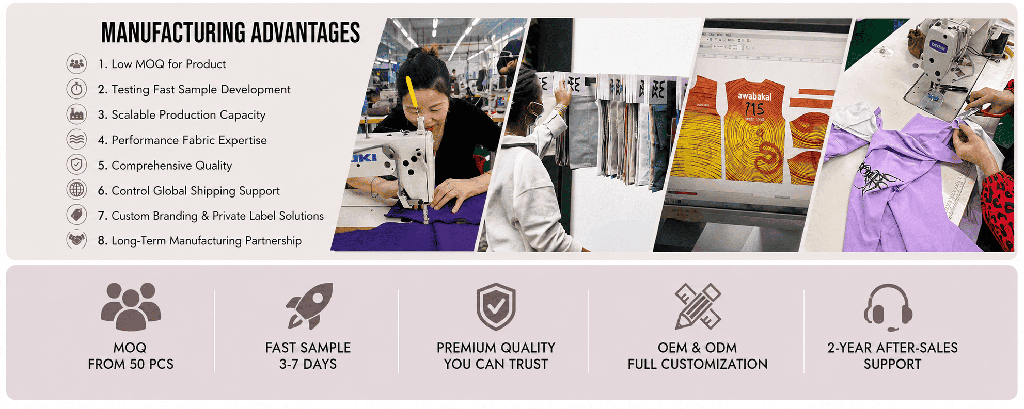
China has become one of the preferred sourcing destinations for brands looking for reliable Maternity Support Leggings Manufacturing solutions because of its complete activewear supply chain, strong fabric development capabilities, flexible production models, and experience supporting global apparel brands. However, the best supplier is not always the largest factory or the lowest-price option. Buyers should compare manufacturers based on product experience, quality systems, customization ability, communication efficiency, and long-term supply stability.
Why Are Chinese Manufacturers Popular for Maternity Support Leggings Production?
When global brands are looking for maternity support leggings manufacturers, China is usually one of the first sourcing choices they consider. The reason is not only because of competitive production costs, but also because China has rich manufacturing experience, complete material resources, and flexible product development capabilities.
Maternity leggings are more complex than ordinary leggings because they need to balance several product requirements at the same time:
- Comfortable pregnancy support
- Stretch recovery during body changes
- Stable waistband construction
- Soft skin-friendly fabric
- Reliable stitching performance
- Consistent sizing across different stages
A supplier with general leggings experience may not always understand the specific requirements of maternity products. Buyers should pay attention to whether manufacturers have experience with functional activewear, special body-fit products, and customized pattern development.
China’s activewear supply chain provides advantages that are difficult to replace in many regions. Fabric suppliers, accessory manufacturers, dyeing facilities, printing factories, and garment production resources are often located within connected industrial areas, allowing manufacturers to coordinate product development more efficiently.
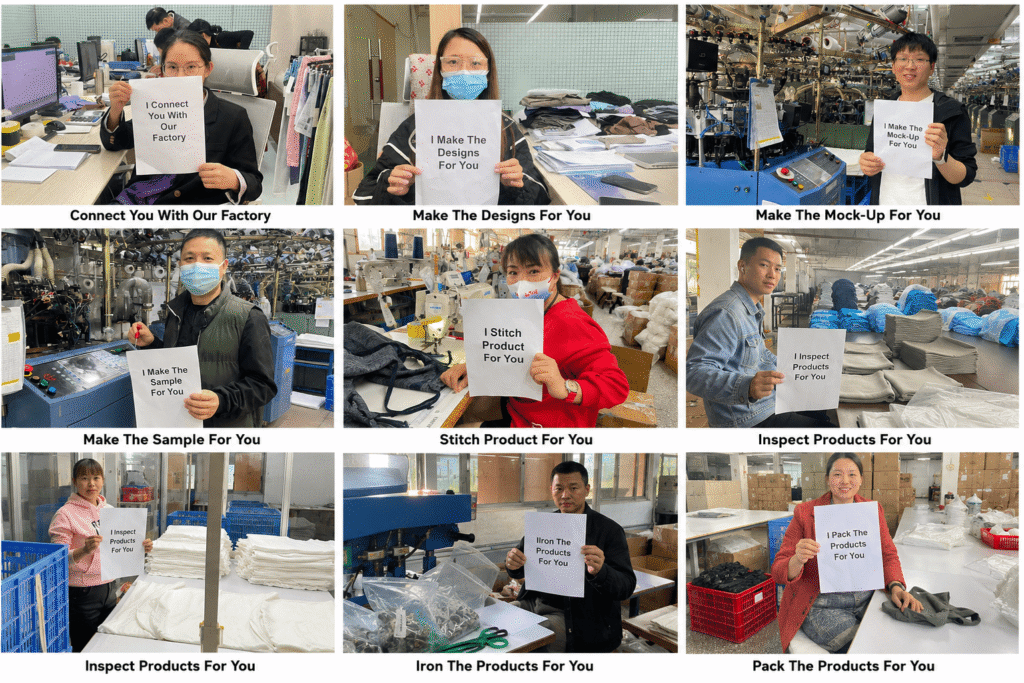
For brands launching new maternity collections, this supply chain environment can reduce development complexity. Instead of managing multiple suppliers separately, buyers can often work with one manufacturing partner that coordinates fabrics, samples, production, inspection, and shipment.
Another important factor is production flexibility. Many emerging maternity activewear brands do not start with very large quantities. They need suppliers that can support smaller trial orders, test market response, and gradually increase production volume after successful sales performance.
This is especially important for:
- New private label brands
- Shopify and DTC companies
- Boutique maternity retailers
- Fitness and wellness brands expanding into maternity products
Top Chinese Maternity Support Leggings Manufacturers Comparison Table
Before selecting a supplier, global buyers should understand that different manufacturers have different strengths. Some focus on large-volume production, while others are better suited for product development, small-batch customization, or premium activewear collections.
| Supplier Type | Location Advantage | Typical MOQ Range | Main Strength | Suitable Buyers |
|---|---|---|---|---|
| Functional Activewear Manufacturer | Dongguan / Guangdong | 50-500 pcs | Product development and flexible customization | Startups and growing brands |
| Large Sportswear Factory | Zhejiang / Jiangsu | 500-5000 pcs | High-volume production | Wholesale buyers |
| Fashion Activewear Supplier | Guangzhou | 100-1000 pcs | Trend-focused designs | E-commerce brands |
| Premium Technical Apparel Manufacturer | Shenzhen / Dongguan | 200+ pcs | Functional fabrics and advanced construction | Premium brands |
| Private Label Sportswear Supplier | Multiple regions | Flexible | Branding and packaging support | Online retailers |
A professional buyer should not simply ask:
“Which factory has the lowest price?”
A better question is:
“Which manufacturer can support my product requirements, quality expectations, and business stage?”
The right supplier depends on the brand’s current needs.
Which Type of Manufacturer Fits Different Buyer Profiles?
Different buyers have different priorities when sourcing maternity support leggings. A startup brand may value flexibility and low-risk production, while an established retailer may focus more on capacity, consistency, and compliance. For brands requiring deeper product development support, working with an experienced private label maternity leggings manufacturing partner can provide better long-term value.
Startup and Emerging Brands
New brands usually need manufacturers that can provide:
- Lower MOQ options
- Product development guidance
- Sample flexibility
- Small-batch testing support
For these buyers, choosing a supplier only based on unit price can create unnecessary risk. A slightly higher initial cost may be worthwhile if the manufacturer can help avoid product mistakes during the early stage.
Growing Activewear Brands
Brands that already have market validation usually focus on:
- Stable quality
- Faster replenishment
- Consistent sizing
- Improved production efficiency
At this stage, manufacturers with stronger production management systems become more valuable because inconsistent quality can directly affect customer reviews and repeat purchases.
Wholesale Buyers and Retail Chains
Larger buyers usually prioritize:
- Production capacity
- Compliance documentation
- Reliable delivery schedules
- Cost optimization
These buyers often require suppliers that can maintain consistent specifications across multiple production batches.
How Buyers Should Compare Maternity Support Leggings Manufacturers
Choosing a manufacturer requires more than comparing quotations. Professional buyers normally evaluate suppliers through several dimensions, including product experience, technical capability, customization support, and the ability to provide custom maternity support leggings manufacturing services:
Product Experience
Does the manufacturer understand maternity-specific requirements?
Important questions include:
- Have they produced pregnancy-focused apparel before?
- Can they adjust patterns for maternity body changes?
- Do they understand support waistband construction?
Manufacturing Capability
A reliable supplier should have:
- Experienced technical teams
- Stable production processes
- Quality inspection procedures
- Clear communication systems
Customization Ability
For private label brands, customization capability is essential.
This may include:
- Custom fabric selection
- Custom colors
- Brand labels
- Packaging
- Size range adjustment
- Product structure modification
Long-Term Reliability
The best manufacturing partner is not always the cheapest option. Long-term cooperation depends on:
- Consistent quality
- Transparent communication
- Problem-solving ability
- Ability to support future product expansion
For global buyers, supplier selection is ultimately about reducing manufacturing risks while creating products that customers trust.
How Much Does Maternity Support Leggings Manufacturing Cost? Complete Cost Breakdown Guide
The manufacturing cost of maternity support leggings depends on several factors, including fabric selection, pregnancy-specific design requirements, production quantity, customization level, and quality standards. Brands planning to develop their own collections can also review our maternity support leggings manufacturing solutions for private label and custom activewear brands to better understand the complete production process. Unlike standard leggings, maternity styles require additional development for support structure, body adaptation, and comfort performance. Global buyers should evaluate the complete cost structure instead of comparing only factory unit prices.
What Are the Main Cost Factors Behind Maternity Support Leggings Manufacturing?
The final price of maternity support leggings is not determined by one single factor. A professional manufacturing quotation usually combines material costs, product development expenses, production complexity, quality control requirements, and order volume.
Understanding these factors helps buyers evaluate whether a quotation is realistic and whether a supplier is offering genuine value instead of simply presenting the lowest possible price.
A common mistake among new brands is comparing only the final unit price. Two manufacturers may provide very different quotations for products that appear visually similar because the internal construction, fabric performance, production standards, and development investment may be completely different.
The main cost components usually include:
| Cost Factor | Impact Level | Explanation |
|---|---|---|
| Functional Fabric | High | Determines comfort, stretch recovery, durability, and performance |
| Maternity Pattern Development | High | Requires adjustment for pregnancy body changes |
| Waistband Support Construction | High | Influences support, comfort, and product differentiation |
| Sampling & Development | Medium | Includes prototype creation and fitting adjustments |
| Sewing & Production Labor | Medium | Depends on construction complexity |
| Quality Control | Medium | Ensures consistency between samples and bulk orders |
| Branding & Packaging | Low-Medium | Required for private label products |
| Logistics | Variable | Depends on destination, shipping method, and order size |
For maternity products, the biggest cost difference usually comes from the combination of technical design requirements and fabric performance rather than basic sewing costs.
1. Fabric Selection Is One of the Biggest Drivers of Manufacturing Cost
Fabric is often the largest material investment in maternity support leggings because customers expect softness, flexibility, durability, and long-term comfort.
Unlike ordinary fashion leggings, maternity leggings need to support changing body shapes while maintaining:
- Stretch recovery
- Breathability
- Shape retention
- Comfortable compression
- Skin-friendly performance
Common Fabric Options for Maternity Support Leggings
Nylon Spandex Fabric
Nylon spandex is one of the most popular choices for premium maternity leggings.
Advantages:
- Soft hand feel
- Excellent elasticity
- Smooth appearance
- Good recovery after stretching
- Comfortable for long wear
This type of fabric is commonly selected by brands positioning products as premium maternity activewear.
Polyester Spandex Fabric
Polyester blends are often chosen for brands focusing on cost efficiency.
Advantages:
- More affordable
- Durable
- Easy maintenance
- Suitable for larger production volumes
This option is common for:
- Wholesale collections
- Entry-level maternity products
- Multi-category activewear brands
Recycled Functional Fabrics
Sustainable fabrics have become increasingly important, especially in European and North American markets. Brands using recycled materials should also consider recognized sustainability standards such as Global Recycled Standard (GRS) to improve material traceability, environmental transparency, and responsible sourcing credibility.
Examples include:
- GRS recycled polyester
- Recycled nylon
- Eco-conscious performance blends
Although these materials may increase the production cost, they can help brands build a more premium market position and support their sustainability goals.
For buyers, the most important point is that fabric selection should match the target customers and market positioning.
A premium maternity wellness brand and a mass-market retailer may produce similar-looking leggings, but they usually need different fabric solutions based on their product positioning, customer expectations, and price level.
2. Maternity-Specific Pattern Development Creates Additional Costs
One of the biggest differences between ordinary leggings and maternity support leggings is the pattern structure.
A normal legging pattern mainly focuses on:
- Hip shape
- Leg compression
- Waist fit
Maternity leggings require additional considerations:
- Growing belly accommodation
- Comfortable abdominal support
- Pressure distribution
- Multiple body shape adaptation
- Postpartum usability
A professional maternity leggings manufacturer usually needs to evaluate:
- Front rise adjustment
- Waistband height
- Support panel construction
- Stretch direction
- Seam placement
This development stage creates additional costs because manufacturers may need multiple sample rounds before achieving the correct balance between support and comfort.
A product that is too tight may create discomfort, while a product without enough support may fail to meet customer expectations.
For this reason, experienced maternity apparel suppliers usually invest more time in product development compared with standard leggings production.
3. Waistband Design and Support Technology Influence Pricing
The waistband is one of the most important elements of maternity support leggings.
Different designs can significantly affect manufacturing costs.
Common waistband structures include:
| Waistband Type | Characteristics | Cost Influence |
|---|---|---|
| Basic High Waist | Simple coverage and comfort | Lower |
| Fold-Over Waist | Adjustable wearing experience | Medium |
| Full Belly Panel | Pregnancy-focused support | Higher |
| Reinforced Support Waistband | Stronger shaping and stability | Higher |
A high-quality maternity waistband requires consideration of:
- Elastic recovery
- Fabric thickness
- Support level
- Seam durability
- Comfort during movement
Brands targeting premium customers often invest more in waistband engineering because it directly influences product reviews and repeat purchases.
4. Customization Requirements Change the Final Manufacturing Price
The cost difference between a standard maternity legging and a customized private label product can be significant.
A basic product may use:
- Existing patterns
- Standard colors
- Generic packaging
- Available fabrics
A customized product may require:
- Exclusive pattern development
- Custom fabric selection
- Brand labels
- Custom colors
- Special sizing
- Customized packaging
- Unique design details
The more customized the product becomes, the more development resources are required.
However, customization also allows brands to create stronger differentiation instead of competing only on price.
For many growing activewear companies, investing in customization can help build long-term brand value.
Maternity support leggings usually have a higher production cost than regular leggings because they require more product development work, including pregnancy-specific pattern design, supportive waistband construction, additional fitting adjustments, and comfort testing. The cost difference mainly comes from the higher development requirements and product complexity, not only from the production labor cost.
Although maternity leggings may look similar to regular yoga leggings in appearance, their manufacturing requirements are quite different. Maternity leggings need to consider pregnancy body changes, wearing comfort, support function, and overall fit performance during the production process.
A regular legging mainly focuses on:
- Stretch
- Appearance
- Basic comfort
A maternity support legging must additionally consider:
- Pregnancy body changes
- Abdominal comfort
- Support distribution
- Extended wear experience
This creates additional development steps before bulk production.
For example, a manufacturer producing ordinary leggings may complete a pattern quickly based on existing blocks. However, maternity leggings often require adjustments in:
- Waist height
- Front and back rise
- Panel construction
- Compression balance
These additional steps increase development costs but also improve product performance.
What Hidden Costs Should Buyers Consider Beyond Factory Prices?
Many buyers focus only on the quotation received from suppliers, but the real cost of manufacturing includes potential risks throughout the product lifecycle.
Hidden costs may include:
Sample Revision Costs
Poor communication or inaccurate development may require multiple sample revisions.
This can increase:
- Development time
- Sample expenses
- Launch delays
Quality Problems During Bulk Production
A low-cost supplier may create problems such as:
- Incorrect sizing
- Fabric inconsistency
- Stitching defects
- Poor waistband recovery
These issues can result in:
- Returns
- Customer complaints
- Additional replacement costs
Delayed Market Launch
For seasonal maternity collections, timing matters.
A production delay can affect:
- Marketing campaigns
- Inventory planning
- Sales opportunities
Therefore, professional buyers usually evaluate total manufacturing value, not only the lowest initial quotation.
How Can Buyers Reduce Manufacturing Costs Without Reducing Quality?
Cost optimization does not always mean choosing cheaper materials or lower standards.
Better strategies include:
1. Selecting the Right MOQ Strategy
Starting with manageable quantities allows brands to test demand before investing in large inventory.
2. Choosing Suitable Fabric Options
Different fabrics can achieve different price points while maintaining acceptable performance.
3. Planning Customization Carefully
Not every design element creates equal customer value.
Brands should prioritize:
- Fit
- Comfort
- Fabric performance
- Functional details
4. Working With Experienced Manufacturers
Experienced suppliers can often reduce unnecessary development mistakes because they understand common product challenges before production begins.
Manufacturing Cost Comparison: Standard Leggings vs Maternity Support Leggings
| Category | Standard Leggings | Maternity Support Leggings |
|---|---|---|
| Pattern Development | Basic | Pregnancy-adapted |
| Waist Construction | Standard waistband | Support-focused waistband |
| Fitting Process | General fitting | More adjustment required |
| Fabric Requirement | Stretch and comfort | Stretch + recovery + support |
| Development Complexity | Lower | Higher |
| Customer Expectation | Comfort and appearance | Comfort, support, and functionality |
Understanding these cost differences allows buyers to evaluate supplier quotations more accurately and select manufacturing partners based on long-term product value rather than short-term price comparisons.
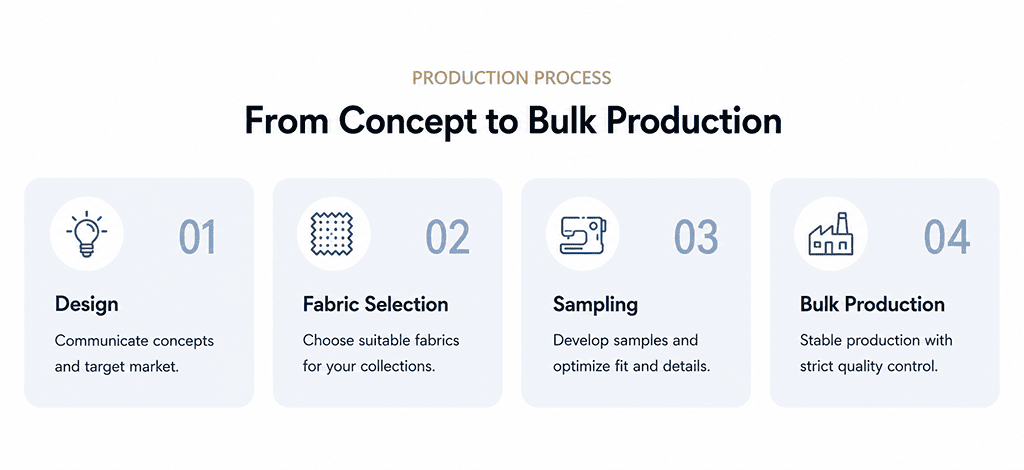
Why Do Global Brands Choose Chinese Maternity Support Leggings Manufacturers?
Global brands choose Chinese maternity support leggings manufacturers because China offers a mature activewear supply chain, diverse functional fabric options, experienced garment production teams, flexible manufacturing models, and strong export capabilities. However, the best sourcing decision depends on each brand’s product goals, order volume, customization requirements, and quality expectations rather than production cost alone.
What Advantages Does China Offer for Maternity Activewear Manufacturing?
China has remained one of the most important sourcing destinations for global apparel brands because its manufacturing ecosystem combines multiple capabilities that are difficult to find in a single region.
For maternity support leggings specifically, buyers are not only looking for a factory that can sew garments. They need suppliers that understand:
- Stretch fabric behavior
- Body-fit engineering
- Comfortable support structures
- Size grading
- Functional garment construction
- Consistent bulk production
Maternity activewear sits between fashion and performance apparel. It requires the comfort expectations of everyday clothing while also meeting the functional requirements of sportswear.
This makes supplier selection more complicated than purchasing standard leggings.
1. Complete Activewear Supply Chain
One of China’s biggest advantages is the concentration of related manufacturing resources.
A professional maternity leggings supplier can usually access:
- Performance fabric suppliers
- Dyeing and finishing facilities
- Elastic and accessory manufacturers
- Printing and embroidery partners
- Packaging suppliers
- International logistics networks
This integrated supply chain allows manufacturers to coordinate different production stages more efficiently.
For global buyers, this can reduce challenges such as:
- Finding multiple suppliers
- Managing different production schedules
- Resolving communication problems between factories
- Controlling quality across different processes
For example, developing a new maternity support leggings collection may require cooperation between fabric suppliers, pattern developers, sewing teams, and packaging providers.
A strong manufacturing ecosystem makes this process more manageable.
2. Strong Functional Fabric Development Capability
Modern maternity leggings are no longer simple cotton garments.
Customers increasingly expect products with:
- Soft comfort
- Four-way stretch
- Shape recovery
- Breathability
- Moisture management
- Support performance
China has developed a broad functional fabric market supporting different activewear categories.
Common fabric solutions include:
| Fabric Type | Main Characteristics | Suitable Application |
|---|---|---|
| Nylon Spandex | Soft, flexible, premium feel | Premium maternity leggings |
| Polyester Spandex | Durable and cost-effective | Wholesale collections |
| Compression Fabric | Support and shaping performance | Performance maternity wear |
| Recycled Fabric | Sustainable positioning | Eco-conscious brands |
| Brushed Fabric | Soft inner surface | Comfort-focused products |
The ability to select suitable materials based on market positioning is one reason many international brands continue sourcing from China.
A premium maternity brand may prioritize softness and recovery, while a large retailer may focus more on cost efficiency and durability.
3. Flexible Manufacturing Models for Different Business Stages
Another reason global brands consider Chinese suppliers is manufacturing flexibility.
Different brands have different production needs.
A startup launching its first maternity collection may require:
- Smaller production quantities
- More development support
- Multiple sample adjustments
- Lower inventory risk
An established brand may need:
- Stable production capacity
- Seasonal collection support
- Consistent quality standards
- Reliable replenishment
Chinese manufacturers often support different cooperation models, allowing brands to adjust production strategies as they grow.
This flexibility is especially valuable in maternity apparel because market demand can vary significantly depending on:
- Region
- Customer demographics
- Product positioning
- Seasonal trends
China Manufacturer vs USA vs Europe vs Southeast Asia: Which Option Fits Different Buyers?
There is no universal answer to which manufacturing region is always the best choice.
The right option depends on the buyer’s priorities, including cost expectations, product complexity, order size, and supply chain requirements.
| Evaluation Factor | China | USA | Europe | Southeast Asia |
|---|---|---|---|---|
| Manufacturing Cost | Competitive | Higher | Higher | Competitive |
| Activewear Supply Chain | Very Mature | Moderate | Moderate | Developing |
| Fabric Options | Extensive | Limited | Good | Growing |
| Custom Development | Strong | Strong | Strong | Moderate |
| Small MOQ Flexibility | Available with suitable suppliers | Limited | Limited | Available |
| Large Production Capability | Strong | Limited | Moderate | Growing |
| Supplier Selection Range | Very Wide | Smaller | Smaller | Medium |
China vs USA Manufacturing
Advantages of USA Manufacturing
- Easier local communication
- Faster domestic shipping
- Strong compliance environment
Challenges
- Higher labor costs
- Higher production expenses
- Fewer integrated apparel supply chains
USA production may be suitable for brands prioritizing local manufacturing stories or domestic supply chains, but production costs are usually significantly higher.
China vs European Manufacturing
Advantages of European Manufacturing
- Strong fashion heritage
- Premium positioning
- High design capability
Challenges
- Higher production costs
- Higher minimum investment requirements
- Less flexibility for smaller brands
European production can work well for luxury or premium positioning, but many growing brands choose China because it provides a better balance between customization, cost, and scalability.
China vs Southeast Asia Manufacturing
Southeast Asia has become an increasingly important apparel production region.
Advantages include:
- Competitive labor costs
- Growing export industries
- Access to international markets
However, China still maintains advantages in:
- Fabric availability
- Manufacturing experience
- Product development resources
- Supplier variety
For technical products such as maternity support leggings, the depth of the supply chain can be a significant factor.
When Should Brands Consider Chinese Maternity Leggings Suppliers?
1. When Launching a New Maternity Activewear Collection
New brands often need more than production.
They need support with:
- Material selection
- Product improvement
- Sample development
- Cost planning
A supplier with development experience can help reduce early mistakes.
2. When Expanding Existing Activewear Categories
Many activewear brands begin with products such as:
- Yoga leggings
- Sports bras
- Fitness apparel
Later, they expand into maternity collections.
At this stage, working with suppliers familiar with functional apparel can simplify category expansion because many production principles overlap.
3. When Brands Need More Product Differentiation
The maternity apparel market has become increasingly competitive.
Brands need products that stand out through:
- Better comfort
- Improved support
- Unique fabrics
- Inclusive sizing
- Functional details
Manufacturers with stronger development resources can help brands move beyond basic commodity products.
What Should Global Buyers Consider Before Choosing Chinese Manufacturers?
Although China offers many advantages, supplier selection remains critical.
Not every factory is suitable for every project.
Buyers should evaluate:
Product Experience
Does the manufacturer understand maternity-specific requirements?
Quality Management
Does the supplier have structured inspection processes?
Communication Ability
Can the supplier clearly understand international product requirements?
Production Stability
Can the manufacturer maintain consistent quality over repeated orders?
A good manufacturing relationship depends on matching the right supplier with the right business needs.
Why China Remains a Strategic Choice for Maternity Support Leggings Brands
The reason many global brands choose China is not simply because of lower production costs.
The stronger advantage comes from combining:
- Manufacturing experience
- Material resources
- Product development capability
- Flexible production options
- International export experience
For maternity support leggings, where comfort, fit, and consistency directly affect customer satisfaction, choosing a supplier with the right technical understanding is often more valuable than choosing the lowest quotation.
Why Do Different Manufacturers Quote Different Maternity Leggings Prices?
Lorem ipsum dolor sit amet, consectetur adipiscing elit. Ut elit tellus, luctus nec ullamcorper mattis, pulvinar dapibus leo.
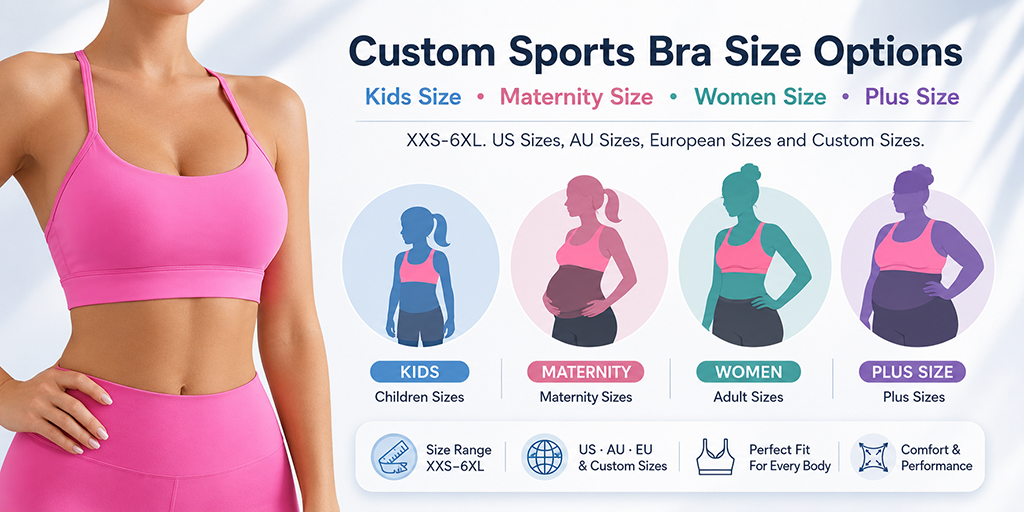
Different manufacturers quote different prices for maternity support leggings because suppliers calculate costs based on different materials, production methods, order quantities, customization requirements, quality standards, and service capabilities. A lower quotation does not always mean better value. Buyers should compare what is included behind the price, including fabric quality, development support, production control, and long-term supply reliability.
Why Can Two Manufacturers Offer Completely Different Prices for Similar Maternity Leggings?
One of the most common challenges global buyers face is receiving very different quotations for products that appear almost identical.
A buyer may provide the same product requirements to several manufacturers and receive quotations with a large price difference. For example, one supplier may offer a more competitive price, while another supplier may provide a much higher quotation.
At first look, buyers may think that one manufacturer simply charges more than another. However, the price difference usually comes from many factors behind the quotation, including materials, production processes, customization requirements, quality standards, and service capabilities.
Manufacturing price is influenced by:
- Fabric quality and composition
- Product construction complexity
- Pattern development requirements
- Production efficiency
- Order quantity
- Quality inspection standards
- Customization level
- Supplier experience
A professional buyer should not compare only the final number on a quotation sheet. The more important question is:
What product value is included behind this price?
A maternity leggings supplier using premium performance fabric, experienced pattern development, and stricter quality control may provide a higher quotation but lower overall business risk.
How Does MOQ Influence Maternity Leggings Manufacturing Price?
Minimum order quantity (MOQ) is one of the biggest factors affecting manufacturing cost.
Manufacturers usually have fixed preparation costs before production begins, including:
- Fabric ordering
- Pattern setup
- Machine adjustment
- Production planning
- Quality preparation
- Packaging arrangement
When production quantities are small, these preparation costs are spread across fewer pieces, increasing the unit price.
For example:
| Order Quantity | Typical Cost Situation |
|---|---|
| 50–100 pcs | Higher unit cost due to limited production scale |
| 300–1000 pcs | Better balance between flexibility and price |
| 3000+ pcs | Lower unit cost through production efficiency |
However, a higher MOQ is not always the best choice.
For new maternity activewear brands, ordering large quantities before testing market demand may create unnecessary inventory pressure.
A smaller initial order can help brands evaluate:
- Customer response
- Size demand
- Color preference
- Product reviews
- Repeat purchase potential
This is why many growing brands prefer manufacturers that can support flexible production before scaling up.
How Do Fabric Choices Change the Final Maternity Leggings Price?
Fabric selection has a direct impact on both manufacturing cost and customer experience.
Two maternity leggings may look similar but perform very differently depending on fabric construction.
Important fabric factors include:
Fiber Composition
Common options include:
- Nylon/spandex blends
- Polyester/spandex blends
- Recycled performance fabrics
Nylon-based fabrics are often preferred for premium maternity leggings because they provide:
- Softer touch
- Better recovery
- More premium appearance
- Comfortable skin contact
Polyester blends may offer:
- Better cost control
- Strong durability
- Easy care characteristics
Fabric Weight
Fabric weight affects:
- Product feel
- Coverage
- Compression level
- Seasonal suitability
Lightweight fabrics may be suitable for:
- Summer maternity collections
- Breathable activewear
Heavier fabrics may be preferred for:
- Support-focused leggings
- Cooler climates
- Premium shaping products
Functional Treatments
Additional functions may increase manufacturing costs:
- Moisture-wicking
- Anti-bacterial treatment
- UV protection
- Brushed inner surface
- Compression technology
The right fabric choice depends on the target market, customer expectations, and product positioning.
A premium maternity wellness brand and a budget maternity retailer should not necessarily use the same fabric solution.
How Do Custom Requirements Affect Maternity Support Leggings Pricing?
Customization is another major reason why supplier quotations vary.
A standard product may use existing designs and available materials, while a custom private label product requires additional development work.
Common customization factors include:
| Custom Element | Cost Impact |
|---|---|
| Custom pattern | Medium-High |
| New waistband construction | High |
| Exclusive fabric development | High |
| Custom colors | Medium |
| Brand labels | Low-Medium |
| Custom packaging | Medium |
| Special sizing range | Medium-High |
For maternity products, customization often focuses on improving customer experience.
Examples include:
- Different belly support levels
- Extended size ranges
- Specific compression requirements
- Special fabric preferences
- Unique waistband designs
Brands should prioritize customization elements that create real customer value rather than adding unnecessary complexity.
Is the Lowest Factory Quote Always the Best Choice?
The lowest factory quotation is not always the most cost-effective option because price differences often reflect differences in materials, production standards, communication quality, and quality control systems. Choosing a supplier only based on the cheapest quotation may increase hidden costs later through product issues, delays, and customer dissatisfaction.
Price is important, but it should be evaluated together with risk.
A very low quotation may result from:
- Lower fabric standards
- Less experienced workers
- Limited quality inspection
- Reduced development support
- Lower production flexibility
For maternity products, quality problems can be especially damaging because customers purchase these products based on comfort and trust.
Common problems caused by poor manufacturing decisions include:
Poor Fit Performance
Maternity leggings must adapt to changing body shapes.
Incorrect patterns may cause:
- Waist discomfort
- Insufficient support
- Poor wearing experience
Inconsistent Bulk Production
A supplier may produce an acceptable sample but fail to maintain consistency during mass production.
Possible issues:
- Different fabric batches
- Size differences
- Uneven stitching quality
Higher After-Sales Costs
Low-quality products can create:
- Customer returns
- Negative reviews
- Brand reputation damage
For this reason, experienced buyers usually evaluate suppliers based on total value rather than only initial price.
How Should Buyers Compare Manufacturing Quotations?
A professional comparison process should include more than checking the final unit price.
A useful evaluation method includes:
| Evaluation Area | Questions Buyers Should Ask |
|---|---|
| Product Understanding | Does the supplier understand maternity-specific requirements? |
| Fabric Solution | Can they recommend suitable materials for the target market? |
| Development Ability | Can they adjust patterns and samples effectively? |
| Quality Control | How do they ensure bulk consistency? |
| Production Planning | Can they meet expected delivery schedules? |
| Communication | Are responses clear and efficient? |
A reliable supplier should be able to explain:
- Why the product costs what it does
- Which factors can reduce cost
- Which areas should not be compromised
- How quality will be maintained
Maternity Support Leggings Price Comparison: What Buyers Should Focus On
| Price Factor | Short-Term View | Long-Term Business Impact |
|---|---|---|
| Cheap Fabric | Lower production cost | Possible quality problems |
| Higher MOQ | Lower unit price | Higher inventory risk |
| Limited Development | Faster initial process | More product adjustment later |
| Strong Quality Control | Slightly higher cost | Better customer satisfaction |
| Experienced Manufacturer | Higher initial evaluation | Lower long-term risk |
The Best Manufacturing Decision Is Not Always the Lowest Price
Successful maternity activewear brands usually understand that manufacturing cost is only one part of the business equation.
A reliable supplier helps brands achieve:
- Better product consistency
- Faster market response
- Fewer quality problems
- More predictable future production
The goal is not simply finding the cheapest manufacturer.
The goal is finding a supplier that can balance:
Cost + Quality + Flexibility + Reliability
to support long-term brand growth.
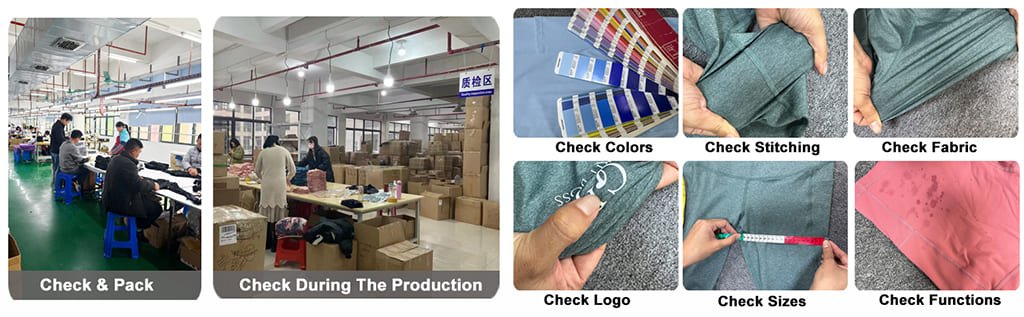
How Global Buyers Evaluate Maternity Support Leggings Manufacturers Before Making a Decision
Global buyers should evaluate maternity support leggings manufacturers based on product experience, technical development capability, quality management, customization flexibility, communication efficiency, and long-term supply reliability. The right supplier is not necessarily the cheapest option but the manufacturer that can consistently deliver products matching the brand’s quality expectations, target customers, and business growth plans.
Why Is Manufacturer Evaluation Important Before Placing an Order?
Selecting a maternity leggings supplier is a strategic business decision rather than a simple purchasing activity.
Many sourcing problems do not come from production itself. They often begin earlier during supplier selection, when buyers choose manufacturers based only on:
- Lowest quotation
- Attractive product photos
- Short communication
- General product capability claims
Maternity support leggings require more attention because the product directly affects customer comfort.
A buyer is not only purchasing a garment. They are purchasing a customer experience.
If the product fails in areas such as:
- Waist comfort
- Support level
- Fabric recovery
- Size consistency
- Stitch durability
the consequences may include:
- Customer complaints
- High return rates
- Negative reviews
- Loss of brand trust
For this reason, professional buyers usually create a structured evaluation process before selecting a long-term manufacturing partner.
Which Manufacturing Capabilities Matter Most When Comparing Suppliers?
1. Maternity Product Development Experience
The first factor buyers should evaluate is whether the supplier understands maternity-specific product requirements.
A manufacturer experienced in ordinary leggings production may understand:
- Stretch fabrics
- Basic sewing
- Standard sizing
However, maternity support leggings require additional knowledge, including:
- Pregnancy body changes
- Belly support construction
- Waistband engineering
- Comfort pressure distribution
- Extended size adaptation
Important questions buyers should ask:
- Has the supplier developed maternity-specific products before?
- Can they adjust patterns based on different body shapes?
- Do they understand the balance between support and comfort?
- Can they recommend suitable fabric solutions?
A manufacturer with relevant product experience can often identify potential problems earlier and reduce unnecessary development cycles.
2. Pattern Development and Technical Ability
Pattern development is one of the most important differences between basic apparel suppliers and experienced activewear manufacturers.
A successful maternity support legging requires more than increasing the waist size.
Professional development may involve:
- Front rise adjustment
- Belly panel design
- Hip and thigh balance
- Stretch direction analysis
- Size grading
- Movement testing
Poor pattern development can create common problems:
- Waistband rolling
- Excess pressure around the belly
- Uneven compression
- Poor body shape adaptation
For global brands, technical development ability is often more valuable than a low initial quotation because it directly affects the final customer experience.
3. Fabric Knowledge and Material Recommendation Ability
A reliable manufacturer should not only provide different fabric options but also explain why a specific fabric is suitable for the product requirements and final application.
Different maternity leggings products require different fabric solutions based on their design purpose, target customers, performance requirements, and market positioning.
For example:
| Product Positioning | Recommended Fabric Direction |
|---|---|
| Premium maternity activewear | Soft nylon spandex with excellent recovery |
| Affordable wholesale collection | Polyester blends with durability |
| Sustainable maternity brand | Recycled performance fabrics |
| Compression-focused products | Structured stretch fabrics |
Buyers should evaluate whether suppliers understand:
- Fabric composition
- Weight
- Stretch percentage
- Recovery performance
- Breathability
- Durability
A supplier that can recommend suitable materials helps brands avoid selecting fabrics only based on price.
What Certifications and Quality Standards Should Buyers Check?
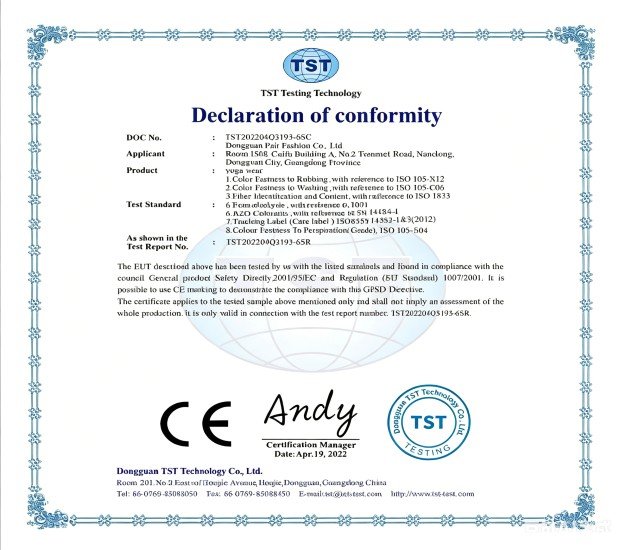
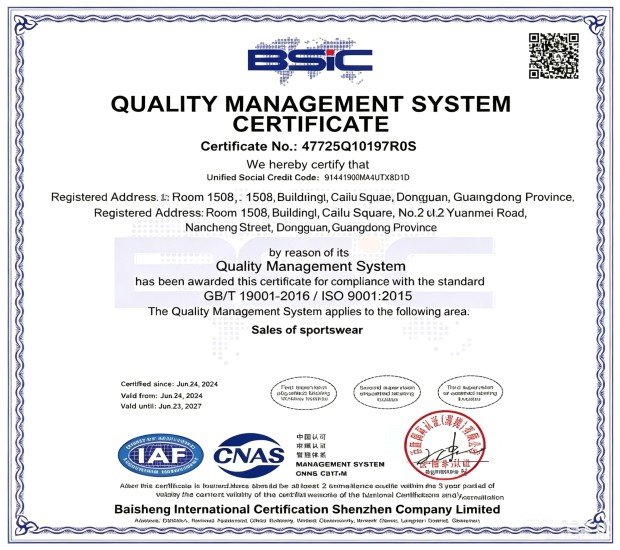
Certifications help buyers evaluate whether a manufacturer follows recognized quality, environmental, and production management standards. International buyers often review quality management systems such as ISO 9001 because they provide a framework for consistent production processes, quality control, and continuous improvement. Common certifications considered by international apparel buyers include ISO9001, BSCI, GRS, and product-specific testing reports, depending on the target market and product requirements.
Certifications do not automatically guarantee perfect products, but they provide important evidence of a supplier’s management systems and production practices.
Common standards include:
ISO9001 Quality Management System
ISO9001 focuses on:
- Production management
- Process control
- Continuous improvement
For apparel buyers, it indicates that the manufacturer has structured quality management procedures.
BSCI Social Compliance
BSCI is often considered by European buyers because many brands and retailers evaluate suppliers based on social compliance, ethical working conditions, and responsible manufacturing practices through programs such as amfori BSCI.
It focuses on:
- Working conditions
- Labor standards
- Social responsibility
Brands working with European retailers may need suppliers with stronger social compliance documentation.
GRS (Global Recycled Standard)
GRS certification is increasingly important for brands using recycled materials.
It supports:
- Recycled material traceability
- Environmental requirements
- Responsible production claims
Product Testing Reports
Depending on the market, buyers may request testing related to:
- Fabric performance
- Color fastness
- Chemical safety
- Durability
Professional suppliers should be able to provide relevant documentation when required.
How Can Buyers Build a Manufacturer Evaluation Scorecard?
Instead of making decisions based on personal impressions, buyers can use a supplier evaluation system.
Example:
| Evaluation Category | Suggested Weight | Key Questions |
|---|---|---|
| Maternity Product Experience | 25% | Does the supplier understand maternity-specific requirements? |
| Technical Development | 20% | Can they support pattern and sample improvement? |
| Quality Control | 20% | How do they maintain bulk consistency? |
| MOQ Flexibility | 15% | Can they support different business stages? |
| Communication | 10% | Are responses clear and efficient? |
| Compliance | 10% | Do they meet market requirements? |
This type of evaluation helps buyers compare suppliers more objectively.
A manufacturer with a slightly higher price but stronger capabilities may create better long-term value than a cheaper supplier with limited support.
How Should Buyers Evaluate Communication Quality?
Communication is often underestimated during supplier selection.
However, many manufacturing problems begin with unclear information exchange.
Important communication points include:
Response Quality
A good supplier should provide:
- Clear answers
- Detailed explanations
- Practical suggestions
Technical Understanding
The supplier should understand:
- Product specifications
- Fabric requirements
- Construction details
- Quality expectations
Problem-Solving Ability
Manufacturing always involves unexpected situations.
The difference between average and reliable suppliers is often how they handle problems.
Strong suppliers do not simply report issues. They provide solutions.
What Questions Should Buyers Ask Before Choosing a Manufacturer?
Before starting cooperation, buyers should prepare detailed supplier evaluation questions.
Examples:
Product Capability
- Do you have experience producing maternity support leggings?
- Can you develop custom waistband structures?
- Can you support different size ranges?
Production Capability
- What is your production capacity?
- How do you manage quality during bulk production?
- How do you control consistency between samples and final orders?
Business Cooperation
- What MOQ do you support?
- How do you handle product changes?
- How do you support repeat orders?
Quality Control
- What inspection process do you use?
- Can you provide testing reports?
- How do you handle quality issues?
Why the Right Manufacturer Is More Than a Production Supplier
The relationship between brands and manufacturers is gradually changing.
Many successful apparel companies no longer look for suppliers that only complete orders.
They look for manufacturing partners that can support:
- Product improvement
- Market expansion
- New collection development
- Supply chain stability
For maternity support leggings, this partnership approach is especially valuable because the product category requires continuous improvement based on customer feedback.
A reliable manufacturer helps brands reduce uncertainty and build products customers are willing to purchase repeatedly.
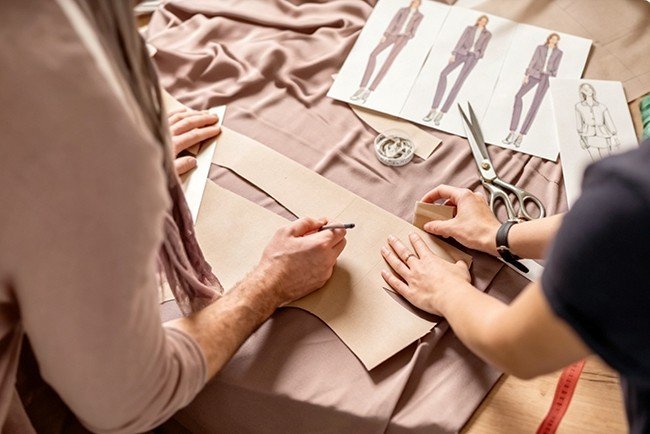
Why Brands Choose Pair Fashion
Many brands struggle with slow sampling, unstable quality, delayed delivery and unreliable suppliers.
- Slow sampling cycles
- Production inconsistency
- Poor communication
- Logistics complexity
- No after-sales support
- Can’t design products.
Which Supplier Type Is Best for Your Maternity Leggings Business Model?
The best supplier type for a maternity leggings business depends on the brand’s development stage, product goals, order volume, and customization requirements. Wholesale suppliers may work well for brands that need faster product access, while custom manufacturers are better suited for companies building unique maternity collections. Buyers should choose suppliers based on long-term business needs rather than only initial product cost.
Why Does Supplier Type Matter When Sourcing Maternity Support Leggings?
Not every maternity leggings buyer has the same sourcing requirements.
A startup brand launching its first collection may have completely different priorities compared with an established retailer managing thousands of units every month.
For example:
A new brand may care more about:
- Lower inventory risk
- Flexible order quantities
- Product testing ability
- Development support
A large retailer may focus more on:
- Production capacity
- Stable pricing
- Delivery consistency
- Compliance requirements
Many sourcing mistakes happen because buyers choose a supplier type that does not match their current business stage.
A manufacturer that is excellent for large wholesale orders may not be the best choice for a startup testing a new maternity product concept.
Similarly, a small flexible supplier may not be suitable for a retailer requiring high-volume seasonal production.
Understanding different supplier models helps buyers make more practical decisions.
Wholesale Supplier vs Custom Manufacturer: Which One Fits Your Goal?
Wholesale Supplier
Wholesale suppliers usually provide existing products that can be purchased with limited modification.
Typical characteristics:
- Ready-made designs
- Faster purchasing process
- Lower development requirements
- Simpler customization options
They are suitable for buyers who want to:
- Enter the maternity market quickly
- Test customer demand
- Purchase proven styles
- Reduce initial development investment
Advantages:
| Advantage | Explanation |
|---|---|
| Faster launch | Products may already exist |
| Lower development cost | Less sampling work required |
| Easier ordering | Fewer technical decisions needed |
However, wholesale sourcing also has limitations.
Possible challenges include:
- Less product uniqueness
- Limited control over materials
- Limited design differentiation
- More competition with similar products
For brands building a long-term identity, relying only on standard wholesale products may make it difficult to create a strong market position.
Custom Maternity Leggings Manufacturer
Custom manufacturers work with brands to develop products based on specific requirements.
This approach usually involves:
- Product concept discussion
- Material selection
- Pattern adjustment
- Sample development
- Production planning
Custom manufacturing is suitable for brands that want:
- Unique maternity leggings collections
- Differentiated products
- Brand-specific designs
- Long-term product development
Advantages:
| Advantage | Business Value |
|---|---|
| Product differentiation | Helps brands stand out |
| Custom fit | Better customer experience |
| Brand consistency | Builds stronger identity |
| Flexible design direction | Supports collection growth |
The trade-off is that custom development usually requires more:
- Planning
- Communication
- Sampling time
- Initial investment
For serious maternity activewear brands, this additional effort often creates stronger long-term value.
Stock Supplier vs Production Partner: What Is the Difference?
Another important decision is choosing between a stock-based supplier and a long-term manufacturing partner.
Stock-Based Supplier
Stock suppliers mainly focus on providing available products.
They are often suitable for:
- Short-term market testing
- Fast inventory needs
- Small retail experiments
Advantages:
- Faster availability
- Simple purchasing process
- Lower development requirements
Limitations:
- Less control over product details
- Limited customization
- Difficult to build exclusive collections
This model works well when speed is the priority.
Production Partner
A production partner works with brands over a longer period.
The relationship usually involves:
- Product improvement
- New collection development
- Continuous quality optimization
- Supply planning
Advantages:
- Better understanding of brand requirements
- More consistent future production
- Easier product expansion
- Stronger technical cooperation
For maternity activewear, a production partner can be especially valuable because customer expectations continue to evolve.
Brands may need to improve:
- Waist support
- Fabric comfort
- Size range
- Seasonal collections
A supplier familiar with the brand’s products can provide more effective recommendations over time.
Which Supplier Type Is Best for Different Buyer Profiles?
1. Startup Maternity Activewear Brands
Recommended supplier type:
Flexible custom manufacturer or low MOQ supplier
Why:
Startups usually need to reduce risk while building their first collection.
Important supplier capabilities:
- Lower initial order quantity
- Sample flexibility
- Product guidance
- Custom branding options
The biggest mistake for startups is ordering large quantities before understanding customer demand.
A smaller initial production strategy allows brands to test:
- Customer preferences
- Size distribution
- Product reviews
- Market positioning
2. Growing DTC and Online Brands
Recommended supplier type:
Custom manufacturer with scalable production capability
Growing brands usually need:
- Better product consistency
- Faster repeat orders
- New product development
- Stable quality
At this stage, the supplier relationship becomes increasingly important because production problems can affect marketing plans and customer satisfaction.
3. Wholesale Buyers and Retailers
Recommended supplier type:
Experienced manufacturer with strong production management
Important factors:
- Production capacity
- Quality systems
- Delivery reliability
- Cost control
Large buyers usually focus less on experimental development and more on operational stability.
4. Premium Maternity Lifestyle Brands
Recommended supplier type:
Technical activewear manufacturer
Premium brands often compete through:
- Fabric quality
- Comfort experience
- Functional design
- Brand storytelling
They need suppliers that understand the relationship between product details and customer perception.
How Should Buyers Choose Between Different Supplier Models?
A practical decision process can include the following questions:
Question 1:
Do you need a unique product or a faster launch?
If speed matters most:
→ Wholesale supplier may be suitable.
If differentiation matters most:
→ Custom manufacturer may be better.
Question 2:
Are you testing the market or scaling an existing business?
Testing market demand:
→ Flexible supplier with lower risk.
Scaling:
→ Manufacturer with stable production capability.
Question 3:
How important is product control?
If your brand depends on:
- Exclusive designs
- Specific fabrics
- Unique fit
then a custom manufacturing approach usually provides more advantages.
Supplier Selection Based on Business Stage
| Buyer Type | Recommended Supplier Model | Main Priority |
|---|---|---|
| Startup Brand | Flexible Custom Manufacturer | Low risk and development support |
| New Online Brand | Private Label Supplier | Fast market entry |
| Growing Brand | Scalable Manufacturing Partner | Consistent quality |
| Wholesale Distributor | Production-Focused Manufacturer | Capacity and pricing |
| Premium Brand | Technical Apparel Manufacturer | Product performance |
Why Long-Term Supplier Relationships Matter in Maternity Apparel
Maternity activewear is not a one-time product category.
Successful brands often continue improving products based on:
- Customer feedback
- Market trends
- New fabric technology
- Changing consumer expectations
A supplier who understands previous product decisions can help brands develop future collections more efficiently.
Long-term cooperation can improve:
- Communication speed
- Product consistency
- Development efficiency
- Production planning
The best supplier is not simply the one that produces a product today.
It is the one that can support the brand’s future growth.
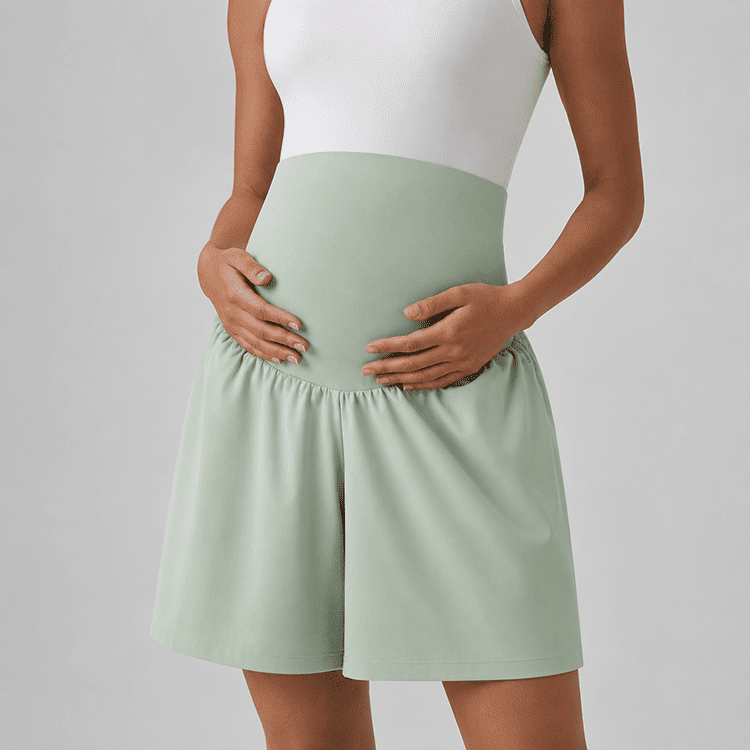
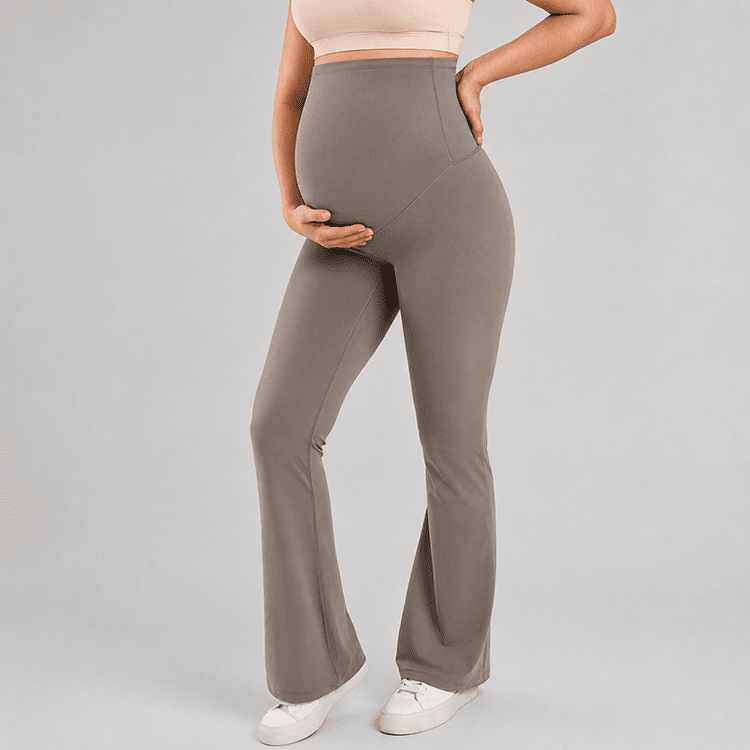
Why Sample Evaluation Matters Before Maternity Leggings Bulk Production
Sample evaluation is one of the most important steps before maternity support leggings bulk production because it allows buyers to verify product fit, comfort, fabric performance, construction quality, and supplier execution ability before making a larger investment. Brands looking for a complete manufacturing process can explore our maternity support leggings OEM and ODM development capabilities. A professional sample review helps brands identify potential problems early and reduce the risk of quality issues, customer complaints, and costly production adjustments.
Why Are Samples So Important Before Placing a Bulk Order?
Many apparel buyers understand the importance of samples, but some still treat sampling as a simple formality before production.
For maternity support leggings, this approach creates unnecessary risk.
A sample is not only a physical product for approval. It is a testing opportunity that allows brands and manufacturers to confirm whether the product concept can successfully move from an idea into a commercially viable garment.
Before bulk production begins, buyers need to confirm:
- Does the waistband provide enough support?
- Is the fabric comfortable for long-term wear?
- Does the product maintain shape after stretching?
- Does the sizing match the target customer?
- Are the seams durable enough for daily use?
- Does the final product represent the brand’s positioning?
Maternity customers have higher expectations because comfort becomes one of the most important purchase decisions.
A pair of leggings that looks attractive but feels uncomfortable during pregnancy may quickly result in negative customer feedback.
This is why experienced brands spend time evaluating samples carefully before approving large production quantities.
How Does the Maternity Support Leggings Sample Process Work?
The maternity leggings sample process usually includes requirement confirmation, fabric selection, pattern development, prototype production, fitting evaluation, adjustment, and final approval before bulk manufacturing. Each stage helps ensure that the final product meets design expectations, quality requirements, and customer comfort standards.
A professional sample development process normally follows several stages:
Stage 1: Product Requirement Review
Before making a sample, buyers and manufacturers should confirm important product details.
These may include:
- Target customer group
- Product positioning
- Size range
- Fabric preference
- Support level
- Design features
- Packaging requirements
For maternity support leggings, buyers should clearly define whether the product is intended for:
- Everyday maternity wear
- Pregnancy fitness activities
- Postpartum transition
- Premium comfort collections
Different applications may require different construction decisions.
For example:
A maternity legging designed for yoga may prioritize flexibility and softness.
A support-focused maternity legging may require stronger waistband stability and shaping performance.
Stage 2: Fabric Selection and Testing
Fabric selection should happen before final sample approval.
Important fabric evaluation factors include:
Stretch Recovery
The fabric should return to its original shape after repeated stretching.
Poor recovery may cause:
- Loose fit
- Baggy appearance
- Reduced product lifespan
Comfort Level
Because maternity leggings are often worn for many hours, buyers should evaluate:
- Softness
- Breathability
- Skin comfort
Coverage Performance
The fabric should provide sufficient coverage during movement.
Important factors include:
- Opacity
- Thickness
- Stretch behavior
A fabric that performs well during initial inspection may still require testing under real wearing conditions.
Stage 3: Pattern Development and Fitting Review
Pattern development is one of the most critical stages for maternity leggings.
Unlike standard leggings, maternity products need to adapt to changing body shapes.
Buyers should review:
- Waistband height
- Belly coverage
- Hip fit
- Thigh comfort
- Leg length
- Overall balance
Common sample problems include:
| Problem | Possible Cause |
|---|---|
| Waistband rolling | Incorrect structure or insufficient support |
| Excess pressure | Pattern not adjusted properly |
| Loose belly area | Poor shaping design |
| Uneven compression | Incorrect fabric or pattern balance |
| Size inconsistency | Weak grading process |
A professional sample review should focus not only on appearance but also on wearing experience.
What Product Details Should Buyers Check During Sample Review
During maternity support leggings sample evaluation, buyers should check waistband comfort, fabric performance, stitching quality, sizing accuracy, stretch recovery, and overall wearing experience. The goal is to confirm that the product can maintain comfort, support, and durability during real customer use.
1. Waistband Comfort and Support
The waistband is usually the most important feature of maternity leggings.
Buyers should evaluate:
- Does it stay in place during movement?
- Does it provide comfortable support?
- Does it create pressure?
- Does it adapt to different body shapes?
A good maternity waistband should balance:
Support + Comfort + Flexibility
Too much compression may reduce comfort, while insufficient support may reduce product value.
2. Fabric Performance
Sample evaluation should include:
Stretch Testing
Check whether the fabric:
- Stretches smoothly
- Recovers properly
- Maintains shape
Hand Feel
The fabric should match the brand’s positioning.
Premium products usually require:
- Softer touch
- Better recovery
- More comfortable skin contact
Durability
Buyers should check:
- Fabric surface condition
- Pilling resistance
- Seam strength
3. Sewing Quality and Construction Details
Small construction details often determine long-term product performance.
Important inspection points include:
- Seam strength
- Stitch density
- Thread quality
- Waistband attachment
- Gusset construction
- Edge finishing
A sample may look acceptable from a distance but still have problems that appear after repeated wear.
4. Size Accuracy and Grading
Size consistency is especially important for maternity products because customers purchase based on comfort expectations.
Buyers should compare:
- Measurement chart
- Actual sample measurements
- Fit test results
Important measurement points include:
- Waist
- Hip
- Inseam
- Rise
- Thigh width
Incorrect grading can create problems across different sizes.
For inclusive maternity brands, size range development should receive additional attention.
How Many Samples Should Brands Test Before Bulk Production?
There is no universal number because it depends on product complexity, but many brands evaluate multiple stages before confirming final production.
A typical process may include:
Prototype Sample
Purpose:
- Confirm initial design concept
- Check construction feasibility
Fit Sample
Purpose:
- Test sizing
- Adjust pattern
- Improve comfort
Pre-Production Sample
Purpose:
- Confirm final production standard
The final approved sample becomes the reference point for bulk manufacturing.
What Happens If Brands Skip Proper Sample Evaluation?
Skipping detailed sample evaluation may create expensive problems later.
Possible consequences include:
Higher Production Risk
Problems may only become visible after thousands of pieces are produced.
Increased Modification Costs
Fixing issues after production starts is usually more expensive than correcting samples.
Customer Satisfaction Problems
Poor fit or uncomfortable construction can affect:
- Reviews
- Repeat purchases
- Brand reputation
For maternity products, preventing problems before production is much more valuable than solving them after customers receive the product.
How Can Buyers Improve the Sample Approval Process?
Professional buyers can make sample evaluation more efficient by preparing clear requirements.
Useful preparation includes:
Provide Detailed Product Information
Include:
- Reference images
- Measurement requirements
- Fabric expectations
- Quality standards
Test Samples Under Real Conditions
Instead of only checking appearance, evaluate:
- Comfort during movement
- Long-term wearing experience
- Washing performance
Record Feedback Clearly
Sample comments should be specific.
Instead of:
“Make it better”
Provide:
- Increase waistband support
- Reduce pressure around abdomen
- Adjust hip measurement
- Improve fabric softness
Clear communication helps manufacturers make accurate improvements.
Why Sample Quality Reflects Manufacturing Capability
A sample is also an evaluation of the supplier itself.
It shows:
- Technical understanding
- Communication ability
- Development efficiency
- Attention to detail
A manufacturer that handles sample development professionally is usually better prepared for long-term production cooperation.
For maternity support leggings, where product comfort and customer trust are closely connected, careful sample evaluation is one of the most important steps in building a successful collection.
Final Buyer Checklist: Questions to Ask Before Selecting a Maternity Support Leggings Manufacturer
Lorem ipsum dolor sit amet, consectetur adipiscing elit. Ut elit tellus, luctus nec ullamcorper mattis, pulvinar dapibus leo.
Before selecting a maternity support leggings manufacturer, global buyers should evaluate product experience, manufacturing capability, quality management, customization flexibility, communication efficiency, and long-term cooperation potential. Asking the right questions before placing an order helps brands avoid production risks, control costs, and choose suppliers that can support consistent product quality and future business growth.
Why Should Buyers Use a Manufacturer Selection Checklist?
Choosing a maternity leggings manufacturer is not only about finding a supplier who can produce garments. It is about identifying a partner that can consistently support product quality, delivery reliability, and brand development.
Many sourcing problems happen because buyers focus on the wrong factors at the beginning.
Common mistakes include:
- Selecting suppliers only based on the lowest quotation
- Choosing manufacturers without maternity product experience
- Ignoring sample quality evaluation
- Not confirming production processes clearly
- Failing to discuss quality expectations before bulk production
A structured checklist allows buyers to compare suppliers more objectively.
Instead of asking:
“Which factory is cheapest?”
Professional buyers usually ask:
“Which supplier can provide the best balance between cost, quality, flexibility, and reliability?”
For maternity support leggings, this question becomes even more important because the product combines:
- Fashion requirements
- Functional performance
- Comfort expectations
- Body-fit engineering
A suitable manufacturer should understand both apparel production and customer needs.
10 Questions Every Buyer Should Ask Before Selecting a Maternity Support Leggings Manufacturer
1. Do You Have Experience Producing Maternity Support Leggings?
This is one of the first questions buyers should ask.
Experience with standard leggings does not always mean experience with maternity products.
Buyers should understand whether the manufacturer has knowledge of:
- Pregnancy-specific fit requirements
- Support waistband construction
- Stretch recovery expectations
- Maternity size grading
A supplier familiar with maternity products can usually identify potential issues earlier during development.
2. What Types of Activewear Products Do You Mainly Manufacture?
Understanding a supplier’s main product categories helps buyers evaluate whether their capabilities match the project.
Relevant experience may include:
- Maternity activewear
- Yoga leggings
- Sports bras
- Compression wear
- Functional apparel
Manufacturers focused on activewear often have stronger knowledge of:
- Performance fabrics
- Stretch construction
- Comfort testing
- Sportswear sewing techniques
3. What MOQ Requirements Do You Support?
MOQ (Minimum Order Quantity) directly affects business risk.
Buyers should understand:
- Minimum order quantity per style
- Minimum quantity per color
- Minimum quantity per fabric
- Possibility of trial production
Different brands have different needs.
A startup may need flexible quantities for market testing, while an established retailer may prioritize production efficiency.
The right MOQ depends on:
- Brand stage
- Inventory strategy
- Sales forecast
- Product complexity
4. How Does Your Sample Development Process Work?
Sample development shows how a manufacturer handles product improvement before bulk production.
Buyers should ask:
- How long does sample development usually take?
- How many adjustment rounds are available?
- How are fitting comments handled?
- How is the final production standard confirmed?
A professional supplier should have a clear process for:
- Reviewing requirements
- Developing samples
- Collecting feedback
- Improving the product
5. What Fabrics Can You Recommend for Maternity Leggings?
Fabric selection strongly affects customer experience.
Buyers should evaluate whether suppliers can recommend fabrics based on:
- Target price level
- Market positioning
- Climate
- Performance requirements
Important fabric characteristics include:
- Stretch ability
- Recovery
- Breathability
- Softness
- Durability
- Opacity
A reliable manufacturer should explain why a certain fabric fits the product rather than simply offering the cheapest option.
6. How Do You Control Quality During Bulk Production?
Quality consistency is one of the most important concerns for international buyers.
Buyers should understand:
- When inspections happen
- What defects are checked
- How measurements are controlled
- How production problems are handled
A professional quality system may include:
| Quality Stage | Purpose |
|---|---|
| Fabric Inspection | Confirm material quality |
| Cutting Inspection | Ensure pattern accuracy |
| Sewing Inspection | Check construction quality |
| Finished Product Inspection | Verify final standards |

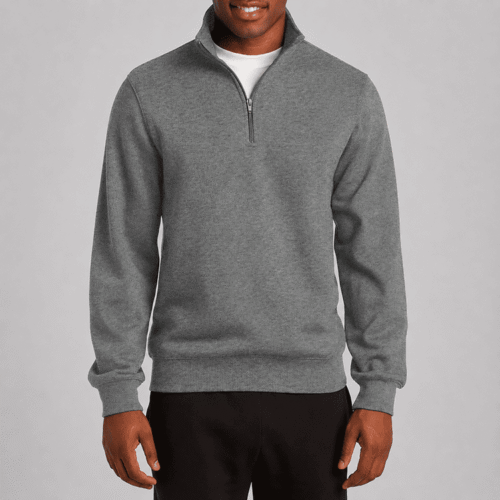
Custom Men’s Quarter Zip Sweatshirt Mock Neck Pullover OEM ODM
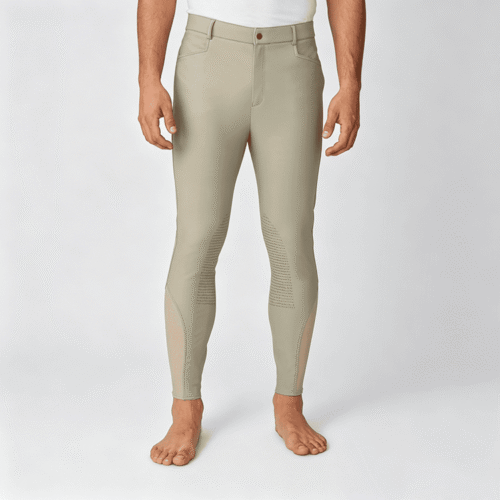
Custom Men’s Riding Breeches Knee Grip Equestrian Pants OEM ODM
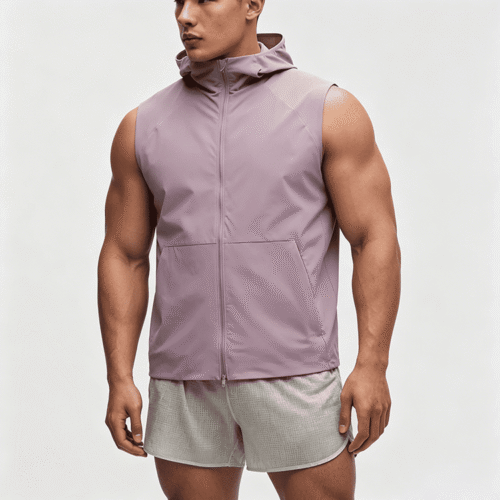
Custom Men’s Sleeveless Zip Up Hoodie Gym Training Vest OEM ODM
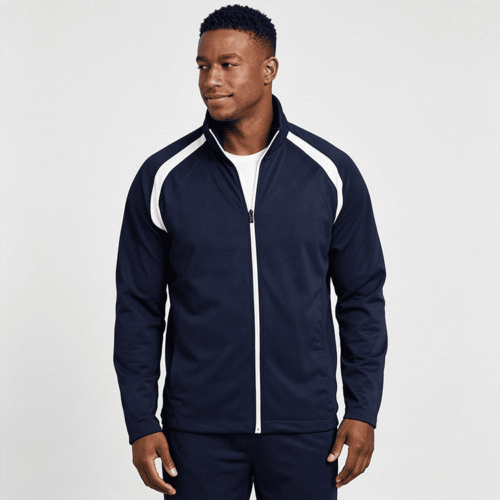
Custom Men’s Track Jacket Full Zip Athletic Sweatshirt OEM ODM
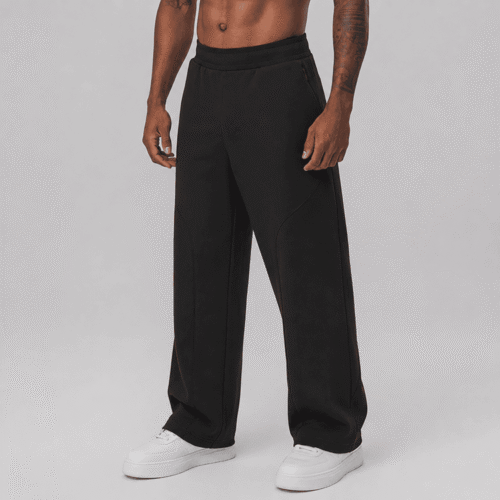
Custom Men’s Wide Leg Sweatpants OEM ODM Relaxed Fit Lounge Pants
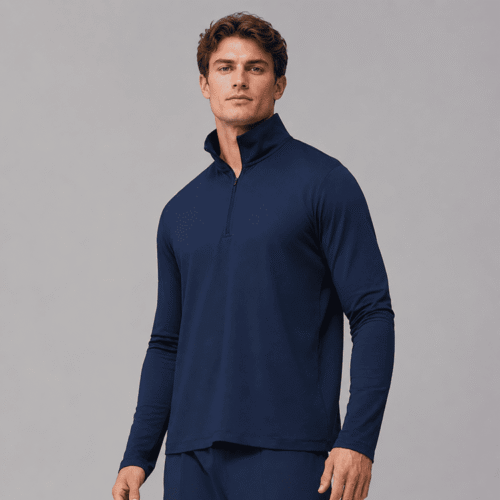
Custom Men’s Workout Training Top Quarter Zip Long Sleeve Shirt OEM ODM
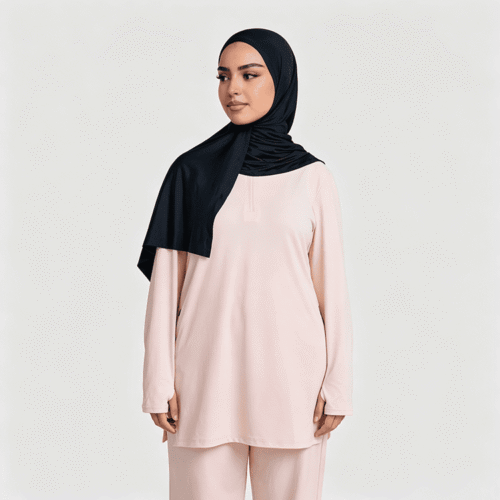
Custom Modest Activewear Set OEM ODM Muslim Sportswear Outfit
Custom Modest Activewear T-Shirt OEM ODM Muslim Sportswear Top
Good quality control starts before the final inspection.
7. Can You Support Custom Designs and Private Label Requirements?
Many maternity activewear brands need products that are different from competitors.
Customization may include:
- Custom patterns
- Special waistband structures
- Brand labels
- Custom colors
- Packaging solutions
- Size range adjustments
Buyers should confirm whether the supplier can support their level of customization before starting development.
8. What Certifications and Compliance Documents Are Available?
Certification requirements depend on the target market.
Buyers may need to review:
- Quality management certifications
- Social compliance documents
- Sustainability certifications
- Product testing reports
Commonly requested standards include:
- ISO9001
- BSCI
- GRS
- OEKO-TEX related testing
Compliance requirements are especially important for brands selling through:
- Retail channels
- International marketplaces
- European markets
9. How Long Does Production Usually Take?
Lead time affects inventory planning and product launch schedules.
Buyers should understand:
- Sample timeline
- Material preparation time
- Bulk production time
- Shipping preparation
Production timing can vary depending on:
- Order quantity
- Product complexity
- Fabric availability
- Custom requirements
Clear production planning helps brands avoid unexpected delays.
10. How Do You Support Long-Term Brand Growth?
The best manufacturing relationships are usually built through long-term cooperation.
Buyers should evaluate whether suppliers can support future needs such as:
- New product categories
- Seasonal collections
- Product improvements
- Increased production volume
A long-term partner should understand the brand’s:
- Product positioning
- Quality expectations
- Customer feedback
- Growth goals
Manufacturer Selection Checklist for Global Buyers
| Evaluation Category | What Buyers Should Review |
|---|---|
| Product Experience | Maternity and activewear manufacturing background |
| Technical Ability | Pattern development and product improvement capability |
| Fabric Knowledge | Ability to recommend suitable materials |
| Quality Control | Inspection process and production consistency |
| MOQ Flexibility | Support for different business stages |
| Communication | Clear and efficient cooperation |
| Customization | Ability to support private label requirements |
| Compliance | Certifications and documentation |
| Production Capacity | Ability to handle future growth |
| Partnership Approach | Long-term cooperation mindset |
What Makes a Long-Term Manufacturing Partner Different?
A simple supplier completes orders.
A long-term manufacturing partner helps brands improve products and build a more stable supply chain.
The difference usually appears in several areas:
Better Product Understanding
Experienced partners understand:
- Why customers choose the product
- Which features matter most
- Which details affect satisfaction
This allows them to provide more practical recommendations.
More Efficient Communication
Long-term cooperation creates better understanding between both sides.
Over time, manufacturers become familiar with:
- Brand standards
- Preferred materials
- Quality expectations
- Product style direction
This reduces unnecessary communication and improves development efficiency.
More Stable Product Consistency
Consistency becomes increasingly important as brands grow.
Customers expect the same:
- Fit
- Quality
- Appearance
- Performance
when purchasing products repeatedly.
A reliable manufacturing partner helps maintain these standards across future collections.
How Can Buyers Reduce Supplier Selection Risks?
A careful supplier evaluation process can reduce many common sourcing problems.
Recommended steps:
Step 1: Compare Multiple Suppliers
Do not rely on one quotation.
Compare:
- Product understanding
- Manufacturing capability
- Communication quality
- Pricing structure
Step 2: Review Samples Carefully
Evaluate:
- Fit
- Fabric performance
- Construction quality
- Comfort
Step 3: Confirm Production Standards
Before bulk orders, confirm:
- Approved sample
- Measurement standards
- Quality requirements
- Packaging details
Step 4: Build Clear Communication
Good cooperation requires:
- Clear specifications
- Fast feedback
- Written confirmation of important details
Why Choosing the Right Manufacturer Creates Long-Term Value
The maternity activewear market continues to evolve as customers expect more than basic clothing.
Modern buyers look for products that provide:
- Comfort
- Support
- Style
- Functionality
- Reliable quality
A manufacturer that understands these expectations can help brands create stronger products and avoid costly mistakes.
The right supplier decision is not simply about finding someone who can produce maternity leggings.
It is about finding a manufacturing partner that can support product quality, customer satisfaction, and sustainable brand growth.
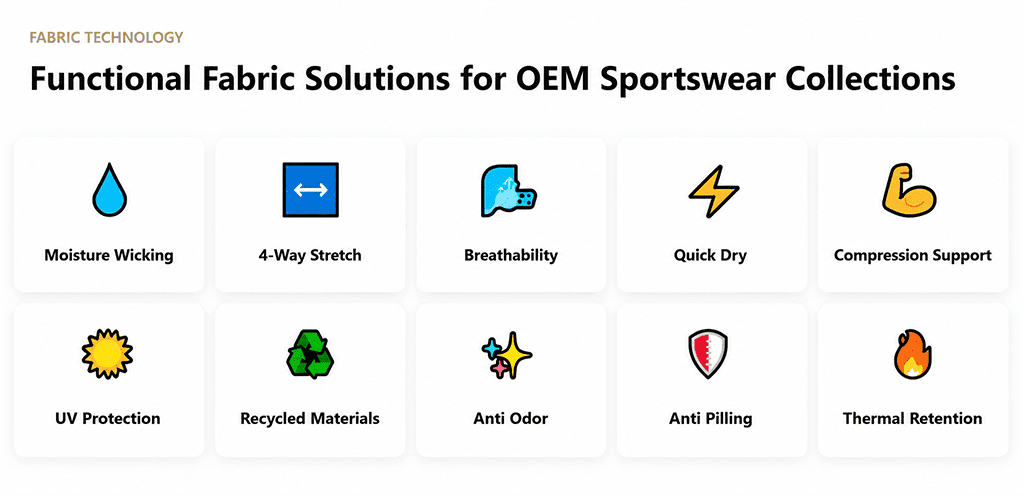
Frequently Asked Questions About Maternity Support Leggings Manufacturing Cost
1. How Much Does It Cost to Manufacture Maternity Support Leggings?
The cost of manufacturing maternity support leggings depends on fabric selection, product construction, order quantity, customization requirements, and supplier capabilities. Unlike standard leggings, maternity styles require additional development for pregnancy-specific support, waistband construction, and comfort testing. Buyers should evaluate the complete cost structure, including materials, sampling, production, quality control, and potential hidden costs, instead of comparing only the lowest factory quotation.
2. Why Are Maternity Support Leggings More Expensive Than Regular Leggings?
Maternity support leggings are usually more expensive than regular leggings because they require additional product engineering, specialized fit development, and pregnancy-focused functional features. Manufacturers need to consider changing body shapes, supportive waistband structures, stretch recovery, and long-term comfort during wear. These additional development steps increase production complexity and help create products that provide better support, durability, and customer satisfaction.
3. What Factors Affect Maternity Support Leggings Manufacturing Cost?
The main factors affecting maternity support leggings manufacturing cost include fabric type, waistband design, customization level, order quantity, pattern development, and quality requirements. Premium fabrics, customized sizing, special support structures, and private label requirements usually increase production costs. Buyers should understand how each factor influences pricing so they can balance product quality, market positioning, and overall manufacturing investment.
4. What MOQ Is Required for Custom Maternity Support Leggings?
The MOQ for custom maternity support leggings depends on the manufacturer, product complexity, fabric requirements, and customization level. Some suppliers support smaller trial orders for startups, while larger manufacturers may require higher quantities for production efficiency. Buyers should choose MOQ based on their business stage, inventory strategy, and sales expectations rather than focusing only on achieving the lowest possible unit price.
5. Are Chinese Maternity Support Leggings Manufacturers Reliable?
Chinese maternity support leggings manufacturers can be reliable partners when buyers evaluate supplier experience, production capability, quality systems, and communication standards carefully. China has a mature activewear supply chain with strong fabric resources, skilled garment production teams, and experience serving international brands. However, buyers should compare suppliers through samples, certifications, manufacturing experience, and quality management processes before making a final decision.
6. How Long Does It Take to Produce Custom Maternity Support Leggings?
The production timeline for custom maternity support leggings usually depends on product complexity, sample approval speed, material preparation, and order quantity. The process typically includes design confirmation, fabric selection, sample development, fitting adjustments, final approval, and bulk production. Buyers should discuss lead times with manufacturers early to ensure production schedules match marketing plans and inventory requirements.
7. What Should Buyers Check Before Choosing a Maternity Support Leggings Manufacturer?
Before choosing a maternity support leggings manufacturer, buyers should evaluate product experience, technical development ability, fabric knowledge, quality control systems, customization flexibility, and communication efficiency. A reliable supplier should understand maternity-specific requirements such as waistband support, body-fit adjustments, and comfort performance. The best manufacturer is not always the cheapest option but the one that provides consistent quality and long-term value.
8. What Is the Difference Between Private Label and Custom Maternity Support Leggings Manufacturing?
Private label and custom maternity support leggings manufacturing differ mainly in the level of product development and brand control. Private label programs usually involve existing designs with customized branding elements, while custom manufacturing allows brands to create unique patterns, fabrics, specifications, and construction details. Private label helps brands launch faster, whereas custom development provides stronger differentiation and product ownership.