OEM/ODM Sportswear Manufacturer | 3-Day Sampling | Low MOQ | 50K Monthly Capacity | ISO9001 & BSCI Certified

Activewear Manufacturer for Growing Sportswear Brands
Looking for a reliable activewear manufacturer? We help sportswear brands develop, sample, and manufacture custom activewear with low MOQs, premium performance fabrics, strict quality control, and scalable production from startup to global growth.
50K+
Monthly Capacity
3 Days
Fast Sampling
6,000+
Custom Styles
10+
Years Experience
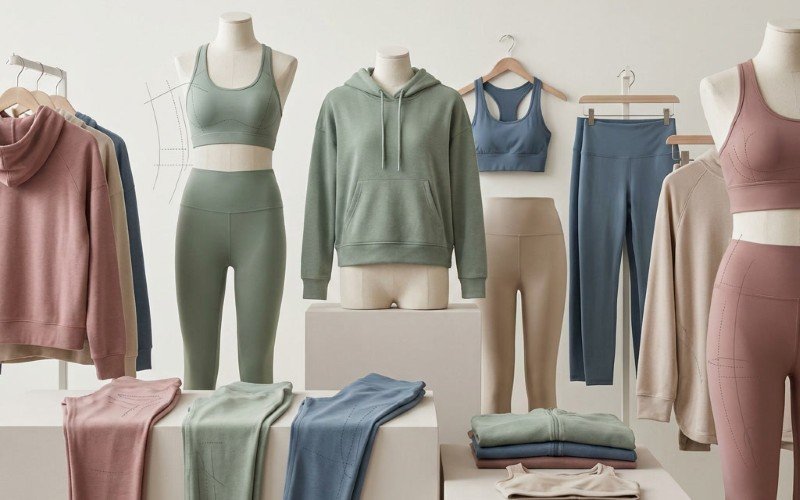
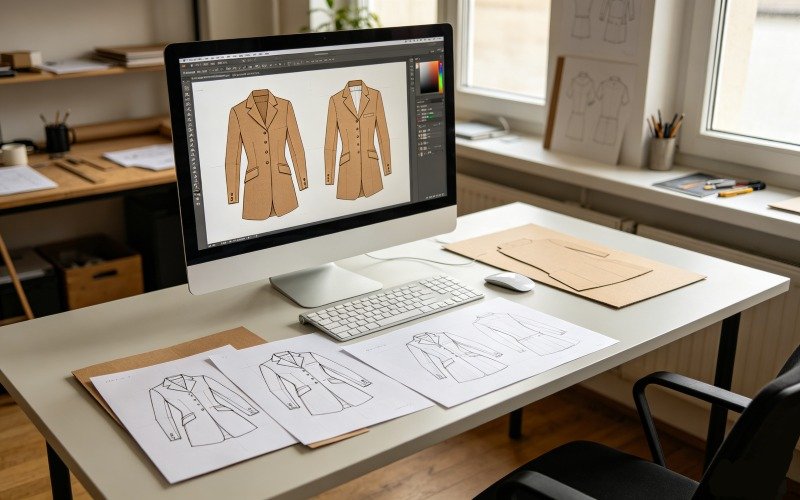
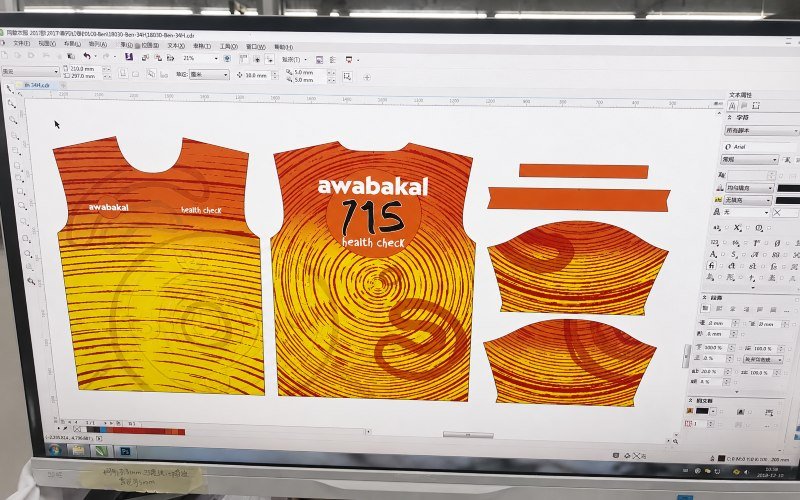
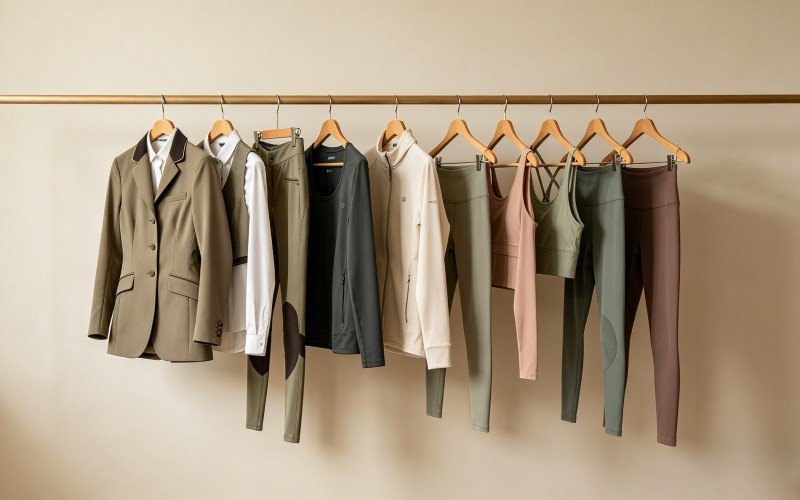
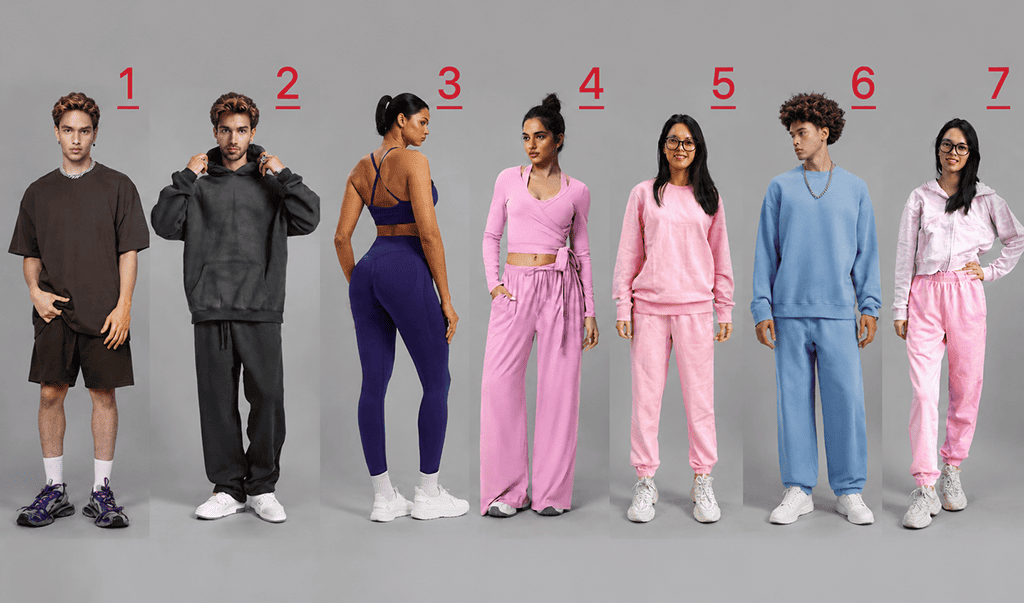
Activewear Manufacturer: Full Range Of Custom Activewear We Manufacture
Today’s activewear consumers expect more than a single hero product. Successful brands build complete collections that support training, yoga, running, recovery, travel, and everyday movement. A manufacturing partner with broad product capabilities creates greater flexibility for future expansion while maintaining consistency across the entire product line.
As a custom activewear manufacturer, production capabilities should extend beyond basic leggings and sports bras. Developing cohesive collections requires expertise in garment construction, fabric selection, fit development, and performance-focused design across multiple product categories.
The most successful activewear collections typically include:
Product Category | Common Applications |
Sports Bras | Yoga, gym training, fitness |
Yoga Leggings | Yoga, Pilates, lifestyle wear |
Active Shorts | Running, gym workouts, training |
Tank Tops & Tees | Indoor and outdoor activities |
Running Apparel | Performance training and endurance sports |
Active Bodysuits | Studio wear and fashion-active collections |
Matching Sets | Coordinated brand collections |
Sports Windbreakers | Outdoor training and travel wear |
Brands developing premium yoga collections may also find our Custom Yoga Pants Manufacturing Guide helpful when comparing fabric performance, fit engineering, and production options. These categories include plus size activewear, maternity activewear, and modest activewear, each designed to meet the needs of specific consumer groups while maintaining comfort, mobility, and performance.
Working with a manufacturer capable of supporting multiple product categories allows brands to scale collections more efficiently, shorten development timelines, and maintain a consistent brand identity across every season and product launch.
What Defines a Reliable Activewear Manufacturer?
Successful activewear brands are built on far more than attractive designs. Long-term growth depends on manufacturing consistency, product innovation, supply chain stability, and reliable production execution. Behind every consistent product launch, best-selling collection, and repeat customer is a manufacturing partner capable of delivering quality, speed, and reliability at scale.
A professional activewear manufacturer does far more than assemble garments. Strong manufacturing partners contribute to product development, fabric sourcing, pattern engineering, sampling, production planning, quality control, and supply chain coordination. As competition within the sportswear industry continues to grow, brands increasingly depend on suppliers that can support long-term business growth rather than simply fulfill purchase orders.
While pricing remains an important consideration, it is rarely the factor that determines long-term success. Delayed sampling, inconsistent sizing, fabric variations, missed delivery dates, and poor communication often create greater costs than a small difference in unit price.
The most reliable activewear factories combine development expertise with operational consistency, allowing brands to launch new products faster while maintaining quality standards across every production run.
Manufacturing Capability | Business Impact |
Product Development | Accelerates new product launches |
Performance Fabric Resources | Enhances product differentiation |
Flexible MOQ | Reduces inventory risk |
Fast Sampling | Speeds up market validation |
Ensures production consistency | |
Scalable Production Capacity | Supports business growth |
Global Logistics Support | Simplifies international sourcing |
For growing brands, the right manufacturing partner becomes an extension of the business—providing the stability, flexibility, and production expertise required to compete in a rapidly evolving activewear market.
How an Activewear Concept Becomes a Market-Ready Collection
Not every brand starts with a complete product development team. Many activewear startups, independent designers, e-commerce brands, and private label businesses begin with nothing more than inspiration photos, competitor samples, rough sketches, or a product idea.
A professional development process bridges the gap between concept and production. Successful activewear collections are rarely created by moving directly into manufacturing. They are built through a structured process that refines fit, functionality, fabric performance, and construction details before bulk production begins.
Whether the starting point is a photo, a reference garment, a hand sketch, or a detailed tech pack, product development transforms ideas into production-ready styles that can be manufactured consistently at scale.
A typical activewear development process includes:
Development Stage | Purpose |
Project Consultation | Define product goals, target market, and performance requirements |
Fabric Selection | Match materials to functionality, comfort, and budget objectives |
Pattern Development | Create garment structure, measurements, and fit specifications |
Sample Production | Produce the first physical prototype |
Fit Review & Revision | Refine sizing, construction, and performance details |
Pre-Production Approval | Establish the standard for bulk manufacturing |
Bulk Production | Launch full-scale manufacturing with approved specifications |
The strongest activewear products are developed through testing, evaluation, and refinement. Fabric stretch, compression levels, recovery performance, seam placement, and overall comfort all influence how a garment performs in real-world use.
Brands that invest in a structured development process often reduce production risks, improve customer satisfaction, and achieve greater consistency across future collections. The result is a product that is not only visually appealing but also engineered to perform as intended in the hands of end consumers.
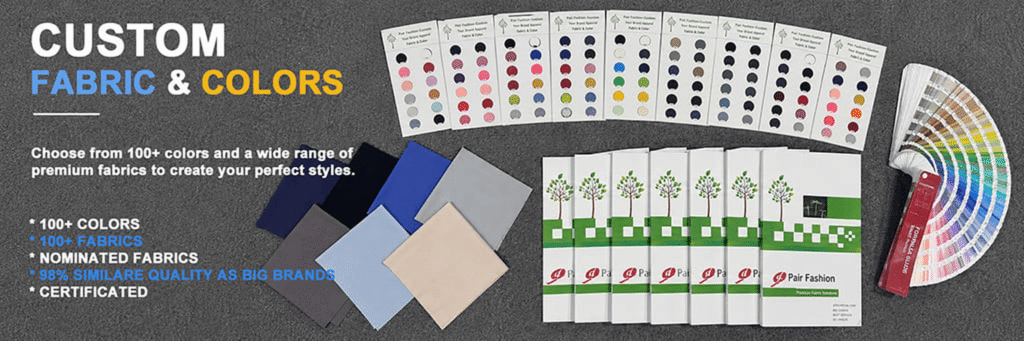
Fabric Options That Shape Performance and Brand Positioning
Fabric is one of the most important factors influencing activewear performance, comfort, durability, consumer perception, and long-term product success. It influences comfort, fit, durability, performance, and how consumers perceive a brand. Even when two garments share the same pattern and construction, fabric selection can create completely different wearing experiences.
Modern activewear is built around performance-driven materials engineered to support movement, moisture management, recovery, and long-term durability. Selecting the right fabric is not simply a sourcing decision—it is a product positioning decision.
The most commonly used activewear fabrics include:
Fabric Type | Key Characteristics | Typical Applications |
Nylon Spandex | Soft hand feel, high stretch, premium comfort | Yoga leggings, sports bras, studio collections |
Polyester Spandex | Durable, quick-drying, cost-efficient | Running apparel, training wear, team sports |
Compression Fabrics | Strong support, muscle stabilization, shape retention | High-intensity training apparel |
Recycled Performance Fabrics | Sustainable materials with technical performance | Eco-conscious activewear collections |
Cooling Fabrics | Enhanced breathability and heat management | Summer training and outdoor activities |
The ideal fabric depends on the intended use of the garment. Yoga collections often prioritize softness, flexibility, and next-to-skin comfort. Training and performance products typically require greater compression, abrasion resistance, and recovery properties. Running apparel frequently emphasizes moisture management and lightweight construction to support long-duration activity.
Many recycled fabrics are certified under the Global Recycled Standard (GRS) to verify recycled material content and responsible production practices.
Beyond performance, sustainability has become an increasingly important factor in product development. Many activewear brands now incorporate recycled materials into their collections to align with evolving consumer expectations and environmental initiatives. Modern recycled performance fabrics can deliver the same stretch, durability, and comfort as conventional materials while supporting broader sustainability goals.
The most successful activewear collections balance performance, comfort, durability, aesthetics, and cost—creating products that meet both consumer expectations and brand objectives.
Looking for dedicated sports bra development? Explore our OEM Sports Bra Manufacturing solutions for high-support and seamless collections.
Activewear Manufacturing Capabilities Beyond Basic Sewing
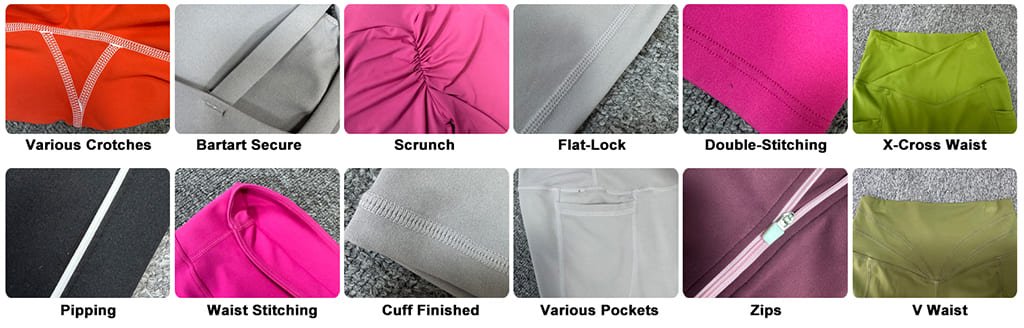
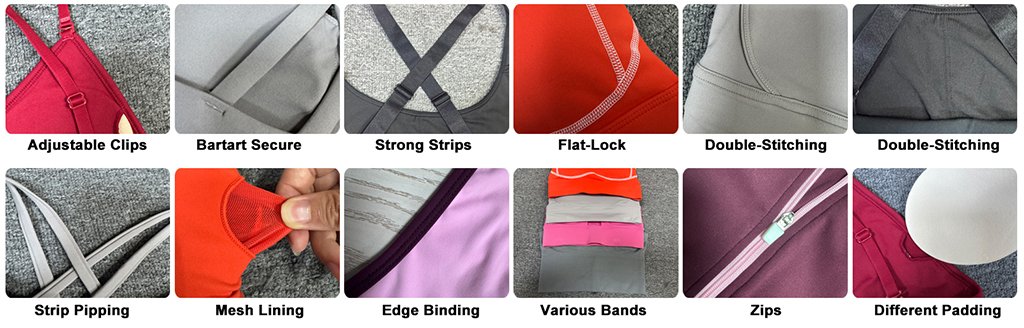
Exceptional activewear performance is achieved through more than fabric selection alone. Garment construction, seam engineering, printing techniques, and manufacturing precision all contribute to how a product performs during movement, training, and repeated wear.
Unlike conventional apparel, performance garments are designed to support flexibility, durability, comfort, and freedom of motion. Every construction detail—from seam placement to stretch recovery—plays a role in the overall user experience.
Professional activewear manufacturing commonly incorporates the following techniques:
Manufacturing Technique | Functional Benefit |
Flatlock Seams | Reduce friction and improve next-to-skin comfort |
Four-Needle Six-Thread Stitching | Increases stretchability and seam durability |
Reinforced Stress Point Construction | Improves strength in high-movement areas |
Heat Transfer Branding | Creates lightweight and flexible logo applications |
Silicone Printing | Enhances visual impact and long-term durability |
Digital & Sublimation Printing | Supports complex graphics and full-coverage designs |
The placement of seams, panels, and reinforcement zones significantly affects garment performance. Well-engineered construction minimizes chafing, improves mobility, and helps garments maintain their shape after repeated stretching and washing.
Manufacturing consistency is equally important. Activewear products often require precise control over stretch ratios, stitch density, and dimensional tolerances to ensure that every production run matches approved samples. Small variations can affect fit, comfort, and overall product quality.
Brands that prioritize construction quality alongside fabric performance are better positioned to deliver products that meet consumer expectations over the long term. Durable seams, reliable print applications, and consistent garment construction contribute directly to customer satisfaction, brand reputation, and repeat purchases.
As performance standards continue to rise across the activewear industry, advanced manufacturing capabilities have become a critical factor in creating products that perform as well as they look.
From Low MOQ Testing to Large-Scale Production
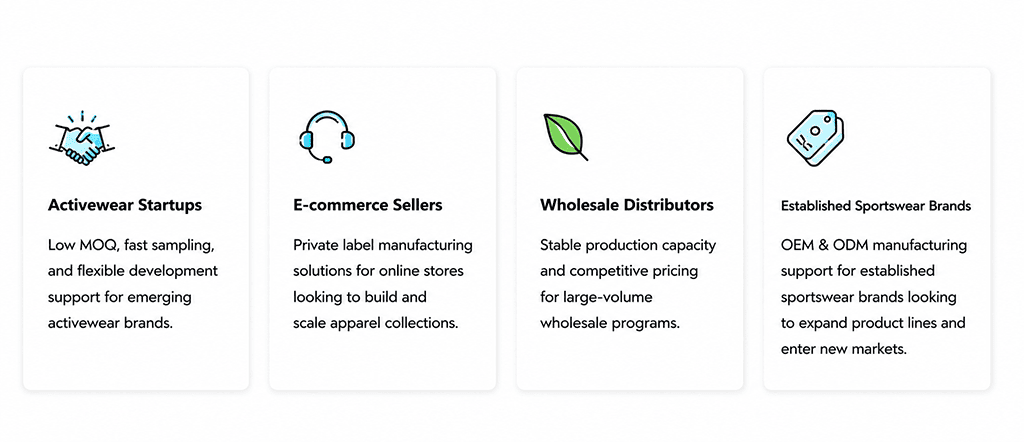
Every successful activewear brand begins somewhere. Some start with a single product and a small marketing budget, while others enter the market with established sales channels and ambitious expansion plans. Regardless of size, the ability to scale production efficiently is essential for sustainable growth.
Production requirements often evolve as a business develops. Early-stage brands typically prioritize flexibility, lower inventory risk, and faster product validation. More established companies focus on supply chain stability, replenishment efficiency, and the ability to support expanding product lines.
The manufacturing priorities at each stage are often different:
Brand Stage | Primary Manufacturing Needs |
Startup Brands | Low MOQ, rapid sampling, market testing |
Growing Brands | Consistent replenishment, new product development, expanded collections |
Established Brands | High-volume production, operational efficiency, supply chain stability |
A scalable activewear manufacturing partner supports each stage without requiring brands to rebuild their supply chain as demand increases. The same development standards, quality expectations, and production systems can be maintained from the first trial order through large-volume production runs.
Lower minimum order quantities provide opportunities to test new products, validate consumer demand, and launch seasonal collections with reduced inventory exposure. As sales increase, production capacity can be expanded while maintaining consistency in fit, fabric performance, and garment construction.
Long-term manufacturing relationships also create operational advantages. Product specifications, approved patterns, fabric standards, and production history remain accessible, making future orders faster and more efficient. This continuity reduces development costs, shortens lead times, and improves overall supply chain reliability.
Brands that scale successfully are often supported by manufacturing partners capable of balancing flexibility today with production capacity for tomorrow. The ability to transition smoothly from small-batch testing to large-scale manufacturing creates a stronger foundation for sustainable growth in an increasingly competitive activewear market.
Quality Control Standards for Consistent Activewear Production
Consistency is one of the most important indicators of manufacturing quality. Consumers expect every garment they purchase to deliver the same fit, comfort, appearance, and performance regardless of when it was produced. Maintaining that consistency requires a structured quality management system throughout the entire production process.
Quality assurance begins long before garments reach the production line. Fabric specifications, color consistency, stretch performance, construction requirements, and measurement standards must all be verified before manufacturing begins. Controlling these variables early helps prevent issues from escalating during production.
A comprehensive quality control process typically includes:
Inspection Stage | Key Quality Focus |
Raw Material Inspection | Fabric weight, stretch performance, color consistency |
Cutting Inspection | Pattern accuracy and component verification |
In-Line Production Inspection | Stitching quality, construction consistency, workmanship |
Finished Garment Inspection | Measurements, appearance, functionality, overall quality |
Packaging Inspection | Labels, packaging accuracy, carton verification |
Final Pre-Shipment Inspection | Random sampling and shipment approval |
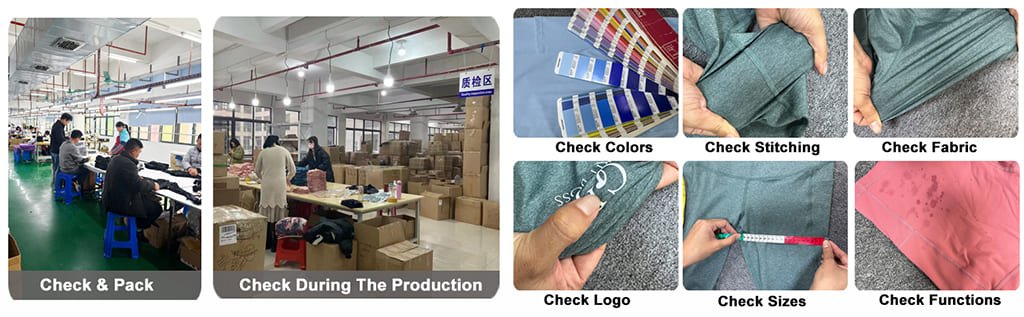
Activewear products require additional attention beyond standard garment inspections. Stretch recovery, seam strength, dimensional stability, colorfastness, and overall durability directly influence how garments perform during repeated use and washing.
Quality consistency also protects brand reputation. When sizing, fabric feel, and garment performance remain stable across multiple production runs, customers gain confidence in the product and are more likely to make repeat purchases.
Strong quality control systems reduce defects, minimize returns, improve customer satisfaction, and create a more reliable supply chain. For activewear brands focused on long-term growth, consistent quality is not simply a manufacturing objective—it is a competitive advantage that supports lasting consumer trust.
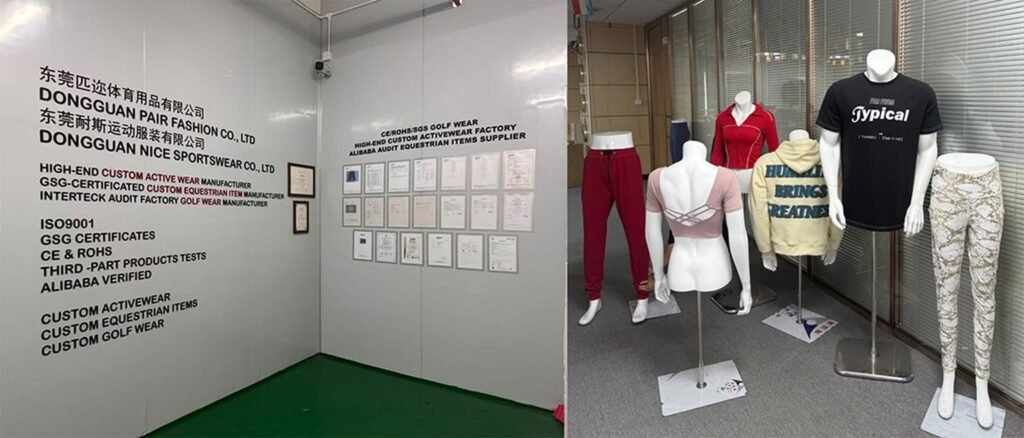
Trusted Manufacturing Standards For Global Sportswear Brands
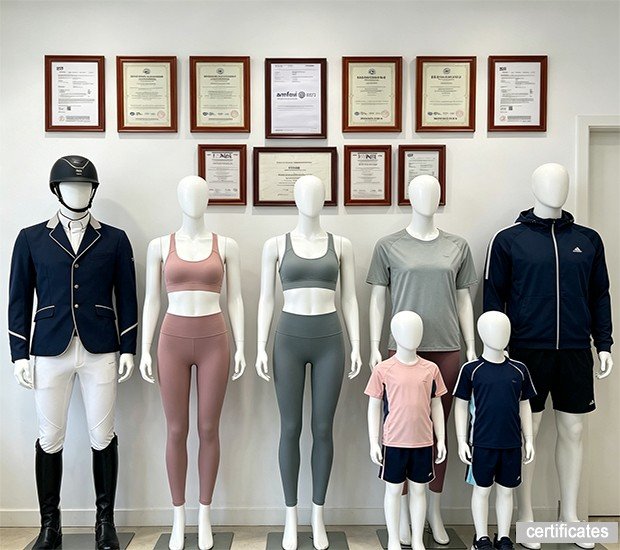
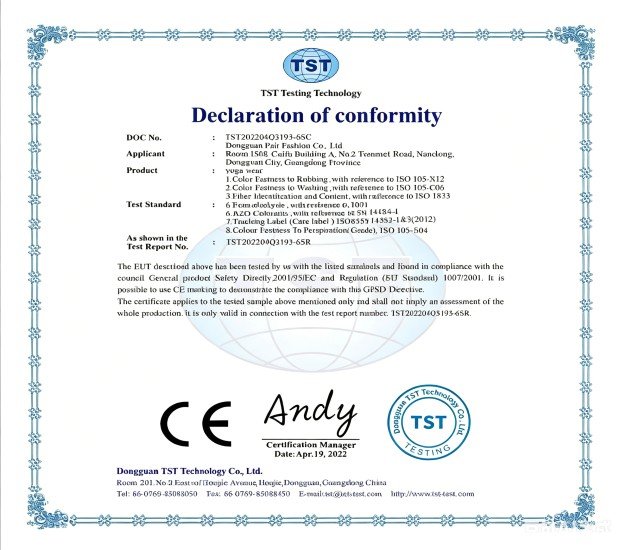
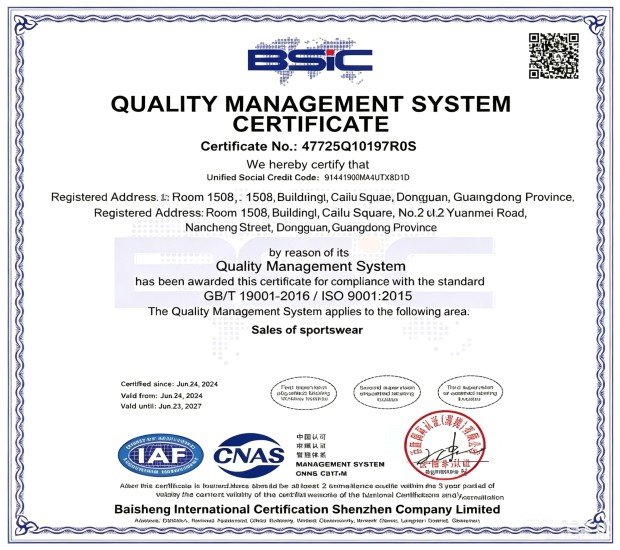
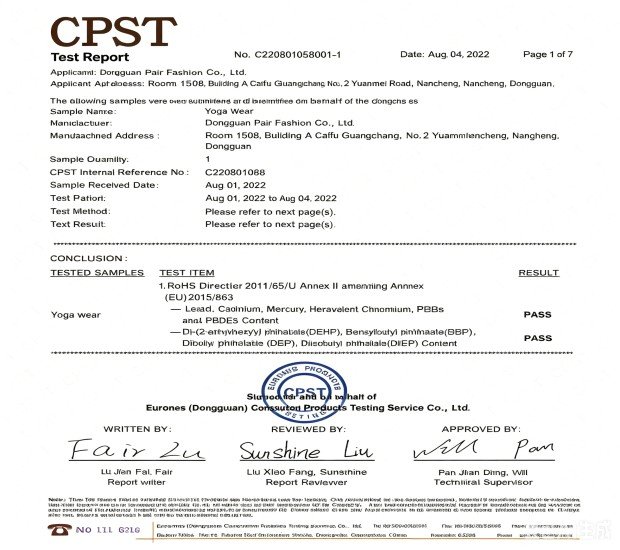
We operate under internationally recognized quality, sustainability, and ethical manufacturing standards. Our certifications help ensure consistent product quality, responsible sourcing, and reliable production for global sportswear brands.
- 20+ Countries Served
- 6000+ Styles Developed
- 50,000 PCS Monthly Capacity
- 3-Day Sample Development
Activewear Manufacturing Timeline Explained
In today’s fast-moving sportswear market, reducing product development cycles allows brands to respond faster to seasonal trends, consumer demand, and inventory planning. Whether launching a new collection, preparing for a seasonal release, or replenishing best-selling products, a well-managed production timeline helps brands respond more effectively to market demand.
Every activewear project moves through a series of development and production stages before reaching consumers. Understanding these stages allows brands to plan inventory, marketing campaigns, and product launches with greater confidence.
A typical activewear manufacturing timeline includes:
Stage | Key Activities |
Project Planning | Product requirements, specifications, and development goals |
Fabric & Trim Approval | Material selection and sourcing confirmation |
Sample Development | Prototype creation and construction review |
Fit Revision & Optimization | Measurement adjustments and design refinements |
Pre-Production Approval | Final confirmation of production standards |
Bulk Manufacturing | Cutting, sewing, finishing, and packaging |
Final Inspection & Shipping | Quality verification and logistics preparation |
Lead times vary depending on product complexity, material availability, customization requirements, and order volume. Projects involving custom fabrics, specialty trims, or multiple sample revisions may require additional development time before production begins.
The most efficient production schedules are built on clear communication and early planning. Confirming fabrics, measurements, branding details, and packaging requirements in advance helps reduce delays and minimize unexpected changes during manufacturing.
A structured production timeline creates benefits beyond faster delivery. It improves inventory planning, supports more predictable product launches, and allows brands to coordinate marketing activities with greater accuracy.
As competition within the activewear market continues to accelerate, brands that combine strong product development with reliable production scheduling are better positioned to bring new collections to market quickly while maintaining consistent quality standards.
Why Global Brands Source Activewear from China
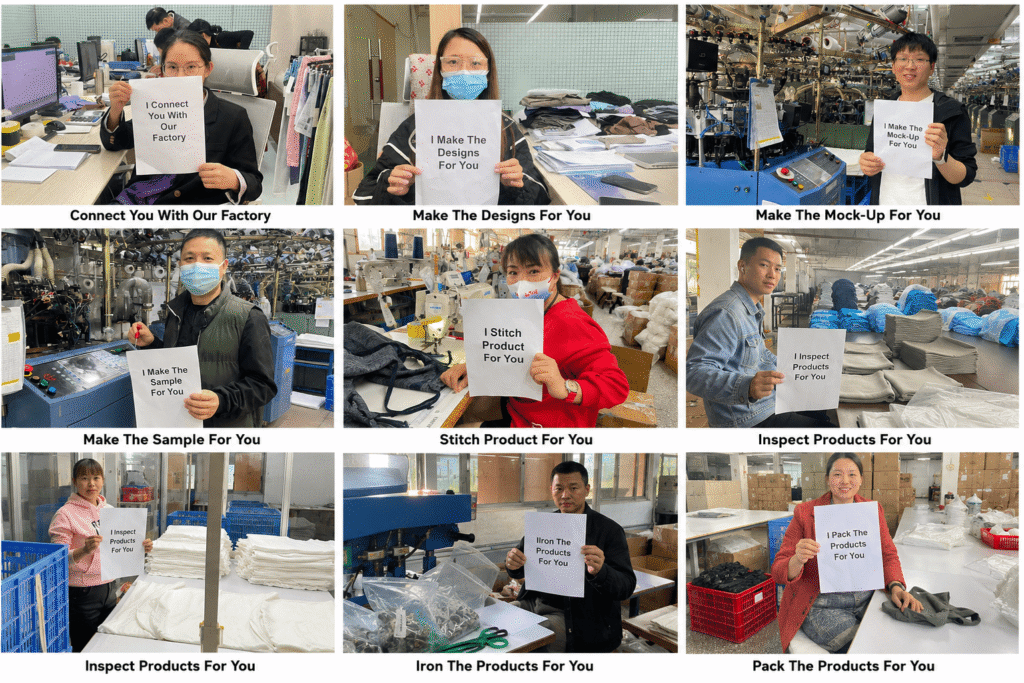
China has become one of the world’s most established manufacturing hubs for activewear and performance apparel. Decades of industry development have created a highly integrated ecosystem that connects fabric innovation, garment engineering, production capacity, and international logistics within a single supply chain network.
For modern activewear brands, sourcing decisions are no longer driven solely by manufacturing costs. Speed, flexibility, product quality, and development capabilities have become equally important factors in building a competitive brand.
Several advantages continue to make China a preferred sourcing destination for activewear production:
Supply Chain Advantage | Value for Activewear Brands |
Integrated Manufacturing Ecosystem | Faster development and production coordination |
Extensive Fabric Resources | Access to diverse performance materials |
Technical Production Expertise | Consistent quality and advanced garment construction |
Rapid Sampling Capabilities | Accelerated product launches |
Flexible Production Capacity | Supports both small and large production runs |
Global Logistics Infrastructure | Efficient international fulfillment |
The ability to move efficiently from concept to production is particularly valuable in today’s market. Activewear brands frequently launch new collections, test emerging trends, and respond quickly to changing consumer preferences. A supply chain capable of supporting rapid development and replenishment helps brands remain agile in a highly competitive industry.
China’s activewear manufacturing sector is also supported by a mature network of fabric mills, trim suppliers, pattern developers, printing specialists, and logistics providers. This concentration of resources allows brands to streamline sourcing activities and reduce the complexity of managing multiple vendors across different regions.
For brands focused on long-term growth, the combination of development expertise, production flexibility, material innovation, and supply chain efficiency continues to make China one of the most strategic locations for activewear manufacturing.
Choosing the Right Activewear Manufacturing Partner
Selecting an activewear manufacturer is one of the most important decisions a brand will make. Beyond production capacity, the right partner influences product quality, development speed, operational efficiency, and long-term scalability.
A strong manufacturing relationship extends far beyond individual purchase orders. The most successful partnerships are built on consistent communication, reliable execution, shared quality expectations, and the ability to adapt as business needs evolve.
When evaluating potential manufacturing partners, brands often focus on the following criteria:
Evaluation Area | Key Considerations |
Product Development Expertise | Ability to support new product creation and innovation |
Fabric Resources | Access to performance materials and sourcing options |
Quality Management Systems | Consistency across sampling and production |
MOQ Flexibility | Alignment with current business stage and inventory strategy |
Production Reliability | Stable lead times and delivery performance |
Scalability | Capacity to support future growth |
Communication & Service | Responsiveness and long-term collaboration mindset |
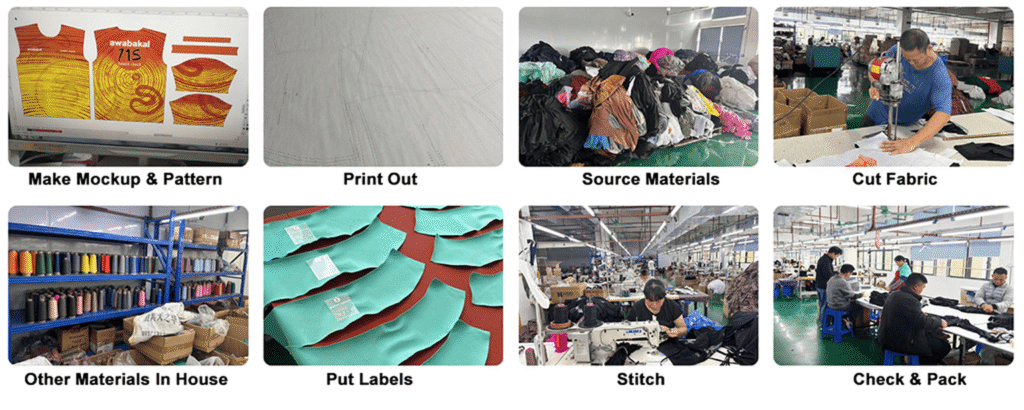
The best manufacturing partners help brands navigate both opportunities and challenges. They provide support during product development, maintain quality standards during growth, and create production systems that allow collections to expand efficiently over time.
As activewear brands introduce new products, enter new markets, and scale operations, continuity within the supply chain becomes increasingly valuable. Established manufacturing relationships reduce development friction, improve production efficiency, and create a stronger foundation for sustainable growth.
The goal is not simply to find a factory capable of producing garments. The goal is to build a manufacturing partnership that supports brand development, protects product quality, and contributes to long-term business success.
1. Product Development
Regular monthly product development ensures consistent updates to your brand line.
2. Fabric Sourcing
Regular monthly product development ensures consistent updates to your brand line.
3. Sample Making
Regular monthly product development ensures consistent updates to your brand line.
4. Bulk Production
Regular monthly product development ensures consistent updates to your brand line.
5. Packaging & Delivery
Regular monthly product development ensures consistent updates to your brand line.
Complete OEM & ODM Sportswear Solutions
We provide complete custom sportswear manufacturing services from concept development and fabric sourcing to bulk production and worldwide delivery.
- OEM & ODM Product Development
- Functional Fabric Sourcing & Material Selection
- Pattern Making & Sample Development
- Private Label Branding & Custom Packaging
- Quality-Controlled Bulk Manufacturing
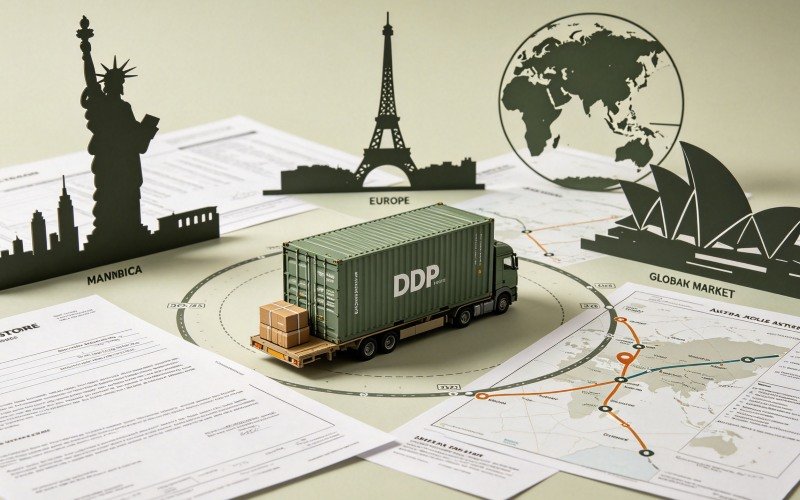
- Global DDP Shipping & Delivery Support
Frequently Asked Questions About Activewear Manufacturer
FAQ 1
What Is the Minimum Order Quantity for Custom Activewear?
The minimum order quantity for custom activewear usually depends on product type, fabric, color, size range, and branding requirements; for new brands, the best MOQ should support market testing while reducing inventory risk.
Many startup activewear brands do not need large production runs at the beginning. A smarter approach is to start with core products such as sports bras, leggings, shorts, tank tops, or matching sets and test real market feedback first. This allows brands to evaluate sizing, fabric feel, color demand, and customer response before scaling production. Low MOQ is not only about a lower entry point; it helps brands manage cash flow, reduce unsold inventory, and adjust future product direction with more flexibility.
FAQ 2
Do I Need a Tech Pack Before Starting an Activewear Project?
A detailed Tech Pack helps manufacturers quote more accurately, shorten development time, and reduce production mistakes, but it is not mandatory for starting a custom activewear project.
For established brands, a Tech Pack usually includes measurements, fabric requirements, construction details, logo placement, trims, and packaging information. This helps manufacturers evaluate cost and lead time more accurately. However, many new brands begin with Pinterest images, competitor samples, or simple design ideas. An experienced manufacturer should help translate these concepts into samples through fabric recommendations, pattern development, construction adjustments, and sample approval. The more complete the information, the more accurate the quotation, but a project can still begin without a finished Tech Pack.
FAQ 3
What Fabrics Are Best for Custom Activewear?
The best fabric for custom activewear depends on product use, target price point, and brand positioning; yoga, training, running, and outdoor activewear require different performance priorities.
Common options include nylon spandex, polyester spandex, compression fabrics, recycled fabrics, and cooling fabrics. Yoga leggings and sports bras often prioritize softness, four-way stretch, and recovery. Running apparel needs lightweight, quick-dry, and breathable materials. High-intensity training wear requires stronger support and abrasion resistance. Sustainability-focused brands may choose GRS recycled fabrics. The right fabric affects not only comfort, but also retail pricing, customer reviews, return rates, and overall brand positioning.
Fabric Type | Best For |
Nylon Spandex | Yoga leggings, sports bras |
Polyester Spandex | Training wear, running tops |
Compression Fabric | High-support activewear |
Recycled Fabric | Sustainable collections |
FAQ 4
Can Activewear Be Customized With Private Label Branding?
Yes, private label activewear customization can include much more than a logo, covering main labels, care labels, size labels, hang tags, poly bags, carton markings, and a complete brand identity system.
For DTC brands, fitness brands, yoga labels, and e-commerce sellers, private label customization is an important step in building brand recognition. Common logo methods include heat transfer logos, silicone printing, embroidery, reflective printing, and woven labels. Packaging can also be customized based on brand positioning, such as eco-friendly bags, e-commerce packaging, retail hang tags, and barcode labels. A complete private label system makes products look more professional, builds customer trust, and helps brands move beyond generic wholesale products into their own branded collections.
FAQ 5
How Long Does Activewear Sampling and Production Usually Take?
Activewear development usually includes fabric confirmation, sample making, fit revision, pre-production approval, and bulk production; the exact timeline depends on product complexity, material availability, and revision rounds.
Basic products such as T-shirts, shorts, or simple tank tops usually move faster, while sports bras, compression leggings, yoga pants, seamless-look products, or multi-panel designs often require more testing. A common process starts with a prototype sample, moves into a fit sample, and then confirms a PP sample before bulk production. Brands can shorten communication and development time by preparing references, measurements, logo files, fabric direction, and packaging needs in advance. A realistic timeline is more valuable than rushing, because proper early validation reduces later rework and returns.
FAQ 6
How Is Quality Controlled During Activewear Production?
Activewear quality control should cover fabric, cutting, sewing, finished garments, packaging, and shipment preparation rather than relying only on final product inspection.
A professional QC process usually includes raw material inspection, cutting inspection, in-line inspection, finished garment inspection, packaging inspection, and pre-shipment inspection. Activewear also requires special attention to stretch recovery, seam strength, colorfastness, dimensional stability, and wash performance. For example, yoga leggings should be checked for opacity and waistband stability, while sports bras should be checked for support and underband elasticity. Stage-by-stage inspection helps identify problems earlier, reduce bulk production risks, and keep final products consistent with approved samples.
FAQ 7
Can a Manufacturer Support Both Small Batch Testing and Large Orders?
The ideal activewear manufacturer should support both small-batch testing and future large-scale production, so brands do not need to change suppliers as they grow.
New brands usually need low MOQ to test the market, while growing brands need stable replenishment, seasonal launches, and multi-SKU development. A supplier that only handles small orders may struggle with repeat demand, while one that only accepts large orders may create too much inventory risk for startups. A long-term manufacturing partner should help clients move smoothly from sample orders and test orders to repeat orders and bulk production, while keeping records of patterns, fabrics, trims, and packaging to improve future reorder efficiency.
FAQ 8
What Should Brands Prepare Before Contacting an Activewear Manufacturer?
Before contacting an activewear manufacturer, brands should prepare product direction, reference images, estimated quantity, size range, fabric preferences, logo requirements, packaging needs, and target market information.
These details do not need to be perfect at the beginning, but clearer information helps the manufacturer evaluate fabric options, construction methods, cost, and development timelines more accurately. New brands can start with competitor links, Pinterest images, sketches, or sample photos. Established brands should provide Tech Packs, size charts, and quality standards when available. Clear preparation makes communication more efficient and helps the supplier decide whether the project is best suited for OEM production, ODM development, low MOQ testing, or full private label activewear manufacturing.
Start Your Activewear Project with Confidence
Building a successful activewear brand requires more than great product ideas. It requires a manufacturing partner capable of transforming concepts into high-quality products while supporting growth at every stage of the business.
From product development and fabric sourcing to sampling, production, quality control, and global delivery, every step plays a role in bringing a collection to market efficiently and consistently.
Whether you are launching your first activewear collection, expanding an existing product line, or searching for a more reliable manufacturing partner, a structured development and production process can help reduce risk, improve efficiency, and accelerate growth.
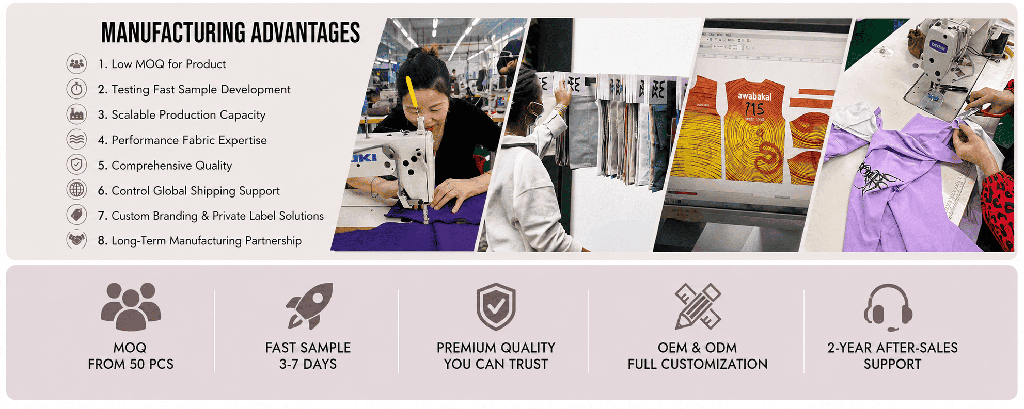
Manufacturing Advantages
Low MOQ for Product Testing
- Fast Sample Development
Scalable Production Capacity
- Performance Fabric Expertise
- Comprehensive Quality Control
- Global Shipping Support
- Custom Branding & Private Label Solutions
- Long-Term Manufacturing Partnership
How an Activewear Concept Becomes a Market-Ready Collection?
Share your product ideas, reference samples, design concepts, or sourcing requirements and begin building a collection designed for long-term success.
Brands expanding into specialized markets can also explore our OEM solutions for Equestrian Apparel, Loungewear, and Plus Size Activewear.
Browse Sportswear Catalog Categories
Explore custom sportswear catalog categories including activewear, equestrian apparel, lounge wear and specialty OEM apparel collections for global brands.
- Yoga Pant
- Sports Bras
- Tank Tops
- Gym Shorts
- Men & Kids Sportswear
- Riding Tops
- Breeches
- Competition Wear
- Jackets
- Man & Kids Equestrian
- Joggers
- Sweatshirt & Hoodies
- Sweaters
- Coat & Jacket
- Men & Kids Loungewear
Other OEM Apparel
- Tennis Clothing
- Jumpsuit
- Dress & Skirts
- Plus Size Activewear
- Maternity Activewear
Get In Touch
Contact our OEM/ODM specialists for product development, sampling, pricing, and production support.