OEM/ODM Sportswear Manufacturer | 3-Day Sampling | Low MOQ | 50K Monthly Capacity | ISO9001 & BSCI Certified
Plus Size Activewear Vendors for Private Label and Custom Collections
Plus Size Activewear Vendors helping brands build inclusive collections with fit-focused development, flexible MOQ, custom branding, and reliable bulk production.
50K+
Monthly Capacity
3 Days
Fast Sampling
6,000+
Custom Styles
10+
Years Experience
Plus Size Activewear Vendors Built for Real Consumer Expectations
Intro
The best Plus Size Activewear Vendors understand that successful products are built around real consumer expectations rather than simple size expansion. Plus size customers expect activewear that offers reliable support, comfortable movement, consistent fit, and long-term durability. Whether developing leggings, sports bras, tops, or complete activewear collections, brands must ensure that products perform equally well across all size ranges while maintaining a positive customer experience.
Content
Plus size consumers expect activewear that feels secure, flexible, and flattering during real movement. A pair of leggings should not roll down at the waistband. A sports bra should support without digging into the shoulders. Tops should allow full movement without pulling across the bust, arms, or waist. For brands, these details directly affect reviews, repeat orders, and customer trust.
As experienced plus size activewear vendors, Pair Fashion helps brands develop collections with fit, function, and production stability in mind. Instead of simply enlarging standard activewear patterns, we evaluate how each product performs across extended size ranges, including stretch balance, seam strength, fabric opacity, waistband structure, and body coverage.
Our development support can include:
Plus size leggings with supportive waistbands and squat-proof fabric choices
Plus size sports bras with improved support, strap structure, and coverage
Plus size tops and tank tops designed for comfort and movement
Plus size shorts and joggers with practical fit and flexible construction
Private label activewear with custom labels, packaging, colors, and logo placement
For brands entering or expanding the inclusive activewear market, the goal is not only to offer larger sizes. The goal is to build products that customers can wear confidently, review positively, and reorder season after season.
The demand for inclusive sizing continues to expand as the global plus-size apparel market grows, creating new opportunities for brands investing in fit-focused product development and extended-size activewear collections.
Private Label Plus Size Activewear From Concept to Market
Intro
Activewear brands all launch their lines from vastly different stages. A handful come equipped with fully finalized tech packs, whereas many others merely possess rough product concepts or reference inspiration photos. This chapter outlines an efficient end-to-end workflow for developing private label plus-size activewear—covering every stage from initial concept creation all the way through mass production and official product launch.
Content
Building a successful plus size activewear brand requires more than manufacturing. Product development, fit refinement, material selection, branding, packaging, and production planning all influence how quickly a collection reaches the market and how well it performs after launch.
Many emerging brands begin with a clear vision but limited technical resources. Others already have established collections and need a reliable manufacturing partner to support growth. A structured private label development process helps both situations move forward more efficiently.
Brands seeking deeper product development support can also explore our Plus Size Activewear Manufacturer solutions for custom pattern development, fabric sourcing, private label production, and scalable manufacturing support.
We support a wide range of private label projects, including:
| Brand Stage | Typical Requirements |
|---|---|
| Startup Brands | Product development, fabric guidance, small-batch launches |
| Growing Brands | Collection expansion, fit consistency, recurring production |
| Established Brands | Scalable manufacturing, seasonal collections, inventory planning |
| E-commerce Brands | Fast product launches and flexible replenishment |
| Retail Private Labels | Custom branding, packaging, and long-term supply support |
Private label development can begin from various starting points:
- Tech packs and specification sheets
- Existing garments for reference
- Design sketches
- Inspiration images
- Market samples
- New collection concepts
From there, product development may include pattern creation, size grading, fabric sourcing, trim selection, sampling, fit revisions, packaging customization, and production planning.
For plus size collections, additional attention is often given to support structures, stretch recovery, body coverage, and grading accuracy across extended size ranges. These details help brands launch products that perform consistently while maintaining a professional and recognizable brand identity.
Whether the goal is introducing a first collection or expanding an existing activewear line, a structured private label approach can reduce development risk and accelerate time to market.
1. Product Development
Regular monthly product development ensures consistent updates to your brand line.
2. Fabric Sourcing
Regular monthly product development ensures consistent updates to your brand line.
3. Sample Making
Regular monthly product development ensures consistent updates to your brand line.
4. Bulk Production
Regular monthly product development ensures consistent updates to your brand line.
5. Packaging & Delivery
Regular monthly product development ensures consistent updates to your brand line.
Complete OEM & ODM Sportswear Solutions
We provide complete custom sportswear manufacturing services from concept development and fabric sourcing to bulk production and worldwide delivery.
- OEM & ODM Product Development
- Functional Fabric Sourcing & Material Selection
- Pattern Making & Sample Development
- Private Label Branding & Custom Packaging
- Quality-Controlled Bulk Manufacturing
- Global DDP Shipping & Delivery Support
Develop a Complete Plus Size Activewear Collection Under One Supplier
Intro
Launching a successful plus size activewear line requires more than a single product. Brands need coordinated styles, consistent sizing, aligned fabric choices, and scalable production. This section explores how a complete collection can be developed through one manufacturing partner instead of multiple fragmented suppliers.
Content
Many activewear brands begin with a single hero product, such as leggings or sports bras. However, long-term growth usually depends on building a complete collection that encourages larger orders, repeat purchases, and stronger brand recognition. Customers who trust the fit of one product are more likely to purchase matching pieces from the same collection.
Working with a supplier capable of producing multiple plus size categories helps create a more consistent customer experience. Instead of managing separate factories for different products, brands can develop coordinated collections with aligned fit standards, fabric performance, colors, trims, and branding elements.
Brands looking to develop supportive extended-size bras can explore our OEM Sports Bra solutions for custom support structures, performance fabrics, and private label production.
A typical plus size activewear collection may include:
| Product Category | Common Applications |
|---|---|
| Plus Size Leggings | Yoga, gym training, daily activewear |
| Plus Size Sports Bras | Medium and high-impact activities |
| Plus Size Tank Tops | Layering and training wear |
| Plus Size T-Shirts | Everyday fitness and lifestyle use |
| Plus Size Shorts | Running, training, and summer collections |
| Plus Size Joggers | Athleisure and recovery wear |
| Plus Size Hoodies | Seasonal and lifestyle collections |
| Matching Activewear Sets | Coordinated retail collections |
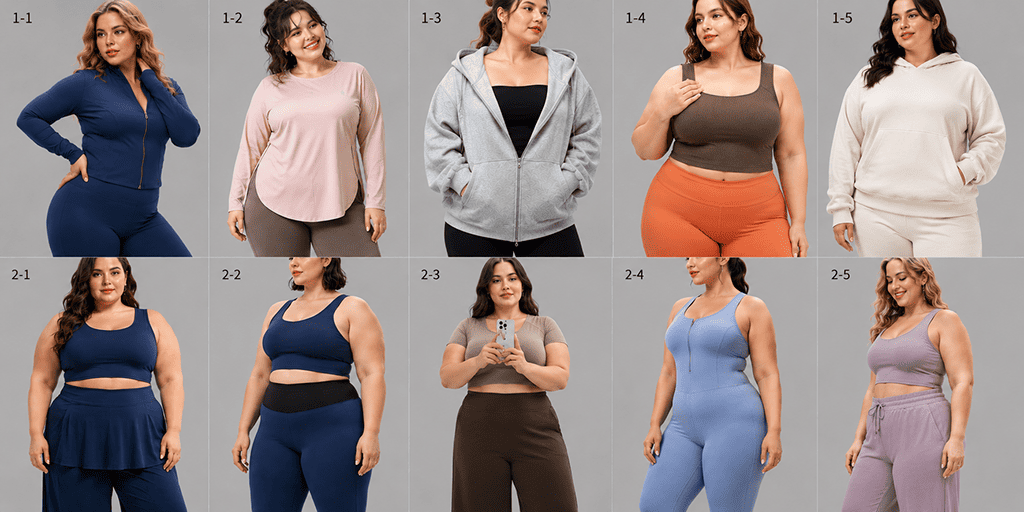
Developing multiple categories under one supplier can also simplify forecasting, inventory planning, and future expansion. As collections grow, brands can introduce new styles while maintaining consistent sizing, fabric quality, and product positioning.
Whether launching a new label or expanding an existing range, a unified collection strategy often creates a stronger market presence than isolated products developed independently.
Fit Development Designed Specifically for Plus Size Ranges
Intro
Many fit issues in plus size activewear begin long before production starts. Accurate grading, body proportion analysis, and fit testing are critical to customer satisfaction. This section explains why fit development is one of the most important factors when building a successful plus size activewear collection.
Content
One of the most common mistakes in plus size activewear manufacturing is treating extended sizes as simple enlargements of smaller patterns. While this approach may reduce development time, it often creates fit problems that become visible after products reach consumers.
As sizes increase, body proportions do not scale evenly. Waist-to-hip relationships change, support requirements increase, and movement patterns differ. A sports bra that performs well in a medium size may require different strap construction, elastic specifications, and support distribution in larger sizes. Similarly, leggings may need adjustments to waistband stability, rise depth, gusset dimensions, and seam placement to maintain comfort and performance.
Effective plus size fit development typically focuses on:
- Size grading accuracy across extended size ranges
- Waistband stability during movement
- Bust support optimization for sports bras
- Stretch recovery performance after repeated wear
- Seam positioning for comfort and durability
- Coverage and opacity during exercise
- Balanced compression without restricting movement
| Development Area | Why It Matters |
|---|---|
| Pattern Development | Creates a foundation for size consistency |
| Size Grading | Maintains fit across multiple sizes |
| Fit Testing | Identifies comfort and movement issues |
| Fabric Selection | Influences support, recovery, and durability |
| Construction Adjustments | Improves performance for larger body types |
For brands targeting the inclusive activewear market, fit quality often becomes a stronger competitive advantage than price alone. Products that fit consistently across extended size ranges are more likely to generate positive reviews, stronger customer loyalty, and higher repeat purchase rates.
Successful plus size collections are built through deliberate fit engineering, not simple size expansion.
Industry discussions increasingly emphasize that true size inclusivity requires more than extended measurements. Consistent fit testing, consumer feedback, and thoughtful product development are essential for delivering a better customer experience.
Performance Fabrics Suitable for Inclusive Activewear Collections
Intro
Fabric selection has a direct impact on fit, comfort, durability, and customer satisfaction. For plus size activewear, the right fabric must support larger size ranges without sacrificing flexibility or comfort. This section outlines the performance fabrics commonly used in successful inclusive activewear collections.
Content
Fabric performance becomes increasingly important as size ranges expand. Materials that work well in smaller sizes may not provide the same support, coverage, or recovery in extended sizes. For this reason, many successful plus size activewear brands prioritize fabric selection early in the product development process.
The ideal fabric depends on the intended use of the garment. Compression-focused leggings require different characteristics than lounge-inspired joggers or low-impact sports bras. The goal is to create products that maintain comfort, shape retention, and confidence throughout repeated wear and movement.
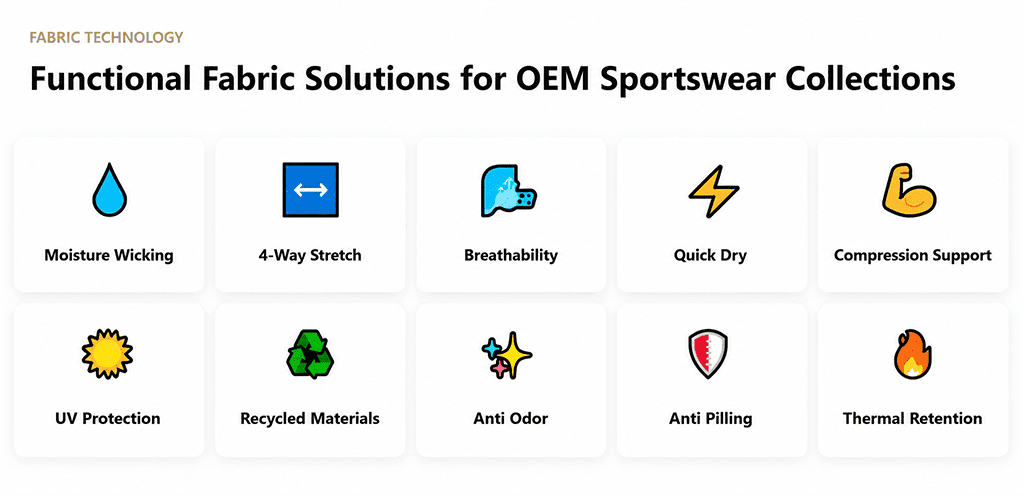
Common fabric options for plus size activewear collections include:
| Fabric Type | Typical Benefits | Common Applications |
|---|---|---|
| Nylon-Spandex Blends | High stretch, excellent recovery, smooth hand feel | Leggings, sports bras |
| Polyester-Spandex Blends | Moisture management, durability, color retention | Tops, shorts, active sets |
| Compression Fabrics | Enhanced support and body contouring | Leggings, sports bras |
| Brushed Fabrics | Soft touch and comfort | Leggings, joggers |
| Rib Fabrics | Texture, flexibility, premium appearance | Sports bras, tops |
| Cooling Fabrics | Heat management and comfort | Summer collections |
| Recycled Fabrics | Sustainability-focused positioning | Premium activewear collections |
| Seamless Knit Fabrics | Reduced friction and flexible fit | Seamless activewear ranges |
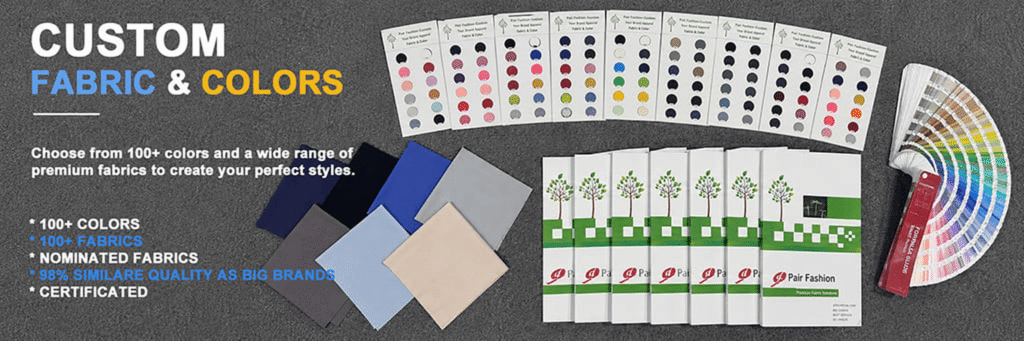
When evaluating fabrics, brands often focus on:
- Stretch and recovery performance
- Opacity during movement
- Compression consistency
- Moisture management
- Abrasion resistance
- Color fastness
- Long-term shape retention
The most successful plus size collections balance support with comfort. Customers want activewear that feels secure during training while remaining comfortable enough for everyday wear. Selecting fabrics based on product purpose rather than trend alone helps create collections that perform well in both retail environments and real-world use.
A thoughtful fabric strategy often becomes one of the strongest foundations for long-term product success.
Custom Branding Options Beyond Basic Logo Placement
Intro
Private label activewear is about more than adding a logo to a garment. Strong brands create recognizable products through consistent visual identity, thoughtful packaging, and unique product details. This section explores the customization options that help activewear collections stand out in competitive markets.
Content
As the activewear market becomes increasingly competitive, branding plays a larger role in purchasing decisions. Customers often compare products with similar fabrics, silhouettes, and price points. The brands that build stronger recognition are typically those that create a consistent experience across every product touchpoint.
For plus size activewear collections, branding should extend beyond simple logo application. Elements such as color consistency, packaging presentation, garment trims, and branded details contribute to how customers perceive product quality and brand value.
Common private label customization options include:
| Customization Area | Available Options |
|---|---|
| Brand Labels | Woven labels, heat transfer labels, printed labels |
| Care Labels | Custom wash instructions and branding |
| Hang Tags | Brand-specific tag designs and materials |
| Packaging | Polybags, retail-ready packaging, custom boxes |
| Logo Application | Silicone logos, embroidery, heat transfer, printing |
| Color Development | Pantone color matching and custom dyeing |
| Trim Selection | Drawcords, zippers, elastics, branded accessories |
| Collection Identity | Coordinated colorways and product series development |

Many growing brands also use customization to support broader business goals:
- Create stronger retail shelf presence
- Improve customer unboxing experiences
- Increase perceived product value
- Build visual consistency across collections
- Strengthen brand recognition and loyalty
Rather than treating each product as an individual item, successful brands often develop complete collections with unified colors, trims, packaging, and branding standards. This approach helps customers immediately recognize the brand regardless of which product they purchase.
Well-executed customization does more than improve appearance. It helps transform activewear products into a recognizable brand experience that customers remember, recommend, and return to purchase again.
This approach is particularly effective for plus size activewear, where customer preferences, fit expectations, and size distribution can vary significantly across markets. By starting with manageable production quantities and scaling based on actual sales performance, brands can build stronger collections, improve cash flow management, and grow more confidently in a competitive activewear market.
For brands seeking a reliable manufacturing partner, flexible production creates the freedom to develop products strategically rather than relying on large inventory commitments from day one.
A Faster Product Development Process for Growing Brands
Intro
Speed matters when launching new activewear collections. Delays in development can mean missed selling seasons, slower revenue growth, and lost market opportunities. This section outlines a structured product development process that helps brands move from concept to production with greater efficiency and confidence.
Content
Many activewear projects become delayed because development stages are unclear. Questions about fabrics, fit revisions, branding details, and production requirements often create unnecessary back-and-forth communication. A structured process helps reduce uncertainty and keeps projects moving forward.
For plus size activewear collections, a clear development workflow is especially important because fit validation, fabric performance, and size grading often require additional attention before bulk production begins.
A typical development process includes:
| Stage | Purpose |
|---|---|
| Project Discussion | Define products, target customers, quantities, and goals |
| Product Evaluation | Review designs, reference samples, or specifications |
| Fabric & Trim Selection | Confirm materials, colors, and accessories |
| Pattern Development | Create patterns and size grading |
| Sample Production | Develop and review initial samples |
| Fit Adjustments | Refine sizing, construction, and performance details |
| Pre-Production Approval | Confirm final specifications before manufacturing |
| Bulk Production | Begin large-scale manufacturing |
| Quality Inspection | Verify consistency before shipment |
| Delivery | Arrange shipment and order fulfillment |
Throughout development, brands commonly benefit from:
- Faster decision-making through defined milestones
- Reduced revision cycles
- Better control of timelines
- Improved communication between teams
- More predictable production planning
A structured process also makes it easier to scale future collections. Once sizing standards, fabrics, trims, and branding specifications are established, new products can often be developed more efficiently using existing collection foundations.
For growing activewear brands, speed is not simply about producing faster. It is about reducing unnecessary delays while maintaining product quality and consistency. A well-organized development process helps brands launch collections with greater confidence and reach the market sooner.
Quality Systems That Protect Product Consistency at Scale
Intro
A successful sample does not guarantee a successful production run. As order volumes increase, maintaining consistency becomes one of the most important challenges in activewear manufacturing. This section explains how quality systems help protect fit, fabric performance, construction quality, and customer satisfaction across every production batch.
Content
For activewear brands, quality is measured by consistency. Customers expect the same fit, fabric feel, color accuracy, and performance every time they purchase a product. Even small variations can lead to increased returns, negative reviews, and reduced confidence in the brand.
This challenge becomes even more important in plus size activewear, where grading accuracy, fabric recovery, support structures, and seam durability must remain consistent across a broader size range. A product that performs well in one size should deliver a comparable experience in every size offered.
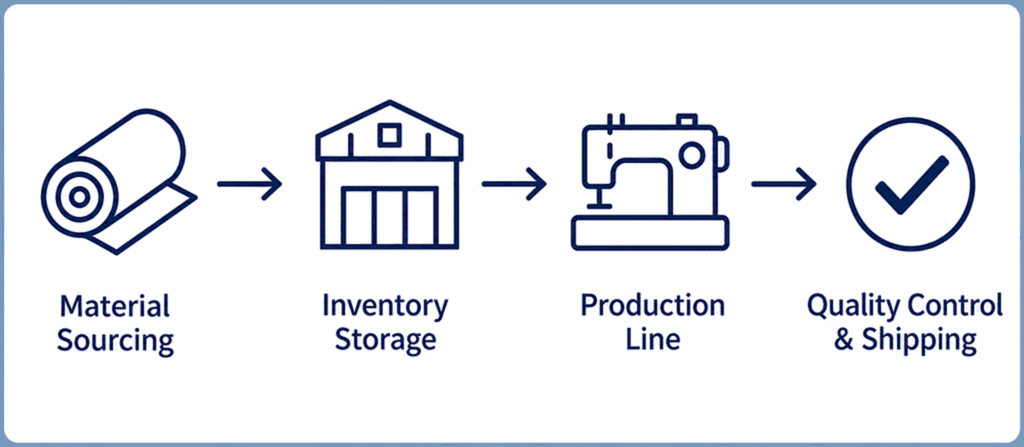
A structured quality management system typically focuses on multiple inspection stages rather than relying solely on final inspection.
| Quality Control Stage | Primary Focus |
|---|---|
| Material Inspection | Fabric composition, color accuracy, defects |
| Pre-Production Review | Patterns, measurements, construction details |
| In-Process Inspection | Sewing quality, workmanship, consistency |
| Stretch & Recovery Checks | Fabric performance and shape retention |
| Measurement Verification | Size accuracy across production runs |
| Final Product Inspection | Appearance, packaging, labeling, finishing |
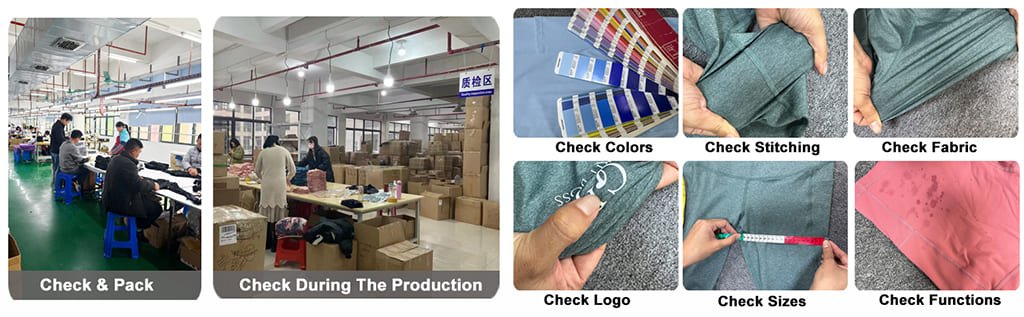
Key areas commonly monitored in plus size activewear production include:
- Fabric opacity during movement
- Waistband stability and recovery
- Sports bra support construction
- Seam strength and durability
- Color consistency between batches
- Measurement tolerance control
- Logo and branding accuracy
- Packaging consistency
Brands that invest in quality control early often experience fewer production issues later. Detecting potential problems before shipment is significantly more cost-effective than managing returns, replacements, or customer complaints after products reach the market.
Reliable quality systems help brands protect their reputation, improve customer retention, and scale their collections with greater confidence. As production volumes grow, consistency becomes one of the strongest indicators of a dependable manufacturing partnership.
Manufacturing Capacity That Supports Small Launches and Large Reorders
Intro
Production requirements change as brands grow. A new collection may begin with small test orders, while successful products often require rapid replenishment and larger production runs. This section explains how flexible manufacturing supports both early-stage launches and long-term business growth.
Content
One of the biggest challenges for activewear brands is balancing inventory risk with growth opportunities. Ordering too much inventory can tie up capital and increase storage costs. Ordering too little can result in stock shortages and missed sales opportunities.
For many brands entering the plus size activewear market, flexibility is especially important. Consumer preferences, fit feedback, and product demand often evolve during the early stages of a collection. The ability to launch with manageable quantities and scale production later can significantly reduce risk.
A manufacturing strategy should support different stages of business development:
| Brand Stage | Production Priority |
|---|---|
| New Brand Launch | Low-risk market testing |
| Growing Brand | Flexible replenishment and new product expansion |
| Established Brand | Stable production planning and larger order volumes |
| Seasonal Collections | Fast response to changing demand |
| High-Volume Programs | Consistent supply and repeat production |
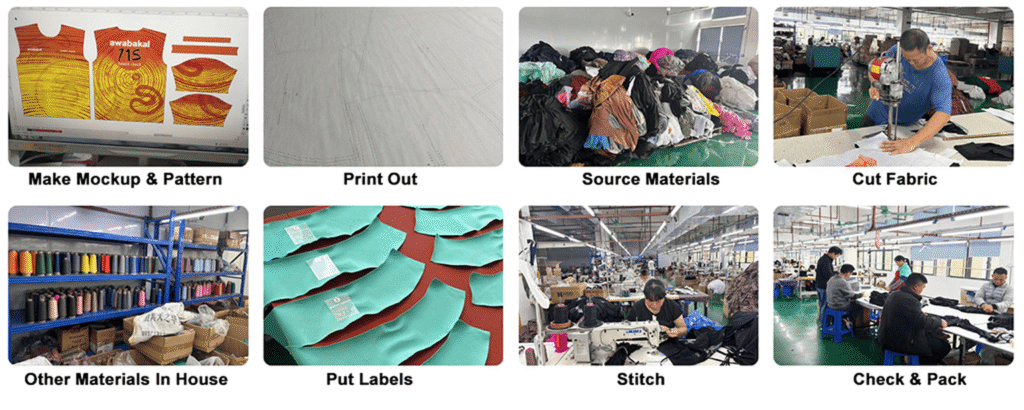
Key production capabilities that many brands look for include:
- Flexible MOQ for product validation
- Efficient sample-to-production transition
- Reliable repeat-order support
- Consistent quality across multiple production runs
- Scalable production capacity as demand increases
- Stable lead times during growth periods
Successful collections rarely remain the same size forever. A product that begins as a market test may later become a core item requiring frequent replenishment. Working with a supplier capable of supporting both stages helps reduce the need for disruptive supplier changes as the business expands.
The most effective manufacturing partnerships are designed not only for today’s order volume but also for tomorrow’s growth. Flexible production planning allows brands to test, learn, scale, and respond to market demand with greater confidence while maintaining product consistency throughout the process.
Supporting Different Stages of Brand Growth
Intro
Activewear startups have vastly distinct requirements compared to well-established brands. As businesses scale, their priorities shift across product development, inventory scheduling, order volumes and supply chain management. This segment breaks down how manufacturing support can flexibly accommodate brands at every growth stage.
Content
Most successful activewear brands do not start with large production volumes. Growth typically happens in stages. Early collections focus on validating products and understanding customer demand. As sales increase, brands begin expanding product categories, introducing new collections, and building more structured supply chains.
Because of this evolution, manufacturing requirements often change over time. A supplier that works well during a brand’s launch phase should also be capable of supporting future expansion without disrupting product consistency or development efficiency.
Different growth stages often involve different priorities:
| Brand Development Stage | Primary Focus |
|---|---|
| Startup Phase | Product validation and market testing |
| Early Growth Phase | Expanding collections and improving fit consistency |
| Scaling Phase | Managing larger production volumes and inventory planning |
| Established Brand Phase | Long-term supply chain stability and seasonal development |
| Strategic Growth Phase | New market expansion and category diversification |
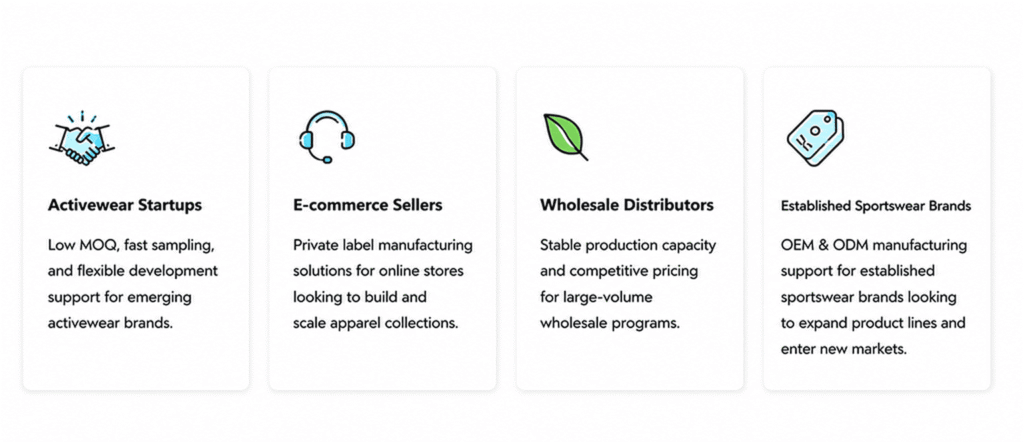
Common support needs at each stage may include:
Startup Brands
- Small-batch production
- Product development guidance
- Sample refinement
- Private label setup
Growing Brands
- Collection expansion
- Faster development cycles
- Consistent fit standards
- Flexible replenishment planning
Established Brands
- Production scalability
- Capacity planning
- Multi-season development
- Long-term manufacturing consistency
Strategic Brand Partners
- Product line diversification
- Advanced customization
- Forecast-based production planning
- Ongoing collection development
The strongest manufacturing partnerships evolve alongside the brands they support. Instead of focusing only on the next order, successful collaborations create systems that help brands launch products, improve collections, manage growth, and maintain consistent customer experiences over time.
Brands expanding beyond plus size categories may also benefit from working with an experienced Activewear Manufacturer capable of supporting broader activewear collections, seasonal product launches, and long-term supply chain planning. As the plus size activewear market continues to expand, brands that build adaptable supply chains are often better positioned to respond to changing consumer demand and capture long-term growth opportunities.
Trusted Manufacturing Standards For Global Sportswear Brands
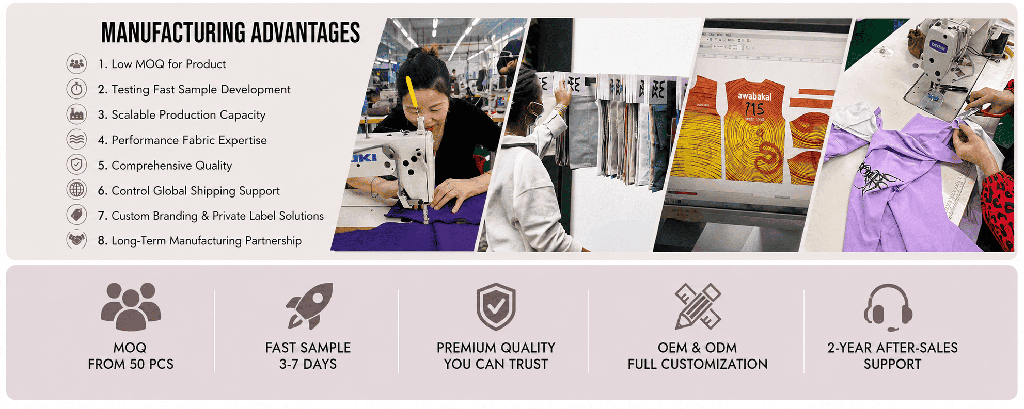
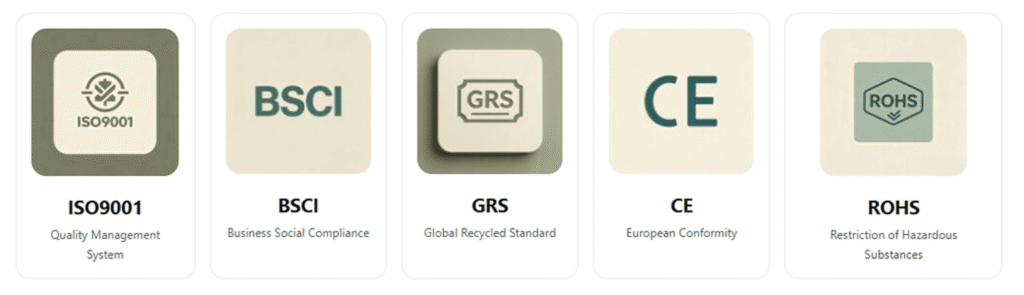
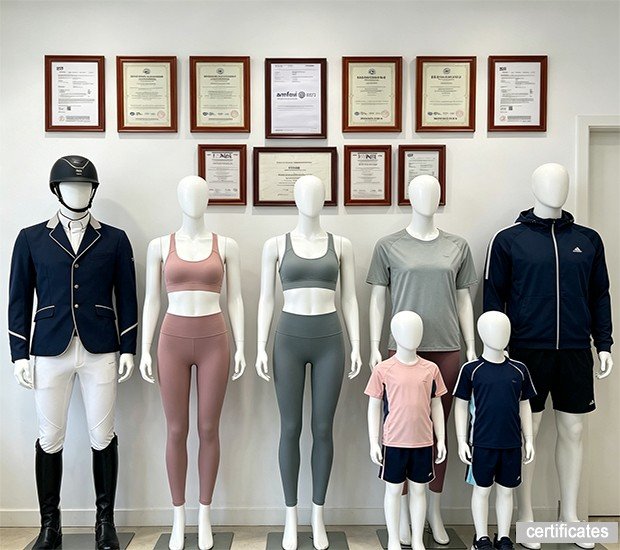
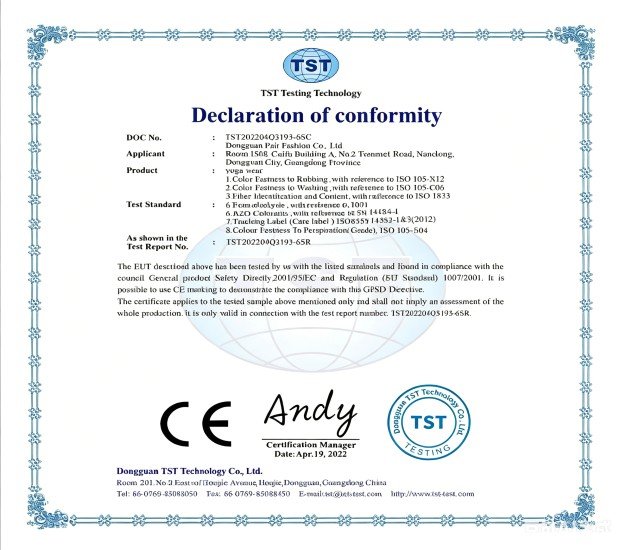
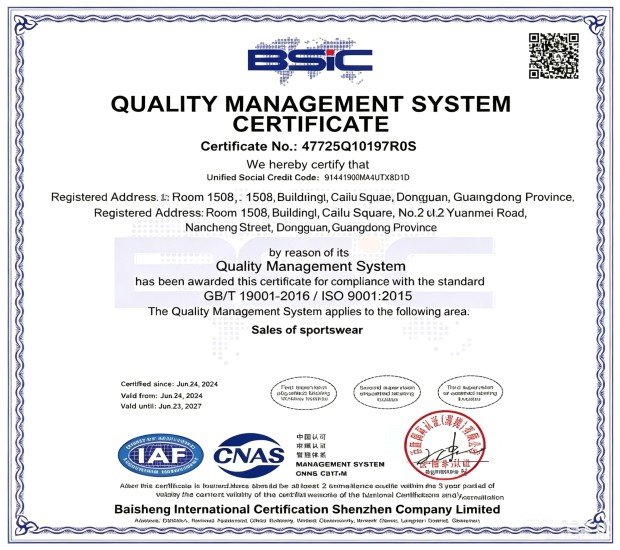
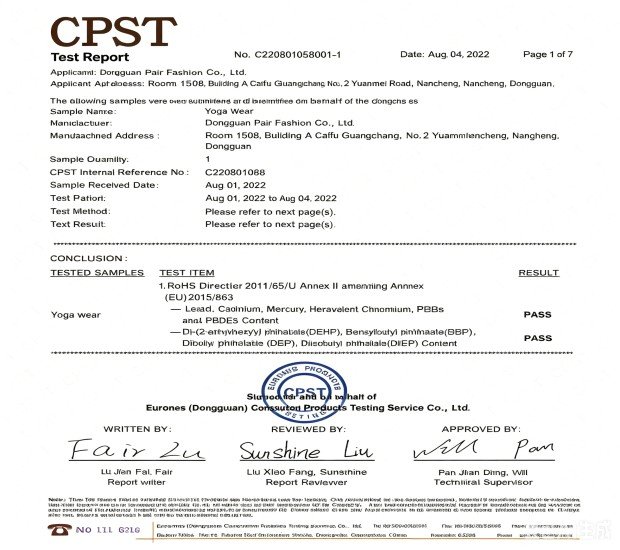
We operate under internationally recognized quality, sustainability, and ethical manufacturing standards. Our certifications help ensure consistent product quality, responsible sourcing, and reliable production for global sportswear brands.
- 20+ Countries Served
- 6000+ Styles Developed
- 50,000 PCS Monthly Capacity
- 3-Day Sample Development
Why Global Brands Partner With Pair Fashion
Intro
Selecting a manufacturing partner is a long-term business decision. Beyond pricing and production capacity, brands need dependable development support, consistent quality, and the flexibility to grow. This section highlights the factors that make Pair Fashion a trusted partner for private label plus size activewear collections.
Content
Successful activewear brands rarely evaluate suppliers based on a single order. Instead, they look for manufacturing partners capable of supporting product development, maintaining quality standards, and scaling production as demand increases.
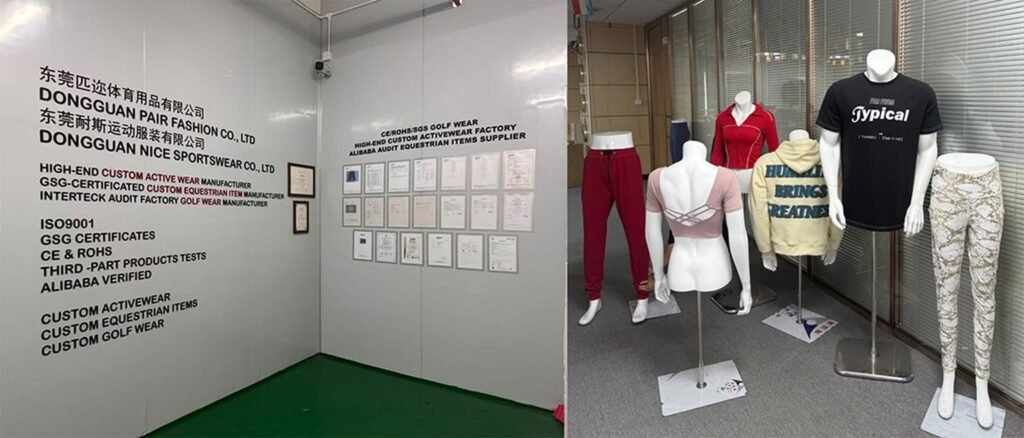
At Pair Fashion, we focus on helping brands build sustainable product lines rather than simply producing garments. Our experience in activewear, inclusive sizing, and private label development allows us to support brands at different stages of growth, from first product launches to established collections requiring ongoing replenishment.
Brands choose to work with us because they value a combination of development capability, production flexibility, and operational reliability.
| Capability | Brand Benefit |
|---|---|
| Flexible MOQ | Lower risk when testing new products |
| Fast Sampling | Shorter product development cycles |
| Extensive Style Library | Faster collection expansion |
| Dedicated Development Support | Improved product accuracy and efficiency |
| Quality Control Systems | More consistent production outcomes |
| Scalable Manufacturing | Support for both small and growing orders |
| Global Shipping Solutions | Simplified international fulfillment |
| Long-Term Product Records | Easier repeat orders and collection updates |
Key advantages frequently valued by activewear brands include:
- Flexible production starting from lower quantities
- Fast sample development for new collections
- Support for private label and custom branding projects
- Experience with plus size, maternity, modest, and performance activewear
- Structured quality control throughout production
- Reliable support for repeat orders and collection growth
- International shipping solutions for major global markets
- Long-term partnership approach focused on brand development
For brands entering the plus size activewear market, success often depends on finding a supplier that understands both product performance and commercial growth requirements. The strongest partnerships are built on transparency, consistency, and the ability to support evolving business needs over time.
Whether you’re debuting a fresh line or scaling a mature activewear brand, Pair Fashion supports partners in turning product concepts into fully marketable, scalable collections with complete peace of mind.
Frequently Asked Questions About Plus Size Activewear Production
FAQ 1
What Makes Plus Size Activewear Different From Standard Activewear Manufacturing?
Plus size activewear requires specialized fit development, grading, support engineering, and fabric selection rather than simply enlarging standard-size patterns. Brands that want strong customer retention should work with vendors experienced in extended-size product development.
Many brands underestimate the complexity of developing plus size activewear. As sizing expands beyond standard ranges, body proportions, movement patterns, support requirements, and fabric stress points change significantly. Products that perform well in a medium size may not deliver the same comfort or functionality in larger sizes.
For example:
- Sports bras often require enhanced support structures.
- Leggings may need reinforced waistbands and improved recovery.
- Tops require different grading strategies to maintain comfort and coverage.
When evaluating plus size activewear vendors, brands should prioritize suppliers with proven experience in:
- Plus Size Pattern Engineering
- Extended Size Grading
- Fit Validation Processes
- Performance Fabric Selection
- Inclusive Activewear Manufacturing
These capabilities often have a greater impact on customer satisfaction and repeat purchases than production cost alone.
FAQ 2
What Size Range Should a Plus Size Activewear Brand Offer?
Most growing brands achieve the best balance between market coverage and inventory efficiency by launching with XL–4XL or US sizes 14–28 before expanding into broader size ranges.
A common misconception is that offering more sizes automatically creates a stronger plus size collection. In reality, fit consistency is often more important than the total number of sizes offered.
A structured launch strategy may look like this:
| Brand Stage | Recommended Size Range |
|---|---|
| Startup Brand | XL–3XL |
| Growing Brand | XL–4XL |
| Established Brand | XL–6XL |
Brands should also evaluate:
- Regional sizing expectations
- US and EU size conversions
- Compression requirements
- Product-specific fit needs
- Inventory management considerations
Starting with a focused size range allows brands to validate demand, improve fit accuracy, and expand strategically as sales data becomes available.
FAQ 3
What Fabrics Work Best for Plus Size Activewear?
The best fabrics for plus size activewear combine stretch, recovery, opacity, durability, and comfort. Fabric performance becomes increasingly important as size ranges expand.
Different product categories require different fabric priorities.
| Product Category | Primary Requirement |
|---|---|
| Leggings | Compression and squat-proof coverage |
| Sports Bras | Support and shape retention |
| Tops | Breathability and comfort |
| Joggers | Softness and durability |
Popular fabric choices include:
- Nylon-Spandex Blends
- Compression Fabrics
- Brushed Performance Fabrics
- Recycled Nylon Fabrics
- Seamless Knit Materials
Rather than selecting fabrics based solely on composition, brands should evaluate performance characteristics such as recovery, support, opacity, moisture management, and long-term durability.
FAQ 4
How Much MOQ Is Usually Needed for Private Label Plus Size Activewear?
Many private label activewear brands begin with small production runs to validate products before committing to larger inventory investments. Flexible MOQ options help reduce launch risk and improve cash flow management.
For emerging brands, testing demand is often more important than maximizing initial production volume.
A common production strategy includes:
| Stage | Typical Quantity |
|---|---|
| Market Testing | 50–200 pcs |
| First Reorder | 300–1000 pcs |
| Established Products | 1000+ pcs |
Smaller launch quantities allow brands to gather customer feedback, evaluate sizing demand, refine products, and improve forecasting accuracy before scaling production.
FAQ 5
How Long Does It Take to Develop and Produce Private Label Plus Size Activewear?
Most private label plus size activewear projects move through several stages including development, sampling, fit approval, production, and shipping. Planning early helps brands reduce launch delays and improve seasonal product readiness.
Many buyers assume lead time only refers to manufacturing. In reality, successful activewear development involves pattern creation, fabric sourcing, sample evaluation, fit adjustments, and final production approval before bulk manufacturing begins.
A typical workflow may include:
| Stage | Key Activities |
|---|---|
| Product Review | Design, fabric, and sizing evaluation |
| Sample Development | Pattern making and prototype creation |
| Fit Approval | Sample revisions and final confirmation |
| Bulk Production | Manufacturing and packaging |
| Shipping | Air, sea, or DDP delivery |
For plus size collections, fit validation often plays a critical role because extended sizing requires additional attention to grading accuracy and wear performance. Brands that plan development timelines in advance are generally better positioned to launch products on schedule and respond to market opportunities more effectively.
FAQ 6
What Information Should I Prepare Before Contacting Plus Size Activewear Vendors?
You do not need a complete tech pack to start working with plus size activewear vendors. Clear product information simply helps suppliers provide more accurate recommendations, quotations, and development plans.
Many new brands hesitate to contact manufacturers because they believe they need professional product specifications. In reality, experienced suppliers often help buyers develop products from early concepts.
Helpful information may include:
- Product photos or reference links
- Target size range
- Estimated order quantity
- Brand positioning
- Target market
- Fabric preferences
- Logo artwork
- Packaging requirements
| Development Stage | Recommended Information |
|---|---|
| Concept Stage | Inspiration images and product ideas |
| Sample Stage | Size requirements and fabric direction |
| Production Stage | Final specifications and packaging details |
The more information available, the more accurate the development and quotation process becomes. However, many successful projects begin with nothing more than reference photos and a clear product vision.
FAQ 7
Can I Create a Unique Private Label Plus Size Activewear Collection Instead of Using Generic Designs?
Yes. The most successful private label plus size activewear brands create differentiation through fit, fabric, functionality, branding, and collection design rather than relying solely on logo placement.
As the activewear market becomes more competitive, consumers increasingly evaluate products based on performance and overall brand experience rather than basic branding alone.
Brands can build differentiation through:
| Customization Area | Examples |
|---|---|
| Fit Development | Custom sizing systems and waistband construction |
| Fabric Selection | Compression, cooling, or recycled fabrics |
| Branding Details | Silicone logos, embroidery, woven labels |
| Color Strategy | Pantone-matched custom colors |
| Packaging | Custom retail and e-commerce packaging |
Many of the strongest private label collections combine multiple customization elements to create a recognizable product identity. This approach helps improve brand recognition, customer loyalty, and long-term market positioning.
FAQ 8
Do Plus Size Activewear Vendors Support International Shipping and Long-Term Reorders?
Professional plus size activewear vendors often provide more than manufacturing. They may also support international shipping, repeat-order management, product record retention, and long-term supply chain continuity for growing brands.
Launching a product is only the beginning. As collections gain traction, brands need reliable replenishment systems that maintain consistent quality and product specifications.
Key considerations often include:
| Supply Chain Capability | Benefit |
|---|---|
| International Shipping | Simplifies global fulfillment |
| DDP Delivery Options | Reduces customs complexity |
| Product Record Management | Streamlines future reorders |
| Fabric Continuity Planning | Maintains consistency between batches |
| Scalable Production Capacity | Supports business growth |
Many successful activewear brands prioritize suppliers that can support long-term growth rather than simply fulfilling a single order. Consistent replenishment, reliable communication, and stable product quality are often the foundation of lasting manufacturing partnerships.
By working with a supplier capable of supporting both launch-stage projects and future expansion, brands can build stronger supply chains and focus more resources on product development, marketing, and customer acquisition.
- Yoga Pant
- Sports Bras
- Tank Tops
- Gym Shorts
- Men & Kids Sportswear
- Riding Tops
- Breeches
- Competition Wear
- Jackets
- Man & Kids Equestrian
- Joggers
- Sweatshirt & Hoodies
- Sweaters
- Coat & Jacket
- Men & Kids Loungewear
Other OEM Apparel
- Tennis Clothing
- Jumpsuit
- Dress & Skirts
- Plus Size Activewear
- Maternity Activewear
Get In Touch
Contact our OEM/ODM specialists for product development, sampling, pricing, and production support.