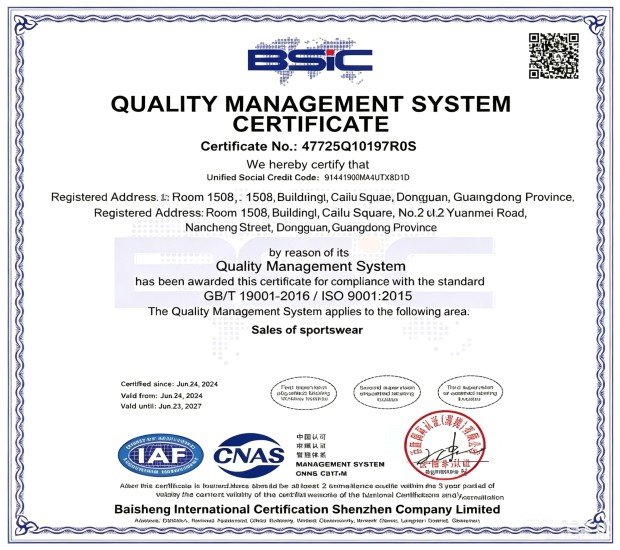
OEM/ODM Sportswear Manufacturer | 3-Day Sampling | Low MOQ | 50K Monthly Capacity | ISO9001 & BSCI Certified
Plus Size Printed Leggings Wholesale Manufacturer
Looking for a reliable Plus Size Printed Leggings Wholesale Manufacturer for your activewear brand? Pair Fashion develops custom printed leggings with inclusive sizing, unique patterns, comfortable fabrics, and flexible wholesale solutions. From design ideas and private label branding to printing techniques and production support, we help brands create attractive plus size leggings collections that meet different market needs.
50K+
Monthly Capacity
3 Days
Fast Sampling
6,000+
Custom Styles
10+
Years Experience
Flexible MOQ Solutions
Product Development Support
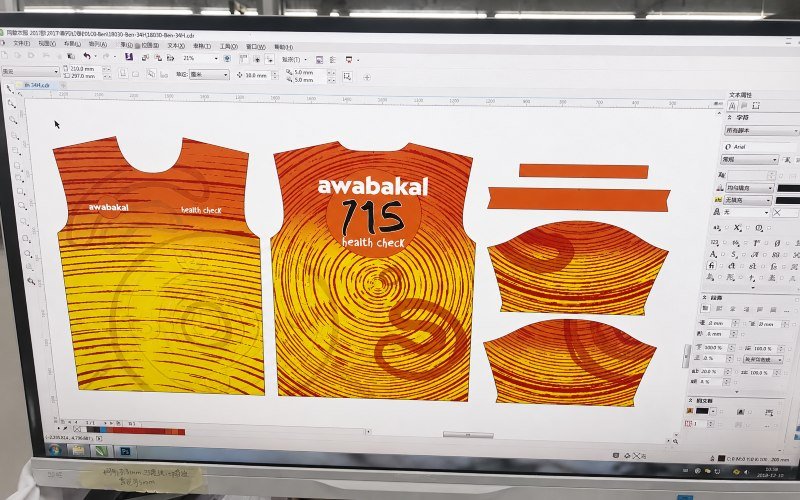
Stable Manufacturing System
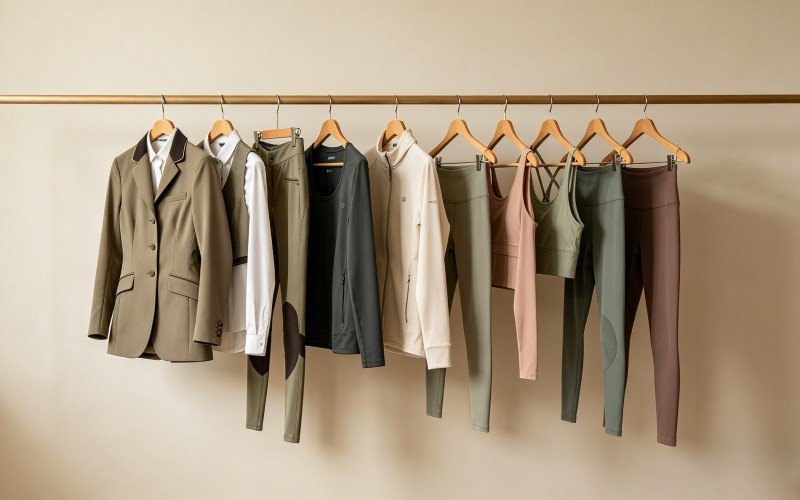
Dedicated Project Management
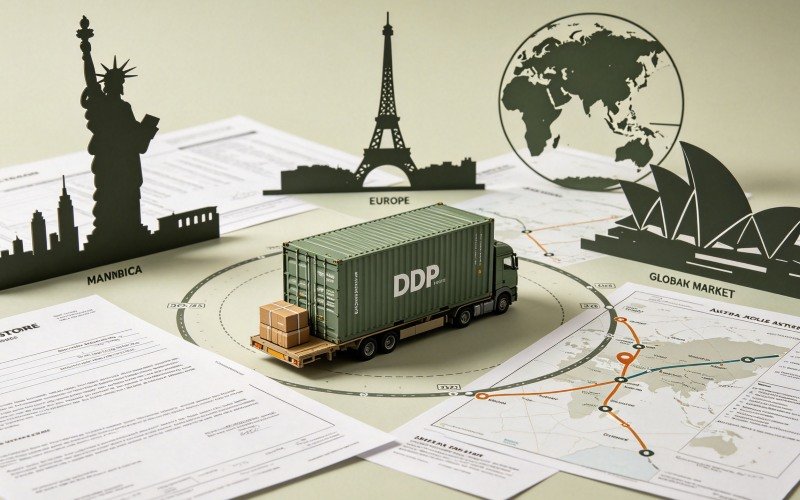
Global DDP Shipping Support
Develop Plus Size Printed Leggings That Align With Your Brand Positioning
Creating a commercially viable plus size printed leggings collection requires more than simply extending the size range or applying a new pattern. As an experienced Plus Size Printed Leggings Wholesale Manufacturer, Pair Fashion understands that product development should reflect the target customer, intended activity, support level, print direction, and retail price. Defining these requirements at an early stage helps reduce repeated revisions, improve sample accuracy, and create products that better match real market expectations.
Plus size consumers now expect much more than basic size availability. They evaluate whether the waistband stays secure, whether the fabric remains opaque during movement, whether the print stretches evenly, and whether the garment has been shaped around realistic body proportions.
Different customer groups require different product solutions:
| Target Market | Key Product Requirements |
|---|---|
| Gym and Strength Training | Compression, secure waist support, and squat-proof coverage |
| Yoga and Studio Wear | Soft hand feel, four-way stretch, and unrestricted movement |
| Running and Cardio | Stable fit, moisture management, and reduced inner-thigh friction |
| Athleisure and Lifestyle | Comfortable construction, distinctive prints, and versatile styling |
| Inclusive Activewear Collections | Extended sizing, balanced proportions, and consistent fit |
Clear positioning influences every major development decision, including fabric composition, GSM, waistband construction, pocket placement, leg length, printing method, and size range. When these specifications are aligned from the beginning, the finished collection feels more consistent and is easier to present across wholesale, retail, and direct-to-consumer channels.
As a plus size printed leggings wholesale manufacturer, we support the development of high-waisted training leggings, soft yoga styles, compression fitness leggings, lifestyle printed leggings, and private label extended-size collections. Each project can be adapted around the brand’s customer profile, price level, product purpose, and sales strategy.
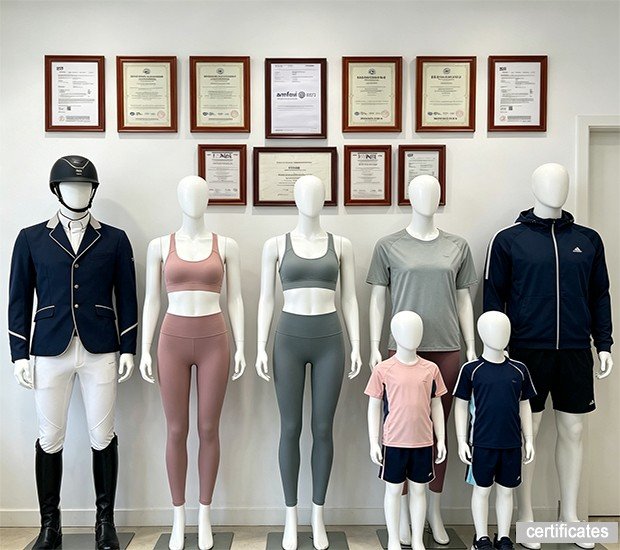
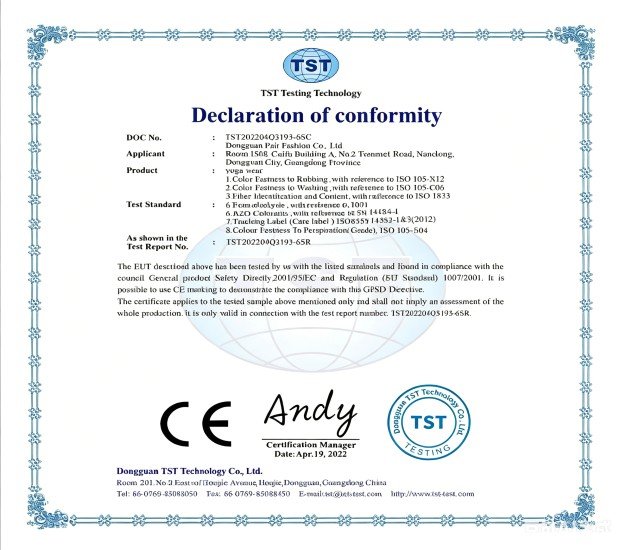
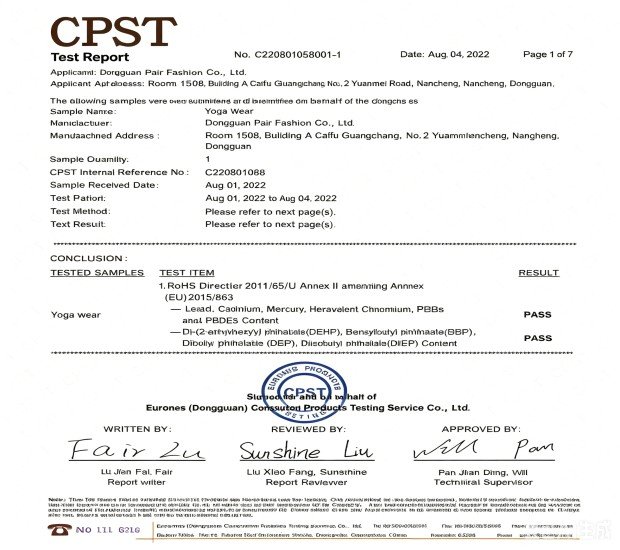
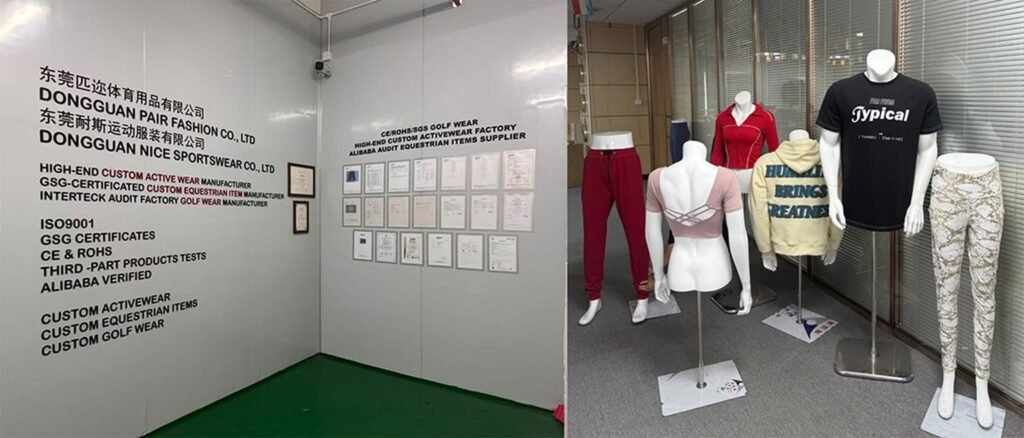
Trusted Manufacturing Standards For Global Sportswear Brands
We operate under internationally recognized quality, sustainability, and ethical manufacturing standards. Our certifications help ensure consistent product quality, responsible sourcing, and reliable production for global sportswear brands.
- 20+ Countries Served
- 6000+ Styles Developed
- 50,000 PCS Monthly Capacity
- 3-Day Sample Development
Solve the Fit Challenges That Standard Leggings Factories Often Overlook
Many brands entering the plus size market discover that sizing up a standard leggings pattern does not automatically create a better product. While measurements may increase, body proportions do not expand uniformly. As a result, leggings that perform well in smaller sizes can develop fit issues in extended sizes, including waistband rolling, poor support, excessive compression in the thighs, or discomfort during movement.
Well-developed plus size printed leggings require a different approach. The fit must be engineered around the needs of plus size consumers rather than adapted from a standard-size pattern. Waist support, hip shaping, thigh comfort, rise depth, and overall balance all play an important role in how the garment performs during exercise and everyday wear.
Common fit challenges that require dedicated development include:
| Fit Area | Development Focus |
|---|---|
| Waistband | Stability, support, and reduced rolling |
| Hip Area | Improved shaping and movement comfort |
| Thigh Area | Balanced compression without restriction |
| Rise Construction | Better coverage and secure fit |
| Inner Leg Area | Reduced friction and improved mobility |
| Overall Silhouette | Consistent proportions across all sizes |
For printed leggings, fit accuracy becomes even more important. A well-engineered pattern helps maintain print balance and reduces visual distortion when fabrics stretch during movement. This ensures that graphic elements remain attractive and consistent across the full size range.
Instead of relying on simple grading methods, professional plus size development uses size-specific adjustments to preserve comfort, appearance, and performance from XL through extended sizes. The goal is to create leggings that feel intentional in every size rather than enlarged versions of an existing product.
Consumers may initially notice the print, but long-term satisfaction is driven by fit. A comfortable, supportive, and confidence-building fit is often the factor that turns a first purchase into a repeat purchase.
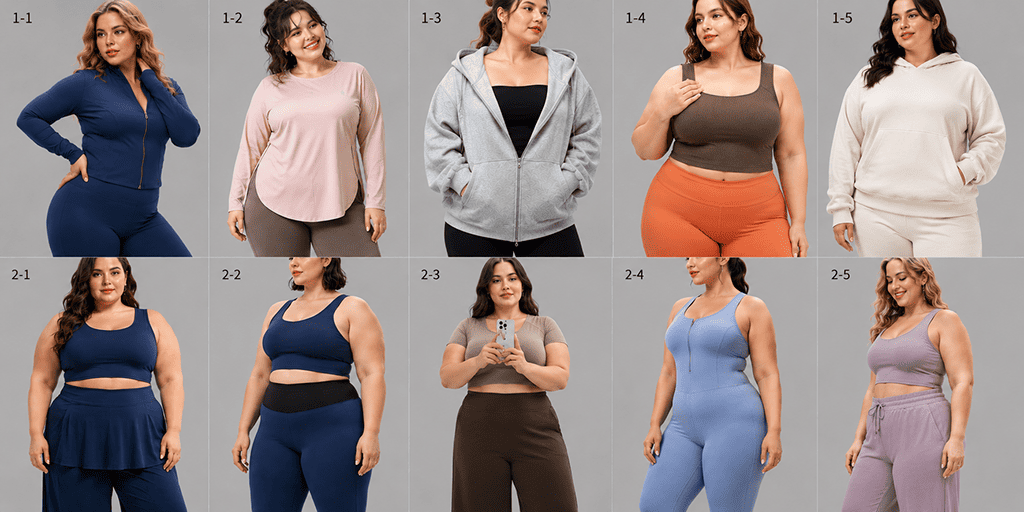
Choose Fabrics That Enhance Both Print Quality and Athletic Performance
A well-made pair of printed plus-size leggings succeeds on far more than just its graphic prints. Fabric choice is pivotal, as it shapes print clarity, athletic mobility performance, and customers’ overall quality impressions after multiple wears.
Even when the same print file is used, different fabrics can produce significantly different results. Color vibrancy, print clarity, stretch recovery, opacity, moisture management, and overall comfort are all influenced by the fabric foundation beneath the design.
For plus size leggings, fabric performance becomes even more important because the material must support both movement and body confidence. Consumers expect leggings that remain comfortable, maintain coverage during exercise, and preserve their appearance over time.
Common fabric options include:
| Fabric Type | Key Advantages |
|---|---|
| Nylon-Spandex Blends | Soft hand feel, excellent recovery, premium appearance |
| Polyester-Spandex Blends | Strong print definition, color retention, cost efficiency |
| Recycled Performance Fabrics | Sustainability-focused collections and eco-conscious branding |
| Compression Knits | Enhanced support and shaping performance |
| Brushed Performance Fabrics | Soft comfort and lifestyle wear appeal |
| Rib Textures | Fashion-forward appearance with added structure |
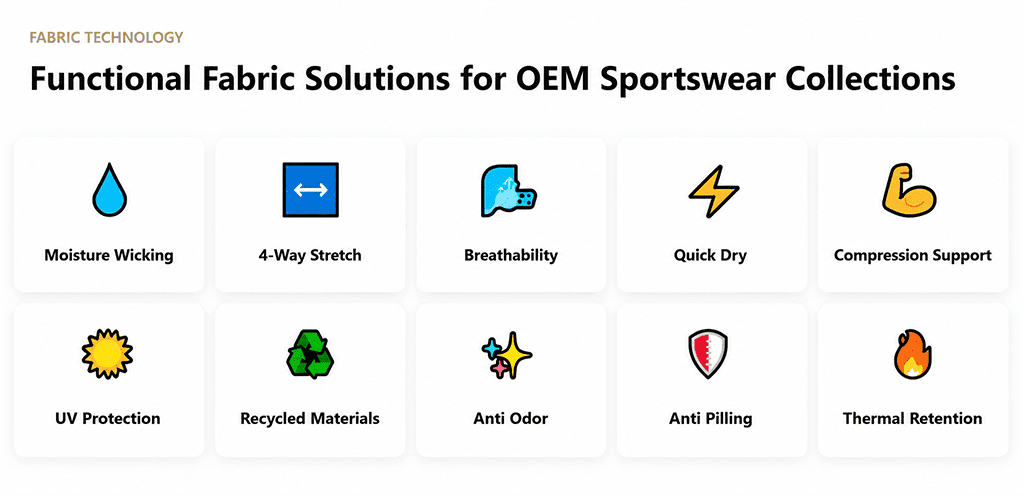
Beyond fiber composition, factors such as fabric weight, stretch construction, knit structure, and finishing treatments influence the final product. A fabric that performs well for yoga may not deliver the same results for high-intensity training, while a material optimized for bold sublimation prints may require different performance characteristics than one designed for everyday athleisure wear.
When evaluating fabrics for printed leggings, several priorities should work together:
- Reliable squat-proof coverage
- Four-way stretch and shape retention
- Moisture-wicking performance
- Print compatibility and color vibrancy
- Long-term durability after repeated washing
- Comfort across extended size ranges
The right fabric creates the foundation for both visual impact and athletic performance. A well-balanced combination of print quality, support, stretch, and comfort helps transform a good design into a product consumers trust, wear frequently, and purchase again.
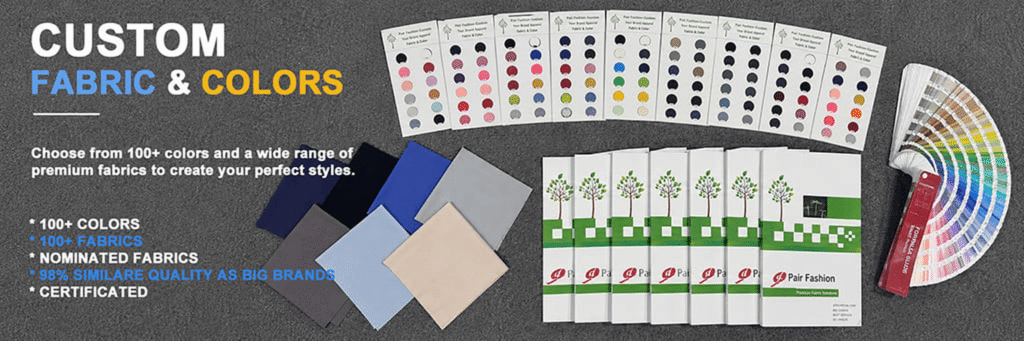
Create Printed Leggings Collections That Stand Out in a Competitive Market
As the demand for plus size activewear continues to grow, more brands are introducing printed leggings into their collections. However, adding graphics alone is rarely enough to create a meaningful competitive advantage. Consumers are increasingly drawn to products that reflect a recognizable style, a consistent design language, and a clear brand identity.
The most successful plus size printed leggings collections are often built around a defined concept rather than a collection of unrelated patterns. Whether inspired by nature, movement, modern geometry, artistic expression, or seasonal trends, a cohesive design direction helps strengthen brand recognition and creates a more professional product offering.
Popular print directions include:
| Print Style | Common Brand Positioning |
|---|---|
| Geometric Patterns | Modern, energetic, performance-focused |
| Floral Designs | Lifestyle, wellness, feminine collections |
| Abstract Graphics | Fashion-forward activewear |
| Ombre and Gradient Effects | Contemporary training and gym wear |
| Nature-Inspired Prints | Outdoor, yoga, and wellness markets |
| Signature Brand Patterns | Long-term brand differentiation |
Different sales channels often favor different design approaches. E-commerce brands may prioritize bold visual impact that performs well in product photography and social media content, while premium activewear collections often focus on timeless prints that remain relevant across multiple seasons.
When developing printed leggings, visual appeal must be balanced with practical considerations. Print scale, color placement, and pattern distribution should remain attractive across the full size range. Designs that work on smaller garments may require adjustments to maintain consistency and proportion in extended sizes.
A well-planned print collection does more than enhance appearance. It helps establish a recognizable identity, supports higher perceived value, and creates stronger opportunities for repeat purchases. For many growing activewear brands, print strategy has become an important part of product development rather than simply a decorative feature.
Turn Custom Artwork Into Retail-Ready Leggings
Not all activewear brands start development with a fully completed tech pack. Many collections begin with simple inspirations—including hand-drawn sketches, mood boards, Pinterest references, graphic concepts, or existing sample pieces that define the intended design direction. Turning these initial ideas into market-ready, commercially viable products is a critical step in custom leggings development.
For plus size printed leggings, the development process involves much more than applying artwork to fabric. Every design must be evaluated alongside fit requirements, fabric behavior, print performance, size scaling, and production feasibility. The goal is to create a product that looks attractive in marketing materials while remaining practical for manufacturing and consistent across the full size range.
Brands typically begin development using one or more of the following resources:
| Development Starting Point | Typical Application |
|---|---|
| Original Artwork Files | Custom print collections |
| Reference Garments | Fit and construction guidance |
| Design Sketches | New product concepts |
| Mood Boards | Collection direction and branding |
| Competitor Samples | Feature benchmarking |
| Pantone References | Color consistency and approval |
A structured development process helps identify potential issues before production begins. Print proportions can be reviewed across multiple sizes, colors can be tested on selected fabrics, and construction details can be refined before final approval.
Typical development stages include:
- Artwork and concept review
- Fabric and print method selection
- Pattern development and grading
- Print strike-off approval
- Prototype sample creation
- Fit evaluation and revisions
- Pre-production sample confirmation
By resolving technical challenges during sampling, brands gain greater confidence before committing to bulk production. This approach reduces costly adjustments later in the process and helps ensure the final leggings collection meets both visual and performance expectations.
A well-managed development process creates a stronger foundation for future product launches, seasonal updates, and repeat orders while maintaining consistency across the brand’s growing activewear range.
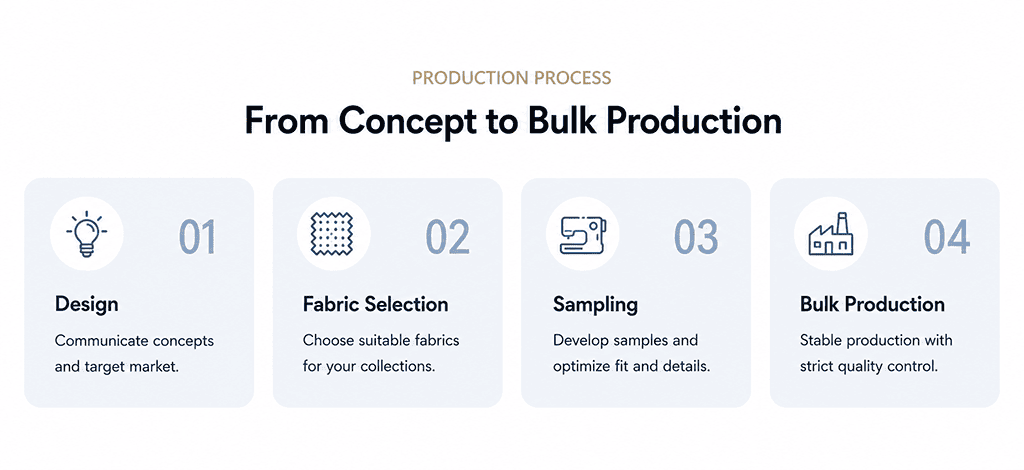
Turn Product Concepts Into Retail-Ready Samples Faster
For many activewear brands, the greatest product development risks occur long before production begins. The sampling stage is where design ideas, performance expectations, fit requirements, and commercial objectives come together for validation. When this process is managed effectively, brands can reduce development uncertainty, shorten launch timelines, and make more confident decisions before committing to bulk production.
Whether development begins with a complete technical package, a reference garment, a design sketch, or a product concept, the objective remains the same: create a sample that accurately reflects the intended consumer experience.
A structured plus size leggings development process typically includes several key stages.
| Development Stage | Purpose | Key Evaluation Focus |
|---|---|---|
| Product Requirement Review | Align product expectations before development begins. | Target customer, functionality, sizing strategy, and market positioning. |
| Fabric Confirmation | Select suitable materials for performance and comfort. | Stretch, recovery, opacity, moisture management, and durability. |
| Proto Sample | Review the initial product concept. | Construction quality, design accuracy, and manufacturing feasibility. |
| Fit Sample | Optimize fit and wearing experience. | Body proportions, mobility, compression balance, and comfort. |
| Size Set Sample | Confirm consistency across all sizes. | Grading accuracy, measurement consistency, and fit performance. |
| Pre-Production Sample (PP Sample) | Approve the final standard before bulk production. | Overall quality, workmanship, labeling, packaging, and production readiness. |
For plus size leggings, fit validation is particularly important. Body proportions change significantly across extended sizes, making it difficult to evaluate product performance using measurements alone. Physical fitting sessions help identify issues related to waistband support, hip and thigh balance, rise depth, mobility, comfort, and fabric recovery before production begins.
An efficient sampling process is not simply about creating samples quickly. It is about generating meaningful feedback at each stage and applying those insights systematically. Clear communication, accurate revisions, and documented approvals help eliminate unnecessary development cycles while improving product accuracy.
For brands building a private label plus size leggings collection, a structured sampling workflow provides a reliable foundation for future production. It helps ensure that every approved style meets expectations for fit, performance, and quality before moving into manufacturing, reducing risk while supporting faster and more predictable product launches.
Customize Every Element of Your Plus Size Printed Leggings
The most successful plus size printed leggings are rarely defined by fabric or print design alone. Consumers increasingly evaluate products based on how they fit, function, and support their lifestyle. Small construction details often have a significant impact on comfort, performance, and overall customer satisfaction.
Custom development allows brands to build products around the needs of their target audience rather than relying on standard market templates. Whether the goal is high-performance training apparel, everyday athleisure, yoga collections, or inclusive activewear, every detail can be optimized to support a specific customer experience.
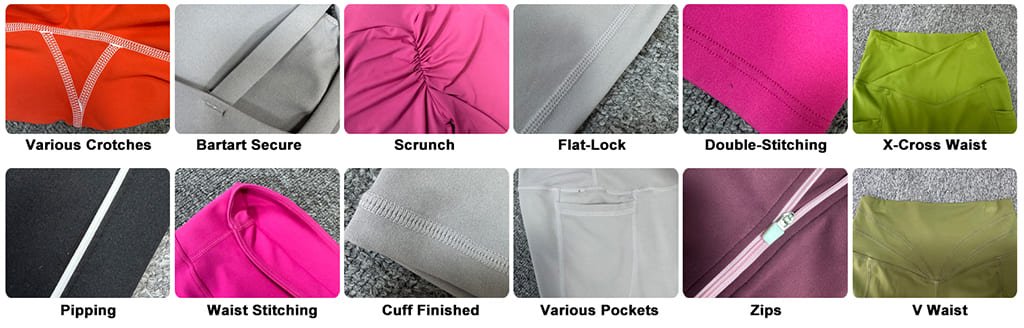
Common customization options include:
| Component | Customization Possibilities |
|---|---|
| Waistband | High-rise, extra-wide, shaping, compression, crossover |
| Pockets | Side pockets, hidden waistband pockets, rear pockets |
| Length | Full length, 7/8 length, capri, cropped |
| Gusset | Standard gusset, reinforced gusset, comfort gusset |
| Seam Construction | Flatlock seams, minimal seams, contour seams |
| Compression Level | Light, medium, high support |
| Hem Finish | Clean finish, bonded hem, elastic finish |
| Reflective Features | Reflective logos and safety elements |
| Print Placement | All-over print, panel print, localized graphics |
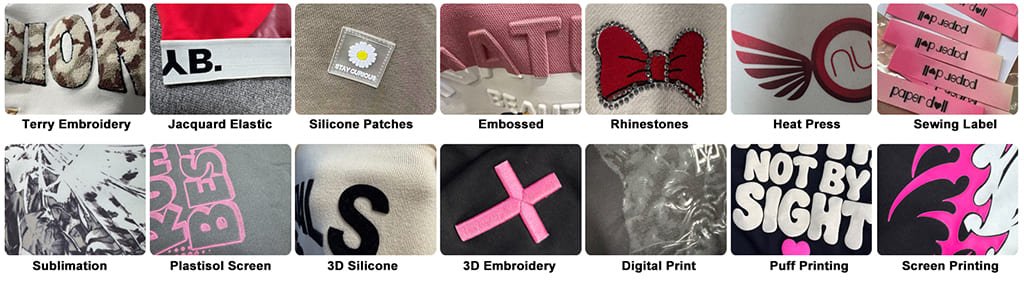
| Logo Application | Heat transfer, silicone print, embroidery, woven label |
Beyond garment construction, brands can also customize a complete private label presentation, including:
- Main labels
- Care labels
- Size labels
- Custom hangtags
- Printed poly bags
- Retail packaging
- Carton markings and barcode labels
These details help create a more cohesive product experience while strengthening brand identity across online and offline sales channels.
Custom development is not simply about adding features. It is about creating products that reflect a brand’s positioning, support customer expectations, and provide a more distinctive alternative to generic market offerings. By tailoring both functional and visual elements, brands can build collections that feel intentional, recognizable, and easier to scale as their business grows.
Build a Complete Private Label Product Instead of Just a Garment
Consumers do not purchase leggings based solely on fabric, fit, or print design. They also respond to how a product is presented, packaged, and positioned within a brand. A strong private label strategy transforms a pair of leggings from a functional garment into a recognizable product that supports long-term brand growth.
For many activewear brands, product differentiation extends beyond performance features. Consistent branding across labels, packaging, and presentation materials helps create a more professional image while improving customer trust and perceived value.
A complete private label plus size printed leggings program may include:
| Branding Element | Purpose |
|---|---|
| Main Label | Establish brand recognition |
| Care Label | Communicate product information and compliance requirements |
| Size Label | Improve customer purchasing confidence |
| Hangtags | Highlight brand story and product features |
| Custom Poly Bags | Enhance presentation and product protection |
| Retail Packaging | Support premium retail positioning |
| Barcode Labels | Improve inventory and fulfillment management |
| Carton Markings | Streamline warehouse and logistics operations |

The importance of branding becomes even more apparent across different sales channels.
For direct-to-consumer brands, packaging is often the first physical interaction a customer has with the product. For retail businesses, hangtags and visual presentation influence how products are perceived on shelves and display racks. For wholesale programs, clear labeling and packaging help improve inventory control and distribution efficiency.
A well-developed private label program creates consistency throughout the customer journey. From the moment a product is received to the moment it is worn, every detail reinforces the identity of the brand behind it.
Rather than treating branding as an afterthought, successful activewear companies integrate brand elements into product development from the beginning. This approach helps create a more memorable customer experience, strengthens market positioning, and supports long-term customer loyalty beyond the initial purchase.
For growing sportswear brands, a complete private label solution is not simply packaging. It is an important part of building a recognizable, scalable, and competitive business.
Launch Faster With Low MOQ Sampling and Flexible Production
Bringing a new product to market is often less risky than carrying excess inventory. Even a well-designed collection can create financial pressure if production quantities are too high before market demand has been validated. For this reason, many activewear brands prefer to test products in smaller quantities before scaling successful designs.
This approach is particularly valuable for new collections, emerging brands, seasonal launches, and companies entering the plus size activewear market for the first time. By starting with manageable order volumes, brands gain valuable customer feedback while reducing the risks associated with large upfront investments.
A flexible development and production process allows brands to move through several stages with greater confidence:
| Stage | Objective |
|---|---|
| Sample Development | Validate fit, fabric, and print performance |
| Small Batch Production | Test customer response and sales potential |
| Market Evaluation | Analyze feedback and identify best-selling styles |
| Repeat Orders | Replenish successful products efficiently |
| Scaled Production | Expand inventory based on proven demand |
This model helps brands make decisions using real market data rather than assumptions.
Flexible production also supports faster product launches. Instead of waiting to build large inventories, brands can introduce new styles, evaluate performance, and respond quickly to changing consumer preferences. This is especially important in activewear categories where trends, seasonal collections, and social media influence can shift demand rapidly.
For private label collections, flexible manufacturing creates opportunities to test multiple print concepts, colorways, and size distributions without committing to excessive stock levels. Successful products can then be expanded into larger programs with greater confidence.
As a plus size printed leggings wholesale manufacturer, we support both small-scale launches and long-term production growth. Whether the goal is market testing, collection expansion, or ongoing replenishment, a scalable manufacturing approach provides the flexibility needed to support sustainable brand development.
Protect Product Consistency From Sample Approval to Bulk Production
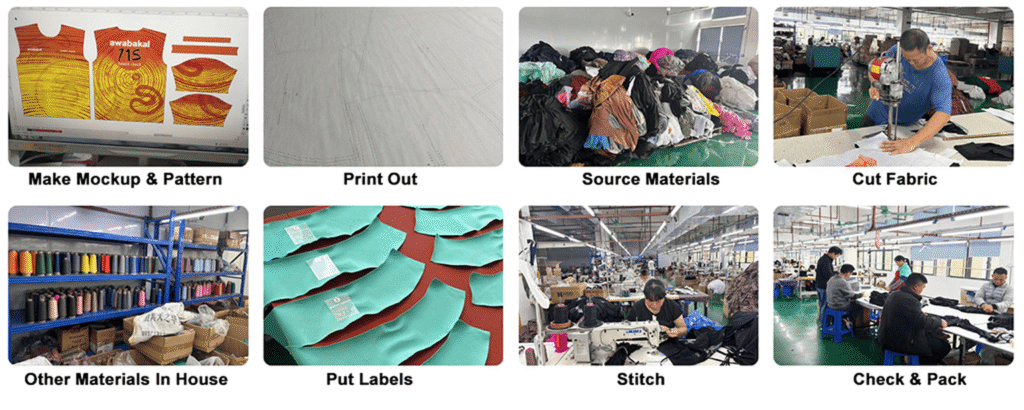
Developing a successful sample is only the first step. The real challenge is ensuring that the approved product can be reproduced consistently across an entire production run. For many activewear brands, the biggest manufacturing concern is not design or development—it is maintaining quality and consistency once bulk production begins.
This is particularly important for plus size printed leggings, where fit, print performance, fabric behavior, and construction quality must remain consistent across multiple sizes and production quantities. Even small variations can affect customer satisfaction and increase the likelihood of returns or negative reviews.
A structured quality management process helps reduce these risks by monitoring critical stages throughout production.
| Production Stage | Quality Focus |
|---|---|
| Fabric Inspection | Color consistency, weight, stretch performance |
| Print Approval | Artwork accuracy, color matching, placement |
| Pattern Verification | Size grading and measurement accuracy |
| Sewing Inspection | Construction quality and seam durability |
| In-Process Quality Checks | Production consistency and defect prevention |
| Final Inspection | Appearance, measurements, labeling, packaging |
| Packing Verification | Quantity accuracy and shipment readiness |
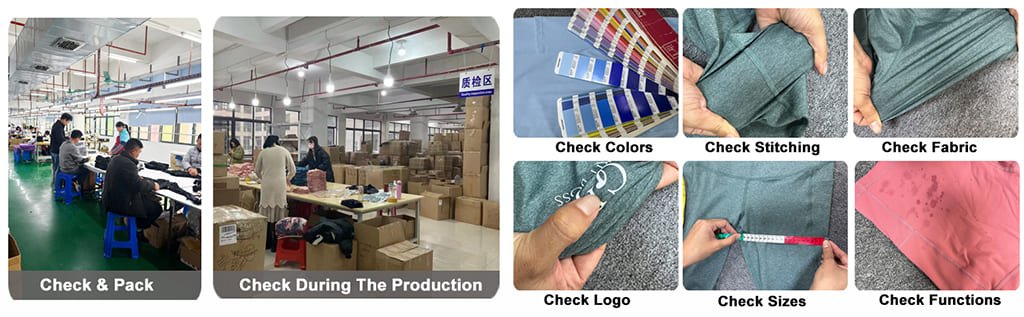
In addition to routine inspections, pre-production sample approval provides an important reference point for bulk manufacturing. Once the sample is confirmed, production standards can be aligned around approved materials, colors, measurements, and construction details.
For printed leggings, quality control also extends to print durability, stretch recovery, colorfastness, and overall appearance after repeated wear and washing. These factors influence not only product performance but also long-term customer perception of the brand.
Consistent quality is one of the foundations of repeat business. When customers receive products that match expectations order after order, brands gain stronger customer trust, lower return rates, and greater confidence when expanding future collections.
A reliable quality management system helps transform successful samples into successful production programs while protecting both product integrity and brand reputation.
Support Long-Term Growth With a Reliable Plus Size Activewear Supply Chain
Building a successful activewear brand is rarely the result of a single product launch. Sustainable growth comes from consistently delivering products that customers trust, repurchase, and recommend. As collections expand and order volumes increase, the strength of the supply chain becomes an increasingly important factor in supporting long-term success.
For plus size printed leggings, supply chain reliability extends beyond manufacturing capacity. Brands benefit from working with a partner that understands their product standards, maintains consistent quality, preserves fit specifications, and supports future collection development without requiring the process to start from the beginning each season.
As brands evolve, their operational needs often change:
| Brand Growth Stage | Typical Supply Chain Priorities |
|---|---|
| Startup Brands | Product validation, low-risk launches, flexible MOQ |
| Growing Brands | Faster development, multiple SKU management, repeat orders |
| Established Brands | Consistent quality, production planning, supply chain stability |
| Expanding Brands | Scalable capacity, global fulfillment, long-term product continuity |
1. Product Development
Regular monthly product development ensures consistent updates to your brand line.
2. Fabric Sourcing
Regular monthly product development ensures consistent updates to your brand line.
3. Sample Making
Regular monthly product development ensures consistent updates to your brand line.
4. Bulk Production
Regular monthly product development ensures consistent updates to your brand line.
5. Packaging & Delivery
Regular monthly product development ensures consistent updates to your brand line.
Complete OEM & ODM Sportswear Solutions
We provide complete custom sportswear manufacturing services from concept development and fabric sourcing to bulk production and worldwide delivery.
- OEM & ODM Product Development
- Functional Fabric Sourcing & Material Selection
- Pattern Making & Sample Development
- Private Label Branding & Custom Packaging
- Quality-Controlled Bulk Manufacturing
- Global DDP Shipping & Delivery Support
A reliable manufacturing partnership helps support each stage of this journey.
Long-term collaboration can provide advantages such as:
- Consistent fit standards across future collections
- Archived patterns and production specifications
- Faster repeat order processing
- More efficient new product development
- Improved forecasting and production planning
- Greater consistency across multiple production cycles
For activewear brands, continuity matters. Maintaining the same fit, fabric quality, print standards, and customer experience from one season to the next helps strengthen brand credibility and customer loyalty.
Rather than functioning solely as a production resource, an experienced plus size printed leggings wholesale manufacturer can become an extension of a brand’s product development and supply chain strategy. This creates a stronger foundation for growth while reducing many of the operational challenges that emerge as a business scales.
The goal is not simply to manufacture leggings. It is to support the long-term development of a stronger, more recognizable, and more competitive activewear brand.
Frequently Asked Questions About Wholesale Plus Size Leggings Manufacturing
FAQ 1
What Is the MOQ for Custom Plus Size Printed Leggings?
MOQ for custom plus size printed leggings is typically influenced by fabric selection, print complexity, and overall product specifications, but flexible production options often allow brands to test the market before committing to larger inventory investments.
MOQ affects much more than production volume. It also impacts fabric sourcing, print setup costs, and manufacturing efficiency. For emerging activewear brands, reducing inventory risk is often more important than achieving the lowest possible unit cost.
Several factors commonly influence MOQ requirements:
| Factor | Impact on MOQ |
|---|---|
| Custom-developed fabrics | Higher MOQ |
| Specialized printing methods | Higher MOQ |
| Standard performance fabrics | More flexibility |
| Existing production-ready patterns | Lower development requirements |
| Multiple size distributions | Improved quantity flexibility |
For most plus size activewear brands, launching with manageable quantities and scaling successful products later provides a more sustainable growth strategy while minimizing inventory exposure.
FAQ 2
How Do You Prevent Printed Patterns From Looking Distorted on Larger Sizes?
Preventing print distortion on plus size leggings requires coordinated adjustments to artwork scaling, pattern development, garment proportions, and fabric stretch behavior rather than simply enlarging the original graphic.
A design that looks balanced on a smaller sample may appear stretched, compressed, or visually inconsistent on larger sizes if scaling is handled incorrectly.
Professional development typically includes:
- Artwork scaling adjustments
- Strategic print placement
- Fabric stretch evaluation
- Multi-size fit reviews
- Pattern-specific layout optimization
| Development Area | Purpose |
|---|---|
| Print Scaling | Maintain visual balance |
| Panel Placement | Reduce distortion risk |
| Stretch Testing | Evaluate graphic performance |
| Size Validation | Improve consistency across sizes |
This process helps maintain a consistent brand presentation while ensuring that consumers receive the same visual experience regardless of garment size.
FAQ 3
What Fabric Is Best for Plus Size Printed Workout Leggings?
The best fabric for plus size printed workout leggings depends on the collection’s positioning, intended activity, customer expectations, and print requirements rather than a single universal material choice.
Premium collections often favor nylon-spandex blends because of their smooth hand feel, shaping performance, and elevated appearance. Polyester-spandex fabrics are frequently selected for vibrant all-over prints due to their excellent color clarity and print compatibility.
When evaluating fabrics, brands should prioritize:
- Opacity and coverage
- Stretch recovery
- Print performance
- Moisture management
- Long-term durability
| Fabric Type | Common Application |
|---|---|
| Nylon-Spandex | Premium training collections |
| Polyester-Spandex | All-over printed leggings |
| Recycled Fabrics | Sustainable activewear programs |
| Compression Knits | High-support fitness products |
Selecting the right fabric foundation helps improve both athletic performance and long-term customer satisfaction.
FAQ 4
Can You Manufacture Plus Size Leggings Up to 5XL or 6XL?
Yes. Plus size leggings can be developed up to 5XL, 6XL, or larger size ranges, but successful extended sizing requires dedicated pattern engineering rather than simply enlarging existing measurements.
Consumers often expect larger sizes to provide the same comfort, support, and confidence as smaller sizes. Achieving this requires careful adjustments throughout the garment rather than standard grading alone.
Development typically focuses on:
- Waist-to-hip proportion adjustments
- Thigh mobility and comfort
- Rise depth optimization
- Waistband support structure
- Extended-size grading strategies
| Development Area | Objective |
|---|---|
| Size Grading | Consistent fit across sizes |
| Waist Support | Improved stability |
| Hip Shaping | Better body contouring |
| Comfort Adjustments | Enhanced wearability |
This approach helps create genuinely inclusive activewear collections while maintaining consistent product performance across the entire size range.
FAQ 5
How Long Does Sampling and Bulk Production Take?
Sampling and bulk production timelines for plus size printed leggings depend on factors such as fabric availability, print complexity, product specifications, and approval speed, but efficient planning can significantly reduce overall lead times.
For activewear brands, speed is often a competitive advantage. Seasonal launches, promotional campaigns, and collection releases frequently depend on reliable development schedules.
A typical project timeline may include:
| Stage | Typical Timeline |
|---|---|
| Design Confirmation | 1-3 Days |
| Fabric and Print Approval | 2-5 Days |
| Sample Development | 3-10 Days |
| Sample Revisions | 3-7 Days |
| Bulk Production | 15-30 Days |
| International Shipping | Depends on destination |
Brands that provide clear specifications, finalized artwork, and approved materials can often move through the development process more efficiently and bring products to market faster.
FAQ 6
Can You Produce Multiple Prints and Colorways Within One Collection?
Yes. Developing multiple prints and colorways within a single collection is a common strategy used by activewear brands to increase product variety, test consumer preferences, and strengthen overall collection appeal.
Consumers often appreciate having several visual options within the same fit and construction platform. This allows brands to maximize the value of a successful pattern while offering greater choice to different customer groups.
Popular collection strategies include:
- One fit with multiple prints
- One print across multiple colorways
- Seasonal capsule collections
- Limited-edition graphic releases
- Market-testing programs
| Collection Strategy | Key Benefit |
|---|---|
| Multiple Prints | Test customer preferences |
| Multiple Colorways | Increase repeat purchases |
| Seasonal Releases | Maintain collection freshness |
| Capsule Collections | Strengthen brand identity |
This approach helps brands gather valuable sales data while creating more engaging and commercially attractive product lines.
FAQ 7
Can You Add Private Labels, Custom Packaging, and Brand-Specific Details?
Yes. A complete private label program can include branding elements, packaging solutions, and product identification features that help transform a garment into a professional retail-ready product.
Consumers often form their first impression of a brand through packaging and presentation. Consistent branding helps improve perceived value, strengthen recognition, and create a more memorable customer experience.
Common private label options include:
| Branding Element | Purpose |
|---|---|
| Main Label | Brand identification |
| Care Label | Product information |
| Size Label | Size communication |
| Hangtags | Brand storytelling |
| Custom Poly Bags | Product protection |
| Retail Packaging | Premium presentation |
A well-developed branding system helps create a more professional appearance across retail, wholesale, and direct-to-consumer sales channels.
FAQ 8
How Do You Ensure Bulk Production Matches the Approved Sample?
Maintaining consistency between approved samples and bulk production requires structured quality control throughout the entire manufacturing process rather than relying solely on final inspection.
Many production issues originate long before finished goods are packed. Preventing inconsistencies requires clear standards, approved references, and continuous monitoring at key production stages.
A typical quality management process includes:
| Quality Stage | Primary Focus |
|---|---|
| Fabric Inspection | Material verification |
| Print Approval | Color and artwork accuracy |
| Pre-Production Sample | Production standard confirmation |
| In-Line Inspection | Process consistency monitoring |
| Final Inspection | Finished goods evaluation |
| Packing Verification | Shipment accuracy confirmation |
When production standards are aligned with approved samples from the beginning, brands can achieve greater consistency, reduce quality risks, and build stronger confidence in future repeat orders.
- Yoga Pant
- Sports Bras
- Tank Tops
- Gym Shorts
- Men & Kids Sportswear
- Riding Tops
- Breeches
- Competition Wear
- Jackets
- Man & Kids Equestrian
- Joggers
- Sweatshirt & Hoodies
- Sweaters
- Coat & Jacket
- Men & Kids Loungewear
Other OEM Apparel
- Tennis Clothing
- Jumpsuit
- Dress & Skirts
- Plus Size Activewear
- Maternity Activewear
Get In Touch
Contact our OEM/ODM specialists for product development, sampling, pricing, and production support.
Email Us
lethe@pairfashion.com
Start Your Inquiry →
+86 15814270413
Start WhatsApp Chat →
Factory Location
Dongguan, Guangdong, China
Explore Our Factory →
Working Hours
Mon - Sat
Request Support →