OEM/ODM Sportswear Manufacturer | 3-Day Sampling | Low MOQ | 50K Monthly Capacity | ISO9001 & BSCI Certified

Top 10 Mens Gym Shorts Wholesale Manufacturer Choices for Smarter Sourcing
Compare leading Mens Gym Shorts Wholesale Manufacturer options by sizing accuracy, MOQ flexibility, wholesale pricing and production reliability. Discover practical supplier verification methods, evaluate sourcing risks and identify manufacturing partners that match your brand’s product requirements and purchasing goals.
Top 10 Mens Gym Shorts Wholesale Manufacturer Choices: Assessing Size Consistency, Order Flexibility and Sourcing Risks
A low wholesale price may look attractive at first, but the brand may later find that the supplier requires a separate MOQ for each color. Even if the sample looks perfect, the brand may face additional costs when the bulk products have inconsistent waist measurements, inner liners that are too tight or differences in fabric recovery.
These problems are especially important for men’s gym shorts. Even a small difference in waistband tension, inseam length or compression liner construction can affect the fit and comfort of the shorts during squats, running and strength training. For an activewear brand, these problems may lead to customer complaints, more product returns and fewer repeat sales.
The challenge is not simply finding a manufacturer that can produce gym shorts. It is identifying a supplier that can reproduce the approved product, support commercially suitable order quantities and provide reliable evidence before production begins.
China offers many potential manufacturing partners, but their product experience, minimum order requirements, development resources and quality systems vary. Some suppliers specialize in performance sportswear, while others provide broader private label clothing services.
This guide compares 10 potential sourcing partners and explains how to evaluate their suitability through product evidence, comparable quotations, size consistency, order flexibility and sourcing risk.
The best Mens Gym Shorts Wholesale Manufacturer is not necessarily the company offering the lowest unit price or shortest advertised lead time. Buyers should first identify suppliers with relevant gym shorts production experience, confirm their mandatory product requirements and compare quotations under equivalent conditions. Size consistency, fabric specifications, MOQ rules, sample approval, production evidence and total landed cost should all influence the decision. Suppliers that cannot meet essential requirements should be excluded before commercial scoring. A suitable manufacturing partner should support both the initial order and consistent future replenishment.
1. Top 10 Mens Gym Shorts Wholesale Manufacturer Options in China: Which Suppliers Are Worth Shortlisting?
A suitable Mens Gym Shorts Wholesale Manufacturer should be shortlisted according to relevant product experience, verifiable production arrangements, sample quality and commercially acceptable order terms. China has suppliers offering everything from basic training shorts to technical 2-in-1 designs, but their capabilities should not be assumed to be identical. The following comparison identifies 10 potential sourcing options and explains which purchasing conditions deserve closer attention. Buyers should confirm current manufacturing locations, minimum quantities, lead times and certification documents directly before making a final commitment.
Quick Comparison of 10 China-Based Men’s Gym Shorts Manufacturing and Sourcing Options
| Manufacturer | Product Focus | Purchasing Consideration | Potential Buyer Fit |
|---|---|---|---|
| Pair Fashion | Custom activewear and men’s training shorts | MOQ, sampling and repeat-order consistency | Startup and growing activewear brands |
| HUCAI Sportswear | Men’s and women’s fitness apparel | Style-level minimums and production terms | Fitness clothing brands |
| AIKA Sportswear | Custom sportswear | Shorts-specific experience and quotation | Multi-category sportswear buyers |
| OUYI Activewear | Gym shorts and performance apparel | Custom fabric and construction requirements | Technical activewear brands |
| Maida Activewear | Men’s gym and running shorts | Mixed-size ordering and liner construction | Private label gymwear brands |
| Eationwear | Performance activewear | Program capacity and product suitability | Growing activewear businesses |
| Hongyu Apparel | Custom clothing and private label | Ready-made vs original cut-and-sew terms | Independent clothing brands |
| Hingto Sportswear | Men’s and women’s activewear | Catalog styles vs original development | Fitness apparel collections |
| CFC Activewear | Activewear sourcing candidate | Company identity and product verification | Buyers conducting additional screening |
| Berunwear | Custom sportswear sourcing | Actual production arrangements | Sportswear retailers and brands |
These companies represent different sourcing possibilities rather than a verified performance ranking. Published information may change, and not every supplier has the same level of publicly documented men’s gym shorts specialization.
1. Pair Fashion — Dongguan, Guangdong
Company Overview
Founded in 2016, Dongguan Pair Fashion Co., Ltd. provides OEM/ODM manufacturing services for functional sportswear, including men’s training shorts, running shorts and other performance apparel.
The company reports seven production lines, an 11-person pattern and sample development team, and 13 quality-control personnel.
Key Purchasing Information
Location: Dongguan, Guangdong, China
Founded: 2016
MOQ: Regular styles generally start from 100 pieces; actual requirements depend on the project
Sampling: As fast as 3 days for suitable designs; approximately 7 days under regular conditions
Bulk Lead Time: From 15 working days for eligible orders; standard planning approximately 20–25 working days
Core Products: Gym shorts, running shorts, activewear, joggers, yoga wear and equestrian apparel
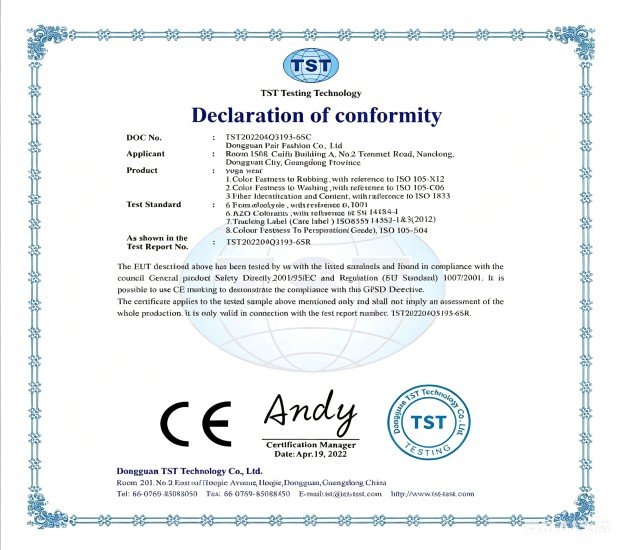
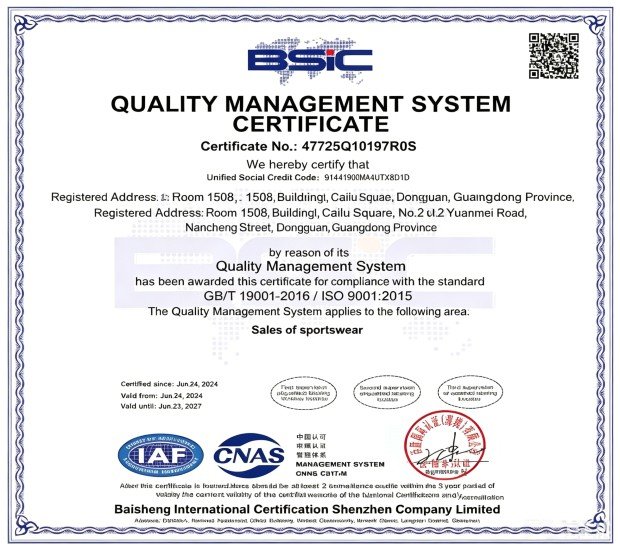
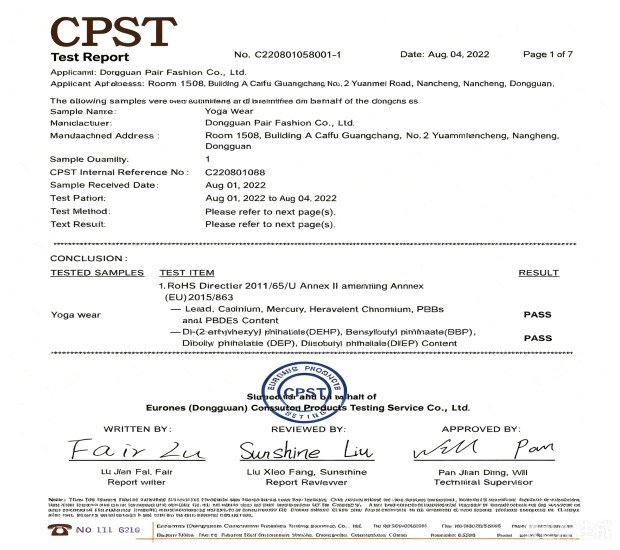
Reported Certifications: ISO 9001, BSCI, GRS, CE and RoHS; current validity and applicability should be confirmed
Suitable Buyers: Startup fitness brands, growing DTC businesses and wholesale buyers planning repeat orders
Less Suitable Buyers: Customers requiring extremely small, highly complicated production runs without a commercially workable order structure
Strengths and Limitations
Pair Fashion offers product development resources alongside bulk manufacturing and quality-control support. This combination may suit brands that need to test initial demand and later replenish successful products.
For a buyer comparing one Mens Gym Shorts Wholesale Manufacturer with another, the important questions are whether both suppliers can reproduce the approved fit, document the material specifications and maintain consistent results during future orders.
Pair Fashion’s reported monthly capacity covers several clothing categories, so available capacity for a particular gym shorts order should be confirmed separately.
Buyers who want to examine the company’s specific private label men’s gym shorts production options can review its product development and manufacturing information before requesting a comparable quotation.
2. HUCAI Sportswear — Dongguan, Guangdong
Company Overview
HUCAI Sportswear supplies custom fitness apparel, including men’s training clothing and related activewear products. Its product positioning is relevant to buyers developing gym shorts alongside workout tops and other fitness garments.
Key Purchasing Information
Location: Dongguan, Guangdong, China
Founded: Confirm against current company registration information
MOQ: Published men’s activewear information has indicated 200 pieces per style; confirm current terms
Sampling: Published guidance has indicated approximately 10–15 days
Bulk Lead Time: Published guidance has indicated approximately 25–30 days
Core Products: Training shorts, fitness tops and performance activewear
Certifications: Request current facility-level documents
Suitable Buyers: Fitness brands developing coordinated workout collections
Less Suitable Buyers: Brands requiring quantities below the confirmed minimum or unusually short development schedules
Strengths and Limitations
HUCAI’s men’s activewear offering provides a relevant starting point for product-specific sourcing inquiries.
However, published order conditions can differ between product categories. A buyer should establish whether a quotation covers an existing pattern, original pattern development or a more complex construction such as double-layer shorts.
The same question applies to material sourcing. A stocked polyester-spandex fabric and a custom-colored performance fabric may create different purchasing minimums.
3. AIKA Sportswear — China
Company Overview
AIKA Sportswear is a custom sportswear sourcing option for buyers interested in men’s workout apparel and broader activewear collections.
Key Purchasing Information
Location: Confirm the actual production site and contracting company
Founded: Not publicly established from the information available for this comparison
MOQ: Project-specific quotation required
Sampling: Confirm according to the submitted design
Bulk Lead Time: Confirm in writing
Core Products: Custom sportswear and activewear
Certifications: Request documents relevant to the production facility and materials
Suitable Buyers: Brands sourcing coordinated sportswear collections
Less Suitable Buyers: Buyers requiring fixed pricing and guaranteed delivery without providing specifications
Strengths and Limitations
A broader sportswear product offering may be useful for buyers who want to source several related garments through one company, and brands planning multi-category collections can also examine wholesale activewear manufacturing solutions when comparing their sourcing options.
However, a general activewear catalog does not establish specialist competence in men’s 2-in-1 gym shorts.
Before selecting AIKA as a Mens Gym Shorts Wholesale Manufacturer, buyers should request examples of comparable shorts, confirm the construction methods available and evaluate physical samples under the intended movement conditions.
4. OUYI Activewear — Guangzhou, Guangdong
Company Overview
OUYI Activewear publishes product information covering gym shorts, biker shorts and other performance apparel, including customized construction and material options.
Key Purchasing Information
Location: Guangzhou, Guangdong, China
Founded: 2008, according to company information
MOQ: Published custom OEM guidance starts from approximately 200 pieces per color and style
Sampling: Approximately 7–10 business days according to published guidance
Bulk Lead Time: Confirm for the selected order
Core Products: Gym shorts, 2-in-1 shorts, leggings and other activewear
Reported Certifications: ISO 9001 and additional material or audit-related claims; verify scope and validity
Suitable Buyers: Brands developing performance-oriented or technically customized garments
Less Suitable Buyers: Buyers whose maximum order quantity falls below the required color or style minimum
Strengths and Limitations
OUYI provides relevant product descriptions covering gym shorts construction and performance materials.
This may help buyers prepare more specific requests concerning inseam length, compression liners, waistband design and fabric performance.
The main consideration is whether the requested materials and construction details are available under the published MOQ. Custom dyeing, unusual trims or specialist fabrics may require different minimums.
5. Maida Activewear — Guangzhou, Guangdong
Company Overview
Maida Activewear publishes dedicated information about men’s gym shorts, running shorts and 2-in-1 designs, making it a relevant option for buyers seeking product-specific manufacturing experience.
Key Purchasing Information
Location: Guangzhou, Guangdong, China
Founded: 2008, according to its company profile
MOQ: Published guidance generally indicates 50–100 pieces per design and color
Sampling: Approximately 5–7 working days according to published guidance
Bulk Lead Time: Published estimates vary by product and order conditions
Core Products: Men’s training shorts, running shorts, compression bottoms and 2-in-1 shorts
Certifications: Request current facility and material documentation
Suitable Buyers: Gymwear startups and brands developing customized shorts
Less Suitable Buyers: Buyers requiring unconfirmed materials, certifications or guaranteed urgent delivery
Strengths and Limitations
Maida’s product-specific information can help buyers identify available construction options and prepare detailed sample requirements.
However, a low published MOQ does not automatically mean every color, fabric and design variation can be combined within one order.
When comparing Maida with another Mens Gym Shorts Wholesale Manufacturer, request written confirmation of mixed-size rules, fabric availability, sample revision conditions and the treatment of separate inner liners.
6. Eationwear — China
Company Overview
Eationwear promotes manufacturing services for performance activewear and broader fitness clothing programs.
Its product range may be relevant to brands purchasing men’s gym shorts together with other activewear categories.
Key Purchasing Information
Location: Confirm the production facility assigned to the order
Founded: Confirm current legal company information
MOQ: Depends on the product and commercial arrangement
Sampling: Confirm after reviewing the design requirements
Bulk Lead Time: Written project schedule required
Core Products: Performance activewear and fitness clothing
Certifications: Request current applicable facility and material documents
Suitable Buyers: Growing brands planning coordinated activewear programs
Less Suitable Buyers: Buyers seeking only a very small basic shorts order without broader development requirements
Strengths and Limitations
A multi-category manufacturer may offer advantages when a brand wants consistent purchasing arrangements across several products.
Nevertheless, company-wide production capability does not prove that a specific shorts construction can be reproduced accurately.
Buyers should request samples and manufacturing evidence directly related to the intended product rather than relying on general activewear experience.
7. Hongyu Apparel — China
Company Overview
Hongyu Apparel serves private label clothing businesses and custom apparel buyers through different production arrangements.
Its services include options that differ in customization depth, which is an important distinction for buyers comparing wholesale clothing suppliers.
Key Purchasing Information
Location: Confirm the contracting entity and production facility
Founded: 2003, according to company information
MOQ: Published custom cut-and-sew guidance starts from 100 pieces per style and color
Sampling: Approximately 8–15 days for certain custom programs
Bulk Lead Time: Published cut-and-sew guidance indicates approximately 24–30 days
Core Products: Custom clothing and private label apparel
Certifications: Request current relevant documentation
Suitable Buyers: Independent brands comparing ready-made customization and original clothing development
Less Suitable Buyers: Technical performance brands unwilling to verify specialist gym shorts capabilities
Strengths and Limitations
Hongyu’s distinction between different customization programs can help buyers understand why minimum quantities and development costs vary.
For example, adding a logo to an existing garment is not equivalent to developing a new pattern with customized waistband construction and a compression liner.
A Mens Gym Shorts Wholesale Manufacturer comparison should separate these purchasing models before evaluating quotations.
8. Hingto Sportswear — China
Company Overview
Hingto Sportswear promotes custom men’s and women’s activewear, including products relevant to fitness and training collections.
Key Purchasing Information
Location: Confirm current production and contracting locations
Founded: Confirm current company information
MOQ: Depends on product and customization requirements
Sampling: Project-specific confirmation required
Bulk Lead Time: Confirm after reviewing specifications
Core Products: Men’s activewear, training tops, shorts and related sportswear
Certifications: Request applicable current documents
Suitable Buyers: Fitness brands developing multiple coordinated products
Less Suitable Buyers: Buyers requiring fixed commercial terms before technical evaluation
Strengths and Limitations
Hingto’s men’s activewear positioning makes it a possible supplier for coordinated training collections.
Buyers should distinguish between available catalog garments and designs requiring new pattern development.
A manufacturer may offer competitive terms for existing designs while requiring different pricing, minimum quantities and sampling periods for original constructions.
9. CFC Activewear — Supplier Identity and Product Verification Required
A supplier name alone is not sufficient evidence for a purchasing decision. Before considering CFC Activewear as a confirmed manufacturer, buyers should establish the exact legal company, official website, production address and relevant men’s gym shorts product range.
Information to establish before shortlisting
Registered company name and operating location
Actual manufacturing arrangements
Relevant men’s training shorts or running shorts samples
MOQ by style, color and fabric
Sample and production lead times
Current applicable certifications
Inspection arrangements and contractual responsibilities
Buyer suitability
This candidate is appropriate only for preliminary supplier research until its identity and product capabilities can be established.
It should not be treated as an equivalent verified manufacturing option without the same evidence required from other suppliers.
A Mens Gym Shorts Wholesale Manufacturer should earn its place on a final shortlist through demonstrable product capability, not merely through an attractive company description.
10. Berunwear — Wuhan, Hubei
Company Overview
Berunwear promotes custom sportswear sourcing services for international buyers, online retailers and private label apparel businesses.
Its published business contact information identifies Wuhan, Hubei Province.
Key Purchasing Information
Location: Wuhan business address; confirm the actual production location
Founded: Confirm company registration information
MOQ: Request a product-specific quotation
Sampling: Confirm after submitting specifications
Bulk Lead Time: Written schedule required
Core Products: Custom sportswear and related athletic apparel
Certifications: Verify documents for the proposed manufacturing arrangement
Suitable Buyers: Sportswear retailers and brands comparing multi-category suppliers
Less Suitable Buyers: Buyers requiring immediately proven specialist shorts production without additional checks
Strengths and Limitations
Berunwear’s broader sportswear positioning may be useful for buyers seeking several athletic apparel categories.
However, an office address does not establish where the garments are manufactured.
Buyers should confirm whether production is completed in an owned facility, through contracted manufacturing partners or through a combination of arrangements.
Which Manufacturers Have Verifiable Men’s Gym Shorts Production Experience?
A manufacturer’s product catalog is a useful starting point, but it should not be the final basis for supplier selection.
Companies publishing dedicated men’s gym shorts information may be easier to evaluate because buyers can identify relevant styles, construction details and customization options.
Broader sportswear suppliers may also be suitable, especially when a brand is purchasing several product categories. Their capability should be demonstrated through samples and manufacturing records.
When reviewing a Mens Gym Shorts Wholesale Manufacturer, request evidence that directly matches the intended order:
Comparable training shorts or running shorts samples
Measurement charts for the relevant garment style
Fabric composition, weight and stretch requirements
Examples of waistband and seam construction
Separate fitting specifications for 2-in-1 shorts
Approved sample and bulk inspection arrangements
A supplier that can provide these details gives buyers a stronger basis for comparison than one offering only general statements about quality.
How Do Published MOQ, Sampling Terms and Product Specializations Compare?
Published MOQ figures are often difficult to compare because suppliers may use different definitions.
Consider two hypothetical quotations:
| Purchasing Condition | Supplier A | Supplier B |
|---|---|---|
| Published MOQ | 100 pcs | 300 pcs |
| MOQ Structure | Per color | Per style |
| Planned Colors | 3 | 3 |
| Required Initial Quantity | 300 pcs | 300 pcs |
| Mixed Sizes | Subject to agreement | Subject to agreement |
Although Supplier A advertises the lower MOQ, both suppliers require the same initial quantity under these assumptions.
The comparison becomes even more important when one supplier allows size mixing and another requires minimum quantities for individual sizes.
A buyer should therefore request a written MOQ breakdown rather than relying on the headline figure.
Who Is Better Suited to Startup Brands, Growing DTC Businesses and Established Buyers?
Different brands should not evaluate manufacturers using identical priorities.
Startup brands often need manageable initial inventory, transparent sampling costs and clear product development requirements.
Growing DTC brands may place more emphasis on repeatable sizing, flexible replenishment and the ability to introduce additional colors without excessive stock commitments.
Established wholesale buyers may prioritize documented quality systems, predictable production capacity, delivery planning and stable long-term commercial terms.
The best Mens Gym Shorts Wholesale Manufacturer for a new fitness label may therefore differ from the best option for a retailer purchasing thousands of pieces every season.
Supplier selection should reflect the buyer’s actual sales model, inventory tolerance and product complexity.
Which Manufacturer Claims Must Be Confirmed Before Requesting Quotations?
Buyers should distinguish between information that a supplier publishes and information that can be verified for a specific order.
| Supplier Claim | What Buyers Should Confirm |
|---|---|
| Low MOQ | Minimum by style, color, size and fabric |
| Fast Sampling | Material readiness, sample type and revision time |
| Large Production Capacity | Available capacity for the actual order |
| Certified Manufacturing | Certificate holder, scope and validity |
| Consistent Sizing | Measurement tolerances and inspection evidence |
| Fast Reorders | Fabric availability and reserved production arrangements |
A Mens Gym Shorts Wholesale Manufacturer may publish an attractive production schedule, but the final timeline can change when special fabrics, custom dyeing, testing or additional sample revisions are required.
Similarly, a manufacturer may have access to certified materials without every finished product automatically qualifying for the same certification claim.
The strongest shortlist is built around confirmed purchasing conditions and relevant product evidence, not the largest number of promotional claims.

Custom Men’s Quarter Zip Sweatshirt Mock Neck Pullover OEM ODM
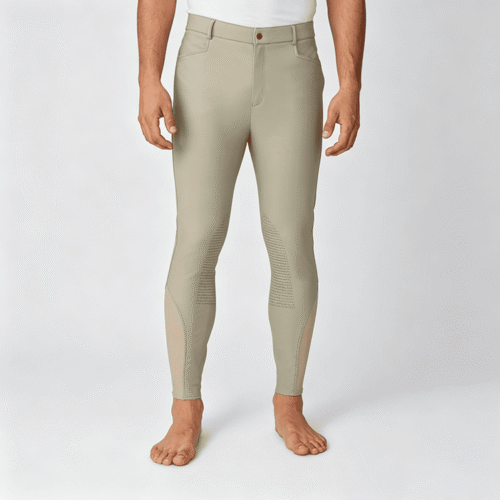
Custom Men’s Riding Breeches Knee Grip Equestrian Pants OEM ODM
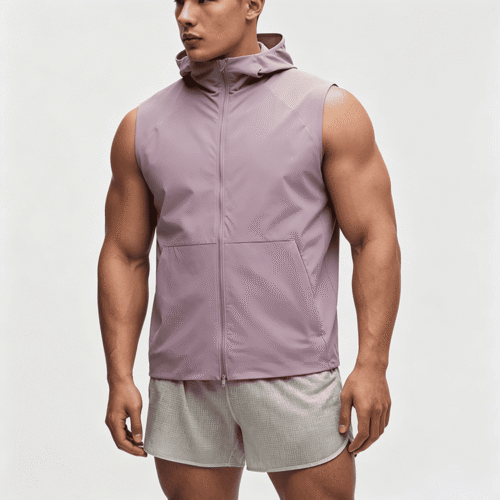
Custom Men’s Sleeveless Zip Up Hoodie Gym Training Vest OEM ODM
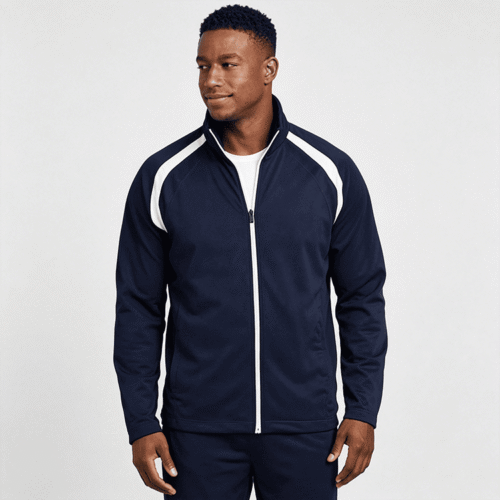
Custom Men’s Track Jacket Full Zip Athletic Sweatshirt OEM ODM
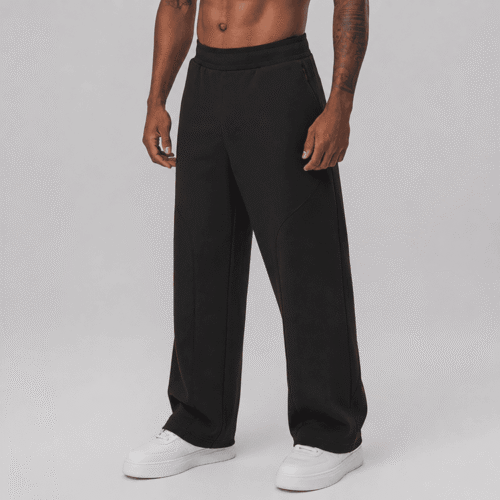
Custom Men’s Wide Leg Sweatpants OEM ODM Relaxed Fit Lounge Pants
Custom Men’s Workout Training Top Quarter Zip Long Sleeve Shirt OEM ODM
Custom Modest Activewear Set OEM ODM Muslim Sportswear Outfit
Custom Modest Activewear T-Shirt OEM ODM Muslim Sportswear Top
Why Choose Chinese Gym Shorts Manufacturers? China vs Other Sourcing Countries
China is often a practical sourcing destination for men’s gym shorts because buyers can access fabric suppliers, garment manufacturers, printing services, trims, packaging and export logistics within an established apparel supply chain. However, China is not automatically the cheapest or fastest option for every order. A suitable Mens Gym Shorts Wholesale Manufacturer should be evaluated against the buyer’s product complexity, order quantity, total landed cost, quality requirements and delivery schedule. Comparing China with Pakistan, Vietnam and the United States helps brands understand where each sourcing model offers the strongest commercial value.
What Makes China Competitive for Men’s Gym Shorts Wholesale Sourcing?
China’s main advantage is not simply its ability to produce large quantities of clothing. It is the availability of different manufacturing resources that can support a complete sportswear purchasing program.
A typical men’s gym shorts order may require more than cutting and sewing, especially when buyers compare different custom sports shorts manufacturing options involving performance fabrics, specialized construction and private label requirements.
For example, a brand developing 2-in-1 training shorts may need lightweight woven fabric for the outer shell, stretch fabric for the compression liner, elastic waistbands, drawcords, zipper pockets, reflective details and custom labels.
Each component introduces purchasing decisions.
A Mens Gym Shorts Wholesale Manufacturer with access to suitable material and trim suppliers may be able to coordinate these requirements more efficiently than a supplier that depends heavily on imported components.
For international buyers, China’s sourcing advantages commonly include:
Fabric selection: Access to polyester, nylon, spandex blends, woven performance fabrics and various fabric finishes.
Product development resources: Pattern development, sample revisions and garment measurement adjustments.
Trims and accessories: Waistband elastic, drawcords, zippers, pocket materials and branding components.
Different production models: Suppliers serving small private label orders, medium-sized collections and larger wholesale programs.
Export experience: Established freight forwarding, customs documentation and international shipping services.
However, the presence of these resources within China does not mean every manufacturer has direct access to them under the same commercial conditions.
A supplier may still need to purchase fabric from another province, meet a mill’s minimum order quantity or outsource specialized printing and finishing.
Buyers should therefore distinguish between the capabilities of the wider supply chain and the resources actually available for their specific order.
China vs Pakistan vs Vietnam vs USA: Which Manufacturing Location Fits Different Orders?
There is no single country that offers the best manufacturing solution for every men’s gym shorts brand.
The right choice depends on product requirements, available suppliers, order size, delivery expectations and the total cost of getting finished garments into the target market.
| Sourcing Factor | China | Pakistan | Vietnam | USA |
|---|---|---|---|---|
| Sportswear Manufacturing | Broad supplier and material ecosystem | Established sportswear and textile manufacturing | Established export apparel manufacturing | Domestic apparel production options |
| Custom Material Access | Wide range, subject to supplier and mill availability | Depends on fabric type and sourcing arrangements | Depends on local and imported material availability | Domestic or imported materials |
| Small Custom Orders | Available through selected suppliers | Available through selected suppliers | Depends on supplier production model | Available through selected manufacturers |
| Technical Product Development | Varies from basic to specialized | Varies by manufacturer | Varies by manufacturer | Varies by manufacturer |
| Delivery to US Buyers | International freight and customs required | International freight and customs required | International freight and customs required | Domestic transport for US production |
| Main Purchasing Consideration | Supply-chain coordination and commercial flexibility | Product specialization and verified manufacturing arrangements | Capacity, sourcing model and production scheduling | Domestic coordination and landed economics |
These are general sourcing characteristics, not guaranteed country-wide rankings. Actual performance depends on the selected supplier, materials, order terms and shipping arrangements.
China may be attractive when a brand needs several materials, customized construction details and repeat production within one sourcing program.
Pakistan may be worth considering when a supplier demonstrates relevant sportswear experience and competitive conditions for the intended garment.
Vietnam may be suitable for brands whose production volumes, material sourcing plans and delivery requirements align with an established export manufacturer.
US manufacturing may be commercially useful when domestic coordination, shorter physical shipping distances or specific origin requirements are important. However, domestic production does not automatically guarantee a lower total cost or a faster development schedule.
For example, a US manufacturer may still need to import the exact performance fabric requested by the buyer. If the fabric is unavailable locally, material purchasing and transportation can extend the schedule.
Similarly, a Chinese supplier may offer an attractive garment price, but an urgent shipment by air freight could make the final landed cost less competitive.
The better question is not simply, “Which country is cheapest?”
It is, “Which sourcing arrangement can deliver the required product, quantity and quality at an acceptable total cost and risk level?”
How Do Fabric Supply, Manufacturing Resources and Logistics Affect Total Sourcing Value?
Consider a brand planning to launch three men’s gym shorts styles:
Style A: Basic woven training shorts with an elastic waistband.
Style B: 2-in-1 gym shorts with an inner compression liner.
Style C: Lightweight running shorts with zipper pockets and reflective details.
Although all three products belong to the same category, they require different materials, construction methods and quality checks.
A manufacturer experienced in basic woven shorts may produce Style A successfully but have limited experience controlling liner tension or evaluating stretch recovery in Style B.
Style C introduces additional considerations, including zipper installation, pocket movement, reflective trim placement and the durability of lightweight fabrics.
This is why choosing a Mens Gym Shorts Wholesale Manufacturer should begin with product-specific capability rather than country of origin alone.
A buyer may receive a lower quotation from a supplier that has to source several unfamiliar components. Another manufacturer may quote a slightly higher garment price but already have suitable fabric suppliers and relevant construction experience.
The second option could reduce development uncertainty, although this should be confirmed through samples and written production arrangements.
Total sourcing value can be evaluated through five questions:
Material availability: Are the required fabrics and trims available under the proposed order quantity?
Technical capability: Has the supplier successfully produced comparable garment constructions?
Commercial structure: Are development fees, MOQ rules and additional charges clearly stated?
Quality evidence: Can the supplier demonstrate how approved specifications are checked during production?
Delivery economics: What is the total cost and realistic schedule after freight, duties and other applicable expenses?
A useful comparison separates manufacturing cost from total purchasing cost.
For example, suppose two suppliers provide quotations for the same 500-piece gym shorts order.
| Cost Component | Supplier A | Supplier B |
|---|---|---|
| Garment Unit Price | $8.20 | $9.10 |
| Garment Cost for 500 pcs | $4,100 | $4,550 |
| Freight and Related Logistics | $950 | $500 |
| Additional Testing and Order Charges | $250 | $150 |
| Illustrative Total | $5,300 | $5,200 |
| Illustrative Cost per Piece | $10.60 | $10.40 |
Hypothetical example only. These are not actual supplier quotations. Duties, taxes and other destination-specific charges are excluded and would need to be added consistently where applicable.
Supplier A offers the lower garment price, but Supplier B has the lower total cost under these assumptions.
This difference is more important when comparing suppliers with different MOQs. A lower unit price may mean that the brand needs to purchase much more inventory than it expects to sell during the first product launch.
When choosing a Mens Gym Shorts Wholesale Manufacturer, brands should compare the total purchasing cost and order commitment, instead of only considering the quoted garment unit price as the final cost.
When Can Local or Alternative-Country Manufacturing Be More Practical?
China is not the most suitable sourcing destination in every situation.
A brand may benefit from another manufacturing location when its requirements place greater importance on domestic coordination, a specific trade arrangement, an existing supplier relationship or a particular production specialization.
Consider a US fitness brand that needs 80 basic training shorts for a short-notice local event.
If the garments use readily available materials and require only limited customization, a domestic supplier may provide a more practical solution, even if the unit manufacturing price is higher.
Now consider a growing brand planning several custom gym shorts styles with different fabrics, liners, colors and packaging requirements.
A Chinese supplier with relevant product experience and suitable sourcing arrangements may offer a stronger overall manufacturing solution.
Neither example proves that one country is always better.
Buyers should pay particular attention to the following situations:
Very small orders
Some custom fabric and trim suppliers have minimum purchasing quantities that are larger than the brand’s intended garment order.
Urgent delivery requirements
International transportation, customs clearance and possible inspection delays must be included in the schedule.
Special origin or compliance requirements
A buyer may need products made in a particular country or may face destination-market rules affecting sourcing decisions.
Existing supplier relationships
A manufacturer with a proven history of meeting the brand’s requirements may be more valuable than an unfamiliar supplier offering a small price advantage.
Complex technical requirements
A supplier’s experience with the exact product construction may matter more than its geographic location.
A Mens Gym Shorts Wholesale Manufacturer should therefore be selected according to the actual project rather than a general assumption about manufacturing countries.
How Has China’s Sportswear Manufacturing Industry Developed to Support International Brands?
China’s apparel manufacturing industry has developed beyond a model focused only on basic garment assembly.
Many suppliers now offer combinations of product development, material sourcing, pattern engineering, sample evaluation, branding coordination and production management.
For men’s gym shorts, this broader capability matters because modern activewear brands often compete through details that customers notice during movement.
A running short must feel comfortable when the wearer increases pace. A training short should provide suitable freedom of movement during squats and lunges. A 2-in-1 short must balance the fit of the outer layer with the compression and recovery of the inner liner.
These requirements are not solved simply by choosing an attractive fabric.
They depend on the relationship between garment measurements, pattern construction, material behavior and production consistency.
However, manufacturing capabilities vary widely between Chinese suppliers. Some focus on high-volume standardized products, while others work with smaller custom programs or specialized performance apparel.
A buyer should not assume that a manufacturer offering a broad catalog is automatically capable of producing every listed garment to the same technical standard.
Before selecting a Mens Gym Shorts Wholesale Manufacturer, ask whether the company has practical experience with the exact garment type and whether its proposed production arrangement can meet the required quality and commercial conditions.
For brands considering China as a sourcing destination, the strongest advantage comes when product specialization, suitable materials, realistic order quantities and reliable manufacturing arrangements work together, particularly when evaluating a custom activewear manufacturer for coordinated sportswear collections.
The right manufacturing location creates an opportunity. The right supplier turns that opportunity into a repeatable purchasing program.
How Can Buyers Compare Size Consistency Between Different Gym Shorts Manufacturers?
Buyers should compare different gym shorts manufacturers by providing the same measurement specifications, sample size, size grading rules and agreed tolerances. Then, they should check the finished garments under the same conditions. A reliable Mens Gym Shorts Wholesale Manufacturer should clearly explain how to measure the garments, how to grade different sizes and how to inspect bulk products according to the approved specifications. Buyers should not only check the size labels. Waistband recovery, fabric stretch, rise, inseam length and inner liner construction can all affect the fit and comfort of gym shorts during exercise.
What Size Specifications Should Every Shortlisted Supplier Receive?
A size chart is useful only when all suppliers clearly understand how each measurement should be taken.
For example, two manufacturers may both receive a medium-size waist specification of 76 cm. One may interpret the measurement as the relaxed waistband circumference, while another may measure the waistband after stretching it slightly.
Both suppliers may believe they have followed the instructions, yet their finished shorts can feel noticeably different.
Before comparing samples from different suppliers, buyers should establish a consistent Point of Measurement (POM) chart.
| Measurement Point | What Buyers Should Specify | Why It Matters |
|---|---|---|
| Waist | Relaxed circumference and measurement method | Determines initial waistband fit |
| Extended Waist | Measurement at an agreed stretch condition | Helps assess available waistband expansion |
| Hip | Circumference at a defined position | Affects seat comfort and movement |
| Front Rise | Defined waistband-to-crotch measurement | Influences front coverage and fit |
| Back Rise | Defined back waistband-to-crotch measurement | Influences seat coverage |
| Inseam | Crotch seam to leg opening | Controls functional shorts length |
| Outseam | Waistband reference point to hem | Helps assess overall garment proportion |
| Thigh | Circumference at a defined point | Affects mobility and comfort |
| Leg Opening | Finished opening circumference | Influences appearance and freedom of movement |
| Inner Liner | Separate waist, inseam and opening measurements | Helps prevent compression or movement problems |
Measurement definitions should include the garment’s condition, whether it is laid flat, and whether the waistband is relaxed or stretched.
Buyers should also confirm whether the waistband is included in rise and outseam measurements. Different conventions can create avoidable disagreements.
A Mens Gym Shorts Wholesale Manufacturer that uses clearly defined measurement points gives buyers a more reliable basis for comparing samples and identifying production deviations.
How Should Buyers Compare Waist, Hip, Rise, Inseam and Leg-Opening Measurements?
The same nominal inseam length does not guarantee the same overall fit.
Consider two pairs of 7-inch gym shorts. Both have an inseam of approximately 17.8 cm, but one has a higher rise and wider leg opening. The other has a lower rise and a narrower silhouette.
They may look similar on a product listing, yet feel different during squats, lunges and running.
Buyers should evaluate the relationship between measurements rather than reviewing each dimension independently.
Waist and waistband tension
The waistband must remain secure without creating unnecessary pressure. A relaxed waist measurement alone does not reveal how strongly the elastic resists stretching.
Hip and thigh room
Insufficient room can restrict movement, particularly in woven fabrics with limited mechanical stretch.
Front and back rise
Rise proportions affect how the garment sits on the body and whether it provides suitable coverage during bending or squatting.
Inseam and outseam
These measurements influence appearance, coverage and the position of the hem during movement.
Leg opening
A narrow opening can restrict movement even when the hip and waist measurements appear correct.
For consistent supplier comparisons, buyers should use the same fit model or body measurement reference, exercise movements and evaluation checklist.
If one sample is tested only while standing and another is evaluated during running or squatting, the comparison is incomplete.
The objective is not to identify one universally correct fit. It is to determine which supplier can reproduce the brand’s intended fit most accurately.
Why Can Different Manufacturers Produce Different Fits from the Same Size Chart?
A measurement chart describes selected dimensions, but it does not fully describe the garment’s three-dimensional construction.
Pattern shape, fabric behavior, seam allowances and waistband construction can all affect fit.
For example, two manufacturers may produce shorts with identical waist and hip measurements but use different crotch curves.
One pattern may provide comfortable movement during squats, while the other creates pulling across the seat.
Fabric selection introduces another variable.
A lightweight woven fabric with limited stretch behaves differently from a polyester-spandex blend, even when the finished measurements are identical.
A Mens Gym Shorts Wholesale Manufacturer should therefore be evaluated through both measurement accuracy and functional fit performance.
Buyers should pay attention to four common sources of variation:
Pattern construction: Differences in crotch shape, rise balance, panel design and seam placement.
Fabric behavior: Differences in stretch, recovery, drape and dimensional stability.
Sewing operations: Differences in seam allowances, elastic attachment and fabric handling.
Finishing conditions: Differences caused by pressing, washing, relaxation and garment handling.
These variables explain why a supplier can meet several flat measurements while still producing a garment that does not feel like the approved sample.
A useful comparison should combine technical measurements with actual movement testing.
How Can Buyers Evaluate Size Grading and Agreed Measurement Tolerances?
A manufacturer may produce an acceptable medium-size sample but struggle to maintain the intended proportions across small, large, XL and extended sizes.
This is a grading problem rather than simply a sewing problem.
Size grading determines how garment dimensions change between sizes. Those changes should reflect the intended customer body measurements and product fit.
For example, increasing the waist circumference by the same amount between every size does not automatically produce an appropriate fit if hip, thigh and rise measurements are not adjusted consistently.
Buyers should review a complete size set rather than approving only one base size when the order involves a broad size range.
A practical size consistency review can include:
Confirming the approved base-size measurements.
Checking the grading increments for every measurement point.
Measuring samples from the smallest, middle and largest sizes.
Reviewing fit and movement across the intended customer size range.
Agreeing on measurement tolerances before bulk production.
Confirming how garments outside those tolerances will be handled.
Measurement tolerances should be agreed according to the product, fabric, measurement point and inspection method.
The following example illustrates how a buyer might organize a tolerance agreement.
| Measurement Point | Target Measurement | Illustrative Tolerance | Acceptable Range |
|---|---|---|---|
| Relaxed Waist | 76.0 cm | ±1.0 cm | 75.0–77.0 cm |
| Hip | 108.0 cm | ±1.5 cm | 106.5–109.5 cm |
| Front Rise | 29.0 cm | ±0.7 cm | 28.3–29.7 cm |
| Inseam | 18.0 cm | ±0.5 cm | 17.5–18.5 cm |
| Leg Opening | 62.0 cm | ±1.0 cm | 61.0–63.0 cm |
These measurements and tolerances are only for reference. They are not general industry standards or guaranteed acceptance limits. The actual requirements should be discussed and agreed upon according to the specific garment.
A Mens Gym Shorts Wholesale Manufacturer should not be considered reliable merely because one sample falls within tolerance.
Buyers should also assess whether the supplier can maintain the agreed measurements across different sizes, production batches and repeat orders.
What Additional Fit Risks Should Be Checked in 2-in-1 Gym Shorts?
Two-in-one gym shorts create additional technical challenges because the outer shell and inner compression liner must function together.
The outer layer usually provides coverage and freedom of movement, while the inner liner provides a closer fit against the body.
If the liner is too tight, the wearer may experience uncomfortable pressure or restricted movement. If it is too loose, it may ride up or fail to provide the intended fit.
Even when both layers are individually acceptable, their combined construction can create problems.
For example, a compression liner may pull against the outer shell during deep squats, causing the waistband or hem to shift.
Buyers should therefore request separate specifications for the outer and inner layers.
Outer shell evaluation
Waist, hip, rise, inseam and leg-opening measurements.
Freedom of movement during squats, lunges and running.
Fabric drape and coverage.
Pocket placement and stability during movement.
Inner liner evaluation
Liner waist, rise, inseam and leg-opening measurements.
Stretch and recovery after repeated movement.
Compression comfort without excessive restriction.
Seam placement and potential friction points.
Liner stability during running and squatting.
Combined garment evaluation
Whether the two layers move comfortably together.
Whether the liner pulls on the outer shell.
Whether the waistband stays in position.
Whether the garment returns to its intended shape after movement.
When comparing a Mens Gym Shorts Wholesale Manufacturer specializing in basic woven shorts with one experienced in 2-in-1 designs, buyers should not assume both suppliers have equivalent technical capability.
Physical samples and movement tests are more useful than general claims about performance fabrics.
How Can Buyers Identify Size Inconsistency Between Approved Samples and Bulk Orders?
An approved sample establishes the intended product standard, but it does not automatically guarantee that every bulk garment will match.
Variation can occur through fabric changes, cutting differences, sewing operations, elastic tension and finishing.
Buyers should establish a clear reference system before production begins.
The approved sample, measurement chart, fabric specifications, construction details and agreed tolerances should be documented together.
For bulk orders, measurement inspections should cover multiple sizes and production stages rather than relying on a single finished garment.
A practical inspection approach includes:
Before production
Confirm that the production team is using the approved specifications, materials and sample references.
During production
Measure selected garments from different sizes and sewing batches. Investigate repeated deviations before additional garments are completed.
Before shipment
Check finished garments against the approved measurement chart and agreed inspection requirements.
For repeat orders
Compare the new production batch with the original approved standard and any formally approved changes.
A Mens Gym Shorts Wholesale Manufacturer that maintains measurement records can help buyers identify whether a problem is isolated or systematic.
For example, if one pair of medium shorts measures 1 cm wider than specified, the issue may be limited to a single garment.
If multiple medium shorts show the same deviation, the buyer should investigate the cutting pattern, elastic attachment or production setup.
This distinction matters because a systematic error can affect an entire size or production batch.
Size Consistency Evaluation Checklist for Supplier Comparison
Before making a final supplier decision, buyers can compare shortlisted manufacturers using the same checklist.
| Evaluation Item | Supplier A | Supplier B | Supplier C |
|---|---|---|---|
| Uses the same approved POM chart | To verify | To verify | To verify |
| Provides complete size grading | To verify | To verify | To verify |
| Meets agreed sample tolerances | To test | To test | To test |
| Passes movement fit evaluation | To test | To test | To test |
| Separately evaluates 2-in-1 liners | If applicable | If applicable | If applicable |
| Provides production measurement records | To request | To request | To request |
| Has a documented response to deviations | To verify | To verify | To verify |
| Supports consistent repeat-order specifications | To verify | To verify | To verify |
The checklist should be completed using actual samples, documents and inspection results rather than supplier promises alone.
A reliable Mens Gym Shorts Wholesale Manufacturer should demonstrate that the approved fit can be measured, reproduced and checked consistently across sizes and production batches.
For international brands, this reduces the risk of inconsistent customer experiences, avoidable returns and costly disagreements after shipment.
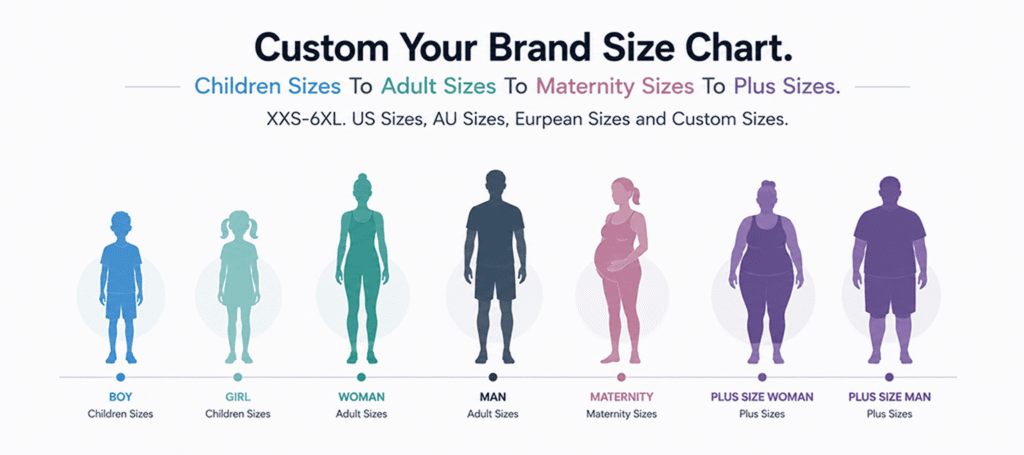
How Should Buyers Compare Gym Shorts Wholesale Prices and Total Landed Costs?
Buyers should compare gym shorts wholesale prices only after confirming that suppliers are quoting the same product specifications, order quantities, quality requirements and delivery terms. A lower garment price does not automatically mean a lower purchasing cost. Fabric differences, liner construction, sample charges, freight, import duties and potential quality losses can change the final result. A reliable Mens Gym Shorts Wholesale Manufacturer should provide a quotation detailed enough for buyers to identify included costs, excluded charges and commercial assumptions before selecting a supplier.
What Information Must Be Standardized Before Comparing Supplier Quotations?
A quotation is only useful when buyers understand exactly what the manufacturer has agreed to supply.
If Supplier A receives a complete Tech Pack while Supplier B receives only product photos, their prices may reflect very different assumptions.
One supplier may quote a basic polyester training short. Another may include a lightweight stretch-woven shell, compression liner, zipper pockets and custom packaging.
Comparing those figures without adjustment can lead to the wrong purchasing decision.
Before requesting quotations, buyers should prepare a standardized Request for Quotation (RFQ) covering the essential product and commercial requirements.
| RFQ Item | Information Buyers Should Provide | Why It Matters |
|---|---|---|
| Product Style | Training shorts, running shorts or 2-in-1 shorts | Defines construction requirements |
| Fabric | Composition, weight, stretch and finish | Influences material cost and performance |
| Size Range | Sizes, measurement chart and grading | Affects material consumption and production |
| Construction | Seams, waistband, liner and pockets | Determines manufacturing complexity |
| Branding | Logo method, labels and packaging | Clarifies additional costs |
| Quantity | Total pieces, colors and size distribution | Determines MOQ and price breaks |
| Quality Requirements | Inspection criteria and testing needs | Establishes acceptance conditions |
| Sampling | Sample type, quantity and revisions | Clarifies development charges |
| Delivery Terms | Named Incoterm and delivery location | Defines logistics responsibilities |
| Payment Terms | Deposit, balance and payment method | Affects cash flow and commercial risk |
The same RFQ should be sent to every shortlisted supplier.
A Mens Gym Shorts Wholesale Manufacturer may propose alternative materials or construction methods, but those alternatives should be quoted separately from the original specification.
This allows buyers to compare the requested product first and evaluate potential cost-saving alternatives afterward.
The purpose of quotation normalization is to make different supplier offers commercially comparable, not to force every manufacturer to use the same production method.
Why Are Two Gym Shorts Quotations Not Always Directly Comparable?
Two quotations can show the same product name while covering different manufacturing requirements.
For example, both suppliers may describe their product as “men’s 2-in-1 gym shorts.”
However, Supplier A may include a lightweight woven outer shell, basic stretch liner and standard elastic waistband.
Supplier B may include a higher-cost performance fabric, reinforced pocket construction, branded drawcords and additional material testing.
The difference may not be obvious from a short quotation.
Consider the following hypothetical example:
| Quotation Detail | Supplier A | Supplier B |
|---|---|---|
| Product Description | 2-in-1 Gym Shorts | 2-in-1 Gym Shorts |
| Outer Fabric | Standard woven polyester | Specified stretch-woven blend |
| Inner Liner | Basic stretch fabric | Specified compression fabric |
| Zipper Pocket | Not included | Included |
| Custom Packaging | Additional charge | Included |
| Material Testing | Additional charge | Included as specified |
| Quoted Unit Price | $7.80 | $9.20 |
Illustrative supplier comparison only. These are not actual market quotations.
Supplier A appears cheaper by $1.40 per piece.
However, the quotation does not include all the features supplied by Supplier B.
Before selecting Supplier A, the buyer should request a revised quotation covering the same fabric, construction, packaging and testing requirements.
The revised price may still be lower, but the comparison will be more meaningful.
When evaluating a Mens Gym Shorts Wholesale Manufacturer, buyers should also confirm whether quoted prices are based on an approved sample or preliminary assumptions.
A quotation issued before fabric selection and pattern approval may change when the final specifications are confirmed.
This is not necessarily evidence of poor supplier performance. However, the manufacturer should clearly identify which conditions could affect the final price.
How Do Fabric Specifications, Liners, Trims and Testing Requirements Affect Quoted Costs?
Fabric is often a major cost component in gym shorts production, but the relationship between fabric price and garment cost is not always straightforward.
A higher-priced fabric may have better stretch recovery, lighter weight or a particular finish. However, those characteristics do not automatically make it suitable for every product.
Buyers should evaluate materials against the intended garment requirements.
For example, basic training shorts may not require the same fabric properties as running shorts designed for intensive movement.
Two-in-one gym shorts introduce additional costs because the outer shell and inner liner may require separate materials, cutting operations and sewing processes.
Other construction details can also affect pricing.
Common cost variables include:
Fabric composition: Polyester, nylon, elastane content and other fiber combinations.
Fabric weight: Material consumption and suitability for the intended activity.
Fabric finish: Moisture-management treatments, surface finishes and other specified functions.
Inner liner: Fabric, pattern, seam construction and additional labor.
Waistband: Elastic quality, width, drawcord construction and attachment method.
Pockets: Standard pockets, zipper pockets and additional pocket bags.
Branding: Printing, embroidery, heat-transfer logos and custom labels.
Packaging: Individual bags, hangtags, cartons and retail packaging.
Testing: Required material or finished-garment tests and related documentation.
A Mens Gym Shorts Wholesale Manufacturer should explain which of these features are included in the quoted price.
Buyers should also distinguish between a manufacturer’s general quality-control activities and additional testing requested for a specific order.
For example, routine garment measurements may be part of normal production inspection, while specialized laboratory testing could require an additional fee.
The same principle applies to certifications. A manufacturer’s general certification claims do not automatically establish that every fabric, finished garment or production order meets a particular certification requirement.
Where compliance documents are mandatory, buyers should confirm their applicability and any associated costs before approving the quotation.
EXW vs FOB vs DDP: Which Costs Should Be Included in the Comparison?
International trade terms affect which party is responsible for transportation, customs procedures, risk and certain costs, so buyers should refer to the official ICC Incoterms rules when comparing EXW, FOB, FCA and DDP quotations from different suppliers.
For overseas gym shorts buyers, EXW, FOB and DDP may appear in supplier quotations, but they represent different commercial arrangements.
They should not be compared as if they were identical delivered prices.
| Incoterm | General Responsibility Structure | Main Buyer Consideration |
|---|---|---|
| EXW — Ex Works | Seller makes goods available at the named place; buyer generally handles collection, export arrangements and onward transport | Buyer may need significant logistics coordination |
| FOB — Free on Board | For sea or inland waterway transport, seller delivers goods on board the vessel at the named port | Buyer arranges main carriage and destination-side requirements |
| DDP — Delivered Duty Paid | Seller bears broad responsibility for delivery to the named destination, including applicable import clearance and duties | Confirm legal feasibility, taxes and all included charges |
Incoterms® 2020 rules apply according to the agreed named place and contract. Responsibility for insurance, unloading, taxes and other details should be reviewed under the exact term selected. FOB is intended for sea and inland waterway transport, not air freight.
A buyer comparing EXW and DDP quotations should not simply subtract the two prices.
The DDP quotation may include transportation and import-related charges that are absent from the EXW quotation.
Similarly, an FOB price does not represent the complete landed cost at the buyer’s warehouse.
For containerized shipments, buyers should also consider whether FCA is more suitable than FOB under their actual transportation arrangements.
A Mens Gym Shorts Wholesale Manufacturer should clearly identify the named place or port and the agreed Incoterm in its quotation.
For example, “FOB China” is less precise than a quotation identifying the specific port and applicable Incoterms® version.
Buyers should confirm whether the supplier’s logistics proposal includes origin charges, main freight, destination handling, customs brokerage, duties, taxes and final delivery.
Import duties and taxes depend on factors including destination country, tariff classification, origin, customs value and applicable trade rules. They should be verified for the actual shipment rather than estimated solely from a manufacturer’s general quotation.
How Do Sample Fees, Freight, Duties and Defect Costs Change the Final Purchasing Cost?
A manufacturer’s quoted unit price is only one part of the financial commitment.
Buyers should calculate the expected total cost of receiving commercially acceptable goods at the intended destination.
A practical landed-cost calculation can include:
Total Landed Cost = Garment Cost + Development and Testing Charges + Freight and Logistics + Applicable Duties and Taxes + Other Import-Related Costs
The calculation should avoid double-counting costs already included under the agreed delivery term.
Buyers may also estimate the financial effect of quality problems separately.
For example, if a shipment includes garments that cannot be sold because of significant measurement or construction defects, the effective cost per saleable garment increases.
Consider the following hypothetical comparison for 1,000 gym shorts.
| Cost Component | Supplier A | Supplier B |
|---|---|---|
| Garment Unit Price | $8.00 | $8.70 |
| Garment Cost | $8,000 | $8,700 |
| Sampling and Testing | $300 | $200 |
| Freight and Logistics | $1,200 | $950 |
| Applicable Duties and Import Charges | $900 | $900 |
| Total Landed Cost | $10,400 | $10,750 |
| Total Landed Cost per Ordered Piece | $10.40 | $10.75 |
Hypothetical values only. The same cost categories are used for both suppliers, and the duty figures are illustrative rather than a tariff estimate.
Supplier A has a $350 lower total landed cost.
However, suppose an inspection identifies 40 unsaleable garments from Supplier A’s order and 10 from Supplier B’s order.
If those losses remain unresolved and no recovery is received, the effective cost per saleable piece becomes:
| Quality-Adjusted Comparison | Supplier A | Supplier B |
|---|---|---|
| Total Landed Cost | $10,400 | $10,750 |
| Saleable Garments | 960 | 990 |
| Effective Cost per Saleable Piece | $10.83 | $10.86 |
Under these assumptions, Supplier A retains only a small cost advantage.
Additional replacement freight, handling or customer-related expenses could change the result further.
This example does not mean buyers should assume a particular defect rate for any supplier. It demonstrates why a Mens Gym Shorts Wholesale Manufacturer should be evaluated using both commercial costs and evidence of production reliability.
The lowest quoted price is not necessarily the lowest cost of obtaining saleable inventory.
When Does a Lower Unit Price Result in Higher Overall Inventory Exposure?
A manufacturer may offer a significant unit price discount when the buyer increases its order quantity.
For a brand with predictable sales, purchasing more units can improve margins and reduce the frequency of replenishment.
For an untested product, the same decision may create excessive inventory.
Consider a brand comparing two suppliers for a new gym shorts collection.
| Purchasing Condition | Supplier A | Supplier B |
|---|---|---|
| MOQ | 200 pcs | 800 pcs |
| Unit Price | $10.50 | $8.50 |
| Initial Garment Cost | $2,100 | $6,800 |
| Estimated Initial Sales | 150 pcs | 150 pcs |
| Unsold Quantity | 50 pcs | 650 pcs |
| Purchase Cost of Unsold Inventory | $525 | $5,525 |
Illustrative scenario only. Freight, duties, testing, selling expenses and other costs are excluded.
Supplier B offers a $2.00 lower unit price, but requires $4,700 more initial garment spending.
After the assumed initial sales, Supplier B also has much more capital tied up in unsold inventory.
This does not make Supplier B unsuitable for every buyer.
An established brand with reliable demand may benefit from its lower unit price. A startup testing a new product may prefer Supplier A’s smaller initial commitment.
The important distinction is between cost efficiency at scale and financial risk during market validation.
When comparing a Mens Gym Shorts Wholesale Manufacturer, buyers should examine expected sales velocity, available working capital, reorder conditions and the cost of holding unsold stock.
The best quotation is the one that supports the brand’s actual purchasing strategy, not simply the one showing the lowest number in the unit-price column.
How Can Buyers Build a Comparable Supplier Cost Scorecard?
A useful supplier comparison should combine normalized quotations with a consistent assessment of purchasing risks.
Buyers can start by separating mandatory commercial requirements from preferences.
For example, a brand may require a particular fabric composition, a maximum initial quantity and delivery before a fixed launch date.
A supplier that cannot meet a genuinely mandatory condition should not remain the preferred option simply because its quoted unit price is low.
Once essential requirements have been confirmed, the remaining suppliers can be compared using a structured cost scorecard.
| Evaluation Item | Supplier A | Supplier B | Supplier C |
|---|---|---|---|
| Same Approved Product Specifications | Confirm | Confirm | Confirm |
| MOQ and Size Distribution | Compare | Compare | Compare |
| Unit Price at Same Quantity | Compare | Compare | Compare |
| Sampling and Development Charges | Include | Include | Include |
| Testing and Documentation Charges | Include | Include | Include |
| Incoterm and Named Location | Confirm | Confirm | Confirm |
| Freight and Import Charges | Estimate | Estimate | Estimate |
| Total Landed Cost | Calculate | Calculate | Calculate |
| Quality and Defect Evidence | Review | Review | Review |
| Reorder Pricing and Conditions | Confirm | Confirm | Confirm |
The scorecard should use actual supplier quotations and documented assumptions.
If one supplier provides a quotation in USD and another quotes in a different currency, buyers should apply a consistent exchange-rate assumption and record the date used.
If delivery schedules differ, the buyer should also consider whether a longer lead time creates additional inventory or launch risks.
A Mens Gym Shorts Wholesale Manufacturer offering a transparent quotation allows buyers to understand what they are paying for and which costs may change.
The strongest purchasing decision combines comparable specifications, realistic landed-cost calculations, manageable order quantities and verified manufacturing capability.
A supplier should not be selected solely because it offers the lowest garment price. It should be selected because its complete commercial proposal fits the brand’s product requirements, financial capacity and acceptable sourcing risks.
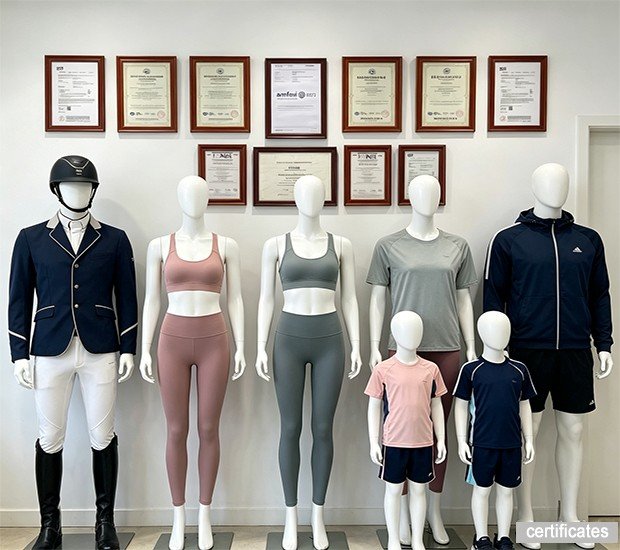
Trusted Manufacturing Standards For Global Sportswear Brands
We operate under internationally recognized quality, sustainability, and ethical manufacturing standards. Our certifications help ensure consistent product quality, responsible sourcing, and reliable production for global sportswear brands.
- 20+ Countries Served
- 6000+ Styles Developed
- 50,000 PCS Monthly Capacity
- 3-Day Sample Development
Low MOQ vs Order Flexibility: Which Gym Shorts Supplier Creates Less Inventory Risk?
The gym shorts supplier offering the lowest MOQ does not always create the lowest inventory risk. Buyers should compare minimum quantities by style, color and fabric, together with size-mixing rules, unit prices, development charges and reorder conditions. A Mens Gym Shorts Wholesale Manufacturer that allows flexible size distribution and manageable color quantities may offer better purchasing value than a supplier advertising a smaller MOQ with restrictive conditions. The right order structure should match expected sales demand, available cash flow and the brand’s ability to replenish successful products.
What Is the Difference Between MOQ per Style, per Color and per Fabric?
MOQ stands for Minimum Order Quantity, but suppliers do not always calculate it in the same way.
One manufacturer may require 100 pieces per style. Another may require 100 pieces per color. A third may accept 100 finished garments but require the buyer to purchase enough custom fabric for a much larger quantity.
These differences can substantially change the financial commitment behind a wholesale order.
Consider a brand launching one gym shorts design in three colors: black, navy and olive.
| MOQ Structure | Supplier Requirement | Initial Quantity |
|---|---|---|
| Per Style | 100 pcs per style, with approved color mixing | 100 pcs |
| Per Color | 100 pcs for each color | 300 pcs |
| Per Fabric | 100 pcs of each fabric type | Depends on material requirements |
| Per Order | 300 pcs across approved styles and colors | 300 pcs |
The table illustrates possible order structures rather than standard industry rules. Suppliers may apply several minimums at the same time.
A manufacturer offering 100 pieces per style may still require separate quantities for custom-dyed colors, special elastic or printed fabric.
When comparing a Mens Gym Shorts Wholesale Manufacturer, buyers should ask for the complete MOQ structure in writing.
The most useful questions include:
Does the minimum apply to each style or the entire purchase order?
Can different colors share the same MOQ?
Can all sizes be combined within one style quantity?
Does a different fabric require a separate minimum?
Are additional charges applied when quantities fall below the preferred production volume?
Will the same MOQ conditions apply to repeat orders?
These questions reveal whether a supplier’s minimum quantity is genuinely suitable for the intended collection.
How Can Buyers Verify Mixed-Size and Mixed-Color Order Conditions?
A gym shorts collection rarely sells equally across every size and color.
For example, a brand may expect medium and large sizes to account for most sales, while small and extended sizes represent smaller portions of demand.
If the manufacturer requires an equal quantity of every size, the brand may receive more inventory in slow-moving sizes than it can reasonably sell.
A flexible size distribution can reduce this problem.
Consider a hypothetical order of 300 gym shorts:
| Size | Planned Quantity | Share of Order |
|---|---|---|
| S | 30 | 10% |
| M | 90 | 30% |
| L | 105 | 35% |
| XL | 60 | 20% |
| XXL | 15 | 5% |
| Total | 300 | 100% |
This distribution is only an example. Actual quantities should be based on the brand’s sales history, target customer measurements or carefully defined market-testing assumptions.
The manufacturer should confirm whether the proposed size breakdown is acceptable within the quoted minimum.
Color flexibility matters just as much.
A brand may want 180 black shorts, 90 navy shorts and 30 olive shorts. If the supplier requires 100 pieces of every color, the proposed order cannot be produced under those exact terms.
The buyer then has several choices: increase the olive quantity, remove the color, select an available fabric color or negotiate a different commercial arrangement.
A suitable Mens Gym Shorts Wholesale Manufacturer should clearly explain these options before the buyer approves the order.
Flexibility should be evaluated through the actual size and color breakdown, not through a general promise of low MOQ.
Low MOQ vs Low Unit Price: Which Creates a Lower Initial Purchasing Commitment?
A low unit price can be attractive, especially when a brand is working with a limited launch budget.
However, the lowest price per garment does not necessarily mean the lowest initial purchasing commitment.
Consider two hypothetical manufacturers offering the same approved gym shorts specification.
<text></text>
| Purchasing Condition | Supplier A | Supplier B |
|---|---|---|
| MOQ | 100 pcs | 500 pcs |
| Unit Price | $11.00 | $8.50 |
| Initial Garment Cost | $1,100 | $4,250 |
| Estimated Units Sold During Initial Test | 80 | 80 |
| Remaining Inventory | 20 pcs | 420 pcs |
| Remaining Inventory at Purchase Cost | $220 | $3,570 |
Illustrative comparison only. It excludes development charges, freight, duties, taxes and other order-specific costs.
Supplier B offers a unit price that is $2.50 lower.
For an established brand expecting to sell several thousand pieces, that price advantage may be commercially attractive.
For a startup testing an unfamiliar product, however, Supplier B requires $3,150 more initial garment spending and leaves substantially more inventory after the assumed test sales.
This is the difference between unit economics and inventory economics.
Unit economics considers the cost and contribution of each garment.
Inventory economics considers how much capital the brand must commit, how quickly products may sell and what happens when demand differs from expectations.
A Mens Gym Shorts Wholesale Manufacturer should therefore be evaluated against the buyer’s sales forecast and financial capacity.
The most suitable supplier is not necessarily the one with the smallest MOQ or the lowest price. It is the one whose overall purchasing structure creates an acceptable balance between cost, inventory exposure and replenishment flexibility.
How Do Fabric Minimums and Custom Materials Change the Real MOQ?
Finished garment MOQ and material purchasing MOQ are not always the same.
This difference becomes important when a brand requests custom-colored fabric, special performance materials, printed patterns or unusual trims.
For example, a supplier may agree to manufacture 100 gym shorts but need to purchase a minimum quantity of custom fabric that could produce approximately 400 pieces.
The unused material creates a commercial question.
Will the buyer pay for the remaining fabric? Can the supplier store it for future production? Is the material available for another customer, or is it exclusive to the brand?
These conditions should be confirmed before placing the order.
Material minimums can also affect 2-in-1 gym shorts because the outer shell and compression liner may use different fabrics.
A Mens Gym Shorts Wholesale Manufacturer quoting a small garment MOQ should explain whether both materials are available in suitable quantities.
Buyers should request clear answers to the following points:
Stock fabric vs custom fabric: Is the selected material already available?
Color availability: Does the requested shade require custom dyeing?
Material purchasing minimum: How much fabric must be purchased?
Unused fabric ownership: Who pays for and owns any remaining material?
Storage conditions: Can unused material be retained for a future order?
Reorder continuity: Will the same fabric specification remain available later?
A low MOQ supported by existing material stock may be commercially different from a low MOQ that requires the buyer to finance unused custom fabric.
The distinction should be reflected in the quotation.
What Happens When a Brand Needs Partial Reorders or Additional Sizes?
Initial order flexibility is only one part of the purchasing decision.
A brand may discover after launch that black shorts sell faster than other colors, or that large and XL sizes need replenishment sooner than small sizes.
The ability to reorder only the successful combinations can reduce unnecessary inventory.
However, suppliers may apply different conditions to repeat production.
For example, a manufacturer might accept a first order of 300 pieces across several sizes but require 100 pieces per color for future replenishment.
Another supplier may offer smaller reorders if the fabric remains in stock and the original pattern has not changed.
Neither arrangement should be assumed without confirmation.
When evaluating a Mens Gym Shorts Wholesale Manufacturer, buyers should discuss reorder conditions before approving the first bulk order.
Important questions include:
Can the brand reorder only one color or selected sizes?
Does the original MOQ still apply?
Will the supplier retain the approved pattern and measurement specifications?
Can the same fabric and trims be sourced again?
Are repeat orders subject to new material minimums?
How are production capacity and delivery schedules confirmed?
What happens if the original material becomes unavailable?
A reorder may avoid some initial development work, but it is not automatically faster or cheaper.
Fabric availability, current production capacity, quantity and approved specification changes can still affect the final schedule and price.
Brands should compare suppliers based on their ability to support realistic replenishment needs, not simply on promises of easy reordering.
How Can Buyers Compare 100, 300, 500 and 1,000-Piece Order Scenarios?
A useful way to compare suppliers is to request quotations for several realistic order quantities.
This reveals how unit prices change with volume and whether larger orders create meaningful savings.
Consider the following hypothetical quotation structure for one approved gym shorts style.
| Order Quantity | Illustrative Unit Price | Total Garment Cost | Saving per Piece vs 100 pcs |
|---|---|---|---|
| 100 pcs | $11.50 | $1,150 | — |
| 300 pcs | $10.20 | $3,060 | $1.30 |
| 500 pcs | $9.40 | $4,700 | $2.10 |
| 1,000 pcs | $8.70 | $8,700 | $2.80 |
Hypothetical figures for explaining purchasing decisions. Actual prices depend on fabric, construction, customization, order terms and supplier quotations.
At 1,000 pieces, the unit price is substantially lower than at 100 pieces.
But the brand must also commit much more capital before it knows whether customer demand will support that volume.
The commercial decision depends on the expected sales rate, gross margin, inventory holding costs and the reliability of future replenishment.
For example, a brand with proven monthly sales of 400 pieces may reasonably evaluate a 1,000-piece purchase differently from a startup expecting to sell only 50 pieces during its first month.
Buyers should also compare the effect of different color and size distributions.
A 500-piece order across two established colors may be less risky than the same quantity spread across eight untested colors.
More styles and colors do not automatically create a stronger collection. They can also divide demand into smaller, less predictable inventory groups.
A Mens Gym Shorts Wholesale Manufacturer offering flexible production arrangements may help a brand introduce fewer combinations initially and expand the collection after identifying successful products.
Practical MOQ and Inventory Risk Comparison Checklist
Before selecting a supplier, buyers can use a standardized checklist to evaluate commercial flexibility.
| Evaluation Question | Supplier A | Supplier B | Supplier C |
|---|---|---|---|
| MOQ confirmed per style | To verify | To verify | To verify |
| MOQ confirmed per color | To verify | To verify | To verify |
| Mixed sizes permitted | To verify | To verify | To verify |
| Mixed colors permitted | To verify | To verify | To verify |
| Custom fabric minimum disclosed | To verify | To verify | To verify |
| Unused fabric ownership clarified | To verify | To verify | To verify |
| Partial reorders permitted | To verify | To verify | To verify |
| Reorder MOQ confirmed | To verify | To verify | To verify |
| Volume price breaks documented | To request | To request | To request |
| Additional charges disclosed | To request | To request | To request |
This checklist allows buyers to compare the actual commercial structure of each quotation rather than relying on the supplier’s advertised minimum.
The best Mens Gym Shorts Wholesale Manufacturer should offer an order structure that fits the brand’s current sales stage while providing a practical path toward larger, more efficient repeat orders.
For new brands, this may mean controlling the number of styles and colors in the first collection.
For established brands, it may mean negotiating stable volume pricing and predictable replenishment conditions.
In both cases, the goal is the same: purchase the right products in commercially sensible quantities without creating unnecessary inventory risk.
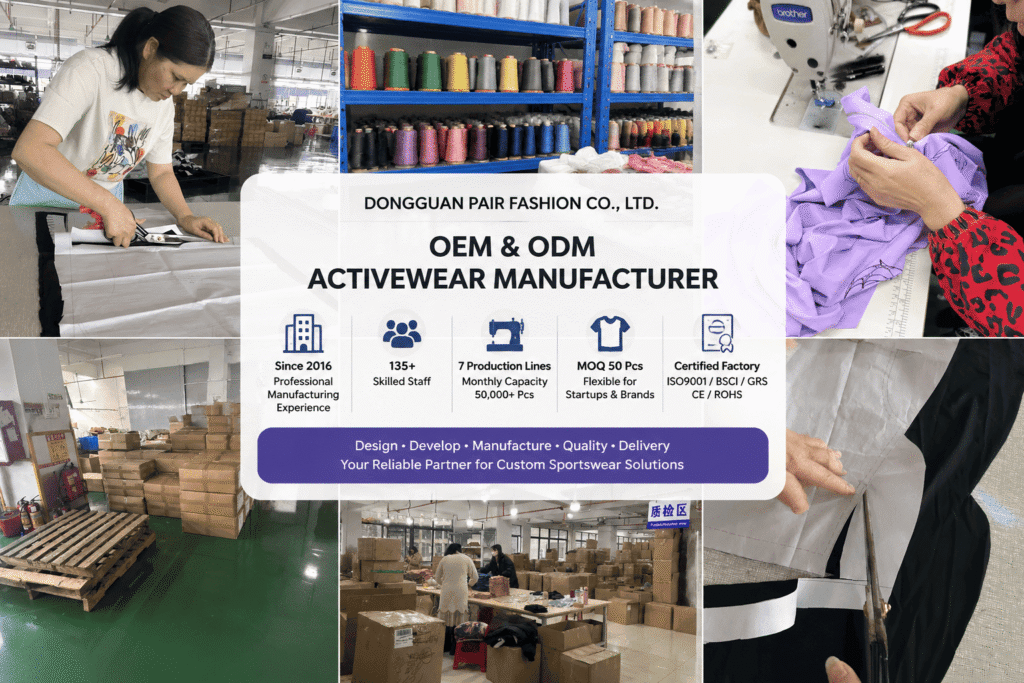
Which Sample and Production Evidence Proves a Gym Shorts Manufacturer Is Reliable?
A reliable Mens Gym Shorts Wholesale Manufacturer should demonstrate its capabilities through comparable physical samples, documented product specifications, relevant material tests and production inspection records. Attractive product photographs and general quality promises are not enough to establish manufacturing reliability. Buyers should request evidence that relates directly to the intended gym shorts order, evaluate samples under consistent conditions and confirm how approved requirements will be checked during bulk production. The strongest supplier is one that can explain both its quality standards and the actions taken when products fail to meet them.
What Evidence Should Buyers Request Before Approving a Supplier’s Sample?
A physical sample helps buyers understand the product, but it does not answer every question about manufacturing capability.
For example, a sample may look attractive and feel comfortable during a short fitting session. However, buyers may still need to confirm fabric composition, dimensional stability, waistband recovery and whether the sample construction can be reproduced in bulk.
Before approving a sample, buyers should request a set of documents that connects the physical garment to the agreed product requirements.
| Evidence | What Buyers Should Check | Purchasing Value |
|---|---|---|
| Technical Specifications | Style details, construction and materials | Confirms what the supplier agreed to produce |
| Measurement Chart | Actual measurements and agreed tolerances | Supports objective fit evaluation |
| Fabric Specifications | Composition, weight, structure and finish | Helps verify material suitability |
| Trim Specifications | Elastic, drawcords, zippers and labels | Reduces component substitution risks |
| Sample Evaluation Record | Fit comments and identified defects | Documents required corrections |
| Sample Revision History | Changes between development samples | Prevents confusion over approved details |
| Relevant Test Reports | Tested material, method, date and results | Supports specific performance claims |
| Approved Sample Reference | Final approved garment and specifications | Establishes the production benchmark |
The purpose is not to collect the largest possible number of documents.
Instead, buyers should identify which records are necessary to verify the product’s most important requirements.
A Mens Gym Shorts Wholesale Manufacturer producing basic woven training shorts may need a different evidence package from a supplier developing compression-lined running shorts.
For a technical 2-in-1 design, liner measurements, fabric recovery and movement performance may deserve greater attention.
For lightweight running shorts, buyers may prioritize fabric weight, seam comfort, pocket stability and dimensional consistency.
A supplier that provides relevant evidence makes the approval decision more transparent.
How Can Buyers Compare Samples Under the Same Fabric, Size and Construction Requirements?
Sample comparisons become unreliable when different manufacturers receive different instructions.
Suppose three suppliers are asked to produce men’s gym shorts.
Supplier A receives a detailed Tech Pack, including fabric composition, garment measurements and construction diagrams.
Supplier B receives a reference garment without written measurements.
Supplier C receives several product photographs and a general request for similar shorts.
Even if all three deliver acceptable-looking samples, the results cannot establish a fair comparison of manufacturing performance.
A more useful approach is to provide substantially the same core requirements to every shortlisted supplier.
The comparison should include:
The same target garment style and intended use.
The same base size and measurement specifications.
Equivalent fabric performance requirements.
The same waistband, pocket and liner construction requirements.
The same branding and finishing expectations.
A consistent sample evaluation checklist.
Comparable opportunities to clarify technical questions.
Suppliers may recommend alternative materials or construction methods, but those alternatives should be identified separately.
A Mens Gym Shorts Wholesale Manufacturer should not receive a higher technical score simply because it used a more expensive material that was not included in the original request.
Similarly, a lower sample price should not automatically produce a higher score if the supplier omitted required details.
Buyers should evaluate specification accuracy, construction quality, fit performance, communication and correction capability as separate criteria.
A manufacturer that identifies a potential design problem and proposes a practical solution may demonstrate useful technical experience, even if the first sample requires adjustments.
What Do Fabric Test Reports, Measurement Records and Fit Test Results Actually Prove?
Different quality records provide evidence about different aspects of a garment.
A fabric composition report may support a claim about fiber content, but it does not prove that the finished shorts will fit correctly.
A measurement record may confirm that selected dimensions fall within tolerance, but it does not necessarily establish fabric recovery or comfort during movement.
A fit test may identify problems during squatting or running, but it does not automatically establish long-term material durability.
Buyers should therefore match each quality claim with an appropriate form of evidence.
| Quality Question | Relevant Evidence | Important Limitation |
|---|---|---|
| Is the fabric composition correct? | Applicable fiber-content test report | Must match the actual material |
| Is the fabric dimensionally stable? | Relevant shrinkage or dimensional-change testing | Results depend on test conditions |
| Does the fabric recover after stretching? | Appropriate stretch and recovery testing | Test method must suit the material |
| Are the garment measurements correct? | Measurement inspection records | Only covers inspected garments and points |
| Does the waistband stay comfortable? | Fit and movement evaluation | Results depend on test participants and conditions |
| Does the liner remain stable during exercise? | Functional wear testing | Does not replace other material tests |
| Are seams suitable for the intended use? | Construction inspection and relevant seam testing | Test selection depends on garment design |
| Does bulk production match the approved sample? | Production inspection and reference comparison | Requires appropriate sampling and records |
A Mens Gym Shorts Wholesale Manufacturer should explain which tests have been completed, which are proposed and which are not applicable to the order.
When reviewing a laboratory report, buyers should check the sample identification, testing method, issue date, results and relationship to the actual fabric or finished product, using relevant AATCC textile testing methods to understand which performance characteristics have actually been evaluated.
A report for a similar fabric does not automatically verify the material used in the current order.
Likewise, a test report issued during a legitimate later production stage should not be rejected solely because it was unavailable during the initial quotation.
The important question is whether the supplier can explain the documentation schedule before the buyer commits to a product claim or compliance requirement that depends on the evidence.
How Can Buyers Verify That Approved Samples Are Used as Bulk Production References?
One of the most important sourcing risks is the difference between the approved sample and the finished bulk order.
A manufacturer may produce an excellent development sample, but production workers may later use different material lots, outdated patterns or incomplete construction instructions.
To reduce this risk, buyers should confirm how the approved sample is transferred into the production process.
The approved sample should be connected to a controlled set of specifications, including:
Final pattern version and size grading.
Approved fabric and trim specifications.
Garment measurements and tolerances.
Construction details and seam requirements.
Branding, labels and packaging.
Approved color standards.
Agreed testing and inspection requirements.
Documented changes approved after sampling.
Where a pre-production sample, or PP sample, is required, buyers should establish what its approval means.
The PP sample should represent the agreed production standard under the defined approval conditions. Any subsequent change to materials, measurements or construction should be reviewed before implementation.
A Mens Gym Shorts Wholesale Manufacturer should also explain how the production team receives the approved specifications.
For example, a supplier may maintain a sealed reference sample, production instruction sheet and measurement records for inspection.
The exact documentation system can vary, but the principle remains the same: production decisions should be based on the approved standard rather than informal assumptions or an earlier sample version.
Buyers should request written confirmation of the final specifications before bulk production begins.
What Inspection Evidence Should Be Available Before Shipment?
A final inspection can help buyers identify visible defects, measurement deviations and packaging problems before goods are dispatched.
However, final inspection alone may not reveal every issue.
Some problems are easier to identify during production, when corrective action can still prevent additional defective garments.
A useful inspection plan may include three stages.
Incoming Material Inspection
Check selected fabric and trim characteristics against approved requirements before they enter production.
Depending on the order, this may include fabric identification, visible defects, color consistency, elastic specifications and relevant material documentation.
In-Line Production Inspection
Check selected garments during cutting and sewing.
For gym shorts, important points may include waistband attachment, seam construction, pocket placement, liner assembly and measurements.
Repeated problems should be investigated before they affect a larger quantity.
Final Inspection
Evaluate finished garments against the approved specifications and agreed inspection criteria.
This may include appearance, measurements, workmanship, labeling, packaging and order quantities.
| Inspection Stage | Example Evidence | Main Purchasing Purpose |
|---|---|---|
| Incoming Materials | Fabric and trim inspection records | Identify material problems early |
| In-Line Production | Measurement and workmanship reports | Detect repeated production deviations |
| Final Inspection | Finished-garment inspection report | Assess shipment readiness |
| Corrective Action | Defect investigation and resolution records | Confirm how problems were addressed |
| Reorder Comparison | Records against approved specifications | Evaluate repeat-production consistency |
Buyers should also confirm the inspection sampling method, defect classifications and acceptance criteria.
An inspection report showing that several garments were checked is not sufficient unless the buyer understands how those garments were selected and what constituted a failure.
A Mens Gym Shorts Wholesale Manufacturer should be able to explain how defects are recorded, how corrective actions are verified and what happens when an order does not meet the agreed acceptance requirements.
An inspection pass should be understood within the scope of the actual inspection. It is not a guarantee that every garment is free from defects.
When Is an Independent Third-Party Inspection Worth the Additional Cost?
Independent inspection can be useful when buyers need additional assurance before shipment.
It may be particularly relevant for a first order, a new supplier relationship, a technically demanding product or a shipment with significant financial exposure.
However, third-party inspection is not automatically necessary for every purchase.
A brand ordering a small test quantity from a supplier with a strong documented performance history may use a different inspection approach from a retailer placing a large order with an unfamiliar manufacturer.
Buyers should consider the following factors:
Order Value
A larger shipment may justify additional inspection spending because the financial consequences of serious defects are greater.
Supplier History
A new manufacturer may require closer verification than a supplier with several successful, well-documented orders.
Product Complexity
Two-in-one gym shorts, technical fabrics and detailed construction requirements can introduce additional inspection points.
Previous Quality Problems
Repeated measurement deviations, liner defects or inconsistent materials may justify more independent checking.
Commercial Consequences
Late discovery of defects can affect product launches, retailer deliveries and customer commitments.
Before appointing an inspection provider, buyers should agree on the inspection scope, sample selection, measurement methods, defect classification and reporting requirements.
A third-party inspector should use the same approved product specifications that govern the manufacturing order.
The value of independent inspection depends on whether it addresses meaningful risks rather than simply adding another certificate or report.
How Should Buyers Compare Manufacturing Evidence Across Shortlisted Suppliers?
A useful supplier evaluation should separate documents that have been submitted from evidence that actually demonstrates product capability.
For example, Supplier A may provide many general certificates but limited gym shorts measurement records.
Supplier B may provide fewer documents but demonstrate accurate samples, relevant material tests and clear production inspection procedures.
The second supplier may offer stronger evidence for the specific order, even though its document package is smaller.
Buyers can compare evidence using the following framework.
| Evaluation Criterion | Supplier A | Supplier B | Supplier C |
|---|---|---|---|
| Relevant Gym Shorts Samples | To review | To review | To review |
| Sample Measurement Accuracy | To measure | To measure | To measure |
| Fabric Specifications Verified | To confirm | To confirm | To confirm |
| Relevant Test Reports Available | To review | To review | To review |
| Approved Sample Reference Defined | To confirm | To confirm | To confirm |
| In-Line Inspection Records | To request | To request | To request |
| Final Inspection Criteria | To confirm | To confirm | To confirm |
| Corrective Action Procedure | To review | To review | To review |
| Reorder Consistency Evidence | To request | To request | To request |
The evaluation should reflect the risks of the actual project.
If a brand is sourcing basic training shorts, consistent measurements and workmanship may carry greater weight than specialized testing that is not relevant to the design.
If the product includes a compression liner, fabric recovery and movement performance may become more important.
A Mens Gym Shorts Wholesale Manufacturer should not receive a strong reliability score merely because it provides attractive samples or a large collection of documents.
The buyer should determine whether the evidence is relevant, current, traceable to the intended product and sufficient to support the purchasing decision.
The most reliable manufacturing partner is not the supplier making the strongest quality claims. It is the supplier that can demonstrate how agreed product requirements are verified, maintained and corrected when necessary.
How Do Buyers Verify a China Mens Gym Shorts Wholesale Manufacturer and Avoid Sourcing Risks?
Buyers should verify a Chinese gym shorts supplier by checking its legal business identity, actual manufacturing arrangements, relevant product experience, applicable certifications and ability to meet the order’s mandatory requirements. A professional website or attractive product catalog is not sufficient evidence of manufacturing reliability. Before selecting a Mens Gym Shorts Wholesale Manufacturer, international buyers should confirm who will produce the garments, how product specifications will be controlled and which company will be responsible for quality, payment and delivery. Verification should focus on evidence relevant to the actual purchasing project.
How Can Buyers Verify a Supplier’s Legal Identity and Actual Manufacturing Arrangements?
Supplier verification should begin with identifying the legal company responsible for the order.
A brand name, website name and registered company name may be different. This is not automatically a warning sign, but buyers should understand the relationship between them.
For a Chinese supplier, useful verification information may include the registered Chinese company name, Unified Social Credit Code, registered address, business scope and current registration status.
Buyers can check available company registration information through China’s National Enterprise Credit Information Publicity System and compare it with the supplier’s business documents.
Official company registration information can be searched through the National Enterprise Credit Information Publicity System.
However, legal registration alone does not prove that a company operates its own garment production facility.
A trading company may be legally registered and commercially reliable while arranging production through manufacturing partners. Conversely, a registered manufacturer may outsource selected processes or orders.
When reviewing a Mens Gym Shorts Wholesale Manufacturer, buyers should therefore verify both the contracting company and the proposed production arrangement.
A practical verification process includes:
Confirm the legal company name and registration details.
Check whether the company issuing the quotation is the intended contracting party.
Identify the location where the gym shorts will actually be manufactured.
Ask whether cutting, sewing, printing and finishing are completed internally or by approved subcontractors.
Confirm which company is responsible for production inspection and corrective actions.
Check whether the beneficiary named in payment instructions matches the agreed commercial arrangement.
Request clarification before making payment if company names or bank details differ.
For larger or higher-risk orders, buyers may also consider an independent facility audit or production-site verification.
The objective is not to reject every supplier using external manufacturing resources. It is to establish clear responsibility and reduce uncertainty about who will produce the goods.
Manufacturer vs Trading Company: Which Differences Matter to International Buyers?
International buyers often prefer direct manufacturers because they expect stronger production control and fewer intermediaries.
However, the distinction between a manufacturer and a trading company does not automatically determine product quality or purchasing value.
A manufacturer may control its own sewing operations but rely on external fabric mills, printing companies or specialized finishing providers.
A trading company may coordinate several qualified manufacturers and offer useful sourcing, inspection and export services.
The important question is whether the supplier’s business model matches the buyer’s requirements.
| Evaluation Factor | Direct Manufacturer | Trading Company or Sourcing Supplier |
|---|---|---|
| Production Arrangements | May operate its own garment production lines | Usually coordinates external production |
| Product Development | Depends on internal technical resources | May use internal or partner development teams |
| Quality Control | May inspect within its production operation | May manage inspections across partner facilities |
| Material Sourcing | Uses internal purchasing and external suppliers | May coordinate multiple material suppliers |
| Communication | Often closer to production operations | May provide centralized commercial coordination |
| Main Buyer Risk | Assuming every process is completed internally | Limited visibility into the actual production facility |
These are general business-model differences. Actual capabilities vary by company.
A buyer seeking highly customized 2-in-1 gym shorts may benefit from direct access to the pattern-making and production teams.
Another buyer sourcing several unrelated apparel categories may prefer a supplier capable of coordinating multiple specialist manufacturers.
Before choosing a Mens Gym Shorts Wholesale Manufacturer, buyers should ask who controls pattern approval, material purchasing, production scheduling, inspections and defect resolution.
If subcontracting is involved, the supplier should disclose the relevant arrangements to the extent required by the purchasing agreement.
A clear production structure is more valuable than a company label that has not been independently verified.
Which Certifications and Compliance Documents Should Be Verified for the Actual Order?
Certifications can support supplier evaluation, but their meaning depends on the issuing organization, scope, validity and relationship to the intended order.
Buyers should not assume that a company displaying several certification logos has automatically satisfied every product or destination-market requirement.
For example, ISO 9001 relates to a quality management system. It does not, by itself, certify that a particular pair of gym shorts meets every performance or safety requirement.
Similarly, a social compliance audit provides information about the assessed operation and audit scope. It is not a guarantee that every future production order will be free from problems.
Recycled material claims require particular care.
A supplier may have access to recycled polyester fabric, but the brand should verify what evidence supports the recycled-content claim for the relevant material and transaction.
The Textile Exchange provides information about textile standards and related certification systems.
Buyers should also distinguish between facility certifications, material certifications, product test reports and transaction-specific documentation.
| Document Type | What Buyers Should Verify | What It Does Not Automatically Prove |
|---|---|---|
| Business Registration | Legal identity and current registration status | Ownership of a production facility |
| ISO 9001 Certificate | Certificate holder, scope, validity and issuing body | Performance of every finished garment |
| Social Compliance Audit | Audited facility, audit date and scope | Compliance of unrelated facilities |
| Material Certificate | Certified material and relevant scope | Certification of every finished product |
| Transaction Documentation | Connection to the actual material or order | Quality of unrelated production batches |
| Product Test Report | Sample identification, test method and results | Performance beyond the tested scope |
A Mens Gym Shorts Wholesale Manufacturer should provide documents relevant to the actual order rather than relying only on general promotional statements.
Buyers should also confirm destination-market requirements before approving product claims, labeling or import documentation.
For US-bound apparel, the Federal Trade Commission’s Textile and Wool Acts guidance provides information about textile labeling obligations.
Requirements may differ according to product type, destination market and applicable law.
If a document is normally issued at a later legitimate transaction stage, the supplier should explain the expected documentation process and timing.
The buyer should not accept unsupported claims, but should also avoid treating every document that is unavailable during initial quotation as evidence of noncompliance.
What Are the Warning Signs of Unrealistic MOQ, Pricing and Lead-Time Claims?
Unusually attractive purchasing terms are not always evidence of supplier dishonesty.
A manufacturer may offer a competitive price because it has suitable fabric in stock, an efficient production arrangement or available capacity.
However, buyers should investigate commercial claims that appear inconsistent with the product requirements.
For example, a supplier may promise a very low MOQ for custom-colored fabric without explaining the fabric mill’s purchasing minimum.
Another supplier may offer a short bulk production schedule before receiving the final Tech Pack, approving the sample or confirming material availability.
These situations do not automatically mean the supplier is unreliable, but they require clarification.
Common warning signs include:
Unclear MOQ definitions: The supplier advertises a low minimum but cannot explain whether it applies per style, color or fabric.
Incomplete quotations: Important costs are excluded without explanation.
Unconfirmed materials: The supplier guarantees special fabric availability without checking the actual specification.
Unrealistic schedules: Delivery is promised without considering sampling, material procurement or production capacity.
Changing payment details: Bank beneficiary information changes without a clear documented explanation.
Unverifiable certifications: Documents do not identify the relevant company, facility or certification scope.
Inconsistent product information: Sample materials or construction differ from the approved specifications without authorization.
Limited production visibility: The supplier cannot explain who will manufacture or inspect the goods.
When comparing a Mens Gym Shorts Wholesale Manufacturer, buyers should request written clarification rather than immediately rejecting every supplier with incomplete information.
A professional supplier should be able to explain its assumptions, correct errors and identify conditions that may affect price or delivery.
Repeatedly avoiding reasonable verification requests is more concerning than an isolated missing document.
How Should Buyers Protect Product Specifications, Payment Terms and Original Designs?
Supplier verification should also address contractual and commercial risks.
A brand may invest in original patterns, artwork, logos, packaging designs and product development.
Without clear agreements, disputes can arise over ownership, unauthorized changes, production responsibility or the use of confidential information.
Before sharing sensitive design files, buyers should consider appropriate confidentiality and intellectual property arrangements.
The purchasing contract should clearly identify the approved product specifications, quantities, payment conditions, delivery terms and procedures for handling nonconforming goods.
Important points include:
Product Specifications
Identify the approved Tech Pack, measurements, materials, construction and sample references.
Design Ownership
Clarify ownership and permitted use of original artwork, patterns, logos and other proprietary materials.
Confidentiality
Define how confidential product and commercial information may be used or disclosed.
Payment Conditions
Confirm the contracting company, payment beneficiary, currency, deposit and balance arrangements.
Production Changes
Require approval before changing materials, specifications or manufacturing arrangements where contractually applicable.
Quality Disputes
Establish inspection standards, evidence requirements and procedures for addressing defective or nonconforming goods.
Delivery Responsibilities
Identify the agreed Incoterm, named delivery location and applicable shipping arrangements.
A Mens Gym Shorts Wholesale Manufacturer should be willing to discuss these commercial conditions before the buyer commits to production.
For important or high-value orders, buyers may benefit from legal advice appropriate to the relevant jurisdictions and contractual arrangements.
The goal is not to make the purchasing process unnecessarily complicated. It is to ensure that both parties understand their responsibilities before a disagreement occurs.
What Should Buyers Do When a Supplier Cannot Meet a Mandatory Requirement?
Not every supplier is suitable for every project.
A manufacturer may offer excellent communication, attractive pricing and good sample workmanship but still be unable to meet an essential product requirement.
For example, a brand may require a particular fabric composition supported by specified documentation.
If the supplier cannot provide the required material or acceptable evidence, a lower price should not compensate for that failure.
The same principle applies to mandatory size ranges, delivery deadlines, compliance requirements and maximum purchasing commitments.
Buyers should distinguish between mandatory requirements and negotiable preferences.
| Requirement | Example | Recommended Decision |
|---|---|---|
| Mandatory Material | Required composition or documented material standard | Do not approve an unsupported substitution |
| Mandatory Size Range | Required customer sizes | Exclude if the range cannot be produced |
| Maximum Order Commitment | Buyer cannot purchase above a fixed quantity | Reject commercially unworkable minimums |
| Required Delivery Date | Fixed launch or contractual deadline | Confirm feasibility before selection |
| Preferred Unit Price | Target price with some flexibility | Compare against total purchasing value |
| Preferred Packaging | Optional presentation upgrade | Negotiate alternatives if appropriate |
| Preferred Communication Schedule | Reporting frequency | Agree on a practical arrangement |
This distinction prevents buyers from selecting a supplier based on an attractive overall impression while overlooking a critical requirement.
If information is incomplete, the buyer should first request clarification or supporting evidence.
If the supplier still cannot meet a genuinely mandatory condition, it should not remain eligible for final selection.
A Mens Gym Shorts Wholesale Manufacturer that passes essential requirements can then be evaluated against other qualified suppliers using price, quality, flexibility, communication and delivery criteria.
Mandatory requirements should be checked before weighted scoring. A high total score should never override a critical condition that the supplier cannot satisfy.
Practical China Supplier Verification Checklist
Buyers can use a consistent checklist to compare shortlisted Chinese suppliers.
| Verification Item | Evidence to Request | Status |
|---|---|---|
| Legal Company Identity | Registration details and contracting entity | To verify |
| Production Location | Actual facility information | To verify |
| Manufacturing Arrangements | Internal and external production responsibilities | To verify |
| Relevant Product Experience | Comparable gym shorts samples | To review |
| MOQ Conditions | Written minimums by style, color and fabric | To confirm |
| Material Availability | Fabric and trim specifications | To confirm |
| Certification Claims | Applicable current documents | To verify |
| Quality-Control Arrangements | Inspection procedures and records | To review |
| Payment Details | Contracting company and beneficiary information | To confirm |
| Delivery Conditions | Written schedule and Incoterm | To confirm |
| Design Protection | Applicable confidentiality and ownership terms | To agree |
| Corrective Action Process | Procedure for nonconforming goods | To review |
The checklist should be completed based on suitable evidence, considering the order quantity, product complexity and possible risks.
For a small first order, the buyer may not need the same level of independent auditing as a large production order with complicated technical requirements.
However, basic company identity, product specifications, payment responsibilities and manufacturing arrangements should still be clear.
The right Mens Gym Shorts Wholesale Manufacturer is a supplier whose business identity, product capability, commercial conditions and production responsibilities can be verified before the buyer accepts significant financial risk.
Reliable sourcing decisions depend on clear evidence, consistent evaluation and documented agreements—not on promotional claims alone.
1. Product Development
Regular monthly product development ensures consistent updates to your brand line.
2. Fabric Sourcing
Regular monthly product development ensures consistent updates to your brand line.
3. Sample Making
Regular monthly product development ensures consistent updates to your brand line.
4. Bulk Production
Regular monthly product development ensures consistent updates to your brand line.
5. Packaging & Delivery
Regular monthly product development ensures consistent updates to your brand line.
How to Select the Best Mens Gym Shorts Wholesale Manufacturer Using a Supplier Scorecard
The best Mens Gym Shorts Wholesale Manufacturer should be selected through a structured comparison of mandatory requirements, sample performance, order flexibility, total purchasing costs and production reliability. Buyers should first exclude suppliers that cannot meet essential product or commercial conditions. The remaining manufacturers can then be evaluated using a weighted scorecard that reflects the brand’s priorities. A high total score should never compensate for failure to meet a critical requirement. The objective is to identify the supplier offering the strongest fit for the actual purchasing project, not simply the most attractive overall rating.
Why Should Buyers Apply Mandatory Requirements Before Weighted Scoring?
A weighted scorecard is useful only after unsuitable suppliers have been identified.
For example, a manufacturer may offer excellent communication, competitive prices and fast sampling. However, if the brand requires a particular fabric composition that the supplier cannot provide, those advantages do not solve the purchasing problem.
The same applies when a supplier’s minimum order quantity exceeds the buyer’s available budget or when the manufacturer cannot produce the required size range.
These conditions should be evaluated before calculating an overall score.
Buyers can separate supplier requirements into two groups.
Mandatory Requirements
These are conditions that must be satisfied for the order to proceed.
Examples include:
Required fabric composition or performance specification.
Essential size range and garment measurements.
Maximum acceptable initial order commitment.
Applicable product and destination-market compliance requirements.
Required delivery deadline when it cannot be changed.
Acceptable payment and contractual arrangements.
Ability to produce the specified garment construction.
Weighted Preferences
These are factors where one supplier may be stronger than another without making the weaker supplier automatically unsuitable.
Examples include:
Lower normalized landed cost.
More flexible color and size distribution.
Better sample workmanship.
More detailed production reporting.
Shorter feasible replenishment time.
Stronger communication and technical support.
When evaluating a Mens Gym Shorts Wholesale Manufacturer, buyers should record whether each mandatory requirement has been verified, remains unclear or cannot be satisfied.
A supplier with incomplete information may be asked for clarification.
However, a supplier that cannot meet a genuinely non-negotiable condition should not remain in the final selection merely because its other scores are attractive.
Which Criteria Should Carry the Most Weight in a Gym Shorts Supplier Scorecard?
The appropriate scoring weights depend on the brand’s product and commercial priorities.
A startup launching its first gym shorts collection may place greater emphasis on MOQ flexibility and manageable initial spending.
An established sportswear brand with consistent monthly sales may prioritize production repeatability, quality records and delivery reliability.
A brand developing technical 2-in-1 running shorts may place additional importance on liner construction, fit consistency and material performance.
The following scorecard provides an illustrative starting point.
| Evaluation Category | Suggested Weight | What Buyers Should Evaluate |
|---|---|---|
| Size and Fit Consistency | 25% | Measurements, grading, tolerances and movement fit |
| Quality and Production Evidence | 20% | Samples, relevant testing and inspection records |
| MOQ and Order Flexibility | 20% | Minimums, mixed sizes, colors and reorders |
| Total Purchasing Cost | 15% | Normalized quotation and landed-cost assumptions |
| Delivery and Reorder Reliability | 10% | Feasible schedules, material availability and capacity |
| Communication and Technical Support | 10% | Clarification quality, responsiveness and corrective actions |
| Total | 100% |
These weights are illustrative and should be adjusted to the buyer’s actual sourcing priorities.
A Mens Gym Shorts Wholesale Manufacturer should not receive a high size-consistency score solely because its sample looks attractive.
Buyers should use measurable evidence, including the approved measurement chart, sample inspection results and movement tests.
Likewise, MOQ flexibility should be scored against the actual planned order rather than the supplier’s advertised minimum.
For cost comparisons, buyers should use equivalent specifications, quantities and delivery assumptions.
The purpose of weighting is to make purchasing priorities explicit rather than allowing one attractive feature to dominate the entire decision.
How Can Buyers Compare 10 Gym Shorts Manufacturers Using a Weighted Scorecard?
Once mandatory conditions have been checked, buyers can score eligible suppliers using the same evaluation framework.
A simple five-point scale can be used:
| Score | Interpretation |
|---|---|
| 1 | Poor performance or substantial concerns |
| 2 | Below requirements or important weaknesses |
| 3 | Acceptable performance with limitations |
| 4 | Strong performance supported by evidence |
| 5 | Excellent performance supported by relevant evidence |
Each category score is multiplied by the weight assigned to that category.
After that, all the weighted scores are added together and converted into a total score out of 100.
Weighted Supplier Score = Σ (Category Score ÷ 5 × Category Weight)
For example, a manufacturer receiving 4 out of 5 for size consistency earns 20 points from a category weighted at 25%.
The following table illustrates how buyers could compare ten shortlisted suppliers.
| Supplier | Size & Fit /25 | Quality /20 | MOQ /20 | Cost /15 | Delivery /10 | Support /10 | Total /100 |
|---|---|---|---|---|---|---|---|
| Supplier A | 23 | 18 | 15 | 12 | 9 | 9 | 86 |
| Supplier B | 20 | 16 | 19 | 13 | 8 | 9 | 85 |
| Supplier C | 22 | 17 | 13 | 14 | 9 | 8 | 83 |
| Supplier D | 19 | 16 | 18 | 12 | 8 | 8 | 81 |
| Supplier E | 21 | 15 | 15 | 13 | 8 | 8 | 80 |
| Supplier F | 18 | 16 | 17 | 12 | 8 | 8 | 79 |
| Supplier G | 20 | 15 | 14 | 12 | 8 | 8 | 77 |
| Supplier H | 18 | 15 | 16 | 11 | 8 | 8 | 76 |
| Supplier I | 17 | 14 | 16 | 12 | 8 | 7 | 74 |
| Supplier J | 17 | 14 | 14 | 11 | 8 | 8 | 72 |
All supplier names and scores in this example are hypothetical. The figures do not represent verified ratings of actual manufacturers.
This table demonstrates the scoring method rather than establishing a factual ranking.
Actual suppliers should receive scores only after buyers have reviewed relevant samples, quotations, documents and production evidence.
A Mens Gym Shorts Wholesale Manufacturer should not be ranked based on website claims alone.
Buyers should also record the evidence supporting each score so that the comparison can be reviewed when circumstances change.
Why Can the Highest-Scoring Supplier Still Be the Wrong Choice?
A numerical score can create the impression that supplier selection is more objective than it actually is.
The score is useful, but it does not replace commercial judgment.
Consider a hypothetical brand requiring a specific recycled fabric supported by acceptable documentation.
Supplier A receives an overall score of 89 out of 100.
Supplier B receives 84 out of 100.
However, Supplier A cannot provide the required material evidence, while Supplier B can satisfy that mandatory condition.
Supplier A’s higher score does not make it suitable for the order.
The same issue can occur with MOQ.
A supplier may perform exceptionally well in quality, communication and delivery, but require 1,000 pieces per color when the buyer can commercially commit to only 200 pieces per color.
Unless the purchasing requirements change, that supplier is not a practical choice.
A Mens Gym Shorts Wholesale Manufacturer must first satisfy the project’s essential conditions before its weighted score becomes meaningful.
Buyers should also be careful when scores differ by only one or two points.
An 85-point supplier is not automatically better than an 83-point supplier if the difference comes from uncertain assumptions or subjective judgments.
Where scores are close, buyers should examine the underlying evidence and the risks that matter most to the brand.
The scorecard should support a sourcing decision, not make the decision automatically.
How Should Startups and Established Brands Adjust Their Supplier Evaluation Weights?
Different business stages create different sourcing priorities.
A startup may need to validate demand before committing to large inventory quantities.
An established brand may already know which gym shorts styles, sizes and colors sell consistently.
These differences should influence the supplier scorecard.
Consider two illustrative weighting structures.
| Evaluation Category | Startup Brand | Established Brand |
|---|---|---|
| Size and Fit Consistency | 20% | 25% |
| Quality and Production Evidence | 15% | 25% |
| MOQ and Order Flexibility | 30% | 10% |
| Total Purchasing Cost | 15% | 20% |
| Delivery and Reorder Reliability | 10% | 15% |
| Communication and Technical Support | 10% | 5% |
| Total | 100% | 100% |
Illustrative weight allocations only. Buyers should adjust them according to their actual business requirements.
For a startup brand, a Mens Gym Shorts Wholesale Manufacturer that can accept smaller initial orders may be a better choice, even if the unit price is a little higher.
For an established brand, a supplier that can provide stronger evidence of consistent repeat production and more predictable replenishment may bring greater commercial value.
Product complexity should also influence weighting.
A brand developing technical running shorts may prioritize fabric recovery, liner construction and movement testing more heavily than a brand purchasing basic training shorts.
The scorecard should reflect the actual sourcing project rather than using one fixed weighting structure for every buyer.
How Can Buyers Narrow 10 Suppliers Down to Two or Three Final Candidates?
A shortlist of ten manufacturers is useful during initial research, but comparing all ten through full sample development can become expensive and time-consuming.
A staged evaluation process can help buyers allocate resources more effectively.
Stage 1: Initial Supplier Screening
Review legal identity, product specialization, published capabilities and basic commercial suitability.
Remove suppliers that clearly cannot meet essential requirements.
Stage 2: Standardized RFQ Comparison
Send substantially the same product requirements and purchasing assumptions to the remaining suppliers.
Compare MOQ, estimated costs, material availability and proposed delivery conditions.
Stage 3: Evidence Review
Request relevant product samples, measurement records, material information and quality-control evidence.
Clarify unsupported claims before assigning final scores.
Stage 4: Sample Development and Testing
Evaluate selected suppliers under comparable conditions.
Check measurements, fit, workmanship and the supplier’s ability to correct identified problems.
Stage 5: Final Commercial Evaluation
Compare updated quotations, total landed costs, payment terms, inspection arrangements and reorder conditions.
Use the weighted scorecard to identify two or three suppliers for final consideration.
Stage 6: Trial Order or Controlled First Production
Where commercially practical, use an appropriately sized first order to verify production consistency, communication and delivery performance.
A Mens Gym Shorts Wholesale Manufacturer that performs well during sampling should still be evaluated during actual production.
The first bulk order provides evidence about whether approved specifications can be maintained beyond the sample stage.
Buyers should document the outcome and use it to inform future supplier decisions.
What Should Be Confirmed Before Awarding the First Bulk Order?
The final supplier selection should be supported by written agreements and approved product references.
Before placing the order, buyers should confirm the following items:
| Final Approval Item | Required Confirmation |
|---|---|
| Product Specifications | Final approved Tech Pack and construction details |
| Measurements | Size chart, grading and tolerances |
| Materials | Approved fabric, trims and color standards |
| Sample Approval | Approved sample or PP sample, where required |
| Quantity | Confirmed sizes, colors and total pieces |
| Pricing | Final unit prices and additional charges |
| Payment | Agreed payment schedule and beneficiary |
| Delivery | Production schedule, Incoterm and named location |
| Quality Control | Inspection plan and acceptance criteria |
| Nonconforming Goods | Agreed corrective action and dispute process |
| Reorders | Applicable MOQ, materials and pricing conditions |
The supplier should identify any conditions that remain subject to confirmation.
For example, a delivery schedule dependent on special fabric availability should not be presented as unconditional.
Likewise, a quotation based on preliminary specifications should be updated when the final product details are approved.
A Mens Gym Shorts Wholesale Manufacturer should be evaluated on its ability to provide clear commitments and maintain those commitments throughout production.
The best supplier is not necessarily the cheapest, largest or highest-scoring manufacturer. It is the manufacturer that meets the brand’s mandatory requirements and offers the most suitable balance of product quality, purchasing flexibility, commercial cost and production reliability.
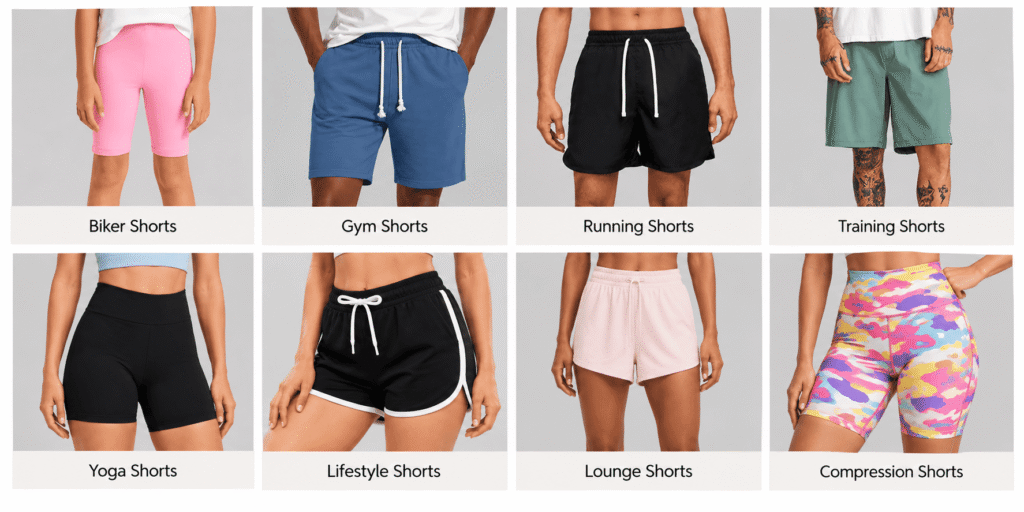
Frequently Asked Questions About Comparing Men's Gym Shorts Manufacturers
1. Is China the Best Country for Sourcing Men’s Gym Shorts Wholesale?
China can be a strong sourcing choice for men’s gym shorts because its apparel supply chain connects fabric sourcing, garment development, trims, manufacturing, packaging and international shipping. However, China is not automatically the best option for every brand. The right sourcing country depends on product complexity, order quantity, material availability, delivery requirements and total landed cost.
A Mens Gym Shorts Wholesale Manufacturer in China may be particularly suitable for brands developing customized training shorts, running shorts or 2-in-1 gym shorts that require coordinated material sourcing and product development.
However, buyers should also consider manufacturers in Pakistan, Vietnam, the United States and other relevant sourcing markets.
A nearby supplier may be more practical for urgent replenishment or certain small orders. Another country may offer a better commercial arrangement for an established high-volume product.
Buyers should compare actual supplier capabilities and quotations rather than assuming that manufacturing location alone determines quality, price or reliability.
2. What Is a Reasonable MOQ for a Men’s Gym Shorts Wholesale Order?
A reasonable MOQ is the minimum quantity that meets the manufacturer’s production requirements without creating excessive inventory risk for the buyer. There is no universal MOQ that applies to every gym shorts supplier.
Some manufacturers may accept orders of approximately 50–100 pieces under suitable conditions, while others may require several hundred pieces per style, color or fabric. These are possible commercial arrangements, not guaranteed industry minimums.
The actual MOQ depends on fabric availability, construction complexity, customization, color requirements and production arrangements.
When comparing a Mens Gym Shorts Wholesale Manufacturer, buyers should confirm whether the minimum applies to each style, each color, each fabric or the complete order.
For example, a supplier offering 100 pieces per style with flexible size distribution may be more suitable for a startup than one requiring 100 pieces for every color.
Brands should also confirm reorder minimums before placing the first order.
A low initial MOQ provides limited long-term value if future replenishment requires much larger quantities than the brand can sell.
3. How Should Buyers Compare Gym Shorts Wholesale Prices Between Manufacturers?
Buyers should compare prices using the same product specifications, quantities, quality requirements and delivery terms. A lower unit price is not necessarily a lower total purchasing cost.
For example, one supplier may quote basic polyester training shorts, while another includes a compression liner, zipper pockets, custom labels and additional material testing.
The two quotations cannot be fairly compared until their specifications are aligned.
A Mens Gym Shorts Wholesale Manufacturer should clearly identify the included materials, construction details, branding, packaging, sampling charges and applicable commercial terms.
Buyers should also consider freight, import duties, taxes, inspection costs and potential quality losses.
The most useful comparison is the expected cost of receiving commercially acceptable garments at the intended destination.
For brands testing a new product, minimum order commitments and unsold inventory should also be considered.
A supplier offering a slightly higher unit price but a manageable initial quantity may create less financial exposure than one offering a lower price with a much larger minimum order.
4. How Can Buyers Check the Quality of 2-in-1 Gym Shorts Before Bulk Production?
Buyers should evaluate the outer shell, inner compression liner and combined garment performance before approving 2-in-1 gym shorts for bulk production. Visual inspection alone is not sufficient.
The outer shell should be checked for fabric suitability, measurements, seam construction, waistband stability and freedom of movement.
The inner liner should be evaluated for stretch, recovery, compression comfort, seam placement and its tendency to ride up during exercise.
Buyers should also check whether the two layers pull against each other during squats, lunges and running.
A Mens Gym Shorts Wholesale Manufacturer experienced in 2-in-1 construction should be able to explain how the approved sample will be reproduced during bulk production.
Useful evidence includes measurement records, fabric specifications, relevant testing results and documented sample corrections.
Where appropriate, buyers should evaluate samples after agreed washing or wear-testing conditions.
The final approved sample, measurement chart and construction specifications should become the reference for production and inspection.
5. How Long Does It Take to Sample and Manufacture Custom Men’s Gym Shorts?
Sampling and bulk production lead times depend on the design, fabric availability, customization requirements, order quantity and current manufacturing capacity. Buyers should request a project-specific schedule rather than relying only on advertised delivery promises.
A simple gym shorts design using available fabric may require less development time than a technical 2-in-1 product with custom materials and several fitting revisions.
The production schedule may include specification confirmation, material sourcing, sample development, fit approval, pre-production preparation, cutting, sewing, inspection and packing.
A Mens Gym Shorts Wholesale Manufacturer should distinguish between sample development time, bulk manufacturing time and international shipping time.
Buyers should also clarify when the quoted production period begins.
For example, a stated 20-working-day production period may begin only after the final sample, materials, payment conditions and production specifications have been approved.
Testing, special fabrics, revisions or capacity constraints may extend the schedule.
For time-sensitive launches, buyers should confirm milestones in writing and allow suitable time for inspection and logistics.
6. How Can Buyers Confirm Whether a Gym Shorts Supplier Has Its Own Manufacturing Facilities?
Buyers should verify the supplier’s legal company identity and ask where the garments will actually be manufactured. A business license confirms registration information but does not, by itself, prove ownership or operation of a garment production facility.
A Mens Gym Shorts Wholesale Manufacturer may operate its own sewing lines while outsourcing selected processes such as fabric production, printing or specialized finishing.
A trading company may coordinate production through external manufacturing partners.
Neither arrangement automatically guarantees or prevents good quality.
Buyers should request information about the production location, manufacturing responsibilities, quality-control arrangements and relevant product experience.
Depending on the order’s value and risk, verification may include a live facility walkthrough, production records, an independent audit or an on-site inspection.
The most important question is who is responsible for producing the approved garments and resolving problems.
The supplier should also explain whether subcontracting is involved and how production changes are controlled.
7. Is Third-Party Inspection Necessary When Buying Gym Shorts From China?
Third-party inspection is not mandatory for every gym shorts order, but it can provide additional assurance when supplier history, order value or product complexity creates meaningful purchasing risk. Buyers should decide based on the actual project rather than assuming every shipment requires the same inspection approach.
A first order from an unfamiliar manufacturer may justify independent inspection.
A large shipment of technical 2-in-1 shorts may also benefit from additional checks of measurements, liner construction and workmanship.
When evaluating a Mens Gym Shorts Wholesale Manufacturer, buyers should review the supplier’s own incoming-material, in-line and final inspection procedures.
If independent inspection is arranged, the inspector should receive the approved Tech Pack, measurement chart, reference sample and agreed acceptance criteria.
The inspection report should identify the sampling method, inspected characteristics and recorded defects.
A passing inspection result provides evidence within the inspection’s scope. It does not guarantee that every garment is free from defects.
Buyers should also establish how failed inspections and corrective actions will be handled before shipment.
8. How Can Buyers Prevent Size Differences Between the First Order and Repeat Orders?
Buyers should maintain approved patterns, measurement charts, grading rules, fabric specifications and sample references across production batches. Repeat orders should be checked against the agreed product standard rather than relying only on the previous purchase order number.
Size differences can occur when a supplier changes fabric, elastic, cutting patterns, sewing methods or finishing conditions.
Even when a garment carries the same size label, these changes may affect fit.
A Mens Gym Shorts Wholesale Manufacturer should confirm whether the original approved materials and specifications remain available before accepting a reorder.
If a fabric or component must change, the buyer should review its potential effect on measurements, stretch, recovery and garment performance.
Selected garments from the new production batch should be measured against the approved tolerance requirements.
For 2-in-1 shorts, both the outer shell and inner liner should be included in the comparison.
Brands should retain relevant inspection records and document approved changes.
Consistent repeat production depends on controlled specifications, suitable materials and ongoing verification—not simply on using the same supplier again.
Final Supplier Selection: What Should Buyers Do Next?
Choosing the right gym shorts manufacturing partner requires more than comparing supplier names and advertised prices.
Buyers should begin with clearly defined product specifications and mandatory purchasing conditions. They can then compare manufacturers using standardized quotations, relevant samples, quality evidence, order flexibility and realistic landed-cost calculations.
The strongest candidates should demonstrate that they can produce the required garment, maintain approved sizing and construction, meet commercially workable order conditions and address problems through documented corrective actions.
Before confirming the first bulk order, buyers should agree on the final specifications, quantity breakdown, payment terms, inspection criteria and delivery responsibilities.
A reliable Mens Gym Shorts Wholesale Manufacturer is one whose verified capabilities and commercial conditions match the brand’s actual sourcing needs. The best purchasing decision is based on comparable evidence, manageable risks and the ability to maintain product consistency as the brand grows.