OEM/ODM Sportswear Manufacturer | 3-Day Sampling | Low MOQ | 50K Monthly Capacity | ISO9001 & BSCI Certified


Top Tennis Clothing Wholesale Manufacturers in China: Supplier Comparison Guide
Explore the top tennis clothing wholesale manufacturers in China with supplier comparisons, sourcing tips, buyer evaluation factors, MOQ insights, and practical guidance to help global brands find reliable tennis apparel suppliers.
Top Tennis Clothing Wholesale Manufacturers in China: A Buyer’s Guide to Reliable Tennis Apparel Suppliers
The tennis apparel market has evolved far beyond traditional court uniforms. Today, global brands are creating complete tennis-inspired collections that combine athletic performance, lifestyle fashion, and everyday comfort. Tennis dresses, skirts, polo shirts, training tops, and performance separates are becoming increasingly popular among sports retailers, online brands, and private label companies looking to enter or expand within the activewear market.
However, finding reliable tennis clothing wholesale manufacturers in China is not simply about choosing the supplier with the lowest price. Many buyers discover that the real challenges appear during supplier cooperation, including inconsistent product quality, limited product understanding, unclear communication, unstable delivery schedules, or suppliers that cannot support long-term brand development.
China has become one of the world’s most important sourcing destinations for tennis apparel because of its complete textile supply chain, experienced sportswear manufacturers, flexible production capabilities, and strong export infrastructure. However, different suppliers serve different types of buyers. A startup brand testing its first collection, a growing sportswear company expanding seasonal products, and a large retailer managing regular inventory all require different supplier capabilities.
A successful sourcing decision starts with understanding the market, comparing manufacturers objectively, and selecting a partner that matches your business model, product requirements, and future growth plans.
Featured Summary
Choosing the right tennis clothing wholesale manufacturer in China requires more than comparing prices. Global buyers should evaluate suppliers based on tennis apparel experience, product range, manufacturing reliability, MOQ flexibility, export capability, certifications, and suitability for their business stage. The best supplier is the one that can consistently support your product goals, market expectations, and long-term sourcing strategy.
Top 10 Tennis Clothing Wholesale Manufacturers in China: Supplier Comparison and Buyer Recommendations
The top tennis clothing wholesale manufacturers in China should be compared through practical sourcing factors, including product specialization, company background, buyer suitability, MOQ flexibility, and manufacturing strengths. A reliable supplier is not always the largest factory, but the one that best matches your business model, product positioning, and purchasing requirements.
Why Comparing Tennis Apparel Manufacturers Matters Before Ordering
Choosing a tennis apparel supplier is a strategic sourcing decision rather than a simple purchasing activity. Many buyers initially focus on quotation differences, but price alone rarely determines whether a supplier can support a successful product launch.
Tennis clothing has specific market expectations. Customers expect garments to provide comfortable movement, attractive design, consistent sizing, and suitable performance features. A supplier with experience in general apparel production may not always understand the requirements of tennis-inspired sportswear collections.
Before selecting a manufacturer, experienced buyers usually review several important factors:
- Product specialization — Does the supplier understand tennis apparel categories and market trends?
- Manufacturing experience — How long has the company been producing sportswear or related products?
- Order flexibility — Can the supplier support different business stages and order volumes?
- Communication efficiency — Can product details be discussed clearly and professionally?
- Supply reliability — Can the supplier maintain stable quality and delivery performance?
A suitable supplier should not only complete one order successfully but also support future product expansion.
For example, a new tennis brand may need a supplier that can handle smaller initial orders and provide flexible cooperation. A mature retailer may require stronger production consistency, compliance documentation, and reliable replenishment capability.
This is why supplier comparison is an essential step before making a final sourcing decision.
How This Supplier Comparison Helps Buyers Make Better Decisions
The purpose of comparing tennis clothing wholesale manufacturers is not to identify a single “perfect” supplier for every buyer. Different businesses have different priorities.
A fashion-focused tennis brand may value design flexibility and product development support. A wholesale distributor may focus more on production stability and pricing structure. A growing online brand may prioritize suppliers that can support gradual expansion.
When evaluating manufacturers, buyers should consider:
| Evaluation Area | Key Questions |
|---|---|
| Product Experience | Does the supplier understand tennis apparel requirements? |
| Business Fit | Is the manufacturer suitable for your order size and market? |
| Product Range | Can the supplier support future collection expansion? |
| Manufacturing Stability | Can quality and delivery remain consistent? |
| Communication | Can product requirements be understood clearly? |
| Compliance | Does the supplier meet international market expectations? |
Top 10 Tennis Clothing Wholesale Manufacturers in China Comparison Table
When comparing tennis clothing wholesale manufacturers in China, buyers should look beyond price alone. Factors such as product specialization, MOQ flexibility, manufacturing experience, certifications, and supplier suitability all influence long-term cooperation. The following comparison table provides a practical overview to help brands identify suppliers that match their business requirements.
| Manufacturer | Location | Founded | Main Product Focus | MOQ Range | Lead Time Reference | Certifications | Best Fit For | Key Strengths | Considerations |
|---|---|---|---|---|---|---|---|---|---|
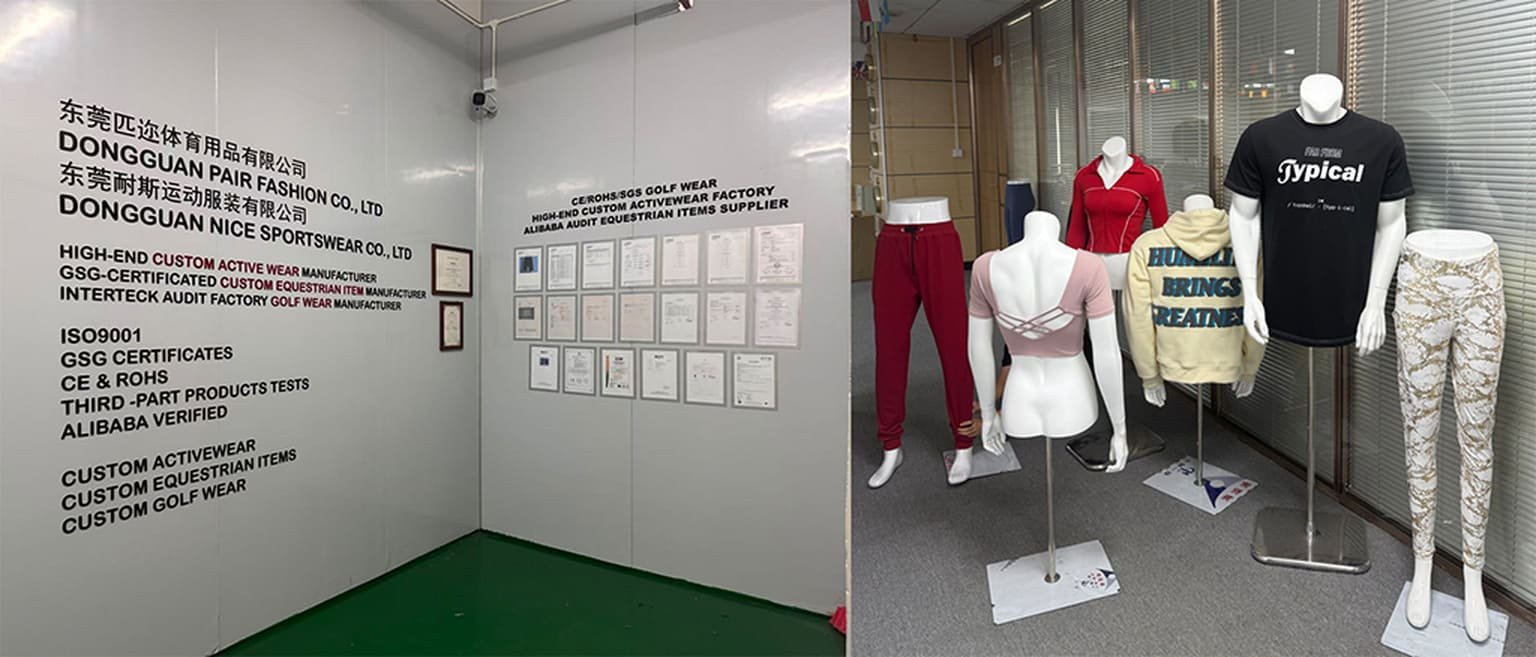
| Pair Fashion | Dongguan, Guangdong, China | 2016 | Tennis apparel, activewear, functional sportswear, equestrian apparel, plus size activewear | From 50 pcs | Sample: 3-7 days / Bulk: 15-25 working days | ISO9001, BSCI, GRS, CE, ROHS | Startup brands, growing sportswear companies, private label businesses | Flexible MOQ, functional sportswear experience, wide product category coverage | More focused on flexible brand cooperation rather than lowest-cost commodity production |
| Ohsure Wear | China | Not publicly confirmed | Tennis wear, tennis dresses, activewear, custom sportswear | Project based | Depends on product and order requirements | Certification details should be confirmed | Brands searching for tennis-focused suppliers | Strong online presence in tennis wear category | Buyers should verify factory capability and export experience before large orders |
| Mingxing Clothing | China | Not publicly confirmed | Tennis dresses, tennis skirts, women’s sportswear, fashion activewear | Project based | Depends on product style and quantity | Certification details should be confirmed | Women’s tennis fashion brands, boutique retailers | Strong focus on tennis dress categories | More specialized in tennis fashion products than full tennis apparel ranges |
| Hucai Sportswear | China | Not publicly confirmed | Sportswear, activewear, athletic clothing | Project based | Depends on order requirements | Certification details should be confirmed | Sportswear brands expanding product categories | General sportswear manufacturing experience | Buyers should confirm tennis-specific production experience |
| Aibort Sport | China | Not publicly confirmed | Performance sportswear, athletic apparel | Project based | Depends on product requirements | Certification details should be confirmed | Sports retailers and sportswear brands | Focus on functional sportswear categories | Product specialization should be evaluated according to tennis requirements |
| Hongyu Apparel | China | Not publicly confirmed | Activewear, private label apparel, sports clothing | Project based | Depends on order volume | Certification details should be confirmed | International apparel brands | Export apparel experience | Buyers should compare product specialization before cooperation |
| Yotex Apparel | China | Not publicly confirmed | Sportswear, functional clothing, activewear | Project based | Depends on product type | Certification details should be confirmed | Overseas buyers looking for sportswear suppliers | Experience serving international customers | Tennis apparel capability should be verified based on product needs |
| Valtin Apparel | China | Not publicly confirmed | Custom sports apparel, activewear | Project based | Depends on design complexity | Certification details should be confirmed | Small and medium-sized brands | Flexible development approach | Suitable supplier depends on order requirements |
| Ningbo Sportswear Suppliers | Ningbo, Zhejiang, China | Various suppliers | Sportswear manufacturing, athletic apparel | Supplier dependent | Supplier dependent | Supplier dependent | Wholesale buyers | Regional textile and export advantages | Quality and capability vary among different suppliers |
| Guangzhou Sportswear Manufacturers | Guangzhou, Guangdong, China | Various suppliers | Fashion sportswear, activewear, tennis-inspired apparel | Supplier dependent | Supplier dependent | Supplier dependent | Trend-focused brands and retailers | Strong fashion supply chain | Buyers need to evaluate individual manufacturers carefully |
Which Tennis Clothing Supplier Is Best for Your Business Model?
Different buyers have different sourcing priorities. A startup brand may need flexibility and lower order risk, while a retailer or distributor may focus more on production stability and supply consistency. Choosing a supplier based on your business stage can help reduce sourcing problems and build a more reliable supply chain.
For Startup Tennis Brands
Startups usually need suppliers that can support market testing without creating excessive inventory pressure.
Important supplier characteristics include:
- Flexible MOQ requirements
- Clear communication during product discussions
- Support for developing initial collections
- Ability to handle smaller trial orders
These brands often benefit from manufacturers experienced in working with emerging businesses and smaller production programs. For companies planning to build their own branded collections, selecting a supplier with experience in private label tennis clothing solutions can help create more consistent products and stronger market positioning.
For Fashion-Focused Tennis Brands
Brands focused on tennis lifestyle products usually need suppliers that understand both performance and visual appeal.
Important supplier characteristics include:
- Strong understanding of fashion trends
- Experience with tennis dresses and skirts
- Ability to balance style and functional performance
- Knowledge of women’s sportswear markets
These suppliers are often suitable for brands creating tennis-inspired lifestyle collections.
For Wholesale Distributors and Retail Buyers
Wholesale buyers usually prioritize reliability, pricing stability, and consistent supply.
Important supplier characteristics include:
- Stable production capability
- Consistent product quality
- Reliable delivery schedules
- Experience handling repeat orders
These buyers typically benefit from suppliers with established production systems and stronger supply chain resources.
Why Do Global Brands Source Tennis Apparel From China? China vs Other Manufacturing Regions
Global brands source tennis apparel from China because the country offers a complete textile supply chain, experienced sportswear manufacturing resources, flexible supplier options, and strong export capabilities. Compared with many other sourcing regions, China provides a balance of product development experience, material availability, production flexibility, and supplier diversity, making it a practical choice for brands at different growth stages.
What Makes China a Popular Tennis Apparel Sourcing Destination?
China has remained one of the world’s most important apparel sourcing destinations because its advantage is not based on a single factor. The strength comes from the combination of a complete manufacturing ecosystem, experienced suppliers, and a wide range of production options.
For tennis apparel buyers, this matters because modern tennis clothing requires more than basic garment production. Brands increasingly expect products that combine athletic performance, fashion appeal, and commercial value.
A tennis collection may include:
- Performance tennis dresses
- Stretch tennis skirts
- Lightweight polo shirts
- Training tops
- Sports jackets
- Lifestyle-inspired court apparel
Each category may require different fabrics, construction methods, and production experience.
China’s advantage comes from having many supporting industries located within a connected supply chain, including:
- Fabric manufacturers
- Dyeing and finishing facilities
- Garment factories
- Printing suppliers
- Embroidery providers
- Packaging companies
- Logistics networks
This ecosystem allows brands to work with suppliers that understand the complete product journey, from material selection to finished garments.
China’s Complete Textile Supply Chain Creates More Sourcing Options
One of the biggest advantages of sourcing tennis apparel from China is access to a mature textile industry.
Unlike regions where garment manufacturing depends heavily on imported materials, China has a broader domestic supply network covering many types of fabrics and garment accessories.
For tennis apparel, buyers often look for materials with:
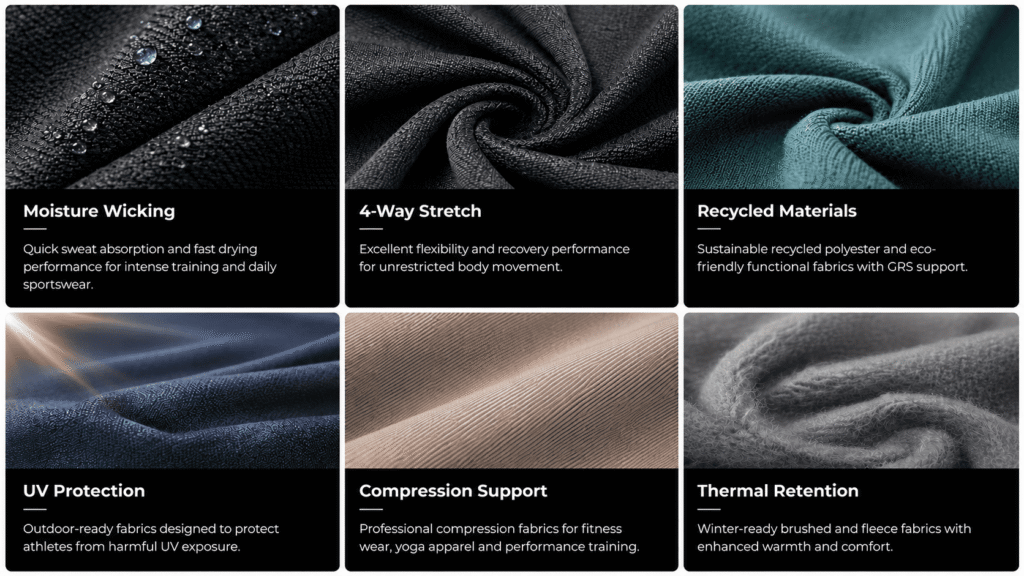
- Four-way stretch
- Shape retention
- Breathability
- Lightweight comfort
- Moisture management
- Durability
These requirements are easier to manage when manufacturers can access experienced fabric suppliers and technical textile resources.
For example, a brand developing a tennis skirt may need a fabric that provides freedom of movement while maintaining appearance after repeated washing. A tennis dress may require a balance between fashion design and athletic performance.
A supplier located within a mature textile ecosystem can usually respond more efficiently to these product requirements.
China Tennis Clothing Manufacturers vs Vietnam and Other Manufacturing Regions
When choosing a sourcing country, buyers often compare China with other apparel manufacturing regions such as Vietnam, Bangladesh, India, and local production markets.
Each region has advantages, but the best choice depends on the buyer’s priorities.
| Factor | China | Vietnam | Bangladesh | Local Production |
|---|---|---|---|---|
| Textile Supply Chain | Very strong | Growing | More limited for technical fabrics | Depends on region |
| Sportswear Experience | Extensive | Strong | More focused on basic apparel | Usually varies |
| Supplier Options | Very wide range | Moderate | Large-scale focused | Limited |
| Product Flexibility | High | Medium | Lower for complex products | High but expensive |
| Production Cost | Competitive | Competitive | Often lower for basic products | Higher |
| Technical Apparel Capability | Strong | Improving | More limited | Depends on market |
China vs Vietnam for Tennis Apparel Manufacturing
Vietnam has become an increasingly popular apparel manufacturing location, especially for large international brands.
Its strengths include:
- Competitive labor costs
- Growing export capability
- Experience with global brands
However, China often provides advantages for brands that need:
- More supplier choices
- Faster material sourcing
- Greater flexibility
- More complex product development
For tennis apparel, where design changes and technical requirements are common, access to a complete supply chain can be an important factor.
China vs Bangladesh for Tennis Apparel Manufacturing
Bangladesh is highly competitive in large-scale basic apparel production, especially products with standardized designs and high-volume orders.
However, tennis apparel often requires more than simple production volume.
Buyers may need:
- Technical fabrics
- Fashion updates
- Smaller production runs
- Faster product adjustments
For brands developing premium tennis collections or testing new market opportunities, China’s supplier diversity can provide more flexibility.
Which Tennis Apparel Products Are Commonly Sourced From China?
China is widely used for different types of tennis-related apparel because suppliers can support both performance-oriented and fashion-oriented product categories.
Commonly sourced products include:
Tennis Dresses
Tennis dresses have become one of the most popular categories because they combine sports functionality with lifestyle fashion.
Buyers usually evaluate:
- Fabric comfort
- Stretch recovery
- Built-in shorts construction
- Design appeal
- Size consistency
Tennis Skirts and Skorts
Tennis skirts and skorts require careful attention to:
- Movement comfort
- Waistband stability
- Inner short construction
- Fabric performance
They are popular among:
- Women’s sports brands
- Boutique retailers
- Lifestyle apparel companies
Tennis Polo Shirts and Tops
Modern tennis tops are no longer limited to traditional designs.
Brands increasingly develop:
- Performance polos
- Cropped tennis tops
- Training shirts
- Lightweight court tops
Important considerations include:
- Breathability
- Moisture management
- Comfortable fit
- Brand styling
Training and Court-to-Street Apparel
Many tennis brands are expanding beyond traditional court products.
New collections often include:
- Jackets
- Hoodies
- Training pants
- Lifestyle sportswear
This creates opportunities for brands to build a complete tennis lifestyle collection rather than only selling individual products.
Why Supplier Location Still Matters for Tennis Apparel Buyers
Choosing a supplier location is not only about manufacturing cost. It also affects:
- Communication efficiency
- Material sourcing speed
- Product development flexibility
- Problem-solving ability
- Long-term cooperation potential
A lower initial quotation does not always create the lowest total cost. Delays, quality issues, repeated sampling, and communication problems can increase the real sourcing expense.
For this reason, experienced buyers usually evaluate the entire supply chain rather than focusing only on unit price.
The most suitable sourcing destination is the one that matches the brand’s:
- Product complexity
- Target customers
- Order volume
- Growth strategy

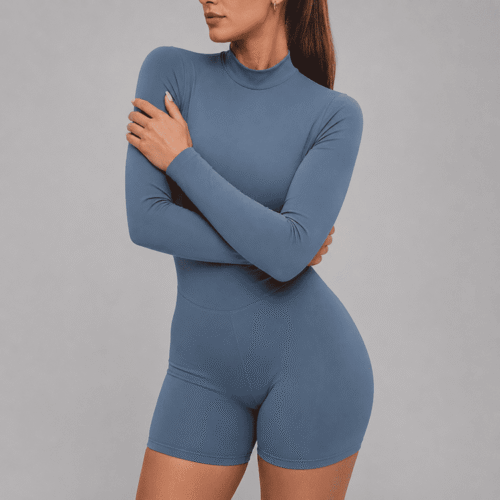
Custom Women’s Long Sleeve Yoga Jumpsuit OEM ODM Mock Neck Activewear Romper
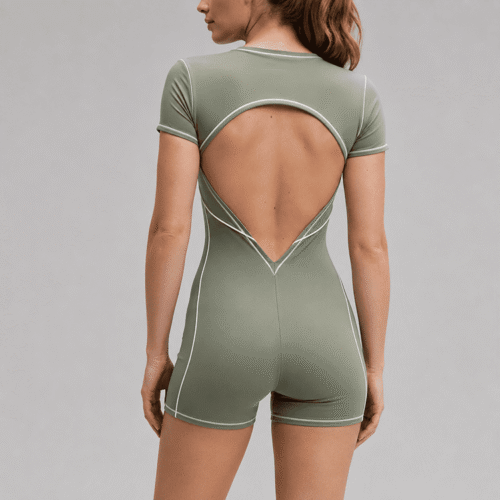
Custom Women’s Open Back Yoga Jumpsuit OEM ODM Activewear Romper
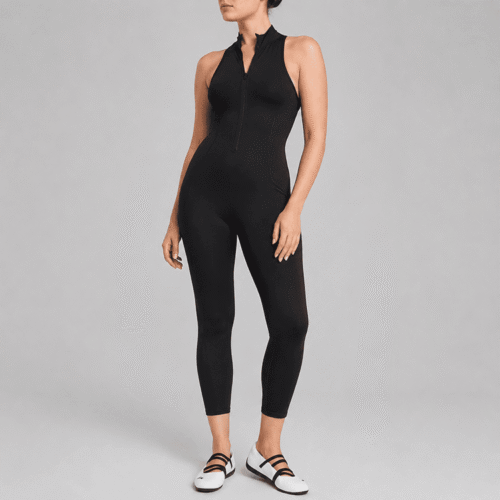
Custom Women’s Sleeveless Zip Front Yoga Jumpsuit OEM ODM Sculpting Activewear
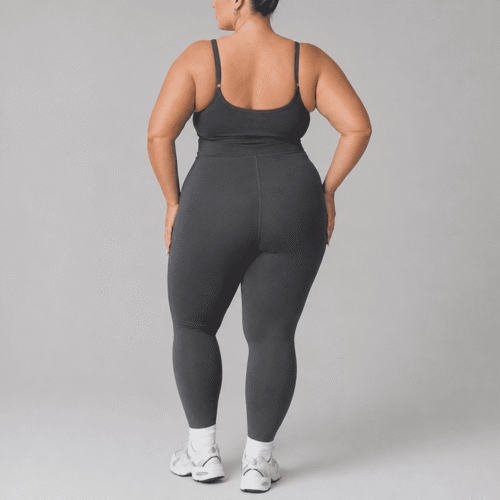
Custom Women’s Spaghetti Strap Yoga Jumpsuit OEM ODM Sculpting Activewear
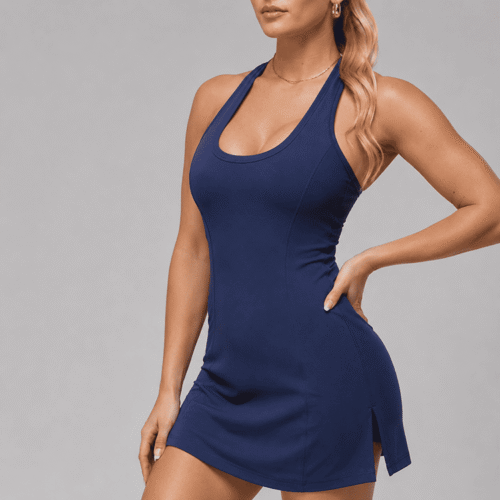
Custom Women’s Tennis Activewear Dress OEM ODM Fitness Sports Dress
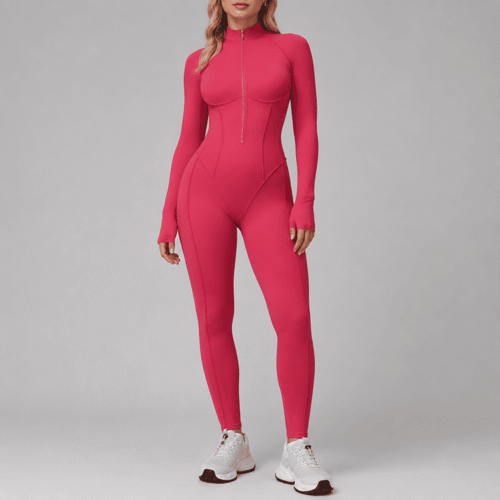
Custom Women’s Zip Front Long Sleeve Yoga Jumpsuit OEM ODM Sculpting Activewear
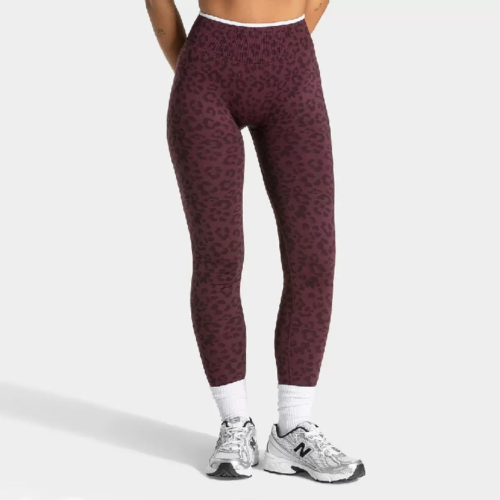
Custom Yoga Leggings – High Waist Seamless Workout Pants OEM/ODM
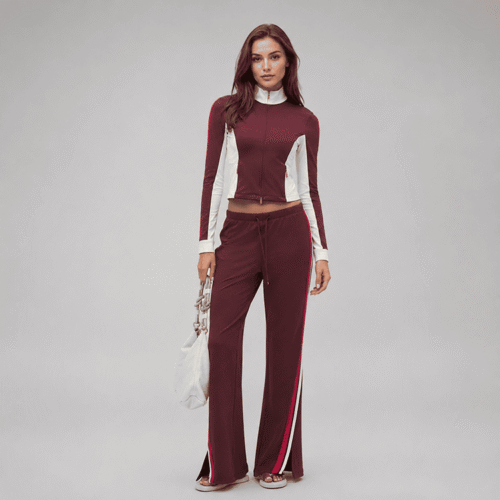
OEM Women’s Activewear Set Custom Zip-Up Jacket & Wide Leg Workout Pants
How to Evaluate Reliable Tennis Clothing Wholesale Manufacturers in China?
Evaluating a reliable tennis clothing wholesale manufacturer requires looking beyond price and product photos. Buyers should review supplier background, industry experience, product specialization, communication quality, compliance documents, and previous market experience. A strong supplier should demonstrate not only the ability to produce garments but also the reliability needed for long-term business cooperation.
Why Supplier Evaluation Is More Important Than Comparing Prices Alone
When sourcing tennis apparel from China, many buyers initially compare suppliers based on quotation differences. While cost is an important factor, experienced buyers understand that the lowest price does not always represent the best value.
A supplier with an extremely low quotation may reduce costs through:
- Lower-quality materials
- Limited quality control
- Less experienced production teams
- Reduced service support
These factors may create additional expenses later, including:
- Product returns
- Customer complaints
- Delayed launches
- Additional sampling costs
- Inventory problems
For tennis apparel brands, product performance and consistency are especially important because customers expect clothing that looks good and performs well during movement.
A reliable supplier evaluation process helps buyers identify manufacturers that can provide:
- Stable product quality
- Clear communication
- Realistic delivery expectations
- Consistent cooperation
The goal is not simply to find the cheapest manufacturer, but to find a supplier that reduces long-term sourcing risks.
What Should Buyers Check Before Choosing a Tennis Apparel Supplier?
1. Company Background and Manufacturing Experience
The first step is understanding who you are actually working with.
Buyers should review:
- Company history
- Main product categories
- Manufacturing location
- Export experience
- Target markets
- Production capabilities
A supplier specializing in tennis apparel or performance sportswear may understand product requirements better than a general clothing manufacturer.
For example, tennis clothing often requires attention to:
- Fabric stretch recovery
- Comfort during movement
- Breathability
- Fit consistency
- Lightweight construction
A supplier with relevant category experience is more likely to understand these expectations.
2. Product Specialization and Market Understanding
Not every sportswear manufacturer has the same expertise.
Some suppliers mainly produce:
- Basic activewear
- Casual sports clothing
- Fashion garments
Others focus more on:
- Performance apparel
- Professional sportswear
- Tennis-inspired collections
Before selecting a supplier, buyers should ask:
- Have they produced similar products before?
- Can they provide relevant product examples?
- Do they understand the target market?
- Are they familiar with international customer expectations?
A manufacturer’s product history often reveals more than a simple company introduction.
3. Production Capability and Order Compatibility
A common mistake is choosing suppliers based only on factory size.
A larger manufacturer is not always the best option.
The important question is:
Does this supplier match my order requirements?
Different buyers need different capabilities.
| Buyer Situation | Important Supplier Capability |
|---|---|
| New brand | Flexible order support |
| Growing brand | Stable repeat production |
| Retail buyer | Reliable capacity |
| Distributor | Consistent supply planning |
A supplier should be evaluated based on suitability rather than size alone.
How Can Buyers Verify a Supplier Before Placing an Order?
1. Review Product Samples Carefully
Samples provide one of the most important indicators of supplier capability.
Buyers should evaluate:
Fabric Performance
Check:
- Stretch comfort
- Softness
- Thickness
- Recovery after stretching
- Appearance after washing
Construction Quality
Review:
- Stitching consistency
- Seam strength
- Pattern accuracy
- Finishing details
Product Fit
For tennis apparel, fit is especially important because customers expect freedom of movement.
Check:
- Size accuracy
- Body shape
- Comfort during activity
- Overall appearance
A supplier that produces acceptable samples demonstrates a stronger understanding of product requirements.
2. Evaluate Communication Quality
Communication problems are one of the most common causes of sourcing issues.
Before placing an order, buyers should observe:
- Response speed
- Understanding of requirements
- Ability to explain solutions
- Willingness to clarify details
Good communication helps prevent problems related to:
- Incorrect specifications
- Material misunderstandings
- Delivery expectations
- Product adjustments
A reliable supplier should communicate proactively rather than simply respond after problems occur.
3. Check Previous Export Experience
International experience can be an important advantage.
Suppliers familiar with overseas markets usually understand:
- Different customer expectations
- Packaging requirements
- Documentation needs
- Shipping procedures
- Quality standards
Buyers can ask suppliers about:
- Previous export markets
- Similar customer industries
- Product categories supplied internationally
This information helps evaluate whether the supplier understands global business requirements.
What Certifications Should International Tennis Apparel Suppliers Have?
Why Certifications Matter for Tennis Apparel Buyers
For brands focusing on sustainable sourcing, understanding textile certification systems such as recycled material standards can help buyers evaluate suppliers more effectively.
Certifications do not automatically guarantee perfect products, but they provide additional confidence regarding supplier management systems and compliance awareness.
Depending on the market and product requirements, buyers may consider certifications such as:
| Certification | Purpose |
|---|---|
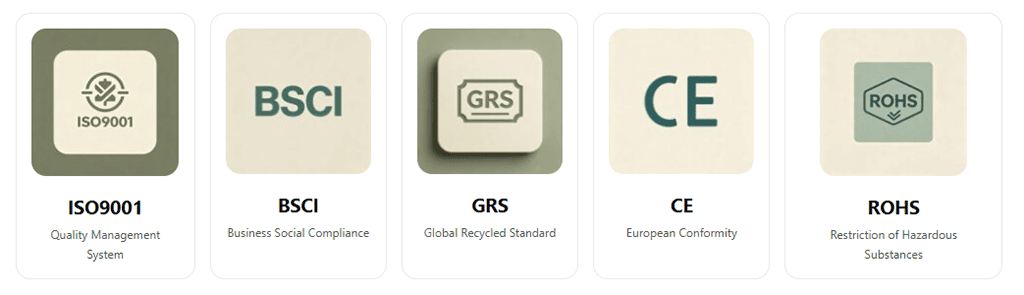
| ISO9001 | Quality management system |
| BSCI | Social compliance assessment |
| GRS | Recycled material certification |
| OEKO-TEX Related Testing | Textile safety requirements |
| CE / ROHS | Product-related compliance where applicable |
Certifications Should Support, Not Replace, Supplier Evaluation
A common misunderstanding is assuming certifications alone determine supplier reliability.
In reality, successful sourcing requires combining multiple evaluation factors:
- Certifications
- Product samples
- Communication quality
- Manufacturing experience
- Delivery performance
A supplier with strong documentation but poor communication may still create challenges.
Likewise, a manufacturer with good product experience but limited compliance documentation may not meet the needs of certain international markets.
The strongest suppliers usually combine operational reliability with appropriate compliance support.
Supplier Evaluation Checklist for Tennis Apparel Buyers
Before making a final decision, buyers can use the following checklist:
| Evaluation Area | Questions to Ask |
|---|---|
| Company Background | How long has the supplier operated? |
| Product Experience | Have they produced similar tennis apparel? |
| Samples | Does the sample meet quality expectations? |
| Communication | Are requirements understood clearly? |
| MOQ | Does the order quantity match your business stage? |
| Compliance | Are required certifications available? |
| Reliability | Can they support future repeat orders? |
Why Long-Term Supplier Evaluation Creates Better Results
Choosing a tennis apparel supplier is not a one-time transaction. For many brands, the supplier relationship affects future product launches, customer satisfaction, and business growth.
A reliable supplier becomes more valuable over time because they gradually understand:
- Brand expectations
- Product standards
- Customer preferences
- Market requirements
This familiarity can improve communication efficiency and reduce unnecessary adjustments in future projects.
The best sourcing decisions are usually made by evaluating suppliers from a long-term business perspective rather than focusing only on the first order price.
Which Type of Tennis Apparel Supplier Matches Your Business Model?
Different tennis brands require different types of suppliers depending on their business stage, order volume, and growth goals. Startups usually need flexible suppliers with lower order barriers, growing brands need stable partners that can support collection expansion, while retailers and distributors often prioritize production reliability, pricing consistency, and supply capacity.
Why Choosing the Right Supplier Type Matters for Tennis Brands
Many buyers make the mistake of searching for the “best tennis apparel manufacturer” without first considering what type of supplier actually fits their business model.
A supplier that works well for a large sports retailer may not be the best choice for a startup launching its first tennis collection. Likewise, a small flexible supplier may not have the production resources required by a company managing thousands of units across multiple markets.
The right supplier choice depends on several factors:
- Business stage
- Expected order volume
- Product complexity
- Market positioning
- Growth plans
- Purchasing frequency
Before contacting manufacturers, buyers should first understand the different supplier categories available in the market.
Suppliers for Startup Tennis Brands
What Type of Tennis Apparel Supplier Is Best for New Brands?
New tennis brands usually need suppliers that provide flexibility rather than simply focusing on large production volume.
For startups, the biggest challenge is often not finding a manufacturer. It is finding a supplier willing to support product testing, market validation, and gradual growth.
A startup-friendly supplier usually offers:
- Flexible order quantities
- Clear communication
- Product development guidance
- Reasonable minimum requirements
- Ability to adjust products based on market feedback
Many new brands begin with a limited collection instead of launching dozens of products immediately.
For example, a startup may begin with:
- One tennis dress
- One tennis skirt
- Two tennis tops
- Several color options
This approach helps reduce inventory risk while allowing the brand to understand customer preferences.
Why Low-Barrier Suppliers Matter for Startups
A common mistake among new brands is choosing suppliers only based on the lowest unit price.
However, the cheapest supplier may create additional costs if:
- Product quality is inconsistent
- Communication is slow
- Samples require repeated adjustments
- Delivery schedules are unreliable
For startups, supplier communication and flexibility can often be more valuable than a small price difference.
A reliable early-stage supplier can help brands understand:
- Which fabrics work better
- Which designs are commercially practical
- Which product details affect customer satisfaction
This knowledge becomes valuable as the brand grows.
Suppliers for Growing Tennis Brands
Which Tennis Apparel Supplier Is Suitable for Expanding Brands?
Growing tennis brands usually have different requirements compared with startups.
Once a brand begins receiving consistent sales, the priority often shifts from testing products to building a reliable supply chain.
Growing brands usually look for suppliers that can provide:
- Consistent product quality
- Stable production performance
- Support for seasonal collections
- Ability to expand product categories
- Reliable communication
At this stage, brands are often developing broader collections, such as:
- Tennis performance wear
- Lifestyle tennis apparel
- Training collections
- Seasonal color updates
A supplier that understands long-term product consistency becomes increasingly important.
Why Supply Chain Stability Becomes More Important
As brands grow, supplier problems become more expensive.
A small quality issue during an initial test order may only affect a limited quantity. However, when a brand sells thousands of pieces, inconsistent sizing or delayed delivery can directly affect:
- Customer satisfaction
- Retail relationships
- Brand reputation
- Revenue planning
For this reason, growing brands should evaluate suppliers based on reliability rather than short-term pricing.
Important evaluation points include:
- Production consistency
- Communication process
- Previous export experience
- Ability to support repeat orders
Suppliers for Retailers and Wholesale Distributors
What Should Large Buyers Look for in Tennis Apparel Suppliers?
Retailers and distributors usually prioritize different supplier characteristics.
Their main concerns often include:
- Stable supply capacity
- Competitive pricing
- Delivery reliability
- Product consistency
- Compliance requirements
Unlike startups that may focus on flexibility, larger buyers usually need predictable operations.
A retailer managing multiple sales channels may require suppliers that can support:
- Regular replenishment
- Multiple product categories
- Larger order volumes
- Long-term purchasing schedules
Why Large Buyers Often Prefer Established Manufacturing Partners
For large-scale purchasing, supplier reliability directly affects business operations.
A delayed shipment may impact:
- Store availability
- Online inventory
- Seasonal promotions
- Customer experience
Therefore, experienced retailers usually evaluate suppliers through a broader perspective:
| Evaluation Area | Why It Matters |
|---|---|
| Production Stability | Reduces delivery risks |
| Quality Consistency | Protects brand reputation |
| Communication Efficiency | Improves order management |
| Compliance Ability | Supports international markets |
| Supply Planning | Helps maintain inventory |
Factory Direct Supplier vs Trading Company: Which Option Is Better?
Should Buyers Work Directly With Factories or Trading Companies?
There is no universal answer because both factory-direct suppliers and trading companies can provide value depending on the buyer’s needs.
The better choice depends on:
- Product complexity
- Purchasing experience
- Required supplier management level
- Number of product categories
Factory Direct Suppliers
Advantages:
- Direct communication with production teams
- Better understanding of manufacturing capabilities
- More control over product details
- Potentially better pricing transparency
Factory-direct sourcing is often preferred by brands that:
- Have clear product requirements
- Purchase regularly
- Want long-term supplier relationships
Trading Companies
Advantages:
- Easier access to multiple product categories
- Simplified supplier communication
- Useful for buyers managing different product types
Trading companies can be helpful for:
- New importers
- Buyers sourcing multiple categories
- Businesses without internal sourcing teams
How Should Buyers Choose Between Them?
Instead of asking whether factories or trading companies are always better, buyers should ask:
Which supplier model matches our business requirements?
A brand with strong product knowledge may prefer direct factory cooperation. A company looking for simplified sourcing management may benefit from an experienced manufacturing partner that can support custom sportswear development and brand collections.
The most important factor is transparency, reliability, and whether the supplier can consistently support business goals.
Supplier Selection Guide by Buyer Type
| Buyer Type | Main Priority | Recommended Supplier Characteristics |
|---|---|---|
| Startup Brand | Flexibility | Lower MOQ, communication support, product guidance |
| Growing Brand | Stability | Consistent quality, repeat production ability |
| Retailer | Reliability | Capacity, compliance, delivery performance |
| Distributor | Cost & Supply | Pricing stability, volume capability |
| Fashion Brand | Design Response | Trend awareness, product variety |
Choosing the right tennis apparel supplier is ultimately about finding the best match between business needs and supplier capability.
The strongest sourcing relationships are usually built when both sides understand expectations clearly from the beginning.
What Buyers Should Prepare Before Contacting Tennis Apparel Suppliers
Before contacting tennis apparel suppliers, buyers should prepare clear product information, target market details, expected order quantity, budget expectations, and brand positioning. Better preparation helps suppliers provide more accurate recommendations, reduces communication mistakes, and allows both sides to evaluate whether the cooperation is suitable from the beginning.
Why Preparation Matters Before Starting Supplier Communication
Many sourcing problems do not start during production. They often begin before the first quotation is even provided.
A buyer may contact several manufacturers with only a simple request such as:
“I need tennis clothing. Please send me your price.”
While this may receive quick replies, the information is usually not enough for suppliers to provide accurate recommendations.
Tennis apparel pricing and supplier suitability depend on many factors, including:
- Product category
- Fabric requirements
- Order quantity
- Target market
- Quality expectations
- Brand positioning
For example, a premium tennis lifestyle brand and a discount sports retailer may both sell tennis clothing, but they require completely different sourcing strategies.
A premium brand may prioritize:
- Better fabric quality
- Unique design elements
- Consistent fit
- Brand differentiation
A price-focused retailer may prioritize:
- Competitive cost
- Fast replenishment
- Standardized products
Before contacting suppliers, buyers who clearly define their requirements usually receive more useful feedback and build stronger supplier relationships.
What Product Information Should Buyers Prepare?
1. Define Your Target Product Category
The first step is understanding exactly what type of tennis apparel you want to develop or purchase.
“Tennis clothing” is a broad category that may include:
- Tennis dresses
- Tennis skirts
- Tennis skorts
- Polo shirts
- Training tops
- Jackets
- Shorts
- Complete tennis sets
Each product category has different construction requirements and market expectations.
For example:
A tennis dress buyer may focus on:
- Silhouette
- Comfort
- Built-in shorts
- Fashion appeal
A performance tennis top buyer may focus more on:
- Breathability
- Lightweight fabric
- Movement comfort
Clear product positioning helps suppliers understand what type of solution is needed.
2. Understand Your Target Customer
A supplier can provide better recommendations when they understand who will purchase the product.
Important questions include:
Who are your customers?
Examples:
- Professional tennis players
- Amateur players
- Fitness consumers
- Lifestyle shoppers
- Boutique customers
What price segment are you targeting?
Examples:
- Affordable sportswear
- Mid-range activewear
- Premium tennis lifestyle products
Where will you sell?
Examples:
- Online store
- Retail stores
- Sports clubs
- Marketplaces
- Wholesale channels
The same tennis garment may require different materials, designs, and production approaches depending on the final customer.
3. Prepare Reference Materials and Product Expectations
Buyers do not always need a complete technical package before contacting suppliers, but providing clear references improves communication.
Useful materials include product images, competitor examples, fabric preferences, color references, size requirements, and brand style direction. These details also help suppliers better understand your expectations when developing custom tennis apparel collections for different market segments.
For brands with more developed product plans, additional information may include:
- Tech packs
- Measurement charts
- Material specifications
- Construction details
However, early-stage buyers should not delay supplier communication simply because they do not have complete documentation.
Many experienced manufacturers can help buyers clarify product requirements through discussion.
Do Buyers Need a Tech Pack Before Finding a Tennis Apparel Supplier?
Is a Tech Pack Always Required?
A tech pack is valuable, but it is not always necessary during the earliest sourcing stage.
A complete tech pack usually includes:
- Technical drawings
- Measurements
- Fabric details
- Construction requirements
- Sewing instructions
- Label information
- Packaging requirements
For established brands, a detailed tech pack helps suppliers provide accurate quotations and production expectations.
However, startups or first-time buyers may begin with:
- Product references
- Design concepts
- Sample images
- Basic requirements
The important point is not whether every buyer has a perfect tech pack.
The important point is whether the supplier understands the intended product clearly.
How Can Brands Reduce Sourcing Risks Before Mass Production?
1. Compare Multiple Suppliers
Working with only one supplier from the beginning can limit your understanding of the market.
Comparing several manufacturers helps buyers understand:
- Different price levels
- Different capabilities
- Different communication styles
However, comparison should focus on overall value, not only quotation differences.
2. Ask the Right Questions
Good supplier evaluation questions include:
Product Experience
- Have you produced similar tennis apparel before?
- What types of sportswear do you specialize in?
Business Compatibility
- What order quantities do you usually support?
- Which types of brands do you usually work with?
Supply Reliability
- How do you handle repeat orders?
- How do you maintain consistency between orders?
These questions help buyers understand whether a supplier matches their long-term needs.
3. Avoid Choosing Suppliers Only by Price
Price is important, but it should be evaluated together with:
- Product quality
- Communication efficiency
- Delivery reliability
- Supplier experience
A slightly higher initial cost may create better commercial results if it reduces:
- Returns
- Customer complaints
- Production delays
- Product revisions
Common Mistakes Buyers Make When Contacting Tennis Apparel Suppliers
Mistake 1: Providing Too Little Information
A supplier cannot provide accurate recommendations without understanding:
- Product type
- Quantity
- Target market
- Quality expectations
Mistake 2: Focusing Only on Factory Price
The cheapest quotation may not represent the lowest total cost.
Additional risks may include:
- Poor quality
- Delayed delivery
- Higher correction costs
Mistake 3: Ignoring Long-Term Supplier Compatibility
A supplier should not only complete the first order.
Brands should consider whether the manufacturer can support:
- Future collections
- Product expansion
- Repeat production
- Growing order volume
Buyer Preparation Checklist Before Supplier Contact
| Preparation Item | Why It Matters |
|---|---|
| Product Category | Helps suppliers understand requirements |
| Target Market | Influences design and quality expectations |
| Estimated Quantity | Helps evaluate suitable suppliers |
| Price Positioning | Supports realistic recommendations |
| Reference Images | Improves communication accuracy |
| Timeline Expectations | Helps suppliers plan properly |
| Brand Goals | Supports long-term cooperation |
Building Better Supplier Communication From the Beginning
A successful supplier relationship starts with clear communication.
Buyers who provide useful information usually receive:
- More accurate quotations
- Better product suggestions
- Faster supplier feedback
- More realistic production expectations
The goal of the first supplier conversation should not only be obtaining a price.
It should be understanding whether the manufacturer is the right long-term partner for your tennis apparel business.
Tennis Clothing Manufacturing Cost Guide: MOQ, Pricing Factors and Budget Planning
The cost of manufacturing tennis clothing depends on multiple factors, including fabric selection, product complexity, order quantity, construction details, and supplier capabilities. Buyers should evaluate the total value of a supplier rather than focusing only on the lowest unit price. Understanding pricing factors helps brands create realistic budgets and avoid unexpected sourcing costs.
How Much Does It Cost to Manufacture Tennis Clothing?
Many buyers begin sourcing by asking one simple question:
“How much does it cost to manufacture tennis clothing?”
However, there is no universal price because tennis apparel covers a wide range of products, materials, and quality levels.
A basic tennis skirt made with standard fabric and simple construction will have a different cost compared with a premium tennis dress using advanced stretch materials, built-in shorts, special trims, and performance-focused construction.
The final manufacturing cost is usually influenced by:
- Product category
- Fabric quality
- Design complexity
- Order quantity
- Manufacturing location
- Additional details
- Packaging requirements
For example:
A startup developing a simple tennis top collection may focus on controlling initial investment.
A premium tennis lifestyle brand may accept higher production costs to achieve:
- Better fabric performance
- Unique product appearance
- Higher customer satisfaction
Therefore, the right question is not only:
“How can I get the lowest price?”
A better question is:
“How can I achieve the right balance between cost, quality, and market positioning?”
Main Factors That Affect Tennis Clothing Manufacturing Prices
1. Fabric Selection
Fabric is one of the biggest factors affecting tennis apparel pricing.
Different fabrics provide different levels of:
- Comfort
- Stretch recovery
- Breathability
- Durability
- Appearance
Common tennis apparel fabric considerations include:
| Fabric Feature | Impact on Product |
|---|---|
| Four-way stretch | Improves movement comfort |
| Moisture management | Supports active use |
| Lightweight construction | Enhances wearing experience |
| Shape retention | Helps maintain product appearance |
| Soft hand feel | Improves customer perception |
A tennis dress designed for premium customers may require higher-performance fabric compared with a basic training garment.
However, expensive fabric does not always mean better results.
The best choice depends on:
- Target customers
- Selling price
- Usage scenario
- Brand positioning
2. Product Design Complexity
The design structure of a garment directly affects production difficulty.
Simple products usually require fewer manufacturing steps.
More complex tennis apparel may include:
- Multiple panels
- Special sewing structures
- Built-in shorts
- Functional pockets
- Decorative elements
- Special trims
For example:
A basic tennis polo shirt and a fashion tennis dress may both belong to tennis apparel, but their production requirements are completely different.
More complex designs often require:
- More development time
- More production attention
- More quality checking
3. Order Quantity
Order quantity has a significant impact on unit cost.
Generally:
Larger orders allow suppliers to spread fixed costs across more pieces.
Smaller orders may have higher unit costs because:
- Material purchasing is less efficient
- Production preparation costs are distributed across fewer units
- Manufacturing flexibility requirements are higher
However, larger orders also create higher inventory risk.
For new brands, placing very large orders before understanding market demand can create:
- Excess inventory
- Cash flow pressure
- Product adjustment difficulties
For this reason, many growing brands prefer a gradual sourcing strategy:
- Test products
- Analyze customer feedback
- Expand successful styles
What Is the Typical MOQ for Tennis Apparel Manufacturers?
Why Does MOQ Matter?
MOQ (Minimum Order Quantity) is one of the first factors buyers should understand when comparing tennis apparel suppliers.
Different manufacturers have different MOQ structures depending on:
- Production model
- Product category
- Fabric requirements
- Order complexity
Typical supplier categories may include:
| Supplier Type | Typical MOQ Approach |
|---|---|
| Large volume factories | Usually higher quantities |
| Medium manufacturers | Moderate flexibility |
| Flexible brand-focused suppliers | Lower starting quantities |
How Should Buyers Evaluate MOQ?
A lower MOQ is not automatically better.
For example:
A startup may benefit from lower order requirements because it reduces inventory risk.
However, a supplier with extremely low MOQ may have limitations in:
- Fabric choices
- Production efficiency
- Product consistency
Buyers should consider MOQ together with:
- Product quality
- Supplier reliability
- Long-term cooperation potential
How Can Brands Balance Cost and Product Quality?
1. Choose Products Strategically
Not every product needs premium specifications.
Brands can divide collections into:
Core Products
Higher investment products that represent the brand.
Examples:
- Signature tennis dresses
- Main collection pieces
Supporting Products
More cost-controlled items.
Examples:
- Basic tops
- Training essentials
This approach helps brands manage overall collection costs.
2. Select Fabrics Based on Product Purpose
A common mistake is choosing fabrics only based on appearance.
A better approach is matching materials with actual usage.
For example:
Performance tennis products may require:
- Better stretch
- Higher breathability
- More durability
Lifestyle tennis products may prioritize:
- Appearance
- Softness
- Everyday comfort
The right fabric decision depends on customer expectations.
3. Avoid Unnecessary Design Complexity
Unique designs help brands differentiate themselves, but excessive complexity may increase cost without improving customer value.
Before adding design features, buyers should consider:
- Does this improve product performance?
- Does this improve customer experience?
- Does this justify the additional cost?
Successful products usually combine:
- Attractive appearance
- Practical function
- Reasonable production cost
Understanding Sample Costs and Development Expenses
Why Are Samples Important in Tennis Apparel Sourcing?
Samples allow buyers to evaluate:
- Product appearance
- Fabric performance
- Fit
- Construction quality
before committing to larger quantities.
A sample is not only a product test.
It is also a communication tool between buyers and suppliers.
Through sample evaluation, brands can identify:
- Design improvements
- Measurement adjustments
- Material changes
What Factors Influence Sample Costs?
Sample-related costs may depend on:
- Product complexity
- Fabric availability
- Number of revisions
- Special requirements
More complex products usually require more development work.
How Should Buyers Compare Supplier Pricing?
Avoid Comparing Only Unit Prices
Two suppliers may provide very different quotations because they may be offering different:
- Fabrics
- Construction standards
- Quality levels
- Service levels
A lower quotation may exclude important details.
When comparing prices, buyers should evaluate:
| Comparison Factor | Question |
|---|---|
| Fabric | Are materials comparable? |
| Construction | Are sewing standards similar? |
| Quantity | Are order quantities the same? |
| Quality Level | Are specifications equivalent? |
| Service | Is communication included? |
Common Pricing Mistakes When Sourcing Tennis Apparel
Mistake 1: Choosing the Cheapest Supplier Immediately
Lowest price may create hidden costs later.
Potential issues:
- Product corrections
- Delayed delivery
- Customer complaints
Mistake 2: Ignoring Market Positioning
A premium tennis brand cannot usually compete successfully with extremely low-cost products.
The product must match:
- Target customer expectations
- Brand image
- Selling price
Mistake 3: Increasing Quantity Too Quickly
Large orders can reduce unit costs, but they also increase inventory risk.
A smarter approach is balancing:
- Production cost
- Market demand
- Cash flow
Tennis Apparel Budget Planning Checklist
| Budget Factor | Buyer Consideration |
|---|---|
| Product Type | What category are you producing? |
| Quality Level | What customer expectations must be met? |
| Quantity | What order volume is realistic? |
| Fabric | Which material matches the product purpose? |
| Timeline | When does inventory need to be available? |
| Market Price | What selling price is achievable? |
Final Thoughts on Tennis Apparel Cost Planning
Manufacturing cost is only one part of successful tennis apparel sourcing.
The best sourcing decisions consider the complete business picture:
- Product quality
- Customer expectations
- Supplier reliability
- Inventory risk
- Long-term brand development
A supplier offering the lowest quotation may not always create the best business result.
For successful tennis apparel brands, the goal is finding the right balance between production cost, product value, and sustainable growth.
Best Tennis Apparel Supplier Selection Guide for Different Buyers
The best tennis apparel supplier depends on the buyer’s business stage, purchasing goals, and market strategy. Startups usually need flexible suppliers that reduce entry barriers, growing brands need reliable manufacturers that support expansion, and larger retailers need suppliers with stable capacity and consistent performance. Choosing the right supplier type helps brands reduce sourcing risks and build stronger long-term supply chains.
Why There Is No Single Best Tennis Apparel Supplier for Every Buyer
When buyers search for the “best tennis apparel manufacturer,” they often expect to find one supplier that fits every business.
However, the reality of apparel sourcing is more complex.
A supplier that is ideal for a startup brand may not be the right choice for a multinational retailer. Likewise, a large-scale factory designed for high-volume production may not provide the flexibility needed by a new tennis brand testing its first collection.
The right supplier depends on several business factors:
- Current business stage
- Order volume
- Product strategy
- Target customers
- Sales channels
- Growth expectations
For example:
A startup selling through an online store may need:
- Lower initial inventory risk
- Flexible supplier communication
- Product testing support
A large retailer may focus more on:
- Production consistency
- Supply planning
- Compliance requirements
Therefore, the best supplier is not necessarily the biggest manufacturer.
The best supplier is the one whose capabilities match the buyer’s actual needs.
Best Tennis Clothing Suppliers for New Brands
What Should Startup Tennis Brands Look for in a Supplier?
New tennis brands usually face different challenges compared with established companies.
The biggest difficulty is often not product ideas but transforming those ideas into commercially viable products while controlling financial risk.
A suitable supplier for startups should usually provide:
- Flexible purchasing options
- Clear communication
- Reasonable order requirements
- Product understanding
- Ability to support gradual growth
Many successful sportswear brands do not start with a large collection.
Instead, they often begin with:
- A small number of key products
- Limited colors
- Controlled inventory
- Market testing
This approach allows brands to understand customer demand before making larger investments.
Important Supplier Qualities for Startups
1. Flexibility
Startups often need more adjustments because they are still developing their product direction.
A flexible supplier can better support:
- Product modifications
- Design discussions
- Market feedback adjustments
2. Communication Support
For first-time buyers, supplier communication quality is extremely important.
A good supplier should help clarify:
- Product requirements
- Material options
- Production expectations
Poor communication can create unnecessary mistakes before production even begins.
3. Growth Compatibility
Although startups may begin with smaller orders, they should consider future development.
A supplier that can support growth may become a valuable long-term partner.
Important questions include:
- Can they support repeat orders?
- Can they maintain quality over time?
- Can they expand product categories?
Best Tennis Apparel Suppliers for Growing Brands
Which Supplier Type Works Best for Expanding Tennis Brands?
Growing brands usually move beyond product testing and begin building a stronger market presence.
At this stage, supplier requirements often become more demanding.
Brands may need:
- More product styles
- Seasonal collections
- Consistent sizing
- Stable quality
- Reliable delivery
A suitable supplier should provide more than production capability.
They should understand the importance of brand consistency.
Why Consistency Matters More as Brands Grow
When a brand sells more products, small quality differences become bigger problems.
Customers expect:
- Similar fit between collections
- Stable product quality
- Reliable product experience
For example, if a customer purchases a tennis skirt one season and a tennis dress the next season, inconsistent sizing or fabric performance can negatively affect brand trust.
Growing brands should therefore evaluate suppliers based on:
| Evaluation Area | Why It Matters |
|---|---|
| Product consistency | Maintains customer trust |
| Communication efficiency | Reduces development problems |
| Repeat order ability | Supports business growth |
| Supply stability | Helps inventory planning |
| Product knowledge | Improves future collections |
Supplier Characteristics Growing Brands Should Prioritize
Growing brands should look for suppliers that can support:
Collection Development
Instead of producing only individual products, brands often need coordinated collections.
Examples:
- Matching tops and skirts
- Seasonal color updates
- Complete tennis lifestyle collections
Long-Term Cooperation
A reliable supplier relationship becomes increasingly valuable because suppliers gradually understand:
- Brand expectations
- Quality standards
- Product preferences
This can improve future sourcing efficiency.
Best Tennis Clothing Suppliers for Retailers and Wholesale Distributors
What Do Large Buyers Need From Tennis Apparel Suppliers?
Retailers and distributors usually have different priorities compared with smaller brands.
Their main concerns often include:
- Stable supply
- Competitive pricing
- Consistent quality
- Delivery reliability
- Compliance support
Large buyers often manage:
- Multiple sales channels
- Larger inventories
- Seasonal purchasing plans
Therefore, supplier reliability becomes a critical business factor.
Key Supplier Capabilities for Retail Buyers
Production Stability
Retail businesses cannot easily adjust when suppliers fail to deliver on schedule.
A reliable supplier should demonstrate:
- Stable production performance
- Clear order management
- Consistent product standards
Supply Planning Ability
Large buyers often need suppliers that can support:
- Repeat purchasing
- Inventory replenishment
- Seasonal demand changes
Quality Consistency
For retailers, quality issues affect not only one order but also:
- Customer reviews
- Brand reputation
- Sales performance
Best Tennis Apparel Suppliers for Fashion-Focused Brands
Which Suppliers Are Suitable for Tennis Lifestyle Collections?
The tennis market has expanded beyond traditional sports use.
Many brands now combine tennis aesthetics with lifestyle fashion.
These collections often focus on:
- Modern silhouettes
- Fashion colors
- Versatile styling
- Court-to-street appeal
Fashion-focused brands usually need suppliers that understand:
- Trend changes
- Design details
- Consumer preferences
Important Considerations for Fashion Tennis Brands
Fashion-oriented suppliers should be evaluated on:
Design Response
Can the supplier understand changing market trends?
Product Variety
Can the supplier support different styles?
Market Speed
Can the supplier respond to seasonal opportunities?
For these brands, supplier selection is not only about production capability.
It is also about understanding consumer expectations.
Supplier Selection Guide by Business Type
| Buyer Type | Main Goal | Supplier Characteristics |
|---|---|---|
| Startup Tennis Brand | Test market demand | Flexible, responsive, lower entry barriers |
| Growing Tennis Brand | Build stable collections | Consistent quality, scalable cooperation |
| Retailer | Maintain inventory | Reliable delivery and supply planning |
| Distributor | Manage volume purchasing | Stable pricing and capacity |
| Fashion Brand | Create differentiated products | Strong design understanding |
Questions Buyers Should Ask Before Choosing a Tennis Apparel Supplier
Before making a final decision, buyers should ask:
About Experience
- Does the supplier understand tennis apparel requirements?
- What similar products have they produced?
About Business Fit
- Can they support my expected order quantity?
- Are they suitable for my current business stage?
About Future Growth
- Can they support repeat collections?
- Can they maintain consistency over time?
About Cooperation
- Is communication clear and efficient?
- Are expectations understood from the beginning?
Building a Long-Term Tennis Apparel Supply Strategy
Successful tennis apparel brands rarely succeed by finding the cheapest supplier once.
They succeed by building reliable supply relationships.
A strong supplier relationship can help brands improve:
- Product consistency
- Launch efficiency
- Market response
- Collection planning
The most effective sourcing strategy is to select suppliers based on long-term compatibility rather than short-term cost alone.
A supplier that understands your business goals can become more than a manufacturer — it can become a valuable part of your product development strategy.
Frequently Asked Questions About Tennis Clothing Wholesale Manufacturers in China
1. Who are the best tennis clothing wholesale manufacturers in China?
The best tennis clothing wholesale manufacturers in China are suppliers that match your business requirements, product expectations, and long-term growth plans rather than simply offering the lowest price. Buyers should compare manufacturers based on tennis apparel experience, product range, MOQ flexibility, quality consistency, communication efficiency, export experience, and supplier reliability. The right manufacturer depends on whether you are a startup brand, growing sportswear company, retailer, or distributor. A supplier with strong industry experience and suitable production capabilities can help reduce sourcing risks and support long-term business development.
2. How do I choose a reliable tennis apparel supplier in China?
Choosing a reliable tennis apparel supplier requires evaluating more than product prices or online information. Buyers looking for long-term cooperation should also consider whether the manufacturer can support branded tennis apparel production with consistent quality and reliable communication.
Buyers should review the supplier’s company background, manufacturing experience, product samples, quality standards, communication ability, and previous export experience. It is important to confirm whether the supplier understands tennis apparel requirements, including fabric performance, comfort, fit consistency, and market expectations. A reliable supplier should provide clear information, respond professionally, and demonstrate the ability to support stable cooperation rather than focusing only on completing a single order.
3. Why do global brands source tennis apparel from China?
Global brands source tennis apparel from China because the country offers a complete textile supply chain, experienced sportswear manufacturers, flexible supplier options, and strong export capabilities. China provides access to a wide range of fabrics, garment production resources, and supporting industries that help brands develop different types of tennis clothing. Compared with some other sourcing regions, China often provides greater flexibility for product variety, supplier selection, and market adaptation. These advantages make China an attractive sourcing destination for both emerging tennis brands and established apparel companies.
Tennis continues to maintain strong global participation and commercial influence, which supports continued demand for performance and lifestyle apparel categories. Industry organizations such as the International Tennis Federation (ITF) provide global tennis development information and market context.
4. What MOQ do tennis clothing wholesale manufacturers usually require?
The MOQ of tennis clothing wholesale manufacturers varies depending on the supplier type, product category, fabric selection, and order requirements. Large-scale factories usually prefer higher order volumes, while flexible manufacturers may support smaller quantities for new brands and product testing. Buyers should not evaluate suppliers only by the lowest MOQ because extremely small quantities may affect fabric choices, production efficiency, or pricing. A suitable MOQ should balance inventory risk, product quality, production feasibility, and the buyer’s long-term business strategy.
5. How much does it cost to manufacture tennis clothing?
The cost of manufacturing tennis clothing depends on several factors, including fabric quality, product design complexity, order quantity, construction details, accessories, and supplier capabilities. Simple tennis tops may have lower production costs, while premium tennis dresses or performance apparel with specialized fabrics and complex construction may require higher investment. Buyers should compare suppliers based on overall value rather than unit price alone. A slightly higher production cost may provide better quality, fewer product issues, and stronger customer satisfaction in the long term.
6. Which type of tennis apparel supplier is best for startup brands?
The best tennis apparel supplier for startup brands is usually a manufacturer that offers flexible cooperation, manageable order quantities, clear communication, and practical sourcing support. New brands often need suppliers that can help them test products, understand market feedback, and gradually expand collections without excessive inventory risk. Instead of choosing the cheapest supplier, startups should look for manufacturers that understand their growth stage and can support future product development. A reliable early-stage supplier can become an important long-term partner as the brand expands.
7. How can buyers compare different tennis clothing manufacturers?
Buyers can compare tennis clothing manufacturers by evaluating multiple factors instead of focusing on one aspect such as price. Important comparison points include product experience, manufacturing capability, MOQ flexibility, quality management, communication efficiency, certifications, export experience, and suitability for your business model. A useful supplier comparison should consider whether the manufacturer can meet your current needs and support future growth. Reviewing samples, asking detailed questions, and comparing supplier responses can help buyers make more informed sourcing decisions.
8. Are Chinese tennis apparel suppliers reliable for international brands?
Chinese tennis apparel suppliers can be reliable partners for international brands when buyers carefully evaluate supplier capability, product quality, communication, and compliance standards. China has a mature apparel manufacturing ecosystem with extensive experience serving global markets. However, supplier quality can vary significantly, so buyers should conduct proper research before cooperation. Reviewing samples, confirming production capabilities, checking certifications, and understanding supplier experience are important steps. The most reliable suppliers are those that provide consistent quality, transparent communication, and stable long-term cooperation.