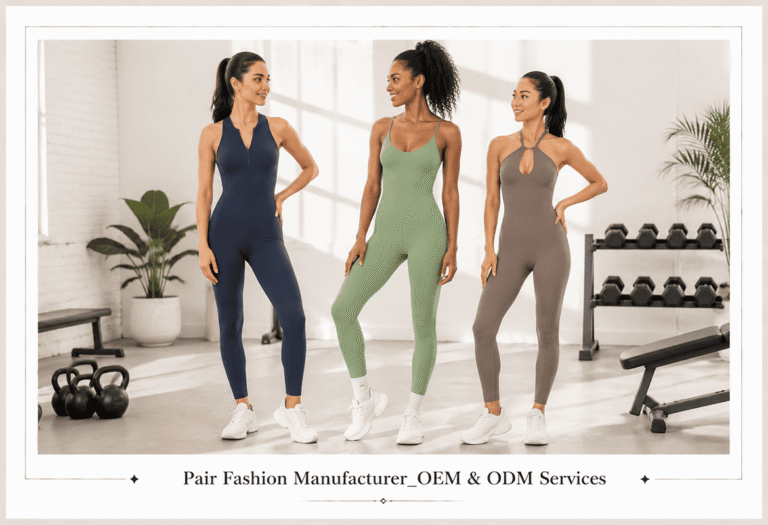
OEM/ODM Sportswear Manufacturer | 3-Day Sampling | Low MOQ | 50K Monthly Capacity | ISO9001 & BSCI Certified

Where to Find Custom Fit Tennis Clothing Supplier: China Supplier Comparison Guide for Global Brands
Finding the right custom fit tennis clothing supplier requires more than comparing prices. Global tennis brands need reliable partners with strong customization knowledge, consistent quality, flexible cooperation models, and proven sourcing experience. This guide compares leading suppliers in China and explains how to select the right partner for long-term brand growth.
Top Custom Fit Tennis Clothing Suppliers in China: Comparison List of Reliable Sourcing Partners for Global Buyers
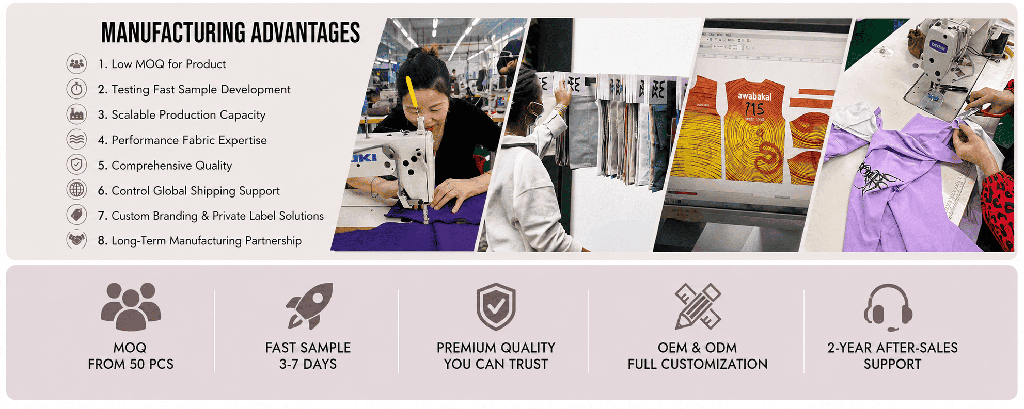
Choosing a reliable supplier is the first step for brands developing custom fit tennis apparel collections. China has become a preferred sourcing destination because of its mature sportswear supply chain, flexible customization options, and wide range of supplier capabilities. However, not every supplier is suitable for every brand. Comparing suppliers by customization experience, product focus, communication ability, and long-term cooperation potential helps buyers make better sourcing decisions.
This comparison list highlights selected China tennis clothing suppliers based on factors that matter most to international buyers, including custom fit development capability, manufacturing background, order flexibility, product specialization, and suitability for different brand stages. Instead of choosing only by quotation, brands should evaluate whether a supplier can support their product goals and market positioning.
Supplier Comparison Criteria
When comparing custom fit tennis clothing suppliers, global buyers should consider:
- Custom Fit Capability — Whether the supplier understands measurement-based development, size adaptation, and fit requirements.
- Tennis Apparel Experience — Whether the supplier has experience producing tennis dresses, skirts, tops, shorts, and performance apparel.
- Order Flexibility — Whether the supplier can support startup brands, growing brands, and established businesses.
- Communication Efficiency — Whether the supplier can clearly manage product requirements and international cooperation.
- Quality Management — Whether the supplier follows consistent production and inspection standards.
- Export Experience — Whether the supplier understands overseas market requirements.
1. Dongguan Pair Fashion Co., Ltd. — Custom Fit Tennis Apparel Supplier for Global Brands
Location: Dongguan, Guangdong, China
Founded: 2016
Business Focus: Functional sportswear OEM/ODM and private label development
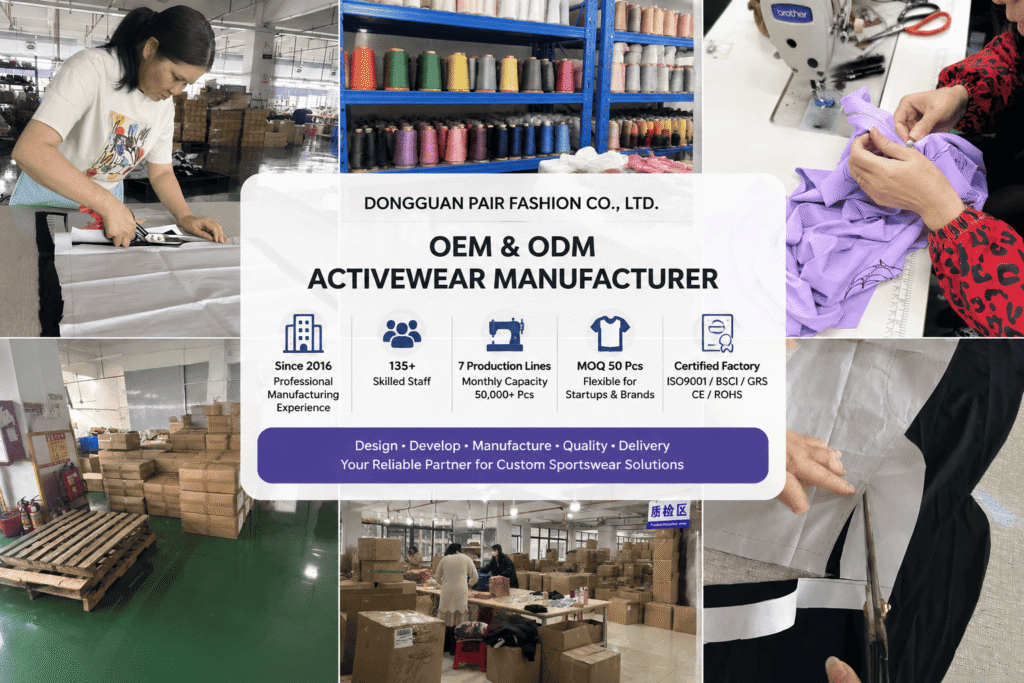
Dongguan Pair Fashion is a China-based activewear supplier specializing in functional sportswear categories, including tennis apparel, yoga wear, fitness clothing, equestrian apparel, maternity activewear, plus-size activewear, and other performance-focused products.
The company is suitable for brands looking for a flexible sourcing partner that can support custom tennis apparel development, measurement-based fitting requirements, and long-term product cooperation.
Key Advantages:
- Experience in functional sportswear development
- Support for custom sizing and product adjustments
- Flexible MOQ solutions for different brand stages
- Strong sportswear supply chain resources
- Experience serving international markets
Suitable For:
- Emerging tennis brands building their first collections
- Private label sportswear companies
- Growing brands requiring flexible product development
- Buyers looking for a long-term China sourcing partner
Considerations:
Brands requiring only low-price standard tennis garments may find specialized custom suppliers more suitable than manufacturers focused on functional and customized products.
2. Professional Tennis Apparel Suppliers for Wholesale and Private Label Brands
When comparing suppliers, buyers should separate companies based on their main strengths. Some suppliers focus on wholesale tennis apparel, while others specialize in custom development and private label collections.
Wholesale-focused suppliers may provide faster access to existing designs, while custom-focused suppliers are usually more suitable for brands that need unique sizing, branding, fabrics, and product adjustments.
A suitable supplier depends on:
- Brand positioning
- Target customer group
- Product complexity
- Expected order volume
- Customization requirements
Supplier Comparison Table
| Evaluation Factor | Why It Matters |
|---|---|
| Custom Fit Development | Determines whether products can match specific customer measurements |
| Tennis Apparel Experience | Ensures understanding of sportswear requirements |
| MOQ Flexibility | Helps brands test products before scaling |
| Communication Ability | Reduces development mistakes |
| Quality Control | Protects brand reputation |
| Export Experience | Improves international cooperation |
How Should Buyers Choose From Different Suppliers?
The “best” supplier is not always the largest company or the lowest-priced option. A startup tennis brand may need a flexible supplier that supports smaller development projects, while an established sportswear company may prioritize stable production capacity and consistent quality.
Before making a decision, buyers should ask:
- Does this supplier understand my target customer?
- Can they support my required sizing system?
- Can they develop products based on my brand positioning?
- Can they provide stable cooperation as my business grows?
A supplier comparison approach helps brands avoid choosing partners based only on short-term cost and instead build a more reliable sourcing strategy.
Why Are China Tennis Clothing Suppliers Becoming a Preferred Choice for Global Brands?
China has become one of the most competitive sourcing markets for tennis apparel because brands can access a complete supply chain, flexible production options, and experienced sportswear suppliers in one location. Buyers can also refer to information from the China Chamber of Commerce for Import and Export of Textiles and Apparel to better understand China’s textile and apparel industry development. Compared with many other sourcing regions, Chinese suppliers often provide a stronger combination of product development support, material accessibility, customization flexibility, and manufacturing efficiency.
For global tennis brands, choosing China is not only about reducing production costs. The bigger advantage is finding suppliers that can support continuous product improvement, seasonal collections, and different market requirements. Working with an experienced tennis clothing manufacturer can help brands build a more reliable product development and sourcing system. A reliable China tennis clothing supplier can help brands balance design expectations, product quality, delivery timelines, and long-term growth plans.
China vs Other Tennis Apparel Sourcing Markets: Which Option Fits Your Brand?
When selecting a sourcing country, buyers usually compare China with Europe, Southeast Asia, and other manufacturing regions. Each market has different advantages, and the right choice depends on the brand’s priorities.
| Factor | China | Europe | Southeast Asia |
|---|---|---|---|
| Sportswear Supply Chain | Strong textile and garment ecosystem | Strong design and premium positioning | Growing manufacturing capability |
| Customization Flexibility | High flexibility for different order sizes and product requirements | Often higher development costs | Depends on supplier capability |
| Fabric Options | Wide range of functional fabrics and material suppliers | Strong premium fabric resources | More limited in some technical materials |
| Production Experience | Extensive experience with global apparel brands | Strong quality focus | Developing export experience |
| Cost Control | Competitive for customized production | Generally higher production costs | Competitive for some basic products |
China’s advantage comes from supply chain integration. A tennis apparel project often involves more than sewing garments. Brands may need functional fabrics, trims, printing, embroidery, packaging, testing, and international shipping coordination. A mature sourcing market allows these different elements to work together more efficiently.
What Makes Chinese Tennis Suppliers Different From Other Markets?
One important difference is the depth of the manufacturing ecosystem. Many Chinese sportswear suppliers operate within regions where fabric mills, accessory suppliers, printing facilities, and garment production resources are closely connected.
For tennis clothing brands, this creates several benefits:
- Faster communication between different production stages
- More choices of performance fabrics
- Easier product modification during development
- Better support for small and medium-sized brands
- More flexible solutions for seasonal collections
Modern tennis apparel is no longer limited to traditional polo shirts and skirts. Brands increasingly develop collections with:
- Moisture-wicking fabrics
- Stretch materials
- Lightweight structures
- Breathable panels
- UV protection features
- Lifestyle-inspired tennis designs
Suppliers with broader sportswear experience are usually better positioned to support these changing market demands.
When Should Global Tennis Brands Consider Working With Chinese Suppliers?
China suppliers can be a suitable option for different types of tennis businesses, but the cooperation model should match the brand’s development stage.
Startup tennis brands often benefit from flexible suppliers because they need to test products, adjust designs, and understand customer preferences before placing larger orders.
Growing tennis brands usually need suppliers that can support regular collection updates, stable quality, and consistent product improvement.
Established tennis brands may focus more on supply chain reliability, product innovation, and long-term cooperation rather than simply finding the lowest manufacturing cost.
The key decision is not whether a supplier is located in China, Europe, or another region. The key question is whether the supplier’s capabilities match the brand’s product strategy and growth requirements.
What Should Buyers Consider Before Choosing a China Tennis Supplier?
Before selecting a supplier, international buyers should evaluate more than pricing. A supplier’s ability to understand product requirements, communicate clearly, and maintain consistency over multiple orders often has a greater impact on long-term success.
Important evaluation points include:
- Experience with international tennis apparel projects
- Ability to understand market-specific sizing requirements
- Product development communication
- Quality consistency between samples and bulk orders
- Flexibility for future collection expansion
A strong sourcing partner should not only manufacture products but also help brands reduce development risks and create a more stable supply chain. For many tennis brands, the right supplier becomes an important part of their product strategy rather than just a production source.
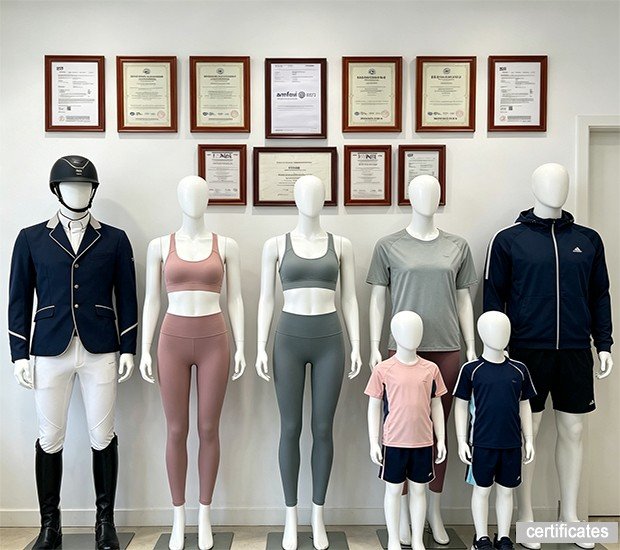
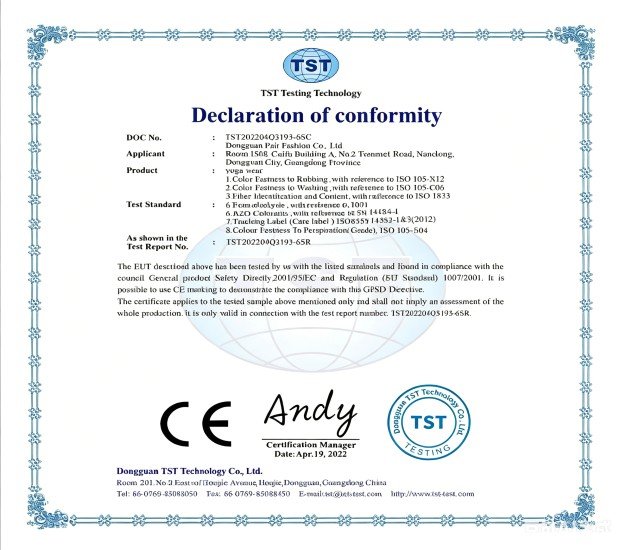
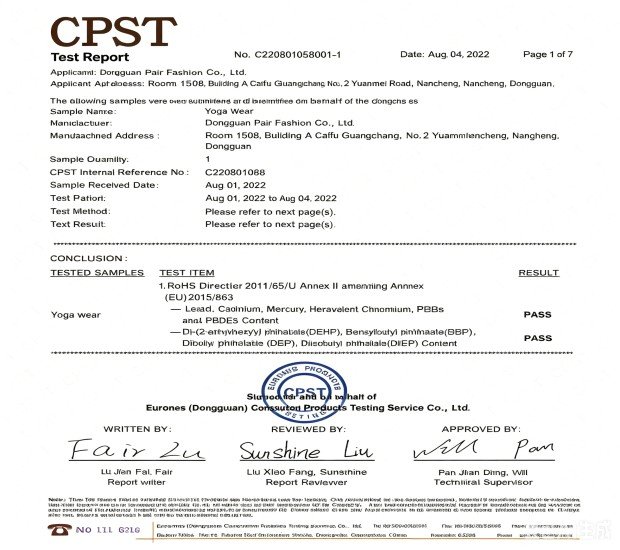
Trusted Manufacturing Standards For Global Sportswear Brands
We operate under internationally recognized quality, sustainability, and ethical manufacturing standards. Our certifications help ensure consistent product quality, responsible sourcing, and reliable production for global sportswear brands.
- 20+ Countries Served
- 6000+ Styles Developed
- 50,000 PCS Monthly Capacity
- 3-Day Sample Development

What Should Brands Know About Custom Fit Tennis Clothing Suppliers?
Custom fit tennis clothing suppliers are different from traditional tennis apparel suppliers because their focus is not only producing garments but also helping brands create products that match specific customer fitting requirements. Brands that want to understand how professional custom tennis apparel development works can explore our detailed guide about a custom fit tennis clothing manufacturer.A reliable supplier should understand how measurements, sizing systems, fabric performance, and garment structure work together to create better wearing experiences.
For international tennis brands, choosing a supplier with custom fit capability can improve product consistency, reduce sizing problems, and help create stronger customer satisfaction. Instead of offering only standard-size products, measurement-focused suppliers support brands that want to build more personalized collections for different markets, body types, and performance needs.
What Does Custom Fit Tennis Clothing by Measurements Really Mean?
Many buyers misunderstand custom fit apparel as simply adding a brand logo or changing colors. However, true measurement-based customization involves a deeper product development approach.
A professional custom fit tennis clothing supplier should be able to understand:
- Customer body measurement requirements
- Target market sizing differences
- Garment proportion adjustments
- Fit expectations during sports movement
- Performance requirements during tennis activities
Traditional tennis clothing usually follows standard size charts such as S, M, L, and XL. Brands developing international collections should also consider global sizing references and measurement standards to create better customer fitting experiences.
International brands can refer to ASTM International apparel sizing standards when researching measurement and testing considerations.
While this approach works for general retail products, it may create challenges when brands target specific customer groups.
For example:
- European customers may prefer different proportions compared with Asian markets.
- Professional-style tennis apparel may require closer fitting for movement.
- Lifestyle tennis collections may require more relaxed silhouettes.
- Inclusive brands may need expanded sizing solutions.
Measurement-based development allows brands to create products that better match their customers instead of forcing customers to adapt to limited standard sizing.
Which Custom Fit Capabilities Should Buyers Compare Between Suppliers?
Not every supplier offering “custom tennis clothing” has the same level of customization ability. Buyers should carefully evaluate whether a supplier can support real product adaptation or only basic modifications.
Important capabilities include:
| Capability | Why It Matters |
|---|---|
| Measurement Analysis | Helps create accurate product dimensions |
| Size Chart Development | Ensures consistency across different sizes |
| Pattern Adjustment | Improves garment fitting and wearing comfort |
| Fit Testing Support | Helps identify problems before bulk production |
| Market-Specific Sizing | Allows products to match different regions |
A supplier with stronger fit development experience can help brands avoid common problems such as:
- Incorrect garment proportions
- Poor movement comfort
- High return rates
- Customer complaints about sizing
For tennis apparel, fit is especially important because players require freedom of movement. A skirt, dress, top, or short that looks attractive but restricts movement can negatively affect customer experience.
Why Is Supplier Fit Development Ability More Important Than Low Price?
Price is always an important consideration, but choosing a tennis clothing supplier only based on the lowest quotation can create hidden costs.
A lower initial price may lead to:
- Higher product returns
- More sample revisions
- Additional communication costs
- Quality inconsistency
- Customer dissatisfaction
For growing tennis brands, product reputation is often more valuable than short-term savings. A supplier that understands fitting requirements can help brands develop products that customers feel comfortable wearing and are more likely to purchase again.
The best sourcing decision is usually a balance between:
- Product quality
- Customization capability
- Communication efficiency
- Production reliability
- Total business value
How Does Measurement-Based Customization Help Tennis Brands Build Competitive Products?
The tennis apparel market is becoming more competitive because customers are no longer looking only for basic sportswear. Many buyers expect products that combine:
- Athletic performance
- Comfortable fitting
- Modern design
- Brand identity
- Lifestyle appeal
Brands that understand their customers’ needs can create stronger product differentiation.
For example:
A premium tennis brand may focus on precise fitting, technical fabrics, and elegant court-to-lifestyle designs.
A growing online tennis brand may focus on flexible sizing, unique styles, and customer feedback-driven improvements.
A tennis club or team supplier may focus on consistent sizing across multiple players.
In each situation, the right custom fit supplier can provide valuable development support that goes beyond simple production.
How Can Buyers Identify Whether a Supplier Truly Understands Custom Fit Tennis Apparel?
Before cooperation, buyers should ask practical questions:
- Can you develop products based on our measurement requirements?
- Can you adjust patterns for different customer groups?
- Can you support different sizing systems?
- How do you confirm fitting accuracy before production?
- Can you maintain consistency for repeat orders?
The answers to these questions reveal whether a supplier has real product development ability or only provides basic customization options.
For brands building long-term tennis collections, supplier capability should be evaluated as a strategic investment rather than a simple purchasing decision.
How Should Buyers Evaluate Tennis Clothing Suppliers Before Cooperation?
Selecting the right tennis clothing supplier requires more than checking product catalogs or comparing the lowest prices. Many sourcing problems happen because brands select suppliers based on limited information and only find problems during product development, communication, or repeat orders. A professional supplier evaluation process helps buyers find suitable partners that can support long-term brand development instead of only completing one-time orders.
The most reliable suppliers are usually those that demonstrate clear product understanding, stable communication, transparent cooperation processes, and the ability to adapt to different brand requirements. Before making a final decision, buyers should evaluate suppliers from multiple perspectives, including product experience, customization ability, reliability, and business compatibility.
What Questions Should Buyers Ask Potential Tennis Clothing Suppliers?
Before cooperation, international buyers should collect enough information to understand whether a supplier matches their project requirements. A detailed conversation before ordering can prevent many future problems.
Important questions include:
| Question | Why It Matters |
|---|---|
| Are you a manufacturer or trading company? | Helps buyers understand production control ability |
| What types of tennis apparel have you developed? | Shows whether the supplier has relevant experience |
| Can you support custom sizing requirements? | Confirms customization capability |
| What is your sample development process? | Helps evaluate communication and product development efficiency |
| How do you control product consistency? | Reduces risks during repeat orders |
| Which markets do you mainly serve? | Shows international experience |
A supplier’s answers often reveal more than their website presentation. Experienced suppliers usually provide clear explanations about materials, development methods, quality standards, and production planning.
For example, a supplier that only focuses on price may immediately provide a quotation without asking about:
- Target customers
- Product positioning
- Fabric expectations
- Size requirements
- Market regulations
A stronger sourcing partner will first understand the product goal before recommending solutions.
Which Supplier Factors Matter Most Beyond Price?
Price is one factor in supplier selection, but it should not be the only decision point. Tennis apparel is a product category where quality, fit, and customer experience directly influence brand reputation.
A practical supplier evaluation should consider the following factors:
| Evaluation Factor | Importance for Tennis Brands |
|---|---|
| Product Development Experience | Ensures the supplier understands sportswear requirements |
| Custom Fit Ability | Supports measurement-based product differentiation |
| Quality Consistency | Protects customer satisfaction and repeat purchases |
| Communication Efficiency | Reduces mistakes during development |
| Delivery Reliability | Helps brands meet sales schedules |
| Pricing Structure | Determines overall business profitability |
Buyers can learn more about global textile sustainability standards through Global Recycled Standard (GRS) information.
A supplier with a slightly higher quotation may provide better value if they reduce development errors, improve product quality, and help brands avoid costly production issues.
For example, a tennis brand launching a new collection may spend more money correcting poor samples or inconsistent sizing than they would have spent choosing a more experienced supplier from the beginning.
How Can Buyers Verify Tennis Supplier Reliability?
Supplier verification is an important step before placing an order, especially when working with overseas partners.
International buyers should review:
1. Manufacturing Background
Check whether the supplier has:
- Real production experience
- Relevant sportswear categories
- Stable business history
- International customer experience
2. Product Development Ability
A capable supplier should be able to discuss product structure, size requirements, customization options, and development improvements. Brands looking for a deeper understanding of professional tennis apparel production can learn more through our tennis apparel manufacturing partner guide:
- Fabric selection
- Product structure
- Size requirements
- Customization options
- Development improvements
3. Quality Management System
Reliable suppliers usually have structured quality control methods rather than depending only on final inspection.
Buyers should understand:
- How materials are checked
- How production quality is monitored
- How finished products are inspected
4. Communication Performance
Good communication is often a sign of professional cooperation.
Pay attention to:
- Response speed
- Understanding of requirements
- Ability to provide clear solutions
- Willingness to discuss potential problems
A supplier that communicates well during the early stage is more likely to manage challenges effectively during production.
How Should Brands Compare Supplier Price, Quality, and Long-Term Value?
Many brands make the mistake of comparing only unit prices. However, the actual sourcing cost includes many additional factors.
A lower quotation may not always mean lower total cost if it creates:
- Additional sample revisions
- Delayed launches
- Quality complaints
- Higher inventory risks
- Customer returns
A more complete evaluation should consider:
Product Cost + Development Efficiency + Quality Stability + Business Support
This approach helps brands identify suppliers that create sustainable value.
For tennis apparel companies, especially those building a recognizable brand identity, supplier selection should focus on creating a reliable product experience rather than simply reducing manufacturing expenses.
What Are the Common Mistakes Buyers Make When Selecting Tennis Apparel Suppliers?
Many sourcing mistakes happen because buyers focus on short-term advantages while ignoring long-term cooperation factors.
Common mistakes include:
Choosing only based on the lowest price
Low-cost suppliers may reduce materials, production control, or communication support.
Ignoring customization limitations
A supplier may offer “custom products” but only support simple logo changes or color adjustments.
Not checking repeat order capability
A supplier that produces one good sample does not always guarantee stable future production.
Not confirming market requirements
Different markets may require different sizing, product features, and consumer expectations.
A careful supplier evaluation process allows brands to avoid these risks and build stronger sourcing partnerships.
A Practical Supplier Evaluation Framework for Tennis Brands
Before selecting a supplier, buyers can create a simple evaluation checklist:
| Category | Key Questions |
|---|---|
| Experience | Has the supplier worked with similar tennis apparel projects? |
| Customization | Can they support measurement-based fitting requirements? |
| Product Knowledge | Do they understand tennis performance needs? |
| Communication | Can they clearly manage international cooperation? |
| Reliability | Can they support repeat orders and future growth? |
| Value | Does the supplier provide long-term business benefits? |
The right supplier is not simply the one that can produce tennis clothing. It is the one that understands the brand’s goals, customer expectations, and future development direction.
How to Choose the Right Custom Fit Tennis Clothing Supplier
Choosing the right custom fit tennis clothing supplier is a strategic decision that can influence product quality, customer satisfaction, and long-term brand development. The ideal supplier is not simply the company with the lowest price or the largest production capacity. It is the partner that understands your product vision, supports your customization requirements, and can grow together with your brand.
For global tennis brands, a successful sourcing decision requires evaluating supplier capability from multiple perspectives, including measurement-based customization, product experience, communication efficiency, quality consistency, and business compatibility. Brands that need a complete overview of choosing a professional supplier can also review our custom tennis clothing sourcing guide. A supplier that matches your brand stage and customer expectations can help transform product ideas into reliable market-ready collections.
Choose Based on Your Brand Stage, Not Only Supplier Size
One of the most common mistakes buyers make is selecting suppliers based only on company scale. A large supplier may have impressive production resources, but that does not automatically mean it is the best partner for every tennis brand.
Different brands have different sourcing priorities:
| Brand Type | Main Challenge | Suitable Supplier Focus |
|---|---|---|
| Startup Tennis Brands | Testing products and understanding customers | Flexible development support and adaptable cooperation |
| Growing Tennis Brands | Maintaining quality while expanding collections | Stable production and continuous product improvement |
| Established Tennis Brands | Managing long-term supply chain efficiency | Strategic partnership and reliable execution |
A startup brand may get more benefits from a supplier that can provide better communication support and flexible product development. A mature tennis brand may prefer suppliers that have the ability to maintain stable production standards across different collections.
The right choice depends on alignment between:
- Brand positioning
- Product requirements
- Customer expectations
- Order planning
- Future growth strategy
What Should Brands Prioritize When Selecting a Custom Fit Tennis Supplier?
A strong supplier selection process should focus on long-term value rather than short-term savings.
The most important factors include:
1. Understanding of Tennis Apparel Requirements
Tennis clothing is a performance category where fit, comfort, and movement matter. Suppliers should understand that tennis apparel requires different considerations compared with general fashion products.
Important aspects include:
- Freedom of movement
- Fabric performance
- Comfort during activity
- Style balance between sport and lifestyle
- Customer fitting expectations
2. Ability to Support Product Evolution
Successful tennis brands rarely sell only one collection. They continuously update products based on:
- Customer feedback
- Market trends
- Seasonal demands
- Performance improvements
A supplier that can support ongoing product development provides more value than one focused only on individual orders.
3. Consistent Communication
International sourcing requires effective communication between different countries, time zones, and business cultures.
A professional supplier should be able to:
- Understand product requirements clearly
- Provide practical suggestions
- Identify potential problems early
- Keep buyers informed during cooperation
Good communication reduces misunderstandings and helps projects move efficiently.
How Can Brands Build a Long-Term Partnership With Their Tennis Supplier?
A successful supplier relationship is built through cooperation rather than a single transaction.
Brands should treat suppliers as development partners by sharing:
- Target customer information
- Market positioning
- Product expectations
- Future collection plans
When suppliers understand the bigger picture, they can provide better recommendations.
For example:
A tennis brand targeting professional players may prioritize performance fabrics and precise fitting.
A tennis lifestyle brand may focus more on fashionable designs, versatile styling, and everyday comfort.
A supplier that understands these differences can provide more suitable solutions.
Long-term partnerships also allow both sides to improve efficiency over time. As suppliers become familiar with a brand’s standards, future product development can become faster and more consistent.
Why Is the Right Sourcing Partner More Valuable Than the Lowest-Cost Supplier?
Many businesses initially focus on reducing manufacturing costs. However, successful tennis brands understand that product value comes from the complete sourcing experience.
A reliable supplier can help reduce hidden costs caused by:
- Repeated sample adjustments
- Product quality problems
- Delayed launches
- Customer complaints
- Unstable repeat orders
The true cost of sourcing includes more than the initial product quotation.
A better evaluation considers:
Product Cost + Development Efficiency + Quality Stability + Long-Term Cooperation Value
This approach helps brands make decisions that support sustainable growth.
Final Checklist Before Selecting a Custom Fit Tennis Clothing Supplier
Before confirming a supplier, international buyers should review:
| Checklist | Key Consideration |
|---|---|
| Supplier Experience | Does the supplier understand tennis apparel requirements? |
| Custom Fit Ability | Can products be adjusted according to measurements and sizing needs? |
| Product Knowledge | Can the supplier provide professional suggestions? |
| Communication | Can both sides cooperate efficiently? |
| Reliability | Can the supplier support repeat business? |
| Business Compatibility | Does the supplier match your brand development stage? |
Why the Right Supplier Choice Creates a Competitive Advantage
In the competitive tennis apparel market, brands need not only attractive designs but also products with good wearing experience and reliable quality. Customers prefer products that are comfortable to wear, trustworthy in quality, and worth purchasing again.
A suitable custom fit tennis clothing supplier can help brands achieve:
- Better product consistency
- Stronger customer experience
- More efficient product development
- Lower sourcing risks
- Greater market competitiveness
The goal is not simply finding a company that can make tennis clothing. The goal is finding a sourcing partner that understands your customers, supports your product strategy, and helps your brand build a stronger position in the market.
Conclusion: Finding the Right Custom Fit Tennis Clothing Supplier Requires Strategic Comparison
The process of finding custom fit tennis clothing suppliers should begin with comparison, evaluation, and understanding—not only price negotiation.
Global tennis brands should consider:
- Supplier experience
- Custom fit development capability
- Market understanding
- Communication quality
- Long-term cooperation potential
China has become an important sourcing destination for tennis apparel because it combines manufacturing experience, supply chain advantages, and customization flexibility. However, the best supplier choice depends on whether the partner matches the brand’s specific goals.
A reliable sourcing partner should help brands move from ideas to competitive products while reducing development risks and improving customer satisfaction.
For businesses looking for a supplier that understands functional sportswear development, custom sizing requirements, and international brand cooperation, selecting the right partner is the first step toward building a successful tennis apparel collection.

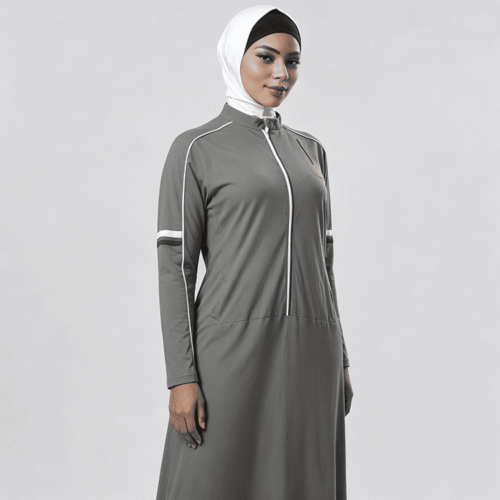
Custom Modest Sports Dress OEM ODM Muslim Activewear Dress
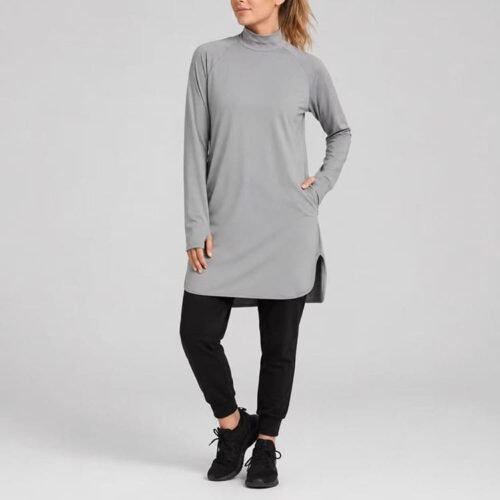
Custom Long Sleeve Modest Sports Tunic OEM ODM Muslim Activewear
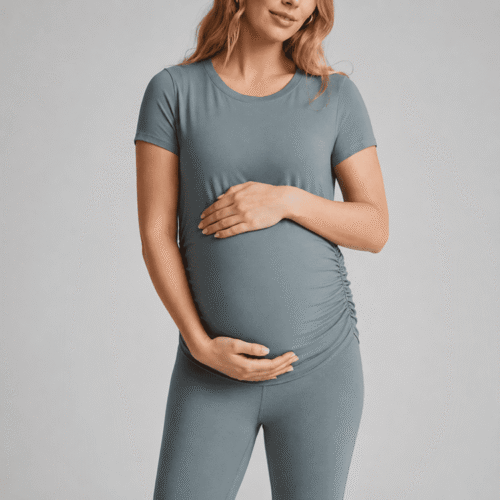
Custom Maternity Activewear T-Shirt OEM ODM Pregnancy Workout Top
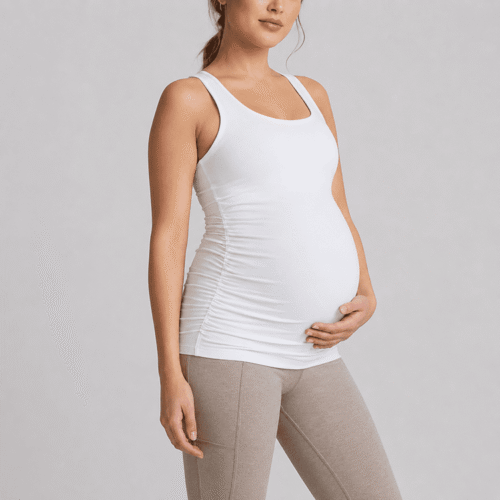
Custom Maternity Workout Tank Top OEM ODM Pregnancy Activewear
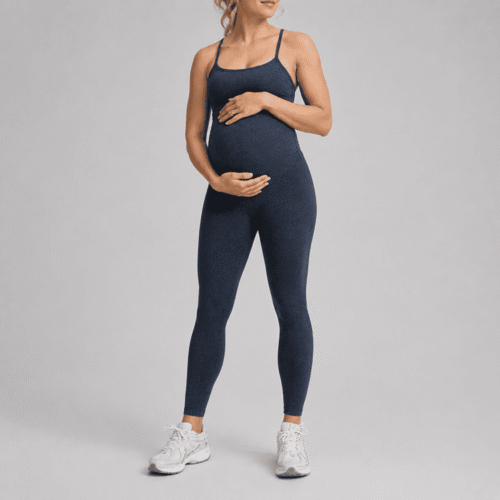
Custom Maternity Yoga Jumpsuit OEM ODM Pregnancy Activewear Bodysuit
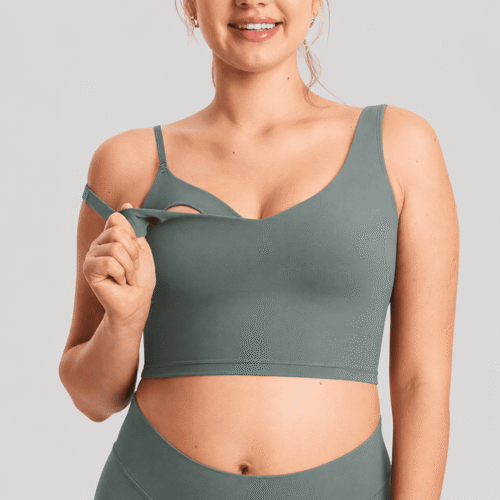
Custom Maternity Nursing Sports Bra OEM ODM Breastfeeding Activewear Bra
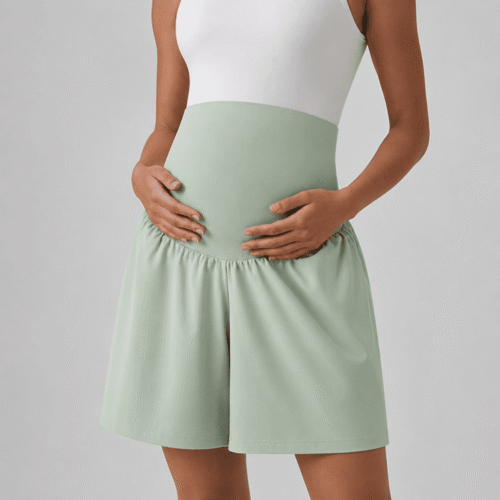
Custom Maternity Workout Shorts OEM ODM Over-The-Bump Activewear
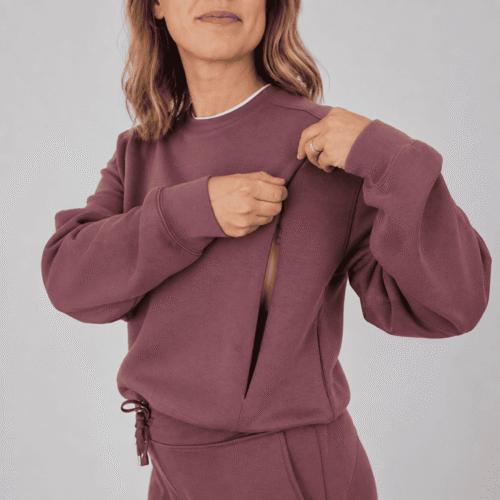
Custom Nursing Sweatshirt OEM ODM Maternity & Postpartum Activewear
Which Type of Tennis Supplier Matches Different Brand Growth Stages?
The right tennis clothing supplier depends heavily on where a brand is in its development journey. A startup brand, a growing sportswear company, and an established tennis business usually have different sourcing priorities. Choosing a supplier that matches the brand’s current stage can reduce risks, improve product development efficiency, and create a stronger foundation for long-term growth.
Instead of asking “Which supplier is the biggest?”, buyers should ask “Which supplier model fits our current business needs?” The ideal sourcing partner should provide the right balance of flexibility, product knowledge, communication support, and scalability based on the brand’s goals.
Suppliers for Startup Tennis Brands: Flexible Partners for Product Testing and Market Validation
Startup tennis brands usually face different challenges compared with established companies. They may have strong design ideas but limited market data, uncertain sales forecasts, and a need to test products before making larger investments.
For early-stage brands, the most suitable suppliers are usually those that can provide:
- Flexible order quantities
- Product development guidance
- Faster communication
- Support with initial collections
- Ability to adjust products based on customer feedback
A startup brand may not need a supplier with the largest production capacity. Instead, it needs a partner that understands experimentation and can support the process of turning concepts into market-ready products.
For example, a new tennis lifestyle brand may want to test:
- Different tennis dress styles
- Various skirt designs
- Multiple fabric options
- Different sizing approaches
A flexible supplier allows the brand to collect market feedback before investing in large inventory.
However, startups should avoid choosing suppliers only because they offer extremely low prices. A low-cost supplier may not provide enough support during the early development stage, which can increase mistakes and delay product launches.
Suppliers for Growing Tennis Brands: Stable Partners for Collection Expansion
Growing tennis brands usually have more defined products and customer groups. Their main challenge changes from “creating the first product” to “building a stable product system.”
At this stage, brands usually need suppliers that can support:
- Seasonal collection updates
- Consistent product quality
- Repeat orders
- Product improvements
- Expanded product categories
A growing brand may start with basic tennis apparel but later expand into:
- Tennis dresses
- Performance tops
- Training collections
- Tennis-inspired lifestyle apparel
- Matching accessories
The supplier’s ability to maintain consistency becomes increasingly important.
A strong supplier relationship helps brands reduce development time because previous product information, fitting requirements, and production experience can be reused for future collections.
Growing brands should evaluate whether a supplier can become a long-term development partner rather than only a short-term production source.
Suppliers for Established Tennis Brands: Strategic Partners for Long-Term Supply Chain Management
Established tennis brands usually have mature sales channels, clearer customer expectations, and higher requirements for product consistency.
Their sourcing priorities often include:
- Stable quality standards
- Reliable delivery performance
- Long-term cooperation
- Product innovation support
- Supply chain transparency
At this stage, changing suppliers frequently can create unnecessary risks. Brands need partners that understand their product standards and can maintain consistency across multiple seasons.
A strategic supplier relationship can support:
- New collection planning
- Market-specific product adjustments
- Faster product updates
- Supply chain optimization
For established brands, the supplier is no longer simply a manufacturer. It becomes part of the brand’s operational strategy.
How Can Buyers Match Supplier Capability With Business Needs?
A common sourcing mistake is selecting suppliers based on company size instead of actual compatibility.
A large supplier may not always be the best choice for a small brand. A smaller but highly flexible supplier may provide better support during the early stages.
A practical matching approach:
| Brand Stage | Main Requirement | Ideal Supplier Characteristics |
|---|---|---|
| Startup Brand | Product testing and development flexibility | Flexible, supportive, customization-focused |
| Growing Brand | Stable production and collection expansion | Experienced, consistent, scalable |
| Established Brand | Long-term supply chain management | Reliable, strategic, quality-focused |
The best supplier relationship can be built when both sides have a clear understanding of each other’s requirements and expectations. Before choosing a sourcing partner, brands should communicate their current business situation, future development plans, and product requirements clearly.
Why Is Supplier Compatibility More Important Than Supplier Size?
Many buyers assume larger suppliers automatically provide better results. However, supplier suitability depends on the project requirements.
A very large supplier may prioritize high-volume orders, while a growing brand may need more communication and flexibility.
A supplier that matches the brand’s needs can provide:
- Faster decision-making
- Better product understanding
- More efficient cooperation
- Stronger problem-solving ability
For custom fit tennis clothing projects, supplier compatibility is especially important because product success depends on details such as fitting requirements, sizing expectations, and customer preferences.
Choosing the right supplier is not about finding the biggest company. It is about finding the partner that can support the brand’s current challenges while growing together over time.
H2: Tennis Clothing Supplier Evaluation Checklist for International Buyers
A structured evaluation checklist helps international buyers compare tennis clothing suppliers more objectively. Instead of relying only on supplier websites, product images, or quotations, brands should review multiple factors that influence long-term cooperation, including customization ability, communication quality, reliability, and market experience.
A professional supplier evaluation process helps buyers identify partners that can deliver consistent results and avoid common sourcing problems. The goal is not simply to find a company that can produce tennis apparel, but to select a supplier that understands the brand’s product direction and can support future growth.
Custom Fit Tennis Supplier Evaluation Scorecard
Before making a final decision, buyers can use the following evaluation framework:
| Evaluation Category | Key Questions | Importance |
|---|---|---|
| Custom Fit Ability | Can the supplier support measurement-based development? | High |
| Tennis Apparel Experience | Does the supplier understand tennis product requirements? | High |
| Product Quality | Can the supplier maintain consistency between orders? | High |
| Communication | Can the supplier clearly manage international projects? | High |
| Flexibility | Can the supplier support different order requirements? | Medium |
| Delivery Reliability | Can production schedules be managed effectively? | High |
| Market Experience | Has the supplier worked with overseas brands? | Medium |
This type of scorecard allows buyers to compare suppliers using measurable criteria instead of making decisions based only on price.
What Are the Red Flags When Selecting Tennis Apparel Suppliers?
While many suppliers can present attractive product catalogs, buyers should carefully identify potential risks before cooperation.
Common warning signs include:
1. Limited Understanding of Custom Requirements
A supplier may claim to provide customization but only support basic changes such as colors or logos. True customization requires deeper product understanding.
2. Unclear Communication
If a supplier cannot clearly answer questions about:
- Product specifications
- Development timelines
- Quality standards
- Custom requirements
it may create problems later during production.
3. Extremely Low Pricing Without Explanation
A very low quotation may indicate differences in:
- Fabric quality
- Production control
- Product finishing
- Service level
The lowest price does not always create the lowest total cost.
4. Lack of Long-Term Cooperation Planning
A reliable supplier should be able to discuss future development possibilities rather than only focusing on one order.
How Can Buyers Build a Better Relationship With Tennis Suppliers?
Successful sourcing is usually based on clear communication and mutual understanding.
Brands can improve cooperation by:
- Providing detailed product requirements
- Sharing target customer information
- Explaining expected quality standards
- Planning seasonal collections early
- Maintaining regular communication
Suppliers can provide better solutions when they understand the brand’s market position and customer expectations.
For example, a tennis brand targeting premium consumers may require different recommendations compared with a brand focused on affordable sportswear. Product decisions should always connect with the final customer.
Why Should International Buyers Use a Supplier Evaluation Process?
Working with overseas suppliers involves more than purchasing products. It involves managing:
- Product quality
- Communication efficiency
- Delivery expectations
- Brand reputation
- Customer satisfaction
A supplier evaluation process helps reduce uncertainty and creates a more professional sourcing approach.
The strongest tennis brands usually build relationships with suppliers that understand their vision, not simply suppliers that offer the cheapest quotation. A carefully selected sourcing partner can become an important advantage in a competitive tennis apparel market.
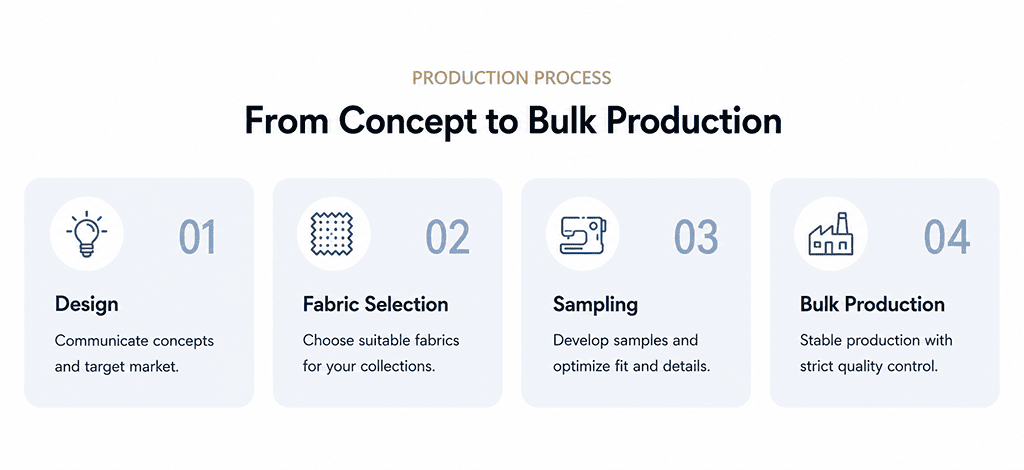
1. Product Development
Regular monthly product development ensures consistent updates to your brand line.
2. Fabric Sourcing
Regular monthly product development ensures consistent updates to your brand line.
3. Sample Making
Regular monthly product development ensures consistent updates to your brand line.
4. Bulk Production
Regular monthly product development ensures consistent updates to your brand line.
5. Packaging & Delivery
Regular monthly product development ensures consistent updates to your brand line.
Complete OEM & ODM Sportswear Solutions
We provide complete custom sportswear manufacturing services from concept development and fabric sourcing to bulk production and worldwide delivery.
- OEM & ODM Product Development
- Functional Fabric Sourcing & Material Selection
- Pattern Making & Sample Development
- Private Label Branding & Custom Packaging
- Quality-Controlled Bulk Manufacturing
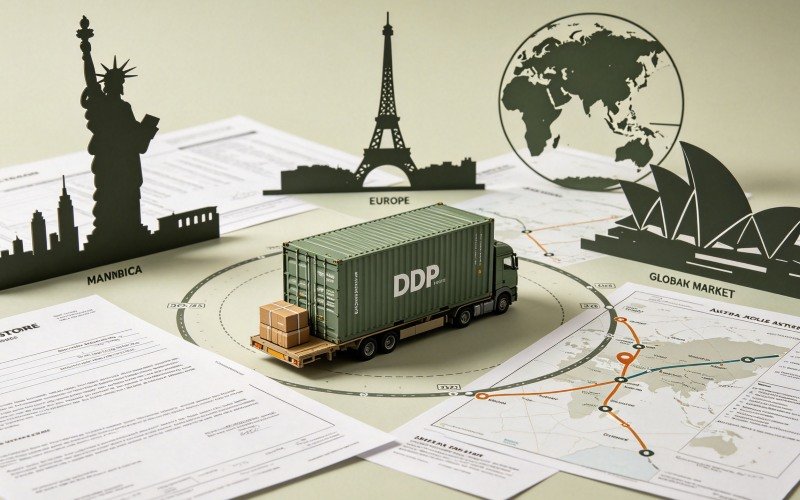
- Global DDP Shipping & Delivery Support
Frequently Asked Questions About Custom Fit Tennis Clothing Suppliers
1. What Should Brands Consider When Choosing a Custom Fit Tennis Clothing Supplier?
Brands should evaluate more than product price when selecting a custom fit tennis clothing supplier. Important factors include customization capability, tennis apparel experience, measurement-based fitting ability, quality consistency, communication efficiency, MOQ flexibility, and international sourcing experience. The right supplier should match the brand’s product positioning and long-term development goals.
2. How Do I Find Reliable Custom Fit Tennis Clothing Suppliers in China?
To find reliable suppliers in China, brands should compare supplier backgrounds, product experience, customization capabilities, customer reviews, certifications, and communication performance. A professional supplier evaluation process helps buyers identify partners that can support product development, maintain consistent quality, and provide stable cooperation for future collections.
3. Why Are China Tennis Clothing Suppliers Popular Among Global Brands?
China tennis clothing suppliers are popular because they offer a complete sportswear supply chain, flexible customization options, experienced production teams, and competitive sourcing advantages. Global brands can access functional fabrics, product development resources, and scalable manufacturing solutions while working with suppliers experienced in international markets.
4. What Is the Difference Between Standard Tennis Apparel and Custom Fit Tennis Clothing by Measurements?
Standard tennis apparel usually uses general size charts for production, while custom fit tennis clothing by measurements focuses on customers’ specific body requirements to achieve better fitting results. Measurement-based customization can include size adjustment, pattern modification, and fitting optimization, helping brands create products that are more suitable for different customer groups and target markets.
5. Which Factors Matter Most When Comparing Tennis Clothing Suppliers?
The most important factors include custom fit capability, product development experience, quality management, communication ability, delivery reliability, and long-term cooperation potential. Brands should avoid choosing suppliers only based on the lowest price and instead evaluate overall value, product consistency, and the ability to support future growth.
6. How Long Does It Take to Develop Custom Tennis Clothing With a Supplier?
The development timeline depends on product complexity, customization requirements, and supplier experience. A typical process includes product discussion, design confirmation, sample development, fitting adjustments, and final approval. Brands should work with suppliers that provide clear timelines and effective communication throughout the development process.
7. Are Chinese Tennis Clothing Suppliers Suitable for Startup and Small Brands?
Yes, many Chinese tennis clothing suppliers are suitable for startup and small brands because they can offer flexible sourcing solutions, smaller development projects, and customization support. The key is choosing a supplier that understands emerging brands’ needs and can provide guidance during product testing and collection development.
8. How Can Buyers Avoid Choosing the Wrong Tennis Clothing Supplier?
Buyers can reduce sourcing risks by checking supplier experience, verifying customization ability, reviewing quality standards, asking detailed questions, and evaluating communication before cooperation. Warning signs include unclear product information, unrealistic pricing, limited customization support, and a lack of experience with international brand requirements.