OEM/ODM Sportswear Manufacturer | 3-Day Sampling | Low MOQ | 50K Monthly Capacity | ISO9001 & BSCI Certified
Wholesale Maternity Clothes Manufacturer for Custom Pregnancy Apparel and Brand Development
Work with a Wholesale Maternity Clothes Manufacturer supporting pregnancy-specific fit development, functional fabrics, flexible MOQ, private label customization, sampling and scalable production. Pair Fashion helps maternity brands turn product concepts into production-ready collections built for comfort, performance and market growth.
50K+
Monthly Capacity
3 Days
Fast Sampling
6,000+
Custom Styles
10+
Years Experience
Develop Wholesale Maternity Clothes Around Real Pregnancy Needs
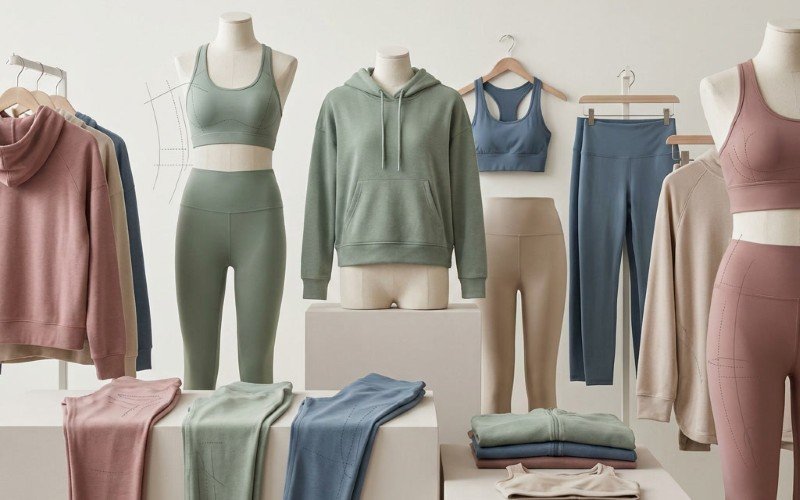
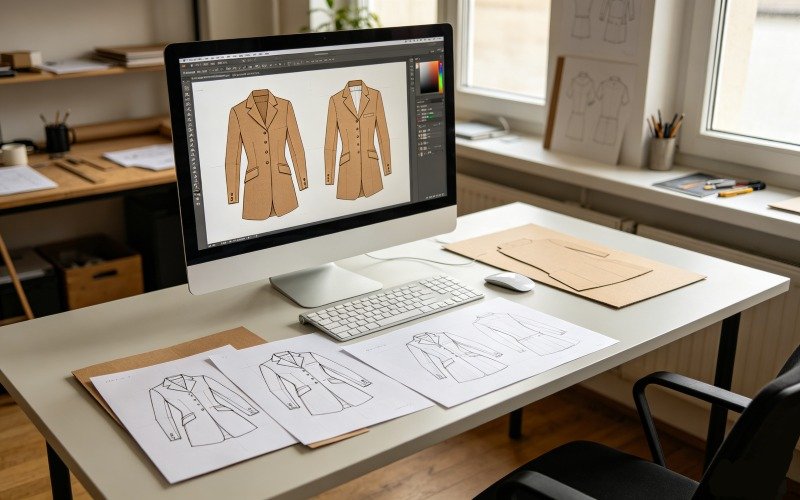
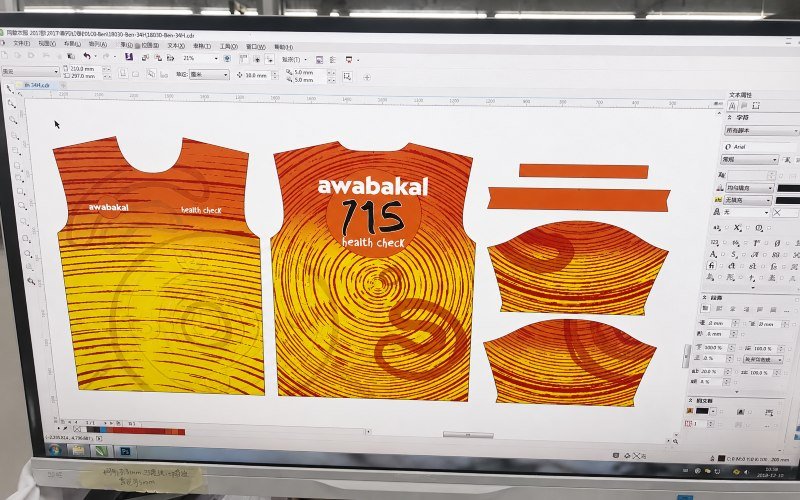
A professional Wholesale Maternity Clothes Manufacturer should develop maternity clothing according to the real body changes during pregnancy, not only make normal womenswear bigger or wider. Pair Fashion helps brands turn maternity clothing ideas into real products that can be sampled, tested and prepared for bulk production, while considering fit, comfort, function and brand positioning from the beginning.
Pregnancy apparel needs to accommodate changing body proportions while maintaining comfort, coverage and flexibility during everyday movement. A waistband that feels comfortable while standing may create pressure when sitting or bending, while a highly stretchy fabric may still lose support if its recovery is insufficient after repeated wear. For this reason, fit, fabric and intended use should be developed together rather than treated as separate decisions.
As a Wholesale Maternity Clothes Manufacturer, Pair Fashion can begin development from your product concept, reference image, physical sample or complete Tech Pack. Depending on the style, development can address belly expansion, waistband construction, hip and bust changes, garment length, fabric stretch and recovery, and whether the product should support pregnancy only or extend into postpartum wear.
At the beginning of a project, we can define:
- Target pregnancy stage and customer profile
- Product type and intended wearing situation
- Belly and key fit requirements
- Fabric hand feel, stretch, coverage and function
- Size range and brand positioning
- Logo, labels, colors and packaging requirements
Once these inputs are aligned, the style can move into pattern development, material selection and sampling with clearer specifications for later production.
Create a Maternity Clothing Collection for Your Brand and Target Market
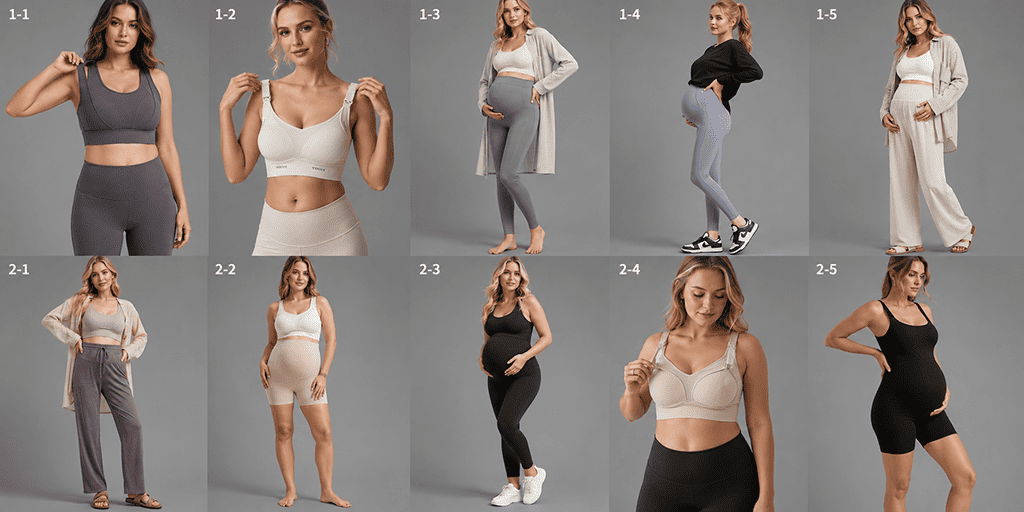
A successful maternity collection does not need to start with a large number of SKUs. Pair Fashion can help brands develop focused pregnancy apparel around their target customer, sales channel, price positioning and intended use, then expand proven products into coordinated colors, sizes and related styles as demand grows.
For a new DTC maternity brand, the first collection may focus on a small number of commercially clear products such as maternity leggings, supportive tops or maternity shorts. An activewear brand extending into pregnancy apparel can also develop a dedicated maternity activewear collection with coordinated performance styles that connect naturally with its existing product identity. Wholesalers and retailers may require a broader assortment to serve different customer profiles, wearing occasions or price levels.
Collection development can be organized around:
- Core Styles: Products with a clear purpose and potential for repeat orders
- Coordinated Products: Tops and bottoms designed to work together
- Size and Color Range: Planned around the target market instead of adding unnecessary options
- Functional Differences: Alternative belly panels, support levels, coverage and fabric performance
- Collection Expansion: New colorways or related SKUs developed after initial products are validated
Rather than treating each garment as an unrelated order, Pair Fashion can coordinate fit direction, fabrics, colors, branding and product details across the collection. This helps create a more consistent private label range and provides clearer specifications for sampling and production.
Whether you are launching one maternity hero product or building a broader pregnancy apparel line, development can begin with the products that matter most to your current market and expand as your brand gains sales data and repeat demand.
Develop Pregnancy-Specific Fits for Comfort, Support and Body Changes
Maternity fit needs to create room for body changes without losing the support, coverage and stability expected from the garment. Pair Fashion develops pregnancy-specific patterns around key areas such as the belly, waistband, hips, bust and garment length, helping brands create maternity styles without relying on simply sizing up standard womenswear.
A maternity sample may look good when the wearer is standing, but it may still feel uncomfortable during actual wearing. The waistband may fit smoothly when standing, but it can create unwanted pressure when the wearer sits down or bends the body. If too much space is added around the belly, the garment may become too loose or not stable enough. For this reason, body changes, garment construction, fabric stretch and movement should work together during the fit development process.
Depending on the product, development can focus on:
- Belly Room: Adjusting coverage and expansion according to the intended maternity style
- Waistband Construction: Balancing comfort, support and stability
- Hip and Rise Proportions: Maintaining the intended silhouette as belly space changes
- Bust and Upper-Body Room: Allowing appropriate changes in maternity tops and related styles
- Garment Length: Adjusting coverage as body proportions change
- Size Grading: Building proportional sizes rather than mechanically adding the same measurements
After the first pattern is developed, a fit sample can be used to review pressure points, ease, movement and overall proportions. Required adjustments can then be incorporated before the style progresses toward final approval.
By establishing clear pattern and measurement references during development, brands can create a stronger foundation for later size sets, production specifications and consistent bulk manufacturing. Brands planning a wider size range can also apply similar fit-development discipline when building plus size activewear collections, where proportional grading, support and garment balance need more attention than simply increasing measurements.
1. Product Development
Regular monthly product development ensures consistent updates to your brand line.
2. Fabric Sourcing
Regular monthly product development ensures consistent updates to your brand line.
3. Sample Making
Regular monthly product development ensures consistent updates to your brand line.
4. Bulk Production
Regular monthly product development ensures consistent updates to your brand line.
5. Packaging & Delivery
Regular monthly product development ensures consistent updates to your brand line.
Complete OEM & ODM Sportswear Solutions
We provide complete custom sportswear manufacturing services from concept development and fabric sourcing to bulk production and worldwide delivery.
- OEM & ODM Product Development
- Functional Fabric Sourcing & Material Selection
- Pattern Making & Sample Development
- Private Label Branding & Custom Packaging
- Quality-Controlled Bulk Manufacturing
- Global DDP Shipping & Delivery Support
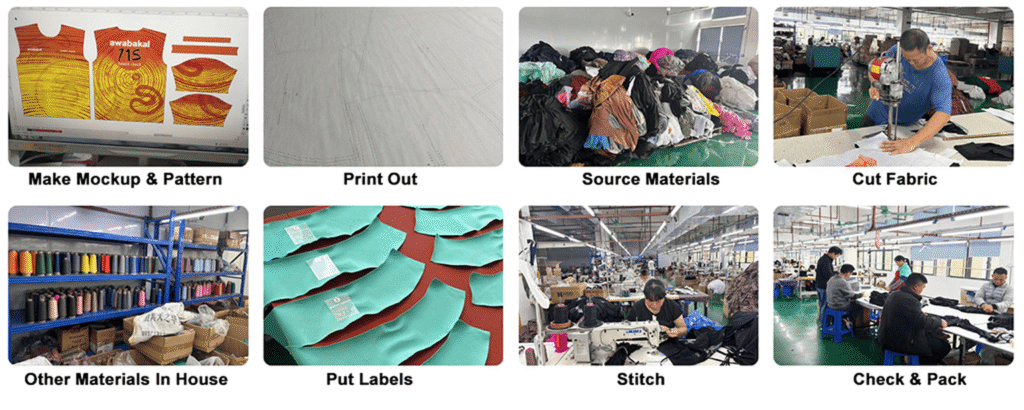
Turn Your Maternity Clothing Idea Into a Production-Ready Sample
You do not need to prepare a complete technical package before starting your custom maternity project. Pair Fashion can start the development from your product concept, reference image, physical sample or detailed Tech Pack, and then develop the pattern, materials and garment construction step by step. This helps make the maternity style specifications more clear and ready for the next production preparation.
Different brands can enter development at different stages. A startup with reference images may first need to define which details should be retained, changed or adapted for maternity use. An established brand with a complete Tech Pack can move more directly into pattern and sample development based on specified measurements, materials and construction. A physical garment can also provide useful references for fit and structure, while the new product still requires its own confirmed specifications.
A typical development path includes:
- Review Product Inputs: Confirm the style, references, target sizing, quantity and brand direction.
- Develop Pattern and Fabric Direction: Translate maternity fit requirements into construction and material choices.
- Create the First Sample: Review proportions, design details and overall product execution.
- Evaluate Fit and Revise: Check the belly, waistband, hips, length, comfort and movement before making required adjustments.
- Confirm Product Specifications: Lock the approved measurements, fabric, colors, construction and branding details.
Sampling is not simply about producing one garment. Its commercial value is to reduce uncertainty before bulk production.
Once the fit and product details are approved, the confirmed sample and specifications provide a clearer reference for PP sample approval and the following manufacturing stages. This gives your brand a more controlled path from an initial maternity clothing idea to repeatable production.
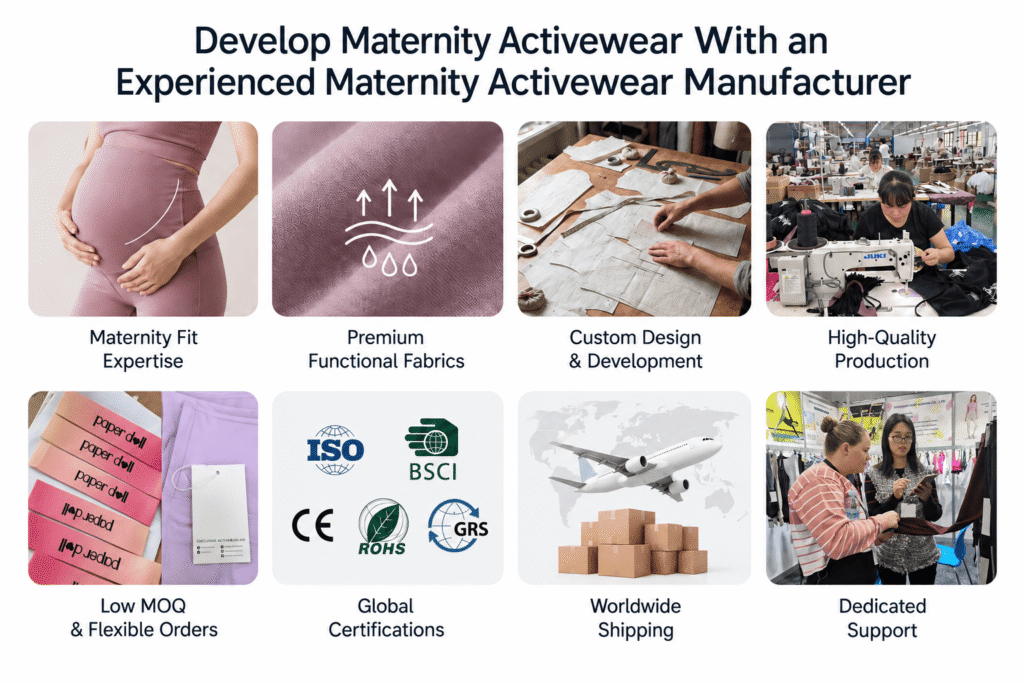
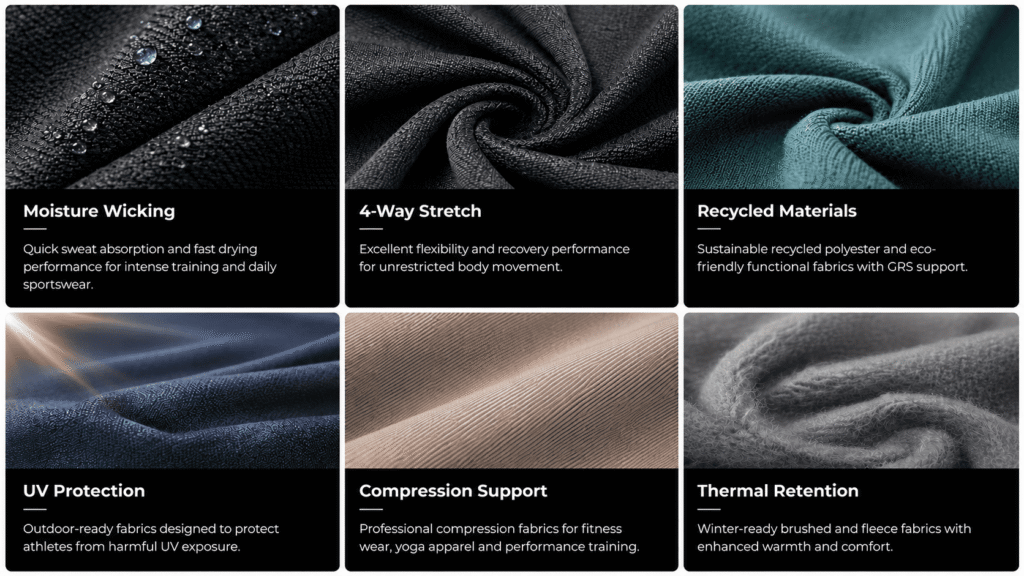
Select Functional Fabrics That Work With Maternity Fit and Movement
Maternity fabric should not only have good stretch. It also needs to keep comfortable when the body changes and provide suitable recovery, coverage and movement performance for the specific maternity garment. Pair Fashion can select the suitable fabric direction according to the product construction, season, wearing situation and brand positioning, so the fabric performance can work well together with the maternity fit.
Two stretch fabrics that look similar on a swatch can perform very differently once made into pregnancy apparel. A softer, lighter fabric may work well for an everyday maternity top, while maternity leggings often require a more careful balance of four-way stretch, recovery, fabric weight and opacity.
Stretch alone is not enough. If recovery is weak, a waistband or knee area may become loose after repeated wear, which is why fabric stretch and recovery properties should be considered alongside hand feel, weight and coverage when developing maternity garments. If compression is unnecessarily strong, the fabric may create unwanted pressure around sensitive areas. The material should therefore be evaluated according to the actual product rather than selected from a single performance claim.
Fabric development can consider:
- Stretch and Recovery: Accommodating body changes while helping the garment retain its shape
- Soft Hand Feel: Supporting comfort during extended wear
- Weight and Coverage: Matching opacity and structure to leggings, shorts, tops or other styles
- Breathability and Moisture Management: Useful for maternity activewear and warmer markets
- Surface Feel: Creating a smooth, soft or performance-focused finish according to brand positioning
- Recycled Options: Supporting selected maternity projects with GRS recycled fabric where required
After a fabric direction is selected, its stretch, coverage, recovery and wearing feel can be reviewed together with the actual sample. This connects material selection directly to the approved fit and creates clearer specifications for production.
Start Your Maternity Collection With Flexible MOQ and Scalable Production
A new maternity collection does not always need to begin with a large inventory commitment. Pair Fashion supports flexible production for maternity projects, allowing brands to launch a focused combination of styles, colors and sizes first, then move into repeat orders as real demand becomes clearer. MOQ can start from 80 pieces for suitable maternity projects.
The first production quantity should match the commercial stage of the product. A completely new maternity style carries different inventory risk from an established bestseller with predictable replenishment demand. Instead of spreading the first order across too many SKUs, brands can concentrate purchasing on the products and colorways that are most important for the initial launch.
MOQ is also connected to the actual product specification. Factors such as fabric minimums, custom dyeing, number of colors, size breakdown, logo application and garment construction can affect the practical quantity and unit cost. These requirements can be confirmed together before production so the order structure is clear.
For a new style, the production path can develop naturally:
- Launch a focused first order to introduce the product to the market.
- Collect sales and customer feedback before expanding unnecessary variations.
- Repeat approved styles when demand becomes more predictable.
- Add colors, related products or larger quantities as the collection grows.
Pair Fashion operates seven production lines with stable monthly capacity of approximately 50,000 pieces, supporting both flexible maternity projects and larger repeat programs.
This gives brands room to start at a commercially manageable level while building toward more consistent production as successful maternity products gain traction.
Build a Complete Private Label Maternity Collection Around Your Brand
Private label maternity development goes beyond placing a logo on an existing garment. Pair Fashion can integrate custom colors, branding, labels, trims and packaging into the approved maternity product so each style fits naturally within your brand identity and the complete collection remains visually consistent from product to product.
Some brands begin with established guidelines, including Pantone colors, artwork files, label specifications and packaging requirements. Newer brands may have only a logo and general product direction. In either case, private label details can be defined during development and incorporated into the sample before bulk production.
Customization can include:
- Custom Colors: Pantone-based colors and coordinated collection palettes
- Logo Application: Printing, embroidery or heat-transfer options selected according to the garment and fabric
- Main and Size Labels: Brand identification and consistent sizing presentation
- Care Labels: Product composition and care information prepared for the garment
- Custom Hangtags: Retail-ready brand presentation
- Trims and Details: Suitable branded or customized garment components
- Custom Packaging: Individual bags, e-commerce packaging or other required presentation formats
Branding should be considered together with the product construction. On highly stretchable maternity garments, for example, logo position, application method and artwork size can affect how the branding looks when the fabric stretches during wear.
These details can be reviewed during sampling rather than left until the bulk order is already in production. Once approved, branding specifications can be recorded alongside the confirmed pattern, materials and construction requirements.
This can provide a clearer reference for production and help maternity leggings, tops, shorts and other related styles become one coordinated private label collection, instead of several separate garments that do not match with each other.

Why Brands Choose Our Maternity Clothes Manufacturing Service
Brands need more than a supplier that can sew maternity garments. They need practical support when fit is unfinished, development information is incomplete, initial quantities are controlled, or an approved product must move reliably into bulk production. Pair Fashion connects maternity development, sampling, private label customization, production and quality control within one manufacturing workflow.
| Buyer Concern | Pair Fashion Solution |
|---|---|
| My maternity fit is not fully developed. | Pregnancy-specific pattern and fit development can address the belly, waistband, hips and other key fit areas before production. |
| I only have an idea or reference image. | Development can begin from a concept, reference image, physical sample or complete Tech Pack. |
| I want to control inventory on a new style. | MOQ can start from 80 pieces for suitable maternity projects, allowing a more focused initial launch. |
| I need products under my own brand. | Colors, logos, main labels, care labels, hangtags and packaging can be customized around your brand requirements. |
| I am concerned that bulk production may differ from my sample. | Approved samples, PP sample confirmation and defined product specifications provide references for bulk production. |
| I need consistent production quality. | Our 13-person QC team supports incoming material, in-line and final quality inspections. |
| I need to reorder successful products. | Pattern and product records support repeat production and future collection expansion. |
Founded in 2016, Pair Fashion operates with an 11-person pattern and sample development team, 13-person QC team, seven production lines and stable monthly capacity of approximately 50,000 pieces.
These resources are designed to keep your maternity project connected from development through production and repeat orders, reducing the need to rebuild the supply process at each stage as your collection grows.
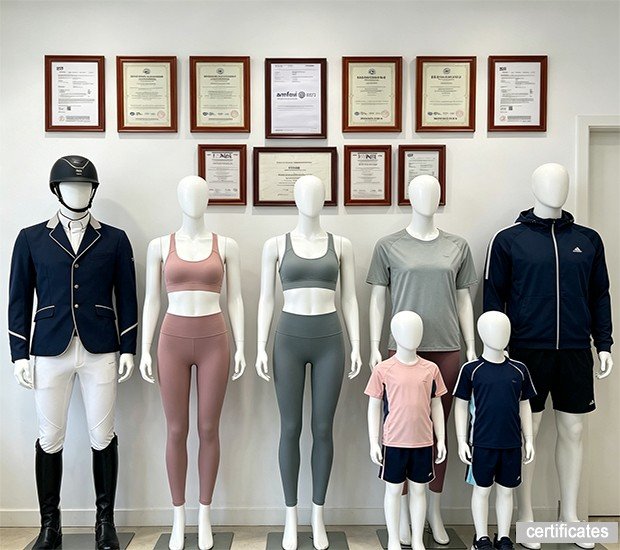
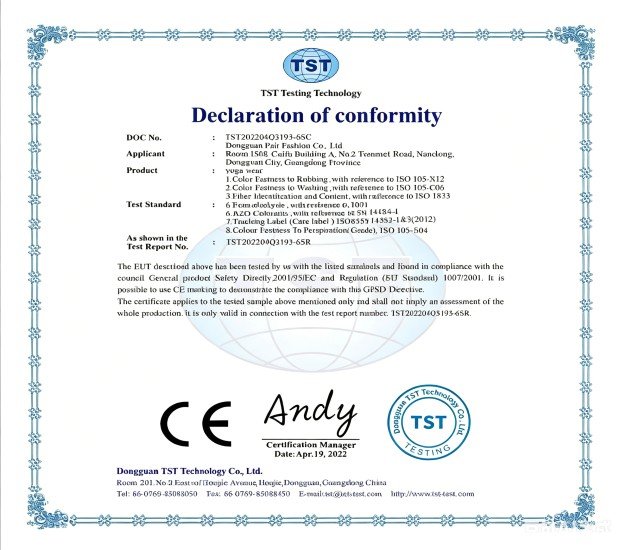
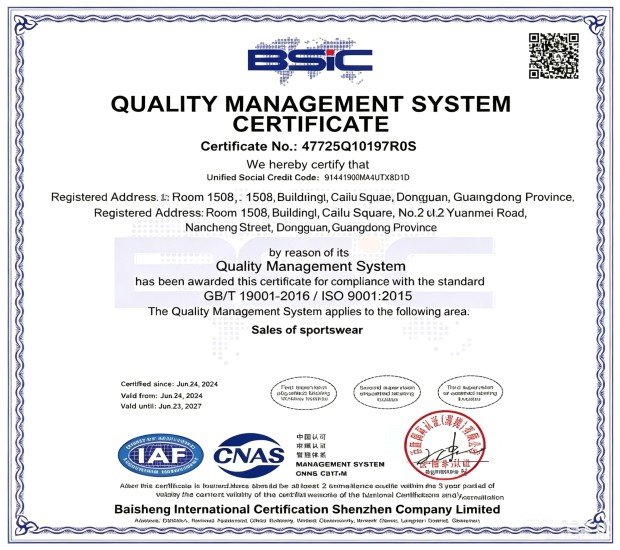
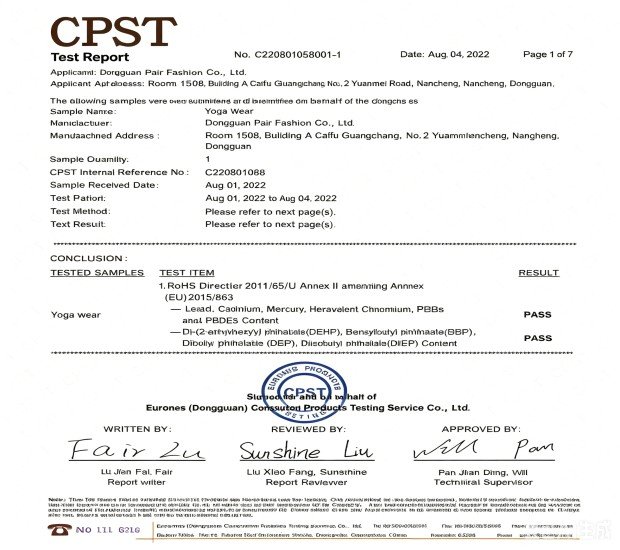
Trusted Manufacturing Standards For Global Sportswear Brands
We operate under internationally recognized quality, sustainability, and ethical manufacturing standards. Our certifications help ensure consistent product quality, responsible sourcing, and reliable production for global sportswear brands.
- 20+ Countries Served
- 6000+ Styles Developed
- 50,000 PCS Monthly Capacity
- 3-Day Sample Development
Move From Approved Maternity Sample to Controlled Bulk Production
Approving a maternity sample is an important milestone, but the next objective is to reproduce the confirmed fit, fabric, construction, colors and branding details consistently in bulk. Pair Fashion carries approved product requirements into pre-production confirmation, material inspection, manufacturing and quality control to create a more controlled path from sample to shipment.
Before bulk production begins, key specifications should be clearly confirmed. These can include measurements, fabric references, color requirements, logo position, sewing construction, labels and packaging. Keeping these details controlled helps reduce avoidable changes after materials have been prepared or production has already started.
Our production workflow can include:
- Approved Sample and Locked Specifications
Confirm the final fit, measurements, fabric, construction and branding requirements. - PP Sample Approval
Review the pre-production sample and key production details before bulk manufacturing begins. - Incoming Material Inspection
Check relevant fabrics and trims before they move into production. - Cutting and Sewing
Manufacture the order according to the confirmed pattern and production requirements. - In-Line Inspection
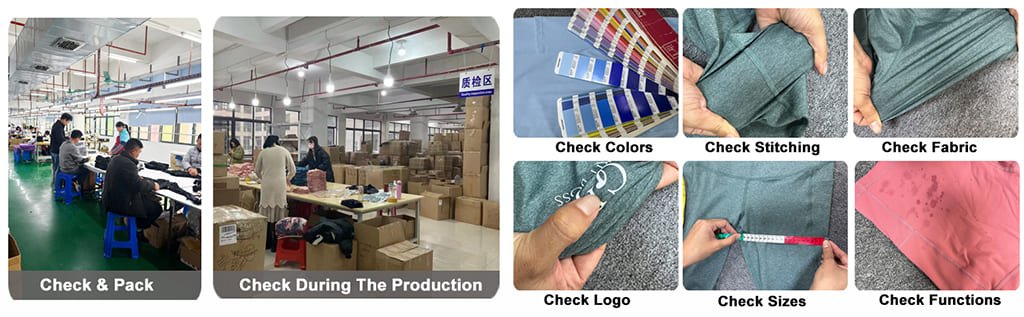
Review key measurements, sewing and workmanship during production so issues can be identified before the entire order is completed. - Final Quality Inspection
Check finished garment measurements, appearance, workmanship and packaging against the confirmed requirements. - Packing and Shipment Preparation
Complete approved private label packaging and prepare the finished order for shipment.
The approved sample therefore serves as more than a development result. Together with the confirmed specifications and PP sample approval, it provides a practical production reference that helps protect consistency from the maternity sample your brand approved to the bulk products prepared for delivery.

Keep Bestselling Maternity Styles Ready for Repeat Orders and Collection Growth
When a maternity style begins generating consistent sales, the next step is often to preserve what has already been approved rather than restart development. Pair Fashion can retain key pattern, material, trim and construction references, helping brands move from the first production order into replenishment, new colorways and broader maternity collection development.
Repeat production is particularly important for maternity apparel because small changes can affect the wearing experience. A different waistband construction, fabric stretch and recovery, measurement or sewing detail may change how an otherwise similar product fits. For this reason, repeat orders can refer back to the previously confirmed product requirements instead of treating every reorder as a completely new development.
After a style has been validated in the market, your brand can gradually:
- Replenish Proven Styles: Repeat successful maternity products as inventory sells through
- Add New Colorways: Extend the assortment while retaining the approved core fit
- Increase Order Volume: Scale quantities as sales become more predictable
- Develop Related SKUs: Expand from a proven bottom or top into coordinated maternity products
- Plan Future Collections: Use successful fit and material directions as references for upcoming launches
Pair Fashion can retain pattern and product records, while approved sample references can support future production checks. This allows the development work completed for the first order to remain useful after the initial shipment.
Instead of rebuilding the product from zero each time, a successful maternity style can become a repeatable foundation for replenishment and collection growth, helping your brand expand around products that have already demonstrated market demand.
Start Your Custom Maternity Clothing Project With Pair Fashion
You do not need every technical detail finalized before starting your maternity clothing project. Whether you currently have a product idea, reference images, physical sample or complete Tech Pack, Pair Fashion can review the information available and define the next development steps toward sampling and production. You can also review our custom maternity activewear manufacturing options to see available product directions, fabric choices, waistband structures, private label details and pregnancy-to-postpartum applications.
The starting point can match the current stage of your brand:
- I Have an Idea: Tell us the maternity product you want to develop, your target customer and the general design direction.
- I Have Reference Images: Send the references and identify which features you want to retain, modify or develop differently.
- I Have a Physical Sample: Use the garment as a reference for fit, construction, fabric or details while specifying the changes required for your new product.
- I Have a Tech Pack: Send your measurements, material specifications, colors, construction and branding requirements for sample evaluation.
For a more efficient initial discussion, you can also provide:
- Product type
- Estimated order quantity
- Target size range
- Number of colors
- Preferred fabric direction
- Logo and private label requirements
- Target sales market
- Expected delivery window
After reviewing these inputs, our team can clarify the maternity fit, fabric direction, customization details, sampling requirements, MOQ and relevant production conditions before the project moves forward.
You do not need to solve every technical question before contacting us. Send the information you already have, and we can begin turning it into a clearer product specification and development plan.
Work with Pair Fashion as your Wholesale Maternity Clothes Manufacturer to move your maternity collection from concept and sample development into private label production and future repeat orders.
Browse Sportswear Catalog Categories
Explore custom sportswear catalog categories including activewear, equestrian apparel, lounge wear and specialty OEM apparel collections for global brands.
- Yoga Pant
- Sports Bras
- Tank Tops
- Gym Shorts
- Men & Kids Sportswear
- Riding Tops
- Breeches
- Competition Wear
- Jackets
- Man & Kids Equestrian
- Joggers
- Sweatshirt & Hoodies
- Sweaters
- Coat & Jacket
- Men & Kids Loungewear
Other OEM Apparel
- Tennis Clothing
- Jumpsuit
- Dress & Skirts
- Plus Size Activewear
- Maternity Activewear
Frequently Asked Questions About Working With a Wholesale Maternity Clothes Manufacturer
1. What Is the MOQ for Private Label Maternity Clothes?
For suitable maternity projects, Pair Fashion can support an MOQ starting from 80 pieces, while the final production minimum depends on fabric availability, color breakdown, size distribution, custom dyeing and the level of private label customization required.
Using available suitable fabrics and keeping the first launch focused can make smaller production runs more practical. Custom-dyed materials, specialized functional fabrics or complex processes may involve higher material minimums. For new brands, we recommend concentrating the initial order on a few important products and colorways, then using actual sales performance to plan repeat orders instead of committing to unnecessary inventory.
2. How Much Does Custom Maternity Clothing Cost?
Custom maternity clothing does not have one fixed unit price because cost depends on garment construction, fabric, quantity, colors, logo application, trims, packaging and customization requirements; the clearer the product specification, the more meaningful the quotation becomes.
Two maternity leggings that look similar can have different costs when fabric weight, recovery or functional performance changes. Custom dyeing, smaller quantities, multiple colors and specialized branding can also affect pricing. For a more accurate quotation, send your reference image or Tech Pack together with expected quantity, sizes, colors, fabric direction and branding requirements. This allows costing to reflect the product you actually intend to manufacture.
3. Do You Provide Custom Packaging and Complete Private Label Services?
Yes. Pair Fashion can integrate logos, main labels, size labels, care labels, hangtags, custom colors and packaging into maternity clothing projects, allowing finished products to enter e-commerce, wholesale or retail channels under your own brand identity.
Private label details are best confirmed during sampling rather than left until bulk production. On highly stretchable maternity garments, logo size, position and application method should work with the fabric during wear. Packaging can also be developed around DTC, wholesale or retail requirements. Once approved, branding details can be recorded together with the pattern, materials and construction specifications to support consistent bulk and repeat production.
4. Can a Startup Develop Maternity Clothes Without a Complete Tech Pack?
Yes. A startup can begin with a product idea, reference images or a physical sample even without a complete Tech Pack, and Pair Fashion can help define the pattern, fabric, measurements and construction requirements before moving into maternity sample development.
With reference images, it helps to identify which features should remain and which should change, together with your target customer and intended use. A physical garment can provide additional fit, construction or material references. Maternity-specific fit, colors, branding and packaging can then be confirmed progressively, allowing an early concept to develop into clearer specifications without requiring every technical decision before the first discussion.
5. How Long Does Maternity Clothing Sampling Take?
Maternity samples generally require around 3–7 days depending on product complexity, fabric availability and customization, while Pair Fashion can develop Proto, Fit, PP, Photo or Size Set samples according to the stage and purpose of your project.
Each sample has a different role. A Proto Sample helps establish the initial product, while a Fit Sample can review the belly, waistband, hips and overall proportions. Photo Samples support product imagery, Size Sets help confirm grading, and PP Samples provide a production reference before bulk manufacturing. Special fabric development, custom dyeing or complex branding may extend the timeline, so sampling requirements should be confirmed at the beginning.
6. How Do You Develop Maternity Fits for Pregnancy Body Changes?
Maternity fit should account for belly growth, waistband pressure, changes around the hips and bust, garment length and real movement rather than simply enlarging standard womenswear, because additional measurements alone do not automatically provide suitable pregnancy comfort and support.
The priorities also vary by product. Maternity leggings may require closer attention to belly room, waistband construction, rise proportions and fabric recovery, while maternity tops may require additional bust, belly and length adjustments. A Fit Sample can then be reviewed for pressure, ease and coverage during standing, sitting and movement. Confirmed measurements and patterns provide the foundation for size grading and later production.
7. How Do You Keep Bulk Maternity Production Consistent With the Approved Sample?
Bulk consistency is supported by turning the approved sample, PP Sample, measurements, fabric, colors, construction and branding requirements into defined production references, then checking relevant materials, work in progress and finished garments throughout manufacturing.
Before production, key specifications are confirmed so the order has a clearer reference. For maternity apparel, waistband construction, critical measurements, fabric stretch and recovery, and sewing quality deserve particular attention because changes can affect the wearing experience. Pair Fashion uses incoming material checks, in-line inspection and final quality inspection to identify issues at different production stages. Approved samples and locked specifications can also support clearer references for future repeat orders.
8. What Is the Lead Time for Bulk Maternity Clothing Production?
Standard bulk maternity production is generally around 20–25 working days, with some suitable orders possible from approximately 15 working days, while the actual lead time depends on quantity, material preparation, colors, customization, packaging and the production schedule.
Lead time is most useful when calculated after the product and material requirements are clear. Custom dyeing, specialized functional fabrics or complex printing and embroidery may require additional preparation. Pair Fashion operates seven production lines to support production planning. If your brand has a fixed launch date, share the target delivery window early so sampling, material preparation, PP approval and bulk manufacturing can be coordinated around a more realistic schedule.
Get In Touch
Contact our OEM/ODM specialists for product development, sampling, pricing, and production support.