OEM/ODM Sportswear Manufacturer | 3-Day Sampling | Low MOQ | 50K Monthly Capacity | ISO9001 & BSCI Certified
China Equestrian Clothing Manufacturer for Private Label and Custom Riding Brands
As a professional China Equestrian Clothing Manufacturer, Pair Fashion develops and manufactures custom riding apparel for startups, established brands, wholesalers, and equestrian retailers. From riding tights and breeches to competition shirts and complete riding outfits, we help brands transform ideas into production-ready collections through flexible MOQ, fast sampling, private label customization, and stable bulk production.
50K+
Monthly Capacity
3 Days
Fast Sampling
6,000+
Custom Styles
10+
Years Experience
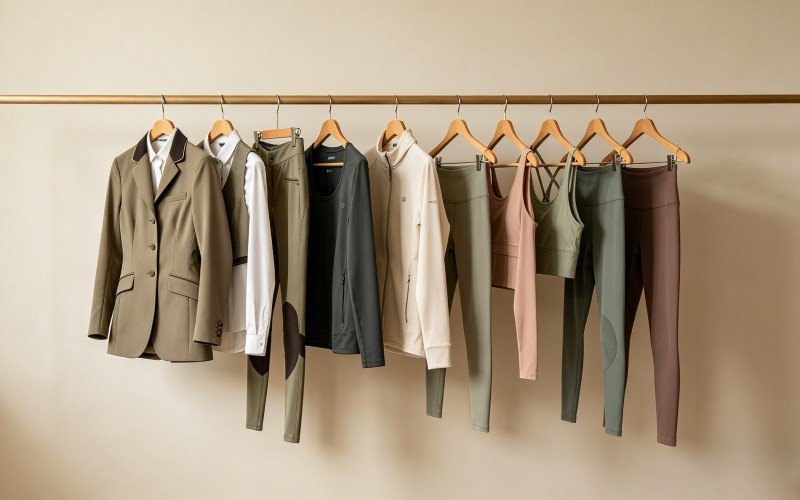
Turn Your Equestrian Clothing Concept Into a Production-Ready Collection With a China Equestrian Clothing Manufacturer
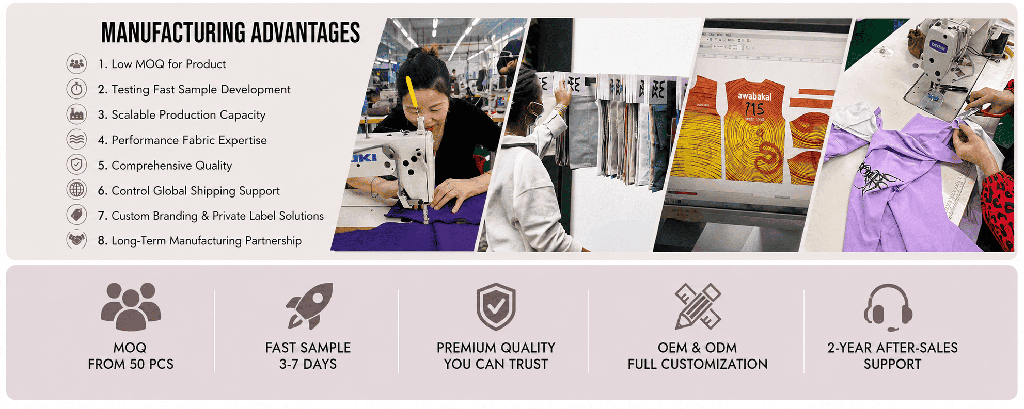
A successful equestrian clothing collection should first have clear product positioning, performance requirements, target price, and sales scenarios before starting the sampling. A structured development process can reduce unnecessary revisions, control the cost, and help brands judge whether each design is suitable for commercial production.
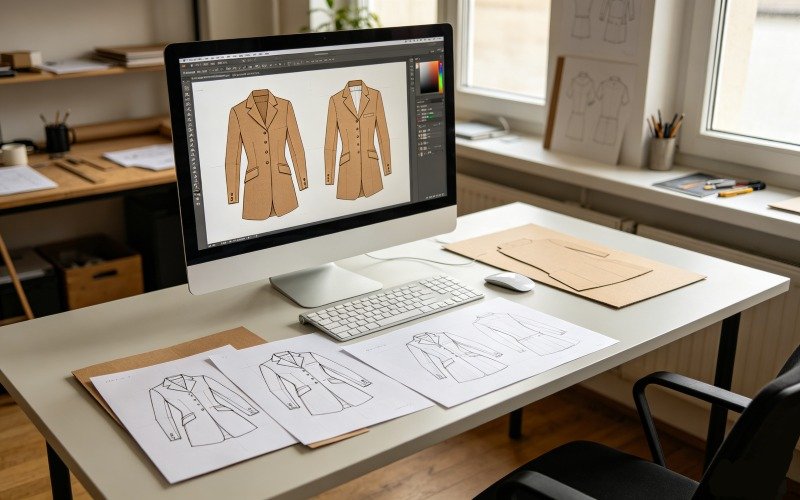
As a China Equestrian Clothing Manufacturer supporting private label and custom riding brands, Pair Fashion can begin projects from different development stages. You may provide a complete Tech Pack, physical sample, reference image, hand-drawn sketch, or an initial product concept. Our development team reviews garment construction, riding functionality, fabric performance, fit requirements, branding details, and expected order volume before converting the information into a practical production plan.
Before the first sample is made, important specifications are confirmed, including:
- Product category and target rider
- Season and intended riding environment
- Fabric composition, weight, stretch, and hand feel
- Size range, fit profile, and movement requirements
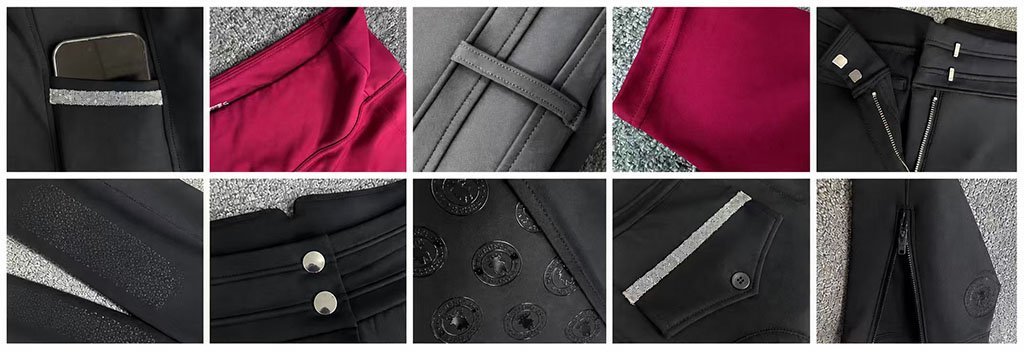
- Pocket, waistband, silicone grip, and seam construction
- Logo, labels, packaging, and target cost
This early alignment helps reduce repeated sample revisions and prevents conflicts between design appearance, riding performance, and commercial pricing. Startup brands can begin with proven patterns and adaptable fabric options to lower development risk. Established brands with complete technical files can follow defined measurements, tolerances, materials, and construction standards.
The result is more than a finished sample. Each approved product becomes a repeatable manufacturing standard that supports accurate size grading, reliable quotations, consistent bulk production, and more efficient repeat orders.
Develop the Right Riding Apparel Range for Your Sales Channel
Not every equestrian brand needs the same product assortment. A product mix that performs well for a direct-to-consumer brand may not suit a wholesale distributor or a riding club. Defining where and how products will be sold before development begins helps determine the right categories, price points, inventory strategy, and replenishment plan.
New brands often benefit from starting with a focused collection that includes a few core products such as riding tights, training tops, and lightweight base layers. A smaller assortment reduces inventory pressure and provides valuable feedback on customer preferences before expanding into additional categories.
Boutique retailers usually pay more attention to product differentiation. They often prefer exclusive colors, small production quantities, and collections with stronger brand identity and higher market positioning.
Wholesale distributors typically require broader size coverage, stable replenishment capability, and products that can be reproduced consistently over multiple seasons.
Riding clubs and team buyers usually prioritize coordinated appearance, custom branding, and reliable long-term supply.
When planning an equestrian clothing collection, important considerations include:
Sales channels and distribution model
Target riders and customer expectations
Product positioning and price range
Regional and seasonal demand
Initial inventory investment
Future replenishment and expansion plans
A well-planned assortment reduces development mistakes, improves the performance of the first launch, and creates a stronger foundation for future product categories and long-term brand growth.
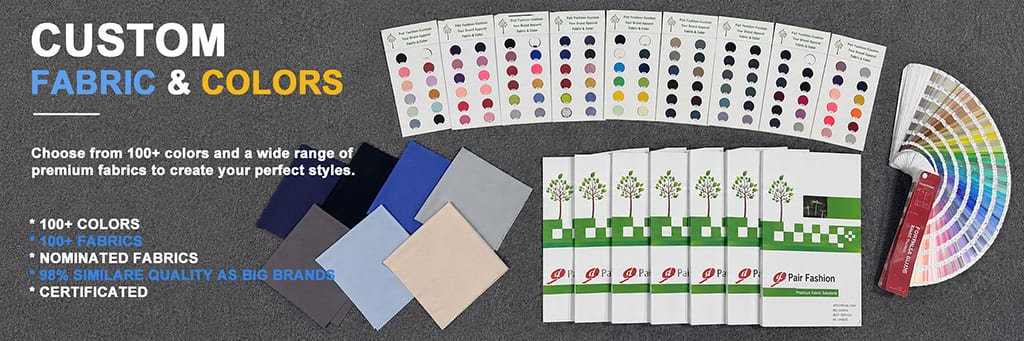
Engineer Fabrics and Functional Details for Real Riding Conditions
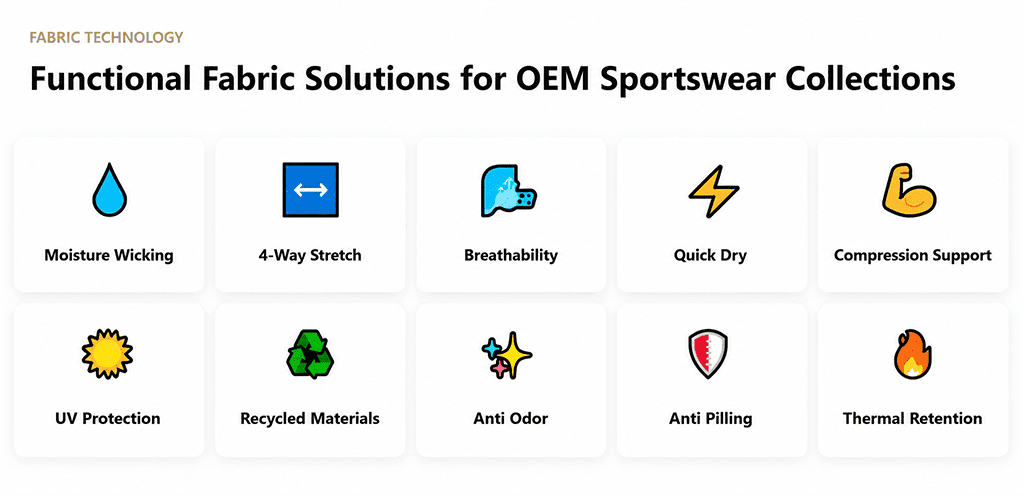
Equestrian apparel performs under conditions that ordinary activewear rarely experiences. Riders spend long hours in the saddle, repeat the same movements continuously, and place constant pressure on specific areas of their garments. For this reason, fabric selection should go far beyond appearance and hand feel.
Different riding products require different performance combinations. Summer training apparel often prioritizes breathability and moisture management, and understanding modern moisture-management technologies can help brands make better fabric decisions, while winter products may need thermal insulation and wind protection. Premium riding breeches frequently combine compression, stretch recovery, and abrasion resistance to maintain comfort and shape throughout extended use.
When developing equestrian clothing, important fabric considerations include:
Fabric composition and weight
Four-way stretch and recovery
Moisture management and breathability
Abrasion and pilling resistance
UV protection and thermal performance
Recycled and sustainable material options are increasingly important as more brands adopt internationally recognized sustainability standards such as the Global Recycled Standard (GRS).
Functional details are equally important. Silicone grip placement, waistband construction, pocket reinforcement, and seam positioning all influence how a garment performs during riding. A technically advanced fabric can still fail if these details are not properly engineered.
Fabric selection should also match the target price range of the collection. Using materials with too many specifications may increase the cost unnecessarily, while fabric performance that is not good enough may cause customer dissatisfaction and product returns.
Building the right fabric strategy for the target market helps create products that riders trust, wear repeatedly, and recommend to others. The result is a collection that balances comfort, durability, performance, and commercial viability.
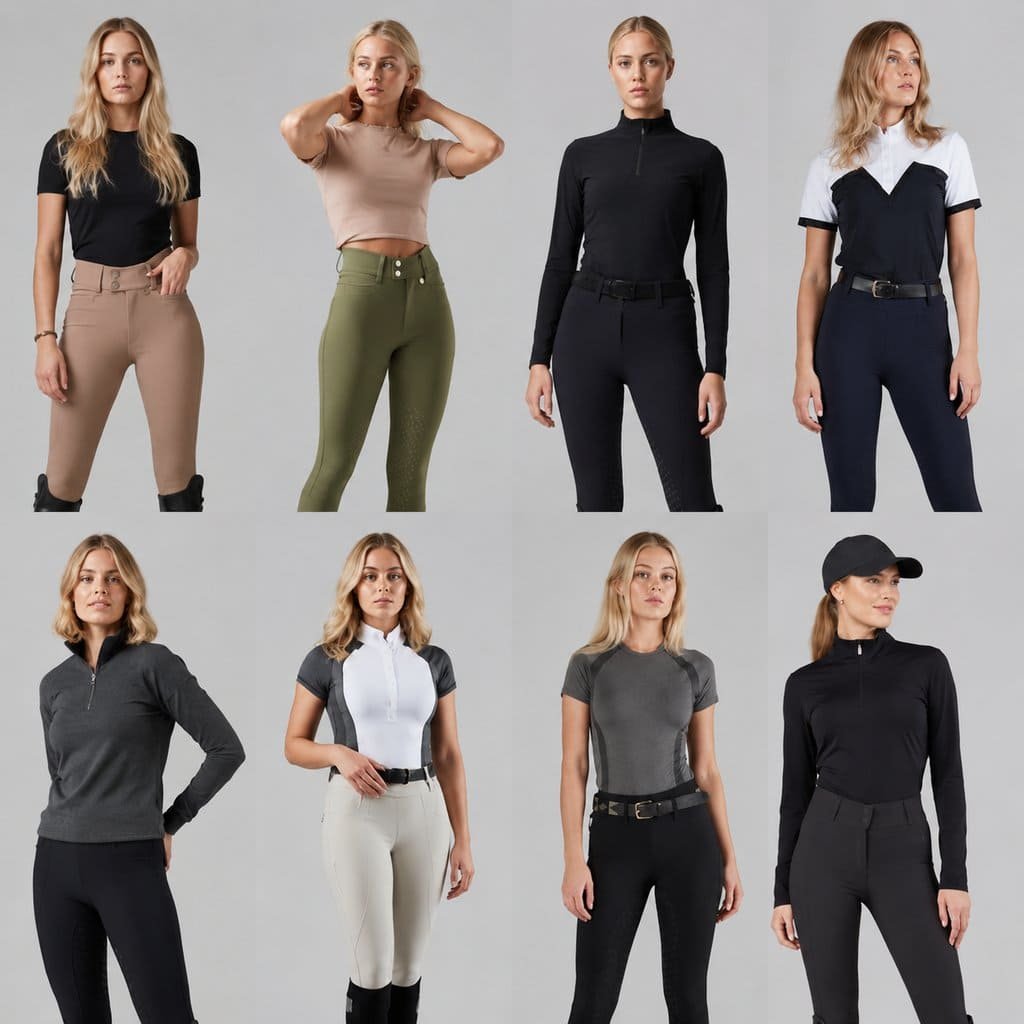
Manufacture Complete Equestrian Clothing Collections Under One Roof
Most equestrian brands do not remain focused on a single product category. Many begin with one successful style of riding tights or breeches and gradually expand into training tops, competition shirts, outerwear, and seasonal collections. As the product range grows, maintaining consistent fit, quality, and brand identity becomes increasingly important.
Developing and manufacturing a complete collection through one China Equestrian Clothing Manufacturer reduces supply chain complexity and helps create greater consistency across different product categories.
A complete equestrian apparel collection may include:
Riding breeches and riding tights
A complete equestrian apparel collection may include riding breeches and riding tights that are developed through a professional manufacturing process similar to our dedicated riding tights production solutions.
Centralizing production also helps brands:
- Maintain consistent sizing standards across categories
Reduce fabric shade and color variation
Standardize labels, trims, and packaging
Improve replenishment efficiency
Shorten future product development cycles
As a collection expands, manufacturing knowledge becomes increasingly valuable. Approved patterns, fabric specifications, branding details, and construction methods can be carried forward into new categories rather than recreated from the beginning each season.
A manufacturing partner that understands the entire collection can support more efficient product launches, simplify communication, and make long-term brand growth easier to manage. The result is a more cohesive product line that delivers a consistent experience to riders and strengthens customer confidence in the brand.

Build Consistent Fit With Equestrian-Specific Pattern Development
Good equestrian apparel should not only look nice. It also needs to stay comfortable, stable, and supportive during riding. Many performance problems do not come from the fabric quality, but from patterns that are not specially developed for riders.
The riding position has special requirements for a garment. Bent knees, long hours in the saddle, and continuous leg movement all influence how the garment should fit around the waist, hips, crotch, and lower legs. Even a small adjustment of seam placement can greatly improve comfort and reduce pressure during long training sessions.
Equestrian-specific pattern development usually focuses on:
Freedom of movement in the riding position
Waistband stability and support
Fit around the knees and lower leg
Inner-leg seam placement
Construction requirements for knee and full-seat silicone grips
Regional sizing systems and size grading
Different markets also have different fit expectations. Products developed for European riders may require different proportions from those intended for North American or Asian markets. Understanding these differences helps create collections that fit target customers more accurately.
As a brand grows, maintaining fit consistency becomes increasingly important. Riders often return to the same brand because they trust how the garments fit and perform. A stable pattern library reduces returns, improves repeat purchases, and creates a stronger sense of reliability across multiple seasons and product categories.
Consistent fit is not simply a technical detail. It is one of the foundations of long-term customer loyalty and successful equestrian apparel branding.
Create a Recognizable Private Label Equestrian Clothing Line
Successful private label equestrian apparel is much more than putting a logo on an existing product. Strong brands build recognition through consistent details that make every garment look like it belongs to the same collection.
Brand identity often comes from the combination of design elements, materials, and finishing details that riders gradually connect with a specific brand over time. A recognizable collection can increase the perceived value, improve customer loyalty, and help products stand out in a competitive market.
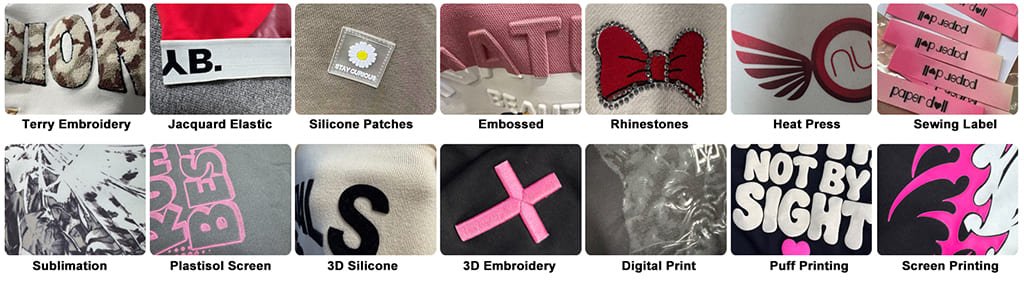
Private label customization may include:
Heat transfer, silicone, embroidered, or reflective logos
Custom silicone grip patterns
Signature waistbands and pocket designs
Exclusive Pantone colors and contrast panels
Woven labels, care labels, and branded hangtags
Custom packaging and presentation materials
Consistency is equally important. The same logo placement, trim selection, color palette, and packaging standards should be maintained across different product categories and future collections whenever possible.
Many of the world’s most recognizable apparel brands are identified not by a large logo but by small details that customers immediately recognize. A distinctive silicone pattern, a unique waistband construction, or a signature color combination can become an important part of the brand experience.
Private label development should therefore focus on creating a complete visual identity rather than treating each product as an individual item, especially when building a larger equestrian apparel wholesale collection for long-term brand growth. When garments share a common design language, collections look more professional, products become easier to merchandise, and customers are more likely to remember and return to the brand.
A well-developed private label strategy transforms products from simple garments into a recognizable equestrian collection with long-term commercial value.
Approve Every Critical Detail Through a Structured Sampling Process
Successful bulk production usually begins with a well-managed sampling process. Sampling is not simply about creating the first garment. It is the stage where fit, construction, functionality, materials, and commercial feasibility are verified before production starts.
A structured development process helps identify potential issues early and allows improvements to be made before they become expensive manufacturing problems.
The sampling process may include:
Development Sample – Converts an idea, reference image, or Tech Pack into the first physical garment.
Fit Sample – Evaluates sizing, proportions, and rider comfort during movement.
Revised Sample – Incorporates feedback and confirms modifications.
Size Set Sample – Checks grading consistency across multiple sizes.
Pre-Production Sample – Serves as the final manufacturing standard before bulk production.
During the sampling stage, important details are typically reviewed, including:
Fabric performance and appearance
Garment measurements and tolerances
Silicone grip placement and dimensions
Pocket construction and seam details
Logo application and branding elements
Packaging requirements and labeling
Every approved sample becomes a clear reference for future production. Measurements, materials, trims, and workmanship standards can be recorded and used again for repeat orders and new color developments.
Spending enough time on sampling can often save much more time and cost during bulk production. A carefully approved sample can reduce uncertainty, improve communication, and build a stronger foundation for consistent production results.
For growing equestrian brands, the sampling process is not only for product development. It is also an important step to build repeatable standards that support long-term collection growth and reliable future product launches.
Keep Bulk Production Consistent With Your Approved Sample
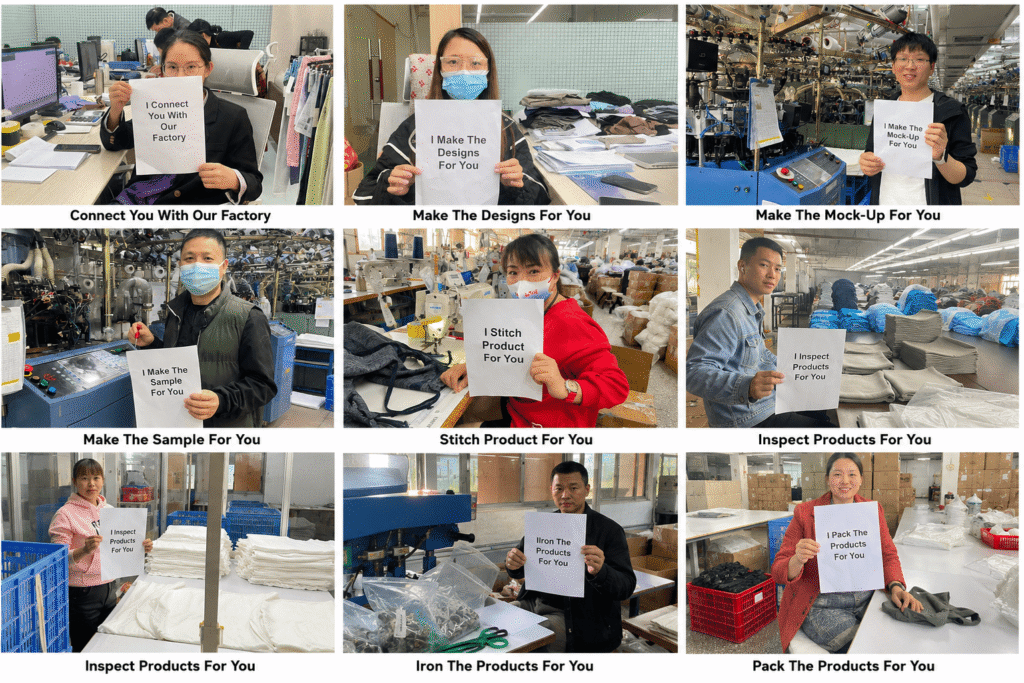
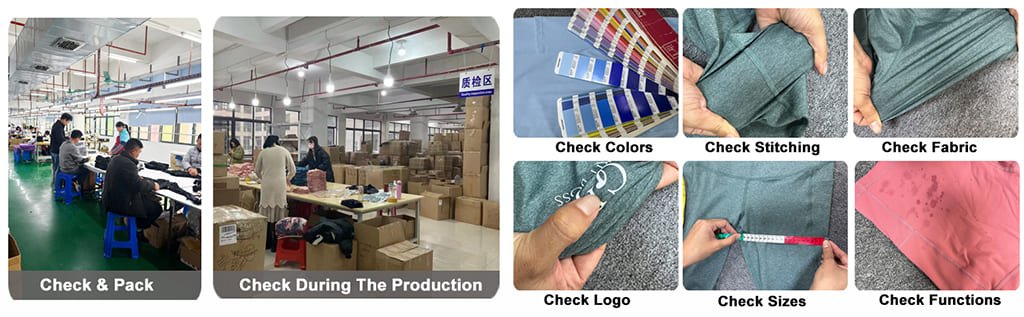
Once a sample has been approved, the next challenge is maintaining the same standards across hundreds or thousands of garments. For most brands, consistency is more important than producing one perfect sample. Reliable manufacturing depends on controlling every stage of production rather than relying only on final inspection.
Quality management begins before cutting starts and continues until the finished products are packed and ready for shipment. Each production stage should follow the approved sample and documented specifications.
Key control points typically include:
Fabric batch and color verification
Measurement checks and tolerance control
Silicone grip placement and dimensions
Construction details and seam quality
Labels, trims, and branding components
Packaging specifications and carton requirements
A typical quality control process may include:
Incoming fabric inspection
Cutting and panel verification
Inline production inspections
Measurement and workmanship checks
Final inspection and AQL sampling are widely used in the apparel industry to determine whether finished products meet agreed quality standards according to internationally recognized AQL inspection guidelines.
Packing and shipping inspection
Documented production standards become increasingly valuable for repeat orders. Approved measurements, materials, and workmanship requirements create a repeatable process that reduces variation between production runs and seasonal launches.
Consistent quality does more than reduce returns and complaints. It helps riders trust the products they buy and gives them confidence that future orders will have the same fit, performance, and appearance.
For growing equestrian brands, reliable quality management is one of the foundations for long-term customer retention and sustainable business growth.
Launch With Flexible MOQ and Scale Orders With Market Demand
Most successful equestrian brands do not begin with large inventories or extensive product ranges. They often start with a focused collection, test market response, and use real sales data to guide future product development and replenishment decisions.
Launching with a manageable order quantity reduces inventory pressure and allows brands to enter the market more quickly. A smaller first order also creates an opportunity to understand customer preferences before committing significant resources to larger production volumes.
Initial orders can help evaluate:
Which products generate the strongest demand
The most popular colors and size distribution
Customer acceptance of the target price range
How products perform in real riding conditions
Which styles deserve long-term investment
Low minimum order quantities are particularly valuable for:
Startup equestrian brands
New product launches
Seasonal capsule collections
Market testing in new regions
Club and team programs
Limited-edition collections
As a brand grows, production requirements often change. New categories are introduced, reorder quantities increase, and seasonal launches become more frequent. A manufacturing partner that understands the collection can support this transition more efficiently because approved patterns, fabric standards, and branding details are already established.
Scalable production is not only about increasing the order quantity. It is about building a supply chain that can adjust to changing market demand while still keeping consistent quality, reliable delivery, and stable product standards.
For many riding brands, starting with small orders and growing step by step is one of the most effective ways to build a sustainable equestrian business with lower risk and greater long-term flexibility.
1. Product Development
Regular monthly product development ensures consistent updates to your brand line.
2. Fabric Sourcing
Regular monthly product development ensures consistent updates to your brand line.
3. Sample Making
Regular monthly product development ensures consistent updates to your brand line.
4. Bulk Production
Regular monthly product development ensures consistent updates to your brand line.
5. Packaging & Delivery
Regular monthly product development ensures consistent updates to your brand line.
Complete OEM & ODM Sportswear Solutions
We provide complete custom sportswear manufacturing services from concept development and fabric sourcing to bulk production and worldwide delivery.
- OEM & ODM Product Development
- Functional Fabric Sourcing & Material Selection
- Pattern Making & Sample Development
- Private Label Branding & Custom Packaging
- Quality-Controlled Bulk Manufacturing
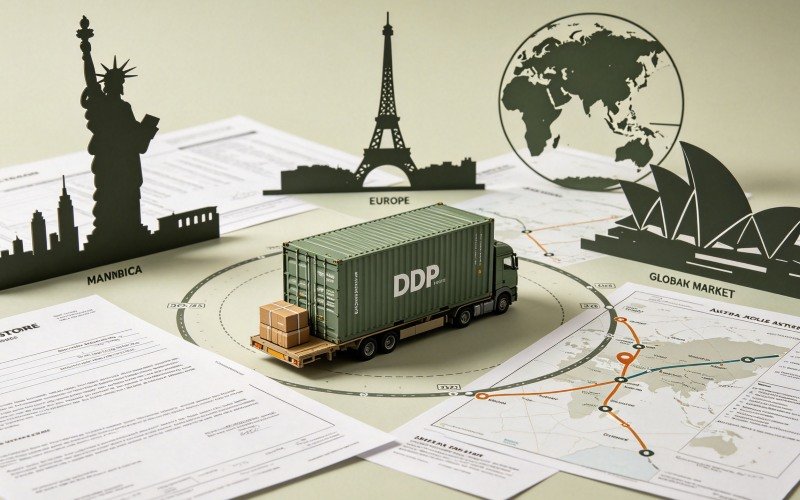
- Global DDP Shipping & Delivery Support
Manage Repeat Orders With Stable Product Records and Production Planning
For growing equestrian brands, product development does not end after the first production order. As collections expand and sales increase, managing repeat orders and seasonal launches becomes increasingly important. Maintaining consistency across multiple production runs often creates more long-term value than continuously introducing new styles.
Well-organized product records help preserve approved standards and make future development more efficient. Instead of recreating specifications for every order, brands can build on information that has already been tested and validated.
Product records may include:
Approved patterns and grading files
Measurement charts and tolerances
Fabric and trim specifications
Color standards and Pantone references
Silicone artwork and print details
Packaging requirements and labeling standards
Production notes and revision history
These records become especially valuable when products are reordered months later or expanded into additional colors and sizes. Accurate documentation reduces the risk of inconsistencies caused by personnel changes, supplier transitions, or long gaps between production cycles.
As cooperation develops, a manufacturing partner also gains a deeper understanding of the brand’s product philosophy, target customers, quality expectations, and commercial objectives. This familiarity makes future launches faster and communication more efficient while reducing unnecessary development work.
Long-term manufacturing relationships are not only about producing the same products repeatedly. They are about creating a reliable product system that supports replenishment, seasonal development, and sustainable brand growth with greater consistency and lower operational risk.
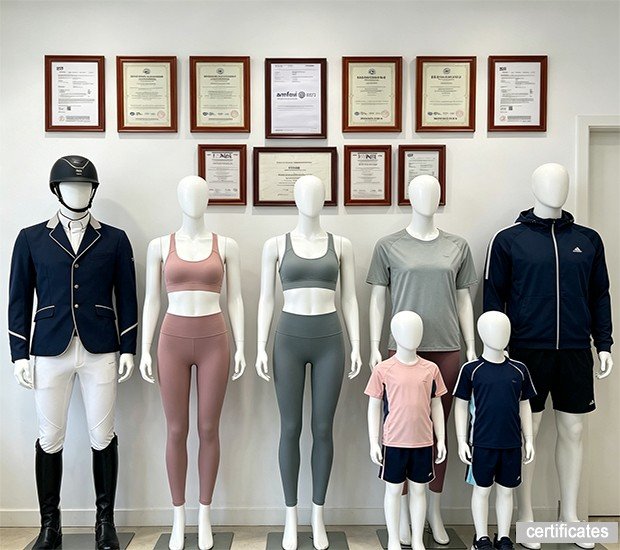
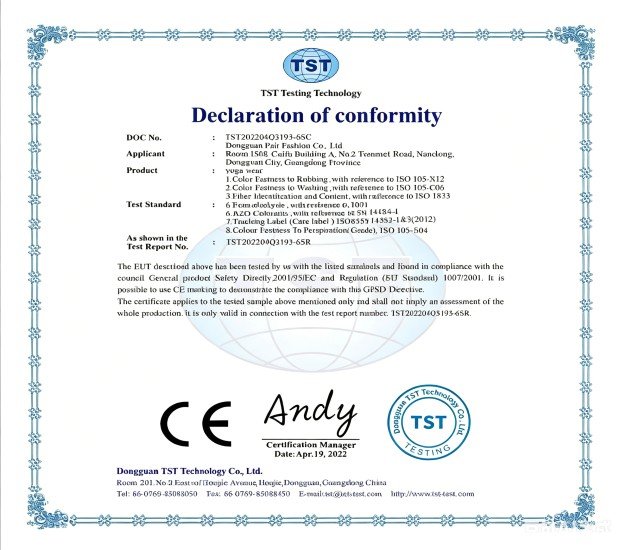
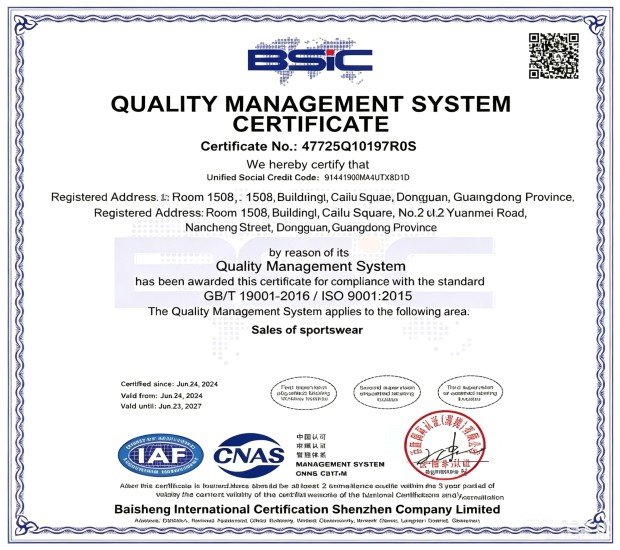
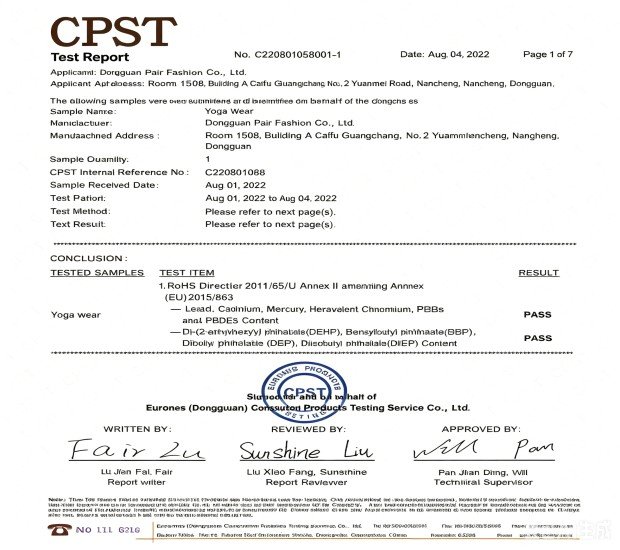
Trusted Manufacturing Standards For Global Sportswear Brands
We operate under internationally recognized quality, sustainability, and ethical manufacturing standards. Our certifications help ensure consistent product quality, responsible sourcing, and reliable production for global sportswear brands.
- 20+ Countries Served
- 6000+ Styles Developed
- 50,000 PCS Monthly Capacity
- 3-Day Sample Development
Simplify Delivery With Coordinated Production, Packaging, and Global Shipping
Manufacturing is only one part of a successful supply chain. Once production is completed, packaging, shipping coordination, and delivery management become equally important. Delays or errors during these stages can affect product launches, inventory planning, and customer satisfaction.
A well-organized fulfillment process helps brands reduce operational pressure and maintain more reliable delivery schedules.
Delivery support may include:
Custom packaging and carton labeling
Barcode, SKU, and shipping mark management
Mixed-size and multi-style packing arrangements
Partial shipments and split deliveries
Export documentation and customs paperwork
Sea, air, and door-to-door shipping solutions
Many growing brands do not have dedicated logistics teams and prefer to work with suppliers that can coordinate production and delivery as one integrated process. Managing these activities through a single partner often reduces communication time and lowers the risk of shipping mistakes.
Reliable delivery management also becomes increasingly important during seasonal launches and repeat orders. Accurate packing information and well-planned shipment schedules help products reach warehouses and retail channels on time, allowing brands to respond more effectively to market demand.
A coordinated production and shipping process creates more than operational efficiency. It gives brands greater visibility over their supply chain and allows them to focus more resources on product development, marketing, and customer growth rather than spending valuable time managing multiple service providers.
For many equestrian brands, simplified fulfillment is an important step toward building a more scalable and dependable business.
Start Your Custom Equestrian Clothing Project With Clear Requirements
Every successful equestrian collection begins with a clear project direction. Whether the goal is launching a first product line or expanding an existing range, defining a few key requirements at the beginning helps make development faster, communication clearer, and production planning more efficient.
A project can begin with complete technical documents or with only a basic idea. Many brands start with reference photos, existing garments, or a simple description of the products they would like to develop.
The following information is often helpful when starting a custom project:
Product categories to be developed
Reference images, samples, or Tech Packs
Estimated order quantities
Target market and customer profile
Preferred fabrics and performance requirements
Logo, labeling, and packaging requirements
Expected delivery schedule
Not every detail needs to be finalized before development starts. Fabric options, construction details, branding elements, and packaging solutions can all be refined during the sampling process.
Providing clear information at the beginning of a project helps reduce unnecessary revisions, improves quotation accuracy, and allows product development to move forward more efficiently.
Whether the objective is a small capsule collection, a teamwear program, or a complete private label riding apparel line, a structured starting point creates a stronger foundation for successful development and long-term production.
The first step is simply sharing the idea. From there, individual products can be transformed into a cohesive equestrian collection designed for your market, your riders, and your brand goals.
Frequently Asked Questions About Custom Equestrian Clothing Manufacturing
1. What is the minimum order quantity for custom equestrian clothing?
Most private label equestrian clothing projects can start with relatively low minimum order quantities, allowing brands to test new products, launch capsule collections, and reduce inventory risk before committing to larger production runs.
Minimum order quantities vary depending on fabric availability, printing methods, and customization requirements. Simple products using stock fabrics generally require lower quantities than highly customized collections with exclusive materials and trims.
A lower MOQ is particularly useful for:
- Startup equestrian brands
- Seasonal collections
- New market testing
- Limited-edition products
- Club and teamwear programs
Starting with smaller orders allows brands to collect real customer feedback, identify best-selling products, and make future purchasing decisions with greater confidence.
2. Can I develop equestrian clothing without a complete Tech Pack?
Yes. Many successful equestrian collections begin with reference photos, existing garments, sketches, or simple product ideas rather than complete technical documents.
A Tech Pack can accelerate development, but it is not always necessary to begin a project. Product requirements can often be defined through discussions about fit, functionality, target customers, and branding expectations.
Useful starting materials may include:
- Reference images
- Physical samples
- Fabric inspirations
- Logo files
- Basic measurement requirements
- Target price range
As the development process progresses, specifications become more detailed and can be converted into production-ready standards.
3. How long does custom equestrian clothing development usually take?
Most projects require time for sampling, revisions, material confirmation, and production planning, so realistic timelines should include both development and manufacturing stages rather than only bulk production.
A typical project timeline may look like this:
| Stage | Estimated Time |
|---|---|
| Sample Development | 3–7 Days |
| Sample Revision | 5–10 Days |
| Material Confirmation | 3–7 Days |
| Bulk Production | 15–25 Working Days |
More complex products or heavily customized collections may require additional development time. Early planning and clear communication usually shorten the overall timeline.
4. What types of equestrian clothing can be manufactured together?
Most brands benefit from developing multiple product categories together because coordinated collections improve brand consistency and simplify future replenishment and merchandising.
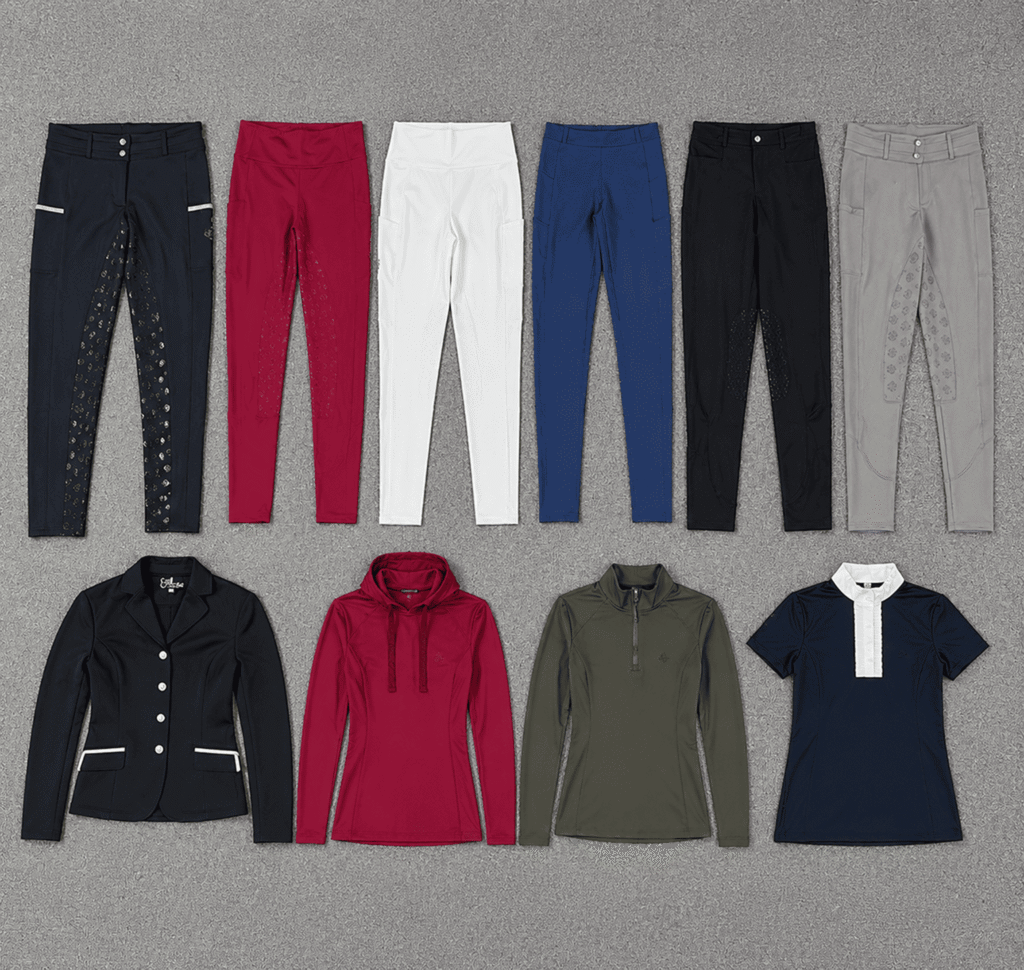
A complete collection may include:
- Riding breeches
- Riding tights
- Competition shirts
- Base layers
- Equestrian jackets
- Training tops
- Children’s riding apparel
- Club and teamwear
Developing products together also helps maintain consistent colors, trims, sizing standards, and packaging across the entire collection.
5. How can brands make sure bulk production matches the approved sample?
The most reliable way to maintain consistency is to treat the approved sample as the manufacturing standard and document every specification before bulk production begins.
Important standards usually include:
- Measurement charts and tolerances
- Fabric specifications
- Silicone placement
- Construction details
- Branding components
- Packaging requirements
Documented standards significantly reduce production variation and help ensure that repeat orders remain consistent over time.
6. Can silicone grips, logos, labels, and packaging be customized?
Yes. Most private label equestrian collections customize much more than logos. Brand identity is often built through a combination of visual details, trims, and packaging elements.
Customization options may include:
- Custom silicone patterns
- Heat transfer logos
- Embroidery
- Reflective prints
- Woven labels
- Hangtags
- Custom packaging
- Pantone color matching
Consistent branding details help products look more professional and strengthen customer recognition of the collection.
7. What fabrics work best for riding breeches and riding tights?
There is no single fabric that suits every equestrian product because fabric selection depends on climate, product positioning, riding intensity, and target price range, which is also why many brands work with an experienced equestrian clothes and riding outfits factory when developing complete collections.
Brands often consider:
| Requirement | Recommended Performance |
|---|---|
| Summer Riding | Breathable & Moisture-Wicking |
| Winter Riding | Thermal & Wind Resistant |
| Premium Products | Compression & Recovery |
| Daily Training | Durable & Flexible |
| Sustainable Collections | Recycled Performance Fabric |
The best fabric is the one that balances rider comfort, product performance, and commercial viability.
8. Why do many brands prefer long-term cooperation with one equestrian clothing manufacturer?
Long-term manufacturing relationships often create greater value because approved patterns, fabric standards, and production knowledge can be reused and improved over multiple seasons.
As cooperation develops, manufacturers gain a deeper understanding of:
- Brand positioning
- Target riders
- Quality expectations
- Size standards
- Preferred materials
- Future development plans
This accumulated knowledge usually leads to faster product development, more efficient communication, and more consistent production results, making future collections easier to manage and scale.
Browse Sportswear Catalog Categories
Explore custom sportswear catalog categories including activewear, equestrian apparel, lounge wear and specialty OEM apparel collections for global brands.
- Yoga Pant
- Sports Bras
- Tank Tops
- Gym Shorts
- Men & Kids Sportswear
- Riding Tops
- Breeches
- Competition Wear
- Jackets
- Man & Kids Equestrian
- Joggers
- Sweatshirt & Hoodies
- Sweaters
- Coat & Jacket
- Men & Kids Loungewear
Other OEM Apparel
- Tennis Clothing
- Jumpsuit
- Dress & Skirts
- Plus Size Activewear
- Maternity Activewear