OEM/ODM Sportswear Manufacturer | 3-Day Sampling | Low MOQ | 50K Monthly Capacity | ISO9001 & BSCI Certified

Custom Sports Shirts Manufacturer for Growing Activewear Brands
Pair Fashion is a trusted custom sports shirts manufacturer specializing in performance apparel for activewear brands, sports teams, retailers, and private label businesses. We provide OEM and ODM services for sports shirts, training tops, performance T-shirts, and athletic apparel, with flexible MOQ, premium fabrics, fast sampling, and reliable bulk production.
50K+
Monthly Capacity
3 Days
Fast Sampling
6,000+
Custom Styles
10+
Years Experience
Build Better Products With a Custom Sports Shirts Manufacturer
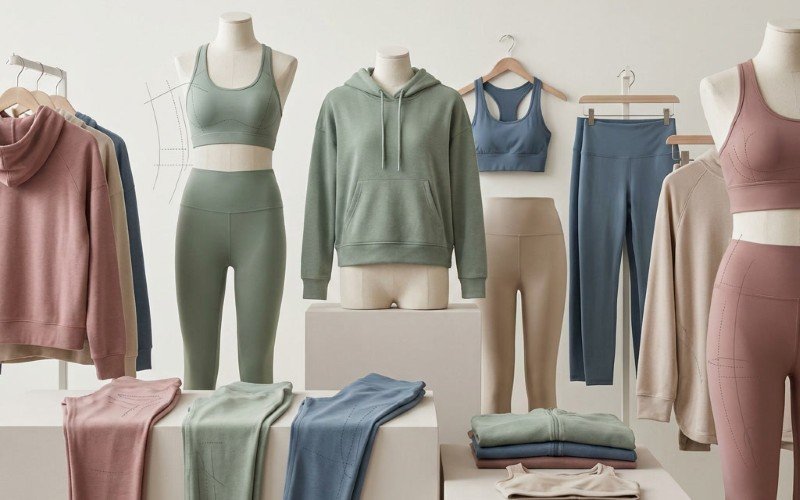
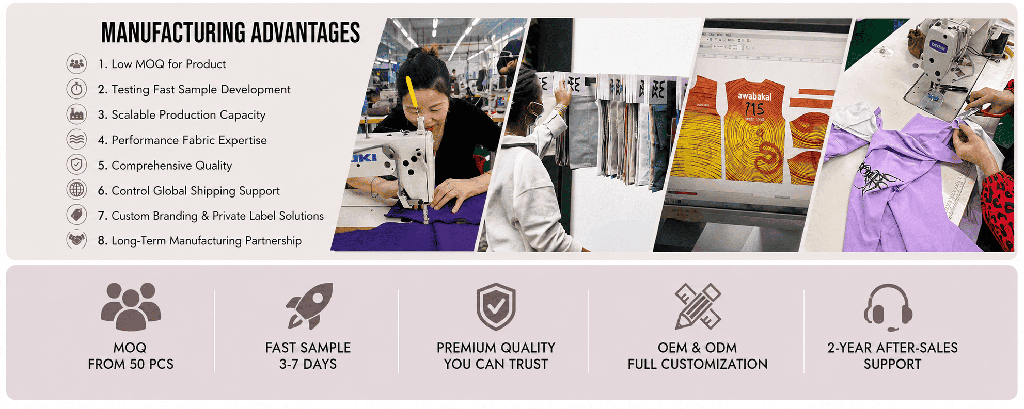
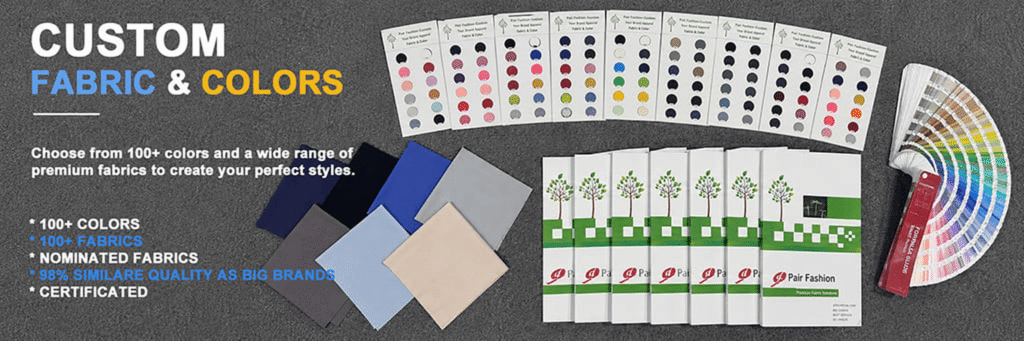
As an experienced custom sports shirts manufacturer, we help brands develop sports shirts that combine performance, comfort, and everyday versatility. From gym training and running to teamwear and lifestyle collections, our development team supports fabric selection, fit optimization, custom branding, sampling, and scalable production to help brands bring high-quality products to market.
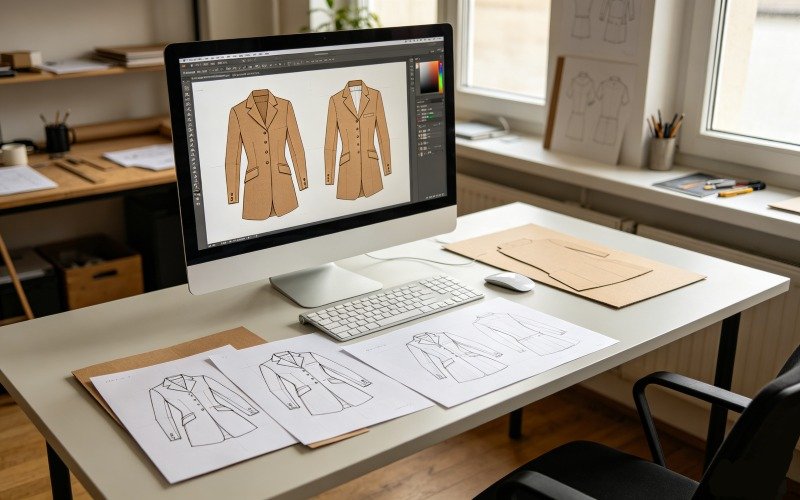
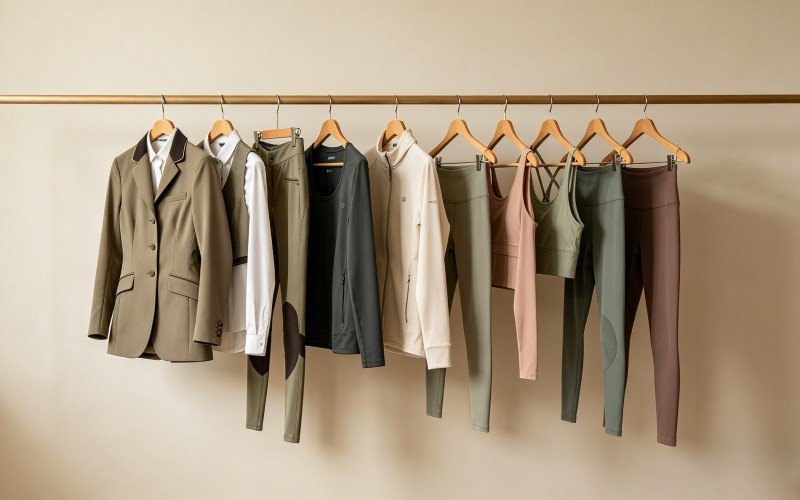
At Pairfashion Sportswear, we support activewear brands, fitness labels, teamwear buyers, equestrian apparel brands, DTC sellers and private label retailers in developing custom sports shirts, training shirts, gym shirts, running tops, team shirts, long sleeve sports shirts and performance T-shirts. Your project can begin with a Tech Pack, reference sample, product photo, sketch or clear product concept.
Today’s activewear consumers expect sports shirts that can transition seamlessly between training, outdoor activities and daily wear while maintaining comfort, durability and a premium appearance. A shirt may be worn during gym training, outdoor running, team practice, stable work, travel, weekend activities or casual daily styling. That means the product must balance performance and lifestyle value rather than serving only one narrow use case.
Key development factors include:
- Moisture-wicking performance
- Breathable comfort
- Quick-dry fabric
- Stretch and mobility
- Durable stitching
- Anti-chafe construction
- Logo placement
- Retail-ready presentation
Brand Goal | Sports Shirt Development Focus |
Training collection | Breathable fabrics, mobility and sweat control |
Running line | Lightweight materials and quick-dry performance |
Teamwear program | Consistent sizing, logos and repeat production |
Equestrian apparel range | Comfort, coverage and movement-friendly fit |
Private label launch | Custom trims, labels, packaging and low-risk testing |
A well-developed sports shirt can support fitness launches, team orders, outdoor training collections, equestrian apparel programs and long-term replenishment. With structured OEM/ODM development, flexible customization and performance fabric sourcing, Pairfashion Sportswear helps brands create sports shirts that customers can wear repeatedly across sport, travel and everyday life.
1. Product Development
Regular monthly product development ensures consistent updates to your brand line.
2. Fabric Sourcing
Regular monthly product development ensures consistent updates to your brand line.
3. Sample Making
Regular monthly product development ensures consistent updates to your brand line.
4. Bulk Production
Regular monthly product development ensures consistent updates to your brand line.
5. Packaging & Delivery
Regular monthly product development ensures consistent updates to your brand line.
Complete OEM & ODM Sportswear Solutions
We provide complete custom sportswear manufacturing services from concept development and fabric sourcing to bulk production and worldwide delivery.
- OEM & ODM Product Development
- Functional Fabric Sourcing & Material Selection
- Pattern Making & Sample Development
- Private Label Branding & Custom Packaging
- Quality-Controlled Bulk Manufacturing
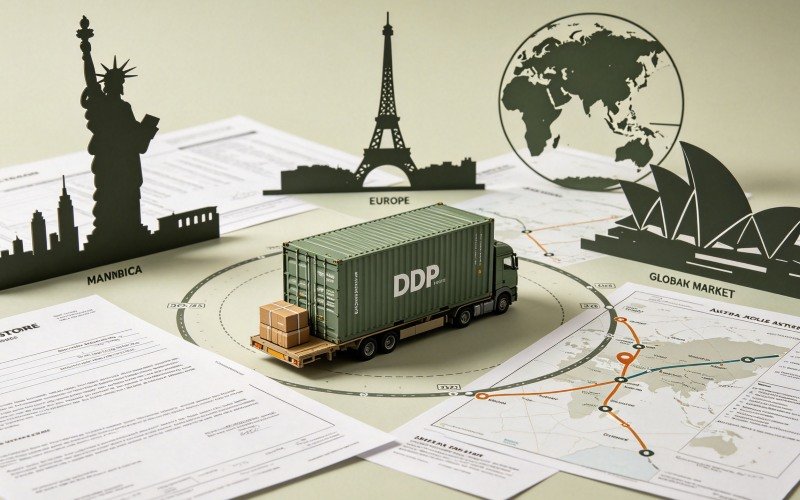
- Global DDP Shipping & Delivery Support
Develop Sports Shirt Collections Around Real Customer Needs
The most successful sports shirt collections are built around customer behavior rather than product quantity. Adding more styles does not automatically create growth. What drives long-term success is offering products that solve specific needs for specific users.
Different customers train differently, move differently and purchase for different reasons. A runner may prioritize lightweight comfort and moisture management, while a gym enthusiast may focus on fit and mobility. Teamwear buyers often value consistency and repeat availability, while lifestyle consumers may care more about versatility and appearance.
Understanding these differences helps brands develop sports shirt collections that feel more relevant and deliver stronger long-term sales performance.
Common Customer Segments
Customer Group | Product Priorities |
Gym Enthusiasts | Stretch, comfort and sweat management |
Runners | Lightweight performance and breathability |
Team Sports Athletes | Consistent sizing and durability |
Outdoor Fitness Users | Quick-dry comfort and versatility |
Equestrian Riders | Freedom of movement and long-wear comfort |
Lifestyle Consumers | Everyday wearability and style |
Building a Collection With Purpose
Instead of launching unrelated products, many successful brands organize their collections around customer needs.
A common structure includes:
- Core Performance T-Shirt
- Premium Training Shirt
- Long Sleeve Performance Top
- Teamwear Program Styles
- Seasonal Color Releases
- Activity-Specific Products
Collection Strategy Comparison
Collection Approach | Potential Outcome |
Customer-Focused Collection | Stronger product relevance |
Scenario-Based Development | Better customer retention |
Structured Product Expansion | Easier collection growth |
Random Product Addition | Inventory complexity and weaker positioning |
Why Customer-Centered Development Works
Sports shirts are often repeat-purchase products. Customers who find a shirt they enjoy wearing are more likely to buy additional colors, new versions and future releases from the same brand.
By developing collections around real customer needs instead of short-term trends, brands can create stronger product ecosystems, improve customer loyalty and build a foundation for sustainable growth.
Choose the Right Sports Shirt Styles for Your Market
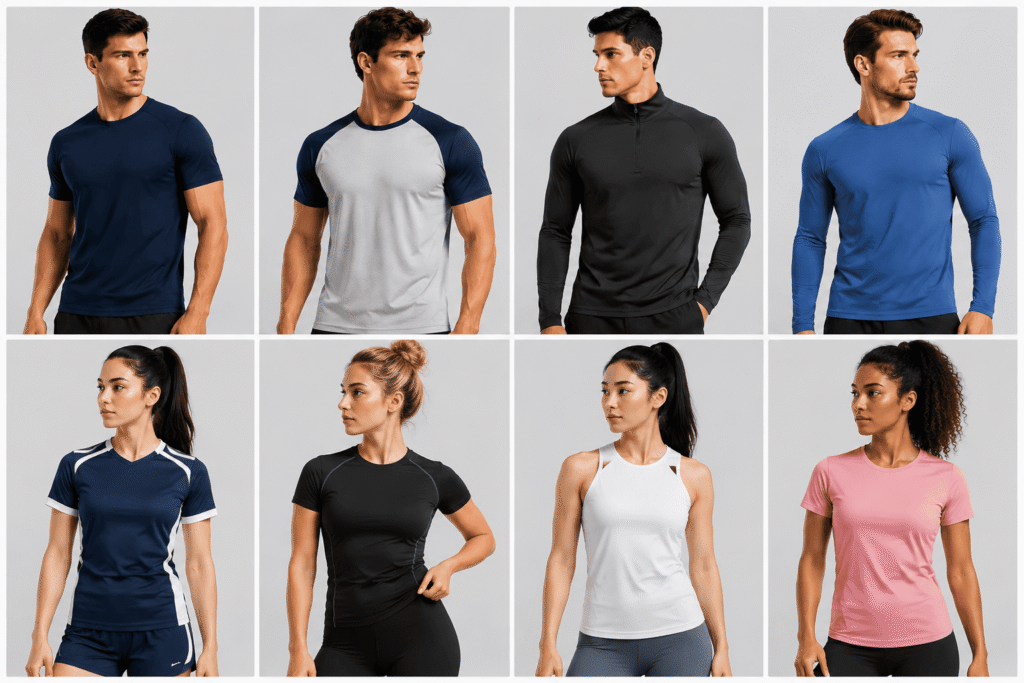
Not all sports shirts serve the same purpose. Different styles are designed for different activities, customer expectations and retail strategies. Selecting the right product structure is one of the most important decisions during collection planning because it influences fabric selection, fit development, pricing and long-term product expansion.
The strongest sportswear brands rarely depend on a single product type. Instead, they create balanced collections that address multiple customer needs while maintaining a consistent brand identity.
Popular Sports Shirt Categories
Sports Shirt Style | Primary Use | Key Benefits |
Performance T-Shirt | General fitness and training | Versatile, breathable and lightweight |
Training Shirt | Gym workouts and active training | Comfort, mobility and durability |
Running Shirt | Outdoor running and endurance sports | Moisture management and ventilation |
Team Shirt | Clubs, schools and sports teams | Consistent sizing and branding |
Long Sleeve Sports Shirt | Cooler weather training | Added coverage and versatility |
Quarter Zip Training Top | Warm-up and transitional seasons | Layering flexibility and premium appearance |
Matching Products to Brand Goals
Brand Direction | Recommended Product Focus |
Fitness Brand | Performance and training shirts |
Running Brand | Lightweight running tops |
Teamwear Program | Team shirts and training tops |
Outdoor Training Brand | Long sleeve and layering products |
Lifestyle Sportswear Brand | Premium performance basics |
Building a Balanced Product Structure
Many successful collections are built around a simple progression:
- Core Performance T-Shirt
- Premium Training Shirt
- Long Sleeve Version
- Teamwear Option
- Seasonal Limited Editions
This structure allows brands to expand naturally while maintaining inventory efficiency.
Why Product Selection Matters
Strategic Product Planning | Random Product Expansion |
Clear customer focus | Unclear market positioning |
Easier inventory planning | Inventory complexity |
Better repeat purchases | Fragmented sales |
Stronger collection growth | Limited scalability |
The right sports shirt style should align with how customers train, compete and live. By selecting products that match real market demand, brands can create collections that are easier to sell, easier to expand and more likely to generate long-term customer loyalty.
Custom Fit Development for Active Lifestyles and Teamwear
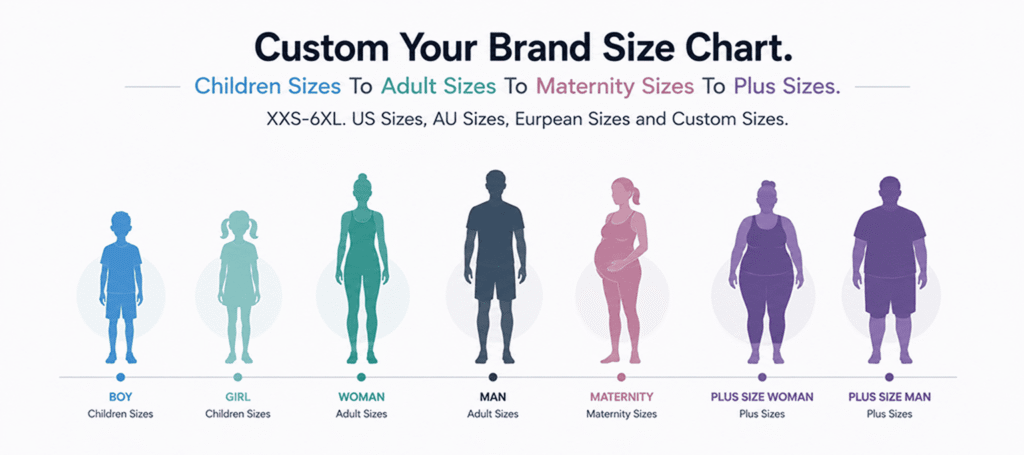
A performance sports shirt should do more than fit correctly when standing still. It should support movement, maintain comfort and perform consistently during training, competition and daily activity. Fit development plays a major role in how customers experience a product and often has a greater impact on satisfaction than fabric alone.
Different users have different expectations. A runner may prefer a lightweight athletic fit, while a teamwear customer may prioritize consistency across a wide size range. Fitness enthusiasts often want a balance between mobility and appearance, while youth programs require sizing that accommodates growth and varying body shapes.
Key Areas of Sports Shirt Fit Development
Fit Element | Why It Matters |
Shoulder Width | Influences movement and overall silhouette |
Chest Measurement | Affects comfort and athletic performance |
Sleeve Length | Impacts mobility and appearance |
Body Length | Improves coverage during movement |
Armhole Construction | Supports unrestricted activity |
Side Seam Shape | Enhances fit and body contour |
Size Grading | Creates consistency across all sizes |
Fit Development by Product Type
Product Category | Fit Focus |
Performance T-Shirts | Athletic fit with unrestricted movement |
Training Shirts | Balanced comfort and flexibility |
Running Shirts | Lightweight active fit |
Team Shirts | Consistent sizing across all team members |
Youth Sports Shirts | Comfortable fit with growth consideration |
Lifestyle Sportswear | Relaxed fit with everyday versatility |
Customization Options
Brands can customize:
- Men’s fit
- Women’s fit
- Youth sizing
- Athletic fit
- Regular fit
- Relaxed fit
- Body length
- Sleeve proportions
- Size grading systems
- Market-specific sizing standards
Why Fit Development Drives Repeat Purchases
Limited Fit Development | Professional Fit Development |
More size-related complaints | Better customer satisfaction |
Higher return rates | Improved fit consistency |
Restricted movement | Greater comfort during activity |
Generic appearance | Stronger product identity |
The most successful sports shirts are designed around how people actually move, train and compete. By refining fit through pattern development, wear testing and size grading, brands can create products that feel more comfortable, perform more effectively and encourage long-term customer loyalty.
Performance Fabrics That Keep Athletes Cool, Dry and Comfortable
The performance of a sports shirt starts with the fabric. While design influences appearance, fabric determines how the garment feels during training, competition and everyday wear. The right material helps athletes stay comfortable, regulate body temperature and maintain freedom of movement throughout physical activity.
Modern activewear buyers demand fabrics that deliver moisture management, breathability, stretch performance and long-term durability without sacrificing comfort or style.A performance shirt should not only look good but also manage moisture, dry quickly and remain comfortable during extended wear. Fabric selection directly affects customer satisfaction, product reviews and repeat purchase rates.
Common Performance Fabrics for Sports Shirts
Fabric Type | Key Benefits | Typical Applications |
Moisture-Wicking Polyester | Moves sweat away from the body | Training and fitness shirts |
Quick-Dry Performance Fabric | Faster drying after exercise | Running and outdoor sports |
Mesh Performance Fabric | Improved airflow and ventilation | High-intensity training |
Stretch Performance Fabric | Enhanced mobility and comfort | Gym and activewear collections |
Recycled Polyester Fabric | Sustainability and performance | Eco-conscious sportswear brands |
Interlock Knit Fabric | Smooth feel and durability | Premium sports shirts |
Recycled materials are commonly certified under the Global Recycled Standard (GRS) for sustainable textile production.
Features Customers Value Most
Modern sportswear consumers often look for:
- Moisture management
- Quick-dry performance
- Breathability
- Lightweight comfort
- Stretch and flexibility
- Shape retention
- Durability
- Easy care maintenance
Matching Fabrics to Product Goals
Product Type | Recommended Fabric Focus |
Training Shirts | Moisture-wicking and durability |
Running Shirts | Lightweight and breathable performance |
Team Shirts | Comfort and long-term durability |
Outdoor Fitness Shirts | Quick-dry and versatile fabrics |
Premium Sportswear | Advanced performance fabrics with soft hand feel |
Why Fabric Selection Impacts Brand Growth
Basic Fabric Choice | Performance Fabric Strategy |
Competes mainly on price | Competes on value and performance |
Lower perceived quality | Higher customer satisfaction |
Reduced product differentiation | Stronger brand positioning |
Limited repeat purchases | Better customer retention |
The most successful sports shirts combine technical performance with everyday comfort. By selecting fabrics that support real athletic activity while maintaining durability and wearability, brands can create products that customers trust, recommend and purchase again.
Looking to build a complete performance apparel collection? Explore our Custom Sports Shorts Manufacturing solutions to match your sports shirts.
Functional Details That Improve Athletic Performance
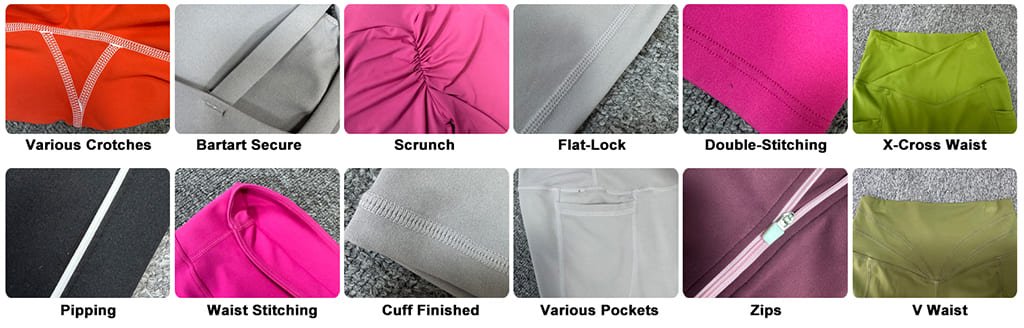
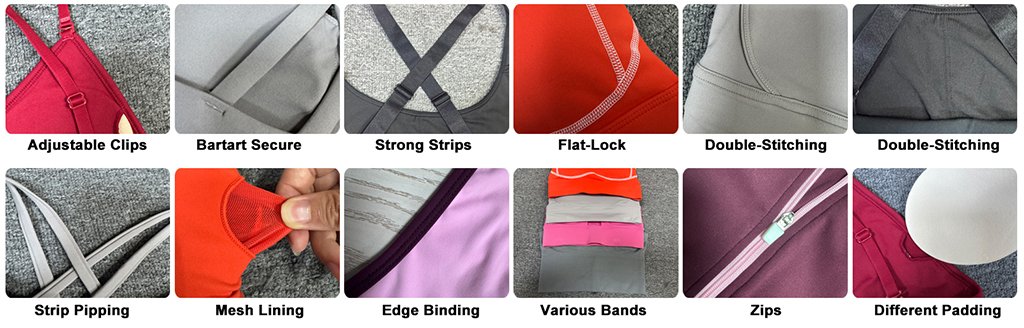
Fabric performance is important, but small construction details often determine whether a sports shirt feels average or exceptional during real-world use. Athletes notice comfort, mobility and irritation levels long before they evaluate technical fabric specifications.
Well-designed sports shirts reduce distractions and help users stay focused on training, competition and performance. Functional construction details can improve comfort during movement, minimize skin irritation and increase overall product value.
Functional Features Commonly Used in Performance Sports Shirts
Feature | Benefit |
Flatlock Seams | Reduces friction and skin irritation |
Mesh Ventilation Panels | Improves airflow in high-heat zones |
Reflective Elements | Enhances visibility during low-light training |
Side Stretch Panels | Supports unrestricted movement |
Heat Transfer Neck Labels | Eliminates irritation from traditional labels |
Anti-Chafe Construction | Improves comfort during long training sessions |
Ergonomic Panel Design | Enhances fit and body movement |
Lightweight Neck Construction | Reduces pressure around the collar area |
Matching Features to Activity Type
Product Category | Recommended Functional Details |
Running Shirts | Reflective details and ventilation panels |
Training Shirts | Flatlock seams and stretch zones |
Team Shirts | Durable construction and comfort-focused seams |
Outdoor Fitness Shirts | Ventilation and moisture-management features |
Premium Sportswear | Advanced ergonomic construction |
Why Functional Details Matter
Customers often compare products with similar fabrics and similar price points. Functional construction details frequently become the deciding factor when evaluating quality.
Benefits include:
- Improved comfort
- Reduced irritation
- Better athletic performance
- Higher perceived value
- Stronger product differentiation
- Better customer reviews
- Increased repeat purchases
Basic Sports Shirt vs Performance-Driven Sports Shirt
Standard Construction | Performance Construction |
Basic seams | Flatlock seam construction |
Standard ventilation | Targeted airflow zones |
Generic fit | Ergonomic movement design |
Basic presentation | Premium performance experience |
The best sports shirts are designed around how athletes move, sweat and perform. When functional details are integrated into product development from the beginning, the result is a garment that feels more comfortable, performs more consistently and creates a stronger connection between the customer and the brand.
Turn Your Sports Shirt Concept Into a Production-Ready Sample
Many successful sports shirt collections begin with a simple concept such as a reference sample, product image or sketch, which is then refined through a structured OEM/ODM development process. Many successful sports shirt collections begin with a reference garment, product image, competitor sample or even a simple idea. What matters most is having a structured development process that transforms concepts into production-ready products.
Product development is where design concepts become physical garments. This stage includes fabric selection, fit refinement, branding integration, construction planning and sample evaluation. A well-organized development process helps brands reduce uncertainty, minimize costly revisions and improve production readiness.
Common Starting Points for Sports Shirt Development
Starting Point | Development Approach |
Tech Pack | Direct technical development |
Reference Sample | Construction analysis and customization |
Product Images | Design interpretation and sample creation |
Sketches | Pattern development and prototype building |
Product Concept | Full OEM/ODM development support |
Typical Sports Shirt Development Process
- Project Review
Define customer profile, product goals and performance requirements. - Fabric Selection
Choose materials based on moisture management, comfort and durability. - Pattern Development
Create patterns that match fit and movement requirements. - Sample Production
Build the first prototype for evaluation. - Fit and Performance Testing
Assess comfort, mobility and overall wearability. - Revision and Approval
Finalize specifications before production begins.
Areas Available for Customization
- Fabric selection
- Fit structure
- Neckline design
- Sleeve construction
- Panel layouts
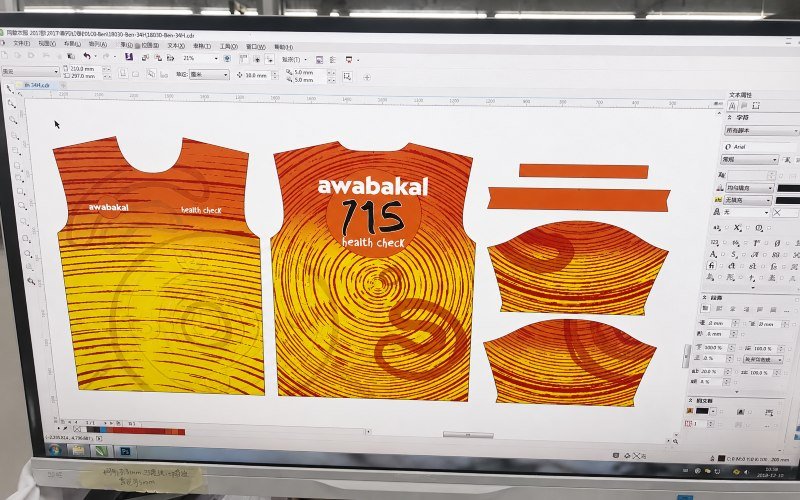
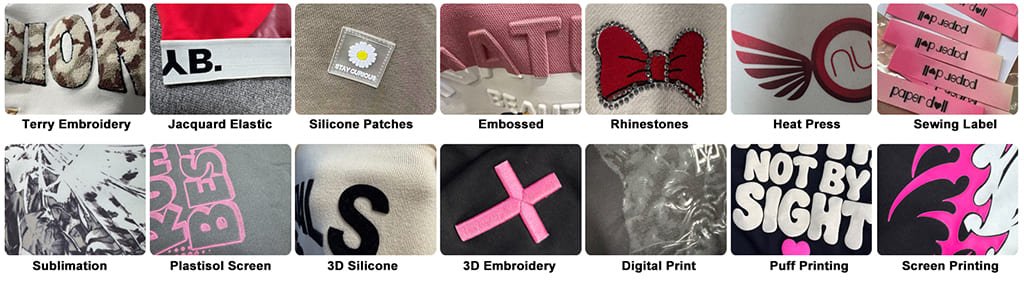
- Printing techniques
- Logo placement
- Labels and packaging
- Color combinations
- Size ranges
Why Sample Development Matters
Limited Development | Structured Development |
Higher production risk | Better product consistency |
More revisions during production | Faster manufacturing readiness |
Greater uncertainty | Clear production standards |
Difficult scaling | Easier repeat production |
The strongest sports shirt collections are developed through testing, refinement and validation before production begins. By confirming fit, fabric performance and construction quality early in the process, brands can launch products with greater confidence and create collections that are easier to expand as demand grows.
Private Label Branding That Builds Recognition and Retail Value
A great sports shirt is more than fabric, stitching and performance features. It is also a representation of the brand behind it. In today’s competitive sportswear market, customers often make purchasing decisions based on trust, recognition and perceived value as much as product performance.
Private label branding helps transform a generic garment into a branded product that customers remember. Strong branding creates consistency across collections, improves perceived quality and helps products stand out in crowded retail environments.
Many brands also combine sports shirts with Custom Sports Bras and leggings to create complete activewear collections.
Private Label Customization Options
Branding Element | Available Customization |
Main Labels | Woven, satin or printed labels |
Care Labels | Customized washing instructions and branding |
Size Labels | Brand-specific size identification |
Hangtags | Premium product presentation |
Packaging Bags | Branded or eco-friendly packaging |
Retail Boxes | Enhanced unboxing experience |
Logo Applications | Heat transfer, silicone, embroidery and printing |
Barcode Labels | Retail and inventory support |
What Customers Notice Most
Brand perception is often shaped by small details.
Consumers commonly evaluate:
- Logo quality
- Packaging presentation
- Label appearance
- Brand consistency
- Product information clarity
- Overall professionalism
How Branding Influences Retail Value
Basic Product Presentation | Strong Private Label Presentation |
Price-focused competition | Value-focused positioning |
Limited brand recognition | Stronger customer recall |
Lower perceived quality | Higher perceived value |
Difficult differentiation | Clear market identity |
Building Long-Term Brand Equity
A sports shirt is often one of the most frequently worn products in an activewear collection. Customers wear it during training, travel, events and daily activities, creating repeated brand exposure.
When branding elements are integrated into product development from the beginning, sports shirts become more than apparel products. They become brand-building tools that support stronger retail positioning, improved customer loyalty and long-term business growth.
Many brands follow global labeling and compliance guidelines such as OEKO-TEX® Standard 100 for safe textile production.

Flexible MOQ for Brand Launches, Team Orders and Product Testing
Launching a new sports shirt collection often involves uncertainty. Brands may be testing a new product category, entering a new market or evaluating customer demand before making larger inventory commitments. In these situations, flexibility is often more valuable than chasing the lowest possible production cost.
A flexible MOQ strategy allows brands to validate products, collect market feedback and optimize future purchasing decisions while minimizing inventory exposure. Rather than relying entirely on forecasts, brands can make decisions based on real customer demand and sales performance.
Why Flexible MOQ Matters
A lower-risk production approach helps brands:
- Test new product concepts
- Validate fit and sizing
- Evaluate color performance
- Reduce inventory risk
- Preserve cash flow
- Launch products faster
- Collect customer feedback
- Improve future purchasing decisions
Common Use Cases
Project Type | Primary Objective |
Startup Brand Launch | Market validation |
New Product Category | Demand testing |
Teamwear Programs | Club and organization orders |
Seasonal Collections | Limited-release products |
Fitness Events | Short-run production needs |
Corporate Sportswear | Branded team apparel |
A Practical Growth Strategy
Many successful sportswear brands follow a staged growth model:
- Develop and approve samples
- Launch a small production run
- Gather customer feedback
- Identify top-performing products
- Expand production gradually
- Build repeat-order programs
Flexible MOQ vs Large Initial Orders
Large Initial Orders | Flexible MOQ Strategy |
Higher inventory commitment | Lower inventory risk |
Greater forecasting pressure | Faster market validation |
Larger cash investment | Improved financial flexibility |
More difficult adjustments | Easier product optimization |
Supporting Growth Beyond the First Order
A successful first order is only the beginning of a product’s lifecycle. As demand grows, brands need manufacturing support that can scale alongside their business.
By combining flexible MOQ options with structured production planning and repeat-order support, sportswear brands can launch sports shirts with greater confidence, reduce operational risk and build collections that are capable of long-term growth.
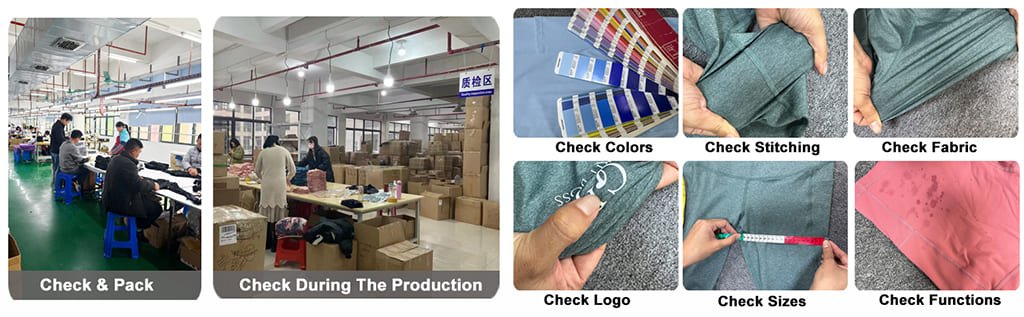
Quality Control for Fabric Performance, Printing and Size Consistency
For sportswear brands, quality is not defined by a single production run. It is measured by the ability to deliver the same fit, appearance and performance across every order, every colorway and every replenishment cycle.
Customers expect sports shirts to maintain their comfort, shape, color and performance after repeated wear and washing. Even minor inconsistencies in sizing, printing quality or fabric behavior can affect customer satisfaction and damage brand reputation.
A structured quality control process helps ensure that products meet expectations before they reach the market.
Key Quality Areas for Sports Shirts
Quality Factor | Why It Matters |
Fabric Performance | Supports comfort and long-term wearability |
Printing Quality | Maintains appearance and brand presentation |
Measurement Accuracy | Reduces size-related returns |
Color Consistency | Creates uniform appearance across production runs |
Stitching Quality | Improves durability and garment lifespan |
Logo Placement | Ensures professional product presentation |
Packaging Standards | Supports retail readiness |
Quality Control Throughout Production
Material Inspection
Fabrics, trims, labels and accessories are reviewed before production begins to confirm specifications and performance requirements.
In-Process Quality Checks
During manufacturing, teams evaluate:
- Fabric appearance
- Measurement accuracy
- Stitching quality
- Print placement
- Logo application
- Construction consistency
Final Product Inspection
Finished garments are reviewed for:
- Overall workmanship
- Size consistency
- Print quality
- Color accuracy
- Packaging condition
- Retail presentation
Common Quality Tests
Test Type | Purpose |
Color Fastness Testing | Evaluates color durability |
Shrinkage Testing | Measures fabric stability |
Fabric Performance Testing | Verifies functional behavior |
Measurement Verification | Confirms sizing accuracy |
Construction Inspection | Checks stitching integrity |
Textile quality testing often follows internationally recognized ISO fabric testing standards.
Why Consistency Matters
Inconsistent Production | Controlled Production |
Higher return rates | Better customer satisfaction |
More product complaints | Stronger brand trust |
Unpredictable replenishment | Reliable repeat orders |
Increased operational risk | Easier business growth |
The most successful sportswear brands earn customer trust through consistency. When fabric performance, fit, printing and construction remain reliable from one order to the next, customers are more likely to reorder, recommend the product and remain loyal to the brand over the long term.
Scalable Manufacturing That Supports Long-Term Brand Growth
A successful sports shirt collection rarely stays the same for long. As brands grow, they often introduce new colorways, additional fits, seasonal releases and expanded product categories. As brands scale, growth creates new opportunities but also increases demands on product development, production planning and supply chain systems that must remain stable and efficient.
The ability to scale production efficiently becomes just as important as the quality of the product itself. A manufacturing partner should not only support your first order but also provide the systems and consistency needed to support future expansion.
Explore our complete OEM Activewear Manufacturing capabilities for scalable apparel production.
What Growing Sportswear Brands Need
Growth Stage | Manufacturing Requirement |
Product Launch | Development support and controlled production |
Market Validation | Reliable repeat-order capability |
Collection Expansion | Additional styles and color management |
Sales Growth | Increased production flexibility |
Multi-Channel Distribution | Consistent replenishment systems |
Brand Maturity | Long-term production stability |
How Scalable Manufacturing Supports Growth
Reliable Replenishment
Best-selling products often require frequent restocking. A structured production system helps brands maintain inventory availability and reduce lost sales opportunities.
Faster Product Expansion
When development and production processes are already established, launching new styles becomes faster and more efficient.
Better Forecast Planning
Organized production scheduling helps brands align manufacturing with seasonal launches, marketing campaigns and sales forecasts.
Reduced Operational Risk
Consistent production systems help minimize delays, quality fluctuations and inventory shortages during periods of rapid growth.
Key Manufacturing Capabilities
Capability | Benefit for Brands |
Flexible Production Scheduling | Better response to demand changes |
Repeat Order Management | Faster replenishment cycles |
Multi-Style Production Support | Easier collection expansion |
Consistent Quality Systems | Reliable customer experience |
Product Development Continuity | More efficient innovation |
Growth Requires More Than Production
Basic Manufacturing Support | Growth-Oriented Manufacturing Support |
Focuses on individual orders | Supports long-term collection growth |
Reactive production planning | Structured production management |
Limited scalability | Expansion-ready systems |
Short-term execution | Long-term partnership approach |
The strongest sportswear brands are built through continuous product development, reliable replenishment and consistent customer experiences. By combining scalable manufacturing systems with structured production planning, brands can expand their sports shirt collections with greater confidence and fewer operational challenges.
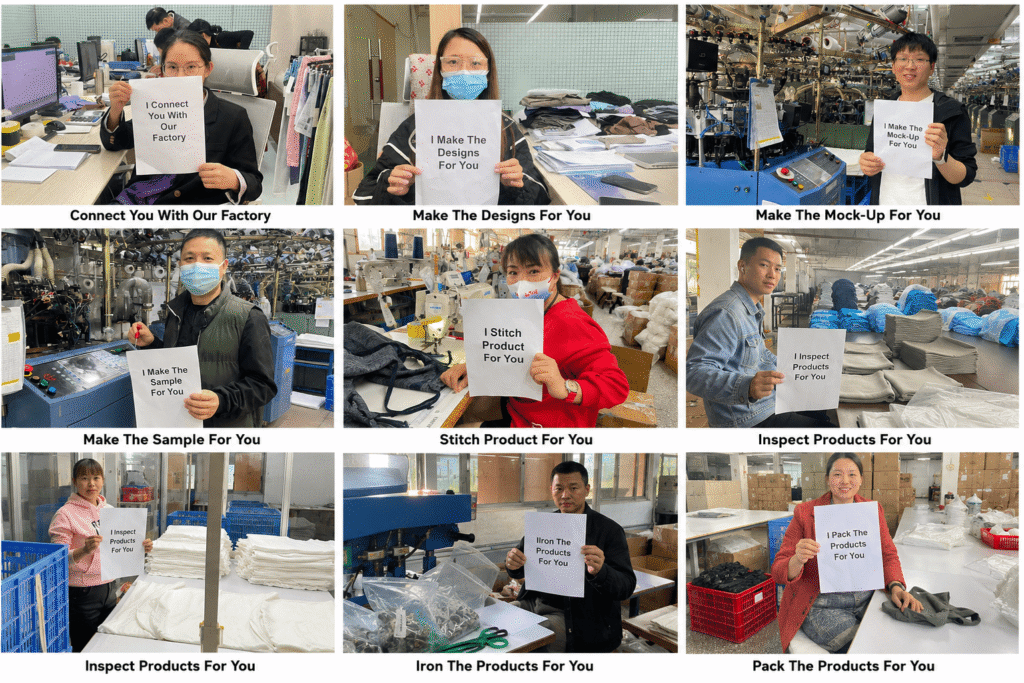
Our OEM Sportswear Service Process
From idea to delivery, everything under one roof.
01. Idea Discussion
Project consultation and requirement analysis.
02. Design Support
Professional development assistance.
03. Fabric Selection
Performance fabrics tailored to your collection.
04. Sample Development
Fast sampling from 3 days.
05. Sample Approval
Review and optimization.
06. Bulk Production
Mass production from 15 working days.
07. Quality Inspection
Multi-stage QC process.
08. Global Delivery
DDP shipping support.
Why Sportswear Brands Choose Pairfashion as Their Manufacturing Partner
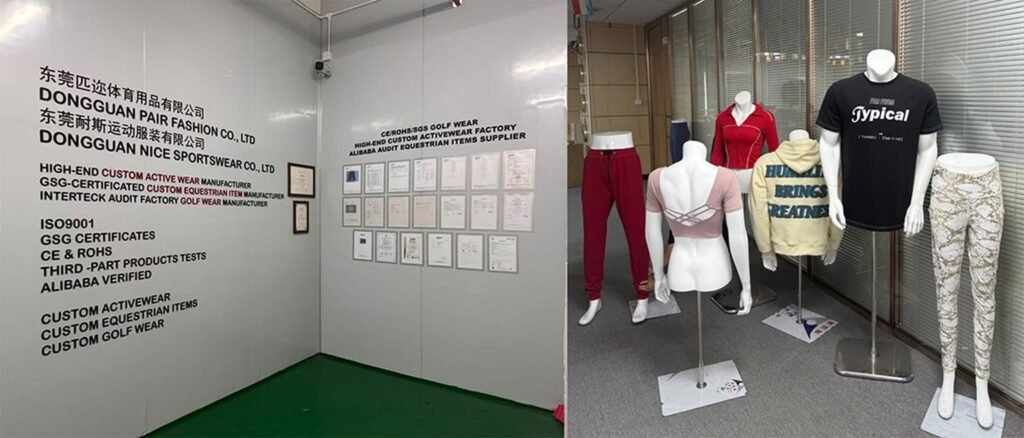
Choosing the right sports shirt manufacturer goes beyond production capability—it directly impacts product quality, brand consistency, delivery speed and long-term market success.
The right partner can influence product quality, launch speed, customer satisfaction and long-term business growth.
For sportswear brands, every decision made during development and manufacturing affects the final customer experience. Great products require more than good ideas. They require reliable execution, consistent quality and a structured process that supports growth over time.
Pairfashion Sportswear works with emerging brands, growing activewear labels, teamwear programs, equestrian apparel companies and established retailers looking for dependable manufacturing support. Our role is not simply to produce garments. Our goal is to help brands create products that are easier to launch, easier to scale and easier to sell.
What Growing Brands Often Need Most
Priority | Business Benefit |
Fast Sample Development | Shorter time to market |
Flexible Minimum Orders | Lower inventory risk |
Reliable Quality Control | Better customer satisfaction |
Consistent Production Standards | Easier repeat orders |
Private Label Support | Stronger brand identity |
Responsive Communication | Faster project progress |
Scalable Manufacturing | Long-term growth support |
How the Right Manufacturing Partner Creates Value
Faster Product Validation
Rapid sample development helps brands test ideas, collect feedback and make decisions earlier.
Reduced Operational Risk
Structured development and quality control systems help identify issues before production begins.
Improved Product Consistency
Consistent manufacturing standards make it easier to maintain sizing, quality and appearance across future orders.
Better Growth Potential
Brands can expand collections more efficiently when development, production and replenishment processes are already established.
Transactional Supplier vs Long-Term Partner
Transactional Supplier | Manufacturing Partner |
Focuses on individual orders | Supports brand growth |
Limited technical guidance | Product development support |
Reactive communication | Collaborative planning |
Short-term execution | Long-term reliability |
Built Around Long-Term Success
Successful sportswear brands rarely succeed because of a single product launch. Growth usually comes from consistent product quality, repeat purchases and reliable supply chain support.
By combining product development expertise, flexible production solutions, quality-focused manufacturing and private label capabilities, Pairfashion Sportswear helps brands build sports shirt collections with greater confidence, stronger consistency and long-term growth potential.
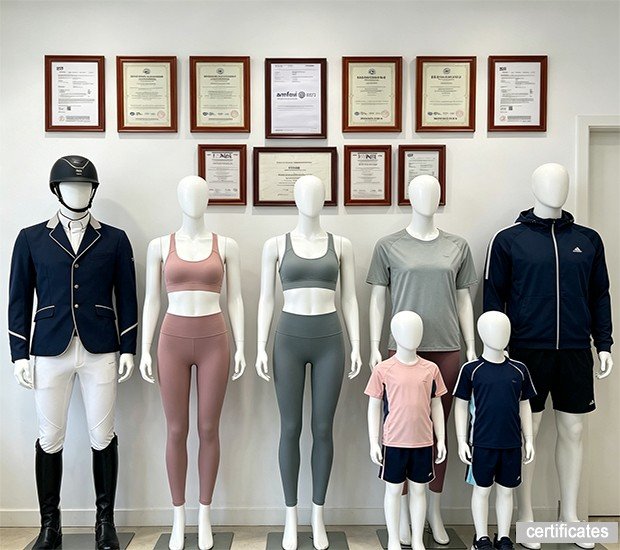
Trusted Manufacturing Standards For Global Sportswear Brands
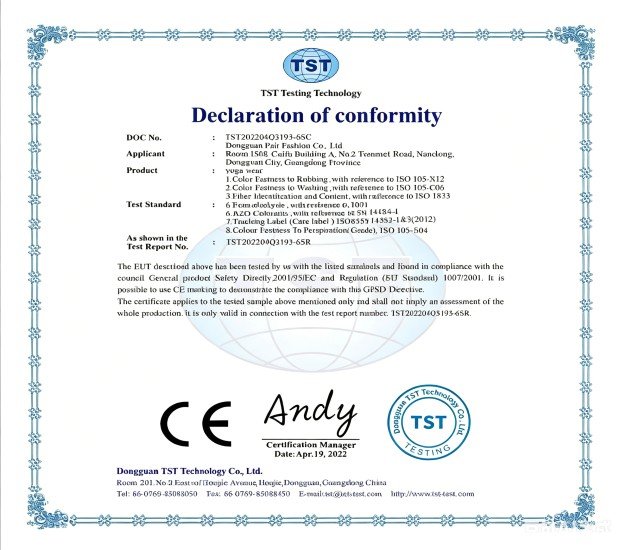
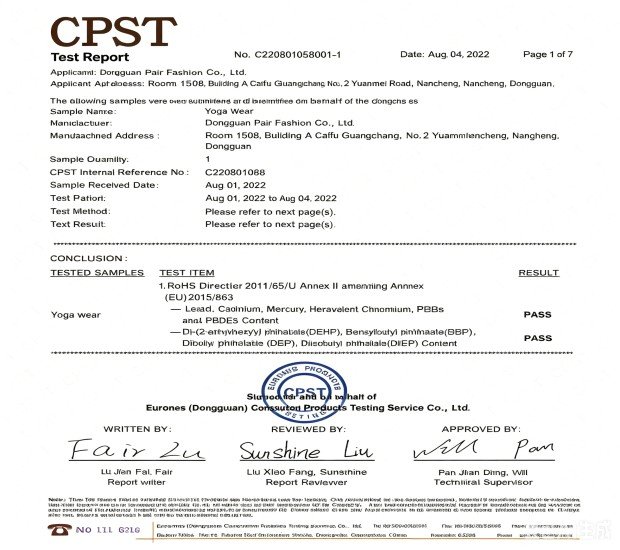
We operate under internationally recognized quality, sustainability, and ethical manufacturing standards. Our certifications help ensure consistent product quality, responsible sourcing, and reliable production for global sportswear brands.
- 20+ Countries Served
- 6000+ Styles Developed
- 50,000 PCS Monthly Capacity
- 3-Day Sample Development

Frequently Asked Questions About Custom Sports Shorts Manufacturing
FAQ 1
What Is the Best Fabric for Custom Sports Shirts?
The best fabric for custom sports shirts should match the activity type, sweat level, retail price point and brand positioning, rather than being chosen only by weight or hand feel.
A strong performance sports shirt fabric usually combines moisture-wicking, quick-dry, breathability, stretch recovery and wash durability. Gym shirts often need flexible quick-dry fabrics, running shirts require lightweight ventilation, while team shirts usually need durability and color stability.
Use Case | Recommended Fabric Direction |
Gym Training | Stretch quick-dry fabric |
Running | Lightweight breathable fabric |
Team Sports | Durable polyester fabric |
Premium Line | Soft functional blends |
Sustainable Program | GRS recycled fabric |
The right fabric choice affects customer comfort, product reviews, repeat purchases and long-term brand value.
FAQ 2
Can I Start a Custom Sports Shirt Project Without a Tech Pack?
Yes. Many custom sports shirt projects begin with product photos, reference samples, Pinterest inspiration or a clear product idea instead of a complete Tech Pack.
A Tech Pack can make development faster, but it is not required to start. For startup brands, teamwear buyers and DTC sportswear labels, the most important first step is clarifying product use, target customer, fabric direction, logo needs and price positioning.
Useful starting materials include:
- Reference photos
- Target sport or activity
- Logo files
- Size range
- Target retail price
- Printing or packaging needs
A professional OEM/ODM manufacturer can help turn these details into fabric recommendations, patterns, samples and production-ready specifications.
FAQ 3
What MOQ Is Suitable for a New Sports Shirt Brand?
For a new sports shirt brand, the most suitable MOQ is the quantity that allows real market testing while keeping inventory risk and cash pressure under control.
A very large first order may reduce unit cost, but it can also create unsold stock if the fit, color or fabric does not match customer expectations. Many sportswear brands start with samples, then move into a smaller test order before scaling.
Stage | Buying Purpose |
Sampling | Product validation |
Small Test Order | Market testing |
First Reorder | Demand confirmation |
Scale Production | Margin improvement |
This approach works well for Shopify stores, Amazon sellers, TikTok brands, clubs and growing private label sportswear businesses.
FAQ 4
How Do I Make Custom Sports Shirts Look More Premium?
Custom sports shirts look more premium when fabric quality, fit, printing technique, trims and packaging work together to create a consistent brand experience.
A larger logo does not automatically make a product feel higher-end. Customers often judge quality through the fabric hand feel, collar comfort, fit, print durability and packaging presentation. Premium sports shirts usually use soft but stable performance fabrics, clean silhouettes, comfortable neck construction and refined branding.
Detail | Value Created |
Fabric Hand Feel | Better wearing experience |
Fit Development | Cleaner appearance |
Logo Technique | Stronger brand identity |
Labels & Packaging | Higher retail value |
A premium product is created through consistent details, not one decorative feature.
FAQ 5
How Long Does It Take to Develop and Produce Custom Sports Shirts?
The timeline for custom sports shirt development depends on product complexity, fabric sourcing, sample revisions and order quantity, but early planning is often more important than trying to shorten production time.
Many buyers focus only on manufacturing lead times while overlooking fabric approval, fit testing and print verification. These development stages often determine final product quality and long-term customer satisfaction.
Stage | Main Focus |
Product Planning | Fabric and construction decisions |
Sample Development | Prototype creation and evaluation |
Sample Revision | Fit and detail optimization |
Bulk Production | Manufacturing execution |
Shipping Preparation | Inspection and packaging |
Brands that begin development earlier typically experience smoother launches, fewer revisions and more reliable delivery schedules.
FAQ 6
How Can I Reduce Risk When Choosing a Custom Sports Shirt Manufacturer?
The best way to reduce sourcing risk is to evaluate product development capability, quality systems, communication efficiency and long-term reliability rather than focusing only on price.
Many sportswear sourcing problems come from inconsistent execution rather than manufacturing cost. Sample failures, fit inconsistencies, print quality issues and delayed communication often create greater losses than a slightly higher unit price.
Evaluation Area | Importance |
Product Development | ★★★★★ |
Quality Management | ★★★★★ |
Communication | ★★★★★ |
Repeat Order Support | ★★★★ |
MOQ Flexibility | ★★★★ |
Pricing | ★★★ |
A strong manufacturing relationship should reduce uncertainty, improve efficiency and support long-term brand growth.
FAQ 7
Which Printing Method Is Best for Custom Sports Shirts?
The best printing method for custom sports shirts depends on fabric type, logo design, order quantity and brand positioning rather than a single universal solution.
Performance sportswear requires print methods that maintain comfort, durability and appearance after repeated washing. The right technique should support both branding and long-term wearability.
Method | Key Advantage |
Heat Transfer | Excellent detail reproduction |
Screen Printing | Cost-effective for larger runs |
Silicone Print | Premium raised appearance |
Reflective Print | Improved visibility |
Embroidery | Strong brand perception |
Selecting the right printing technique can improve both customer satisfaction and perceived product value.
FAQ 8
What Makes Customers Reorder Sports Shirts From the Same Brand?
Customers reorder sports shirts when the product consistently delivers comfort, fit, durability and performance over time rather than simply offering an attractive design or competitive price.
The first purchase may be influenced by marketing, but repeat purchases are driven by real product experience. Shirts that maintain comfort, shape, color and performance after repeated wear are more likely to create customer loyalty.
Driver of Repeat Purchases | Impact |
Comfort | ★★★★★ |
Fit Consistency | ★★★★★ |
Fabric Performance | ★★★★★ |
Durability | ★★★★★ |
Brand Experience | ★★★★ |
The strongest sportswear brands focus on creating products customers trust enough to buy again, recommend to others and integrate into their active lifestyles.
Start Your Custom Sports Shirt Project Today
Every successful sports shirt collection begins with a clear idea and the right manufacturing support.
Whether you already have a complete Tech Pack, a reference sample, product photos or simply an idea for a new sportswear collection, the next step does not need to be complicated. Many of the most successful sports apparel products on the market started as simple concepts before evolving into full collections through structured development and reliable production.
From performance T-shirts and training shirts to teamwear, running tops and private label activewear programs, successful products are built through a combination of thoughtful design, technical development and consistent manufacturing.
We Can Support
Service Area | Support Available |
Product Development | Turn concepts into production-ready products |
Sample Creation | Prototype development and refinement |
Fabric Sourcing | Performance-focused material selection |
Fit Optimization | Pattern development and grading |
Private Label Branding | Labels, packaging and logo applications |
Bulk Manufacturing | Flexible production support |
Repeat Orders | Long-term replenishment programs |
Collection Expansion | New styles and seasonal launches |
A Simple Path From Concept to Market
- Share Your Idea
Send a Tech Pack, sample, image or concept. - Define Product Requirements
Confirm fabrics, fit, functionality and branding details. - Develop Samples
Review performance, comfort and construction quality. - Approve Specifications
Finalize production standards and technical details. - Begin Manufacturing
Move into bulk production with approved samples. - Launch Your Collection
Receive products ready for retail, teamwear or distribution.
Why Start Early?
Benefit | Business Impact |
More Development Time | Better product refinement |
Earlier Sample Testing | Reduced production risk |
Improved Planning | More efficient inventory management |
Seasonal Readiness | Stronger launch performance |
Faster Market Response | Greater competitive advantage |
Build Sports Shirts Designed for Performance, Created for Comfort and Ready for Growth
Whether you are launching your first sportswear brand, expanding an existing collection or developing a new private label program, every successful project starts with a conversation.
Looking for more custom apparel? Browse our full range of Custom Sportswear Manufacturing Services.
Browse Sportswear Catalog Categories
Explore custom sportswear catalog categories including activewear, equestrian apparel, lounge wear and specialty OEM apparel collections for global brands.
- Yoga Pant
- Sports Bras
- Tank Tops
- Gym Shorts
- Men & Kids Sportswear
- Riding Tops
- Breeches
- Competition Wear
- Jackets
- Man & Kids Equestrian
- Joggers
- Sweatshirt & Hoodies
- Sweaters
- Coat & Jacket
- Men & Kids Loungewear
Other OEM Apparel
- Tennis Clothing
- Jumpsuit
- Dress & Skirts
- Plus Size Activewear
- Maternity Activewear
Get In Touch
Contact our OEM/ODM specialists for product development, sampling, pricing, and production support.