OEM/ODM Sportswear Manufacturer | 3-Day Sampling | Low MOQ | 50K Monthly Capacity | ISO9001 & BSCI Certified

Sports Shorts Manufacturer for Private Label, OEM & Custom Activewear Brands
Pair Fashion is a trusted sports shorts manufacturer helping activewear brands, retailers, and sports teams develop custom sports shorts with private label and OEM services. From performance training shorts to running, gym, and teamwear collections, we provide flexible MOQ, fast sampling, and reliable bulk production.
50K+
Monthly Capacity
3 Days
Fast Sampling
6,000+
Custom Styles
10+
Years Experience
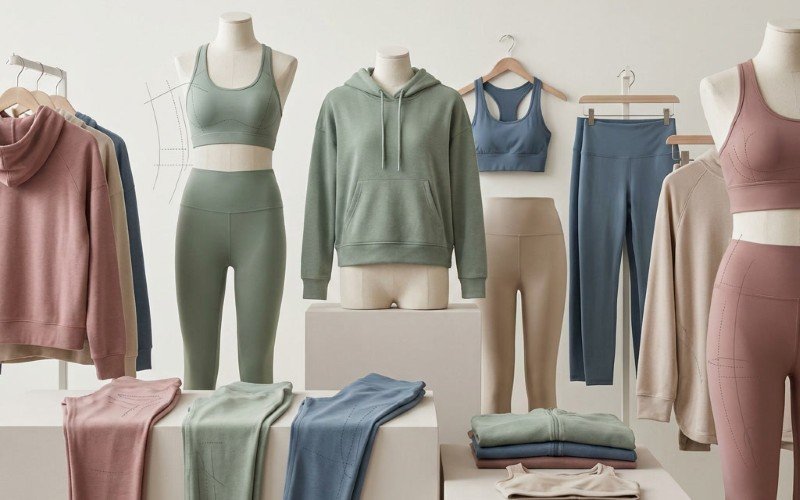
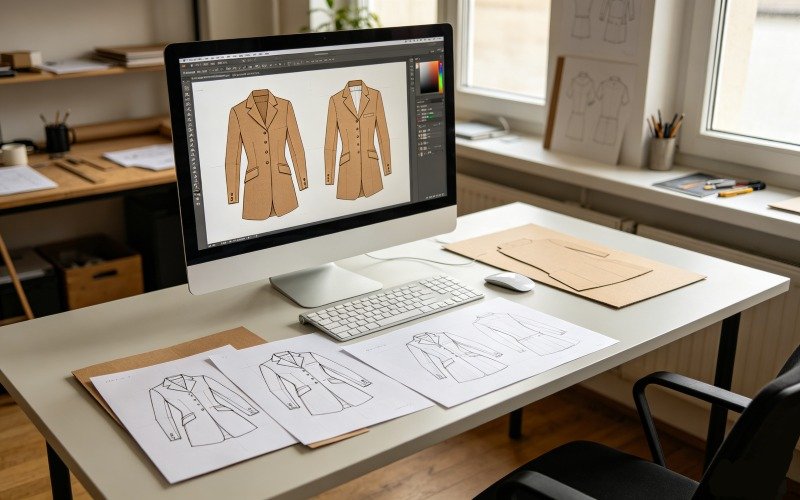
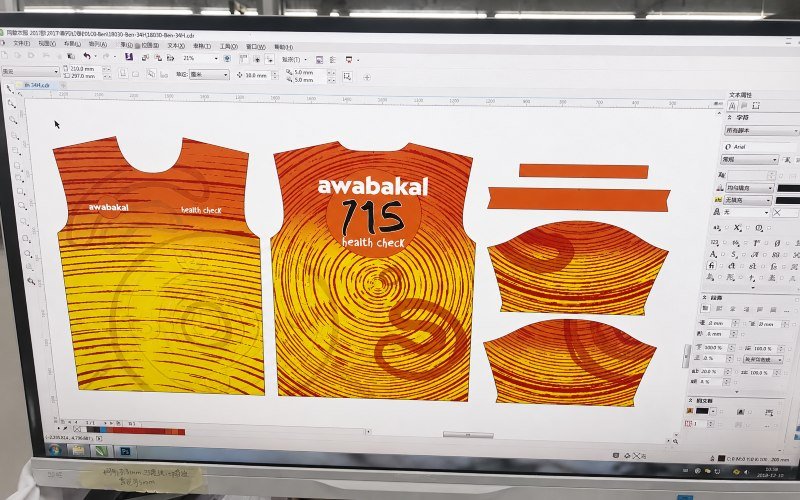
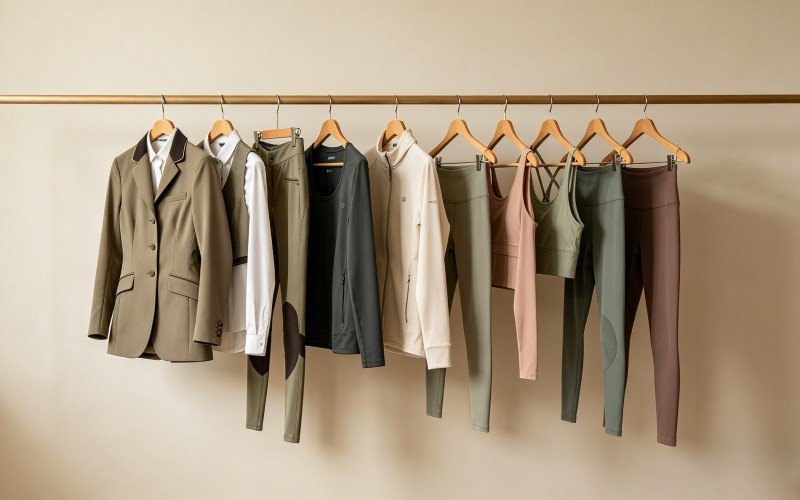
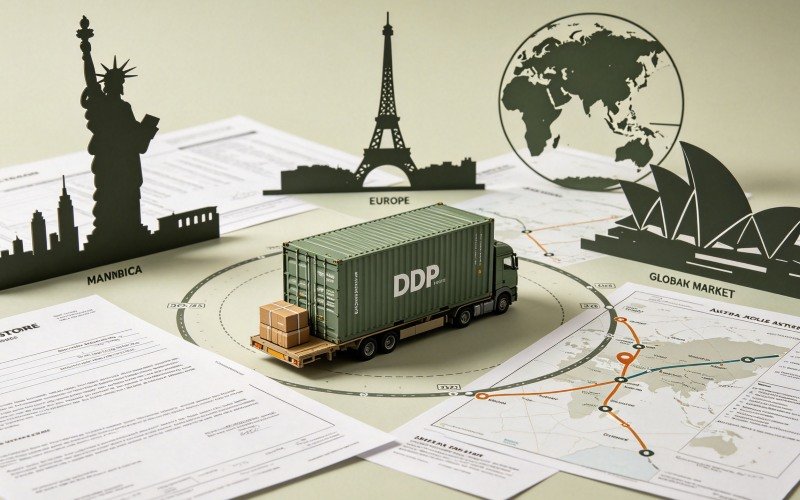
Work With a Sports Shorts Manufacturer to Launch Your Private Label Collection
Intro
As an experienced sports shorts manufacturer, we help brands create high-quality private label sports shorts without the complexity of managing fabric sourcing, pattern development, production, and quality control on their own.
Content
Sports shorts have become one of the fastest-growing and most versatile categories in the global activewear industry. Consumers wear them for running, training, gym workouts, team sports, outdoor activities and everyday athleisure. This versatility creates significant opportunities for sportswear brands that want to expand their product offering while maintaining a focused and recognizable identity.
Developing a private label sports shorts collection involves a series of interconnected decisions. Fabric selection affects comfort and performance. Fit development influences movement and customer satisfaction. Branding details shape product perception. Production planning determines how efficiently products move from concept to market.
Many brands begin with different starting points. Some have a complete Tech Pack. Others have only a reference sample, design sketch or product idea. Regardless of the starting point, successful product development requires a clear process that turns concepts into commercially viable products.
Development Stage | Primary Objective |
Product Concept | Define market opportunity and customer needs |
Material Selection | Match performance and price positioning |
Pattern Development | Create consistent sizing and fit |
Sample Creation | Evaluate construction and functionality |
Product Refinement | Improve details based on feedback |
Production Preparation | Finalize specifications for manufacturing |
A well-developed sports shorts collection does more than fill a product category. It helps brands strengthen customer loyalty, increase repeat purchases and create additional opportunities for growth across multiple activewear segments.
By approaching product development strategically, brands can launch sports shorts that combine performance, comfort and brand identity while creating a stronger foundation for future collection expansion.
Turn Sports Shorts Concepts Into Market-Ready Products
Intro
The strongest sports shorts collections are rarely built around a single product. Different customers have different expectations regarding performance, comfort, fit and style. Understanding how to develop products that serve multiple needs helps brands build more resilient collections and create additional opportunities for growth.
Content
The sports shorts category has evolved far beyond basic training apparel. Today’s consumers expect products designed for specific activities, environments and lifestyles. A runner may prioritize lightweight fabrics and unrestricted movement, while a gym customer may focus on durability and support. Lifestyle consumers often look for versatility that transitions easily between workouts and daily wear.
For brands, this creates an opportunity to build a collection that addresses multiple customer needs rather than relying on one product to serve every market segment.
A balanced sports shorts collection may include:
Shorts Category | Primary Customer Need |
Running Shorts | Lightweight comfort and mobility |
Gym Shorts | Durability and workout performance |
Training Shorts | Versatility across multiple activities |
Compression Shorts | Muscle support and recovery |
Yoga Shorts | Stretch and unrestricted movement |
Lifestyle Shorts | Everyday comfort and athleisure appeal |
Many successful activewear brands follow a phased product strategy:
- Launch a core product category.
- Gather customer feedback and sales data.
- Expand into complementary shorts styles.
- Introduce new fabrics and seasonal updates.
- Build a complete sportswear ecosystem around proven products.
Product Strategy | Growth Potential |
Single Product Focus | Limited expansion opportunities |
Collection-Based Approach | Stronger customer retention and scalability |
Rather than competing solely on price, brands that develop thoughtful product collections create more reasons for customers to engage with the brand. A well-planned sports shorts lineup can improve product visibility, increase average order value and support long-term business growth across multiple activewear segments.
Build a Sports Shorts Collection Around Real Customer Demand
Intro
A strong sports shorts collection begins with understanding how customers actually move, train and buy. Different users expect different levels of support, coverage, storage, breathability and comfort. Building products around real demand helps brands avoid generic styles and develop shorts that are easier to sell and repeat.
Content
Sports shorts may look simple, but buying decisions are often driven by very specific use cases. A runner may care most about lightweight fabric and an anti-chafe liner. A gym customer may need stretch, durability and secure pockets. A yoga customer may prefer softness, coverage and a flexible waistband. A lifestyle buyer may prioritize clean styling and all-day comfort.
For brands, this means one shorts design cannot serve every customer equally well. A better approach is to build a focused collection around clear customer needs.
Customer Scenario | Product Direction |
Running | Lightweight shorts with quick-dry fabric |
Gym Training | Durable stretch shorts with secure pockets |
Yoga & Studio | Soft, flexible shorts with comfortable coverage |
Team Sports | Easy-care athletic shorts with size consistency |
Outdoor Training | Breathable shorts with practical storage |
Lifestyle Wear | Clean athleisure shorts for daily use |
Customer demand should also guide details such as inseam length, waistband structure, pocket placement, liner options and fabric weight. These decisions directly affect product reviews and repeat purchases.
A demand-based collection strategy usually starts with:
- Defining the target customer.
- Identifying the main use scenario.
- Selecting the right fabric direction.
- Confirming fit and functional details.
- Testing the first production run.
- Expanding proven products into new colors or sizes.
By developing sports shorts around customer behavior rather than assumptions, brands can create products with stronger market relevance, clearer positioning and better long-term sales potential.
Develop Fits That Improve Movement and Customer Satisfaction
Intro
Fabric attracts attention, but fit determines whether customers buy again. Sports shorts that move naturally, stay comfortable during activity and maintain a flattering shape create a better wearing experience and stronger long-term brand loyalty.
Content
Sports shorts are worn in motion. Whether customers are running, training, stretching, cycling or simply moving through daily activities, fit directly affects comfort and performance. Even premium fabrics cannot compensate for a poor fit that restricts movement or causes discomfort.
One of the biggest challenges in sports shorts development is balancing mobility with support. Shorts that are too loose may feel unstable during exercise. Shorts that are too tight can restrict movement and reduce comfort. The goal is to create a fit that feels secure without feeling restrictive.
Several fit elements influence product performance:
Fit Element | Customer Benefit |
Waistband Construction | Improved comfort and stability |
Inseam Length | Better coverage and mobility |
Leg Opening Shape | Reduced restriction during movement |
Built-In Liner Fit | Additional support and comfort |
Hip and Seat Proportion | More natural body movement |
Size Grading Accuracy | Consistent fit across size ranges |
Modern activewear consumers also expect different fit solutions depending on activity.
For example:
- Running shorts often prioritize lightweight freedom of movement.
- Training shorts require flexibility and durability.
- Yoga shorts focus on comfort and stretch.
- Lifestyle shorts emphasize relaxed everyday wearability.
A professional fit development process typically includes:
- Pattern development.
- Prototype creation.
- Wear testing.
- Movement evaluation.
- Fit adjustments.
- Size grading validation.
Fit Strategy | Long-Term Impact |
Generic Industry Fit | Easier to replace by competitors |
Brand-Specific Fit System | Stronger customer loyalty |
Customers may not immediately recognize great pattern engineering, but they quickly notice how a product feels. Brands that invest in fit development often create sports shorts that customers trust, recommend and repurchase, helping build stronger product reviews and more sustainable growth over time.
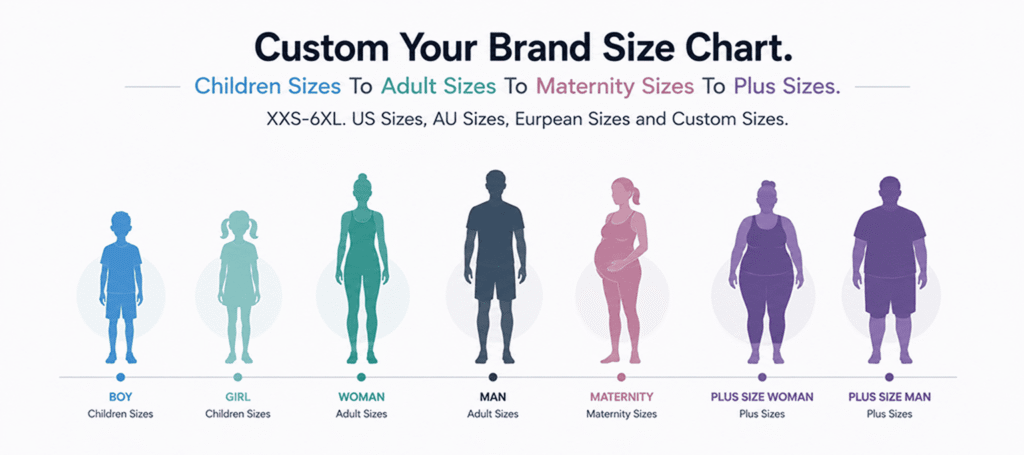
Choose the Right Fabrics for Custom Sports Shorts
Intro
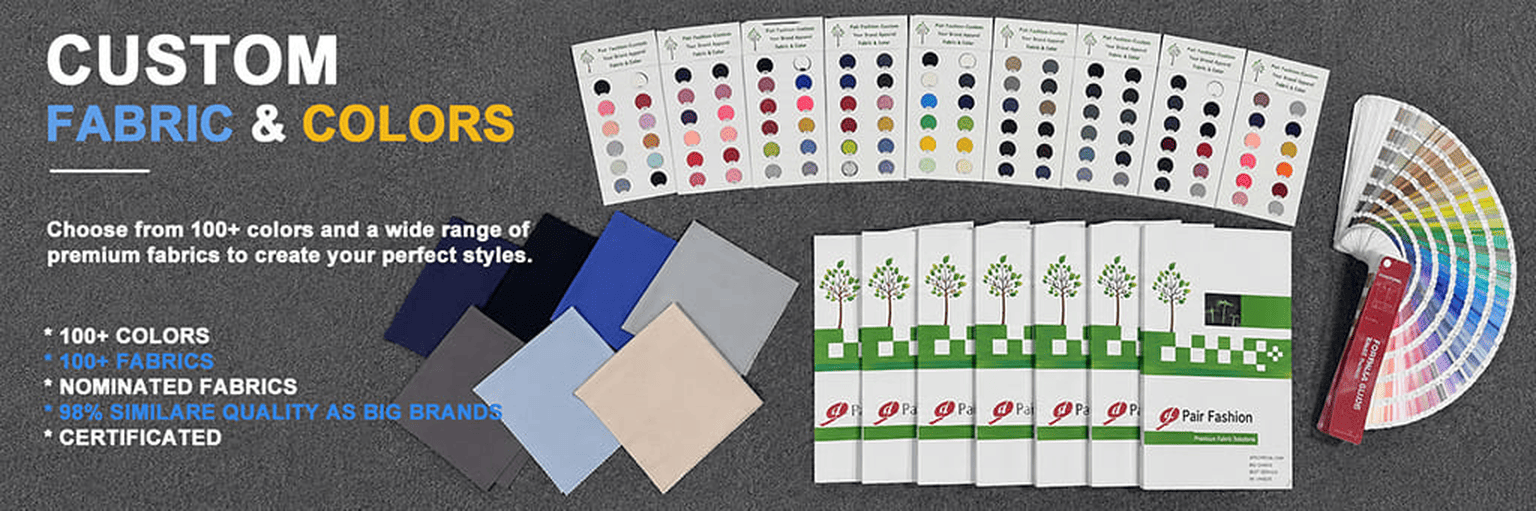
Fabric selection influences nearly every aspect of a sports shorts collection, including comfort, performance, durability and perceived value. Choosing materials that align with customer expectations and product positioning helps brands create sports shorts that perform well in the market while supporting long-term business goals.
Content
Consumers often decide whether sports shorts feel premium within seconds of trying them on. The feel of the fabric, the amount of stretch, the breathability and the overall comfort level all contribute to the purchasing experience. Because of this, fabric selection should be treated as a strategic decision rather than a sourcing decision.
Different sports activities require different performance characteristics.Brands developing complete activewear collections often combine sports shorts with matching training tops and performance apparel to improve product consistency.
Running shorts typically prioritize lightweight construction and moisture management. Training shorts may require greater durability and flexibility. Lifestyle-focused products often emphasize softness and everyday comfort.
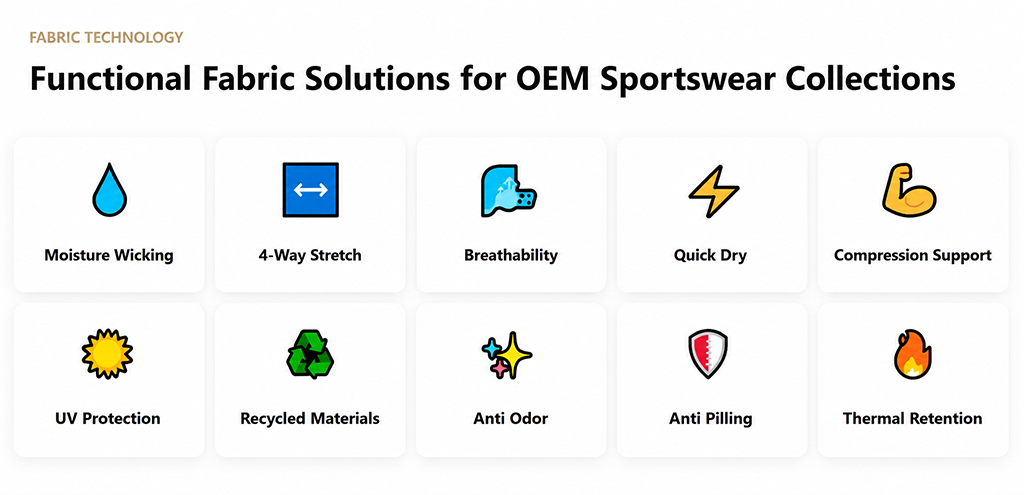
Common fabric options include:
Fabric Type | Typical Application |
Nylon Spandex | Premium activewear and training shorts |
Recycled Polyester | Sustainable sportswear collections |
4-Way Stretch Fabric | Multi-sport performance products |
Mesh Fabric | Enhanced ventilation and breathability |
Compression Fabric | Support-focused athletic shorts |
Lightweight Woven Fabric | Running and outdoor sports shorts |
When evaluating fabrics, brands should consider:
- Moisture-Wicking Performance
- Breathability
- Stretch and Recovery
- Weight and Drape
- Abrasion Resistance
- Color Durability
- Sustainability Goals
Fabric Priority | Customer Benefit |
Lightweight Construction | Greater comfort during activity |
Stretch Performance | Improved freedom of movement |
Quick-Dry Function | Better workout experience |
Durability | Longer product lifespan |
Recycled Materials | Stronger sustainability positioning |
The most successful sports shorts collections are built around fabrics that match both the intended activity and the target customer. By selecting materials strategically, brands can create products that deliver better performance, stronger retail appeal and a clearer market position across different activewear categories.
Add Functional Features That Differentiate Your Sports Shorts
Intro
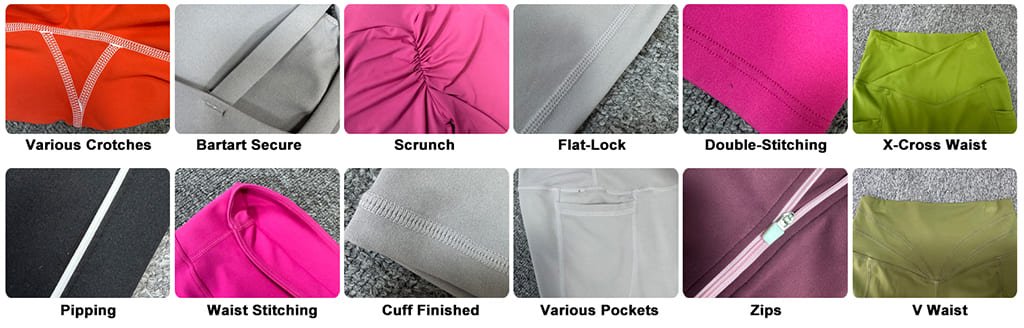
Many sports shorts share similar silhouettes and fabrics. What often separates a good product from a best-selling product is the functionality built into the details. Practical features improve the user experience, increase perceived value and give customers stronger reasons to choose one product over another.
Content
Today’s consumers expect more from sports shorts than basic coverage and comfort. Whether they are running outdoors, training in a gym or traveling throughout the day, customers look for products that solve practical problems and support their activities.
Functional design helps sports shorts perform better in real-world situations. Small details can significantly improve convenience, comfort and overall satisfaction.
Common performance-focused features include:
Feature | Customer Benefit |
Zipper Pockets | Secure storage for phones and valuables |
Hidden Pockets | Convenient access without bulk |
Built-In Liners | Added support and comfort |
Reflective Logos | Improved visibility in low-light conditions |
Adjustable Drawcords | More secure and personalized fit |
Mesh Panels | Enhanced airflow and cooling |
Side Split Hems | Greater freedom of movement |
Anti-Slip Waistbands | Improved stability during exercise |
Different customer groups often prioritize different functions.
For example:
- Runners frequently value lightweight construction and secure phone storage.
- Gym users often prioritize flexibility and durability.
- Outdoor athletes may require reflective elements and ventilation.
- Lifestyle consumers often prefer practical pockets and all-day comfort.
A successful product development strategy evaluates not only what customers wear, but how they use the product.
Product Focus | Customer Perception |
Basic Sports Shorts | Functional but replaceable |
Feature-Rich Sports Shorts | More useful and premium |
Functional details also create opportunities for stronger marketing. Features are easier to communicate than technical specifications and often become key selling points on product pages, social media campaigns and retail displays.
When thoughtfully integrated into the design, performance features help sports shorts stand out in a crowded market while delivering meaningful value that customers can feel every time they wear the product.
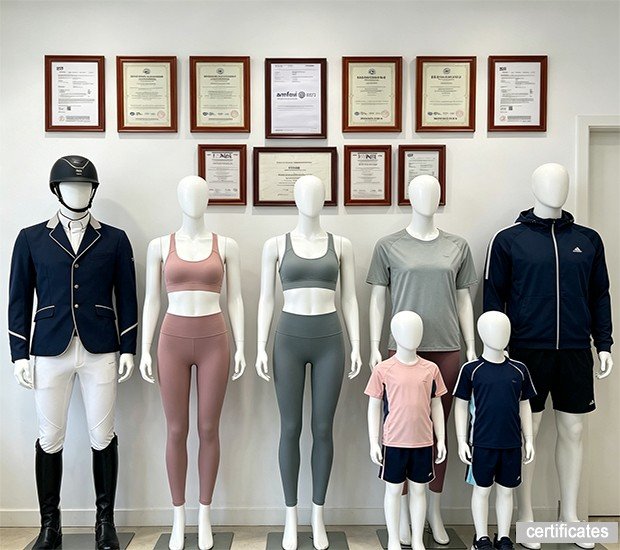
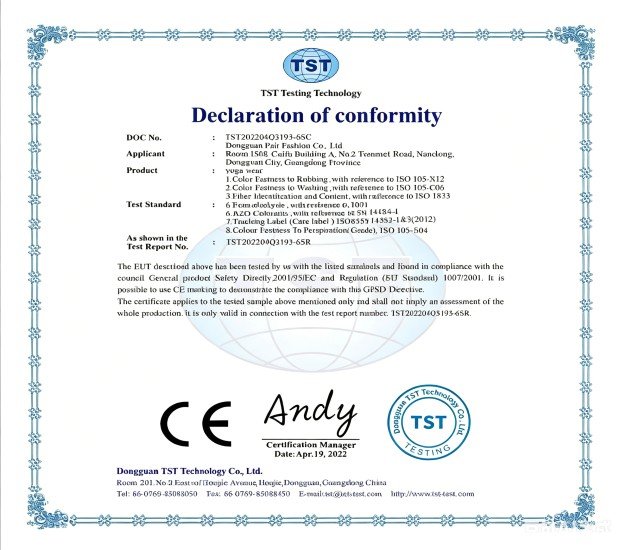
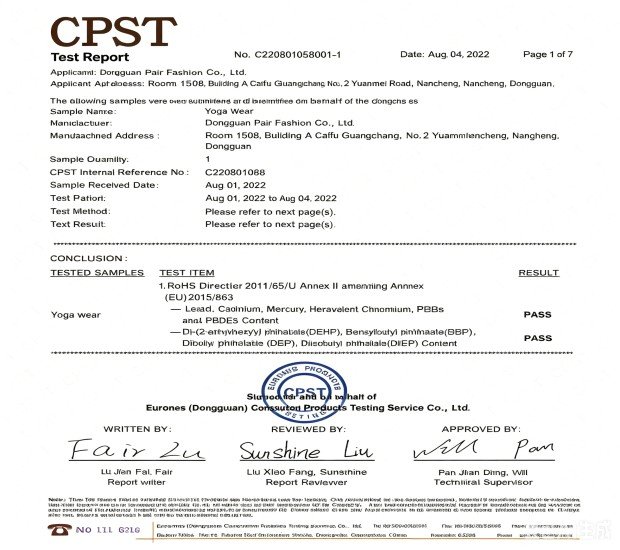
Trusted Manufacturing Standards For Global Sportswear Brands
We operate under internationally recognized quality, sustainability, and ethical manufacturing standards. Our certifications help ensure consistent product quality, responsible sourcing, and reliable production for global sportswear brands.
- 20+ Countries Served
- 6000+ Styles Developed
- 50,000 PCS Monthly Capacity
- 3-Day Sample Development

Create Sports Shorts That Look and Feel Like Premium Products
Intro
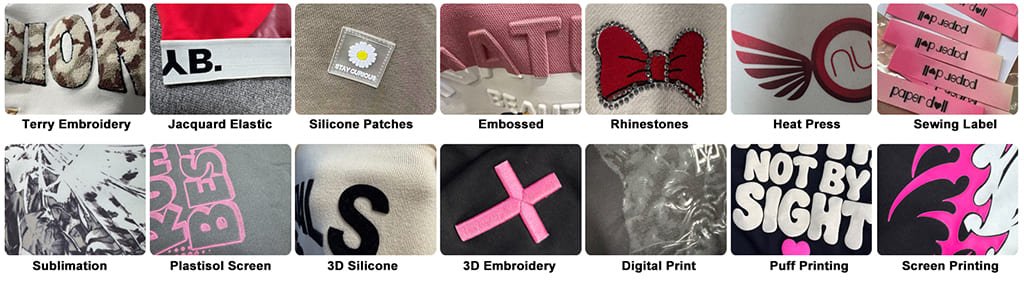
Customers often decide whether a product feels premium within seconds of seeing it. While performance and durability remain important, visual presentation and product details strongly influence perceived value. Thoughtful refinement helps sports shorts stand out in competitive markets and supports stronger pricing opportunities.
Content
In the activewear industry, products are frequently compared side by side. Consumers may not immediately recognize differences in fabric specifications or manufacturing complexity, but they quickly notice presentation, finishing quality and overall attention to detail.
Premium perception is created through a combination of product design, branding elements and material choices. When these elements work together, sports shorts appear more professional, more desirable and more aligned with higher-value market segments.
Important factors that contribute to premium presentation include:
Product Element | Impact on Perceived Value |
Silicone Logos | Modern and elevated appearance |
Reflective Branding | Performance-oriented visual appeal |
Premium Drawcords | Enhanced product quality perception |
Custom Waistbands | Stronger brand differentiation |
High-Quality Labels | More professional presentation |
Branded Packaging | Better customer experience |
Refined Stitching Details | Improved craftsmanship perception |
Premium Trims and Accessories | Greater product sophistication |
Consumers often associate premium details with better quality, even before wearing the garment.
Brands can strengthen product positioning by focusing on:
- Consistent visual identity
- High-quality finishing
- Functional yet attractive details
- Thoughtful packaging presentation
- Professional retail appearance
Product Positioning | Typical Customer Perception |
Basic Sports Shorts | Functional and price-driven |
Premium Sports Shorts | Higher value and stronger desirability |
Premium products are rarely defined by one feature alone. Instead, they are built through dozens of small decisions that collectively improve how customers experience the product.
For sportswear brands, investing in product presentation helps create stronger differentiation, supports healthier profit margins and increases the likelihood that customers will remember the product long after the initial purchase.
Why Brands Choose Pair Fashion as Their Sports Shorts Manufacturer
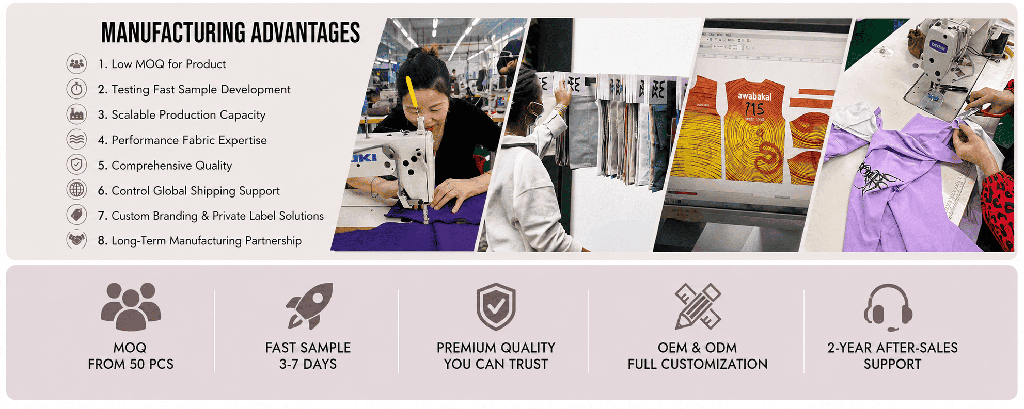
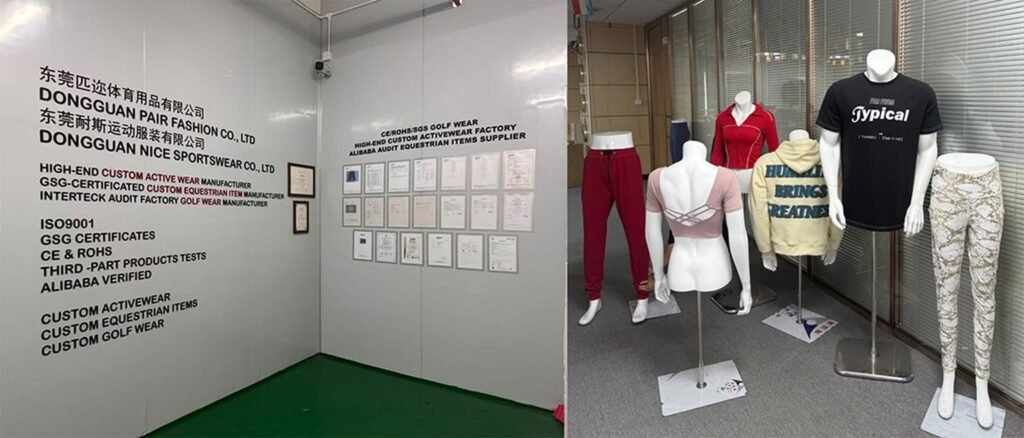
It is very vital to choose the right sports shorts manufacturer, it definitely impact the apparel quality, development speed, and long-term brand growth. At Pair Fashion, we help different brands with combine technical expertise, flexible production, and reliable supply chain management to help brands launch and scale sports shorts collections.
| Manufacturing Advantage | What It Means for Your Brand |
|---|---|
| Founded in 2016 | Extensive experience in functional sportswear manufacturing |
| 6,000+ Styles Developed | Faster product development and reduced design risks |
| 50 PCS Flexible MOQ | Ideal for startups, testing new products, and private label brands |
| 3-Day Sample Development | Accelerate product launches and market validation |
| 50,000 PCS Monthly Capacity | Scalable production for growing brands |
| 7 Production Lines | Flexible manufacturing for small and large orders |
| Dedicated QC Team | Multi-stage inspections to ensure consistent quality |
| OEM & ODM Services | Support from concept development to bulk production |
| International Certifications | ISO9001, BSCI, GRS, CE, and ROHS compliant manufacturing |
| DDP Global Shipping | Simplified logistics and delivery for international clients |
| Custom Branding Support | Private labels, hangtags, packaging, and custom trims |
| 2-Year After-Sales Support | Long-term manufacturing partnership and service commitment |
Validate New Sports Shorts Designs Through Low-MOQ Production
Intro
Launching a successful sports shorts collection requires balancing product development, inventory risk and market validation. Customer preferences, pricing expectations and product positioning can vary significantly between markets. A low-MOQ production strategy allows brands to test products with less financial exposure while gathering valuable market feedback before expanding inventory.
Content
Many activewear brands focus heavily on product development but underestimate the importance of market validation. Even well-designed sports shorts can perform differently than expected once they reach real customers.
Testing products through smaller production runs helps reduce guesswork and creates opportunities to make decisions based on actual demand rather than assumptions.
A low-MOQ strategy allows brands to:
Business Objective | Benefit |
Launch New Products | Lower initial inventory commitment |
Test New Colors | Reduce risk when expanding collections |
Evaluate Size Demand | Improve future production planning |
Explore New Markets | Validate customer preferences |
Refine Product Details | Improve future product versions |
Manage Cash Flow | Preserve working capital for growth |
Many successful sportswear brands follow a staged validation process:
- Develop and approve samples.
- Launch a small production run.
- Introduce products through selected channels.
- Collect customer reviews and sales data.
- Refine products based on feedback.
- Expand production for proven styles.
Traditional Inventory Model | Validation-Based Model |
Large upfront commitment | Controlled investment |
Higher inventory exposure | Lower financial risk |
Limited flexibility | Easier product optimization |
Slower adaptation to demand | Faster response to customer feedback |
Low-MOQ production also creates opportunities to experiment with fabric options, colorways, logo placements and fit adjustments before making larger commitments.
For growing activewear brands, the goal is not simply to produce fewer units. The goal is to make smarter decisions, reduce unnecessary risk and identify winning products more efficiently. A structured validation strategy helps sports shorts collections grow with stronger confidence, better market alignment and a more sustainable path toward long-term success.
Reduce Product Development Risks Before Your Collection Launches
Intro
Successful sports shorts collections are built on consistency. Customers expect the product they receive to match what they saw in marketing photos, samples and product descriptions. Reducing development and production risks before launch helps protect customer trust and supports stronger long-term brand performance.
Content
A sample represents an idea. Bulk production represents a promise to customers.
The challenge for many brands is maintaining consistency between the approved sample and the final production run. Small differences in materials, measurements or construction can have a significant impact on customer satisfaction and product reviews.
Sports shorts require particular attention because they combine multiple performance factors, including fit, stretch, durability and comfort. Even minor deviations can affect how the product performs during exercise.
Common risks during production include:
Risk Area | Potential Impact |
Fabric Variation | Inconsistent appearance and performance |
Measurement Differences | Fit complaints and higher return rates |
Waistband Inconsistency | Reduced comfort and support |
Color Variations | Mismatched inventory |
Logo Placement Errors | Weaker brand presentation |
Construction Defects | Lower durability and customer confidence |
Many international buyers also reference independent testing methods when evaluating sportswear quality. Industry organizations such as AATCC publish widely adopted standards for colorfastness, fabric durability and performance testing that help support consistent product quality expectations.
Reducing these risks requires a structured review process throughout development and production.
A typical quality workflow includes:
- Fabric inspection before cutting.
- Specification review and measurement verification.
- Pre-production sample approval.
- In-line production inspections.
- Final product evaluation.
- Packaging and shipment verification.
Risk Management Focus | Business Benefit |
Early Problem Detection | Lower correction costs |
Consistent Measurements | Fewer returns |
Standardized Production | Better repeatability |
Quality Verification | Stronger customer trust |
Shipment Accuracy | Smoother fulfillment |
The most effective quality systems do not simply identify problems after production. They are designed to prevent issues before products reach customers.
By building risk control into every stage of development, sportswear brands can improve launch performance, reduce operational disruptions and create a more reliable customer experience that supports long-term growth and repeat purchases.
Simplify Sports Shorts Manufacturing With One Coordinated Workflow
Intro
Launching a successful sports shorts collection requires more than product development alone. Material sourcing, sampling, production, branding, quality control and logistics all play critical roles. A coordinated workflow helps reduce complexity, improve efficiency and create a smoother path from concept to market.
Content
As activewear brands grow, supply chain management often becomes increasingly complicated. Multiple suppliers may be involved in different stages of development, each with separate timelines, communication processes and quality standards.
While this approach can work, it often creates unnecessary delays and increases the risk of miscommunication.
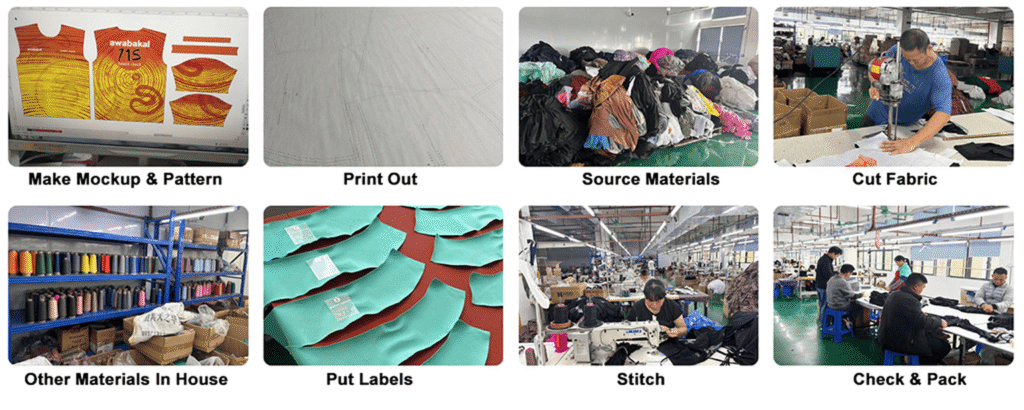
A more efficient solution is to manage development and production through a coordinated workflow that aligns every stage of the process.
Typical support areas include:
Manufacturing Stage | Purpose |
Product Development | Transform concepts into production-ready products |
Fabric Sourcing | Select materials that match performance goals |
Pattern Making | Establish consistent fit standards |
Sample Development | Evaluate product functionality and appearance |
Bulk Production | Execute scalable manufacturing plans |
Private Label Branding | Apply logos, labels and packaging elements |
Quality Control | Verify consistency throughout production |
Logistics Coordination | Support efficient delivery and fulfillment |
Many global activewear brands now align material sourcing strategies with sustainability standards promoted by Textile Exchange, helping improve transparency and responsible sourcing practices across the supply chain.
For brands planning future expansion, understanding private label activewear development can simplify category growth.
A coordinated workflow offers several advantages:
- Faster project execution
- Reduced communication barriers
- Improved development visibility
- More consistent product standards
- Easier production planning
- Better launch efficiency
Multi-Supplier Process | Coordinated Workflow |
Multiple communication channels | Unified project management |
Higher coordination effort | Simplified execution |
Greater risk of delays | More predictable timelines |
Inconsistent information flow | Better process visibility |
For sportswear brands, operational simplicity can be a significant competitive advantage. The less time spent managing fragmented processes, the more time teams can dedicate to product innovation, marketing and customer acquisition.
By connecting development, sourcing, production and fulfillment into one coordinated workflow, brands can improve efficiency, accelerate launches and create a more scalable foundation for future growth.
Expand Best-Selling Shorts Into Seasonal Product Programs
Intro
A successful sports shorts launch is only the beginning. The brands that achieve sustainable growth are often those that build long-term product programs around proven products rather than constantly chasing new releases. Strategic expansion helps maximize product value and strengthen customer retention.
Content
Many activewear brands focus heavily on finding their next product opportunity. However, some of the most profitable growth opportunities come from expanding products that have already demonstrated market demand.
When a sports shorts style gains traction, it creates valuable data. Customer reviews, sales performance, size distribution and color preferences all provide insights that can guide future development decisions.
Instead of replacing a successful product, brands can use it as the foundation for a broader collection strategy.
Common expansion opportunities include:
Growth Strategy | Business Advantage |
Additional Colorways | Reach more customer preferences |
Extended Size Ranges | Increase accessibility and sales potential |
Seasonal Fabric Updates | Adapt to different climates and markets |
Premium Versions | Support higher-margin product tiers |
Matching Product Sets | Increase average order value |
Limited Edition Releases | Create excitement and urgency |
Many brands also expand successful shorts collections into coordinated custom sportswear programs that increase customer retention.
Many brands follow a scalable product lifecycle:
- Launch a core sports shorts style.
- Validate demand through customer feedback.
- Expand colors and sizes.
- Introduce complementary products.
- Develop seasonal updates.
- Establish replenishment programs.
Product Mindset | Long-Term Result |
One-Time Product Launch | Shorter product lifecycle |
Collection Expansion Strategy | Stronger recurring revenue |
Trend-Driven Releases | Less predictable demand |
Proven Product Scaling | More stable growth |
The most valuable sports shorts are often not the newest ones. They are the products customers repeatedly purchase, recommend and trust.
By building structured expansion programs around successful styles, brands can improve inventory efficiency, reduce development risk and create more predictable revenue streams while strengthening their overall product ecosystem.
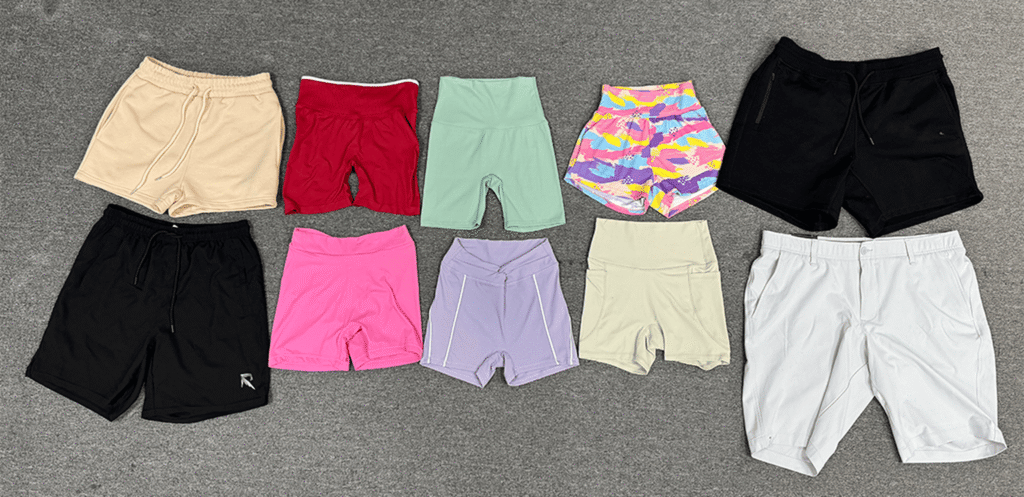
Partner With a Manufacturer That Supports Long-Term Brand Growth
Intro
Manufacturing decisions influence far more than production outcomes. The right manufacturing partner can help brands improve product consistency, accelerate development cycles and create a stronger foundation for future growth. Long-term success often depends on the stability and reliability of the supply chain behind the products.
Content
As sportswear brands grow, their manufacturing requirements become more demanding. Product assortments expand, order volumes increase and customer expectations continue to rise. What works during an initial launch may not be sufficient once a collection begins scaling.
A long-term manufacturing partnership helps brands maintain continuity across product development, production planning and inventory management. Rather than repeatedly onboarding new suppliers, brands can build stronger systems and improve operational efficiency through an established relationship.
Key areas where a manufacturing partner can support growth include:
Support Area | Business Impact |
Product Development | Faster introduction of new styles |
Sampling Support | More efficient product refinement |
Production Capacity | Ability to support growth over time |
Quality Management | Greater consistency across repeat orders |
Private Label Services | Stronger brand presentation |
Logistics Coordination | Smoother global fulfillment |
As brands mature, they often require:
- More frequent replenishment programs
- Expanded product categories
- Additional size and color options
- Faster response to market trends
- Improved forecasting support
- More reliable delivery schedules
Transaction-Based Supplier | Growth-Oriented Manufacturing Partner |
Focus on individual orders | Focus on long-term success |
Limited development continuity | Ongoing product evolution |
Reactive production planning | Structured production support |
Short-term execution | Long-term scalability |
Strong activewear brands are built through consistent products, reliable supply chains and repeatable customer experiences. Consistent products, consistent quality and consistent customer experiences create trust over time.
A manufacturing partner that can support both current needs and future expansion goals provides more than production capacity. It becomes part of the operational framework that helps brands grow with greater confidence, stronger efficiency and a more sustainable path toward long-term success.
Is Custom Sports Shorts Manufacturing Right for Your Brand?

Intro
Every sportswear brand has different goals, resources and growth plans. Understanding whether custom sports shorts manufacturing aligns with your business model helps create a more effective product strategy and supports stronger long-term decision-making.
Content
Custom sports shorts manufacturing is not only for large brands with established product lines. It can also be a practical solution for growing businesses that want greater control over product quality, brand identity and market positioning.
The suitability of custom manufacturing often depends on the objectives of the brand rather than its size.
This approach is often a strong fit for:
Brand Type | Typical Objective |
Startup Sportswear Brands | Launch products with controlled risk |
DTC Activewear Brands | Develop differentiated collections |
Private Label Retailers | Build exclusive product offerings |
Running and Fitness Brands | Create activity-specific products |
Boutique Activewear Labels | Establish premium positioning |
Sports Team Programs | Maintain consistency across orders |
Brands that benefit most from custom manufacturing often share several characteristics:
- Desire for product differentiation
- Long-term brand development goals
- Interest in private label ownership
- Need for flexible product expansion
- Focus on customer experience
- Commitment to building brand equity
Business Objective | Custom Manufacturing Advantage |
Product Differentiation | Greater control over design |
Brand Building | Stronger identity and consistency |
Collection Expansion | Easier introduction of new products |
Customer Retention | Better product experience |
Market Positioning | More flexibility in pricing strategy |
Custom sports shorts manufacturing is ultimately about creating products that reflect the identity and goals of the brand. For businesses that value differentiation, flexibility and long-term growth, it provides a pathway to build stronger collections and create a more sustainable competitive advantage.
1. Product Development
Regular monthly product development ensures consistent updates to your brand line.
2. Fabric Sourcing
Regular monthly product development ensures consistent updates to your brand line.
3. Sample Making
Regular monthly product development ensures consistent updates to your brand line.
4. Bulk Production
Regular monthly product development ensures consistent updates to your brand line.
5. Packaging & Delivery
Regular monthly product development ensures consistent updates to your brand line.
Complete OEM & ODM Sportswear Solutions
We provide complete custom sportswear manufacturing services from concept development and fabric sourcing to bulk production and worldwide delivery.
- OEM & ODM Product Development
- Functional Fabric Sourcing & Material Selection
- Pattern Making & Sample Development
- Private Label Branding & Custom Packaging
- Quality-Controlled Bulk Manufacturing
- Global DDP Shipping & Delivery Support
Frequently Asked Questions About Custom Sports Shorts Manufacturing
FAQ 1
What is the MOQ for custom sports shorts, and is it suitable for startup brands?
For most startup activewear brands and DTC businesses, a MOQ of 50–100 pieces is often enough to validate demand, test product positioning and reduce inventory risk, making it one of the safest ways to launch a private label sports shorts collection.
The biggest challenge for new brands is usually not manufacturing capacity but lack of market data. Instead of committing to large inventory investments, brands can test colors, sizing structures, price points and customer response through smaller production runs. This approach works particularly well for custom gym shorts, private label running shorts and athletic shorts collections, allowing businesses to preserve cash flow while identifying products with long-term growth potential.
FAQ 2
Can I develop custom sports shorts without a Tech Pack?
Yes. Many successful sports shorts projects begin with reference images, competitor products, sample garments or design sketches rather than a complete Tech Pack.
Most brand owners know the product they want but may not have the technical documentation needed for production. A structured development process can gradually define fabric choices, inseam lengths, waistband construction, pocket configurations, logo applications and size specifications. Starting with a concept often helps brands move faster into sampling, where real product feedback can guide further improvements before bulk production begins.
FAQ 3
What types of brands benefit most from custom sports shorts?
Custom sports shorts are particularly effective for fitness brands, running brands, yoga labels, DTC activewear businesses, studio brands and private label retailers because they offer strong repeat-purchase potential and broad market appeal.
Unlike highly specialized garments, sports shorts serve multiple use cases, including training, running, gym workouts, outdoor activities and athleisure. This flexibility allows brands to expand successful products into additional colors, sizes and seasonal collections, creating more opportunities for repeat sales and stronger customer lifetime value.
FAQ 4
What fabrics sell best for custom sports shorts?
The best-selling sports shorts fabrics are usually those that balance comfort, moisture management, stretch and durability rather than simply offering the highest technical specifications.
Popular options include nylon spandex, 4-way stretch fabrics, lightweight woven fabrics and recycled polyester materials. Running shorts often prioritize lightweight comfort and breathability, while training shorts require stronger durability and flexibility. Premium collections increasingly incorporate recycled fabrics to support sustainability goals and enhance brand positioning.
FAQ 5
How can I make custom sports shorts look more premium?
Customers are often willing to pay more for products that feel premium, so increasing perceived value is usually more effective than simply reducing production costs.
Details such as silicone logos, reflective branding, premium drawcords, custom waistbands, branded packaging and professional hang tags significantly influence first impressions. Many successful activewear brands achieve stronger margins not because their products are dramatically different, but because they present them in a more refined and professional way.
FAQ 6
How do you ensure bulk production matches approved samples?
The most effective way to maintain consistency between samples and bulk orders is through a structured quality control system that begins before production starts and continues until final inspection.
Sports shorts involve multiple variables, including measurements, waistband tension, inseam length, pocket positioning, logo application and fabric performance. Fabric approval, PP sample confirmation, in-line inspections and final quality checks help minimize variations and ensure products meet the approved standard before shipment.
FAQ 7
How long does custom sports shorts development and production take?
The timeline for custom sports shorts depends on design complexity, fabric availability and customization requirements, but a controlled process is generally more valuable than simply moving as fast as possible.
A typical project includes concept review, fabric selection, sample development, revisions, PP sample approval, bulk production and shipment coordination. Clear planning helps reduce costly revisions and allows brands to align product launches, marketing campaigns and inventory strategies more effectively.
FAQ 8
Why do many brands treat sports shorts as a long-term product category?
Successful sports shorts often become a platform for future growth rather than a one-time product launch, which is why many brands build long-term product programs around proven styles.
Once a shorts style gains traction, it can be expanded through additional colors, extended size ranges, seasonal fabric updates and matching product collections. Compared with constantly chasing new products, scaling proven styles usually involves lower risk, more predictable demand and stronger long-term profitability for activewear brands.
Browse Sportswear Catalog Categories
Explore custom sportswear catalog categories including activewear, equestrian apparel, lounge wear and specialty OEM apparel collections for global brands.
- Yoga Pant
- Sports Bras
- Tank Tops
- Gym Shorts
- Men & Kids Sportswear
- Riding Tops
- Breeches
- Competition Wear
- Jackets
- Man & Kids Equestrian
- Joggers
- Sweatshirt & Hoodies
- Sweaters
- Coat & Jacket
- Men & Kids Loungewear
Other OEM Apparel
- Tennis Clothing
- Jumpsuit
- Dress & Skirts
- Plus Size Activewear
- Maternity Activewear
Get In Touch
Contact our OEM/ODM specialists for product development, sampling, pricing, and production support.