OEM/ODM Sportswear Manufacturer | 3-Day Sampling | Low MOQ | 50K Monthly Capacity | ISO9001 & BSCI Certified

Top 10 Plus Size Private Label Leggings Manufacturers in China: 2026 Supplier Comparison & Buyer Evaluation Guide
Compare the top 10 plus size leggings manufacturers in China. Explore supplier strengths, size grading expertise, export experience, development capabilities, certifications, and evaluation frameworks to identify the best long-term manufacturing partner for your activewear brand.

Top 10 Plus Size Private Label Leggings Manufacturers in China: 2026 Supplier Comparison & Buyer Evaluation Guide
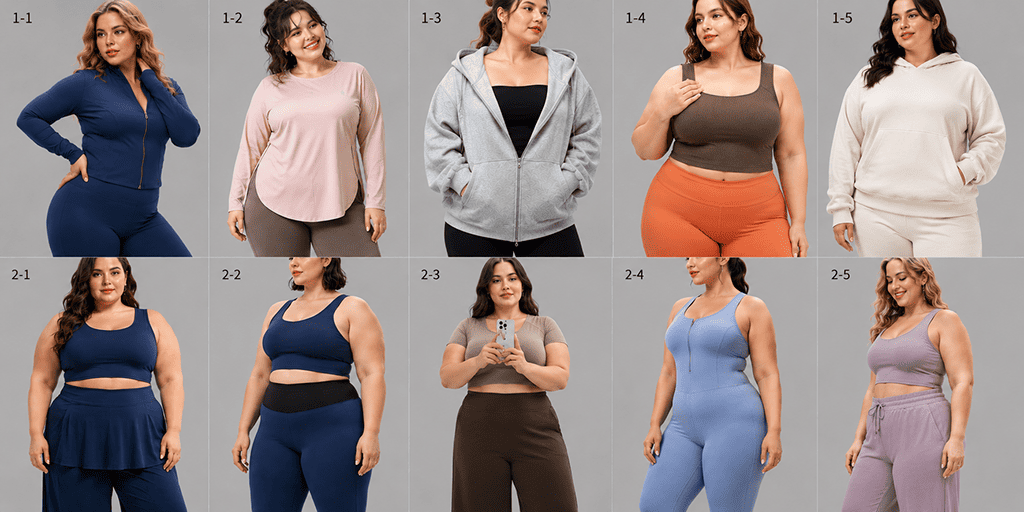
The global plus size activewear market boasts one of the fastest growth rates across the apparel sector. Modern shoppers are no longer content with merely enlarged standard sizes; they increasingly demand apparel engineered specifically for diverse body shapes, movement patterns and comfort needs. This market shift unlocks significant opportunities for brands, yet it brings a key sourcing hurdle: not all suppliers, including many Plus Size Private Label Leggings Manufacturers, possess expertise in professional plus size product development.
Many factories can produce leggings. Far fewer can successfully develop plus size leggings that deliver consistent fit, reliable performance, and strong customer satisfaction across extended size ranges. For buyers, the difference between these two types of suppliers often determines whether a collection becomes a long-term success or a costly lesson. Buyers that plan to expand beyond leggings into sports bras, activewear sets, and coordinated inclusive collections may also benefit from working with a dedicated Plus Size Activewear Manufacturer, especially when long-term product development and size-inclusive expertise are important considerations.
The challenge is that supplier websites frequently look similar. Most factories claim quality, flexibility, and experience. Yet the real differences emerge when evaluating grading systems, pattern engineering, fit-testing procedures, development resources, and category expertise.
The best plus size leggings manufacturers in China combine technical development capability, inclusive sizing knowledge, reliable production systems, and strong communication. Buyers who evaluate suppliers using structured comparison frameworks rather than price alone are often better positioned to reduce returns, improve customer retention, and build stronger brands.
This guide compares ten leading manufacturers and provides practical frameworks for supplier evaluation, helping brands make more informed sourcing decisions while avoiding common procurement mistakes.
Detailed Review of the Top 10 Plus Size Private Label Leggings Manufacturers in China
1. Dongguan Pair Fashion Co., Ltd.
Location
Dongguan, Guangdong
Founded
2016
Export Markets
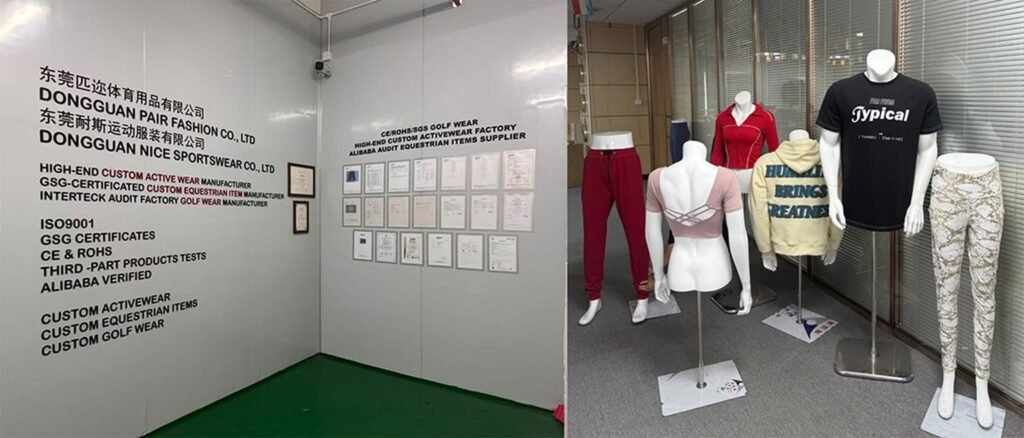
North America, Europe, Australia, New Zealand
Core Product Categories
- Plus Size Leggings
- Plus Size Activewear
- Sports Bras
- Activewear Sets
- Maternity Activewear
- Tennis Apparel
- Equestrian Apparel
Certifications
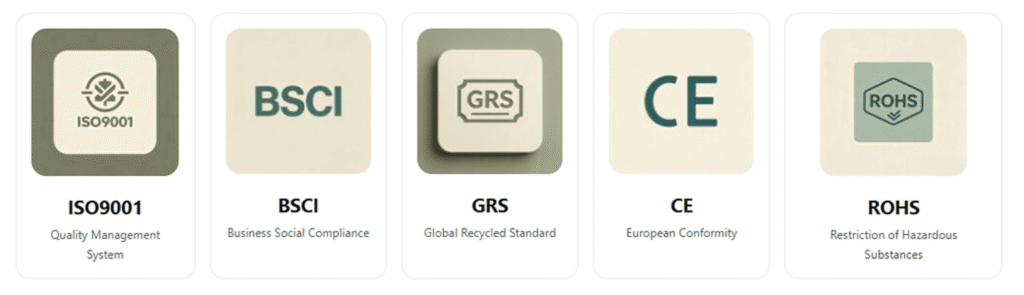
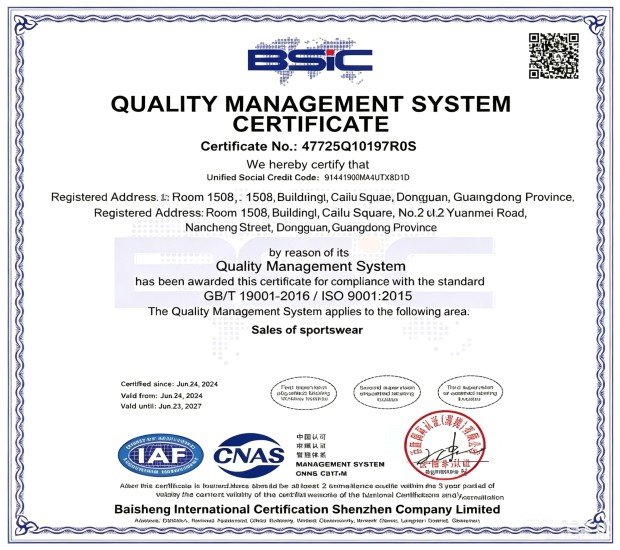
- ISO9001
- BSCI
- GRS
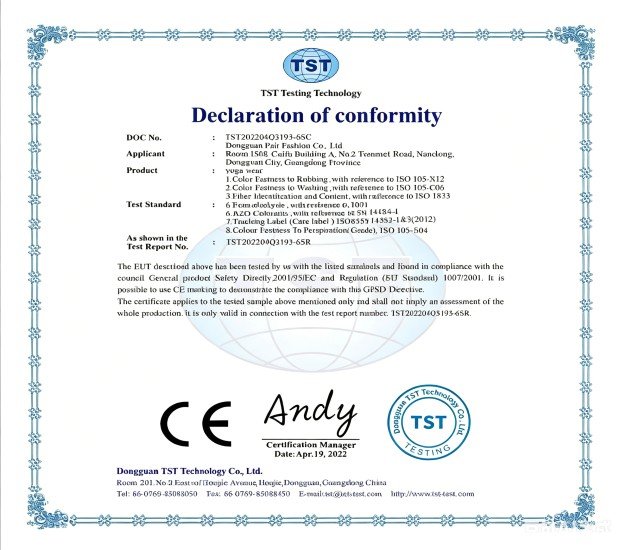
- CE
- ROHS
Best For
- Startup Brands
- DTC Activewear Brands
- Inclusive Activewear Programs
- Growing Fitness Labels
Buyer Fit Considerations
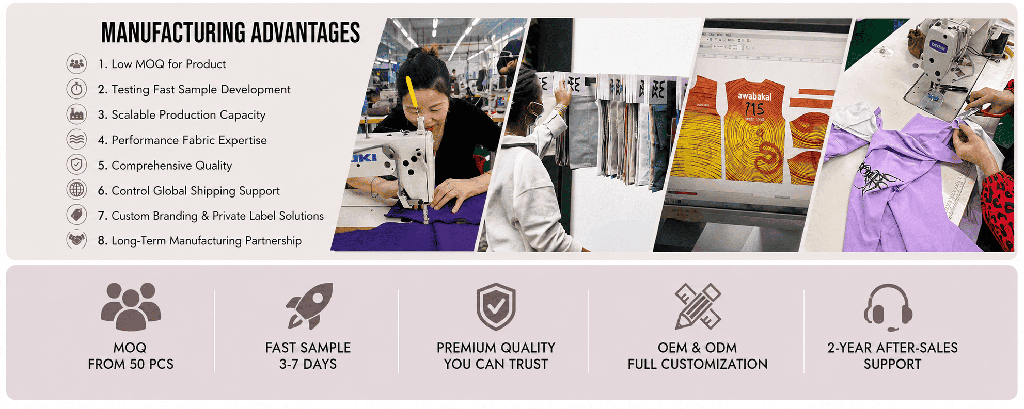
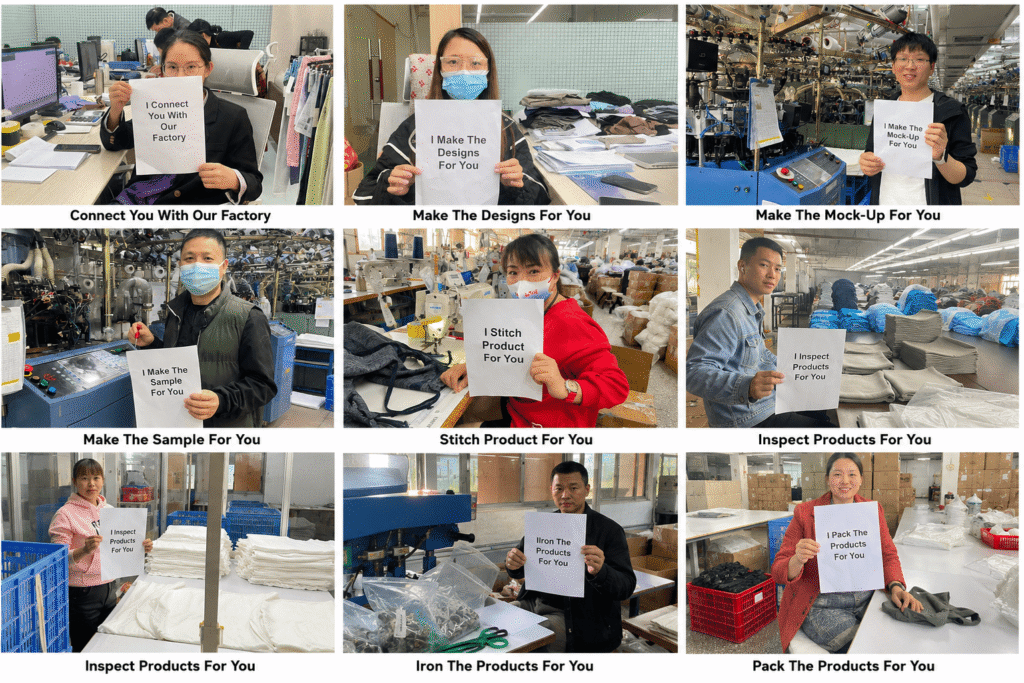
The company focuses on supporting brands requiring flexible production, extended size development, and activewear category expertise. Its product range allows buyers to expand beyond leggings into broader activewear collections as their brands grow.
Key Strengths
- Inclusive sizing expertise
- Extended-size development capability
- Fast sample development
- Activewear specialization
- Multi-category product support
- Export-focused operations
Potential Limitations
Buyers operating very large retail replenishment programs should evaluate long-term production planning requirements alongside growth forecasts.
2. Aika Sportswear
Location
Dongguan, Guangdong
Core Products
- Fitness Apparel
- Leggings
- Sports Bras
- Gym Wear
Best For
- Fitness Brands
- Established Activewear Programs
- Private Label Businesses
Key Strengths
- Activewear focus
- Broad product portfolio
- International market experience
Buyer Considerations
Brands should evaluate plus size grading capability and fit-testing procedures during supplier qualification.
3. Arabella Clothing
Location
Xiamen, Fujian
Core Products
- Activewear
- Athleisure Apparel
- Lifestyle Sportswear
Best For
- Ecommerce Brands
- DTC Businesses
- Lifestyle Labels
Key Strengths
- Flexible development
- Export experience
- Broad apparel coverage
Buyer Considerations
Request plus size-specific sample evaluations and grading information before making sourcing decisions.
4. Ingor Sportswear
Location
Guangzhou, Guangdong
Core Products
- Sustainable Activewear
- Recycled Fabric Collections
- Performance Apparel
Best For
- Eco-Conscious Brands
- Sustainable Retailers
- Premium Activewear Programs
Key Strengths
- Sustainability focus
- Recycled material sourcing
- Environmental positioning
Buyer Considerations
Some sustainable fabric programs may involve longer development timelines than conventional sourcing.
5. Hucai Sportswear
Location
Dongguan, Guangdong
Core Products
- Sportswear
- Fitness Apparel
- Casual Activewear
Best For
- Growing Brands
- Wholesale Programs
- Mid-Volume Orders
Key Strengths
- Manufacturing experience
- Product diversity
- Established operations
Buyer Considerations
Evaluate fit-testing systems and grading methodology during supplier comparison.
6. Berunwear
Location
Dongguan, Guangdong
Founded
Public information available through direct supplier communication.
Export Markets
North America, Europe, Australia
Core Product Categories
- Plus Size Activewear
- Leggings
- Sports Bras
- Athleisure Apparel
- Fitness Wear
Best For
- Ecommerce Brands
- DTC Activewear Companies
- Emerging Fitness Labels
Buyer Fit Considerations
Berunwear may appeal to brands looking for activewear-focused manufacturing support and flexible product development. Buyers should review extended-size development capability through sample evaluation rather than relying solely on product catalogs.
Key Strengths
- Activewear specialization
- Broad category coverage
- Export market experience
- Private label manufacturing support
Potential Limitations
Plus size expertise should be validated through grading documentation and sample testing.
7. SGL Sportswear
Location
Fuzhou, Fujian
Export Markets
Global Markets
Core Product Categories
- Sportswear
- Teamwear
- Training Apparel
- Activewear Collections
Best For
- Wholesale Programs
- Established Brands
- Larger Production Projects
Key Strengths
- Production infrastructure
- Manufacturing experience
- Multi-category apparel capability
Buyer Fit Considerations
Brands developing highly specialized plus size leggings should carefully review grading methodology and fit validation processes before final supplier selection.
Potential Limitations
Smaller brands may find some larger factories less flexible during early-stage product development.
8. Yotex Apparel
Location
Guangzhou, Guangdong
Export Markets
North America and Europe
Core Product Categories
- Fashion Leggings
- Lifestyle Apparel
- Casual Activewear
- Athleisure Products
Best For
- Boutique Brands
- Fashion Retailers
- Lifestyle Collections
Key Strengths
- Product customization
- Fashion-oriented development
- Broad apparel experience
Buyer Fit Considerations
Brands seeking highly technical performance leggings should request performance-focused samples for evaluation.
Potential Limitations
Technical activewear expertise may vary depending on project requirements.
9. Biying Clothing
Location
Guangzhou, Guangdong
Export Markets
International Markets
Core Product Categories
- Women’s Apparel
- Leggings
- Lifestyle Products
- Casualwear
Best For
- Women’s Fashion Brands
- Boutique Retailers
- Small-to-Mid-Sized Businesses
Key Strengths
- Women’s apparel focus
- Product flexibility
- Export experience
Buyer Fit Considerations
Brands should assess technical activewear knowledge and plus size development resources during supplier comparison.
Potential Limitations
Performance-focused activewear programs may require additional validation.
10. Qianshi Apparel
Location
Guangzhou, Guangdong
Export Markets
Global Markets
Core Product Categories
- Casual Activewear
- Lifestyle Apparel
- Leggings
- Athleisure Products
Best For
- Ecommerce Sellers
- Lifestyle Brands
- Growing Apparel Companies
Key Strengths
- Diverse product portfolio
- Private label support
- Export market participation
Buyer Fit Considerations
Evaluate category-specific expertise and communication responsiveness during supplier qualification.
Potential Limitations
Plus size specialization should be verified through sample development and technical discussions.
Top 10 Plus Size Private Label Leggings Manufacturers in China at a Glance
Many buyers begin supplier selection by requesting quotations. However, experienced sourcing professionals often evaluate supplier capability before discussing pricing. Understanding which factories specialize in activewear, inclusive sizing, sustainability, or large-scale production can significantly reduce sourcing risk.
The manufacturers listed below represent a range of strengths and business models within China’s apparel manufacturing ecosystem.
Quick Comparison Table
| Manufacturer | Location | Founded | Export Focus | Best For |
|---|---|---|---|---|
| Pair Fashion | Dongguan | 2016 | Global Markets | Startups & Growing Brands |
| Aika Sportswear | Dongguan | Public Information Available | Global Markets | Fitness Brands |
| Arabella Clothing | Xiamen | Public Information Available | Global Markets | DTC Brands |
| Ingor Sportswear | Guangzhou | Public Information Available | Global Markets | Sustainable Brands |
| Hucai Sportswear | Dongguan | Public Information Available | Global Markets | Mid-Volume Programs |
| Berunwear | Dongguan | Public Information Available | Global Markets | Ecommerce Sellers |
| SGL Sportswear | Fuzhou | Public Information Available | Global Markets | Larger Programs |
| Yotex Apparel | Guangzhou | Public Information Available | Global Markets | Boutique Brands |
| Biying Clothing | Guangzhou | Public Information Available | Global Markets | Women’s Apparel Brands |
| Qianshi Apparel | Guangzhou | Public Information Available | Global Markets | Lifestyle Brands |
Why Brands Choose Pair Fashion
Many brands struggle with slow sampling, unstable quality, delayed delivery and unreliable suppliers.
- Slow sampling cycles
- Production inconsistency
- Poor communication
- Logistics complexity
- No after-sales support
- Can’t design products.
Which Suppliers Are Best for Different Business Models?
Not every supplier is suitable for every buyer.
Startup Brands
Usually prioritize:
- Flexible order quantities
- Product development support
- Faster learning cycles
- Reduced inventory risk
DTC Brands
Typically prioritize:
- Product differentiation
- Speed to market
- Fabric innovation
- Frequent launches
Wholesale Programs
Often prioritize:
- Reorder consistency
- Stable quality
- Operational reliability
Retail Chains
Generally prioritize:
- Compliance
- Documentation
- Production capacity
- Supply chain stability
The strongest sourcing outcomes occur when supplier strengths align with business objectives rather than simply offering the lowest quotation.
Why Is Plus Size Manufacturing Different From Standard Activewear?
Many sourcing professionals initially assume that plus size leggings are simply larger versions of standard-size products.
This assumption is one of the most common causes of product failure in the inclusive activewear market.
Successful plus size leggings development requires specialized pattern engineering, advanced grading systems, fabric performance analysis, and extensive fit validation.
Manufacturers with genuine plus size expertise often produce products that deliver:
- Better fit consistency
- Lower return rates
- Higher customer satisfaction
- Stronger repeat purchase behavior
The difference between manufacturing plus size products and truly understanding plus size product development is often what separates average suppliers from outstanding partners.
What Is Plus Size Pattern Engineering?
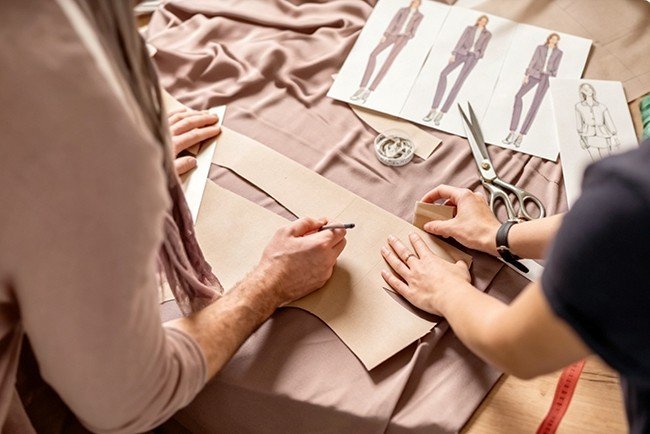
Pattern engineering is the process of creating garment structures that account for:
- Body shape
- Movement
- Stretch behavior
- Fabric performance
In standard-size apparel, pattern scaling often follows predictable mathematical rules.
In plus size apparel, body proportions change differently as sizes increase.
For example:
- Hip measurements may expand at different rates than waist measurements.
- Rise depth often changes disproportionately.
- Compression requirements vary across body areas.
- Fabric stress increases significantly.
As a result, experienced manufacturers frequently create dedicated plus size base patterns instead of relying entirely on traditional grading methods.
Why Does Size Grading Matter More in Inclusive Sizing?
Size grading determines how measurements change across a size range.
Poor grading often leads to:
- Waistband rolling
- Uneven compression
- Fit inconsistency
- Customer dissatisfaction
- Increased returns
One of the biggest mistakes brands make is assuming that a successful XL pattern automatically translates into a successful 4XL or 5XL pattern.
In reality, grading quality often has a greater impact on customer satisfaction than fabric selection.
Manufacturers with strong grading systems usually invest heavily in fit validation because small grading errors become increasingly visible as size ranges expand. Professional manufacturers typically develop grading systems based on body measurement data rather than simple size scaling. Industry organizations such as ASTM apparel sizing standards provide widely recognized frameworks that help manufacturers establish more accurate garment sizing and fit consistency.
How Do Fit Issues Impact Customer Retention?
Fit is one of the strongest drivers of repeat purchases in activewear.
Consumers who discover a brand that consistently fits well often become loyal long-term customers.
Poor fit experiences frequently lead to:
- Product returns
- Negative reviews
- Reduced trust
- Lower customer lifetime value
For this reason, many successful brands view fit consistency as a strategic advantage rather than a technical requirement.
The right supplier can contribute significantly to achieving that consistency.
What Causes Most Plus Size Leggings Returns?
Several recurring issues account for the majority of fit-related returns.
Inconsistent Sizing
Customers receive products that fit differently than expected.
Waistband Problems
Waistbands roll, slide, or lose support during movement.
Opacity Failures
Fabric becomes transparent when stretched.
Recovery Issues
Garments lose shape after repeated wear.
Compression Imbalances
Support feels uneven across different body areas.
Many of these problems originate during product development rather than production.
This is why supplier evaluation is so important.
Why Are More Brands Choosing China for Plus Size Leggings Manufacturing?
China remains one of the world’s leading sourcing destinations for activewear and inclusive apparel.
While labor cost discussions often dominate sourcing conversations, experienced buyers increasingly choose China for reasons that extend far beyond manufacturing price.
The country’s integrated textile ecosystem, specialized development resources, and scalable production infrastructure continue attracting brands from around the world. China remains one of the world’s most important apparel manufacturing hubs due to its mature supply chain, extensive fabric sourcing network, advanced production capabilities, and ability to scale efficiently for international brands. Global trade data published by the World Trade Organization (WTO) continues to highlight China’s significant role in international textile and apparel exports.
What Makes China’s Supply Chain Advantage Unique?
China possesses one of the most comprehensive textile supply chains in the global apparel industry.
Key ecosystem components include:
- Fabric mills
- Dye houses
- Printing suppliers
- Trim manufacturers
- Packaging providers
- Pattern development teams
- Apparel factories
Because these resources operate within highly connected networks, brands often benefit from:
- Faster development
- Easier problem solving
- Reduced sourcing complexity
- Greater product flexibility
This advantage becomes especially valuable when developing technically demanding products such as plus size leggings.
China vs Vietnam vs Turkey vs Portugal
Which Country Is Better for Plus Size Activewear?
| Factor | China | Vietnam | Turkey | Portugal |
|---|---|---|---|---|
| Supply Chain Depth | Excellent | Moderate | Good | Good |
| Fabric Availability | Excellent | Moderate | Good | Good |
| Product Development Resources | Excellent | Moderate | Good | Good |
| Supplier Diversity | Excellent | Moderate | Moderate | Limited |
| Plus Size Development Experience | Strong | Moderate | Moderate | Moderate |
| Production Scalability | Excellent | Strong | Moderate | Limited |
Every sourcing destination offers advantages.
Nevertheless, China remains a leading destination boasting an exceptional mix of development expertise, manufacturing agility and scalable production capacity.
Why Do Buyers Source Plus Size Products Differently?
Unlike standard apparel, plus size products often require:
- Additional fit validation
- Specialized grading systems
- More extensive sample reviews
- Enhanced fabric evaluation
Because of these requirements, buyers frequently prioritize development capability over manufacturing cost.
The strongest suppliers are often those capable of helping brands solve product-development challenges rather than simply producing garments.
Are Chinese Manufacturers Still Competitive in 2026?
Yes.
However, China’s competitive advantage has evolved significantly.
Today, many suppliers compete through:
- Product development expertise
- Fabric innovation
- Supply chain integration
- Quality systems
- Operational reliability
rather than labor cost alone.
This evolution helps explain why China remains one of the most attractive sourcing destinations for activewear brands worldwide.
Which Plus Size Leggings Categories Are Growing Fastest?
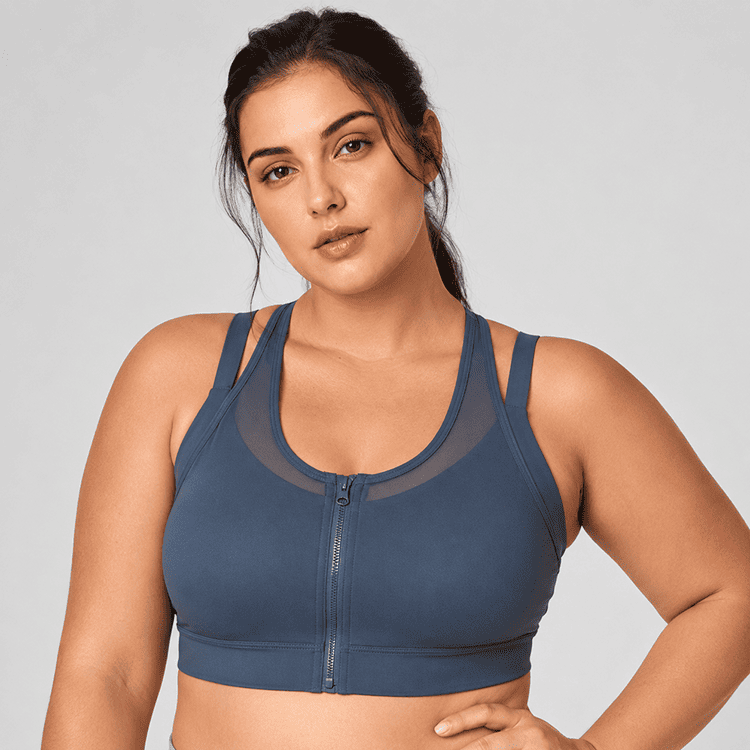
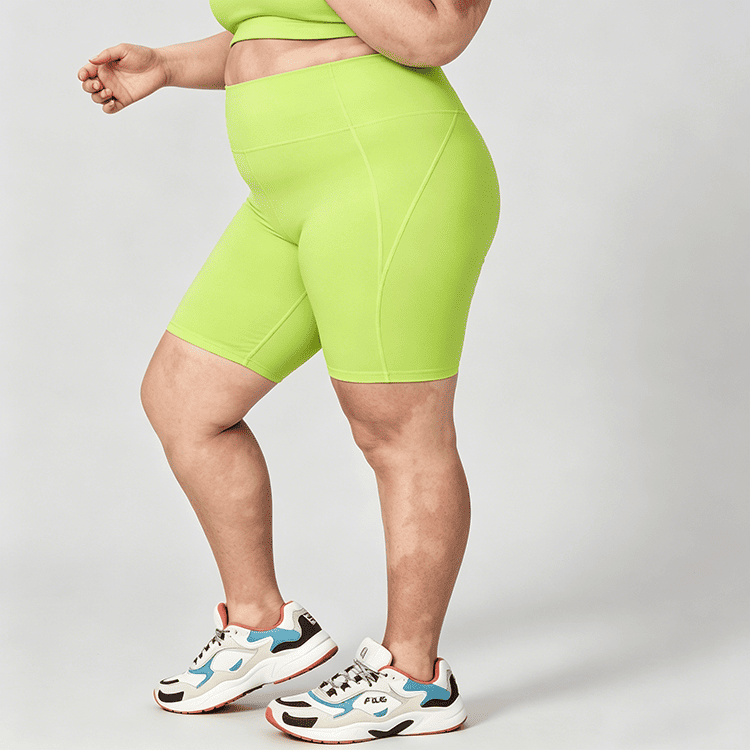
The plus size activewear market is no longer a niche segment. It has become one of the fastest-growing categories within the global fitness apparel industry. As consumers demand better fit, greater inclusivity, and more functional products, brands are expanding beyond basic leggings into specialized product categories designed around specific needs and lifestyles.
For buyers comparing manufacturers, understanding category trends can be just as important as evaluating production capabilities. Factories that actively develop products within growing categories often possess stronger innovation resources, better fabric knowledge, and greater market awareness.
The categories below are expected to remain among the strongest growth opportunities through 2026 and beyond.
Why Are High-Waisted Plus Size Leggings Still Dominating the Market?
High-waisted leggings continue to generate strong consumer demand because they address several common fit concerns simultaneously.
Consumers frequently cite:
- Improved support
- Better coverage
- Enhanced confidence
- More secure movement
as key reasons for choosing high-waisted designs.
From a manufacturing perspective, waistband construction becomes one of the most critical technical factors.
A successful waistband must provide:
- Stability during movement
- Consistent compression
- Shape retention
- Long-term comfort
Manufacturers with strong pattern-engineering capabilities often outperform competitors in this category because waistband performance directly influences customer satisfaction.
For many brands entering the plus size activewear market, high-waisted leggings remain the safest and most scalable starting point.
Why Are Compression Leggings Continuing to Grow?
Compression products have expanded far beyond professional athletics.
Today’s consumers increasingly seek products that provide:
- Muscle support
- Workout confidence
- Improved recovery
- Enhanced body contouring
However, compression development becomes significantly more challenging in plus size apparel.
Too much compression may create discomfort.
Too little compression may reduce product effectiveness.
The most successful manufacturers balance:
- Fabric density
- Stretch characteristics
- Panel placement
- Compression mapping
to create garments that support movement without restricting comfort.
Brands targeting fitness-focused consumers often prioritize compression collections because they offer stronger product differentiation than basic leggings.
Are Pocket Leggings Becoming a Standard Product?
In many markets, pocket leggings have shifted from a premium feature to an expected feature.
Consumers increasingly use activewear throughout the day rather than exclusively during exercise.
As a result, functionality has become a major purchasing factor.
Pocket leggings support:
- Phone storage
- Keys
- Cards
- Everyday convenience
However, pockets introduce additional development complexity.
Manufacturers must carefully manage:
- Weight distribution
- Fabric recovery
- Seam durability
- Pocket stability
Poorly designed pockets often create sagging, distortion, or reduced comfort.
Experienced suppliers understand how to integrate functionality without compromising fit performance.
Why Is Seamless Activewear Still Expanding?
Seamless apparel remains one of the most influential innovations within the activewear industry.
Consumers frequently associate seamless products with:
- Comfort
- Flexibility
- Reduced irritation
- Modern aesthetics
For plus size products, however, seamless development requires advanced technical expertise.
Manufacturers must balance:
- Stretch recovery
- Compression
- Opacity
- Durability
across multiple size ranges.
Factories with seamless knitting capabilities often possess unique competitive advantages because relatively few suppliers can successfully combine seamless technology with inclusive sizing programs.
As consumer expectations continue rising, seamless plus size collections are expected to remain a major growth segment.
Why Are Sustainable Plus Size Leggings Becoming More Important?
Sustainability is increasingly influencing purchasing decisions across nearly every apparel category.
Consumers now expect environmentally responsible options regardless of size range.
Popular sustainable materials include:
- Recycled Nylon
- Recycled Polyester
- Organic Cotton Blends
- Bio-Based Fibers
Many retailers are actively expanding sustainable product offerings to meet evolving consumer expectations.
For manufacturers, sustainability increasingly involves more than fabric selection.
Buyers frequently evaluate:
- Material traceability
- Environmental certifications
- Waste reduction initiatives
- Packaging practices
Suppliers capable of supporting sustainability goals may gain stronger long-term positioning as regulatory and consumer expectations continue evolving.
Why Do XL–6XL Inclusive Collections Represent One of the Largest Opportunities?
Many brands continue offering only limited extended-size options.
As a result, substantial market opportunities remain underserved.
Consumers increasingly seek:
- Wider size ranges
- Consistent fit
- Fashion-forward designs
- Performance-oriented products
Manufacturers capable of supporting:
- Extended grading systems
- Multiple fit models
- Inclusive development programs
often help brands access customer segments that remain relatively underserved compared to standard-size markets.
The ability to deliver consistent fit across XL–6XL collections may become one of the most important competitive advantages in the coming years.

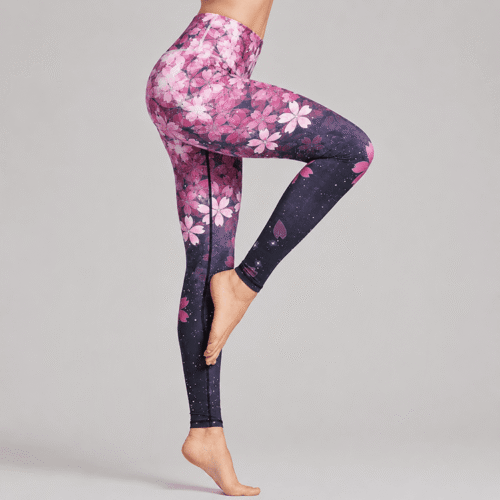
Custom Cherry Blossom Print Yoga Leggings OEM ODM High Waist Workout Pants
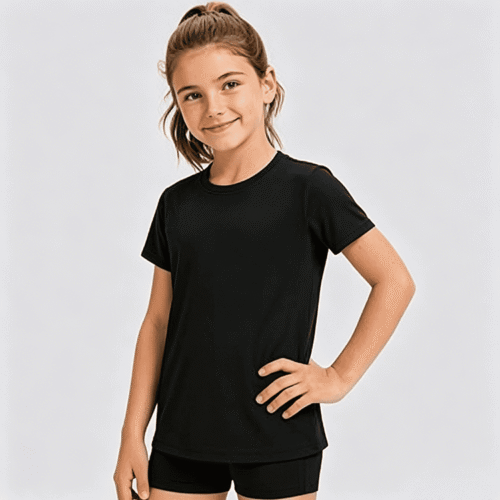
Custom Girls Activewear T-Shirt OEM ODM Kids Performance Tee
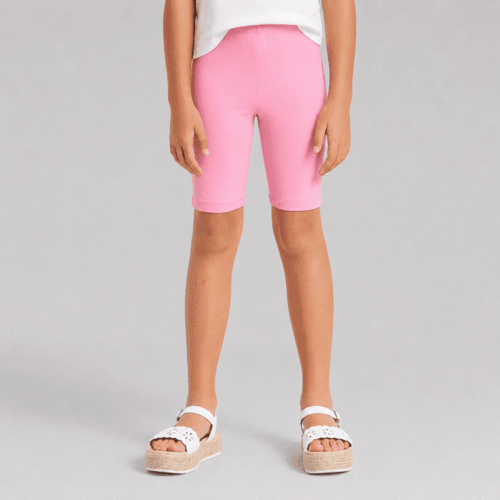
Custom Girls Biker Shorts OEM ODM Kids Activewear Shorts
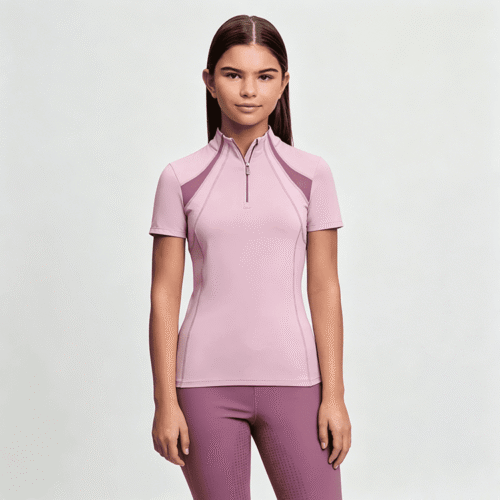
Custom Girls Equestrian Base Layer Short Sleeve Riding Shirt OEM ODM
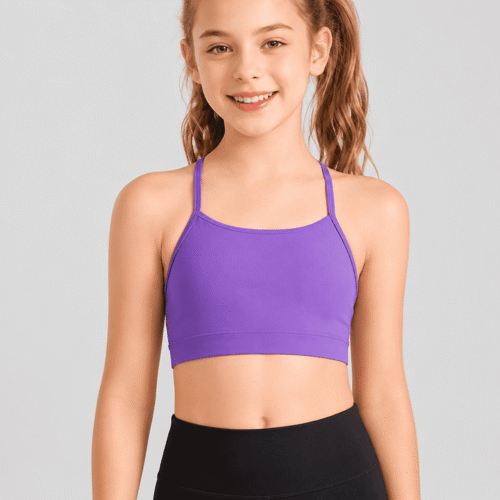
Custom Girls Sports Bra OEM ODM Youth Activewear Training Bra
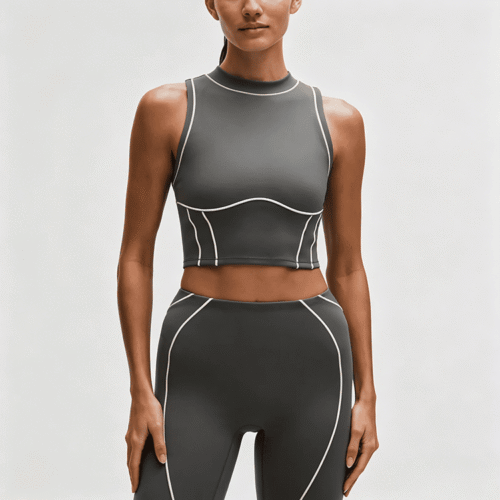
Custom High Neck Performance Crop Tank Top OEM ODM Activewear
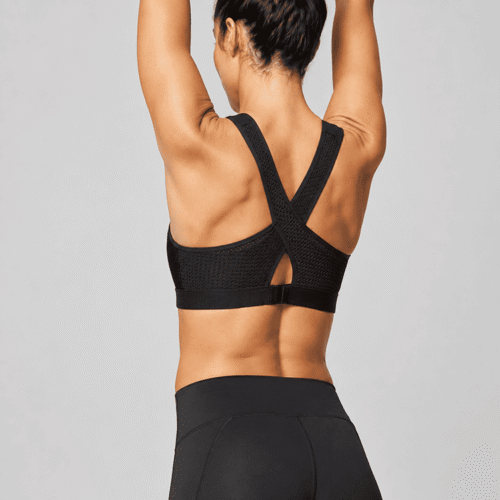
Custom High Support Cross Back Sports Bra OEM ODM Workout Bra
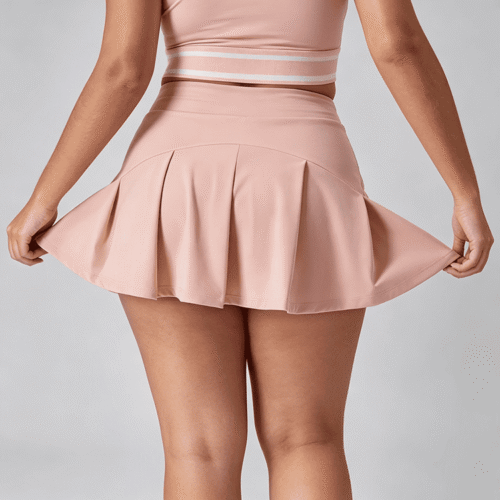
Custom High Waist Pleated Tennis Skort OEM ODM Women’s Tennis Wear
How Do Buyers Identify True Plus Size Expertise?
One of the biggest sourcing mistakes buyers make is assuming that any activewear factory automatically understands plus size development.
In reality, many suppliers simply increase measurements from standard-size patterns and market the products as plus size collections.
True expertise goes far beyond sizing up existing products.
Manufacturers with genuine plus size experience typically demonstrate stronger capabilities in pattern engineering, grading systems, fit testing, and consumer understanding.
Knowing how to identify these capabilities can dramatically improve sourcing outcomes.
What Questions Reveal Real Development Capability?
When evaluating suppliers, buyers should move beyond basic questions about MOQ and pricing.
More revealing questions include:
- How is your plus size grading system developed?
- How many sizes are fit-tested?
- What fit models are used?
- How do you validate waistband performance?
- How do you evaluate opacity during stretch testing?
The quality of the supplier’s answers often reveals more than the answers themselves.
Experienced manufacturers usually provide detailed explanations rather than generic responses.
How Many Sizes Should Be Tested?
Many factories test only one sample size.
This approach often creates problems across larger size ranges.
Strong development programs frequently test:
- Core sizes
- Mid-range sizes
- Extended sizes
to ensure consistency throughout the collection.
The broader the size range, the more important multi-size validation becomes.
Brands should be cautious when suppliers rely exclusively on a single fit sample.
What Does a Strong Grading System Look Like?
A strong grading system accounts for changes in body proportions rather than simply applying mathematical scaling.
Effective grading considers:
- Waist-to-hip relationships
- Rise depth
- Thigh circumference
- Compression requirements
- Movement dynamics
Manufacturers that cannot clearly explain their grading methodology may present higher development risk.
How Can Buyers Verify Plus Size Experience?
Several indicators often reveal genuine expertise.
Positive Signals
- Dedicated plus size collections
- Multiple fit models
- Extended grading documentation
- Detailed sample reviews
- Technical activewear experience
Warning Signs
- Generic sizing charts
- No fit-testing procedures
- Limited grading explanations
- One-size-fits-all development approaches
The strongest suppliers typically demonstrate expertise through process transparency rather than marketing claims.
What Data Should Buyers Request Before Comparing Suppliers?
Many sourcing decisions are based on incomplete information.
Requesting the right data early in the evaluation process can help buyers compare suppliers more objectively and reduce sourcing risk.
The goal is not simply to collect information.
The goal is to identify indicators that predict long-term supplier performance.
Factory Certifications
Buyers should request information regarding:
- ISO systems
- Sustainability certifications
- Product compliance programs
- Quality management standards
Certifications do not guarantee product quality, but they often provide useful insight into operational maturity.
Export Market Experience
Questions worth asking include:
- Which markets do you currently serve?
- What percentage of production is exported?
- Which countries represent your largest customer base?
Export experience often influences communication quality, documentation accuracy, and operational efficiency.
Sample Evaluation Documentation
Buyers should review:
- Sample reports
- Fit feedback
- Revision history
- Development notes
These documents frequently reveal the sophistication of a supplier’s development process.
Fabric Performance Information
Manufacturers should be able to provide information regarding:
- Stretch recovery
- Opacity
- Moisture management
- Fabric composition
- Durability
Strong suppliers typically possess deeper technical knowledge of material performance.
Size Grading Documentation
Grading systems directly influence customer satisfaction.
Buyers should request:
- Measurement charts
- Grade rules
- Size specifications
- Fit evaluation procedures
This information often provides valuable insight into development capability.

How Can Buyers Evaluate Plus Size Leggings Development Capability?
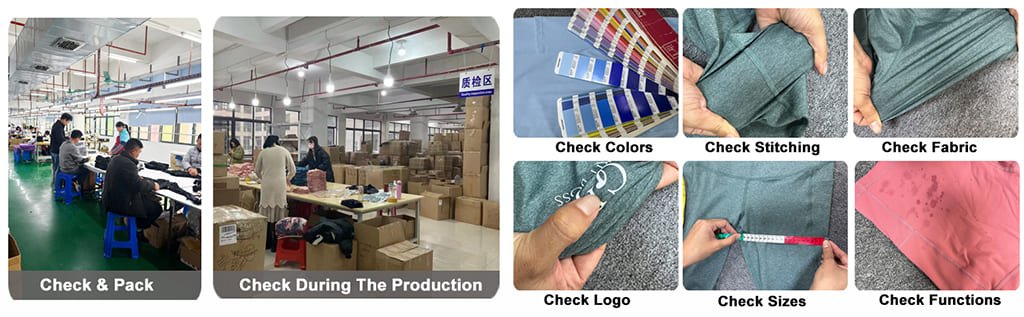
Numerous sourcing efforts fall through well before production kicks off.
Poor manufacturing quality is not always the culprit. More often than not, insufficient product development capability lies at the root.
A factory may possess modern equipment, competitive pricing, and attractive lead times. However, if the supplier lacks the ability to develop plus size leggings correctly, the final product may still suffer from poor fit, inconsistent sizing, or elevated return rates.
For this reason, experienced buyers often evaluate development capability before discussing production capacity.
The strongest suppliers contribute technical expertise throughout the entire product lifecycle.
What Fabric Performance Standards Matter Most?
Fabric selection is one of the most important decisions in plus size leggings development.
Many performance issues can be traced directly to inappropriate material choices.
Key performance indicators include:
Stretch Recovery
The fabric’s ability to return to its original shape after repeated use.
Poor recovery often leads to:
- Bagging
- Knee distortion
- Waistband stretching
Opacity
Opacity refers to the fabric’s resistance to transparency during stretching.
Consumers increasingly expect squat-proof performance, particularly in activewear products.
Compression Performance
Compression should provide support without restricting movement.
The ideal balance varies according to:
- Activity level
- Product positioning
- Customer expectations
Moisture Management
Sweat-wicking capability remains important for both fitness and lifestyle applications.
Durability
Long-term performance often influences customer satisfaction more than initial appearance.
The best manufacturers evaluate these factors collectively rather than individually.
How Do Buyers Verify Fit Testing Procedures?
Fit testing is one of the strongest indicators of supplier maturity.
Manufacturers with structured testing processes often identify problems before they reach consumers.
Questions buyers should ask include:
How Many Fit Models Are Used?
A single fit model rarely represents an entire size range.
Which Sizes Are Tested?
Testing only one sample size may increase sizing inconsistency.
How Is Movement Evaluated?
Strong suppliers often assess:
- Squatting
- Stretching
- Walking
- Running
- Sitting
How Is Feedback Documented?
Structured fit reports typically indicate stronger development systems.
Manufacturers that cannot clearly explain their fit-testing procedures may present higher sourcing risk.
Which Development Indicators Predict Better Product Quality?
Several indicators frequently correlate with stronger long-term performance.
Positive Indicators
- Dedicated pattern-making teams
- Plus size development experience
- Multi-size fit validation
- Fabric testing procedures
- Structured sample review systems
Additional Positive Signals
- Fast problem resolution
- Clear communication
- Technical product knowledge
- Consistent sample quality
Potential Warning Signs
- Generic responses
- Limited fit-testing information
- Poor sample consistency
- Weak technical explanations
Supplier quality is often revealed through development behavior rather than marketing materials.
Why Does Development Capability Matter More Than Production Capacity?
Many buyers initially focus on factory size.
However, large production capacity alone does not guarantee product success.
A smaller supplier with stronger development resources may create better outcomes than a larger supplier with limited technical expertise.
Successful products are usually built during development.
Production simply replicates what development creates.
For this reason, brands increasingly prioritize:
- Technical knowledge
- Product expertise
- Development systems
over manufacturing scale alone.
How Do Plus Size Leggings Return Rates Impact Brand Profitability?
Many brands spend significant time negotiating manufacturing costs while paying relatively little attention to return rates.
In reality, return rates often have a larger impact on profitability than minor differences in production pricing.
A supplier capable of reducing returns can create substantial long-term value.
This is particularly important within the plus size market, where fit consistency plays a critical role in customer satisfaction.
Why Are Return Rates Higher in Plus Size Apparel?
Several factors contribute to higher return rates compared with standard-size apparel.
Inconsistent Sizing
Consumers frequently encounter different sizing standards between brands.
Fit Expectations
Customers often have highly specific fit preferences.
Product Performance
Issues such as:
- Rolling waistbands
- Transparency
- Compression imbalance
can trigger returns even when measurements appear correct.
Limited Trust
Consumers who have experienced repeated sizing inconsistencies may be more cautious when purchasing new brands.
Reducing these risks requires stronger product development and supplier expertise.
What Return Metrics Should Brands Track?
Leading apparel brands often monitor:
| Metric | Purpose |
|---|---|
| Size-Related Returns | Evaluate grading effectiveness |
| Fit Complaints | Identify pattern issues |
| Product Exchanges | Detect sizing confusion |
| Customer Reviews | Measure satisfaction |
| Repeat Purchase Rate | Assess long-term success |
| Return Reason Analysis | Identify recurring problems |
These metrics frequently provide more useful insights than manufacturing cost data alone.
How Can Better Supplier Selection Reduce Returns?
The strongest manufacturers contribute to return reduction through:
Better Grading Systems
Consistent sizing improves customer confidence.
Improved Fit Testing
Problems are identified before launch.
Fabric Expertise
Appropriate materials support better performance.
Development Support
Potential issues are addressed earlier.
Product Validation
Structured review processes improve reliability.
Supplier selection therefore becomes a profitability decision rather than simply a sourcing decision.
Why Do Return Rates Matter More Than Unit Cost?
Consider the following example:
Supplier A
- Lower production cost
- Higher return rate
Supplier B
- Slightly higher production cost
- Lower return rate
In many situations, Supplier B generates greater profitability because fewer products are returned, exchanged, discounted, or replaced.
Experienced buyers increasingly evaluate:
- Customer lifetime value
- Return reduction
- Brand reputation
alongside manufacturing cost.
Supplier Scorecard: A Practical Framework for Comparing Manufacturers
Most sourcing decisions begin with quotations.
The problem is that quotations rarely reveal the factors that determine long-term supplier performance.
Two manufacturers may offer similar pricing while delivering dramatically different outcomes in:
- Product quality
- Fit consistency
- Development support
- Communication efficiency
- Customer satisfaction
A structured supplier scorecard allows buyers to compare factories using measurable criteria rather than assumptions.
This approach is particularly valuable when evaluating plus size leggings manufacturers because technical capability often matters more than production cost.
Which Evaluation Criteria Matter Most?
Not every supplier capability contributes equally to product success.
For plus size leggings, some factors have a significantly greater impact on fit quality, return rates, and customer retention.
Recommended Evaluation Framework
| Evaluation Category | Weight |
|---|---|
| Plus Size Pattern Engineering | 20% |
| Size Grading Capability | 15% |
| Fabric Expertise | 15% |
| Product Development Support | 15% |
| Quality Control Systems | 10% |
| Communication Efficiency | 10% |
| Lead Time Reliability | 10% |
| Sustainability Capability | 5% |
This framework prioritizes long-term product performance rather than short-term manufacturing cost.
Sample Supplier Scoring Matrix
An objective scoring system helps buyers compare suppliers more effectively.
Example
| Criteria | Weight | Supplier A | Supplier B | Supplier C |
|---|---|---|---|---|
| Pattern Engineering | 20% | 9 | 7 | 8 |
| Size Grading | 15% | 9 | 6 | 8 |
| Fabric Expertise | 15% | 8 | 7 | 9 |
| Development Support | 15% | 9 | 7 | 8 |
| Quality Systems | 10% | 8 | 8 | 7 |
| Communication | 10% | 9 | 6 | 8 |
| Lead Time Reliability | 10% | 8 | 8 | 7 |
| Sustainability | 5% | 8 | 7 | 8 |
| Total Score | 100% | 8.7 | 7.0 | 8.0 |
This approach often reveals supplier strengths that are not immediately visible during quotation comparisons.
How Should Startup Brands Score Suppliers?
Startup brands face unique challenges.
Most operate with:
- Limited inventory budgets
- Uncertain sales forecasts
- Product validation objectives
As a result, flexibility often becomes more valuable than scale.
Highest Priority Factors
- Development support
- Communication quality
- Lower MOQ flexibility
- Sample responsiveness
- Problem-solving ability
Lower Priority Factors
- Massive production capacity
- Complex compliance programs
- Multi-factory infrastructure
The ideal supplier for a startup is often a development partner rather than simply a manufacturer.
How Should Retail Buyers Score Suppliers?
Retail chains and large wholesale organizations typically prioritize operational consistency.
Highest Priority Factors
- Compliance systems
- Capacity planning
- Quality assurance
- Documentation
- Production stability
Lower Priority Factors
- Ultra-low MOQ options
- Experimental product development
The supplier selection framework should reflect business objectives rather than applying the same criteria to every sourcing situation.
What Is the Real Cost of Choosing the Wrong Supplier?
Most sourcing decisions place heavy emphasis on manufacturing costs.
Yet some of the costliest errors made when selecting suppliers have very little to do with unit prices.
The true cost of choosing the wrong supplier often appears after products reach customers.
At that point, changing suppliers becomes significantly more expensive and disruptive.
Why Is Unit Cost Often Misleading?
A supplier offering a lower quotation may initially appear attractive.
However, the total cost of ownership often includes factors such as:
- Product returns
- Quality claims
- Delayed launches
- Inventory write-offs
- Customer dissatisfaction
These costs frequently exceed the original manufacturing savings.
How Can Product Returns Destroy Profitability?
Returns affect profitability in several ways.
Direct Costs
- Refunds
- Replacement products
- Return shipping
Indirect Costs
- Customer service labor
- Negative reviews
- Lost future sales
- Reduced brand trust
A supplier capable of reducing return rates often creates more value than a supplier offering marginally lower production pricing.
How Do Development Delays Affect Business Growth?
Delayed product launches can impact:
- Marketing campaigns
- Seasonal opportunities
- Inventory planning
- Revenue forecasts
In many situations, speed-to-market contributes more value than small manufacturing cost differences.
This is why experienced buyers frequently evaluate development efficiency alongside production capability.
Why Is Supplier Reliability a Competitive Advantage?
Reliable suppliers contribute to:
- Better forecasting
- Stronger inventory management
- Improved customer satisfaction
- More predictable growth
The best manufacturing relationships often resemble strategic partnerships rather than transactional vendor arrangements.
Red Flags When Choosing a Plus Size Leggings Manufacturer
Many sourcing failures can be traced back to warning signs that appeared early in the evaluation process.
Recognizing these red flags can help buyers avoid costly mistakes.
Red Flag #1: No Clear Explanation of Grading Systems
If a supplier cannot explain:
- Size grading methodology
- Measurement development
- Fit validation procedures
there may be cause for concern.
Strong suppliers typically discuss these topics confidently and in detail.
Red Flag #2: Weak Fabric Knowledge
Manufacturers should understand:
- Compression behavior
- Stretch recovery
- Opacity performance
- Moisture management
Generic answers often indicate limited technical expertise.
Red Flag #3: No Structured Fit Testing
Warning signs include:
- Single-size testing only
- No wear testing
- No movement evaluation
- No fit documentation
These gaps frequently create fit-related issues after launch.
Red Flag #4: Unrealistic Promises
Be cautious when suppliers claim:
- Any deadline is possible
- Any volume can be produced immediately
- Every sample will be perfect
Experienced manufacturers generally provide realistic expectations.
Red Flag #5: Communication Problems During Development
Sampling is usually the easiest stage of a sourcing project.
If communication issues appear early, larger operational challenges may emerge later.
Warning signs include:
- Delayed responses
- Incomplete information
- Frequent misunderstandings
- Missed commitments
Communication quality often predicts long-term supplier performance.
Which Supplier Type Fits Your Business Model?
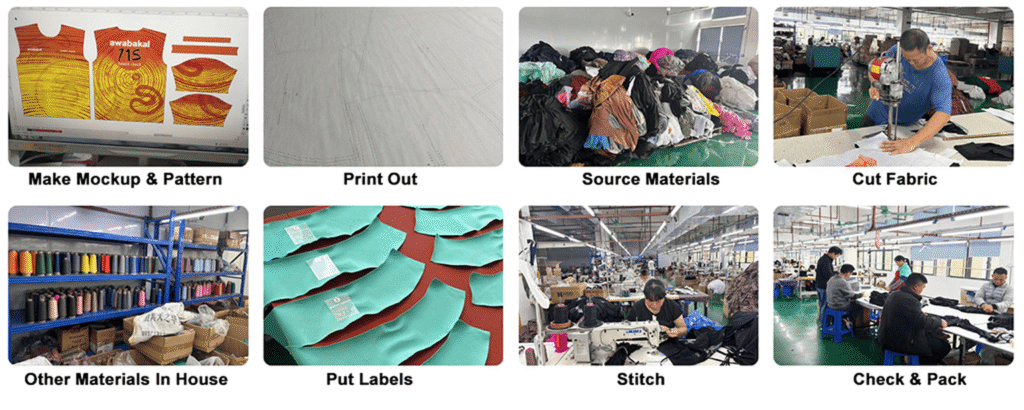
Selecting the right manufacturer is not simply about finding a factory that can produce leggings.
The most successful sourcing relationships occur when supplier strengths align with business goals, operational requirements, and growth strategies.
A manufacturer that performs exceptionally well for a large retailer may not be the best fit for a startup brand. Likewise, a factory optimized for small-batch development may struggle to support large-scale replenishment programs.
Understanding these differences helps buyers build more productive long-term partnerships.
How Should Startup Brands Evaluate Suppliers?
Startup brands typically operate with:
- Limited inventory budgets
- Uncertain demand forecasts
- Product validation objectives
- Higher financial risk
For these businesses, flexibility often matters more than scale.
Startup Priorities
- Development support
- Lower MOQ flexibility
- Fast sample revisions
- Strong communication
- Product guidance
Less Important Factors
- Massive production capacity
- Complex compliance systems
- Multi-factory infrastructure
Recommended Supplier Type
A development-focused manufacturing partner capable of supporting product testing and market validation.
Many successful activewear brands prioritize learning speed during their early stages rather than minimizing production cost.
How Should DTC Brands Evaluate Suppliers?
Direct-to-consumer brands frequently compete through:
- Product innovation
- Customer experience
- Brand differentiation
- Speed to market
As a result, supplier evaluation often focuses heavily on development capability.
DTC Priorities
- Product innovation
- Development speed
- Fabric flexibility
- Trend responsiveness
- Category expansion capability
Recommended Supplier Type
A technically strong activewear manufacturer with proven development expertise and flexible production systems.
DTC brands often benefit from suppliers capable of adapting quickly to changing consumer preferences.
How Should Wholesale Buyers Evaluate Suppliers?
Wholesale programs usually prioritize consistency.
Their success often depends on predictable replenishment cycles and reliable inventory planning.
Wholesale Priorities
- Production stability
- Quality consistency
- Reorder reliability
- Operational efficiency
- Scalable capacity
Recommended Supplier Type
An established OEM manufacturer with structured systems and extensive repeat-order experience.
For wholesale businesses, consistency often becomes more important than flexibility.
How Should Retail Chains Evaluate Suppliers?
Retail buyers frequently focus on risk management.
Supplier evaluation often emphasizes:
- Compliance
- Documentation
- Capacity
- Audit readiness
- Quality assurance
Retail Priorities
- Manufacturing stability
- Compliance systems
- Production planning
- Long-term scalability
Recommended Supplier Type
Factories with international certifications, structured operating systems, and experience supporting complex retail supply chains.
Retail sourcing decisions are often driven by operational predictability rather than development flexibility.
Business Model Matching Framework
| Business Type | Recommended Supplier Profile |
|---|---|
| Startup Brand | Flexible Development Partner |
| DTC Brand | Product Innovation Specialist |
| Growing Activewear Brand | Scalable Development Manufacturer |
| Wholesale Program | Consistency-Focused OEM Supplier |
| Retail Chain | Compliance-Oriented Production Partner |
Optimal sourcing decisions come when a supplier’s strengths align with your business goals, rather than when buyers merely opt for the biggest factory or the lowest quote.
Frequently Asked Questions About Plus Size Private Label Leggings Manufacturers in China
1. Who Is the Best Plus Size Leggings Manufacturer in China?
There is no universal answer because different brands have different priorities.
A startup launching its first collection may benefit from a supplier offering flexible order quantities and stronger development support. A large retailer may prioritize compliance systems, production scalability, and supply chain stability.
The best manufacturer is the supplier whose capabilities align most closely with the brand’s business model, growth stage, and long-term objectives.
2. Can Chinese Factories Develop Products From Tech Packs?
Yes.
Most experienced activewear manufacturers can develop products using:
- Tech packs
- Measurement charts
- CAD files
- Reference garments
- Specification sheets
However, the final product quality depends heavily on:
- Technical accuracy
- Fabric selection
- Pattern development
- Sample review procedures
Manufacturers with stronger development teams often identify potential issues before production begins.
3. How Long Does Sampling Usually Take?
Sampling timelines vary according to:
- Product complexity
- Fabric sourcing requirements
- Factory workload
- Number of revisions
Typical timelines include:
| Stage | Typical Timeline |
|---|---|
| Initial Sample | 3–10 Days |
| Sample Revisions | 5–10 Days |
| Fabric Development | 3–14 Days |
| Final Approval | Depends on Brand Review |
Buyers should always confirm current timelines directly with suppliers.
4. Do Chinese Manufacturers Offer Sustainable Fabric Options?
Many suppliers now support sustainable sourcing programs.
Common options include:
- Recycled Nylon
- Recycled Polyester
- Organic Cotton Blends
- Bio-Based Fibers
As sustainability expectations continue growing, manufacturers with environmentally responsible sourcing programs may become increasingly attractive long-term partners.
5. How Can Buyers Verify Plus Size Development Experience?
Several indicators often reveal genuine expertise.
Buyers should request:
- Extended-size samples
- Grading documentation
- Fit-testing information
- Development case studies
- Size-range specifications
The strongest suppliers usually demonstrate expertise through transparent processes rather than marketing claims.
6. What Causes Most Plus Size Leggings Returns?
Common causes include:
- Inconsistent sizing
- Poor grading
- Waistband instability
- Compression imbalance
- Fabric transparency
- Recovery issues
Many of these problems originate during development rather than production.
This is why supplier selection plays such an important role in product success.
7. How Can Buyers Protect Product Designs?
Brands can reduce risk through:
- Clear agreements
- Technical documentation
- Trademark protection
- Structured supplier relationships
- Controlled information sharing
Long-term partnerships with reputable suppliers often provide stronger protection than transactional sourcing relationships.
8. What Factors Predict Long-Term Supplier Performance?
Several indicators frequently correlate with successful long-term partnerships.
These include:
- Development capability
- Communication quality
- Product consistency
- Technical expertise
- Operational reliability
- Continuous improvement
The strongest suppliers create value throughout the product lifecycle rather than simply producing garments.
Final Thoughts: How to Choose the Right Manufacturing Partner
The plus-size activewear market keeps expanding, with consumers increasingly seeking apparel tailored to their unique needs, instead of merely scaled-up versions of standard clothing.
This trend creates substantial opportunities for brands, but it also raises expectations regarding fit consistency, product performance, and customer experience.
Choosing the right manufacturing partner is therefore one of the most important sourcing decisions a brand can make.
The strongest suppliers contribute far more than production capacity.
They support:
- Product development
- Pattern engineering
- Size grading
- Fabric sourcing
- Quality management
- Long-term scalability
Brands that evaluate suppliers using structured comparison frameworks rather than price alone are often better positioned to reduce returns, improve customer satisfaction, and strengthen profitability.
When comparing plus size leggings manufacturers in China, buyers should focus on:
- Development expertise
- Grading systems
- Fabric knowledge
- Communication quality
- Operational reliability
These factors frequently have a greater impact on long-term business success than manufacturing cost alone.
Whether launching a new activewear brand, expanding into inclusive sizing, or evaluating alternative sourcing partners, a structured supplier comparison process can help identify manufacturers capable of supporting both immediate business goals and future growth.
The most successful brands do not simply choose a factory.
They choose a manufacturing partner capable of growing with them.