OEM/ODM Sportswear Manufacturer | 3-Day Sampling | Low MOQ | 50K Monthly Capacity | ISO9001 & BSCI Certified

Top 10 Custom Plus Size Leggings Manufacturers in China: 2026 Supplier Comparison & Sourcing Guide
Compare the top custom plus size leggings manufacturers in China. Discover supplier strengths, size grading expertise, fit development capabilities, MOQ benchmarks, sourcing strategies, and evaluation frameworks to choose the right manufacturing partner for your brand.
Top 10 Custom Plus Size Leggings Manufacturers in China: 2026 Supplier Comparison & Sourcing Guide
The plus size activewear market is no longer limited to larger-sized copies of standard workout clothing. Today’s consumers seek apparel engineered for varied body shapes, movement habits and comfort demands. Brands entering or growing in this niche frequently underestimate a key sourcing challenge: partnering with qualified Custom Plus Size Leggings Manufacturers to develop leggings that ensure uniform fit, stable performance and sustained buyer satisfaction over extended size ranges.
Many factories can manufacture leggings. Far fewer can successfully develop plus size leggings. The difference becomes evident in areas such as size grading, waistband engineering, opacity performance, compression distribution, and fit consistency. These factors directly influence customer reviews, return rates, and repeat purchases.
The best custom plus size leggings manufacturers in China combine specialized pattern engineering, inclusive sizing expertise, technical fabric knowledge, and scalable production capabilities. Brands evaluating suppliers should compare development resources, grading systems, fit-testing processes, and supply chain strengths rather than focusing solely on manufacturing cost.
China continues to lead global activewear manufacturing because of its integrated textile ecosystem, advanced development resources, and supplier diversity. However, not every supplier offers the same level of plus size expertise. This guide compares ten leading manufacturers and provides a practical framework for selecting the right supplier for your business.
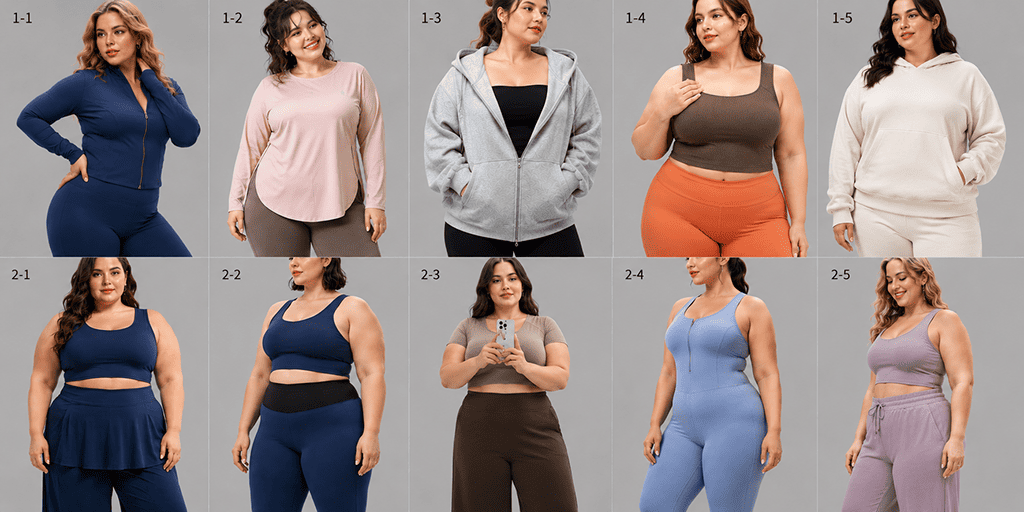
Detailed Review of the Top 10 Custom Plus Size Leggings Manufacturers in China
1. Dongguan Pair Fashion Co., Ltd.
Overview
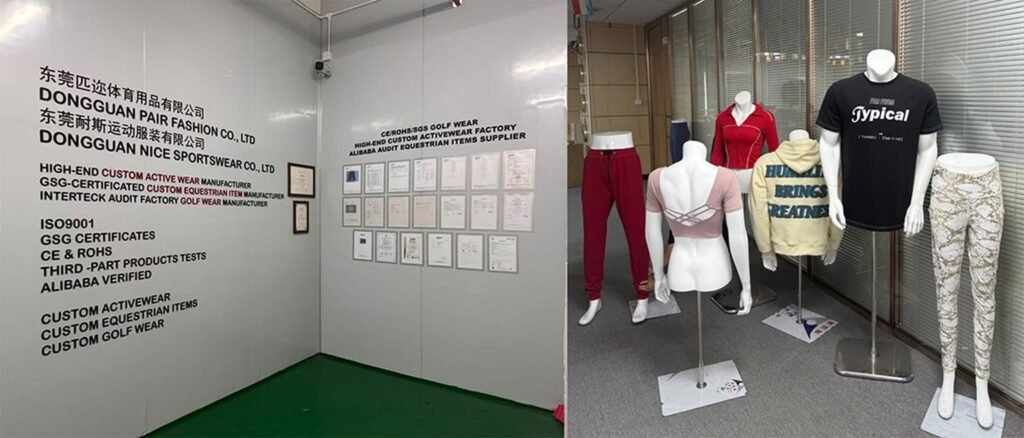
Dongguan Pair Fashion focuses on functional activewear, inclusive sizing programs, and private label apparel development. The company supports brands requiring flexible order quantities, rapid product development, and extended size ranges.
Key Information
Location: Dongguan, Guangdong
Founded: 2016
Core Products:
- Plus Size Leggings
- Plus Size Activewear
- Sports Bras
- Activewear Sets
- Maternity Activewear
- Tennis Apparel
Certifications:
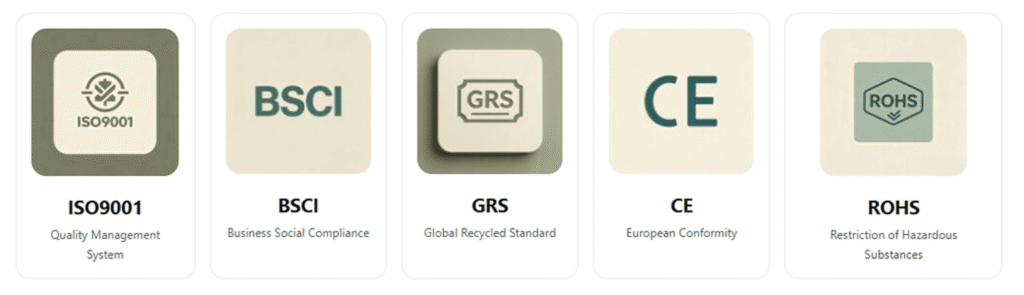
- ISO9001
- BSCI
- GRS
- CE
- ROHS
Suitable For
- Startup Brands
- DTC Activewear Businesses
- Boutique Retailers
- Emerging Plus Size Brands
Buyer Considerations
The company may be particularly attractive to brands requiring lower MOQs, faster development cycles, and inclusive sizing expertise. Buyers should still conduct their own supplier evaluation process and sample review.
Potential Strengths
- Extended size range development
- Flexible production programs
- Activewear specialization
- Export-focused operations
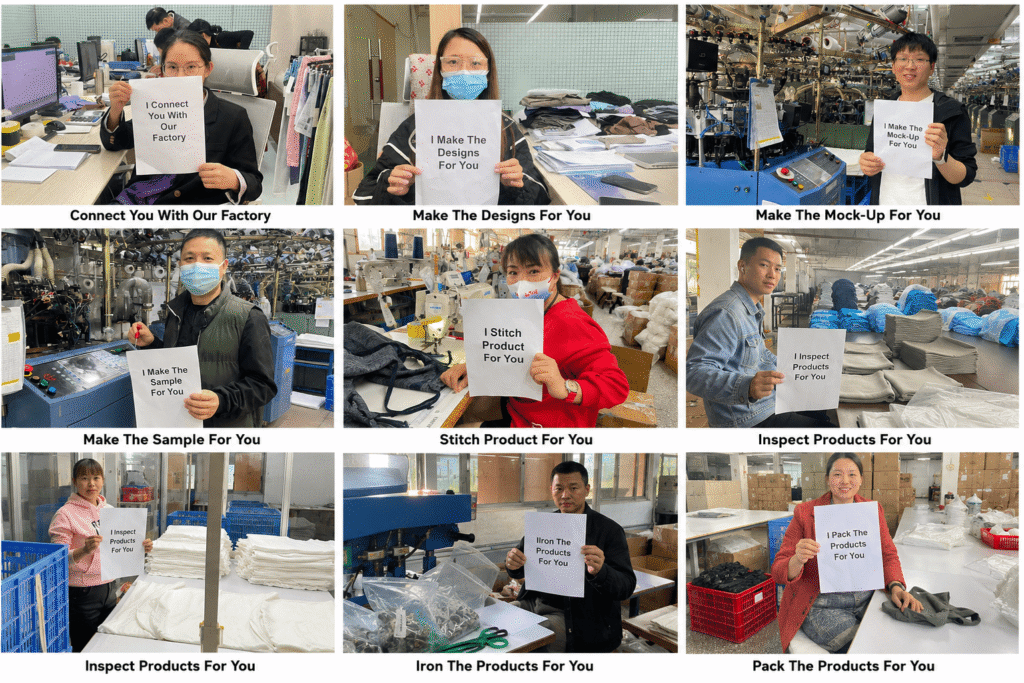
2. Aika Sportswear
Overview
Aika Sportswear is widely known within China’s activewear manufacturing sector and offers a broad range of fitness apparel products.
Suitable For
- Activewear Brands
- Fitness Businesses
- Private Label Programs
Buyer Considerations
Brands should evaluate plus size grading capabilities and fit consistency through sample development before committing to larger orders.
Potential Strengths
- Broad activewear portfolio
- Export experience
- Product category diversity
3. Arabella Clothing
Overview
Arabella Clothing focuses on activewear and lifestyle apparel with an emphasis on export-oriented manufacturing.
Suitable For
- DTC Brands
- Ecommerce Sellers
- Lifestyle Activewear Businesses
Buyer Considerations
Brands should request plus size-specific samples and grading information during evaluation.
4. Ingor Sportswear
Overview
Ingor is frequently associated with sustainable activewear manufacturing and environmentally focused product development.
Suitable For
- Sustainable Brands
- Eco-Conscious Retailers
- Premium Activewear Programs
Buyer Considerations
Sustainable fabric programs may require additional development time and MOQ considerations.
5. Hucai Sportswear
Overview
Hucai offers extensive sportswear manufacturing experience and broad category coverage.
Suitable For
- Growing Brands
- Wholesale Programs
- Mid-Volume Orders
Buyer Considerations
Buyers should verify plus size fit-testing procedures and grading methodologies.
6. Berunwear
Overview
Berunwear focuses on activewear and athleisure apparel manufacturing for international markets. The company serves a range of private label brands and is often considered by buyers looking for flexible product development and activewear category experience.
Key Information
Location: Dongguan, Guangdong
Core Products:
- Plus Size Activewear
- Leggings
- Sports Bras
- Athleisure Apparel
- Training Wear
Suitable For
- Ecommerce Brands
- DTC Activewear Brands
- Athleisure Collections
Buyer Considerations
Brands should review plus size fit-testing procedures and request multiple sample sizes during evaluation. Product development capability may vary depending on project complexity.
Potential Strengths
- Activewear specialization
- Export market experience
- Broad product portfolio
- Private label support
Potential Limitations
- Plus size expertise should be validated through sampling
- Fabric development resources may differ by project
7. SGL Sportswear
Overview
SGL Sportswear operates within the broader sportswear and activewear sector and serves a variety of international customers. Its manufacturing infrastructure may appeal to brands seeking larger-scale production support.
Key Information
Location: Fuzhou, Fujian
Core Products:
- Activewear
- Teamwear
- Casual Sportswear
- Training Apparel
Suitable For
- Wholesale Programs
- Established Brands
- Larger Production Runs
Buyer Considerations
Brands developing premium plus size leggings should carefully evaluate grading systems and fit validation processes.
Potential Strengths
- Production stability
- Manufacturing experience
- Broad sportswear capabilities
Potential Limitations
- Development flexibility may vary
- Plus size specialization should be confirmed
8. Yotex Apparel
Overview
Yotex Apparel works across multiple apparel categories, including fashion-oriented activewear and lifestyle products.
Key Information
Location: Guangzhou, Guangdong
Core Products:
- Fashion Leggings
- Lifestyle Apparel
- Casualwear
- Activewear
Suitable For
- Boutique Brands
- Fashion Retailers
- Lifestyle Collections
Buyer Considerations
Brands seeking highly technical activewear products should request performance-focused samples for evaluation.
Potential Strengths
- Fashion-oriented product development
- Flexible customization
- Diverse product offering
Potential Limitations
- Technical activewear expertise should be reviewed
- Plus size development resources may vary
9. Biying Clothing
Overview
Biying Clothing primarily serves women’s apparel brands and offers private label development support across multiple categories.
Key Information
Location: Guangzhou, Guangdong
Core Products:
- Women’s Apparel
- Leggings
- Casualwear
- Lifestyle Collections
Suitable For
- Women’s Apparel Brands
- Boutique Retailers
- Small-to-Mid-Size Businesses
Buyer Considerations
Brands should verify technical activewear expertise and plus size grading capabilities during supplier evaluation.
Potential Strengths
- Women’s apparel focus
- Flexible production support
- Export experience
Potential Limitations
- Technical performance products may require additional validation
- Plus size specialization should be reviewed
10. Qianshi Apparel
Overview
Qianshi Apparel serves brands seeking casual activewear and lifestyle-oriented apparel manufacturing solutions.
Key Information
Location: Guangzhou, Guangdong
Core Products:
- Casual Activewear
- Lifestyle Apparel
- Leggings
- Private Label Collections
Suitable For
- Ecommerce Brands
- Lifestyle Labels
- Casual Activewear Programs
Buyer Considerations
Brands should evaluate category-specific experience and sample quality before final supplier selection.
Potential Strengths
- Diverse apparel capabilities
- Private label support
- Export participation
Potential Limitations
- Plus size specialization should be confirmed
- Technical activewear development resources may vary
Top 10 Custom Plus Size Leggings Manufacturers in China at a Glance
Choosing a supplier requires more than reviewing quotations. Buyers should evaluate technical capability, development resources, fit expertise, communication quality, and long-term scalability. The following manufacturers are among the most frequently evaluated suppliers in China’s activewear sector and represent different strengths for different business models.
Quick Comparison Table
| Manufacturer | Location | Founded | Typical MOQ* | Best For |
|---|---|---|---|---|
| Pair Fashion | Dongguan | 2016 | 50 pcs | Startups & Growing Brands |
| Aika Sportswear | Dongguan | Public Information Available | Confirm with Supplier | Activewear Brands |
| Arabella Clothing | Xiamen | Public Information Available | Confirm with Supplier | DTC Brands |
| Ingor Sportswear | Guangzhou | Public Information Available | Confirm with Supplier | Sustainable Brands |
| Hucai Sportswear | Dongguan | Public Information Available | Confirm with Supplier | Mid-Volume Programs |
| Berunwear | Dongguan | Public Information Available | Confirm with Supplier | Ecommerce Brands |
| SGL Sportswear | Fuzhou | Public Information Available | Confirm with Supplier | Larger Programs |
| Yotex Apparel | Guangzhou | Public Information Available | Confirm with Supplier | Boutique Brands |
| Biying Clothing | Guangzhou | Public Information Available | Confirm with Supplier | Women’s Apparel |
| Qianshi Apparel | Guangzhou | Public Information Available | Confirm with Supplier | Lifestyle Brands |
* MOQ and lead times may vary by product complexity, fabric selection, and customization requirements.
Why Brands Choose Pair Fashion
Many brands struggle with slow sampling, unstable quality, delayed delivery and unreliable suppliers.
- Slow sampling cycles
- Production inconsistency
- Poor communication
- Logistics complexity
- No after-sales support
- Can’t design products.
Why Is Plus Size Leggings Manufacturing Different From Standard Activewear?
Many sourcing professionals initially assume that plus size leggings are simply larger versions of standard leggings. In practice, this assumption is responsible for many of the fit issues, return requests, and product complaints seen within the activewear industry.
Successful plus size leggings development requires a completely different approach to pattern engineering, grading methodology, fabric performance analysis, and fit validation. Manufacturers that understand these differences are generally better positioned to deliver products that perform consistently across extended size ranges.
What Makes Plus Size Pattern Development More Complex?
Traditional activewear patterns are often developed around a single base size and then expanded through grading.
This approach works reasonably well across limited size ranges.
However, plus size consumers do not simply become proportionally larger versions of smaller-size consumers.
As sizes increase, body proportions change in different ways:
- Waist-to-hip ratios shift
- Thigh circumference expands differently
- Rise depth changes
- Compression distribution requirements increase
- Movement dynamics vary
Manufacturers with genuine plus size expertise often develop dedicated base patterns specifically for larger sizes instead of relying exclusively on standard grading rules.
This distinction frequently separates high-performing products from garments that generate sizing complaints.
Why Does Size Grading Matter?
Size grading determines how measurements change between sizes.
Poor grading systems can create:
- Waistband rolling
- Excessive compression
- Fabric stress
- Inconsistent fit experiences
- Customer dissatisfaction
For example, a size XL that fits well does not guarantee that a 4XL version will perform equally well.
Leading manufacturers often invest significant resources into grading validation because grading errors frequently become more visible as size ranges expand.
For brands entering the plus size market, grading capability should be considered one of the most important supplier evaluation criteria.
How Do Leading Manufacturers Test Fit Across Multiple Sizes?
One of the biggest mistakes brands make is evaluating only a single sample size.
Many fit issues emerge only when garments are tested across a wider size range.
Experienced suppliers often evaluate:
Static Fit
How the garment fits while standing.
Dynamic Fit
How the garment performs during movement.
Compression Performance
How support is distributed across different body areas.
Comfort Testing
How the garment feels during extended wear.
Recovery Performance
How well the garment maintains shape after repeated use.
Manufacturers that conduct structured fit testing typically produce more reliable results than suppliers relying solely on pattern grading software.
What Causes Most Fit-Related Returns?
Returns represent one of the largest hidden costs in apparel ecommerce.
For plus size leggings, common causes include:
- Inaccurate sizing
- Waistband instability
- Insufficient opacity
- Fabric bagging
- Poor recovery
- Uneven compression
Many of these issues originate during development rather than production.
As a result, selecting manufacturers with strong development processes can often reduce return rates more effectively than improving quality inspections alone.
How Can Brands Improve Size Consistency?
Size consistency is one of the strongest predictors of customer satisfaction.
Brands can improve consistency through:
- Accurate technical specifications
- Detailed grading rules
- Multiple fit models
- Wear testing programs
- Fabric validation procedures
Successful plus size programs are usually built through collaboration between brands and suppliers rather than relying on manufacturing execution alone.
Why Are More Brands Choosing China for Custom Plus Size Leggings Manufacturing?
China remains a dominant force within global activewear manufacturing. Although conversations tend to centre on production costs, seasoned buyers often opt for China thanks to its robust supply chains, mature product development ecosystem and access to specialised industry resources.
For plus size leggings specifically, China’s manufacturing infrastructure offers several advantages that are difficult to replicate elsewhere.
What Makes China’s Supply Chain Different?
China’s apparel ecosystem includes:
- Textile mills
- Dye houses
- Printing facilities
- Trim suppliers
- Packaging providers
- Development teams
- Manufacturing factories
Because these resources operate within highly integrated supply chains, brands can often move through development and production more efficiently.
This ecosystem becomes particularly valuable for products requiring multiple development revisions, such as plus size leggings. Many brands that start with leggings eventually expand into sports bras, tops, shorts, and coordinated fitness collections. For this reason, buyers often evaluate whether a supplier also operates as a specialized plus size activewear manufacturer capable of supporting broader inclusive activewear programs.
How Does China Reduce Product Development Costs?
Many sourcing costs originate from inefficiencies rather than garment production itself.
China’s integrated supply chain often helps reduce:
- Fabric sourcing delays
- Sample revision timelines
- Communication bottlenecks
- Logistics complexity
For brands launching new products, development speed frequently creates more value than small differences in manufacturing cost.
Why Does China Offer Better Fabric Access?
Fabric performance plays a critical role in plus size activewear.
Popular requirements include:
- Four-way stretch
- Moisture management
- Compression support
- Squat-proof opacity
- Shape retention
Chinese textile suppliers provide access to a wide variety of materials, including:
- Nylon-Spandex Blends
- Recycled Performance Fabrics
- Seamless Knits
- Brushed Fabrics
- Compression Fabrics
This flexibility allows brands to develop products across multiple market segments and price points.
China vs Vietnam vs Turkey vs Portugal: Which Country Is Better?
| Factor | China | Vietnam | Turkey | Portugal |
|---|---|---|---|---|
| Supply Chain Depth | Excellent | Moderate | Good | Good |
| Fabric Availability | Excellent | Moderate | Good | Good |
| Product Development Resources | Excellent | Moderate | Good | Good |
| Supplier Diversity | Excellent | Moderate | Moderate | Limited |
| Plus Size Manufacturing Experience | Strong | Moderate | Moderate | Moderate |
| Scalability | Excellent | Strong | Moderate | Limited |
For many plus size activewear brands, China offers the strongest combination of flexibility, development capability, and production scalability.
Are Chinese Manufacturers Still Competitive in 2026?
Yes.
However, China’s competitive advantage has evolved.
Rather than competing solely on labor costs, many manufacturers now compete through:
- Product development expertise
- Supply chain integration
- Technical knowledge
- Customization flexibility
- Production reliability
These advantages continue to make China one of the most attractive sourcing destinations for custom plus size leggings programs.
How Do Plus Size Leggings Return Rates Impact Brand Profitability?
One of the most overlooked costs in the apparel industry is product returns. While sourcing discussions often focus on manufacturing costs, shipping expenses, and MOQs, return rates frequently have a greater impact on long-term profitability.
In the next section, we will examine why fit-related returns occur, how they affect customer lifetime value, and what brands can do to reduce return risk through better supplier selection and product development practices.
Many brands spend months negotiating manufacturing costs while overlooking a much larger threat to profitability: product returns.
A difference of $0.50 in manufacturing cost may have little impact on overall profitability. However, a return rate increase from 10% to 20% can dramatically reduce margins, increase operational complexity, and weaken customer trust.
For plus size leggings, return rates are often influenced more by fit consistency than by garment quality itself. As a result, supplier selection and product development processes directly affect financial performance.
The most successful brands do not simply focus on producing leggings. They focus on reducing the reasons customers return them.
Why Are Return Rates Higher in Plus Size Apparel?
Plus size consumers frequently face inconsistent sizing across brands.
A customer who comfortably wears a 2XL from one brand may require a 3XL from another.
This inconsistency creates uncertainty during purchasing decisions.
Common return drivers include:
- Incorrect fit expectations
- Waistband discomfort
- Rolling waistbands
- Inadequate stretch
- Sheerness during movement
- Compression inconsistencies
These issues often originate during development rather than manufacturing.
How Do Returns Affect Profitability?
Many brands underestimate the true cost of returns.
Direct costs include:
- Return shipping
- Inspection
- Repackaging
- Inventory handling
Indirect costs often have an even greater impact.
Examples include:
Reduced Customer Lifetime Value
Customers who experience sizing issues are less likely to purchase again.
Negative Reviews
Poor fit frequently generates public complaints that influence future buyers.
Increased Customer Service Costs
Return-related support requests consume operational resources.
Inventory Loss
Returned products may become unsellable or require discounting.
In many cases, preventing returns creates greater financial value than reducing manufacturing costs.
What Return Rate Benchmarks Should Brands Monitor?
While return rates vary by market and product category, brands should closely monitor:
| Metric | Why It Matters |
|---|---|
| Size-Related Returns | Indicates grading accuracy |
| Fit Complaints | Reveals pattern issues |
| Fabric Complaints | Highlights material selection problems |
| Repeat Purchase Rate | Measures customer satisfaction |
| Exchange Requests | Identifies sizing confusion |
These metrics provide valuable feedback for future product development.
How Can Better Suppliers Reduce Returns?
Experienced manufacturers often contribute to return reduction through:
- Better grading systems
- More accurate patterns
- Improved fabric recommendations
- Enhanced fit testing
- Better size chart development
The strongest suppliers view fit consistency as a strategic objective rather than a production outcome.
For brands competing in ecommerce, reducing returns often becomes a significant competitive advantage.

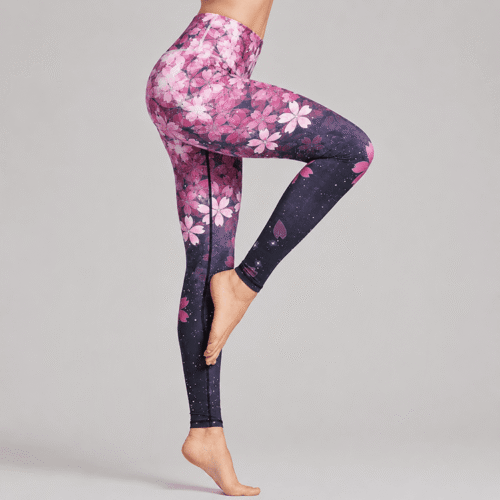
Custom Cherry Blossom Print Yoga Leggings OEM ODM High Waist Workout Pants
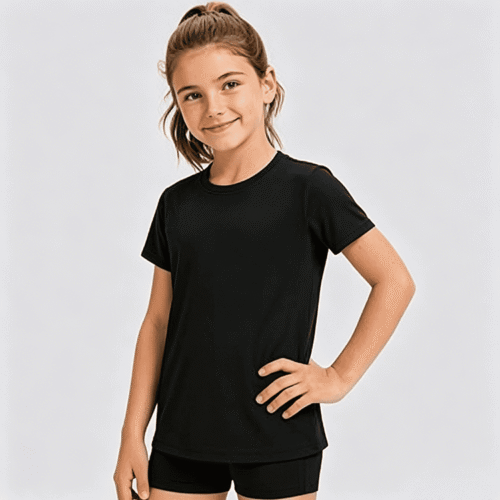
Custom Girls Activewear T-Shirt OEM ODM Kids Performance Tee
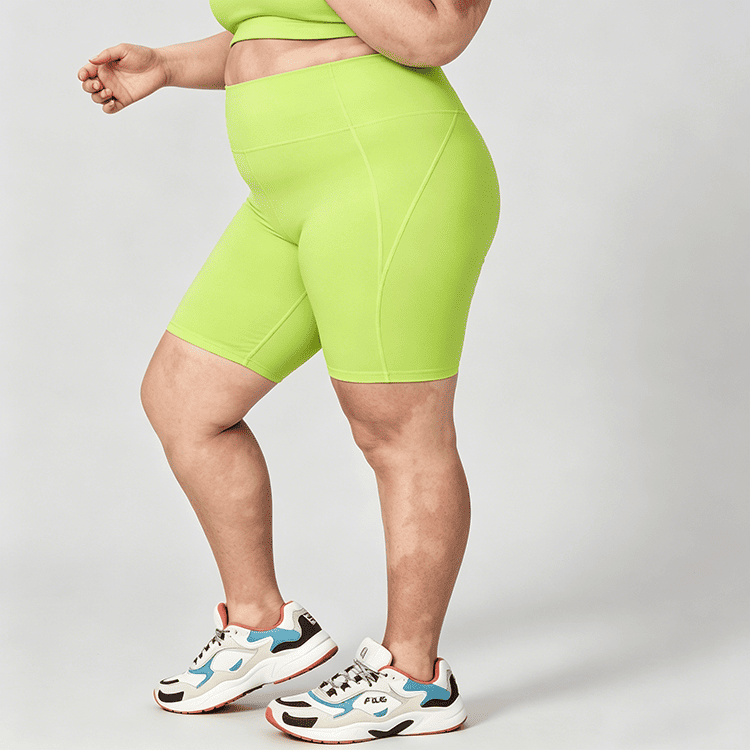
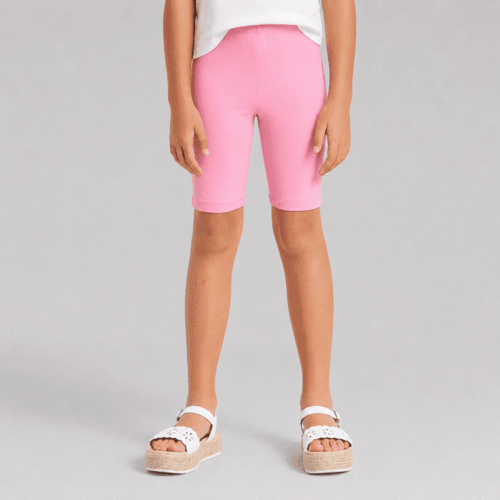
Custom Girls Biker Shorts OEM ODM Kids Activewear Shorts
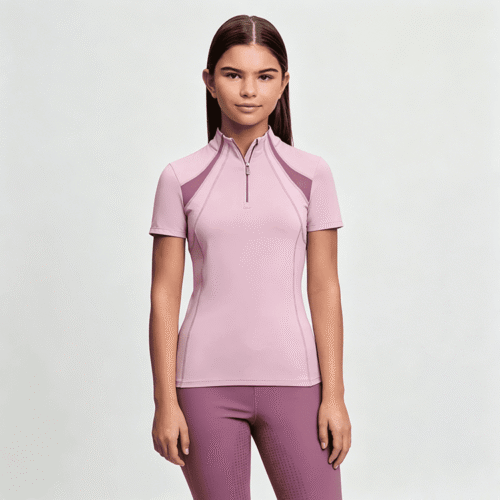
Custom Girls Equestrian Base Layer Short Sleeve Riding Shirt OEM ODM
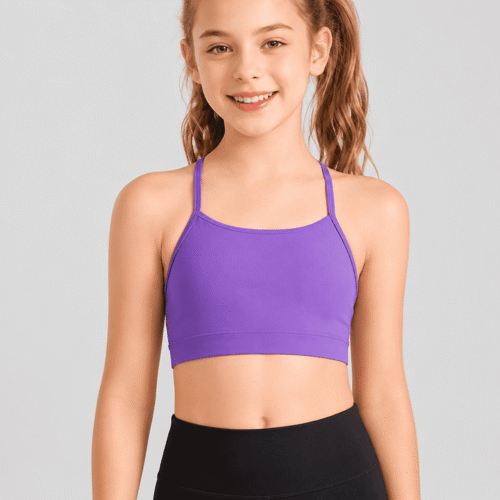
Custom Girls Sports Bra OEM ODM Youth Activewear Training Bra
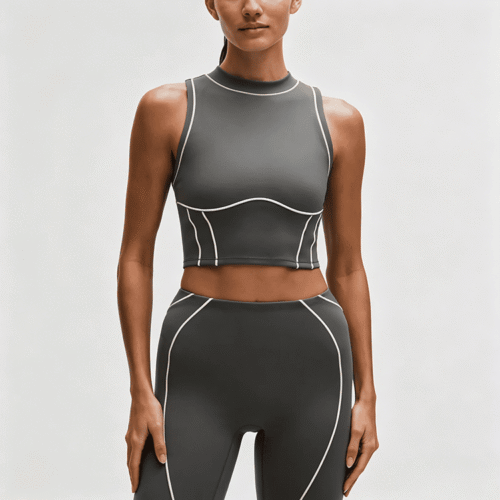
Custom High Neck Performance Crop Tank Top OEM ODM Activewear
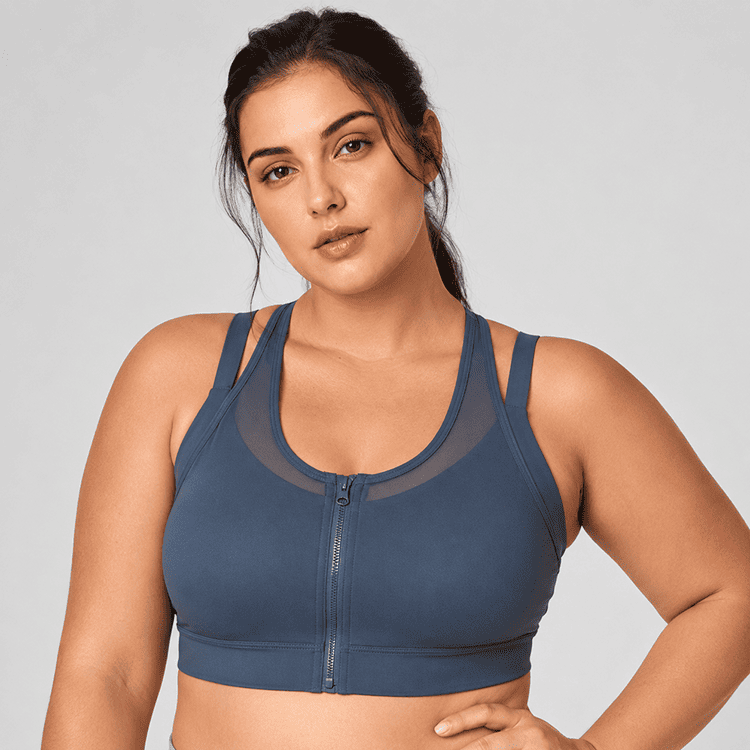
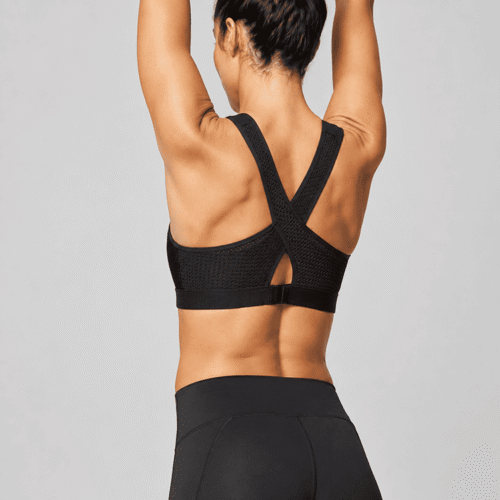
Custom High Support Cross Back Sports Bra OEM ODM Workout Bra
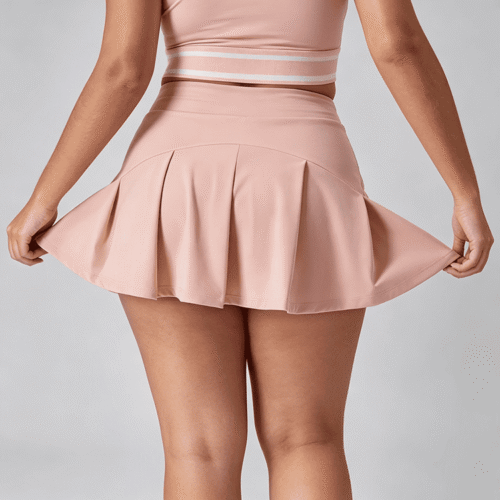
Custom High Waist Pleated Tennis Skort OEM ODM Women’s Tennis Wear
What Fabric Performance Standards Matter Most for Plus Size Leggings?
Pricing continues to be one of the critical considerations when sourcing plus-size leggings, yet many buyers focus excessively on unit cost while neglecting the factors that actually determine profitability.
The most successful brands do not simply look for the lowest manufacturing price. Instead, they evaluate the relationship between cost, quality, fit consistency, customer satisfaction, and long-term scalability. A product that costs one dollar less to manufacture but generates significantly higher return rates is rarely the better business decision.
Understanding how pricing works allows buyers to build realistic budgets, compare suppliers more accurately, and avoid unexpected expenses later in the sourcing process.
What Is the Typical Wholesale Price of Plus Size Leggings in China?
Wholesale pricing varies depending on fabric quality, construction complexity, order quantity, and customization requirements.
The following ranges provide general market guidance:
Consumers rarely purchase leggings because of manufacturing specifications.
They purchase based on how products feel, perform, and fit.
However, behind every successful plus size leggings collection is a series of technical fabric decisions that influence comfort, durability, and customer satisfaction.
Understanding these standards helps brands evaluate suppliers more effectively.
Why Is Stretch Recovery More Important Than Stretch Percentage?
Many buyers focus on stretch percentage.
However, recovery performance is often more important.
Stretch determines how far a fabric can expand.
Recovery determines how well it returns to its original shape.
Poor recovery frequently causes:
- Bagging at the knees
- Waistband loosening
- Fabric deformation
- Reduced garment lifespan
Manufacturers developing premium activewear generally prioritize recovery performance during material selection.
What GSM Is Best for Plus Size Leggings?
GSM (grams per square meter) influences:
- Fabric weight
- Opacity
- Compression
- Comfort
General benchmarks include:
| GSM Range | Typical Use |
|---|---|
| 180–220 GSM | Lightweight leggings |
| 220–260 GSM | Everyday activewear |
| 260–320 GSM | Premium compression leggings |
| 320+ GSM | High-support products |
Higher GSM does not automatically mean better quality.
The ideal choice depends on product positioning and customer expectations.
Why Does Opacity Matter So Much?
Opacity has become one of the most discussed performance characteristics in activewear.
Consumers increasingly expect leggings to remain opaque during:
- Squats
- Stretching
- Running
- Everyday movement
Opacity challenges become more significant in larger sizes because fabrics experience greater stress during wear.
Manufacturers should evaluate:
- Fabric density
- Stretch performance
- Light exposure testing
- Wear testing
before approving materials for production. Many brands also use certifications such as OEKO-TEX® STANDARD 100 to help verify textile safety and material compliance when evaluating suppliers.
What Role Does Compression Play?
Compression influences:
- Support
- Comfort
- Fit perception
- Performance
Too little compression can create a loose, unstable fit.
Too much compression may create discomfort and reduce wearability.
Effective compression design often requires balancing:
- Fabric selection
- Pattern engineering
- Panel placement
- Size grading
This is one reason why plus size leggings development requires specialized expertise.
Why Is Moisture Management Important?
Consumers increasingly expect activewear to perform across multiple use cases.
Modern plus size leggings are often worn for:
- Fitness
- Travel
- Work-from-home environments
- Daily activities
Moisture management contributes to:
- Comfort
- Temperature regulation
- Wearability
- Product perception
Many premium brands prioritize fabrics with moisture-wicking properties because they improve the overall user experience.
What Should Buyers Include in a Plus Size Leggings Tech Pack?
A strong tech pack improves communication, reduces sampling revisions, and increases the likelihood of successful production.
Weak tech packs frequently lead to misunderstandings, development delays, and inconsistent products.
Even experienced manufacturers perform better when working with clear documentation.
Essential Measurements
A tech pack should clearly specify:
- Waist circumference
- Hip circumference
- Rise measurements
- Inseam length
- Leg opening measurements
Measurements should be provided for all target sizes whenever possible.
Grading Specifications
One of the most overlooked sections is grading.
Brands should define:
- Grade increments
- Size ranges
- Tolerance levels
This information helps ensure consistency across multiple sizes.
Fabric Requirements
Fabric specifications should include:
- Fiber composition
- GSM targets
- Stretch requirements
- Recovery expectations
- Color requirements
Clear material standards reduce sourcing ambiguity.
Construction Details
Manufacturers should understand:
- Stitch types
- Seam placements
- Waistband construction
- Pocket specifications
- Branding locations
Visual references often improve communication.
Packaging and Label Requirements
Brands should document:
- Care labels
- Main labels
- Hangtags
- Poly bags
- Barcode requirements
Including these details early often reduces production errors.

Supplier Scorecard: A Practical Framework for Evaluating Plus Size Leggings Manufacturers
Selecting suppliers based on price alone often results in persistent long-term challenges. A systematic scorecard allows brands to conduct impartial comparisons of manufacturers and identify those capable of supporting sustained business growth.
The strongest sourcing decisions are typically based on measurable criteria rather than subjective impressions.
Many sourcing teams compare suppliers using incomplete information. A factory may appear attractive because of pricing, while another may seem appealing because of faster lead times. However, these factors rarely provide a complete picture of supplier capability.
A structured supplier scorecard helps brands compare manufacturers objectively and identify partners that align with long-term business goals rather than short-term cost savings.
The purpose of a scorecard is not to find the cheapest supplier. It is to identify the supplier most capable of supporting product quality, customer satisfaction, operational stability, and future growth.
Which Evaluation Criteria Matter Most?
Not all supplier attributes have equal importance.
For plus size leggings specifically, some capabilities influence customer satisfaction much more directly than others.
Recommended evaluation criteria include:
| Evaluation Area | Weight |
|---|---|
| Plus Size Pattern Engineering | 20% |
| Size Grading Capability | 15% |
| Fabric Expertise | 15% |
| Product Development Support | 15% |
| Quality Control Systems | 10% |
| Communication Efficiency | 10% |
| Lead Time Reliability | 10% |
| Sustainability Capability | 5% |
This framework prioritizes factors that directly affect fit, performance, and customer experience.
Example Supplier Scorecard
| Criteria | Weight | Supplier A | Supplier B | Supplier C |
|---|---|---|---|---|
| Pattern Engineering | 20% | 9 | 7 | 8 |
| Size Grading | 15% | 8 | 6 | 9 |
| Fabric Expertise | 15% | 9 | 7 | 8 |
| Development Support | 15% | 8 | 7 | 9 |
| Quality Systems | 10% | 8 | 8 | 7 |
| Communication | 10% | 9 | 6 | 8 |
| Lead Time Reliability | 10% | 8 | 8 | 7 |
| Sustainability | 5% | 8 | 7 | 8 |
| Final Score | 100% | 8.5 | 7.0 | 8.1 |
This approach helps buyers compare suppliers using measurable criteria rather than impressions alone.
How Should Startup Brands Score Suppliers?
Startup brands often face different challenges than established companies.
Their priorities typically include:
- Lower inventory risk
- Product validation
- Faster learning cycles
- Flexible development
Recommended Priorities
| Factor | Importance |
|---|---|
| MOQ Flexibility | Very High |
| Development Support | Very High |
| Communication | Very High |
| Sampling Speed | High |
| Capacity | Medium |
| Compliance Programs | Lower |
The ability to test products quickly often creates more value than securing the lowest possible manufacturing cost.
How Should Retailers Score Suppliers?
Retail chains usually prioritize operational consistency.
Important evaluation factors include:
- Quality assurance
- Compliance systems
- Production planning
- Scalability
Recommended Priorities
| Factor | Importance |
|---|---|
| Compliance | Very High |
| Capacity | Very High |
| Quality Systems | Very High |
| Lead Time Reliability | High |
| MOQ Flexibility | Lower |
The ideal supplier for a retail chain may be very different from the ideal supplier for a startup brand.
MOQ vs Price vs Quality: What Should Brands Prioritize?
One of the most common sourcing questions is:
Should brands prioritize lower MOQs, lower prices, or higher quality?
The reality is that these three factors often influence one another.
Improving one area frequently requires compromise in another.
Understanding these trade-offs helps buyers make better sourcing decisions.
What Is the Typical MOQ for Custom Plus Size Leggings?
MOQ requirements vary significantly between manufacturers.
Typical ranges include:
| Supplier Type | Typical MOQ |
|---|---|
| Startup-Friendly Factory | 50–100 pcs |
| Standard OEM Factory | 100–300 pcs |
| Larger Production Supplier | 300–1000+ pcs |
| Custom Fabric Program | Usually Higher |
Smaller minimum order quantities lower inventory risk but often result in higher per-unit costs.
Larger minimum order quantities generally enhance production efficiency while increasing financial exposure.
Why Are Some Suppliers More Expensive?
Pricing differences are often driven by factors beyond labor costs.
Examples include:
Better Fabrics
Premium materials generally cost more but may improve customer satisfaction.
Stronger Development Teams
Dedicated pattern makers and sample developers increase operational costs.
Advanced Quality Systems
Factories with more rigorous inspection procedures often have higher overhead.
Sustainability Programs
Certified sustainable materials may increase sourcing costs.
A higher quotation does not automatically mean poor value.
What Hidden Costs Should Buyers Consider?
Many brands focus exclusively on unit pricing.
However, hidden costs often have a larger impact on profitability.
Examples include:
Return Costs
Fit-related returns can significantly reduce margins.
Sample Revisions
Weak development support often leads to repeated sampling expenses.
Delayed Launches
Missed launch windows can affect revenue and inventory planning.
Product Complaints
Quality issues create customer service and reputation costs.
Successful sourcing decisions evaluate total business cost rather than manufacturing price alone.
Does a Lower MOQ Always Mean Higher Risk?
Not necessarily.
Lower MOQs can reduce risk when:
- Launching a new brand
- Testing new products
- Entering new markets
However, extremely low MOQs may sometimes indicate:
- Limited production planning
- Higher unit costs
- Reduced manufacturing efficiency
Brands should evaluate MOQ within the context of their broader business strategy.
What Is the Best Balance for Growing Brands?
Many successful brands prioritize:
- Product Quality
- Development Capability
- Communication
- Reasonable MOQ
- Competitive Pricing
This approach often produces stronger long-term results than focusing primarily on manufacturing cost.
Red Flags When Choosing a Plus Size Leggings Manufacturer
Finding the right supplier is important.
Avoiding the wrong supplier is equally important.
Many sourcing problems originate from warning signs that were visible early in the evaluation process.
Recognizing these red flags can help buyers avoid expensive mistakes.
Red Flag #1: No Dedicated Plus Size Development Process
Many suppliers claim they can manufacture plus size leggings.
Far fewer can explain:
- Pattern development methodology
- Grading procedures
- Fit-testing systems
If a supplier cannot clearly explain these areas, buyers should proceed cautiously.
Red Flag #2: Weak Grading Knowledge
Poor grading frequently causes:
- Waistband instability
- Compression inconsistency
- Fit complaints
- Increased returns
Manufacturers should be able to explain how sizing changes across their size range.
Red Flag #3: Limited Fabric Expertise
Strong suppliers should understand:
- Stretch percentages
- Recovery performance
- Opacity requirements
- Compression behavior
Generic answers often indicate limited category knowledge.
Red Flag #4: No Opacity Testing Procedure
Consumers increasingly expect leggings to remain squat-proof during movement.
Suppliers should be able to explain:
- Stretch testing methods
- Fabric evaluation processes
- Opacity standards
A lack of testing procedures may indicate additional product risk.
Red Flag #5: Poor Communication During Sampling
Sampling is usually the easiest stage of the sourcing process.
If communication problems appear during development, larger issues often emerge during production.
Warning signs include:
- Delayed responses
- Missing information
- Repeated misunderstandings
- Incomplete answers
Red Flag #6: Unrealistic Lead Time Promises
Be cautious when suppliers claim:
- Any quantity is possible
- Any deadline is achievable
- No development challenges exist
Experienced manufacturers usually provide realistic expectations rather than perfect promises.
Red Flag #7: No Relevant Export Experience
International brands often require support with:
- Compliance documentation
- Packaging requirements
- Product testing
- Logistics planning
Manufacturers with export experience generally understand these requirements more thoroughly.
Red Flag #8: Price Is the Only Selling Point
When a supplier’s primary advantage is lower pricing, buyers should investigate further.
The strongest manufacturers usually compete through:
- Product expertise
- Fabric resources
- Development support
- Operational reliability
rather than cost alone.
Which Supplier Type Fits Your Business Model?
The best custom plus size leggings manufacturer for one brand may be completely unsuitable for another.
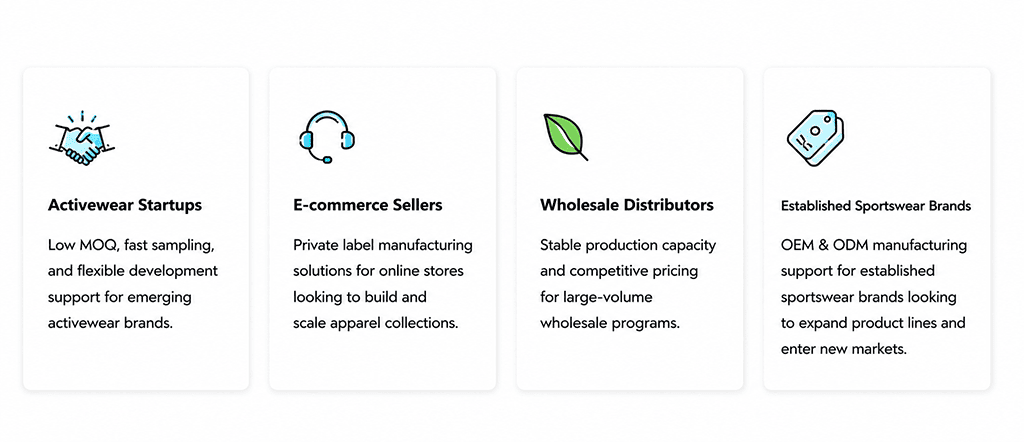
A startup launching its inaugural collection holds priorities distinct from established retailers managing thousands of units each month. In the same vein, a DTC activewear brand focused on rapid product rollouts demands different supplier strengths compared to wholesale distributors that prioritise stability and ongoing replenishment.
Understanding your business model before selecting a supplier often leads to better sourcing outcomes and fewer operational challenges.
How Should Startup Brands Evaluate Suppliers?
Startup brands typically operate with limited inventory budgets and limited room for error.
The primary goal is often validating products and learning from customers before scaling.
What Startup Brands Should Prioritize
- Lower MOQ options
- Development support
- Flexible customization
- Fast sampling
- Clear communication
What Matters Less Initially
- Massive production capacity
- Complex compliance programs
- Multi-factory infrastructure
Recommended Supplier Profile
Startup brands often benefit from suppliers that provide:
- Product development guidance
- Flexible order quantities
- Fast revisions
- Strong communication
A factory willing to help solve problems can create significantly more value than a factory that simply offers a lower price.
How Should DTC Brands Evaluate Suppliers?
DTC brands compete in highly dynamic markets.
Their success often depends on:
- Speed to market
- Product differentiation
- Consumer feedback loops
- Frequent product launches
What DTC Brands Should Prioritize
- Product innovation
- Development speed
- Fabric flexibility
- Trend responsiveness
- Sample quality
Recommended Supplier Profile
Manufacturers capable of supporting:
- Frequent launches
- Product experimentation
- Rapid sampling
- Category expansion
often align well with the needs of growing DTC brands.
How Should Wholesale Buyers Evaluate Suppliers?
Wholesale programs typically require greater operational consistency.
Common priorities include:
- Reorder reliability
- Stable quality
- Predictable lead times
- Production planning
What Wholesale Buyers Should Prioritize
- Quality systems
- Production stability
- Scalability
- Export experience
Recommended Supplier Profile
A factory with established operating procedures and a history of serving repeat-order customers.
For wholesale programs, reliability often becomes more important than flexibility.
How Should Retail Chains Evaluate Suppliers?
Large retailers generally focus heavily on risk management.
Supplier evaluation often emphasizes:
- Compliance
- Documentation
- Audit readiness
- Production capacity
- Quality assurance
What Retail Buyers Should Prioritize
- Manufacturing stability
- Compliance systems
- Operational consistency
- Long-term scalability
Recommended Supplier Profile
Factories with structured systems and experience supporting complex retail programs.
Retail buyers often value predictability more than customization flexibility.
Recommended Supplier Characteristics by Business Stage
| Business Stage | Recommended Supplier Type |
|---|---|
| Startup Brand | Flexible Development Partner |
| Emerging DTC Brand | Fast-Response Product Developer |
| Growing Activewear Brand | Scalable Product Development Manufacturer |
| Wholesale Program | Consistency-Focused OEM Factory |
| Retail Chain | Compliance-Oriented Production Partner |
The most effective sourcing decisions come from matching supplier strengths to business objectives, rather than brands simply picking the largest factory or the lowest quotation. Brands planning future category expansion often prefer working with an experienced activewear manufacturer that can support leggings, sports bras, outerwear, and lifestyle collections within a single supply chain.
Frequently Asked Questions About Wholesale Plus Size Leggings Manufacturers in China
1. Who Is the Best Custom Plus Size Leggings Manufacturer in China?
There is no universal answer because different brands have different priorities. A startup launching its first collection may benefit from a supplier with lower MOQs and stronger development support, while a large retailer may prioritize compliance systems and production scalability. The best manufacturer is the supplier whose capabilities align most closely with the brand’s product strategy, growth stage, and operational requirements.
2. Can Chinese Factories Develop Products From Tech Packs?
Yes. Most experienced manufacturers can develop products using tech packs, specification sheets, measurement charts, CAD files, or reference garments.
The quality of the final product typically depends on:
- Technical accuracy
- Fabric selection
- Pattern development
- Sample review processes
Manufacturers with stronger development teams often identify potential production issues before bulk manufacturing begins.
3. Why Are Plus Size Leggings Harder to Develop Than Standard Leggings?
Plus size leggings require more sophisticated pattern engineering, grading systems, and fit-testing procedures.
Challenges include:
- Body proportion differences
- Compression management
- Waistband stability
- Fabric recovery
- Opacity performance
These factors become increasingly important as size ranges expand.
Manufacturers with dedicated plus size expertise generally achieve more consistent fit results and lower return rates.
4. What Is the Typical MOQ for Custom Plus Size Leggings?
MOQ requirements vary depending on the manufacturer, product complexity, and customization requirements.
General industry benchmarks include:
| Factory Type | Typical MOQ |
|---|---|
| Startup-Friendly Suppliers | 50–100 pcs |
| Standard OEM Factories | 100–300 pcs |
| Large Production Programs | 300–1000+ pcs |
The ideal MOQ depends on inventory strategy rather than industry averages alone.
5. How Long Does Production Usually Take?
Production timelines depend on:
- Order volume
- Fabric availability
- Product complexity
- Factory workload
Typical timelines include:
| Stage | Typical Duration |
|---|---|
| Initial Sample | 3–10 Days |
| Sample Revisions | 5–10 Days |
| Bulk Production | 15–45 Days |
| Complex Programs | 45–60+ Days |
Brands should always confirm current lead times directly with suppliers.
6. What Fabrics Work Best for Plus Size Leggings?
Popular materials include:
- Nylon-Spandex Blends
- Recycled Nylon
- Recycled Polyester
- Brushed Performance Fabrics
- Seamless Knits
The ideal fabric depends on:
- Intended use
- Compression requirements
- Retail positioning
- Customer expectations
Fabric selection often has a greater impact on customer satisfaction than manufacturing cost.
7. How Can Buyers Compare Private Label Capabilities Between Suppliers?
Private label capability extends beyond logo application.
Brands should compare:
- Label customization
- Packaging options
- Product development resources
- Fabric sourcing flexibility
- Branding support
Suppliers with broader private label resources often help brands create stronger product differentiation.
8. How Can Buyers Verify Factory Quality Before Bulk Production?
Several evaluation methods can help buyers assess supplier quality.
Recommended approaches include:
- Reviewing multiple sample sizes
- Conducting wear testing
- Evaluating fabric performance
- Reviewing grading systems
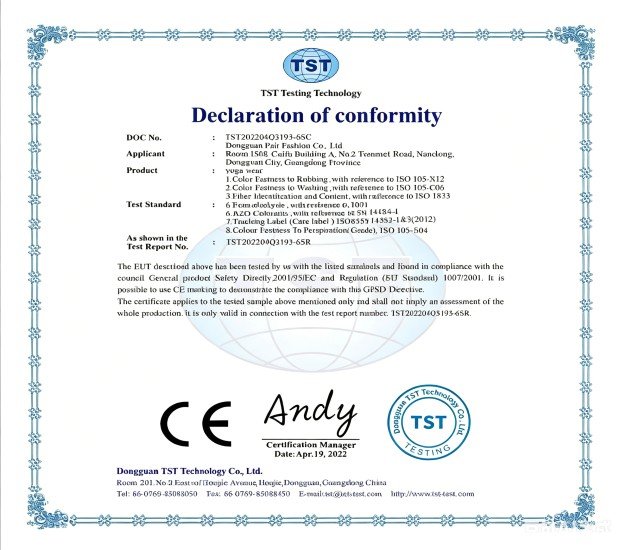
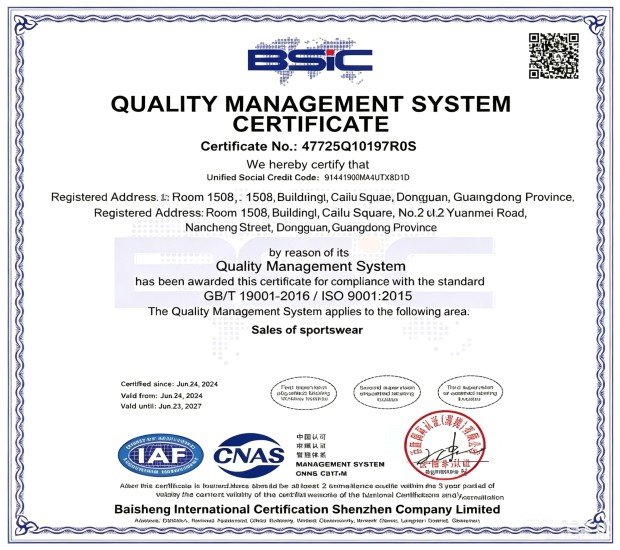
- Verifying certifications
- Assessing communication quality
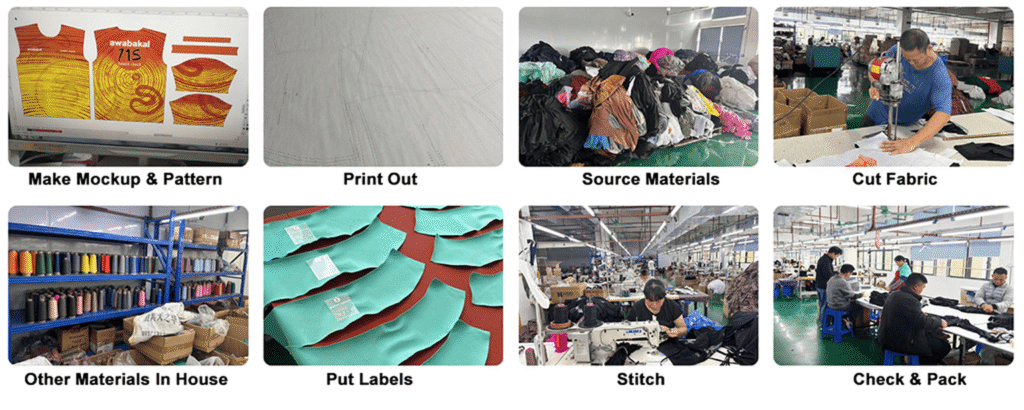
The strongest suppliers demonstrate quality through execution rather than marketing materials.
Final Thoughts: How to Choose the Right Plus Size Leggings Manufacturing Partner
The plus size activewear market continues to expand as consumers increasingly demand products specifically designed for their needs rather than larger versions of standard apparel.
This shift creates significant opportunities for brands, but it also raises expectations regarding fit, performance, comfort, and consistency.
Choosing the right manufacturing partner is one of the most important decisions a brand can make.
The strongest suppliers contribute far more than production capacity.
They support:
- Product development
- Pattern engineering
- Fabric selection
- Quality management
- Supply chain stability
- Long-term scalability
Brands that evaluate suppliers using structured frameworks rather than price alone are often better positioned to reduce returns, improve customer satisfaction, and build stronger product lines.
When comparing custom plus size leggings manufacturers in China, buyers should focus on:
- Development capability
- Grading expertise
- Fabric knowledge
- Communication quality
- Operational reliability
These factors frequently have a greater impact on business success than manufacturing cost alone.
Whether launching a new activewear brand, expanding into inclusive sizing, or evaluating new sourcing partners, a structured supplier comparison process can help identify manufacturers capable of supporting both immediate business goals and long-term growth.
A successful plus-size leggings collection takes shape well before production commences—it all starts with choosing the right manufacturing partner.