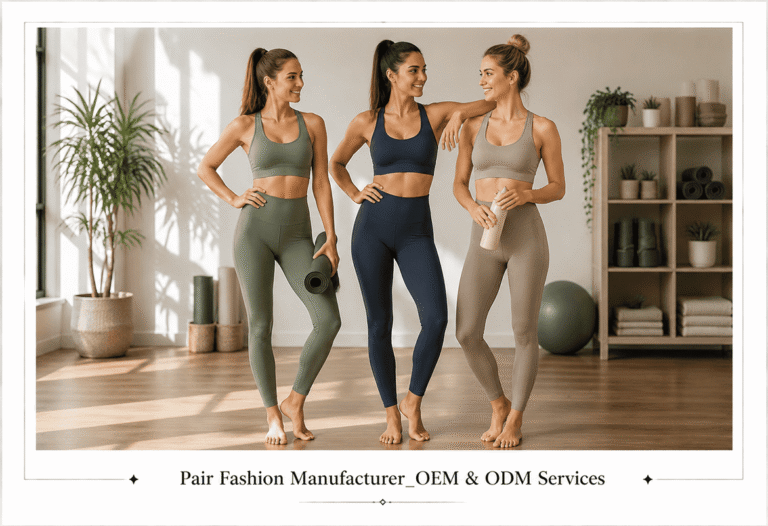
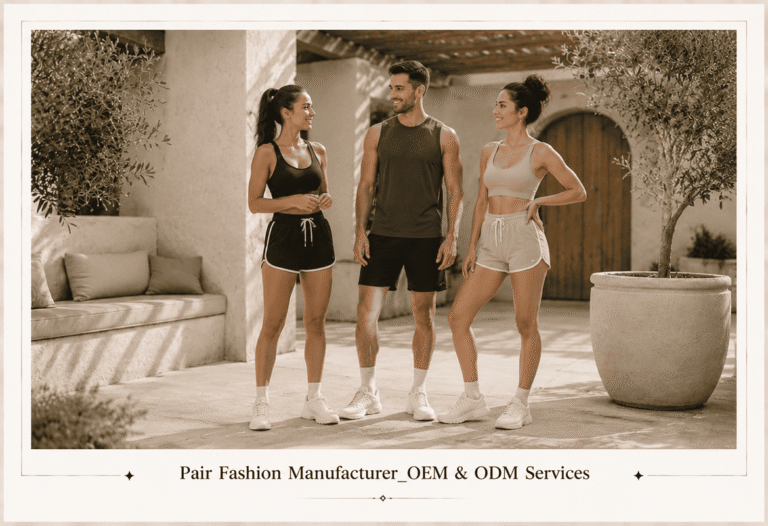
OEM/ODM Sportswear Manufacturer | 3-Day Sampling | Low MOQ | 50K Monthly Capacity | ISO9001 & BSCI Certified

Top Low MOQ Sportswear Manufacturers in China: Compare the Best Factories, MOQ, Lead Times & Buying Guide (2026)
Looking for the best low MOQ sportswear manufacturers in China? Compare the top factories by MOQ, lead time, certifications, pricing, strengths, and ideal buyer types. Learn how to choose the right manufacturing partner while reducing sourcing risks with this comprehensive buyer’s guide.
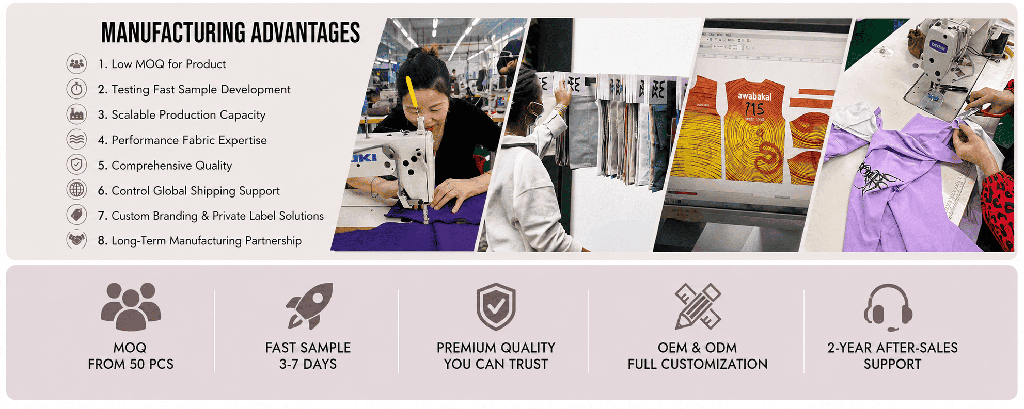
Top Low MOQ Sportswear Manufacturers in China: Factory Comparison, Buyer Guide & Supplier Evaluation (2026)
Finding a reliable sportswear manufacturer has never been more challenging—or more important. As more apparel brands launch niche collections, test products through e-commerce, and adopt inventory-light business models, traditional factories that require thousands of pieces per order are becoming less practical. Instead, today’s buyers are actively searching for manufacturers that combine low minimum order quantities, flexible production, dependable quality, and scalable manufacturing capacity. Following a structured supplier selection process can help buyers compare manufacturers more effectively and choose partners that support long-term business growth.
China remains the world’s largest sportswear manufacturing hub, but not every factory is built for small and medium-sized brands. Some excel at handling large-volume production but struggle with custom development. Others advertise low MOQs but lack stable quality control, technical expertise, or long-term production capacity. Choosing the wrong supplier often results in delayed launches, inconsistent products, unnecessary costs, and damaged customer trust.
Whether you are building a new private label activewear brand, expanding an established product line, supplying retailers, or testing your first collection on Amazon or Shopify, understanding how different manufacturers compare can significantly reduce sourcing risks.
Quick Answer
The best low MOQ sportswear manufacturers in China combine flexible minimum order quantities with strong product development, reliable quality control, stable lead times, and experience serving international brands. Instead of choosing solely based on price or MOQ, buyers should evaluate production capabilities, certifications, communication efficiency, product specialization, scalability, and long-term partnership potential. This guide compares leading manufacturers, explains industry benchmarks, and provides practical sourcing strategies to help buyers make informed decisions.
Unlike many manufacturer lists that simply rank companies, this guide focuses on how to evaluate suppliers objectively, compare their strengths, understand real manufacturing costs, and identify which factory best fits different business models. By the end of this guide, you will have a practical framework for selecting a manufacturing partner that supports both your current needs and future growth.
What Are the Best Low MOQ Sportswear Manufacturers in China?
Finding the right low MOQ sportswear manufacturer depends on more than simply locating the factory with the smallest minimum order quantity. The most reliable suppliers balance flexible production, product quality, communication, development capability, certifications, and long-term scalability. For startups, a factory willing to produce only 50 pieces may be attractive, but if sample quality, delivery consistency, or technical expertise are lacking, a low MOQ alone provides little value.
The manufacturers listed below were selected based on publicly available company information, product specialization, international market experience, production flexibility, certifications, and suitability for different buyer profiles. Rather than identifying a universally “best” factory, this comparison highlights which manufacturers perform well under different sourcing scenarios.
Quick Comparison of Leading Low MOQ Sportswear Manufacturers
| Manufacturer | Headquarters | Typical MOQ | Lead Time | Best For | Main Strength |
|---|---|---|---|---|---|
| Pair Fashion | Dongguan | 50 pcs | 15–25 working days | Startup & growing brands | Broad product specialization |
| Aika Sportswear | Dongguan | 100 pcs | 20–30 working days | Private label brands | Strong OEM/ODM capability |
| Lezhou Garment | Xiamen | 100 pcs | 20–30 working days | Yoga & fitness brands | Fabric innovation |
| Hucai Sportswear | Dongguan | 100 pcs | 20–35 working days | Medium-sized buyers | Flexible customization |
| Ingor Sportswear | Guangzhou | 80–100 pcs | 20–30 working days | Sustainable activewear | Eco-friendly manufacturing |
| UGA Wear | Guangzhou | 100 pcs | 20–35 working days | Women’s activewear | Fashion-forward designs |
| China Eco Fiber | Xiamen | 100 pcs | 25–35 working days | Sustainable brands | Recycled materials |
| Huilin Fashion | Dongguan | 100 pcs | 20–30 working days | Small apparel brands | Product diversity |
| Hongyu Apparel | Guangzhou | 100 pcs | 20–35 working days | Custom apparel buyers | Development flexibility |
| Sansansports | Dongguan | 100 pcs | 20–30 working days | Gym wear brands | Manufacturing experience |
1. Pair Fashion
Headquarters: Dongguan, Guangdong
Founded: 2016
Typical MOQ: 50 pieces
Typical Lead Time: 15–25 working days
Main Product Categories
- Activewear
- Yoga Wear
- Sports Bras
- Leggings
- Tennis Wear
- Equestrian Apparel
- Plus Size Activewear
- Maternity Activewear
- Modest Sportswear
- Hoodies
- Joggers
- Tracksuits
Public Certifications
- ISO9001
- BSCI
- GRS
- CE
- ROHS
Best Fit For
- Startup sportswear brands
- Growing DTC brands
- Private label businesses
- Boutique activewear brands
- Buyers requiring flexible MOQs
- Brands developing niche sportswear collections
May Not Be the Best Choice For
- Buyers sourcing only basic promotional apparel
- Extremely high-volume commodity production projects
Buyer Insight
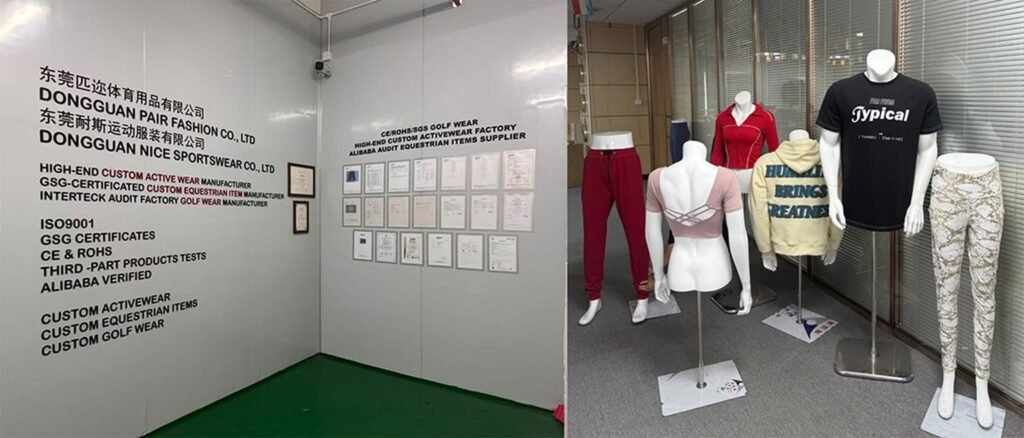
Pair Fashion stands out because of its combination of low minimum order quantities, broad product specialization, and full-service product development. Rather than focusing on only one product category, the company supports multiple performance apparel segments—including equestrian wear, maternity activewear, plus-size collections, and modest sportswear—allowing buyers to expand their product portfolios through a single manufacturing partner. For brands entering the market or testing new collections, this flexibility can significantly reduce sourcing complexity and inventory risk.
2. Aika Sportswear
Headquarters: Dongguan, Guangdong
Founded: 2008
Typical MOQ: 100 pieces
Typical Lead Time: 20–30 working days
Main Product Categories
- Gym Wear
- Compression Wear
- Yoga Apparel
- Running Clothing
- Teamwear
Public Certifications
- BSCI
- ISO9001
Best Fit For
- Established private label brands
- International wholesalers
- Fitness apparel businesses
May Not Be the Best Choice For
- Buyers requiring very small production runs
- Brands focused on niche sports categories
Buyer Insight
Aika Sportswear has built a strong reputation in the OEM and ODM sportswear market by serving international fitness brands with consistent production quality. The company offers broad manufacturing capabilities and stable production systems, making it suitable for buyers planning long-term volume growth. However, startups with limited budgets may find its MOQ less flexible than some competitors.
3. Lezhou Garment
Headquarters: Xiamen, Fujian
Founded: 2004
Typical MOQ: 100 pieces
Typical Lead Time: 20–30 working days
Main Product Categories
- Yoga Wear
- Activewear
- Running Apparel
- Sports Bras
- Leggings
Public Certifications
- BSCI
- ISO9001
Best Fit For
- Yoga brands
- Sustainable apparel companies
- Mid-sized retailers
May Not Be the Best Choice For
- Buyers seeking highly specialized technical sportswear
- Extremely small startup projects
Buyer Insight
Lezhou Garment is recognized for its strong fabric sourcing capabilities and experience with functional performance textiles. Buyers looking for moisture management, recycled fabrics, or premium stretch materials often consider the company when performance fabric selection is a priority over ultra-low production minimums.
4. Hucai Sportswear
Headquarters: Dongguan, Guangdong
Founded: 2013
Typical MOQ: 100 pieces
Typical Lead Time: 20–35 working days
Main Product Categories
- Activewear
- Gym Clothing
- Sports Bras
- Leggings
- Training Apparel
- Hoodies
- Joggers
Public Certifications
- BSCI
- ISO9001
Best Fit For
- Medium-sized activewear brands
- Fitness apparel wholesalers
- Buyers requiring customized branding
May Not Be the Best Choice For
- Brands seeking advanced sustainable material programs
- Buyers requiring highly specialized sports categories
Buyer Insight
Hucai Sportswear has established itself as a dependable manufacturer for brands that require consistent production and flexible customization. The company supports various decoration techniques, including screen printing, heat transfer, embroidery, and silicone branding. Buyers looking for stable manufacturing without entering premium pricing segments may find Hucai an appropriate balance between flexibility and manufacturing capability.
5. Ingor Sportswear
Headquarters: Guangzhou, Guangdong
Founded: 2009
Typical MOQ: 80–100 pieces
Typical Lead Time: 20–30 working days
Main Product Categories
- Sustainable Activewear
- Yoga Wear
- Gym Wear
- Running Apparel
- Seamless Collections
Public Certifications
- BSCI
- GRS
- OEKO-TEX®
Best Fit For
- Sustainable sportswear brands
- European retailers
- Eco-conscious startups
May Not Be the Best Choice For
- Buyers primarily focused on the lowest manufacturing cost
- Brands requiring broad non-activewear product categories
Buyer Insight
Ingor Sportswear is widely recognized for integrating recycled materials into activewear manufacturing. Its investment in environmentally responsible production makes it particularly attractive to brands targeting consumers who value sustainability. Buyers pursuing long-term ESG goals often consider Ingor when recycled fabrics and transparent sourcing are key purchasing criteria.
6. UGA Wear
Headquarters: Guangzhou, Guangdong
Founded: 2012
Typical MOQ: 100 pieces
Typical Lead Time: 20–35 working days
Main Product Categories
- Women’s Activewear
- Yoga Apparel
- Fitness Sets
- Sports Bras
- Leggings
- Crop Tops
Public Certifications
- ISO9001
Best Fit For
- Women’s activewear brands
- Boutique retailers
- Online fashion brands
May Not Be the Best Choice For
- Buyers seeking industrial-scale production
- Heavy-performance sports equipment manufacturers
Buyer Insight
UGA Wear focuses heavily on contemporary women’s fitness apparel, offering collections that combine athletic performance with fashion-forward aesthetics. Brands targeting younger consumers through social media or direct-to-consumer channels may appreciate the company’s ability to follow rapidly changing design trends.
7. China Eco Fiber
Headquarters: Xiamen, Fujian
Founded: 2010
Typical MOQ: 100 pieces
Typical Lead Time: 25–35 working days
Main Product Categories
- Eco Activewear
- Yoga Clothing
- Running Apparel
- Outdoor Sportswear
- Recycled Performance Apparel
Public Certifications
- GRS
- OEKO-TEX®
Best Fit For
- Sustainable apparel brands
- European importers
- Eco-focused retailers
May Not Be the Best Choice For
- Buyers primarily driven by ultra-fast delivery
- Brands focused solely on conventional fabrics
Buyer Insight
China Eco Fiber differentiates itself through its commitment to environmentally responsible textiles. Instead of competing primarily on price, the company focuses on recycled fibers, traceable materials, and sustainable manufacturing practices. This positioning appeals to brands that prioritize long-term environmental responsibility over short-term production savings.
8. Huilin Fashion
Headquarters: Dongguan, Guangdong
Founded: 2011
Typical MOQ: 100 pieces
Typical Lead Time: 20–30 working days
Main Product Categories
- Sportswear
- Casual Wear
- Hoodies
- Joggers
- T-Shirts
- Activewear
Public Certifications
- BSCI
- ISO9001
Best Fit For
- Small and medium-sized brands
- Private label buyers
- Fashion retailers
May Not Be the Best Choice For
- Buyers requiring highly specialized technical sportswear
- Brands developing niche performance collections
Buyer Insight
Huilin Fashion offers a broad range of apparel manufacturing services with an emphasis on flexibility and customization. Its diverse product portfolio makes it suitable for brands seeking multiple apparel categories from a single supplier. Buyers should carefully evaluate whether its technical capabilities align with highly specialized sportswear requirements.
9. Hongyu Apparel
Headquarters: Guangzhou, Guangdong
Founded: 2003
Typical MOQ: 100 pieces
Typical Lead Time: 20–35 working days
Main Product Categories
- Activewear
- Gym Wear
- Hoodies
- Joggers
- Casual Sportswear
- Custom Apparel
Public Certifications
- BSCI
- ISO9001
Best Fit For
- Startup apparel companies
- Private label businesses
- Buyers seeking customized development
May Not Be the Best Choice For
- Buyers requiring advanced functional fabric innovation
- Large-scale commodity manufacturing projects
Buyer Insight
Hongyu Apparel has extensive experience serving international buyers requiring flexible customization. The company supports OEM and ODM development while maintaining relatively accessible production minimums. It is often considered by emerging brands seeking balanced manufacturing capability without entering premium pricing categories.
10. Sansansports
Headquarters: Dongguan, Guangdong
Founded: 2015
Typical MOQ: 100 pieces
Typical Lead Time: 20–30 working days
Main Product Categories
- Gym Wear
- Yoga Wear
- Sports Bras
- Leggings
- Compression Apparel
- Running Clothing
Public Certifications
- BSCI
- ISO9001
Best Fit For
- Fitness apparel brands
- Cross-border e-commerce sellers
- Small wholesalers
May Not Be the Best Choice For
- Buyers requiring highly diversified apparel categories
- Brands focused on premium luxury positioning
Buyer Insight
Sansansports has positioned itself as a specialist in fitness apparel manufacturing, with particular experience serving cross-border e-commerce brands. Its product development capabilities are well suited to fast-moving online markets where new collections are introduced frequently. Buyers seeking rapid product updates and standardized activewear collections may find the company a practical sourcing option.
How to Read This Manufacturer Ranking
Selecting a manufacturer should never be based solely on MOQ. While a low minimum order quantity helps reduce inventory risk, it represents only one part of a successful sourcing strategy. Professional buyers typically evaluate suppliers across multiple dimensions before making a decision.
Consider the following factors together:
- Product specialization that matches your brand’s niche.
- Development capability, including pattern making and sample quality.
- Production capacity that supports future growth.
- Quality management systems and internationally recognized certifications.
- Communication efficiency throughout the sampling and production process.
- Supply chain stability, especially for fabrics and trims.
- Long-term partnership potential, rather than only the first purchase price.
The strongest supplier is not necessarily the one with the lowest MOQ or the cheapest quotation. Instead, it is the manufacturer that consistently delivers reliable quality, transparent communication, predictable lead times, and the flexibility to scale alongside your business. Evaluating suppliers from this broader perspective helps reduce sourcing risks while building a more resilient and profitable supply chain.
Which Low MOQ Manufacturer Is Right for Your Business Model?
Choosing a low MOQ sportswear manufacturer is not simply about finding the factory with the smallest minimum order quantity. The right partner depends on your business model, growth stage, sales channels, product complexity, and long-term sourcing strategy. A manufacturer that works exceptionally well for a startup may not be the best option for a fast-growing wholesale business. Likewise, a supplier capable of producing highly technical performance apparel may not offer the flexibility required for small product validation orders.
Instead of asking, “Which factory is the best?”, experienced buyers ask a different question:
“Which manufacturer is the best fit for my business today—and can still support my business two years from now?”
Understanding this distinction helps reduce supplier switching costs, improve production efficiency, and establish more stable long-term manufacturing partnerships.
Why Business Models Require Different Manufacturing Partners
Every sportswear business follows a different growth path. Some companies launch with only one hero product, while others manage dozens of SKUs across multiple retail channels. Their manufacturing priorities naturally differ.
For example, a startup brand typically values low financial risk and flexible development support, while an established retailer is more concerned with production consistency and delivery capacity. Selecting a supplier that aligns with your operational priorities often produces better long-term results than simply negotiating the lowest unit price.
Below is a practical framework that matches different buyer profiles with the manufacturing characteristics they should prioritize.
Buyer Type → Recommended Manufacturing Characteristics
| Buyer Type | Recommended Manufacturing Characteristics |
|---|---|
| Startup Sportswear Brand | Low MOQ, strong product development, flexible sampling, patient communication |
| Amazon Seller | Fast sampling, stable quality, quick replenishment, consistent sizing |
| Shopify / DTC Brand | Private label support, premium fabrics, custom branding, scalable production |
| Boutique Retailer | Multiple styles, flexible ordering, fashionable collections |
| Wholesaler | Competitive pricing, stable quality, larger production capacity |
| Sports Club | Teamwear customization, repeat orders, reliable delivery |
| Growing Brand | Product innovation, quality consistency, dedicated account management |
| Sustainable Brand | GRS-certified materials, transparent sourcing, recycled fabrics |
Best Choice for Startup Sportswear Brands
Launching a new sportswear brand is often an exercise in balancing creativity with financial discipline. New brands rarely know which products will become best sellers, making inventory control one of the most important business priorities.
The ideal manufacturer for startups usually offers:
- Low minimum order quantities
- Flexible sample revisions
- Guidance on fabric selection
- Private label branding
- Small-batch production
- Consistent communication
- Room to increase production later
Choosing an extremely inexpensive factory simply because it offers the lowest MOQ can become expensive if product quality leads to poor customer reviews or frequent returns. A slightly higher manufacturing cost is often justified when it results in stronger customer satisfaction and repeat purchases.
Best Choice for Amazon Sellers
Amazon sellers operate in an environment where customer ratings, inventory turnover, and replenishment speed directly influence profitability. Manufacturing consistency is often more important than obtaining the absolute lowest production cost.
Manufacturers serving Amazon businesses should provide:
- Reliable sizing consistency
- Stable color matching
- Repeatable quality across production batches
- Fast reorder capability
- Efficient packaging solutions
- Clear production scheduling
Frequent stockouts can significantly impact product rankings. Therefore, manufacturers capable of maintaining consistent lead times often create greater long-term value than suppliers offering only marginal price advantages.
Best Choice for Shopify and DTC Brands
Direct-to-consumer brands compete primarily through brand identity rather than price alone. Customers purchasing from Shopify stores often expect premium materials, thoughtful design details, and cohesive branding experiences.
Manufacturers supporting DTC brands should excel in:
- Premium fabric sourcing
- Custom labels and packaging
- Private label development
- Seasonal product expansion
- Technical product improvements
- Long-term product consistency
Because customer loyalty depends heavily on product experience, DTC brands generally benefit from manufacturers with strong development capabilities rather than factories focused solely on volume production.
Best Choice for Boutique Retailers
Boutique retailers frequently introduce limited collections to differentiate themselves from larger competitors. Their purchasing strategy emphasizes variety over volume.
Suitable manufacturing partners typically offer:
- Multiple styles per order
- Flexible production planning
- Fashion-forward collections
- Small seasonal replenishment
- Mixed product categories
- Lower inventory commitment
Manufacturers with broad product portfolios allow boutiques to refresh their collections without carrying excessive inventory.
Best Choice for Private Label Brands
Private label businesses require much more than basic garment production. Building a recognizable brand involves developing consistent products, distinctive packaging, and a reliable supply chain that can support future expansion.
An ideal private label manufacturing partner usually provides:
- Logo customization
- Custom woven labels
- Hang tags
- Care labels
- Packaging design
- Technical development
- Product improvement suggestions
- Long-term production records
Rather than changing suppliers every season, successful private label brands often build strategic partnerships with manufacturers capable of supporting continuous product development.
Best Choice for Wholesalers
Wholesale businesses prioritize production efficiency, pricing consistency, and reliable delivery schedules. Their purchasing volumes tend to increase as customer networks expand, making manufacturing capacity an important consideration.
Recommended supplier characteristics include:
- Stable monthly production capacity
- Competitive bulk pricing
- Predictable lead times
- Standardized quality control
- Flexible replenishment planning
- Professional export documentation
Wholesalers generally benefit from manufacturers capable of supporting both current demand and future order growth without major operational disruption.
Best Choice for Sports Clubs and Organizations
Sports clubs often reorder the same uniforms and training apparel over multiple seasons. Consistency becomes more valuable than frequent product changes.
Manufacturers supporting clubs should offer:
- Team customization
- Number and name printing
- Long-term color consistency
- Archived production records
- Repeat order efficiency
- Reliable delivery schedules
Maintaining identical colors and sizing across future orders helps organizations preserve a professional brand image while simplifying inventory management.
Best Choice for Growing Sportswear Brands
Growth introduces new manufacturing challenges. A supplier that performs well for initial product launches may struggle once monthly order volumes increase or product categories expand.
Manufacturers supporting scaling brands should demonstrate strengths in:
- Product development
- Capacity expansion
- Quality consistency
- Production planning
- Supply chain coordination
- Dedicated account management
- Continuous product optimization
Switching manufacturers during periods of rapid growth often creates unnecessary operational risk. Brands that establish scalable manufacturing partnerships early usually experience smoother expansion and lower sourcing costs over time.
Best Choice for Sustainable Sportswear Brands
Sustainability has evolved from a niche selling point into a purchasing requirement for many international retailers. Buyers increasingly expect transparency throughout the manufacturing process, including material sourcing and environmental compliance.
Manufacturers serving sustainable brands should provide:
- GRS-certified recycled materials
- Environmentally responsible fabric options
- Traceable supply chains
- Third-party testing reports
- Responsible production practices
- Documentation supporting international compliance
However, sustainability should not be evaluated solely by certifications. Buyers should also examine product durability, manufacturing consistency, and long-term supplier reliability, as these factors contribute significantly to reducing waste throughout the product lifecycle.
Key Takeaway
There is no universally “best” low MOQ sportswear manufacturer. The optimal supplier depends on your business objectives, product strategy, growth stage, and operational priorities. Buyers who define their sourcing requirements before comparing factories typically make more informed decisions and build stronger long-term manufacturing relationships.
Instead of asking which factory offers the lowest MOQ, ask which manufacturer can consistently help your business deliver better products, improve customer satisfaction, and support sustainable growth. That perspective often leads to better sourcing decisions than price comparisons alone.
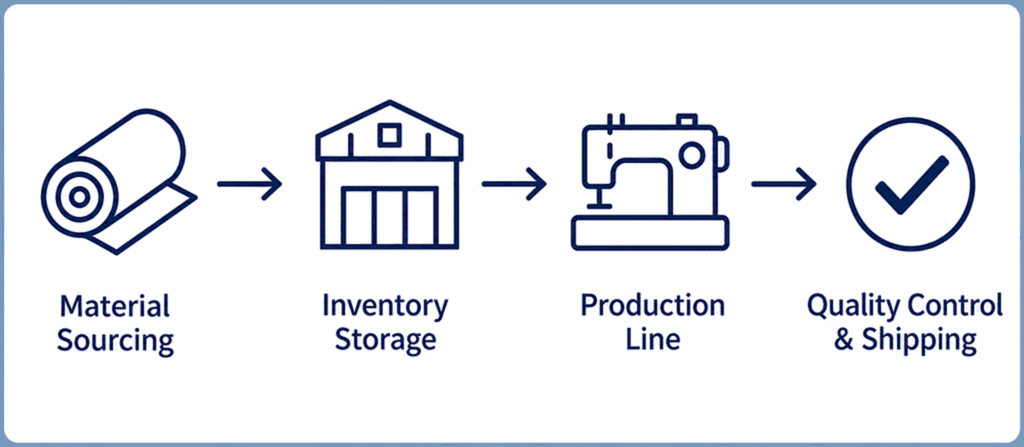
What Is Considered a Low MOQ in Sportswear Manufacturing?
Many buyers begin their sourcing journey with one simple requirement: “I need a manufacturer with a low MOQ.” However, the definition of a low minimum order quantity varies widely across the sportswear industry. A factory advertising 50 pieces may only offer that quantity for basic styles, while another manufacturer requiring 100 pieces could provide significantly greater flexibility in fabrics, colors, customization, and future scalability.
Rather than focusing on the smallest possible number, professional buyers evaluate how a manufacturer structures its MOQ, what is included, and whether that production model supports long-term business growth. Understanding how minimum order quantities are calculated helps brands make smarter sourcing decisions and avoid hidden production costs.
What Does “Low MOQ” Actually Mean?
A Minimum Order Quantity (MOQ) is the smallest number of units a manufacturer is willing to produce under standard commercial conditions. The MOQ exists because garment production involves fixed costs that remain relatively unchanged regardless of order size.
These fixed costs include:
- Pattern development
- Fabric sourcing
- Fabric dyeing
- Marker making
- Cutting preparation
- Machine setup
- Production scheduling
- Quality inspection
- Packaging preparation
When production quantities are extremely small, these setup costs are distributed across fewer garments, increasing the cost per piece.
For most Chinese sportswear manufacturers, the following ranges are common:
| MOQ Range | Industry Interpretation |
|---|---|
| 30–50 pcs | Very Low MOQ (Limited manufacturers) |
| 50–100 pcs | Low MOQ |
| 100–300 pcs | Standard Small Batch |
| 300–500 pcs | Medium Production |
| 500+ pcs | Volume Manufacturing |
A genuine low MOQ factory balances production flexibility with operational efficiency rather than simply advertising the smallest possible order quantity.
Why Do Manufacturers Set MOQs?
Many first-time buyers assume factories prefer large orders simply to maximize profits. In reality, MOQs are primarily driven by manufacturing efficiency.
Every new style requires dedicated resources before production begins, including:
- Pattern development
- Fabric ordering
- Color matching
- Sample approval
- Production planning
- Machine adjustments
- Quality control preparation
Whether a factory produces 50 garments or 5,000 garments, many of these preparation steps remain identical.
Factories that successfully support lower MOQs usually have:
- Flexible production lines
- Experienced development teams
- Efficient planning systems
- Stable supplier networks
- Smaller batch scheduling capabilities
This operational flexibility allows them to serve startup brands without significantly reducing production efficiency.
Typical MOQ by Product Category
Not all sportswear products share the same production complexity. As a result, minimum order quantities often vary by garment type.
| Product Category | Typical MOQ |
|---|---|
| Sports Bras | 50–100 pcs |
| Leggings | 50–100 pcs |
| Tank Tops | 50–100 pcs |
| T-Shirts | 50–100 pcs |
| Hoodies | 100–200 pcs |
| Joggers | 100–200 pcs |
| Tracksuits | 100–200 pcs |
| Tennis Wear | 80–150 pcs |
| Equestrian Apparel | 80–150 pcs |
| Plus Size Activewear | 80–150 pcs |
| Maternity Activewear | 80–150 pcs |
| Seamless Activewear | 200–500 pcs |
Generally speaking, products requiring specialized machinery or complex construction tend to have higher MOQs than standard cut-and-sew garments.
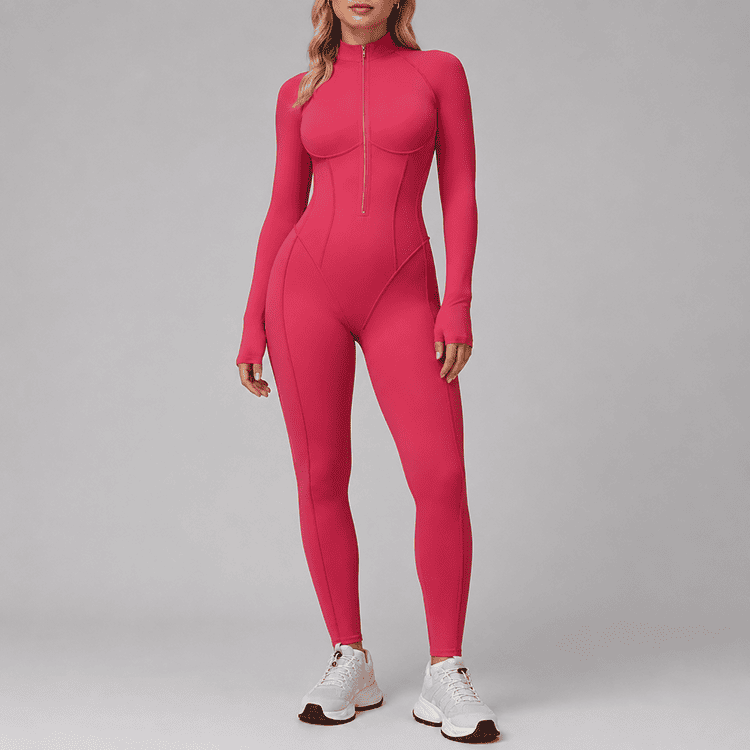
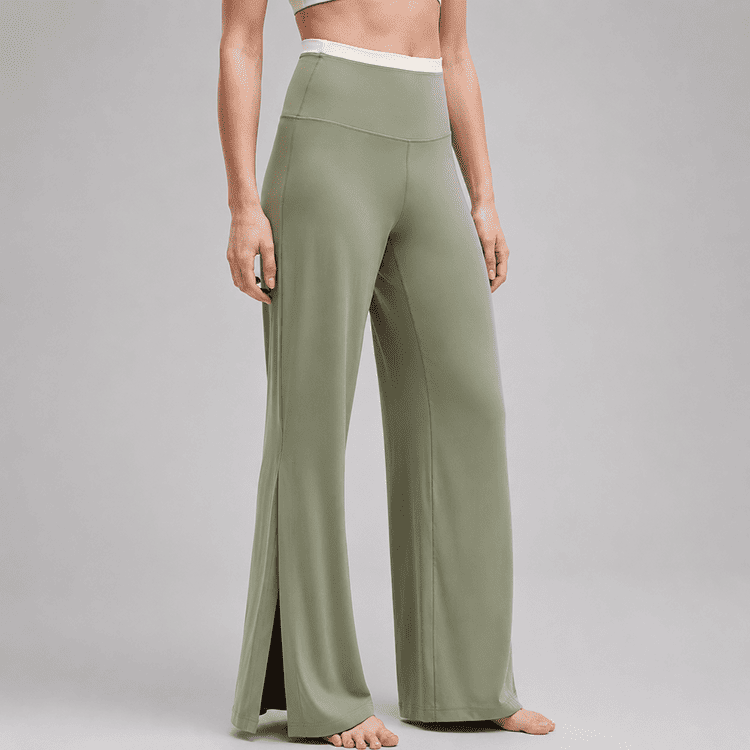
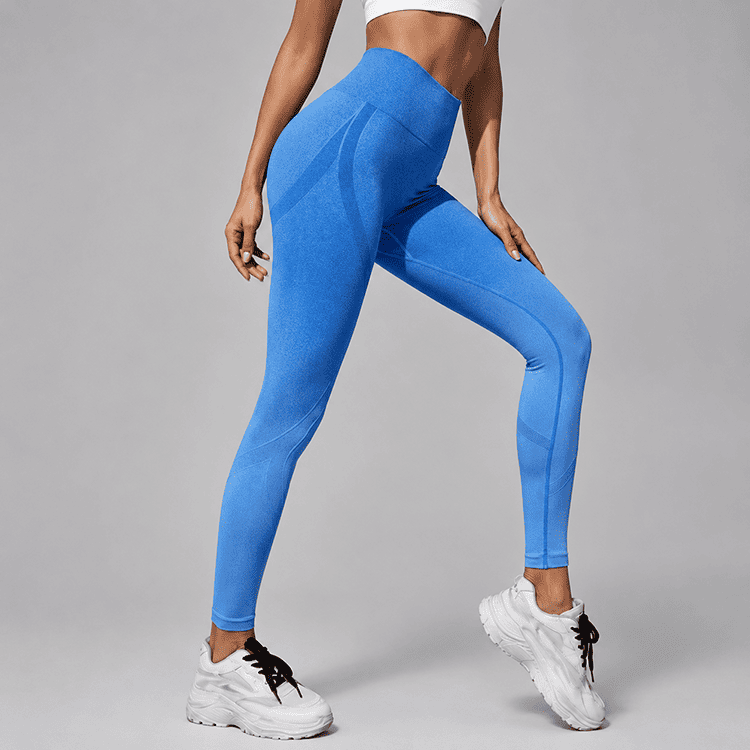
How Fabrics Influence MOQ
Fabric selection is one of the biggest factors affecting minimum order quantities.
Manufacturers sourcing stock fabrics can often support smaller production runs because the materials are already available.
However, custom-developed fabrics usually require significantly larger commitments.
Stock Fabrics
Advantages:
- Lower MOQ
- Faster production
- Lower development cost
- Shorter lead times
Best suited for:
- Startup brands
- Market testing
- Seasonal collections
- Sample programs
Custom Fabrics
Advantages:
- Exclusive appearance
- Better product differentiation
- Brand-specific performance
- Long-term consistency
Challenges:
- Higher MOQ
- Longer development cycles
- Higher initial investment
Brands planning continuous product expansion often transition from stock fabrics to custom materials after validating market demand.
Does Color Affect MOQ?
Yes.
Many buyers overlook the relationship between color selection and minimum order quantities.
For example:
A manufacturer may offer:
100 pieces per style
but require:
- 100 pieces in one color
rather than:
- 20 pieces across five colors.
Custom dyeing generally increases production complexity because each color batch requires separate preparation, testing, and quality verification.
Some manufacturers reduce this limitation by using pre-dyed stock fabrics, allowing multiple colors within smaller production quantities.
Does Custom Branding Increase MOQ?
Not necessarily.
Most sportswear manufacturers can add branding elements such as:
- Woven labels
- Care labels
- Hang tags
- Heat transfer logos
- Silicone logos
- Embroidery
- Packaging
without dramatically increasing garment MOQs.
However, certain branding elements may introduce separate minimum order requirements.
Examples include:
- Custom woven labels
- Printed packaging bags
- Branded zipper pullers
- Silicone patches
- Molded accessories
Understanding these component-specific MOQs helps buyers plan branding investments more effectively.
Can Multiple Styles Be Combined into One MOQ?
Some manufacturers allow buyers to combine multiple products within a single production order, while others calculate MOQs separately for every style.
Examples of flexible production arrangements may include:
- Two leggings + two sports bras
- Multiple colors of one design
- Coordinated matching sets
- Seasonal capsule collections
Whether style combinations are possible depends on:
- Fabric compatibility
- Production scheduling
- Printing requirements
- Pattern complexity
Factories with flexible manufacturing systems are generally better equipped to support mixed-style orders than highly standardized mass-production facilities.
Low MOQ vs. Unit Cost
One of the biggest misconceptions in apparel sourcing is that a lower MOQ automatically represents a better commercial decision.
In reality, reducing production volume often increases the cost per garment because fixed production expenses are spread across fewer units.
For example:
| Order Quantity | Approximate Unit Cost Trend |
|---|---|
| 50 pcs | Highest |
| 100 pcs | Lower |
| 300 pcs | More Competitive |
| 500 pcs | Economies of Scale |
| 1,000+ pcs | Lowest Manufacturing Cost |
For many emerging brands, paying a slightly higher unit price for a smaller initial order is often a sensible strategy because it limits inventory risk and provides valuable market feedback before scaling production.
When Should Brands Move Beyond Low MOQs?
Low MOQs are ideal during product validation, but they are not always the most efficient long-term solution.
As sales become more predictable, increasing order quantities often delivers meaningful advantages:
- Lower unit costs
- Improved production efficiency
- Better fabric purchasing options
- Greater customization opportunities
- Faster repeat production
- Stronger supplier relationships
Many successful sportswear brands begin with small production runs, then gradually transition to larger orders once customer demand becomes more stable.
Common Misunderstandings About Low MOQs
Many sourcing decisions are influenced by assumptions that are not always accurate.
Some of the most common misconceptions include:
- The lowest MOQ is always the best option.
- Every product category has the same MOQ.
- All manufacturers calculate MOQs the same way.
- Lower MOQ always means lower overall investment.
- Custom branding automatically requires very large orders.
Professional buyers evaluate the entire production model rather than comparing MOQ numbers alone.
Key Takeaway
A truly low MOQ sportswear manufacturer is not simply one that accepts the fewest garments per order. The most valuable suppliers combine flexible production quantities, reliable quality, efficient communication, scalable manufacturing systems, and transparent cost structures.
Rather than asking, “Who offers the lowest MOQ?”, successful buyers ask a more strategic question:
“Which manufacturer provides the best balance between flexibility, product quality, long-term scalability, and overall business value?”
Answering that question often leads to stronger supplier relationships, lower sourcing risks, and more sustainable business growth than focusing on MOQ alone.
How Can Buyers Compare Low MOQ Sportswear Manufacturers Like Professionals?
Selecting a sportswear manufacturer is one of the most influential decisions a brand will make. While many buyers compare quotations, MOQs, and lead times, experienced sourcing professionals know these factors reveal only a small part of the overall picture. The most successful brands evaluate manufacturers through a structured framework that measures operational capability, communication quality, technical expertise, and long-term partnership potential.
A factory may offer an attractive quotation today but struggle with quality consistency six months later. Likewise, another supplier with a slightly higher price may ultimately reduce total sourcing costs through better production planning, fewer quality issues, and more efficient communication. Professional evaluation therefore focuses on overall business value rather than the lowest initial cost.
Why Price Should Never Be the First Evaluation Criterion
One of the most common sourcing mistakes is choosing a manufacturer primarily because of its quotation.
While price is certainly important, it rarely reflects the total cost of manufacturing.
Poor supplier selection can lead to:
- Production delays
- Multiple sample revisions
- Inconsistent sizing
- Fabric quality problems
- Color inconsistencies
- Customer complaints
- Product returns
- Lost sales opportunities
A factory charging 8% more per garment may ultimately reduce total operating costs if it consistently delivers products that require fewer corrections and generate higher customer satisfaction.
Instead of asking:
Who is the cheapest supplier?
Professional buyers ask:
Which supplier creates the greatest long-term value?
Step 1: Evaluate Product Development Capability
For brands producing custom sportswear, product development capability is often more important than production capacity.
A strong development team helps transform design concepts into commercially successful products by improving construction, recommending suitable fabrics, optimizing fit, and identifying potential production challenges before mass manufacturing begins.
Key questions include:
- Can the manufacturer develop products from sketches or reference photos?
- Do they understand performance fabrics?
- Can they recommend construction improvements?
- How many sample revisions are typically required?
- Are technical suggestions provided during development?
Factories with experienced product developers often reduce costly production mistakes later in the process.
Step 2: Assess Manufacturing Flexibility
Low MOQ production requires flexible manufacturing systems.
Not every factory can efficiently handle smaller production runs without compromising quality or delivery schedules.
Indicators of manufacturing flexibility include:
- Small batch scheduling
- Multiple style production
- Mixed color capability
- Flexible fabric sourcing
- Ability to support seasonal launches
- Quick reorder programs
Factories designed exclusively for high-volume manufacturing may struggle with frequent product updates or limited production quantities.
Step 3: Examine Quality Management Systems
Consistent quality rarely happens by accident.
It results from standardized quality management procedures implemented throughout production.
Professional buyers should understand how manufacturers inspect products before shipment.
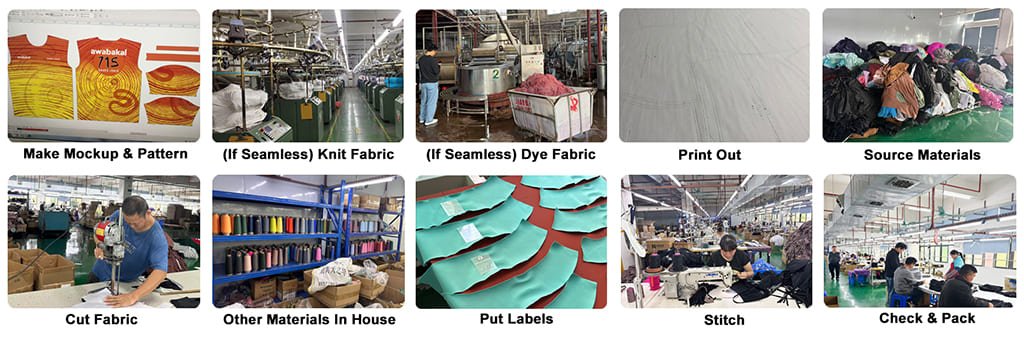
Important checkpoints include:
Incoming Material Inspection
Verifies:
- Fabric quality
- Color consistency
- Fabric defects
- Accessories
In-Process Inspection
Monitors:
- Sewing quality
- Measurement accuracy
- Logo placement
- Construction consistency
Final Inspection
Confirms:
- Appearance
- Measurements
- Functionality
- Packaging
- Carton labeling
Manufacturers implementing inspection throughout production generally identify issues earlier than factories relying only on final inspection.
Step 4: Review Communication Efficiency
Communication quality directly influences project success.
Fast responses alone are not enough.
Professional communication includes:
- Clear technical explanations
- Organized documentation
- Proactive problem solving
- Accurate production updates
- Transparent scheduling
- Prompt clarification of technical questions
Signs of strong communication include:
- Quotation accuracy
- Detailed sample feedback
- Structured production reports
- Organized document management
Poor communication often predicts future production challenges.
Step 5: Verify Production Capacity
Production capacity is not simply the number of garments a factory can produce each month.
Buyers should evaluate whether the manufacturer can maintain quality while supporting future business growth.
Questions worth asking include:
- How many production lines are available?
- Are production schedules stable?
- Can capacity increase during peak seasons?
- Does the factory support repeat orders efficiently?
- How are urgent production requests handled?
A manufacturer capable of scaling production alongside your business reduces the likelihood of changing suppliers during expansion. Building a scalable and resilient supply chain is a key principle emphasized by the Association for Supply Chain Management (ASCM).
Step 6: Understand Fabric Supply Stability
Sportswear performance depends heavily on fabric quality.
A manufacturer with a stable fabric supply chain can often provide:
- More consistent colors
- Better lead times
- Reliable performance
- Lower sourcing risks
Ask suppliers:
- Where are fabrics sourced?
- Are recycled materials available?
- Can performance specifications be verified?
- Are testing reports available?
- Are stock fabrics maintained?
Stable material sourcing contributes significantly to manufacturing consistency.
Step 7: Review Certifications Carefully
Certifications demonstrate compliance with recognized manufacturing or material standards, but buyers should understand what each certification actually represents.
Some commonly requested certifications include:
| Certification | Primary Purpose |
|---|---|
| ISO9001 | Quality management systems |
| BSCI | Social compliance and workplace standards |
| GRS | Recycled material verification |
| OEKO-TEX® | Textile safety |
| CE | Product conformity for applicable categories |
| ROHS | Restricted hazardous substances (where applicable) |
Certifications should support supplier evaluation rather than replace it. They provide useful evidence of compliance but should always be considered alongside production performance and communication quality.
Professional Supplier Evaluation Scorecard
The following scorecard provides a practical method for comparing manufacturers objectively.
| Evaluation Category | Weight |
|---|---|
| Product Development Capability | 20% |
| Quality Management | 20% |
| Communication Efficiency | 15% |
| Manufacturing Flexibility | 15% |
| MOQ Suitability | 10% |
| Production Capacity | 10% |
| Certifications | 5% |
| Long-Term Partnership Potential | 5% |
Rather than assigning equal importance to every factor, experienced sourcing teams prioritize the categories that have the greatest impact on long-term operational performance.
30-Point Manufacturer Evaluation Checklist
Before selecting a manufacturing partner, buyers can use the following checklist:
Company Background
✔ Years in business
✔ Factory location
✔ Business registration
✔ Export experience
Product Development
✔ Pattern making capability
✔ Sample quality
✔ Fabric recommendations
✔ Technical support
Manufacturing
✔ Production lines
✔ Monthly capacity
✔ Flexible MOQ
✔ Mixed-style production
Quality
✔ Incoming inspection
✔ In-process inspection
✔ Final inspection
✔ Measurement standards
✔ Testing capability
Communication
✔ Response speed
✔ Technical understanding
✔ Documentation quality
✔ English communication
Supply Chain
✔ Fabric sourcing
✔ Accessory sourcing
✔ Sustainable material options
✔ Backup suppliers
Commercial Terms
✔ MOQ flexibility
✔ Lead time stability
✔ Payment terms
✔ Shipping support
✔ After-sales policy
Growth Potential
✔ Product expansion support
✔ Repeat order management
✔ Capacity scalability
✔ Long-term cooperation approach
A supplier consistently performing well across these categories is generally more valuable than one competing primarily on price.
Warning Signs Buyers Should Never Ignore
Professional sourcing also involves recognizing potential risks early.
Warning signs include:
- Prices significantly below market averages
- Unclear answers regarding production capacity
- Inconsistent sample quality
- Frequent quotation changes
- Limited product knowledge
- No documented quality procedures
- Poor communication during sampling
- Lack of production transparency
- Unrealistic delivery promises
None of these issues automatically indicate an unreliable supplier, but multiple warning signs together should encourage buyers to investigate further before placing production orders.
Key Takeaway
Professional buyers compare manufacturers using structured evaluation criteria rather than relying on marketing materials or quotations alone. Product development, manufacturing flexibility, quality management, communication, supply chain stability, and long-term partnership potential often have a greater impact on sourcing success than unit price or MOQ alone.
A systematic evaluation process helps reduce supplier risk, improve production consistency, and build stronger manufacturing partnerships that support sustainable business growth.
How Can Buyers Score and Evaluate Manufacturers Objectively?
Comparing manufacturers becomes much easier when every supplier is measured against the same criteria. Professional sourcing teams rarely choose a factory based on a single quotation or a persuasive sales presentation. Instead, they build structured evaluation systems that assign measurable scores to the factors that influence long-term manufacturing success.
A supplier with the lowest price may not deliver the highest overall value. Likewise, a factory with a slightly higher quotation may consistently outperform competitors through better product quality, faster communication, stronger development support, and more reliable delivery. By using an objective scorecard, buyers reduce emotional decision-making and create a sourcing process that can be repeated as their supplier network grows.
Build a Supplier Scorecard Before Requesting Quotations
One of the biggest sourcing mistakes is requesting quotations before defining evaluation standards.
Professional buyers first establish the characteristics that matter most to their business, then compare suppliers against those requirements.
For example, a startup launching its first activewear collection may prioritize:
- Flexible MOQ
- Product development support
- Fast sampling
- Communication quality
A mature sportswear retailer may instead focus on:
- Production capacity
- Quality consistency
- Delivery performance
- Cost competitiveness
The evaluation framework should always reflect business priorities rather than using identical criteria for every sourcing project.
Recommended Supplier Evaluation Matrix
The following weighted scorecard provides a balanced method for comparing manufacturers.
| Evaluation Category | Weight | Why It Matters |
|---|---|---|
| Product Development | 20% | Determines whether ideas become commercially successful products |
| Quality Control | 20% | Protects customer satisfaction and reduces returns |
| Communication | 15% | Prevents misunderstandings throughout development and production |
| Manufacturing Flexibility | 15% | Supports product launches, seasonal collections, and low MOQ orders |
| Production Capacity | 10% | Ensures future scalability |
| Lead Time Reliability | 10% | Keeps product launches on schedule |
| Certifications & Compliance | 5% | Demonstrates internationally recognized management standards |
| Cost Competitiveness | 5% | Supports healthy profit margins without sacrificing quality |
This scoring system encourages buyers to evaluate manufacturers holistically instead of concentrating exclusively on pricing.
Example Manufacturer Comparison Scorecard
Below is an example illustrating how buyers might compare three hypothetical suppliers.
| Evaluation Category | Factory A | Factory B | Factory C |
|---|---|---|---|
| Product Development | 9 | 7 | 8 |
| Quality Control | 9 | 8 | 7 |
| Communication | 10 | 6 | 8 |
| Manufacturing Flexibility | 9 | 7 | 8 |
| Production Capacity | 8 | 9 | 7 |
| Lead Time | 8 | 8 | 7 |
| Certifications | 9 | 8 | 7 |
| Cost Competitiveness | 7 | 9 | 8 |
| Overall Score | 8.8 | 7.8 | 7.6 |
Notice that the factory offering the lowest price does not necessarily achieve the highest overall score. This reflects real-world sourcing, where consistent execution often outweighs small price differences.
Evaluate Sample Quality Before Evaluating Bulk Production
Samples reveal far more than garment appearance.
They provide insight into the manufacturer’s development capabilities, technical understanding, and attention to detail.
When reviewing a sample, examine:
Fit Accuracy
- Overall silhouette
- Size consistency
- Comfort during movement
- Pattern balance
Sewing Quality
- Stitch density
- Seam alignment
- Thread tension
- Reinforcement areas
Fabric Performance
- Stretch recovery
- Opacity
- Hand feel
- Moisture management
- Surface consistency
Branding Details
- Logo positioning
- Print durability
- Embroidery precision
- Label application
A carefully produced sample usually indicates a disciplined production process.
Measure Communication Throughout the Entire Process
Communication should be evaluated continuously rather than only during quotation.
Observe how suppliers respond during:
- Initial inquiry
- Quotation preparation
- Technical discussions
- Sample revisions
- Production planning
- Shipping coordination
High-performing manufacturers generally:
- Ask detailed technical questions.
- Confirm specifications in writing.
- Identify potential production risks early.
- Suggest practical improvements.
- Provide realistic delivery schedules.
Good communication reduces uncertainty long before production begins.
Compare Manufacturers Using Total Business Value
Many buyers compare suppliers using only unit prices.
A more effective approach considers the total value each manufacturer contributes.
Examples include:
| Value Area | Questions to Consider |
|---|---|
| Product Quality | Will higher quality reduce returns? |
| Development Support | Can technical improvements increase product value? |
| Delivery Reliability | Will stable lead times prevent stock shortages? |
| Production Flexibility | Can future collections be launched efficiently? |
| Long-Term Partnership | Will this supplier grow alongside the brand? |
Viewing sourcing decisions from a broader business perspective often leads to stronger financial performance over time.
When Should Buyers Reevaluate Existing Manufacturers?
Selecting a supplier is not a one-time decision.
Even successful partnerships benefit from regular performance reviews.
Consider reassessing manufacturers when:
- Product quality begins to fluctuate.
- Lead times become inconsistent.
- Communication deteriorates.
- Costs increase without explanation.
- Product categories expand.
- Annual purchasing volumes change significantly.
Many professional sourcing teams formally review supplier performance every six to twelve months using standardized evaluation criteria.
Key Takeaway
Objective evaluation transforms supplier selection from guesswork into a repeatable business process. By combining structured scoring systems, detailed sample reviews, communication assessments, and long-term performance measurements, buyers can compare manufacturers more accurately and reduce sourcing risks before production begins.
Choosing the right manufacturer is rarely about identifying the factory with the lowest quotation. It is about selecting the partner most capable of supporting consistent quality, efficient product development, dependable delivery, and sustainable business growth.
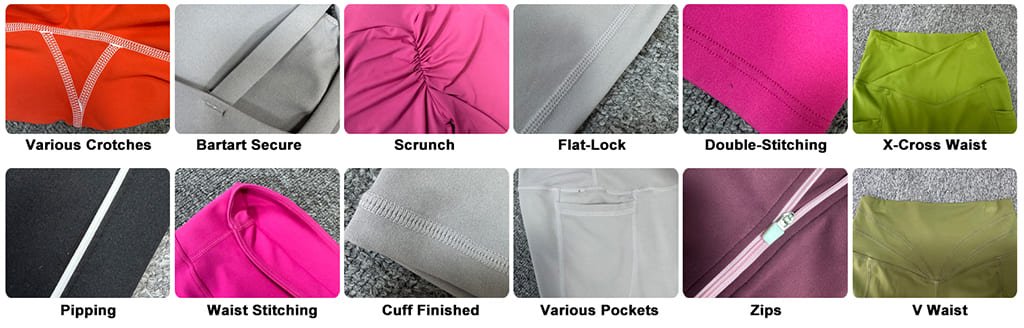
How Much Does Low MOQ Sportswear Manufacturing Really Cost?
Many buyers begin supplier discussions by asking a simple question: “How much will each piece cost?” While understandable, this question rarely produces a meaningful answer without additional context. Sportswear manufacturing costs are influenced by numerous variables, including fabric selection, garment construction, order quantity, branding requirements, and logistics. Two leggings may appear nearly identical but differ significantly in production cost because of differences in materials, stitching techniques, or finishing processes.
Instead of focusing solely on the quoted unit price, experienced buyers evaluate the total landed cost of bringing a product from concept to warehouse. Understanding each cost component allows brands to budget more accurately, negotiate more effectively, and identify opportunities to improve profitability without sacrificing product quality.
What Determines the Cost of Low MOQ Manufacturing?
Unlike mass production, low MOQ manufacturing distributes fixed production expenses across fewer garments. This naturally increases the unit price, but it also reduces inventory risk and allows brands to validate products before committing to larger production runs.
The final manufacturing cost is typically influenced by the following factors:
- Order quantity
- Fabric selection
- Garment complexity
- Printing and embroidery
- Accessories and trims
- Packaging requirements
- Quality inspection
- Shipping method
- Destination market
Understanding how these variables interact helps buyers make informed sourcing decisions instead of focusing on a single price quotation.
Typical Cost Structure of a Custom Sportswear Order
Although pricing varies between manufacturers and products, the overall cost structure generally follows a similar pattern.
| Cost Component | Typical Share of Total Cost |
|---|---|
| Fabric | 40–55% |
| Sewing Labor | 20–30% |
| Printing / Embroidery | 5–12% |
| Trims & Accessories | 3–8% |
| Packaging | 2–5% |
| Quality Control | 2–4% |
| Factory Overhead | 5–10% |
| Profit Margin | Varies |
Fabric is almost always the largest cost contributor, which explains why selecting the right material has a greater impact on pricing than many buyers initially expect.
How Fabric Selection Changes Manufacturing Costs
Fabric choice affects not only garment performance but also production cost.
For example, basic polyester fabrics are generally more economical than premium recycled nylon blends or high-compression performance materials.
Examples include:
| Fabric Type | Relative Cost |
|---|---|
| Standard Polyester | Low |
| Polyester-Spandex Blend | Moderate |
| Nylon-Spandex Blend | Moderate to High |
| Brushed Performance Fabric | High |
| Recycled Polyester | High |
| Recycled Nylon | Premium |
| Seamless Knit Fabric | Premium |
Higher-cost fabrics often provide additional benefits such as:
- Better stretch recovery
- Improved durability
- Enhanced moisture management
- Softer hand feel
- Greater color retention
- Sustainability certifications
The most appropriate fabric depends on the product’s intended market rather than simply its price.
Sample Development Costs
Before bulk production begins, most custom sportswear projects require one or more sample stages.
These may include:
- Prototype sample
- Fit sample
- Sales sample
- Pre-production sample
- Size set sample
Sample costs are generally higher than bulk production because development involves:
- Pattern creation
- Individual cutting
- Manual sewing
- Technical adjustments
- Multiple communications
Although sampling represents an upfront investment, it significantly reduces the likelihood of costly production errors later.
Printing, Embroidery, and Branding Costs
Brand identity is an essential part of sportswear manufacturing.
Customization may include:
- Heat transfer logos
- Screen printing
- Silicone printing
- Reflective printing
- Sublimation
- Embroidery
- Woven labels
- Care labels
- Hang tags
- Custom packaging
Each branding element introduces additional material, setup, and labor costs.
Generally speaking:
- Standard heat transfers are relatively economical.
- Multi-color screen printing requires additional setup.
- Embroidery becomes more expensive as stitch counts increase.
- Silicone logos and reflective applications typically command premium pricing.
Rather than maximizing every branding option, many successful brands focus on a clean, consistent identity that balances visual impact with manufacturing efficiency.
How Order Quantity Influences Unit Cost
One of the primary advantages of larger production runs is the ability to spread fixed manufacturing costs across more garments.
For illustration:
| Quantity | Cost Trend |
|---|---|
| 50 pcs | Highest unit cost |
| 100 pcs | Lower |
| 300 pcs | More competitive |
| 500 pcs | Better economies of scale |
| 1,000+ pcs | Lowest manufacturing cost |
However, lower unit prices do not always translate into lower business costs.
Producing excessive inventory can create:
- Unsold stock
- Warehousing expenses
- Cash flow pressure
- Discounting
- Inventory obsolescence
For many growing brands, ordering fewer pieces initially often proves financially healthier than pursuing the lowest possible unit price.
Packaging Costs Buyers Often Overlook
Packaging is frequently underestimated during sourcing discussions.
Common packaging components include:
- Individual polybags
- Size stickers
- Barcode labels
- Hang tags
- Carton boxes
- Carton markings
- Brand inserts
- Recyclable packaging
Premium retail packaging naturally increases overall production costs but may also improve perceived product value and customer experience.
Brands selling directly to consumers often allocate more resources to packaging than wholesale businesses.
Shipping Costs Can Exceed Manufacturing Savings
A factory offering slightly lower production prices may become more expensive after logistics are considered.
Shipping costs depend on:
- Order volume
- Carton dimensions
- Delivery speed
- Shipping method
- Destination country
Typical options include:
| Shipping Method | Best For |
|---|---|
| Express Courier | Samples and urgent orders |
| Air Freight | Medium-sized shipments |
| Sea Freight | Large production orders |
| Rail Freight | Selected regional markets |
Selecting the appropriate shipping method should balance delivery speed with total landed cost.
Hidden Costs That Buyers Should Consider
Many sourcing budgets overlook expenses beyond manufacturing.
Examples include:
- Bank transfer fees
- Import duties
- Customs brokerage
- Product testing
- Third-party inspections
- Sample revisions
- Exchange rate fluctuations
- Storage costs
- Domestic transportation
- Product photography after production
These costs can meaningfully influence overall profitability, particularly for smaller production runs.
Practical Ways to Reduce Total Manufacturing Costs
Reducing costs does not necessarily require choosing cheaper factories.
Instead, experienced buyers often improve sourcing efficiency by:
- Using stock fabrics during initial product validation.
- Simplifying garment construction.
- Combining compatible styles into larger orders where possible.
- Standardizing trims across multiple products.
- Planning seasonal production earlier.
- Building long-term supplier relationships.
- Reducing unnecessary sample revisions through detailed technical documentation.
These strategies typically improve total business performance more effectively than negotiating minor unit price reductions.
Cost Comparison: Startup vs Scaling Brand
| Cost Factor | Startup Brand | Scaling Brand |
|---|---|---|
| MOQ | Lower | Higher |
| Unit Cost | Higher | Lower |
| Inventory Risk | Lower | Moderate |
| Cash Investment | Lower | Higher |
| Product Flexibility | Higher | Moderate |
| Profit Margin Potential | Improves with scale | More stable |
This comparison highlights why different sourcing strategies are appropriate at different stages of business growth.
Key Takeaway
The true cost of low MOQ sportswear manufacturing extends far beyond the quoted garment price. Successful buyers evaluate the complete sourcing picture—including fabric, development, branding, logistics, inventory risk, and long-term scalability—before selecting a manufacturing partner.
Rather than pursuing the lowest possible quotation, the most profitable brands focus on maximizing overall value, reducing hidden costs, and building supplier relationships that support sustainable growth as order volumes increase.
What Risks Should Buyers Watch Out for Before Choosing a Factory?
Selecting a sportswear manufacturer is about much more than comparing prices and minimum order quantities. Every sourcing decision carries a certain level of risk, and the wrong manufacturing partner can affect product quality, launch schedules, customer satisfaction, and long-term profitability. While no supplier is entirely risk-free, many sourcing problems are predictable—and therefore preventable—when buyers understand what to look for before placing an order.
Experienced brands rarely choose suppliers based on optimistic promises alone. Instead, they evaluate how a factory manages uncertainty, solves production challenges, and communicates when unexpected situations arise. A reliable manufacturing partner is not one that claims to have no problems, but one that demonstrates the ability to identify, communicate, and resolve issues professionally.
Risk 1: Choosing a Factory Based Only on Price
Low quotations naturally attract attention, particularly for new brands working with limited budgets. However, unusually low prices often indicate compromises somewhere within the manufacturing process.
These compromises may involve:
- Lower-grade fabrics
- Simplified construction
- Less experienced workers
- Limited quality inspections
- Inadequate production planning
- Reduced after-sales support
A lower purchase price can eventually become more expensive if poor product quality results in customer complaints, refunds, or negative online reviews.
Instead of asking:
“Who offers the cheapest price?”
Ask:
“What value does this quotation actually include?”
Risk 2: Inconsistent Product Quality
Consistency is one of the most important characteristics of a dependable manufacturing partner.
Many factories produce attractive samples but struggle to maintain identical quality during bulk production.
Quality inconsistency commonly appears in:
- Fabric thickness
- Fabric color
- Garment measurements
- Stitch quality
- Logo placement
- Printing durability
- Packaging
Professional manufacturers minimize these variations through standardized production procedures and multiple quality inspection stages.
Before placing an order, buyers should ask:
- How is bulk production monitored?
- Are measurements checked throughout production?
- Is every shipment inspected before dispatch?
- Are production records maintained?
Risk 3: Delayed Lead Times
Production delays affect far more than delivery schedules.
Late shipments can result in:
- Missed product launches
- Seasonal inventory arriving too late
- Lost sales opportunities
- Retail penalties
- Advertising schedule disruptions
- Cash flow challenges
Lead time reliability depends on several operational factors:
- Production planning
- Material availability
- Workforce stability
- Capacity utilization
- Supply chain coordination
Manufacturers with realistic scheduling practices generally outperform suppliers that promise unrealistic delivery dates simply to secure orders.
Risk 4: Poor Communication Throughout Development
Many sourcing problems begin with communication rather than manufacturing.
Examples include:
- Incorrect specifications
- Misunderstood measurements
- Fabric substitutions
- Branding errors
- Packaging mistakes
- Shipment misunderstandings
Strong communication is characterized by:
- Written confirmation of specifications
- Detailed technical discussions
- Prompt clarification of questions
- Regular production updates
- Transparent reporting of challenges
Manufacturers that communicate openly during difficult situations often become stronger long-term partners than suppliers who avoid discussing problems until they become critical.
Risk 5: Limited Product Development Capability
Not every manufacturer has a dedicated product development team.
Factories focused primarily on mass production may perform well when buyers provide complete technical packages but struggle when additional engineering or design support is required.
Limited development capability may lead to:
- Multiple sample revisions
- Poor garment fit
- Incorrect fabric recommendations
- Delayed sampling
- Inefficient production methods
Brands developing original sportswear collections should carefully evaluate a supplier’s technical expertise before beginning large-scale production.
Risk 6: Weak Supply Chain Stability
Even well-managed factories depend on reliable material suppliers.
Supply chain instability can affect:
- Fabric availability
- Color consistency
- Accessory sourcing
- Production scheduling
- Delivery reliability
Questions worth asking include:
- Does the manufacturer maintain relationships with multiple fabric suppliers?
- Can alternative materials be recommended if shortages occur?
- How are material delays communicated?
Factories with diversified supply networks generally recover more quickly from unexpected disruptions.
Risk 7: Hidden Costs
Unexpected expenses often surprise first-time buyers.
Common examples include:
- Additional sample revisions
- Custom mold charges
- Fabric dyeing surcharges
- Packaging upgrades
- Export documentation
- Inspection fees
- Storage costs
- Currency fluctuations
Professional quotations clearly explain what is included and identify optional services separately.
Transparent pricing helps buyers prepare realistic budgets and avoid unexpected financial pressure during production.
Risk 8: Limited Production Scalability
A manufacturer capable of producing 100 garments efficiently may struggle when monthly demand increases to several thousand pieces.
Before establishing long-term partnerships, buyers should evaluate whether suppliers can support future growth.
Areas worth discussing include:
- Monthly production capacity
- Peak-season scheduling
- Expansion plans
- Additional production lines
- Workforce growth
- Repeat order management
Changing manufacturers during rapid business growth often introduces unnecessary operational risk.
Risk 9: Intellectual Property Protection
Many brands invest heavily in original product development.
Protecting these designs requires more than legal agreements—it also depends on selecting trustworthy manufacturing partners.
Buyers should consider:
- Whether confidential documents are handled securely.
- How sample rooms are managed.
- Whether customer information is separated internally.
- If non-disclosure agreements are available when appropriate.
Professional suppliers generally understand the importance of protecting customer designs and maintaining long-term business relationships.
Common Warning Signs During Supplier Evaluation
The following indicators do not automatically disqualify a manufacturer, but they should encourage additional investigation.
| Warning Sign | Potential Concern |
|---|---|
| Extremely low pricing | Quality compromises or incomplete quotations |
| Unclear MOQ explanations | Poor production planning |
| Slow or inconsistent communication | Future project management challenges |
| Frequent quotation revisions | Cost instability |
| Limited technical knowledge | Weak development capability |
| No documented quality process | Increased production risk |
| Unrealistic delivery promises | Scheduling issues |
| Incomplete company information | Transparency concerns |
How Professional Buyers Reduce Manufacturing Risk
Successful sourcing rarely depends on luck.
Experienced buyers reduce uncertainty by following a structured purchasing process.
Typical best practices include:
- Comparing multiple manufacturers before making decisions.
- Reviewing samples carefully.
- Confirming specifications in writing.
- Verifying certifications.
- Understanding production timelines.
- Requesting progress updates during manufacturing.
- Inspecting products before shipment.
- Building long-term relationships rather than changing suppliers frequently.
This systematic approach significantly improves sourcing outcomes while reducing unexpected production challenges.
Risk Assessment Checklist
Before approving bulk production, buyers should be able to answer “Yes” to most of the following questions:
✔ Has the sample been fully approved?
✔ Are all garment measurements confirmed?
✔ Has the fabric specification been finalized?
✔ Are branding details documented?
✔ Is the production schedule confirmed?
✔ Have payment terms been agreed?
✔ Are packaging requirements documented?
✔ Has shipping been planned?
✔ Are inspection procedures understood?
✔ Does the manufacturer communicate proactively?
The more questions answered positively, the lower the overall sourcing risk.
Key Takeaway
Every manufacturing partnership involves uncertainty, but most sourcing risks can be significantly reduced through careful supplier evaluation, clear communication, and structured planning. The strongest manufacturing relationships are built on transparency, consistency, and mutual understanding—not simply competitive pricing.
Buyers who prioritize long-term reliability over short-term savings often experience smoother product launches, stronger customer satisfaction, and more sustainable business growth.

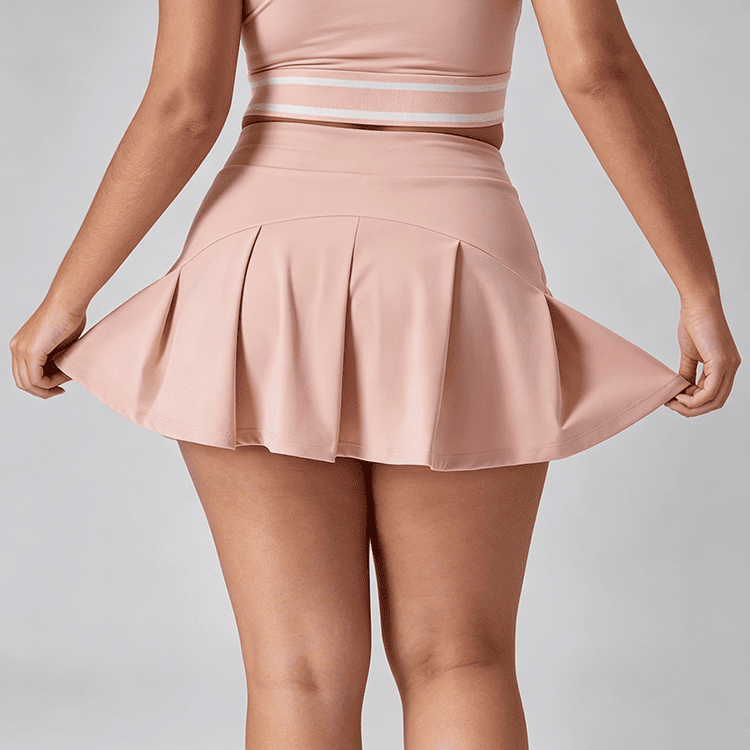
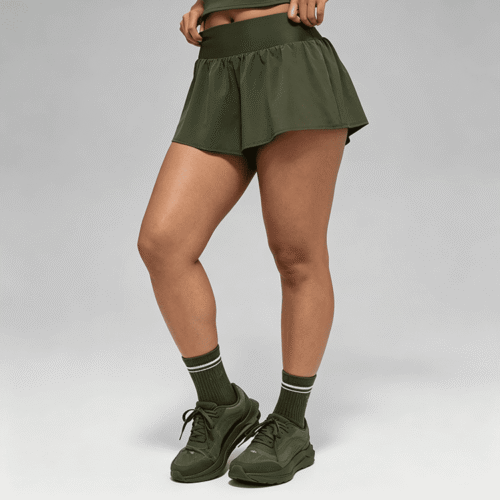
Custom High Waist Tennis Skort with Built-In Shorts OEM ODM
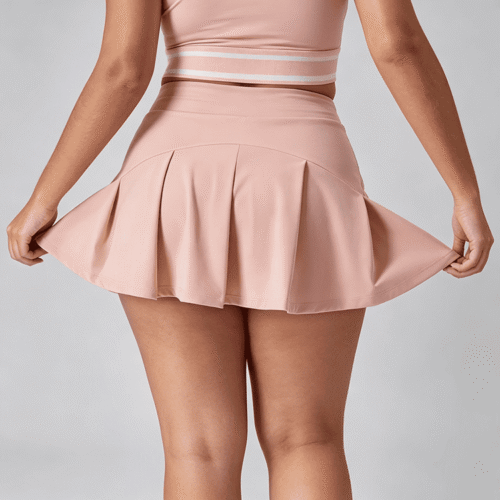
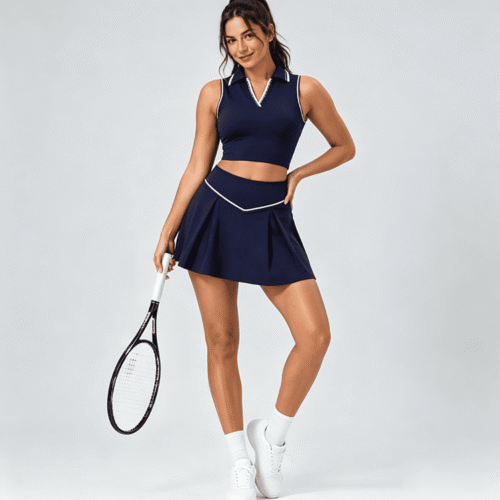
Custom High Waist Pleated Tennis Skort OEM ODM Women’s Tennis Wear
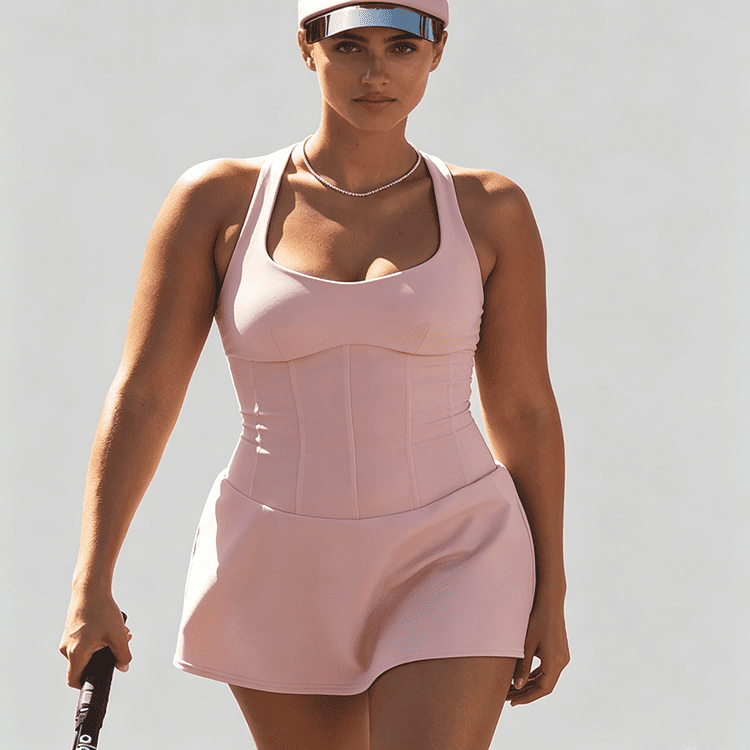
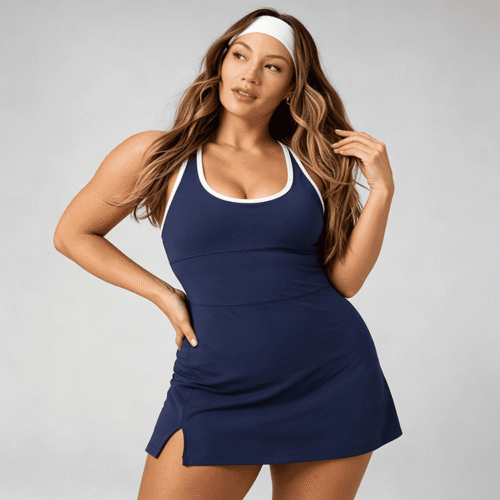
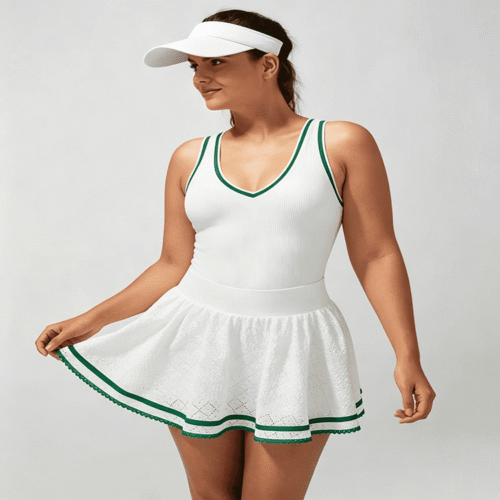
Custom Plus Size Tennis Dress OEM ODM Built-In Bra Activewear
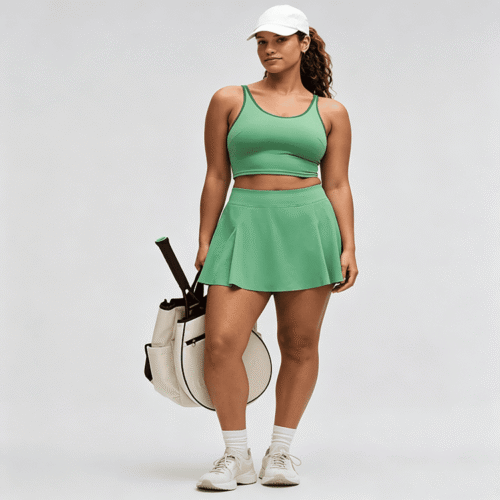
Custom Women’s Tennis Skirt Set OEM ODM Performance Tennis Outfit
Custom Women’s Tennis Dress OEM ODM Performance Tennis Apparel
Custom Women’s Tennis Skirt Set OEM ODM Performance Tennis Outfit
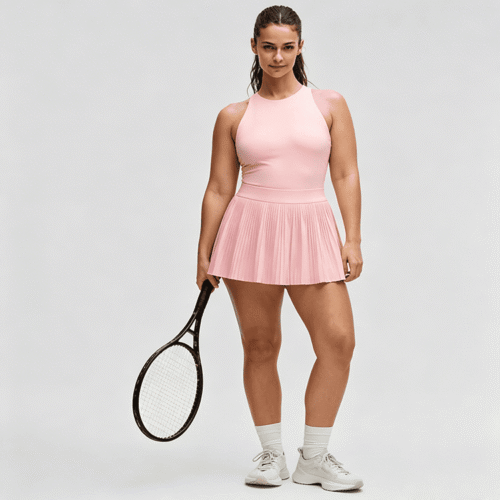
Custom Pleated Tennis Dress OEM ODM Women’s Performance Tennis Wear
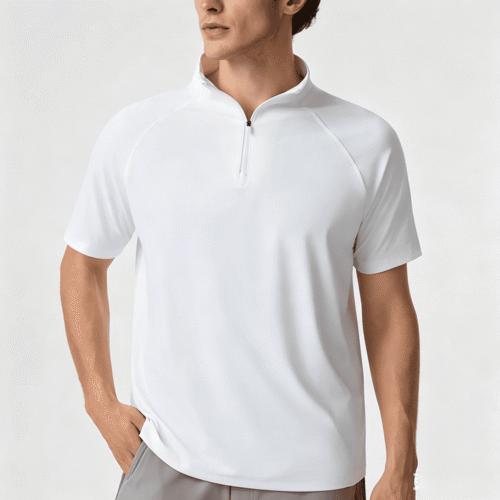
Custom Men’s Quarter Zip Performance Shirt OEM ODM Activewear
Which Documents Should Buyers Request Before Production Begins?
Many sourcing problems originate long before garments reach the production line. Missing specifications, unclear expectations, or incomplete documentation often result in avoidable mistakes that affect quality, delivery schedules, and overall project costs. Professional buyers understand that successful manufacturing begins with accurate documentation, not just verbal agreements.
Every production order should be supported by a complete set of documents that clearly define product requirements, quality expectations, commercial terms, and delivery arrangements. These documents create a shared reference for both buyer and manufacturer, reducing misunderstandings and ensuring that every stage of production follows the same standards.
Why Documentation Matters More Than Many Buyers Realize
Sportswear manufacturing involves multiple departments, including product development, purchasing, cutting, sewing, printing, quality control, packaging, and logistics.
Without standardized documentation, important details can easily be misunderstood or overlooked.
Proper documentation helps manufacturers:
- Understand product specifications accurately
- Purchase the correct materials
- Schedule production efficiently
- Perform quality inspections consistently
- Reduce production errors
- Improve communication across departments
For buyers, complete documentation provides confidence that the finished products will match approved samples and agreed specifications.
1. Product Specification Sheet (Tech Pack)
A Tech Pack is the foundation of custom apparel manufacturing.
It communicates every technical requirement necessary to manufacture the product consistently.
A complete Tech Pack typically includes:
- Technical drawings
- Garment measurements
- Construction details
- Stitching requirements
- Fabric specifications
- Trim details
- Color references
- Logo placement
- Artwork files
- Packaging instructions
Even when buyers do not prepare their own Tech Pack, manufacturers often create one internally before production begins.
2. Approved Sample
The approved sample serves as the physical production standard.
Every department within the factory should reference this sample during manufacturing.
The approved sample confirms:
- Fabric
- Color
- Fit
- Measurements
- Construction
- Branding
- Packaging concept
Bulk production should begin only after both buyer and manufacturer agree that the sample accurately represents the final product.
3. Bill of Materials (BOM)
The Bill of Materials lists every component used in garment production.
Typical items include:
- Main fabric
- Contrast fabric
- Mesh panels
- Elastic bands
- Sewing thread
- Zippers
- Drawcords
- Silicone logos
- Woven labels
- Care labels
- Hang tags
- Packaging materials
A detailed BOM reduces purchasing mistakes and helps ensure material consistency across production batches.
4. Measurement Specification Sheet
Measurement consistency is essential in sportswear, particularly for compression garments, leggings, sports bras, and fitted activewear.
Measurement sheets should clearly define:
- Garment dimensions
- Size tolerance
- Grading rules
- Measurement points
- International sizing references
Example:
| Measurement Point | XS | S | M | L | XL |
|---|---|---|---|---|---|
| Chest Width | — | — | — | — | — |
| Waist Width | — | — | — | — | — |
| Hip Width | — | — | — | — | — |
| Body Length | — | — | — | — | — |
Accurate measurement documentation significantly reduces fit-related quality issues.
5. Fabric Specification Sheet
Sportswear performance depends heavily on fabric quality.
Before production begins, buyers should confirm:
- Fabric composition
- Fabric weight (GSM)
- Stretch characteristics
- Surface finish
- Performance functions
- Color references
- Shrinkage requirements
For performance apparel, additional specifications may include:
- Moisture management
- UV protection
- Compression level
- Anti-bacterial treatment
- Recycled material content
Clear fabric specifications help maintain consistency between approved samples and bulk production.
6. Color Approval
Color consistency is especially important for established brands.
Color approval typically includes:
- Pantone references
- Fabric lab dips
- Print color approval
- Thread color confirmation
- Trim color matching
Approving colors before production minimizes the likelihood of costly rework later.
7. Artwork Approval
Every branding element should be confirmed before production.
This includes:
- Logo size
- Logo position
- Printing method
- Embroidery details
- Silicone logo dimensions
- Reflective elements
- Graphic placement
Small artwork errors can become significant when repeated across hundreds or thousands of garments.
8. Packaging Specification
Packaging requirements should be documented just as carefully as garment specifications.
Typical packaging instructions include:
- Folding method
- Polybag size
- Barcode labels
- Carton dimensions
- Shipping marks
- Retail packaging
- Carton quantity
Consistent packaging improves warehouse efficiency and reduces shipping damage.
9. Production Timeline
Both buyer and manufacturer should understand the expected production schedule.
A typical production timeline may include:
| Production Stage | Typical Duration |
|---|---|
| Material Purchasing | 5–10 days |
| Fabric Inspection | 1–2 days |
| Cutting | 2–3 days |
| Printing / Embroidery | 3–5 days |
| Sewing | 7–15 days |
| Finishing & Packing | 2–4 days |
| Final Inspection | 1–2 days |
Actual timelines vary depending on product complexity and order quantity, but documenting expectations helps improve planning and communication.
10. Quality Inspection Standards
Quality expectations should never be left to interpretation.
Before production begins, buyers should clarify:
- Measurement tolerances
- Appearance standards
- Fabric inspection criteria
- Print durability requirements
- Packaging standards
- Acceptable Quality Level (AQL), if applicable
Written quality standards provide a consistent reference throughout production and final inspection.
Commercial Documents Buyers Should Confirm
In addition to technical documentation, buyers should review commercial documents carefully.
These commonly include:
- Proforma Invoice
- Purchase Order
- Commercial Contract
- Payment Terms
- Shipping Terms (Incoterms)
- Delivery Schedule
- Packing List Template
These documents define the commercial relationship and help prevent misunderstandings regarding pricing, payment, and delivery responsibilities.
Documentation Checklist Before Bulk Production
Before approving production, professional buyers typically confirm the following:
✔ Product specifications finalized
✔ Sample approved
✔ Measurements confirmed
✔ Fabric approved
✔ Colors approved
✔ Branding approved
✔ Packaging approved
✔ Production schedule agreed
✔ Commercial terms confirmed
✔ Inspection standards documented
Completing this checklist helps establish a shared understanding between buyer and manufacturer before production begins.
Key Takeaway
Comprehensive documentation is one of the most effective ways to reduce manufacturing risk. While experienced factories often maintain internal production records, buyers who actively review and approve technical, commercial, and quality documents create stronger communication, fewer production errors, and smoother project execution.
Clear documentation benefits both parties by providing a reliable reference throughout manufacturing and establishing expectations before production starts.

How Do Successful Brands Build Long-Term Manufacturing Partnerships?
Many successful sportswear brands attribute part of their growth not only to innovative products or effective marketing, but also to stable manufacturing partnerships. While switching factories may occasionally reduce short-term costs, frequently changing suppliers often introduces new challenges, including inconsistent product quality, repeated development work, communication inefficiencies, and production delays.
The strongest brands view manufacturers as strategic business partners rather than transactional vendors. By investing in long-term collaboration, they create more resilient supply chains, improve product consistency, accelerate product development, and strengthen their competitive position in increasingly demanding global markets.
Why Long-Term Partnerships Create Competitive Advantages
Building a long-term relationship benefits both buyers and manufacturers.
As manufacturers become more familiar with a brand’s products, quality standards, and target customers, production becomes increasingly efficient.
Long-term partnerships often result in:
- Faster sample development
- Improved pattern accuracy
- Better production planning
- More consistent quality
- Shorter communication cycles
- Priority production scheduling
- Greater flexibility during peak seasons
Instead of repeatedly explaining technical requirements to new suppliers, brands can focus more energy on product innovation and business growth.
Share Long-Term Business Goals
The most productive manufacturing relationships begin with transparency.
Manufacturers can make better recommendations when they understand a buyer’s long-term objectives.
Helpful information may include:
- Expected annual growth
- Planned product categories
- Target markets
- Sales channels
- Seasonal launch schedules
- Sustainability objectives
When suppliers understand future demand, they can better prepare production capacity, recommend suitable materials, and support product expansion strategies.
Build Consistency Through Standardization
Consistency is one of the defining characteristics of premium sportswear brands.
Successful companies standardize key elements across their product lines whenever possible.
These may include:
- Core fabrics
- Color libraries
- Brand labels
- Packaging formats
- Logo applications
- Measurement standards
- Construction methods
Standardization reduces production complexity while improving efficiency, quality consistency, and purchasing leverage.
Treat Sampling as Product Development
Many buyers view sampling simply as a step before production.
Successful brands approach sampling differently.
Every sample provides valuable opportunities to improve:
- Garment fit
- Construction methods
- Fabric performance
- Manufacturing efficiency
- Consumer comfort
- Product durability
Rather than approving the first acceptable sample, experienced brands use development cycles to continuously refine product performance.
This investment often reduces quality issues during bulk production and strengthens customer satisfaction after launch.
Maintain Open and Structured Communication
Long-term partnerships depend on consistent communication.
High-performing buyers typically establish structured communication routines throughout the year.
Examples include:
- Monthly product reviews
- Seasonal planning meetings
- Production forecasting
- Sample evaluation sessions
- Quality performance discussions
- Delivery performance reviews
Regular communication helps both parties anticipate challenges instead of reacting to them after they occur.
Forecast Demand Whenever Possible
Manufacturers operate more efficiently when they can plan production in advance.
Providing estimated purchasing forecasts—even if approximate—allows suppliers to:
- Reserve production capacity
- Secure fabrics earlier
- Improve scheduling
- Reduce lead time uncertainty
- Minimize material shortages
Forecasting benefits both parties by improving operational efficiency and reducing supply chain risks.
Measure Supplier Performance Regularly
Strong partnerships are built on continuous improvement.
Rather than assuming performance remains stable, successful brands evaluate suppliers using measurable indicators.
Common Key Performance Indicators (KPIs) include:
| KPI | Why It Matters |
|---|---|
| On-Time Delivery | Measures scheduling reliability |
| First-Pass Sample Approval | Reflects development capability |
| Product Defect Rate | Indicates production quality |
| Communication Response Time | Demonstrates project efficiency |
| Repeat Order Accuracy | Measures production consistency |
| Customer Return Rate | Reflects product performance |
Tracking these indicators over time creates objective discussions focused on improvement rather than blame.
Encourage Continuous Product Innovation
Manufacturers often possess valuable technical knowledge that extends beyond production.
Experienced development teams may recommend:
- New functional fabrics
- Improved sewing methods
- Better garment construction
- Cost-saving alternatives
- Sustainable material options
- Performance enhancements
Brands that actively seek supplier recommendations frequently develop stronger products while improving manufacturing efficiency.
Develop Trust Through Transparency
Trust develops gradually through consistent actions.
Both buyers and manufacturers contribute by communicating openly about:
- Production schedules
- Material availability
- Quality concerns
- Cost changes
- Shipping delays
- Market demand fluctuations
Addressing challenges early often prevents small issues from becoming major production problems.
Long-term partnerships thrive when both parties prioritize transparency over short-term convenience.
Avoid Constant Supplier Switching
Changing manufacturers may occasionally be necessary, but frequent supplier changes often create hidden costs.
Potential consequences include:
- Rebuilding patterns
- Repeating sample development
- Requalifying materials
- Training new production teams
- Inconsistent garment fit
- Different quality standards
- Delayed product launches
Unless significant performance issues exist, improving an existing partnership is often more efficient than restarting the sourcing process with a new supplier.
Characteristics of High-Value Manufacturing Partnerships
The strongest supplier relationships typically share several common characteristics.
Both parties demonstrate:
- Mutual respect
- Clear expectations
- Consistent communication
- Long-term planning
- Continuous improvement
- Shared commitment to quality
- Operational transparency
- Flexibility during changing market conditions
These characteristics create stable manufacturing environments that support sustainable business growth for both buyers and suppliers.
Long-Term Partnership Checklist
Before committing to a strategic manufacturing relationship, buyers should consider the following questions:
✔ Does the manufacturer understand your target market?
✔ Can production scale as your business grows?
✔ Are communication channels efficient and responsive?
✔ Is product quality consistent across multiple orders?
✔ Does the supplier proactively recommend improvements?
✔ Are delivery schedules reliable?
✔ Is pricing transparent?
✔ Can the manufacturer support future product categories?
✔ Does the supplier demonstrate continuous improvement?
✔ Would you feel confident working together five years from now?
If most answers are “Yes,” the manufacturer is likely positioned to become a valuable long-term partner rather than simply a short-term supplier.
Final Thoughts
Low MOQ manufacturing is often the first step in building a successful sportswear brand, but long-term success depends on much more than placing small production orders. Brands that invest in structured supplier evaluation, transparent communication, continuous product development, and collaborative planning often outperform competitors that focus exclusively on price.
A reliable manufacturing partner contributes more than production capacity. The right supplier helps improve product quality, accelerate innovation, reduce operational risks, and support sustainable business growth as market demand evolves.
As global sportswear markets become increasingly competitive, selecting a manufacturer should not be viewed as a purchasing decision alone. It is a strategic investment that influences brand reputation, customer satisfaction, and long-term commercial success.
Frequently Asked Questions About Low MOQ Sportswear Manufacturing in China
1. What is considered a low MOQ for custom sportswear manufacturing?
A low MOQ generally refers to production quantities between 50 and 100 pieces per style, although the exact number varies depending on the garment type, fabric, and customization requirements. Some manufacturers can support smaller orders using stock fabrics and standard trims, while highly customized products or seamless garments may require higher minimums. Rather than focusing only on the lowest MOQ, buyers should evaluate whether the manufacturer can consistently deliver quality, reliable communication, and the flexibility to support future business growth.
2. Can startup brands work directly with Chinese sportswear manufacturers?
Yes. Many Chinese manufacturers now specialize in serving startup brands by offering flexible MOQs, sample development services, and private label support. Before selecting a supplier, startups should evaluate product development capabilities, communication efficiency, quality management systems, and long-term scalability rather than comparing prices alone. Establishing a strong manufacturing partnership early can simplify future product expansion.
3. Does a lower MOQ always mean higher prices?
Generally, yes. Smaller production runs spread fixed manufacturing costs across fewer garments, increasing the cost per unit. However, a higher unit price does not necessarily increase total business costs. Lower MOQs reduce inventory risk, improve cash flow, and allow brands to validate products before investing in larger production volumes. For many growing businesses, this trade-off provides greater financial flexibility.
4. How long does custom sportswear production usually take?
Production timelines vary depending on product complexity, order quantity, material availability, and seasonal demand. In most cases, sample development requires several weeks, while bulk production is completed within a few additional weeks after sample approval. Buyers should confirm production schedules before placing an order and allow extra time for shipping, customs clearance, and quality inspections.
5. Which certifications should buyers look for?
The most relevant certifications depend on product requirements and target markets. Common certifications include ISO 9001 for quality management, BSCI for social compliance, GRS for recycled materials, and OEKO-TEX® for textile safety. Certifications provide valuable evidence of manufacturing standards, but they should be evaluated alongside production capability, communication quality, and long-term performance.
6. Can manufacturers produce multiple products within one order?
Some manufacturers allow buyers to combine compatible products or colors within a production order, particularly when fabrics and production methods are similar. Policies vary between factories, so buyers should discuss combination options during the quotation stage. Flexible production planning can help brands launch broader collections while controlling inventory investment.
7. What is the biggest mistake buyers make when choosing a manufacturer?
The most common mistake is selecting a supplier based solely on the lowest quotation. Professional sourcing decisions should also consider product development capability, quality management, communication, lead-time reliability, production flexibility, and long-term partnership potential. A slightly higher manufacturing cost often delivers greater overall value through better quality and fewer operational problems.
8. How can buyers reduce sourcing risks when working with a new manufacturer?
Risk can be reduced through careful supplier evaluation, detailed technical documentation, sample approval, clear communication, and structured quality inspections. Buyers should compare multiple manufacturers, verify certifications, confirm production schedules, review commercial documents, and establish measurable quality standards before approving bulk production. A systematic sourcing process significantly improves manufacturing outcomes and supports stronger long-term partnerships.