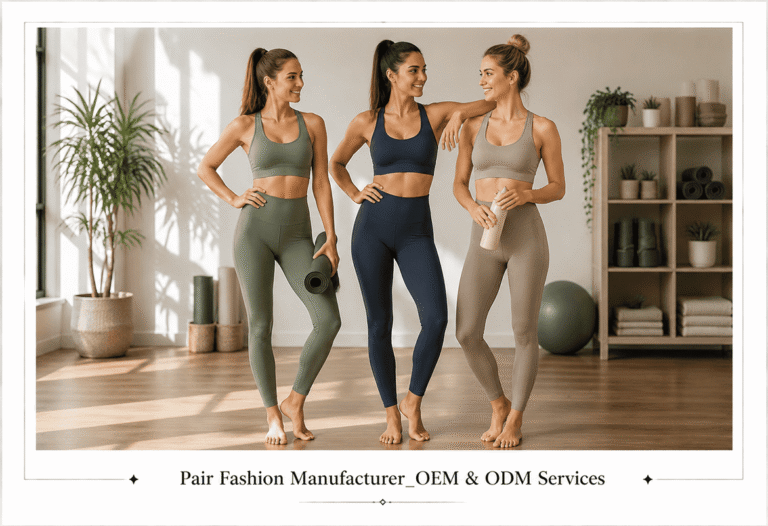
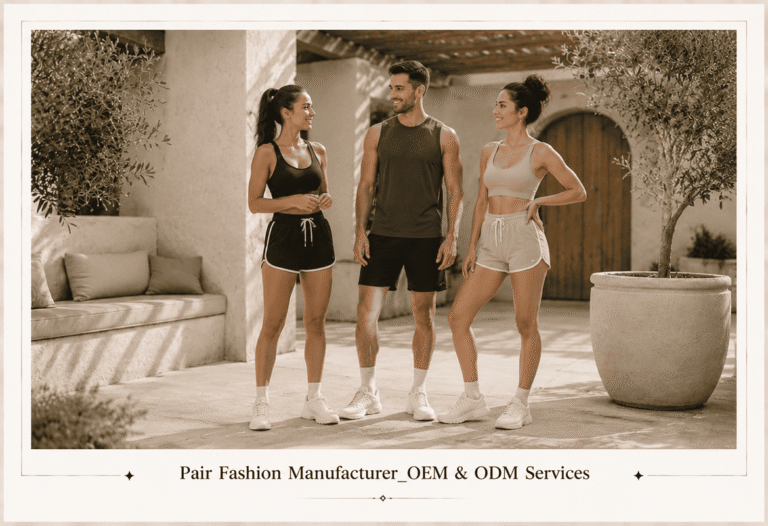
OEM/ODM Sportswear Manufacturer | 3-Day Sampling | Low MOQ | 50K Monthly Capacity | ISO9001 & BSCI Certified


Top 10 Hoodie Manufacturers in China (2026): Compare Factories, Find the Best Supplier & Reduce Sourcing Risks
Discover the top 10 hoodie manufacturers in China for 2026. Compare factories by MOQ, lead time, certifications, product range, and private label capabilities. Learn how to evaluate suppliers, reduce sourcing risks, and choose the right manufacturing partner for your apparel brand.
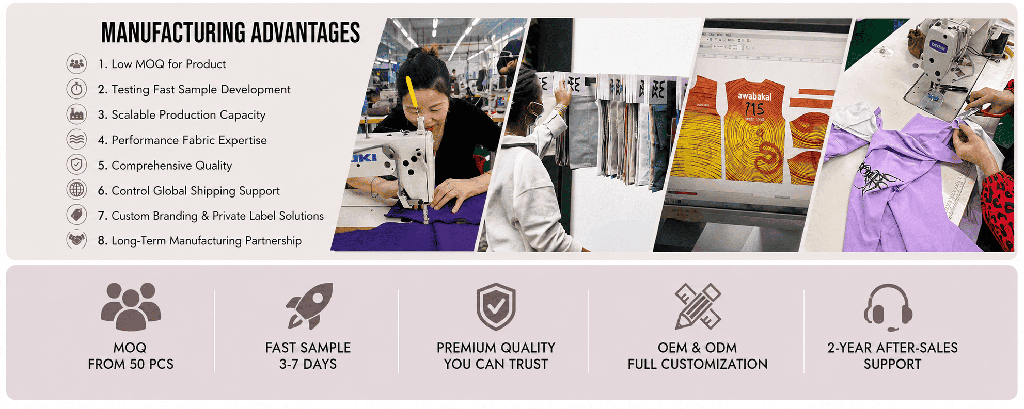
Top 10 Hoodie Manufacturers in China: Factory Comparison, Supplier Reviews & Buying Guide (2026)
Launching a successful hoodie collection is no longer just about finding a factory with the lowest quotation. Today’s apparel brands compete on product quality, fabric innovation, delivery reliability, sustainability, and the ability to react quickly to changing consumer demand. As private label brands continue to grow across Shopify stores, Amazon, independent fashion labels, retail chains, and sportswear companies, selecting the right manufacturing partner has become one of the most important business decisions a buyer can make.
China remains the world’s largest apparel manufacturing hub, but not every factory offers the same level of expertise. Some manufacturers focus on high-volume promotional apparel, while others specialize in premium heavyweight hoodies, sustainable fabrics, oversized streetwear, athletic performance wear, or luxury private label production. Choosing the wrong supplier can lead to delayed shipments, inconsistent quality, rising costs, and missed selling seasons. Choosing the right one can help brands scale faster while protecting margins and customer satisfaction.
China is home to hundreds of hoodie manufacturers, but only a small percentage consistently meet international expectations for quality, product development, communication, compliance, and long-term partnership. The best manufacturers combine reliable production capacity, flexible minimum order quantities, strong sampling capabilities, international certifications, and efficient supply chain management. This guide compares ten leading hoodie manufacturers in China while explaining how buyers can evaluate suppliers, reduce sourcing risks, and select the right factory based on their business model rather than price alone.
Instead of promoting a single supplier, this guide compares manufacturers from multiple perspectives that matter most to professional buyers. You’ll discover which factories are better suited for startups, which manufacturers support premium private label programs, which excel at rapid sampling, and which are more appropriate for large-scale wholesale production. You’ll also learn practical sourcing strategies used by experienced purchasing managers to avoid common supplier selection mistakes.
Whether you’re launching your first apparel brand or expanding an established clothing business, this guide is designed to help you make a more informed sourcing decision with greater confidence.
Top 10 Hoodie Manufacturers in China (2026)
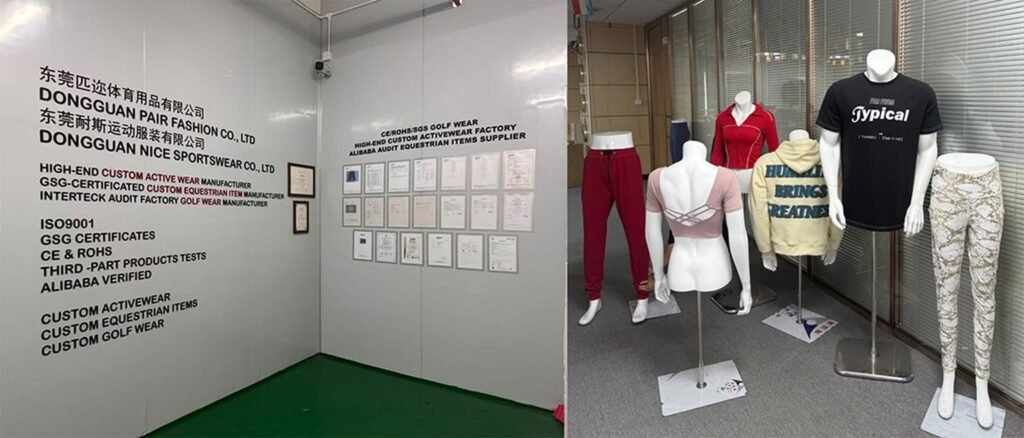
Finding a reliable hoodie manufacturer requires more than searching online or comparing quotations. The factories listed below were selected based on manufacturing experience, export capability, product specialization, certifications, production flexibility, customer reputation, and their ability to support international apparel brands. Each manufacturer serves different business needs, making it important to evaluate suppliers according to your own sourcing strategy rather than choosing solely by price.
Quick Comparison Table
| Manufacturer | Headquarters | Founded | MOQ | Lead Time | Best For |
|---|---|---|---|---|---|
| Pair Fashion | Dongguan | 2016 | 50 pcs | 15–25 working days | Private Label Sportswear & Premium Hoodies |
| Hongyu Apparel | Dongguan | 2003 | Medium | 20–35 days | Fashion Brands |
| Moda Knits | Guangzhou | 2006 | Medium | 20–30 days | Streetwear Labels |
| AEL Apparel | Guangzhou | 2007 | Low | 20–30 days | Sustainable Apparel |
| HFourWing | Guangzhou | 2014 | Low | 15–25 days | Startup Brands |
| Lezhou Garment | Guangzhou | 2009 | Medium | 20–35 days | Casual Wear |
| Xinye Garment | Shenzhen | 2002 | Medium | 25–35 days | Wholesale Buyers |
| ApparelCN | Guangzhou | 2010 | Medium | 20–30 days | OEM Projects |
| Arlisman | Zhongshan | 1999 | High | 30–40 days | Large Volume Orders |
| Doven Garments | Guangzhou | 2008 | Medium | 20–30 days | Fashion Collections |
1. Pair Fashion
Headquarters: Dongguan, Guangdong
Founded: 2016
Typical MOQ: 50 pieces
Typical Lead Time: 15–25 working days
Main Product Categories
- Performance Hoodies
- Sports Hoodies
- Heavyweight Hoodies
- French Terry Hoodies
- Fleece Hoodies
- Oversized Hoodies
- Activewear
- Joggers
- Tracksuits
- Yoga Wear
- Equestrian Apparel
- Plus Size Sportswear
- Maternity Activewear
Public Certifications
- ISO9001
- BSCI
- GRS
- CE
- ROHS
Best Fit For
- Startup apparel brands
- Growing DTC brands
- Premium private label businesses
- Sportswear companies
- Boutique apparel brands
- Buyers seeking flexible MOQs
- Brands requiring product development support
May Not Be Ideal For
- Buyers focused exclusively on the lowest possible unit price
- Promotional apparel importers purchasing extremely high-volume commodity products
Strengths
Pair Fashion has built its reputation around functional apparel manufacturing rather than basic fashion garments. The company specializes in performance hoodies designed for sportswear brands that prioritize fabric performance, construction quality, and long-term product consistency. Compared with many manufacturers that focus primarily on garment production, Pair Fashion offers extensive support throughout product development, including fabric selection, pattern optimization, sampling, labeling, packaging, and quality management.
Its relatively low minimum order quantity of 50 pieces makes the factory particularly attractive to startups testing new collections without taking excessive inventory risks. At the same time, its dedicated development team enables growing brands to refine fit, construction, and fabric specifications before scaling production.
Another notable advantage is the company’s expertise in niche sportswear segments such as equestrian apparel, maternity activewear, plus-size sportswear, and modest sportswear, allowing brands to develop differentiated product lines that face less direct competition than traditional fitness apparel.
Potential Limitations
Pair Fashion is not positioned as a low-cost promotional apparel manufacturer. Buyers focused exclusively on achieving the lowest unit price may find other high-volume factories more suitable. Instead, the company is better aligned with brands seeking consistent quality, flexible customization, and long-term manufacturing partnerships.
2. Hongyu Apparel
Headquarters: Dongguan, Guangdong
Founded: 2003
Typical MOQ: Approximately 100 pieces
Typical Lead Time: 20–35 working days
Main Product Categories
- Hoodies
- Sweatshirts
- T-Shirts
- Joggers
- Tracksuits
- Streetwear
- Fashion Apparel
Public Certifications
- BSCI
- ISO9001 (selected production facilities)
Best Fit For
- Fashion brands
- Streetwear labels
- Mid-sized apparel companies
- Buyers requiring OEM and ODM services
May Not Be Ideal For
- Sportswear brands requiring advanced performance fabrics
- Buyers looking for highly specialized functional apparel
Strengths
Hongyu Apparel has established itself as a reliable supplier within China’s casual fashion manufacturing industry. The company offers a broad range of hoodie styles, from lightweight cotton sweatshirts to heavyweight fleece collections suitable for retail brands.
Its strength lies in combining mature production systems with extensive private label experience. Buyers can customize silhouettes, trims, embroidery, printing techniques, woven labels, hangtags, and packaging while benefiting from a relatively experienced export team.
Hongyu also maintains relationships with numerous fabric suppliers, giving customers multiple material options across different pricing levels.
Potential Limitations
Compared with manufacturers specializing in technical sportswear, Hongyu focuses primarily on fashion-oriented hoodies rather than performance garments. Brands requiring moisture management, compression fabrics, or advanced functional textiles may need additional development support elsewhere.
Expert Review
Hongyu Apparel is a dependable option for brands producing casual lifestyle hoodies. Buyers prioritizing fashion aesthetics over athletic performance will generally find the company well aligned with their sourcing objectives.
3. Moda Knits
Headquarters: Guangzhou, Guangdong
Founded: 2006
Typical MOQ: Around 100 pieces
Typical Lead Time: 20–30 working days
Main Product Categories
- Custom Hoodies
- Sweatshirts
- Streetwear
- Knitwear
- Casual Fashion
- Cotton Apparel
Public Certifications
- BSCI
- OEKO-TEX (selected materials)
Best Fit For
- Independent fashion brands
- Streetwear startups
- Designer labels
- Boutique retailers
May Not Be Ideal For
- High-performance sportswear brands
- Buyers requiring highly technical functional fabrics
Strengths
Moda Knits positions itself as a manufacturer serving fashion-focused apparel companies. The factory offers flexibility in garment washing, oversized silhouettes, embroidery, screen printing, digital printing, puff printing, acid wash, vintage effects, and other fashion-forward finishing techniques.
Its design support allows newer brands to convert ideas into commercial products relatively quickly without building a complete internal development team.
Moda Knits also follows current fashion trends closely, making it attractive for companies launching seasonal collections.
Potential Limitations
Its expertise centers on lifestyle fashion rather than technical athletic apparel. Buyers producing outdoor performance products or professional sportswear may require suppliers with deeper functional fabric capabilities.
Expert Review
Moda Knits is particularly suitable for brands targeting younger consumers interested in street fashion, oversized hoodies, and premium casualwear collections.
4. AEL Apparel
Headquarters: Guangzhou, Guangdong
Founded: 2007
Typical MOQ: Approximately 50–100 pieces
Typical Lead Time: 20–30 working days
Main Product Categories
- Sustainable Hoodies
- Organic Cotton Apparel
- Recycled Apparel
- Casual Wear
- Women’s Fashion
Public Certifications
- GOTS
- OEKO-TEX
- BSCI
Best Fit For
- Sustainable fashion brands
- Eco-conscious startups
- European retailers
- Ethical clothing labels
May Not Be Ideal For
- Buyers seeking the lowest manufacturing costs
- Large promotional apparel programs
Strengths
AEL Apparel has invested heavily in sustainable manufacturing practices. Its product portfolio includes organic cotton, recycled polyester, recycled cotton blends, and environmentally certified materials.
Many European brands appreciate the company’s emphasis on responsible sourcing, traceability, and environmentally conscious production processes.
Potential Limitations
Sustainable materials generally increase production costs. Buyers operating in highly price-sensitive markets should evaluate whether premium eco-friendly fabrics align with their pricing strategy.
Expert Review
For brands positioning sustainability as a core brand value rather than a marketing slogan, AEL Apparel represents one of the stronger options within China’s apparel manufacturing industry.
5. HFourWing
Headquarters: Guangzhou, Guangdong
Founded: 2014
Typical MOQ: 50 pieces
Typical Lead Time: 15–25 working days
Main Product Categories
- Hoodies
- Sweatshirts
- Joggers
- Sportswear
- Casual Apparel
Public Certifications
- BSCI
Best Fit For
- Startup brands
- DTC businesses
- Kickstarter projects
- Small wholesale companies
May Not Be Ideal For
- Luxury apparel brands requiring extensive product development
Strengths
HFourWing has become increasingly popular among emerging apparel businesses because of its relatively low minimum order quantity and flexible production arrangements. The factory accommodates smaller production runs while supporting private label customization.
Its sampling process is generally efficient, making it suitable for brands validating new product concepts before scaling production.
Potential Limitations
Compared with larger manufacturers, HFourWing offers a narrower product development infrastructure. Brands requiring extensive research, advanced technical fabrics, or highly engineered garments may eventually outgrow its capabilities.
Expert Review
For entrepreneurs launching their first hoodie collection with limited budgets, HFourWing provides a practical balance between flexibility and manufacturing experience.
Choosing the Right Manufacturer Requires More Than Comparing Prices
Many first-time buyers assume that the factory offering the lowest quotation automatically represents the best sourcing decision. In practice, experienced sourcing managers evaluate manufacturers across multiple dimensions, including communication efficiency, sampling accuracy, production consistency, quality management, export experience, compliance standards, and long-term scalability.
A supplier with a slightly higher unit price may ultimately reduce total sourcing costs by minimizing production delays, quality issues, and inventory risks. Likewise, a factory capable of supporting product development and continuous innovation can create significantly greater long-term value than one competing solely on price.
Before shortlisting suppliers, buyers should clearly define their own priorities. For example:
- Startup brands often benefit from low MOQs, rapid sampling, and flexible development support.
- Growing private label brands usually prioritize consistent quality, scalable production capacity, and strong communication.
- Established retailers often require certified factories with robust compliance systems, predictable lead times, and reliable large-volume manufacturing.
- Performance sportswear brands should focus on manufacturers with proven expertise in functional fabrics, technical garment construction, and specialized product development rather than basic casual apparel.
Selecting a manufacturer is ultimately a strategic business decision rather than a purchasing exercise. The best partnership is rarely defined by the cheapest quotation—it is defined by the supplier’s ability to help your brand grow sustainably over the long term.
6. Lezhou Garment
Headquarters: Guangzhou, Guangdong
Founded: 2009
Typical MOQ: 100 pieces
Typical Lead Time: 20–35 working days
Main Product Categories
- Hoodies
- Sweatshirts
- T-Shirts
- Joggers
- Tracksuits
- Casual Apparel
- Fashion Basics
Public Certifications
- BSCI
Best Fit For
- Fashion retailers
- Wholesale distributors
- Promotional apparel companies
- Medium-sized clothing brands
May Not Be Ideal For
- Premium sportswear brands
- Buyers requiring extensive fabric innovation
- Brands focused on highly technical apparel
Strengths
Lezhou Garment has built a stable reputation by supplying affordable casual apparel to overseas wholesalers and retailers. The company offers a wide variety of standard hoodie styles and maintains efficient production systems capable of handling recurring seasonal orders.
One advantage is its experience working with overseas importers that require repeat production rather than constant product redevelopment. Buyers looking for proven basic hoodie programs often appreciate Lezhou’s manufacturing consistency and competitive pricing.
Potential Limitations
Lezhou focuses primarily on standard casual apparel rather than premium product innovation. Brands hoping to differentiate themselves through advanced fabrics, unique garment engineering, or highly customized construction may find its development capabilities somewhat limited.
Expert Review
Lezhou Garment is a dependable option for companies sourcing classic hoodie collections with stable quality and predictable production rather than highly innovative fashion products.
7. Xinye Garment
Headquarters: Shenzhen, Guangdong
Founded: 2002
Typical MOQ: 100–200 pieces
Typical Lead Time: 25–35 working days
Main Product Categories
- Hoodies
- Sweatshirts
- Corporate Apparel
- Promotional Clothing
- Uniforms
- Knitwear
Public Certifications
- ISO9001
- BSCI
Best Fit For
- Corporate buyers
- Promotional product companies
- Uniform suppliers
- Large distributors
May Not Be Ideal For
- Independent designer brands
- Luxury private label collections
- Small startup businesses
Strengths
With more than two decades of manufacturing experience, Xinye Garment has developed mature production systems suitable for standardized bulk orders. Its strengths include organized workflow management, experienced production supervisors, and reliable scheduling for medium- to large-scale projects.
The company is particularly suitable for buyers who value consistency across repeated production runs rather than frequent style revisions.
Potential Limitations
The factory’s business model favors standardized production efficiency over creative product development. Small fashion brands requiring frequent design modifications may experience less flexibility compared with factories specializing in startup support.
Expert Review
Xinye Garment remains a practical choice for buyers prioritizing operational stability, standardized quality, and recurring wholesale production.
8. ApparelCN
Headquarters: Guangzhou, Guangdong
Founded: 2010
Typical MOQ: Around 100 pieces
Typical Lead Time: 20–30 working days
Main Product Categories
- Hoodies
- Sweatshirts
- Activewear
- Casual Wear
- Fashion Apparel
Public Certifications
- BSCI
Best Fit For
- International sourcing companies
- Growing fashion brands
- OEM projects
- Private label programs
May Not Be Ideal For
- Highly specialized technical sportswear brands
- Buyers seeking advanced product engineering
Strengths
ApparelCN provides comprehensive OEM manufacturing services covering sourcing, sampling, production, packaging, and export coordination. The company has accumulated considerable experience working with overseas apparel businesses that require complete production management rather than simple garment manufacturing.
Its communication processes are generally structured, making collaboration easier for international buyers unfamiliar with Chinese manufacturing.
Potential Limitations
Although ApparelCN supports product customization, its competitive advantage lies more in manufacturing management than technical innovation or proprietary fabric development.
Expert Review
ApparelCN is well suited for brands seeking an experienced production partner capable of managing complete private label manufacturing projects.
9. Arlisman
Headquarters: Zhongshan, Guangdong
Founded: 1999
Typical MOQ: 200–300 pieces
Typical Lead Time: 30–40 working days
Main Product Categories
- Hoodies
- Knitwear
- Sweaters
- Sweatshirts
- Casual Apparel
Public Certifications
- ISO9001
Best Fit For
- Large retailers
- Established apparel brands
- High-volume distributors
- International wholesalers
May Not Be Ideal For
- Startup brands
- Small custom collections
- Buyers needing rapid product development
Strengths
Arlisman has extensive manufacturing experience supported by long-established production infrastructure. The company specializes in serving customers with consistent annual purchasing plans and relatively large production quantities.
Its mature supply chain and stable workforce contribute to reliable manufacturing performance for standardized apparel programs.
Potential Limitations
Because the company primarily focuses on higher-volume production, buyers requiring small batches, rapid product iteration, or flexible development may find other manufacturers more accommodating.
Expert Review
Arlisman is particularly attractive for established businesses seeking dependable long-term manufacturing capacity rather than experimental product development.
10. Doven Garments
Headquarters: Guangzhou, Guangdong
Founded: 2008
Typical MOQ: Around 100 pieces
Typical Lead Time: 20–30 working days
Main Product Categories
- Hoodies
- Sweatshirts
- Streetwear
- Fashion Jackets
- Casual Apparel
Public Certifications
- BSCI
Best Fit For
- Fashion brands
- Boutique retailers
- Private label collections
- Online clothing businesses
May Not Be Ideal For
- Professional athletic brands
- Technical outdoor apparel companies
Strengths
Doven Garments serves brands that emphasize modern fashion trends and seasonal product updates. The company supports a variety of garment finishing techniques, helping brands create visually distinctive collections while maintaining reasonable production flexibility.
Its balanced manufacturing approach makes it suitable for companies introducing new collections multiple times each year.
Potential Limitations
Compared with manufacturers specializing in functional sportswear, Doven’s expertise is concentrated on fashion rather than technical performance garments.
Expert Review
Doven Garments offers a balanced solution for fashion-focused apparel brands seeking reliable private label manufacturing with moderate customization requirements.
Manufacturer Comparison Matrix
| Manufacturer | MOQ | Sampling Speed | Product Development | Performance Fabrics | Private Label | Sustainability | Best Buyer Type |
|---|---|---|---|---|---|---|---|
| Pair Fashion | ★★★★★ | ★★★★★ | ★★★★★ | ★★★★★ | ★★★★★ | ★★★★★ | Sportswear Brands |
| Hongyu Apparel | ★★★★☆ | ★★★★☆ | ★★★★☆ | ★★★☆☆ | ★★★★★ | ★★★☆☆ | Fashion Brands |
| Moda Knits | ★★★★☆ | ★★★★☆ | ★★★★☆ | ★★★☆☆ | ★★★★★ | ★★★☆☆ | Streetwear Labels |
| AEL Apparel | ★★★★☆ | ★★★★☆ | ★★★★☆ | ★★★★☆ | ★★★★☆ | ★★★★★ | Sustainable Brands |
| HFourWing | ★★★★★ | ★★★★★ | ★★★★☆ | ★★★☆☆ | ★★★★☆ | ★★★☆☆ | Startups |
| Lezhou Garment | ★★★☆☆ | ★★★☆☆ | ★★★☆☆ | ★★☆☆☆ | ★★★☆☆ | ★★★☆☆ | Wholesalers |
| Xinye Garment | ★★★☆☆ | ★★★☆☆ | ★★★☆☆ | ★★☆☆☆ | ★★★☆☆ | ★★★☆☆ | Uniform Buyers |
| ApparelCN | ★★★★☆ | ★★★★☆ | ★★★★☆ | ★★★☆☆ | ★★★★★ | ★★★☆☆ | OEM Projects |
| Arlisman | ★★☆☆☆ | ★★★☆☆ | ★★★☆☆ | ★★★☆☆ | ★★★★☆ | ★★★☆☆ | Large Retailers |
| Doven Garments | ★★★★☆ | ★★★★☆ | ★★★★☆ | ★★★☆☆ | ★★★★☆ | ★★★☆☆ | Fashion Collections |
What Can Buyers Learn from This Comparison?
There is no universal “best” hoodie manufacturer because sourcing priorities differ from one business to another. A startup launching its first collection usually values flexibility, low MOQs, and responsive product development. An established retailer, on the other hand, may prioritize production stability, compliance, and the ability to handle large seasonal orders.
The comparison above highlights an important sourcing principle: the best supplier is the one whose capabilities align most closely with your business strategy.
If your brand focuses on technical sportswear, premium private label products, and long-term product innovation, manufacturers with strong development capabilities and functional fabric expertise will generally provide greater long-term value than factories competing primarily on price.
Conversely, buyers purchasing standardized fashion basics or promotional apparel may benefit from suppliers optimized for large-scale, cost-efficient production.
Rather than asking, “Which factory is the cheapest?”, experienced sourcing professionals ask a more valuable question:
“Which manufacturer is most capable of helping my business grow over the next three to five years?”
That shift in perspective often leads to stronger supplier relationships, more consistent product quality, and lower total sourcing costs over time.

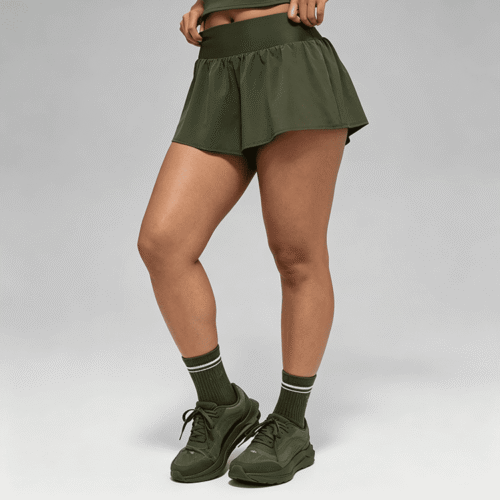
Custom High Waist Tennis Skort with Built-In Shorts OEM ODM
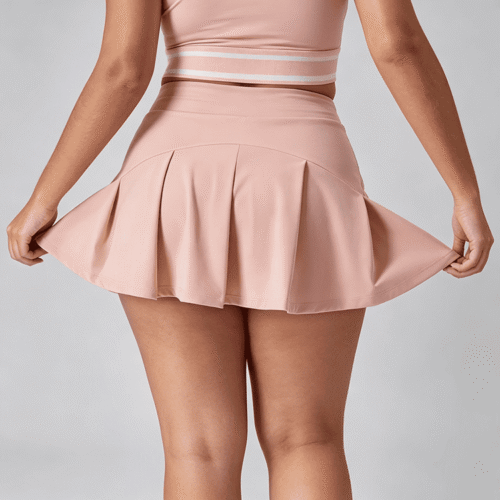
Custom High Waist Pleated Tennis Skort OEM ODM Women’s Tennis Wear
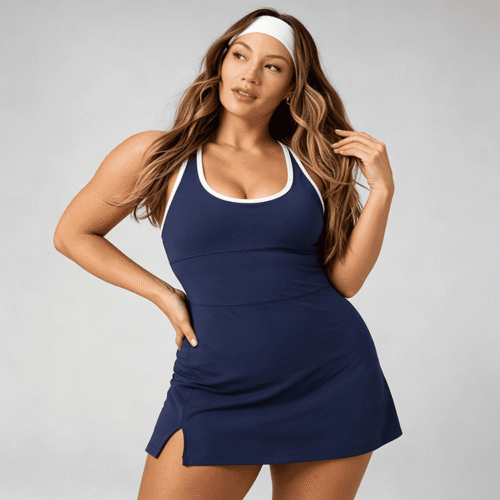
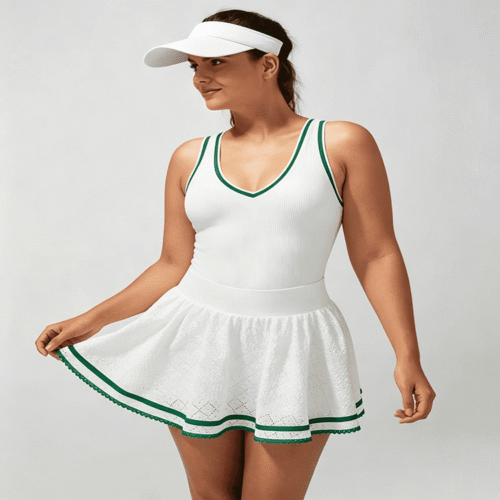
Custom Plus Size Tennis Dress OEM ODM Built-In Bra Activewear
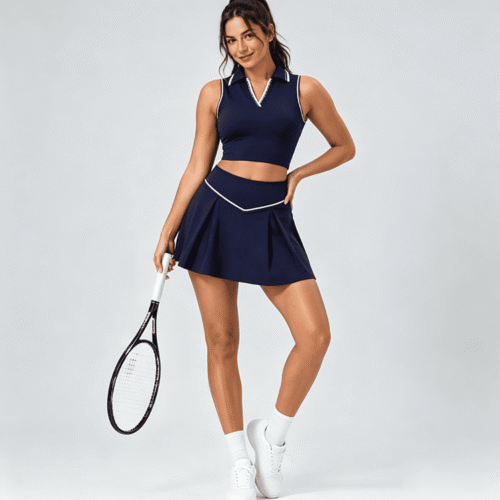
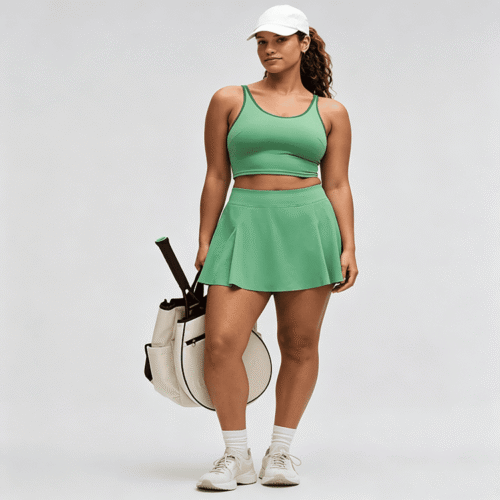
Custom Women’s Tennis Skirt Set OEM ODM Performance Tennis Outfit
Custom Women’s Tennis Dress OEM ODM Performance Tennis Apparel
Custom Women’s Tennis Skirt Set OEM ODM Performance Tennis Outfit
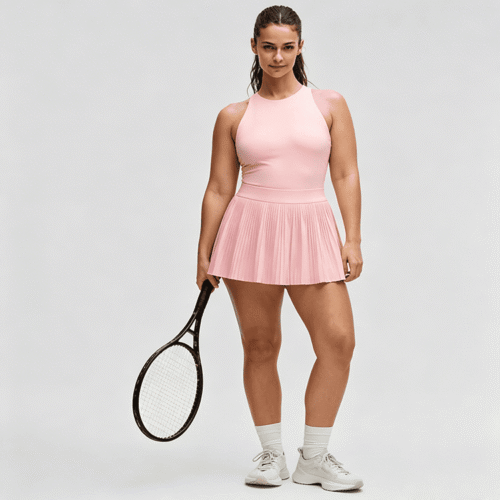
Custom Pleated Tennis Dress OEM ODM Women’s Performance Tennis Wear
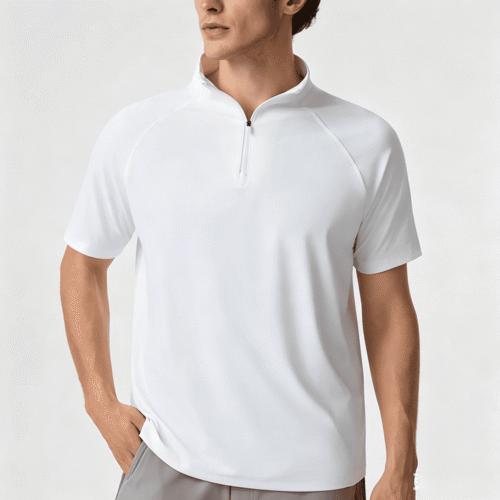
Custom Men’s Quarter Zip Performance Shirt OEM ODM Activewear
How We Selected These Hoodie Manufacturers
How We Selected These Hoodie Manufacturers
Choosing a hoodie manufacturer should never rely on a single factor such as unit price or production capacity. Professional sourcing teams evaluate suppliers using multiple criteria because manufacturing quality is the result of an entire production system rather than one individual capability. A factory with an attractive quotation may struggle with communication, inconsistent quality, or delayed deliveries, while a slightly higher-priced supplier may significantly reduce long-term business risks.
The manufacturers in this guide were evaluated using practical sourcing criteria that matter to international apparel brands. Instead of ranking suppliers by popularity alone, we considered manufacturing capability, product development, quality management, certifications, export experience, customization services, and overall suitability for different business models. This evaluation framework helps buyers compare factories objectively and select partners that match their long-term sourcing goals rather than focusing solely on price.
No supplier is perfect for every buyer. A startup launching its first hoodie collection has different priorities than an established retailer managing thousands of seasonal units. Likewise, a performance sportswear brand requires different manufacturing expertise than a streetwear label or promotional apparel distributor. For this reason, our evaluation focuses on fit rather than simply identifying the largest factory. Following a structured supplier evaluation process can help buyers compare manufacturers more effectively and select partners that align with their long-term sourcing goals.
Our Evaluation Criteria
The manufacturers featured in this guide were assessed across several practical dimensions that directly influence sourcing success.
| Evaluation Factor | Why It Matters |
|---|---|
| Manufacturing Experience | Indicates production maturity and process stability. |
| Product Development Capability | Determines whether a factory can transform ideas into commercially successful products. |
| Minimum Order Quantity (MOQ) | Affects inventory investment and market testing flexibility. |
| Sampling Capability | Reduces development time and helps validate designs before mass production. |
| Quality Management | Ensures consistency between samples and bulk production. |
| Export Experience | Reflects familiarity with international compliance and communication. |
| Certifications | Demonstrates commitment to recognized quality and sustainability standards. |
| Production Capacity | Supports business growth without sacrificing delivery reliability. |
| Customer Service | Improves communication efficiency and project management. |
| Long-Term Partnership Potential | Measures whether the supplier can continue supporting the brand as it expands. |
Product Development Matters More Than Most Buyers Expect
Many buyers believe manufacturing begins when fabric is cut and garments are sewn. In reality, successful production starts much earlier—with product development.
Factories with experienced development teams often help brands improve fit, optimize construction, recommend more suitable fabrics, simplify manufacturing without compromising appearance, and identify potential production issues before sampling begins. These early-stage improvements frequently reduce costs, shorten lead times, and improve customer satisfaction after products reach the market.
In contrast, factories that simply follow technical specifications without offering constructive feedback may produce garments exactly as requested—even when the original design contains avoidable problems.
This difference becomes increasingly important for brands introducing original collections rather than reproducing existing products.
Manufacturing Experience Should Be Evaluated Carefully
Years in business alone do not guarantee manufacturing excellence.
Some factories have decades of experience producing standardized garments for wholesalers but limited expertise in premium private label development. Others may be younger companies with highly specialized technical teams capable of supporting innovative apparel brands.
When evaluating manufacturing experience, buyers should consider questions such as:
- Has the factory produced hoodies similar to your target products?
- Does it understand your intended market?
- Can it recommend suitable fabrics and construction methods?
- Has it successfully served brands at your current stage of growth?
- Does it demonstrate continuous product innovation?
Relevant experience often provides more value than simply choosing the oldest manufacturer.
Certifications Should Support Manufacturing Capability—Not Replace It
International certifications are important indicators of operational standards, but they should never become the sole reason for selecting a supplier.
For example:
- ISO 9001 demonstrates structured quality management systems.
- BSCI focuses on responsible social compliance.
- GRS supports the use of recycled materials.
- OEKO-TEX® verifies textile safety for human use.
- GOTS is widely recognized for certified organic textiles.
However, certifications alone cannot guarantee excellent communication, consistent workmanship, or efficient project management.
Professional buyers typically view certifications as one component of a broader supplier evaluation rather than definitive proof of manufacturing quality.
Different Buyers Need Different Manufacturers
One of the biggest sourcing mistakes is assuming that every factory serves every customer equally well.
In practice, manufacturers often develop expertise around specific customer groups.
For example:
| Buyer Type | Typical Priority |
|---|---|
| Startup Brands | Low MOQ, flexible sampling, product guidance |
| Growing Private Label Brands | Stable quality, product development, scalable production |
| Fashion Labels | Trend responsiveness, garment finishing, seasonal updates |
| Sportswear Brands | Performance fabrics, technical construction, functional testing |
| Wholesale Importers | Competitive pricing, standardized production, consistent lead times |
| Large Retail Chains | Compliance, production capacity, supply chain reliability |
Selecting a supplier that naturally aligns with your business model generally leads to smoother collaboration and stronger long-term results.
A Balanced Evaluation Produces Better Long-Term Partnerships
The most successful apparel brands rarely build their supply chains around the lowest quotation. Instead, they prioritize manufacturers capable of supporting consistent growth over multiple production seasons.
An experienced manufacturing partner contributes value beyond production by improving products, identifying risks early, recommending practical solutions, and maintaining stable communication throughout every stage of development.
Viewed from this perspective, selecting a hoodie manufacturer becomes less about purchasing garments and more about choosing a long-term business partner capable of supporting your brand’s future ambitions.
Hoodie Manufacturer Comparison Scorecard
The following scorecard summarizes how the featured manufacturers compare across the capabilities most frequently evaluated by international apparel buyers.
| Manufacturer | Product Development | Quality Control | Sampling Speed | Communication | Sustainability | Scalability | Overall Flexibility |
|---|---|---|---|---|---|---|---|
| Pair Fashion | ★★★★★ | ★★★★★ | ★★★★★ | ★★★★★ | ★★★★★ | ★★★★★ | ★★★★★ |
| Hongyu Apparel | ★★★★☆ | ★★★★☆ | ★★★★☆ | ★★★★☆ | ★★★☆☆ | ★★★★☆ | ★★★★☆ |
| Moda Knits | ★★★★☆ | ★★★★☆ | ★★★★☆ | ★★★★☆ | ★★★☆☆ | ★★★★☆ | ★★★★☆ |
| AEL Apparel | ★★★★☆ | ★★★★☆ | ★★★★☆ | ★★★★☆ | ★★★★★ | ★★★★☆ | ★★★★☆ |
| HFourWing | ★★★★☆ | ★★★☆☆ | ★★★★★ | ★★★★☆ | ★★★☆☆ | ★★★☆☆ | ★★★★★ |
| Lezhou Garment | ★★★☆☆ | ★★★☆☆ | ★★★☆☆ | ★★★☆☆ | ★★★☆☆ | ★★★★☆ | ★★★☆☆ |
| Xinye Garment | ★★★☆☆ | ★★★★☆ | ★★★☆☆ | ★★★☆☆ | ★★★☆☆ | ★★★★★ | ★★★☆☆ |
| ApparelCN | ★★★★☆ | ★★★★☆ | ★★★★☆ | ★★★★☆ | ★★★☆☆ | ★★★★☆ | ★★★★☆ |
| Arlisman | ★★★☆☆ | ★★★★☆ | ★★★☆☆ | ★★★☆☆ | ★★★☆☆ | ★★★★★ | ★★☆☆☆ |
| Doven Garments | ★★★★☆ | ★★★★☆ | ★★★★☆ | ★★★★☆ | ★★★☆☆ | ★★★★☆ | ★★★★☆ |
This scorecard is intended as a starting point rather than a definitive ranking. Buyers should always validate suppliers through sampling, technical discussions, factory audits when appropriate, and reference checks before committing to large production orders.
Which Hoodie Manufacturer Is Right for Your Business?
Selecting the right hoodie manufacturer is less about finding the “best” factory and more about identifying the supplier whose capabilities match your business objectives. Every apparel company operates differently. A startup validating its first collection has different priorities than a multinational retailer managing thousands of units across multiple seasons.
The most suitable hoodie manufacturer depends on your business model, target market, product positioning, and growth strategy. Buyers should evaluate suppliers based on factors such as order volume, product complexity, development support, quality expectations, and future scalability rather than choosing solely on unit price. A manufacturer that perfectly supports one type of buyer may be completely unsuitable for another.
Rather than asking, “Who is the best manufacturer?”, experienced sourcing professionals ask a more practical question:
“Which manufacturer is best for my business today—and can continue supporting me as my brand grows?”
The following guide helps answer that question.
Best Manufacturers for Startup Apparel Brands
Launching a new apparel brand involves balancing creativity with financial risk. Most startups have limited inventory budgets, uncertain sales forecasts, and evolving product ideas. Flexibility often matters more than production scale.
Startups should prioritize:
- Low Minimum Order Quantities (MOQ)
- Fast sampling
- Product development assistance
- Responsive communication
- Flexible production planning
- Reasonable customization options
Recommended Manufacturers
| Manufacturer | Why It Fits Startups |
|---|---|
| Pair Fashion | Low MOQ, rapid sampling, strong product development support, scalable manufacturing for growing brands. |
| HFourWing | Flexible production with accessible entry requirements for new businesses. |
| AEL Apparel | Suitable for startups positioning themselves around sustainability and premium materials. |
A common mistake among startups is selecting a factory based entirely on the lowest quotation. While reducing initial costs is important, poor product quality or inconsistent deliveries can damage customer trust long before profitability becomes an issue.
Best Manufacturers for Private Label Brands
Private label businesses require more than garment production. They need suppliers capable of translating a brand identity into commercially successful products.
This usually includes:
- Custom patterns
- Fabric recommendations
- Brand labels
- Hangtags
- Packaging
- Size grading
- Consistent production quality
- Long-term product development
Recommended Manufacturers
| Manufacturer | Key Advantage |
|---|---|
| Pair Fashion | Comprehensive private label development with strong technical sportswear expertise. |
| Hongyu Apparel | Mature private label systems for fashion-focused brands. |
| ApparelCN | Complete OEM project management for international buyers. |
Private label success depends heavily on consistency. Customers expect future purchases to fit and perform exactly like previous orders. Manufacturers capable of maintaining long-term product consistency often become strategic partners rather than simple suppliers.
Best Manufacturers for Sportswear Brands
Performance apparel requires manufacturing capabilities beyond conventional casual clothing.
Buyers producing sports hoodies should evaluate:
- Technical fabrics
- Moisture management
- Four-way stretch
- Durable construction
- Functional stitching
- Athletic fit development
- Fabric testing
- Wash durability
Factories experienced in sportswear understand that comfort, performance, and durability directly influence customer satisfaction.
Recommended Manufacturers
| Manufacturer | Primary Strength |
|---|---|
| Pair Fashion | Functional sportswear development, technical fabrics, activewear expertise, specialized performance apparel. |
| AEL Apparel | Sustainable performance materials for environmentally conscious brands. |
Sportswear manufacturers often work closely with fabric suppliers throughout product development because fabric performance plays an equally important role alongside garment construction. Buyers can refer to the testing standards published by the American Association of Textile Chemists and Colorists (AATCC) to better understand how performance fabrics are evaluated for moisture management, durability, and colorfastness.
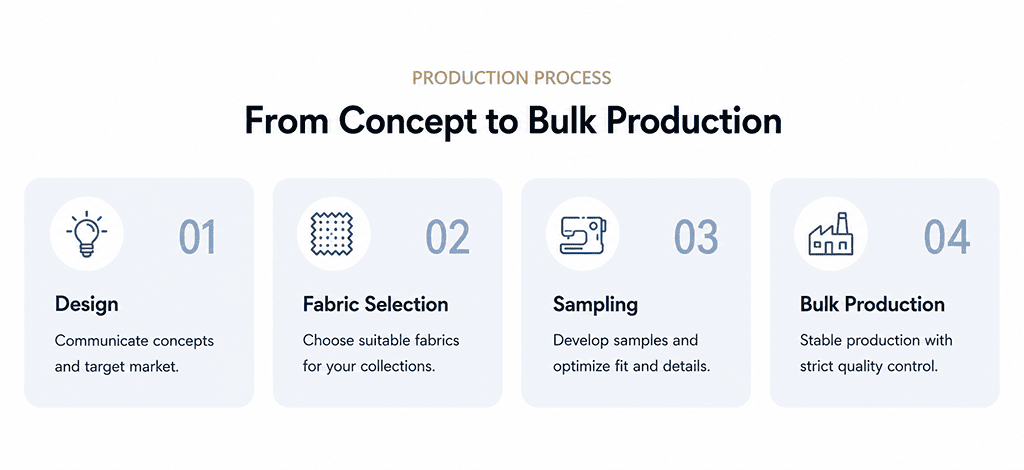
Best Manufacturers for Fashion & Streetwear Labels
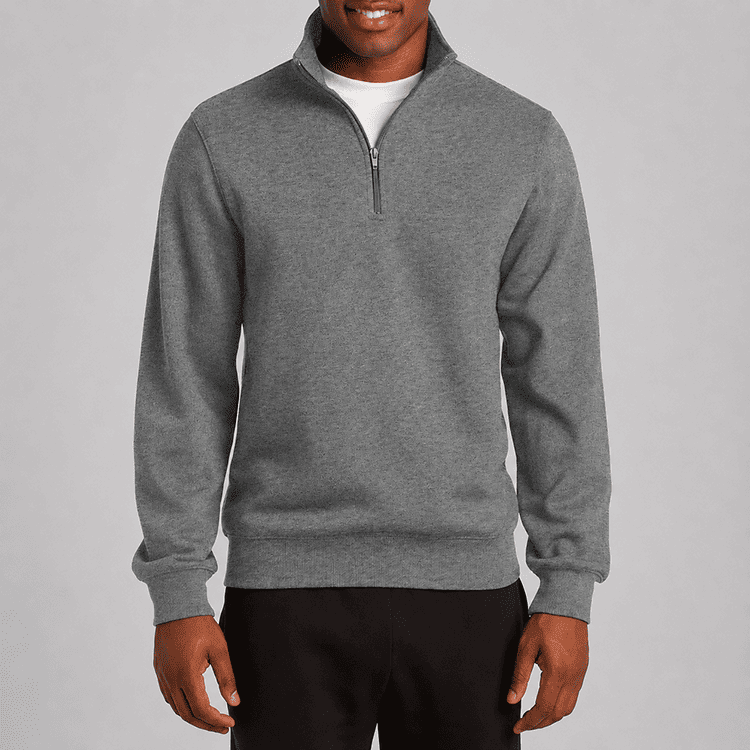
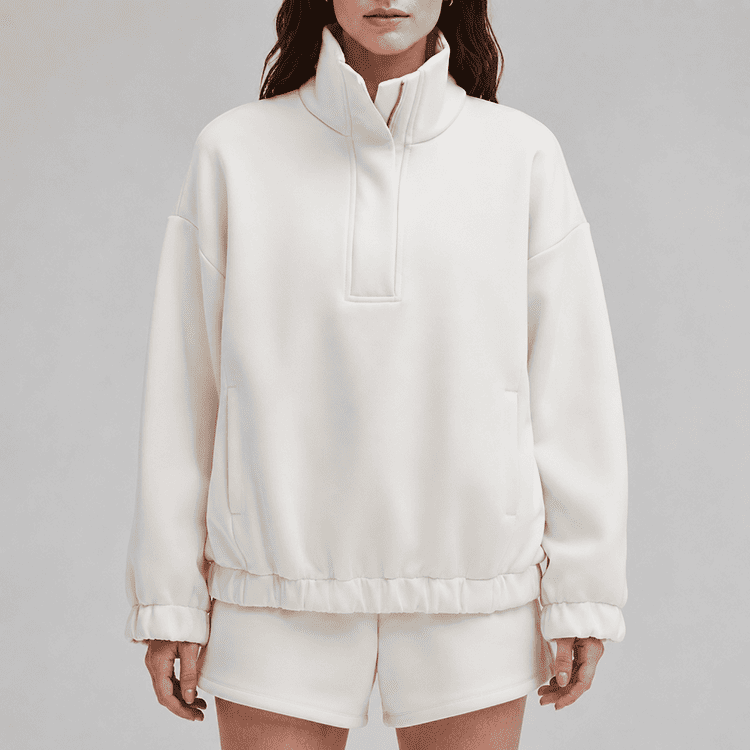
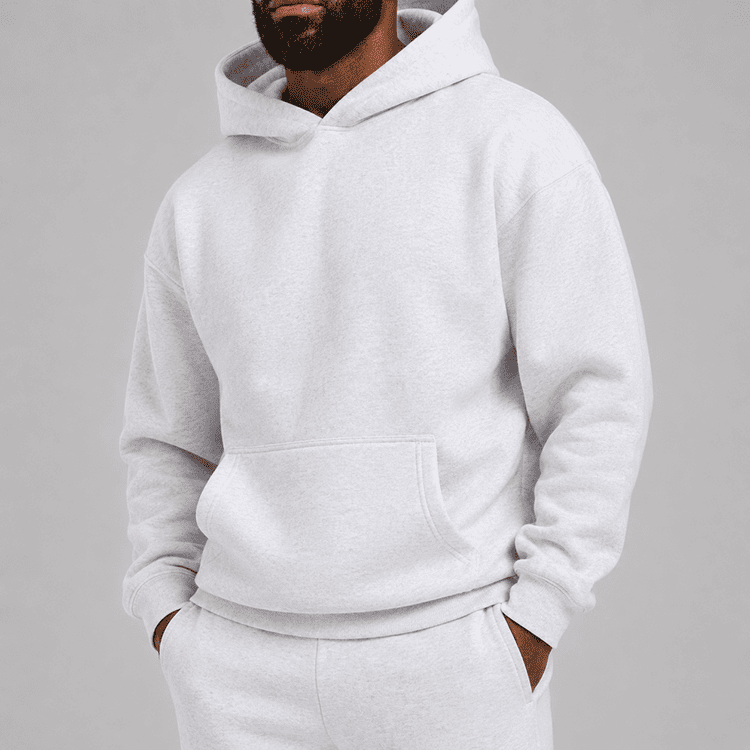
Streetwear has evolved into one of the fastest-growing apparel categories worldwide. Consumers increasingly expect premium fabrics, oversized silhouettes, garment washing, embroidery, puff printing, vintage finishes, and distinctive styling.
Fashion brands therefore require manufacturers capable of executing design details consistently while remaining responsive to rapidly changing trends.
Recommended Manufacturers
| Manufacturer | Best At |
|---|---|
| Moda Knits | Trend-driven streetwear collections |
| Hongyu Apparel | Premium casual fashion manufacturing |
| Doven Garments | Seasonal fashion programs |
| Lezhou Garment | Commercial casualwear production |
Fashion-focused manufacturers generally invest more heavily in garment finishing techniques than technical sportswear factories, making them better suited for lifestyle apparel collections.
Best Manufacturers for Wholesale Importers
Wholesale buyers prioritize different factors than independent brands.
Typical priorities include:
- Stable production quality
- Competitive pricing
- Reliable lead times
- Consistent specifications
- Efficient logistics
- Long-term supply stability
Large wholesalers often reorder identical products season after season, making manufacturing consistency significantly more valuable than experimental product development.
Recommended Manufacturers
| Manufacturer | Wholesale Advantage |
|---|---|
| Arlisman | High-volume manufacturing experience |
| Xinye Garment | Stable standardized production |
| Lezhou Garment | Cost-effective repeat production |
Wholesale purchasing generally benefits from suppliers with mature production systems capable of maintaining consistency across multiple manufacturing cycles.
Best Manufacturers for Sustainable Apparel Brands
Environmental responsibility has become a purchasing priority for many global consumers, particularly in Europe and North America.
Brands positioning themselves around sustainability should evaluate manufacturers based on:
- Recycled fabrics
- Organic materials
- Environmental certifications
- Traceability
- Responsible sourcing
- Waste reduction practices
Recommended Manufacturers
| Manufacturer | Sustainability Strength |
|---|---|
| AEL Apparel | Strong focus on organic and recycled materials. |
| Pair Fashion | Supports GRS-certified recycled fabrics and environmentally responsible performance textiles. |
It is important to recognize that sustainability extends beyond material selection. Responsible manufacturing also includes quality management, efficient production planning, product longevity, and reducing unnecessary waste throughout the supply chain.
Matching Your Manufacturer to Your Growth Stage
Many sourcing problems arise because brands outgrow their original manufacturing partners.
A factory ideal for producing 100 pieces may struggle with annual production exceeding 100,000 units. Likewise, manufacturers optimized for mass production often provide limited support to emerging brands requiring extensive development assistance.
A practical sourcing strategy is to evaluate not only whether a supplier meets your current needs but also whether it can continue supporting your business over the next several years.
The strongest manufacturing partnerships evolve alongside the brands they serve, adapting to increasing order volumes, expanding product lines, and changing market expectations without compromising quality or operational efficiency.
Buyer Decision Matrix
The following matrix summarizes which manufacturer may be most suitable based on common buyer profiles.
| Buyer Profile | Recommended Manufacturer | Primary Reason |
|---|---|---|
| Startup Brand | Pair Fashion | Flexible MOQ, product development, scalable growth support |
| Sportswear Brand | Pair Fashion | Technical fabrics and functional apparel expertise |
| Sustainable Brand | AEL Apparel | Certified eco-friendly materials |
| Streetwear Brand | Moda Knits | Fashion-focused design execution |
| Fashion Retailer | Hongyu Apparel | Mature private label production |
| Wholesale Distributor | Arlisman | High-volume manufacturing stability |
| Corporate Uniform Buyer | Xinye Garment | Standardized large-scale production |
| Growing DTC Brand | Pair Fashion | Long-term development partnership and consistent product quality |
A well-matched manufacturing partner does more than produce garments—it becomes an extension of your product development, quality assurance, and supply chain strategy. Choosing a supplier with capabilities that align with your long-term vision is often one of the most valuable investments an apparel brand can make.
Why Do Global Brands Choose Chinese Hoodie Manufacturers?
China has remained the world’s largest apparel manufacturing base for decades, but the reasons extend far beyond lower labor costs. Today’s leading Chinese manufacturers compete through integrated supply chains, technical expertise, advanced equipment, product development capabilities, and the ability to scale production efficiently. For global brands, the decision to manufacture in China is increasingly driven by value creation rather than simple cost reduction.
Global brands continue to source hoodies from China because the country offers an unmatched combination of manufacturing expertise, extensive textile supply chains, flexible production capacity, product development support, and international export experience. Buyers can access thousands of fabric options, advanced customization services, reliable logistics, and suppliers capable of supporting businesses from startup brands to multinational retailers.
Although manufacturing costs have gradually increased over the past decade, China’s productivity, infrastructure, and industrial ecosystem continue to deliver advantages that many competing regions struggle to replicate.
A Complete Supply Chain Creates Significant Competitive Advantages
One of China’s greatest strengths is the concentration of nearly every stage of apparel manufacturing within a highly connected industrial ecosystem.
A typical hoodie project may involve:
- Yarn suppliers
- Fabric knitting mills
- Dyeing facilities
- Printing specialists
- Embroidery factories
- Trim manufacturers
- Pattern makers
- Sewing factories
- Packaging suppliers
- Logistics providers
In many manufacturing regions, these partners operate within relatively short distances of one another. This proximity reduces transportation time, simplifies communication, shortens product development cycles, and improves overall production efficiency.
For buyers, this integrated ecosystem often translates into:
- Faster product development
- Greater customization
- More fabric choices
- Shorter lead times
- Better production coordination
Chinese Manufacturers Continue to Invest in Product Development
Modern apparel manufacturing extends well beyond sewing garments.
Many experienced Chinese factories now employ dedicated teams responsible for:
- Pattern engineering
- Size grading
- Fabric sourcing
- Material testing
- Garment construction
- Fit optimization
- Prototype development
- Production engineering
These capabilities allow manufacturers to contribute technical knowledge throughout the development process instead of simply executing customer specifications.
Brands introducing original collections frequently benefit from supplier recommendations that improve garment performance while reducing manufacturing complexity.
This collaborative approach often leads to:
- Better fit consistency
- Lower production costs
- Fewer sampling revisions
- Faster commercialization
Manufacturing Flexibility Supports Businesses of Different Sizes
Not every apparel business requires the same production model.
Some companies launch with fewer than 100 units.
Others purchase hundreds of thousands of garments every year.
China’s manufacturing landscape accommodates this diversity by offering factories specializing in:
- Startup production
- Small-batch private label programs
- Mid-volume seasonal collections
- Large-scale retail manufacturing
- Premium fashion development
- Technical sportswear
- Sustainable apparel
This variety allows buyers to select suppliers aligned with their current business stage while maintaining opportunities for future growth.
Material Availability Accelerates Product Innovation
China’s textile industry provides access to one of the world’s broadest selections of apparel materials.
Depending on product positioning, buyers can source:
Natural Fibers
- Cotton
- Organic Cotton
- Bamboo
- Hemp
- Modal
Performance Fabrics
- Polyester
- Recycled Polyester
- Nylon
- Recycled Nylon
- Spandex Blends
Premium Materials
- French Terry
- Brushed Fleece
- Polar Fleece
- Double Knit
- Heavyweight Cotton
- Loopback Terry
Functional Technologies
- Moisture Wicking
- Quick Dry
- UV Protection
- Anti-Bacterial Treatments
- Anti-Odor Finishes
- Water Repellency
- Stretch Recovery
This material diversity enables brands to develop products targeting different price points and consumer segments without changing manufacturing regions.
Export Experience Reduces International Business Risks
Manufacturing expertise alone is insufficient when serving overseas customers.
International buyers also require suppliers capable of managing:
- Export documentation
- Product compliance
- Customs procedures
- Packaging standards
- International logistics
- Communication across time zones
- Multi-language documentation
Many established Chinese manufacturers have accumulated years of export experience serving North America, Europe, Australia, the Middle East, and other global markets.
This experience often results in smoother project management and fewer unexpected complications throughout production.
Innovation Is Becoming a Core Competitive Advantage
The perception that Chinese factories simply manufacture existing designs is increasingly outdated.
Today, many manufacturers actively invest in:
- New fabric technologies
- Sustainable materials
- Digital product development
- Automated cutting systems
- Production management software
- Advanced quality inspection
- Lean manufacturing
- Supply chain optimization
As consumer expectations continue evolving, manufacturers capable of supporting innovation become increasingly valuable partners for apparel brands seeking long-term growth.
China’s Manufacturing Advantage Goes Beyond Cost
Many sourcing decisions begin with pricing discussions. However, experienced procurement professionals evaluate total value rather than unit cost alone.
A slightly higher production price may deliver significantly greater value through:
- Fewer quality issues
- Lower return rates
- More reliable delivery
- Better communication
- Faster product development
- Reduced inventory risks
- Higher customer satisfaction
Over multiple production seasons, these advantages frequently outweigh modest differences in manufacturing quotations.
Why Many Leading Apparel Brands Continue Choosing China
The continued success of China’s apparel industry reflects its ability to combine manufacturing efficiency with continuous improvement.
For many global brands, the most compelling advantages include:
- Highly integrated supply chains
- Extensive fabric sourcing options
- Experienced product development teams
- Flexible manufacturing capacity
- Advanced customization capabilities
- Strong export infrastructure
- International certifications
- Long-term scalability
Rather than competing solely on labor costs, China’s strongest manufacturers increasingly differentiate themselves through expertise, efficiency, innovation, and the ability to build lasting partnerships with global apparel brands.
China vs Vietnam vs Pakistan vs Turkey: Which Country Is Better for Hoodie Manufacturing?
Selecting the right manufacturing country can have a lasting impact on product quality, sourcing costs, lead times, and supply chain resilience. While China remains the world’s leading apparel manufacturing hub, countries such as Vietnam, Pakistan, Turkey, and Bangladesh have also become popular sourcing destinations for hoodie production.
There is no single “best” manufacturing country for every buyer. China excels in product development, supply chain integration, customization, and manufacturing flexibility. Vietnam is known for high-quality garment production and trade agreements, Pakistan offers competitive cotton-based manufacturing, while Turkey provides faster delivery to European markets. The ideal sourcing destination depends on your product requirements, budget, target market, and long-term business strategy.
Instead of focusing solely on production cost, buyers should compare each country across the factors that directly affect business performance.
Country Comparison Overview
| Country | Main Strength | Main Limitation | Best For |
|---|---|---|---|
| China | Complete supply chain, product development, flexibility | Slightly higher labor costs than some competitors | Private label brands, sportswear, premium hoodies |
| Vietnam | High garment quality, strong trade agreements | Smaller textile supply chain, longer material sourcing | International fashion brands |
| Pakistan | Competitive cotton production, lower manufacturing costs | Less diversified technical fabric supply | Basic cotton hoodies, value-oriented programs |
| Turkey | Fast delivery to Europe, premium knitwear | Higher manufacturing costs | European fashion retailers |
| Bangladesh | Large-scale cost-efficient production | Higher MOQs, less flexibility for startups | Mass-market retailers |
Product Development Capability
One of China’s strongest competitive advantages lies in its ability to support product development.
Many Chinese manufacturers offer:
- Pattern development
- Fabric recommendations
- Prototype engineering
- Technical improvements
- Material sourcing
- Packaging customization
By comparison, some lower-cost manufacturing regions focus more heavily on production execution than collaborative product innovation.
For brands introducing new collections every season, strong development support can significantly reduce time-to-market and improve product quality.
Choosing the right manufacturing country is just as important as choosing the right factory. While China remains the global leader in hoodie production, countries such as Vietnam, Pakistan, Turkey, and Bangladesh have become increasingly competitive in certain product categories. However, each country offers different advantages depending on your sourcing priorities, product positioning, order volume, and target market.
China remains the most balanced choice for most hoodie brands because it combines advanced product development, a complete textile supply chain, flexible production, experienced export teams, and strong customization capabilities. Other countries may offer advantages in specific areas such as labor costs or regional logistics, but few can match China’s overall manufacturing ecosystem for private label apparel.
Instead of asking “Which country is the cheapest?”, buyers should ask:
“Which country provides the best overall value for my brand?”
China: Best Overall Manufacturing Ecosystem
China remains the preferred sourcing destination for thousands of global apparel brands because nearly every part of the supply chain is available within one manufacturing ecosystem.
Advantages
- Complete textile supply chain
- Massive fabric selection
- Strong OEM and private label capabilities
- Excellent product development support
- Advanced manufacturing technology
- Experienced export teams
- Flexible production capacity
- Extensive customization options
China is particularly attractive for brands that want to move beyond basic manufacturing and build differentiated products.
For example, buyers can develop:
- Heavyweight hoodies
- French Terry collections
- Premium oversized hoodies
- Sustainable hoodie programs
- Performance hoodies
- Teamwear
- Athletic hoodies
without changing manufacturing partners.
Potential Challenges
China’s labor costs are higher than they were ten years ago. As a result, factories focusing on premium manufacturing may not always offer the lowest quotations.
However, many buyers find that improved quality, stronger communication, and lower production risks offset the difference in unit price.
Vietnam: Excellent Garment Quality with Growing Global Influence
Vietnam has become one of the fastest-growing apparel manufacturing countries over the past decade.
Many international sportswear companies have expanded production there because of favorable trade agreements and steadily improving manufacturing standards.
Advantages
- Strong sewing quality
- Competitive labor costs
- Excellent reputation among global sportswear brands
- Trade agreements with major markets
- Stable export environment
Limitations
Vietnam’s textile ecosystem remains less integrated than China’s.
Many manufacturers still import:
- Fabrics
- Trims
- Accessories
from neighboring countries, including China.
This additional sourcing step can increase lead times for highly customized products.
Pakistan: Competitive Cotton Manufacturing
Pakistan has long been recognized as one of the world’s largest cotton producers.
For brands developing cotton-based hoodies and fleece garments, Pakistan can offer attractive manufacturing costs.
Advantages
- Strong cotton industry
- Competitive pricing
- Large-scale knitwear production
- Good value for basic hoodies
Limitations
Compared with China, Pakistan offers fewer options for:
- Functional fabrics
- Performance textiles
- Premium garment development
- Advanced printing technologies
Brands producing technical sports hoodies often find China provides greater material diversity.
Turkey: Fast Access to the European Market
Turkey occupies a unique position between Europe and Asia.
Its geographic location allows European brands to shorten shipping times while maintaining relatively high manufacturing standards.
Advantages
- Short transportation time to Europe
- Premium knitwear expertise
- Fashion-oriented production
- Strong design capability
Limitations
Manufacturing costs in Turkey are generally higher than those in Asia.
For brands selling primarily in North America or Australia, the geographic advantage becomes less significant.
Bangladesh: High-Volume Manufacturing Specialist
Bangladesh has become one of the world’s largest apparel exporters by focusing on efficient mass production.
Large international retailers often manufacture basic apparel programs there because of competitive production costs.
Advantages
- Competitive pricing
- Large production capacity
- Strong experience with mass-market apparel
Limitations
Bangladesh is generally less suitable for:
- Low MOQ projects
- Frequent style updates
- Premium customization
- Technical product development
Startups often find minimum order quantities challenging.
Country Comparison Table
| Evaluation Factor | China | Vietnam | Pakistan | Turkey | Bangladesh |
|---|---|---|---|---|---|
| Product Development | ⭐⭐⭐⭐⭐ | ⭐⭐⭐⭐ | ⭐⭐⭐ | ⭐⭐⭐⭐ | ⭐⭐ |
| Fabric Variety | ⭐⭐⭐⭐⭐ | ⭐⭐⭐ | ⭐⭐⭐ | ⭐⭐⭐⭐ | ⭐⭐⭐ |
| Private Label Support | ⭐⭐⭐⭐⭐ | ⭐⭐⭐⭐ | ⭐⭐⭐ | ⭐⭐⭐⭐ | ⭐⭐ |
| Low MOQ | ⭐⭐⭐⭐⭐ | ⭐⭐⭐ | ⭐⭐ | ⭐⭐⭐ | ⭐ |
| Technical Sportswear | ⭐⭐⭐⭐⭐ | ⭐⭐⭐⭐ | ⭐⭐ | ⭐⭐⭐ | ⭐⭐ |
| Sustainable Materials | ⭐⭐⭐⭐⭐ | ⭐⭐⭐⭐ | ⭐⭐⭐ | ⭐⭐⭐ | ⭐⭐ |
| Lead Time Flexibility | ⭐⭐⭐⭐⭐ | ⭐⭐⭐ | ⭐⭐⭐ | ⭐⭐⭐⭐ | ⭐⭐ |
| Overall Supply Chain | ⭐⭐⭐⭐⭐ | ⭐⭐⭐ | ⭐⭐⭐ | ⭐⭐⭐ | ⭐⭐ |
Which Country Is Right for Your Brand?
The answer depends on what your business values most.
Choose China if you need:
- Comprehensive product development
- Premium private label manufacturing
- Technical sportswear expertise
- Flexible minimum order quantities
- A broad selection of fabrics
- Long-term manufacturing scalability
Choose Vietnam if your priority is:
- High sewing quality
- Established export manufacturing
- International trade advantages
Choose Pakistan if you focus on:
- Cotton hoodies
- Basic knitwear
- Cost-sensitive product lines
Choose Turkey if your primary market is Europe and faster regional delivery outweighs higher manufacturing costs.
Choose Bangladesh if your business operates large-volume, standardized apparel programs where economies of scale are the primary objective.
Expert Insight
Many experienced sourcing managers eventually discover that the lowest manufacturing cost rarely translates into the lowest total business cost.
Production delays, inconsistent quality, communication barriers, repeated sampling, and supply chain inefficiencies often create expenses that exceed the savings achieved through a lower unit price.
For brands building long-term private label collections, evaluating a manufacturing country should extend beyond labor costs to include innovation, product development, quality consistency, supply chain resilience, and long-term partnership potential.
How to Verify a Reliable Hoodie Manufacturer
Finding a hoodie supplier online is easy. Finding a manufacturer that can consistently deliver high-quality products, communicate effectively, and support your brand’s long-term growth is far more challenging. Every year, apparel buyers lose valuable time and money by partnering with suppliers that cannot meet expectations. The good news is that most sourcing risks can be identified before production begins if buyers know what to evaluate.
Reliable hoodie manufacturers can be identified through a structured verification process rather than marketing claims. Buyers should evaluate factory ownership, production capability, quality management systems, certifications, communication efficiency, product development experience, sampling performance, and customer references. A systematic evaluation significantly reduces sourcing risks and improves the likelihood of building a successful long-term manufacturing partnership.
Professional sourcing teams rarely choose a supplier after receiving one quotation. Instead, they verify every important capability before placing an order.
Verify Whether the Company Is a Real Factory
One of the first questions every buyer should answer is:
“Am I communicating with the actual manufacturer or a trading company?”
There is nothing inherently wrong with working with trading companies. Many provide excellent service and valuable sourcing support. However, buyers should understand who is actually producing their garments because it affects pricing, communication, production control, and problem resolution.
Signs You Are Working with a Manufacturer
- Own production facilities
- Production line photographs and videos
- Factory audit reports
- Internal quality control department
- Pattern development team
- Sample room
- Production planning department
- Consistent manufacturing capabilities
Signs the Supplier May Be a Trading Company
- Unable to provide factory information
- Frequently changes production schedules
- Product categories vary dramatically
- Limited technical knowledge
- Cannot arrange factory visits
- Outsources most production questions
Whenever possible, request recent factory photos, workshop videos, production line information, and details about internal departments. Genuine manufacturers are generally transparent about their production capabilities.
Evaluate Product Development Capability
Many sourcing problems begin long before mass production.
Factories with weak product development capabilities often struggle with:
- Pattern accuracy
- Size consistency
- Fabric recommendations
- Construction optimization
- Sample quality
In contrast, experienced manufacturers contribute technical expertise throughout product development.
Ask suppliers questions such as:
- Can you optimize my Tech Pack?
- Can you recommend more suitable fabrics?
- Can you improve garment construction?
- Have you produced similar products before?
- Can you identify production risks before sampling?
Manufacturers capable of answering these questions confidently usually possess stronger technical teams.
Examine Sampling Quality Instead of Sampling Speed Alone
Fast sampling is valuable, but sample quality is even more important.
Receiving a sample within five days offers little benefit if multiple revisions become necessary afterward.
Evaluate samples based on:
Construction
- Stitch consistency
- Seam strength
- Symmetry
- Shape retention
Fit
- Overall silhouette
- Size accuracy
- Comfort
- Mobility
Fabric Performance
- Hand feel
- Stretch recovery
- Weight consistency
- Surface appearance
Printing and Embroidery
- Alignment
- Durability
- Color consistency
- Detail quality
A high-quality sample usually indicates disciplined production management throughout the factory.
Review Quality Management Systems
Reliable manufacturers implement structured quality control throughout production rather than relying solely on final inspections.
A mature quality management system generally includes multiple inspection stages.
| Production Stage | Typical Inspection Focus |
|---|---|
| Raw Materials | Fabric quality, color consistency, defects |
| Cutting | Panel accuracy, fabric utilization |
| Sewing | Stitch quality, construction consistency |
| Printing & Embroidery | Position, durability, appearance |
| Finishing | Measurements, loose threads, ironing |
| Packaging | Labels, folding, carton verification |
| Final Inspection | AQL inspection, overall appearance |
Factories using structured inspection systems typically produce more consistent bulk orders.
Confirm International Certifications
Certifications demonstrate that a manufacturer follows recognized standards in specific areas.
Common certifications include:
| Certification | Primary Purpose |
|---|---|
| ISO 9001 | Quality management system |
| BSCI | Social compliance and ethical manufacturing |
| GRS | Recycled material verification |
| OEKO-TEX® Standard 100 | Textile safety |
| GOTS | Organic textile certification |
| WRAP | Responsible manufacturing practices |
Buyers should request current certificates rather than assuming all certifications remain valid indefinitely.
Remember that certifications complement—not replace—good manufacturing practices.
Assess Communication Efficiency
Communication is often underestimated during supplier selection.
In reality, poor communication frequently causes:
- Production delays
- Incorrect samples
- Color inconsistencies
- Packaging mistakes
- Delivery problems
Reliable manufacturers typically provide:
- Clear technical explanations
- Timely responses
- Organized documentation
- Regular production updates
- Proactive problem solving
Good communication becomes even more valuable as projects increase in complexity.
Evaluate Production Capacity Realistically
Large production capacity sounds impressive, but capacity should match your business requirements.
Questions worth asking include:
- What is your monthly production capacity?
- How many production lines do you operate?
- How do you handle urgent orders?
- What percentage of capacity is typically reserved?
- How do you manage seasonal demand?
A smaller factory with available production capacity may provide better service than an overloaded large manufacturer.
Review Export Experience
International buyers benefit significantly from suppliers familiar with overseas business requirements.
Experienced export manufacturers generally understand:
- International sizing standards
- Packaging regulations
- Shipping documentation
- Customs requirements
- Product testing
- Compliance expectations
Ask suppliers which countries they export to regularly.
Factories serving markets such as North America, Europe, Australia, and Japan often possess stronger international project management capabilities.
Request Customer References and Previous Projects
Past performance often provides useful insight into future performance.
Reliable manufacturers are usually willing to discuss:
- Similar products
- Previous production experience
- Export markets
- Long-term customer relationships
- Successful case studies
While confidentiality agreements may prevent sharing customer names, experienced factories can usually demonstrate relevant manufacturing experience through product examples.
Factory Verification Checklist
Before selecting a hoodie manufacturer, confirm the following items:
Company Verification
- Factory ownership
- Business license
- Export experience
- Production location
Product Development
- Pattern development
- Sample capability
- Fabric sourcing
- Technical support
Manufacturing
- Production lines
- Monthly capacity
- Equipment
- Workforce stability
Quality Management
- Inspection procedures
- Testing standards
- AQL implementation
- Final inspection process
Compliance
- ISO certification
- BSCI audit
- Sustainability certifications
- Product testing reports
Communication
- English proficiency
- Response speed
- Technical understanding
- Project management
Common Verification Mistakes Buyers Should Avoid
Even experienced buyers occasionally overlook important warning signs.
The most common mistakes include:
- Choosing solely based on the lowest quotation.
- Assuming certifications guarantee excellent product quality.
- Skipping sample evaluation.
- Ignoring communication responsiveness.
- Failing to verify actual production capability.
- Comparing prices without comparing technical capabilities.
- Selecting suppliers without considering future scalability.
Successful sourcing decisions rarely result from one impressive quotation. Instead, they come from carefully evaluating every aspect of a manufacturer’s capabilities before production begins.
Expert Recommendation
The strongest manufacturing partnerships are built on transparency, technical competence, and consistent execution rather than aggressive pricing.
Investing additional time in supplier verification before placing an order often saves months of production delays, costly revisions, and quality disputes later. For most growing apparel brands, choosing the right manufacturing partner is one of the highest-return investments they can make within their supply chain.
Hidden Costs Buyers Should Know Before Ordering Hoodies
The quotation you receive from a hoodie manufacturer is only one part of your total sourcing cost. Experienced buyers understand that the lowest unit price does not always result in the lowest overall procurement cost. Production delays, inconsistent quality, repeated sampling, poor communication, and logistics issues can quickly outweigh any savings achieved through a lower manufacturing price.
Successful sourcing decisions are based on total landed cost rather than factory price alone. Buyers should evaluate hidden expenses such as sampling revisions, quality failures, delayed deliveries, inventory carrying costs, logistics, customs, and supplier communication. Understanding these hidden costs helps brands improve profitability while reducing supply chain risks.
Many apparel startups focus heavily on negotiating a lower FOB price while overlooking operational expenses that have a much greater impact on long-term profitability.
Factory Price Is Only the Beginning
A hoodie priced at US$10.00 is not necessarily less expensive than one priced at US$10.80.
The lower-priced product may require:
- Multiple sample revisions
- Fabric replacement
- Additional inspections
- Production delays
- Customer returns
- Product discounts
- Emergency air freight
When these costs are added together, the total sourcing cost may exceed that of a supplier with a slightly higher initial quotation.
Professional buyers therefore calculate Total Cost of Ownership (TCO) instead of comparing manufacturing prices alone.
Product Development Costs
Many brands underestimate the financial impact of product development.
Typical development expenses include:
- Pattern creation
- Sample production
- Fabric testing
- Size revisions
- Printing adjustments
- Packaging revisions
- Shipping samples internationally
Factories with experienced development teams often reduce these costs by identifying potential problems early in the process.
Poorly managed development frequently results in:
- Multiple sample rounds
- Delayed product launches
- Higher courier expenses
- Increased development budgets
Although development costs represent a relatively small percentage of the overall project, they can significantly affect launch schedules.
Quality Problems Can Become the Most Expensive Cost
Quality issues rarely end when products leave the factory.
Instead, they often create additional expenses throughout the supply chain.
Possible consequences include:
- Product returns
- Customer complaints
- Warranty claims
- Negative online reviews
- Inventory write-offs
- Replacement production
- Brand reputation damage
For direct-to-consumer brands, customer dissatisfaction often costs considerably more than manufacturing defects themselves.
A manufacturer with stronger quality management may charge slightly more but significantly reduce these downstream expenses.
Shipping Delays Affect More Than Logistics
Delayed deliveries create costs that extend well beyond transportation.
Late production may result in:
- Missed seasonal launches
- Lost promotional campaigns
- Stock shortages
- Retail penalties
- Emergency freight upgrades
- Warehouse scheduling conflicts
For fashion brands, timing is particularly important because seasonal demand cannot easily be recovered after the selling window closes.
Reliable delivery therefore represents a competitive advantage rather than simply an operational metric.
Communication Costs Are Often Invisible
Poor communication increases sourcing costs in ways that are difficult to measure directly.
Examples include:
- Misunderstood specifications
- Incorrect colors
- Wrong labels
- Packaging errors
- Delayed approvals
- Repeated meetings
- Extended development timelines
Manufacturers with organized project management typically reduce these hidden costs by maintaining clear documentation and regular communication throughout production.
Inventory Risk Should Not Be Ignored
Ordering more garments than the market can absorb creates unnecessary financial pressure.
Excess inventory ties up:
- Working capital
- Warehouse space
- Cash flow
- Future purchasing capacity
This is one reason why many growing brands prefer manufacturers offering lower minimum order quantities.
Flexible production allows businesses to:
- Test new products
- Validate customer demand
- Reduce inventory exposure
- Improve cash flow management
The ability to reorder quickly often provides greater long-term value than purchasing excessive quantities initially.
Customs and Compliance Costs
International sourcing also involves regulatory expenses that vary by destination market.
Potential costs include:
- Import duties
- Customs clearance fees
- Product testing
- Documentation
- Labeling compliance
- Country-specific regulations
Manufacturers familiar with export markets often help buyers prepare the necessary documentation correctly, reducing customs delays and unexpected administrative expenses.
Opportunity Cost Is Real
One hidden cost rarely discussed is opportunity cost.
When suppliers repeatedly miss deadlines or struggle with development, brands lose opportunities to:
- Launch products earlier
- Capture seasonal demand
- Expand into new markets
- Introduce additional collections
- Respond to emerging fashion trends
In highly competitive apparel markets, speed often creates competitive advantage.
Working with an efficient manufacturing partner helps brands capitalize on opportunities that slower competitors may miss.
Hidden Cost Comparison
| Hidden Cost | Low-Performing Supplier | Reliable Manufacturer |
|---|---|---|
| Sample Revisions | High | Low |
| Quality Claims | Frequent | Rare |
| Production Delays | Common | Minimal |
| Communication Issues | Frequent | Well Managed |
| Emergency Freight | More Likely | Less Likely |
| Inventory Risk | Higher | Lower |
| Customer Returns | Higher | Lower |
| Long-Term Cost | Often Higher | Often Lower |
Focus on Value, Not Just Price
Professional sourcing managers understand that manufacturing decisions should maximize overall business value rather than minimize initial purchase price.
The strongest suppliers consistently deliver:
- Stable product quality
- Predictable lead times
- Efficient communication
- Continuous product improvement
- Long-term manufacturing support
Over several production seasons, these advantages often generate significantly greater financial returns than small differences in factory quotations.
Hoodie Supplier Selection Checklist
Selecting a hoodie manufacturer becomes much easier when buyers follow a structured evaluation process instead of relying on intuition or marketing materials. A checklist helps standardize supplier comparisons, identify potential risks early, and ensure that important details are not overlooked during negotiations.
A systematic supplier selection checklist improves sourcing decisions by evaluating manufacturers across technical capability, production reliability, communication, quality management, compliance, and long-term partnership potential. Buyers who follow structured evaluation processes generally experience fewer production problems and stronger supplier relationships.
The following checklist summarizes the key questions experienced sourcing professionals ask before approving a new manufacturing partner.
Stage 1 — Company Verification
Confirm basic business information before discussing pricing.
Verify
- □ Company registration
- □ Factory location
- □ Years in business
- □ Export markets
- □ Manufacturing specialization
- □ Production facilities
- □ Business licenses
Stage 2 — Product Development Assessment
Determine whether the supplier can successfully develop your products.
Confirm
- □ Pattern development capability
- □ Tech Pack understanding
- □ Sample room
- □ Fabric sourcing experience
- □ Material recommendations
- □ Size grading capability
Stage 3 — Manufacturing Capability
Evaluate whether the factory can support both current and future production requirements.
Confirm
- □ Monthly capacity
- □ Number of production lines
- □ Production planning system
- □ Equipment condition
- □ Workforce stability
- □ Scalability for larger orders
Stage 4 — Quality Management
Review the manufacturer’s quality assurance process.
Confirm
- □ Incoming material inspection
- □ In-line production inspection
- □ Final inspection procedures
- □ Measurement control
- □ Defect management
- □ AQL standards
Stage 5 — Compliance & Certifications
Request current documentation.
Verify
- □ ISO 9001
- □ BSCI
- □ GRS (if applicable)
- □ OEKO-TEX®
- □ GOTS (if applicable)
- □ Product testing reports
Stage 6 — Communication Evaluation
Strong communication prevents many production problems.
Observe
- □ Response speed
- □ Technical knowledge
- □ English communication
- □ Documentation quality
- □ Problem-solving attitude
- □ Transparency
Stage 7 — Sampling Evaluation
Never skip sample evaluation before mass production.
Review
- □ Fabric quality
- □ Stitching consistency
- □ Measurements
- □ Printing accuracy
- □ Embroidery quality
- □ Overall workmanship
Stage 8 — Long-Term Partnership Potential
The best suppliers grow together with their customers.
Ask yourself:
- Can this manufacturer support larger future orders?
- Does the factory continuously improve products?
- Are they proactive during development?
- Can they recommend better solutions?
- Would I trust them with my next collection?
If the answer to most of these questions is yes, you are likely evaluating a supplier capable of becoming a valuable long-term manufacturing partner rather than simply another production vendor.
Frequently Asked Questions About Hoodie Manufacturers in China
Choosing a hoodie manufacturer often involves dozens of questions, especially for buyers sourcing from China for the first time. The answers below address some of the most common concerns raised by apparel brands, distributors, wholesalers, and private label businesses. Understanding these topics can help reduce sourcing uncertainty and improve purchasing decisions.
What Is the Typical MOQ for Custom Hoodies?
Most Chinese hoodie manufacturers offer minimum order quantities ranging from 50 to 300 pieces per style, although exact requirements depend on the factory, fabric, construction complexity, and customization level. Startups usually benefit from manufacturers that provide flexible MOQs, while large factories often require higher production volumes to achieve manufacturing efficiency.
MOQ is influenced by several factors:
- Fabric availability
- Dyeing requirements
- Printing techniques
- Embroidery complexity
- Number of colorways
- Number of sizes
- Production scheduling
Many premium private label manufacturers now support lower MOQs to help emerging brands validate new collections before committing to larger production runs.
How Long Does Hoodie Production Usually Take?
Typical production lead times range from 20 to 40 days after sample approval, while sampling generally requires one to three weeks depending on product complexity. During peak production seasons, buyers should allow additional time for material sourcing and production scheduling.
A typical project timeline may include:
| Production Stage | Typical Duration |
|---|---|
| Product Discussion | 2–5 days |
| Fabric Confirmation | 3–7 days |
| Sample Development | 7–15 days |
| Sample Revision (if required) | 5–10 days |
| Bulk Production | 20–35 days |
| Final Inspection | 1–3 days |
| International Shipping | Depends on destination |
Planning production several months before seasonal launches helps minimize supply chain pressure.
How Can I Tell Whether a Factory Is Reliable?
Reliable manufacturers demonstrate consistency across production capability, communication, quality management, certifications, and customer service rather than relying solely on attractive pricing. Buyers should verify factory information through sampling, documentation, technical discussions, and supplier evaluations before placing significant orders.
Useful indicators include:
- Clear communication
- Professional product knowledge
- Structured quality management
- Transparent manufacturing information
- Stable export experience
- Positive long-term customer relationships
Consistency is usually a stronger indicator of reliability than marketing materials.
Should I Choose the Lowest Quotation?
Not necessarily. The lowest quotation often represents only one component of total sourcing cost. Product quality, delivery reliability, communication, product development, and after-sales support frequently have a greater influence on long-term business profitability than small differences in manufacturing price.
Experienced buyers compare:
- Total sourcing cost
- Product consistency
- Development capability
- Production reliability
- Long-term partnership value
Selecting suppliers based solely on price may increase operational risks over time.
Which Certifications Matter Most?
The most relevant certifications depend on your target market and product positioning. Quality management, social compliance, sustainability, and textile safety certifications are among the most commonly requested by international apparel buyers.
Frequently requested certifications include:
- ISO 9001
- BSCI
- GRS
- OEKO-TEX® Standard 100
- GOTS
- WRAP
Rather than collecting every available certification, buyers should focus on those required by their customers and target markets.
Can Chinese Manufacturers Support Premium Private Label Brands?
Yes. Many experienced Chinese manufacturers now provide comprehensive private label services that extend well beyond garment production. These services often include product development, pattern engineering, fabric sourcing, branding, packaging, and long-term production management.
Private label services may include:
- Custom patterns
- Fabric recommendations
- Woven labels
- Printed neck labels
- Hangtags
- Packaging
- Size grading
- Seasonal product development
Choosing manufacturers with dedicated development teams generally produces stronger long-term brand results.
Is China Still the Best Country for Hoodie Manufacturing?
For many international apparel brands, China remains the most comprehensive sourcing destination because of its integrated supply chain, technical expertise, manufacturing flexibility, and product development capabilities. While other countries offer advantages in specific areas, China continues to provide one of the most balanced manufacturing ecosystems for private label hoodie production.
The most appropriate sourcing country ultimately depends on:
- Product positioning
- Order volume
- Target market
- Budget
- Development requirements
- Long-term growth strategy
Rather than focusing exclusively on labor costs, successful brands evaluate overall manufacturing value.
What Is the Most Important Factor When Choosing a Hoodie Manufacturer?
The most important factor is alignment between the manufacturer’s capabilities and your business goals. A supplier that understands your products, target market, quality expectations, and future growth plans is far more valuable than one offering only the lowest quotation.
Strong manufacturing partnerships are built upon:
- Mutual trust
- Transparent communication
- Consistent quality
- Continuous improvement
- Long-term collaboration
Factories that actively contribute ideas, solve problems, and support product development often become strategic partners rather than simple production vendors.
Conclusion
Selecting a hoodie manufacturer is one of the most important decisions an apparel brand can make. While hundreds of factories across China offer hoodie production, only a relatively small number consistently combine product development expertise, manufacturing reliability, quality management, flexible customization, and international business experience.
This guide compared ten leading hoodie manufacturers from different perspectives, including manufacturing capability, private label support, production flexibility, sustainability, and suitability for different buyer profiles. As the comparison demonstrates, there is no universally perfect supplier. The right manufacturing partner depends on your business model, product positioning, growth stage, and long-term objectives.
Instead of concentrating solely on manufacturing cost, successful sourcing professionals evaluate suppliers through a broader lens that includes communication quality, technical expertise, product development capability, production consistency, compliance, and future scalability. These factors often determine the long-term success of a sourcing relationship far more than minor differences in unit price.
As global apparel markets continue to evolve, brands that build collaborative relationships with capable manufacturers are generally better positioned to respond to changing consumer preferences, launch products more efficiently, and grow sustainably over time.
Whether you are developing your first private label hoodie collection or expanding an established apparel business, investing time in selecting the right manufacturing partner is one of the most valuable decisions you can make for your brand’s future.