OEM/ODM Sportswear Manufacturer | 3-Day Sampling | Low MOQ | 50K Monthly Capacity | ISO9001 & BSCI Certified

Wholesale Plus Size Leggings Manufacturer for Custom Brand Collections
A professional wholesale plus size leggings manufacturer helps brands create inclusive activewear collections through specialized pattern development, performance fabrics, flexible MOQs, private label customization, and scalable production. The right manufacturing partner ensures better fit consistency, stronger customer satisfaction, and sustainable long-term growth.
50K+
Monthly Capacity
3 Days
Fast Sampling
6,000+
Custom Styles
10+
Years Experience
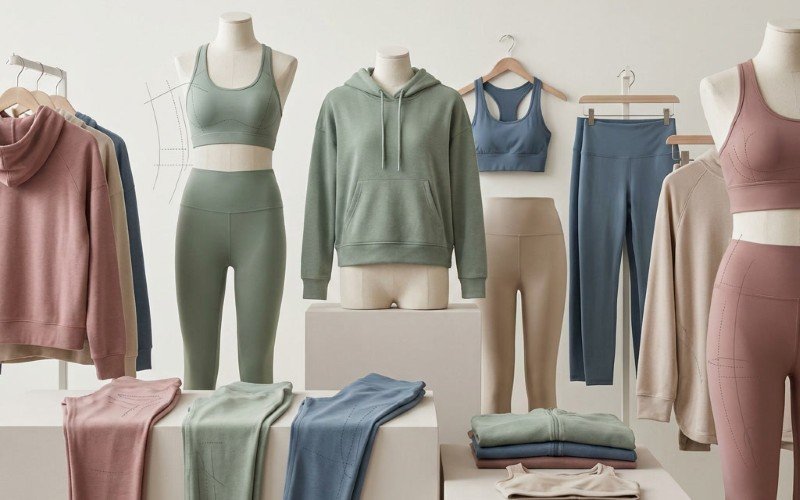
Flexible MOQ Solutions
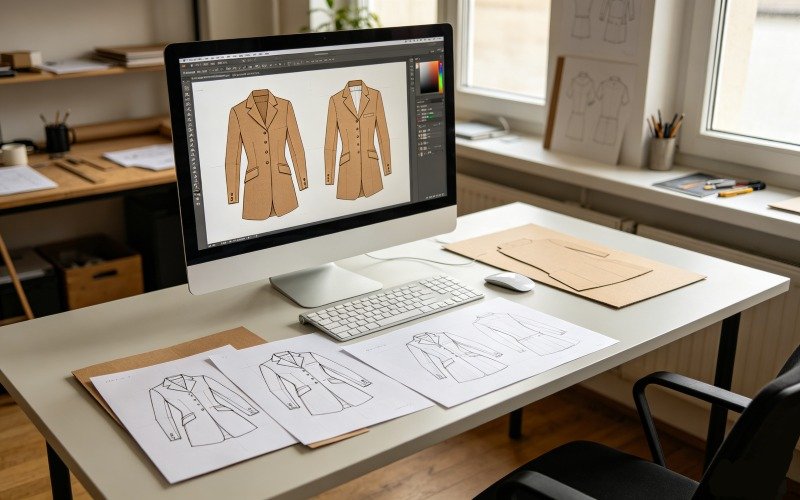
Product Development Support
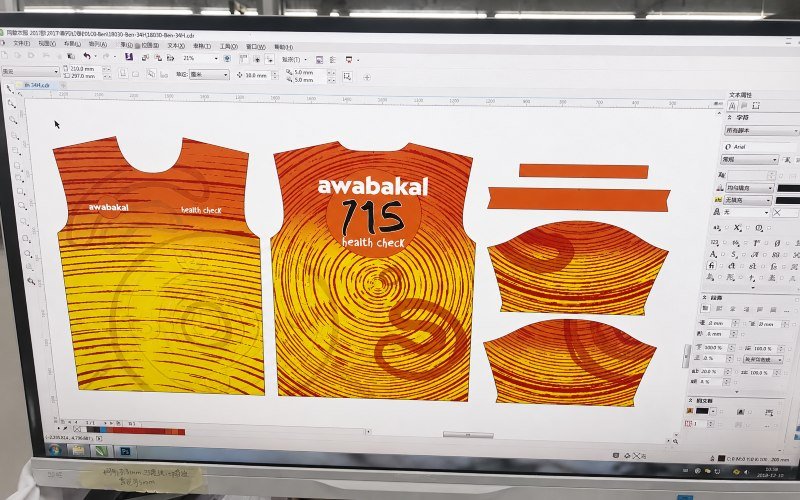
Stable Manufacturing System
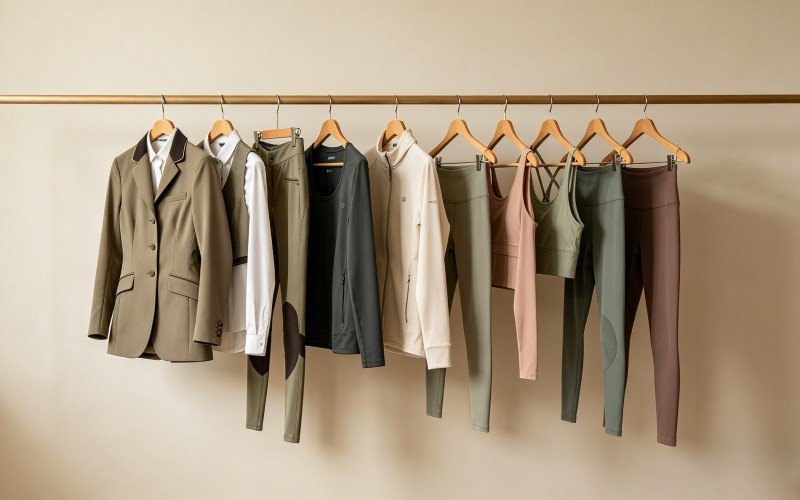
Dedicated Project Management
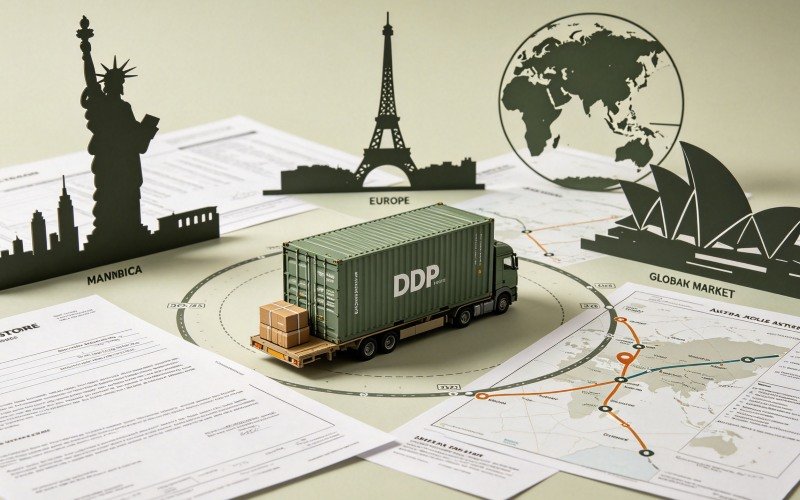
Global DDP Shipping Support
Work With a Wholesale Plus Size Leggings Manufacturer to Build Your Brand Vision
Working with the right wholesale plus size leggings manufacturer allows brands to turn product ideas into commercially viable collections with the right fit, fabric, performance features, and brand positioning. Instead of relying on standard ready-made styles, brands can develop products around their target consumers, sales channels, pricing strategy, and long-term growth plans.
Every market approaches plus size leggings differently. Consumers in North America often prioritize support, shaping, and gym performance. European buyers frequently place greater emphasis on comfort, fabric quality, and sustainable materials. DTC brands may focus on fast product launches and competitive pricing, while premium labels often invest heavily in fit refinement, unique design elements, and elevated product positioning.
A well-planned custom plus size leggings collection typically considers multiple development factors before production begins.
| Development Area | Customization Options |
|---|
| Product Category | Yoga, gym, running, lifestyle |
| Waistband Construction | High-rise, mid-rise, shaping waistband |
| Leg Length | Full length, 7/8 length, capri styles |
| Performance Features | Quick dry, compression, sculpting, cooling |
| Structural Details | Side pockets, paneling, contour seams |
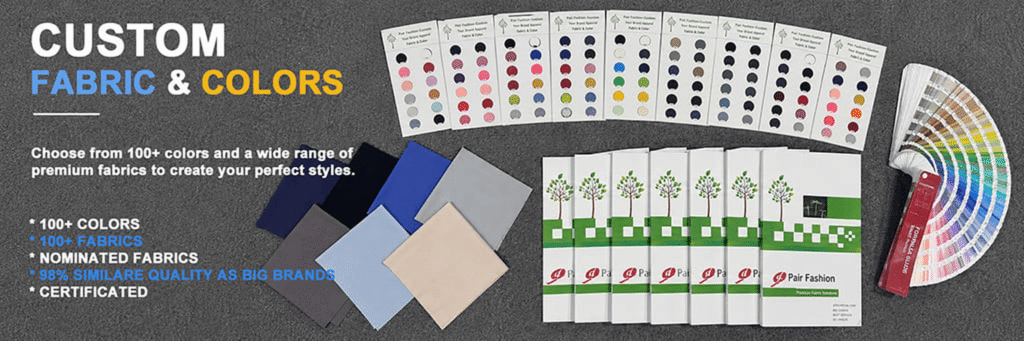
| Fabric Selection | Nylon blends, polyester blends, recycled fabrics |
| Brand Identity | Logos, labels, packaging, hangtags |
Brands can begin development using a technical package, reference samples, sketches, inspiration images, or existing products from the market. For emerging brands that have not yet established a complete product line, collection planning can start with target consumers, retail positioning, pricing strategy, and intended use.
This approach transforms product development into a strategic process rather than a simple manufacturing task. Instead of offering standard leggings already available across the market, brands can create collections that reflect their identity, address specific consumer needs, and support long-term growth.
Whether launching a first private label product or expanding an existing activewear line, a structured development process helps ensure that every plus size legging style aligns with the brand’s vision, customer expectations, and commercial objectives. For brands building multiple categories at the same time, our OEM Activewear Manufacturer services provide a structured development process covering leggings, sports bras, tops, and complete activewear collections
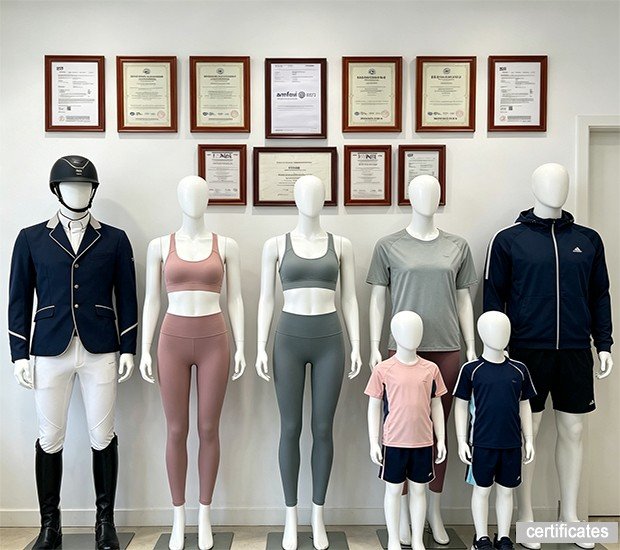
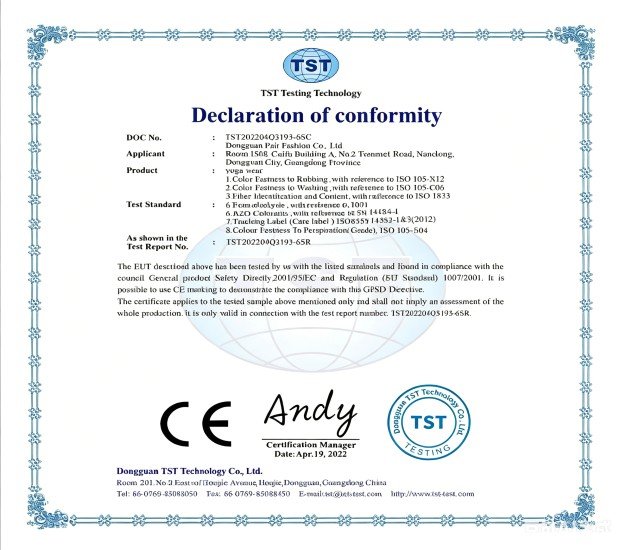
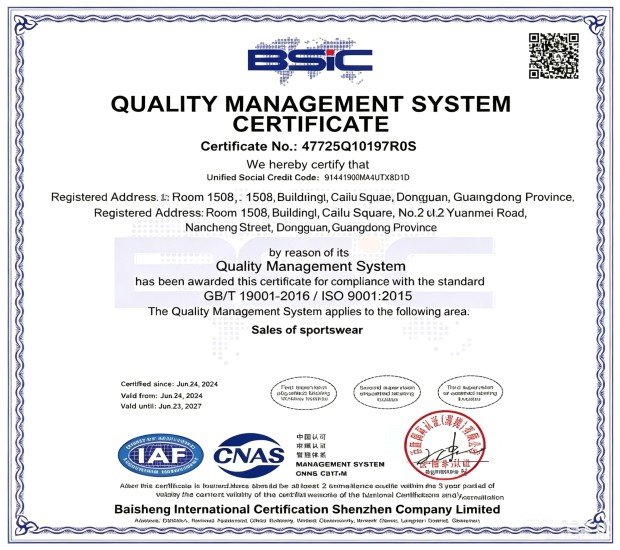
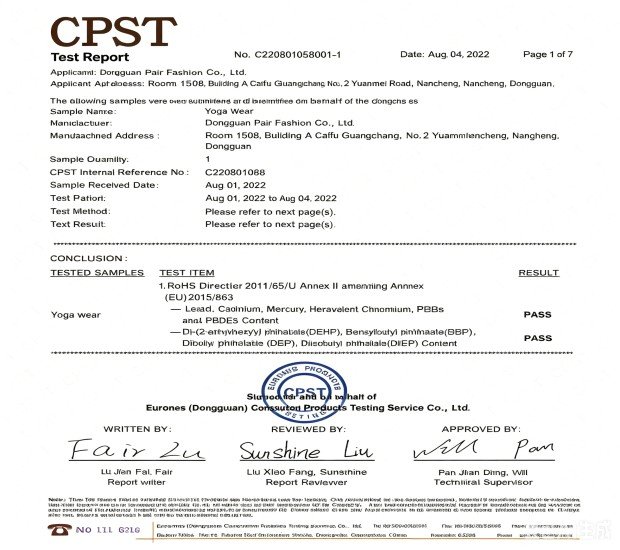
Trusted Manufacturing Standards For Global Sportswear Brands
We operate under internationally recognized quality, sustainability, and ethical manufacturing standards. Our certifications help ensure consistent product quality, responsible sourcing, and reliable production for global sportswear brands.
- 20+ Countries Served
- 6000+ Styles Developed
- 50,000 PCS Monthly Capacity
- 3-Day Sample Development
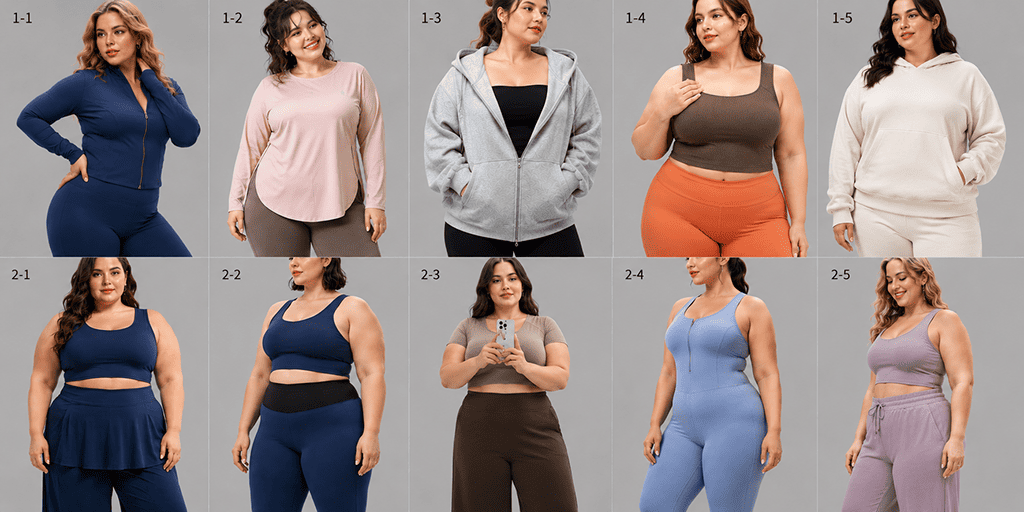
Build a Plus Size Leggings Collection That Fits Real Consumers
Creating successful plus size leggings requires more than extending a standard size chart. Brands must address the actual fit, comfort, coverage, and performance expectations of curvier consumers. Understanding the structure of a professionally developed plus size product helps reduce sizing complaints, lower return risks, and identify whether a manufacturer has genuine extended-size development capabilities.
Standard leggings are often graded from a medium-size base pattern, but this approach does not accurately reflect how body proportions change across extended sizes. Waist, hip, thigh, rise, and leg measurements do not increase at the same rate. When a supplier simply enlarges the original pattern, the finished leggings may develop a loose waistband, insufficient back rise, restricted thigh space, excess fabric around the calf, or inconsistent compression.
Professional plus size leggings development requires each critical body area to be evaluated separately. Pattern structure, fabric tension, and support levels must then be adjusted throughout the size range.
| Consumer Priority | Product Development Requirement |
|---|---|
| A secure fit during movement | Deeper rises and structured waistband support |
| Reliable coverage when bending | Squat-proof fabric with strong stretch recovery |
| Comfortable hip and thigh fit | Independently graded hip and thigh proportions |
| Consistent performance in every size | Specialized extended-size pattern grading |
| Support without excessive tightness | Balanced compression and four-way stretch |
| Reduced friction during exercise | Well-positioned gussets and smooth seam construction |
A commercially successful collection must also reflect its intended use. Plus size yoga leggings typically require a soft hand feel and unrestricted flexibility. Plus size gym leggings need stronger compression, durable seams, and secure waist support. Lifestyle and athleisure styles place greater emphasis on all-day comfort, smooth appearance, and easy styling.
As a specialized wholesale plus size leggings manufacturer, we review the target consumer, intended size range, activity level, support requirements, and retail positioning before sample development begins. The pattern, fabric, waistband, seam construction, and compression level are then selected as one coordinated product system rather than treating each component separately.
By adopting this development strategy, brands can achieve greater size consistency, higher customer uptake, and establish a dependable framework to scale their permanent plus-size activewear assortment over time.
Choose Fabrics That Deliver Stretch, Support and Coverage
Fabric selection plays a critical role in the success of any plus size leggings collection. Even the most carefully developed pattern cannot perform well if the fabric lacks the support, recovery, comfort, or coverage expected by consumers. For this reason, fabric development is often one of the most important decisions made during the product creation process.
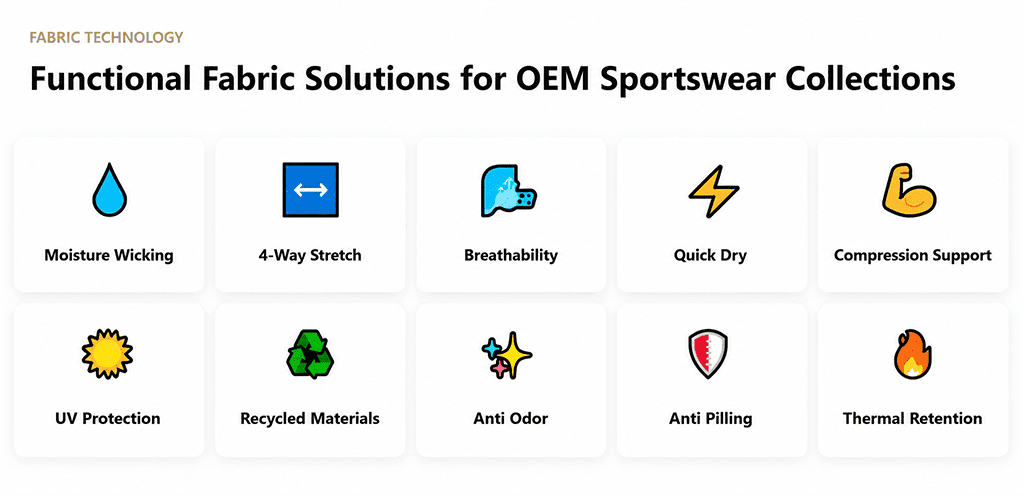
Consumers shopping for plus size leggings typically evaluate products based on several performance factors. They want leggings that remain opaque during movement, retain their shape after repeated wear, provide comfortable support without excessive restriction, and continue performing after multiple wash cycles. Achieving this balance requires more than choosing a stretchy fabric. The material must also deliver reliable recovery, durability, and consistent compression throughout the garment. Industry-wide demand for technical fabrics continues to grow as brands seek stronger performance, comfort, and sustainability standards across activewear collections.
Different product categories often require different fabric solutions.
| Waistband Construction Type | Key Features | Primary Benefit | Best For |
|---|---|---|---|
| Standard Waistband | Single-layer construction with moderate elasticity | Lightweight comfort for everyday wear | Entry-level activewear collections |
| Wide High-Rise Waistband | Extended waistband height with increased coverage | Improved stability and body coverage | Plus size yoga and fitness leggings |
| Double-Layer Waistband | Two-layer fabric structure for added support | Enhanced support and shaping performance | Performance-focused activewear brands |
| Power Mesh Reinforcement | Internal power mesh panel integrated into waistband | Additional tummy control and structure | Compression and shaping leggings |
| Seamless Waistband Design | Knit-in waistband without traditional seams | Reduced pressure and smoother comfort | Seamless and premium comfort collections |
Beyond fiber composition, fabric weight and construction significantly influence product performance. Lightweight fabrics provide flexibility and freedom of movement, while medium and heavier-weight materials generally offer stronger support, improved shaping, and greater coverage. For many brands, achieving squat-proof performance is a key development objective, particularly when serving consumers who expect confidence during training, yoga, and everyday activity.
The most effective fabric strategy starts with the intended customer, activity level, retail positioning, and desired wearing experience. Instead of relying on a single fabric trend, successful brands select materials that align with the purpose of the product and the expectations of their target audience.
When fabric selection is approached as part of a complete product system, brands can achieve better fit retention, stronger durability, improved consumer satisfaction, and a more competitive plus size activewear collection overall.
Engineer Waistbands Designed for Curvier Body Shapes
For plus size leggings, the waistband often has a greater impact on customer satisfaction than any other component of the garment. Many fit-related complaints are not caused by the fabric or leg construction, but by waistbands that roll down, slide during movement, create uncomfortable pressure, or fail to provide adequate support. As a result, waistband engineering has become one of the most important aspects of modern plus size activewear development.
Buyers’ demands shift with their body shapes, activity routines and personal likes. Some want robust core shaping and support; others favor stretch and all-day comfort. Well-designed waistbands are made to fit the target wearer, instead of a one-size-fits-all manufacturing approach for all items.
Several waistband structures are commonly used in plus size leggings.
| Waistband Construction | Primary Benefit |
|---|---|
| Standard Waistband | Lightweight comfort for basic collections |
| Wide High-Rise Waistband | Improved stability and body coverage |
| Double-Layer Waistband | Enhanced support and shaping performance |
| Power Mesh Reinforcement | Additional tummy control and structure |
| Seamless Waistband Design | Reduced pressure and smoother comfort |
For plus size gym leggings, waistband stability is often a key performance requirement. Exercises such as squats, lunges, deadlifts, and running place continuous stress on the garment. A poorly designed waistband may shift, fold, or lose position during movement, negatively affecting the overall experience regardless of fabric quality.
For plus size yoga leggings and athleisure styles, comfort and flexibility are often prioritized over maximum compression. A softer construction that maintains a secure fit without excessive restriction can improve freedom of movement and encourage longer wear throughout the day.
An effective waistband should balance support, comfort, shaping, and stability as a complete system. When properly developed, it helps consumers feel secure during activity, improves overall fit performance, and contributes significantly to long-term product satisfaction. In many successful collections, the waistband is not simply a design feature—it is one of the primary reasons consumers return to purchase again.
Customize Every Detail From Fit to Functional Features
Many brands enter the plus size activewear market with a single leggings style. While a strong core product can create initial momentum, long-term growth is often driven by a broader collection that serves different consumer needs, activities, and lifestyle preferences. Product customization allows brands to move beyond standard offerings and create a more distinctive position in the market.
Consumers shop for plus size leggings for different reasons. Some prioritize comfort and flexibility for yoga and low-impact activities. Others seek compression and support for gym training. Many are looking for versatile styles that transition seamlessly between exercise and everyday wear. Developing products around these specific use cases helps brands build stronger customer engagement and increase repeat purchases.
A well-rounded collection often includes multiple style directions.
| Product Category | Key Features | Typical Consumer Benefit |
|---|---|---|
| High-Rise Essential Leggings | High waistband, full coverage, versatile styling | Everyday comfort, confidence, and broad market appeal |
| Compression Training Leggings | Supportive fabric, muscle stabilization, performance fit | Enhanced workout support and improved training experience |
| Pocket Leggings | Side pockets or hidden waistband storage | Convenient carrying of phones, keys, and essentials |
| Seamless Leggings | Seam-free construction, flexible knit technology | Reduced chafing, superior comfort, and unrestricted movement |
| Flared Leggings | Wide-leg silhouette with activewear functionality | A balance of fitness performance and lifestyle fashion |
| Sustainable Leggings | Recycled fabrics, eco-friendly materials | Appeals to environmentally conscious consumers and sustainable brands |
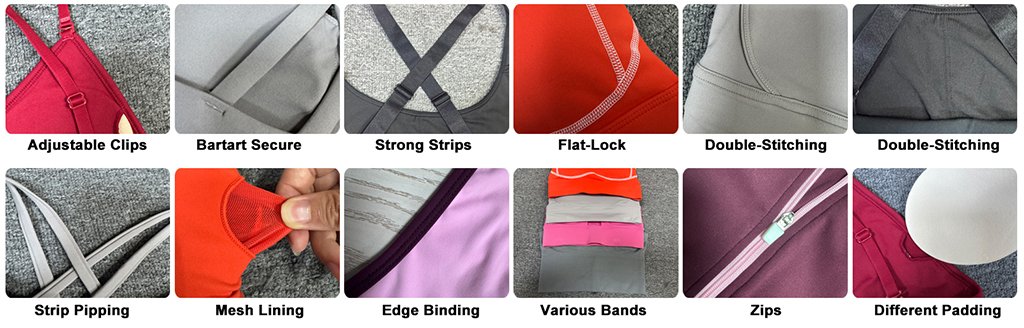
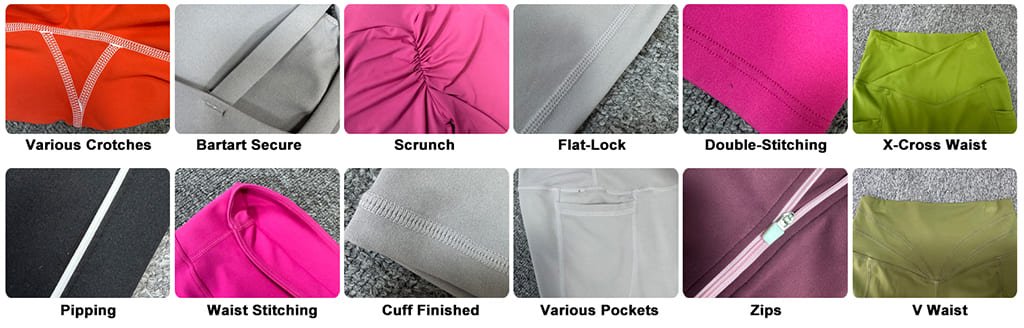
Beyond silhouette selection, brands can customize numerous product elements to align with their positioning.
| Customization Area | Available Options |
| Fit Profile | Regular, sculpting, compression, relaxed |
| Waistband Design | Standard, wide, double-layer, shaping |
| Functional Features | Pockets, gussets, contour seams |
| Fabric Selection | Nylon blends, recycled materials, seamless knits |
| Color Development | Core colors, seasonal palettes, Pantone matching |
| Branding Elements | Logos, labels, packaging, hangtags |
Different markets may require different product strategies. North American consumers often favor supportive high-rise designs, while European buyers may place greater emphasis on comfort and sustainability. Direct-to-consumer brands frequently focus on visual differentiation and product reviews, making design details and performance features especially important.
The most successful collections are not built around a single trend. They are developed as coordinated product systems that offer consumers multiple solutions while maintaining a consistent brand identity. By customizing fit, functionality, materials, and visual details, brands can create a plus size leggings collection that stands out in a competitive market and supports long-term growth. Brands looking to expand beyond a single leggings style can review additional product opportunities through our Sportswear Product Categories to build a more complete activewear collection.
Turn Product Concepts Into Retail-Ready Samples Faster
For many activewear brands, the greatest product development risks occur long before production begins. The sampling stage is where design ideas, performance expectations, fit requirements, and commercial objectives come together for validation. When this process is managed effectively, brands can reduce development uncertainty, shorten launch timelines, and make more confident decisions before committing to bulk production.
Whether development begins with a complete technical package, a reference garment, a design sketch, or a product concept, the objective remains the same: create a sample that accurately reflects the intended consumer experience.
A structured plus size leggings development process typically includes several key stages.
| Development Stage | Purpose | Key Evaluation Focus |
|---|---|---|
| Product Requirement Review | Align product expectations before development begins. | Target customer, functionality, sizing strategy, and market positioning. |
| Fabric Confirmation | Select suitable materials for performance and comfort. | Stretch, recovery, opacity, moisture management, and durability. |
| Proto Sample | Review the initial product concept. | Construction quality, design accuracy, and manufacturing feasibility. |
| Fit Sample | Optimize fit and wearing experience. | Body proportions, mobility, compression balance, and comfort. |
| Size Set Sample | Confirm consistency across all sizes. | Grading accuracy, measurement consistency, and fit performance. |
| Pre-Production Sample (PP Sample) | Approve the final standard before bulk production. | Overall quality, workmanship, labeling, packaging, and production readiness. |
For plus size leggings, fit validation is particularly important. Body proportions change significantly across extended sizes, making it difficult to evaluate product performance using measurements alone. Physical fitting sessions help identify issues related to waistband support, hip and thigh balance, rise depth, mobility, comfort, and fabric recovery before production begins.
An efficient sampling process is not simply about creating samples quickly. It is about generating meaningful feedback at each stage and applying those insights systematically. Clear communication, accurate revisions, and documented approvals help eliminate unnecessary development cycles while improving product accuracy.
For brands building a private label plus size leggings collection, a structured sampling workflow provides a reliable foundation for future production. It helps ensure that every approved style meets expectations for fit, performance, and quality before moving into manufacturing, reducing risk while supporting faster and more predictable product launches.
Launch With Low MOQ and Scale Production Confidently
Launching a new plus size leggings collection always involves uncertainty. Even with a strong concept and clear brand positioning, consumer response, sales velocity, and replenishment demand cannot be fully predicted before a product reaches the market. For this reason, many activewear brands are adopting more flexible sourcing strategies that allow them to test products efficiently before committing to larger production volumes.
A low MOQ approach gives brands the opportunity to validate demand while minimizing inventory exposure. Instead of investing heavily in large quantities from the beginning, businesses can evaluate size performance, color preferences, pricing strategies, and consumer feedback using smaller production runs. This process often provides valuable market insights while reducing financial risk.
As sales begin to grow, manufacturing scalability becomes increasingly important. A reliable supplier should be able to support not only initial launch quantities but also repeat orders, seasonal replenishment, and long-term collection expansion. Maintaining consistency across multiple production runs requires structured management of patterns, fabrics, trims, measurements, and approved product specifications.
Different brands often require different levels of manufacturing support depending on their stage of growth.
| Brand Stage | Typical Manufacturing Requirement |
|---|---|
| Startup Brands | Low MOQ market testing |
| Growing Brands | Multi-style product development |
| Established Brands | Stable replenishment programs |
| Private Label Brands | Long-term collection planning |
A successful manufacturing partnership is not defined solely by the ability to produce garments. It is measured by the ability to support brands as they evolve. The same supplier that helps launch a first product should also be capable of supporting future expansion without compromising quality, fit consistency, or delivery performance.
Flexible order sizes paired with scalable production allow brands to roll out new products confidently, react swiftly to market fluctuations, and establish a robust base for sustained growth in the crowded plus-size activewear marketplace.
1. Product Development
Regular monthly product development ensures consistent updates to your brand line.
2. Fabric Sourcing
Regular monthly product development ensures consistent updates to your brand line.
3. Sample Making
Regular monthly product development ensures consistent updates to your brand line.
4. Bulk Production
Regular monthly product development ensures consistent updates to your brand line.
5. Packaging & Delivery
Regular monthly product development ensures consistent updates to your brand line.
Complete OEM & ODM Sportswear Solutions
We provide complete custom sportswear manufacturing services from concept development and fabric sourcing to bulk production and worldwide delivery.
- OEM & ODM Product Development
- Functional Fabric Sourcing & Material Selection
- Pattern Making & Sample Development
- Private Label Branding & Custom Packaging
- Quality-Controlled Bulk Manufacturing
- Global DDP Shipping & Delivery Support
Maintain Consistent Quality Across Every Size Range
Quality in plus size leggings extends far beyond fabric inspection and garment construction. While appearance and workmanship remain important, one of the greatest challenges in extended-size activewear is maintaining consistent fit and performance across every size offered. As collections expand from XL to 5XL or beyond, preserving the same level of comfort, support, mobility, and confidence becomes a critical factor in customer satisfaction. Research on apparel e-commerce consistently shows that size and fit issues remain among the leading causes of product returns, making fit consistency especially important for extended-size activewear collections.
Many products perform well in their initial sample size but encounter problems as the size range expands. Common issues include reduced waistband stability, inconsistent compression, changes in hip and thigh balance, and uneven fit throughout the collection. These inconsistencies can increase return rates, reduce customer confidence, and weaken long-term brand loyalty.
Successful plus size leggings quality management focuses on maintaining consistency throughout the development and production process.
| Quality Control Area | Primary Objective |
|---|---|
| Pattern Grading Management | Maintain proportional fit across sizes |
| Measurement Standards | Control tolerances in key fit areas |
| Size Set Validation | Evaluate performance throughout the size range |
| Fabric Recovery Testing | Maintain support and shape retention |
| Seam Strength Inspection | Improve durability during movement |
| Final Garment Inspection | Ensure production consistency |
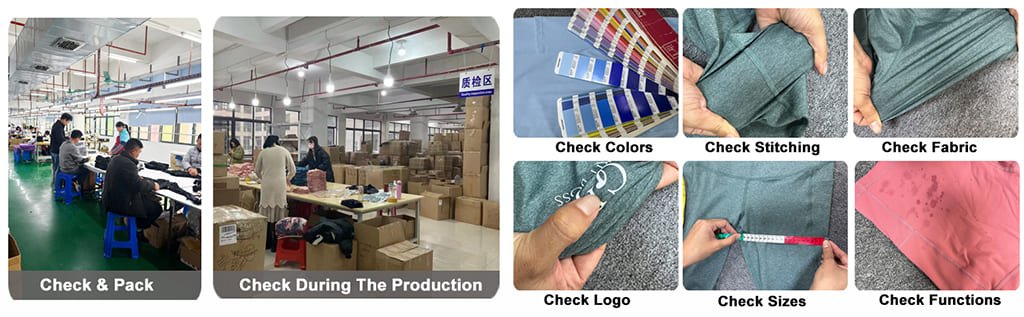
Physical fitting assessments remain an essential part of this process. Measurements alone cannot fully predict how a garment will perform on different body shapes. Testing multiple sizes allows brands to identify potential issues related to waistband stability, hip coverage, thigh comfort, mobility, and overall wear experience before production begins.
For consumers, consistency often matters more than perfection in a single size. Customers expect the same quality, support, and confidence whether they purchase an XL, 2XL, or 5XL garment. When every size delivers a similar experience, brands can build stronger trust and encourage repeat purchases.
Top-performing plus-size activewear collections aren’t assessed only by sample quality. Their real benchmark is consistent performance across every production run, replenishment order, and every size brought to market.
Create a Complete Private Label Plus Size Leggings Program
Consumers do not purchase activewear based solely on functionality. They also buy into a brand’s identity, values, and overall experience. For this reason, developing a successful plus size leggings collection involves more than product creation. It requires building a recognizable brand that consumers can trust and remember.
As the plus size activewear market becomes increasingly competitive, private label development has become an important strategy for brands seeking long-term differentiation. A consistent brand presentation helps products stand out, strengthens customer recognition, and creates a more professional retail presence. For emerging brands, a well-developed private label program can also reduce dependence on price competition by establishing a unique market position.
A complete private label plus size leggings program typically includes several branding components.
| Branding Element | Business Value |
|---|---|
| Main Label | Strengthens brand visibility and creates a professional branded appearance. |
| Care Label | Provides essential product information while meeting market compliance requirements. |
| Size Label | Improves customer satisfaction by supporting accurate size selection. |
| Hangtags | Communicates brand positioning, product benefits, and key selling points. |
| Custom Poly Bags | Enhances packaging consistency, product protection, and brand presentation. |
| Retail Packaging | Elevates perceived product value and supports premium retail strategies. |
Beyond labels and packaging, logo application plays an important role in how consumers perceive product quality. Depending on the fabric, design aesthetic, and intended market positioning, brands may choose from several branding techniques.
| Logo Application Method | Typical Benefit |
| Heat Transfer Logo | Clean appearance and lightweight feel |
| Silicone Logo | Premium look with strong durability |
| Reflective Logo | Enhanced visibility and athletic styling |
| Embroidered Logo | Traditional premium branding option |

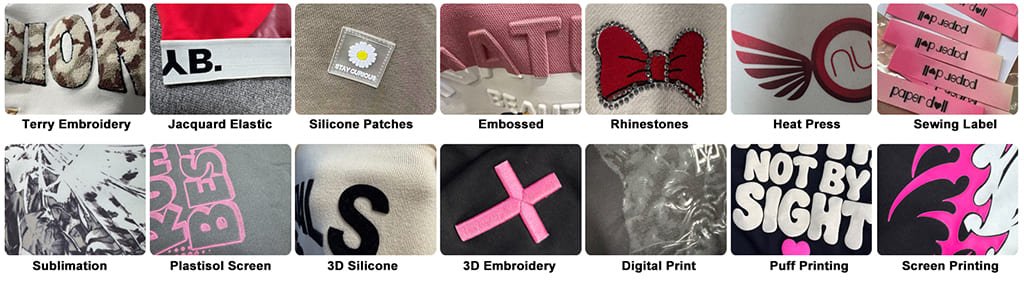
A strong private label strategy also supports future product expansion. Once a consistent visual identity is established, brands can more easily extend into sports bras, tops, shorts, outerwear, and complete plus size activewear collections while maintaining a unified brand image.
Successful private label products are not created by adding a logo to a garment. They are built through a coordinated system of product design, packaging, branding, and customer experience. When these elements work together, brands can create stronger consumer connections, improve perceived value, and establish a more sustainable position within the growing plus size activewear market.
Reliable Manufacturing Capacity for Growing Plus Size Brands
As a plus size activewear brand grows, manufacturing needs become more demanding. A small launch may begin with a few styles and limited quantities, but successful products often lead to repeat orders, new colorways, extended size ranges, seasonal collections, and faster replenishment requests. At this stage, brands need more than a supplier that can make samples. They need a manufacturing partner that can support long-term wholesale growth.
Reliable production capacity helps brands keep product quality, delivery schedules, and customer expectations under control. This is especially important for plus size activewear, where fit consistency, fabric stability, and size grading must remain accurate across repeated production runs.
Manufacturing Capability | Why It Matters for Growing Brands |
Fast Sample Development | Helps brands test new styles and shorten launch cycles |
Flexible MOQ Support | Allows small-batch testing before larger wholesale orders |
Stable Production Lines | Supports repeat orders and seasonal collection planning |
In-Process Quality Control | Reduces mistakes before final inspection |
Fabric and Trim Coordination | Keeps materials, colors, and branding details consistent |
Bulk Order Management | Helps growing brands scale with fewer supply chain risks |
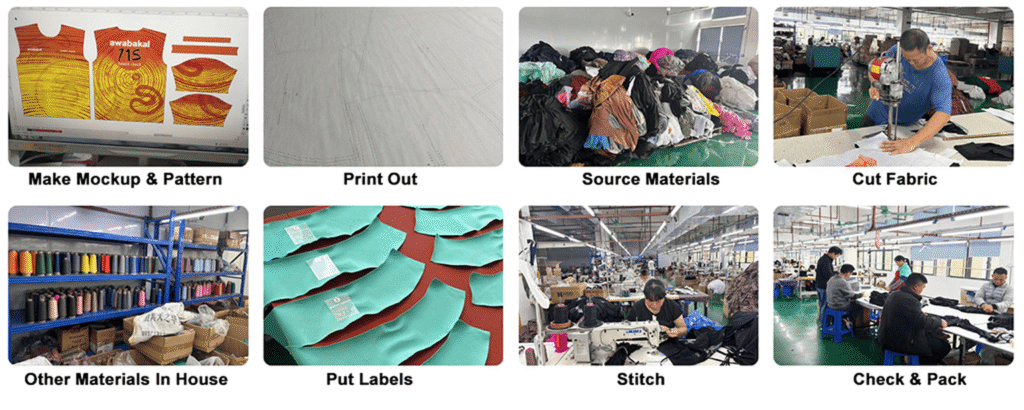
For brands moving from trial orders to regular wholesale production, a dependable factory should provide clear production communication, confirmed pre-production samples, organized material control, and final quality inspection before shipment.
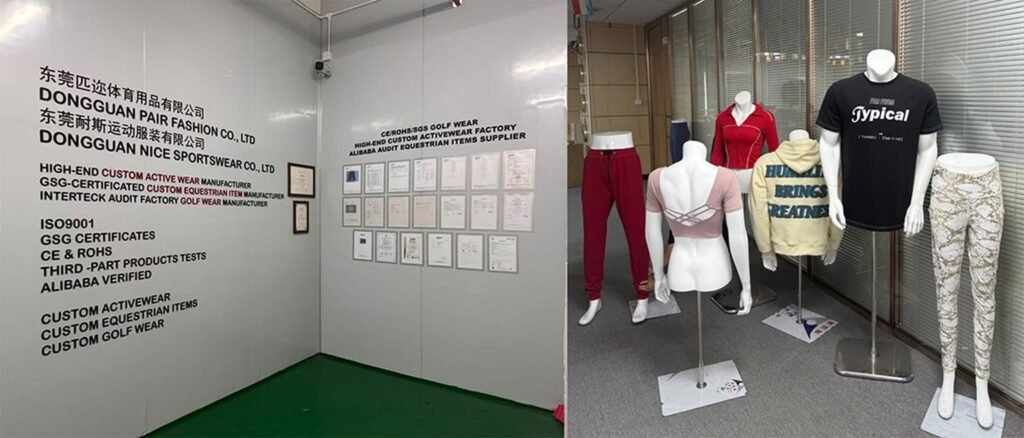
Pair Fashion supports plus size activewear brands with 3-day fast sampling, flexible MOQ from 50pcs, 7 production lines, 50,000pcs monthly capacity, dedicated QC control, private label customization, and global DDP shipping support. These capabilities help brands move from first launch to repeat orders with greater confidence.
A stable manufacturing foundation allows brands to focus on marketing, sales, and customer growth while knowing their plus size activewear production can continue with consistent quality and scalable delivery.
If your product range also includes maternity or modest activewear, we support unified development under one manufacturing system.
Partner With a Manufacturer That Supports Long-Term Growth
The value of a manufacturing partner extends far beyond producing a single order. For activewear brands, long-term success depends on having a supplier that can support product evolution, market expansion, replenishment programs, and future collection development. Once a product reaches the market, the real work begins. Consumer feedback, inventory planning, new launches, and changing market demands all require a stable and responsive supply chain.
Many brands initially focus on pricing and minimum order quantities when selecting a supplier. However, as a business grows, continuity often becomes far more important. Rebuilding development processes, re-creating patterns, and re-establishing production standards with new suppliers can consume significant time and resources while introducing unnecessary risk.
Long-term manufacturing partnerships can provide advantages throughout every stage of brand development.
| Brand Requirement | Long-Term Partnership Benefit |
|---|---|
| New Product Development | Faster project initiation and execution |
| Product Upgrades | Access to existing pattern and specification records |
| Repeat Orders | Reduced preparation time for replenishment |
| Collection Expansion | Greater consistency across product categories |
| Quality Management | Established production standards and controls |
| Supply Chain Stability | Lower operational risk and improved planning |
For plus size activewear brands, maintaining product records is particularly valuable. Consistent sizing, fabric selection, and construction standards become increasingly important as collections grow and customer expectations increase. Retaining approved development data helps ensure that future production runs maintain the same fit, performance, and quality standards that consumers have come to expect.
As brands expand, many move beyond leggings into sports bras, tops, shorts, outerwear, and complete activewear collections. Working with a manufacturing partner that understands the brand’s positioning and product philosophy can simplify this transition while helping maintain consistency across multiple categories.
The strongest manufacturing relationships are built on more than transactions. They are built on shared goals, continuous improvement, and long-term collaboration. When a supplier can support both immediate production needs and future growth opportunities, brands gain a stronger foundation for scaling their business and serving consumers with confidence.
Whether launching a first collection or expanding an established product line, choosing the right manufacturing partner can influence not only operational efficiency, but also the long-term success of the brand itself. As many growing brands expand beyond leggings, developing a broader inclusive product line often becomes the next step. Brands planning future collections can also explore our Plus Size Activewear Manufacturer solutions for sports bras, tops, shorts, and coordinated activewear programs.
Frequently Asked Questions About Wholesale Plus Size Leggings Manufacturing
1. What Is the MOQ for Wholesale Plus Size Leggings?
The standard MOQ for wholesale plus size leggings can start from 50 pieces per style and color, while seamless construction, custom-dyed fabrics, complex workmanship, or specially developed materials may require a higher minimum quantity.
A lower MOQ allows startups to test demand and established brands to launch new colors or capsule collections with less inventory exposure. For an accurate quotation, provide the estimated quantity, size range, color count, and preferred fabric. We can assess whether shared materials, practical size ratios, or combined production planning can reduce the entry requirement. Repeat orders can use previously approved patterns and specifications.
2. Can You Develop Leggings From a Tech Pack, Image, or Existing Sample?
Yes, we can develop custom plus size leggings from a complete tech pack, measurement chart, design sketch, reference image, or physical garment, with all essential construction and branding details confirmed before sampling begins.
Brands with complete technical files can proceed directly to technical review and pattern development. Customers with only a concept can define the product through target market, retail positioning, activity, and desired support level. When working from a reference garment, we evaluate its construction and fit rather than copying measurements mechanically. Fabric, waistband, seams, logo placement, size range, and packaging are recorded in a confirmation sheet to reduce revisions and communication errors.
3. What Plus Size Range Can You Manufacture?
We can develop leggings from XL through 5XL, 6XL, or a customized extended-size range, using specialized grading that adjusts waist-to-hip proportions, rise depth, thigh room, leg length, and waistband support instead of simply enlarging one base size.
The final range should reflect the brand’s customer data and intended regional sizing system, including US, UK, European, or Australian standards. Development normally includes a base pattern, grading rules, measurement tolerances, and size-set validation. For wider ranges, fitting representative middle and upper sizes helps identify waistband slipping, uneven compression, insufficient back coverage, or imbalanced hip and thigh proportions before bulk production.
4. Which Fabrics Are Best for Plus Size Leggings?
The best fabrics for plus size leggings combine four-way stretch, reliable recovery, opacity, supportive compression, and wash durability, with common choices including nylon-spandex blends, compression knits, recycled nylon, and medium-to-heavy polyester stretch fabrics.
Fiber content alone does not determine performance. Fabric weight, knitting density, stretch direction, hand feel, and intended activity must also be considered. Yoga styles often use soft naked-feel materials, while gym leggings require stronger compression and coverage. Athleisure products may prioritize brushed comfort and all-day wear. Before sampling, brands should review swatches, weight, stretch, and functional requirements. Third-party testing can also verify opacity, durability, or recycled content when required.
5. Can We Customize the Waistband, Pockets, Length, and Compression?
Yes, brands can customize the rise, waistband width, double-layer support, tummy-control structure, pocket placement, gusset, inseam length, seam design, and compression level according to the intended consumer and activity.
Training leggings may require a secure high-rise waistband, stronger recovery, and reinforced seams. Yoga styles generally benefit from softer support and greater flexibility, while lifestyle products can include side pockets, hidden storage, flared hems, or 7/8 lengths. Every feature should balance appearance, comfort, production feasibility, and cost. Before sampling, all specifications are confirmed, and the finished prototype is evaluated for waistband stability, mobility, coverage, storage function, and overall wearing experience.
6. How Long Do Sampling and Bulk Production Take?
A first sample can be completed in as little as three days, with approximately seven days being more typical, while approved bulk production may take 15 working days at the fastest and usually requires 20 to 25 days.
Actual lead time depends on fabric availability, color development, construction, logo technique, and packaging. Stock fabrics and proven structures can begin faster, while custom dyeing, seamless knitting, complex printing, or specialized trims require additional preparation. Brands should confirm technical files, colors, size ratios, artwork, and packaging early. Bulk production begins only after the pre-production sample and specifications are approved, helping protect fit, quality, and delivery expectations.
7. Do You Provide Private Label Branding and Packaging?
Yes, we provide complete private label services for plus size leggings, including heat-transfer or silicone logos, main labels, size labels, care labels, hangtags, custom poly bags, retail packaging, and branded shipping cartons.
The appropriate logo method depends on fabric stretch, placement, durability, and brand positioning. Flexible heat-transfer logos work well on high-stretch areas, silicone applications create a premium dimensional appearance, and reflective branding suits performance collections. Care labels should include compliant fiber, origin, and washing information for the destination market. A coordinated branding and packaging system allows products to arrive retail-ready for e-commerce, wholesale, or boutique channels and supports later expansion into bras, tops, shorts, and complete activewear sets.
8. How Do You Keep Bulk Production Consistent With the Approved Sample?
Bulk consistency is maintained through pre-production sample approval, controlled fabric batches, documented workmanship standards, in-line inspections, and final garment checks covering measurements, color, stretch, seam strength, logo placement, and packaging.
Before production, the brand confirms the pre-production sample and complete specification. Incoming fabrics and trims are inspected, while cutting, printing, sewing, and critical measurements are monitored during manufacturing. For plus size leggings, particular attention is given to waistband recovery, crotch seams, hip and thigh measurements, and stretch behavior. Approved patterns, fabrics, trims, and construction records are retained to improve consistency across replenishment orders and future collection development.
- Yoga Pant
- Sports Bras
- Tank Tops
- Gym Shorts
- Men & Kids Sportswear
- Riding Tops
- Breeches
- Competition Wear
- Jackets
- Man & Kids Equestrian
- Joggers
- Sweatshirt & Hoodies
- Sweaters
- Coat & Jacket
- Men & Kids Loungewear
Other OEM Apparel
- Tennis Clothing
- Jumpsuit
- Dress & Skirts
- Plus Size Activewear
- Maternity Activewear
Get In Touch
Contact our OEM/ODM specialists for product development, sampling, pricing, and production support.
Email Us
lethe@pairfashion.com
Start Your Inquiry →
+86 15814270413
Start WhatsApp Chat →
Factory Location
Dongguan, Guangdong, China
Explore Our Factory →
Working Hours
Mon - Sat
Request Support →