OEM/ODM Sportswear Manufacturer | 3-Day Sampling | Low MOQ | 50K Monthly Capacity | ISO9001 & BSCI Certified


Best Equestrian Breeches Manufacturers in China for Private Label Brands: The Complete Buying Guide
China has become one of the leading destinations for private label equestrian breeches manufacturing thanks to its advanced textile supply chain, specialized riding apparel factories, flexible minimum order quantities, and competitive production costs. The Best Equestrian Breeches Manufacturers in China can support everything from technical sample development and performance fabric sourcing to scalable bulk production, making them ideal partners for startup and established equestrian brands around the world.
Why the Best Equestrian Breeches Manufacturers in China Are Gaining Global Attention
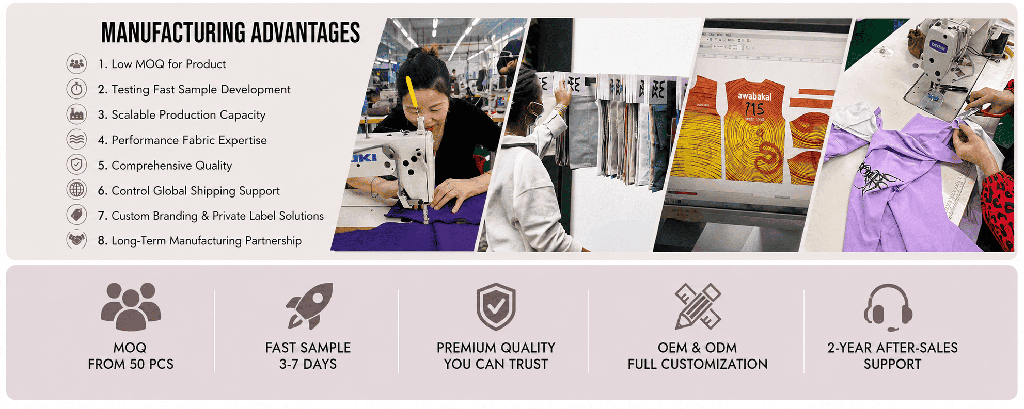
The equestrian industry is experiencing a new wave of growth, driven by rising participation in equestrian events and the expanding global visibility of world-class venues such as the World Equestrian Center. Beyond traditional horse riding communities, equestrian-inspired apparel has become increasingly popular among fitness enthusiasts, lifestyle consumers, and premium sportswear buyers. As a result, demand for high-quality riding breeches has expanded far beyond professional riders, creating new opportunities for private label brands around the world.
However, manufacturing equestrian breeches is significantly more complex than producing ordinary sports leggings. Riding pants require specialized pattern engineering, strategic seam placement, four-way stretch fabrics, durable silicone grip technologies, and a precise understanding of rider movement and comfort. Many general sportswear factories can produce leggings, but far fewer possess the technical expertise needed to develop premium riding breeches that meet the expectations of modern equestrian consumers.
China has emerged as one of the most important sourcing destinations for private label equestrian breeches because it combines specialized manufacturing expertise, a mature performance textile ecosystem, and flexible production capabilities. Many of the Best Equestrian Breeches Manufacturers are based in China and can help brands develop custom products, control costs, and scale production efficiently while maintaining the technical standards required by today’s equestrian market.
This guide explores the Best Equestrian Breeches Manufacturers in China, compares their capabilities, explains why China dominates this category, and provides practical advice to help private label brands select the right long-term manufacturing partner.
Who Are the Best Equestrian Breeches Manufacturers in China?
China is home to some of the world’s most capable equestrian apparel factories, but only a relatively small group of manufacturers truly specialize in technical equestrian breeches. The best suppliers combine riding-specific pattern development, advanced stretch fabrics, silicone grip technologies, and flexible production capabilities. For private label brands, choosing the right manufacturer depends on business stage, target market, order volume, and product positioning rather than simply selecting the largest factory.
Brands looking for broader product categories beyond breeches, including riding tops, competition shirts, and equestrian outerwear, may also benefit from working with a specialized custom equestrian clothing manufacturer that can support complete collection development.
The following manufacturers have been selected based on their industry experience, manufacturing capabilities, customization services, certifications, and suitability for different types of equestrian businesses.
Top 10 Best Equestrian Breeches Manufacturers in China
| Manufacturer | City | Founded | MOQ | Lead Time | Best For |
|---|---|---|---|---|---|
| Pair Fashion | Dongguan | 2016 | 50 pcs | 15-25 Days | Private Label Brands |
| Aolafree | Dongguan | 2014 | 100 pcs | 20-30 Days | Small Brands |
| Equifactory | Guangzhou | 2012 | 100 pcs | 20-35 Days | Premium Equestrian Brands |
| Zest Equestrian | Guangzhou | 2010 | 100 pcs | 25-35 Days | European Brands |
| Berunwear | Xiamen | 2007 | 200 pcs | 30 Days | Large Importers |
| Hucai Sportswear | Dongguan | 1998 | 200 pcs | 25-35 Days | Established Brands |
| SGL Sports | Guangzhou | 2009 | 150 pcs | 30 Days | Riding Clubs |
| Aika Sportswear | Dongguan | 2008 | 100 pcs | 20-30 Days | Activewear Brands |
| Eation Wear | Guangzhou | 2006 | 150 pcs | 30 Days | Wholesalers |
| Ingor Sportswear | Guangzhou | 2009 | 100 pcs | 25-35 Days | Sustainable Brands |
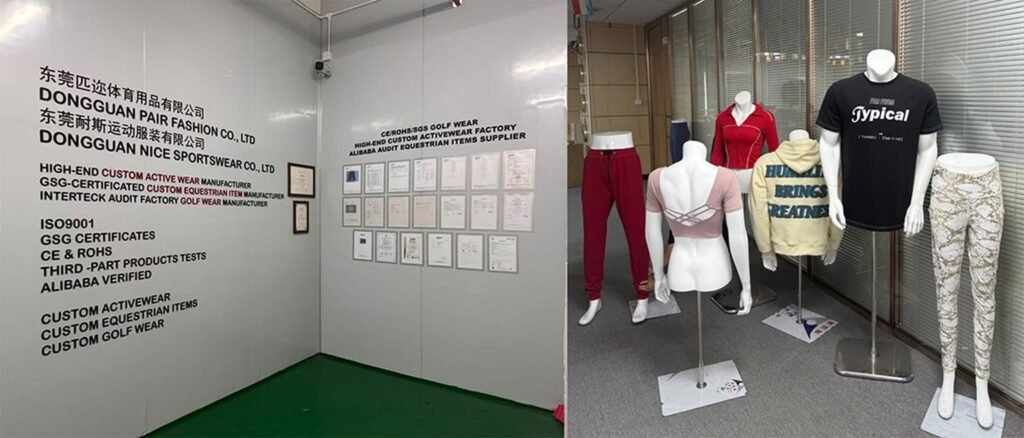
1. Pair Fashion
Headquarters: Dongguan, Guangdong
Founded: 2016
Typical MOQ: 50 pieces
Typical Lead Time: 15-25 working days
Main Product Categories
- Equestrian Breeches
- Riding Leggings
- Competition Shirts
- Riding Jackets
- Kids Equestrian Apparel
- Plus Size Riding Apparel
Public Certifications
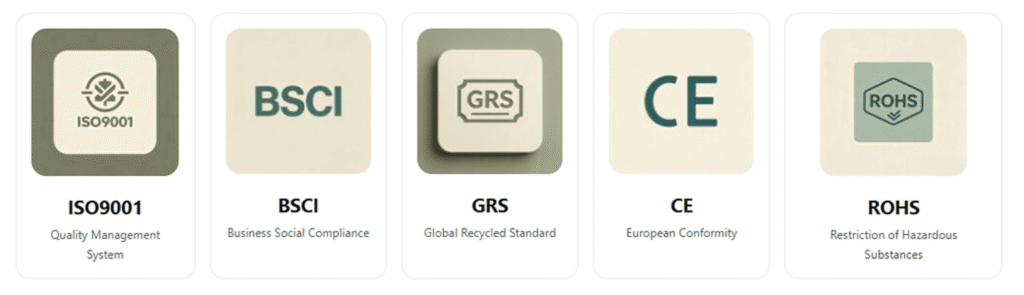
- ISO9001
- BSCI
- GRS
- CE
- ROHS
Best Fit For
- Startup equestrian brands
- Growing private label brands
- Boutique riding companies
- DTC equestrian businesses
May Not Be the Best Choice For
- Extremely high-volume commodity programs.
Core Advantages
- One of the lowest MOQs in the equestrian industry.
- Dedicated equestrian production experience.
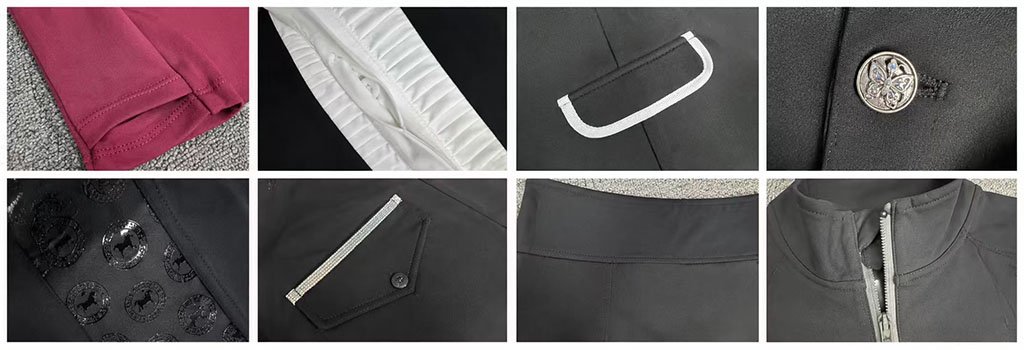
- Strong capabilities in technical fabrics and silicone grip applications.
- Fast sample development.
- Broad product categories including niche equestrian apparel.
Potential Limitations
- Production capacity is smaller than some mass-production suppliers.
Buyer Insight
Pair Fashion is particularly attractive for brands that need flexibility. Its ability to support low-volume testing while offering advanced customization makes it suitable for young equestrian brands that want to launch collections with limited inventory risk.
2. Aolafree
Headquarters: Dongguan, Guangdong
Founded: 2014
Typical MOQ: 100 pieces
Typical Lead Time: 20-30 working days
Main Product Categories
- Riding Breeches
- Riding Tops
- Base Layers
- Sportswear
Public Certifications
- ISO9001
- BSCI
Best Fit For
- Small private label brands
- Boutique online retailers
May Not Be the Best Choice For
- Highly technical equestrian apparel programs.
Core Advantages
- Flexible order quantities.
- Experience working with smaller brands.
- Competitive pricing.
Potential Limitations
- Broader sportswear focus than equestrian specialization.
3. Equifactory
Headquarters: Guangzhou, Guangdong
Founded: 2012
Typical MOQ: 100 pieces
Typical Lead Time: 20-35 working days
Main Product Categories
- Competition Breeches
- Show Jackets
- Riding Shirts
- Horse Show Apparel
Best Fit For
- Premium equestrian labels.
- Professional riding brands.
May Not Be the Best Choice For
- Brands seeking very low MOQ production.
Core Advantages
- Deep industry specialization.
- Understanding of competition apparel requirements.
- Experience with European markets.
Potential Limitations
- Higher pricing than general sportswear factories.
4. Zest Equestrian
Headquarters: Guangzhou, Guangdong
Founded: 2010
Typical MOQ: 100 pieces
Typical Lead Time: 25-35 working days
Main Product Categories
- Riding Breeches
- Competition Apparel
- Riding Tops
Best Fit For
- European equestrian brands.
- Mid-sized retailers.
Core Advantages
- Industry experience.
- Stable export capability.
- Strong understanding of riding apparel.
Potential Limitations
- Longer lead times during busy seasons.
5. Berunwear
Headquarters: Xiamen, Fujian
Founded: 2007
Typical MOQ: 200 pieces
Typical Lead Time: 30 working days
Main Product Categories
- Sportswear
- Riding Apparel
- Outdoor Apparel
Best Fit For
- Large importers.
- High-volume retailers.
Core Advantages
- Large production capacity.
- Competitive manufacturing costs.
Potential Limitations
- Less suitable for startups and small orders.
6. Hucai Sportswear
Headquarters: Dongguan, Guangdong
Founded: 1998
Typical MOQ: 200 pieces
Typical Lead Time: 25-35 working days
Main Product Categories
- Activewear
- Riding Apparel
- Compression Garments
Best Fit For
- Established sportswear companies.
- Large distributors.
Core Advantages
- Long manufacturing history.
- Strong production systems.
Potential Limitations
- Higher minimum order requirements.
7. SGL Sports
Headquarters: Guangzhou, Guangdong
Founded: 2009
Typical MOQ: 150 pieces
Typical Lead Time: 30 working days
Main Product Categories
- Teamwear
- Riding Apparel
- Club Uniforms
Best Fit For
- Riding clubs.
- Event organizers.
- Teamwear programs.
Potential Limitations
- Less focus on fashion-oriented equestrian brands.
8. Aika Sportswear
Headquarters: Dongguan, Guangdong
Founded: 2008
Typical MOQ: 100 pieces
Typical Lead Time: 20-30 working days
Main Product Categories
- Activewear
- Riding Apparel
- Yoga Wear
Best Fit For
- Fitness brands expanding into equestrian categories.
Core Advantages
- Strong activewear experience.
- Good fabric sourcing capabilities.
Potential Limitations
- Limited specialization in equestrian pattern engineering.
9. Eation Wear
Headquarters: Guangzhou, Guangdong
Founded: 2006
Typical MOQ: 150 pieces
Typical Lead Time: 30 working days
Main Product Categories
- Sportswear
- Riding Apparel
- Casual Apparel
Best Fit For
- Regional wholesalers.
- Mid-sized distributors.
10. Ingor Sportswear
Headquarters: Guangzhou, Guangdong
Founded: 2009
Typical MOQ: 100 pieces
Typical Lead Time: 25-35 working days
Main Product Categories
- Sustainable Activewear
- Riding Apparel
- Recycled Garments
Best Fit For
- Eco-conscious equestrian brands.
- Sustainable private label programs.
Core Advantages
- Strong recycled fabric capabilities.
- Sustainability certifications.
Potential Limitations
- Less focused on highly technical riding breeches.
Which Manufacturer Is Best for Different Buyers?
| Buyer Type | Recommended Manufacturer |
|---|---|
| Startup Equestrian Brand | Pair Fashion |
| Boutique Private Label Brand | Pair Fashion |
| Premium Riding Brand | Equifactory |
| Sustainable Brand | Ingor Sportswear |
| Large Importer | Berunwear |
| Riding Club | SGL Sports |
| Amazon Seller | Aolafree |
| Growing DTC Brand | Pair Fashion |
Final Thoughts
There is no single “best” equestrian breeches manufacturer for every business. The right partner depends on your order volume, product complexity, budget, and long-term growth plans. Many successful equestrian brands start with flexible suppliers that support small runs and rapid product development, then gradually scale production as demand increases.
For brands that prioritize customization, low inventory risk, and niche equestrian categories, manufacturers with dedicated riding apparel experience often provide greater long-term value than larger general sportswear factories.
How Do the Leading Chinese Riding Breeches Factories Compare?
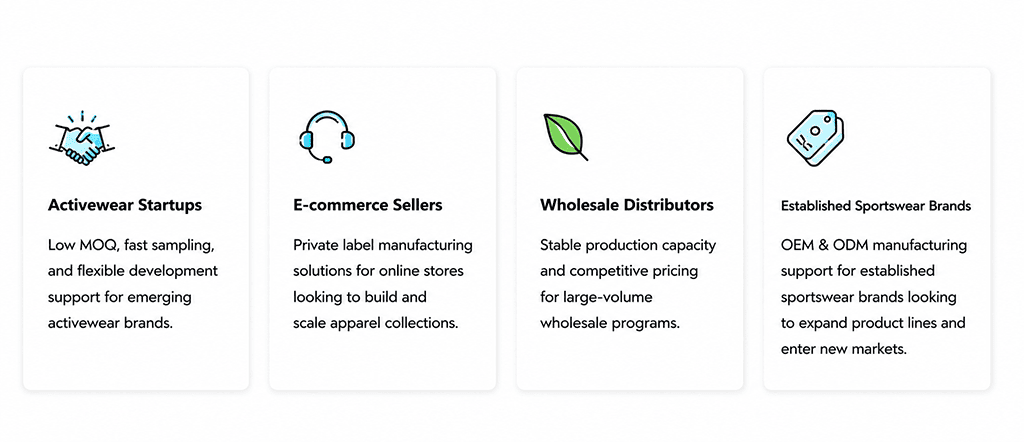
Not all equestrian breeches manufacturers in China provide the same level of service and expertise. Some suppliers are better at large-scale, cost-driven production, while others have stronger capabilities in technical riding garments, eco-friendly materials, and customized private label solutions. Therefore, brands should evaluate manufacturers based on more than just pricing, as pattern engineering, fabric sourcing, sample development, and quality management often play a key role in market success.
For most private label brands, choosing the right manufacturing partner is more important than choosing the largest factory. The ideal supplier should have capabilities that fit your brand positioning, business strategy, and future growth plans, especially as the global equine industry continues to evolve and diversify according to organizations such as the American Horse Council.
Manufacturer Capability Comparison
| Manufacturer | MOQ | Sample Speed | Equestrian Experience | Fabric Development | Sustainability | Customization | Overall Flexibility |
|---|---|---|---|---|---|---|---|
| Pair Fashion | ⭐⭐⭐⭐⭐ | ⭐⭐⭐⭐⭐ | ⭐⭐⭐⭐⭐ | ⭐⭐⭐⭐⭐ | ⭐⭐⭐⭐ | ⭐⭐⭐⭐⭐ | ⭐⭐⭐⭐⭐ |
| Aolafree | ⭐⭐⭐⭐ | ⭐⭐⭐⭐ | ⭐⭐⭐ | ⭐⭐⭐⭐ | ⭐⭐⭐ | ⭐⭐⭐⭐ | ⭐⭐⭐⭐ |
| Equifactory | ⭐⭐⭐ | ⭐⭐⭐ | ⭐⭐⭐⭐⭐ | ⭐⭐⭐⭐ | ⭐⭐⭐ | ⭐⭐⭐⭐ | ⭐⭐⭐ |
| Zest Equestrian | ⭐⭐⭐ | ⭐⭐⭐ | ⭐⭐⭐⭐⭐ | ⭐⭐⭐⭐ | ⭐⭐⭐ | ⭐⭐⭐⭐ | ⭐⭐⭐ |
| Berunwear | ⭐⭐ | ⭐⭐⭐ | ⭐⭐⭐ | ⭐⭐⭐ | ⭐⭐⭐ | ⭐⭐⭐ | ⭐⭐ |
| Hucai Sportswear | ⭐⭐ | ⭐⭐⭐ | ⭐⭐⭐ | ⭐⭐⭐⭐ | ⭐⭐⭐ | ⭐⭐⭐ | ⭐⭐ |
| SGL Sports | ⭐⭐⭐ | ⭐⭐⭐ | ⭐⭐⭐⭐ | ⭐⭐⭐ | ⭐⭐⭐ | ⭐⭐⭐ | ⭐⭐⭐ |
| Aika Sportswear | ⭐⭐⭐⭐ | ⭐⭐⭐⭐ | ⭐⭐⭐ | ⭐⭐⭐⭐ | ⭐⭐⭐ | ⭐⭐⭐⭐ | ⭐⭐⭐⭐ |
| Eation Wear | ⭐⭐⭐ | ⭐⭐⭐ | ⭐⭐⭐ | ⭐⭐⭐ | ⭐⭐⭐ | ⭐⭐⭐ | ⭐⭐⭐ |
| Ingor Sportswear | ⭐⭐⭐⭐ | ⭐⭐⭐ | ⭐⭐⭐ | ⭐⭐⭐⭐ | ⭐⭐⭐⭐⭐ | ⭐⭐⭐⭐ | ⭐⭐⭐ |
Which Manufacturer Has the Strongest Product Development Capability?
One of the biggest misconceptions in sourcing is assuming that every sportswear factory can produce high-quality equestrian breeches. In reality, riding pants are among the most technically demanding garments in the activewear industry.
Developing premium breeches requires expertise in:
- Four-way stretch pattern engineering
- Silicone grip application
- Compression panel construction
- Riding-specific seam placement
- Fabric recovery performance
- Saddle comfort testing
Factories with long experience in general leggings production may struggle to reproduce these technical requirements.
Strong Development Capabilities
- Pair Fashion
- Equifactory
- Zest Equestrian
Moderate Development Capabilities
- Aolafree
- Aika Sportswear
- Ingor Sportswear
Best for Simple Production Programs
- Berunwear
- Eation Wear
- SGL Sports
Fabric Development Capability Comparison
| Capability | Pair Fashion | Equifactory | Zest | Aika | Ingor |
|---|---|---|---|---|---|
| Nylon-Spandex Fabrics | ✓ | ✓ | ✓ | ✓ | ✓ |
| Compression Fabrics | ✓ | ✓ | ✓ | ✓ | ✓ |
| Recycled Fabrics | ✓ | ✓ | ✓ | ✓ | ✓ |
| Water Repellent Fabrics | ✓ | ✓ | ✓ | — | — |
| Winter Softshell Fabrics | ✓ | ✓ | ✓ | — | — |
| Custom Dyeing | ✓ | ✓ | ✓ | ✓ | ✓ |
| Third-Party Fabric Testing | ✓ | ✓ | ✓ | — | ✓ |
Which Manufacturers Are Best for Sustainability?
Sustainability is becoming increasingly important in the equestrian industry. Many European and North American brands now require:
- Recycled fabrics
- GRS certifications
- Lower environmental impact
- Transparent supply chains
Factories with stronger sustainability capabilities include:
Ingor Sportswear
Known for recycled activewear fabrics and sustainability programs.
Pair Fashion
Offers GRS-certified materials and recycled nylon options for riding apparel.
Equifactory
Provides eco-friendly material sourcing for premium brands.
Customization Capability Comparison
Private label brands often need more than basic logo printing. Modern riding apparel collections require:
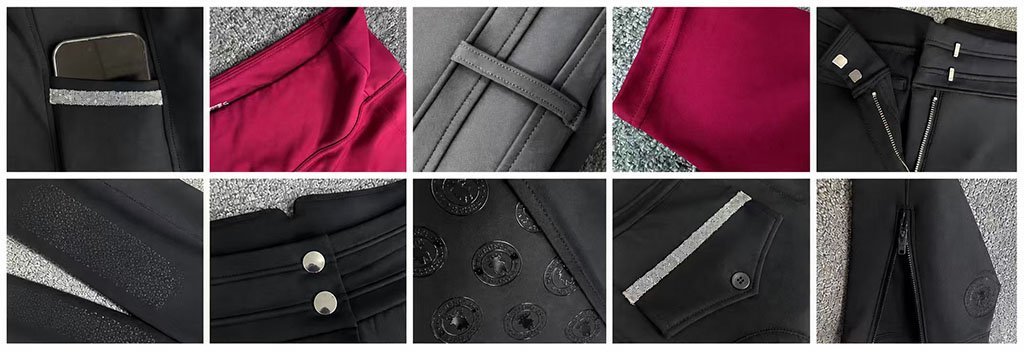
- Custom silicone grip designs
- Branded waistband elastics
- Custom metal trims
- Retail packaging
- Unique fabric compositions
- Exclusive color developments
| Manufacturer | Full Private Label | Silicone Customization | Packaging | Fabric Development |
|---|---|---|---|---|
| Pair Fashion | ✓ | ✓ | ✓ | ✓ |
| Equifactory | ✓ | ✓ | ✓ | ✓ |
| Zest Equestrian | ✓ | ✓ | ✓ | ✓ |
| Aolafree | ✓ | ✓ | ✓ | — |
| Ingor Sportswear | ✓ | ✓ | ✓ | ✓ |
Production Capacity Comparison
A large factory is not always better. Small and medium-sized brands often benefit more from flexible suppliers that can support:
- Lower MOQs
- Faster communication
- Quicker sample revisions
- Better product attention
| Manufacturer | Approximate Monthly Capacity |
|---|---|
| Pair Fashion | 50,000-65,000 pcs |
| Berunwear | 100,000+ pcs |
| Hucai Sportswear | 100,000+ pcs |
| Aika Sportswear | 80,000+ pcs |
| Equifactory | 40,000+ pcs |
| Zest Equestrian | 40,000+ pcs |
Which Supplier Fits Different Business Models?
Startup Brands
Recommended priorities:
- Low MOQ
- Fast sampling
- Development support
Recommended Manufacturers
- Pair Fashion
- Aolafree
Premium Equestrian Brands
Recommended priorities:
- Technical capabilities
- Pattern expertise
- Premium fabrics
Recommended Manufacturers
- Equifactory
- Zest Equestrian
- Pair Fashion
Sustainable Brands
Recommended priorities:
- Recycled fabrics
- Sustainability certifications
- Eco-friendly materials
Recommended Manufacturers
- Ingor Sportswear
- Pair Fashion
Large Retailers and Importers
Recommended priorities:
- Production capacity
- Stable delivery
- Cost efficiency
Recommended Manufacturers
- Berunwear
- Hucai Sportswear
Comparison of Typical Buyer Priorities
| Priority | Best Choice |
|---|---|
| Lowest MOQ | Pair Fashion |
| Fastest Sampling | Pair Fashion |
| Technical Riding Apparel | Equifactory |
| Sustainability | Ingor Sportswear |
| Largest Capacity | Berunwear |
| Best Overall Flexibility | Pair Fashion |
| European Market Experience | Zest Equestrian |
Key Takeaway
The leading Chinese riding breeches factories differ significantly in their strengths. Some are built for large-scale production, while others excel in technical development or small-batch customization.
For private label brands, the most successful partnerships usually happen when the factory’s capabilities match the brand’s current stage of growth. A startup brand testing its first collection may benefit from flexibility and development support, while a mature brand may prioritize scalability and supply chain stability.
When comparing manufacturers, evaluate far more than price. The ability to develop high-performance riding breeches, solve technical problems, and support future growth often creates much greater value than a small difference in unit cost.
Why Are More Private Label Brands Sourcing Equestrian Breeches from China?
China has become the world’s largest apparel manufacturing hub, but its leadership in equestrian breeches production goes beyond low costs. The country has developed a mature ecosystem of performance fabric suppliers, specialized garment factories, trim manufacturers, testing laboratories, and logistics providers. This integrated supply chain allows brands to develop technically advanced riding apparel faster and more efficiently than in many other manufacturing regions.
For private label brands, China offers a combination of specialization, flexibility, and scalability that is difficult to replicate elsewhere.
What Types of Equestrian Breeches Can Chinese Manufacturers Produce?
China’s leading riding apparel factories can manufacture far more than traditional horse riding pants. Modern equestrian brands increasingly demand diverse collections that cover competition wear, training apparel, lifestyle riding leggings, and inclusive sizing. Chinese manufacturers have responded by developing specialized production capabilities across multiple riding breeches categories, allowing private label brands to build complete product lines rather than relying on a single style.
Understanding the different types of breeches available is important because each category requires different fabrics, construction methods, and manufacturing expertise. The right supplier should be capable of supporting both your current collection and future product expansion plans, particularly as different equestrian disciplines recognized by the United States Equestrian Federation continue to drive demand for increasingly specialized riding apparel.
Women’s Equestrian Breeches
Women’s riding breeches remain the largest category in the global equestrian apparel market. Most private label brands focus their collections on female riders because women account for a significant share of recreational and competitive equestrian participation.
Modern women’s breeches are no longer just basic cotton riding pants. Consumers now expect riding apparel that offers both high performance and fashionable styling.
Common Features
- High-waisted construction
- Four-way stretch fabrics
- Compression support
- Wide waistbands
- Silicone full-seat grips
- Moisture-wicking performance
- Phone pockets
- Sculpting seam lines
Popular Fabric Options
| Fabric Type | Main Benefits |
|---|---|
| 78% Nylon + 22% Spandex | Compression and durability |
| 75% Nylon + 25% Spandex | Soft hand feel and stretch |
| Brushed Fabric | Winter comfort |
| Recycled Nylon | Sustainability |
Many brands now position women’s breeches as both riding apparel and lifestyle activewear, creating opportunities for crossover sales beyond the equestrian market.
Men’s Equestrian Breeches
Although smaller than the women’s market, men’s riding apparel has experienced steady growth, particularly in Europe, North America, and Australia.
Men’s breeches generally prioritize:
- Durability
- Functional storage
- Comfort during long riding sessions
- Simple and timeless styling
Typical Features
- Mid-rise waist
- Reinforced knee construction
- Larger pockets
- Higher abrasion resistance
- Wider fit specifications
Men’s products often use heavier fabrics and more conservative color palettes than women’s collections.
Popular Colors
- Navy
- Black
- Grey
- Khaki
- Olive Green
Factories with extensive experience in sportswear can usually manufacture men’s breeches, but riding-specific pattern development still plays a critical role in achieving proper fit and comfort.
Kids Equestrian Breeches
The children’s equestrian market is growing rapidly due to increasing participation in riding schools and pony clubs.
Manufacturing children’s breeches requires additional considerations:
- Safety standards
- Comfort
- Growth allowances
- Soft fabric selections
- Reinforced construction
Common Features
- Adjustable waistbands
- Lightweight silicone grips
- Easy-care fabrics
- Durable knee panels
Children’s collections also create opportunities for brands to develop long-term customer loyalty by introducing riders to their products at an early age.
Full Seat Breeches
Full seat breeches are one of the most popular categories among competitive riders.
The silicone or suede grip extends across:
- The inner thighs
- The seat area
- The back panel
Benefits
- Improved saddle stability
- Better balance
- Reduced movement during jumping and dressage
Common Applications
- Dressage
- Show jumping
- Eventing
- Professional competition
Manufacturing full-seat breeches requires advanced silicone printing technology and strict quality control to ensure that grips remain durable after repeated washing and use.
Knee Patch Breeches
Knee patch breeches feature grip panels only at the knees.
This design is especially popular among:
- Recreational riders
- Hunter riders
- Entry-level equestrians
- Younger riders
Advantages
- Greater freedom of movement
- Lower production costs
- Lightweight feel
- Easier maintenance
Common Materials
- Silicone grips
- Synthetic suede
- Faux leather patches
Many brands offer both full-seat and knee patch options to appeal to different customer preferences.
Competition Breeches
Competition breeches are among the most technically demanding garments in the riding apparel industry.
These products often require:
- Premium fabrics
- Precise fit engineering
- High color consistency
- Elegant appearance
- Strict performance standards
Typical Features
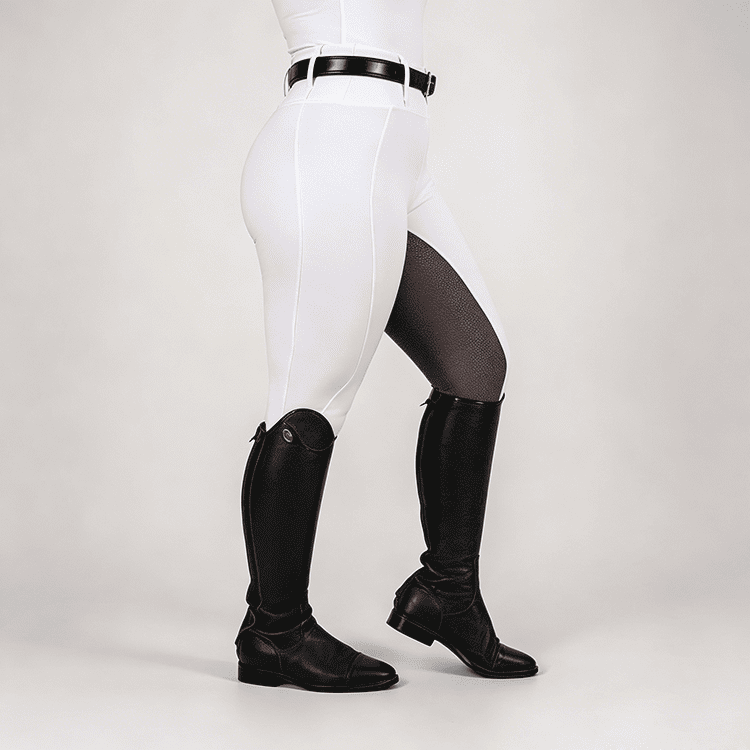
- White or light colors
- Compression fabrics
- Advanced moisture management
- Minimalistic branding
- Premium trims
Because competition apparel is highly visible, even small manufacturing defects can negatively impact brand reputation.
Riding Leggings
One of the fastest-growing categories in equestrian apparel is riding leggings.
Many younger riders prefer leggings because they combine:
- Athletic comfort
- Modern aesthetics
- Lower weight
- Everyday versatility
Typical Features
- Pull-on construction
- Wide waistbands
- Phone pockets
- Lightweight silicone grips
- Seamless appearance
Many equestrian brands now report that riding leggings account for a growing percentage of their annual sales.
For private label businesses, this category offers an attractive opportunity because it appeals to both traditional riders and activewear consumers.
Winter Riding Breeches
Cold-weather riding requires specialized apparel that provides warmth without restricting movement.
Common Fabric Technologies
- Brushed interiors
- Thermal fleece
- Softshell fabrics
- Water-repellent treatments
- Wind-resistant constructions
Popular Markets
- Northern Europe
- Canada
- Northern United States
- United Kingdom
Winter collections often carry higher retail prices and can generate strong seasonal demand.
Summer Riding Breeches
Warm-weather products focus primarily on:
- Breathability
- Lightweight construction
- Moisture management
- UV protection
Popular Fabric Features
- Mesh panels
- Laser perforation
- Cooling yarns
- Quick-dry finishes
Summer riding apparel has become increasingly important as equestrian participation expands into warmer climates.
Sustainable Riding Breeches
Sustainability is no longer a niche trend. Many private label brands now require environmentally responsible manufacturing solutions.
Common Sustainable Materials
- Recycled nylon
- Recycled polyester
- Bio-based fibers
- Water-saving dyeing technologies
Popular Certifications
- GRS
- OEKO-TEX
- BSCI
Consumers increasingly expect equestrian brands to demonstrate environmental responsibility throughout the supply chain.
Plus Size Riding Breeches
The plus-size riding market remains underserved despite strong demand.
Many traditional brands offer limited sizing options, creating opportunities for private label companies that focus on inclusivity.
Many brands eventually expand from breeches into complete riding collections, working with a private label equestrian apparel manufacturer that can support inclusive sizing and multi-category product development.
Special Development Requirements
- Advanced pattern grading
- Higher compression support
- Reinforced stitching
- Wider waistbands
- Improved fit engineering
Manufacturing plus-size riding apparel requires significantly more expertise than simply increasing measurements on standard patterns.
Product Category Comparison
| Category | Market Demand | Technical Complexity | Average Retail Price |
|---|---|---|---|
| Women’s Breeches | Very High | High | $$$ |
| Men’s Breeches | Medium | Medium | $$$ |
| Kids Breeches | Medium | Medium | $$ |
| Full Seat Breeches | Very High | Very High | $$$$ |
| Knee Patch Breeches | High | Medium | $$$ |
| Competition Breeches | High | Very High | $$$$ |
| Riding Leggings | Very High | High | $$$ |
| Winter Breeches | Medium | High | $$$$ |
| Sustainable Breeches | Fast Growing | High | $$$$ |
| Plus Size Breeches | Growing | Very High | $$$ |
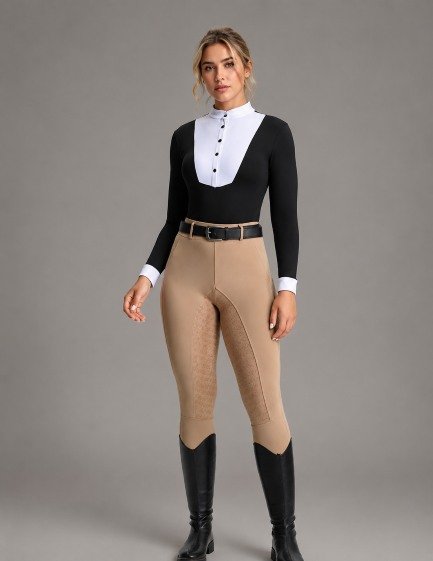
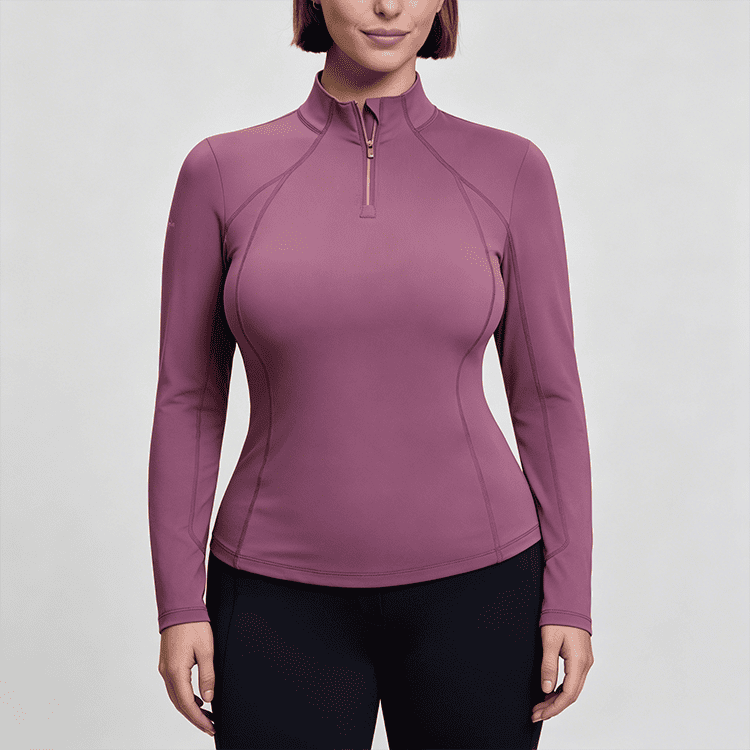
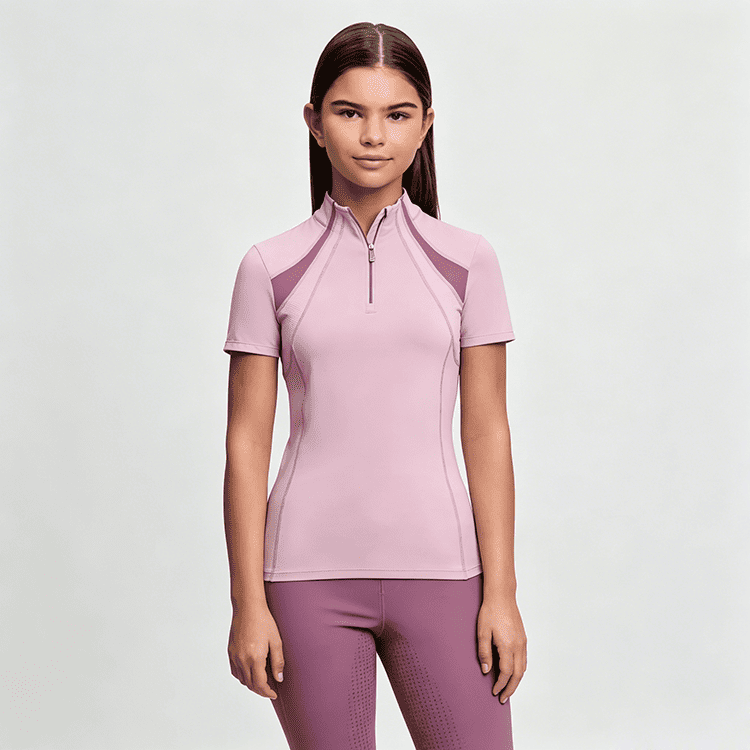
Which Product Categories Offer the Biggest Opportunities?
For private label brands entering the equestrian market, several categories stand out because they combine strong demand with relatively lower competition.
High-Growth Opportunities
- Riding Leggings
- Sustainable Riding Breeches
- Plus Size Riding Apparel
- Winter Riding Collections
- Kids Riding Apparel
Brands that diversify across multiple categories often build stronger customer loyalty and create more resilient businesses than those focused on a single product type.
Key Takeaway
Chinese manufacturers can now produce nearly every type of equestrian breeches, from traditional competition pants to modern riding leggings and inclusive sizing collections. However, not every factory has the expertise to manufacture all categories equally well.
When selecting a manufacturing partner, brands should consider not only the products they sell today but also the categories they plan to introduce in the future. Choosing a supplier with broad technical capabilities can significantly reduce development costs and accelerate long-term growth.
What Makes Equestrian Breeches Different From Ordinary Sports Leggings?
At first glance, riding breeches and sports leggings look almost the same. Both use stretch fabrics, body-hugging silhouettes, and performance-driven materials. However, once a rider gets into the saddle, the differences become immediately apparent. Riding breeches are engineered specifically for equestrian movement, long hours of sitting in the saddle, friction management, and rider stability.
This is one of the biggest misconceptions for many new private label brands. They often believe that a factory that makes yoga leggings can also manufacture riding breeches without difficulty. In fact, high-quality equestrian breeches require professional knowledge in pattern engineering, fabric selection, silicone application technology, and riding ergonomics to ensure comfort and performance.
The difference between a good riding breeches manufacturer and an ordinary sportswear factory often determines whether a product becomes a best seller or generates costly returns and customer complaints.
Riding-Specific Pattern Engineering
The biggest difference between riding breeches and leggings lies in pattern construction.
Sports leggings are designed for:
- Running
- Gym workouts
- Yoga
- General movement
Riding breeches are designed for:
- Sitting in the saddle
- Leg positioning
- Knee flexion
- Continuous friction against leather surfaces
- Long periods of seated activity
This creates entirely different engineering requirements.
Key Pattern Differences
| Construction Area | Sports Leggings | Riding Breeches |
|---|---|---|
| Inner Leg Seams | Standard | Minimized or repositioned |
| Knee Shape | Straight | Pre-bent ergonomic shape |
| Seat Construction | Simple | Reinforced riding structure |
| Waist Position | Mid or High Rise | Stabilized riding waistband |
| Gusset Design | Optional | Highly recommended |
A poorly designed pattern may look attractive on a mannequin but become uncomfortable after only a short riding session.
Why Seam Placement Matters
Many beginner brands underestimate the importance of seam placement.
A seam positioned incorrectly can create:
- Saddle pressure points
- Skin irritation
- Chafing
- Reduced mobility
- Customer dissatisfaction
Experienced riding apparel factories carefully engineer seam lines to avoid direct contact with high-friction areas.
This is one reason why many riders are willing to pay premium prices for well-designed breeches.
Full Seat vs Knee Patch Construction
Grip technology is another major difference.
Full Seat Breeches
Grip extends:
- Across the seat
- Along the inner thighs
- To the back panels
Benefits
- Superior stability
- Better balance
- Increased security
Popular Among
- Dressage riders
- Professional competitors
- Long-distance riders
Knee Patch Breeches
Grip is applied only to the knees.
Benefits
- Greater freedom of movement
- Lighter feel
- Lower cost
Popular Among
- Recreational riders
- Beginner equestrians
- Hunter disciplines
The choice between these constructions influences both manufacturing complexity and product positioning.
Silicone Grip Technology
Silicone application is one of the most technically challenging processes in equestrian apparel manufacturing.
Unlike fashion printing, silicone grips must deliver:
- Strong traction
- Soft hand feel
- Wash durability
- Stretch compatibility
- Long-term performance
Poor silicone applications may:
- Crack
- Peel
- Lose grip
- Damage fabric elasticity
Common Silicone Technologies
| Technology | Advantages | Challenges |
|---|---|---|
| Flat Silicone Print | Cost-effective | Moderate durability |
| Raised Silicone Print | Premium appearance | Higher cost |
| Multi-Density Silicone | Superior grip | Complex production |
| Custom Logo Silicone | Strong branding | Longer development time |
Premium riding brands often invest heavily in custom silicone technologies because they significantly influence customer perception of quality.
Fabric Requirements Are Completely Different
Many sports leggings use fabrics optimized for:
- Stretch
- Breathability
- Softness
Riding breeches require all of these properties plus several additional performance characteristics.
Performance Requirements
Abrasion Resistance
Continuous contact with saddles creates friction that ordinary leggings are not designed to withstand.
Shape Retention
Breeches must maintain their fit after hundreds of hours of use.
Compression Support
Provides muscle support and improves rider comfort.
Opacity
Fabric must remain fully opaque even during extreme movements.
Durability
Premium riding breeches are expected to last for years rather than seasons.
Typical Fabric Specifications
| Property | Sports Leggings | Riding Breeches |
|---|---|---|
| Stretch | High | High |
| Compression | Medium | High |
| Abrasion Resistance | Medium | Very High |
| Shape Retention | Medium | High |
| Durability | Medium | Very High |
Saddle Comfort Engineering
One of the least discussed aspects of breeches manufacturing is saddle comfort.
A rider may spend:
- One hour in training.
- Three hours on trail rides.
- Entire weekends at competitions.
Small design mistakes become major comfort issues over time.
Manufacturers therefore need to consider:
- Pressure distribution
- Fabric recovery
- Waistband construction
- Seam placement
- Stretch direction
This type of engineering is rarely required in ordinary sportswear.
Why Many Sportswear Factories Struggle With Riding Breeches
Many factories claim they can produce equestrian apparel because they already manufacture yoga leggings.
However, riding breeches are a highly specialized category.
For brands planning to launch an entire riding collection, partnering with an OEM equestrian clothing manufacturer in China can significantly reduce development risks and ensure better product consistency across multiple categories.
Common problems include:
Incorrect Pattern Development
Leggings patterns are simply modified instead of being redesigned.
Poor Silicone Quality
Grip peels or loses effectiveness.
Inadequate Fabric Selection
Fabric pills quickly or lacks recovery.
Lack of Rider Testing
Products are never tested under real riding conditions.
Inconsistent Sizing
Large fit variations lead to high return rates.
Hidden Costs of Choosing the Wrong Factory
The cheapest manufacturer often becomes the most expensive option.
Common consequences include:
- High return rates
- Multiple sample revisions
- Delayed launches
- Excess inventory
- Negative reviews
- Lost customers
For private label brands, a failed first collection can significantly slow growth.
Why Technical Expertise Matters More Than Price
The global equestrian market is highly relationship-driven.
Many riders remain loyal to brands that provide:
- Superior comfort
- Consistent fit
- Durable performance
A well-designed breeches collection can generate repeat purchases for years.
This is why experienced equestrian manufacturers focus heavily on:
- Pattern engineering
- Fabric testing
- Wear trials
- Production consistency
The additional investment in technical development often creates a much stronger long-term return than simply chasing the lowest manufacturing price.
Comparison: Riding Breeches vs Sports Leggings
| Feature | Riding Breeches | Sports Leggings |
|---|---|---|
| Saddle Comfort | Excellent | Poor |
| Abrasion Resistance | Very High | Medium |
| Silicone Grip | Required | Not Required |
| Riding-Specific Pattern | Required | Not Required |
| Compression Support | High | Medium |
| Wash Durability | Very High | Medium |
| Product Complexity | Very High | Medium |
| Development Difficulty | Very High | Low |
Key Takeaway
Equestrian breeches are not simply leggings with silicone prints. They are highly engineered performance garments developed specifically for riding comfort, stability, and durability.
For private label brands, this distinction is critical when choosing a manufacturing partner. Factories with genuine equestrian expertise can dramatically reduce development risks and improve product performance, while general sportswear factories often struggle to meet the technical expectations of modern riders.
Understanding these differences is the first step toward building a successful and competitive riding apparel collection.
How Should Buyers Evaluate an Equestrian Breeches Manufacturer?
Finding an equestrian breeches supplier is relatively easy. Finding a supplier that can consistently deliver high-quality riding apparel, support product development, and grow with your brand is much more difficult.
Many sourcing problems do not happen because the factory lacks production capacity. They happen because buyers fail to evaluate suppliers properly before placing their first order.A factory may look professional, but it may not have the technical experience, quality control system, or communication skills needed to produce premium riding breeches.
Before committing to a manufacturing partner, private label brands should evaluate factories from multiple angles, including technical expertise, product development capabilities, quality management, and long-term reliability.
Step 1: Evaluate the Factory’s Equestrian Experience
The first question every buyer should ask is simple:
How much experience does this factory actually have in equestrian apparel?
Many sportswear manufacturers add “riding apparel” to their product list, but few have substantial experience producing technical breeches.
Ask questions such as:
- How many years have you produced riding apparel?
- What percentage of your business comes from equestrian products?
- Can you provide examples of previous riding collections?
- Do you manufacture full-seat breeches?
- Can you develop custom silicone grips?
Factories that cannot answer these questions clearly may not have genuine equestrian expertise.
Signs of a Specialized Equestrian Factory
Positive Indicators
✅ Dedicated equestrian product lines
✅ Existing riding apparel portfolio
✅ Knowledge of competition requirements
✅ Understanding of riding-specific fabrics
✅ Experience with full-seat construction
✅ Ability to discuss fit issues in detail
Warning Signs
❌ No existing riding samples
❌ Limited knowledge of silicone applications
❌ Unable to explain pattern differences
❌ Only offers basic leggings production
❌ No rider testing experience
Step 2: Assess Product Development Capability
Product development is often more important than manufacturing itself.
Many successful brands spend months perfecting:
- Fit
- Fabric performance
- Silicone placement
- Sizing
- Pattern adjustments
Factories with strong development teams can save enormous amounts of time and money.
Questions to Ask
- How many sample technicians do you have?
- How long does sample development take?
- Can you work from reference photos?
- Can you develop custom patterns?
- How many revisions are included?
Why Development Matters
A weak development process usually results in:
- More sample rounds
- Higher costs
- Delayed launches
- Fit issues
- Customer complaints
Strong development teams often become long-term strategic partners rather than simple manufacturers.
Step 3: Evaluate Pattern Engineering Capabilities
Pattern engineering is one of the most overlooked aspects of sourcing.
Many factories can copy an existing pair of breeches.
Far fewer can:
- Create new patterns.
- Grade sizes accurately.
- Solve fit problems.
- Adapt patterns for different body types.
Ask for Examples of:
- Women’s patterns
- Men’s patterns
- Plus-size patterns
- Kids’ patterns
- Competition breeches
- Riding leggings
An experienced factory should be able to explain how patterns differ between each category.
Step 4: Inspect Fabric Development Capabilities
Fabric performance is one of the main reasons riders become loyal to a brand.
Before placing an order, ask suppliers:
- What fabric options do you recommend?
- Do you offer recycled fabrics?
- Can you provide testing reports?
- Do you have winter fabrics?
- Can you customize fabric compositions?
Recommended Fabric Tests
| Test | Why It Matters |
|---|---|
| Stretch Recovery | Prevents bagging |
| Pilling Resistance | Improves durability |
| Color Fastness | Maintains appearance |
| Abrasion Resistance | Reduces wear |
| Moisture Management | Improves comfort |
| UV Resistance | Outdoor protection |
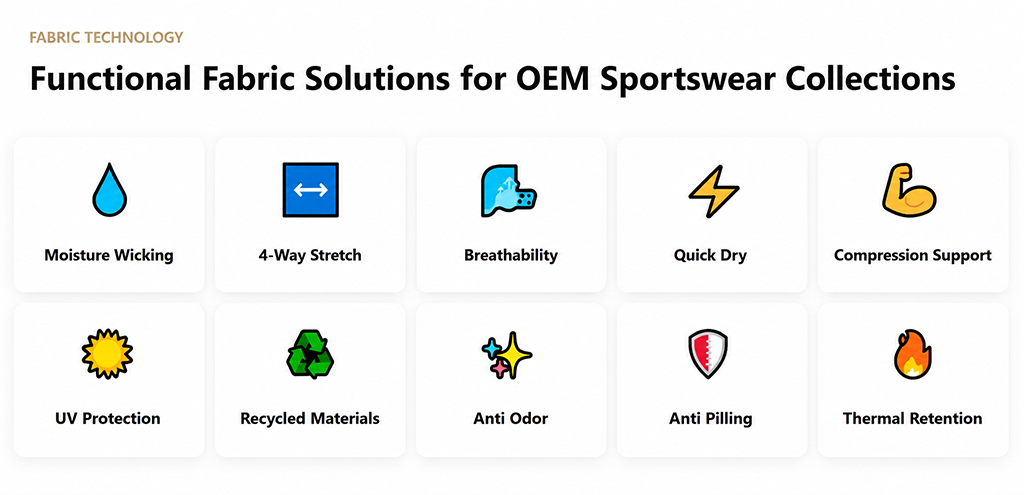
Factories with strong fabric knowledge generally produce more consistent products.
Step 5: Evaluate Silicone Technology
Silicone grips often determine whether breeches feel premium or inexpensive.
Poor silicone quality can lead to:
- Peeling
- Cracking
- Loss of grip
- Customer complaints
Questions to Ask
- What type of silicone do you use?
- How many wash cycles can the grips withstand?
- Can you create custom grip patterns?
- Do you test adhesion strength?
Sample Evaluation Checklist
Request physical samples and evaluate:
Silicone Performance
□ Strong grip
□ Even application
□ No cracking
□ Clean edges
Fabric Performance
□ Good recovery
□ Soft hand feel
□ Adequate compression
□ Opaque when stretched
Construction Quality
□ Clean stitching
□ Reinforced stress points
□ No seam puckering
□ Accurate measurements
Step 6: Review Certifications and Compliance
Certifications are particularly important when selling in Europe and North America.
Common Certifications
| Certification | Importance |
|---|---|
| ISO9001 | Quality management |
| BSCI | Social compliance |
| GRS | Recycled materials |
| OEKO-TEX | Chemical safety |
| CE | Product compliance |
| REACH | European regulations |
Not every brand needs every certification, but suppliers should understand the requirements of your target market.
Step 7: Evaluate Communication Efficiency
Communication problems often become production problems.
Evaluate:
- Response speed
- Technical understanding
- English communication
- Problem-solving ability
- Attention to detail
Strong Suppliers Usually:
✅ Ask detailed questions.
✅ Provide suggestions.
✅ Identify potential risks.
✅ Respond quickly.
✅ Confirm details in writing.
Weak Suppliers Often:
❌ Provide vague answers.
❌ Ignore technical questions.
❌ Promise unrealistic timelines.
❌ Fail to document changes.
Step 8: Evaluate Production Capacity and Scalability
Many brands only think about their first order.
A better question is:
Can this factory support my business three years from now?
Consider:
- Monthly capacity
- Peak season planning
- Material sourcing
- Ability to scale production
- Additional production lines
A factory that cannot grow with your brand may eventually become a bottleneck.
Factory Audit Checklist
| Evaluation Area | Importance |
|---|---|
| Equestrian Experience | Very High |
| Sample Development | Very High |
| Pattern Engineering | Very High |
| Fabric Knowledge | Very High |
| Silicone Technology | High |
| Certifications | Medium |
| Communication | Very High |
| Production Capacity | High |
| Sustainability | Medium |
| Long-Term Partnership Potential | Very High |
Supplier Red Flags
The following warning signs deserve careful consideration:
Extremely Low Prices
The lowest quote is rarely the best value.
Unrealistic Lead Times
Promises that seem too good to be true usually are.
No Existing Riding Samples
This often indicates limited experience.
Unwillingness to Provide Testing Reports
Transparency matters.
Poor Communication
Communication problems rarely improve after production starts.
Constantly Changing Prices
This may indicate weak supply chain management.
Questions Every Buyer Should Ask
- How many equestrian brands do you currently work with?
- Can you provide riding apparel samples?
- What fabrics do you recommend?
- Can you develop custom silicone patterns?
- What certifications do you hold?
- How long does sampling take?
- What is your quality control process?
- How do you handle defects?
- Can you support future growth?
- What makes your factory different from competitors?
Final Supplier Scorecard
| Criteria | Weight |
|---|---|
| Equestrian Expertise | 20% |
| Product Development | 20% |
| Quality Control | 15% |
| Fabric Capability | 10% |
| Communication | 10% |
| Production Capacity | 10% |
| Certifications | 5% |
| Sustainability | 5% |
| Price Competitiveness | 5% |
Key Takeaway
When selecting an equestrian breeches manufacturer, buyers should look beyond price and factory size. A good supplier should provide professional technical support, product development capability, clear communication, and stable long-term cooperation.
Private label brands that invest time in evaluating suppliers carefully often avoid costly mistakes and build stronger partnerships that support growth for many years.
How Much Does It Cost to Manufacture Riding Breeches in China?
The cost of manufacturing equestrian breeches in China varies significantly depending on fabric selection, construction complexity, silicone technologies, order quantities, and packaging requirements. Many buyers only look at the unit price, but experienced equestrian brands know that the real cost of riding breeches is much more than the garment itself.
Compared with many other activewear products, premium riding breeches usually involve more development processes and require more specialized fabrics and components. Understanding where the costs come from allows private label brands to plan budgets more accurately, negotiate with manufacturers more effectively, and reduce the risk of unexpected expenses during production.
The Biggest Cost Drivers in Riding Breeches Manufacturing
Unlike ordinary leggings, riding breeches have several additional cost components:
- Performance fabrics
- Silicone grip applications
- Riding-specific pattern development
- Reinforced construction
- Premium trims
- Higher quality control requirements
As a result, two breeches that look similar online can have dramatically different manufacturing costs.
Typical Cost Breakdown
| Cost Component | Percentage of Total Cost |
|---|---|
| Fabric | 40%-50% |
| Labor | 20%-25% |
| Silicone Printing | 8%-12% |
| Trims & Accessories | 5%-10% |
| Packaging | 3%-5% |
| Quality Control | 2%-5% |
| Shipping Preparation | 2%-5% |
Fabric usually represents the largest portion of the total manufacturing cost.
Fabric Costs
The choice of fabric can significantly influence pricing.
Entry-Level Fabrics
- Standard nylon-spandex blends
- Polyester-spandex blends
- Lower compression fabrics
Approximate fabric cost:
USD 2.50-4.50 per meter
Mid-Range Performance Fabrics
- Premium nylon-spandex
- Moisture-wicking fabrics
- Better recovery performance
Approximate fabric cost:
USD 4.50-7.00 per meter
Premium Technical Fabrics
- Compression fabrics
- Brushed winter fabrics
- Recycled materials
- High-performance Italian or Korean fabrics
Approximate fabric cost:
USD 7.00-15.00+ per meter
How Much Fabric Does One Pair of Breeches Require?
| Size Range | Fabric Consumption |
|---|---|
| XS-S | 0.9-1.1 meters |
| M-L | 1.0-1.2 meters |
| XL-XXL | 1.1-1.4 meters |
Large size ranges naturally increase overall fabric consumption and production costs.
Silicone Grip Costs
Silicone applications are one of the biggest differences between riding breeches and ordinary leggings.
Basic Silicone Applications
- Simple knee patches
- Standard patterns
Additional cost:
USD 0.50-1.20 per piece
Premium Silicone Applications
- Full-seat designs
- Raised silicone
- Multi-density applications
- Custom logos
Additional cost:
USD 1.20-3.00+ per piece
Why Silicone Costs Vary
Several factors influence pricing:
- Coverage area
- Design complexity
- Number of colors
- Printing technology
- Wash durability requirements
Custom grip designs can become important branding elements and often justify higher retail pricing.
Labor Costs
Riding breeches generally require more labor than basic leggings because they involve:
- More pattern pieces
- Additional stitching operations
- Silicone printing
- Reinforcement work
- Higher inspection requirements
Estimated Labor Costs
| Product Category | Labor Cost |
|---|---|
| Basic Leggings | USD 2-3 |
| Basic Breeches | USD 3-4 |
| Premium Breeches | USD 4-7 |
| Competition Breeches | USD 5-8 |
Labor costs continue to rise in China, but productivity and manufacturing quality often compensate for the higher wages.
Trims and Accessories
Many private label brands underestimate the cost of trims.
Typical accessories include:
- Custom waist elastics
- Silicone logos
- Metal buttons
- Zippers
- Drawcords
- Hangtags
- Woven labels
- Care labels
- Polybags
Typical Trim Costs
| Item | Estimated Cost |
|---|---|
| Woven Labels | USD 0.05-0.15 |
| Hangtags | USD 0.10-0.30 |
| Custom Elastic | USD 0.20-0.50 |
| Zippers | USD 0.15-0.50 |
| Polybags | USD 0.05-0.20 |
Premium branding can significantly increase perceived product value.
Packaging Costs
Packaging is often ignored during early budgeting.
Basic Packaging
- Individual polybags
- Standard carton boxes
Estimated cost:
USD 0.10-0.30 per piece
Premium Retail Packaging
- Printed polybags
- Custom tissue paper
- Branded boxes
- Retail presentation packaging
Estimated cost:
USD 0.50-2.00+ per piece
Sample Development Costs
Creating technical riding breeches often requires multiple sample rounds.
Typical Sample Costs
| Sample Type | Estimated Cost |
|---|---|
| Prototype Sample | USD 50-100 |
| Fit Sample | USD 50-100 |
| Salesman Sample | USD 50-120 |
| Pre-Production Sample | USD 50-120 |
Some manufacturers refund sample fees after bulk orders reach agreed quantities.
MOQ and Pricing Relationship
Minimum order quantity has a major impact on unit cost.
Example Pricing Structure
| Order Quantity | Estimated FOB Price |
|---|---|
| 50 pieces | Highest |
| 100 pieces | High |
| 300 pieces | Moderate |
| 500 pieces | Competitive |
| 1,000+ pieces | Lowest |
Larger quantities improve efficiency because:
- Fabric utilization improves.
- Silicone setup costs are spread across more units.
- Packaging becomes more economical.
- Labor productivity increases.
Estimated Manufacturing Costs by Product Type
| Product Category | Typical Manufacturing Cost |
|---|---|
| Basic Riding Leggings | USD 10-16 |
| Standard Breeches | USD 12-20 |
| Full Seat Breeches | USD 14-25 |
| Competition Breeches | USD 18-35 |
| Winter Breeches | USD 20-40 |
| Sustainable Breeches | USD 18-35 |
Actual costs vary significantly depending on materials and order quantities.
Why Extremely Cheap Prices Can Be Dangerous
Many new buyers search for the lowest quote.
However, unusually low pricing often means compromises in:
- Fabric quality
- Silicone durability
- Construction standards
- Quality control
- Worker experience
The hidden costs may include:
- Higher return rates
- Product failures
- Negative reviews
- Delayed reorders
- Lost customers
The cheapest factory often becomes the most expensive supplier in the long run.
How to Reduce Costs Without Sacrificing Quality
Optimize Fabric Selection
Premium performance does not always require the most expensive fabric.
Simplify Silicone Designs
Reducing complexity can lower costs significantly.
Increase Order Quantities
Larger production runs improve economies of scale.
Consolidate Color Options
Fewer colors reduce inventory and production complexity.
Standardize Packaging
Simple packaging often delivers better margins.
Build Long-Term Supplier Relationships
Long-term partnerships frequently lead to:
- Better pricing
- Priority production
- Improved flexibility
- Faster development
Example Cost Structure for a Mid-Range Full Seat Breeches Program
| Component | Estimated Cost |
|---|---|
| Fabric | USD 5.50 |
| Labor | USD 4.00 |
| Silicone Printing | USD 1.50 |
| Trims | USD 0.80 |
| Packaging | USD 0.30 |
| Quality Control | USD 0.40 |
| Total Manufacturing Cost | USD 12.50 |
This example illustrates why premium riding breeches often retail for several times their manufacturing cost.
Cost vs Retail Price
Premium equestrian brands typically target healthy margins to cover:
- Product development
- Marketing
- Sponsorships
- Inventory costs
- Shipping
- Returns
| Manufacturing Cost | Typical Retail Price |
|---|---|
| USD 12 | USD 70-110 |
| USD 18 | USD 100-150 |
| USD 25 | USD 140-220 |
The equestrian industry generally supports higher retail pricing than many other activewear categories because consumers value performance, comfort, and durability.
Key Takeaway
The cost of manufacturing riding breeches in China depends on far more than fabric and labor. Silicone technologies, technical construction, customization requirements, and order quantities all play important roles in determining final pricing.
For private label brands, understanding these cost drivers helps create realistic budgets and better sourcing decisions. Rather than pursuing the absolute lowest price, successful equestrian brands focus on achieving the right balance between quality, functionality, and profitability.
How Long Does It Take to Source Riding Breeches from China?
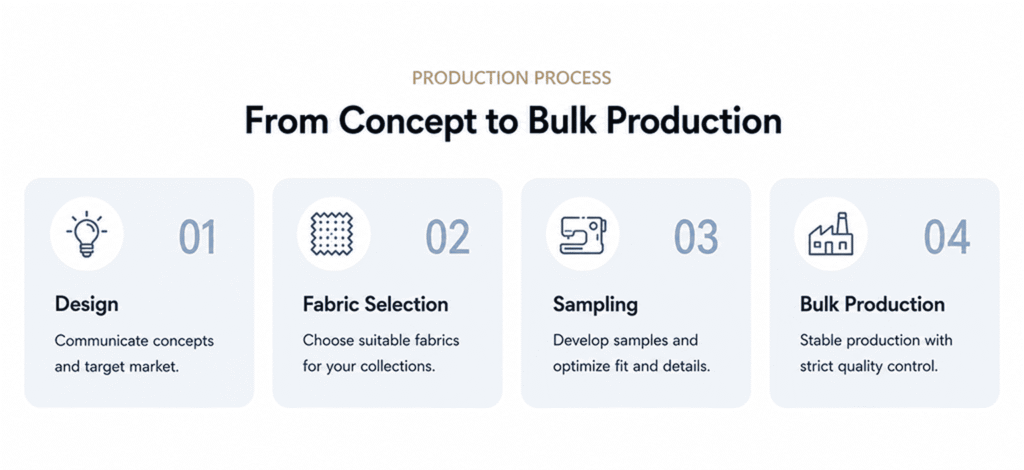
Developing custom equestrian breeches is rarely an overnight process. Unlike basic apparel categories, riding breeches require technical pattern development, fabric testing, silicone applications, and multiple rounds of fitting adjustments. Understanding realistic timelines helps private label brands plan launches more effectively, avoid costly delays, and align production schedules with seasonal demand.
For most brands, the entire sourcing process—from concept to delivered inventory—typically takes anywhere from 8 to 20 weeks, depending on product complexity, order size, and shipping method.
Typical Timeline for Custom Riding Breeches
| Stage | Estimated Time |
|---|---|
| Product Development | 1-2 Weeks |
| Sampling | 1-4 Weeks |
| Sample Revisions | 1-3 Weeks |
| Bulk Production | 3-6 Weeks |
| Shipping | 1-7 Weeks |
| Total Timeline | 8-20 Weeks |
The actual timeline depends heavily on how prepared the brand is before approaching manufacturers.
How Long Does Product Development Take?
Before sampling even begins, brands need to finalize:
- Product sketches
- Reference samples
- Fabric requirements
- Silicone designs
- Size specifications
- Branding details
Brands with Complete Tech Packs
Development time:
1-3 business days
Brands Starting from Ideas or Reference Photos
Development time:
1-2 weeks
Factories often need additional time to:
- Create technical drawings
- Recommend fabrics
- Develop patterns
- Estimate costs
The more information a brand can provide upfront, the faster the process moves.
How Long Does Sampling Take?
Sampling is one of the most important phases of riding breeches development.
Most factories offer several sample stages:
- Prototype Sample
- Fit Sample
- Salesman Sample
- Pre-Production Sample
Typical Sampling Timeline
| Sample Type | Lead Time |
|---|---|
| Prototype Sample | 3-7 Days |
| Fit Sample | 5-10 Days |
| Salesman Sample | 5-10 Days |
| Pre-Production Sample | 5-10 Days |
Factories with dedicated sample teams can often shorten these timelines significantly.
Why Do Riding Breeches Usually Need Multiple Sample Rounds?
Unlike simple activewear products, breeches often require adjustments to:
- Waist fit
- Leg compression
- Silicone placement
- Inseam length
- Fabric recovery
- Pocket positioning
Many successful brands complete:
2-4 sample rounds
before approving production.
This is normal and should be built into project planning.
Sample Revision Timeline
| Number of Revisions | Additional Time Required |
|---|---|
| One Revision | 1 Week |
| Two Revisions | 2 Weeks |
| Three Revisions | 3 Weeks |
Complex competition breeches can sometimes require even more revisions.
How Long Does Bulk Production Take?
Production lead times vary depending on:
- Order quantity
- Fabric availability
- Production schedules
- Seasonal demand
- Product complexity
Typical Production Lead Times
| Order Quantity | Estimated Production Time |
|---|---|
| 50-100 pcs | 15-20 Days |
| 100-300 pcs | 20-25 Days |
| 300-1,000 pcs | 25-35 Days |
| 1,000+ pcs | 30-45 Days |
Premium products with custom silicone designs or specialty fabrics often require additional time.
Why Peak Seasons Affect Production
Many buyers underestimate seasonal production pressure.
The busiest periods for Chinese apparel factories are usually:
- August to November
- January to March
During these periods:
- Fabric mills become busier.
- Sampling queues become longer.
- Production schedules become tighter.
Lead times can increase by:
20%-50%
during peak seasons.
How Long Does Fabric Sourcing Take?
If fabrics are readily available:
3-7 days
If fabrics require custom development:
2-6 weeks
Examples
Stock Fabrics
- Standard nylon-spandex
- Common colors
- Existing constructions
Fastest option.
Custom Fabrics
- Exclusive colors
- Sustainable materials
- New constructions
- Special finishes
Require significantly more time.
How Long Does Silicone Development Take?
Custom silicone grips often require:
- Design approval
- Screen development
- Testing
- Sample production
Typical timeline:
5-10 days
Highly customized grips may take:
2-3 weeks
How Long Does Quality Inspection Take?
Quality control is often built into production schedules.
However, final inspections generally require:
| Inspection Type | Timeline |
|---|---|
| Internal QC | 1-2 Days |
| Third-Party Inspection | 1-3 Days |
| Rework (if needed) | 2-7 Days |
Skipping inspections to save time often creates bigger problems later.
International Shipping Timelines
Shipping methods have a major impact on total sourcing time.
Express Shipping
| Destination | Transit Time |
|---|---|
| United States | 3-7 Days |
| Europe | 3-7 Days |
| Australia | 3-6 Days |
Best for:
- Samples
- Small orders
- Urgent replenishment
Air Freight
| Destination | Transit Time |
|---|---|
| United States | 7-12 Days |
| Europe | 8-15 Days |
| Australia | 7-12 Days |
Best for:
- Medium-sized orders
- Seasonal launches
Sea Freight
| Destination | Transit Time |
|---|---|
| United States | 25-40 Days |
| Europe | 30-45 Days |
| Australia | 25-35 Days |
Best for:
- Large production runs
- Cost-sensitive projects
Example Timeline for a Startup Brand
Week 1
Factory selection and quotation.
Week 2
Pattern development and fabric sourcing.
Week 3
Prototype sample.
Week 4
Fit adjustments.
Week 5
Second sample approval.
Week 6
Production preparation.
Week 7-9
Bulk production.
Week 10
Quality inspection.
Week 11-15
Sea freight delivery.
Total timeline:
Approximately 3-4 months
Example Timeline for an Existing Brand
Brands with:
- Existing patterns
- Approved fabrics
- Repeat orders
can often reduce timelines significantly.
Typical reorder cycle:
4-8 weeks
including shipping.
This is one reason why long-term partnerships with manufacturers become increasingly valuable.
How to Avoid Production Delays
Finalize Product Specifications Early
Frequent changes are one of the biggest causes of delays.
Approve Samples Quickly
Slow approvals extend every subsequent stage.
Order Before Peak Seasons
Placing orders early can secure production capacity.
Build Buffer Time
Unexpected delays can happen in:
- Fabric supply
- Logistics
- Customs clearance
Develop Long-Term Supplier Relationships
Factories often prioritize repeat customers during busy periods.
Recommended Ordering Schedule
| Selling Season | Recommended Ordering Time |
|---|---|
| Spring Collection | November-January |
| Summer Collection | January-March |
| Fall Collection | April-June |
| Winter Collection | July-September |
Planning ahead significantly reduces sourcing risks.
Common Causes of Delays
Incomplete Tech Packs
Frequent Design Changes
Custom Fabric Development
Peak Season Production
Delayed Material Approvals
Shipping Disruptions
Customs Delays
Most delays can be reduced through better planning and communication.
Key Takeaway
Sourcing custom riding breeches from China typically takes between 8 and 20 weeks, depending on product complexity and shipping methods. Brands that understand realistic timelines can launch collections more successfully and avoid unnecessary costs.
The fastest projects are usually managed by brands that prepare detailed product specifications, communicate clearly, and build long-term partnerships with experienced equestrian manufacturers.
Successful sourcing is rarely about speed alone. It is about balancing development time, production quality, and market timing to create products that riders trust and buy again.
What Are the Biggest Mistakes Brands Make When Sourcing Riding Breeches?
Many sourcing problems in the equestrian industry are not caused by poor factories. They are caused by avoidable mistakes made during supplier selection, product development, and production planning. Because riding breeches are highly technical garments, small decisions can have significant consequences for product quality, customer satisfaction, and profitability. Understanding the most common sourcing mistakes can help private label brands reduce risk and build stronger long-term manufacturing partnerships.
Choosing Suppliers Based Only on Price
Selecting the lowest quotation is one of the most common mistakes in apparel sourcing. A cheaper price often means compromises somewhere in the supply chain.
Hidden Risks of Extremely Low Pricing
- Lower-grade fabrics
- Weak silicone grip performance
- Inconsistent sizing
- Less experienced workers
- Poor quality control procedures
Why Cheap Can Become Expensive
| Option | Unit Price | Return Rate | Actual Cost |
|---|---|---|---|
| Factory A | USD 12 | 3% | Lower |
| Factory B | USD 10 | 15% | Higher |
A slightly higher manufacturing cost can often save significant money by reducing returns and customer complaints.
Treating Riding Breeches Like Ordinary Leggings
Many first-time buyers assume that riding breeches are simply leggings with silicone prints. This misunderstanding leads to poor supplier choices and disappointing products.
Riding Breeches Require Specialized Expertise
- Riding-specific pattern engineering
- Saddle comfort construction
- Abrasion-resistant fabrics
- Technical compression
- Durable silicone applications
Factories without equestrian experience often struggle to deliver these requirements consistently.
Ignoring Pattern Development
Pattern development is one of the most important elements of premium riding apparel.
A good pattern determines:
- Comfort
- Performance
- Mobility
- Customer satisfaction
- Repeat purchases
Common Pattern Problems
- Waistbands rolling down
- Excess fabric around the knees
- Restrictive movement
- Poor grading between sizes
- Uncomfortable seam placement
Even the best fabrics cannot compensate for a poorly engineered pattern.
Skipping Rider Wear Testing
Approving samples without actual riding tests is a costly mistake.
A garment may look perfect in the showroom but perform poorly in the saddle.
Wear Testing Helps Evaluate
- Silicone grip effectiveness
- Saddle comfort
- Compression performance
- Fabric recovery
- Pocket functionality
- Long-term durability
Recommended Testing Group
| Rider Type | Purpose |
|---|---|
| Recreational Rider | Comfort evaluation |
| Competitive Rider | Performance evaluation |
| Different Body Types | Fit assessment |
Underestimating Silicone Technology
Silicone grips are functional performance components, not decorative details.
Poor silicone applications may lead to:
- Cracking
- Peeling
- Weak grip
- Poor durability
Questions to Ask Suppliers
- How many wash cycles has the grip been tested for?
- Can custom silicone designs be developed?
- Is the silicone compatible with high-stretch fabrics?
- Has the grip been tested under riding conditions?
For many riders, grip performance is one of the main reasons they remain loyal to a particular brand.
Ordering Without a Pre-Production Sample
Skipping the pre-production sample can create serious production risks.
Common Problems
- Wrong fabric selection
- Incorrect colors
- Branding mistakes
- Measurement inconsistencies
- Packaging errors
A pre-production sample serves as the final approval standard before bulk manufacturing begins.
Ignoring Fabric Performance Testing
Performance fabrics should never be approved solely based on appearance.
Recommended Fabric Tests
| Test | Purpose |
|---|---|
| Pilling Test | Surface durability |
| Stretch Recovery | Shape retention |
| Color Fastness | Appearance stability |
| Abrasion Resistance | Saddle durability |
| Moisture Management | Rider comfort |
| UV Protection | Outdoor performance |
Testing helps identify problems before they become expensive inventory issues.
Ordering Too Much Inventory Too Soon
New brands often overestimate market demand.
Large first orders can create:
- Cash flow pressure
- Excess inventory
- Slow-moving products
- Limited flexibility
A Better Approach
Many successful equestrian brands begin with:
- Smaller production runs
- Limited color options
- Focused size ranges
Then expand based on actual sales data.
Failing to Plan Around Seasonal Demand
Equestrian apparel follows strong seasonal buying patterns.
| Season | Popular Products |
|---|---|
| Spring | Competition Breeches |
| Summer | Riding Leggings |
| Fall | Midweight Breeches |
| Winter | Thermal Breeches |
Missing a seasonal launch window can delay revenue for several months.
Thinking Only About the First Order
The best manufacturers are not simply production vendors. They become long-term business partners.
Before selecting a supplier, ask:
- Can they support future growth?
- Can they develop new products?
- Can they handle larger orders?
- Do they have stable supply chain resources?
Long-term relationships often provide better pricing, priority production, and faster product development.
The Real Cost of Sourcing Mistakes
| Mistake | Potential Consequence |
|---|---|
| Choosing by Price Alone | Product failures |
| Poor Pattern Development | High return rates |
| Weak Silicone Quality | Customer complaints |
| No Wear Testing | Performance issues |
| Skipping PP Samples | Production errors |
| Ordering Too Much | Inventory pressure |
| Poor Planning | Missed sales seasons |
Key Takeaway
Most sourcing mistakes are preventable. Successful equestrian brands focus on product development, realistic planning, and long-term supplier relationships rather than chasing the lowest price.
The goal is not simply to buy riding breeches at the cheapest possible cost. The goal is to build a product that riders trust, recommend, and purchase again.
Which Factors Matter Most When Choosing a Long-Term Riding Breeches Supplier?
Choosing a riding breeches manufacturer is not simply about placing your first order with a factory. The right manufacturer should be a long-term business partner that supports new product development, maintains consistent quality, and helps your brand expand step by step. With competition in the equestrian industry becoming more intense, brands that build stable manufacturing relationships often achieve faster growth and experience fewer supply chain issues.
A good supplier should offer much more than production capacity. They should provide technical expertise, reliable communication, consistent quality, and the flexibility to support your business as it evolves.
Product Quality Should Always Come First
Price is important, but product quality ultimately determines whether customers come back for a second purchase.
Poor quality can lead to:
- High return rates
- Negative reviews
- Lost customers
- Damaged brand reputation
Indicators of Strong Product Quality
✅ Consistent sizing
✅ Durable fabrics
✅ Reliable silicone grips
✅ Strong seam construction
✅ Accurate color matching
✅ Clean finishing
Questions to Ask
- What quality standards do you follow?
- How do you inspect finished products?
- Can you provide testing reports?
- How do you handle defective products?
A manufacturer that takes quality seriously will usually have clear answers and documented processes.
Technical Expertise Creates Competitive Advantage
Not all factories understand equestrian products.
A technically strong supplier can help brands:
- Improve fit
- Select better fabrics
- Reduce product issues
- Accelerate development
- Create innovative products
Technical Capabilities to Look For
| Capability | Importance |
|---|---|
| Riding Pattern Engineering | Very High |
| Silicone Development | Very High |
| Fabric Knowledge | Very High |
| Sample Development | High |
| Size Grading | High |
Factories with genuine equestrian experience often become valuable product development partners rather than simple manufacturers.
Communication Efficiency Matters More Than Many Buyers Realize
Communication problems are one of the leading causes of production delays.
A strong supplier should:
- Reply promptly.
- Ask detailed questions.
- Confirm specifications clearly.
- Proactively solve problems.
- Provide regular updates.
Signs of Good Communication
✅ Fast response times
✅ Clear written documentation
✅ Detailed quotations
✅ Transparent lead times
✅ Willingness to provide suggestions
Warning Signs
❌ Vague answers
❌ Delayed responses
❌ Constant misunderstandings
❌ Poor documentation
Communication becomes even more important as order quantities grow.
Supply Chain Stability Supports Long-Term Growth
A supplier may perform well on one order but struggle when demand increases.
Before choosing a factory, evaluate:
- Fabric sourcing capabilities
- Production capacity
- Material inventory systems
- Backup suppliers
- Peak season planning
Why Stability Matters
A strong supply chain can help brands:
- Avoid stock shortages
- Maintain consistent lead times
- Launch products on schedule
- Scale production efficiently
Scalability Is Essential for Growing Brands
The factory that supports your first order should also be capable of supporting your future business.
Questions to Consider
- Can they increase production if sales grow?
- Can they support additional product categories?
- Do they have multiple production lines?
- Can they source more advanced materials?
Growth Challenges Many Brands Face
| Business Stage | Common Manufacturing Need |
|---|---|
| Startup | Low MOQ and flexibility |
| Growing Brand | Faster replenishment |
| Established Brand | Higher production capacity |
| Global Brand | Supply chain stability |
The right supplier should be able to evolve alongside your business.
Product Development Capability Creates Long-Term Value
Some of the most successful equestrian brands work with factories that actively contribute to product innovation.
Strong development partners can help with:
- New fabric recommendations
- Trend insights
- Fit improvements
- Cost optimization
- Sustainable solutions
Valuable Development Services
✅ Fabric sourcing
✅ Pattern development
✅ Sample revisions
✅ Material testing
✅ Performance improvements
These services often save brands significant time and money.
Sustainability Is Becoming Increasingly Important
Consumer expectations continue to evolve.
Many retailers and distributors now require:
- Recycled materials
- Ethical manufacturing
- Supply chain transparency
- Environmental certifications
Common Sustainability Certifications
| Certification | Purpose |
|---|---|
| GRS | Recycled materials |
| BSCI | Social responsibility |
| OEKO-TEX | Chemical safety |
| ISO9001 | Quality management |
Sustainability is no longer simply a marketing trend. For many brands, it has become a business requirement.
Long-Term Partnership Potential Should Be Evaluated Early
The best factory relationships often last many years.
Strong partnerships can provide:
- Better pricing
- Faster development
- Priority production scheduling
- Greater flexibility
- Better problem solving
Characteristics of Great Manufacturing Partners
✅ Transparent communication
✅ Continuous improvement mindset
✅ Technical expertise
✅ Consistent quality
✅ Mutual trust
Characteristics of Weak Partners
❌ Constant price changes
❌ Poor communication
❌ Limited development capability
❌ Inconsistent quality
❌ Lack of accountability
Supplier Evaluation Scorecard
| Evaluation Criteria | Weight |
|---|---|
| Product Quality | 20% |
| Technical Expertise | 20% |
| Communication | 15% |
| Product Development | 15% |
| Supply Chain Stability | 10% |
| Scalability | 10% |
| Sustainability | 5% |
| Pricing | 5% |
Example Supplier Scoring Matrix
| Criteria | Supplier A | Supplier B | Supplier C |
|---|---|---|---|
| Product Quality | 9 | 7 | 8 |
| Technical Expertise | 9 | 6 | 7 |
| Communication | 8 | 7 | 9 |
| Development Capability | 9 | 6 | 7 |
| Scalability | 8 | 9 | 7 |
| Total Score | 43 | 35 | 38 |
Using a scoring system can help remove emotion from supplier selection and make decision-making more objective.
Final Checklist Before Choosing a Manufacturer
Before committing to a long-term partnership, ask yourself:
□ Does the factory understand equestrian apparel?
□ Can they support future growth?
□ Do they communicate effectively?
□ Is product quality consistent?
□ Do they have strong development capabilities?
□ Can they provide stable lead times?
□ Are they financially and operationally reliable?
If several answers are uncertain, additional evaluation may be necessary before placing large orders.
Key Takeaway
The best riding breeches supplier is not always the cheapest factory or the largest manufacturer. The right partner is the one that consistently delivers quality, supports innovation, communicates effectively, and grows alongside your business.
In the equestrian industry, long-term manufacturing partnerships often become a major competitive advantage. Brands that invest time in choosing the right supplier usually build stronger products, happier customers, and more resilient businesses.
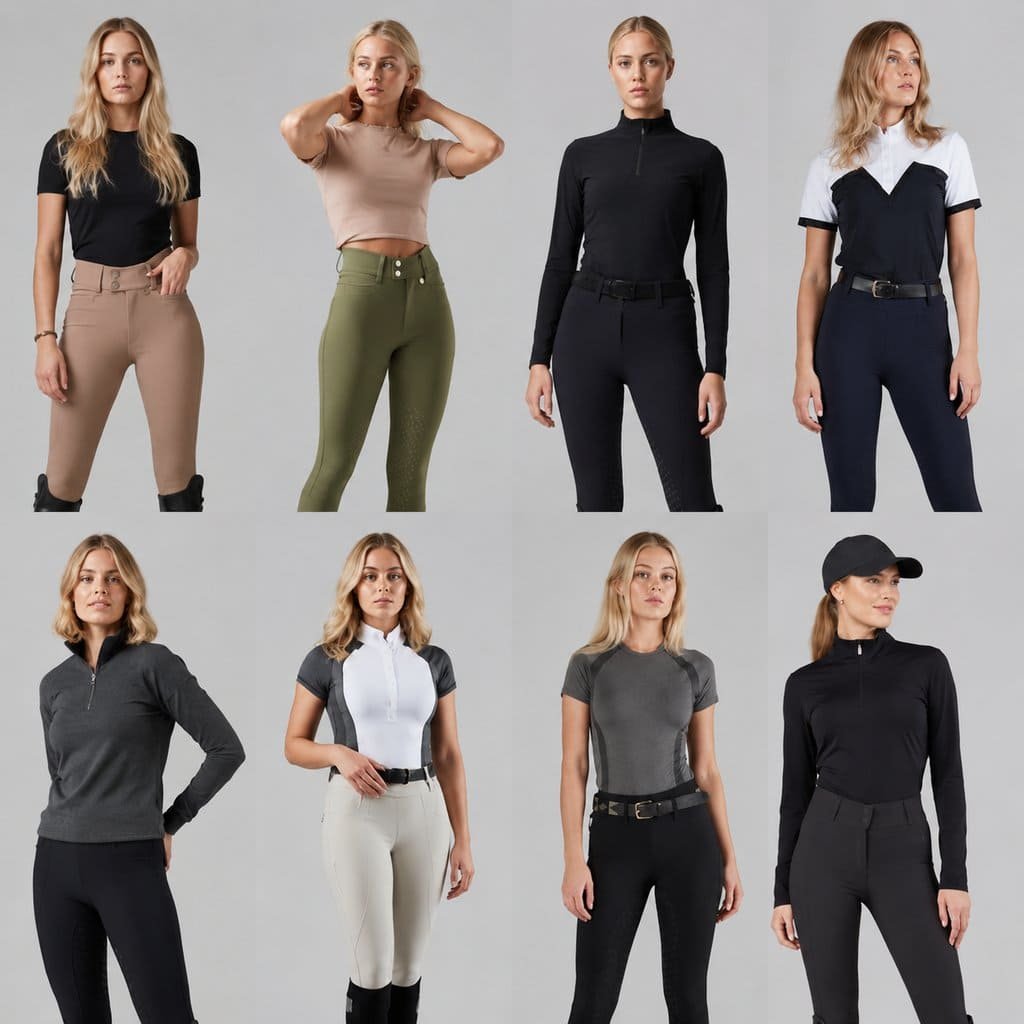
Frequently Asked Questions About Equestrian Breeches Manufacturing in China
1. Why Do So Many Private Label Brands Choose China for Equestrian Breeches Manufacturing?
China has become one of the world’s leading manufacturing hubs for equestrian breeches because it offers a unique combination of specialized riding apparel expertise, advanced performance fabrics, flexible MOQs, and competitive production costs. Chinese factories also benefit from highly integrated supply chains, allowing brands to source fabrics, trims, silicone technologies, and packaging from a single manufacturing ecosystem. For startup and established equestrian brands alike, China provides an efficient way to develop custom riding apparel while maintaining quality and scalability.
2. What Is the Typical MOQ for Custom Equestrian Breeches?
The typical minimum order quantity for custom riding breeches ranges from 50 to 300 pieces per style, depending on the manufacturer, fabric requirements, and customization level. Factories specializing in private label development may accept lower MOQs for startups, while large factories often require higher quantities to optimize production efficiency. Brands launching their first collection usually benefit from working with suppliers that support smaller test orders before scaling production.
3. How Long Does It Take to Develop and Produce Custom Riding Breeches?
The complete sourcing process usually takes 8 to 20 weeks, including product development, sampling, production, and shipping. Prototype samples may take less than a week, while bulk production generally requires three to six weeks. Shipping timelines vary depending on the destination and transportation method. Proper planning and early ordering are essential to avoid missing seasonal sales opportunities.
4. Are Equestrian Breeches More Difficult to Manufacture Than Sports Leggings?
Yes. Equestrian breeches are significantly more complex than ordinary leggings because they require specialized pattern engineering, durable silicone grip technologies, abrasion-resistant fabrics, and riding-specific fit development. Small mistakes in seam placement, fabric selection, or silicone application can negatively affect rider comfort and product performance. This is why many general sportswear factories struggle to produce premium riding breeches successfully.
5. What Fabrics Are Best for Premium Riding Breeches?
Premium riding breeches commonly use nylon-spandex performance fabrics, compression materials, brushed winter fabrics, and recycled technical textiles. The ideal fabric should provide four-way stretch, excellent recovery, moisture management, durability, and long-term comfort in the saddle. Many premium brands also require sustainable materials and third-party fabric testing to ensure consistent quality.
6. How Can Buyers Verify Whether a Factory Has Real Equestrian Experience?
Buyers should ask suppliers to provide existing riding apparel samples, product portfolios, customer references, and introduce their experience in pattern construction and silicone application. A factory with genuine equestrian expertise should be able to explain differences between full-seat and knee-patch breeches, discuss riding-specific fit requirements, and recommend suitable fabrics for different riding disciplines.
7. How Much Does It Cost to Manufacture Custom Riding Breeches in China?
The manufacturing cost of custom riding breeches typically ranges from USD 10 to USD 35 per piece, depending on fabric quality, silicone complexity, trims, and order quantity. Premium competition breeches and winter products often cost more because they require advanced materials and additional construction processes. Buyers should focus on overall value rather than the lowest price, as poor-quality products can generate expensive returns and damage brand reputation.
8. What Is the Most Important Factor When Choosing an Equestrian Breeches Manufacturer?
The most important factor is not price but the factory’s ability to consistently deliver quality, technical expertise, and long-term reliability. The best manufacturing partners combine strong product development capabilities, clear communication, stable supply chains, and the flexibility to support future growth. For most private label brands, a reliable supplier becomes a strategic partner that contributes to product innovation and long-term business success.