OEM/ODM Sportswear Manufacturer | 3-Day Sampling | Low MOQ | 50K Monthly Capacity | ISO9001 & BSCI Certified

Gym Cotton Jogger Manufacturing in China: Top Supplier Rankings, Fabric Guide, Pricing & Sourcing Strategy for Global Brands
Discover the best gym cotton jogger manufacturers in China with expert supplier comparisons, fabric insights, pricing analysis, sourcing strategies, and practical guidance for private label sportswear brands, wholesalers, and global apparel buyers looking for reliable long-term manufacturing partners.
Gym Cotton Jogger Manufacturing in China: Top Supplier Ranking List, Fabric Engineering Guide, Pricing Analysis & Global Buyer Sourcing Strategy (2026)
The global market for gym cotton joggers has evolved far beyond basic athletic apparel. Today, joggers represent one of the fastest-growing categories in sportswear, athleisure, and lifestyle fashion. Consumers expect products that combine comfort, durability, premium fabric performance, modern silhouettes, and sustainable manufacturing. As competition intensifies, brands can no longer rely on choosing suppliers based solely on price. Instead, successful companies evaluate manufacturing partners based on product development capability, supply chain stability, quality management, and long-term scalability.
China continues to dominate the global gym cotton jogger industry because it offers an unmatched combination of textile innovation, manufacturing efficiency, supplier diversity, and flexible production solutions. Whether a company is launching its first private label collection or managing seasonal replenishment for an established international brand, Chinese manufacturers provide access to mature production systems that few other countries can match.
China remains the world’s leading destination for gym cotton jogger manufacturing because it combines advanced textile technology, experienced OEM and ODM suppliers, efficient sampling capabilities, flexible minimum order quantities, and one of the most complete apparel supply chains available. Buyers can source everything from heavyweight cotton fleece joggers to lightweight French terry training pants while benefiting from competitive production costs, reliable export experience, and scalable manufacturing capacity.
However, selecting the right supplier requires more than browsing product catalogs. Manufacturing quality, fabric consistency, production transparency, and communication efficiency vary significantly between factories. Understanding these differences allows buyers to reduce sourcing risks, improve product consistency, and build stronger long-term supply chains.
This guide explores China’s gym cotton jogger manufacturing industry from a buyer’s perspective, comparing leading suppliers, explaining technical fabric differences, analyzing production costs, and providing practical sourcing strategies that help sportswear brands make confident purchasing decisions.
What Defines a Gym Cotton Jogger Manufacturing Industry in China?
Direct Answer
China’s gym cotton jogger manufacturing industry consists of specialized apparel factories that develop, sample, and mass-produce cotton-based athletic joggers for international brands through OEM, ODM, and private label manufacturing. Unlike basic garment suppliers, these manufacturers combine textile sourcing, pattern development, quality control, and production management into an integrated supply chain capable of serving startups, wholesalers, retailers, and global sportswear brands.
The success of China’s sportswear manufacturing industry is built on decades of investment in textile production, garment technology, and export infrastructure. Rather than operating as independent factories, many manufacturers belong to highly specialized industrial clusters where fabric mills, dyeing facilities, printing companies, embroidery workshops, packaging suppliers, and logistics providers work together. This ecosystem significantly shortens production timelines while improving consistency across every stage of manufacturing.
For buyers, this integration creates measurable advantages. Instead of coordinating multiple suppliers across different countries, brands can complete the entire product development process through one manufacturing partner. This simplifies communication, reduces lead times, and minimizes quality risks throughout production.
Unlike ordinary cotton sweatpants, gym cotton joggers require careful engineering. They must balance softness with durability, maintain their shape after repeated washing, provide unrestricted movement during training, and satisfy modern fashion expectations. Achieving these goals depends on selecting the appropriate fabric composition, construction, finishing process, and sewing techniques.
High-quality manufacturers invest heavily in pattern development because fit directly affects customer satisfaction. Joggers designed for strength training differ significantly from those intended for casual athleisure wear. Athletic joggers generally feature ergonomic panel construction, reinforced seams, articulated knees, adjustable waistbands, and optimized tapering to improve both comfort and appearance.
Another defining characteristic of China’s leading manufacturers is their ability to support multiple business models. Different buyers require different production solutions, and experienced suppliers adapt accordingly.
Common manufacturing services include:
- OEM manufacturing using customer-provided technical packs and specifications
- ODM development based on existing factory collections with customized modifications
- Private label production including branded labels, hangtags, packaging, and accessories
- Custom pattern development for original product concepts
- Fabric sourcing based on performance requirements and target pricing
- Sampling services for product testing before bulk production
- Bulk manufacturing with standardized quality control procedures
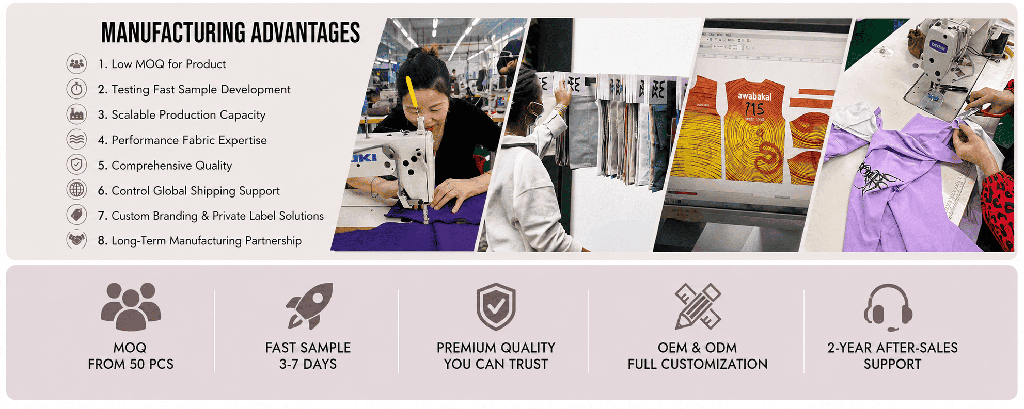
One of the strongest competitive advantages of Chinese suppliers is production flexibility. Many factories can accommodate low minimum order quantities for new brands while simultaneously supporting high-volume manufacturing for international retailers. This scalability allows buyers to remain with the same supplier as their businesses grow, avoiding costly supplier transitions during expansion.
Innovation also plays an increasingly important role. Modern factories continuously adopt new technologies such as automated cutting systems, digital pattern grading, laser fabric inspection, computerized embroidery, and environmentally friendly dyeing processes. These improvements increase production efficiency while maintaining consistent product quality.
Sustainability has become another important purchasing criterion. Many international buyers now prioritize manufacturers capable of sourcing recycled cotton blends, organic cotton, certified sustainable fibers, and environmentally responsible finishing processes. Chinese suppliers have responded by expanding access to certified materials and improving compliance with international environmental standards.
From a sourcing perspective, China’s manufacturing industry is no longer defined simply by competitive pricing. Today’s leading suppliers compete through technical expertise, product development support, production transparency, quality assurance, and supply chain reliability. Buyers who understand these strengths are better positioned to build profitable long-term partnerships rather than focusing exclusively on initial manufacturing costs.
Top 10 Gym Cotton Jogger Suppliers in China (2026)
Direct Answer
China is home to hundreds of apparel manufacturers, but only a relatively small number have the technical capability, production stability, and supply chain resources required for high-quality gym cotton jogger manufacturing. The suppliers below are evaluated based on manufacturing experience, product specialization, customization capability, quality management, export experience, MOQ flexibility, and suitability for different types of buyers. Rather than simply listing factories, this comparison focuses on helping brands identify the supplier that best matches their stage of growth and sourcing priorities.
Selecting a manufacturer should never be based solely on unit price. A lower quotation often reflects compromises in fabric quality, production consistency, communication efficiency, or after-sales support. For long-term success, buyers should consider overall supply chain value rather than initial production cost alone.
Comparison Table of the Top 10 Gym Cotton Jogger Manufacturers in China
| Rank | Manufacturer | Location | Founded | Typical MOQ | Lead Time | Best For |
|---|---|---|---|---|---|---|
| 1 | Pair Fashion | Dongguan, Guangdong | 2016 | 50 pcs | 15–25 working days | Private Label Brands, Startups, DTC Brands |
| 2 | AIKA Sportswear | Dongguan, Guangdong | 2008 | 100 pcs | 20–30 working days | Medium & Large Sportswear Brands |
| 3 | Lezhou Garment | Guangzhou, Guangdong | 2004 | 200 pcs | 25–35 working days | Wholesale Buyers |
| 4 | Hucai Sportswear | Guangzhou, Guangdong | 2011 | 100 pcs | 20–30 working days | Activewear Brands |
| 5 | Ingor Sportswear | Guangzhou, Guangdong | 2009 | 200 pcs | 25–35 working days | Sustainable Sportswear Brands |
| 6 | Yotex Apparel | Hangzhou, Zhejiang | 2015 | 100 pcs | 20–30 working days | Fashion & Casual Brands |
| 7 | K-Vest Garment | Xiamen, Fujian | 2002 | 300 pcs | 30–40 working days | Large Importers |
| 8 | Uga Wear | Guangzhou, Guangdong | 2014 | 100 pcs | 20–30 working days | Boutique Activewear Brands |
| 9 | ApparelCN | Ningbo, Zhejiang | 2008 | 300 pcs | 30–40 working days | Volume Buyers |
| 10 | China Eco Fiber Apparel | Suzhou, Jiangsu | 2012 | 200 pcs | 25–35 working days | Eco-conscious Brands |
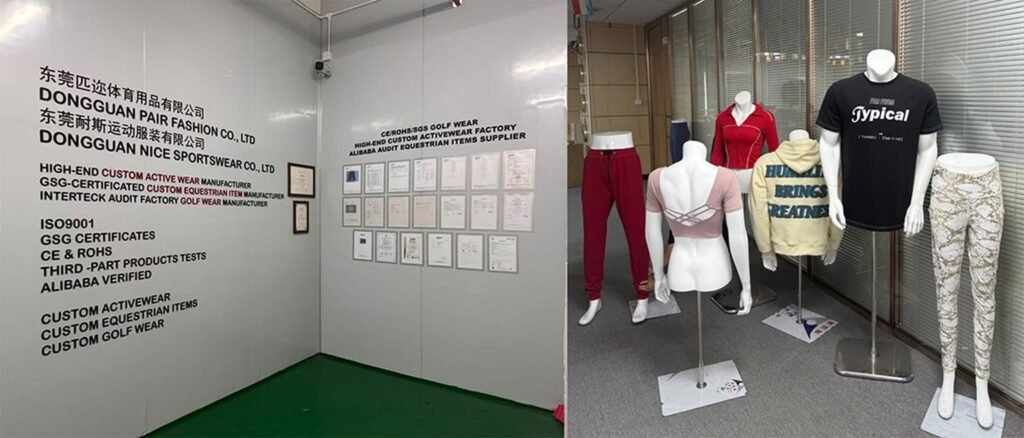
1. Pair Fashion
Headquarters: Dongguan, Guangdong
Founded: 2016
Typical MOQ: 50 pieces
Typical Lead Time: 15–25 working days
Core Product Categories
- Gym Cotton Joggers
- French Terry Joggers
- Fleece Joggers
- Hoodies & Sweatshirts
- Tracksuits
- Activewear
- Yoga Wear
- Sports Shorts
- Tennis Wear
- Equestrian Apparel
Public Certifications
- ISO9001
- BSCI
- GRS
- CE
- ROHS
Best Fit For
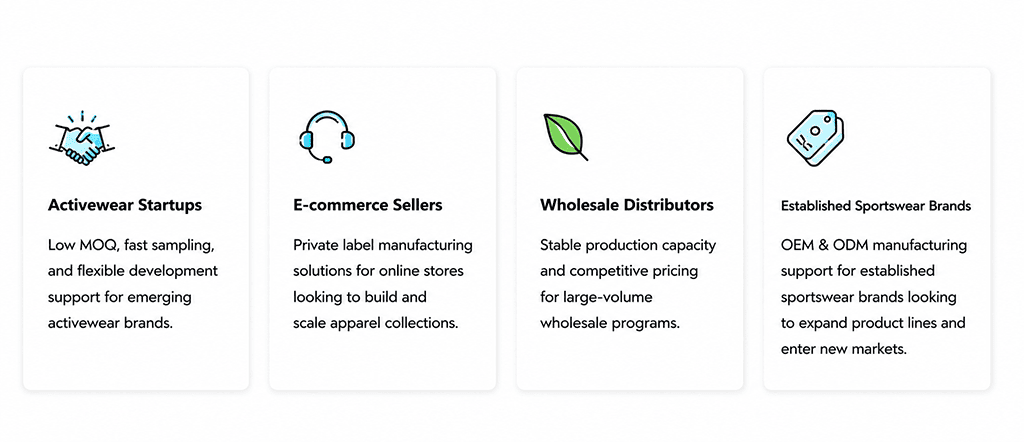
- Startup sportswear brands
- Growing DTC brands
- Private label businesses
- Boutique fitness apparel brands
- Buyers requiring flexible MOQ
- Brands developing premium cotton collections
May Not Be the Best Choice For
- Buyers purchasing only low-cost promotional apparel
- Retailers focused exclusively on commodity products
- Extremely large orders requiring multiple overseas factories simultaneously
Manufacturing Advantages
Pair Fashion specializes in functional cotton sportswear rather than general fashion apparel. The factory combines premium cotton fabrics with performance-oriented garment construction, making it particularly suitable for brands targeting both fitness and athleisure markets.
Key strengths include:
- Low MOQ starting from 50 pieces
- Fast sample development
- Flexible OEM and ODM services
- Experienced product development team
- Strong expertise in heavyweight cotton and French terry fabrics
- Stable quality management system
- Extensive customization options
- Long-term production scalability
The company also provides assistance with pattern optimization, fabric recommendations, logo applications, packaging development, and production planning, making it especially valuable for emerging brands with limited sourcing experience.
Potential Limitations
Because Pair Fashion focuses on customized manufacturing rather than stock inventory, buyers seeking immediate ready-made products may find other wholesale suppliers more suitable.
Buyer Insight
Pair Fashion is particularly attractive for companies launching new collections. The combination of low minimum order quantities, responsive communication, and comprehensive product development support reduces sourcing risk during early brand growth while allowing smooth expansion into larger production volumes.
2. AIKA Sportswear
Headquarters: Dongguan, Guangdong
Founded: 2008
Typical MOQ: 100 pieces
Typical Lead Time: 20–30 working days
Core Product Categories
- Cotton Joggers
- Hoodies
- Sweatpants
- Sports Bras
- Yoga Sets
- Gym Shorts
Certifications
- BSCI
- ISO9001
Best Fit For
- Established sportswear brands
- Medium-volume buyers
- International wholesalers
May Not Be the Best Choice For
- Brands requiring very low MOQs
- First-time startup businesses
Manufacturing Advantages
AIKA has built a strong reputation in the activewear industry through stable production quality and extensive export experience. The company offers a broad product portfolio covering most mainstream sportswear categories.
Its strengths include mature production management, experienced international sales teams, and good manufacturing consistency.
Potential Limitations
Compared with smaller flexible manufacturers, AIKA generally operates with higher minimum order quantities, making it less suitable for testing completely new product lines.
Buyer Insight
AIKA is often a good option for brands that already understand their product specifications and require reliable medium-volume manufacturing rather than extensive product development support.
3. Lezhou Garment
Headquarters: Guangzhou, Guangdong
Founded: 2004
Typical MOQ: 200 pieces
Typical Lead Time: 25–35 working days
Core Product Categories
- Cotton Joggers
- Sweatpants
- Hoodies
- Casual Sportswear
Certifications
- ISO9001
Best Fit For
- Importers
- Wholesalers
- Retail chains
May Not Be the Best Choice For
- Premium performance brands
- Buyers requiring extensive product customization
Manufacturing Advantages
Lezhou Garment focuses primarily on stable large-volume production. Years of manufacturing experience allow the factory to maintain efficient production scheduling and consistent quality for repeat orders.
Its manufacturing model emphasizes production efficiency and cost control rather than highly customized product development.
Potential Limitations
Product innovation and fabric development capabilities are relatively limited compared with manufacturers specializing in premium activewear.
Buyer Insight
Lezhou Garment is better suited for buyers who prioritize production stability and competitive pricing over advanced fabric engineering or highly customized product development.
4. Hucai Sportswear
Headquarters: Guangzhou, Guangdong
Founded: 2011
Typical MOQ: 100 pieces
Typical Lead Time: 20–30 working days
Core Product Categories
- Gym Cotton Joggers
- Sweatpants
- Hoodies
- T-Shirts
- Yoga Wear
- Activewear Sets
Public Certifications
- BSCI
- ISO9001
Best Fit For
- Growing activewear brands
- Mid-sized private label companies
- Sportswear distributors
- Buyers requiring a broad activewear product range
May Not Be the Best Choice For
- Luxury fashion brands seeking premium garment craftsmanship
- Buyers developing highly technical compression apparel
Manufacturing Advantages
Hucai Sportswear focuses on mainstream activewear manufacturing and has accumulated extensive export experience across Europe and North America. The company maintains a relatively balanced product portfolio covering training apparel, casual sportswear, and cotton fleece collections.
Its production system emphasizes standardized manufacturing procedures, making it suitable for repeat orders and seasonal replenishment projects. The factory also supports common branding services such as woven labels, printed logos, embroidery, and customized packaging.
Potential Limitations
Although Hucai performs well in conventional activewear manufacturing, its capabilities in highly specialized fabric development and advanced functional textile engineering are more limited than suppliers that focus exclusively on premium performance apparel.
Buyer Insight
Hucai Sportswear is a practical choice for brands that require dependable production quality, reasonable pricing, and stable delivery schedules without extensive product development complexity.
5. Ingor Sportswear
Headquarters: Guangzhou, Guangdong
Founded: 2009
Typical MOQ: 200 pieces
Typical Lead Time: 25–35 working days
Core Product Categories
- Sustainable Joggers
- Organic Cotton Activewear
- Yoga Apparel
- Sports Bras
- Leggings
- Hoodies
Public Certifications
- BSCI
- ISO9001
- GRS
Best Fit For
- Sustainable apparel brands
- Eco-conscious retailers
- Premium activewear labels
- European private label companies
May Not Be the Best Choice For
- Buyers focused solely on the lowest manufacturing cost
- Businesses requiring extremely fast replenishment
Manufacturing Advantages
Ingor Sportswear has positioned itself around environmentally responsible apparel manufacturing. The company offers access to recycled fabrics, organic cotton materials, and sustainable production solutions that align with growing consumer demand for environmentally friendly sportswear.
Its product development process places considerable emphasis on material selection, helping brands differentiate themselves through sustainability rather than price competition alone.
Potential Limitations
Eco-certified materials generally increase manufacturing costs and may extend procurement timelines due to raw material availability.
Buyer Insight
For brands targeting premium fitness consumers who value sustainability, Ingor Sportswear offers stronger environmental positioning than many traditional manufacturers.
6. Yotex Apparel
Headquarters: Hangzhou, Zhejiang
Founded: 2015
Typical MOQ: 100 pieces
Typical Lead Time: 20–30 working days
Core Product Categories
- Cotton Joggers
- Casual Pants
- Hoodies
- Fashion Sweatshirts
- Knitwear
Public Certifications
- ISO9001
Best Fit For
- Lifestyle brands
- Fashion retailers
- Boutique clothing companies
- Private label fashion labels
May Not Be the Best Choice For
- Technical sportswear brands
- Professional gym apparel companies
Manufacturing Advantages
Yotex Apparel combines casual fashion manufacturing with private label production services. Compared with factories dedicated exclusively to athletic apparel, Yotex pays greater attention to garment appearance, trend adaptation, and commercial fashion styling.
The company provides flexible customization services for branding, packaging, and seasonal product development while maintaining moderate production flexibility.
Potential Limitations
Its experience in high-performance athletic fabrics is relatively limited compared with manufacturers specializing exclusively in functional sportswear.
Buyer Insight
Brands positioned between fashion and athleisure may find Yotex Apparel a suitable manufacturing partner for lifestyle-oriented cotton jogger collections.
7. K-Vest Garment
Headquarters: Xiamen, Fujian
Founded: 2002
Typical MOQ: 300 pieces
Typical Lead Time: 30–40 working days
Core Product Categories
- Outdoor Apparel
- Joggers
- Jackets
- Casual Sportswear
- Windbreakers
Public Certifications
- BSCI
- ISO9001
Best Fit For
- Large retailers
- International importers
- Outdoor apparel distributors
May Not Be the Best Choice For
- Small startup brands
- Buyers requiring rapid product development
Manufacturing Advantages
With more than two decades of manufacturing experience, K-Vest Garment has established mature production management systems capable of supporting consistent large-volume manufacturing.
The company’s production strength lies in standardized operations, making it suitable for buyers placing predictable repeat orders over extended periods.
Potential Limitations
Higher minimum order quantities reduce flexibility for emerging brands testing new product concepts.
Buyer Insight
K-Vest is better suited for buyers with stable annual purchasing plans rather than companies frequently introducing small seasonal collections.
8. Uga Wear
Headquarters: Guangzhou, Guangdong
Founded: 2014
Typical MOQ: 100 pieces
Typical Lead Time: 20–30 working days
Core Product Categories
- Activewear
- Cotton Joggers
- Yoga Apparel
- Hoodies
- Training Wear
Public Certifications
- BSCI
Best Fit For
- Boutique fitness brands
- Independent designers
- Private label startups
May Not Be the Best Choice For
- High-volume international retailers
- Buyers requiring multiple specialized production lines
Manufacturing Advantages
Uga Wear emphasizes flexible manufacturing and personalized customer support. The company works closely with smaller brands, assisting with product modifications and branding customization throughout development.
Potential Limitations
Production capacity is smaller than some larger industrial manufacturers, making extremely high-volume orders less suitable.
Buyer Insight
Uga Wear appeals to growing brands that value responsive communication and production flexibility over maximum manufacturing scale.
9. ApparelCN
Headquarters: Ningbo, Zhejiang
Founded: 2008
Typical MOQ: 300 pieces
Typical Lead Time: 30–40 working days
Core Product Categories
- Cotton Sweatpants
- Joggers
- Casual Apparel
- Hoodies
- Knit Garments
Public Certifications
- ISO9001
Best Fit For
- Wholesale importers
- Regional distributors
- Established retailers
May Not Be the Best Choice For
- Premium performance brands
- Businesses requiring extensive design collaboration
Manufacturing Advantages
ApparelCN focuses on efficient production management and competitive pricing for medium- to high-volume apparel manufacturing. Its operational model is optimized for buyers with stable purchasing requirements.
Potential Limitations
Customization options and advanced product development services are less comprehensive than those offered by specialized OEM development factories.
Buyer Insight
Companies purchasing standardized cotton jogger collections in consistent volumes may benefit from ApparelCN’s production efficiency.
10. China Eco Fiber Apparel
Headquarters: Suzhou, Jiangsu
Founded: 2012
Typical MOQ: 200 pieces
Typical Lead Time: 25–35 working days
Core Product Categories
- Organic Cotton Joggers
- Sustainable Activewear
- Recycled Fabric Apparel
- Hoodies
- Lounge Wear
Public Certifications
- GRS
- BSCI
- ISO9001
Best Fit For
- Sustainable apparel brands
- Eco-focused retailers
- Premium lifestyle labels
May Not Be the Best Choice For
- Buyers seeking the lowest manufacturing cost
- Large commodity apparel projects
Manufacturing Advantages
China Eco Fiber Apparel specializes in environmentally responsible apparel manufacturing. Its expertise in recycled materials and certified sustainable fabrics makes it particularly attractive for brands responding to increasing consumer demand for environmentally conscious products.
Potential Limitations
Certified sustainable materials generally involve higher production costs and longer raw material procurement cycles.
Buyer Insight
As environmental regulations and consumer expectations continue to evolve, manufacturers capable of supplying certified sustainable materials are becoming increasingly valuable strategic partners for premium apparel brands.
Comparing the Top 10 Manufacturers
While every supplier listed above is capable of producing gym cotton joggers, they serve different market segments and sourcing strategies.
| Buyer Type | Recommended Manufacturer |
|---|---|
| Startup Brand | Pair Fashion, Uga Wear |
| Growing DTC Brand | Pair Fashion, AIKA Sportswear |
| Sustainable Brand | Ingor Sportswear, China Eco Fiber Apparel |
| Fashion & Athleisure Brand | Yotex Apparel |
| Large Retailer | K-Vest Garment, ApparelCN |
| Wholesale Distributor | Lezhou Garment, AIKA Sportswear |
No single factory is the ideal choice for every buyer. The best manufacturing partner depends on your product positioning, expected order volume, quality requirements, customization needs, and long-term business strategy. Brands planning to scale should evaluate not only current production capability but also whether a supplier can continue supporting future growth without requiring a costly change in manufacturing partners.
China vs Other Countries for Gym Cotton Jogger Manufacturing: Which Sourcing Destination Is Right for Your Brand?
Direct Answer
China remains the most comprehensive sourcing destination for gym cotton jogger manufacturing because it offers the strongest combination of fabric innovation, production flexibility, supplier diversity, customization capability, and scalable manufacturing capacity. While countries such as Vietnam, India, Pakistan, and Turkey each offer specific advantages, none currently match China’s ability to support brands throughout every stage of product developmentGym Cotton Jogger Manufacturing in China—from first samples to global mass production.
Choosing a manufacturing country has become a strategic business decision rather than simply comparing labor costs. Modern apparel brands must balance product quality, development speed, supply chain stability, sustainability requirements, inventory risk, and long-term manufacturing scalability.
Many sourcing decisions fail because buyers compare only FOB prices while overlooking hidden costs such as delayed sampling, inconsistent quality, limited customization, communication barriers, or unstable supply chains. The lowest quoted price rarely represents the lowest total sourcing cost.
China continues to lead because it has spent decades developing one of the world’s most complete apparel ecosystems. From spinning yarn to knitting fabric, dyeing, printing, embroidery, garment assembly, testing, packaging, and international shipping, nearly every production stage can be completed within closely connected manufacturing clusters.
China vs Vietnam
Vietnam has become one of the fastest-growing apparel manufacturing countries over the past decade. Lower labor costs and multiple international trade agreements have attracted significant investment from global fashion brands.
However, gym cotton joggers differ from basic T-shirts or woven garments. Performance joggers require careful fabric selection, wash testing, pattern refinement, and multiple rounds of sample development.
For these projects, China generally maintains several competitive advantages.
China Advantages
- Larger supplier network
- Faster sample development
- More fabric options
- Better support for customized production
- Lower MOQ flexibility
- Stronger product development capability
Vietnam Advantages
- Competitive labor costs for stable bulk orders
- Growing manufacturing capacity
- Strong participation in global apparel exports
Vietnam Limitations
- Smaller domestic textile supply chain
- More dependence on imported fabrics
- Less flexibility for small production runs
- Longer development cycles for customized products
Buyer Recommendation
Vietnam is often suitable for mature brands placing predictable high-volume orders.
China remains the better choice for companies developing new collections, testing products, or requiring continuous product innovation.
China vs India
India possesses one of the world’s largest cotton industries and has long been recognized for natural fiber production.
For buyers focused primarily on raw cotton sourcing, India offers attractive opportunities. However, gym cotton joggers require significantly more than high-quality cotton.
Manufacturing modern athletic joggers involves:
- precise pattern grading
- shrinkage control
- durable stitching
- fabric finishing
- waistband engineering
- technical washing processes
These areas remain strengths of Chinese manufacturers.
China Advantages
- Advanced garment engineering
- Stable finishing quality
- Strong OEM/ODM development
- Better production automation
- Faster commercial sampling
India Advantages
- Abundant cotton resources
- Competitive yarn pricing
- Strong heritage in textile production
India Limitations
- Greater quality variation between suppliers
- Longer communication cycles
- Less specialization in premium sportswear manufacturing
Buyer Recommendation
Brands developing technical gym apparel generally achieve more consistent production quality through experienced Chinese sportswear manufacturers.
China vs Pakistan
Pakistan is internationally recognized for cotton production and textile exports.
Many buyers source basic fleece pants and sweatpants from Pakistan because of competitive cotton pricing.
However, premium gym cotton joggers require more advanced manufacturing capabilities than traditional cotton garments.
China Advantages
- Premium garment construction
- Better fit development
- Larger selection of performance fabrics
- Strong customization capability
- Faster production scheduling
Pakistan Advantages
- Competitive cotton pricing
- Strong yarn manufacturing
- Large spinning industry
Pakistan Limitations
- Fewer specialized sportswear factories
- Less product development support
- Limited fabric innovation for performance apparel
Buyer Recommendation
Pakistan works well for standardized cotton basics.
China remains the preferred sourcing destination for brands pursuing higher product differentiation.
China vs Turkey
Turkey occupies a unique position within the European apparel supply chain.
Its geographic proximity to Europe provides shorter transportation times, making it attractive for European fashion companies.
Turkey is also recognized for premium textiles and fashionable apparel manufacturing.
However, costs are generally higher than those in China.
China Advantages
- Larger production capacity
- Lower manufacturing costs
- Greater supplier diversity
- Better scalability
- Stronger OEM ecosystem
Turkey Advantages
- Faster delivery to Europe
- Premium textile reputation
- Fashion-oriented manufacturing
Turkey Limitations
- Higher labor costs
- Higher FOB pricing
- Fewer suppliers specializing in gym cotton joggers
Buyer Recommendation
Luxury European fashion brands may benefit from Turkish production.
International sportswear brands usually obtain better value from Chinese suppliers.

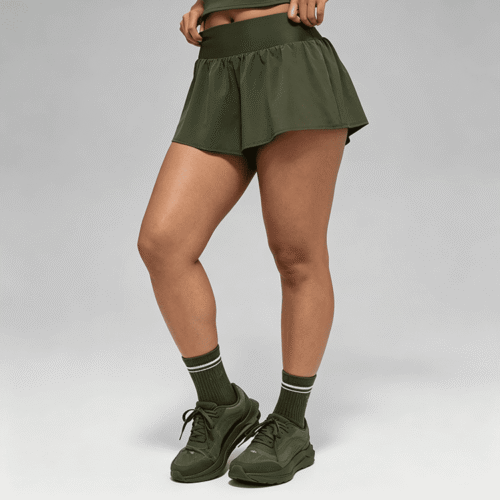
Custom High Waist Tennis Skort with Built-In Shorts OEM ODM
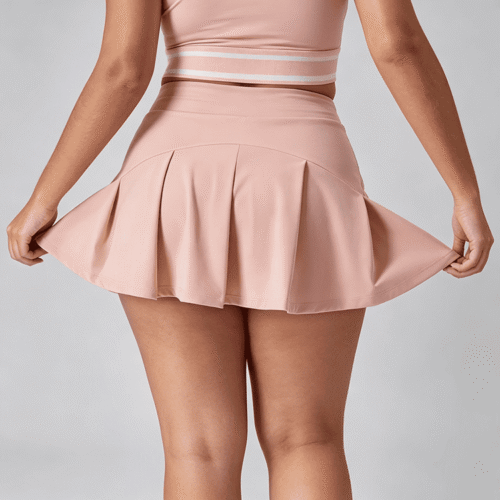
Custom High Waist Pleated Tennis Skort OEM ODM Women’s Tennis Wear
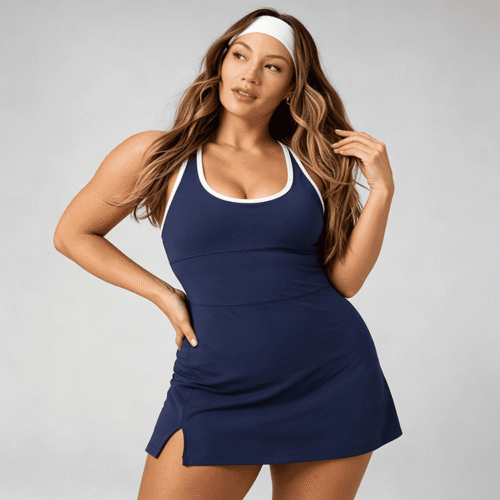
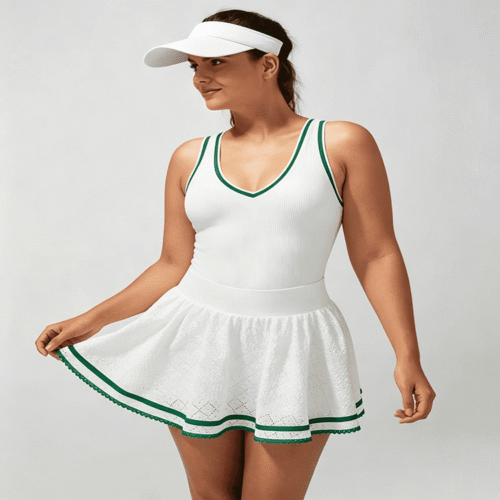
Custom Plus Size Tennis Dress OEM ODM Built-In Bra Activewear
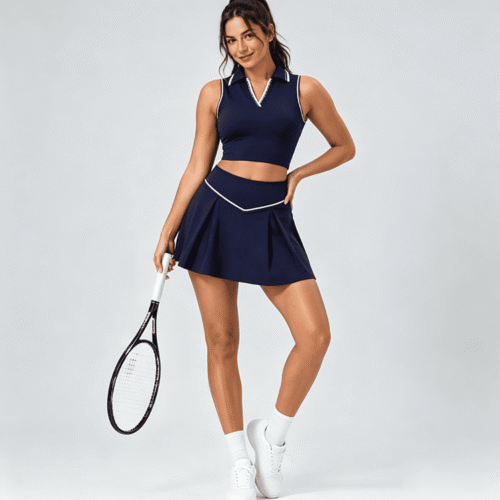
Custom Women’s Tennis Skirt Set OEM ODM Performance Tennis Outfit
Custom Women’s Tennis Dress OEM ODM Performance Tennis Apparel
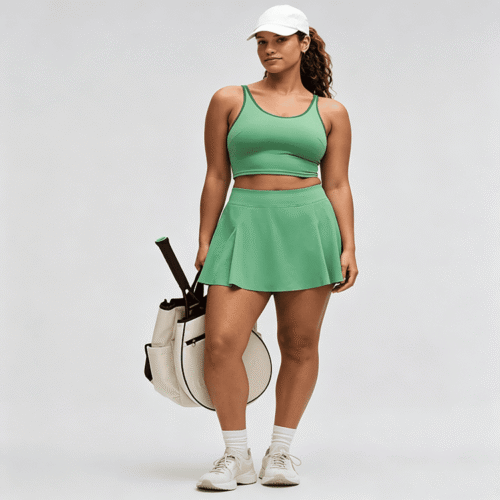
Custom Women’s Tennis Skirt Set OEM ODM Performance Tennis Outfit
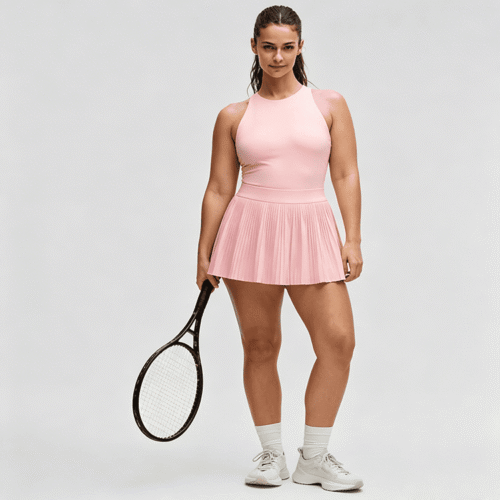
Custom Pleated Tennis Dress OEM ODM Women’s Performance Tennis Wear
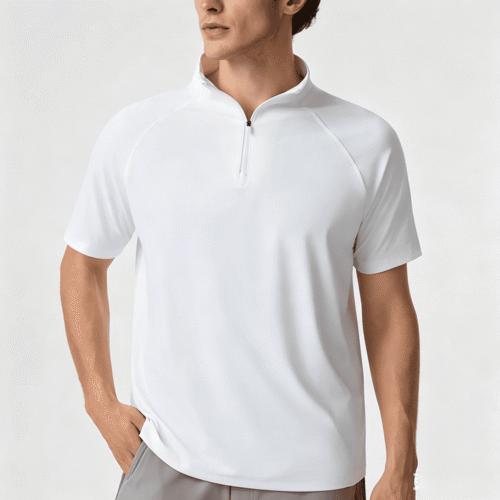
Custom Men’s Quarter Zip Performance Shirt OEM ODM Activewear
Comparison Table
| Factor | China | Vietnam | India | Pakistan | Turkey |
|---|---|---|---|---|---|
| Supplier Diversity | ⭐⭐⭐⭐⭐ | ⭐⭐⭐ | ⭐⭐⭐ | ⭐⭐ | ⭐⭐⭐ |
| Fabric Innovation | ⭐⭐⭐⭐⭐ | ⭐⭐⭐ | ⭐⭐⭐ | ⭐⭐ | ⭐⭐⭐⭐ |
| Sampling Speed | ⭐⭐⭐⭐⭐ | ⭐⭐⭐ | ⭐⭐⭐ | ⭐⭐ | ⭐⭐⭐⭐ |
| Low MOQ Support | ⭐⭐⭐⭐⭐ | ⭐⭐⭐ | ⭐⭐⭐ | ⭐⭐ | ⭐⭐ |
| OEM Development | ⭐⭐⭐⭐⭐ | ⭐⭐⭐ | ⭐⭐⭐ | ⭐⭐ | ⭐⭐⭐ |
| Production Scalability | ⭐⭐⭐⭐⭐ | ⭐⭐⭐⭐ | ⭐⭐⭐ | ⭐⭐⭐ | ⭐⭐⭐ |
| Cost Competitiveness | ⭐⭐⭐⭐ | ⭐⭐⭐⭐ | ⭐⭐⭐⭐ | ⭐⭐⭐⭐⭐ | ⭐⭐ |
| Sportswear Specialization | ⭐⭐⭐⭐⭐ | ⭐⭐⭐ | ⭐⭐⭐ | ⭐⭐ | ⭐⭐⭐ |
Why China Continues to Lead Global Jogger Manufacturing
China’s greatest advantage is not simply lower manufacturing costs.
Instead, it is the ability to reduce overall sourcing risk.
Experienced manufacturers help buyers avoid common problems such as:
- inconsistent fabric quality
- delayed sample approval
- unstable production schedules
- repeated communication errors
- supply chain interruptions
- unexpected quality defects
For growing brands, reducing these risks often creates greater long-term value than saving a small percentage on unit price.
Many successful sportswear companies eventually discover that reliable manufacturing partners contribute directly to customer satisfaction, inventory turnover, and brand reputation.
As competition within the activewear market continues to intensify, supplier selection becomes an increasingly important strategic decision rather than a purchasing task.
Key Takeaway
There is no universally perfect manufacturing country for every apparel business.
The ideal sourcing destination depends on your:
- Product positioning
- Annual purchasing volume
- Customization requirements
- Speed-to-market objectives
- Quality expectations
- Long-term growth strategy
For most private label sportswear brands, DTC fitness companies, boutique activewear labels, and growing international apparel businesses, China continues to provide the strongest balance of quality, flexibility, customization capability, innovation, and manufacturing scalability, making it the preferred sourcing destination for gym cotton jogger production.
How to Evaluate a Gym Cotton Jogger Supplier: A Practical Factory Selection Framework
Evaluating a gym cotton jogger supplier requires much more than comparing prices or reviewing product photos. Reliable manufacturers demonstrate consistent fabric quality, transparent production processes, stable quality management systems, strong product development capabilities, and clear communication throughout every production stage. Buyers who evaluate suppliers using objective supplier evaluation criteria, rather than quotations alone, significantly reduce sourcing risks and improve long-term business performance.Direct Answer
Choosing the right manufacturing partner is one of the most important decisions a sportswear brand will make. A supplier is not simply producing garments—they become an extension of your business. Every shipment affects customer satisfaction, product reviews, return rates, inventory planning, and ultimately your brand reputation.
Many sourcing problems originate long before production begins. Factories that appear similar on paper often differ dramatically in technical expertise, production management, and quality control systems. Understanding how to evaluate these differences allows buyers to identify reliable partners while avoiding costly manufacturing mistakes.
Instead of focusing on a single factor such as MOQ or unit price, experienced buyers evaluate suppliers from multiple perspectives.
Evaluate Product Development Capability Before Production Capacity
Many buyers immediately ask about monthly production capacity.
While production volume is important, product development capability is often a stronger indicator of a factory’s overall professionalism.
Ask questions such as:
- Can the factory develop products from sketches or reference photos?
- Can they interpret professional Tech Packs?
- Do they provide pattern development services?
- Can they recommend suitable fabrics for different markets?
- Are they able to improve garment construction during sampling?
Factories with experienced development teams often identify design issues before production begins, saving both time and cost.
Examine Fabric Knowledge Instead of Fabric Catalogs
A professional supplier should explain why a fabric is recommended—not simply provide a list of available materials.
For example, if your target market is premium gym apparel, the supplier should discuss:
- Fabric weight (GSM)
- Cotton fiber quality
- Yarn construction
- Surface finishing
- Shrinkage performance
- Moisture management
- Pilling resistance
- Recovery after repeated washing
A manufacturer that only says “We have many fabrics available” without technical explanation may have limited product expertise.
Verify Sample Development Procedures
The sampling stage reveals how a factory manages product development.
Professional manufacturers usually follow a structured workflow:
- Review technical requirements
- Confirm fabric selection
- Develop paper patterns
- Produce prototype samples
- Conduct internal quality inspection
- Submit samples for customer evaluation
- Revise according to feedback
- Finalize production specifications
This process reduces misunderstandings before bulk production begins.
Compare Samples with Bulk Production Standards
One of the most common sourcing problems is inconsistency between approved samples and finished production.
Ask suppliers how they maintain consistency.
Reliable factories typically implement:
- Approved sample archives
- Fabric batch tracking
- Production specifications
- Inline quality inspections
- Final inspection reports
Factories without documented quality procedures are more likely to produce inconsistent products.
Review Quality Control Systems
Quality control should not be treated as the final inspection only.
Professional manufacturers normally implement quality management throughout production.
Typical inspection stages include:
Incoming Material Inspection
Checking:
- Fabric width
- Color consistency
- Fabric defects
- Weight (GSM)
- Stretch performance
Cutting Inspection
Verifying:
- Marker accuracy
- Fabric direction
- Pattern alignment
- Quantity control
Sewing Inspection
Monitoring:
- Stitch density
- Seam strength
- Construction accuracy
- Thread consistency
Finishing Inspection
Checking:
- Measurement tolerances
- Logo placement
- Washing quality
- Packaging standards
Factories performing inspections throughout production generally achieve much lower defect rates than those relying only on final inspection.
Assess Communication Efficiency
Communication quality often predicts production quality.
Reliable suppliers provide:
- Fast responses
- Clear technical explanations
- Detailed production updates
- Transparent problem reporting
Poor communication usually leads to:
- Incorrect samples
- Delayed production
- Misunderstood specifications
- Shipping errors
When evaluating suppliers, observe not only how quickly they respond, but also how accurately they answer technical questions.
Evaluate Supply Chain Stability
Many factories outsource significant portions of production.
This is not necessarily negative, but buyers should understand:
- Which processes are completed in-house?
- Which processes are subcontracted?
- How are subcontractors managed?
- Who controls quality standards?
Factories with stable supply chains generally maintain better production consistency than suppliers relying heavily on temporary subcontractors.
Certifications Matter—But They Are Not Everything
International certifications demonstrate that a manufacturer follows recognized management systems, but they should never be the only selection criterion.
Common certifications include:
- ISO 9001 – Quality Management System
- BSCI – Social Compliance
- GRS – Global Recycled Standard
- OEKO-TEX® Standard 100 – Textile safety
- WRAP – Responsible manufacturing practices
These certifications provide confidence in operational processes, but buyers should still evaluate real production capability through samples and communication.
Questions Every Buyer Should Ask Before Choosing a Supplier
Before placing an order, consider asking the following questions:
- How many years have you produced cotton joggers?
- Which international markets do you serve?
- What is your standard sampling timeline?
- How do you control fabric shrinkage?
- What quality inspections are performed during production?
- Can you provide recent testing reports?
- How do you manage repeat orders?
- What happens if quality problems occur after delivery?
- Can production capacity increase as our business grows?
- Which certifications are currently valid?
The answers often reveal more about a supplier than product catalogs or websites.
Build Long-Term Partnerships Instead of Chasing Lower Prices
The most successful sportswear brands rarely change manufacturers every season.
Instead, they invest time in developing long-term partnerships based on:
- Mutual trust
- Consistent communication
- Stable quality
- Continuous product improvement
- Shared business growth
Changing factories frequently may reduce unit prices temporarily, but it often increases hidden costs through repeated sampling, quality variation, delayed launches, and inconsistent customer experiences.
A dependable manufacturing partner becomes increasingly valuable as a brand expands, providing operational stability that is difficult to replace.
Key Takeaway
Selecting a gym cotton jogger supplier should be viewed as a strategic business decision rather than a purchasing transaction. Manufacturers with strong product development capabilities, disciplined quality management, technical fabric knowledge, transparent communication, and scalable production systems are more likely to support sustainable brand growth than suppliers competing primarily on price. Careful evaluation at the beginning of the sourcing process significantly reduces long-term risks and creates a stronger foundation for future product development.
Gym Cotton Jogger Fabric Guide: How Material Selection Affects Quality, Comfort, and Brand Positioning
Direct Answer
The fabric used in a gym cotton jogger determines far more than comfort. It influences durability, shrinkage, shape retention, moisture management, production cost, and even how customers perceive a brand. Choosing the right material requires balancing performance, aesthetics, target pricing, and end-use scenarios. Premium manufacturers help buyers select fabrics based on product positioning rather than simply offering the lowest-cost option.
When consumers purchase gym cotton joggers, they rarely ask about yarn count, knitting structure, or finishing treatments. Instead, they judge the product by how it feels, fits, and performs after months of use. Those customer experiences are directly influenced by fabric selection long before the garment reaches the retail shelf.
For manufacturers and buyers, fabric is usually the single largest cost component of a jogger, often representing 35–50% of the total production cost. Choosing the wrong fabric may reduce manufacturing costs initially, but it often leads to increased return rates, poor online reviews, and lower customer retention.
The best manufacturers therefore recommend fabrics according to the intended market rather than applying a one-size-fits-all approach.
Why Fabric Selection Matters More Than Most Buyers Expect
Two joggers may appear almost identical in photographs while performing completely differently in real-world use.
Fabric determines whether a jogger will:
- Maintain its shape after repeated washing
- Resist pilling during daily wear
- Keep colors vibrant over time
- Provide sufficient breathability during workouts
- Feel soft without losing structural stability
- Deliver the premium handfeel customers expect
Experienced apparel buyers understand that investing slightly more in the right fabric often produces significantly better long-term commercial results.
Common Fabric Types Used for Gym Cotton Joggers
1. French Terry
French Terry is one of the most widely used fabrics for premium gym joggers.
Its smooth outer surface and looped interior create an excellent balance between softness, breathability, and moderate warmth.
Advantages
- Comfortable against the skin
- Lightweight compared with fleece
- Excellent moisture absorption
- Suitable for year-round wear
- Premium appearance
- Ideal for active lifestyles
Limitations
- Less thermal insulation during cold weather
- Slightly higher production cost than basic jersey fabrics
Best Applications
- Gym apparel
- Premium athleisure collections
- Everyday casual wear
- Spring and autumn product lines
2. Brushed Cotton Fleece
Brushed fleece remains a popular option for colder climates because of its excellent insulation.
The brushing process creates a soft interior surface that improves warmth and wearing comfort.
Advantages
- Superior warmth
- Luxurious handfeel
- Strong consumer appeal during winter
- Excellent comfort for casual wear
Limitations
- Higher fabric weight
- Reduced breathability during intensive exercise
- Slightly higher shipping costs due to heavier garments
Best Applications
- Winter joggers
- Lifestyle collections
- Lounge wear
- Cold-weather training apparel
3. Cotton-Polyester Blends
Cotton-poly blends combine the comfort of natural cotton with the durability of polyester.
These fabrics have become increasingly popular because they reduce shrinkage while improving shape retention.
Advantages
- Better wrinkle resistance
- Faster drying
- Improved durability
- Lower shrinkage
- Better color stability
- Longer garment lifespan
Limitations
- Slightly less natural handfeel
- Lower moisture absorption than pure cotton
Best Applications
- Commercial sportswear
- High-volume retail programs
- Frequent washing environments
- Budget-conscious collections
4. Organic Cotton
Demand for organic cotton continues to grow as consumers become more environmentally conscious.
Organic cotton is cultivated without many conventional pesticides and synthetic fertilizers while offering a soft, natural feel.
Advantages
- Sustainable positioning
- Soft handfeel
- Strong marketing value
- Premium brand image
Limitations
- Higher material costs
- Limited availability during peak seasons
- Longer sourcing timelines
Best Applications
- Sustainable brands
- Premium activewear
- Eco-conscious consumers
5. Recycled Cotton Blends
Many manufacturers now incorporate recycled cotton fibers into jogger production.
These fabrics help reduce textile waste while supporting circular manufacturing initiatives.
Advantages
- Reduced environmental impact
- Supports sustainability goals
- Attractive to environmentally conscious buyers
Limitations
- Fiber consistency varies depending on recycled content
- Often blended with virgin fibers to maintain performance
Understanding Fabric Weight (GSM)
One of the most important technical specifications is GSM (grams per square meter), which measures fabric weight.
Different GSM ranges create completely different wearing experiences.
| Fabric Weight | Typical GSM | Characteristics | Best Application |
|---|---|---|---|
| Lightweight | 180–240 GSM | Breathable, flexible | Summer training |
| Medium Weight | 240–320 GSM | Balanced comfort and durability | Year-round activewear |
| Heavyweight | 320–400 GSM | Premium feel, better structure | Athleisure collections |
| Ultra Heavyweight | 400–500 GSM | Luxury appearance, maximum warmth | Premium streetwear |
Higher GSM does not automatically mean higher quality.
A well-engineered 280 GSM French Terry may outperform a poorly constructed 380 GSM fleece fabric in durability, comfort, and customer satisfaction.
Fabric Construction Influences Performance
Beyond fiber composition, construction techniques also affect garment quality.
Manufacturers evaluate:
- Yarn quality
- Knitting density
- Loop structure
- Surface finishing
- Brushing process
- Enzyme washing
- Silicone softening
- Pre-shrinking treatment
These processes determine whether joggers remain comfortable after repeated washing.
Fabric Finishing Processes That Improve Product Value
Professional finishing significantly enhances customer experience.
Common finishing treatments include:
Enzyme Wash
- Creates a smoother surface
- Reduces loose fibers
- Improves softness
Silicone Wash
- Produces an exceptionally soft handfeel
- Enhances premium appearance
- Improves drape
Pre-Shrinking
One of the most valuable finishing processes.
Benefits include:
- Reduced shrinkage after washing
- Better size consistency
- Fewer customer complaints
- Higher product reliability
Anti-Pilling Treatment
This finishing process minimizes surface fiber balls caused by repeated friction.
It is particularly important for premium gym joggers sold through DTC and e-commerce channels, where customer reviews significantly influence sales.
How Fabric Selection Changes Brand Positioning
Different brands require different fabric strategies.
Budget Retail Brands
Priorities:
- Competitive pricing
- Production efficiency
- Acceptable durability
Recommended fabrics:
- Cotton-poly blends
- Medium GSM fleece
Mid-Market Activewear Brands
Priorities:
- Comfort
- Durability
- Appearance
- Balanced pricing
Recommended fabrics:
- Premium French Terry
- Medium-weight cotton blends
Premium Sportswear Brands
Priorities:
- Superior handfeel
- Advanced finishing
- Long-term durability
- Sustainable materials
Recommended fabrics:
- Organic cotton
- Heavyweight French Terry
- Premium brushed fleece
- Recycled performance blends
Common Fabric Mistakes Buyers Should Avoid
Even experienced buyers occasionally make costly fabric decisions.
The most common mistakes include:
- Choosing fabrics based only on price
- Ignoring shrinkage testing
- Selecting unsuitable GSM for the target market
- Failing to test color fastness
- Overlooking pilling resistance
- Not requesting fabric performance reports
- Assuming all “100% cotton” fabrics perform similarly
Each mistake may seem minor during sourcing but can significantly affect customer satisfaction after products reach the market.
Key Takeaway
Fabric selection is one of the most influential decisions in gym cotton jogger manufacturing. The right material not only improves comfort and durability but also strengthens brand positioning, reduces after-sales issues, and increases long-term customer satisfaction. Rather than selecting fabrics solely by price or composition, buyers should evaluate fiber quality, fabric construction, GSM, finishing processes, and intended market positioning to achieve the best balance between performance, commercial value, and manufacturing efficiency.
Gym Cotton Jogger Pricing in China: Cost Breakdown, MOQ Impact, and Pricing Strategy
Direct Answer
The manufacturing cost of gym cotton joggers in China depends on multiple variables, including fabric composition, garment construction, order quantity, customization level, finishing processes, and packaging requirements. While many buyers focus on the quoted FOB price, experienced sourcing professionals evaluate the entire cost structure to determine long-term value. A competitive quotation is not necessarily the lowest one—it is the quotation that delivers consistent quality, reliable delivery, and predictable production performance.
For many first-time buyers, the biggest surprise is that two manufacturers can quote significantly different prices for what appears to be the same product.
For example, one supplier may quote US$8.20 per piece, while another quotes US$11.40 for a visually similar jogger.
Does this mean one factory is overcharging?
Not necessarily.
The difference often comes from invisible factors that affect both manufacturing quality and long-term product performance.
Understanding these factors allows buyers to compare quotations objectively rather than simply choosing the lowest price.
What Determines the Manufacturing Cost of Gym Cotton Joggers?
Every pair of gym cotton joggers consists of multiple cost components working together.
Typical production costs include:
- Fabric
- Trims and accessories
- Sewing labor
- Printing or embroidery
- Washing and finishing
- Quality inspection
- Packaging
- Export documentation
Although percentages vary by design, fabric quality, and order volume, the following structure represents a typical cost distribution.
| Cost Component | Typical Share of Total Manufacturing Cost |
|---|---|
| Fabric | 35–50% |
| Sewing Labor | 20–30% |
| Trims & Accessories | 5–10% |
| Printing / Embroidery | 5–10% |
| Washing & Finishing | 5–10% |
| Quality Control | 2–5% |
| Packaging | 2–5% |
This breakdown demonstrates why changing a single specification—such as upgrading fabric weight or adding embroidery—can noticeably affect the final quotation.
Fabric Is Usually the Largest Cost Driver
Fabric quality has the greatest influence on manufacturing cost.
Several variables determine fabric pricing:
- Fiber composition
- Yarn quality
- GSM
- Knitting structure
- Dyeing process
- Finishing treatment
- Fabric certification
For example, a standard cotton-poly blend generally costs less than premium heavyweight French Terry made from combed cotton.
Similarly, organic cotton, recycled cotton blends, or OEKO-TEX® certified fabrics usually increase material costs because of stricter sourcing and certification requirements.
Rather than asking suppliers for the cheapest fabric, buyers should define the performance level expected by their target customers.
How Fabric Weight (GSM) Influences Price
Higher GSM fabrics require more raw material, naturally increasing production costs.
Typical examples include:
| Fabric Weight | Typical Market Position |
|---|---|
| 200–240 GSM | Lightweight training joggers |
| 240–300 GSM | Standard gym collections |
| 300–360 GSM | Premium athleisure |
| 360–450 GSM | Luxury heavyweight joggers |
However, higher GSM should not automatically be interpreted as higher quality.
Premium construction, superior yarn selection, and advanced finishing often contribute more to perceived product value than weight alone.
Customization Significantly Changes Manufacturing Cost
Many buyers underestimate how customization affects pricing.
Adding one or two branding elements may seem simple, but each modification introduces additional production steps.
Common customization options include:
- Screen printing
- Silicone logos
- High-density embroidery
- Rubber patches
- Woven labels
- Heat-transfer branding
- Custom drawcords
- Metal logo aglets
- Personalized packaging
- Printed polybags
- Hangtags
- QR code labels
Each customization requires additional labor, setup time, quality inspection, or specialized equipment.
Factories generally calculate these costs separately rather than including them within the base garment price.
How MOQ Affects Unit Pricing
Minimum Order Quantity (MOQ) has one of the strongest influences on manufacturing cost.
Many production expenses remain relatively fixed regardless of order size.
These include:
- Pattern development
- Marker making
- Machine setup
- Color matching
- Sample approval
- Production planning
When these fixed costs are distributed across only 100 garments, the unit cost becomes much higher than when spread across 2,000 garments.
Example
| Quantity | Estimated Unit Cost Trend |
|---|---|
| 50 pcs | Highest |
| 100 pcs | High |
| 300 pcs | Moderate |
| 500 pcs | Competitive |
| 1,000+ pcs | Lowest average cost |
This explains why factories often encourage buyers to increase order quantities after successful product validation.
Why Similar Quotations Can Hide Major Quality Differences
Two quotations may differ by only US$0.80–1.20 per piece, yet represent completely different manufacturing standards.
Higher quotations may include:
- Better cotton yarn
- More experienced sewing operators
- Pre-shrinking treatment
- Anti-pilling finishing
- Additional inline inspections
- Premium trims
- Stronger packaging
Lower quotations may reduce costs by simplifying one or more of these production stages.
As a result, choosing the lowest quotation without understanding its composition can create much higher costs later through returns, warranty claims, or customer dissatisfaction.
FOB vs EXW vs CIF: Understanding Pricing Terms
When requesting quotations, buyers should also confirm the pricing basis.
EXW (Ex Works)
The buyer arranges all transportation from the factory.
Suitable for experienced importers with established logistics partners.
FOB (Free On Board)
The supplier delivers the goods to the designated export port.
FOB remains the most common quotation method for international apparel sourcing because it offers transparent manufacturing pricing while allowing buyers to manage international shipping.
CIF (Cost, Insurance and Freight)
The supplier arranges ocean freight and insurance to the destination port.
This option simplifies logistics for some buyers but may reduce shipping flexibility.
Understanding quotation terms prevents misunderstandings when comparing different suppliers.
How to Reduce Manufacturing Costs Without Sacrificing Quality
Reducing costs does not always require selecting cheaper materials.
Experienced buyers often optimize costs by improving product specifications.
Practical strategies include:
- Consolidating colorways to increase fabric efficiency
- Standardizing trims across multiple styles
- Increasing order quantities for core products
- Planning production during off-peak seasons
- Combining multiple products into one shipment
- Simplifying unnecessary decorative elements
- Selecting commercially proven fabrics already stocked by the factory
These approaches often reduce manufacturing costs while maintaining product quality.
Warning Signs of Unrealistically Low Quotations
Extremely low prices should always be investigated carefully.
Potential warning signs include:
- Fabric specifications are unclear.
- GSM is not disclosed.
- Shrinkage testing is unavailable.
- Certification status cannot be verified.
- Quality inspection procedures are vague.
- Production lead times appear unrealistic.
- Important trims are excluded from the quotation.
- Packaging specifications are omitted.
A quotation should be evaluated based on transparency as much as price.
Cost Should Be Evaluated Across the Entire Product Lifecycle
Successful sourcing decisions consider total ownership cost, not simply manufacturing cost.
Lower-quality production may increase:
- Product returns
- Customer complaints
- Negative online reviews
- Replacement orders
- Brand reputation damage
- Inventory write-offs
By contrast, investing in stable manufacturing quality often produces higher customer satisfaction, stronger repeat purchase rates, and better long-term profitability.
For growing sportswear brands, the true objective is not purchasing the cheapest jogger—it is producing the most competitive jogger within the target market.
Key Takeaway
Gym cotton jogger pricing in China is influenced by far more than labor costs. Fabric quality, customization, order quantity, production efficiency, finishing treatments, and quality management all contribute to the final quotation. Buyers who understand the complete pricing structure can compare suppliers more accurately, negotiate more effectively, and build stronger long-term sourcing strategies that balance cost, quality, and commercial success.
From Sample to Shipment: Understanding the Gym Cotton Jogger Manufacturing Process in China
Direct Answer
The manufacturing process for gym cotton joggers in China typically includes product development, material sourcing, sample production, pattern approval, bulk manufacturing, quality inspection, packaging, and international shipping. Professional manufacturers follow standardized production procedures to ensure consistency between approved samples and bulk orders while maintaining delivery schedules and quality standards.
For many buyers, manufacturing begins when they place a purchase order.
In reality, successful production begins much earlier.
The most experienced manufacturers spend considerable time during product development because mistakes discovered before production cost very little to correct, while mistakes discovered after production can result in expensive delays, wasted inventory, or rejected shipments.
Understanding the complete manufacturing process helps buyers communicate more effectively with suppliers, set realistic expectations, and reduce sourcing risks throughout the project.
Step 1: Product Development and Requirement Confirmation
Every successful project starts with clear product specifications.
Depending on the buyer’s experience, manufacturers usually receive one or more of the following:
- Technical Pack (Tech Pack)
- Design sketches
- Reference garments
- Product photographs
- Fabric samples
- Measurement charts
- Branding requirements
Professional suppliers review these materials before quoting prices or beginning sample development.
During this stage, manufacturers typically confirm:
- Target retail market
- Intended product positioning
- Fabric recommendations
- Construction methods
- Logo applications
- Color options
- Size range
- Estimated production quantity
- Target delivery schedule
The more complete the product information, the smoother the manufacturing process becomes.
Step 2: Fabric Sourcing and Material Selection
Once product specifications are confirmed, the manufacturer begins sourcing suitable materials.
For gym cotton joggers, this normally includes:
Main Fabric
Examples include:
- French Terry
- Brushed Fleece
- Cotton-Poly Blends
- Organic Cotton
- Recycled Cotton Blends
Trims and Accessories
Typical components include:
- Waist elastic
- Drawcords
- Eyelets
- Zippers
- Rib cuffs
- Woven labels
- Heat transfer labels
- Hangtags
- Packaging materials
Reliable manufacturers verify material availability before confirming production schedules.
If custom fabrics are required, additional knitting, dyeing, or finishing time may be necessary.
Step 3: Pattern Development
Pattern development transforms a design concept into production-ready garment specifications.
Professional pattern makers create patterns based on:
- Body measurements
- Fit requirements
- Fabric stretch characteristics
- Intended customer demographic
For gym cotton joggers, pattern development often focuses on achieving a balance between athletic mobility and modern styling.
Common design considerations include:
- Tapered leg shape
- Gusset construction
- Ergonomic knee shaping
- Pocket placement
- Waistband comfort
- Overall garment proportion
Pattern quality directly influences customer satisfaction after purchase.
Step 4: Sample Development
Sample development allows both manufacturer and buyer to verify product specifications before bulk production begins.
Several sample types may be produced during development.
Prototype Sample
Used to evaluate overall design and construction.
Fit Sample
Focuses on garment measurements and wearing comfort.
Size Set Sample
Confirms grading accuracy across multiple sizes.
Pre-Production Sample (PPS)
The final approved version used as the production standard.
Professional manufacturers archive approved samples to ensure future production matches customer expectations.
Step 5: Sample Evaluation and Revision
Sample approval is one of the most important stages of the manufacturing process.
Rather than approving products based solely on appearance, buyers should evaluate:
- Fabric handfeel
- Stitch quality
- Measurement accuracy
- Pocket functionality
- Drawcord performance
- Waist elasticity
- Overall fit
- Logo positioning
- Color consistency
- Washing performance
If revisions are required, manufacturers update patterns or production specifications before bulk manufacturing begins.
Investing additional time during sampling often prevents much larger problems later.
Step 6: Bulk Fabric Preparation
After sample approval, bulk materials are prepared.
This stage normally includes:
- Fabric inspection
- Relaxation of knitted fabrics
- Color verification
- Fabric spreading
- Marker preparation
Professional factories inspect incoming fabric rolls before cutting to identify defects such as:
- Yarn faults
- Dye streaks
- Holes
- Shade variation
- Weight inconsistency
Detecting defects early prevents unnecessary production losses.
Step 7: Fabric Cutting
Fabric cutting is one of the most precision-sensitive stages of apparel manufacturing.
Modern factories frequently use computerized cutting systems to improve accuracy.
During cutting, operators verify:
- Pattern alignment
- Fabric grain direction
- Size allocation
- Fabric utilization
- Bundle identification
Accurate cutting reduces waste while ensuring consistent garment measurements.
Step 8: Sewing and Assembly
Once cutting is complete, garment components move through multiple sewing operations.
Typical sewing stages include:
- Pocket construction
- Front rise assembly
- Back rise assembly
- Side seam joining
- Inseam sewing
- Waistband attachment
- Rib cuff attachment
- Drawcord installation
- Label attachment
Experienced sewing operators maintain consistent stitch quality while minimizing puckering and seam distortion.
Production supervisors monitor each operation to identify problems before garments move to the next stage.
Step 9: Printing, Embroidery, and Branding
If branding is required, garments proceed to decoration after primary assembly.
Common branding techniques include:
- Screen printing
- Silicone printing
- Puff printing
- Heat transfer logos
- Reflective transfers
- Embroidery
- High-density embroidery
- Rubber patches
- Woven badges
Decoration quality significantly influences consumers’ perception of product value.
Manufacturers therefore conduct additional inspections before garments proceed to finishing.
Step 10: Washing and Finishing
Many premium gym cotton joggers undergo specialized finishing treatments.
Common finishing options include:
- Enzyme washing
- Silicone washing
- Garment washing
- Softening treatment
- Anti-pilling treatment
- Pre-shrinking treatment
These processes improve:
- Handfeel
- Fabric stability
- Appearance
- Customer comfort
- Long-term durability
Professional finishing helps garments maintain their shape after repeated washing.
Step 11: Quality Control Throughout Production
Quality inspection is not limited to the end of production.
Reliable manufacturers perform inspections throughout manufacturing.
Typical inspection stages include:
Incoming Material Inspection
Verifies:
- Fabric quality
- Color consistency
- GSM
- Stretch performance
Inline Inspection
Monitors:
- Sewing accuracy
- Stitch density
- Construction quality
- Measurement consistency
Final Inspection
Checks:
- Measurements
- Appearance
- Logo placement
- Packaging
- Carton labeling
Many factories follow internationally recognized inspection standards such as AQL (Acceptable Quality Limit) before shipment.
Step 12: Packaging and Export Preparation
After passing final inspection, garments move to packaging.
Typical packaging includes:
- Folding
- Polybag insertion
- Barcode labeling
- Hangtag attachment
- Carton packing
- Shipping mark application
Manufacturers also prepare export documentation, including:
- Commercial Invoice
- Packing List
- Bill of Lading
- Certificate of Origin (when required)
Proper documentation helps ensure smooth customs clearance.
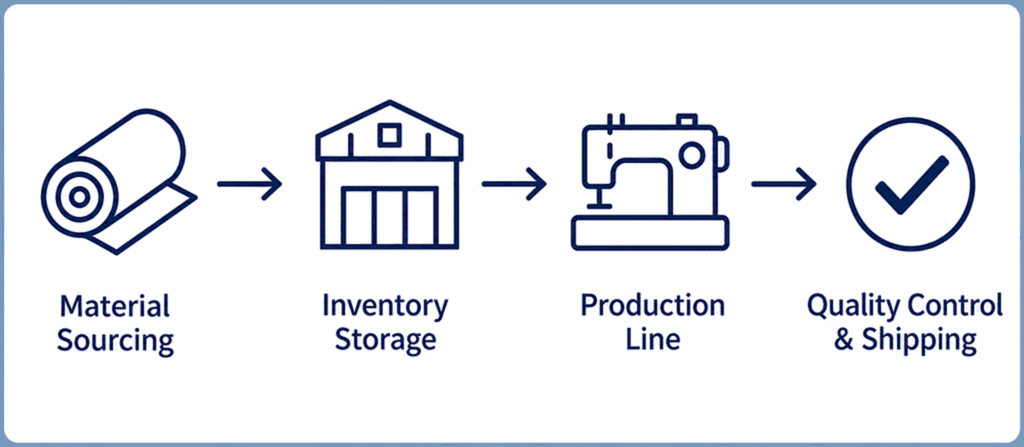
Typical Production Timeline
Although every project differs, a standard production schedule often follows this pattern:
| Production Stage | Typical Timeline |
|---|---|
| Product Discussion | 1–3 days |
| Fabric Confirmation | 3–7 days |
| Sample Development | 5–10 days |
| Sample Revision | 3–7 days |
| Bulk Material Preparation | 5–10 days |
| Bulk Production | 15–30 days |
| Final Inspection | 1–3 days |
| Packaging & Shipment | 2–5 days |
Seasonal demand, material availability, and order complexity may affect the overall timeline.
Key Takeaway
A structured manufacturing process is one of the strongest indicators of a professional gym cotton jogger supplier. Factories that follow standardized procedures—from product development and fabric sourcing to quality control and export preparation—are significantly more likely to deliver consistent quality, accurate lead times, and repeatable production results. Buyers who understand each production stage can communicate more effectively with suppliers, identify potential risks earlier, and build stronger long-term manufacturing partnerships.
Common Risks When Working with Gym Cotton Jogger Manufacturers in China (And How to Avoid Them)
Direct Answer
Working with gym cotton jogger manufacturers in China offers significant advantages, but it also involves potential sourcing risks. The most common issues include inconsistent sample-to-bulk quality, fabric substitutions, production delays, inaccurate sizing, communication misunderstandings, and insufficient quality control. Buyers who establish clear specifications, verify supplier capabilities, and implement a structured supplier quality management process can minimize these risks while building stable, long-term manufacturing partnerships.
Every international sourcing project involves some degree of uncertainty. Even experienced buyers occasionally encounter unexpected challenges, especially when launching new products or working with unfamiliar suppliers.
The good news is that most manufacturing problems are predictable and preventable. Understanding where risks typically occur allows buyers to identify warning signs early and establish procedures that significantly improve production reliability.
Rather than viewing sourcing risks as unavoidable, successful brands treat risk management as an essential part of supplier selection and production planning.
Risk 1: Sample Quality Does Not Match Bulk Production
One of the most common complaints among apparel buyers is that the approved sample looks excellent, but the bulk production arrives with noticeable differences.
Typical issues include:
- Different fabric handfeel
- Inconsistent garment measurements
- Lower stitching quality
- Color variations
- Different logo placement
- Changes in fabric weight
These inconsistencies usually occur because production materials differ from sample materials or because production teams do not strictly follow approved specifications.
How to Reduce This Risk
Professional buyers should request:
- A Pre-Production Sample (PPS) before bulk manufacturing
- Bulk fabric approval before cutting
- Detailed production specifications
- Measurement tolerance standards
- Written confirmation that production follows the approved sample
Reliable manufacturers maintain archived approved samples and production records to ensure consistency.
Risk 2: Fabric Substitution Without Prior Approval
Fabric represents the largest cost component of a jogger, making it one of the areas where problems can occur if supplier communication is weak.
Occasionally, manufacturers may suggest alternative fabrics due to availability, price fluctuations, or production scheduling.
While some substitutions are reasonable, changes should never be made without customer approval.
Even small differences can affect:
- Fabric weight
- Stretch performance
- Shrinkage
- Color appearance
- Customer perception
How to Reduce This Risk
Before production begins:
- Approve the exact fabric specification
- Confirm GSM
- Confirm composition
- Request fabric swatches
- Keep physical approval samples
Maintaining clear documentation minimizes misunderstandings later.
Risk 3: Inaccurate Size Grading
Sizing problems often become apparent only after products reach customers.
Even slight measurement deviations can result in:
- Increased return rates
- Poor online reviews
- Customer dissatisfaction
- Inventory losses
Professional manufacturers create graded patterns rather than simply enlarging or reducing measurements.
How to Reduce This Risk
Request:
- Complete measurement specifications
- Size grading charts
- Size-set samples
- Tolerance standards
- Fit approval before production
Testing garments on real wearers from the target market also improves sizing accuracy.
Risk 4: Fabric Shrinkage After Washing
Cotton naturally shrinks unless properly treated during manufacturing.
If shrinkage is not controlled, finished garments may become significantly smaller after the first wash.
This is particularly important for premium gym joggers where consumers expect long-term dimensional stability.
How to Reduce This Risk
Choose manufacturers that perform:
- Pre-shrinking treatment
- Wash testing
- Shrinkage testing
- Fabric relaxation before cutting
Buyers should also request shrinkage reports whenever possible.
Risk 5: Pilling and Surface Wear
Pilling occurs when loose fibers accumulate on the fabric surface after repeated friction.
Although some pilling is normal over time, excessive pilling often indicates lower-quality yarn or insufficient finishing.
Premium sportswear brands generally specify anti-pilling standards during product development.
How to Reduce This Risk
Discuss:
- Yarn quality
- Fabric construction
- Anti-pilling treatment
- Martindale abrasion performance
- Laboratory testing results
Selecting higher-quality fabrics usually reduces long-term customer complaints.
Risk 6: Production Delays
Lead time delays can affect seasonal product launches, marketing campaigns, and inventory planning.
Common causes include:
- Fabric shortages
- Delayed sample approvals
- Peak-season production congestion
- Public holidays
- Shipping disruptions
While some delays are unavoidable, many can be prevented through better planning.
How to Reduce This Risk
Experienced buyers typically:
- Confirm production schedules early
- Approve samples promptly
- Place material orders in advance
- Avoid last-minute specification changes
- Maintain regular communication during production
Building realistic timelines is often more effective than demanding unrealistic delivery dates.
Risk 7: Communication Misunderstandings
International sourcing involves multiple languages, time zones, and technical terminology.
Small misunderstandings may result in:
- Incorrect colors
- Wrong logo size
- Different fabric selection
- Packaging errors
- Missing accessories
How to Reduce This Risk
Provide suppliers with:
- Technical Packs
- Pantone color references
- Dimensioned artwork
- Packaging illustrations
- Written production requirements
Visual documentation significantly reduces interpretation errors.
Risk 8: Quality Control Performed Only at the End
Some manufacturers inspect products only after production is complete.
By that stage, correcting defects becomes expensive and time-consuming.
Professional factories inspect products throughout manufacturing.
Recommended Inspection Stages
- Incoming fabric inspection
- Cutting inspection
- Inline sewing inspection
- Finishing inspection
- Final AQL inspection
Multiple inspection stages identify problems before they affect the entire production run.
Risk 9: Choosing a Supplier Based Only on Price
Perhaps the most costly sourcing mistake is selecting a manufacturer solely because they provide the lowest quotation.
Extremely low prices may indicate:
- Lower-grade fabrics
- Inexperienced operators
- Simplified quality control
- Limited product development support
- Hidden production shortcuts
The true cost of poor manufacturing often appears after products reach customers.
Successful brands evaluate suppliers based on overall value, including quality consistency, communication, technical capability, and long-term reliability.
Risk Management Checklist Before Placing an Order
Before confirming production, buyers should verify the following:
✔ Product specifications approved
✔ Fabric composition confirmed
✔ GSM verified
✔ Color standard approved
✔ Sample signed off
✔ Measurement chart confirmed
✔ Packaging specifications approved
✔ Production timeline agreed
✔ Inspection standards documented
✔ Shipping method confirmed
Completing this checklist significantly reduces production uncertainty.
Building Long-Term Supplier Relationships
Many sourcing problems decrease naturally as manufacturers become more familiar with a customer’s quality expectations.
Long-term partnerships often produce measurable benefits:
- Faster sample development
- Better pricing stability
- Improved production efficiency
- Higher quality consistency
- Priority scheduling during peak seasons
- Stronger communication
Instead of changing factories frequently to save a small amount on unit cost, many successful brands invest in developing reliable manufacturing relationships that support sustainable growth.
Key Takeaway
Most sourcing risks in gym cotton jogger manufacturing can be minimized through careful supplier evaluation, clear technical documentation, structured quality control, and proactive communication. Rather than focusing solely on production cost, buyers should prioritize consistency, transparency, and long-term manufacturing capability. A dependable supplier not only produces garments but also becomes a strategic partner that supports product quality, customer satisfaction, and business growth over time.
Who Should Source Gym Cotton Joggers from China? Direct Answer
China is the ideal sourcing destination for businesses that value product customization, reliable manufacturing quality, flexible production capacity, and long-term supply chain scalability. While companies of different sizes have different sourcing priorities, Chinese manufacturers are particularly well suited to private label sportswear brands, direct-to-consumer businesses, wholesalers, distributors, and growing international apparel companies that require consistent product quality and efficient production support.
Not every buyer has the same manufacturing requirements. A startup launching its first collection will prioritize flexibility and low investment risk, while an established retailer may focus on production capacity and supply chain stability.
Understanding which buyer profile best matches Chinese manufacturing helps companies choose suppliers more effectively and maximize the value of their sourcing strategy.
Startup Sportswear Brands
Launching a new apparel brand involves balancing product quality with financial risk. Ordering excessive inventory before validating market demand can place unnecessary pressure on cash flow.
Many Chinese manufacturers now offer relatively flexible minimum order quantities, allowing startups to introduce new collections without committing to large production volumes.
Why China Works Well for Startups
- Lower MOQ options from experienced OEM suppliers
- Faster sample development
- Broad fabric selection
- One-stop private label services
- Flexible product customization
- Opportunity to test multiple colorways before scaling
For startup founders, the ability to refine products through several sampling rounds is often more valuable than obtaining the lowest possible unit price.
Direct-to-Consumer (DTC) Brands
DTC brands depend heavily on customer satisfaction, repeat purchases, and online reviews. Product consistency is therefore essential.
Chinese manufacturers support DTC businesses by offering:
- Stable quality management
- Fast replenishment capability
- Custom branding solutions
- Flexible inventory planning
- Seasonal product development
As DTC brands grow, production can often scale without changing suppliers, reducing operational disruption.
Amazon and E-commerce Sellers
Online marketplaces reward products that consistently receive positive customer feedback.
Poor manufacturing quality may quickly result in:
- Higher return rates
- Negative reviews
- Lower product rankings
- Increased advertising costs
Reliable Chinese suppliers help e-commerce sellers maintain consistent quality while supporting ongoing product improvements based on customer feedback.
Manufacturers familiar with international e-commerce requirements also understand packaging standards, barcode placement, labeling compliance, and shipping preparation.
Boutique Fitness Brands
Smaller fitness brands often differentiate themselves through unique designs and strong brand identity rather than competing on price.
Chinese manufacturers provide valuable support by offering:
- Custom color development
- Premium fabric recommendations
- Unique branding techniques
- Flexible design modification
- Limited production runs for seasonal collections
This flexibility enables boutique brands to introduce exclusive collections while maintaining manageable inventory levels.
Private Label Apparel Companies
Private label manufacturing continues to grow as retailers seek greater control over product design, pricing, and brand positioning.
China remains one of the world’s strongest private label manufacturing ecosystems because suppliers can provide:
- Product development
- Pattern making
- Fabric sourcing
- Custom labels
- Hangtags
- Packaging
- Bulk manufacturing
- Export logistics
This integrated approach reduces the complexity of working with multiple suppliers.
Wholesale Distributors
Wholesalers generally prioritize production efficiency, consistent quality, and reliable delivery schedules.
Chinese manufacturers offer:
- Large production capacity
- Standardized quality systems
- Competitive pricing
- Long-term supply stability
For distributors supplying multiple retail channels, dependable manufacturing performance often outweighs marginal differences in production cost.
Established International Brands
Well-established sportswear companies usually require:
- Strict quality management
- Scalable production
- Advanced fabric development
- Compliance with international standards
- Comprehensive testing procedures
Many leading Chinese manufacturers have extensive experience serving international customers and are familiar with global compliance requirements.
Their ability to coordinate multiple production stages through integrated supply chains makes them valuable long-term manufacturing partners.
Buyers Who May Not Be the Best Fit
Although China offers significant manufacturing advantages, it may not be the ideal solution for every sourcing strategy.
Examples include:
Businesses Seeking Ready-Made Wholesale Inventory
Companies looking for immediate stock availability rather than customized manufacturing may benefit more from stock wholesalers than OEM factories.
Extremely Small Trial Orders
Buyers requiring only a handful of garments for personal use or very limited testing may find custom manufacturing economically impractical.
Brands Requiring Domestic Manufacturing Only
Some companies prioritize local manufacturing due to marketing strategy, regulatory requirements, or logistical considerations.
In these situations, domestic production may better align with business objectives despite higher costs.
How to Know When It’s Time to Move Manufacturing to China
Many growing brands initially source products locally before transitioning to overseas manufacturing.
Common indicators that a business is ready include:
- Consistent monthly sales
- Stable product specifications
- Growing production volumes
- Need for lower unit costs
- Expansion into international markets
- Demand for broader customization options
Making the transition at the appropriate stage often improves profitability while supporting long-term business growth.
Key Takeaway
China’s gym cotton jogger manufacturing industry serves a wide range of buyers, from startups launching their first collection to established international sportswear companies managing large-scale production. The greatest benefits are realized by businesses seeking customization, reliable quality, flexible production, and scalable supply chain solutions. By selecting a manufacturer that aligns with their business model and growth objectives, buyers can build stronger partnerships and create a more resilient sourcing strategy.
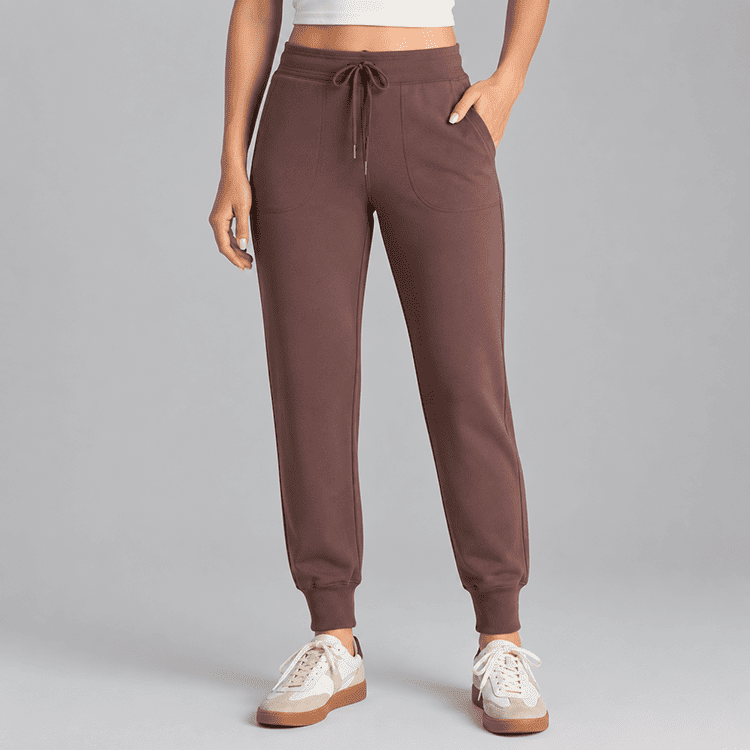
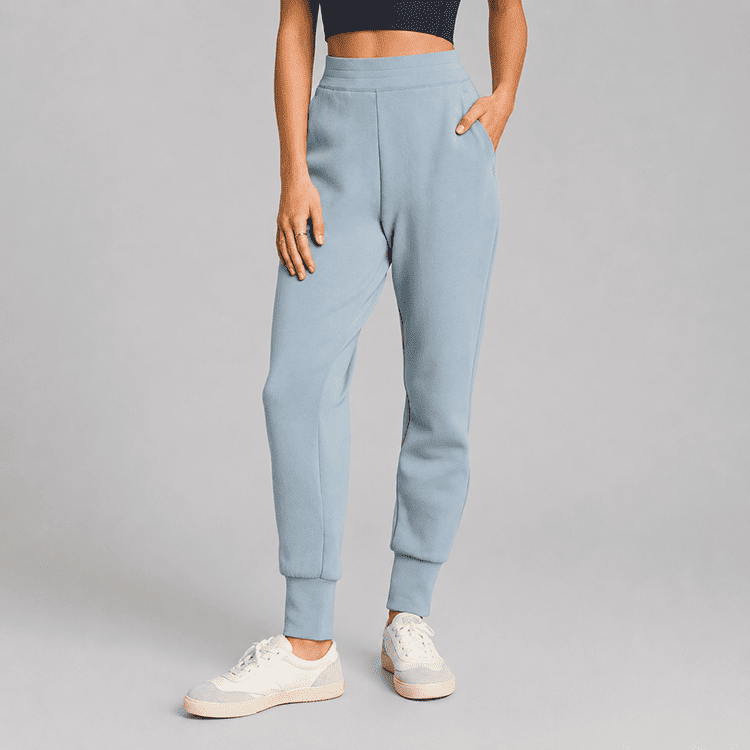
Final Checklist for Choosing the Right Gym Cotton Jogger Supplier
Direct Answer
Choosing the right gym cotton jogger supplier requires evaluating far more than pricing. Buyers should assess manufacturing capability, product development expertise, fabric quality, quality management systems, communication efficiency, production scalability, and long-term reliability. A structured evaluation process reduces sourcing risk and increases the likelihood of building a successful manufacturing partnership.
Finding the right supplier is not about discovering the “perfect” factory. It is about identifying the manufacturer whose capabilities align most closely with your business goals, product positioning, and future growth plans.
Before making a final decision, review the following checklist.
Manufacturing Capability
✔ Does the factory regularly manufacture gym cotton joggers?
✔ Can they support OEM, ODM, or private label production?
✔ Do they have experience exporting to your target market?
Product Development
✔ Can they develop products from Tech Packs?
✔ Do they provide pattern development services?
✔ Are multiple sample revisions available if required?
Fabric Expertise
✔ Can they recommend suitable fabrics for your market?
✔ Do they provide fabric testing information?
✔ Are shrinkage and pilling performance verified?
Quality Management
✔ Are inspections conducted throughout production?
✔ Do they follow recognized quality management systems?
✔ Can they provide recent quality reports?
Communication
✔ Are technical questions answered clearly?
✔ Do they respond promptly?
✔ Is communication consistent throughout development?
Production Capacity
✔ Can production scale as your business grows?
✔ Is the lead time realistic?
✔ Are seasonal capacity limitations discussed openly?
Pricing Transparency
✔ Does the quotation clearly explain all costs?
✔ Are customization charges specified?
✔ Are shipping terms clearly defined?
Long-Term Partnership Potential
The best suppliers continuously improve alongside their customers.
Consider whether the manufacturer demonstrates:
- Willingness to solve problems
- Continuous product improvement
- Stable management
- Investment in new technology
- Commitment to long-term cooperation
These qualities often become increasingly valuable as production volumes expand.
Final Thoughts
China has earned its position as the world’s leading manufacturing destination for gym cotton joggers through decades of investment in textile production, supply chain integration, and apparel innovation. While many countries continue to strengthen their manufacturing industries, China’s combination of technical expertise, supplier diversity, production flexibility, and export experience remains difficult to match.
For buyers, the objective should never be to identify the cheapest supplier. Instead, success comes from selecting a manufacturing partner capable of consistently delivering products that meet customer expectations, strengthen brand reputation, and support sustainable business growth.
A carefully selected supplier contributes far more than finished garments. They become an extension of your product development team, helping transform ideas into commercially successful collections while providing the stability needed to compete in today’s global sportswear market.
Conclusion
Choosing a gym cotton jogger manufacturer in China is a strategic investment in your brand’s future. The right supplier provides more than production capacity—they contribute technical expertise, reliable quality, efficient communication, and long-term scalability. By evaluating manufacturers through objective criteria such as fabric capability, product development, quality management, and production consistency, buyers can build resilient supply chains that support sustainable growth.
Whether you are launching a new private label collection, expanding an existing sportswear business, or optimizing your global sourcing strategy, taking the time to compare suppliers carefully will reduce risk and create stronger commercial outcomes. As the activewear market continues to evolve, partnerships built on transparency, quality, and continuous improvement will remain the foundation of long-term success.
Frequently Asked Questions About Gym Cotton Jogger Manufacturing in China
FAQ 1:Why do so many global sportswear brands choose China for gym cotton jogger manufacturing?
Answer
China remains the preferred sourcing destination for gym cotton joggers because it combines an advanced textile supply chain, experienced OEM and ODM manufacturers, flexible production capacity, and highly competitive overall sourcing value. Rather than competing only on labor costs, Chinese suppliers provide integrated services that include fabric sourcing, product development, sampling, quality control, branding, and export logistics, allowing brands to reduce development time while maintaining consistent product quality.
China’s greatest strength lies in the maturity of its apparel manufacturing ecosystem. Fabric mills, dyeing facilities, garment factories, trim suppliers, packaging companies, and logistics providers are often located within the same manufacturing regions, significantly improving communication and production efficiency.
For international buyers, this integrated supply chain reduces many common sourcing challenges, including long sampling cycles, inconsistent material quality, and coordination between multiple suppliers.
Chinese manufacturers are also highly experienced in working with overseas brands. Many understand international sizing standards, compliance requirements, testing procedures, and packaging specifications, making collaboration more efficient for buyers in North America, Europe, Australia, and other major apparel markets.
As consumer expectations continue to rise, China remains one of the few sourcing destinations capable of balancing quality, flexibility, customization, scalability, and commercial competitiveness within a single manufacturing ecosystem.
FAQ 2: What is the typical MOQ for custom gym cotton joggers in China?
Answer
The typical minimum order quantity (MOQ) for custom gym cotton joggers in China generally ranges from 50 to 300 pieces per style, depending on the manufacturer’s production model, fabric availability, and customization requirements. Factories specializing in private label development often offer lower MOQs, while large industrial manufacturers usually require higher production volumes to maximize efficiency.
Several factors influence MOQ, including fabric type, number of colors, logo applications, and packaging requirements.
For example:
| Product Type | Typical MOQ |
|---|---|
| Stock Fabric + Simple Logo | 50–100 pcs |
| Custom Color Fabric | 100–200 pcs |
| Premium French Terry Joggers | 150–300 pcs |
| Organic Cotton Collections | 200–500 pcs |
Buyers should avoid selecting suppliers solely based on the lowest MOQ. A slightly higher minimum order often provides better production efficiency, improved fabric consistency, and more competitive unit pricing.
For startup brands, working with manufacturers that support gradual production scaling is often more beneficial than choosing suppliers offering extremely small trial quantities without long-term manufacturing capability.
FAQ 3: How long does it take to manufacture custom gym cotton joggers in China?
Answer
The complete production timeline for custom gym cotton joggers usually ranges from 20 to 45 working days, depending on product complexity, order quantity, fabric availability, and seasonal production schedules. Sample development generally requires 5–10 working days, while bulk manufacturing typically takes 15–30 working days after final sample approval.
A standard production schedule often includes:
| Production Stage | Typical Time |
|---|---|
| Product Discussion | 1–3 days |
| Fabric Confirmation | 3–7 days |
| Sample Development | 5–10 days |
| Sample Revision | 3–7 days |
| Bulk Production | 15–30 days |
| Final Inspection | 1–3 days |
| Packaging & Shipment | 2–5 days |
Lead times may increase during peak manufacturing seasons or when custom-developed fabrics are required.
Brands planning seasonal launches should begin product development several months before expected retail availability to allow sufficient time for revisions, production, and international shipping.
FAQ 4: Which fabric is best for premium gym cotton joggers?
Answer
There is no single “best” fabric for every gym cotton jogger because the ideal material depends on the product’s intended use, target customer, retail price, and brand positioning. Premium manufacturers typically recommend French Terry, heavyweight cotton fleece, or premium cotton-polyester blends, each offering different advantages in comfort, durability, and performance.
French Terry remains one of the most versatile choices because it combines breathability, softness, and moderate warmth, making it suitable for year-round activewear.
Heavyweight brushed fleece offers superior insulation and a luxurious handfeel, making it popular for premium lifestyle collections and colder climates.
Cotton-polyester blends improve durability, reduce shrinkage, and maintain garment shape after repeated washing, making them an excellent option for high-volume commercial sportswear collections.
Rather than selecting fabrics based solely on composition, buyers should evaluate GSM, yarn quality, finishing treatments, shrinkage performance, pilling resistance, and intended market positioning to ensure the finished product meets long-term customer expectations.
FAQ 5: How Can Buyers Verify Whether a Gym Cotton Jogger Manufacturer Is Reliable?
Answer
A reliable gym cotton jogger manufacturer should demonstrate consistent production capability, transparent communication, stable quality management systems, and proven export experience. Instead of relying solely on websites or product photos, buyers should evaluate suppliers through factory audits, sample quality, production documentation, customer references, and certifications. A trustworthy manufacturer is willing to explain its production process, discuss technical details, and provide clear answers throughout product development rather than focusing only on closing a sale.
One practical way to evaluate a supplier is to request a complete sampling process before placing a bulk order. This allows buyers to assess not only the finished garment but also the factory’s responsiveness, technical expertise, and attention to detail. Professional manufacturers usually provide detailed quotations, production timelines, measurement charts, and material recommendations during this stage.
Buyers should also verify whether the factory has experience exporting to their target markets. Manufacturers familiar with North American and European customers generally understand testing requirements, labeling regulations, packaging standards, and international shipping procedures.
Additional verification methods include:
- Reviewing third-party audit reports
- Requesting recent production photos or videos
- Evaluating communication speed and technical accuracy
- Confirming factory certifications
- Checking consistency between multiple sample orders
- Understanding how quality issues are handled after shipment
Selecting a supplier should be based on long-term reliability rather than short-term pricing advantages.
FAQ 6: What Certifications Should a Professional Gym Cotton Jogger Manufacturer Have?
Answer
Professional gym cotton jogger manufacturers should maintain internationally recognized certifications that demonstrate quality management, social responsibility, environmental compliance, and product safety. While certifications alone do not guarantee superior manufacturing capability, they provide valuable evidence that a factory follows standardized operating procedures and continuous quality improvement systems.
Some of the most widely recognized certifications include:
| Certification | Purpose |
|---|---|
| ISO 9001 | Quality Management System |
| BSCI | Social Compliance & Ethical Manufacturing |
| GRS (Global Recycled Standard) | Verification of Recycled Materials |
| OEKO-TEX® Standard 100 | Textile Safety Testing |
| WRAP | Responsible Manufacturing Practices |
| Higg Index | Sustainability Performance Assessment |
Different brands require different certification standards depending on their markets and customer expectations. For example, retailers selling environmentally responsible collections may prioritize GRS-certified manufacturers, while companies supplying large international retailers often require BSCI or WRAP compliance.
Beyond certifications, buyers should ask manufacturers how these standards are implemented in daily operations. Strong quality systems are reflected through documented inspections, standardized production procedures, employee training, and continuous process improvement—not simply certificates displayed on a website.
FAQ 7: Should Brands Choose OEM, ODM, or Private Label Manufacturing for Gym Cotton Joggers?
Answer
The best manufacturing model depends on a brand’s product development experience, available resources, and long-term business objectives. OEM, ODM, and private label manufacturing each offer different advantages, and selecting the right approach can significantly influence development costs, launch speed, and market differentiation.
OEM (Original Equipment Manufacturing) is ideal for brands with complete product specifications, technical packs, and established design concepts. The factory manufactures products exactly according to the buyer’s requirements.
ODM (Original Design Manufacturing) allows buyers to customize existing factory designs. This approach reduces development time while still providing opportunities for branding and product differentiation.
Private Label Manufacturing combines customized branding with factory-supported product development. Buyers typically modify fabrics, colors, trims, labels, and packaging while using proven garment structures already developed by the manufacturer.
The comparison below summarizes the differences:
| Manufacturing Model | Best For | Main Advantage |
|---|---|---|
| OEM | Established brands | Maximum product customization |
| ODM | Growing brands | Faster product development |
| Private Label | Startups & DTC brands | Lower development risk with strong brand identity |
Brands entering the market for the first time often benefit from private label or ODM production because these models reduce development complexity while maintaining commercial flexibility. As product portfolios mature, many companies gradually transition toward fully customized OEM manufacturing.
FAQ 8: How Can Brands Reduce Manufacturing Costs Without Sacrificing Product Quality?
Answer
Reducing manufacturing costs does not necessarily require selecting cheaper fabrics or lower-priced suppliers. The most successful sportswear brands lower overall sourcing costs by improving production efficiency, simplifying product specifications, optimizing order planning, and building long-term partnerships with experienced manufacturers. Cost optimization should always preserve the product quality expected by the target market.
Several practical strategies can improve manufacturing efficiency:
- Increase order quantities for core best-selling products
- Consolidate color options to improve fabric utilization
- Standardize trims across multiple product styles
- Use commercially proven fabrics that manufacturers already stock
- Plan production outside peak manufacturing seasons
- Combine multiple product categories into one shipment
- Reduce unnecessary decorative processes that add limited customer value
At the same time, buyers should avoid reducing costs through lower-grade fabrics, simplified quality control, or inexperienced suppliers. These decisions often lead to higher return rates, customer complaints, and damage to brand reputation.
The most cost-effective sourcing strategy is to maximize overall product value, balancing quality, durability, production efficiency, and customer satisfaction rather than pursuing the lowest possible manufacturing price. Over time, this approach generally delivers stronger profit margins and supports sustainable brand growth.