OEM/ODM Sportswear Manufacturer | 3-Day Sampling | Low MOQ | 50K Monthly Capacity | ISO9001 & BSCI Certified

Top Sport T Shirt Manufacturers in China: Global Buyer Comparison Guide
Choosing the right Sport T Shirt Manufacturers requires more than comparing prices. This guide helps global activewear brands evaluate suppliers through manufacturing capability, product specialization, quality standards, market experience, and sourcing reliability to find the right long-term sportswear partner.
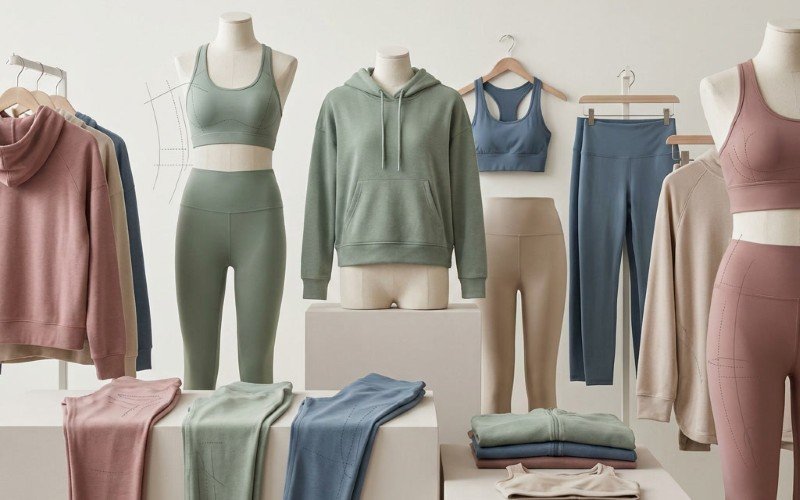
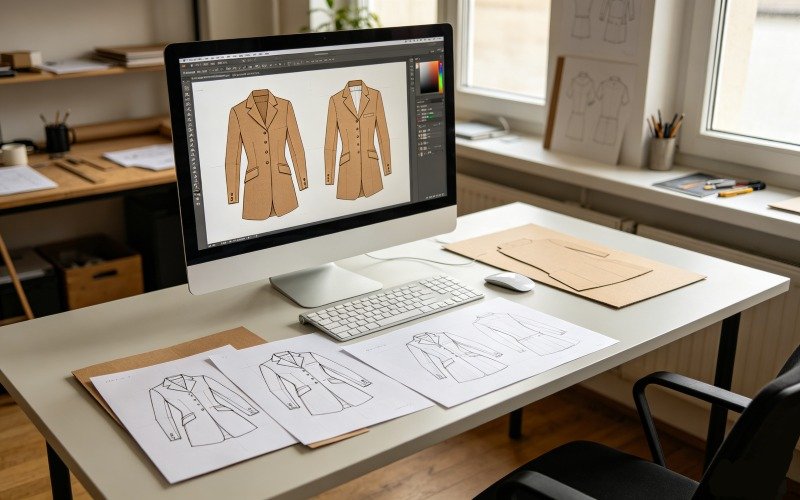
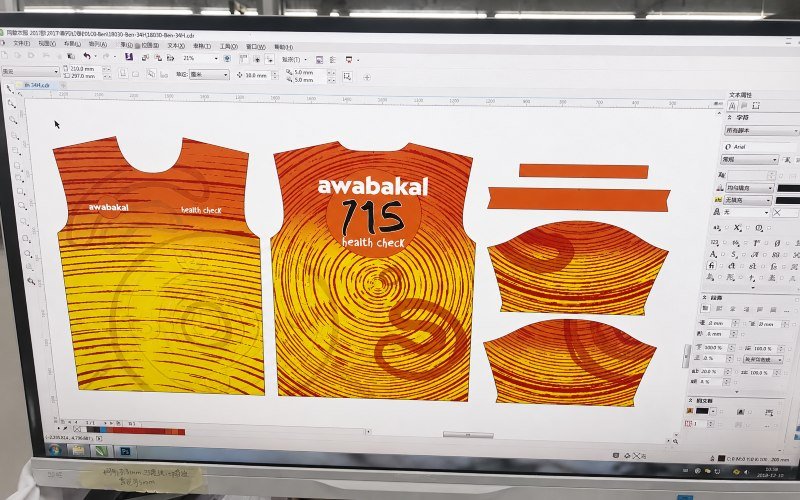
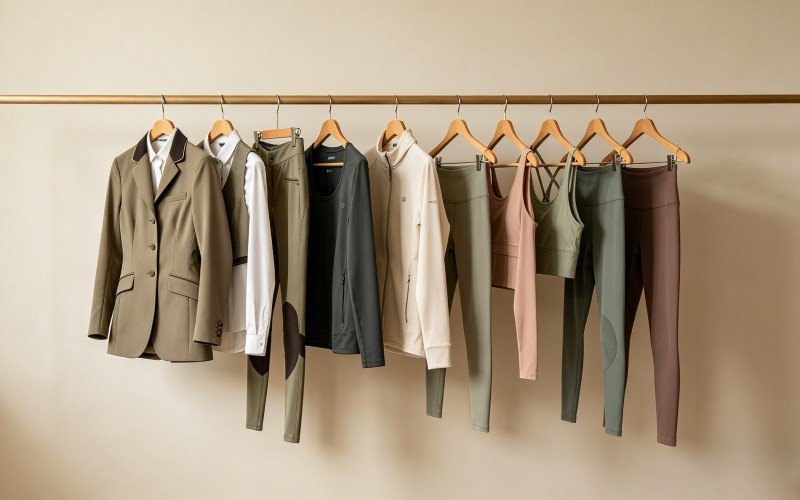
Top 10 Sport T Shirt Manufacturers in China: Ranking and Comparison List
Choosing among hundreds of sport t shirt manufacturers can be challenging because suppliers often appear similar on the surface. The most suitable manufacturer depends on a buyer’s product requirements, target market, order expectations, and long-term development plans.
A reliable comparison should consider multiple factors instead of focusing on a single element such as price. The strongest suppliers usually demonstrate consistent manufacturing experience, stable production resources, international market understanding, and the ability to support different business models.
When comparing sport T-shirt suppliers, global buyers should evaluate:
- Manufacturing history and industry experience
- Sportswear product specialization
- Production capacity and stability
- Functional fabric knowledge
- Quality management systems
- Export experience
- Customer industries served
- Product development capability
- Sustainability practices
- Communication efficiency
A supplier with strong capabilities in technical sportswear may be a better choice for an activewear brand than a general T-shirt supplier offering a lower price.
How Were These Sport T Shirt Manufacturers Selected?
The selected manufacturers should represent different strengths within the global sportswear supply chain. Some suppliers focus on large-scale production, while others specialize in functional apparel development, flexible order support, or premium sportswear manufacturing.
The evaluation framework includes:
| Evaluation Factor | Why It Matters |
|---|---|
| Industry Experience | Shows manufacturing stability and market understanding |
| Sportswear Expertise | Determines whether the supplier understands performance requirements |
| Product Range | Indicates ability to support different sportswear categories |
| Manufacturing Capability | Reflects production reliability and scalability |
| Quality Standards | Reduces risks related to defects and inconsistent products |
| Export Experience | Helps ensure smoother international cooperation |
| Sustainability Compliance | Supports brands targeting environmentally conscious markets |
| Customer Fit | Determines whether the supplier matches specific business needs |
Top 10 Sport T Shirt Manufacturers Comparison Table
| Manufacturer | Location | Established | Main Focus | Suitable Buyers |
|---|---|---|---|---|
| Pair Fashion | Dongguan, China | 2016 | Functional sportswear and activewear | Global activewear brands |
| Thygesen Textile Group | Denmark / Vietnam | 1931 | Sustainable apparel manufacturing | International apparel brands |
| Montforge | USA | N/A | Fitness and performance apparel | Gym and fitness brands |
| Innovate Apparel | USA | N/A | Custom apparel manufacturing | Emerging apparel brands |
| Appareify | China | N/A | Custom apparel sourcing | Startup and online brands |
| Billoomi Fashion | India | 2005 | Custom clothing production | Small and medium brands |
| AEL Apparel | USA | N/A | Activewear manufacturing | Sportswear companies |
| Seam Apparel | USA | N/A | Custom apparel production | Fashion startups |
| Hongyu Apparel | China | 2003 | Private clothing manufacturing | Global fashion brands |
| Ningbo Shenzhou International | China | 1989 | Large-scale sportswear production | Major international brands |
Note: Buyers should always verify the latest supplier information, certifications, and production capabilities directly before cooperation.
1. Pair Fashion — Dongguan, China
Company Position: Functional sportswear manufacturer specializing in activewear categories.
Location: Dongguan, Guangdong, China
Established: 2016
Core Products:
- Sport T-shirts
- Fitness apparel
- Yoga wear
- Equestrian apparel
- Maternity activewear
- Plus-size sportswear
- Modest sportswear
Manufacturing Strengths:
Pair Fashion focuses on functional sportswear rather than basic apparel production. The company operates with a professional sportswear development system, supporting brands that require performance-oriented products instead of simple promotional T-shirts.
Key capabilities include:
- Functional fabric application
- Sportswear pattern development
- Multiple activewear categories
- Small and medium brand support
- International quality management experience
Certifications:
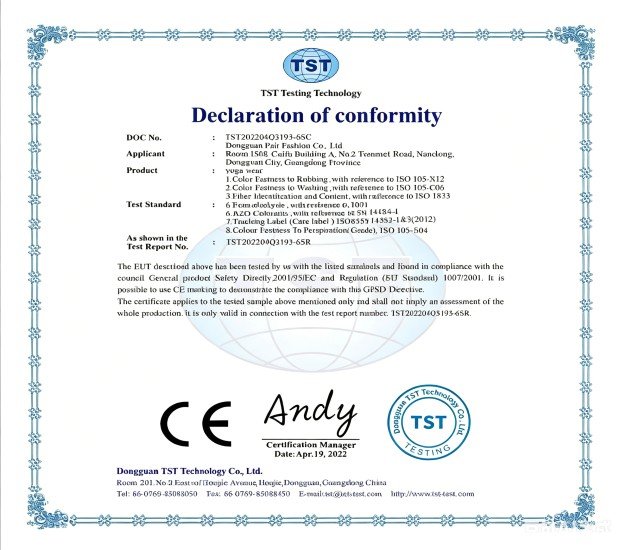
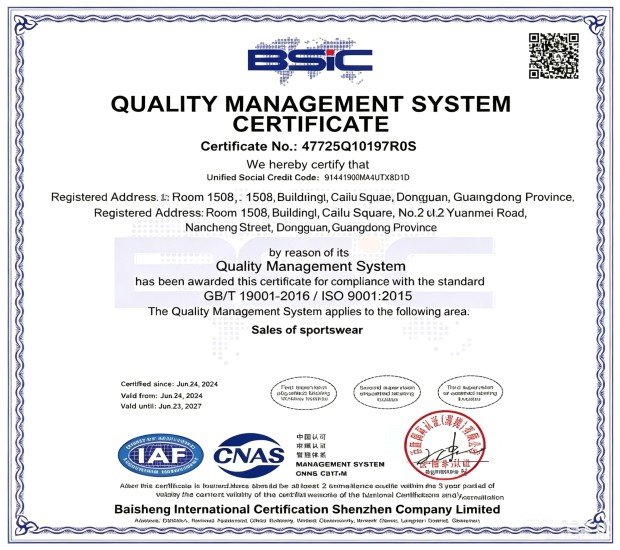
- ISO9001
- BSCI
- GRS
- CE
- ROHS
Suitable Customer Types:
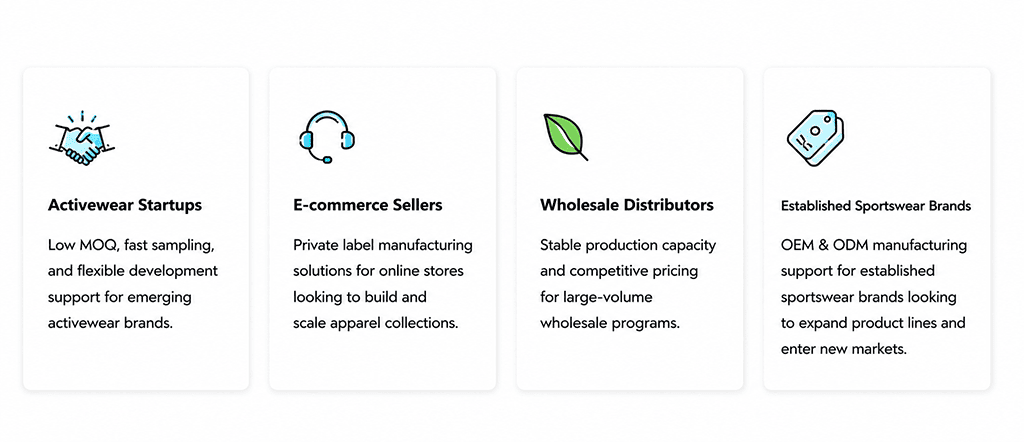
- Activewear startups
- Fitness brands
- DTC sportswear companies
- Private label retailers
- International sportswear buyers
Not Ideal For:
- Buyers looking only for the cheapest basic promotional T-shirts
- Projects requiring extremely low-cost mass production without functional requirements
Core Advantages:
- Strong focus on functional sportswear
- Complete activewear category experience
- Flexible cooperation model for growing brands
- Experience with specialized sportswear markets
Potential Limitations:
Brands searching only for commodity-level T-shirts may find specialized sportswear manufacturers less suitable because their strength focuses on performance apparel and product quality rather than pure low-price production.
2. Thygesen Textile Group — Denmark / Vietnam
Company Position: International textile manufacturer with a long history in sustainable apparel production.
Established: 1931
Core Products:
- Sportswear
- Activewear
- Sustainable clothing
- Performance apparel
Manufacturing Strengths:
Thygesen has built its reputation through decades of textile manufacturing experience. The company emphasizes responsible production, sustainability, and international supply chain management.
Suitable Customer Types:
- Established apparel brands
- Companies prioritizing sustainability
- European customers requiring compliance standards
Not Ideal For:
- Small brands requiring highly flexible small-batch development
- Buyers mainly focused on ultra-low production costs
Core Advantages:
- Long manufacturing history
- Sustainability expertise
- International production experience
Potential Limitations:
Large-scale international suppliers may not always be the best match for small emerging brands needing highly flexible supplier relationships.
3. Montforge — United States
Company Position: Performance apparel manufacturer focused on fitness and gym-related sportswear.
Location: United States
Established: Not publicly disclosed
Core Products:
- Gym T-shirts
- Fitness apparel
- Training clothing
- Performance sportswear
Manufacturing Strengths:
Montforge positions itself around performance-driven apparel solutions for fitness-focused brands. Its content emphasizes functional clothing requirements, including comfort, durability, and designs suitable for gym and training environments.
For brands targeting fitness communities, the ability to understand workout scenarios is important because sport T-shirts are not simply casual garments. They need to consider:
- Sweat management
- Freedom of movement
- Fabric comfort
- Durability during repeated washing
- Athletic fit requirements
Suitable Customer Types:
- Fitness brands
- Gym apparel companies
- Performance lifestyle brands
- Companies targeting the US market
Not Ideal For:
- Buyers looking for the lowest global production costs
- Brands requiring a broad China-based textile supply chain advantage
Core Advantages:
- Strong fitness apparel positioning
- Understanding of gym and training use cases
- Performance-focused product approach
Potential Limitations:
US-based manufacturers may provide advantages in communication and local market understanding, but production costs can be higher compared with Asian manufacturing regions. Brands with global sourcing strategies usually need to balance location, cost, and supply chain efficiency.
4. Innovate Apparel — United States
Company Position: Custom apparel manufacturer serving brands seeking personalized clothing solutions.
Location: United States
Established: Not publicly disclosed
Core Products:
- Custom T-shirts
- Apparel collections
- Promotional clothing
- Brand merchandise
Manufacturing Strengths:
Innovate Apparel focuses on helping businesses create customized apparel products. The company represents a common choice for buyers who value domestic communication and shorter supply chains.
For companies operating mainly in North America, local suppliers may offer advantages such as:
- Easier communication
- Faster sample review
- Local market understanding
- Lower international shipping complexity
Suitable Customer Types:
- US-based apparel brands
- Corporate clothing buyers
- Small businesses
- Local organizations
Not Ideal For:
- Brands searching for large-scale international sportswear production
- Buyers needing extensive functional fabric options
Core Advantages:
- Convenient communication
- Custom apparel experience
- Understanding of US customer expectations
Potential Limitations:
Companies seeking advanced activewear manufacturing capabilities may need to compare whether a general custom apparel supplier has enough technical sportswear experience.
5. Appareify — China
Company Position: Apparel sourcing and manufacturing partner supporting global brands.
Location: China
Established: Not publicly disclosed
Core Products:
- Sportswear
- Fashion apparel
- Custom clothing
- Private label garments
Manufacturing Strengths:
Appareify represents a sourcing-oriented approach, helping international buyers connect with apparel production resources in China.
This type of supplier model can benefit brands that need:
- Multiple product categories
- Flexible sourcing options
- China manufacturing access
- Product development assistance
Suitable Customer Types:
- Startup fashion brands
- Online retailers
- Buyers exploring Chinese production
Not Ideal For:
- Brands requiring a highly specialized single-category technical manufacturer
Core Advantages:
- Broad apparel sourcing capability
- China supply chain access
- Multi-category support
Potential Limitations:
When selecting a sourcing partner, buyers should carefully evaluate the actual manufacturing facilities involved, because sourcing companies and direct manufacturers may provide different levels of production control.
6. Billoomi Fashion — India
Company Position: Custom clothing manufacturer supporting emerging fashion brands.
Location: India
Established: 2005
Core Products:
- Custom apparel
- Fashion clothing
- Small-batch production
Manufacturing Strengths:
Billoomi Fashion is known for supporting smaller brands that require custom clothing development. India has become an important apparel manufacturing destination due to its textile resources and skilled garment workforce.
Suitable Customer Types:
- Independent designers
- Small fashion labels
- Boutique brands
Not Ideal For:
- Buyers specifically searching for advanced technical sportswear manufacturing
- Large-scale performance apparel programs
Core Advantages:
- Experience with emerging brands
- Flexible production approach
- Custom clothing capability
Potential Limitations:
For performance sportswear, buyers should evaluate technical fabric capability, sports pattern development, and functional testing experience before selecting a supplier.
7. AEL Apparel — United States
Company Position: Activewear-focused apparel manufacturer.
Location: United States
Established: Not publicly disclosed
Core Products:
- Activewear
- Fitness clothing
- Sports apparel
Manufacturing Strengths:
AEL Apparel focuses on activewear categories, making it relevant for brands looking beyond traditional T-shirts.
Modern sport T-shirt production requires understanding of:
- Stretch performance
- Athletic fitting
- Fabric recovery
- Comfort during exercise
Suitable Customer Types:
- Fitness brands
- Boutique activewear companies
- Sports lifestyle brands
Not Ideal For:
- Buyers seeking the lowest manufacturing cost
- High-volume international production requirements
Core Advantages:
- Activewear specialization
- Product category alignment
Potential Limitations:
Brands expanding globally should compare domestic manufacturing costs with Asian suppliers that have deeper textile ecosystems.
8. Seam Apparel — United States
Company Position: Custom apparel manufacturing partner for fashion and clothing brands.
Location: United States
Established: Not publicly disclosed
Core Products:
- Custom apparel
- Clothing collections
- Brand merchandise
Manufacturing Strengths:
Seam Apparel represents the type of supplier attractive to businesses that value close communication and custom clothing development.
Suitable Customer Types:
- Fashion startups
- Local brands
- Small apparel businesses
Not Ideal For:
- Large international sportswear programs requiring extensive production capacity
Core Advantages:
- Flexible communication
- Custom apparel experience
Potential Limitations:
Sport-specific manufacturing requires more than garment customization. Buyers should evaluate technical sportswear knowledge before cooperation.
9. Hongyu Apparel — China
Company Position: China-based custom clothing manufacturer serving international brands.
Location: China
Established: 2003
Core Products:
- Custom apparel
- Fashion clothing
- Sportswear
Manufacturing Strengths:
Hongyu Apparel represents China’s strong position in global apparel manufacturing. Chinese suppliers often benefit from complete upstream resources, including:
- Fabric suppliers
- Accessories suppliers
- Printing facilities
- Packaging resources
- Logistics networks
Suitable Customer Types:
- International fashion brands
- Growing apparel companies
- Online businesses
Not Ideal For:
- Buyers needing only local production in their own market
Core Advantages:
- China manufacturing ecosystem
- Export experience
- Broad apparel capability
Potential Limitations:
Buyers should confirm whether a supplier’s strongest expertise matches their product category because apparel manufacturing experience can vary significantly.
10. Ningbo Shenzhou International — China
Company Position: Large-scale textile and apparel manufacturer serving major international brands.
Location: Ningbo, Zhejiang, China
Established: 1989
Core Products:
- Sportswear
- Knitwear
- Performance apparel
Manufacturing Strengths:
Ningbo Shenzhou International is recognized as one of China’s major apparel manufacturers. Large-scale suppliers can provide strong production capacity and experience with international brand requirements.
Suitable Customer Types:
- Large global brands
- High-volume buyers
- Established apparel companies
Not Ideal For:
- Small startups requiring highly flexible small orders
Core Advantages:
- Large production scale
- International brand experience
- Strong manufacturing infrastructure
Potential Limitations:
Large manufacturers may have higher requirements regarding order volume and project scale compared with smaller flexible suppliers.
Sport T Shirt Manufacturers Comparison: Different Suppliers Fit Different Buyers
There is no single manufacturer that is perfect for every brand. The best choice depends on business stage, product positioning, target market, and purchasing requirements.
A startup launching its first fitness collection may prioritize flexibility and communication. A mature sportswear company may prioritize production stability, compliance, and supply chain scale.
| Buyer Type | Recommended Supplier Characteristics |
|---|---|
| Startup Brand | Flexible supplier, development support, manageable production requirements |
| DTC Activewear Brand | Functional sportswear experience, consistent quality |
| Wholesale Buyer | Stable capacity, competitive cost structure |
| Global Retailer | Certifications, compliance, production scale |
| Fitness Brand | Performance fabric and sportswear expertise |
Why Supplier Comparison Matters Before Ordering
Choosing a sport T-shirt supplier is not only a purchasing decision; it is a long-term business decision.
A suitable manufacturer influences:
- Product quality
- Customer satisfaction
- Brand reputation
- Repeat purchase rate
- Inventory efficiency
- Market expansion speed
Many sourcing problems happen because buyers evaluate suppliers too late. A supplier that looks attractive through a quotation may not always provide the manufacturing capability required for long-term growth.
Before making a decision, brands should ask:
- Does this manufacturer understand sportswear products?
- Can they maintain consistent quality?
- Do they have experience serving international markets?
- Can they support future product expansion?
By comparing different suppliers carefully, brands can avoid short-term decisions and establish a more reliable supply chain for long-term business development.
Why Are Chinese Sport T Shirt Manufacturers Popular Among Global Brands?
Chinese Sport T Shirt Manufacturers have become an important sourcing choice for global activewear brands because China offers a combination of manufacturing experience, textile resources, production flexibility, and international supply chain support that is difficult to match in many other regions.
For global buyers, the advantage of China is not only lower production costs. The stronger value comes from a complete apparel ecosystem where fabric suppliers, garment factories, printing providers, accessory manufacturers, testing laboratories, and logistics networks work closely together. Brands looking for a deeper understanding of professional sportswear manufacturers can explore how experienced suppliers support global apparel businesses. This allows brands to develop products more efficiently while maintaining consistent quality and competitive market positioning.
Why Does China Have an Advantage in Sport T Shirt Manufacturing?
China remains one of the world’s leading sportswear manufacturing hubs because its apparel industry has developed a complete supply chain covering everything from raw materials to finished garments. Global apparel businesses can also refer to international trade data and industry information from organizations such as the World Trade Organization when evaluating global sourcing trends.For brands producing sport T-shirts, this means easier access to functional fabrics, specialized manufacturing resources, and experienced production teams.
Different from traditional cotton T-shirt production, modern sport T-shirts require more technical considerations, such as moisture control, good stretch recovery, breathability, durability, and comfortable wearing experience during physical activities. Manufacturers with access to advanced textile resources can help brands create products that meet modern consumer expectations.
Key advantages of Chinese sport T-shirt manufacturers include:
- Complete textile supply chain
- Wide selection of functional fabrics
- Experienced sportswear production teams
- Strong customization capability
- Flexible production options
- Advanced manufacturing infrastructure
- Efficient international export experience
China’s advantage comes from accumulated industry experience. Many manufacturing regions can produce garments, but fewer regions have the complete ecosystem required for performance apparel development.
For example, a brand developing a training T-shirt may need:
- Lightweight polyester fabric
- Moisture-wicking treatment
- Stretch construction
- Breathable panels
- Custom labeling
- Quality testing
- International shipping coordination
A mature manufacturing region can connect these different processes more efficiently.
China Sport T Shirt Manufacturers vs USA and Other Manufacturing Regions
When selecting a manufacturing location, global buyers often compare China with other major apparel-producing countries such as the United States, Vietnam, Bangladesh, and India.
There is no universally perfect manufacturing location. The right choice depends on product requirements, target customers, order scale, and business strategy.
| Factor | China | USA | Vietnam | India |
|---|---|---|---|---|
| Textile Supply Chain | Excellent | Medium | Good | Good |
| Functional Fabric Availability | Excellent | Good | Medium | Medium |
| Production Cost Efficiency | High | Lower | High | High |
| Sportswear Experience | Excellent | Good | Good | Medium |
| Product Variety | Excellent | Medium | Good | Good |
| Supplier Flexibility | High | Medium | Medium | High |
| International Export Experience | Excellent | Good | Good | Good |
China vs USA: Which Is Better for Sport T Shirt Manufacturing?
US manufacturers may provide advantages for brands that prioritize:
- Local communication
- Domestic supply chains
- Faster local logistics
- Made-in-USA positioning
However, China often provides stronger advantages in:
- Fabric selection
- Manufacturing scale
- Production cost control
- Supplier ecosystem
- Product variety
For brands selling globally, especially those developing complete activewear collections, China’s broader supply chain can provide more flexibility.
China vs Vietnam: Which Manufacturing Location Should Brands Choose?
Vietnam has become an important apparel manufacturing destination, especially for large international orders.
Its advantages include:
- Competitive labor costs
- Growing export capability
- Strong relationships with global brands
However, China maintains advantages in:
- More complete fabric supply networks
- Faster access to materials
- Wider manufacturing options
- More developed supporting industries
For simple high-volume products, Vietnam can be competitive. For complex sportswear products requiring multiple materials, technical details, and faster development cycles, China often provides stronger supply chain advantages.
What Makes a Chinese Sport T Shirt Manufacturer Reliable?
Not all factories in China have the same level of manufacturing ability. The country has thousands of apparel suppliers, ranging from small basic garment workshops to professional sportswear manufacturers with experience serving global brands.
A reliable supplier should demonstrate:
1. Sportswear Manufacturing Experience
A company experienced in sportswear understands that a sport T-shirt is not just a different style of casual clothing.
Important factors include:
- Fabric performance
- Body movement
- Athletic fitting
- Seam durability
- Washing resistance
- Comfort during exercise
Manufacturers with sportswear experience can better understand the relationship between design, fabric, and user experience. This is especially important for brands evaluating different sports shirt manufacturers because product performance depends on more than appearance alone.
2. Strong Fabric Resources
Fabric selection directly affects the final product performance.
Common sport T-shirt fabric requirements include:
- Moisture-wicking polyester
- Recycled polyester
- Four-way stretch materials
- Lightweight breathable fabrics
- Quick-dry textiles
- Anti-odor materials
A manufacturer with strong fabric resources can help brands avoid problems caused by unsuitable materials.
3. Stable Quality Management
For international brands, inconsistent quality can create significant costs.
A reliable manufacturer should have systems for:
- Material inspection
- Production monitoring
- Finished product checking
- Size consistency control
- Defect prevention
Quality management is especially important for activewear because customers often compare performance, comfort, and durability directly.
4. International Market Experience
Manufacturers serving global customers usually understand:
- Different market expectations
- Packaging requirements
- Compliance standards
- Communication processes
- Export procedures
This experience reduces misunderstandings between buyers and suppliers.
How Do Global Brands Evaluate Chinese Sport T Shirt Manufacturers?
Selecting a manufacturer should be a structured process rather than a simple price comparison.
Professional buyers usually evaluate suppliers through several stages:
Company Background Review
Brands should check:
- Years in business
- Product specialization
- Main customer markets
- Production facilities
- Certifications
A manufacturer with long-term industry experience usually has stronger operational stability.
Product Capability Evaluation
Buyers should review whether the supplier has experience with similar products.
Questions include:
- Have they produced sport T-shirts before?
- Do they understand performance fabrics?
- Can they maintain consistent fitting?
- Do they support different market requirements?
A supplier experienced in basic apparel may not always be suitable for technical sportswear. Brands should compare manufacturers based on relevant experience, production capability, and their understanding of performance apparel requirements before selecting suitable sport t shirt manufacturers.
Communication and Project Management
Manufacturing involves many details, including:
- Product specifications
- Material selection
- Quality expectations
- Delivery planning
Clear communication reduces production risks.
A reliable supplier should be able to provide clear answers and realistic expectations instead of simply promising the lowest price.
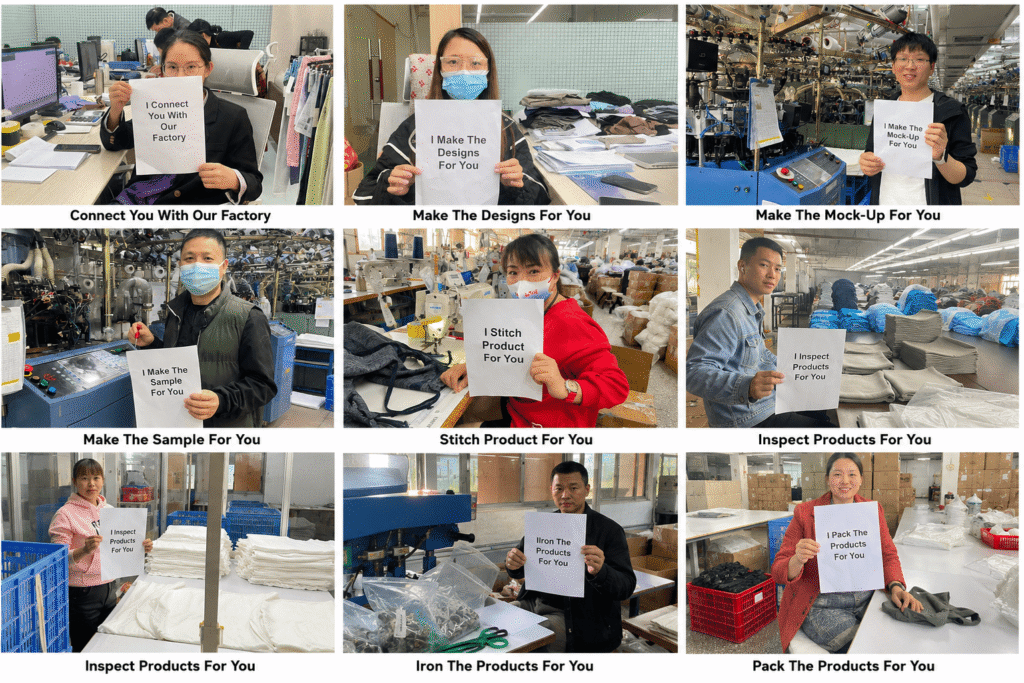
How to Compare Sport T Shirt Manufacturers Before Making a Decision?
Choosing suitable Sport T Shirt Manufacturers requires a structured evaluation process. The strongest suppliers are not always the ones offering the lowest quotation. Global buyers should compare manufacturers based on production capability, sportswear knowledge, quality consistency, communication efficiency, and long-term reliability.
A professional evaluation process helps brands avoid common sourcing problems, including inconsistent product quality, unexpected production delays, limited product improvement ability, and supply chain instability. Before cooperation, buyers should understand whether a manufacturer can support their current product requirements and future business growth.
The best supplier is usually the one that creates the right balance between product capability, manufacturing reliability, and commercial value.
What Production Capabilities Should Buyers Evaluate?
A capable sport T-shirt manufacturer should have more than basic garment production experience. Modern sportswear requires a combination of textile knowledge, technical construction, and manufacturing control.
When evaluating suppliers, buyers should look beyond product photos and quotations. A professional assessment should include several key areas.
1. Sportswear Product Experience
The first question buyers should ask is:
Does this manufacturer truly understand sportswear products?
A factory that mainly produces casual T-shirts may not have the same knowledge as a supplier specializing in activewear.
Sport T-shirts require attention to:
- Fabric stretch and recovery
- Sweat absorption performance
- Breathability
- Body movement comfort
- Seam durability
- Long-term washing performance
A manufacturer with sportswear experience understands that the same fabric and construction method may perform differently depending on the intended use.
For example:
A running T-shirt requires lightweight and moisture management features.
A gym training T-shirt may require stronger durability and better stretch.
A lifestyle activewear T-shirt may focus more on comfort, appearance, and everyday wearability.
The product purpose should influence supplier selection.
2. Fabric Knowledge and Material Resources
Fabric is one of the most important factors affecting sport T-shirt performance.
Many buyers focus heavily on garment appearance but underestimate the importance of material selection.
A professional sportswear manufacturer should understand different fabric applications, including:
| Fabric Type | Main Advantage | Suitable Application |
|---|---|---|
| Polyester | Lightweight and quick drying | Training and fitness shirts |
| Recycled Polyester | Sustainable option | Eco-conscious activewear |
| Nylon Blend | Soft feeling and durability | Premium sportswear |
| Four-Way Stretch Fabric | Better movement flexibility | Performance training |
| Mesh Fabric | Improved ventilation | High-intensity exercise |
A reliable supplier should not simply recommend the cheapest material. Instead, recommendations should consider:
- Target customer
- Product positioning
- Expected retail price
- Performance requirements
- Market environment
For example, a premium fitness brand targeting serious athletes may require different fabric solutions compared with a promotional sports event company.
3. Manufacturing Equipment and Production Organization
Production capability directly influences product consistency.
When comparing sport t shirt manufacturers, buyers should evaluate:
- Production lines
- Skilled operators
- Cutting accuracy
- Sewing quality
- Production planning ability
- Capacity management
A supplier with organized production management can better handle:
- Seasonal demand changes
- Repeat orders
- Product expansion
- Quality consistency
However, larger production capacity does not always mean a better cooperation experience. Large manufacturers can be a good choice for global brands with millions of pieces demand, while medium-sized specialized manufacturers may provide more flexible cooperation and faster response for growing brands.
The right choice depends on business requirements.
What Quality Standards Should Buyers Check?
Quality is one of the biggest differences between professional sportswear manufacturers and general apparel suppliers.
A reliable supplier should have clear quality control systems instead of depending only on final inspection. International quality management standards such as ISO 9001 provide a framework for organizations to improve consistency and quality management practices.
Quality Evaluation Areas
| Quality Area | What Buyers Should Check |
|---|---|
| Fabric Quality | Composition, performance, durability |
| Measurement Control | Size consistency between production batches |
| Sewing Quality | Seam strength and clean finishing |
| Color Accuracy | Shade consistency |
| Printing Quality | Durability after washing |
| Final Inspection | Defect prevention before shipment |
Why Is Quality Control Important for Sport T Shirts?
Sportswear customers often have higher expectations because products are used during physical activities.
A small manufacturing issue can directly affect customer experience.
Examples:
- Poor fabric selection can cause discomfort during exercise.
- Weak stitching can reduce product lifespan.
- Incorrect sizing can increase return rates.
- Poor color stability can damage brand reputation.
For this reason, experienced buyers usually evaluate quality systems before placing larger orders.
How Can Buyers Evaluate Manufacturer Reliability?
Reliability is often harder to measure than product quality, but it is equally important.
A supplier may produce good samples but still fail during long-term cooperation because of:
- Poor communication
- Unstable production schedules
- Lack of transparency
- Weak problem-solving ability
Before choosing a manufacturer, buyers should evaluate the following areas.
Company Stability
Important indicators include:
- Years operating in the industry
- Production history
- Customer market experience
- Factory management system
A manufacturer with stable operations is generally better prepared to handle unexpected challenges.
Communication Ability
International manufacturing involves many discussions:
- Product requirements
- Material choices
- Production updates
- Quality expectations
- Delivery arrangements
Good communication reduces mistakes and improves efficiency.
Professional suppliers usually provide:
- Clear answers
- Realistic timelines
- Detailed explanations
- Problem-solving suggestions
Market Experience
Manufacturers serving international customers often understand:
- Different market standards
- Export requirements
- Customer expectations
- Product trends
This experience can help brands avoid common sourcing mistakes.
How Important Is the Sample Process When Choosing Sport T Shirt Manufacturers?
Samples are one of the most important evaluation tools because they allow buyers to judge whether a supplier can transform product expectations into a real garment.
A sample is not only a product preview. It reflects the manufacturer’s understanding of:
- Design requirements
- Fabric performance
- Construction details
- Quality expectations
What Should Buyers Evaluate During Sample Review?
A professional sample review should check:
Fabric Performance
Questions:
- Does the fabric feel suitable?
- Does it provide enough stretch?
- Does it match the expected product positioning?
Fit and Measurement
Check:
- Shoulder width
- Body length
- Sleeve shape
- Overall comfort
Fit consistency is especially important for sportswear because customers expect products to support movement.
Construction Details
Evaluate:
- Stitching quality
- Seam strength
- Finishing details
- Logo placement
- Overall appearance
How Long Does Sport T Shirt Sampling Usually Take?
Sampling time depends on product complexity, supplier capability, and communication efficiency.
A general comparison:
| Supplier Type | Typical Sampling Speed |
|---|---|
| Basic apparel supplier | Longer due to limited sportswear experience |
| Experienced sportswear manufacturer | Faster due to established development systems |
| Large complex projects | Depends on testing and revisions |
However, speed should not be the only measurement.
A fast sample with poor accuracy may create more delays because multiple revisions are required.
The ideal supplier combines:
- Reasonable development speed
- Accurate understanding
- Good communication
- Stable production capability
How Can Buyers Avoid Choosing the Wrong Sport T Shirt Manufacturer?
Many sourcing mistakes happen because buyers focus on one single factor.
Common mistakes include:
Choosing Only Based on Price
The lowest quotation may exclude important factors:
- Better materials
- Quality control
- Product development support
- Reliable delivery
A slightly higher production cost may create better long-term value.
Ignoring Product Specialization
A supplier producing general clothing may not understand technical sportswear requirements.
Always compare manufacturers based on relevant experience.
Not Checking Long-Term Capability
A supplier may successfully complete one small order but struggle when demand increases.
Brands should consider:
- Future product expansion
- Repeat orders
- Seasonal collections
- Growing market demand
Sport T Shirt Manufacturer Evaluation Checklist
Before selecting a supplier, buyers can use this checklist:
| Evaluation Item | Questions to Ask |
|---|---|
| Experience | How long has the company produced sportswear? |
| Product Knowledge | Do they specialize in activewear? |
| Fabric Ability | Can they recommend suitable materials? |
| Quality System | How do they control production quality? |
| Communication | Can they clearly manage international projects? |
| Reliability | Can they support long-term cooperation? |
| Market Experience | Have they worked with global buyers? |

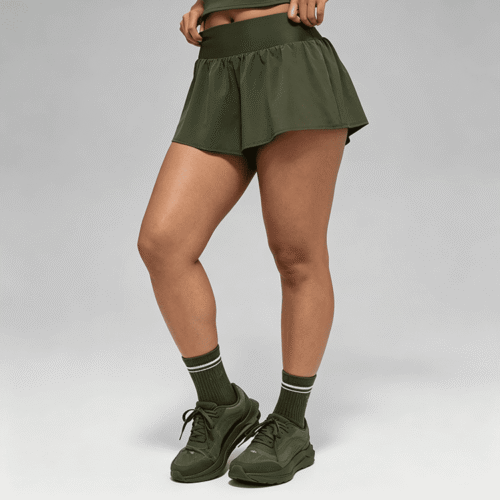
Custom High Waist Tennis Skort with Built-In Shorts OEM ODM
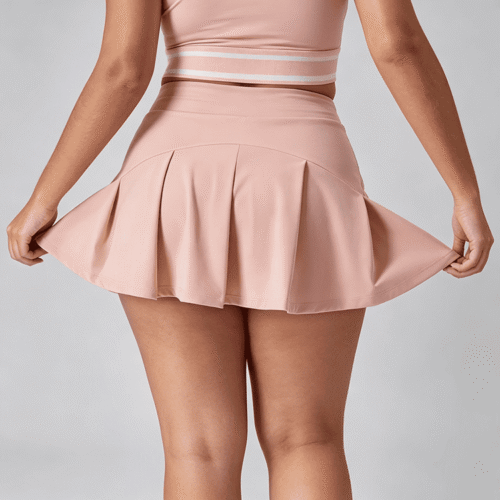
Custom High Waist Pleated Tennis Skort OEM ODM Women’s Tennis Wear
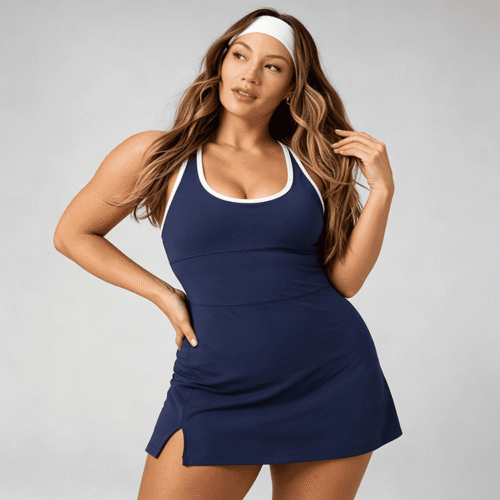
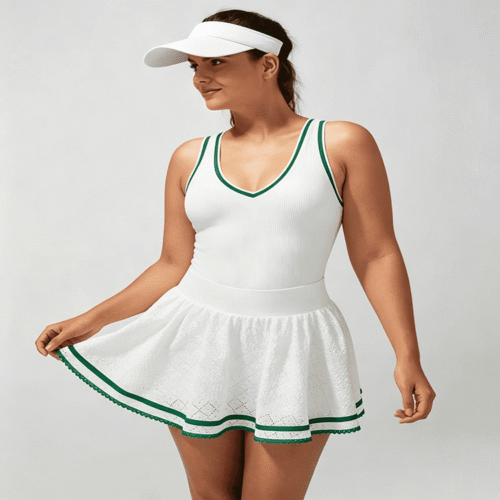
Custom Plus Size Tennis Dress OEM ODM Built-In Bra Activewear
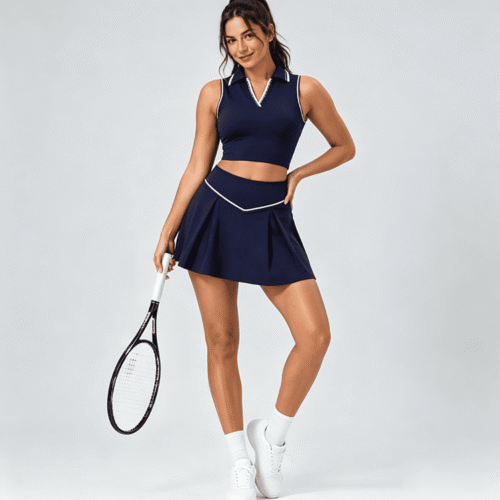
Custom Women’s Tennis Skirt Set OEM ODM Performance Tennis Outfit
Custom Women’s Tennis Dress OEM ODM Performance Tennis Apparel
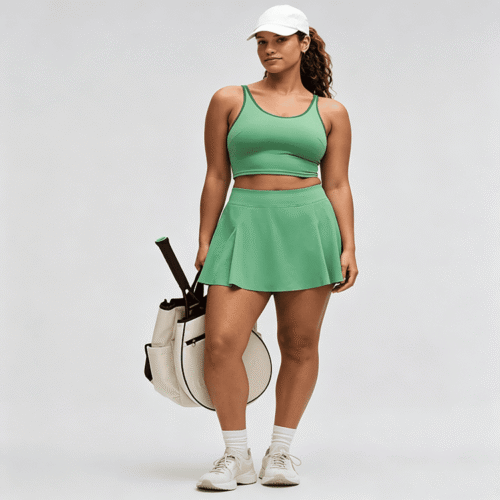
Custom Women’s Tennis Skirt Set OEM ODM Performance Tennis Outfit
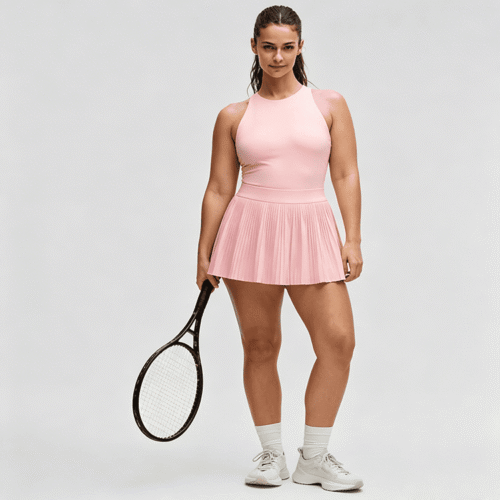
Custom Pleated Tennis Dress OEM ODM Women’s Performance Tennis Wear
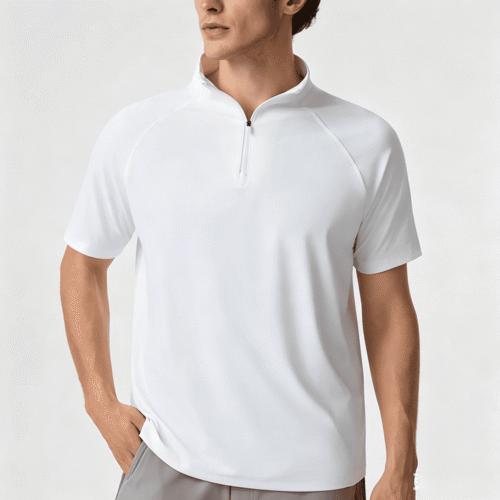
Custom Men’s Quarter Zip Performance Shirt OEM ODM Activewear
What Questions Should Buyers Ask When Selecting Sport T Shirt Manufacturers?
Selecting the right Sport T Shirt Manufacturers requires more than reviewing a supplier website or comparing quotations. Professional buyers usually evaluate manufacturers through detailed questions that reveal their real production capability, business stability, and suitability for long-term cooperation.
Many sourcing problems happen because buyers ask only about price and delivery time but overlook important factors such as product experience, quality systems, communication ability, and supplier reliability.
A strong evaluation process helps brands identify manufacturers that can support their business goals instead of simply finding a company that can produce garments.
What Information Should Buyers Request From Sport T Shirt Manufacturers?
Before making a final decision, buyers should collect enough information to understand the supplier’s actual capabilities.
The following areas are especially important:
1. Company Background and Manufacturing Experience
A supplier’s history can reveal its operational stability and industry knowledge.
Buyers should ask:
- How many years has the company manufactured sportswear?
- What product categories does the company specialize in?
- Which countries does the company export to?
- What types of brands have they worked with?
- Does the company focus on sportswear or general apparel?
A manufacturer with relevant industry experience is usually more capable of understanding product requirements and avoiding common production problems.
For example, a supplier experienced in casual cotton T-shirts may not have the same knowledge as a manufacturer producing performance sportswear.
Sportswear requires deeper understanding of:
- Fabric behavior
- Movement requirements
- Fit consistency
- Durability expectations
- Consumer usage scenarios
2. Product Capability and Specialization
Buyers should evaluate whether a supplier’s product experience matches their market positioning.
Important questions include:
- Have they produced similar sport T-shirts?
- Do they understand different sports applications?
- Can they recommend suitable materials?
- Do they have experience with performance apparel?
Different customers have different requirements.
A running brand may prioritize:
- Lightweight construction
- Breathability
- Sweat management
A gym brand may focus on:
- Stretch
- Durability
- Comfort during training
A lifestyle activewear brand may care more about:
- Appearance
- Soft hand feel
- Everyday versatility
The right manufacturer should understand these differences.
3. Quality Management System
Quality consistency is one of the most important factors in international sourcing.
Buyers should ask:
- How is incoming material inspected?
- How are production issues controlled?
- Is there a final inspection process?
- How are size and color differences managed?
- Are quality records maintained?
A professional manufacturer should have clear quality procedures instead of relying only on workers’ experience.
Strong quality systems usually include:
- Material inspection
- Production monitoring
- Finished product checking
- Packaging verification
This reduces the risk of receiving products that do not match approved standards.
4. Production Capacity and Supply Stability
A supplier should not only handle the first order but also support future growth.
Buyers should understand:
- Current production capability
- Available production resources
- Seasonal capacity changes
- Ability to handle repeat orders
A common mistake is selecting a supplier that performs well for a small trial order but struggles when demand increases.
For growing brands, supplier scalability matters because successful products often require:
- Restocking
- New colors
- Seasonal updates
- Expanded collections
5. Communication and Project Management
International manufacturing requires effective communication.
Buyers should evaluate:
- Response speed
- Detail accuracy
- Problem-solving attitude
- Transparency during production
A supplier with good communication can help prevent:
- Specification misunderstandings
- Production delays
- Quality disputes
Good communication is especially important when products involve:
- Multiple materials
- Technical requirements
- Market-specific sizing
- Special packaging needs
How Can Buyers Avoid Common Supplier Selection Mistakes?
Even experienced buyers can make mistakes when selecting manufacturers. Understanding common problems can help brands reduce unnecessary risks.
Mistake 1: Choosing Only Based on Lowest Price
Price comparison is necessary, but it should not become the only selection criteria.
A very low quotation may indicate:
- Lower material standards
- Limited production control
- Reduced quality inspection
- Less experienced production teams
The real question is not:
“Which supplier has the lowest price?”
The better question is:
“Which supplier provides the best overall value for my business?”
Mistake 2: Ignoring Industry Specialization
A manufacturer producing many types of clothing may not necessarily understand sportswear.
Brands should evaluate whether the supplier has experience with:
- Functional fabrics
- Athletic fitting
- Sportswear construction
- Performance requirements
Product specialization often has a direct impact on final product quality.
Mistake 3: Not Checking Production Reality
Some buyers make decisions only based on online information.
However, they should also consider:
- Actual factory capability
- Production organization
- Quality management
- Previous product experience
Reliable suppliers should be able to provide clear information about their manufacturing background.
Mistake 4: Selecting Suppliers Without Considering Future Growth
A manufacturer should not only solve today’s problem.
Brands should consider:
- Can this supplier support future collections?
- Can they maintain quality when order volume increases?
- Can they adapt to market changes?
A long-term manufacturing relationship requires compatibility, not only a successful first order.
How Can Buyers Verify Whether a Sport T Shirt Manufacturer Is Reliable?
Before cooperation, buyers can use several methods to evaluate suppliers.
Review Product Experience
Check:
- Similar products
- Previous collections
- Market experience
A supplier’s previous work often shows more than marketing descriptions.
Evaluate Communication Quality
Pay attention to:
- Whether questions are answered clearly
- Whether risks are explained honestly
- Whether timelines are realistic
A trustworthy supplier does not only promise success; they also explain possible challenges.
Check Compliance and Certifications
Depending on target markets, buyers may need suppliers with relevant certifications.
Common certifications include ISO9001 quality management, BSCI social compliance, and GRS recycled material certification. Buyers evaluating sustainable sportswear suppliers can also review the official GRS certification framework to better understand recycled material standards.
Certifications do not guarantee perfect production, but they demonstrate a supplier’s commitment to standardized management.
Sport T Shirt Manufacturer Evaluation Checklist for Global Buyers
A practical checklist helps brands compare suppliers more objectively.
Before selecting a manufacturer, buyers should evaluate the following areas:
| Category | Evaluation Questions |
|---|---|
| Company History | How long has the supplier operated? |
| Sportswear Experience | Do they specialize in activewear? |
| Fabric Knowledge | Can they recommend suitable materials? |
| Production Ability | Can they handle current and future demand? |
| Quality System | How do they control consistency? |
| Certifications | Do they meet market requirements? |
| Communication | Are they responsive and transparent? |
| Market Experience | Have they worked with global buyers? |
| Product Understanding | Do they understand customer needs? |
| Long-Term Potential | Can they grow with the brand? |
10-Point Sport T Shirt Manufacturer Evaluation Checklist
For a faster supplier comparison, buyers can use this scoring method:
| Evaluation Point | Score |
|---|---|
| Sportswear manufacturing experience | /10 |
| Fabric knowledge | /10 |
| Product quality consistency | /10 |
| Manufacturing stability | /10 |
| Communication efficiency | /10 |
| Certification compliance | /10 |
| Export experience | /10 |
| Product development capability | /10 |
| Cost competitiveness | /10 |
| Long-term cooperation potential | /10 |
A manufacturer with a balanced score is usually a safer choice than a supplier that performs extremely well in only one area.
Browse Sportswear Catalog Categories
Explore custom sportswear catalog categories including activewear, equestrian apparel, lounge wear and specialty OEM apparel collections for global brands.
- Yoga Pant
- Sports Bras
- Tank Tops
- Gym Shorts
- Men & Kids Sportswear
- Riding Tops
- Breeches
- Competition Wear
- Jackets
- Man & Kids Equestrian
- Joggers
- Sweatshirt & Hoodies
- Sweaters
- Coat & Jacket
- Men & Kids Loungewear
Other OEM Apparel
- Tennis Clothing
- Jumpsuit
- Dress & Skirts
- Plus Size Activewear
- Maternity Activewear
How to Find the Best Sport T Shirt Manufacturer for Your Brand?
Finding the right Sport T Shirt Manufacturers is ultimately about matching supplier capability with brand needs.
The best manufacturer is not always the largest factory or the cheapest supplier. It is the partner that understands your product direction, maintains consistent quality, communicates effectively, and supports sustainable business growth. For brands searching for professional sport T shirt manufacturing solutions, evaluating experienced suppliers with proven capabilities is an important next step.
Why Is Supplier Compatibility More Important Than Price Alone?
Manufacturing relationships often continue for years. A supplier decision affects:
- Product quality
- Customer satisfaction
- Brand reputation
- Market expansion
- Operational efficiency
A small price difference during production may become insignificant compared with the long-term impact of reliable supply.
For example:
A brand launching a new sportswear collection needs more than production capacity. It needs a supplier that understands:
- Target customers
- Product positioning
- Quality expectations
- Market timing
This is why experienced buyers evaluate manufacturers as business partners rather than simple production vendors.
When Should Brands Consider Changing Their Sport T Shirt Manufacturer?
Brands may need to reconsider their supplier relationship when they experience repeated problems such as:
- Unstable product quality
- Frequent delivery delays
- Poor communication
- Lack of product improvement
- Limited production capability
Changing suppliers is a major decision, but staying with an unsuitable manufacturer can create larger long-term costs.
A reliable supplier should help brands become more competitive, not create additional operational challenges.
Building a Long-Term Partnership With Sport T Shirt Manufacturers
Successful brands usually develop stronger relationships with suppliers through:
Clear Communication
Both sides should maintain clear expectations regarding:
- Product requirements
- Quality standards
- Timelines
- Market goals
Continuous Improvement
The sportswear market changes quickly.
Brands and manufacturers need to work together on:
- Fabric updates
- Product improvements
- Consumer feedback
- New market opportunities
Strategic Cooperation
A strong manufacturing relationship can help brands:
- Launch products faster
- Improve consistency
- Reduce sourcing risks
- Build competitive collections
Final Thoughts: Choosing a Sport T Shirt Manufacturer Is a Strategic Decision
The global sportswear market continues to grow, and competition between brands is becoming increasingly intense. Choosing the right manufacturer is no longer only about finding a company that can produce garments.
The most successful brands select suppliers based on:
- Product expertise
- Manufacturing reliability
- Quality standards
- Supply chain strength
- Long-term compatibility
China remains one of the most important destinations for sportswear sourcing because it combines manufacturing experience, textile resources, and global export capability.
However, the final decision should always depend on whether a supplier truly matches the brand’s business needs.
A carefully selected Sport T Shirt Manufacturer can become more than a production source — it can become a long-term partner supporting product innovation and brand growth.
1. Product Development
Regular monthly product development ensures consistent updates to your brand line.
2. Fabric Sourcing
Regular monthly product development ensures consistent updates to your brand line.
3. Sample Making
Regular monthly product development ensures consistent updates to your brand line.
4. Bulk Production
Regular monthly product development ensures consistent updates to your brand line.
5. Packaging & Delivery
Regular monthly product development ensures consistent updates to your brand line.
Complete OEM & ODM Sportswear Solutions
We provide complete custom sportswear manufacturing services from concept development and fabric sourcing to bulk production and worldwide delivery.
- OEM & ODM Product Development
- Functional Fabric Sourcing & Material Selection
- Pattern Making & Sample Development
- Private Label Branding & Custom Packaging
- Quality-Controlled Bulk Manufacturing
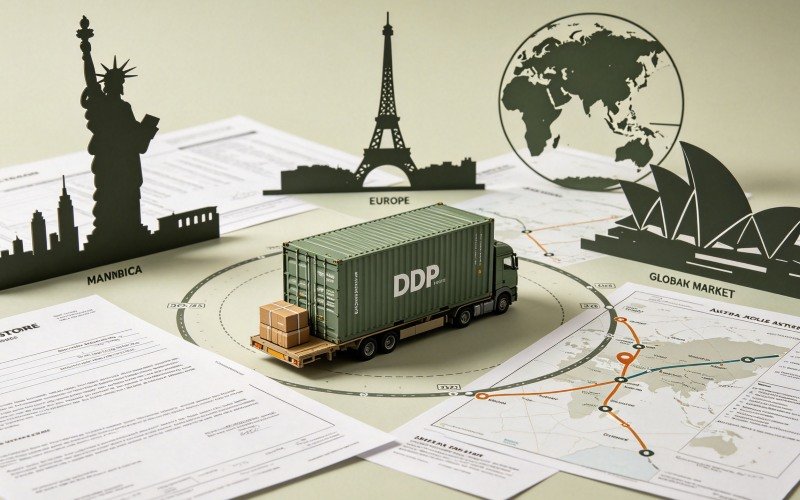
- Global DDP Shipping & Delivery Support
Frequently Asked Questions About Sport T Shirt Manufacturers
FAQ 1
What Are the Best Sport T Shirt Manufacturers in China?
The best sport T shirt manufacturers in China are suppliers that combine sportswear experience, manufacturing reliability, quality control, and strong supply chain capability. The right choice depends on a brand’s product requirements, target market, order expectations, and long-term development goals.
Global buyers should evaluate manufacturers based on factors such as functional fabric knowledge, production consistency, industry experience, certifications, communication ability, and customer support rather than focusing only on the lowest price. A suitable manufacturer should understand sportswear requirements and provide stable quality for long-term cooperation.
FAQ 2
Why Do Global Brands Choose China Sport T Shirt Manufacturers?
Global brands choose China sport T shirt manufacturers because China offers one of the most complete apparel supply chains in the world. Buyers can access a wide range of functional fabrics, experienced garment workers, advanced production resources, and strong export infrastructure.
Compared with many other manufacturing regions, China provides advantages in product variety, material availability, supplier options, and manufacturing experience. These advantages allow brands to develop different types of sportswear products while maintaining competitive production costs and reliable supply chain management.
FAQ 3
How Do I Choose a Reliable Sport T Shirt Manufacturer?
Choosing a reliable sport T shirt manufacturer requires evaluating multiple factors instead of comparing quotations alone. Buyers should review the supplier’s sportswear experience, product specialization, manufacturing capability, quality management system, certifications, export history, and communication efficiency.
A reliable manufacturer should be able to demonstrate consistent production performance, understand activewear requirements, and support a brand’s future growth. Checking previous product experience and asking detailed questions before cooperation can help reduce sourcing risks.
FAQ 4
What Makes a Sport T Shirt Manufacturer Different From a Regular T-Shirt Supplier?
A professional sport T shirt manufacturer understands the technical requirements behind performance apparel, while a regular T-shirt supplier usually focuses on basic garment production. Sportswear requires knowledge of functional fabrics, moisture management, stretch performance, athletic fitting, and durability.
The difference is not only the ability to produce a T-shirt but also the ability to create a product that performs well during exercise and meets modern consumer expectations.
FAQ 5
How Much Does It Cost to Manufacture Sport T Shirts?
The cost of manufacturing sport T shirts depends on factors such as fabric selection, product complexity, order quantity, manufacturing location, and quality requirements. Basic sports shirts generally have lower production costs, while performance apparel using advanced fabrics and technical construction requires more investment.
Brands should evaluate total value rather than only unit price. A reliable manufacturer with stable quality and strong production capability can often reduce long-term costs caused by defects, delays, and inconsistent products.
FAQ 6
Which Country Is Best for Sport T Shirt Manufacturing?
China is one of the leading choices for sport T shirt manufacturing because of its complete textile supply chain, experienced sportswear manufacturers, flexible production capabilities, and strong international export experience.
However, the best manufacturing country depends on a brand’s specific needs. Vietnam, India, and the United States also have their own advantages. Buyers should compare factors such as product requirements, cost expectations, production capability, and supply chain reliability before making a decision.
FAQ 7
What Should Buyers Check Before Selecting Sport T Shirt Manufacturers?
Before selecting sport T shirt manufacturers, buyers should check company history, sportswear experience, product quality standards, manufacturing capability, certifications, communication process, and customer experience.
Important questions include whether the supplier understands functional fabrics, can maintain consistent product quality, has experience serving international buyers, and can support future business expansion. A detailed evaluation process helps brands avoid choosing suppliers based only on price.
FAQ 8
Are Chinese Sport T Shirt Manufacturers Reliable for International Brands?
Chinese sport T shirt manufacturers can be reliable partners for international brands when buyers select suppliers based on capability, experience, and quality standards. China has decades of apparel manufacturing experience and a mature sportswear supply chain.
However, reliability varies between manufacturers. Brands should verify supplier backgrounds, production capability, quality systems, certifications, and communication processes before cooperation. The right manufacturer should match the brand’s product goals and provide stable long-term support.