OEM/ODM Sportswear Manufacturer | 3-Day Sampling | Low MOQ | 50K Monthly Capacity | ISO9001 & BSCI Certified

Top 10 Activewear Clothing Manufacturers in China (2026): Supplier Comparison & Buyer Guide
Compare the top 10 activewear clothing manufacturers in China for 2026. Explore supplier strengths, product specialization, industry positioning, certifications, and buyer suitability to identify the right manufacturing partner for your activewear brand.
Top 10 Activewear Clothing Manufacturers in China: 2026 Supplier Comparison & Buyer Guide
The global activewear sector is developing faster than ever. Modern shoppers no longer merely require sportswear with reliable gym performance. Instead, they favour apparel blending comfort, functionality, sustainability and modern aesthetics for everyday wear. As demand surges across fitness, yoga, running, tennis, outdoor activities and athleisure, Activewear Clothing Manufacturers and brands face mounting pressure to deliver innovative new ranges alongside consistent quality and competitive pricing.
For many companies, selecting the right manufacturing partner has become one of the most important strategic decisions in building a successful activewear business. China remains the world’s largest production base for performance apparel, offering thousands of manufacturers with different strengths, technical capabilities, and market positioning. However, choosing a supplier based solely on production capacity or quoted price rarely leads to the best long-term outcome.
Which Activewear Clothing Manufacturer Is Best in China?
There is no single best activewear clothing manufacturer in China for every buyer. The ideal supplier depends on your product category, target market, business model, quality expectations, and long-term sourcing strategy. Some manufacturers specialize in seamless activewear, while others excel in technical sportswear, sustainable collections, or multi-category apparel development. Understanding these differences enables buyers to shortlist suppliers that align with their commercial objectives rather than relying on factory size or pricing alone.
This guide compares ten established Chinese activewear clothing manufacturers while providing industry insights, supplier evaluation frameworks, and procurement strategies to help brands make better sourcing decisions.
Top 10 Activewear Clothing Manufacturers in China at a Glance
| Manufacturer | Headquarters | Primary Product Focus | Best Suited For | Market Position |
|---|---|---|---|---|
| Pair Fashion | Dongguan | Performance Activewear, Tennis, Inclusive Sportswear | Growing Brands & Private Labels | Multi-category Product Development |
| Ingor Sportswear | Guangzhou | Yoga & Sustainable Activewear | Premium Activewear Brands | Innovation-led Manufacturer |
| Arabella Clothing | Xiamen | Fitness Apparel & Athleisure | Startups & Emerging Brands | Flexible Manufacturing Partner |
| Aika Sportswear | Dongguan | Gym Wear & Training Apparel | Retailers & OEM Buyers | Commercial Sportswear Supplier |
| Hucai Sportswear | Guangzhou | Seamless Activewear | Seamless Brands | Technical Knitting Specialist |
| SGL Sports | Guangzhou | Compression & Team Sportswear | Sports Organizations | Performance Apparel Manufacturer |
| Berunwear | Xiamen | Yoga & Fitness Apparel | International Retailers | Export-focused Manufacturer |
| Yotex Apparel | Hangzhou | Lifestyle Activewear | Importers & Sourcing Companies | Multi-category Apparel Supplier |
| Biying Sportswear | Dongguan | Running & Training Wear | Wholesalers | Commercial Manufacturing Partner |
| Sansansports | Dongguan | Seamless Fitness Apparel | Boutique Fitness Brands | Fashion-driven Seamless Specialist |
Editorial Note: Manufacturer profiles are compiled using publicly accessible corporate data and industry positioning current at the time of publication. Prospective buyers are advised to independently validate all certifications, commercial terms, production capacity and compliance documentation prior to concluding any business arrangements.
Who Are the Top 10 Activewear Clothing Manufacturers in China?
Summary
China is home to hundreds of activewear manufacturers, but only a relatively small number have developed strong reputations within international markets. The suppliers featured in this guide have been selected based on publicly available information regarding product specialization, industry positioning, export experience, and their suitability for different types of buyers. Rather than identifying a universally “best” factory, this comparison highlights which manufacturers are most appropriate for different sourcing objectives.
Finding a manufacturing partner is no longer about identifying the largest factory or the lowest quotation. Modern sourcing decisions require buyers to understand how suppliers differ in technical expertise, product focus, innovation capability, and long-term partnership potential.
For example, a startup launching its first activewear collection may need a supplier experienced in flexible product development, while an established retailer may prioritize manufacturing consistency across multiple seasons. Similarly, brands specializing in seamless activewear will require different technical capabilities than those developing tennis apparel, maternity sportswear, or inclusive fitness collections.
Instead of comparing manufacturers through a single criterion, this guide evaluates suppliers using several practical dimensions:
- Industry Positioning
- Primary Product Categories
- Manufacturing Strengths
- Export Experience
- Target Customer Profile
- Competitive Advantages
- Potential Considerations
This approach provides buyers with a clearer understanding of which manufacturers are best suited to different business models and sourcing strategies.
Why These Manufacturers Were Selected
Many online rankings simply list factory names without explaining why they deserve consideration. This guide takes a different approach by evaluating manufacturers according to how they serve different buyer needs rather than attempting to declare a single “best” supplier.
Each manufacturer has developed expertise within different segments of the activewear industry:
- Some concentrate on premium yoga apparel and sustainable fabrics.
- Others specialize in seamless knitting technologies.
- Several manufacturers focus on commercial fitness collections for international retailers.
- A smaller number have expanded into multi-category performance apparel, supporting product lines such as tennis clothing, plus size activewear, maternity sportswear, and equestrian apparel.
For procurement teams, these distinctions are far more valuable than comparing production scale alone because they directly influence product quality, development efficiency, and long-term supply chain performance.
The following manufacturer reviews provide a detailed overview of each supplier’s market positioning, product strengths, ideal customer profile, and the types of projects they are best equipped to support.
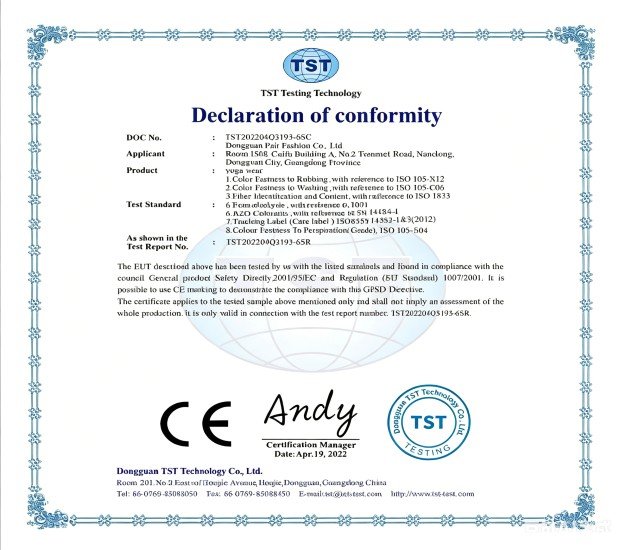
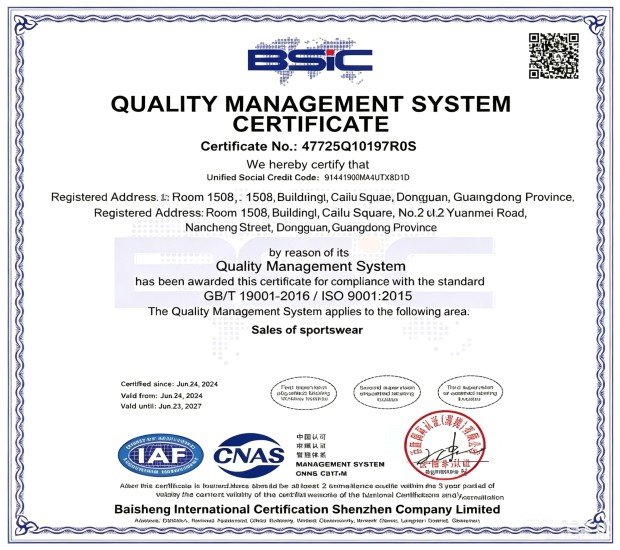
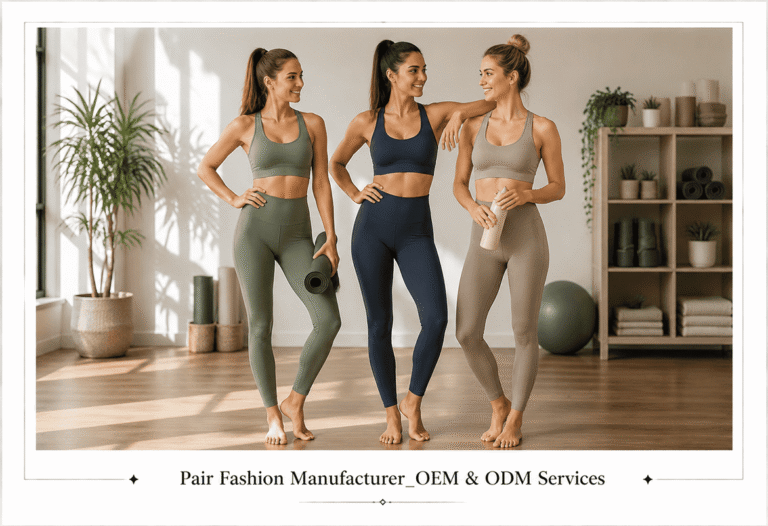
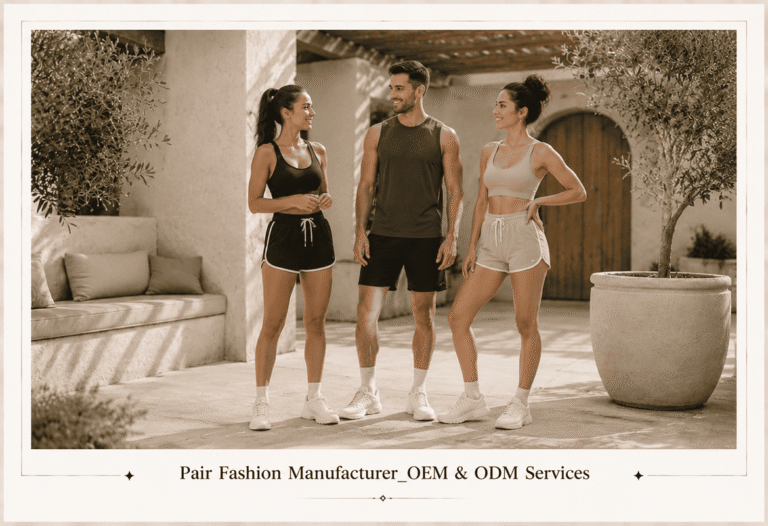
1. Pair Fashion
Company Overview
Founded in 2016 and headquartered in Dongguan, Guangdong, Pair Fashion has positioned itself as a product development-oriented activewear manufacturer serving international brands across multiple performance apparel categories. Unlike suppliers that focus exclusively on one niche, the company has built experience across performance activewear, tennis apparel, equestrian clothing, plus size activewear, maternity sportswear, and athleisure.
Its inclusion in this ranking reflects the breadth of its product portfolio and its ability to support brands developing diversified sportswear collections rather than a single product category.
Headquarters
Dongguan, Guangdong, China
Founded
2016
Product Focus
- Performance Activewear
- Tennis Apparel
- Plus Size Activewear
- Maternity Sportswear
- Equestrian Apparel
- Athleisure
Best Suited For
- Growing activewear brands
- Private label companies
- Brands expanding into multiple sportswear categories
- Businesses requiring product diversification
Industry Position
Pair Fashion has developed a market position centered on multi-category technical sportswear. Instead of specializing exclusively in yoga apparel or seamless garments, the company supports brands operating across several performance apparel segments. This broader capability can simplify supplier management for businesses seeking to consolidate multiple product categories under one manufacturing partner.
Competitive Advantages
One of Pair Fashion’s distinguishing characteristics is its ability to serve brands beyond mainstream fitness apparel. By supporting categories such as tennis clothing, equestrian apparel, maternity activewear, and inclusive sizing, the company addresses product segments that are often underserved by manufacturers focused only on traditional gym wear.
This diversified product expertise can be particularly valuable for brands planning long-term category expansion rather than launching a single collection.
Potential Considerations
Businesses seeking large-scale commodity production of basic activewear may prefer manufacturers optimized for standardized, high-volume manufacturing. Pair Fashion is generally better aligned with brands prioritizing product differentiation and broader category development.
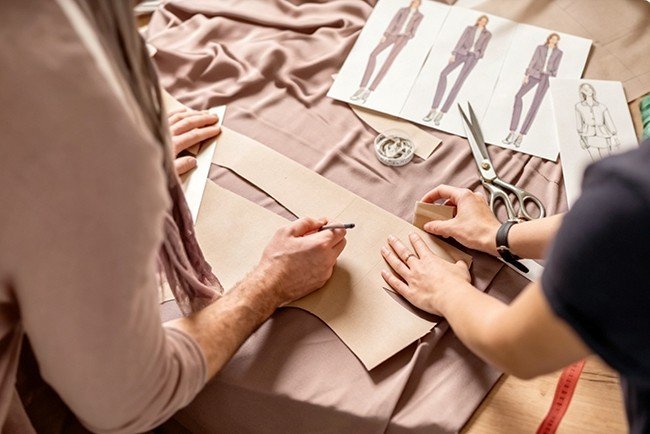
Why Brands Choose Pair Fashion
Many brands struggle with slow sampling, unstable quality, delayed delivery and unreliable suppliers.
- Slow sampling cycles
- Production inconsistency
- Poor communication
- Logistics complexity
- No after-sales support
- Can’t design products.
2. Ingor Sportswear
Company Overview
Founded in 2009 and headquartered in Guangzhou, Guangdong, Ingor Sportswear has established itself as one of China’s better-known manufacturers in the premium yoga and women’s activewear market. Rather than serving every sportswear category, the company has concentrated on high-end fitness apparel, sustainable product development, and fashion-oriented collections for brands targeting premium consumers.
Over the past decade, Ingor has invested heavily in fabric innovation and environmentally responsible manufacturing practices. This focused strategy has helped the company build long-term relationships with brands seeking performance apparel that combines functionality with contemporary design.
Headquarters
Guangzhou, Guangdong, China
Founded
2009
Product Focus
- Yoga Apparel
- Women’s Activewear
- Sports Bras
- Leggings
- Sustainable Fitness Clothing
- Athleisure
Best Suited For
- Premium yoga brands
- Sustainable apparel companies
- Boutique fitness labels
- International private label brands
Industry Position
Ingor has positioned itself as an innovation-driven manufacturer within the premium activewear segment. Rather than competing through broad product diversification, the company emphasizes technical fabrics, environmentally conscious manufacturing, and product aesthetics.
Competitive Advantages
One of Ingor’s strongest advantages is its commitment to sustainable product development. As more international brands incorporate recycled materials and responsible sourcing into their collections, manufacturers with practical experience in this area have become increasingly attractive.
The company’s concentration on women’s activewear also enables deeper expertise in garment fit, fabric performance, and market trends compared with manufacturers serving a broader range of apparel categories.
Potential Considerations
Brands planning to develop highly specialized sportswear, such as equestrian apparel, adaptive sportswear, or maternity activewear, should evaluate whether additional suppliers with category-specific expertise are required.
3. Arabella Clothing
Company Overview
Located in Xiamen, Fujian, Arabella Clothing has developed a reputation as a flexible manufacturing partner for emerging activewear brands and growing private label businesses. The company supports customers entering international markets by providing manufacturing solutions across mainstream fitness apparel categories.
Rather than positioning itself exclusively within the premium segment, Arabella focuses on helping brands establish commercially viable collections while maintaining manufacturing flexibility and collaborative communication throughout the sourcing process.
Headquarters
Xiamen, Fujian, China
Founded
2014
Product Focus
- Fitness Apparel
- Yoga Wear
- Running Clothing
- Sports Bras
- Leggings
- Athleisure
Best Suited For
- Startup brands
- Amazon sellers
- Shopify businesses
- Small and medium-sized activewear companies
Industry Position
Arabella has established a strong position among brands seeking a practical balance between manufacturing flexibility, product variety, and commercial accessibility. Its experience working with growing businesses makes it particularly relevant for companies introducing their first activewear collections.
Competitive Advantages
Arabella’s broad experience across mainstream activewear categories allows buyers to source coordinated collections without managing multiple suppliers. For newer brands, this simplifies supplier communication while helping maintain consistency in product positioning.
The company’s collaborative approach also makes it attractive to businesses that expect ongoing product refinement as their collections evolve.
Potential Considerations
Brands requiring advanced compression engineering, seamless knitting technology, or highly technical performance apparel should compare Arabella with manufacturers specializing in those product segments before making long-term sourcing decisions.
4. Aika Sportswear
Company Overview
Headquartered in Dongguan, Guangdong, Aika Sportswear is a well-established manufacturer supplying gym wear, training apparel, and commercial sportswear to customers worldwide. The company has built its reputation by supporting brands that require broad product coverage across traditional fitness apparel categories.
Instead of focusing on niche performance garments, Aika has developed expertise in manufacturing commercially proven sportswear collections for wholesalers, retailers, and established activewear businesses.
Headquarters
Dongguan, Guangdong, China
Founded
2008
Product Focus
- Gym Wear
- Training Apparel
- Hoodies
- Joggers
- Sports T-Shirts
- Fitness Clothing
Best Suited For
- Commercial sportswear brands
- International distributors
- Retail chains
- OEM buyers
Industry Position
Aika operates primarily within the mainstream sportswear manufacturing market. Its broad product portfolio and familiarity with international buyers have helped the company become a recognizable supplier for conventional activewear collections.
Competitive Advantages
For buyers seeking a supplier capable of supporting complete gym wear collections, Aika offers a broad manufacturing scope across core activewear products. Its experience with international commercial markets also contributes to greater consistency across repeat production programs.
Because the company focuses on established activewear categories, it can support brands seeking dependable manufacturing for products with stable consumer demand.
Potential Considerations
Brands building premium lifestyle collections or technically differentiated sportswear may benefit from comparing Aika with suppliers whose expertise is more concentrated in innovation-led product development or niche performance categories.
5. Hucai Sportswear
Company Overview
Headquartered in Guangzhou, Guangdong, Hucai Sportswear has become one of China’s recognized manufacturers specializing in seamless activewear. Instead of serving every apparel category, the company has focused on seamless knitting technologies that improve garment comfort, flexibility, and body-contouring performance.
Its product portfolio is designed primarily for fitness brands, yoga labels, and athleisure companies seeking modern seamless collections that combine technical functionality with contemporary aesthetics.
Headquarters
Guangzhou, Guangdong, China
Founded
Please verify the latest company registration information directly with the manufacturer.
Product Focus
- Seamless Leggings
- Seamless Sports Bras
- Seamless Shorts
- Seamless Fitness Sets
- Compression Activewear
Best Suited For
- Seamless activewear brands
- Boutique fitness companies
- Premium athleisure labels
- Yoga apparel businesses
Industry Position
Hucai Sportswear has established itself as a specialist within China’s seamless activewear manufacturing sector. Rather than competing through product diversity, the company concentrates on technical knitting expertise and seamless garment engineering.
Competitive Advantages
One of Hucai’s strongest competitive advantages is its specialization in seamless knitting technology. Modern seamless garments require advanced knitting equipment and experienced technical teams capable of integrating ventilation zones, compression structures, ribbed textures, and body-contouring panels into a single garment.
Because the company focuses on this niche, it can support brands seeking technically advanced seamless collections without relying on conventional cut-and-sew construction.
Potential Considerations
Brands developing broader sportswear collections—including jackets, tennis apparel, maternity sportswear, or outdoor performance products—may require additional manufacturing partners capable of supporting multiple apparel categories.
6. SGL Sports
Company Overview
Based in Guangzhou, SGL Sports focuses primarily on technical sportswear designed for athletic performance rather than fashion-led activewear. The company supplies compression garments, running apparel, cycling clothing, and team sportswear to organizations requiring durable products with consistent repeat production.
Its customer profile differs from many fashion-oriented activewear manufacturers, emphasizing functionality, technical construction, and long-term product consistency.
Headquarters
Guangzhou, Guangdong, China
Founded
Please confirm current company information directly with the manufacturer.
Product Focus
- Compression Apparel
- Team Sportswear
- Running Wear
- Cycling Clothing
- Performance Training Apparel
Best Suited For
- Sports clubs
- Teamwear suppliers
- Institutional buyers
- Performance apparel brands
Industry Position
SGL Sports occupies a specialized position within China’s performance apparel market by concentrating on technical garments intended for athletic use rather than casual athleisure.
Competitive Advantages
Its experience producing compression garments and organized teamwear makes the company particularly suitable for organizations requiring standardized products across multiple production cycles.
For buyers serving schools, sports federations, training organizations, or professional clubs, repeat production consistency often represents a significant commercial advantage.
Potential Considerations
Lifestyle brands seeking trend-driven fashion collections or premium athleisure aesthetics may prefer manufacturers with stronger design-oriented capabilities.
7. Berunwear
Company Overview
Located in Xiamen, Fujian, Berunwear serves international buyers looking for export-oriented activewear manufacturing across mainstream fitness categories. The company produces yoga apparel, fitness clothing, and athleisure products for retailers, distributors, and private label brands operating in overseas markets.
Its balanced manufacturing model combines broad commercial product coverage with established export experience, making it suitable for businesses seeking dependable long-term sourcing relationships.
Headquarters
Xiamen, Fujian, China
Founded
Please verify current company information directly with the supplier.
Product Focus
- Yoga Apparel
- Fitness Clothing
- Sports Bras
- Leggings
- Training Wear
- Athleisure
Best Suited For
- International retailers
- Private label brands
- Sporting goods distributors
- Export-focused sourcing programs
Industry Position
Berunwear has positioned itself as a commercially focused activewear manufacturer supporting international brands with mainstream product collections rather than highly specialized technical apparel.
Competitive Advantages
The company’s export experience enables buyers to work with a manufacturer familiar with international business practices and commercial production requirements.
Its broad product offering also allows brands to consolidate several mainstream fitness categories through one supplier, helping simplify supply chain management.
Potential Considerations
Companies planning highly differentiated performance apparel collections may wish to compare Berunwear alongside manufacturers specializing in technical innovation, engineered sportswear, or niche performance categories.
Buyer Comparison: Which Manufacturer Fits Different Business Models?
The first seven manufacturers featured in this guide illustrate how diverse China’s activewear manufacturing industry has become. While all operate within the same sector, each serves different customer groups and commercial objectives.
| Manufacturer | Primary Positioning | Ideal Buyer |
|---|---|---|
| Pair Fashion | Multi-category technical sportswear | Brands expanding across multiple performance categories |
| Ingor Sportswear | Premium sustainable activewear | Premium yoga and eco-conscious brands |
| Arabella Clothing | Flexible private label manufacturer | Startups and growing brands |
| Aika Sportswear | Commercial sportswear supplier | Retailers and wholesalers |
| Hucai Sportswear | Seamless knitting specialist | Seamless-focused activewear brands |
| SGL Sports | Performance apparel manufacturer | Sports clubs and institutional buyers |
| Berunwear | Export-oriented fitness apparel supplier | International retailers and distributors |
.
Rather than identifying one manufacturer as universally superior, buyers should evaluate suppliers according to their product strategy, market positioning, and long-term sourcing objectives. A manufacturer that performs exceptionally well in one category may not necessarily be the strongest choice for another, making product specialization one of the most valuable criteria in supplier evaluation.
How Has China's Activewear Manufacturing Industry Evolved Over the Past Decade?
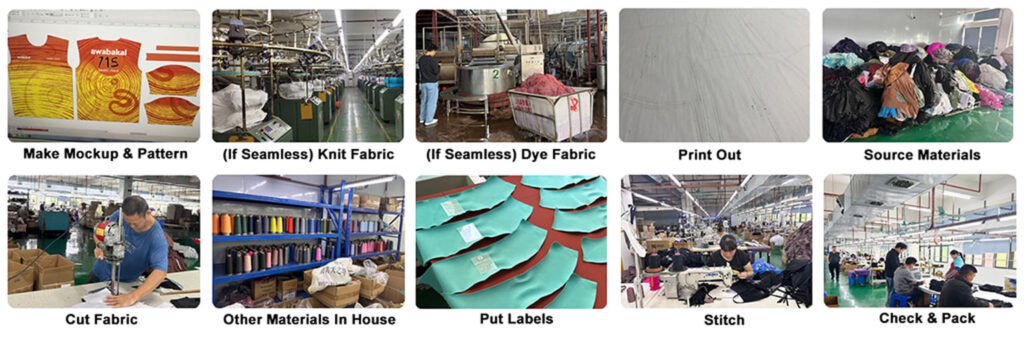
Summary
Over the past decade, China’s activewear manufacturing industry has transformed from a production-driven sector into a globally recognized innovation ecosystem. Rather than competing primarily on labor costs, manufacturers now differentiate themselves through technical product development, advanced textile engineering, sustainable manufacturing, and integrated supply chain capabilities. This evolution enables China to remain one of the world’s leading sourcing destinations for activewear brands despite increasing competition from other manufacturing countries.
Ten years ago, many international buyers selected Chinese manufacturers primarily because of competitive production costs. While pricing remains an important commercial consideration, today’s sourcing decisions are increasingly influenced by product innovation, technical capability, speed to market, and long-term supply chain stability.
This transformation has fundamentally changed how buyers evaluate manufacturing partners. Modern activewear production requires much more than garment assembly. Brands expect suppliers to understand technical fabrics, garment engineering, ergonomic fit, digital product development, environmental compliance, and evolving consumer expectations.
As a result, China’s competitive advantage has gradually shifted from manufacturing scale to manufacturing capability.
From Contract Manufacturing to Product Development Partnerships
Historically, many apparel factories operated under a traditional OEM model. Buyers supplied complete specifications, and manufacturers focused primarily on production.
Today, the relationship between brands and manufacturers has become significantly more collaborative.
Many manufacturers now contribute throughout product development by supporting:
- Fabric recommendations
- Pattern optimization
- Garment construction improvements
- Functional trim selection
- Performance testing suggestions
- Manufacturing feasibility analysis
Instead of acting solely as production facilities, experienced manufacturers increasingly function as technical development partners.
This collaborative approach helps brands shorten development timelines while reducing costly design revisions before production begins.
China’s Manufacturing Clusters Continue to Strengthen Competitive Advantages
One of China’s greatest competitive strengths is the concentration of specialized manufacturing regions.
Rather than distributing suppliers randomly across the country, different cities have gradually developed expertise within particular apparel segments.
| Manufacturing Region | Industry Strength |
|---|---|
| Dongguan | Performance activewear, technical product development, multi-category sportswear |
| Guangzhou | Seamless knitting, compression garments, women’s fitness apparel |
| Xiamen | Export-oriented activewear manufacturing |
| Hangzhou | Functional textiles, apparel sourcing, technical fabrics |
| Quanzhou | Sportswear production ecosystem |
| Ningbo | Outdoor performance apparel and technical materials |
.
These industrial clusters create close collaboration between:
- Fabric mills
- Trim suppliers
- Printing specialists
- Testing laboratories
- Packaging companies
- Logistics providers
- Apparel manufacturers
Because these businesses operate within highly connected regional ecosystems, product development becomes more efficient while communication across the supply chain improves significantly.
Functional Fabric Innovation Has Become a Competitive Driver
Modern activewear consumers expect garments that deliver much more than basic comfort.
Today’s performance apparel increasingly incorporates technologies such as:
- Moisture management
- Four-way stretch
- Quick drying
- UV protection
- Anti-odor performance
- Compression support
- Lightweight construction
- Recycled fibers
Chinese textile manufacturers have invested heavily in developing advanced performance materials capable of meeting these expectations.
This close relationship between fabric innovation and garment manufacturing enables brands to launch technically differentiated collections without sourcing materials from multiple countries.
As fabric technology continues to evolve, suppliers with strong textile partnerships become increasingly valuable to activewear brands seeking competitive advantages.
Manufacturing Automation Is Improving Quality Consistency
Automation is changing apparel manufacturing, but not in the way many buyers expect.
Rather than replacing skilled workers, automation is increasingly used to improve precision, consistency, and production efficiency.
Examples include:
- Computer-controlled cutting systems
- Digital pattern grading
- Intelligent production scheduling
- Automated fabric spreading
- Real-time production monitoring
- Data-driven quality management
These technologies reduce unnecessary variation while improving repeatability across production batches.
For international brands managing multiple seasonal collections, manufacturing consistency often creates greater commercial value than marginal cost reductions.
Sustainability Is Becoming a Business Requirement
Environmental responsibility has become an increasingly important consideration throughout the global apparel industry.
Many international retailers and consumers now expect greater transparency regarding material sourcing, manufacturing practices, and environmental impact.
As a result, many Chinese manufacturers have expanded their capabilities by incorporating:
- Recycled performance fabrics
- Lower-impact dyeing processes
- Responsible chemical management
- Waste reduction initiatives
- Traceable supply chain systems
- Environmental compliance programs
Although sustainability priorities vary across different markets, manufacturers investing in responsible production practices are generally better positioned to support future regulatory requirements and evolving customer expectations.
The Industry Is Becoming More Specialized
Perhaps the most significant trend over the past decade has been increasing specialization.
Instead of attempting to manufacture every apparel category equally well, many suppliers have chosen to concentrate on specific market segments.
Examples include:
| Product Category | Typical Manufacturer Specialization |
|---|---|
| Yoga Apparel | Women’s premium activewear manufacturers |
| Seamless Activewear | Santoni knitting specialists |
| Tennis Clothing | Technical performance apparel manufacturers |
| Running Wear | Functional sportswear producers |
| Compression Apparel | Engineering-focused manufacturers |
| Plus Size Activewear | Inclusive sizing specialists |
| Maternity Sportswear | Adaptive apparel developers |
| Team Sportswear | Institutional performance suppliers |
.
For buyers, this specialization creates opportunities to identify suppliers whose accumulated experience closely matches their product requirements.
Rather than asking whether a manufacturer can produce a garment, buyers should ask whether that manufacturer has developed long-term expertise within that specific product category.
Industry Outlook
Looking ahead, China’s activewear manufacturing industry is expected to continue evolving through investments in:
- Artificial intelligence
- Digital product development
- Sustainable material innovation
- Manufacturing automation
- Supply chain transparency
- Performance textile engineering
Manufacturers capable of integrating these capabilities into their operations are likely to strengthen their competitiveness within international markets.
For buyers, the future of sourcing will increasingly depend on identifying manufacturing partners that combine technical expertise with adaptability, innovation, and long-term strategic thinking.
Why Does China Continue to Lead Global Activewear Clothing Manufacturing?
Summary
China continues to lead global activewear clothing manufacturing because it combines one of the world’s most complete textile supply chains with decades of production experience, technical innovation, and export expertise. While manufacturing costs have increased over time, buyers increasingly recognize that China’s greatest advantage lies in product development efficiency, manufacturing specialization, material availability, and long-term supply chain reliability rather than low labor costs alone.
Global manufacturing has changed significantly over the past decade.
Countries such as Vietnam, Indonesia, Bangladesh, India, and Türkiye have expanded their garment industries, creating more sourcing options for international brands. Despite this growing competition, China remains the primary sourcing destination for many of the world’s leading sportswear companies.
The reason is simple:
Today’s activewear products have become technically more demanding than ever before.
Modern sportswear is no longer basic apparel. Brands increasingly require garments that combine performance fabrics, ergonomic pattern engineering, functional trims, advanced sewing techniques, sustainable materials, and consistent quality across multiple production cycles.
These requirements favor manufacturing ecosystems capable of supporting complex product development rather than simple garment assembly.
China’s Integrated Supply Chain Reduces Development Time
One of China’s greatest competitive advantages is the depth of its manufacturing ecosystem.
Within a relatively small geographic area, buyers can access:
- Performance fabric mills
- Elastic manufacturers
- Zipper and trim suppliers
- Digital printing facilities
- Embroidery specialists
- Seamless knitting factories
- Testing laboratories
- Packaging companies
- International logistics providers
Instead of sourcing these resources across multiple countries, manufacturers often work within highly connected regional clusters.
For buyers, this integration creates several commercial advantages:
- Faster product development
- Better communication between suppliers
- Shorter material sourcing cycles
- More efficient problem solving
- Improved production coordination
Rather than functioning as isolated factories, manufacturers operate within complete industrial ecosystems capable of supporting increasingly complex activewear collections.
Technical Expertise Creates Higher Product Value
The technical complexity of activewear has increased dramatically.
Consumers now expect garments that combine:
- Moisture management
- Breathability
- Four-way stretch
- Compression support
- Lightweight construction
- Shape retention
- Durability
- Sustainable materials
Delivering these performance characteristics requires far more than sewing capability.
Manufacturers must understand:
- Fabric behavior
- Pattern engineering
- Garment construction
- Material compatibility
- Functional testing
- Production consistency
Many international brands also specify materials certified under OEKO-TEX® STANDARD 100 when evaluating textile safety, consumer protection, and product quality. China’s activewear industry has accumulated decades of experience across these disciplines, enabling manufacturers to support increasingly sophisticated product development.
For buyers launching premium collections, this technical knowledge often creates more commercial value than lower production costs alone.
Specialized Manufacturing Improves Product Quality
Another reason China continues to lead the industry is increasing specialization.
Rather than producing every type of sportswear equally well, many manufacturers now focus on particular product segments.
Examples include:
| Product Category | Typical Area of Expertise |
|---|---|
| Yoga Apparel | Premium stretch fabrics and ergonomic fit |
| Seamless Activewear | Advanced circular knitting technologies |
| Tennis Clothing | Lightweight performance construction |
| Running Apparel | Functional fabric integration |
| Compression Wear | Technical panel engineering |
| Plus Size Activewear | Inclusive grading systems |
| Maternity Sportswear | Adaptive garment construction |
| Team Sportswear | Repeat production consistency |
.
This specialization enables buyers to select suppliers whose technical expertise closely matches their product strategy.
Instead of asking:
“Can this factory make our product?”
Professional buyers increasingly ask:
“How much experience does this manufacturer have developing products like ours?”
The difference between those two questions often determines the success of an entire sourcing project.
China’s Innovation Ecosystem Continues to Expand
Innovation within China’s activewear industry now extends well beyond manufacturing equipment.
Many suppliers invest continuously in:
- Functional textile research
- Digital product development
- Automated production systems
- Sustainable manufacturing practices
- Quality management technologies
- Product engineering
These investments allow manufacturers to respond more quickly to changing consumer expectations while supporting brands seeking differentiated product collections.
Rather than competing through production volume alone, many leading manufacturers now compete through technical capability and continuous innovation.
Export Experience Reduces Commercial Risk
International sourcing requires more than manufacturing expertise.
Experienced export manufacturers generally understand:
- Product compliance requirements
- Country-specific labeling regulations
- Third-party inspections
- Packaging specifications
- Shipping documentation
- International communication practices
For overseas buyers, this accumulated export experience reduces commercial uncertainty throughout the sourcing process.
Manufacturers familiar with global markets often anticipate compliance requirements before they become production problems, contributing to smoother project execution.
Manufacturing Capability Has Replaced Labor Cost as China’s Competitive Advantage
Perhaps the most important industry change over the past decade is the shift away from cost-driven competition.
Although manufacturing costs have increased, buyers increasingly evaluate suppliers according to:
- Product quality
- Development capability
- Supply chain stability
- Technical expertise
- Innovation capacity
- Communication efficiency
- Long-term partnership potential
These factors influence the total cost of sourcing far more than garment price alone.
A supplier capable of reducing product revisions, improving quality consistency, and shortening development cycles may create greater commercial value than a manufacturer offering a lower initial quotation.
Looking Beyond Price Creates Better Long-Term Results
One of the most common procurement mistakes is assuming that the lowest quotation automatically represents the best sourcing decision.
In reality, successful brands increasingly evaluate manufacturers based on total sourcing value, which includes:
- Product consistency
- Development efficiency
- Technical support
- Communication quality
- Supply chain resilience
- Long-term scalability
These characteristics become increasingly important as brands expand product categories, enter new markets, and build more sophisticated activewear collections.
For many businesses, choosing the right manufacturing partner therefore becomes less about reducing today’s production cost and more about strengthening tomorrow’s competitive advantage.
Buyer Insight
China continues to lead global activewear clothing manufacturing not because it offers the lowest production costs, but because it provides one of the world’s most complete ecosystems for technical product development, integrated supply chains, and scalable manufacturing.
For buyers seeking long-term manufacturing partners, the greatest value often comes from working with suppliers capable of supporting product innovation, efficient collaboration, and sustainable business growth rather than focusing solely on short-term purchasing costs.
What Should Buyers Compare Before Shortlisting Activewear Clothing Manufacturers?
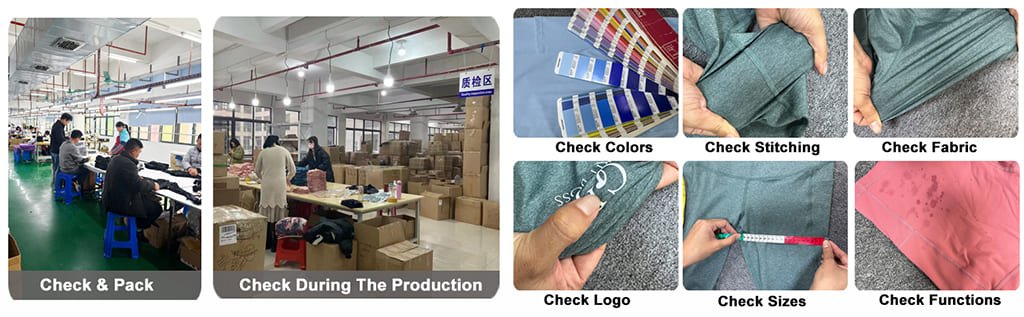
Summary
Creating a supplier shortlist is one of the most important stages of the sourcing process. Rather than comparing manufacturers primarily by price or production capacity, experienced buyers evaluate suppliers using consistent commercial criteria, including product specialization, export experience, innovation capability, communication quality, operational stability, and long-term strategic fit. A structured comparison framework reduces sourcing risk while increasing the likelihood of building productive long-term manufacturing partnerships.
One of the biggest misconceptions in apparel sourcing is that the evaluation process begins after requesting quotations.
In reality, experienced procurement professionals begin comparing manufacturers before the first inquiry is ever sent.
A well-prepared shortlist saves time, reduces unnecessary communication, and helps buyers focus only on suppliers whose capabilities genuinely match their business objectives.
Instead of asking:
“Which manufacturer offers the lowest quotation?”
Professional buyers usually ask:
“Which manufacturers deserve to be included on our shortlist?”
These are two very different questions, and they often lead to very different sourcing outcomes.
Product Specialization Matters More Than Factory Size
Many buyers assume larger factories automatically produce better products.
In practice, this is rarely true.
Activewear has become increasingly specialized, requiring manufacturers to develop technical expertise within specific product categories.
For example, a company producing high-quality seamless leggings may have limited experience developing tennis apparel or maternity sportswear. Likewise, a manufacturer specializing in commercial gym wear may not possess the technical pattern engineering required for equestrian riding apparel.
Before contacting any supplier, buyers should first compare whether the manufacturer’s expertise aligns with the intended product category.
Questions worth asking include:
- Does the supplier regularly manufacture products similar to ours?
- Is the product category a core business or a secondary offering?
- Has the manufacturer demonstrated long-term experience within this segment?
- Does the company continue investing in product innovation?
Matching specialization with product requirements usually creates better commercial results than selecting the largest factory.
Evaluate Industry Position Instead of Marketing Claims
Manufacturers often describe themselves using similar promotional language.
Common descriptions include:
- Professional Manufacturer
- Leading Factory
- OEM & ODM Expert
- Premium Supplier
- One-Stop Solution
While these statements provide useful introductions, they rarely help buyers understand how suppliers differ from one another.
Instead, procurement teams should evaluate a manufacturer’s actual position within the market.
For example:
| Market Position | Typical Characteristics |
|---|---|
| Premium Innovation Supplier | Technical fabrics, high product differentiation, advanced development capability |
| Commercial Manufacturing Partner | Broad product coverage, stable production, repeat-order consistency |
| Seamless Specialist | Advanced knitting technology and body-contouring apparel |
| Performance Sportswear Manufacturer | Technical construction and functional garment engineering |
| Multi-Category Product Developer | Broad expertise across several sportswear segments |
Understanding a supplier’s positioning helps buyers compare manufacturers more objectively while avoiding decisions based solely on marketing materials.
Export Experience Reduces Procurement Risk
Manufacturing capability alone does not guarantee successful international cooperation.
Export-oriented suppliers generally possess experience with:
- International product standards
- Country-specific labeling regulations
- Third-party inspection procedures
- Retail packaging requirements
- Commercial documentation
- Global logistics coordination
This accumulated experience reduces operational uncertainty throughout the sourcing process.
For overseas brands, export capability often contributes as much to project success as manufacturing expertise itself.
Communication Quality Reflects Internal Management
Communication is frequently underestimated during supplier evaluation.
However, experienced buyers often view communication quality as an indicator of internal operational maturity.
Professional manufacturers typically provide:
- Clear technical responses
- Organized quotations
- Structured development schedules
- Transparent progress updates
- Practical product recommendations
- Early identification of potential production challenges
Good communication reduces misunderstandings, accelerates development, and strengthens long-term collaboration.
Rather than evaluating how quickly suppliers reply, buyers should consider how clearly they communicate.
Innovation Capability Indicates Future Competitiveness
The activewear market changes rapidly.
Manufacturers that continuously invest in innovation are generally better positioned to support future product development.
Examples include:
- Functional fabric research
- Digital product development
- Sustainable materials
- Manufacturing automation
- Technical garment engineering
- Pattern optimization
Innovation should not be viewed solely as new machinery.
It also reflects a manufacturer’s willingness to improve products, processes, and customer collaboration over time.
Supply Chain Integration Creates Operational Efficiency
A manufacturer’s capabilities extend beyond its own production facility.
Strong suppliers usually maintain close relationships with:
- Fabric mills
- Trim suppliers
- Printing companies
- Embroidery specialists
- Testing laboratories
- Packaging providers
- Logistics partners
These integrated supply networks improve development efficiency while reducing delays caused by fragmented sourcing.
For brands launching multiple collections each year, supply chain integration often becomes a significant competitive advantage.
Long-Term Business Compatibility Matters More Than Initial Quotations
Many sourcing decisions focus heavily on the first purchase order.
However, activewear brands rarely remain static.
As businesses grow, they often introduce:
- New product categories
- Additional sales channels
- International market expansion
- Higher quality expectations
- Sustainability initiatives
Manufacturers capable of adapting alongside these changes often become valuable long-term strategic partners.
Rather than asking whether a supplier can support today’s project, buyers should also consider whether that supplier can support tomorrow’s business.
Buyer Evaluation Checklist
Before contacting manufacturers, procurement teams may find it helpful to review suppliers using a structured evaluation checklist.
| Evaluation Criteria | Why It Matters | Priority |
|---|---|---|
| Product Specialization | Improves product quality and development efficiency | ★★★★★ |
| Industry Position | Clarifies supplier strengths | ★★★★★ |
| Export Experience | Reduces international sourcing risk | ★★★★★ |
| Communication Quality | Improves collaboration and execution | ★★★★★ |
| Innovation Capability | Supports future product development | ★★★★☆ |
| Supply Chain Integration | Improves operational efficiency | ★★★★☆ |
| Sustainability Commitment | Supports evolving compliance requirements | ★★★★☆ |
| Business Stability | Indicates long-term partnership potential | ★★★★★ |
.
No single manufacturer will achieve the highest score in every category. The objective is to identify suppliers whose strengths align most closely with the brand’s sourcing priorities, product roadmap, and long-term commercial strategy.
Buyer Insight
The strongest sourcing decisions rarely result from comparing prices alone. They come from comparing capabilities, specialization, communication, and long-term strategic fit. By applying a consistent evaluation framework before contacting suppliers, buyers can create shorter, more relevant shortlists, reduce procurement risk, and build manufacturing partnerships that support sustainable business growth.
Which Types of Activewear Clothing Are Different Manufacturers Best At?
Summary
Although many activewear clothing manufacturers offer broad product portfolios, most develop deeper expertise within specific product categories over time. Product specialization influences garment construction, pattern engineering, fabric selection, manufacturing efficiency, and overall product quality. Understanding these differences helps buyers select suppliers whose technical strengths align with their collection rather than assuming every manufacturer performs equally across all activewear products. Buyers comparing manufacturers across different product categories can also review a complete overview of Custom Sportswear Product Categories to better understand how various apparel segments are typically organized before creating a supplier shortlist.
The term “activewear” covers a remarkably diverse range of apparel.
To consumers, activewear may simply refer to clothing designed for exercise. For manufacturers, however, each product category involves unique technical requirements, production methods, and quality standards.
A seamless sports bra requires completely different machinery than a woven tennis skirt. Likewise, maternity leggings demand different pattern grading principles from compression tights designed for endurance athletes.
As the industry has matured, many manufacturers have intentionally focused on specific product categories where they have accumulated experience, specialized equipment, and long-term customer relationships.
For buyers, recognizing these specializations can significantly improve supplier selection and reduce development risks.
Yoga Apparel
Yoga apparel remains one of the largest segments within the activewear industry.
Consumers expect garments that combine:
- Exceptional stretch recovery
- Soft hand feel
- Lightweight comfort
- Moisture management
- Shape retention
- Minimal seam irritation
Manufacturers specializing in yoga apparel typically possess extensive experience working with premium stretch fabrics, flatlock construction, ergonomic panel design, and body-contouring silhouettes.
These suppliers are generally well suited for brands targeting studio fitness, wellness, and premium athleisure markets.
Gym Wear
Gym wear emphasizes durability and versatility across a wide range of training activities.
Compared with yoga apparel, gym clothing often requires greater resistance to abrasion, repeated stretching, and intensive washing.
Typical products include:
- Training T-shirts
- Gym Shorts
- Tank Tops
- Hoodies
- Performance Joggers
- Lightweight Jackets
Manufacturers serving this segment generally focus on scalable commercial production while maintaining consistent product quality across multiple core categories.
Running Apparel
Running apparel presents different engineering challenges.
Consumers prioritize:
- Lightweight construction
- Ventilation
- Sweat management
- Reflective details
- Freedom of movement
- Reduced garment weight
Manufacturers experienced in running apparel often work extensively with technical woven fabrics, engineered mesh, laser-cut ventilation, and ergonomic garment construction.
These suppliers typically invest more heavily in performance testing and functional garment development than manufacturers producing general fitness apparel.
Tennis Clothing
Tennis apparel combines athletic performance with refined aesthetics.
Unlike many other sportswear categories, tennis garments must maintain a polished appearance while supporting rapid multidirectional movement.
Typical products include:
- Tennis Dresses
- Performance Polo Shirts
- Tennis Skirts
- Shorts
- Jackets
- Warm-up Apparel
Manufacturers specializing in tennis apparel usually possess stronger experience with structured garment construction, premium finishing techniques, and lightweight technical fabrics.
Because of these requirements, tennis clothing often demands higher pattern accuracy than standard activewear products.
Seamless Activewear
Seamless activewear represents one of the most technically specialized areas within sportswear manufacturing.
Rather than assembling garments through traditional cut-and-sew methods, seamless products are produced using advanced circular knitting technologies that integrate multiple functional zones into a single knitted structure.
Typical features include:
- Compression panels
- Ribbed support structures
- Ventilation zones
- Sculpting silhouettes
- Reduced seam irritation
Manufacturers serving this category generally operate specialized knitting equipment and employ technical teams experienced in seamless garment engineering.
Not every activewear manufacturer possesses these capabilities.
Plus Size Activewear
Inclusive sizing requires much more than enlarging standard garment patterns.
Well-designed plus size activewear must consider:
- Body proportion changes
- Movement comfort
- Waist stability
- Fabric recovery
- Panel engineering
- Fit consistency across size ranges
Manufacturers experienced in inclusive sizing invest significant effort into grading systems and fit testing across multiple body types.
Brands entering this market often benefit from suppliers that have accumulated long-term expertise within plus size product development rather than adapting standard-size collections.
Maternity Sportswear
Maternity activewear requires adaptive garment construction that changes throughout pregnancy while maintaining comfort and functionality.
Unlike conventional leggings or tops, maternity garments must accommodate body transformation without restricting movement or compromising support.
Key design considerations include:
- Stretch panel placement
- Belly support systems
- Soft waistband engineering
- Breathable fabrics
- Flexible fit progression
Manufacturers specializing in maternity sportswear often combine technical pattern development with extensive wear testing to ensure garments remain comfortable throughout different stages of pregnancy.
Compression Apparel
Compression garments represent one of the most technically demanding activewear categories.
Consumers expect products that provide:
- Graduated compression
- Muscle support
- Moisture management
- Shape retention
- Recovery benefits
- Long-term durability
Manufacturing these garments requires precise fabric selection, engineered panel placement, and strict production consistency.
Brands targeting endurance sports or professional athletes generally benefit from suppliers possessing specialized compression apparel experience.
Team Sportswear
Team sportswear differs significantly from consumer activewear.
Instead of focusing solely on individual performance, manufacturers must also support:
- Consistent repeat production
- Team color management
- Numbering systems
- Sponsor branding
- Long-term style continuity
Schools, sports clubs, and institutional buyers often prioritize manufacturing stability and repeatability over rapid seasonal fashion updates.
Suppliers serving this segment typically maintain stronger quality control systems for standardized production.
Athleisure
Athleisure continues to bridge the gap between fashion and functional sportswear.
Consumers increasingly expect apparel suitable for both exercise and everyday wear.
Successful athleisure manufacturers combine:
- Fashion-forward design
- Comfortable performance fabrics
- Relaxed silhouettes
- Premium finishing
- Lifestyle branding
Compared with technical performance apparel, athleisure production often places greater emphasis on aesthetics, trend responsiveness, and retail presentation.
Matching Product Categories With Manufacturer Expertise
The following framework provides a practical reference for aligning product requirements with manufacturer specialization.
| Product Category | Manufacturer Type Most Commonly Suited |
|---|---|
| Yoga Apparel | Premium yoga apparel specialist |
| Gym Wear | Commercial activewear manufacturer |
| Running Apparel | Technical performance apparel supplier |
| Tennis Clothing | Technical sportswear manufacturer |
| Seamless Activewear | Seamless knitting specialist |
| Plus Size Activewear | Inclusive sizing specialist |
| Maternity Sportswear | Adaptive apparel manufacturer |
| Compression Apparel | Technical engineering specialist |
| Team Sportswear | Institutional sportswear supplier |
| Athleisure | Lifestyle activewear manufacturer |
Buyer Insight
One of the most common sourcing mistakes is assuming that every activewear clothing manufacturer can produce every product category to the same standard.
In reality, manufacturers develop expertise through years of experience within specific market segments. Selecting a supplier whose technical strengths align with the intended product category usually results in better product quality, shorter development cycles, and more efficient communication throughout the sourcing process.
Rather than asking “Can this manufacturer make our products?”, buyers should ask:
“Is this the type of product this manufacturer has become genuinely good at over many years?”
The answer to that question often determines whether a sourcing partnership becomes a short-term transaction or a long-term competitive advantage. Buyers comparing manufacturers across different product categories may also find it helpful to explore a complete overview of Sportswear Product Categories, making it easier to understand how different apparel segments are typically organized before creating a supplier shortlist.
China vs Vietnam vs Indonesia vs Bangladesh: Which Manufacturing Hub Is Right for Your Brand?
Summary
China, Vietnam, Indonesia and Bangladesh rank among the world’s top apparel manufacturing hubs, yet each caters to distinct sourcing requirements. Bangladesh stays highly cost-competitive for basic, large-volume apparel, while Vietnam keeps expanding its export-focused manufacturing industry. Thanks to its integrated supply chains, sophisticated textile infrastructure, expertise in technical product development and wide-ranging manufacturing specializations, China retains its leading edge in activewear. Ultimately, the optimal sourcing location hinges on product complexity, business maturity, quality standards and long-term growth targets.
Global apparel sourcing has become increasingly diversified over the past decade. Rising labor costs, changing trade policies, and supply chain disruptions have encouraged many brands to evaluate manufacturing opportunities across multiple countries instead of relying on a single sourcing destination.
For activewear brands, however, choosing a manufacturing country requires much more than comparing labor costs. Performance apparel involves technical fabrics, specialized construction methods, functional trims, and continuous product development. These requirements make manufacturing capability just as important as production cost.
Rather than asking “Which country is cheapest?”, experienced buyers often ask:
“Which country offers the strongest combination of capability, reliability, and long-term value for our products?”
China: Best for Technical Product Development and Multi-Category Manufacturing
China remains the most comprehensive sourcing destination for activewear brands because of its mature manufacturing ecosystem.
Rather than relying on a single production facility, buyers benefit from a complete industrial network that includes:
- Functional fabric manufacturers
- Elastic and trim suppliers
- Digital printing companies
- Embroidery specialists
- Testing laboratories
- Packaging suppliers
- International logistics providers
This integrated ecosystem allows manufacturers to collaborate efficiently throughout product development.
China is particularly well suited for brands producing:
- Technical activewear
- Premium yoga apparel
- Tennis clothing
- Seamless collections
- Plus size activewear
- Maternity sportswear
- Compression apparel
- Multi-category sportswear programs
For brands planning continuous product innovation and category expansion, China’s manufacturing infrastructure remains difficult to replicate.
Vietnam: Strong for Stable Production Programs
Vietnam has become one of the world’s largest garment exporters and continues to attract international brands seeking competitive manufacturing costs.
The country performs particularly well in:
- Cut-and-sew garment production
- Long-term production programs
- International apparel exports
- Mid- to large-volume manufacturing
Many Vietnamese factories have established relationships with global fashion and sportswear brands, contributing to consistent manufacturing standards.
However, compared with China, Vietnam generally offers a smaller domestic textile ecosystem. Buyers may rely more heavily on imported materials for certain technical products, which can influence product development flexibility and sourcing timelines.
Vietnam is often a suitable choice for brands producing established product lines with relatively stable specifications.
Indonesia: Competitive for Selected Performance Apparel Categories
Indonesia has a long history of apparel manufacturing and serves numerous international sportswear companies.
The country’s strengths include:
- Performance apparel manufacturing
- Knitwear production
- Export-oriented garment factories
- Medium- to high-volume manufacturing
Indonesia also benefits from an experienced manufacturing workforce and established relationships with global brands.
For buyers developing standard activewear collections, Indonesia can represent a competitive sourcing option.
However, compared with China, supplier density and textile integration remain more limited, particularly for highly specialized activewear products.
Bangladesh: Ideal for Cost-Efficient High-Volume Basics
Bangladesh has developed one of the world’s largest garment manufacturing industries, particularly within high-volume apparel production.
The country is widely recognized for:
- Basic apparel manufacturing
- Large production capacity
- Cost-efficient labor
- Export-oriented garment factories
For standardized products with limited technical complexity, Bangladesh offers significant commercial advantages.
However, many activewear products require:
- Functional textile development
- Technical garment engineering
- Specialized pattern expertise
- Advanced fabric technologies
These capabilities are generally more mature within China’s activewear manufacturing ecosystem.
Brands developing premium performance apparel should therefore evaluate technical capability alongside production cost.
Comparing the Four Manufacturing Hubs
The following comparison summarizes the strengths of each sourcing destination.
| Evaluation Factor | China | Vietnam | Indonesia | Bangladesh |
|---|---|---|---|---|
| Product Development | ★★★★★ | ★★★☆☆ | ★★★☆☆ | ★★☆☆☆ |
| Functional Fabric Availability | ★★★★★ | ★★★☆☆ | ★★★☆☆ | ★★☆☆☆ |
| Manufacturing Specialization | ★★★★★ | ★★★★☆ | ★★★☆☆ | ★★☆☆☆ |
| Supply Chain Integration | ★★★★★ | ★★★☆☆ | ★★★☆☆ | ★★☆☆☆ |
| Technical Sportswear | ★★★★★ | ★★★☆☆ | ★★★★☆ | ★★☆☆☆ |
| Cost Competitiveness | ★★★☆☆ | ★★★★☆ | ★★★★☆ | ★★★★★ |
| Production Flexibility | ★★★★★ | ★★★☆☆ | ★★★☆☆ | ★★☆☆☆ |
| Sustainability Development | ★★★★☆ | ★★★★☆ | ★★★☆☆ | ★★★☆☆ |
Which Country Is Best for Different Business Models?
Different sourcing strategies require different manufacturing strengths.
The following framework can help buyers align sourcing destinations with commercial objectives.
| Business Goal | Recommended Country |
|---|---|
| Launching a premium activewear brand | China |
| Building multi-category collections | China |
| Developing seamless activewear | China |
| Producing technical performance apparel | China |
| Manufacturing stable, established product lines | Vietnam |
| Producing medium-volume sportswear collections | Indonesia |
| Manufacturing basic, high-volume apparel | Bangladesh |
| Expanding long-term product innovation | China |
Beyond Cost: Why Total Sourcing Value Matters
One of the most common sourcing mistakes is comparing countries only by manufacturing cost.
The true cost of sourcing also includes:
- Product development efficiency
- Sample revision frequency
- Material availability
- Quality consistency
- Communication effectiveness
- Supply chain resilience
- Delivery reliability
- Long-term innovation capability
A supplier offering a lower garment price may ultimately generate higher overall sourcing costs if repeated revisions, delayed development, or inconsistent quality affect product launches.
For this reason, experienced buyers increasingly evaluate total sourcing value rather than unit price alone.
Buyer Insight
No manufacturing country is universally superior for every sourcing project. China, Vietnam, Indonesia, and Bangladesh each offer distinct advantages depending on business priorities.
For brands developing technically advanced activewear, premium product collections, or multi-category performance apparel, China continues to provide one of the industry’s strongest manufacturing ecosystems. Brands producing standardized garments in large volumes may find that other sourcing destinations better match their commercial objectives.
The most successful sourcing strategies therefore begin by defining product requirements first and selecting the manufacturing location that best supports those long-term business goals rather than choosing solely on production cost.
What Procurement Risks Should Buyers Watch Before Choosing an Activewear Clothing Manufacturer?
Summary
Choosing an activewear manufacturer entails far more than simply comparing pricing, product ranges and production output. Many sourcing challenges surface well ahead of production, as buyers fail to assess operational, technical and commercial risks when vetting suppliers. Early risk identification paired with a systematic evaluation framework enables brands to make better supplier choices, mitigate unplanned expenses, and build more robust, long-term manufacturing partnerships.
Choosing the wrong manufacturing partner rarely leads to immediate failure.
Instead, problems usually develop gradually.
A supplier may deliver acceptable samples but struggle with production consistency. Communication may appear smooth during negotiations but become inefficient once production begins. Technical expertise may be sufficient for one product category but inadequate for future collection expansion.
These issues often become visible only after significant time and financial resources have already been invested.
Professional sourcing therefore focuses not only on identifying capable manufacturers, but also on identifying potential risks before commercial cooperation begins.
Risk 1: Product Expertise Does Not Match Your Collection
One of the most common sourcing mistakes is assuming that a manufacturer producing activewear automatically possesses expertise across every product category.
In reality, activewear manufacturing has become increasingly specialized.
For example:
- Seamless activewear requires specialized circular knitting technology.
- Tennis apparel demands precise pattern engineering and lightweight performance fabrics.
- Plus size activewear depends on advanced grading systems and fit development.
- Maternity sportswear requires adaptive construction and progressive sizing.
- Compression garments involve engineered panel placement and controlled stretch recovery.
Selecting a supplier outside its area of expertise often results in repeated sample revisions, longer development timelines, and inconsistent product quality.
Buyer Recommendation
Before requesting quotations, confirm whether the product category represents one of the manufacturer’s established strengths rather than an occasional offering.
Risk 2: Communication Appears Fast but Lacks Technical Depth
Fast email responses do not necessarily indicate effective communication.
Professional sourcing depends on the quality of information exchanged rather than response speed alone.
Buyers should evaluate whether manufacturers can provide:
- Clear technical explanations
- Practical garment recommendations
- Accurate interpretation of specifications
- Structured documentation
- Transparent progress reporting
Manufacturers capable of identifying potential production challenges before sampling often demonstrate stronger internal technical capabilities than suppliers providing only general commercial responses.
Buyer Recommendation
Evaluate communication quality during the quotation and sampling stages, not only after production begins.
Risk 3: Supplier Capacity Does Not Match Business Growth
Many brands select manufacturers based solely on current production requirements.
However, activewear businesses often expand rapidly into:
- Additional product categories
- New geographical markets
- Larger seasonal collections
- Omnichannel retail programs
A supplier capable of supporting today’s production volume may not possess the operational resources required for future expansion.
Buyer Recommendation
Assess whether potential suppliers demonstrate continuous investment in manufacturing capability, technical development, and organizational growth.
Risk 4: Supply Chain Stability Is Overlooked
A manufacturer represents only one part of the overall supply chain.
Product quality also depends on the reliability of:
- Fabric suppliers
- Trim manufacturers
- Printing facilities
- Testing laboratories
- Packaging providers
- Logistics partners
Weak supply chain integration increases the likelihood of production delays and inconsistent quality.
Buyer Recommendation
Understand how manufacturers collaborate with upstream suppliers rather than evaluating garment production in isolation.
Risk 5: Short-Term Cost Focus Creates Long-Term Expense
The lowest quotation rarely represents the lowest total sourcing cost.
Hidden costs may include:
- Multiple sample revisions
- Product quality issues
- Delayed deliveries
- Communication inefficiencies
- Product redevelopment
- Missed market opportunities
Over time, these indirect costs often exceed the initial price difference between suppliers.
Buyer Recommendation
Evaluate manufacturers according to total sourcing value, including development efficiency, communication quality, consistency, and long-term collaboration potential.
Risk 6: Compliance Expectations Continue to Increase
Global apparel brands operate within an increasingly complex regulatory environment.
Depending on the target market, buyers may need to verify requirements related to:
- Product safety
- Material traceability
- Environmental responsibility
- Social compliance
- Chemical management
- Packaging regulations
Manufacturers familiar with international compliance frameworks are generally better prepared to support evolving market requirements.
Buyer Recommendation
Verify compliance documentation directly during supplier evaluation rather than assuming all manufacturers maintain identical standards.
Procurement Risk Assessment Checklist
The following checklist provides a practical framework for evaluating supplier risk before commercial cooperation begins.
| Risk Area | Key Question | Priority |
|---|---|---|
| Product Expertise | Does the supplier regularly manufacture similar products? | ★★★★★ |
| Communication | Are technical discussions clear and well documented? | ★★★★★ |
| Supply Chain | Does the manufacturer have stable upstream resources? | ★★★★☆ |
| Innovation | Does the supplier continuously improve products and processes? | ★★★★☆ |
| Export Experience | Can the supplier support international commercial requirements? | ★★★★★ |
| Compliance | Are certifications and documentation independently verifiable? | ★★★★☆ |
| Business Stability | Does the company demonstrate long-term operational development? | ★★★★★ |
| Strategic Compatibility | Can the supplier support future business growth? | ★★★★★ |
Buyer Decision Toolkit
Selecting a manufacturer should follow a structured decision process rather than relying on intuition.
The following framework summarizes a practical evaluation sequence.
Define Product Category
          │
          ▼
Identify Manufacturers Specializing in That Category
          │
          ▼
Evaluate Product Expertise and Market Position
          │
          ▼
Assess Communication and Technical Capability
          │
          ▼
Review Supply Chain and Export Experience
          │
          ▼
Compare Long-Term Business Compatibility
          │
          ▼
Create Final Supplier Shortlist
This process encourages buyers to evaluate suppliers systematically while reducing the influence of marketing claims or initial pricing alone.
Final Buyer Insight
Successful sourcing is not about eliminating every possible risk—it is about recognizing the risks that matter most before production begins.
Manufacturers differ in product specialization, technical capability, operational maturity, and long-term strategic fit. By evaluating these dimensions consistently, buyers can build stronger supplier relationships, reduce procurement uncertainty, and create more resilient supply chains that support future business growth.
Rather than asking “Which manufacturer offers the lowest quotation?”, experienced sourcing professionals ask a more valuable question:
“Which manufacturer is most likely to help our brand succeed over the next five years?”
The answer to that question often determines whether a supplier becomes a short-term vendor or a long-term strategic partner.
How Is AI and Sustainability Reshaping Activewear Clothing Manufacturing?
Summary
Artificial intelligence, digital product development, and sustainability are transforming the competitive landscape of China’s activewear manufacturing industry. Buyers are no longer selecting suppliers based solely on production capacity or pricing. Increasingly, they evaluate manufacturers according to their ability to shorten development cycles, improve product consistency, support responsible sourcing, and respond quickly to changing consumer demand. These capabilities are becoming important differentiators across the industry.
The activewear industry has entered a period where speed, precision, and sustainability influence purchasing decisions as much as product quality. Consumers expect brands to launch new collections more frequently while maintaining consistent fit, performance, and environmental responsibility.
To meet these expectations, many Chinese manufacturers have shifted their investments from simply expanding production capacity to improving product development efficiency and manufacturing intelligence. This transition is gradually changing how brands evaluate manufacturing partners.
Digital Product Development Is Accelerating Collection Launches
Traditional garment development often required multiple physical samples before final approval. Today, many manufacturers have introduced digital workflows that reduce unnecessary revisions and improve communication between design teams and production departments.
Examples include:
- Digital pattern development
- Virtual fitting simulations
- Digital fabric libraries
- Electronic technical documentation
- Cloud-based product approval systems
These technologies allow brands to identify design issues earlier, helping reduce development time while improving consistency throughout production.
For buyers managing multiple seasonal launches, manufacturers that embrace digital development often provide greater operational efficiency than suppliers relying entirely on traditional sampling methods.
Automation Is Improving Manufacturing Consistency
Automation does not replace craftsmanship in apparel manufacturing, but it significantly improves consistency across repetitive production processes.
Modern production facilities increasingly incorporate:
- Automated fabric spreading
- Computer-controlled cutting systems
- Intelligent sewing assistance
- Digital production scheduling
- Real-time quality monitoring
Rather than increasing production volume alone, these technologies contribute to improved repeatability, lower defect rates, and more predictable production outcomes.
For international buyers, manufacturing consistency often delivers greater long-term value than incremental cost savings.
Sustainability Has Become a Commercial Requirement
Sustainability is no longer viewed only as a marketing initiative. Many retailers, distributors, and consumers now expect brands to demonstrate responsible sourcing practices throughout their supply chains.
Manufacturers increasingly support these expectations through:
- Recycled performance fabrics
- Water-saving dyeing technologies
- Responsible chemical management
- Waste reduction programs
- Traceable material sourcing
- Environmental compliance systems
Many global brands also follow research and guidance published by Textile Exchange when evaluating recycled fibers, preferred materials, and responsible sourcing strategies for future product development. As sustainability standards continue to evolve, manufacturers capable of supporting responsible sourcing strategies may provide brands with greater long-term competitiveness.
Faster Innovation Supports More Competitive Brands
Consumer preferences within activewear continue to evolve rapidly.
Manufacturers capable of responding efficiently to trends in:
- Functional textiles
- Inclusive sizing
- Technical performance
- Fashion-driven silhouettes
- Outdoor performance apparel
- Athleisure
can help brands remain competitive without rebuilding their supplier networks each season.
Innovation therefore extends beyond product design—it also reflects how efficiently manufacturers adapt to changing market demand.
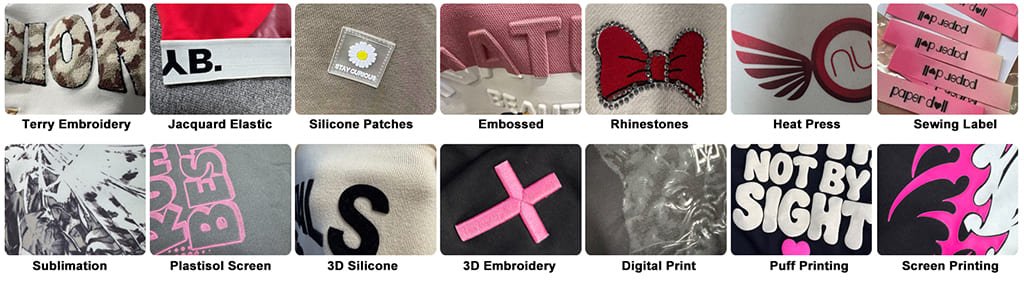

What Can Buyers Learn From the Top 10 Manufacturers?
Summary
Although the manufacturers featured in this guide differ in product focus and market positioning, they share several characteristics that consistently contribute to long-term business success. Understanding these common strengths helps buyers evaluate future suppliers using practical criteria rather than relying on promotional claims.
After reviewing the ten manufacturers included in this guide, several patterns become clear.
The most competitive suppliers rarely attempt to manufacture every type of garment equally well. Instead, they establish clear product specialization while continuously improving technical capability within their chosen market segments.
Successful manufacturers also demonstrate long-term investment in product development, supply chain management, and international business operations rather than relying solely on low-cost production.
Common Characteristics of Strong Manufacturers
The strongest suppliers generally demonstrate several shared qualities:
- Clearly defined product specialization
- Stable export experience
- Continuous product innovation
- Strong communication practices
- Mature supplier networks
- Consistent manufacturing systems
- Long-term customer relationships
These characteristics often provide a stronger indication of future performance than production capacity alone.
Product Specialization Creates Better Results
One important observation is that manufacturers performing well internationally typically avoid trying to become experts in every apparel category.
Instead, they concentrate on areas where they possess technical knowledge and accumulated manufacturing experience.
Examples include:
- Seamless activewear
- Technical performance apparel
- Premium yoga wear
- Team sportswear
- Inclusive activewear
- Multi-category sportswear development
For buyers, selecting manufacturers whose expertise aligns with product requirements usually reduces development complexity while improving commercial outcomes.
Long-Term Collaboration Delivers Greater Value
Another consistent pattern among leading manufacturers is their emphasis on long-term cooperation rather than individual production orders.
As brands continue working with the same manufacturing partners, suppliers gain deeper understanding of:
- Product specifications
- Brand standards
- Consumer expectations
- Quality requirements
- Collection planning
This accumulated knowledge often contributes to faster product development and greater consistency over time.
Final Buyer Decision Framework
Selecting an activewear clothing manufacturer should begin with a clear understanding of business priorities rather than a comparison of quotations.
The following framework summarizes how different sourcing objectives align with different supplier characteristics.
| Business Objective | Recommended Supplier Characteristics |
|---|---|
| Launching a new fitness brand | Flexible development capability and collaborative communication |
| Expanding product categories | Multi-category manufacturing experience |
| Building premium collections | Technical fabric expertise and innovation |
| Developing seamless products | Specialized seamless knitting capability |
| Serving institutional markets | Stable repeat-production systems |
| Growing internationally | Strong export experience and supply chain integration |
.
Rather than asking which manufacturer is universally “best,” buyers should ask which supplier is best equipped to support the next stage of their business growth.
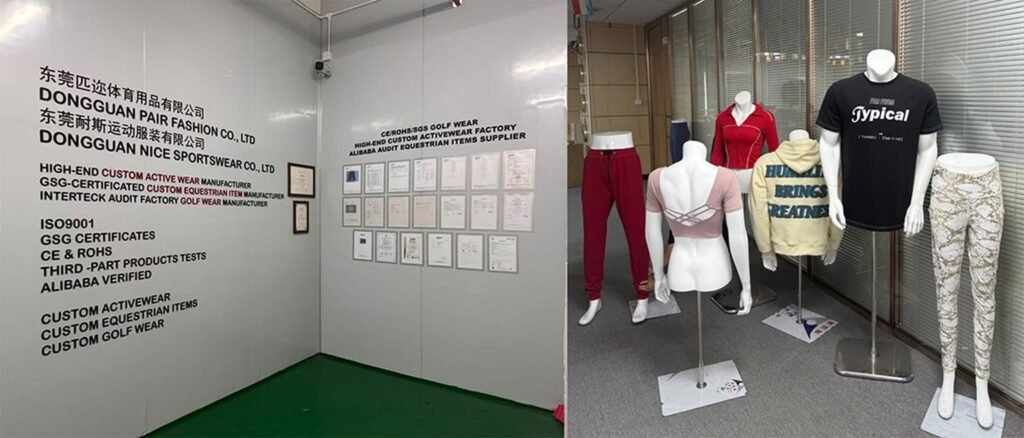
Frequently Asked Questions About Activewear Clothing Manufacturers in China
1. How Many Activewear Clothing Manufacturers Should Buyers Compare Before Making a Decision?
Direct Answer
Most experienced sourcing professionals recommend comparing at least five to ten activewear clothing manufacturers before making a final decision. A broader comparison helps buyers understand differences in product specialization, technical expertise, communication style, quality management, and long-term business compatibility instead of relying on a single quotation or factory presentation.
Comparing multiple suppliers also enables buyers to identify manufacturers that are genuinely experienced in their target product category rather than those offering generalized apparel manufacturing. During the evaluation process, it is useful to compare:
- Product specialization
- Export market experience
- Customer portfolio
- Industry reputation
- Technical capability
- Communication efficiency
- Certifications
- Supply chain maturity
The objective is not simply to identify the lowest quotation but to select the supplier that creates the strongest long-term value for the business.
2. Why Do Some Manufacturers Perform Better in Certain Product Categories?
Direct Answer
Most activewear clothing manufacturers develop expertise within specific product categories over many years. A company specializing in seamless leggings may not possess the same experience in tennis apparel or equestrian clothing, while manufacturers focusing on premium yoga wear may approach product development differently from suppliers serving institutional sportswear programs.
This specialization develops through accumulated technical knowledge, fabric sourcing experience, production equipment, and customer collaboration. Buyers who align product requirements with supplier strengths generally experience fewer development revisions, more consistent quality, and shorter product launch timelines.
3. Should Buyers Choose a Large Factory or a Specialized Manufacturer?
Direct Answer
Factory size should not be the primary selection criterion. A specialized manufacturer with deep expertise in a particular activewear category often delivers better commercial results than a much larger factory producing a broad range of unrelated apparel.
Large factories may offer advantages for standardized high-volume production, while specialized manufacturers are frequently better equipped to support technical product development, niche categories, and premium positioning. The most appropriate choice depends on the complexity of the product and the brand’s long-term strategy rather than production scale alone.
4. Why Do Manufacturing Quotations Differ So Much?
Direct Answer
Different quotations usually reflect differences in materials, product engineering, quality systems, manufacturing processes, certifications, and technical support rather than pricing strategy alone.
Factors influencing quotations include:
- Performance fabric specifications
- Garment construction complexity
- Product testing requirements
- Printing or embellishment techniques
- Compliance standards
- Packaging requirements
- Supply chain organization
Comparing quotations without understanding these variables may result in inaccurate sourcing decisions.
5. Is China Still the Best Country for Activewear Clothing Manufacturing?
Direct Answer
For many brands, China remains one of the strongest manufacturing destinations because of its complete textile ecosystem, technical expertise, mature supply chain, and continuous investment in innovation. While other countries offer competitive advantages in certain areas, China continues to provide one of the broadest combinations of product development capability, material availability, and manufacturing specialization.
The most suitable sourcing country ultimately depends on product complexity, quality expectations, production volume, and commercial priorities.
6. How Often Should Brands Reevaluate Their Manufacturing Partners?
Direct Answer
Supplier evaluation should be an ongoing process rather than a one-time activity. Many professional sourcing teams review supplier performance after every major production cycle and conduct a broader strategic assessment annually.
Regular reviews typically consider:
- Product consistency
- Communication quality
- Delivery performance
- Innovation capability
- Customer service
- Supply chain stability
Continuous evaluation helps brands maintain strong supplier relationships while adapting to changing market conditions.
7. What Are the Biggest Trends Influencing Activewear Manufacturing?
Direct Answer
The activewear manufacturing industry continues to evolve rapidly. Several long-term trends are reshaping product development and supplier capabilities, including:
- Sustainable materials
- Digital product development
- Manufacturing automation
- Technical performance fabrics
- Inclusive sizing
- AI-assisted production planning
- Supply chain transparency
Manufacturers investing in these areas are generally better positioned to support brands seeking long-term competitiveness.
8. What Makes a Manufacturer a Long-Term Strategic Partner?
Direct Answer
A strategic manufacturing partner contributes more than production capacity. The strongest suppliers continuously improve their technical expertise, invest in product innovation, communicate transparently, and adapt alongside their customers’ business growth.
Successful long-term partnerships are built on:
- Mutual trust
- Consistent quality
- Open communication
- Technical collaboration
- Continuous improvement
- Shared commercial objectives
Rather than evaluating suppliers solely on price, brands should consider how well a manufacturer can support future product development and business expansion.

Custom High Waist Pocket Yoga Leggings OEM ODM Workout Pants
Custom High Waist Tennis Skort with Built-In Shorts OEM ODM
Custom High Waist Wide Leg Yoga Pants OEM ODM Athleisure Trousers
Custom High Waist Yoga Leggings OEM ODM Four-Way Stretch Workout Tights
Custom High Waist Yoga Leggings OEM ODM Performance Workout Pants
Custom Hooded Modest Activewear Set OEM ODM Muslim Loungewear
Custom Long Sleeve Modest Sports Tunic OEM ODM Muslim Activewear
Custom Maternity Activewear Romper OEM ODM Pregnancy Workout Jumpsuit
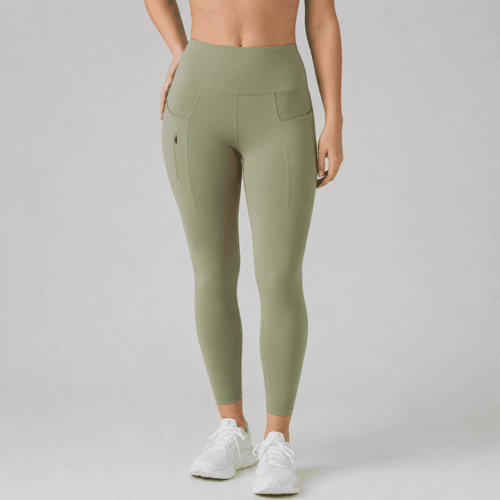
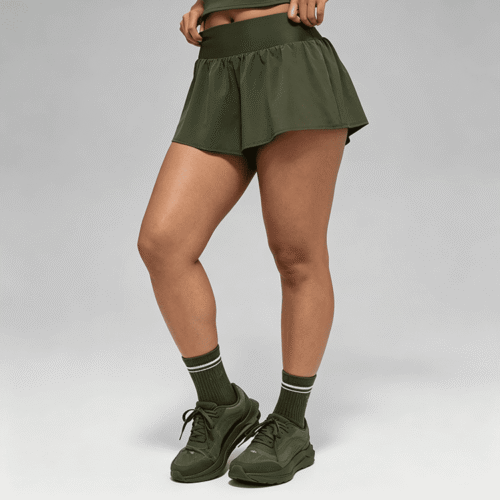
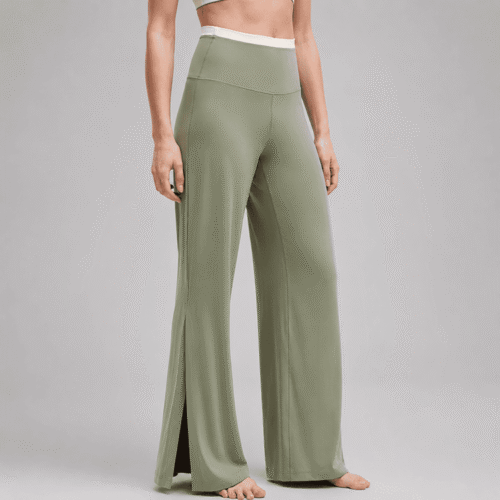
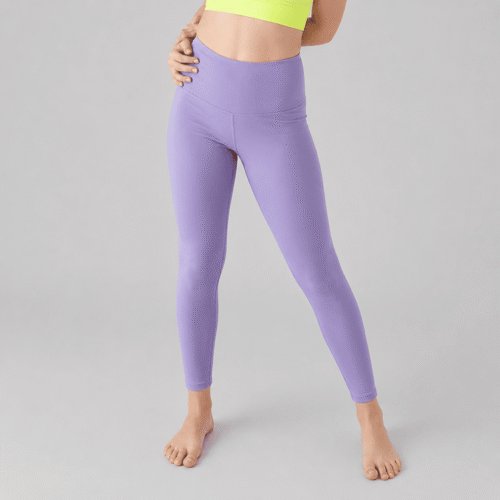
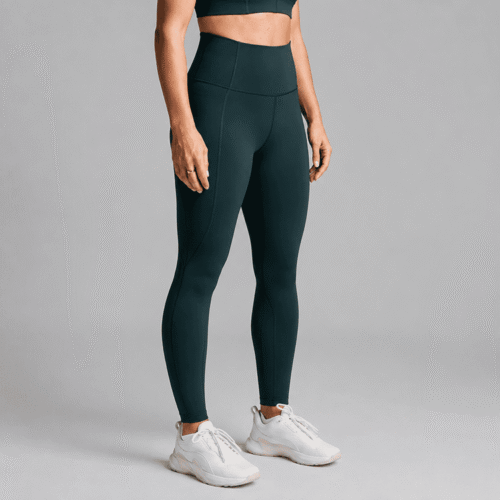
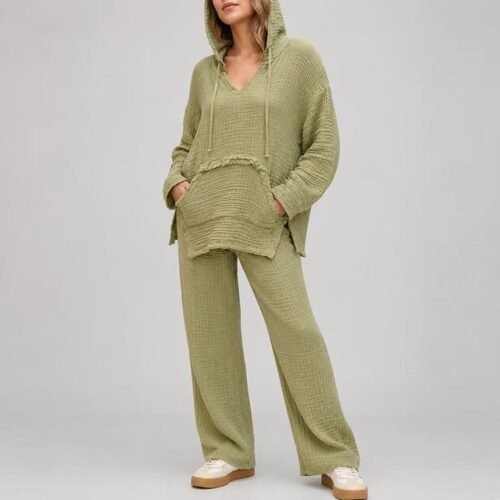
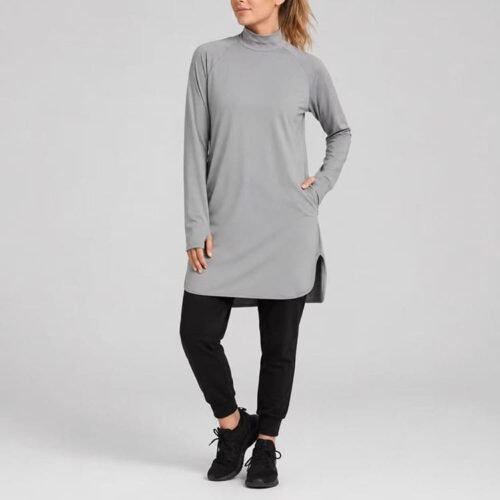
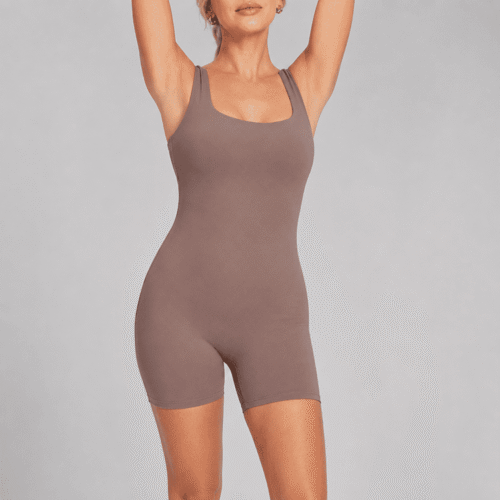
Conclusion
China remains one of the world’s leading destinations for activewear clothing manufacturing because of its highly integrated supply chain, technical expertise, and continuous investment in innovation. However, there is no universal “best” manufacturer for every brand. Each supplier featured in this guide has developed different strengths, whether in seamless technology, premium yoga apparel, commercial sportswear, or multi-category product development.
The most successful sourcing decisions begin with a clear understanding of business objectives rather than factory size or initial quotations. By comparing manufacturers according to product specialization, market positioning, industry experience, and long-term partnership potential, buyers can reduce sourcing risks while building more resilient supply chains.
As the activewear industry continues to evolve, manufacturers that combine technical capability, product innovation, sustainable practices, and collaborative communication will remain the preferred partners for brands seeking long-term growth. Choosing the right manufacturing partner is therefore not simply a purchasing decision—it is a strategic investment in the future competitiveness of the brand.