OEM/ODM Sportswear Manufacturer | 3-Day Sampling | Low MOQ | 50K Monthly Capacity | ISO9001 & BSCI Certified

Top 10 Custom Loungewear Manufacturers in China: 2026 Supplier Comparison Guide for Apparel Brands
Compare the top 10 custom loungewear manufacturers in China. Explore supplier strengths, customization capabilities, MOQ expectations, lead times, sourcing advantages, and factory selection strategies to find the right manufacturing partner for your apparel brand.
Top 10 Custom Loungewear Manufacturers in China: 2026 Supplier Comparison Guide
The global loungewear market has evolved from a niche comfortwear category into one of the fastest-growing segments in the apparel industry. Consumers today expect much more than soft fabrics and relaxed silhouettes. Modern loungewear must combine comfort, style, versatility, durability, and premium quality while supporting a wide range of lifestyles—from working remotely and traveling to casual daily wear and social activities.
As competition intensifies, brands face increasing pressure to launch differentiated products while maintaining quality consistency and healthy profit margins. This challenge has made supplier selection more important than ever. The right manufacturing partner can influence product development, fabric sourcing, customization flexibility, production efficiency, and long-term brand growth.
Many buyers exploring custom loungewear manufacturing compare suppliers across multiple countries. However, China remains one of the most attractive sourcing destinations due to its integrated textile ecosystem, extensive supplier network, advanced manufacturing infrastructure, and ability to support brands at different stages of growth.
The best custom loungewear manufacturers in China are not simply the largest factories. Strong suppliers combine product expertise, fabric sourcing capabilities, customization flexibility, quality control systems, and operational reliability. Brands that evaluate suppliers strategically rather than focusing solely on price are often better positioned to build successful and scalable apparel businesses.
This guide compares ten leading custom loungewear manufacturers in China and provides practical insights to help brands evaluate suppliers, reduce sourcing risk, and identify manufacturing partners that align with their long-term objectives.
Featured Snippet Summary
China remains one of the leading destinations for custom loungewear manufacturing because of its complete textile supply chain, flexible production capabilities, broad customization options, and experienced apparel factories. The best custom loungewear manufacturers support brands through product development, fabric sourcing, private label customization, quality management, and scalable production. When comparing suppliers, buyers should evaluate product expertise, customization capability, communication quality, lead-time reliability, and long-term business fit rather than focusing only on manufacturing cost.
Detailed Review of the Top 10 Custom Loungewear Manufacturers in China
1. Dongguan Pair Fashion Co., Ltd.
Location
Dongguan, Guangdong
Founded
2016
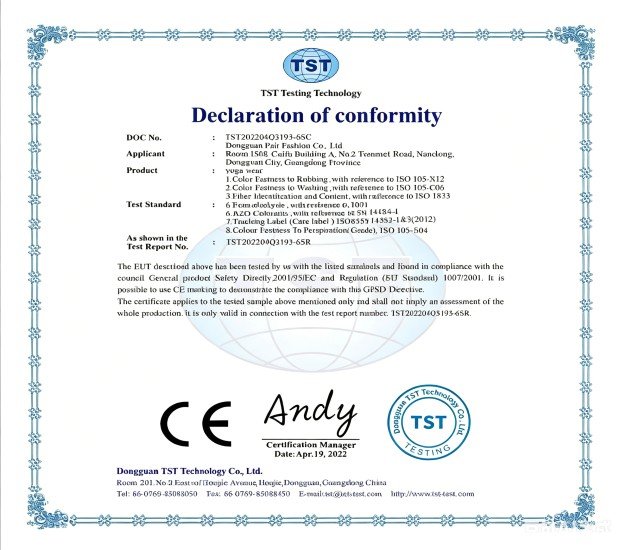
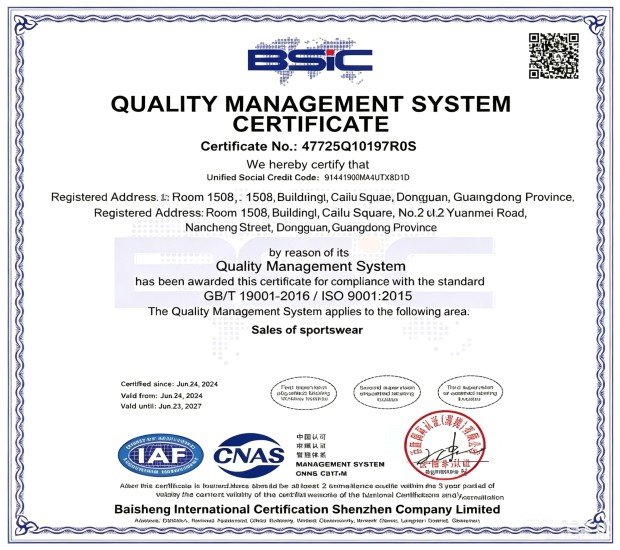
Certifications
- ISO9001
- BSCI
- GRS
- CE
- ROHS
Core Products
- Custom Loungewear
- Joggers
- Sweatshirts
- Hoodies
- Lounge Sets
- Plus Size Loungewear
- Maternity Loungewear
- Athleisure Apparel
Suitable For
- Startup Brands
- DTC Brands
- Boutique Retailers
- Growing Apparel Businesses
Key Advantages
Pair Fashion specializes in premium comfortwear and active-lifestyle apparel manufacturing. The company supports brands seeking flexibility, product development assistance, inclusive sizing expertise, and broad customization options. Its lower MOQ structure and rapid sampling capabilities make it particularly attractive to emerging brands and businesses testing new product categories.
Buyer Considerations
Pair Fashion is best suited for brands seeking long-term product development partnerships and flexible manufacturing support rather than purely cost-driven commodity production.
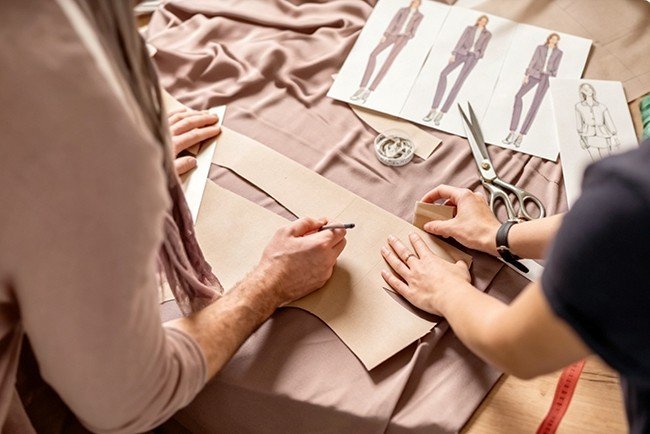
Why Brands Choose Pair Fashion
Many brands struggle with slow sampling, unstable quality, delayed delivery and unreliable suppliers.
- Slow sampling cycles
- Production inconsistency
- Poor communication
- Logistics complexity
- No after-sales support
- Can’t design products.
2. Hucai Sportswear
Location
Dongguan, Guangdong
Core Products
- Sportswear
- Casualwear
- Loungewear
- Activewear
Suitable For
- Growing Apparel Brands
- Mid-Volume Production Programs
Key Advantages
Hucai offers extensive manufacturing experience and broad apparel category coverage. Its operational maturity and production infrastructure make it a viable option for brands seeking manufacturing consistency and scalability.
Buyer Considerations
Buyers should evaluate category-specific comfortwear expertise and relevant product examples during supplier comparison.
3. Arabella Clothing
Location
Xiamen, Fujian
Core Products
- Activewear
- Lifestyle Apparel
- Casualwear
Suitable For
- DTC Brands
- Ecommerce Businesses
Key Advantages
Arabella’s product positioning aligns closely with digital-first brands seeking flexible customization and active-lifestyle product categories.
Buyer Considerations
Brands developing premium comfortwear collections should review fabric options and category-specific examples before making sourcing decisions.
4. Aika Sportswear
Location
Dongguan, Guangdong
Core Products
- Athleisure Apparel
- Fitness Wear
- Lifestyle Products
Suitable For
- Active Lifestyle Brands
- Athleisure Collections
Key Advantages
Aika has extensive experience within the activewear and athleisure sectors and offers broad access to performance-oriented fabrics and manufacturing resources.
Buyer Considerations
Brands focused heavily on premium comfortwear should evaluate fit, fabric, and category-specific capabilities alongside activewear expertise.
5. Ingor Sportswear
Location
Guangzhou, Guangdong
Core Products
- Sustainable Apparel
- Activewear
- Lifestyle Collections
Suitable For
- Sustainability-Focused Brands
- Eco-Conscious Apparel Businesses
Key Advantages
Ingor emphasizes environmentally responsible materials and sustainable manufacturing initiatives, making it particularly relevant to brands prioritizing sustainability.
Buyer Considerations
Buyers should confirm current sustainability programs, material sourcing capabilities, and development resources during evaluation.
6. Berunwear
Location
Dongguan, Guangdong
Founded
2008
Core Products
- Athleisure Apparel
- Casualwear
- Lounge Sets
- Hoodies
- Joggers
- Active Lifestyle Collections
Suitable For
- DTC Brands
- Ecommerce Sellers
- Lifestyle Apparel Businesses
Key Advantages
Berunwear focuses on active-lifestyle apparel and flexible private label manufacturing. The company serves brands looking to combine comfortwear and athleisure products within a single collection. Its product portfolio often appeals to ecommerce brands seeking trend-responsive development and relatively flexible customization options.
Buyer Considerations
Brands targeting luxury comfortwear positioning should evaluate fabric sourcing capabilities, premium finishing standards, and category-specific experience before moving into production.
Strengths
- Broad athleisure product coverage
- Ecommerce-oriented manufacturing experience
- Flexible private label support
- Suitable for lifestyle collections
Potential Limitations
- Comfortwear specialization may vary by product category
- Buyers should verify premium fabric sourcing options
7. Yotex Apparel
Location
Guangzhou, Guangdong
Founded
2015
Core Products
- Knitwear
- Casualwear
- Loungewear
- Fashion Basics
- Women’s Lifestyle Apparel
Suitable For
- Boutique Fashion Brands
- Private Label Programs
- Fashion Retailers
Key Advantages
Yotex Apparel focuses on fashion-oriented garment manufacturing and supports a broad range of private label projects. The company may be particularly attractive for brands seeking stylish comfortwear collections with a stronger fashion influence.
Buyer Considerations
Brands focused on technical comfortwear or performance-inspired lounge products should review category-specific production examples before finalizing supplier selection.
Strengths
- Fashion-oriented product development
- Broad casualwear expertise
- Private label experience
- Flexible product categories
Potential Limitations
- May be more fashion-focused than comfortwear-focused
- Technical fabric expertise should be evaluated
8. SGL Sportswear
Location
Fuzhou, Fujian
Founded
2003
Core Products
- Sportswear
- Casual Apparel
- Lifestyle Products
- Teamwear
- Training Apparel
Suitable For
- Established Brands
- Wholesale Programs
- Larger Production Orders
Key Advantages
SGL Sportswear is known for its larger-scale production capabilities and extensive export experience. The company may be suitable for buyers prioritizing manufacturing stability and long-term production planning.
Buyer Considerations
Brands launching highly customized comfortwear collections should confirm product development resources and comfortwear-specific expertise.
Strengths
- Long manufacturing history
- Larger production capabilities
- Export-focused operations
- Operational stability
Potential Limitations
- May be better suited to larger programs than startup launches
- Custom development flexibility should be verified
9. Biying Clothing
Location
Guangzhou, Guangdong
Founded
2012
Core Products
- Women’s Apparel
- Casualwear
- Lifestyle Collections
- Knitwear
- Fashion Basics
Suitable For
- Boutique Retailers
- Women’s Fashion Brands
- Small-to-Mid-Size Businesses
Key Advantages
Biying Clothing focuses heavily on women’s apparel categories and may appeal to brands seeking fashion-driven comfortwear collections. The company supports a variety of private label projects across casual and lifestyle apparel segments.
Buyer Considerations
Buyers should evaluate whether the supplier’s strengths align with comfortwear-focused products rather than broader fashion categories.
Strengths
- Women’s apparel expertise
- Flexible production structure
- Fashion retail experience
- Suitable for boutique collections
Potential Limitations
- Comfortwear specialization should be confirmed
- Product development capabilities may vary by category
10. Qianshi Apparel
Location
Guangzhou, Guangdong
Founded
2010
Core Products
- Casualwear
- Loungewear
- Lifestyle Apparel
- Sweatshirts
- Joggers
Suitable For
- Casualwear Brands
- Private Label Programs
- Lifestyle Apparel Businesses
Key Advantages
Qianshi Apparel offers manufacturing solutions across multiple casualwear and comfortwear categories. The supplier may be suitable for brands seeking a balance between customization and operational efficiency.
Buyer Considerations
Brands pursuing premium market positioning should carefully review fabric sourcing capabilities, sample quality, and customization options before making sourcing decisions.
Strengths
- Casualwear manufacturing experience
- Broad product coverage
- Private label support
- Export market participation
Potential Limitations
- Premium comfortwear expertise should be evaluated
- Fabric differentiation capabilities should be verified
Summary Comparison of Manufacturers #6–#10
| Manufacturer | Best For | Key Strength | Buyer Should Verify |
|---|---|---|---|
| Berunwear | DTC Brands | Athleisure & Lifestyle Focus | Premium Fabric Capability |
| Yotex Apparel | Boutique Fashion Brands | Fashion-Oriented Collections | Technical Comfortwear Expertise |
| SGL Sportswear | Large Production Programs | Scale & Stability | Custom Development Resources |
| Biying Clothing | Women’s Apparel Brands | Fashion Retail Experience | Comfortwear Category Depth |
| Qianshi Apparel | Casualwear Brands | Broad Product Range | Premium Positioning Capability |
Key Takeaways from the Top 10 Comparison
After comparing all ten manufacturers, several patterns become clear:
Best Choice for Startup Brands
Pair Fashion
Why:
- Lower MOQ structure
- Fast sample development
- Broad customization capability
- Product development support
- Multiple comfortwear-related categories
Best Choice for Sustainable Collections
Ingor Sportswear
Why:
- Sustainability-focused positioning
- Recycled material programs
- Eco-conscious manufacturing initiatives
Best Choice for Large Production Programs
SGL Sportswear
Why:
- Larger-scale manufacturing resources
- Established production systems
- Export-oriented operations
Best Choice for Athleisure-Inspired Loungewear
Aika Sportswear and Berunwear
Why:
- Strong active-lifestyle product portfolios
- Performance-oriented development experience
Best Choice for Fashion-Oriented Comfortwear
Yotex Apparel and Biying Clothing
Why:
- Fashion-focused development
- Women’s apparel expertise
- Boutique retail alignment
Top 10 Custom Loungewear Manufacturers in China at a Glance
Choosing a custom loungewear manufacturer involves far more than simply comparing pricing and production capacity. Effective sourcing decisions take into account product expertise, customisation flexibility, supply chain resources, communication efficiency, and alignment with your unique business model. Suppliers cater to distinct brand segments, so it is critical to evaluate manufacturers from a wider strategic perspective.
Top 10 China Custom Loungewear Manufacturers Comparison Table
| Manufacturer | Location | Founded | Best For |
|---|---|---|---|
| Pair Fashion | Dongguan | 2016 | Startups & Growing Brands |
| Hucai Sportswear | Dongguan | 1998 | Mid-Size Apparel Brands |
| Arabella Clothing | Xiamen | 2014 | DTC Ecommerce Brands |
| Aika Sportswear | Dongguan | 2008 | Athleisure Brands |
| Ingor Sportswear | Guangzhou | 2009 | Sustainable Apparel Brands |
| Berunwear | Dongguan | 2008 | Ecommerce Sellers |
| Yotex Apparel | Guangzhou | 2015 | Boutique Fashion Brands |
| SGL Sportswear | Fuzhou | 2003 | Large Production Programs |
| Biying Clothing | Guangzhou | 2012 | Women’s Apparel Retailers |
| Qianshi Apparel | Guangzhou | 2010 | Casualwear & Lifestyle Brands |
Which Supplier Is Best for Startups, DTC Brands, Retailers, and Wholesalers?
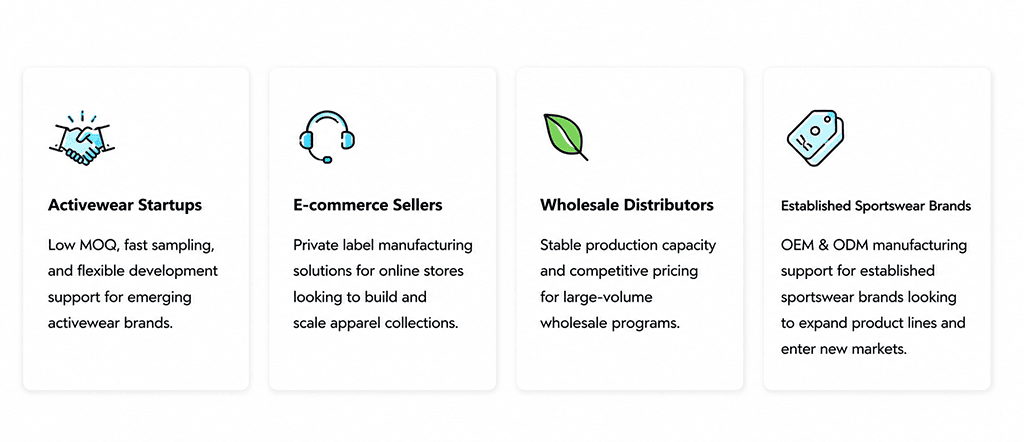
There is no single supplier that is ideal for every apparel business. Startup brands typically prioritize flexibility, lower MOQs, and product development support. DTC brands often focus on speed, customization, and trend responsiveness. Retailers and wholesalers usually prioritize consistency, scalability, and operational stability. Understanding these differences helps buyers identify suppliers that align with their specific growth objectives rather than selecting manufacturers based solely on size or reputation.
Why Are More Brands Choosing China for Custom Loungewear Manufacturing?
China remains one of the most influential apparel manufacturing countries in the world. While buyers often begin their sourcing journey by comparing labor costs, experienced brands understand that successful manufacturing partnerships depend on much more than pricing. Product development resources, textile availability, supply chain integration, customization capabilities, and operational reliability all play critical roles in determining sourcing success.
For custom loungewear brands, China offers a unique combination of manufacturing flexibility and product development infrastructure that continues to attract startups, ecommerce brands, retailers, and established apparel companies alike.
The country’s competitive advantage comes not from a single factor but from an ecosystem that supports nearly every stage of apparel production.
What Makes China’s Apparel Ecosystem Different?
China’s apparel industry has evolved over several decades into one of the world’s most complete textile and garment production networks.
Unlike many sourcing regions that primarily focus on garment assembly, China provides access to:
- Textile mills
- Dyeing facilities
- Printing factories
- Trim suppliers
- Packaging manufacturers
- Sample development teams
- Garment factories
- Logistics providers
This concentration of resources creates significant advantages for apparel brands.
Instead of coordinating suppliers across multiple countries, brands can often complete development and production within a highly integrated ecosystem.
For custom loungewear projects involving:
- Fabric development
- Multiple samples
- Custom trims
- Private label packaging
this level of integration can reduce complexity and improve efficiency.
China vs Vietnam vs Turkey vs Portugal: Which Country Is Better?
Every sourcing destination offers unique strengths.
The ideal manufacturing location depends on the buyer’s priorities.
China
Best known for:
- Supply chain depth
- Fabric availability
- Customization flexibility
- Product development resources
- Supplier diversity
Vietnam
Best known for:
- Competitive manufacturing costs
- Large production programs
- Export-oriented factories
Turkey
Best known for:
- Textile heritage
- European market proximity
- Knitwear expertise
Portugal
Best known for:
- Luxury garment manufacturing
- Premium craftsmanship
- High-end European production
Regional Comparison Overview
| Factor | China | Vietnam | Turkey | Portugal |
|---|---|---|---|---|
| Supply Chain Integration | Excellent | Moderate | Good | Good |
| Fabric Availability | Excellent | Moderate | Good | Good |
| Product Development | Excellent | Moderate | Good | Good |
| Customization Flexibility | Excellent | Moderate | Moderate | Limited |
| Luxury Manufacturing | Good | Moderate | Good | Excellent |
| Supplier Diversity | Excellent | Moderate | Moderate | Limited |
| Cost-to-Value Ratio | Strong | Strong | Moderate | Lower |
For many custom loungewear brands, China provides the strongest balance between flexibility, quality, customization, and scalability.
Why Do Chinese Manufacturers Support Faster Product Development?
Speed has become one of the most important competitive advantages in apparel.
Consumers expect brands to:
- Launch new collections faster
- Respond to trends quickly
- Expand product categories efficiently
Chinese manufacturing clusters often support faster development because suppliers operate within interconnected ecosystems.
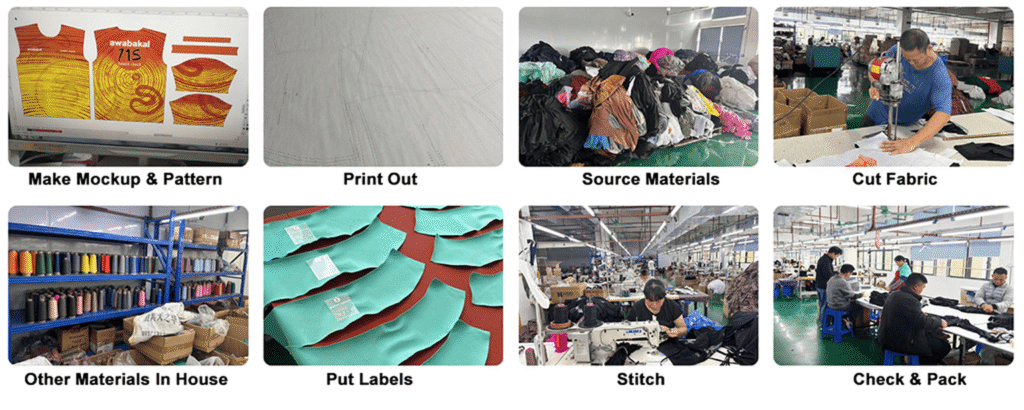
A typical custom loungewear project may require:
- Fabric sourcing
- Pattern development
- Sample production
- Fit revisions
- Material approval
- Production planning
- Manufacturing
- Packaging
- Export preparation
When these resources are geographically concentrated, development cycles can often move more efficiently.
For brands competing in fast-moving markets, shorter development timelines frequently create more value than small differences in manufacturing cost.
Which Types of Brands Benefit Most From Manufacturing in China?
China’s manufacturing diversity allows different business models to find suitable suppliers.
Startup Brands
Benefit from:
- Flexible MOQs
- Development support
- Product testing opportunities
DTC Ecommerce Brands
Benefit from:
- Faster launches
- Product diversification
- Flexible sourcing
Boutique Retailers
Benefit from:
- Customization options
- Fabric variety
- Premium product development
Growing Apparel Brands
Benefit from:
- Scalable production
- Supply chain resources
- Broader category coverage
Established Retail Programs
Benefit from:
- Production stability
- Compliance systems
- Manufacturing capacity
The diversity of China’s supplier landscape allows buyers to select manufacturers based on business objectives rather than manufacturing limitations.
China's Major Loungewear Manufacturing Clusters Explained
Chinese manufacturers do not all operate under identical production conditions.
Different regions have developed specialized strengths based on local supply chains, industrial history, and category expertise.
Understanding these manufacturing clusters can help buyers identify suppliers with the most relevant capabilities for their products.
Dongguan Manufacturing Cluster
Dongguan has become one of China’s most important centers for:
- Activewear
- Athleisure
- Loungewear
- Lifestyle Apparel
- OEM/ODM Manufacturing
Key Advantages
- Strong product development resources
- Flexible manufacturing models
- Fast sampling capabilities
- Extensive supplier network
Typical Buyer Profile
- Startup Brands
- DTC Brands
- Growing Apparel Businesses
Dongguan remains one of the strongest regions for brands seeking flexible custom loungewear manufacturing solutions.
Guangzhou Manufacturing Cluster
Guangzhou has built a reputation as one of China’s largest apparel sourcing and fashion development hubs.
The region is known for:
- Casualwear
- Fashion Apparel
- Lifestyle Collections
- Sustainable Products
Key Advantages
- Fabric sourcing resources
- Fashion-oriented development
- Product diversity
Typical Buyer Profile
- Boutique Retailers
- Fashion Brands
- Sustainability-Focused Businesses
Xiamen Manufacturing Cluster
Xiamen has developed significant expertise in:
- Sportswear
- Activewear
- Export Manufacturing
Many factories in the region have extensive experience serving international markets.
Key Advantages
- Export knowledge
- Quality systems
- International compliance experience
Typical Buyer Profile
- Ecommerce Brands
- Sportswear Companies
- Lifestyle Apparel Brands
Zhejiang Knitwear Cluster
Zhejiang Province has a long history of textile and knitwear manufacturing.
The region specializes in:
- Knitwear
- Casualwear
- Lounge Products
- Sleepwear
Key Advantages
- Textile manufacturing expertise
- Knitted fabric resources
- Large production infrastructure
Typical Buyer Profile
- Retail Programs
- Volume-Based Brands
Which Region Is Best for Your Product Category?
| Product Category | Recommended Region |
|---|---|
| Premium Loungewear | Dongguan |
| Athleisure-Inspired Loungewear | Dongguan |
| Fashion Comfortwear | Guangzhou |
| Sustainable Collections | Guangzhou |
| Active Lifestyle Apparel | Xiamen |
| Knitwear-Based Loungewear | Zhejiang |
Choosing a supplier within the right manufacturing cluster can often improve sourcing efficiency, product quality, and development speed.
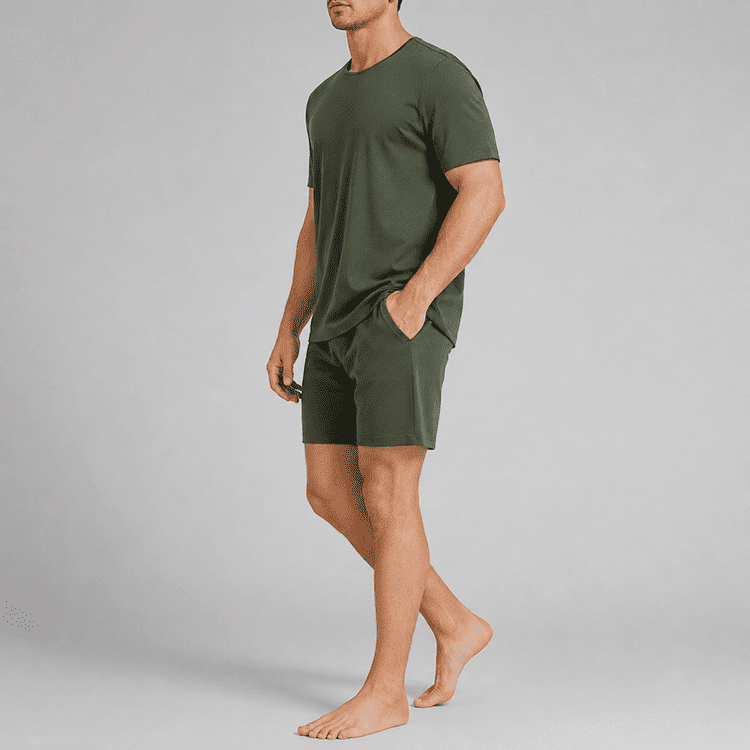
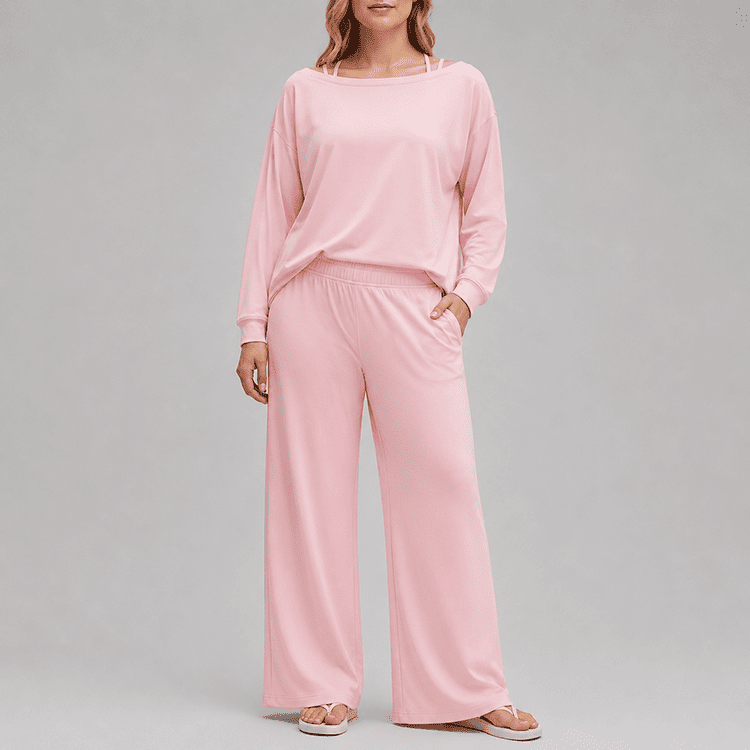
What Types of Custom Loungewear Can Chinese Factories Produce?
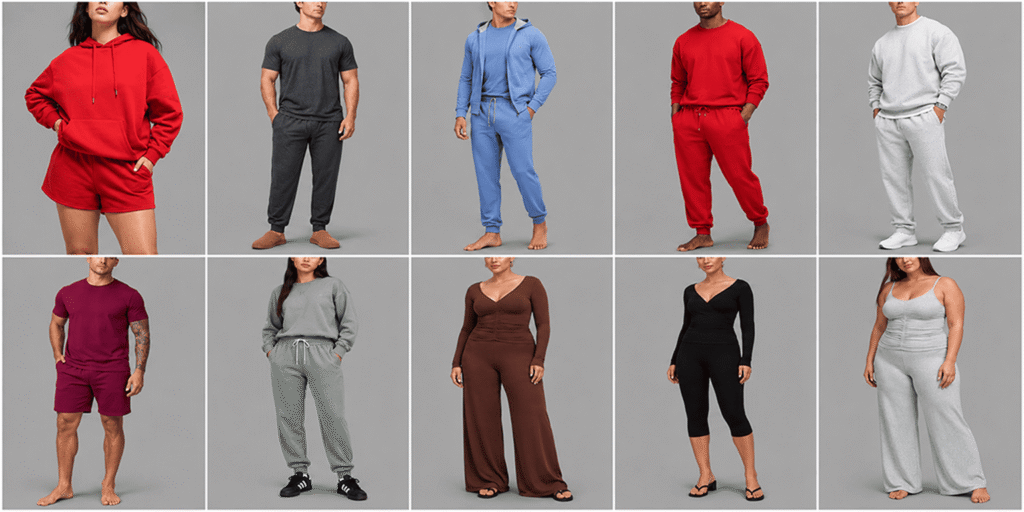
One of China’s biggest advantages is product diversity.
Many buyers think of loungewear as simply hoodies and sweatpants. However, modern comfortwear has evolved into a broad category that includes multiple product segments targeting different customer groups and market positions.
The strongest manufacturers support a wide range of product categories, allowing brands to expand collections without changing suppliers.
Luxury Lounge Sets
Luxury lounge sets continue gaining popularity among consumers seeking elevated comfort and premium fabrics.
Common features include:
- Coordinated styling
- Premium fabric blends
- Refined construction
- Elevated finishing details
Popular materials include:
- Modal blends
- Bamboo fabrics
- Tencel™ fabrics
- Premium cotton blends
Luxury lounge sets often support higher retail margins and stronger brand positioning.
Joggers and Sweatpants
Joggers remain one of the most successful categories in the comfortwear market.
Popular characteristics include:
- Tapered silhouettes
- Brushed interiors
- Elastic waistbands
- Modern athleisure styling
Many brands position joggers as products suitable for both home and everyday wear. As joggers continue to evolve into a core lifestyle category, many brands choose to work with a specialized custom jogger manufacturer when expanding premium comfortwear collections.
Hoodies and Sweatshirts
Premium hoodies continue evolving beyond traditional sportswear.
Consumers increasingly expect:
- Better fabrics
- Improved fit
- Elevated aesthetics
- Premium branding
This category remains one of the most commercially successful segments within custom loungewear.
Sleepwear-Inspired Loungewear
The line between sleepwear and loungewear continues to blur.
Consumers increasingly seek products that provide:
- Softness
- Breathability
- Relaxed comfort
while remaining suitable for everyday use.
Plus Size Loungewear
Inclusive sizing represents one of the fastest-growing opportunities in the comfortwear sector.
Brands increasingly seek manufacturers capable of supporting:
- Extended sizing
- Specialized grading
- Fit consistency
This remains a relatively underserved market segment with significant growth potential.
Sustainable Loungewear Collections
Environmental responsibility has become increasingly important across apparel categories.
Popular sustainable materials include:
- Organic Cotton
- Recycled Polyester
- Recycled Nylon
- Tencel™ Fibers
- Bamboo-Based Fabrics
Many brands now integrate sustainability directly into product development strategies. Many apparel brands evaluating sustainable sourcing strategies also review standards and certification programs published through the OEKO-TEX® Official Website when assessing textile safety and sustainability requirements.
Gender-Neutral Loungewear
Demand for gender-neutral apparel continues increasing globally.
These collections often emphasize:
- Relaxed fits
- Versatile styling
- Inclusive sizing
Manufacturers experienced in this category may help brands address emerging consumer preferences.
The diversity of China’s apparel ecosystem allows brands to source everything from luxury lounge sets and sustainable comfortwear to inclusive sizing programs and athleisure-inspired collections. Understanding these categories helps buyers identify suppliers with the most relevant expertise and position their brands for long-term growth.

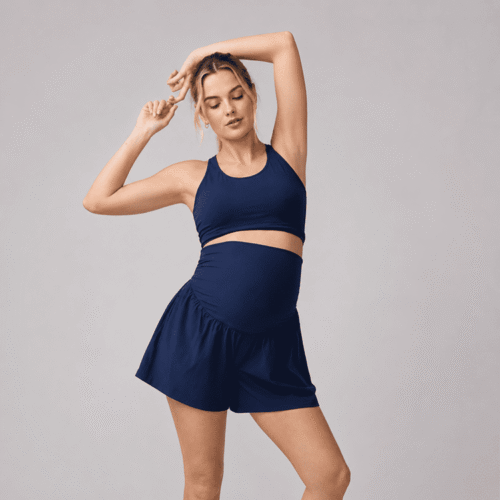
Custom Maternity Activewear Set Sports Bra & Pregnancy Workout Shorts OEM ODM
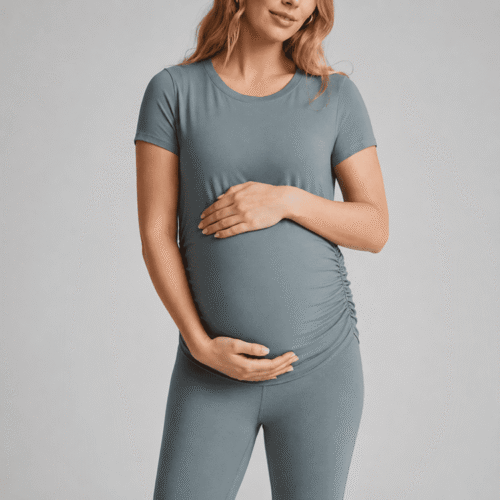
Custom Maternity Activewear T-Shirt OEM ODM Pregnancy Workout Top
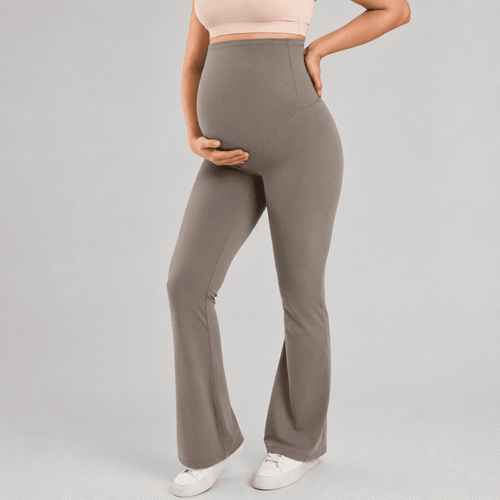
Custom Maternity Flare Yoga Pants OEM ODM Pregnancy Workout Leggings
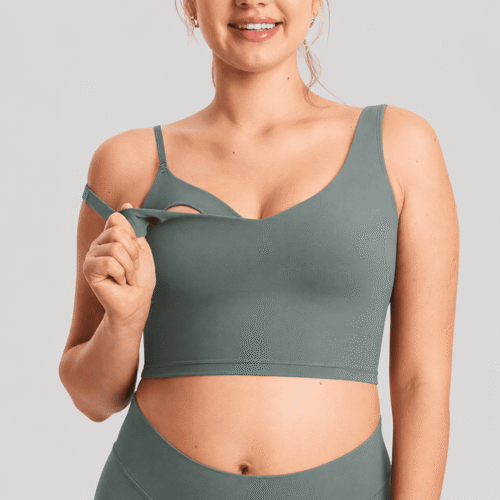
Custom Maternity Nursing Sports Bra OEM ODM Breastfeeding Activewear Bra
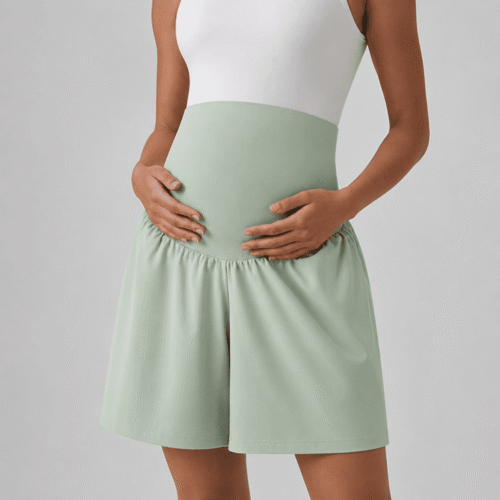
Custom Maternity Workout Shorts OEM ODM Over-The-Bump Activewear
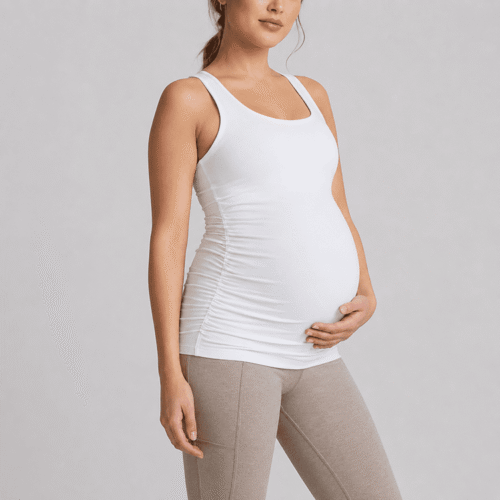
Custom Maternity Workout Tank Top OEM ODM Pregnancy Activewear
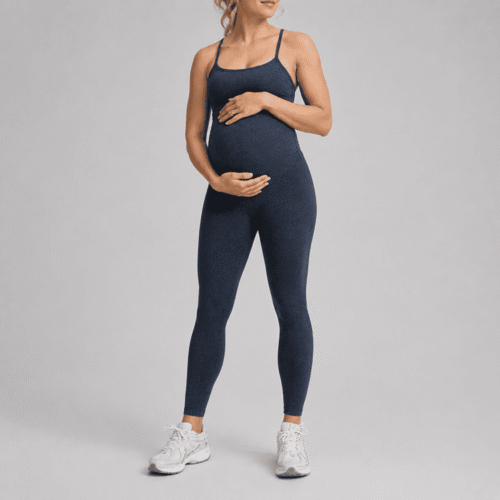
Custom Maternity Yoga Jumpsuit OEM ODM Pregnancy Activewear Bodysuit
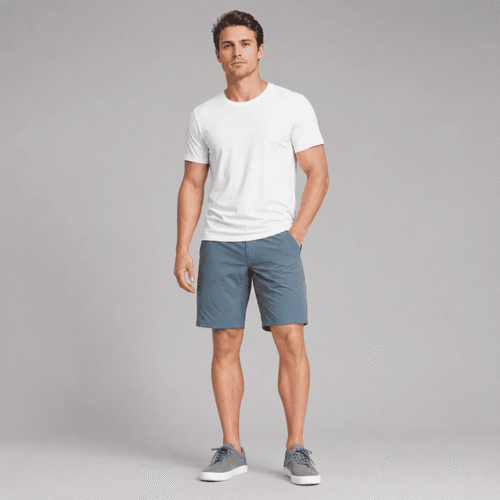
Custom Men’s Activewear Set Performance T-Shirt & Training Shorts OEM ODM
What Makes One Custom Loungewear Manufacturer Better Than Another?
Many buyers assume that comparing quotations is the most important part of supplier selection. In reality, price differences between qualified manufacturers are often much smaller than the long-term business impact created by product quality, communication, fabric expertise, and development support.
Two factories may offer similar prices for the same product, yet one supplier consistently helps brands improve products, reduce returns, accelerate launches, and scale successfully. The difference rarely comes from production equipment alone. It comes from expertise, systems, and execution.
Understanding what separates average suppliers from exceptional manufacturing partners can significantly improve sourcing outcomes.
Product Expertise vs Production Capacity
Large factories often highlight production capacity.
However, capacity alone does not guarantee strong product development.
A factory capable of producing millions of garments annually may still lack meaningful experience with premium comfortwear. Many comfortwear brands also operate adjacent product categories, making it valuable to evaluate whether a supplier has experience beyond loungewear, such as working as an OEM activewear manufacturer for growing lifestyle brands.
Product Expertise Often Includes
- Fabric recommendations
- Fit optimization
- Pattern development
- Comfortwear-specific construction
- Category knowledge
Production Capacity Often Includes
- Factory size
- Workforce scale
- Production volume
- Manufacturing output
For most startup and growth-stage brands, product expertise often creates more value than maximum capacity.
The ideal supplier combines both.
Fabric Resources vs Factory Size
Consumers rarely know how large a factory is.
They immediately notice:
- Softness
- Comfort
- Durability
- Breathability
- Appearance after washing
These characteristics are heavily influenced by fabric selection.
Strong suppliers often maintain extensive relationships with:
- Textile mills
- Dye houses
- Fabric developers
- Material sourcing partners
This allows brands to access:
- Modal blends
- Bamboo fabrics
- Organic cotton
- Tencel™
- French terry
- Sustainable materials
Many successful comfortwear brands gain competitive advantages through material selection rather than manufacturing scale.
Development Capability vs Price
The cheapest quotation rarely represents the lowest overall business cost.
Factories with stronger development resources often help brands avoid:
- Fit problems
- Fabric mistakes
- Construction issues
- Production delays
This can reduce:
- Returns
- Customer complaints
- Inventory write-offs
- Product failures
A supplier charging slightly more but delivering better products frequently creates stronger long-term profitability.
Communication Quality vs Lead Time
Fast lead times are valuable.
However, communication quality often becomes even more important as relationships develop.
Throughout a sourcing project, brands frequently encounter:
- Product revisions
- Material substitutions
- Packaging updates
- Timeline adjustments
Manufacturers that communicate clearly and proactively typically manage these situations more effectively.
Strong communication supports:
- Faster decision-making
- Better collaboration
- Improved product outcomes
- Reduced operational risk
Many experienced buyers consider communication quality one of the most important supplier evaluation criteria.
How Do Different Manufacturers Compare in Customization Capability?
Customization stands as one of the key reasons brands opt for private manufacturing rather than buying off-the-shelf products.
However, not all suppliers provide the same level of customization.
Some factories primarily support logo placement and color changes.
Others provide extensive product development resources that allow brands to create highly differentiated collections.
Understanding these differences helps buyers select suppliers that align with their branding strategy and long-term business goals.
Which Suppliers Support Custom Fabric Development?
Custom fabric development represents one of the most advanced forms of product customization.
Potential options include:
- Custom fabric weights
- Exclusive fabric blends
- Specialty finishes
- Branded material programs
- Performance enhancements
Common Applications
- Premium lounge sets
- Sustainable collections
- Luxury comfortwear
- Signature product lines
Brands interested in custom fabrics should verify:
- Development requirements
- Minimum order expectations
- Lead times
- Fabric sourcing resources
before selecting a supplier.
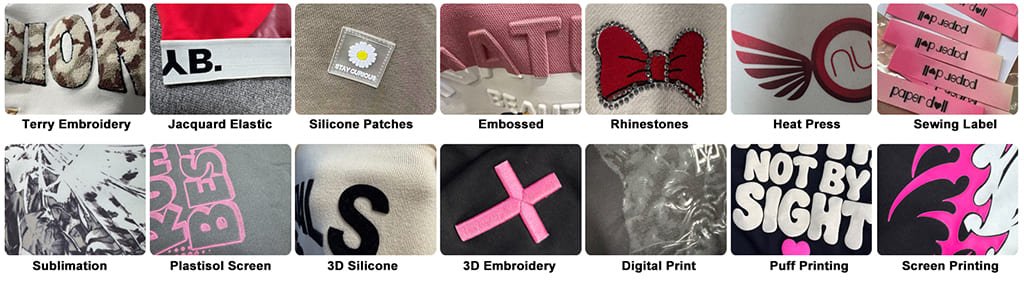
Which Manufacturers Offer Broader Branding Options?
Brand identity extends far beyond logos.
Leading manufacturers often support multiple branding elements.
Garment Branding
- Woven labels
- Printed neck labels
- Heat transfer branding
- Embroidery
Packaging Branding
- Custom poly bags
- Hangtags
- Branded inserts
- Retail packaging
Retail Presentation
- Barcode integration
- Sustainability messaging
- Retail-ready packaging
These details contribute significantly to perceived product value.

Which Manufacturers Are Better for Complex Projects?
Some products require significantly more development support than others.
Complex projects may involve:
- Multiple fabric combinations
- Inclusive sizing
- Plus-size grading
- Sustainable materials
- Technical garment construction
Manufacturers with dedicated development teams generally perform better in these situations.
Indicators of Strong Development Resources
- Sample development teams
- Pattern makers
- Fabric specialists
- Technical support staff
- Category-specific expertise
These capabilities often become increasingly valuable as brands grow.
How Does Customization Influence Product Differentiation?
Many apparel brands struggle because they source products that look similar to competitors.
Customization helps create:
- Unique product positioning
- Stronger brand identity
- Higher perceived value
- Better customer recognition
Examples include:
Fabric Differentiation
Exclusive materials and fabric blends.
Fit Differentiation
Brand-specific silhouettes and sizing.
Construction Differentiation
Unique design details and finishing techniques.
Packaging Differentiation
Enhanced customer experience through branding and presentation.
The strongest manufacturers support differentiation across multiple areas rather than focusing only on production.
When Is Full Custom Development Worth the Investment?
Not every brand requires fully custom products.
For some businesses, modified stock programs provide an effective route to market.
However, custom development often becomes worthwhile when:
- Building long-term brand equity
- Targeting premium customers
- Expanding product categories
- Increasing retail prices
- Reducing direct competition
Brands that invest strategically in product differentiation often gain stronger control over customer experience and market positioning.
How to Compare Custom Loungewear Manufacturers Before Requesting Samples
Many sourcing mistakes occur before the first sample is produced.
Brands frequently ask for quotations and samples without putting in place a structured evaluation framework. Consequently, they can end up devoting substantial time to comparing suppliers who were never viable candidates in the first place.
A disciplined evaluation process improves supplier selection and reduces sourcing risk.
Which Factors Matter More Than Price?
Price remains important.
However, experienced buyers often prioritize several factors before comparing quotations.
Product Expertise
Can the supplier successfully produce the type of loungewear you intend to sell?
Fabric Capability
Do they have access to the materials required by your target market?
Development Support
Can they improve your product before production begins?
Communication Quality
Will they remain responsive when challenges arise?
Scalability
Can they support future growth?
These factors frequently have a greater impact on business success than small pricing differences.
How Can Buyers Evaluate Development Capability?
Development capability is one of the most overlooked supplier evaluation criteria.
Brands should assess:
- Sample quality
- Pattern accuracy
- Technical knowledge
- Product recommendations
- Problem-solving ability
Strong manufacturers often identify opportunities for improvement before production begins.
How Important Is Fabric Expertise?
For premium comfortwear, fabric expertise often determines commercial success.
Questions worth asking include:
- Which fabrics perform best for lounge sets?
- What sustainable materials are available?
- Which fabrics retain softness after repeated washing?
- Which materials perform well in different climates?
Detailed answers often indicate stronger category knowledge.
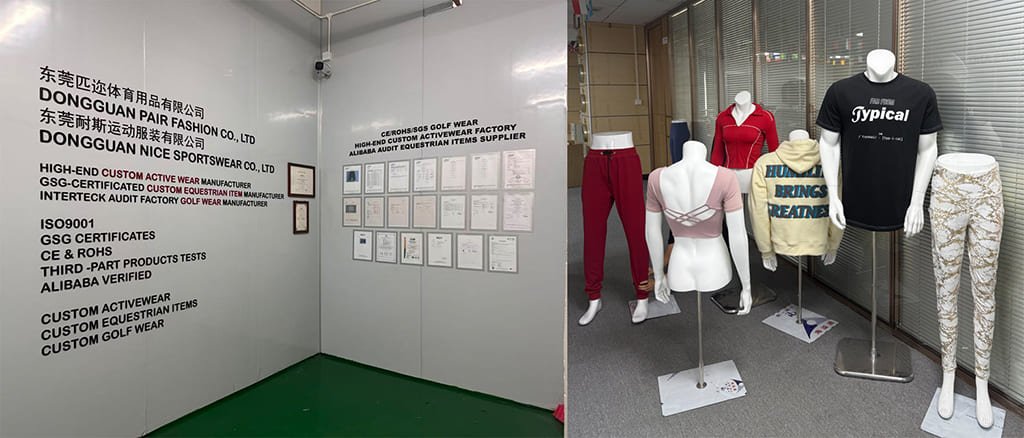
What Certifications Should Buyers Look For?
Certifications do not guarantee quality, but they can provide useful insights into operational standards.
Common certifications include:
- ISO 9001
- BSCI
- GRS
- OEKO-TEX®
- WRAP
Buyers should always verify current certification status directly with suppliers. Certifications such as OEKO-TEX® STANDARD 100 help verify that textile products and components have been tested for harmful substances and meet internationally recognized textile safety requirements.
What Questions Should Be Asked Before Sampling?
Before requesting samples, buyers should ask:
- What product categories do you specialize in?
- What export markets do you serve?
- What fabrics do you recommend for premium loungewear?
- How do you manage quality control?
- What customization options do you support?
- What are your typical lead times?
The quality of a supplier’s answers often reveals more than the answers themselves.
Custom Loungewear Supplier Scorecard: A Practical Evaluation Framework
Many apparel brands evaluate manufacturers using inconsistent criteria. One supplier may appear attractive because of pricing, while another may stand out because of communication or product quality. Without a structured framework, supplier selection often becomes subjective.
A supplier scorecard introduces objectivity into the sourcing process. It helps brands compare factories using measurable criteria rather than assumptions or marketing claims.
The goal is not to identify the cheapest factory.
The goal is to identify the supplier most capable of supporting the brand’s product strategy, growth objectives, and operational requirements.
How Should Brands Score Manufacturers?
A practical scorecard evaluates suppliers across multiple dimensions.
The following framework is commonly used by sourcing teams and apparel buyers.
| Evaluation Criteria | Weight |
|---|---|
| Product Expertise | 20% |
| Fabric Resources | 20% |
| Product Development Capability | 15% |
| Quality Control Systems | 15% |
| Communication Efficiency | 10% |
| Lead Time Reliability | 10% |
| Sustainability Capability | 10% |
This structure ensures that supplier selection reflects overall capability rather than a single factor such as price.
Sample Supplier Evaluation Matrix
Brands can score each supplier from 1–10.
| Criteria | Weight | Supplier A | Supplier B | Supplier C |
|---|---|---|---|---|
| Product Expertise | 20% | 9 | 7 | 8 |
| Fabric Resources | 20% | 8 | 6 | 9 |
| Development Capability | 15% | 9 | 7 | 8 |
| Quality Systems | 15% | 8 | 8 | 7 |
| Communication | 10% | 9 | 6 | 8 |
| Lead Time Reliability | 10% | 8 | 8 | 7 |
| Sustainability | 10% | 8 | 7 | 9 |
| Final Score | 100% | 8.5 | 7.0 | 8.1 |
This method helps buyers compare suppliers more rationally and identify strengths that may not be visible during quotation discussions.
Which Evaluation Criteria Matter Most?
Different business models prioritize different criteria.
Startup Brands
Most Important:
- MOQ Flexibility
- Development Support
- Communication
- Sampling Speed
DTC Brands
Most Important:
- Launch Speed
- Product Differentiation
- Trend Responsiveness
- Fabric Innovation
Wholesale Programs
Most Important:
- Consistency
- Production Stability
- Lead Time Reliability
Retail Chains
Most Important:
- Compliance
- Audit Readiness
- Scalability
- Documentation
Understanding these priorities helps buyers build evaluation systems aligned with their business goals.
How Do Startup and Retail Buyers Evaluate Suppliers Differently?
A startup launching its first collection often prioritizes flexibility.
A large retailer prioritizes predictability.
For example:
| Criteria | Startup Priority | Retail Priority |
|---|---|---|
| MOQ | High | Low |
| Product Development | High | Medium |
| Communication | High | Medium |
| Compliance | Medium | Very High |
| Capacity | Medium | Very High |
| Scalability | Medium | High |
The best supplier for one buyer may be completely unsuitable for another.
Red Flags When Comparing Custom Loungewear Factories
Choosing the right manufacturer is important.
Avoiding the wrong manufacturer is equally important.
Many sourcing failures can be traced back to warning signs that appeared early in the supplier evaluation process.
Recognizing these red flags can help buyers avoid costly mistakes.
Red Flag #1: The Supplier Only Competes on Price
Factories that focus exclusively on low pricing often avoid discussions about:
- Fabric quality
- Product development
- Quality systems
- Long-term performance
Low manufacturing cost does not necessarily create a competitive product.
For premium comfortwear brands, product quality usually has a greater impact on profitability than small cost differences.
Red Flag #2: Limited Fabric Knowledge
Premium loungewear is heavily influenced by fabric selection.
If a supplier cannot clearly explain the differences between:
- Modal
- Bamboo
- Organic Cotton
- Tencel™
- French Terry
the factory may lack category-specific expertise.
Strong suppliers typically recommend materials based on:
- Product positioning
- Customer expectations
- Climate requirements
- Retail pricing
Red Flag #3: No Structured Quality Control Process
Every factory claims to produce quality products.
The important question is how quality is managed.
Strong suppliers should explain:
Incoming Material Inspection
Verification of fabrics and trims before production.
In-Line Inspection
Quality checks during manufacturing.
Final Inspection
Review of finished products before shipment.
Corrective Action Procedures
Systems used to prevent recurring issues.
Vague answers often indicate weak quality systems.
Red Flag #4: Poor Communication During Sampling
Sampling is usually the easiest stage of the manufacturing process.
If communication is already inconsistent during development, larger problems may appear later.
Warning signs include:
- Delayed replies
- Missing information
- Incomplete answers
- Repeated misunderstandings
Communication quality is often one of the strongest indicators of future supplier performance.
Red Flag #5: No Relevant Product Experience
A factory may be highly experienced in:
- Sportswear
- Fashion Apparel
- Teamwear
while having limited experience in premium comfortwear.
Buyers should request examples related to:
- Lounge Sets
- Joggers
- Hoodies
- Premium Knitwear
- Comfortwear Fabrics
Category expertise frequently improves product outcomes.
Red Flag #6: Unrealistic Promises
Be cautious when suppliers claim:
- Any MOQ is possible
- Any lead time is possible
- Any fabric is immediately available
- No development challenges exist
Experienced manufacturers typically provide realistic expectations and transparent limitations.
Red Flag #7: Limited Export Experience
Export-oriented brands often require support with:
- Compliance documentation
- Packaging requirements
- Product testing
- International logistics
Factories with established export experience generally understand these requirements more thoroughly.
What Is the Typical MOQ, Price, and Lead Time for Custom Loungewear in China?
MOQ, pricing and lead time are some of the most frequent inquiries buyers raise when evaluating suppliers.
That said, manufacturing economics hinge on numerous variables, so industry benchmarks tend to be more practical than rigid fixed figures.
Understanding these factors helps brands make more informed sourcing decisions.
What Is the Average MOQ for Custom Loungewear?
MOQ structures vary significantly.
Typical ranges include:
| Factory Type | Typical MOQ |
|---|---|
| Startup-Friendly Manufacturer | 50–100 pcs |
| Standard OEM Factory | 100–300 pcs |
| Larger Production Supplier | 300–1000+ pcs |
| Custom Fabric Program | Usually Higher |
Lower MOQs provide flexibility but may increase per-unit cost.
Higher MOQs improve manufacturing efficiency but increase inventory risk.
How Much Does Custom Loungewear Manufacturing Cost?
Several factors influence production costs.
Fabric Selection
Premium materials generally increase costs.
Examples include:
- Modal Blends
- Bamboo Fabrics
- Tencel™
- Organic Cotton
Construction Complexity
Additional manufacturing steps increase labor requirements.
Examples include:
- Embroidery
- Garment Washing
- Special Stitching
- Decorative Trims
Branding Components
Private label elements also affect pricing.
Examples include:
- Woven Labels
- Hangtags
- Printed Packaging
- Custom Poly Bags
How Long Does Sampling Take?
Sampling timelines depend on:
- Product complexity
- Material availability
- Development requirements
Typical timelines include:
| Stage | Typical Duration |
|---|---|
| Fabric Sourcing | 3–10 Days |
| Pattern Development | 2–5 Days |
| Initial Sample | 3–10 Days |
| Shipping | 3–7 Days |
| Sample Revisions | 5–10 Days |
Most premium comfortwear projects require at least one sample revision.
How Long Does Bulk Production Take?
Production lead times vary based on:
- Order quantity
- Product complexity
- Fabric availability
- Factory workload
Typical production ranges include:
| Production Type | Typical Lead Time |
|---|---|
| Basic Products | 15–25 Days |
| Standard Custom Orders | 25–45 Days |
| Complex Development Programs | 45–60+ Days |
Brands should always confirm current schedules directly with suppliers.
What Factors Influence Final Pricing?
Several hidden factors can affect total manufacturing cost.
Sample Revisions
Additional development rounds increase cost and timeline.
Product Testing
Testing may be required for:
- Colorfastness
- Shrinkage
- Material Verification
Shipping Costs
Logistics expenses fluctuate throughout the year.
Import Duties
Duty structures vary by destination market.
Inventory Risk
Large MOQs may reduce unit costs but increase financial exposure.
Successful sourcing decisions consider total business cost rather than manufacturing price alone.
The strongest custom loungewear manufacturers are not necessarily those offering the lowest quotation. They are the suppliers capable of consistently delivering quality products, supporting development, maintaining clear communication, and helping brands scale sustainably.
Which Manufacturer Is Best for Your Business Model?
Finding the right manufacturer goes beyond seeking out the largest facility, the lowest cost or the most reputable company. The optimal supplier possesses capabilities that align closely with your current business model, growth stage, product strategy and operational focus.
Many sourcing problems occur because brands select suppliers that are technically capable of producing garments but poorly suited to their business needs. A startup often requires flexibility and development support, while a retailer may prioritize compliance and scalability.
Understanding these differences can significantly improve sourcing outcomes and reduce operational risk.
Best Manufacturers for Startup Brands
Startup brands face unique challenges.
Most need to:
- Test products before scaling
- Manage limited budgets
- Avoid excess inventory
- Develop products efficiently
- Launch collections quickly
Because of these factors, flexibility often becomes more important than factory size.
What Startup Brands Should Prioritize
- Lower MOQs
- Product development support
- Fast sampling
- Responsive communication
- Flexible customization
Recommended Manufacturer Profile
A supplier that can provide guidance throughout development while supporting smaller production runs.
Startup Evaluation Framework
| Factor | Priority Level |
|---|---|
| MOQ Flexibility | Very High |
| Product Development Support | Very High |
| Communication | Very High |
| Sampling Speed | High |
| Capacity | Medium |
| Compliance | Medium |
For startups, reducing risk is often more important than maximizing manufacturing efficiency. Brands evaluating long-term suppliers may also benefit from reviewing how a dedicated custom loungewear manufacturer supports product development, fabric sourcing, and scalable production before making a final sourcing decision.
Best Manufacturers for DTC Ecommerce Brands
DTC brands operate in highly competitive markets where speed and differentiation are critical.
These businesses frequently launch:
- New collections
- Limited releases
- Seasonal products
- Trend-driven designs
Their success often depends on responding to market demand quickly.
What DTC Brands Should Prioritize
- Fast product development
- Fabric flexibility
- Product differentiation
- Trend responsiveness
- Consistent communication
Recommended Manufacturer Profile
A supplier capable of balancing development speed with reliable production execution.
DTC Evaluation Framework
| Factor | Priority Level |
|---|---|
| Launch Speed | Very High |
| Product Differentiation | Very High |
| Fabric Innovation | High |
| MOQ Flexibility | High |
| Scalability | Medium |
For many DTC brands, reaching the market faster creates more value than small production cost savings.
Best Manufacturers for Boutique Retailers
Boutique brands often compete through product quality and uniqueness rather than volume.
These businesses frequently build their reputation through:
- Premium materials
- Distinctive styling
- Brand storytelling
- Customer experience
What Boutique Retailers Should Prioritize
- Fabric quality
- Product quality
- Brand presentation
- Customization options
- Category expertise
Recommended Manufacturer Profile
A supplier experienced in premium comfortwear and capable of supporting differentiated collections.
Boutique Retail Evaluation Framework
| Factor | Priority Level |
|---|---|
| Product Quality | Very High |
| Fabric Quality | Very High |
| Product Differentiation | High |
| MOQ Flexibility | Medium |
| Capacity | Medium |
Boutique brands often generate stronger margins through perceived value rather than production scale.
Best Manufacturers for Wholesale Programs
Wholesale businesses typically require consistency and operational efficiency.
These programs often involve:
- Retail distribution
- Inventory planning
- Repeat production
- Multiple sales channels
What Wholesale Buyers Should Prioritize
- Production consistency
- Lead-time reliability
- Quality systems
- Supply chain stability
Recommended Manufacturer Profile
An experienced OEM supplier capable of maintaining operational consistency over time.
Wholesale Evaluation Framework
| Factor | Priority Level |
|---|---|
| Production Consistency | Very High |
| Lead-Time Reliability | Very High |
| Scalability | High |
| Product Development | Medium |
| MOQ Flexibility | Lower |
For wholesale programs, predictability often becomes more important than flexibility.
Best Manufacturers for Large Retail Chains
Large retailers typically focus heavily on operational risk management.
Supplier selection often emphasizes:
- Compliance
- Documentation
- Audit readiness
- Production capacity
- Quality assurance
What Retail Chains Should Prioritize
- Compliance systems
- Capacity
- Quality management
- Operational stability
- Long-term scalability
Recommended Manufacturer Profile
A factory with proven experience supporting structured retail programs and complex supply chains.
Retail Evaluation Framework
| Factor | Priority Level |
|---|---|
| Compliance | Very High |
| Quality Systems | Very High |
| Capacity | Very High |
| Lead-Time Reliability | High |
| Product Development | Medium |
Reliability frequently outweighs customization flexibility in large retail environments.
Which Manufacturer Type Fits Your Business Best?
| Business Model | Recommended Supplier Type |
|---|---|
| Startup Brand | Flexible Development Partner |
| DTC Ecommerce Brand | Fast-Response Product Development Supplier |
| Boutique Retail Brand | Premium Comfortwear Specialist |
| Wholesale Program | Scalable OEM Manufacturer |
| Retail Chain | Compliance-Focused Factory |
The strongest sourcing strategy is not choosing the largest factory.
It is selecting the supplier whose strengths align most closely with your current business needs and future growth plans.
Frequently Asked Questions About Custom Loungewear Manufacturers in China
1. Who Is the Best Custom Loungewear Manufacturer in China?
There is no universally best manufacturer because every brand has different sourcing requirements. The ideal supplier depends on factors such as product category, target market, customization requirements, order volume, and growth stage. Some manufacturers excel at supporting startups through flexible MOQs and product development, while others specialize in large-scale production programs. Buyers should evaluate suppliers based on strategic fit rather than relying solely on reputation or factory size.
2. Can Chinese Factories Develop Products From Tech Packs?
Yes. Most experienced custom loungewear manufacturers can develop products using tech packs, specification sheets, CAD files, reference garments, or detailed design concepts. The quality of the final sample often depends on the accuracy and completeness of the information provided. Manufacturers with strong technical teams can also recommend improvements related to fit, construction, material selection, and production efficiency before bulk manufacturing begins.
3. What Is the Lowest MOQ Available for Custom Loungewear?
MOQ requirements vary significantly between manufacturers. Some startup-friendly suppliers offer relatively low minimums to support product testing and market validation, while larger factories may require higher quantities to maintain production efficiency. Brands should focus on finding an MOQ structure that aligns with their inventory strategy and financial resources rather than simply pursuing the lowest possible minimum order quantity.
4. Do Chinese Manufacturers Offer Private Label Services?
Yes. Many manufacturers support private label programs that allow brands to customize products and packaging. Common services include woven labels, printed neck labels, embroidery, custom hangtags, branded packaging, and retail-ready presentation materials. However, customization capabilities vary between suppliers, so brands should confirm available options during the supplier evaluation process.
5. How Can Startup Brands Reduce Sourcing Risks?
Startup brands can reduce sourcing risks by comparing multiple suppliers, requesting samples, verifying certifications, evaluating communication quality, and starting with manageable order quantities. Conducting thorough supplier evaluations before bulk production helps identify potential issues early and creates a stronger foundation for long-term manufacturing partnerships.
6. Is China Better Than Vietnam for Custom Loungewear Manufacturing?
Both countries offer advantages. Vietnam is often attractive for larger production programs and cost-focused sourcing strategies, while China provides broader supplier diversity, stronger product development resources, deeper textile ecosystems, and greater customization flexibility. The best sourcing destination depends on the brand’s priorities, product requirements, and growth objectives.
7. What Fabrics Are Most Popular for Premium Loungewear?
Popular premium comfortwear fabrics include modal blends, bamboo fabrics, organic cotton, French terry, Tencel™ fibers, and sustainable recycled materials. Each material offers different benefits related to softness, breathability, durability, moisture management, and environmental impact. The ideal fabric depends on product positioning, target customers, and retail pricing strategy.
8. How Do Buyers Verify Factory Quality?
Buyers should evaluate factory quality through multiple methods rather than relying solely on marketing materials. Recommended evaluation steps include reviewing samples, assessing fabric quality, verifying certifications, examining construction standards, evaluating communication quality, and confirming export experience. Consistent execution is often a stronger indicator of quality than promotional claims.
Final Thoughts: How to Choose the Right Custom Loungewear Manufacturer for Long-Term Growth
The custom loungewear market continues expanding as consumers increasingly prioritize comfort, versatility, and elevated everyday apparel. This growth creates substantial opportunities for brands, but it also increases competition and raises expectations regarding product quality and differentiation.
Choosing the right manufacturing partner is one of the most important decisions an apparel business can make.
The strongest suppliers do more than produce garments. They contribute to:
- Product development
- Fabric sourcing
- Quality consistency
- Supply chain efficiency
- Long-term scalability
When evaluating custom loungewear manufacturers, buyers should look beyond pricing and consider factors such as:
- Product expertise
- Material sourcing capabilities
- Development resources
- Quality management systems
- Communication efficiency
- Operational reliability
Manufacturers that perform well across these areas are often better positioned to support sustainable business growth.
As the comfortwear industry continues evolving, brands that establish strong manufacturing partnerships will be better equipped to innovate, expand product categories, improve customer satisfaction, and compete successfully in global markets.
Whether you are launching your first collection, expanding an existing product line, or evaluating new sourcing opportunities, a structured supplier comparison process can help you identify manufacturing partners that support both immediate objectives and long-term success.