OEM/ODM Sportswear Manufacturer | 3-Day Sampling | Low MOQ | 50K Monthly Capacity | ISO9001 & BSCI Certified

Top 10 Best Equestrian Riding Pants Manufacturer Suppliers in China for International Riding Brands
Finding the right Best Equestrian Riding Pants Manufacturer can determine the success of your collection. This guide compares China’s top suppliers, explains their strengths and limitations, and helps international riding brands identify the most suitable manufacturing partner based on product requirements, budget, order volume, and long-term business goals.
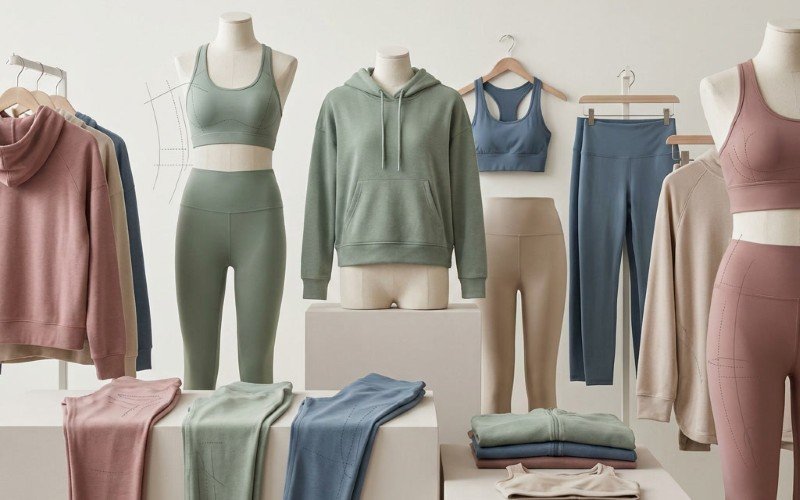
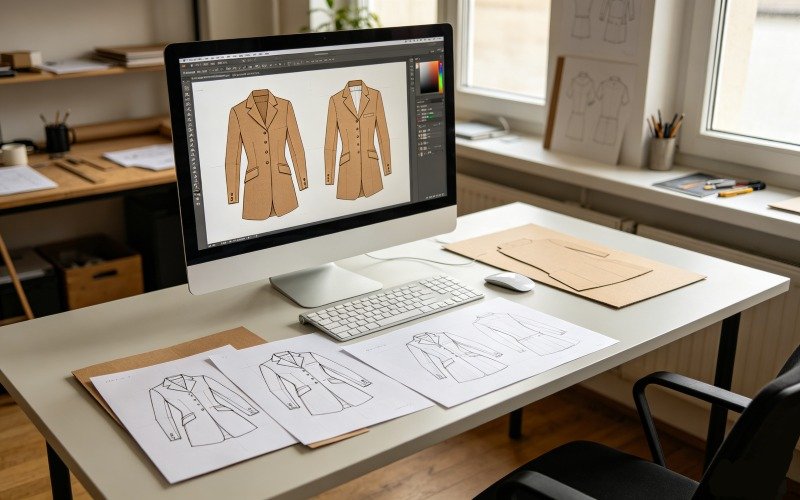
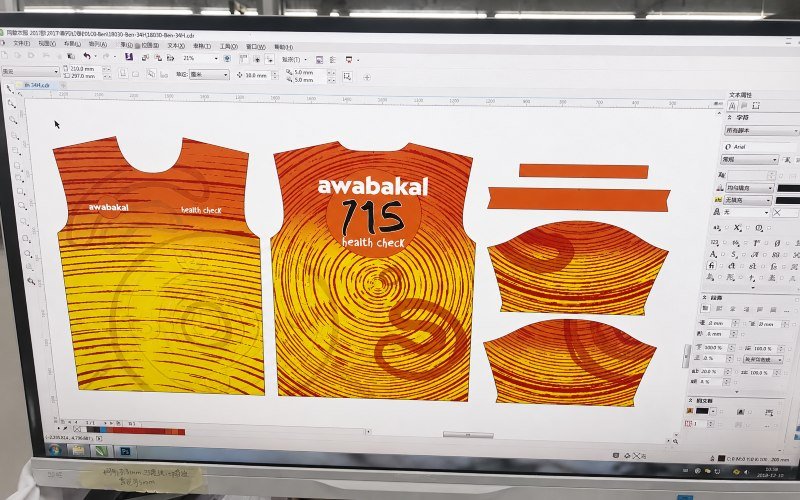
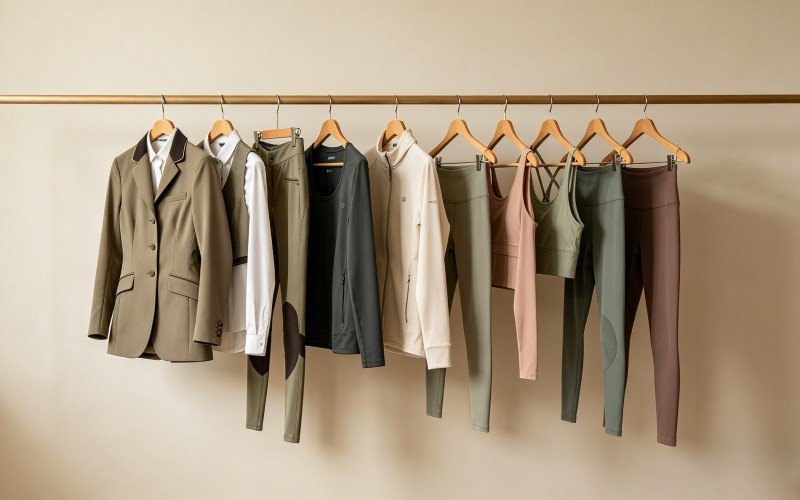
What Are the Best Equestrian Riding Pants Manufacturers in China? (Quick Answer)
Finding the best equestrian riding pants manufacturer in China depends on your business model, target customers, and product requirements. Some factories specialize in low-MOQ private label development, while others focus on large-scale wholesale production or premium technical riding apparel offered by an experienced equestrian clothing manufacturer. International buyers should compare suppliers based on product expertise, sampling capability, certifications, delivery performance, and long-term supply chain support rather than price alone.
China currently offers one of the world’s most complete supply chains for equestrian apparel. From functional fabrics and silicone grip technology to pattern development and customized branding, a professional Best Equestrian Riding Pants Manufacturer for OEM, Private Label and Custom Collections can support riding brands at almost every stage of growth. The challenge is not whether good suppliers exist—it is identifying which supplier is the right fit for your specific business.
For example, a startup launching its first riding collection usually needs a low MOQ, flexible development support, and fast sampling from a reliable custom riding pants manufacturer. A distributor may prioritize production capacity and stable lead times. Premium brands often focus more on technical expertise, sustainability, and consistent product quality.
The table below provides a quick comparison of ten well-known equestrian riding pants manufacturers in China, based on public information and industry research from several equestrian sourcing resources.
Brands planning to build long-term private label riding apparel collections should evaluate suppliers based on product expertise, development capability, and scalability rather than simply comparing prices.
Top Equestrian Riding Pants Manufacturers in China at a Glance
| Manufacturer | City | MOQ | Sample Time | Main Strength | Best For |
|---|---|---|---|---|---|
| Pair Fashion | Dongguan | 50 pcs | 3-7 Days | Low MOQ & Custom Development | Startups & Private Label Brands |
| Zest Equestrian | Dongguan | 100 pcs | 7-10 Days | Premium Equestrian Products | Established Riding Brands |
| RW Equestrian | Dongguan | 100 pcs | 7 Days | Club and Team Apparel | Riding Clubs |
| SGL Sports | Guangzhou | 100 pcs | 7-10 Days | OEM Sportswear Production | Medium-Sized Brands |
| Tacking Apparel | Xiamen | 150 pcs | 10 Days | Sustainable Manufacturing | Eco-Friendly Brands |
| UBI Clothing | Ningbo | 200 pcs | 10-15 Days | Large Production Capacity | Wholesalers |
| Mywaytex | Hangzhou | 100 pcs | 7-10 Days | Multi-Category Sportswear | Mid-Size Buyers |
| Ohsure Wear | Dongguan | 50 pcs | 5-7 Days | Small Batch Production | Emerging Brands |
| Bella Fitness | Yiwu | 100 pcs | 7 Days | Functional Activewear | Cross-Category Brands |
| Ningbo Yuyang | Ningbo | 200 pcs | 10 Days | Trading and Sourcing Services | Importers & Distributors |
Which Supplier Is Best for Different Buyer Types?
Different buyers often need very different manufacturing partners. Choosing a factory that matches your stage of growth can significantly reduce sourcing risks and improve product development efficiency.
| Buyer Type | Recommended Supplier Type |
|---|---|
| Startup Riding Brand | Low MOQ Manufacturer |
| Premium Equestrian Brand | Technical Product Specialist |
| Riding Club | Stable Mid-Volume Supplier |
| Distributor | Large Capacity Factory |
| Amazon Seller | Fast Sampling Manufacturer |
| Sustainable Brand | Eco-Focused Supplier |
Buyer Recommendation Matrix
Best for Startup Riding Brands
Startups usually need:
- Low MOQ
- Development support
- Flexible customization
- Small-batch testing
- Fast communication
Manufacturers with rigid order requirements often create unnecessary inventory risks for new brands.
Best for Premium Riding Brands
Premium brands generally prioritize:
- Fabric quality
- Silicone grip performance
- Pattern accuracy
- Consistent sizing
- Long-term product stability
The cheapest supplier is rarely the best option for high-end equestrian collections.
Best for Wholesalers and Distributors
Distributors typically focus on:
- Production capacity
- Delivery reliability
- Price stability
- Broad product categories
- Efficient replenishment capability
For these buyers, operational efficiency often matters more than highly customized product development.
A Practical Way to Shortlist Suppliers
Instead of requesting quotations from dozens of factories, experienced buyers usually narrow their options to three or four suppliers and compare them using a structured framework.
Step 1
Review product specialization.
Step 2
Evaluate MOQ flexibility.
Step 3
Request samples.
Step 4
Compare communication efficiency.
Step 5
Verify certifications and quality systems.
Step 6
Assess long-term scalability.
The goal is not to find the cheapest supplier. The goal is to find a manufacturer that can consistently support your brand’s growth for years rather than for a single order.
Key Takeaway
There is no single “best” equestrian riding pants manufacturer for every buyer. The ideal supplier depends on your product positioning, budget, order volume, and long-term business goals. China’s manufacturing ecosystem offers options for nearly every type of riding brand, but selecting the right partner requires careful evaluation rather than simply comparing prices.
Top 10 Best Equestrian Riding Pants Manufacturer Suppliers in China
China is home to hundreds of sportswear factories, but only a relatively small number have meaningful experience producing equestrian riding pants. Unlike ordinary leggings or activewear bottoms, riding pants require specialized fabrics, ergonomic construction, silicone grip technology, and a deep understanding of rider comfort and performance.
The manufacturers below were selected based on publicly available information, product specialization, export experience, customization capabilities, and suitability for different buyer profiles. Additional supplier information can also be found through industry supplier directories for equestrian apparel manufacturers in China. Buyers should independently verify commercial terms, certifications, and production capabilities before placing an order.
1. Pair Fashion
Headquarters
Dongguan, Guangdong, China
Founded
2016
Main Products
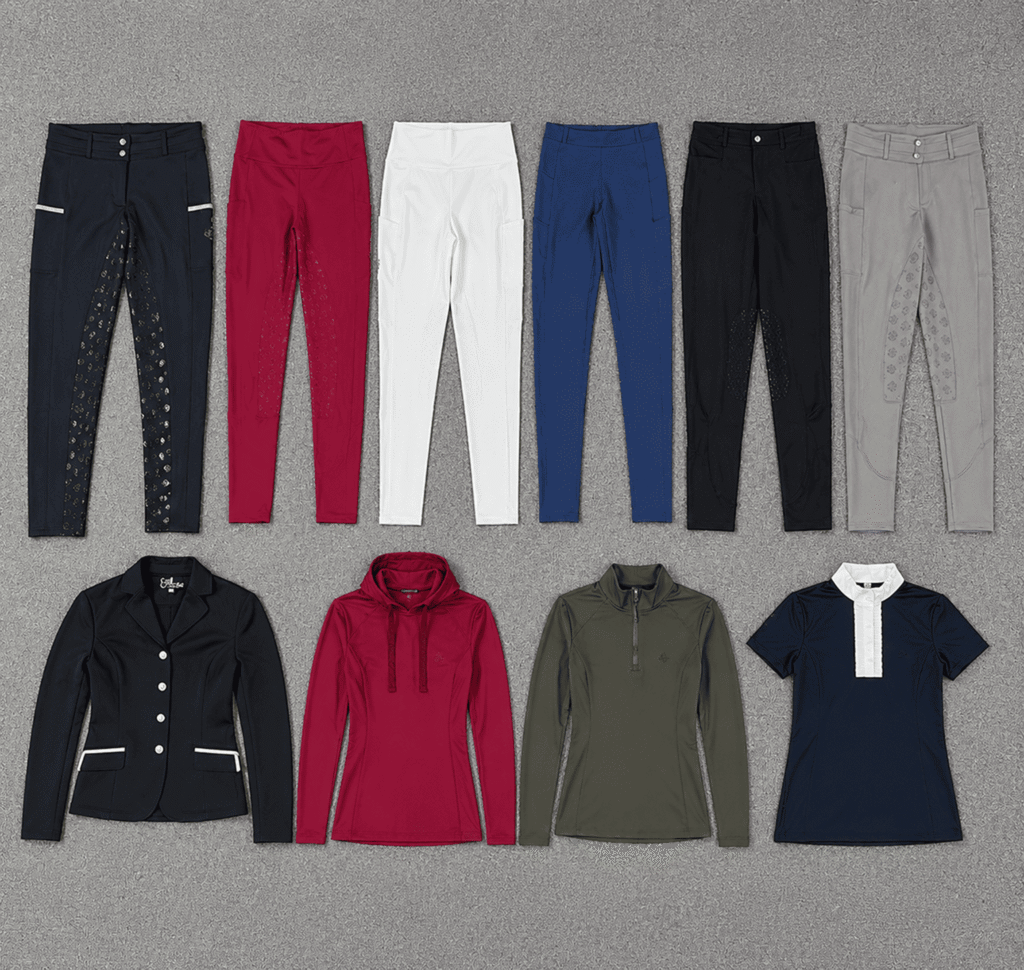
- Equestrian Riding Pants
- Riding Tights
- Riding Breeches
- Competition Shirts
- Equestrian Jackets
- Plus Size Riding Apparel
- Children’s Riding Wear
Typical MOQ
50 pieces
Sample Lead Time
3-7 days
Bulk Lead Time
15-25 working days
Certifications
- ISO9001
- BSCI
- GRS
- CE
- ROHS
Core Strengths
- Low MOQ suitable for startups
- Fast sample development
- Extensive customization options
- Strong experience in functional sportswear
- Flexible production for small and medium orders
- One-stop development from concept to production
- Global DDP shipping solutions
Limitations
- Not designed for ultra-large mass production programs exceeding several hundred thousand pieces annually.
- Premium customization may result in higher pricing than basic commodity factories.
Suitable Buyer Types
✅ Startup riding brands
✅ Private label brands
✅ DTC equestrian brands
✅ Boutique retailers
✅ Kickstarter projects
Less Suitable For
❌ Buyers focused only on the lowest price.
❌ Very large retailers requiring extremely high-volume annual production.
Why Buyers Consider This Supplier
Pair Fashion has developed a strong position among emerging equestrian brands because it combines low MOQ flexibility with professional product development support. Many new brands struggle to find factories willing to invest time in small custom projects. A manufacturer that can provide fast sampling, technical guidance, and scalable production often becomes a long-term partner rather than simply a production vendor.
2. Zest Equestrian
Headquarters
Dongguan, Guangdong, China
Founded
Approx. 2014
Main Products
- Riding Breeches
- Riding Tights
- Show Shirts
- Riding Jackets
- Horse Rugs
- Full Equestrian Collections
Typical MOQ
100 pieces
Sample Lead Time
7-10 days
Bulk Lead Time
20-30 days
Certifications
- BSCI
Core Strengths
- Strong specialization in equestrian products
- Broad product range
- International market experience
- Focus on premium equestrian collections
Limitations
- Higher MOQ than many startup brands prefer.
- Product development cycles may be longer.
Suitable Buyer Types
✅ Established riding brands
✅ Medium-sized retailers
✅ Professional equestrian companies
Less Suitable For
❌ Small brands with limited budgets.
❌ Businesses requiring extremely fast development.
Why Buyers Consider This Supplier
Some brands prefer working with factories that focus almost entirely on equestrian products because the factory team already understands rider preferences, competition requirements, and technical garment details. This experience can reduce communication errors and improve development efficiency.
3. RW Equestrian
Headquarters
Dongguan, Guangdong, China
Main Products
- Riding Pants
- Riding Shirts
- Club Uniforms
- Team Apparel
Typical MOQ
100 pieces
Sample Lead Time
7 days
Bulk Lead Time
20-30 days
Core Strengths
- Stable production quality
- Experience with club apparel
- Team order management
Limitations
- More limited design innovation.
- Product range is narrower than larger competitors.
Suitable Buyer Types
✅ Riding schools
✅ Equestrian clubs
✅ Event organizers
Less Suitable For
❌ Fashion-focused premium brands.
Why Buyers Consider This Supplier
Many equestrian clubs prioritize consistency and reliability over constant product innovation. Suppliers experienced in repeat team orders often provide stable delivery schedules and predictable product quality.
4. SGL Sports
Headquarters
Guangzhou, Guangdong, China
Main Products
- Sportswear
- Riding Apparel
- Fitness Clothing
- Outdoor Wear
Typical MOQ
100 pieces
Sample Lead Time
7-10 days
Core Strengths
- Broad manufacturing experience
- Multiple sports categories
- Flexible OEM capability
Limitations
- Less specialized in equestrian products than dedicated riding apparel factories.
Suitable Buyer Types
✅ Brands operating in multiple sports categories.
✅ Businesses combining activewear and riding apparel.
Less Suitable For
❌ Highly technical competition riding products.
Why Buyers Consider This Supplier
Some international brands prefer to consolidate multiple product categories under one supplier. This approach simplifies sourcing and can reduce supply chain management costs.
5. Tacking Apparel
Headquarters
Xiamen, Fujian, China
Main Products
- Riding Pants
- Riding Tops
- Sustainable Sportswear
Typical MOQ
150 pieces
Certifications
- GRS
Core Strengths
- Environmental materials
- Recycled fabrics
- Sustainability positioning
Limitations
- Higher material costs.
- Smaller fabric options compared with traditional suppliers.
Suitable Buyer Types
✅ Sustainable equestrian brands.
✅ Eco-conscious retailers.
Less Suitable For
❌ Price-sensitive buyers.
Why Buyers Consider This Supplier
Sustainability is becoming increasingly important in the equestrian industry. Consumers are asking where garments are made, what materials are used, and how products impact the environment. Manufacturers with recycled material capabilities are gaining attention among premium brands.
6. UBI Clothing
Headquarters
Ningbo, Zhejiang, China
Main Products
- Riding Apparel
- Activewear
- Sports Uniforms
Typical MOQ
200 pieces
Sample Lead Time
10-15 days
Core Strengths
- Large production capacity
- Efficient bulk manufacturing
- Stable repeat orders
Limitations
- Less flexible for small projects.
- Higher entry requirements.
Suitable Buyer Types
✅ Wholesalers.
✅ Large retailers.
✅ Established brands.
Less Suitable For
❌ Startup brands.
7. Mywaytex
Headquarters
Hangzhou, Zhejiang, China
Main Products
- Sportswear
- Riding Apparel
- Yoga Apparel
Typical MOQ
100 pieces
Core Strengths
- Multi-category development
- Functional fabrics
- Moderate pricing
Limitations
- Smaller equestrian product focus.
Suitable Buyer Types
✅ Mid-size brands.
✅ Cross-category activewear businesses.
8. Ohsure Wear
Headquarters
Dongguan, Guangdong, China
Main Products
- Riding Tights
- Leggings
- Compression Wear
Typical MOQ
50 pieces
Core Strengths
- Small-batch production
- Flexible customization
Limitations
- Limited capacity for large-scale programs.
Suitable Buyer Types
✅ Small brands.
✅ New product testing projects.
9. Bella Fitness
Headquarters
Yiwu, Zhejiang, China
Main Products
- Activewear
- Riding Tights
- Fitness Clothing
Typical MOQ
100 pieces
Core Strengths
- Competitive pricing
- Activewear expertise
Limitations
- Less specialized in traditional riding apparel.
Suitable Buyer Types
✅ DTC brands.
✅ Online retailers.
10. Ningbo Yuyang Clothing
Headquarters
Ningbo, Zhejiang, China
Main Products
- Riding Apparel
- Sportswear
- Private Label Production
Typical MOQ
200 pieces
Core Strengths
- Large order management
- Sourcing capabilities
- Broad supplier network
Limitations
- Less flexible for custom development.
Suitable Buyer Types
✅ Importers.
✅ Regional distributors.
✅ Large wholesalers.
Manufacturer Comparison Table
| Supplier | MOQ | Sample Time | Lead Time | Product Focus | Best For |
|---|---|---|---|---|---|
| Pair Fashion | 50 | 3-7 Days | 15-25 Days | Riding Pants & Custom Development | Startups |
| Zest Equestrian | 100 | 7-10 Days | 20-30 Days | Premium Equestrian | Established Brands |
| RW Equestrian | 100 | 7 Days | 20-30 Days | Club Apparel | Riding Clubs |
| SGL Sports | 100 | 7-10 Days | 20-30 Days | Multi-Sports | Cross-Category Brands |
| Tacking Apparel | 150 | 10 Days | 30 Days | Sustainable Products | Eco Brands |
| UBI Clothing | 200 | 10-15 Days | 30 Days | Large Orders | Wholesalers |
| Mywaytex | 100 | 7-10 Days | 25 Days | Functional Sportswear | Mid-Size Buyers |
| Ohsure Wear | 50 | 5-7 Days | 20 Days | Small Projects | Startups |
| Bella Fitness | 100 | 7 Days | 20-25 Days | Activewear | DTC Brands |
| Ningbo Yuyang | 200 | 10 Days | 30 Days | Sourcing & Trading | Distributors |
Key Takeaway
No manufacturer is perfect for every business.
- A startup launching its first collection may value low MOQ and fast sampling.
- A premium riding brand may prioritize technical expertise and product consistency.
- A distributor often needs capacity and stable replenishment.
The best supplier is not necessarily the largest factory or the cheapest factory. The right supplier is the one whose capabilities align with your product strategy, growth stage, and long-term business objectives.
What Types of Equestrian Riding Pants Do International Brands Source From China?
International buyers source a wide range of equestrian riding pants from China because the country’s manufacturing ecosystem supports everything from entry-level training apparel to highly technical competition garments. Modern riding pants are no longer limited to traditional breeches. Today’s market includes riding tights, winter riding pants, children’s collections, plus-size products, and sustainable performance apparel.
Understanding the different product categories is important because each type of riding pants requires different fabrics, construction techniques, and manufacturing expertise. Choosing a supplier with experience in your target product category often reduces development risks and improves product performance.
Full Seat Riding Pants
Full seat riding pants feature silicone or synthetic grip panels extending across the entire seat area. These products are designed to provide additional stability and security in the saddle.
Why Riders Choose Full Seat Riding Pants
- Improved grip during jumping and dressage
- Better stability for long riding sessions
- Increased confidence for beginner riders
- Enhanced performance during competitions
Common Fabrics
- 75% Nylon + 25% Spandex
- 78% Nylon + 22% Spandex
- Double Knit Performance Fabric
- Brushed Compression Fabric
Typical Buyers
- Dressage brands
- Premium equestrian retailers
- Riding schools
- Competition apparel companies
Full seat riding pants remain one of the best-selling categories in Europe and North America because they combine technical performance with broad rider appeal.
Knee Patch Riding Pants
Knee patch riding pants feature grip panels only around the knees, allowing greater freedom of movement while still providing additional control.
Advantages
- More flexibility than full seat styles
- Suitable for everyday riding
- Popular among hunters and recreational riders
- Lower silicone application cost
Typical Buyers
- Riding clubs
- Entry-level brands
- Junior collections
- Equestrian wholesalers
Many brands choose knee patch products when launching their first riding collection because they appeal to a broad customer base and usually involve slightly simpler construction.
Riding Tights
Riding tights have become one of the fastest-growing categories in the equestrian market.
Inspired by the popularity of activewear leggings, riding tights combine:
- Four-way stretch fabrics
- Compression performance
- Lightweight comfort
- Silicone grip technology
- Everyday versatility
Many riders now expect products that perform both in the stable and in daily life.
Why Riding Tights Are Growing So Quickly
- Younger consumers prefer athletic styling.
- Riders increasingly value comfort.
- Social media has accelerated athleisure trends.
- Riding tights are often easier to fit across multiple body types.
In many markets, riding tights have become one of the most commercially successful categories for emerging equestrian brands.
Competition Breeches
Competition breeches are designed specifically for horse shows and professional events.
These products often require:
- Premium fabrics
- Clean tailoring
- White or light-colored fabrics
- Elegant finishes
- Higher quality control standards
Common Features
- Silicone full seat or knee grip
- Moisture management
- Compression support
- Stain-resistant treatment
- Premium branding details
Because competition apparel directly reflects a rider’s professional image, product consistency and fit accuracy are especially important.
Winter Riding Pants
Cold-weather riding requires additional insulation without sacrificing flexibility.
Winter riding pants typically include:
- Brushed inner fabrics
- Thermal fleece linings
- Wind-resistant materials
- Water-repellent treatments
Why This Category Matters
Winter riding apparel often generates higher average selling prices than ordinary riding pants.
For many brands, seasonal collections create opportunities to increase annual revenue while differentiating product offerings.
Children’s Riding Pants
Youth equestrian participation continues to grow in many countries, creating increasing demand for children’s riding apparel.
Key Considerations
- Comfortable waist construction
- Durable fabrics
- Easy care requirements
- Flexible sizing
Parents often prioritize durability and comfort over highly technical features, making product quality and fit particularly important.
Plus Size Riding Pants
The equestrian industry is becoming increasingly inclusive.
Many riders struggle to find technical riding pants designed specifically for curvier body types.
As a result, demand for plus-size riding apparel has increased significantly.
Design Challenges
- Higher stretch recovery requirements
- Specialized grading
- Wider waistband engineering
- Improved compression balance
Brands that offer inclusive sizing often reach underserved customers and build stronger long-term loyalty.
Club and Team Riding Pants
Equestrian clubs, riding schools, and competition teams frequently purchase customized riding pants for:
- Training programs
- Team events
- Competitions
- Corporate sponsorship projects
Common Customization Options
- Club logos
- Embroidery
- Team colors
- Personalized packaging
These projects usually prioritize consistent quality and reliable delivery schedules.
Sustainable Riding Pants
Sustainability has become one of the most important trends in technical apparel.
Many riders increasingly ask:
- Where was this garment produced?
- What materials were used?
- Is the fabric recycled?
- How long will the product last?
As a result, many brands are introducing:
- Recycled nylon fabrics
- Recycled polyester fabrics
- Reduced packaging
- Lower-impact production methods
Sustainability is no longer limited to premium brands. It is becoming an important purchasing factor across multiple market segments.
Comparison of Major Riding Pants Categories
| Product Type | Main Users | Fabric Complexity | Price Position | Market Growth |
|---|---|---|---|---|
| Full Seat Riding Pants | Competitive Riders | High | Premium | Stable |
| Knee Patch Riding Pants | Recreational Riders | Medium | Mid-Range | Stable |
| Riding Tights | Lifestyle Riders | Medium | Mid-Range | Very High |
| Competition Breeches | Professional Riders | High | Premium | Moderate |
| Winter Riding Pants | Seasonal Riders | High | Premium | Growing |
| Children’s Riding Pants | Young Riders | Medium | Mid-Range | Growing |
| Plus Size Riding Pants | Inclusive Market | High | Mid-Range | High |
| Sustainable Riding Pants | Eco-Conscious Consumers | High | Premium | High |
Key Takeaway
There is no single riding pants category that fits every brand.
The most successful equestrian companies often build private label riding apparel collections that combine several categories, including riding tights, competition products, and seasonal styles:
- Core riding tights
- Seasonal winter products
- Competition collections
- Inclusive sizing
- Team and club programs
Understanding which products your customers actually want is often more important than simply following industry trends.
The best manufacturers are usually those that can support multiple categories while maintaining consistent quality and technical performance.
Why Are More International Riding Brands Manufacturing Riding Pants in China?
China has become one of the world’s leading manufacturing centers for equestrian apparel because it combines technical expertise, complete textile supply chains, flexible production models, and competitive costs. For riding brands, the biggest advantage is not simply lower prices. It is the ability to develop products quickly, source specialized materials efficiently, and scale production as demand grows.
Many successful equestrian brands manufacture in China because the country offers a rare combination of speed, customization, and supply chain depth, which has also been highlighted by several independent equestrian manufacturing comparison guides. A new riding pants collection that might take several months to develop elsewhere can often move from concept to approved samples significantly faster when supported by China’s mature apparel ecosystem.
Why China Has Become a Major Manufacturing Base for Riding Apparel
Unlike ordinary fashion products, equestrian riding pants require:
- Four-way stretch fabrics
- Compression performance
- Silicone grip technology
- Ergonomic seam construction
- Specialized pattern development
- Durable stitching and recovery performance
China’s textile clusters in Guangdong, Fujian, Zhejiang, and Jiangsu have spent decades building manufacturing ecosystems capable of supporting technical sportswear production. These supply chains allow brands to source fabrics, trims, silicone printing, labels, packaging, and logistics from highly specialized suppliers located within the same region.
China vs Europe Manufacturing Costs
For many international brands, cost remains an important consideration.
| Category | China | Europe |
|---|---|---|
| Labor Cost | Lower | Higher |
| MOQ Flexibility | High | Moderate |
| Sample Speed | Fast | Moderate |
| Material Availability | Excellent | Good |
| Development Cost | Competitive | Higher |
| Production Scalability | Excellent | Moderate |
European factories often offer strong craftsmanship and proximity to local markets, but production costs can be significantly higher, particularly for brands still testing new collections. China allows brands to experiment with smaller runs and broader customization without committing to extremely large investments.
China vs Turkey vs Vietnam for Riding Pants Manufacturing
| Country | Strengths | Challenges |
|---|---|---|
| China | Supply chain depth, customization, technical fabrics | Longer shipping to Europe |
| Turkey | Short lead times to Europe | Higher pricing and fewer specialized riding suppliers |
| Vietnam | Competitive labor costs | Smaller equestrian manufacturing ecosystem |
No manufacturing country is perfect for every buyer.
Brands focused on premium leather products may prefer Europe. Certain basic apparel categories may work well in Vietnam. However, for technical riding pants with extensive customization requirements, China remains one of the strongest options globally.
Why Chinese Factories Can Support Lower MOQ
One reason startups increasingly manufacture in China is production flexibility.
Many factories have invested heavily in:
- Digital pattern systems
- Small-batch production management
- Flexible supply chain coordination
- Modular production lines
This allows buyers to test products without committing to thousands of units.
For emerging riding brands, low MOQ can reduce:
- Inventory risk
- Cash flow pressure
- Product launch uncertainty
Small trial orders also allow brands to collect customer feedback before scaling production.
Why Product Development Is Often Faster in China
Speed has become a major competitive advantage.
A typical riding pants development process involves:
- Pattern development
- Fabric sourcing
- Silicone grip sampling
- Fit adjustments
- Branding customization
- Pre-production approval
In regions with fragmented supply chains, these steps can take months.
China’s manufacturing clusters often allow these stages to happen simultaneously, reducing development timelines and improving communication between suppliers. Textile clusters in Guangdong and Zhejiang have become particularly important for technical sportswear production and rapid sample development.
Why More Riding Brands Are Building Long-Term Partnerships in China
The relationship between brands and factories is gradually changing.
Many buyers no longer view manufacturers simply as production vendors. Instead, they increasingly rely on suppliers for:
- Product development
- Material recommendations
- Cost optimization
- Seasonal planning
- Supply chain management
A reliable manufacturing partner can become an extension of the brand’s internal product team.
This is especially valuable in the equestrian market, where technical expertise and product consistency often matter more than finding the absolute lowest price.
Key Takeaway
China’s advantage in equestrian riding pants manufacturing goes far beyond labor costs. The country’s mature supply chains, technical apparel expertise, flexible MOQ options, and efficient product development capabilities make it one of the most attractive manufacturing destinations for international riding brands.
For many companies, the question is no longer whether to manufacture in China. The more important question is:Which Chinese supplier is best equipped to support your long-term growth?
How Do You Evaluate and Compare Equestrian Riding Pants Suppliers?
Choosing an equestrian riding pants manufacturer should never be based on price alone. A factory that offers the lowest quotation may not have the technical expertise, quality systems, or development capabilities required for performance riding apparel. Experienced buyers usually evaluate suppliers using a structured framework that considers product specialization, communication, quality control, and long-term supply chain stability.
The goal is not simply to find the cheapest factory. The goal is to find a manufacturing partner that can consistently support your brand’s growth, protect product quality, and reduce sourcing risks over time.
Why Supplier Evaluation Matters More Than Price
Many sourcing problems happen because brands compare quotations without understanding how different suppliers operate.
Two factories may quote similar prices but have completely different capabilities.
One supplier may offer:
- Better fabrics
- Faster development
- More consistent sizing
- Stronger quality control
- Better communication
The other supplier may only provide lower prices while creating hidden risks that become expensive later.
In technical products such as riding pants, quality issues often cost far more than small price differences.
Factory vs Trading Company
One of the first questions buyers ask is whether they should work directly with a factory or through a trading company.
| Category | Factory | Trading Company |
|---|---|---|
| Pricing | Lower | Higher |
| Communication | Direct | Indirect |
| Product Development | Better | Depends |
| Production Control | Stronger | Limited |
| Supplier Options | Single Factory | Multiple Factories |
| Flexibility | High | Moderate |
When a Factory Is Better
Factories are often the preferred choice when:
- Developing custom products
- Building private label collections
- Requiring technical support
- Planning long-term partnerships
When a Trading Company Can Help
Trading companies may be useful when:
- Sourcing multiple unrelated products
- Consolidating shipments
- Buying standard products
- Operating with very small teams
For highly customized riding pants, many brands prefer working directly with manufacturers because communication and technical feedback are usually faster.
What Certifications Matter?
Certifications do not automatically guarantee product quality, but they do indicate whether a supplier has established management systems and compliance procedures.
Common Certifications
| Certification | Purpose |
|---|---|
| ISO9001 | Quality Management |
| BSCI | Social Compliance |
| GRS | Recycled Materials |
| OEKO-TEX | Chemical Safety |
| WRAP | Responsible Production |
Different buyers may require different certifications depending on their market.
For example:
- European retailers often request BSCI.
- Sustainable brands may prioritize GRS.
- Premium brands may ask for third-party testing reports.
A supplier that understands these requirements can often reduce compliance risks during product development.
How Important Is Equestrian Experience?
Not all activewear factories understand equestrian products.
At first glance, riding pants may appear similar to leggings, but professional riders quickly notice the differences.
A specialized equestrian supplier usually understands:
- Silicone grip placement
- Seat construction
- Rider movement
- Compression balance
- Fabric recovery
- Competition requirements
Factories without equestrian experience often underestimate these technical details.
This can result in:
- Poor fit
- Silicone peeling
- Inconsistent sizing
- Excessive returns
- Negative customer reviews
Product experience is often one of the most important criteria when evaluating suppliers.
How Do You Evaluate Samples?
Samples are one of the most powerful tools for evaluating a manufacturer.
An approved sample does more than show the appearance of a product. It reveals how a supplier approaches quality and attention to detail.
Check the Following Areas
Fabric Performance
- Stretch
- Recovery
- Hand feel
- Thickness
- Breathability
Construction Quality
- Stitch density
- Seam alignment
- Thread quality
- Reinforcement points
Silicone Application
- Adhesion
- Shape accuracy
- Durability
- Consistency
Fit and Comfort
- Waist comfort
- Leg shape
- Mobility
- Compression balance
Branding Details
- Labels
- Packaging
- Logo application
A well-made sample usually reflects a supplier’s overall manufacturing standards.
How Can You Verify a Factory Remotely?
International buyers cannot always visit factories in person.
Fortunately, there are many ways to evaluate suppliers remotely.
Request:
- Factory videos
- Production line photos
- Certification copies
- Sample reports
- Product testing reports
- Video meetings
- References from previous customers
Modern communication tools make remote supplier evaluation much easier than it was in the past.
However, buyers should still verify information carefully and avoid making decisions based only on websites or social media content.
Supplier Evaluation Scorecard
Professional sourcing teams often use structured scoring systems.
The example below provides a practical framework.
| Evaluation Criteria | Weight |
|---|---|
| Product Expertise | 25% |
| MOQ Flexibility | 15% |
| Sample Capability | 15% |
| Quality Control | 15% |
| Communication | 10% |
| Certifications | 10% |
| Delivery Stability | 10% |
Example Supplier Scoring Matrix
| Criteria | Supplier A | Supplier B | Supplier C |
|---|---|---|---|
| Product Expertise | 9 | 7 | 8 |
| Sample Capability | 8 | 6 | 9 |
| Communication | 9 | 7 | 8 |
| QC System | 8 | 7 | 8 |
| Delivery Stability | 9 | 8 | 7 |
| Final Score | 8.6 | 7.0 | 8.1 |
Using a scorecard helps buyers compare suppliers more objectively instead of relying entirely on intuition.
Questions You Should Ask Every Supplier
Before placing an order, experienced buyers often ask:
Product Development
- How many equestrian products have you developed?
- Can you support custom silicone designs?
- What fabrics do you recommend?
Production
- What is your standard MOQ?
- What is your average lead time?
- How do you handle urgent orders?
Quality Control
- What inspections do you perform?
- How do you manage defective products?
- Can you provide testing reports?
Long-Term Cooperation
- Do you keep patterns on file?
- Can you support repeat orders?
- How do you handle product updates?
The answers to these questions often reveal more about a supplier than the quotation itself.
Supplier Red Flags
Buyers should be cautious if a supplier:
- Refuses video meetings.
- Cannot explain production processes.
- Avoids sharing certifications.
- Gives unrealistic delivery promises.
- Changes quotations frequently.
- Provides inconsistent sample quality.
- Responds slowly to technical questions.
These warning signs do not automatically mean a supplier is unreliable, but they deserve additional investigation.
Key Takeaway
The best equestrian riding pants manufacturer is rarely the cheapest one.
Professional sourcing decisions usually balance:
- Product expertise
- Communication
- Quality systems
- Development support
- Long-term scalability
A structured evaluation process helps brands avoid costly mistakes and build more reliable supply chain partnerships.
How Much Does It Cost to Source Riding Pants From China?
Lorem ipsum dolor sit amet, consectetur adipiscing elit. Ut elit tellus, luctus nec ullamcorper mattis, pulvinar dapibus leo.
The cost of manufacturing equestrian riding pants in China can vary significantly depending on fabric quality, silicone technology, order quantity, customization requirements, and packaging specifications. Entry-level products may start at relatively affordable prices, while premium competition riding pants with technical fabrics and advanced branding can cost considerably more.
For international buyers, understanding cost structure is important because the quoted unit price often represents only part of the total sourcing cost. Development expenses, shipping, testing, and inventory risks can have a major impact on the final profitability of a product collection.
What Factors Affect Riding Pants Pricing?
Many buyers ask:
Why do two factories quote very different prices for products that appear similar?
The answer usually comes down to several variables.
Major Cost Factors
- Fabric composition
- Fabric weight
- Silicone printing technology
- Construction complexity
- Branding requirements
- Packaging specifications
- Order quantity
- Shipping method
Even small changes in one component can significantly affect the final price.
For example, changing from standard polyester fabric to premium recycled nylon with higher compression performance can increase material costs considerably.
Fabric Cost Breakdown
Fabric is usually the largest cost component in riding pants manufacturing.
Typical Fabric Cost Distribution
| Cost Component | Percentage of Total Cost |
|---|---|
| Fabric | 40-50% |
| Labor | 20-25% |
| Trims & Accessories | 5-10% |
| Silicone Printing | 5-10% |
| Packaging | 3-5% |
| Overhead & QC | 10-15% |
The fabric selected often determines:
- Comfort
- Durability
- Compression
- Recovery
- Product positioning
Typical Fabric Categories
| Fabric Type | Market Position |
|---|---|
| Standard Polyester Spandex | Entry-Level |
| Nylon Spandex | Mid-Range |
| Premium Compression Nylon | Premium |
| Recycled Nylon | Premium Sustainable |
| Double Knit Technical Fabric | High Performance |
Premium equestrian brands increasingly prefer nylon-based fabrics because they generally provide:
- Better recovery
- Softer hand feel
- Improved durability
- Superior rider comfort
Silicone Printing Costs
Silicone grip technology is one of the defining features of modern riding pants.
However, silicone application can also be one of the biggest cost variables.
Pricing depends on:
- Silicone area
- Pattern complexity
- Printing technique
- Number of colors
- Durability requirements
Typical Applications
| Silicone Type | Relative Cost |
|---|---|
| Knee Patch | Low |
| Full Seat Standard | Medium |
| Custom Pattern Full Seat | High |
| Premium Multi-Layer Silicone | Highest |
Cheap silicone applications often result in:
- Peeling
- Cracking
- Poor grip
- High return rates
Many experienced buyers are willing to spend more on higher-quality silicone because product failures are usually much more expensive than small manufacturing savings.
Branding and Packaging Costs
Branding costs are frequently underestimated by new companies.
Typical branding elements include:
- Main labels
- Care labels
- Size labels
- Hangtags
- Polybags
- Customized cartons
- Stickers
- Barcode labels
For small orders, packaging costs may represent a surprisingly large percentage of total production costs.
Example Packaging Cost Comparison
| Packaging Type | Relative Cost |
|---|---|
| Standard Polybag | Low |
| Printed Polybag | Medium |
| Premium Zip Bag | High |
| Retail Gift Box | Highest |
Many startup brands begin with simple packaging and gradually upgrade as sales increase.
How Order Quantity Affects Pricing
Order quantity has a major influence on unit cost.
Example Cost Trend
| Quantity | Relative Unit Cost |
|---|---|
| 50 pcs | Highest |
| 100 pcs | High |
| 300 pcs | Moderate |
| 500 pcs | Lower |
| 1000+ pcs | Lowest |
This happens because:
- Development costs are spread over more units.
- Production efficiency improves.
- Material purchasing becomes more efficient.
However, ordering more inventory than necessary can create financial risks.
For many startups, a slightly higher unit cost with a lower MOQ may actually be the better business decision.
Shipping Costs
Shipping costs vary depending on:
- Destination country
- Delivery speed
- Carton size
- Order quantity
Common Shipping Methods
| Method | Delivery Time | Relative Cost |
|---|---|---|
| Express | 3-7 Days | Highest |
| Air Freight | 7-15 Days | High |
| Sea Freight | 25-45 Days | Lowest |
For larger orders, sea freight often provides the best balance between cost and efficiency.
Hidden Costs Buyers Often Ignore
Many new buyers focus only on manufacturing prices while overlooking additional expenses.
Common Hidden Costs
Sample revisions
Fabric testing
Product photography
Import duties
Warehousing
Inventory financing
Defective product replacement
Delayed launch costs
Excess inventory
In many cases, these hidden costs can have a greater impact on profitability than the factory’s unit price.
Example Cost Structure for a Small Private Label Project
| Category | Estimated Share |
|---|---|
| Manufacturing | 60% |
| Freight & Duties | 15% |
| Packaging | 5% |
| Development Costs | 5% |
| Marketing Assets | 5% |
| Contingency | 10% |
This is why experienced brands rarely make sourcing decisions based solely on FOB pricing.
How Long Does Sample Development and Production Usually Take?
Typical timelines for custom riding pants projects:
| Stage | Typical Timeline |
|---|---|
| Development Discussion | 1-3 Days |
| Fabric Confirmation | 2-5 Days |
| First Sample | 3-10 Days |
| Sample Revision | 5-10 Days |
| PP Sample Approval | 3-5 Days |
| Bulk Production | 15-30 Days |
| Shipping | 5-45 Days |
The total project timeline often ranges from:
30 to 90 days, depending on product complexity and shipping requirements.
Should Buyers Always Choose the Lowest Quote?
Not necessarily.
The cheapest supplier may:
- Use lower-quality fabrics.
- Have weaker QC systems.
- Provide slower communication.
- Deliver inconsistent products.
- Create higher long-term costs.
Professional buyers often evaluate:
Total Cost of Ownership
instead of:
Lowest Unit Price
This approach considers:
- Product quality
- Customer satisfaction
- Return rates
- Inventory risk
- Supply chain stability
A supplier that costs slightly more but delivers consistent quality often becomes the more profitable choice over time.
Key Takeaway
The cost of sourcing riding pants from China depends on much more than fabric and labor.
Successful brands understand the full cost picture, including:
- Development expenses
- Shipping
- Packaging
- Inventory risk
- Product quality
- Long-term supplier reliability
The goal is not simply to buy the cheapest riding pants.
The goal is to build a product that riders love and a supply chain that can support long-term growth.
What Are the Biggest Risks When Buying Riding Pants From China?
Sourcing riding pants from China can offer significant advantages, but it also comes with risks that buyers should understand before placing an order. Most sourcing failures do not happen because factories intentionally make mistakes. Problems usually occur because expectations, technical requirements, and communication are not aligned early in the process.
The good news is that most manufacturing risks are predictable and manageable. Brands that understand the common pitfalls of international sourcing can build stronger supplier relationships, avoid costly surprises, and improve long-term profitability.
Why Do Some Riding Pants Projects Fail?
Many sourcing problems can be traced back to one simple issue:
The factory and the buyer have different expectations.
This often happens when:
- Technical documents are incomplete.
- Product requirements are unclear.
- Samples are not fully approved.
- Communication is inconsistent.
- Production standards are not documented.
The more technical the product, the more important these details become.
Since equestrian riding pants involve fabrics, compression, silicone grip, and performance fit, small misunderstandings can create significant problems later.
Risk 1: Sample and Bulk Production Differences
This is one of the most common complaints among international buyers.
The approved sample looks perfect.
The bulk production arrives and suddenly:
- Fabric feels different.
- Color is slightly off.
- Silicone grip placement has changed.
- Measurements vary.
- Packaging is inconsistent.
Why Does This Happen?
Usually because:
- Fabric lots changed.
- Production specifications were not documented.
- The sample approval process was incomplete.
- There was no PP sample confirmation.
How to Reduce This Risk
Always confirm:
- Fabric composition
- Fabric weight
- Pantone colors
- Measurement tolerances
- Silicone specifications
- Packaging requirements
Request:
- PP sample approval
- Production photos
- Measurement reports
Professional factories usually insist on these procedures because they also want to avoid costly production mistakes.
Risk 2: Delivery Delays
Late deliveries can be extremely expensive.
For riding brands, delays may result in:
- Missing seasonal launches
- Missing competition seasons
- Cancelled retailer orders
- Lost marketing opportunities
- Excess inventory in the following season
Common Causes of Delays
Fabric shortages
Frequent revisions
Late approvals
Production overload
Shipping disruptions
Inaccurate planning
How to Reduce This Risk
Experienced buyers often:
- Add buffer time.
- Approve samples quickly.
- Place orders earlier.
- Maintain regular communication.
- Build long-term supplier relationships.
Factories usually perform better for customers with stable and predictable ordering patterns.
Risk 3: Silicone Grip Quality Problems
Silicone technology is one of the most important elements of riding pants.
Poor silicone quality can lead to:
- Cracking
- Peeling
- Loss of grip
- Customer complaints
- Product returns
Why Silicone Problems Occur
Low-quality materials
Incorrect curing temperatures
Inconsistent printing parameters
Poor washing durability
Inexperienced suppliers
Questions to Ask Your Supplier
- How long has the factory produced riding pants?
- What silicone technology is used?
- Can washing tests be provided?
- Can abrasion tests be performed?
Silicone failures can quickly damage a brand’s reputation because riders often notice these issues immediately.
Risk 4: Fabric Performance Issues
Technical fabrics are one of the biggest reasons riders remain loyal to certain brands.
Poor fabrics may result in:
- Loss of shape
- Excessive transparency
- Pilling
- Poor recovery
- Discomfort during riding
Fabric Performance Areas to Evaluate
| Performance Item | Why It Matters |
|---|---|
| Stretch Recovery | Maintains fit |
| Breathability | Rider comfort |
| Compression | Muscle support |
| Abrasion Resistance | Product durability |
| Color Fastness | Appearance |
| Moisture Management | Performance |
Many experienced buyers request laboratory testing before approving bulk production.
Risk 5: Communication Problems
Communication problems are often underestimated.
Many production issues are not technical problems at all.
They are communication problems.
Examples:
- Different understanding of measurements
- Different interpretation of fit
- Different expectations regarding packaging
Best Practices
Use Tech Packs.
Use measurement charts.
Confirm all changes in writing.
Document approvals.
Use photos and videos whenever possible.
The more technical the product, the more important documentation becomes.
Risk 6: Intellectual Property Protection
Many brands worry about protecting:
- Logos
- Prints
- Silicone patterns
- Packaging
- Product designs
The reality is that intellectual property protection should begin long before production starts.
Good Practices
Sign confidentiality agreements.
Register trademarks.
Limit unnecessary information sharing.
Work with trusted suppliers.
Build long-term relationships.
Most reputable factories value long-term partnerships and have little interest in jeopardizing customer trust.
Risk 7: Choosing the Wrong Supplier Type
Sometimes the biggest risk is simply choosing a supplier that does not fit your business model.
For example:
A startup may select a giant factory that only focuses on huge orders.
A premium brand may select a low-cost factory without technical expertise.
A distributor may choose a highly customized development factory when what they actually need is large production capacity.
Choosing the Right Supplier Matters
| Buyer Type | Recommended Supplier |
|---|---|
| Startup Brand | Low MOQ Manufacturer |
| Premium Brand | Technical Specialist |
| Distributor | Large Capacity Factory |
| Club Program | Mid-Volume Supplier |
| Sustainable Brand | Eco-Focused Manufacturer |
Many sourcing problems can be avoided simply by choosing a supplier that matches your stage of business.
Risk 8: Relying on Only One Supplier
Many brands eventually discover another important lesson:
Supply chains need backup plans.
Unexpected situations happen:
- Power shortages
- Raw material shortages
- Shipping disruptions
- Economic changes
- Factory closures
Building a Backup Supplier Strategy
Many professional brands maintain:
Primary Supplier
Responsible for core production.
Secondary Supplier
Maintains product knowledge and can support emergency production.
This approach increases supply chain resilience and reduces business risk.
Supply Chain Risk Assessment Matrix
| Risk | Probability | Impact |
|---|---|---|
| Delivery Delay | High | High |
| Sample Differences | Medium | High |
| Fabric Problems | Medium | High |
| Silicone Failure | Low | High |
| Communication Issues | High | Medium |
| Shipping Disruptions | Medium | High |
| Factory Closure | Low | High |
Buyer Risk Management Checklist
Before placing an order, ask yourself:
✅ Is the sample fully approved?
✅ Have all measurements been confirmed?
✅ Is the fabric specification documented?
✅ Has packaging been approved?
✅ Has the delivery schedule been agreed?
✅ Do you have a backup supplier?
✅ Are quality standards written down?
This checklist alone can prevent many common sourcing problems.
Key Takeaway
Manufacturing riding pants in China is not inherently risky.
In fact, many of the world’s most successful equestrian brands rely heavily on Chinese suppliers.
The real risk comes from:
- Incomplete preparation
- Poor communication
- Weak supplier evaluation
- Lack of contingency planning
Brands that approach sourcing systematically usually achieve better quality, fewer delays, and stronger long-term partnerships.
The goal is not to eliminate every risk.
The goal is to identify risks early and manage them professionally.
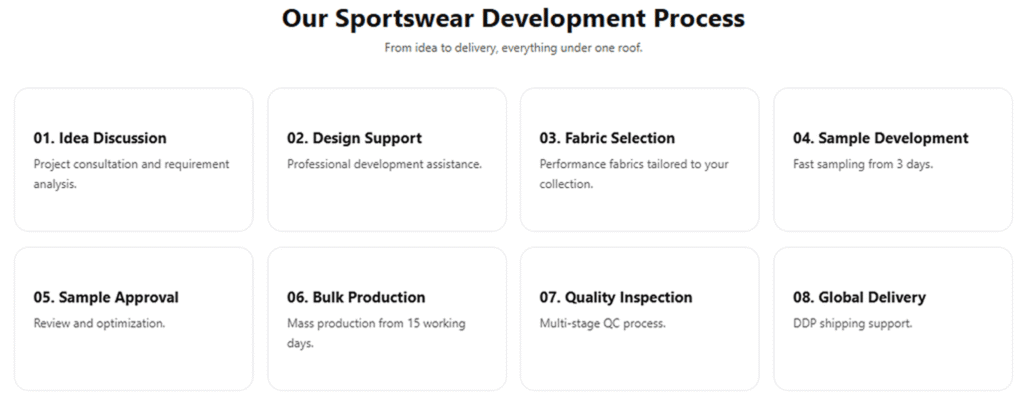
What Features Do Riders Expect From Modern Riding Pants?
Modern riders expect much more than simple stretch pants with silicone prints. Today’s equestrian consumers want garments that combine technical performance, comfort, durability, and style. Riding pants are increasingly expected to function as both performance apparel and everyday athleisure products, creating new opportunities and challenges for equestrian brands.
The most successful riding pants combine functional fabrics, ergonomic fit, durable construction, and thoughtful design details. Brands that understand evolving rider expectations are more likely to build loyal customers and develop products that achieve long-term commercial success.
Why Have Rider Expectations Changed?
The equestrian industry has changed dramatically over the last decade.
Several trends are driving these changes:
- Growth of athleisure fashion
- Increased participation from younger riders
- Social media influence
- Higher expectations for comfort
- Growing demand for sustainability
- Expansion of premium equestrian brands
Today’s riders compare riding apparel not only with other equestrian products but also with premium activewear brands.
Consumers increasingly ask:
- Is the fabric comfortable?
- Does the garment retain its shape?
- Can I wear it outside the stable?
- Is it worth the premium price?
As a result, riding pants manufacturers must continuously improve both technical performance and consumer appeal.
Four-Way Stretch Fabrics
Four-way stretch has become one of the most important performance features in modern riding pants.
Riders spend hours:
- Sitting in the saddle
- Mounting and dismounting
- Walking horses
- Performing repetitive movements
Poor stretch can lead to:
- Restricted movement
- Fabric stress
- Uncomfortable pressure points
- Premature garment failure
Why Four-Way Stretch Matters
Good stretch fabrics improve:
✅ Mobility
✅ Comfort
✅ Fit retention
✅ Riding performance
✅ Long-term durability
Popular Fabric Compositions
| Fabric Composition | Characteristics |
|---|---|
| 75% Nylon + 25% Spandex | Soft and supportive |
| 78% Nylon + 22% Spandex | Excellent recovery |
| 80% Nylon + 20% Spandex | Durable and versatile |
| Recycled Nylon Blends | Sustainable performance |
| Double Knit Technical Fabric | Premium compression |
Premium brands increasingly prefer nylon-based fabrics because they generally provide superior hand feel and recovery compared with lower-cost polyester alternatives.
Compression and Recovery
Compression is no longer limited to fitness apparel.
Many riders now expect:
- Muscle support
- Reduced fatigue
- Better fit retention
- Smoother body shaping
However, compression must be balanced carefully.
Excessive compression can cause discomfort during long riding sessions.
Insufficient compression may lead to:
- Fabric sagging
- Poor shape retention
- Reduced rider confidence
What Riders Usually Prefer
Most riders prefer:
- Moderate compression
- Soft hand feel
- Long-lasting recovery
- Comfortable waist construction
The goal is support rather than restriction.
Breathability and Moisture Management
Horse riding often involves:
- Long training sessions
- Outdoor temperatures
- Physical exertion
- Layered clothing
As a result, breathability has become one of the most important fabric characteristics.
Desired Performance Features
- Moisture wicking
- Quick drying
- Lightweight construction
- Temperature regulation
- Ventilation panels
Poor moisture management often results in:
- Discomfort
- Excessive sweating
- Reduced product satisfaction
Many riders now expect performance levels similar to premium athletic apparel.
Silicone Grip Technology
Silicone grip is one of the defining features of modern riding pants.
It directly affects:
- Stability
- Rider confidence
- Overall product quality perception
Common Silicone Options
| Type | Characteristics |
|---|---|
| Knee Grip | Greater mobility |
| Full Seat Grip | Maximum stability |
| Custom Patterns | Premium appearance |
| Multi-Layer Silicone | Enhanced durability |
What Riders Want
Riders generally prefer silicone that is:
✅ Durable
✅ Flexible
✅ Comfortable
✅ Secure without being sticky
Poor silicone quality often leads to:
- Peeling
- Cracking
- Poor grip performance
- Customer complaints
Waistband Comfort and Fit
One of the biggest reasons riders return products is poor fit.
The waistband has become a major area of product innovation.
Modern Waistband Features
- Wide waistbands
- High-rise construction
- Soft elastic support
- Contoured shaping
- Anti-slip construction
Many consumers now expect riding pants to feel as comfortable as their favorite leggings.
Pockets and Functional Storage
Phone pockets have become one of the most requested features in modern riding pants.
Many riders use:
- Training apps
- Music
- Timers
- Emergency contacts
As a result, functional storage has become increasingly important.
Popular Pocket Configurations
- Side phone pockets
- Hidden zipper pockets
- Rear pockets
- Competition card pockets
Small details often influence purchasing decisions more than brands realize.
UV Protection and Outdoor Performance
Riders spend considerable time outdoors.
Increasingly, consumers ask about:
- UV protection
- Heat management
- Sun exposure
Some technical fabrics now provide:
- UV protection
- Cooling technology
- Enhanced breathability
These features are especially important in:
- Australia
- Middle East
- Southern United States
- Southeast Asia
Sustainable Materials
Sustainability has become one of the fastest-growing trends in equestrian apparel.
Consumers increasingly ask:
- Is the fabric recycled?
- How long will the product last?
- Was the garment responsibly produced?
Popular Sustainable Materials
- Recycled Nylon
- Recycled Polyester
- REPREVE® Yarns
- GRS-Certified Fabrics
Many premium equestrian brands now view sustainability as a long-term investment rather than simply a marketing trend.
Best-Selling Riding Pants Features in Europe and North America
Although preferences vary by market, several features consistently perform well.
| Feature | Market Demand |
|---|---|
| High Waist | Very High |
| Phone Pocket | Very High |
| Full Seat Silicone | High |
| Four-Way Stretch | Very High |
| Compression Support | High |
| Recycled Fabric | Growing |
| Thermal Fabric | Seasonal High |
| Inclusive Sizing | Growing |
How Rider Expectations Will Continue to Evolve
Several trends are likely to shape future product development:
Greater sustainability requirements
More inclusive sizing
Better temperature management
Smarter fabric technologies
Increased crossover between activewear and equestrian apparel
More lifestyle-focused product design
Brands that adapt to these changes early may gain a significant competitive advantage.
Buyer Checklist: What Features Should You Prioritize?
Before developing your next riding pants collection, consider:
✅ Does the fabric provide excellent stretch and recovery?
✅ Is the compression level comfortable?
✅ Is the silicone durable?
✅ Does the product include practical pockets?
✅ Is the fit suitable for your target customer?
✅ Does the product align with sustainability expectations?
✅ Does the collection offer enough differentiation?
Successful riding products often combine technical performance with emotional appeal. Riders want garments that not only perform well but also make them feel confident and comfortable.
Key Takeaway
Modern riders expect far more than basic riding pants.
They increasingly look for products that combine:
- Technical performance
- Everyday comfort
- Functional details
- Attractive styling
- Sustainable materials
For equestrian brands, understanding these expectations is one of the most effective ways to build products that riders wear repeatedly, recommend to others, and purchase again.
The future of riding apparel will likely belong to brands that successfully combine performance, comfort, and lifestyle appeal in one product.
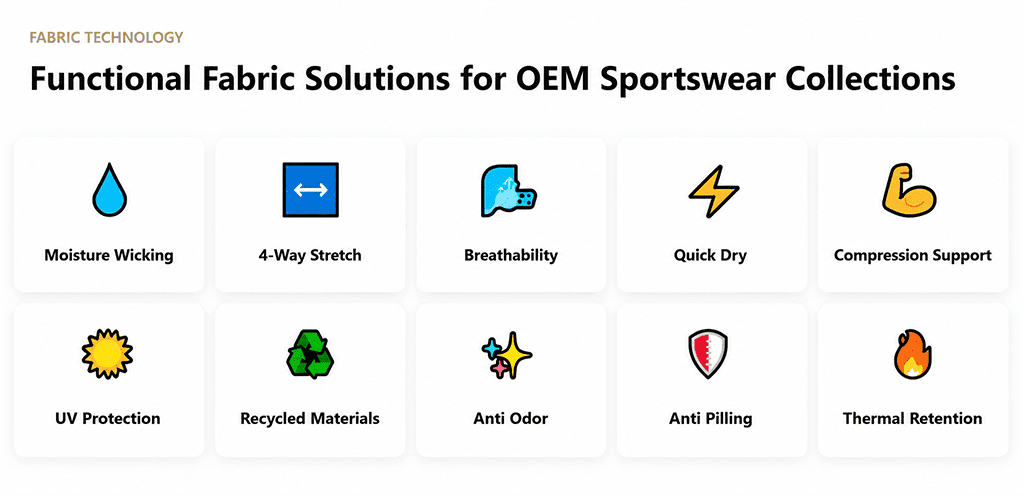
Which Chinese Riding Pants Manufacturer Is Right for Your Business?
There is no universal “best” equestrian riding pants manufacturer. The right supplier depends on your business stage, product positioning, budget, order volume, and long-term objectives. A factory that works perfectly for a large distributor may not be suitable for a startup brand, while a low-MOQ development partner may struggle to support extremely high-volume production.
The most successful sourcing relationships happen when the buyer’s needs and the supplier’s capabilities are closely aligned. Instead of asking, “Which factory is the best?”, international buyers often get better results by asking, “Which factory is the best fit for my business?”
Best Supplier for Startup Riding Brands
Launching a new riding brand is exciting, but it also comes with significant risks.
Most startups face several challenges:
- Limited budget
- Uncertain demand
- Small order quantities
- Frequent product changes
- Lack of technical experience
Because of these realities, startups often benefit from working with a custom riding pants manufacturer that can provide low MOQ production, fast sampling, and flexible product development support.:
✅ Low MOQ
✅ Fast sampling
✅ Product development support
✅ Flexible customization
✅ Strong communication
Recommended Supplier Characteristics
| Criteria | Ideal Situation |
|---|---|
| MOQ | 50-100 pcs |
| Sample Lead Time | Under 10 Days |
| Product Development | Strong |
| Communication | Very Responsive |
| Customization | Flexible |
For new brands, reducing inventory risk is usually more important than obtaining the absolute lowest unit price.
Best Supplier for Private Label Brands
Private label brands often require more than production.
They usually need support with:
- Custom labels
- Packaging
- Technical fabrics
- Seasonal collections
- Product upgrades
The ideal supplier should understand how to transform ideas into commercially viable products.
Important Selection Factors
- Product expertise
- Development capability
- Pattern management
- Long-term scalability
- Consistent quality
A reliable private label partner often becomes an extension of the brand’s internal product team.
Best Supplier for Wholesalers and Distributors
Wholesalers typically prioritize:
- Production capacity
- Stable pricing
- Delivery reliability
- Broad product categories
- Efficient replenishment
Their priorities are often different from startups or premium brands.
Important Selection Factors
✅ Large capacity
✅ Stable supply chain
✅ Cost efficiency
✅ Strong quality control
✅ Export experience
Large buyers often prefer suppliers that can support repeat orders and seasonal demand fluctuations.
Best Supplier for Premium Equestrian Brands
Premium brands face different challenges.
Their customers often expect:
- Exceptional fit
- Premium materials
- Long-term durability
- Refined details
- Technical performance
Important Selection Factors
| Criteria | Importance |
|---|---|
| Fabric Quality | Very High |
| Pattern Accuracy | Very High |
| Silicone Technology | High |
| Sustainability | Growing |
| Product Development | Very High |
Premium consumers are usually willing to pay more for products that deliver superior performance and comfort.
This means premium brands should focus more on value than on achieving the lowest production cost.
Best Supplier for Fast Sampling and New Product Development
Some businesses launch products very quickly.
Examples include:
- DTC brands
- Social media brands
- Seasonal collections
- Small test projects
For these businesses, speed can be a major competitive advantage.
Important Selection Factors
- Rapid communication
- Fast pattern development
- Flexible sampling
- Strong project management
- Efficient decision-making
A supplier that can reduce development timelines by several weeks may create significant commercial advantages.
Best Supplier for Sustainable Riding Collections
Sustainability is becoming increasingly important in the equestrian industry.
Brands focusing on environmental responsibility often require:
- Recycled fabrics
- Certification support
- Traceable materials
- Lower-impact production methods
Important Selection Factors
✅ GRS-certified materials
✅ Sustainable sourcing experience
✅ Environmental compliance
✅ Long-term material availability
Sustainable collections often attract highly loyal consumers and support stronger premium positioning.
Buyer Recommendation Matrix
The table below provides a practical framework for matching buyer profiles with supplier capabilities.
| Buyer Type | Recommended Supplier Type |
|---|---|
| Startup Brand | Low MOQ Development Factory |
| Private Label Brand | Product Development Specialist |
| Premium Brand | Technical Equestrian Manufacturer |
| Distributor | Large Capacity Supplier |
| Riding Club | Stable Mid-Volume Factory |
| Sustainable Brand | Eco-Focused Manufacturer |
Supplier Selection Checklist
Before choosing a manufacturing partner, ask the following questions.
Product Expertise
- Does the factory understand riding products?
- Can it support technical fabrics?
- Does it have experience with silicone applications?
Production Capability
- Is the MOQ suitable?
- Can production scale as the business grows?
- Is the lead time realistic?
Quality Management
- Are certifications available?
- Is there a formal QC process?
- Are testing reports available?
Communication
- Are responses clear and timely?
- Does the team understand technical requirements?
- Are changes documented properly?
Long-Term Partnership
- Does the supplier support repeat orders?
- Are patterns and specifications archived?
- Can the factory support future product expansion?
A Practical Supplier Selection Process
Many experienced sourcing teams follow a simple process.
Step 1
Shortlist three to five suppliers.
Step 2
Request samples.
Step 3
Compare communication and technical knowledge.
Step 4
Evaluate costs and timelines.
Step 5
Assess long-term scalability.
Step 6
Start with a trial order.
This process reduces risk and provides valuable insights before committing to larger production volumes.
Final Verdict
China offers one of the world’s most complete ecosystems for equestrian riding pants manufacturing.
The country combines:
- Technical sportswear expertise
- Mature textile supply chains
- Flexible MOQ options
- Competitive costs
- Strong customization capabilities
However, the best supplier is not necessarily the biggest factory or the lowest-cost factory.
The best supplier is the one that aligns with your:
- Business model
- Product strategy
- Growth stage
- Long-term goals
Brands that invest time in evaluating suppliers carefully often build stronger products, reduce sourcing risks, and develop more resilient supply chains.
Choosing a manufacturing partner should be viewed as a strategic decision rather than simply a purchasing transaction.
A great supplier can help your business grow.
The wrong supplier can slow that growth significantly.
Supplier Selection Checklist for International Buyers
Before placing your first order, make sure you can answer yes to most of these questions:
✅ Does the factory have equestrian product experience?
✅ Have you approved the sample?
✅ Are all specifications documented?
✅ Is the MOQ suitable?
✅ Is the lead time realistic?
✅ Does the supplier communicate effectively?
✅ Can the supplier support future growth?
✅ Have you evaluated the total cost instead of only the unit price?
If the answer to most of these questions is yes, you are likely much closer to finding the right manufacturing partner.
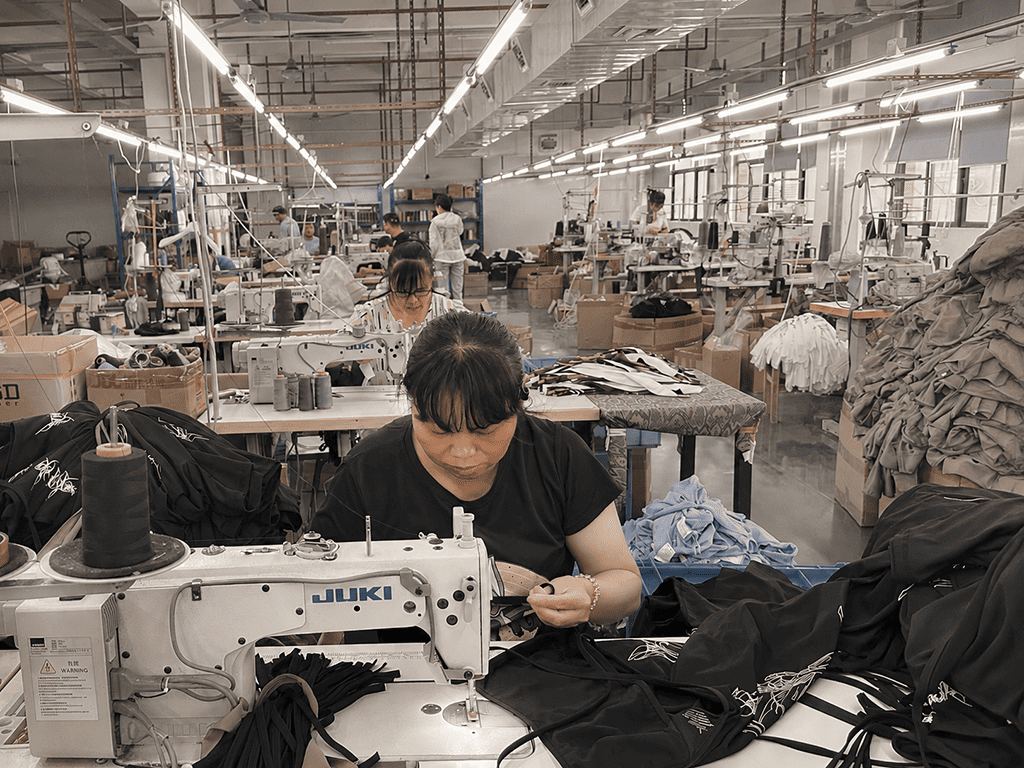
Frequently Asked Questions About Custom Equestrian Clothing
FAQ 1
Who Is the Best Equestrian Riding Pants Manufacturer in China?
Short Answer: The best equestrian riding pants manufacturer in China depends on your business goals, product requirements, and order quantities. Some factories specialize in low-MOQ private label development, while others focus on premium technical riding apparel or large-scale wholesale production. The ideal supplier should match your brand’s stage of growth and provide the right balance of quality, flexibility, and long-term support.
There is no single manufacturer that fits every buyer. Startups often prioritize low MOQ, fast sampling, and product development support. Premium brands usually focus on technical fabrics, rider-specific fit, and product consistency. Large distributors may prioritize production capacity and stable delivery performance.
Before making a decision, compare suppliers based on product expertise, communication efficiency, certifications, sample quality, and scalability rather than simply choosing the lowest quotation.
FAQ 2
Why Do So Many International Riding Brands Manufacture Riding Pants in China?
Short Answer: Many international riding brands manufacture in China because the country offers a unique combination of technical apparel expertise, mature supply chains, competitive costs, and flexible production options that are difficult to find in one location elsewhere.
China has developed one of the world’s strongest ecosystems for performance apparel manufacturing. Brands can source fabrics, trims, silicone printing, packaging, and logistics services within highly specialized manufacturing clusters. This often results in faster product development and lower overall sourcing costs.
For many brands, China’s biggest advantage is not simply lower pricing but its ability to support product innovation and long-term growth.
FAQ 3
What Is the Typical MOQ for Custom Equestrian Riding Pants?
Short Answer: The minimum order quantity for custom equestrian riding pants usually ranges from 50 to 300 pieces per style, depending on the factory, fabric requirements, and customization complexity. Some development-focused manufacturers may support smaller quantities for startup brands.
Low MOQ production allows emerging brands to test products with less inventory risk and lower financial pressure. However, smaller quantities often result in higher unit costs because development and production expenses are spread across fewer pieces.
Buyers should balance MOQ and unit pricing rather than focusing on only one factor.
FAQ 4
How Long Does It Take to Develop and Produce Custom Riding Pants?
Short Answer: A custom riding pants project usually takes between 30 and 90 days from initial development to final delivery, depending on product complexity, sample revisions, production schedules, and shipping methods.
A typical timeline includes fabric sourcing, pattern development, sample approval, bulk production, and logistics arrangements. Products with customized silicone patterns, premium fabrics, or multiple revisions generally require additional time.
Planning collections early and maintaining efficient communication with suppliers can significantly reduce delays.
FAQ 5
How Can I Tell Whether a Riding Pants Manufacturer Has Real Equestrian Experience?
Short Answer: A manufacturer with genuine equestrian experience should understand rider-specific fit requirements, silicone grip technologies, performance fabrics, and the technical details that differentiate riding pants from ordinary leggings.
Ask suppliers to provide examples of previous equestrian products, discuss rider requirements, and explain their development process. Factories that specialize in equestrian apparel usually communicate more confidently about compression, seat construction, grip placement, and fabric performance.
Requesting samples remains one of the best ways to evaluate technical capability.
FAQ 6
What Are the Most Important Features Riders Expect From Modern Riding Pants?
Short Answer: Modern riders expect riding pants to combine technical performance, comfort, and lifestyle appeal. Features such as four-way stretch, durable silicone grip, moisture management, phone pockets, and comfortable waistbands have become increasingly important.
Consumers are also paying more attention to sustainability, inclusive sizing, and premium fabric performance. Riding apparel today competes not only with other equestrian products but also with high-end activewear brands.
Brands that understand these expectations are more likely to build customer loyalty and repeat purchases.
FAQ 7
What Are the Biggest Risks When Buying Riding Pants From China?
Short Answer: The biggest sourcing risks usually include sample and bulk production differences, delivery delays, communication problems, fabric inconsistencies, and unrealistic expectations regarding pricing or lead times.
Fortunately, most of these risks can be reduced through proper documentation, thorough sample approval procedures, and careful supplier evaluation.
Working with experienced manufacturers and maintaining clear communication often leads to significantly better sourcing outcomes.
FAQ 8
How Do I Choose the Right Riding Pants Manufacturer for My Brand?
Short Answer: The right manufacturer should match your business model, product requirements, order quantities, and long-term goals. Startups may need low MOQ and development support, while premium brands often prioritize technical expertise and product consistency.
Before making a decision, evaluate suppliers based on:
- Product expertise
- Sample quality
- Communication
- Certifications
- Delivery reliability
- Scalability
The best supplier is rarely the cheapest one. It is usually the supplier that can support your business consistently as it grows.