OEM/ODM Sportswear Manufacturer | 3-Day Sampling | Low MOQ | 50K Monthly Capacity | ISO9001 & BSCI Certified

Top 10 Jumpsuit Wholesale Suppliers in China (2026): Compare Trusted Suppliers, Wholesale Options & Buying Guide
Looking for the best jumpsuit wholesale suppliers in China? Compare the top 10 suppliers by product range, MOQ, lead time, certifications, export experience, and buyer suitability. Learn how to evaluate suppliers, reduce sourcing risks, and choose the right wholesale partner for your apparel business.
Top 10 Jumpsuit Wholesale Suppliers in China: A Complete Supplier Comparison & Buying Guide
Sourcing wholesale jumpsuits has become far more complex than simply comparing prices between jumpsuit wholesale suppliers. Fashion trends change faster than ever, consumers expect better quality and more sustainable materials, and brands are under constant pressure to launch new collections while keeping inventory risks under control. Whether you operate a growing private label brand, an online fashion store, a wholesale business, or an international sourcing company, selecting the right jumpsuit wholesale supplier can directly influence product quality, customer satisfaction, delivery performance, and long-term profitability.
China remains the world’s largest apparel manufacturing hub, but it is also home to thousands of jumpsuit wholesale suppliers with very different capabilities. Some suppliers focus on high-volume commodity production, while others specialize in flexible private label programs, technical apparel, or fashion-forward product development. Understanding these differences allows buyers to make smarter sourcing decisions rather than relying solely on the lowest quotation or choosing a supplier based only on price.
China continues to be one of the most reliable destinations for finding professional jumpsuit wholesale suppliers because of its mature textile supply chain, experienced export manufacturers, broad supplier ecosystem, competitive pricing, and strong production flexibility. However, the best jumpsuit wholesale supplier depends on your business model, product positioning, expected order volume, and long-term sourcing strategy. Buyers who evaluate jumpsuit wholesale suppliers based on reliability, communication, product specialization, and supply stability generally achieve better commercial results than those who compare prices alone.
This guide compares ten well-known jumpsuit wholesale suppliers in China, explains which buyers they serve best, highlights their strengths and limitations, and provides practical sourcing insights that help apparel businesses identify the right jumpsuit wholesale supplier, reduce purchasing risks, and build stronger long-term supply chain partnerships.
What Are the Best Jumpsuit Wholesale Suppliers in China?
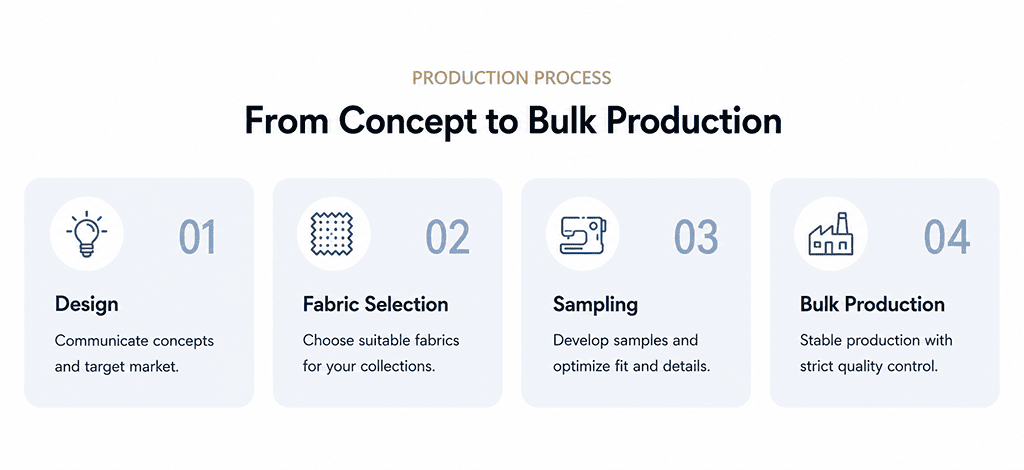
The best jumpsuit wholesale supplier in China is not necessarily the largest factory or the company offering the lowest quotation. Instead, it is the supplier whose capabilities best match your business objectives. Some suppliers are ideal for startup brands requiring flexible minimum order quantities, while others specialize in servicing large retailers with stable repeat orders. Evaluating suppliers through multiple dimensions—including export experience, communication efficiency, product specialization, supply stability, and wholesale flexibility—provides a far more reliable foundation for long-term sourcing success.
Top 10 Jumpsuit Wholesale Suppliers in China
| Supplier | Headquarters | Founded | Typical MOQ | Best For |
|---|---|---|---|---|
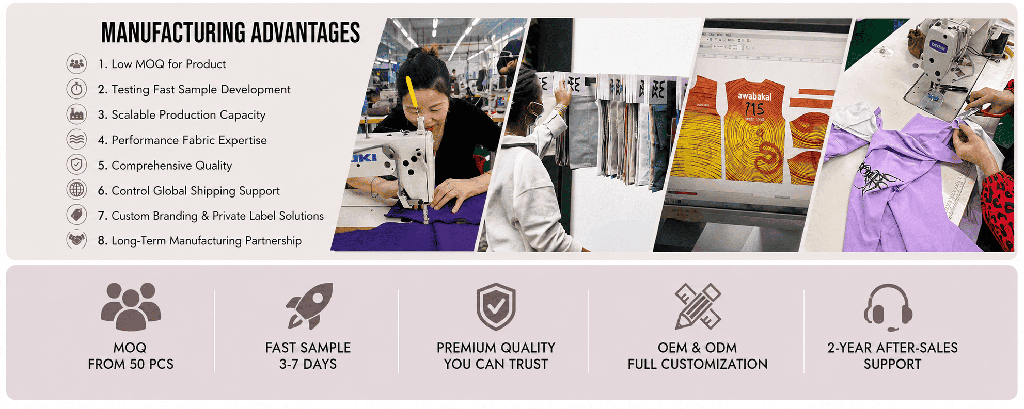
| Pair Fashion | Dongguan | 2016 | 50 pcs | Private Label Brands & Growing Businesses |
| Hucai Sportswear | Guangzhou | 1998 | Medium | Established Sportswear Brands |
| Aika Sportswear | Dongguan | 2008 | Medium | Fitness & Activewear Companies |
| INGOR Sportswear | Guangzhou | 2009 | Medium | Sustainable Activewear Brands |
| Arabella Clothing | Xiamen | 2014 | Medium | Yoga & Fitness Collections |
| SGL Sportswear | Guangzhou | 2009 | Medium | OEM Activewear Programs |
| Yotex Apparel | Hangzhou | 2015 | Medium | Fashion & Casual Apparel |
| ApparelCN | Shenzhen | 2009 | Flexible | Startup Fashion Businesses |
| Lezhou Garment | Guangzhou | 2006 | Medium–High | Women’s Fashion Wholesale |
| Doven Garments | Guangzhou | 2013 | Medium | Boutique Fashion Retailers |
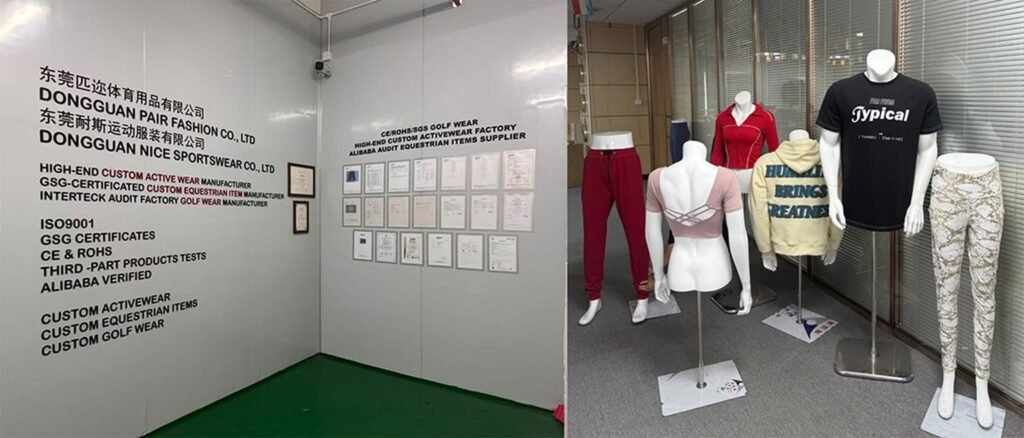
1. Pair Fashion
Headquarters: Dongguan, Guangdong
Founded: 2016
Typical MOQ: 50 pieces
Typical Lead Time: 15–25 working days
Main Product Categories
- Activewear Jumpsuits
- Yoga Jumpsuits
- Sports Bras
- Leggings
- Tennis Wear
- Equestrian Apparel
- Maternity Activewear
- Plus Size Activewear
- Muslim Sportswear
- Hoodies
- Joggers
- Tracksuits
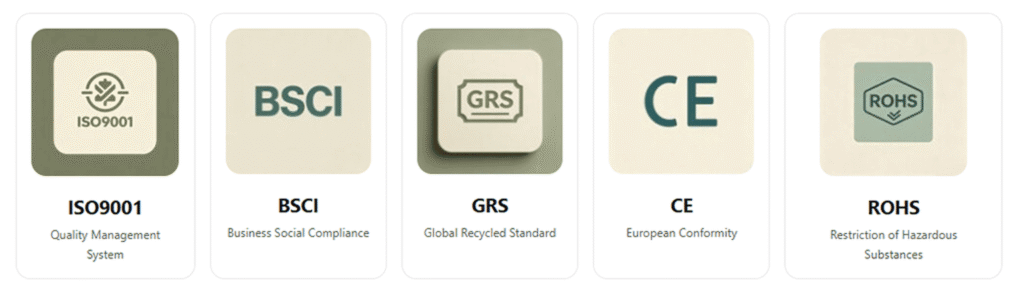
Public Certifications
- ISO9001
- BSCI
- GRS
- CE
- ROHS
Best Fit For
- Startup apparel brands
- Growing direct-to-consumer businesses
- Private label fashion companies
- Boutique activewear retailers
- Buyers requiring flexible order quantities
- Brands expanding into niche performance apparel
May Not Be the Best Fit For
- Buyers focused exclusively on high-volume commodity apparel
- Businesses whose purchasing decisions are based solely on the lowest available price
Why Buyers Frequently Shortlist Pair Fashion
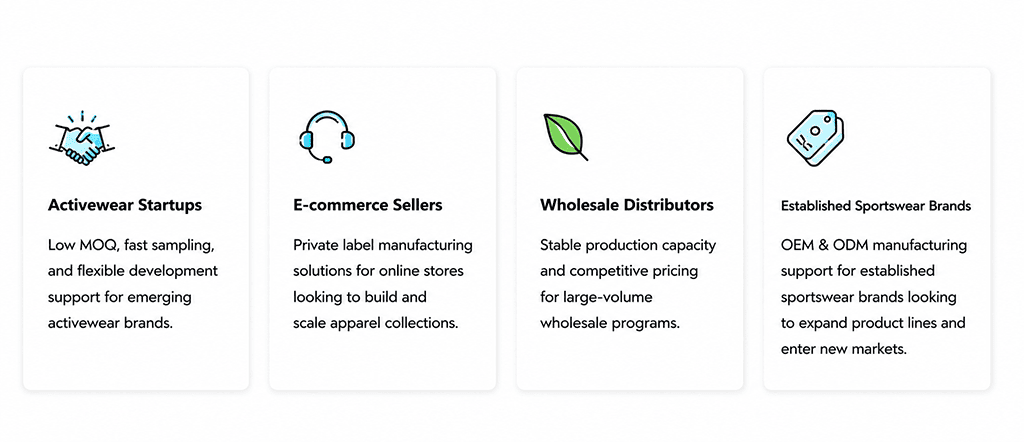
Pair Fashion has built its reputation by supporting brands that require flexibility rather than mass-volume manufacturing. Many buyers appreciate the company’s willingness to accommodate relatively low minimum order quantities while maintaining consistent communication throughout the sourcing process.
Its broad product portfolio is another advantage. Instead of sourcing jumpsuits from one supplier and related activewear from another, brands can consolidate multiple categories under one wholesale partner. This approach often simplifies supplier management, improves product consistency, and reduces coordination costs across seasonal collections.
Another reason buyers frequently consider Pair Fashion is its experience serving niche apparel markets that many general garment suppliers do not prioritize, including equestrian apparel, maternity activewear, modest sportswear, and plus-size performance collections. For brands targeting specialized customer segments, working with a supplier familiar with these categories can shorten supplier evaluation time.
Overall, Pair Fashion is particularly suitable for brands seeking a long-term wholesale partner capable of supporting gradual business growth rather than one-time bulk purchasing.
2. Hucai Sportswear
Headquarters: Guangzhou, Guangdong
Founded: 1998
Typical MOQ: Medium
Typical Lead Time: Approximately 20–35 working days
Main Product Categories
- Performance Sportswear
- Training Apparel
- Running Clothing
- Compression Garments
- Fitness Apparel
Public Certifications
Public certifications may vary depending on product programs and customer requirements.
Best Fit For
- Established sportswear brands
- Large wholesale buyers
- Long-term OEM sourcing programs
- Buyers requiring consistent production output
May Not Be the Best Fit For
- Small startup brands with limited purchasing budgets
- Buyers requiring highly flexible order planning
Why Buyers Frequently Shortlist Hucai Sportswear
With decades of manufacturing experience, Hucai Sportswear has developed a strong reputation for stable production capacity and operational consistency. Buyers managing established product lines often value suppliers capable of maintaining repeat-order quality over extended production cycles.
The company is particularly suitable for wholesale programs centered around functional athletic apparel rather than trend-driven fashion collections. Buyers prioritizing dependable manufacturing performance frequently include Hucai in their supplier evaluation process.
3. Aika Sportswear
Headquarters: Dongguan, Guangdong
Founded: 2008
Typical MOQ: Medium
Typical Lead Time: Approximately 20–30 working days
Main Product Categories
- Gym Apparel
- Activewear
- Sports Jumpsuits
- Sports Bras
- Shorts
- Hoodies
- Training Wear
Public Certifications
Certification availability depends on individual product requirements and export markets.
Best Fit For
- Fitness apparel brands
- Gymwear retailers
- Influencer-owned apparel businesses
- Direct-to-consumer activewear companies
May Not Be the Best Fit For
- Buyers focused on woven fashion jumpsuits
- Premium luxury fashion labels
Why Buyers Frequently Shortlist Aika Sportswear
Aika Sportswear is widely recognized among fitness apparel buyers for its contemporary product styling and activewear specialization. Brands targeting gyms, yoga studios, and fitness communities often appreciate suppliers with experience producing technical stretch garments.
The company regularly updates its product offerings to align with evolving activewear trends, making it attractive to buyers who launch new collections several times each year.
4. INGOR Sportswear
Headquarters: Guangzhou, Guangdong
Founded: 2009
Typical MOQ: Medium
Typical Lead Time: Approximately 25–35 working days
Main Product Categories
- Sustainable Activewear
- Yoga Apparel
- Fitness Clothing
- Sports Jumpsuits
- Performance Wear
Public Certifications
Certification programs may differ according to customer requirements and production arrangements.
Best Fit For
- Sustainable apparel brands
- Eco-conscious retailers
- Premium activewear companies
- Buyers emphasizing environmental responsibility
May Not Be the Best Fit For
- Buyers primarily competing in entry-level wholesale price segments
Why Buyers Frequently Shortlist INGOR Sportswear
INGOR Sportswear is often evaluated by brands seeking environmentally responsible sourcing partners. The company has positioned itself within the growing sustainable apparel segment, making it attractive for businesses promoting recycled materials and environmentally conscious collections.
For brands building long-term sustainability strategies, suppliers with experience supporting certified materials and responsible sourcing initiatives may provide additional commercial value beyond manufacturing alone.
5. Arabella Clothing
Headquarters: Xiamen, Fujian
Founded: 2014
Typical MOQ: Medium
Typical Lead Time: Approximately 20–35 working days
Main Product Categories
- Yoga Apparel
- Sports Bras
- Leggings
- Activewear Jumpsuits
- Running Wear
- Gym Clothing
Public Certifications
Certification availability may vary depending on customer programs and product requirements.
Best Fit For
- Yoga apparel brands
- Boutique fitness labels
- Growing DTC businesses
- Buyers seeking fashionable activewear collections
May Not Be the Best Fit For
- Buyers focused primarily on woven fashion jumpsuits
- Large-volume commodity apparel sourcing programs
Why Buyers Frequently Shortlist Arabella Clothing
Arabella Clothing has become increasingly visible among emerging activewear brands thanks to its balanced approach to product quality, modern styling, and export experience. Rather than competing purely on price, the company focuses on serving brands that require fashionable athletic apparel aligned with current market trends.
Buyers launching yoga or studio-focused collections often appreciate suppliers capable of maintaining aesthetic consistency across multiple product categories. Since jumpsuits are frequently sold alongside leggings, sports bras, and matching sets, sourcing complementary products from the same supplier can simplify seasonal merchandising and inventory planning.
Overall Recommendation
Arabella Clothing is a practical option for buyers developing fashion-oriented activewear collections rather than broad wholesale fashion assortments.
6. SGL Sportswear
Headquarters: Guangzhou, Guangdong
Founded: 2009
Typical MOQ: Medium
Typical Lead Time: Approximately 20–35 working days
Main Product Categories
- Sportswear
- Fitness Apparel
- Activewear Sets
- Yoga Clothing
- Training Wear
Public Certifications
Certification programs depend on specific production projects.
Best Fit For
- Activewear wholesalers
- Medium-sized sportswear brands
- International sourcing companies
- Long-term wholesale partnerships
May Not Be the Best Fit For
- Buyers seeking highly specialized fashion jumpsuit collections
- Brands requiring very low minimum order quantities
Why Buyers Frequently Shortlist SGL Sportswear
SGL Sportswear has developed long-term relationships with buyers looking for dependable production rather than highly experimental product development. The company serves customers that value predictable lead times, stable manufacturing capacity, and repeat-order consistency.
For wholesalers planning continuous replenishment programs, production reliability is often more important than launching entirely new silhouettes every season. In these situations, suppliers with standardized manufacturing systems may offer greater operational stability.
Overall Recommendation
SGL Sportswear is suitable for buyers prioritizing reliable wholesale supply rather than trend-driven product innovation.
7. Yotex Apparel
Headquarters: Hangzhou, Zhejiang
Founded: 2015
Typical MOQ: Medium
Typical Lead Time: Approximately 25–35 working days
Main Product Categories
- Fashion Apparel
- Casual Wear
- Women’s Clothing
- Knitwear
- Lifestyle Collections
Public Certifications
Available certifications vary according to customer specifications.
Best Fit For
- Fashion retailers
- Boutique apparel brands
- Casualwear importers
- Lifestyle clothing businesses
May Not Be the Best Fit For
- Performance activewear specialists
- Technical compression garment brands
Why Buyers Frequently Shortlist Yotex Apparel
Unlike suppliers primarily focused on performance sportswear, Yotex Apparel serves buyers operating in the broader fashion and casualwear market. Brands looking for relaxed silhouettes, everyday jumpsuits, or lifestyle apparel often include Yotex in their supplier comparisons.
Its product mix allows fashion retailers to build coordinated seasonal collections rather than sourcing isolated product categories from multiple suppliers.
Overall Recommendation
Yotex Apparel is better suited to fashion-oriented wholesale buyers than brands requiring technical sports performance garments.
8. ApparelCN
Headquarters: Shenzhen, Guangdong
Founded: 2009
Typical MOQ: Flexible
Typical Lead Time: Approximately 20–30 working days
Main Product Categories
- Women’s Fashion
- Casual Apparel
- Dresses
- Jumpsuits
- Private Label Clothing
Public Certifications
Certification availability depends on customer requirements.
Best Fit For
- Startup fashion brands
- Online retailers
- Small wholesalers
- New apparel businesses
May Not Be the Best Fit For
- Buyers requiring highly specialized functional apparel
- Large enterprise sourcing programs
Why Buyers Frequently Shortlist ApparelCN
Many first-time buyers prioritize communication, sourcing guidance, and manageable order sizes over manufacturing scale. ApparelCN is often considered by businesses entering the apparel market because it accommodates relatively flexible purchasing requirements while offering access to a broad range of fashion products.
For entrepreneurs testing new product categories, reducing inventory risk is frequently more valuable than securing the absolute lowest unit cost.
Overall Recommendation
ApparelCN can be a suitable starting point for businesses launching new wholesale fashion collections.
9. Lezhou Garment
Headquarters: Guangzhou, Guangdong
Founded: 2006
Typical MOQ: Medium to High
Typical Lead Time: Approximately 25–40 working days
Main Product Categories
- Women’s Fashion
- Dresses
- Fashion Jumpsuits
- Casual Clothing
- Trend Collections
Public Certifications
Available certifications depend on customer projects.
Best Fit For
- Fashion wholesalers
- Women’s apparel retailers
- Import distributors
- Boutique fashion chains
May Not Be the Best Fit For
- Small startup brands with limited purchasing budgets
- Buyers requiring highly flexible production schedules
Why Buyers Frequently Shortlist Lezhou Garment
Lezhou Garment focuses primarily on women’s fashion manufacturing. Buyers sourcing woven jumpsuits, fashion-forward silhouettes, and trend-driven collections often evaluate the company alongside other Guangzhou-based fashion suppliers.
Because fashion cycles move quickly, retailers generally value suppliers capable of maintaining consistent style updates and seasonal assortment planning.
Overall Recommendation
Lezhou Garment is appropriate for buyers concentrating on mainstream women’s fashion rather than technical activewear.
10. Doven Garments
Headquarters: Guangzhou, Guangdong
Founded: 2013
Typical MOQ: Medium
Typical Lead Time: Approximately 20–35 working days
Main Product Categories
- Women’s Fashion
- Dresses
- Casual Apparel
- Fashion Jumpsuits
- Boutique Collections
Public Certifications
Certification availability varies depending on production requirements.
Best Fit For
- Boutique retailers
- Fashion importers
- Private label fashion brands
- Regional distributors
May Not Be the Best Fit For
- Buyers focused exclusively on sports performance apparel
- Large-scale promotional clothing programs
Why Buyers Frequently Shortlist Doven Garments
Doven Garments serves buyers looking for commercially appealing women’s fashion products with relatively flexible wholesale purchasing options. Rather than emphasizing technical garment construction, the company focuses on fashion styling suitable for retail collections.
For buyers serving boutiques or regional fashion distributors, maintaining attractive product presentation and balanced pricing often outweighs the need for highly specialized manufacturing capabilities.
Overall Recommendation
Doven Garments is best suited for buyers sourcing fashion-oriented wholesale jumpsuits for women’s retail collections.
Comparison Summary: Which Supplier Matches Your Business?
Selecting the right supplier depends on your sourcing priorities rather than searching for a universally “best” company. The comparison below provides a simplified decision framework based on common buyer profiles.
| Buyer Profile | Recommended Supplier Type | Suggested Companies |
|---|---|---|
| Startup Apparel Brand | Flexible wholesale supplier | Pair Fashion, ApparelCN |
| Growing DTC Brand | Product variety with scalable supply | Pair Fashion, Arabella Clothing |
| Activewear Brand | Performance apparel specialist | Hucai Sportswear, Aika Sportswear, INGOR Sportswear |
| Sustainable Apparel Brand | Environment-focused supplier | INGOR Sportswear |
| Fashion Boutique | Fashion collection specialist | Yotex Apparel, Doven Garments |
| Women’s Fashion Retailer | Trend-driven supplier | Lezhou Garment, Doven Garments |
| Large Wholesale Distributor | Stable production partner | Hucai Sportswear, SGL Sportswear |
No supplier excels equally across every category. Buyers developing niche activewear collections often prioritize flexibility, communication, and category specialization, while high-volume wholesalers usually focus on production consistency, supply stability, and operational efficiency. The most successful sourcing partnerships are built by matching supplier strengths with long-term business objectives rather than selecting solely on unit price.
Why Is China the Global Leader in Wholesale Jumpsuit Sourcing?
China has remained the world’s leading wholesale apparel sourcing destination for decades because it offers far more than competitive pricing. Buyers benefit from an integrated manufacturing ecosystem where fabric mills, trim suppliers, printing facilities, logistics providers, testing laboratories, and garment factories operate within closely connected industrial clusters. This structure shortens development cycles, improves production efficiency, and provides greater flexibility when market demand changes. For apparel brands seeking dependable long-term sourcing partners, China continues to deliver one of the strongest combinations of product variety, manufacturing expertise, and supply chain resilience, supported by best practices promoted by the Textile Exchange.
Many sourcing decisions today are influenced less by labor costs and more by speed, quality consistency, development capability, and supply chain reliability. China’s mature apparel infrastructure continues to perform well across all of these areas, making it a preferred sourcing destination for brands ranging from startup labels to multinational retailers.
China’s Complete Apparel Supply Chain Creates Greater Purchasing Efficiency
Unlike many emerging manufacturing countries that still rely heavily on imported materials or outsourced production stages, China has developed one of the world’s most integrated textile supply chains.
Within a relatively small geographic region, buyers can access:
- Fabric mills
- Yarn manufacturers
- Dyeing facilities
- Printing factories
- Embroidery workshops
- Trim suppliers
- Packaging manufacturers
- Third-party testing laboratories
- International freight companies
This industrial concentration allows suppliers to coordinate production much more efficiently than regions where every stage must be outsourced across multiple countries.
For buyers, this translates into several practical advantages:
- Faster quotation turnaround
- Shorter material sourcing time
- Greater fabric selection
- Improved production scheduling
- Lower transportation costs between suppliers
- Better consistency across repeat orders
Instead of managing multiple independent vendors, buyers often work through a single wholesale supplier capable of coordinating the entire sourcing process.
China's Extensive Supplier Network Gives Buyers More Choices
One of China’s greatest strengths is not simply the number of factories—it is the diversity of specialization.
Different industrial regions have developed expertise in different apparel categories.
| Manufacturing Region | Primary Strengths |
|---|---|
| Dongguan | Activewear, performance apparel, private label programs |
| Guangzhou | Women’s fashion, fashion jumpsuits, export apparel |
| Xiamen | Yoga wear, sportswear, functional garments |
| Hangzhou | Fashion apparel, knitwear, casual collections |
| Shenzhen | Design-driven apparel, startup sourcing support |
This regional specialization benefits buyers because supplier selection can be based on product expertise rather than general manufacturing capacity.
For example:
- A yoga brand may prioritize suppliers experienced in stretch performance fabrics.
- A fashion retailer may prefer suppliers specializing in woven silhouettes and seasonal trends.
- A private label startup may value suppliers known for flexible purchasing arrangements and responsive communication.
The variety of supplier types also creates a more competitive marketplace, encouraging continuous improvements in service quality and operational efficiency.
China’s Textile Industry Offers Exceptional Fabric Availability
Fabric sourcing has become one of the most important factors influencing purchasing decisions.
Modern consumers increasingly expect apparel to provide:
- Better comfort
- Improved durability
- Enhanced stretch recovery
- Moisture management
- Sustainable materials
- Premium hand feel
China’s textile industry has invested heavily in functional fabric development over the past decade.
Wholesale buyers can now source a wide variety of materials suitable for jumpsuits, including:
- Cotton blends
- Linen blends
- Rayon
- Tencel™
- Nylon-spandex
- Polyester-spandex
- Recycled polyester
- Recycled nylon
- Rib fabrics
- French terry
- Ponte knit
- Bamboo blends
- Cooling fabrics
- UV-protection fabrics
Rather than limiting buyers to standard stock materials, many suppliers maintain long-term relationships with textile mills capable of producing customized fabric specifications for larger purchasing programs.
This flexibility enables brands to differentiate products without building entirely new supply chains.
Competitive Pricing Extends Beyond Labor Costs
Many buyers assume China’s cost advantage is driven primarily by labor.
In reality, labor represents only one component of total sourcing cost.
China’s mature supply chain reduces costs in many additional ways:
- Lower domestic transportation expenses
- Faster procurement
- Reduced material waste
- Better production planning
- Higher manufacturing efficiency
- More stable supplier relationships
- Lower inventory holding costs
When evaluating sourcing costs, buyers should consider Total Cost of Ownership (TCO) rather than comparing factory quotations alone.
A supplier offering a slightly higher unit price may ultimately reduce overall purchasing costs by delivering:
- More consistent quality
- Lower defect rates
- Fewer production delays
- Reduced communication expenses
- Better repeat-order efficiency
For long-term sourcing partnerships, these operational advantages often outweigh small differences in initial pricing.
Chinese Suppliers Continue Investing in Technology
The perception that China competes only through low-cost labor no longer reflects today’s apparel industry.
Many manufacturers have invested significantly in technologies such as:
- Digital pattern management
- Automated fabric spreading
- Computer-controlled cutting
- Digital printing
- ERP production management
- Barcode inventory tracking
- Real-time production monitoring
- Online quality reporting
These investments improve production transparency while helping suppliers respond more quickly to changing customer requirements.
For international buyers, technology adoption often results in:
- Better production visibility
- Faster communication
- Improved delivery accuracy
- More consistent repeat orders
As apparel brands increasingly require shorter product development cycles, technology has become a major competitive advantage rather than simply a manufacturing upgrade.
Export Experience Reduces International Sourcing Risks
China’s apparel export industry has accumulated decades of experience serving buyers across North America, Europe, Australia, the Middle East, and emerging international markets.
Experienced export suppliers generally understand requirements related to:
- International labeling standards
- Packaging specifications
- Carton markings
- Shipping documentation
- Customs compliance
- Quality expectations
- Retail packaging
- Third-party inspections
For buyers, this experience often reduces avoidable sourcing mistakes during international transactions.
Rather than learning through repeated trial and error, brands can benefit from suppliers already familiar with common export procedures and market expectations.
China Continues to Balance Scale with Flexibility
One reason China remains attractive to both startups and established brands is its ability to accommodate very different purchasing models.
Depending on the supplier, buyers may find support for:
- Small product validation orders
- Seasonal capsule collections
- Private label retail programs
- Multi-category sourcing
- Continuous replenishment
- Long-term wholesale partnerships
This flexibility allows businesses to scale sourcing relationships as they grow instead of repeatedly changing suppliers.
For many brands, maintaining continuity with experienced wholesale partners improves forecasting accuracy, reduces onboarding costs, and simplifies future product expansion.
Why Many Global Buyers Continue Choosing China
While countries such as Vietnam, Bangladesh, India, and Turkey each offer competitive advantages in specific product categories, China continues to provide one of the most balanced sourcing environments available today.
Its combination of supplier diversity, textile resources, manufacturing experience, export infrastructure, and production flexibility makes it suitable for a wide range of apparel businesses.
Rather than asking whether China is the cheapest sourcing destination, buyers increasingly ask a more practical question:
Which sourcing destination offers the greatest long-term value for my business?
For many wholesale apparel companies, China continues to deliver the strongest overall answer.
Which Type of Wholesale Supplier Should You Choose?
Choosing the right wholesale supplier is just as important as selecting the right product. Many sourcing problems arise not because the supplier lacks manufacturing capability, but because the buyer partners with the wrong type of supplier for their business stage. A startup brand testing its first collection has very different needs from a multinational retailer replenishing thousands of units every month. Understanding the strengths and limitations of different supplier types allows buyers to build more efficient sourcing strategies while avoiding unnecessary costs and communication challenges.
Instead of asking, “Who is the best supplier?”, experienced buyers usually ask a different question:
“Which supplier model best supports my business goals?”
The answer depends on your purchasing volume, product complexity, desired flexibility, and long-term growth plans.
Factory Supplier
A factory supplier owns and operates its own production facility. Buyers communicate directly with the manufacturer rather than through an intermediary.
This model is often preferred by brands that value production visibility, consistent quality standards, and long-term supply relationships.
Advantages
- Better production transparency
- Faster technical communication
- More direct quality control
- Stable repeat-order consistency
- Greater flexibility during production planning
Potential Limitations
- Product categories may be more specialized
- Some factories prefer customers with recurring business
Factory suppliers are often the preferred choice for brands planning long-term sourcing relationships rather than occasional purchasing.
Trading Company
A trading company purchases products from multiple factories and acts as the buyer’s primary contact.
Instead of operating its own production facility, the company manages supplier coordination, order communication, and export documentation.
Advantages
- Wide supplier network
- Multiple product categories
- Simplified communication
- Easier multi-product sourcing
Potential Limitations
- Less production visibility
- Quality consistency depends on partner factories
- Additional service costs may be included
For buyers sourcing diverse apparel categories from different factories, trading companies can reduce management complexity.
Wholesale Marketplace
Wholesale marketplaces connect buyers with hundreds or even thousands of independent suppliers through a single platform.
These platforms simplify supplier discovery but generally do not manufacture products themselves.
Advantages
- Large supplier database
- Easy quotation comparison
- Broad product selection
- Convenient supplier search
Potential Limitations
- Supplier quality varies significantly
- Verification requires additional research
- Communication standards differ between sellers
Marketplace sourcing can be an efficient starting point for supplier research, but buyers should conduct thorough evaluations before placing substantial orders.
Private Label Supplier
A private label supplier helps buyers sell products under their own brand identity.
These suppliers typically support:
- Custom labels
- Hangtags
- Packaging
- Brand logos
- Retail presentation
Many fashion startups choose private label suppliers because they can launch branded collections without investing in their own manufacturing facilities.
However, private label services differ widely between suppliers. Some focus only on branding elements, while others offer broader product customization options.
OEM Supplier
An OEM (Original Equipment Manufacturer) supplier produces products according to specifications provided by the buyer.
Typically, buyers already possess:
- Product designs
- Technical specifications
- Measurement charts
- Brand standards
OEM suppliers are appropriate for businesses with established product development resources seeking reliable production partners.
Buyers without complete technical documentation may require additional sourcing support before production begins.
Full-Package Supplier
A full-package supplier offers broader sourcing support beyond manufacturing.
Depending on the supplier, services may include:
- Material sourcing
- Trim coordination
- Packaging procurement
- Logistics coordination
- Supplier communication
- Export documentation
Rather than managing multiple vendors independently, buyers coordinate through one primary supplier.
This model is increasingly popular among:
- Startup brands
- Growing fashion companies
- International buyers with limited local sourcing resources
Comparing Different Wholesale Supplier Types
| Supplier Type | Best For | Main Advantages | Potential Limitations |
|---|---|---|---|
| Factory Supplier | Long-term sourcing | Direct production access, stable quality | Product specialization may be narrower |
| Trading Company | Multi-category purchasing | Broad supplier network | Less production transparency |
| Wholesale Marketplace | Initial supplier research | Large supplier selection | Quality varies between sellers |
| Private Label Supplier | Brand development | Customized branding support | Customization scope varies |
| OEM Supplier | Established brands | Production based on buyer specifications | Requires complete product documentation |
| Full-Package Supplier | Growing businesses | Integrated sourcing coordination | Service offerings differ among suppliers |
Which Supplier Type Fits Your Business?
Different business models usually benefit from different supplier structures.
| Buyer Type | Recommended Supplier Type |
|---|---|
| Startup Fashion Brand | Full-Package Supplier / Private Label Supplier |
| Boutique Retailer | Factory Supplier / Private Label Supplier |
| DTC Apparel Brand | Factory Supplier / Full-Package Supplier |
| Regional Wholesaler | Factory Supplier / Trading Company |
| Global Importer | Factory Supplier |
| Department Store Program | Factory Supplier |
| Product Development Team | OEM Supplier |
| Multi-Category Retailer | Trading Company |
There is no universal supplier model that works best for every buyer. Successful sourcing strategies begin by matching supplier capabilities with commercial objectives rather than selecting partners solely on pricing. Buyers who clearly define their purchasing priorities—whether flexibility, speed, specialization, or production stability—are far more likely to establish long-term supplier relationships that support sustainable business growth.
How Do You Evaluate a Reliable Jumpsuit Wholesale Supplier?
Finding a reliable jumpsuit wholesale supplier requires much more than comparing quotations. The supplier offering the lowest unit price is not always the supplier that delivers the best long-term value. Experienced buyers evaluate suppliers through multiple business indicators, including operational stability, export experience, communication efficiency, production consistency, and commercial reliability. A structured supplier evaluation process helps reduce sourcing uncertainty and establish partnerships capable of supporting future business growth, following best practices recommended by the Chartered Institute of Procurement & Supply (CIPS).
Many sourcing failures occur not because factories lack production capability, but because buyers overlook early warning signs during supplier selection. Investing additional time in supplier evaluation before placing an order often saves considerable time and cost later.
Business Experience Matters More Than Company Age Alone
Many buyers begin by asking when a supplier was established. While company age provides useful background information, it should never be the only evaluation criterion.
A younger supplier with experienced management, stable operations, and responsive service may outperform an older company with outdated systems.
Instead of focusing solely on years in business, evaluate whether the supplier demonstrates:
- Consistent export experience
- Stable business operations
- Professional communication
- Clear documentation
- Long-term customer relationships
- Continuous product updates
Suppliers that actively invest in product improvement and customer service are often better positioned to support evolving market demands.
Export Market Experience Can Reduce International Purchasing Risks
Not every supplier has experience serving international apparel brands.
Export-oriented suppliers generally understand the documentation, packaging, compliance requirements, and communication standards expected by overseas buyers.
Useful questions include:
- Which countries do they regularly export to?
- Have they worked with buyers in your market?
- Are they familiar with your labeling requirements?
- Can they coordinate international shipping documentation?
- Do they understand retailer packaging specifications?
A supplier familiar with your target market often requires less onboarding and can help avoid common export-related mistakes.
MOQ Flexibility Should Match Your Growth Strategy
Minimum Order Quantity (MOQ) affects inventory investment, product testing, and cash flow.
The “right” MOQ depends on your business model rather than a universal benchmark.
For example:
| Business Stage | Recommended MOQ Strategy |
|---|---|
| Startup Brand | Lower MOQ for market validation |
| Growing DTC Brand | Medium MOQ with repeat-order planning |
| Regional Wholesaler | Balanced MOQ based on forecast demand |
| Large Retail Chain | Higher MOQ with long-term purchasing agreements |
Extremely low MOQs may increase unit costs, while excessively high MOQs can create unnecessary inventory pressure.
The objective is not simply to negotiate the lowest MOQ, but to find an order quantity that supports healthy inventory turnover.
Product Portfolio Reveals Supplier Specialization
A supplier’s product range often provides valuable insight into its strengths.
For example:
A company specializing in:
- Activewear
- Stretch garments
- Yoga apparel
- Performance fabrics
may not necessarily be the strongest partner for woven fashion jumpsuits.
Likewise, a supplier focused primarily on dresses and casual fashion may have limited experience with technical athletic apparel.
Review whether the supplier’s existing product portfolio aligns with your intended collection.
Buyers typically achieve better results by partnering with suppliers whose core expertise already matches their target market.
Communication Quality Often Predicts Future Cooperation
Communication is frequently underestimated during supplier selection.
However, experienced buyers know that communication quality often predicts future project performance.
Observe how suppliers respond during early discussions.
Do they:
- Answer questions clearly?
- Respond within a reasonable timeframe?
- Explain technical issues professionally?
- Confirm details accurately?
- Ask relevant follow-up questions?
Strong communication reduces misunderstandings and allows sourcing projects to progress more efficiently.
Suppliers that communicate proactively during quotation often continue demonstrating similar responsiveness throughout production.
Supply Stability Becomes Increasingly Important as Brands Grow
Changing suppliers repeatedly can disrupt product consistency and delay future collection development.
Instead of evaluating only current production capability, buyers should also consider whether the supplier can support future business expansion.
Useful evaluation points include:
- Production planning consistency
- Material availability
- Capacity stability
- Seasonal production management
- Repeat-order support
- Long-term cooperation potential
A supplier capable of supporting gradual business growth often provides greater value than one focused solely on individual transactions.
Customer Reputation Provides Useful—but Not Complete—Insights
Online reviews, referrals, and industry recommendations can offer valuable information.
However, buyers should evaluate reputation carefully.
Consider:
- Review consistency
- Market reputation
- Industry recognition
- Repeat customer relationships
- Long-term export history
Avoid relying exclusively on either highly positive or highly negative online comments.
Instead, combine publicly available information with direct communication and sample evaluation.
A balanced assessment generally produces more reliable sourcing decisions.
Verify Business Credentials Before Making Commitments
Professional buyers routinely verify supplier information before placing significant orders.
Basic verification may include:
- Business registration
- Export qualifications
- Factory location
- Product certifications
- Trade history
- Company website
- Business licenses
- Third-party verification reports (when available)
Verification does not guarantee perfect performance, but it significantly reduces the likelihood of working with unreliable suppliers.
Supplier Evaluation Checklist
The following checklist provides a practical framework for comparing potential wholesale suppliers before making purchasing decisions.
| Evaluation Factor | Why It Matters |
|---|---|
| Business Experience | Indicates operational maturity and market understanding |
| Export Experience | Reduces international sourcing risks |
| Product Specialization | Improves product quality and category expertise |
| MOQ Flexibility | Supports inventory management and business growth |
| Communication Quality | Reduces misunderstandings and delays |
| Supply Stability | Supports long-term cooperation |
| Customer Reputation | Reflects overall market performance |
| Business Verification | Confirms supplier legitimacy |
| Documentation Quality | Improves sourcing efficiency |
| Long-Term Partnership Potential | Supports future business expansion |
No supplier will achieve the highest score across every category. Instead of searching for a “perfect” supplier, buyers should prioritize the evaluation criteria that matter most to their own business objectives. A startup brand may value flexibility and communication above production scale, while an established retailer may place greater emphasis on operational stability and supply consistency. Matching supplier strengths with business priorities is one of the most effective ways to reduce sourcing risk and build successful long-term wholesale partnerships.
What Types of Jumpsuits Are Most Popular in the Global Wholesale Market?
Global demand for jumpsuits continues to evolve as consumer lifestyles, fashion trends, and purchasing habits change. Rather than relying on a single silhouette, retailers now build collections that serve multiple customer segments, occasions, and price points. Understanding which product categories generate consistent wholesale demand helps buyers make better assortment decisions and reduce inventory risk.
Successful wholesale programs rarely depend on one bestselling design. Instead, they balance timeless styles with seasonal trend pieces, allowing retailers to respond to changing customer preferences while maintaining stable year-round sales.
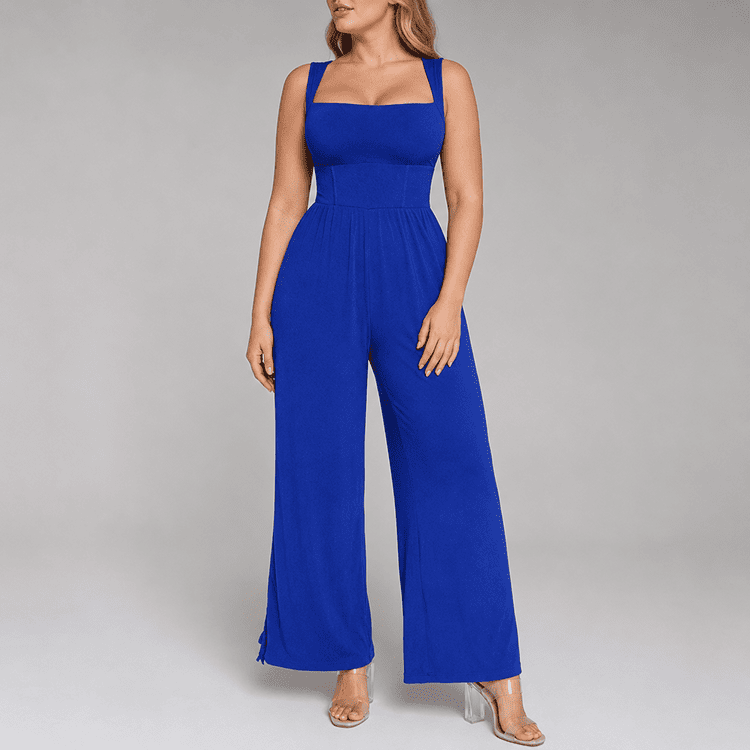
Fashion Jumpsuits
Fashion jumpsuits remain one of the largest wholesale categories, particularly for women’s apparel retailers.
Popular styles include:
- Wide-leg jumpsuits
- Belted jumpsuits
- Tailored jumpsuits
- Sleeveless jumpsuits
- Long-sleeve jumpsuits
- Evening jumpsuits
These products are commonly sold through:
- Fashion boutiques
- Department stores
- Online retailers
- Private label brands
Neutral colors such as black, navy, beige, olive, and chocolate brown continue to perform consistently across international markets, while seasonal collections often introduce trend-driven colors and prints.
Casual Everyday Jumpsuits
Consumers increasingly seek versatile clothing that combines comfort with practicality.
Casual jumpsuits typically feature:
- Relaxed silhouettes
- Lightweight fabrics
- Comfortable fits
- Minimalist styling
- Easy layering
These products appeal to customers looking for everyday apparel suitable for travel, shopping, work-from-home, or weekend activities.
Demand remains particularly strong in North America, Europe, and Australia, where casual dressing continues to influence purchasing behavior.
Activewear Jumpsuits
The popularity of wellness and fitness lifestyles has driven steady growth in activewear jumpsuits.
Common features include:
- Four-way stretch fabrics
- Moisture management
- Breathability
- Body-contouring construction
- Soft compression
- Lightweight performance materials
Fitness brands increasingly position jumpsuits as versatile garments suitable for both exercise and casual daily wear, expanding their commercial appeal beyond traditional gym environments.
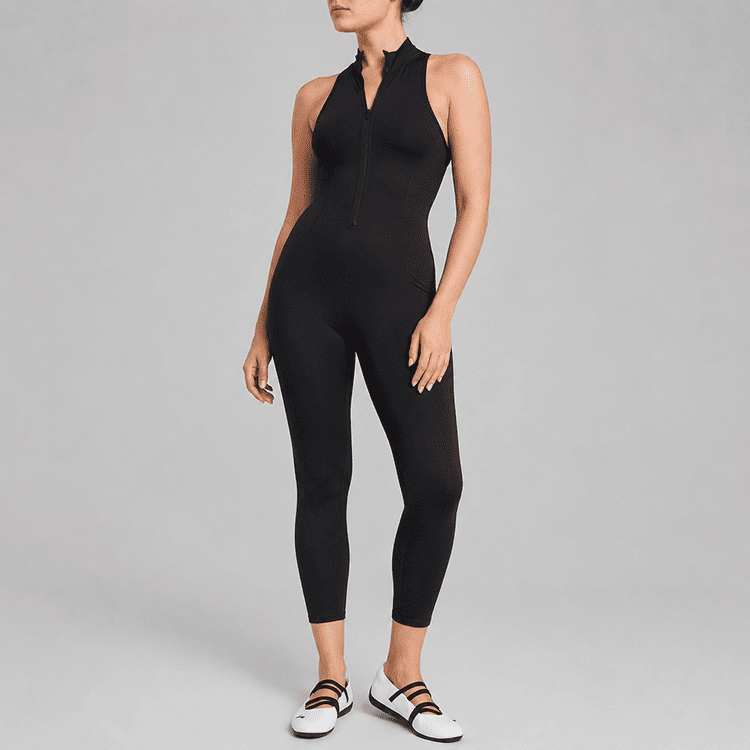
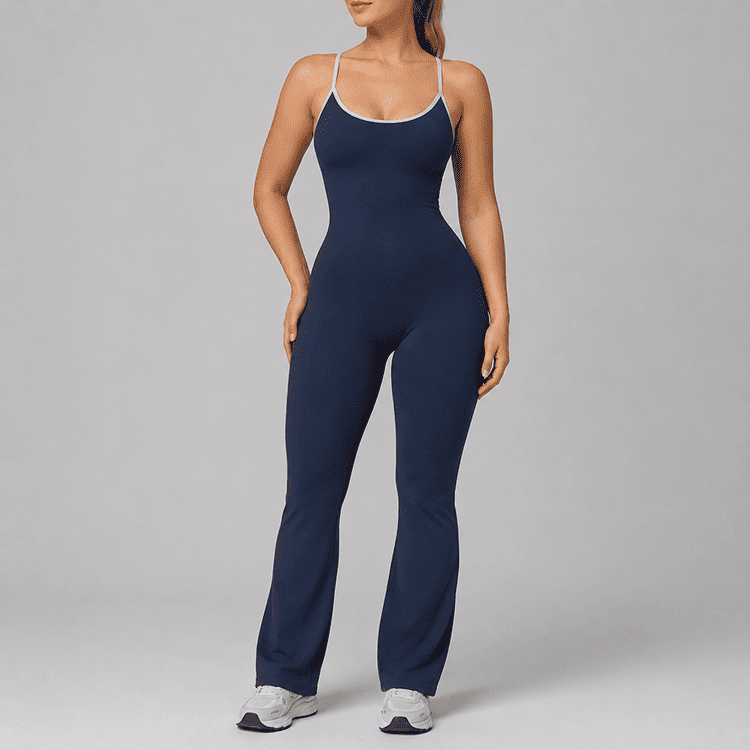
Yoga Jumpsuits
Yoga jumpsuits represent one of the fastest-growing premium segments within activewear.
Buyers generally prioritize:
- Smooth hand feel
- High elasticity
- Squat-proof fabrics
- Seam comfort
- Compression balance
- Flattering silhouettes
As premium athleisure continues expanding globally, yoga jumpsuits have become a recurring category in many seasonal collections.
Utility & Workwear Jumpsuits
Although fashion collections often receive the most attention, utility jumpsuits have experienced steady growth across both workwear and lifestyle markets. Originally designed for functionality, they have evolved into versatile garments worn in industries ranging from hospitality and creative studios to outdoor recreation and contemporary streetwear.
Popular wholesale styles include:
- Cargo jumpsuits
- Multi-pocket workwear jumpsuits
- Industrial coveralls
- Lightweight mechanic-inspired jumpsuits
- Outdoor utility jumpsuits
- Fashion workwear hybrids
Many buyers appreciate this category because utility-inspired apparel tends to remain commercially relevant beyond short seasonal trends. Neutral colors such as khaki, olive green, charcoal, navy, and black continue to dominate wholesale demand due to their versatility and durability.
Maternity Jumpsuits
As consumers increasingly seek comfortable clothing throughout pregnancy and postpartum recovery, maternity jumpsuits have become a growing niche within women’s apparel.
Successful maternity collections typically emphasize:
- Stretch waist construction
- Soft-touch fabrics
- Adjustable shoulder straps
- Nursing-friendly designs
- Breathable materials
- Relaxed silhouettes
Unlike highly seasonal fashion products, maternity apparel often enjoys relatively stable demand throughout the year, making it attractive for retailers seeking balanced inventory performance.
Brands entering this category frequently benefit from offering coordinated maternity collections that include leggings, nursing tops, sports bras, and jumpsuits.
Plus Size Jumpsuits
The global plus-size apparel market continues expanding as brands recognize increasing demand for inclusive sizing.
Modern plus-size jumpsuits prioritize:
- Comfortable movement
- Proportional pattern grading
- Supportive construction
- Flattering silhouettes
- High-quality stretch fabrics
- Inclusive size ranges
Rather than simply enlarging standard patterns, successful suppliers develop garments specifically engineered for different body proportions.
Retailers that offer thoughtfully designed plus-size collections often experience stronger customer loyalty and lower return rates because garment fit plays a significant role in purchasing satisfaction.
Kids’ Jumpsuits
Children’s jumpsuits remain popular in both casualwear and sports-inspired collections.
Common wholesale products include:
- Cotton jumpsuits
- Hooded jumpsuits
- Active playwear
- Seasonal fleece jumpsuits
- Outdoor jumpsuits
- Coordinated family collections
Parents increasingly value garments that combine comfort, durability, and ease of movement, making jumpsuits a practical option for everyday children’s clothing.
Best-Selling Fabrics for Wholesale Jumpsuits
Fabric selection significantly influences product positioning, customer satisfaction, and retail pricing.
The following materials remain among the most widely sourced across international wholesale markets.
| Fabric | Common Applications | Key Benefits |
|---|---|---|
| Cotton | Casual jumpsuits | Soft, breathable, comfortable |
| Cotton Blend | Everyday collections | Durability with comfort |
| Linen Blend | Summer fashion | Lightweight and breathable |
| Rayon | Fashion apparel | Smooth drape and soft hand feel |
| Tencel™ | Premium collections | Sustainable, luxurious texture |
| Polyester Blend | Fashion basics | Wrinkle resistance and durability |
| Nylon-Spandex | Activewear | Stretch, recovery, moisture management |
| Recycled Polyester | Sustainable collections | Environmental positioning |
| Ponte Knit | Structured fashion | Shape retention and comfort |
| French Terry | Lounge collections | Warmth with flexibility |
Selecting fabric should always reflect the target customer rather than simply minimizing production costs. Premium retailers often prioritize hand feel and drape, while value-oriented wholesalers may focus on durability and price efficiency.
Global Market Trends Shaping Wholesale Jumpsuit Demand
Understanding market direction helps buyers build more competitive product assortments.
Several trends are influencing wholesale purchasing decisions worldwide:
1. Athleisure Continues Expanding
Consumers increasingly expect garments that transition seamlessly between exercise, travel, and everyday wear.
This has contributed to growing demand for:
- Yoga jumpsuits
- Lounge jumpsuits
- Stretch knit styles
- Minimalist active-inspired silhouettes
2. Sustainability Influences Purchasing Decisions
Environmental awareness continues affecting apparel purchasing across many international markets.
Buyers increasingly request:
- Recycled fabrics
- Lower-impact production
- Reduced plastic packaging
- Durable garments with longer product life cycles
While sustainability expectations differ by region, many brands now incorporate environmentally responsible products into seasonal collections.
3. Capsule Wardrobes Increase Demand for Versatile Designs
Consumers increasingly purchase fewer garments while expecting each item to perform across multiple occasions.
This trend favors jumpsuits that can transition between:
- Office
- Weekend
- Travel
- Casual gatherings
- Evening wear
Versatile styling often extends product life cycles and improves retail sell-through rates.
4. Inclusive Collections Continue Growing
Retailers are expanding size ranges and product diversity to serve broader customer groups.
Increasing demand exists for:
- Petite sizing
- Tall sizing
- Plus-size collections
- Maternity apparel
- Adaptive clothing
- Gender-neutral silhouettes
Brands responding to these trends are often better positioned to reach underserved customer segments.
Product Planning Tips for Wholesale Buyers
Rather than building collections around isolated bestsellers, experienced buyers usually develop balanced assortments covering multiple consumer needs.
A diversified wholesale collection might include:
- 30–40% Core everyday jumpsuits
- 20–30% Fashion-forward seasonal styles
- 15–20% Activewear or athleisure jumpsuits
- 10–15% Occasion or statement pieces
- 5–10% Niche categories such as maternity or plus-size
This balanced approach helps retailers reduce dependence on a single trend while creating more opportunities for repeat purchases throughout the year.
Ultimately, the most successful wholesale jumpsuit collections are those built around customer lifestyles rather than temporary fashion trends. Buyers who understand evolving consumer preferences, invest in versatile product categories, and balance timeless styles with carefully selected seasonal designs are generally better positioned to achieve sustainable long-term growth.
China vs Vietnam vs Bangladesh vs Turkey: Which Country Is Better for Wholesale Jumpsuits?
Choosing the right sourcing country is one of the most important strategic decisions apparel buyers make. While price often dominates early discussions, experienced importers know that overall sourcing value depends on much more than manufacturing cost. Product quality, supplier specialization, communication efficiency, lead time, material availability, production flexibility, and long-term scalability all influence purchasing success.
Each major apparel-producing country has developed distinct competitive advantages. Vietnam is known for export-oriented manufacturing, Bangladesh remains highly competitive for basic garments, Turkey offers geographic advantages for European buyers, and China continues to lead in supplier diversity and integrated supply chains.
Rather than asking which country is universally “best,” buyers should determine which sourcing destination best aligns with their product strategy and business objectives.
Manufacturing Capability Comparison
Manufacturing capability goes beyond production capacity. It includes technical expertise, product diversity, engineering support, quality consistency, and the ability to manage increasingly complex apparel collections.
China has developed one of the world’s most comprehensive apparel manufacturing ecosystems. Buyers can source everything from fashion jumpsuits and activewear to maternity apparel, plus-size collections, utility wear, and performance garments within a single supply chain.
Vietnam has established strong capabilities in sportswear and export manufacturing but offers a narrower supplier ecosystem compared with China.
Bangladesh specializes in large-scale production of relatively basic garments, making it attractive for high-volume commodity apparel.
Turkey combines fashion manufacturing with shorter transportation times for European markets but generally offers a smaller supplier base.
Supplier Network Comparison
One major advantage of sourcing from China is supplier diversity.
Instead of relying on a limited number of factories, buyers can compare thousands of specialized suppliers serving different market segments.
Examples include suppliers specializing in:
- Fashion apparel
- Activewear
- Women’s wear
- Knitwear
- Sustainable apparel
- Children’s clothing
- Technical garments
- Boutique production
- Private label programs
This diversity creates greater purchasing flexibility and encourages healthy competition among suppliers.
By comparison, many other manufacturing countries offer fewer specialized supplier options within the same product category.
MOQ Comparison
Minimum Order Quantity (MOQ) directly affects inventory investment and product testing.
The following comparison reflects general market tendencies rather than fixed industry standards.
| Country | Typical MOQ Flexibility |
|---|---|
| China | High flexibility, depending on supplier specialization |
| Vietnam | Moderate |
| Bangladesh | Higher MOQ for most production programs |
| Turkey | Moderate to High |
China’s broad supplier ecosystem allows buyers to find partners supporting both smaller market-validation orders and larger production programs.
This flexibility is particularly valuable for:
- Startup brands
- Boutique retailers
- DTC businesses
- Seasonal capsule collections
Lead Time Comparison
Lead time includes more than factory production.
It also depends on:
- Material sourcing
- Production scheduling
- Logistics infrastructure
- Export documentation
- Shipping availability
Approximate industry averages are shown below.
| Country | Typical Production Lead Time |
|---|---|
| China | 20–35 working days |
| Vietnam | 30–45 working days |
| Bangladesh | 45–70 working days |
| Turkey | 25–40 working days |
Actual delivery schedules vary according to product complexity, seasonal demand, and supplier workload.
For buyers launching multiple collections each year, shorter lead times can improve inventory turnover and reduce forecasting risk.
Product Variety Comparison
Product diversity becomes increasingly important as brands expand.
China offers one of the widest apparel selections available through a single sourcing destination.
Wholesale buyers can source:
- Fashion jumpsuits
- Casual jumpsuits
- Activewear jumpsuits
- Yoga apparel
- Dresses
- Sportswear
- Hoodies
- Loungewear
- Plus-size apparel
- Maternity collections
- Children’s clothing
This allows retailers to consolidate purchasing across multiple categories instead of managing separate supplier networks.
Countries with narrower product specialization may require buyers to source different product groups from different regions, increasing operational complexity.
Fabric Supply Chain Comparison
Fabric availability has become one of the most significant competitive advantages in modern apparel sourcing.
China’s textile industry supports an extensive range of materials, including:
- Cotton
- Linen
- Rayon
- Tencel™
- Nylon blends
- Polyester blends
- Recycled fibers
- Functional sports fabrics
- Rib knits
- French terry
- Ponte knit
- Cooling fabrics
- UV-protection fabrics
Because many textile mills operate close to garment factories, suppliers can often source materials more efficiently and respond faster to changing customer requirements.
In contrast, manufacturers in some countries rely more heavily on imported fabrics, which may extend development timelines and reduce sourcing flexibility.
Cost vs Overall Value
Many sourcing discussions focus exclusively on factory quotations.
However, experienced buyers evaluate total sourcing value rather than unit price alone.
Total purchasing cost may include:
- Product price
- Fabric quality
- Sampling expenses
- Shipping costs
- Customs duties
- Communication efficiency
- Defect rates
- Delivery reliability
- Inventory carrying costs
A slightly higher factory quotation may ultimately generate lower overall sourcing costs if the supplier delivers consistent quality, dependable schedules, and fewer production issues.
This broader perspective often leads to more profitable long-term purchasing decisions.
Country Comparison Summary
| Evaluation Factor | China | Vietnam | Bangladesh | Turkey |
|---|---|---|---|---|
| Supplier Diversity | ⭐⭐⭐⭐⭐ | ⭐⭐⭐ | ⭐⭐ | ⭐⭐⭐ |
| Product Variety | ⭐⭐⭐⭐⭐ | ⭐⭐⭐ | ⭐⭐ | ⭐⭐⭐ |
| Fabric Availability | ⭐⭐⭐⭐⭐ | ⭐⭐⭐ | ⭐⭐ | ⭐⭐⭐ |
| MOQ Flexibility | ⭐⭐⭐⭐⭐ | ⭐⭐⭐ | ⭐⭐ | ⭐⭐⭐ |
| Production Flexibility | ⭐⭐⭐⭐⭐ | ⭐⭐⭐ | ⭐⭐ | ⭐⭐⭐ |
| Fashion Development | ⭐⭐⭐⭐⭐ | ⭐⭐⭐ | ⭐⭐ | ⭐⭐⭐⭐ |
| Large-Volume Production | ⭐⭐⭐⭐ | ⭐⭐⭐⭐ | ⭐⭐⭐⭐⭐ | ⭐⭐⭐ |
| Export Experience | ⭐⭐⭐⭐⭐ | ⭐⭐⭐⭐ | ⭐⭐⭐⭐ | ⭐⭐⭐⭐ |

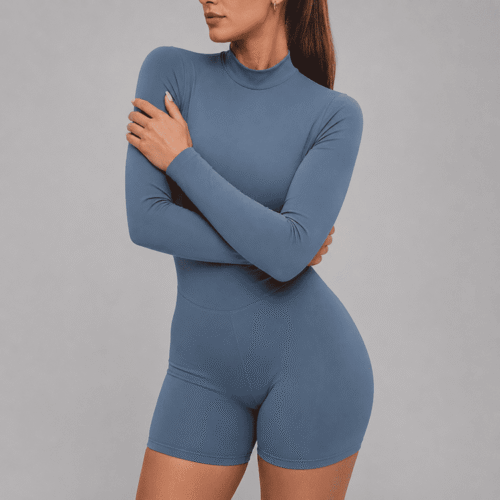
Custom Women’s Long Sleeve Yoga Jumpsuit OEM ODM Mock Neck Activewear Romper
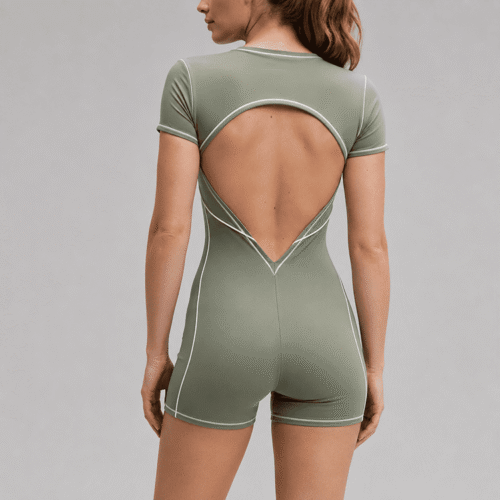
Custom Women’s Open Back Yoga Jumpsuit OEM ODM Activewear Romper
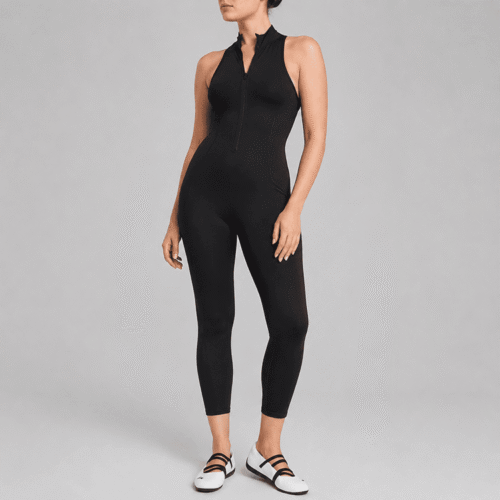
Custom Women’s Sleeveless Zip Front Yoga Jumpsuit OEM ODM Sculpting Activewear
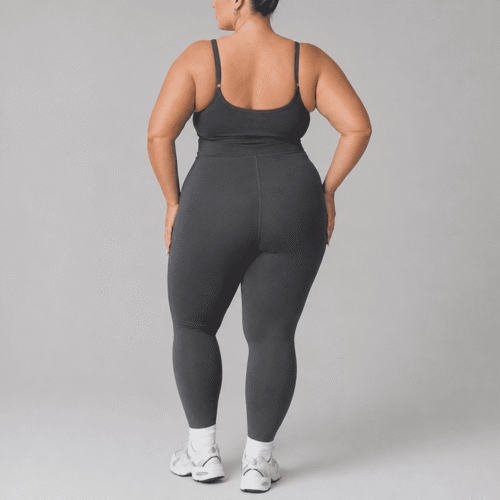
Custom Women’s Spaghetti Strap Yoga Jumpsuit OEM ODM Sculpting Activewear
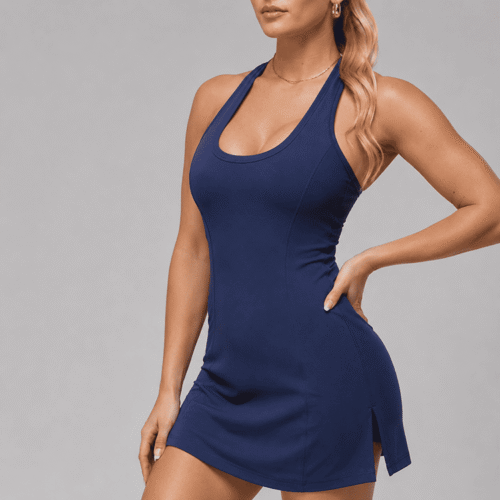
Custom Women’s Tennis Activewear Dress OEM ODM Fitness Sports Dress
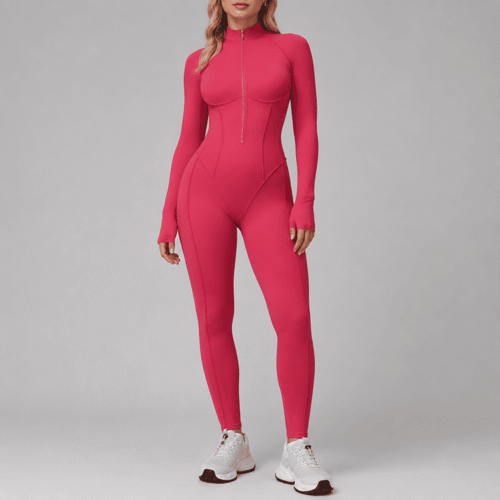
Custom Women’s Zip Front Long Sleeve Yoga Jumpsuit OEM ODM Sculpting Activewear
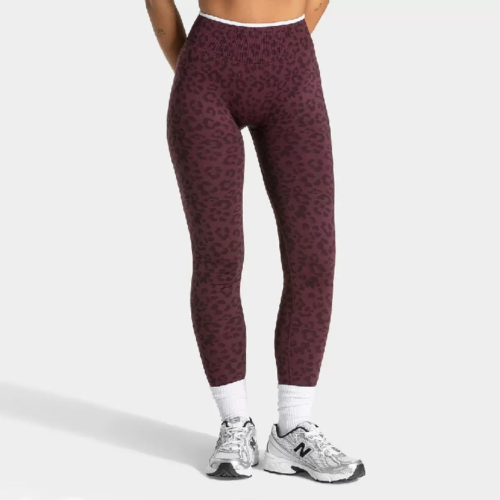
Custom Yoga Leggings – High Waist Seamless Workout Pants OEM/ODM
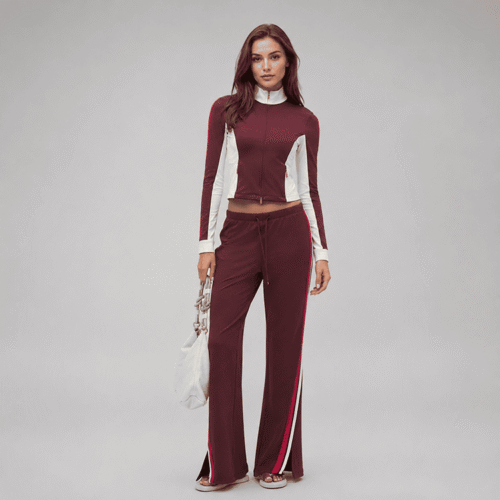
OEM Women’s Activewear Set Custom Zip-Up Jacket & Wide Leg Workout Pants
Which Country Is Best for Your Business?
There is no single sourcing destination that fits every buyer.
The most suitable country depends on your commercial priorities.
| Buyer Profile | Recommended Country |
|---|
| Startup Apparel Brand | China |
| Private Label Business | China |
| Boutique Fashion Retailer | China or Turkey |
| Activewear Brand | China or Vietnam |
| High-Volume Basic Apparel Buyer | Bangladesh |
| European Fast-Replenishment Retailer | Turkey |
| Multi-Category Apparel Importer | China |
For buyers seeking the broadest supplier selection, integrated textile resources, flexible purchasing options, and scalable long-term partnerships, China continues to provide one of the most balanced wholesale sourcing environments available today. Rather than competing solely on manufacturing cost, China increasingly competes on efficiency, reliability, product diversity, and supply chain resilience—qualities that become even more valuable as apparel businesses grow and sourcing strategies become more sophisticated.
Frequently Asked Questions About Jumpsuit Wholesale Suppliers in China
1. Who Is the Best Jumpsuit Wholesale Supplier in China?
The best jumpsuit wholesale supplier is the one whose product specialization, sourcing flexibility, communication quality, and long-term supply capability align with your business goals—not necessarily the supplier offering the lowest price. Startup brands often prioritize flexible MOQs and responsive service, while established wholesalers typically focus on production stability and supply consistency. Before making a decision, compare several suppliers based on their product categories, export experience, certifications, customer feedback, and ability to support your future growth. A supplier that grows alongside your business is usually more valuable than one selected solely because of an attractive quotation.
2. How Do I Choose a Reliable Jumpsuit Wholesale Supplier in China?
Choosing a reliable supplier requires evaluating far more than price. Buyers should compare suppliers based on business credibility, export experience, communication efficiency, product specialization, quality management, and supply stability. Request company information, review product samples, verify certifications when applicable, and compare quotations from multiple suppliers. Reliable suppliers communicate clearly, respond consistently, provide transparent documentation, and demonstrate experience serving international buyers. Taking time to evaluate suppliers before placing orders significantly reduces sourcing risks and helps establish long-term business partnerships.
3. What Is the Typical MOQ for Wholesale Jumpsuits in China?
Minimum order quantities vary widely depending on the supplier, product complexity, fabric selection, and customization requirements. There is no single industry-standard MOQ. Some suppliers accommodate relatively small orders suitable for market testing, while others focus on larger wholesale programs. Instead of simply negotiating the lowest MOQ, buyers should select an order quantity that matches inventory planning and expected sales. A balanced MOQ strategy reduces financial risk while allowing brands to validate customer demand before expanding future orders.
4. How Much Does It Cost to Buy Wholesale Jumpsuits from China?
Wholesale pricing depends on multiple factors, including fabric quality, garment construction, order quantity, branding requirements, packaging, and shipping method. Buyers should evaluate total sourcing cost rather than factory price alone. In addition to the garment itself, budgeting should include sampling, labels, hangtags, packaging, freight, customs duties, and quality inspection when appropriate. Suppliers with slightly higher quotations may deliver greater long-term value through consistent quality, fewer production issues, and more reliable delivery performance.
5. Can Chinese Wholesale Suppliers Support Private Label Programs?
Yes. Many Chinese wholesale suppliers support private label programs, although the level of service varies between companies. Buyers should confirm exactly what branding services are included before placing an order. Common private label options include custom woven labels, printed care labels, hangtags, logo application, branded packaging, barcode stickers, and retail-ready presentation. Suppliers with experience serving private label brands often understand international retail requirements and can help businesses build a more professional brand identity.
6. Why Do So Many Global Brands Source Wholesale Jumpsuits from China?
China remains one of the world’s preferred sourcing destinations because it combines a mature textile supply chain, diverse supplier ecosystem, extensive fabric resources, experienced exporters, and flexible production capabilities. Buyers can access a wide range of apparel specialists while benefiting from competitive manufacturing efficiency and reliable international logistics. Rather than competing only on price, many Chinese suppliers now compete through product quality, supply chain integration, communication, and long-term sourcing support, making China suitable for both emerging and established apparel businesses.
7. How Can Buyers Reduce Risks When Working with Chinese Wholesale Suppliers?
The most effective way to reduce sourcing risk is through careful supplier evaluation before production begins. Most problems can be prevented by verifying suppliers, confirming product specifications, reviewing samples, and maintaining clear written communication. Buyers should also calculate landed cost, understand delivery schedules, clarify packaging requirements, and consider third-party inspections for larger orders. Long-term success comes from building transparent relationships with reliable suppliers rather than continually changing vendors to save small amounts on unit price.
8. Should I Work Directly with a Factory, a Trading Company, or a Wholesale Supplier?
The best choice depends on your sourcing objectives rather than one model being universally better. Factory suppliers generally provide greater production transparency, while trading companies simplify multi-category sourcing. Wholesale suppliers often combine sourcing resources with export experience to support a wide range of buyers. Startup brands may value flexibility and guidance, whereas large retailers often prioritize stable production capacity and long-term supply continuity. Understanding your own purchasing priorities before selecting a supplier is one of the most important steps toward building a successful sourcing strategy.