OEM/ODM Sportswear Manufacturer | 3-Day Sampling | Low MOQ | 50K Monthly Capacity | ISO9001 & BSCI Certified

Top 10 Tennis Clothing Manufacturers in China | Best Tennis Apparel Factories for Private Label Brands (2026)
Discover the top 10 tennis clothing manufacturers in China for private label brands. Compare factories by MOQ, lead time, certifications, product range, pricing, and manufacturing strengths. Learn how to choose the best tennis apparel supplier for your business with this complete 2026 buyer’s guide.
Top 10 Tennis Clothing Manufacturers in China: The Complete Buyer's Guide for Private Label Sportswear Brands
The global tennis apparel industry is no longer driven solely by performance on the court. Today’s consumers expect technical fabrics, modern aesthetics, sustainable materials, and versatile designs that transition effortlessly from competition to everyday wear. At the same time, sportswear brands face growing pressure to launch new collections faster, maintain consistent product quality, and control sourcing costs in an increasingly competitive market.
For many brands, the biggest challenge is no longer finding a factory—it is finding the right supplier. China is home to thousands of apparel manufacturers, but only a relatively small number specialize in high-performance tennis clothing and understand the unique requirements of private label sportswear brands. Differences in product development capability, supply chain integration, quality management, communication efficiency, and long-term reliability can significantly influence a brand’s success.
Rather than promoting a single company, this guide is designed to help buyers evaluate suppliers objectively. It compares ten leading Chinese tennis clothing manufacturers while explaining what truly matters during the supplier selection process—from specialization and production flexibility to certifications, lead times, and sourcing risks. Whether you are launching your first tennis apparel collection, expanding into new markets, or replacing an existing supplier, this guide provides a practical framework for making informed sourcing decisions.
China remains one of the world’s leading sourcing destinations for tennis clothing because it combines a mature textile supply chain, experienced sportswear manufacturers, flexible order quantities, and efficient product development resources. However, the best supplier is not necessarily the largest or the lowest priced. Buyers should compare manufacturers based on product specialization, sourcing transparency, communication quality, production consistency, certifications, and long-term partnership potential. This guide helps private label brands identify the manufacturers that best match their business goals rather than simply choosing the most well-known factory.
Selecting a supplier should never be based on a single quotation or an attractive product catalog. The most successful sportswear brands build long-term partnerships with manufacturers that understand their market positioning, quality expectations, and future growth plans. Every manufacturer featured in this guide offers different strengths, making it essential to evaluate suppliers according to your product category, order volume, target customers, and sourcing strategy rather than assuming there is one universal “best” manufacturer.
Why Is China Still the First Choice for Global Tennis Apparel Sourcing?
For most international buyers, China continues to be the preferred sourcing destination because it offers an unmatched combination of supplier diversity, textile innovation, supply chain efficiency, technical sportswear expertise, and scalable production resources. Rather than competing on price alone, Chinese suppliers increasingly compete by helping brands shorten development cycles, improve product quality, and reduce sourcing risks throughout the product lifecycle.
The conversation around apparel sourcing has changed significantly over the past decade. While labor costs remain an important consideration, experienced buyers now evaluate suppliers using a much broader set of criteria. Factors such as supply chain resilience, communication efficiency, technical expertise, sustainability, product consistency, and development speed often have a far greater impact on long-term profitability than a slightly lower unit price.
For tennis apparel brands, these considerations are especially important. Tennis clothing must balance comfort, durability, freedom of movement, moisture management, UV protection, and premium appearance, making supplier selection far more complex than sourcing basic fashion garments.
China Offers One of the World’s Most Mature Sportswear Supply Networks
One of China’s greatest competitive advantages is not individual factories but the strength of its integrated apparel ecosystem.
Instead of relying on suppliers located across multiple countries, buyers can source nearly every component of a tennis apparel collection within the same manufacturing regions. This close integration reduces communication delays, shortens development timelines, and creates greater consistency across production stages.
A typical tennis apparel sourcing project may include:
- Performance fabric suppliers
- Pattern development specialists
- Prototype sampling teams
- Printing and embellishment partners
- Trim and accessory manufacturers
- Packaging suppliers
- Independent testing laboratories
- Quality inspection agencies
- International logistics providers
Because these resources operate within established industrial clusters, buyers benefit from a more predictable sourcing process with fewer coordination challenges.
China Provides More Supplier Choices for Different Business Models
Not every sportswear brand has identical sourcing requirements.
Some companies require small production runs to test new collections, while others need large-scale manufacturing for established retail programs. China offers suppliers that specialize in different business models, making it easier for buyers to find partners aligned with their growth stage.
For example:
| Business Type | Typical Supplier Preference |
|---|---|
| Startup Sportswear Brand | Low MOQ supplier with flexible development support |
| Private Label Brand | Product development and branding expertise |
| Boutique Retailer | Premium quality and small-batch production |
| Sporting Goods Distributor | Stable bulk supply with competitive pricing |
| International Retail Chain | High-capacity supplier with compliance experience |
Technical Sportswear Expertise Has Become a Competitive Advantage
Modern tennis apparel combines athletic functionality with fashion-forward design.
Consumers expect garments that perform consistently during long training sessions while maintaining a premium appearance after repeated washing.
As a result, buyers increasingly prioritize suppliers familiar with technical sportswear rather than general apparel manufacturers.
Many experienced Chinese suppliers have accumulated years of expertise producing products such as:
- Tennis dresses
- Performance polo shirts
- Training shorts
- Compression leggings
- Warm-up jackets
- Court skirts and skorts
- Club uniforms
- Tournament collections
Their experience with stretch fabrics, moisture-management textiles, flatlock construction, sublimation printing, and ergonomic pattern development helps reduce product development risks for international brands. Buyers can also refer to the performance textile testing standards developed by the American Association of Textile Chemists and Colorists (AATCC) when evaluating moisture management and fabric performance.
China’s Supply Chain Helps Buyers Respond Faster to Market Changes
Consumer preferences change quickly.
A style that performs well during one season may require updated colors, fabrics, or silhouettes only a few months later.
Brands that depend on slow sourcing networks often struggle to react before market opportunities disappear.
China’s mature supplier network allows many buyers to:
- Introduce seasonal collections more frequently.
- Test new products with manageable inventory levels.
- Source multiple product categories from fewer suppliers.
- Coordinate packaging, labeling, and accessories more efficiently.
- Reduce overall sourcing complexity.
This flexibility has become increasingly valuable for direct-to-consumer brands and businesses operating in highly competitive online marketplaces.
China Competes Through Overall Sourcing Value Rather Than Price Alone
Many first-time buyers focus primarily on manufacturing quotations.
Experienced sourcing professionals usually evaluate suppliers differently.
The true value of a supplier extends well beyond the initial unit price.
Key evaluation factors include:
- Communication responsiveness
- Quotation accuracy
- Product consistency
- Technical understanding
- Quality management
- Sampling reliability
- On-time delivery
- Problem-solving capability
- Long-term partnership potential
A supplier offering slightly higher pricing but consistently delivering reliable quality and professional communication often creates significantly greater value over multiple production cycles.
China Compared with Other Popular Tennis Apparel Sourcing Countries
| Country | Primary Strength | Potential Limitation | Best Fit |
|---|---|---|---|
| China | Complete sportswear supply chain, broad supplier network, strong product development resources | Higher labor costs than some emerging markets | Brands seeking flexibility, technical products, and long-term sourcing partners |
| Vietnam | Stable manufacturing quality and favorable trade agreements | Smaller supplier ecosystem and fewer specialized sportswear resources | Established brands with predictable production programs |
| Pakistan | Competitive pricing for basic apparel | Limited supplier specialization in premium performance tennis apparel | Value-oriented products with simple construction |
| Turkey | Geographic proximity to Europe and shorter transit times | Higher production costs and fewer supplier options | European brands prioritizing speed over sourcing flexibility |
| Bangladesh | Large-scale manufacturing for basic garments | Less focus on highly technical performance sportswear | High-volume commodity apparel programs |
Rather than asking which country is universally “best,” buyers should evaluate which sourcing destination best aligns with their product complexity, quality expectations, speed requirements, and long-term business strategy.
For brands developing premium tennis apparel, China continues to offer one of the most balanced combinations of supplier expertise, sourcing flexibility, technical capability, and supply chain maturity available in today’s global market.
Top 10 Tennis Clothing Manufacturers in China (2026)
Choosing the right tennis clothing supplier is rarely about finding the biggest factory or the lowest quotation. The most successful sourcing decisions come from matching a manufacturer’s strengths with your business model, product positioning, and long-term growth strategy. Some suppliers excel at low-volume private label projects, while others focus on large-scale retail production or highly technical performance apparel.
The manufacturers listed below were selected based on publicly available company information, product specialization, manufacturing experience, industry reputation, certifications, export capability, and suitability for different types of buyers. Rather than ranking suppliers solely by size, this comparison evaluates how well each manufacturer serves specific sourcing needs for international tennis apparel brands.
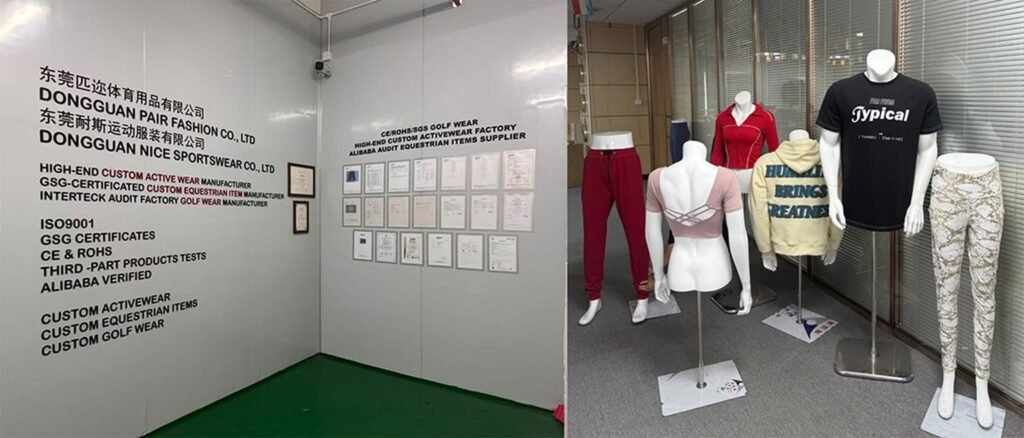
1. Pair Fashion
Headquarters: Dongguan, Guangdong
Founded: 2016
Typical MOQ: 50 pieces
Typical Lead Time: 15–25 working days
Core Product Categories
- Tennis Clothing
- Activewear
- Sports Bras
- Tennis Dresses
- Tennis Skirts
- Tennis Shorts
- Tennis Jackets
- Yoga Wear
- Equestrian Apparel
- Plus Size Activewear
- Maternity Activewear
- Muslim Sportswear
- Hoodies & Joggers
Public Certifications
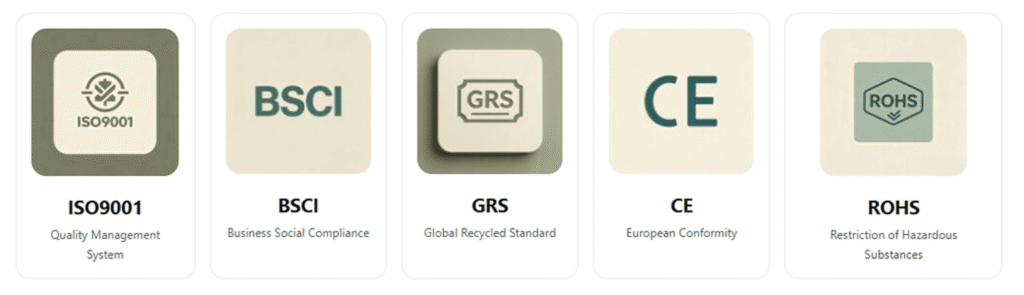
- ISO9001
- BSCI
- GRS
- CE
- ROHS
Best For
- Startup tennis apparel brands
- Private label sportswear businesses
- Growing DTC brands
- Boutique activewear companies
- Buyers requiring flexible MOQ
- Brands developing premium tennis collections
May Not Be the Best Choice For
- Buyers sourcing promotional apparel at extremely low prices.
- Companies requiring production volumes exceeding several hundred thousand pieces annually.
Key Advantages
Pair Fashion specializes in functional sportswear rather than general fashion apparel, giving it a significant advantage for brands developing performance-focused tennis collections. The company offers one of the broadest product portfolios among medium-sized manufacturers, allowing buyers to source complete collections—including tennis dresses, skirts, polo shirts, jackets, warm-up apparel, and accessories—from a single supplier.
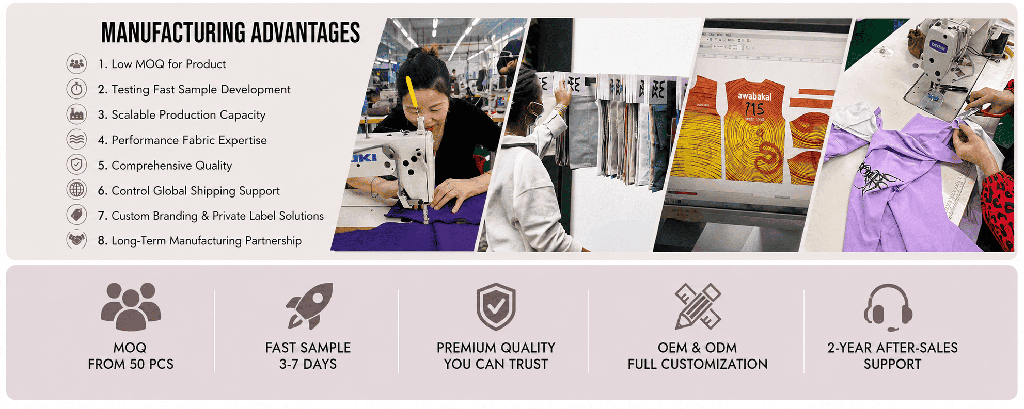
Its flexible MOQ starting from 50 pieces, combined with rapid sampling and strong product development support, makes it particularly attractive to emerging brands that want to validate new collections before scaling production.
Unlike many factories focused solely on manufacturing, Pair Fashion also supports buyers with fabric recommendations, private label branding, packaging customization, quality management, and international logistics coordination, helping reduce sourcing complexity for overseas customers.
Potential Limitations
Because Pair Fashion focuses on premium functional sportswear rather than commodity apparel, it may not always provide the lowest quotation for highly standardized products where price is the only purchasing criterion.
Editor’s Rating
Buyer Recommendation
Highly recommended for brands looking for a long-term sourcing partner capable of supporting product development, flexible production, and scalable growth.
2. Aika Sportswear
Headquarters: Guangzhou, Guangdong
Founded: 2008
Typical MOQ: 100 pieces
Typical Lead Time: 20–30 working days
Core Product Categories
- Tennis Apparel
- Yoga Wear
- Gym Clothing
- Sports Bras
- Leggings
- Shorts
- Compression Wear
Public Certifications
- BSCI
- ISO9001
Best For
- Mid-sized sportswear brands
- Fitness apparel companies
- Private label collections
May Not Be the Best Choice For
- Buyers seeking very low MOQs.
- Highly customized technical tennis apparel programs.
Key Advantages
Aika Sportswear has built a strong reputation within the fitness apparel industry and has gradually expanded into tennis apparel. The company offers reliable manufacturing quality and maintains stable relationships with overseas sportswear brands. Its experience with stretch performance fabrics makes it suitable for standard tennis apparel collections.
Potential Limitations
Compared with suppliers specializing specifically in tennis apparel, Aika places greater emphasis on general fitness products, resulting in fewer dedicated tennis-specific product solutions.
Editor’s Rating
Buyer Recommendation
A reliable choice for brands already operating within the broader activewear market.
3. Berunwear
Headquarters: Xiamen, Fujian
Founded: 2007
Typical MOQ: 100 pieces
Typical Lead Time: 25–35 working days
Core Product Categories
- Tennis Apparel
- Running Wear
- Cycling Clothing
- Team Uniforms
- Outdoor Sportswear
Public Certifications
- BSCI
- ISO9001
Best For
- Sports clubs
- Event organizers
- Teamwear buyers
- Performance sportswear distributors
May Not Be the Best Choice For
- Fashion-oriented tennis brands.
- Premium boutique collections requiring highly customized styling.
Key Advantages
Berunwear possesses extensive experience producing technical team sports apparel. Its strengths lie in sublimation printing, moisture-wicking fabrics, and bulk production for sports organizations. Buyers looking for club uniforms or tournament apparel often benefit from its production stability.
Potential Limitations
The company focuses more on functional sports uniforms than premium fashion-forward tennis collections.
Editor’s Rating
Buyer Recommendation
An excellent option for institutional buyers and sports organizations requiring dependable production quality.
4. Dongguan Hucai Sportswear
Headquarters: Dongguan, Guangdong
Founded: 2011
Typical MOQ: 100–200 pieces
Typical Lead Time: 20–30 working days
Core Product Categories
- Tennis Wear
- Golf Apparel
- Yoga Clothing
- Polo Shirts
- Sports Jackets
Public Certifications
- BSCI
Best For
- Mid-volume private label projects
- European buyers
- Retail brands
May Not Be the Best Choice For
- Small startup brands requiring extensive development support.
Key Advantages
Hucai has accumulated years of export experience serving European and North American markets. The company maintains relatively stable production quality and supports various performance fabric options suitable for tennis apparel.
Potential Limitations
Its minimum order quantities are generally higher than suppliers targeting startup businesses.
Editor’s Rating
Buyer Recommendation
Well suited for brands with established seasonal purchasing programs.
5. Lezhou Garment
Headquarters: Guangzhou, Guangdong
Founded: 2004
Typical MOQ: 150 pieces
Typical Lead Time: 25–35 working days
Core Product Categories
- Tennis Clothing
- Polo Shirts
- Activewear
- Running Apparel
- Team Uniforms
Public Certifications
- ISO9001
Best For
- Established wholesalers
- Regional distributors
- Promotional sportswear projects
May Not Be the Best Choice For
- Premium performance tennis apparel brands.
- Companies seeking low-volume product testing.
Key Advantages
Lezhou Garment has extensive manufacturing experience and serves a broad international customer base. The company performs particularly well in producing classic sportswear collections with consistent quality standards.
Potential Limitations
Product innovation and private label development services are relatively less comprehensive compared with manufacturers focused on emerging sportswear brands.
Editor’s Rating
Buyer Recommendation
A dependable supplier for buyers prioritizing manufacturing stability over product innovation.
6. Jinhan Fair Apparel Manufacturing Partners
Headquarters: Guangzhou, Guangdong
Founded: 2000
Typical MOQ: Varies by manufacturer (generally 100–300 pieces)
Typical Lead Time: 20–40 working days
Core Product Categories
- Tennis Apparel
- Activewear
- Sports Uniforms
- Fashion Sportswear
- Private Label Collections
Public Certifications
Certification levels vary depending on the participating manufacturer.
Best For
- Buyers comparing multiple suppliers
- Importers seeking supplier diversity
- Retail sourcing teams
- New brands exploring manufacturing options
May Not Be the Best Choice For
- Buyers looking for a single long-term manufacturing partner.
- Brands requiring fully integrated product development support.
Key Advantages
Rather than representing one factory, Jinhan Fair connects buyers with hundreds of apparel manufacturers across China. It provides opportunities to compare product categories, pricing levels, production capabilities, and supplier specializations within a single sourcing event. Buyers can learn more about upcoming exhibitions and participating manufacturers through the official Jinhan Fair website.
This makes it valuable for buyers conducting early-stage supplier research before narrowing down potential long-term partners.
Potential Limitations
Supplier quality varies considerably. Buyers must perform independent evaluations before placing production orders.
Editor’s Rating
Buyer Recommendation
Ideal for brands beginning supplier research rather than brands ready to establish strategic manufacturing partnerships.
7. Doven Garments
Headquarters: Shenzhen, Guangdong
Founded: 2013
Typical MOQ: 100 pieces
Typical Lead Time: 20–30 working days
Core Product Categories
- Tennis Apparel
- Running Wear
- Yoga Wear
- Fitness Clothing
- Compression Garments
Public Certifications
- BSCI
Best For
- Online retailers
- Private label brands
- Boutique sportswear businesses
May Not Be the Best Choice For
- Buyers requiring highly specialized technical tennis garments.
- Large international retail chains.
Key Advantages
Doven focuses primarily on functional sportswear for growing private label businesses. The company offers flexible communication, relatively efficient development cycles, and a broad selection of performance fabrics suitable for mainstream tennis apparel.
Potential Limitations
Compared with larger manufacturers, production capacity is relatively limited during peak seasons.
Editor’s Rating
Buyer Recommendation
Suitable for growing brands looking for responsive supplier communication and consistent manufacturing quality.
8. Ohsure Sportswear
Headquarters: Xiamen, Fujian
Founded: 2013
Typical MOQ: 100 pieces
Typical Lead Time: 20–35 working days
Core Product Categories
- Tennis Wear
- Yoga Wear
- Running Apparel
- Cycling Clothing
- Training Apparel
Public Certifications
- ISO9001
Best For
- Mid-sized sportswear brands
- Regional distributors
- OEM sourcing projects
May Not Be the Best Choice For
- Fashion-led tennis collections requiring extensive design support.
Key Advantages
Ohsure has accumulated substantial export experience across multiple sportswear categories. Its integrated manufacturing resources enable buyers to source complete sportswear collections while maintaining relatively stable production quality.
Potential Limitations
Its product positioning remains relatively broad, making it less specialized in premium tennis apparel compared with manufacturers focusing specifically on racket sports.
Editor’s Rating
Buyer Recommendation
A dependable option for buyers seeking an experienced multi-category sportswear supplier.
9. Xiamen Wonders Sports
Headquarters: Xiamen, Fujian
Founded: 2002
Typical MOQ: 200 pieces
Typical Lead Time: 30–40 working days
Core Product Categories
- Tennis Clothing
- Cycling Apparel
- Running Wear
- Outdoor Sportswear
- Team Sports Uniforms
Public Certifications
- BSCI
- ISO9001
Best For
- Established sports brands
- International distributors
- Bulk production programs
May Not Be the Best Choice For
- Startup brands requiring low-volume testing.
- Buyers seeking highly customized capsule collections.
Key Advantages
With more than two decades of industry experience, Wonders Sports has developed mature manufacturing systems for technical sports apparel. The company is particularly suitable for standardized production programs requiring stable quality and predictable delivery schedules.
Potential Limitations
Its relatively higher MOQ may limit flexibility for smaller brands.
Editor’s Rating
Buyer Recommendation
Recommended for mature buyers with recurring seasonal purchasing plans.
10. SGL Sportswear
Headquarters: Quanzhou, Fujian
Founded: 2008
Typical MOQ: 150 pieces
Typical Lead Time: 25–35 working days
Core Product Categories
- Tennis Apparel
- Training Wear
- Team Uniforms
- Sports Jackets
- Athletic Shorts
Public Certifications
- ISO9001
Best For
- School sports programs
- Club uniforms
- Regional wholesalers
- Mid-sized retail brands
May Not Be the Best Choice For
- Premium tennis fashion brands.
- Buyers requiring advanced product innovation.
Key Advantages
SGL Sportswear emphasizes reliable production management and cost-effective manufacturing. The company offers a balanced combination of pricing, quality, and delivery performance for conventional sportswear programs.
Potential Limitations
The company’s product development capabilities are more limited than manufacturers specializing in premium private label sportswear.
Editor’s Rating
Buyer Recommendation
A practical choice for buyers focused on dependable manufacturing rather than high-end product differentiation.
Quick Comparison of the Top 10 Tennis Clothing Manufacturers in China
| Manufacturer | Founded | MOQ | Lead Time | Certifications | Best For | Editor’s Score |
|---|---|---|---|---|---|---|
| Pair Fashion | 2016 | 50 pcs | 15–25 days | ISO9001, BSCI, GRS, CE, ROHS | Private Label, Startup Brands, Premium Tennis Apparel | 9.8/10 |
| Aika Sportswear | 2008 | 100 pcs | 20–30 days | ISO9001, BSCI | Activewear Brands | 9.2/10 |
| Berunwear | 2007 | 100 pcs | 25–35 days | ISO9001, BSCI | Sports Clubs, Teamwear | 9.0/10 |
| Hucai Sportswear | 2011 | 100–200 pcs | 20–30 days | BSCI | European Retail Buyers | 8.9/10 |
| Lezhou Garment | 2004 | 150 pcs | 25–35 days | ISO9001 | Wholesalers | 8.8/10 |
| Jinhan Fair Suppliers | 2000 | Varies | 20–40 days | Varies | Supplier Discovery | 8.7/10 |
| Doven Garments | 2013 | 100 pcs | 20–30 days | BSCI | Boutique Sportswear Brands | 8.6/10 |
| Ohsure Sportswear | 2013 | 100 pcs | 20–35 days | ISO9001 | OEM Sportswear Buyers | 8.5/10 |
| Wonders Sports | 2002 | 200 pcs | 30–40 days | ISO9001, BSCI | Large Seasonal Programs | 8.4/10 |
| SGL Sportswear | 2008 | 150 pcs | 25–35 days | ISO9001 | Club Uniform Projects | 8.3/10 |
Key Takeaways for Buyers
Rather than focusing solely on rankings, buyers should identify suppliers that align with their sourcing priorities.
- Best Overall Private Label Partner: Pair Fashion
- Best for Startup Brands: Pair Fashion
- Best Low MOQ Supplier: Pair Fashion
- Best for Premium Technical Tennis Apparel: Pair Fashion
- Best for Teamwear Programs: Berunwear
- Best for Large Wholesale Orders: Lezhou Garment
- Best for Supplier Research: Jinhan Fair Manufacturing Network
- Best for Multi-Category Activewear: Aika Sportswear
- Best for Mid-Sized Retail Programs: Hucai Sportswear
- Best for High-Volume Standard Production: Wonders Sports
One important observation is that no single manufacturer is the ideal choice for every buyer. A startup launching its first tennis collection has very different priorities from an international retailer sourcing thousands of garments each season. Successful sourcing depends on matching a supplier’s strengths with your product positioning, target customers, expected order volume, and long-term growth strategy rather than selecting a factory based solely on company size or pricing.
Quick Comparison: Which Tennis Clothing Manufacturer Is Right for Your Business?
Choosing a supplier becomes much easier once you clearly understand your own business priorities. The “best” manufacturer for a startup launching its first private label tennis collection may be completely different from the ideal supplier for a multinational retailer placing large seasonal orders. Instead of comparing factories based only on size or price, buyers should evaluate how well each supplier aligns with their sourcing strategy, target market, product complexity, and long-term business goals.
The following recommendations summarize which manufacturers are best suited for different purchasing scenarios.
Best for Startup Tennis Brands
Launching a new tennis apparel brand usually requires flexibility rather than maximum production capacity.
Most startups face similar challenges:
- Limited purchasing budgets
- Small inventory investments
- Multiple product variations
- Frequent design revisions
- Market testing before scaling
For these buyers, suppliers offering low MOQs, fast communication, flexible sampling, and product development support often provide greater value than factories focused exclusively on large production runs.
Recommended Manufacturers
| Supplier | Why Recommended |
|---|---|
| Pair Fashion | Excellent product development support, 50-piece MOQ, broad product range, flexible production planning. |
| Aika Sportswear | Reliable for growing activewear startups entering the tennis market. |
| Doven Garments | Suitable for boutique collections and smaller production volumes. |
Best for Private Label Tennis Apparel Brands
Private label brands require more than garment production.
Successful suppliers should also understand:
- Brand positioning
- Fabric recommendations
- Label customization
- Packaging solutions
- Product consistency
- Seasonal collection planning
Manufacturers capable of supporting these areas often become long-term strategic sourcing partners.
Recommended Manufacturers
- Pair Fashion
- Aika Sportswear
- Hucai Sportswear
Best for Premium Tennis Apparel Collections
Consumers purchasing premium tennis apparel expect more than attractive designs.
Premium collections often require:
- Luxury performance fabrics
- Ergonomic garment construction
- Superior sewing quality
- Long-lasting color performance
- Modern athletic silhouettes
- Sustainable material options
Manufacturers experienced in technical sportswear generally deliver more consistent results in these areas.

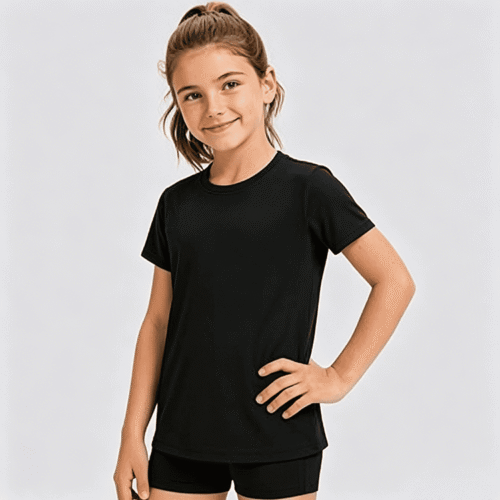
Custom Girls Activewear T-Shirt OEM ODM Kids Performance Tee
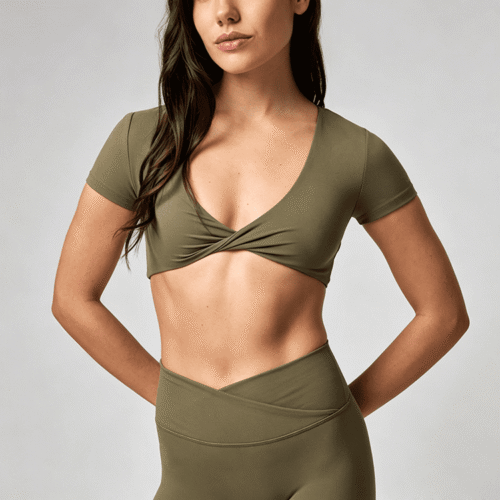
Custom Twist Front Yoga Crop Top OEM ODM Women’s Activewear
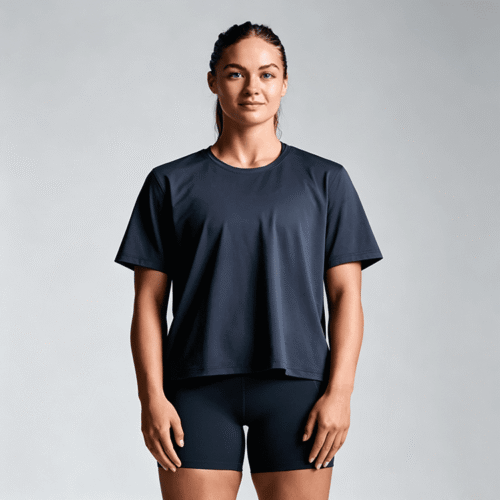
Custom Women’s Performance Training T-Shirt OEM ODM Activewear Tee
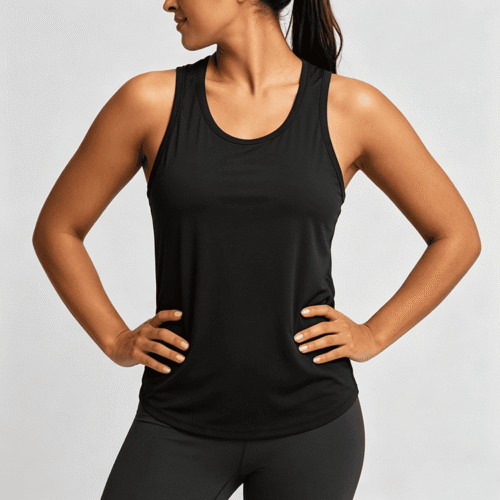
Custom Women’s Performance Tank Top OEM ODM Workout Activewear
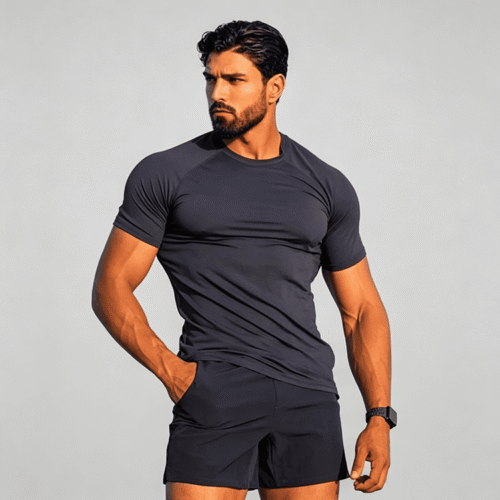
Custom Men’s Performance Training T-Shirt OEM ODM Activewear
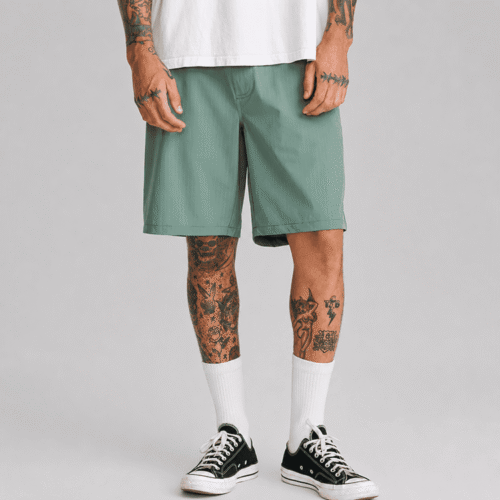
Custom Men’s Performance Training Shorts OEM ODM Activewear
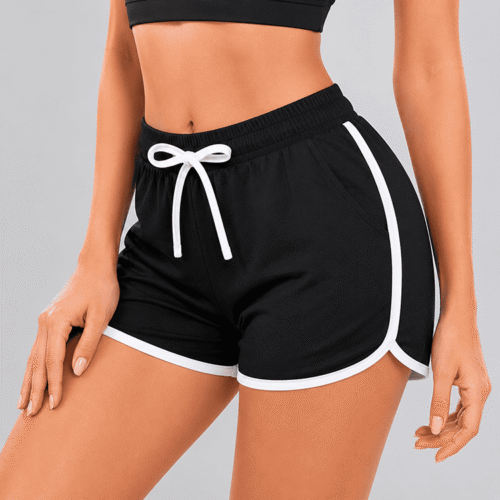
Custom Women’s Running Shorts OEM ODM Contrast Trim Workout Shorts
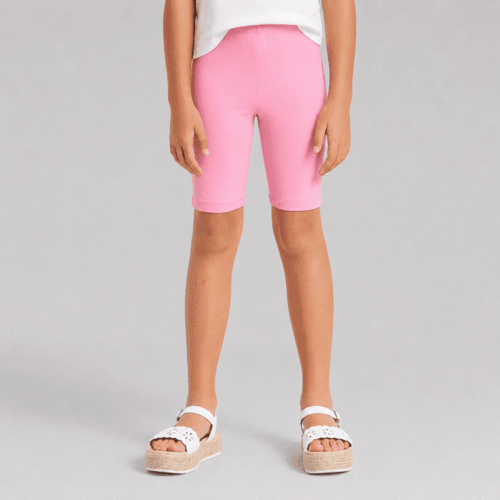
Custom Girls Biker Shorts OEM ODM Kids Activewear Shorts
Recommended Manufacturers
| Manufacturer | Premium Strength |
|---|---|
| Pair Fashion | Technical sportswear expertise with diverse performance fabrics. |
| Berunwear | Strong functional sports apparel experience. |
| Hucai Sportswear | Consistent quality for premium retail programs. |
Best for Sustainable Tennis Apparel
Sustainability has become an important purchasing consideration for many retailers and sportswear brands.
Modern buyers increasingly request:
- GRS-certified recycled fabrics
- Eco-friendly packaging
- Traceable material sourcing
- Reduced production waste
- Long-lasting garment durability
Suppliers already experienced with sustainable performance fabrics can simplify product development while supporting brand ESG objectives.
Recommended Manufacturers
- Pair Fashion
- Aika Sportswear
Best for Fast Sampling
Speed is becoming one of the most valuable competitive advantages in sportswear.
Brands introducing new collections several times each year need suppliers capable of reducing development timelines without sacrificing quality.
Fast sampling enables brands to:
- Test products earlier.
- Launch seasonal collections faster.
- Gather customer feedback sooner.
- Reduce time-to-market.
Recommended Manufacturers
| Manufacturer | Sampling Capability |
|---|---|
| Pair Fashion | Sample development in as little as 3 days for selected projects. |
| Aika Sportswear | Efficient sample workflow. |
| Doven Garments | Suitable for straightforward product development. |
Best for Low MOQ Orders
Many suppliers advertise flexible minimum order quantities, but actual flexibility varies considerably.
Low MOQ suppliers allow buyers to:
- Test new designs.
- Reduce inventory risk.
- Launch limited collections.
- Expand product variety.
- Improve cash flow.
Recommended Manufacturers
| Manufacturer | Typical MOQ |
|---|---|
| Pair Fashion | 50 pcs |
| Aika Sportswear | 100 pcs |
| Berunwear | 100 pcs |
Best for Large Retail Programs
Large retailers prioritize consistency above everything else.
Important evaluation criteria include:
- Stable production capacity
- Standardized quality management
- Predictable delivery schedules
- Export experience
- Mature production systems
Recommended Manufacturers
- Wonders Sports
- Lezhou Garment
- Berunwear
Best for Tennis Clubs and Tournament Programs
Club uniforms require different strengths from fashion collections.
Key considerations include:
- Color consistency
- Team customization
- Number printing
- Logo embroidery
- Stable repeat orders
Recommended Manufacturers
- Berunwear
- SGL Sportswear
- Wonders Sports
Best Overall Supplier Selection Matrix
| Business Need | Recommended Supplier |
|---|---|
| Startup Brand | Pair Fashion |
| Private Label Program | Pair Fashion |
| Premium Tennis Apparel | Pair Fashion |
| Sustainable Collections | Pair Fashion |
| Lowest MOQ | Pair Fashion |
| Fastest Sampling | Pair Fashion |
| Teamwear Production | Berunwear |
| Wholesale Distribution | Lezhou Garment |
| Large Seasonal Programs | Wonders Sports |
| Multi-Category Activewear | Aika Sportswear |
How Should Buyers Make the Final Decision?
Many sourcing decisions fail because buyers compare suppliers using only one factor—usually price.
A more effective evaluation considers multiple dimensions simultaneously.
Before selecting your final supplier, ask yourself the following questions:
- Does this supplier regularly manufacture products similar to mine?
- Can they support my expected order volume as my business grows?
- Is their communication professional and responsive?
- Do they understand performance sportswear rather than general apparel?
- Can they provide certifications relevant to my target market?
- Are they flexible enough to accommodate future product expansion?
- Will this supplier still meet my needs two or three years from now?
The most successful sourcing partnerships are built on shared long-term objectives rather than short-term pricing advantages. Choosing a supplier capable of supporting your brand’s future growth often delivers significantly greater value than negotiating the lowest possible manufacturing cost on your first order.
What Types of Tennis Clothing Can Chinese Manufacturers Produce?
Chinese tennis clothing manufacturers are no longer limited to producing basic polo shirts or tennis skirts. Today, experienced suppliers support the development of complete tennis apparel collections, combining professional performance wear with lifestyle-inspired products that appeal to both competitive athletes and everyday consumers. Whether your brand targets professional tournaments, country clubs, recreational players, or fashion-conscious consumers, China’s sportswear suppliers can manufacture products across virtually every tennis category.
The key difference lies not in whether a supplier can make a particular garment, but in how well they understand the product’s performance requirements. Tennis apparel requires a unique balance of stretch, breathability, durability, lightweight comfort, and elegant design. Buyers should therefore evaluate suppliers based on their experience with technical sportswear rather than simply their ability to produce garments.
Tennis Dresses
Tennis dresses remain one of the fastest-growing categories in women’s tennis apparel. Modern consumers increasingly expect dresses that combine athletic performance with fashionable styling, allowing them to transition seamlessly from the court to everyday activities.
Typical design features include:
- Built-in shorts
- Moisture-wicking fabrics
- Four-way stretch materials
- Racerback construction
- Mesh ventilation panels
- Removable bra cups
- Flatlock seams
- UV protection
Premium suppliers can also develop custom silhouettes, contrast paneling, unique necklines, and exclusive seasonal color collections.
Tennis Skirts and Skorts
Skorts continue to dominate women’s tennis apparel because they combine feminine styling with athletic functionality.
Common customization options include:
- High-rise waistbands
- Built-in compression shorts
- Ball storage pockets
- Pleated skirts
- A-line silhouettes
- Layered construction
- Laser-cut ventilation
- Silicone grip hems
Different waistband structures and fabric weights can significantly influence comfort during extended matches.
Tennis Polo Shirts
The tennis polo remains one of the sport’s most recognizable garments.
Although traditional in appearance, modern performance polos incorporate advanced fabric technologies such as:
- Quick-dry polyester
- Nylon-spandex blends
- Cooling yarns
- Anti-odor finishes
- Anti-UV treatments
- Mechanical stretch fabrics
Private label buyers often customize:
- Collar construction
- Button plackets
- Sleeve lengths
- Logo placement
- Contrast piping
- Fabric textures
- Brand labels
- Retail packaging
Tennis Shorts
Men’s and women’s tennis shorts must balance mobility with durability.
Quality manufacturers pay close attention to:
- Inseam length
- Pocket construction
- Waistband elasticity
- Stretch recovery
- Fabric weight
- Moisture management
Additional customization may include:
- Hidden zip pockets
- Elastic drawcords
- Reflective logos
- Laser ventilation
- Bonded hems
Tennis Jackets and Warm-Up Apparel
Warm-up apparel has become increasingly important as tennis brands expand into year-round collections.
Typical products include:
- Lightweight jackets
- Quarter-zip pullovers
- Track jackets
- Windbreakers
- Warm-up pants
- Training hoodies
Performance fabrics often feature:
- Wind resistance
- Water repellency
- Breathability
- Stretch woven construction
- Lightweight insulation
These garments are popular among clubs, academies, and professional coaching organizations.
Compression Apparel
Compression garments continue gaining popularity among competitive players.
Common products include:
- Compression shorts
- Compression leggings
- Base layers
- Recovery tights
- Long-sleeve compression tops
These garments require:
- Accurate pattern engineering
- Graduated compression
- High-recovery stretch fabrics
- Durable seam construction
Suppliers lacking experience with compression apparel often struggle to maintain consistent garment performance after repeated wear.
Junior Tennis Apparel
Youth tennis participation continues growing worldwide, creating increasing demand for junior collections.
Manufacturers typically produce:
- Junior tennis dresses
- Polo shirts
- Shorts
- Skirts
- Training jackets
- Tournament uniforms
Children’s products require particular attention to:
- Comfort
- Safety standards
- Color durability
- Soft fabric hand feel
- Appropriate sizing
- Easy-care performance
Club Uniforms and Teamwear
Many manufacturers also produce customized uniforms for:
- Tennis academies
- Country clubs
- Universities
- National associations
- Professional tournaments
Customization options usually include:
- Club logos
- Player names
- Number printing
- Sponsor graphics
- Country flags
- Event branding
This category often requires consistent color reproduction across multiple production runs to maintain team identity.
Lifestyle Tennis Collections
One of the fastest-growing segments is lifestyle-inspired tennis apparel.
Driven by trends such as tenniscore, consumers increasingly wear tennis clothing beyond athletic settings.
Popular products include:
- Fashion tennis skirts
- Cropped performance tops
- Casual warm-up sets
- Lifestyle polo shirts
- Knit tennis sweaters
- Court-inspired dresses
- Premium hoodies
- Matching travel sets
This trend allows brands to extend their product offerings beyond traditional sportswear while maintaining a cohesive tennis-inspired identity.
Private Label Tennis Apparel Collections
Many brands no longer purchase individual products. Instead, they develop complete seasonal collections.
An experienced supplier can typically support:
- Women’s collections
- Men’s collections
- Junior collections
- Professional tournament apparel
- Training apparel
- Club uniforms
- Lifestyle products
- Accessories coordination
By sourcing multiple product categories from one supplier, brands often benefit from:
- More consistent sizing
- Unified fabric sourcing
- Coordinated color development
- Simplified quality control
- Lower logistics complexity
- Stronger brand consistency
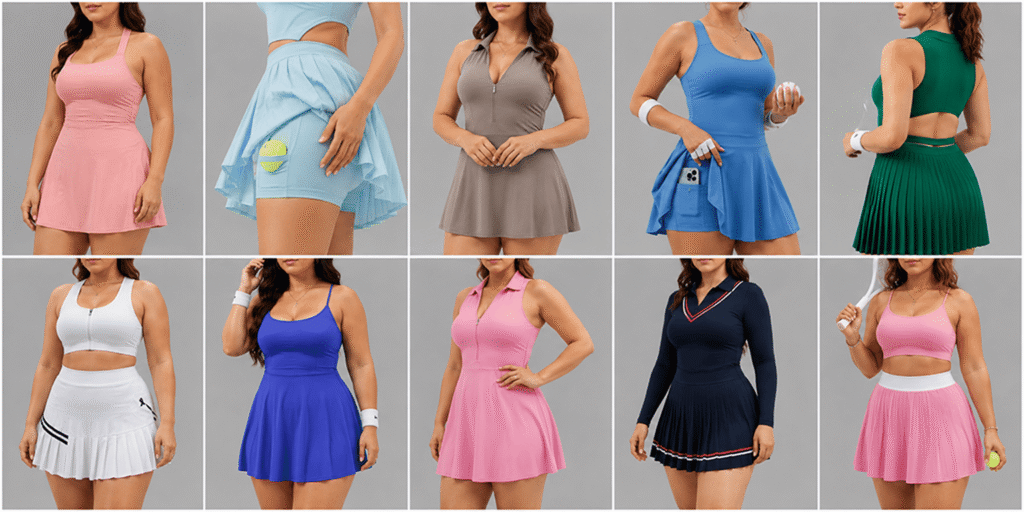
Product Category Overview
| Product Category | Typical Performance Features | Suitable Buyer |
|---|---|---|
| Tennis Dresses | Stretch, moisture management, built-in shorts | Women’s tennis brands |
| Tennis Skirts & Skorts | Ball pockets, compression liners, lightweight fabrics | Fashion and performance brands |
| Polo Shirts | Breathable fabrics, UV protection, quick drying | Clubs, retailers, sports brands |
| Tennis Shorts | Stretch fabrics, ergonomic fit, durable pockets | Men’s and women’s collections |
| Warm-Up Apparel | Wind resistance, lightweight insulation | Clubs and training programs |
| Compression Wear | Muscle support, recovery, high elasticity | Professional athletes |
| Junior Tennis Wear | Soft fabrics, flexible sizing, durable construction | Youth sports brands |
| Club Uniforms | Team branding, consistent colors, repeat production | Academies and organizations |
| Lifestyle Tennis Apparel | Fashion-forward styling with athletic functionality | Premium lifestyle brands |
Modern Chinese suppliers have evolved far beyond contract manufacturing. The strongest manufacturers now support brands in building complete tennis apparel ecosystems rather than simply producing individual garments. Buyers that choose suppliers with broad product capabilities are often better positioned to expand future collections, maintain brand consistency, and simplify long-term sourcing management.
How Do You Choose the Right Tennis Clothing Manufacturer in China?
Selecting the right tennis clothing manufacturer is one of the most important sourcing decisions a sportswear brand will make. While product catalogs and attractive pricing may look impressive, they rarely reveal how a supplier performs once production begins. The most successful buyers evaluate manufacturers based on technical expertise, sourcing transparency, communication quality, quality management, and long-term reliability rather than choosing solely on unit price.
A supplier that delivers consistent quality, solves problems proactively, and supports future business growth often creates far greater value than one offering the lowest quotation. Before requesting samples or negotiating pricing, buyers should understand which evaluation criteria genuinely separate professional manufacturers from average suppliers.
Does the Manufacturer Specialize in Tennis Apparel?
Not every sportswear factory understands tennis clothing.
Many manufacturers produce a broad range of activewear but have limited experience with garments specifically designed for tennis. Although tennis apparel shares similarities with running and fitness clothing, it also presents unique performance requirements.
Experienced tennis apparel suppliers typically understand:
- Freedom of movement during serves and groundstrokes
- Fabric recovery after repeated stretching
- Lightweight construction for extended play
- Ball pocket positioning
- Skort and dress integration
- Flatlock stitching for comfort
- UV-resistant performance fabrics
- Moisture management under outdoor conditions
Reviewing a supplier’s existing product portfolio is often one of the fastest ways to determine whether tennis apparel is truly part of their expertise or simply another product listed on their website.
Can the Supplier Support Your Brand as It Grows?
Many sourcing decisions focus only on today’s order quantity.
However, the better question is:
Can this supplier still support your business two years from now?
As brands grow, their sourcing needs often evolve.
A reliable supplier should be capable of supporting:
- New product categories
- Seasonal collections
- Increased production volumes
- Additional colorways
- Expanded size ranges
- New fabric developments
- International retail compliance
Changing suppliers every year often increases development costs, delays product launches, and creates sizing inconsistencies across collections.
Building a long-term partnership with a scalable supplier usually generates greater operational efficiency.
How Strong Is the Supplier’s Product Development Capability?
Excellent sourcing begins long before production starts.
Experienced manufacturers add value by improving products during the development stage rather than simply following technical specifications.
Professional product development teams can assist with:
- Fabric recommendations
- Construction improvements
- Pattern optimization
- Fit adjustments
- Trim selection
- Performance enhancements
- Cost optimization
- Production feasibility
Instead of asking:
“Can you manufacture this design?”
Ask:
“How would you improve this product for manufacturing efficiency and customer experience?”
The quality of the answer often reveals the supplier’s technical expertise.
What Certifications Should Buyers Look For?
Certifications should support—not replace—supplier evaluation.
While certifications demonstrate compliance with recognized standards, they do not automatically guarantee superior product quality.
Common certifications include:
| Certification | Why It Matters |
|---|---|
| ISO9001 | Demonstrates structured quality management systems. |
| BSCI | Verifies social compliance and responsible manufacturing practices. |
| GRS | Supports recycled material sourcing and sustainability initiatives. |
| OEKO-TEX® Standard 100 | Confirms textiles have been tested for harmful substances. |
| REACH Compliance | Important for products entering the European market. |
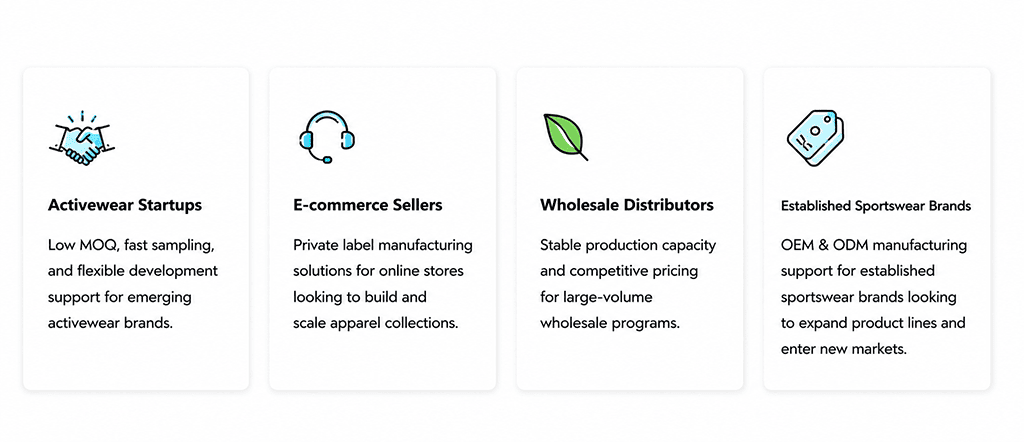
Brands targeting premium retail channels increasingly expect suppliers to demonstrate both quality management and environmental responsibility.
How Transparent Is the Supplier During Communication?
Communication quality often predicts production quality.
Reliable suppliers generally communicate clearly about:
- Lead times
- Material availability
- Sampling schedules
- Production planning
- Quality expectations
- Potential challenges
- Shipping arrangements
Warning signs include:
- Extremely slow responses
- Vague quotations
- Incomplete answers
- Frequent changes to promised timelines
- Unwillingness to explain technical details
Professional suppliers understand that transparent communication builds long-term trust.
Should Buyers Always Choose the Lowest Quotation?
Not necessarily.
The cheapest quotation frequently becomes the most expensive sourcing decision.
Lower pricing may result from:
- Inferior fabrics
- Reduced quality control
- Less experienced workers
- Simplified garment construction
- Limited inspection procedures
- Lower-grade trims
Rather than comparing only unit prices, buyers should evaluate the total sourcing cost, including:
- Sampling expenses
- Product consistency
- Defect rates
- Shipping reliability
- Replacement costs
- Customer satisfaction
- Repeat purchase rates
Consistent quality often delivers significantly stronger profitability over time than minimal initial savings.
Does the Supplier Have Experience Exporting to Your Target Market?
Different regions have different expectations.
For example:
North America
Buyers often prioritize:
- Performance fabrics
- Sustainable materials
- Private label flexibility
- Fast replenishment
Europe
Common priorities include:
- Environmental compliance
- Premium garment finishing
- Sustainable sourcing
- Social responsibility standards
Australia
Brands frequently emphasize:
- Lightweight fabrics
- UV protection
- Outdoor performance
- Durable construction
Middle East
Popular requirements include:
- Modest sportswear options
- Heat management
- UV-resistant fabrics
- Long-lasting color performance
Suppliers already serving your target market generally understand these expectations and can reduce potential sourcing risks.
Factory, Trading Company, or Sourcing Agent?
Many buyers automatically assume factories are always the best choice.
In reality, the answer depends on the project.
| Supplier Type | Advantages | Potential Limitations |
|---|---|---|
| Factory | Direct communication, stronger quality control, better long-term pricing | Limited product categories if highly specialized |
| Trading Company | Access to multiple factories, broader product sourcing | Less production transparency |
| Sourcing Agent | Simplifies supplier management for overseas buyers | Additional service fees and indirect communication |
Brands developing long-term private label programs often prefer working directly with experienced manufacturers capable of supporting consistent product development.
Questions Every Buyer Should Ask Before Choosing a Supplier
Before making your final decision, consider asking these questions:
- How many years have you produced tennis apparel?
- Which international markets do you export to most frequently?
- Can you provide references from similar brands?
- What certifications does your factory currently hold?
- How do you manage quality during production?
- What is your typical sample development timeline?
- How do you handle quality issues if they occur?
- Can you support future product expansion beyond tennis apparel?
The quality of the supplier’s answers is often more valuable than the answers themselves.
Tennis Clothing Manufacturer Evaluation Checklist
Use the following checklist when comparing suppliers:
| Evaluation Criteria | Importance |
|---|---|
| Tennis apparel specialization | ⭐⭐⭐⭐⭐ |
| Product development capability | ⭐⭐⭐⭐⭐ |
| Communication quality | ⭐⭐⭐⭐⭐ |
| Quality management system | ⭐⭐⭐⭐⭐ |
| Export experience | ⭐⭐⭐⭐☆ |
| Certifications | ⭐⭐⭐⭐☆ |
| Production flexibility | ⭐⭐⭐⭐☆ |
| MOQ suitability | ⭐⭐⭐⭐☆ |
| Sampling efficiency | ⭐⭐⭐⭐☆ |
| Long-term partnership potential | ⭐⭐⭐⭐⭐ |
.
The most successful sourcing relationships are built on trust, technical expertise, and consistent execution rather than one-time price negotiations. Buyers who evaluate suppliers from a long-term business perspective are far more likely to establish stable supply chains, launch successful collections, and build stronger sportswear brands over time.
Manufacturer vs Trading Company vs Wholesale Supplier: What's the Difference?
Many buyers searching for tennis clothing manufacturers assume every supplier they contact owns a factory. In reality, international buyers may work with manufacturers, trading companies, wholesale suppliers, or sourcing agencies, each offering different advantages and limitations. Understanding these differences helps brands choose the sourcing model that best fits their business rather than making decisions based solely on pricing or website appearance.
There is no universally superior option. The right choice depends on your order volume, product complexity, customization requirements, and long-term sourcing strategy. Brands focused on building proprietary products generally benefit from different partners than companies purchasing ready-made inventory for resale.
What Is a Tennis Clothing Manufacturer?
A manufacturer owns or directly manages production facilities where garments are developed and produced.
Most professional manufacturers provide services such as:
- Pattern development
- Sample making
- Fabric sourcing
- Garment production
- Quality control
- Packaging
- Export coordination
Because manufacturers participate directly in production, they generally have greater control over product quality, delivery schedules, and technical development.
Manufacturers are often the preferred choice for buyers requiring:
- Private label collections
- Custom product development
- Performance fabric selection
- Long-term sourcing partnerships
- Consistent quality standards
What Is a Trading Company?
A trading company usually does not own production facilities.
Instead, it coordinates orders between buyers and multiple factories.
Trading companies may offer:
- Multiple product categories
- Supplier management
- Consolidated purchasing
- Export documentation
- Logistics coordination
For buyers purchasing many unrelated product categories, trading companies can simplify communication.
However, because production is outsourced, buyers often have less visibility into:
- Factory operations
- Production schedules
- Quality management
- Technical capabilities
The level of service varies considerably between trading companies.
What Is a Wholesale Supplier?
Wholesale suppliers typically sell products that have already been manufactured.
Rather than producing garments according to customer specifications, they maintain existing inventories or standardized product collections.
Wholesale sourcing usually offers:
- Faster delivery
- Lower development costs
- Immediate inventory availability
However, buyers often sacrifice:
- Product exclusivity
- Brand differentiation
- Fabric customization
- Design ownership
- Private label flexibility
Wholesale purchasing works well for retailers focused on speed, but it is generally less suitable for brands seeking long-term product differentiation.
Which Option Is Best for Private Label Brands?
Private label brands compete through unique products rather than identical inventory.
As a result, they typically require suppliers capable of supporting:
- Product development
- Fabric recommendations
- Pattern improvements
- Brand labeling
- Custom packaging
- Quality consistency
These requirements are most commonly provided by experienced manufacturers rather than wholesalers.
For brands investing in long-term market positioning, direct manufacturing partnerships often provide greater flexibility and stronger control over intellectual property.
Comparing the Three Business Models
| Comparison Factor | Manufacturer | Trading Company | Wholesale Supplier |
|---|---|---|---|
| Product Customization | ⭐⭐⭐⭐⭐ | ⭐⭐⭐☆ | ⭐☆☆☆☆ |
| Private Label Support | ⭐⭐⭐⭐⭐ | ⭐⭐⭐⭐ | ⭐☆☆☆☆ |
| Product Development | ⭐⭐⭐⭐⭐ | ⭐⭐⭐ | ☆☆☆☆☆ |
| Factory Transparency | ⭐⭐⭐⭐⭐ | ⭐⭐☆☆☆ | ⭐☆☆☆☆ |
| Price Competitiveness | ⭐⭐⭐⭐☆ | ⭐⭐⭐☆ | ⭐⭐⭐⭐☆ |
| Product Exclusivity | ⭐⭐⭐⭐⭐ | ⭐⭐⭐⭐ | ☆☆☆☆☆ |
| Technical Expertise | ⭐⭐⭐⭐⭐ | ⭐⭐⭐ | ⭐⭐☆☆☆ |
| Long-Term Brand Growth | ⭐⭐⭐⭐⭐ | ⭐⭐⭐⭐ | ⭐⭐☆☆☆ |
Which Option Offers Better Quality Control?
Quality control is one of the biggest differences between sourcing models.
Manufacturers generally supervise production directly through internal quality systems.
Typical quality checkpoints include:
- Incoming material inspection
- In-process production inspection
- Final garment inspection
- Packaging verification
- Shipment inspection
Trading companies may conduct quality inspections as well, but they usually rely on third-party factories for production.
Wholesale suppliers often inspect finished inventory before shipment but typically have limited ability to modify production processes.
For premium tennis apparel, maintaining consistent garment fit, fabric performance, and construction quality often requires closer production oversight.
Which Option Is Better for Long-Term Brand Growth?
Brands planning to expand over multiple seasons should evaluate suppliers beyond immediate purchasing needs.
Consider future requirements such as:
- Additional product categories
- New fabric technologies
- Seasonal collection development
- Expanded size ranges
- International compliance
- Sustainability initiatives
Manufacturers capable of supporting continuous product evolution often become strategic partners rather than transactional suppliers.
This relationship can shorten development cycles, improve consistency, and reduce sourcing risks as the business grows.
Common Misconceptions About Supplier Types
Many first-time buyers assume:
- Bigger companies always own factories.
- Trading companies automatically charge higher prices.
- Wholesale suppliers cannot offer quality products.
- Manufacturers are always the lowest-cost option.
In practice, these assumptions are often inaccurate.
A professional trading company may provide excellent service for multi-category sourcing, while a highly specialized manufacturer may deliver superior technical expertise for private label tennis apparel.
The best sourcing decision depends on matching the supplier model with your business objectives rather than relying on general assumptions.
Which Supplier Type Should You Choose?
The following guide can help simplify the decision:
| Your Business Goal | Recommended Supplier Type |
|---|---|
| Launch a private label tennis brand | Manufacturer |
| Develop exclusive product designs | Manufacturer |
| Purchase multiple apparel categories | Trading Company |
| Buy ready-to-sell inventory | Wholesale Supplier |
| Source products from several factories | Trading Company |
| Build a long-term sportswear brand | Manufacturer |
| Test the market with stock products | Wholesale Supplier |
Ultimately, successful sourcing is not about choosing the “best” supplier type—it is about selecting the business model that best supports your brand’s current needs and future ambitions. Brands focused on innovation, product differentiation, and long-term market positioning generally benefit most from experienced manufacturing partners that can grow alongside them.
How Much Does Tennis Clothing Manufacturing Cost in China?
The cost of manufacturing tennis clothing in China depends on much more than the garment itself. While many buyers focus on unit price, experienced sourcing professionals understand that the total sourcing cost includes product development, material selection, production efficiency, quality consistency, packaging, logistics, and after-sales support. A supplier offering the lowest quotation is not always the most cost-effective choice over the life of a product.
Understanding how pricing is structured helps brands compare quotations more accurately, negotiate more effectively, and avoid unexpected expenses during production.
What Factors Determine the Final Manufacturing Cost?
No two tennis apparel projects are priced exactly the same.
Several variables influence the final quotation, including:
- Fabric composition
- Garment complexity
- Printing techniques
- Embroidery requirements
- Order quantity
- Accessories
- Packaging specifications
- Delivery terms
- Quality requirements
Even two garments with similar appearances may have significantly different production costs because of hidden construction details.
For example, adding:
- Built-in compression shorts
- Bonded seams
- Laser-cut ventilation
- Premium elastic waistbands
- Silicone grip tape
- Recycled performance fabrics
can all increase manufacturing costs.
Fabric Usually Represents the Largest Cost Component
For most performance tennis apparel, fabric accounts for 40%–60% of the total manufacturing cost.
Common fabric options include:
| Fabric Type | Typical Features | Relative Cost |
|---|---|---|
| Polyester | Lightweight, quick-drying | $ |
| Polyester-Spandex | Stretch, comfort | $$ |
| Nylon-Spandex | Premium softness and durability | $$$ |
| Recycled Polyester | Sustainable performance | $$$ |
| Recycled Nylon | Premium sustainability | $$$$ |
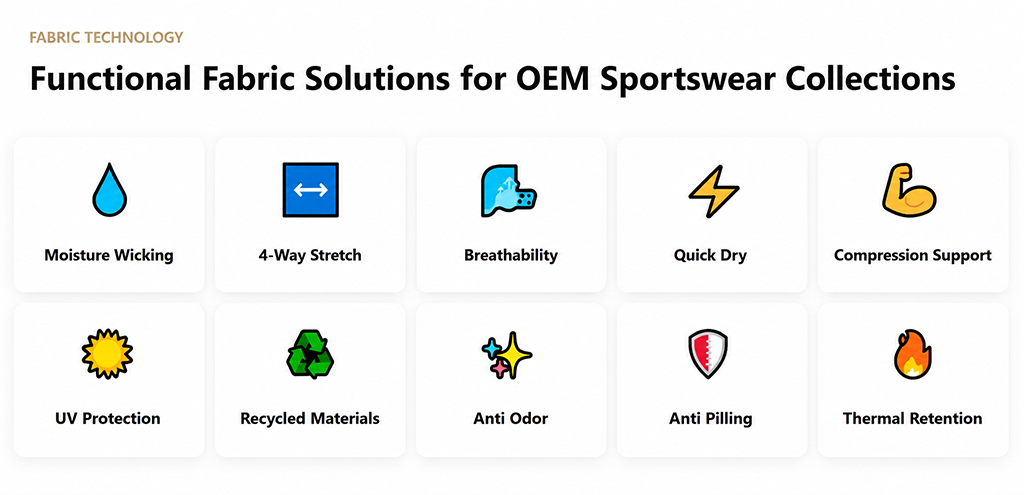
Performance treatments such as:
- UV protection
- Moisture management
- Anti-odor finishes
- Cooling technology
- Water repellency
may also influence pricing depending on supplier capabilities and testing requirements.
How Does MOQ Affect Unit Pricing?
Minimum order quantity (MOQ) has a direct impact on manufacturing efficiency.
Higher production volumes allow suppliers to spread fixed costs across more garments, reducing the average unit price.
Example:
| Order Quantity | Typical Unit Cost Trend |
|---|---|
| 50 pieces | Highest |
| 100 pieces | High |
| 300 pieces | Moderate |
| 500 pieces | Lower |
| 1,000+ pieces | Most competitive |
However, ordering more inventory than your business can sell quickly may increase storage costs and cash-flow pressure.
For many growing brands, balancing MOQ with realistic sales forecasts is more important than achieving the absolute lowest unit price.
What Does Sample Development Typically Cost?
Sampling is an essential investment rather than an unnecessary expense.
A professional sample allows buyers to evaluate:
- Fit
- Fabric quality
- Construction
- Printing accuracy
- Color consistency
- Overall workmanship
Sample pricing varies according to:
- Product complexity
- Fabric sourcing
- Printing techniques
- Number of revisions
Many manufacturers refund part or all of the sample cost after a confirmed bulk order, although policies differ between suppliers.
How Much Does Custom Branding Add?
Private label branding normally represents only a small percentage of the total garment cost.
Common customization options include:
- Woven labels
- Heat transfer logos
- Embroidered logos
- Printed neck labels
- Hang tags
- Size labels
- Care labels
- Custom polybags
- Branded cartons
Although each element adds incremental cost, together they significantly improve perceived product value and strengthen brand recognition.
Packaging and Logistics Should Not Be Overlooked
Packaging decisions influence both product presentation and transportation costs.
Typical packaging options include:
- Individual polybags
- Recycled packaging
- Zip bags
- Tissue wrapping
- Retail-ready boxes
- Display cartons
Shipping costs depend on several factors:
- Destination country
- Shipping method
- Carton dimensions
- Gross weight
- Delivery terms
Buyers generally choose between:
| Shipping Method | Best For |
|---|---|
| Air Freight | Urgent replenishment |
| Sea Freight | Large-volume orders |
| Express Courier | Samples and small shipments |
| Rail Freight | Selected regional markets |
Selecting the appropriate shipping method often has a greater financial impact than negotiating a small reduction in garment pricing.
Why the Lowest Price Is Not Always the Lowest Cost
One of the most common sourcing mistakes is evaluating suppliers using unit price alone.
A quotation that appears attractive initially may result in significantly higher costs later through:
- Product defects
- Delivery delays
- Fabric inconsistency
- Communication problems
- Customer returns
- Inventory write-offs
Professional buyers usually evaluate the Total Cost of Ownership (TCO) instead of focusing exclusively on manufacturing price.
Total sourcing cost includes:
- Product development
- Sample revisions
- Manufacturing
- Quality inspections
- Shipping
- Import duties
- Customer service
- Warranty claims
- Repeat purchase rates
Suppliers delivering consistent quality often generate higher long-term profitability despite slightly higher initial quotations.
Typical Cost Breakdown for Tennis Apparel
The exact percentage varies by product, but the following illustrates how manufacturing costs are commonly distributed.
| Cost Component | Typical Share |
|---|---|
| Fabric | 40–60% |
| Sewing & Assembly | 15–25% |
| Printing & Embroidery | 5–10% |
| Trims & Accessories | 5–8% |
| Packaging | 3–5% |
| Quality Control | 2–5% |
| Logistics Preparation | 2–5% |
Understanding this breakdown helps buyers identify where meaningful savings are possible without compromising garment quality.
Practical Ways to Reduce Sourcing Costs Without Sacrificing Quality
Reducing costs does not always mean selecting cheaper materials.
Instead, experienced buyers focus on improving sourcing efficiency.
Consider the following strategies:
- Consolidate multiple styles into one production schedule.
- Standardize trims across different products.
- Select fabrics already stocked by suppliers when appropriate.
- Plan seasonal orders earlier to avoid expedited production.
- Build long-term relationships with reliable suppliers.
- Simplify packaging where premium presentation is unnecessary.
- Forecast demand accurately to balance MOQ and inventory levels.
These practices often generate greater savings than negotiating small reductions in unit pricing.
Cost Should Support Long-Term Brand Growth
The objective of sourcing is not simply to manufacture garments at the lowest possible price—it is to build products that customers trust and purchase repeatedly.
A supplier that consistently delivers reliable quality, stable lead times, transparent communication, and continuous product improvement contributes directly to stronger customer satisfaction and healthier long-term business growth.
For most successful tennis apparel brands, the smartest sourcing decision is not the cheapest supplier, but the supplier that delivers the best overall value throughout the entire product lifecycle.
What Mistakes Should Buyers Avoid When Choosing a Tennis Clothing Factory?
Choosing the wrong supplier can affect far more than a single production order. Poor sourcing decisions often lead to inconsistent product quality, delayed launches, increased operating costs, dissatisfied customers, and long-term damage to a brand’s reputation. While many buyers focus on comparing quotations, experienced sourcing professionals understand that supplier selection is fundamentally a risk management process.
Most sourcing problems are preventable. By recognizing the most common mistakes before placing an order, brands can significantly improve product quality, strengthen supplier relationships, and build a more reliable supply chain.
Choosing a Supplier Based Only on Price
The lowest quotation is rarely the best business decision.
Many buyers compare suppliers using only the unit price without understanding what is included—or excluded—in the quotation.
Lower prices may result from:
- Lower-quality fabrics
- Simplified garment construction
- Reduced quality inspections
- Less experienced sewing operators
- Inferior trims and accessories
- Limited product development support
A slightly higher quotation from a professional supplier often produces better products, fewer quality issues, and stronger customer satisfaction over time.
Instead of asking:
“Who offers the cheapest price?”
Ask:
“Who offers the best overall sourcing value?”
Ignoring Product Development Capability
Many buyers assume that manufacturing begins when production starts.
In reality, successful products are usually created during the development stage.
An experienced supplier should contribute ideas that improve:
- Fit
- Comfort
- Construction
- Durability
- Production efficiency
- Material selection
- Cost optimization
Suppliers that simply follow drawings without providing technical recommendations may struggle when unexpected production challenges arise.
Strong product development often leads to:
- Fewer sample revisions
- Faster production approval
- More consistent bulk quality
- Better consumer satisfaction
Skipping Sample Evaluation
Some buyers attempt to save time by approving production without thoroughly evaluating samples.
This is one of the most expensive sourcing mistakes.
A sample should verify:
- Garment measurements
- Fabric performance
- Stretch recovery
- Stitch quality
- Logo placement
- Printing accuracy
- Color consistency
- Overall appearance
Whenever possible, samples should also be tested through washing and real-world wear before approving mass production.
Investing additional time during sampling often prevents significantly larger costs during bulk manufacturing.
Overlooking Communication Quality
Communication is frequently underestimated during supplier selection.
However, many production problems begin with misunderstandings rather than manufacturing defects.
Professional suppliers communicate clearly about:
- Development timelines
- Production schedules
- Material availability
- Technical challenges
- Quality expectations
- Shipping arrangements
Pay attention to how quickly and accurately suppliers answer technical questions during the quotation stage.
Poor communication before production often becomes even more problematic once production begins.
Assuming Every Supplier Understands Tennis Apparel
Sportswear is not a single category.
A factory producing running apparel may not fully understand the performance requirements of tennis clothing.
Specialized tennis garments require experience with:
- Court movement
- Dynamic stretching
- Ball storage solutions
- Lightweight construction
- Athlete comfort
- Long-duration outdoor performance
Ask suppliers to provide examples of previous tennis apparel projects rather than assuming their activewear experience automatically translates into tennis products.
Ignoring Supply Chain Stability
Some buyers focus entirely on the factory itself while overlooking the wider supply network.
A dependable supplier should have stable relationships with:
- Fabric mills
- Trim suppliers
- Printing partners
- Packaging providers
- Logistics companies
Diversified supply chains reduce the likelihood of delays caused by material shortages or production interruptions.
This became especially important following recent global supply chain disruptions.
Failing to Discuss Intellectual Property Protection
Private label brands invest significant resources into creating original products.
Protecting these designs should be part of the supplier selection process.
Before production begins, discuss:
- Confidentiality expectations
- Design ownership
- Sample handling
- Production exclusivity
- Artwork management
Professional suppliers generally respect customer intellectual property and understand the importance of maintaining long-term trust.
Thinking Short-Term Instead of Long-Term
Many buyers compare suppliers based only on the first order.
A stronger approach is to evaluate whether the supplier can continue supporting future business growth.
Consider questions such as:
- Can they produce additional product categories?
- Can they support larger production volumes?
- Can they develop new fabrics?
- Can they maintain consistent sizing?
- Can they support seasonal collections?
Changing suppliers frequently often increases costs through repeated development work, inconsistent sizing, and additional quality risks.
Long-term partnerships generally improve operational efficiency over time.
Completing this checklist before placing an order can help identify potential risks early and reduce costly surprises during production.
Successful Sourcing Is Built on Better Decisions
The strongest sportswear brands rarely succeed because they find the cheapest supplier. They succeed because they build reliable sourcing systems based on careful evaluation, clear communication, and continuous improvement.
Choosing a tennis clothing supplier should be viewed as selecting a long-term business partner rather than simply purchasing garments. Manufacturers may produce products, but dependable sourcing partners contribute to product quality, customer satisfaction, supply chain stability, and sustainable business growth.
By avoiding these common sourcing mistakes, buyers place themselves in a stronger position to develop premium tennis apparel collections, improve operational efficiency, and establish lasting competitive advantages in an increasingly demanding global market.
Frequently Asked Questions About Tennis Clothing Manufacturers in China
1. Who Is the Best Tennis Clothing Manufacturer in China?
The best tennis clothing manufacturer in China depends on your sourcing goals rather than company size alone. Buyers should compare suppliers based on their experience in tennis apparel, product development capability, quality management systems, minimum order quantities, certifications, communication efficiency, and long-term reliability instead of selecting the lowest-priced quotation.
There is no universal supplier that fits every business. A startup launching its first private label collection may prioritize low MOQs and flexible sampling, while an established retailer may require large-scale production capacity and strict compliance standards. Before making a decision, compare manufacturers across multiple factors such as product specialization, export experience, lead times, and customer support. Selecting a supplier that aligns with your long-term business strategy generally creates greater value than choosing one based solely on initial pricing.
2. How Do I Choose the Right Tennis Clothing Manufacturer in China?
Choosing the right tennis clothing manufacturer requires evaluating technical expertise, supplier transparency, communication quality, production consistency, certifications, and long-term sourcing capability. The best supplier is one that matches your product requirements, target market, and future growth plans rather than simply offering the lowest quotation.
Begin by reviewing the supplier’s product portfolio and previous experience in tennis apparel. Request samples to evaluate construction quality, fit, and fabric performance. Verify certifications such as ISO9001, BSCI, or GRS if sustainability or compliance is important to your market. Finally, assess how responsive the supplier is during the quotation stage, as communication quality often reflects future project management.
3. What Is the Typical MOQ for Custom Tennis Clothing?
Most Chinese tennis clothing manufacturers require a minimum order quantity between 100 and 300 pieces per style, although some suppliers offer lower MOQs for startup brands or product testing. The final MOQ usually depends on fabric availability, garment complexity, customization requirements, and production efficiency.
If you are developing a new tennis apparel brand, look for manufacturers that support flexible production planning. Lower MOQs allow you to validate products, reduce inventory risk, and gather customer feedback before scaling. Buyers planning long-term cooperation can often negotiate more favorable MOQs after establishing a successful production history.
4. How Long Does It Take to Manufacture Custom Tennis Apparel?
Most tennis clothing manufacturers in China complete bulk production within 15 to 35 working days after sample approval, although timelines vary depending on product complexity, order quantity, fabric sourcing, and seasonal production schedules.
A typical project includes sample development, material preparation, bulk production, quality inspection, and export preparation. Buyers can shorten lead times by finalizing artwork, measurements, colors, packaging, and branding details before production begins. Early planning also helps avoid delays during peak manufacturing seasons.
5. Can Chinese Manufacturers Develop Tennis Clothing from My Own Designs?
Yes. Most experienced Chinese tennis clothing manufacturers provide OEM and private label development services using customer tech packs, reference samples, sketches, or design specifications. Many suppliers also assist buyers by recommending better fabrics, construction methods, or production improvements while maintaining the original product concept.
Successful product development depends largely on the quality of the information provided. Detailed measurement charts, fabric requirements, branding guidelines, and trim specifications help manufacturers produce more accurate samples and reduce costly revisions before bulk production.
6. What Certifications Should a Reliable Tennis Clothing Manufacturer Have?
Reliable tennis clothing manufacturers commonly hold certifications such as ISO9001, BSCI, and GRS, demonstrating structured quality management, responsible manufacturing practices, and support for sustainable materials. However, certifications should complement—not replace—a comprehensive supplier evaluation process.
Different markets require different compliance standards. Buyers should also consider production experience, communication quality, sampling capability, and export history. A supplier with appropriate certifications and proven technical expertise is generally better positioned to support long-term international business relationships.
7. Is China Still the Best Country for Tennis Clothing Manufacturing?
China remains one of the strongest sourcing destinations for tennis clothing because of its mature textile supply chain, experienced sportswear manufacturers, technical fabric expertise, and broad supplier network. Rather than competing solely on price, China offers buyers greater sourcing flexibility, faster product development, and access to specialized sportswear resources.
Compared with many alternative sourcing countries, China provides easier access to performance fabrics, trims, packaging suppliers, testing laboratories, and export services. This integrated supply ecosystem enables brands to reduce sourcing complexity while improving quality consistency and product development efficiency.
8. How Can I Reduce Sourcing Risks When Working with a Tennis Clothing Manufacturer?
The most effective way to reduce sourcing risks is to evaluate suppliers thoroughly before production begins. Buyers should verify product specialization, request production samples, confirm certifications, establish clear technical specifications, and maintain transparent communication throughout the sourcing process.
Avoid selecting suppliers based solely on price. Instead, compare sample quality, response speed, quality management systems, production planning, and long-term partnership potential. Building relationships with experienced manufacturers capable of supporting future product expansion generally leads to more reliable supply chains and stronger business growth.