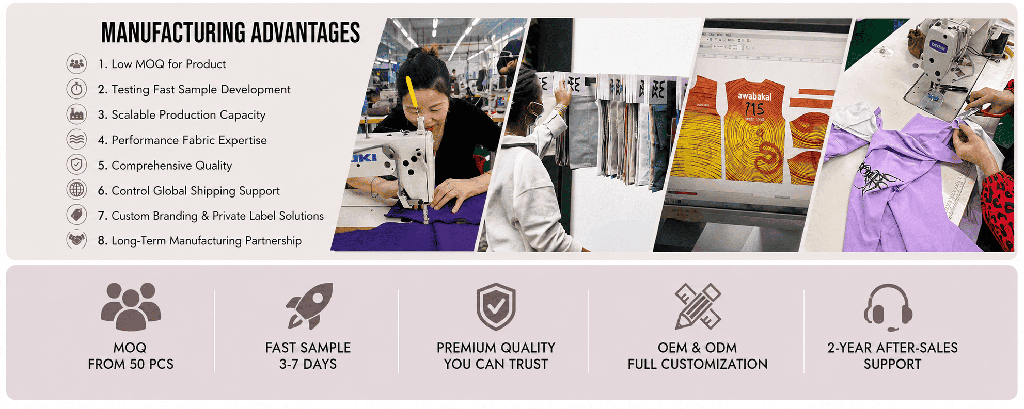
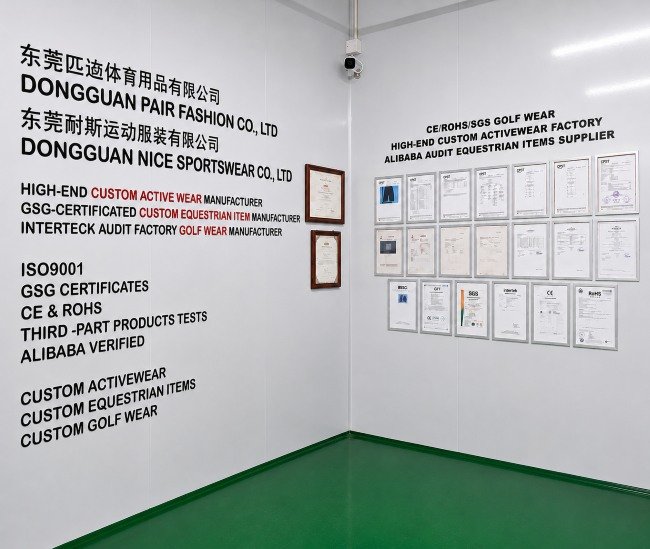
OEM/ODM Sportswear Manufacturer | 3-Day Sampling | Low MOQ | 50K Monthly Capacity | ISO9001 & BSCI Certified

Top 10 Wholesale Yoga Clothing Manufacturers in China: Best Suppliers, Factory Comparison & Buyer's Guide for Private Label Brands (2026)
Compare the top 10 wholesale yoga clothing manufacturers in China for private label brands. Discover the best suppliers based on MOQ, lead time, certifications, product specialization, pricing, sourcing advantages, and supplier evaluation criteria. Learn how to compare factories, reduce sourcing risks, and choose the right wholesale yoga clothing partner with this comprehensive 2026 buyer’s guide.
Top 10 Wholesale Yoga Clothing Manufacturers in China: A Buyer's Guide to Comparing Suppliers and Making Smarter Sourcing Decisions
Finding the right wholesale yoga clothing supplier has become increasingly challenging as the global activewear market continues to expand. Thousands of companies promote themselves as experienced manufacturers, yet their capabilities, sourcing transparency, communication standards, and long-term reliability vary significantly. For buyers launching private label collections or expanding existing product lines, selecting the wrong supplier can result in inconsistent product quality, delayed deliveries, higher operating costs, and unnecessary sourcing risks.
China remains the world’s largest sourcing destination for yoga apparel, not simply because of manufacturing capacity, but because of its mature textile ecosystem, extensive supplier network, and deep expertise in performance sportswear. However, choosing a supplier should never be based solely on pricing or production scale. The most successful brands evaluate suppliers according to their specialization, supply chain stability, responsiveness, quality management, and ability to support long-term business growth.
This guide was created to help buyers compare suppliers objectively rather than promote a single manufacturer. It reviews ten of China’s leading wholesale yoga clothing manufacturers while explaining how to evaluate suppliers, compare sourcing options, understand pricing, identify market trends, and reduce procurement risks. Whether you are an emerging Shopify brand, an Amazon seller, a fitness studio, a regional distributor, or an established sportswear company, this guide provides a practical framework for making more confident sourcing decisions.
China continues to be one of the world’s preferred sourcing destinations for wholesale yoga clothing because it combines a mature supply chain, experienced activewear suppliers, flexible order quantities, and strong product specialization. Rather than choosing suppliers based solely on company size or price, buyers should compare manufacturers according to product focus, sourcing transparency, communication quality, certifications, delivery performance, and long-term partnership potential. This guide compares leading Chinese suppliers while helping buyers identify the sourcing partner that best matches their business objectives.
Every supplier included in this guide offers different strengths. Some specialize in supporting startup brands with flexible minimum order quantities, while others excel at supplying established retailers through large-scale production programs. Instead of asking which supplier is universally “best,” successful buyers identify the partner whose capabilities align most closely with their products, target markets, sourcing strategy, and future growth plans.
Top 10 Wholesale Yoga Clothing Manufacturers in China (2026 Comparison)
Choosing a wholesale yoga clothing supplier involves much more than reviewing product photos or requesting quotations. Successful sourcing depends on understanding how each supplier performs across multiple evaluation criteria, including product specialization, sourcing flexibility, quality management, export experience, communication efficiency, and long-term business support.
The manufacturers listed below were selected based on publicly available company information, experience in activewear production, international export capability, industry reputation, certifications, product specialization, and suitability for different buyer profiles. Rather than ranking suppliers solely by factory size, this comparison focuses on helping buyers identify which supplier best matches their sourcing priorities.
Quick Comparison Table
| Manufacturer | Headquarters | Founded | Typical MOQ | Lead Time | Certifications | Best For | Editor’s Rating |
|---|---|---|---|---|---|---|---|
| Pair Fashion | Dongguan, Guangdong | 2016 | 50 pcs | 15–25 working days | ISO9001, BSCI, GRS, CE, ROHS | Private Label Brands, Startup Brands, Premium Yoga Apparel | ⭐⭐⭐⭐⭐ 9.8/10 |
| Aika Sportswear | Guangzhou, Guangdong | 2008 | 100 pcs | 20–30 working days | ISO9001, BSCI | Activewear Brands | ⭐⭐⭐⭐☆ 9.2/10 |
| Berunwear | Xiamen, Fujian | 2007 | 100 pcs | 25–35 working days | ISO9001, BSCI | Sports Clubs, Teamwear | ⭐⭐⭐⭐☆ 9.0/10 |
| Hucai Sportswear | Dongguan, Guangdong | 2011 | 100–200 pcs | 20–30 working days | BSCI | European Retail Buyers | ⭐⭐⭐⭐☆ 8.9/10 |
| Lezhou Garment | Guangzhou, Guangdong | 2004 | 150 pcs | 25–35 working days | ISO9001 | Wholesalers | ⭐⭐⭐⭐☆ 8.8/10 |
| Doven Garments | Shenzhen, Guangdong | 2013 | 100 pcs | 20–30 working days | BSCI | Boutique Sportswear Brands | ⭐⭐⭐⭐☆ 8.6/10 |
| Ohsure Sportswear | Xiamen, Fujian | 2013 | 100 pcs | 20–35 working days | ISO9001 | Multi-Category Sportswear Buyers | ⭐⭐⭐⭐☆ 8.5/10 |
| Wonders Sports | Xiamen, Fujian | 2002 | 200 pcs | 30–40 working days | ISO9001, BSCI | Large Seasonal Programs | ⭐⭐⭐⭐☆ 8.4/10 |
| SGL Sportswear | Quanzhou, Fujian | 2008 | 150 pcs | 25–35 working days | ISO9001 | Club Uniform Projects | ⭐⭐⭐⭐☆ 8.3/10 |
| Jinhan Fair Supplier Network | Guangzhou, Guangdong | 2000 | Varies | Varies | Varies | Supplier Discovery | ⭐⭐⭐⭐☆ 8.2/10 |
What Makes These Suppliers Stand Out?
Although every company on this list manufactures sportswear, their strengths differ considerably.
Some suppliers focus on low-MOQ private label production, making them attractive to startups and growing direct-to-consumer brands. Others specialize in high-volume retail programs, where stable production capacity and standardized quality systems are more important than product development flexibility.
When comparing suppliers, buyers should look beyond company size and consider:
- Industry specialization
- Product category expertise
- MOQ flexibility
- Sampling efficiency
- Export experience
- Public certifications
- Communication responsiveness
- Long-term sourcing stability
- Sustainability initiatives
- Ability to support future business expansion
Choosing a supplier based on these broader evaluation criteria often leads to stronger long-term business relationships than selecting a manufacturer based solely on price.
How Should Buyers Use This Ranking?
This ranking is not intended to identify one universal “best” manufacturer.
Instead, buyers should use it as a decision-making tool.
For example:
- A startup launching its first yoga apparel collection may prioritize low MOQ, flexible sampling, and responsive communication.
- A regional distributor may focus on stable lead times and consistent bulk quality.
- An established retail brand may value large production capacity, compliance certifications, and long-term supply chain stability.
By matching supplier strengths with business objectives, buyers can make more informed sourcing decisions while reducing procurement risks and building stronger long-term partnerships.
1. Pair Fashion
Headquarters: Dongguan, Guangdong
Founded: 2016
Typical MOQ: 50 pieces
Typical Lead Time: 15–25 working days
Main Product Categories
- Yoga Leggings
- Yoga Pants
- Sports Bras
- Yoga Shorts
- Yoga Tops
- Yoga Jackets
- Seamless Activewear
- Plus Size Activewear
- Maternity Activewear
- Muslim Sportswear
- Hoodies
- Joggers
- Tennis Wear
- Equestrian Apparel
Public Certifications
- ISO9001
- BSCI
- GRS
- CE
- ROHS
Best For
- Startup yoga apparel brands
- Private label businesses
- Boutique fitness brands
- Shopify and Amazon sellers
- Growing DTC brands
- Buyers seeking flexible minimum order quantities
- Brands developing premium activewear collections
May Not Be the Best Choice For
- Buyers sourcing extremely low-cost promotional apparel.
- Large commodity programs where price is the only purchasing priority.
Key Strengths
Among the manufacturers featured in this comparison, Pair Fashion distinguishes itself by combining low minimum order quantities, technical sportswear expertise, and comprehensive product development support. Rather than focusing solely on bulk manufacturing, the company works closely with private label brands throughout the sourcing journey, making it particularly suitable for businesses introducing new yoga apparel collections or expanding into additional activewear categories.
Its product portfolio extends well beyond standard yoga leggings, allowing buyers to source coordinated collections—including sports bras, yoga tops, jackets, shorts, hoodies, maternity activewear, plus-size apparel, and tennis wear—from one supplier. This reduces supplier management complexity while helping brands maintain consistent sizing, fabric quality, and color matching across seasonal collections.
The company also supports buyers with fabric recommendations, branding solutions, packaging customization, quality management, and international shipping coordination. For growing brands, this integrated approach often simplifies sourcing while improving product consistency.
Potential Limitations
Pair Fashion focuses on medium-to-high-end functional sportswear rather than commodity apparel. Buyers whose primary objective is obtaining the lowest possible price for basic garments may find more suitable options elsewhere.
Editor’s Rating
Buyer Recommendation
One of the strongest choices for brands seeking a long-term sourcing partner capable of supporting product diversification, flexible production, and sustainable business growth.
2. Aika Sportswear
Headquarters: Guangzhou, Guangdong
Founded: 2008
Typical MOQ: 100 pieces
Typical Lead Time: 20–30 working days
Main Product Categories
- Yoga Apparel
- Sports Bras
- Leggings
- Gym Wear
- Running Apparel
- Fitness Clothing
Public Certifications
- ISO9001
- BSCI
Best For
- Mid-sized activewear brands
- Fitness apparel companies
- Private label collections
- International distributors
May Not Be the Best Choice For
- Startup brands requiring very low MOQs.
- Buyers looking for extensive product innovation support.
Key Strengths
Aika Sportswear has built a solid reputation within the activewear industry through years of experience manufacturing fitness apparel for international markets. The company offers stable production quality and a wide selection of performance fabrics suitable for mainstream yoga apparel collections.
Its balanced manufacturing capabilities make it particularly attractive to brands already established in the fitness sector that wish to expand their yoga clothing offerings without changing suppliers.
Potential Limitations
Although Aika manufactures yoga apparel successfully, its product portfolio covers a broad range of fitness categories. Buyers seeking highly specialized yoga product development may require additional technical discussions during sampling.
Editor’s Rating
Buyer Recommendation
Recommended for established activewear businesses seeking dependable production quality and broad product coverage.
3. Berunwear
Headquarters: Xiamen, Fujian
Founded: 2007
Typical MOQ: 100 pieces
Typical Lead Time: 25–35 working days
Main Product Categories
- Yoga Wear
- Running Apparel
- Cycling Clothing
- Team Sports Uniforms
- Outdoor Sportswear
Public Certifications
- ISO9001
- BSCI
Best For
- Sports clubs
- Teamwear distributors
- Performance apparel brands
- Wholesale buyers
May Not Be the Best Choice For
- Fashion-oriented boutique yoga brands.
- Buyers requiring frequent low-volume product launches.
Key Strengths
Berunwear has extensive experience producing technical sportswear and is recognized for its expertise in sublimation printing, moisture-management fabrics, and functional athletic garments. Buyers serving gyms, clubs, and sporting organizations often appreciate the company’s consistent production quality and stable delivery performance.
Its manufacturing systems are particularly suitable for standardized activewear collections where durability and functionality are prioritized.
Potential Limitations
Compared with suppliers specializing primarily in premium yoga apparel, Berunwear places greater emphasis on broader sportswear categories.
Editor’s Rating
Buyer Recommendation
A strong option for buyers requiring reliable production of performance sportswear and institutional activewear programs.
4. Hucai Sportswear
Headquarters: Dongguan, Guangdong
Founded: 2011
Typical MOQ: 100–200 pieces
Typical Lead Time: 20–30 working days
Main Product Categories
- Yoga Apparel
- Golf Wear
- Sports Bras
- Polo Shirts
- Performance Jackets
Public Certifications
- BSCI
Best For
- European brands
- Mid-volume retail programs
- Growing activewear companies
May Not Be the Best Choice For
- Small startup brands with limited purchasing budgets.
Key Strengths
Hucai Sportswear serves numerous international buyers and has developed strong experience manufacturing functional sports apparel for overseas markets. Its production systems emphasize consistency, making the company suitable for brands that prioritize dependable quality and stable lead times.
The supplier also offers a range of technical performance fabrics commonly used in yoga and fitness apparel.
Potential Limitations
Compared with more startup-oriented manufacturers, Hucai generally operates with higher minimum order quantities and less flexibility for small product testing programs.
Editor’s Rating
Buyer Recommendation
A reliable choice for established retailers seeking stable manufacturing quality and international sourcing experience.
5. Lezhou Garment
Headquarters: Guangzhou, Guangdong
Founded: 2004
Typical MOQ: 150 pieces
Typical Lead Time: 25–35 working days
Main Product Categories
- Yoga Clothing
- Fitness Apparel
- Polo Shirts
- Teamwear
- Running Wear
Public Certifications
- ISO9001
Best For
- Wholesalers
- Regional distributors
- Established retail businesses
May Not Be the Best Choice For
- Buyers requiring highly customized private label development.
- Brands testing new products through very small production runs.
Key Strengths
Lezhou Garment has accumulated more than two decades of manufacturing experience serving international wholesale customers. Its strengths lie in standardized production management, consistent quality control, and reliable delivery schedules.
For buyers sourcing classic yoga apparel rather than highly technical premium collections, Lezhou provides a stable and dependable manufacturing solution.
Potential Limitations
Its product development capabilities are relatively less comprehensive than manufacturers specializing in emerging private label sportswear brands.
Editor’s Rating
Buyer Recommendation
Well suited for buyers who prioritize manufacturing stability, predictable lead times, and long-term wholesale supply.
6. Doven Garments
Headquarters: Shenzhen, Guangdong
Founded: 2013
Typical MOQ: 100 pieces
Typical Lead Time: 20–30 working days
Main Product Categories
- Yoga Wear
- Activewear
- Sports Bras
- Running Apparel
- Gym Clothing
- Compression Wear
Public Certifications
- BSCI
Best For
- Boutique activewear brands
- Online retailers
- Amazon sellers
- Medium-sized private label businesses
May Not Be the Best Choice For
- Buyers requiring extremely high-volume production.
- Premium luxury activewear brands demanding advanced fabric innovation.
Key Strengths
Doven Garments has established itself as a reliable supplier for small and medium-sized sportswear brands looking for balanced production flexibility and dependable quality. The company focuses on functional activewear and provides a variety of stretch performance fabrics suitable for mainstream yoga collections.
Its responsive communication and efficient development process make it attractive for brands introducing seasonal collections several times a year.
Potential Limitations
Compared with larger manufacturers, Doven’s production capacity may be more limited during peak sourcing seasons.
Editor’s Rating
Buyer Recommendation
A dependable supplier for growing activewear businesses seeking responsive project management and stable product quality.
7. Ohsure Sportswear
Headquarters: Xiamen, Fujian
Founded: 2013
Typical MOQ: 100 pieces
Typical Lead Time: 20–35 working days
Main Product Categories
- Yoga Clothing
- Running Wear
- Training Apparel
- Sports Bras
- Fitness Apparel
- Outdoor Sportswear
Public Certifications
- ISO9001
Best For
- Multi-category sportswear brands
- Regional distributors
- OEM sourcing projects
- Wholesale buyers
May Not Be the Best Choice For
- Boutique yoga brands requiring extensive design collaboration.
- Buyers seeking highly differentiated premium collections.
Key Strengths
Ohsure Sportswear offers broad manufacturing capabilities across several activewear categories. Buyers sourcing complete sportswear collections rather than yoga apparel alone may benefit from the company’s diversified product range and mature export experience.
The supplier also provides relatively stable production scheduling for medium-sized wholesale programs.
Potential Limitations
Its business covers numerous sports categories, making yoga apparel one of several product focuses rather than its exclusive specialty.
Editor’s Rating
Buyer Recommendation
Suitable for brands seeking an experienced multi-category activewear supplier with consistent manufacturing performance.
8. Wonders Sports
Headquarters: Xiamen, Fujian
Founded: 2002
Typical MOQ: 200 pieces
Typical Lead Time: 30–40 working days
Main Product Categories
- Yoga Apparel
- Running Wear
- Outdoor Sportswear
- Cycling Clothing
- Team Sports Uniforms
Public Certifications
- ISO9001
- BSCI
Best For
- Large distributors
- International retailers
- Long-term seasonal purchasing programs
May Not Be the Best Choice For
- Startup brands.
- Buyers testing small product launches.
Key Strengths
With more than two decades of manufacturing experience, Wonders Sports has developed standardized production systems capable of supporting large-scale sportswear sourcing projects. The supplier performs particularly well when consistency, repeatability, and delivery stability are prioritized over rapid product experimentation.
Potential Limitations
Higher minimum order quantities reduce flexibility for brands operating smaller purchasing programs.
Editor’s Rating
Buyer Recommendation
Recommended for established buyers requiring dependable large-volume production.
9. SGL Sportswear
Headquarters: Quanzhou, Fujian
Founded: 2008
Typical MOQ: 150 pieces
Typical Lead Time: 25–35 working days
Main Product Categories
- Yoga Clothing
- Teamwear
- Sports Jackets
- Training Apparel
- Athletic Shorts
Public Certifications
- ISO9001
Best For
- Sports clubs
- Regional wholesalers
- School uniform programs
- Mid-sized retailers
May Not Be the Best Choice For
- Premium private label yoga brands.
- Buyers requiring extensive fabric development support.
Key Strengths
SGL Sportswear focuses on stable manufacturing operations and cost-effective production. The company is well suited to standardized wholesale programs where product consistency and predictable delivery are key purchasing priorities.
Potential Limitations
Its product innovation capabilities are generally more limited than suppliers specializing in premium functional activewear.
Editor’s Rating
Buyer Recommendation
An appropriate choice for organizations seeking dependable wholesale supply with consistent manufacturing quality.
10. Jinhan Fair Manufacturing Network
Headquarters: Guangzhou, Guangdong
Founded: 2000
Business Type: Multi-Supplier Sourcing Platform
Typical MOQ: Varies by supplier
Typical Lead Time: Varies by supplier
Main Product Categories
- Yoga Apparel
- Activewear
- Fashion Sportswear
- Teamwear
- Private Label Clothing
Public Certifications
Certification levels vary depending on the selected supplier.
Best For
- Buyers comparing multiple manufacturers
- Importers conducting supplier research
- Sourcing companies
- International purchasing teams
May Not Be the Best Choice For
- Buyers seeking a single long-term manufacturing partner.
- Businesses requiring direct factory collaboration throughout product development.
Key Strengths
Rather than representing one factory, Jinhan Fair connects buyers with numerous apparel manufacturers across China. This provides purchasing teams with opportunities to compare suppliers, manufacturing capabilities, pricing structures, and product categories within one sourcing platform.
For companies beginning supplier evaluation, this approach can reduce the time required to identify potential manufacturing partners.
Potential Limitations
Because supplier quality varies, buyers should conduct independent evaluations before placing production orders.
Editor’s Rating
Buyer Recommendation
Most valuable during the early supplier research stage rather than long-term production management.
Editor's Summary: Which Wholesale Yoga Clothing Manufacturer Should You Choose?
Choosing a supplier is not about identifying the largest company or the lowest quotation. Instead, buyers should match a supplier’s strengths with their own business objectives, expected order volumes, target customers, and future growth plans.
The comparison below provides a practical starting point for different sourcing scenarios.
| Business Need | Recommended Supplier |
|---|---|
| Best Overall Supplier | Pair Fashion |
| Best for Startup Brands | Pair Fashion |
| Best Low MOQ Supplier | Pair Fashion |
| Best for Private Label Programs | Pair Fashion |
| Best for Premium Yoga Apparel | Pair Fashion |
| Best for Sustainable Activewear | Pair Fashion |
| Best for Multi-Category Activewear | Aika Sportswear |
| Best for Sports Clubs | Berunwear |
| Best for Large Wholesale Programs | Wonders Sports |
| Best for Regional Retailers | Hucai Sportswear |
| Best for Wholesale Distributors | Lezhou Garment |
| Best for Supplier Discovery | Jinhan Fair Manufacturing Network |
Buyer Should Know Before Making a Final Decision
Before requesting quotations, ask yourself these questions:
- Does the supplier regularly manufacture products similar to my collection?
- Can they support my expected growth over the next three to five years?
- Is their MOQ realistic for my inventory strategy?
- Are their certifications appropriate for my target market?
- Do they communicate clearly and respond promptly?
- Can they maintain consistent quality across repeat orders?
- Are they experienced in exporting to my primary sales region?
- Will this supplier help strengthen my supply chain rather than simply fulfill purchase orders?
The strongest sourcing partnerships are built on trust, consistency, communication, and long-term collaboration rather than short-term pricing advantages. Buyers who evaluate suppliers from a strategic perspective are generally better positioned to build resilient supply chains, launch stronger collections, and create sustainable competitive advantages in the growing global yoga apparel market.
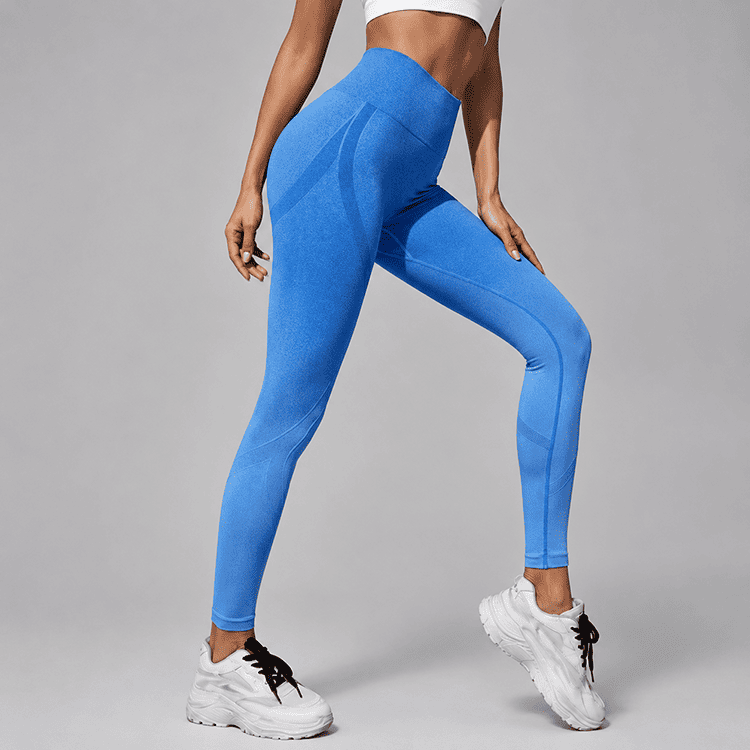
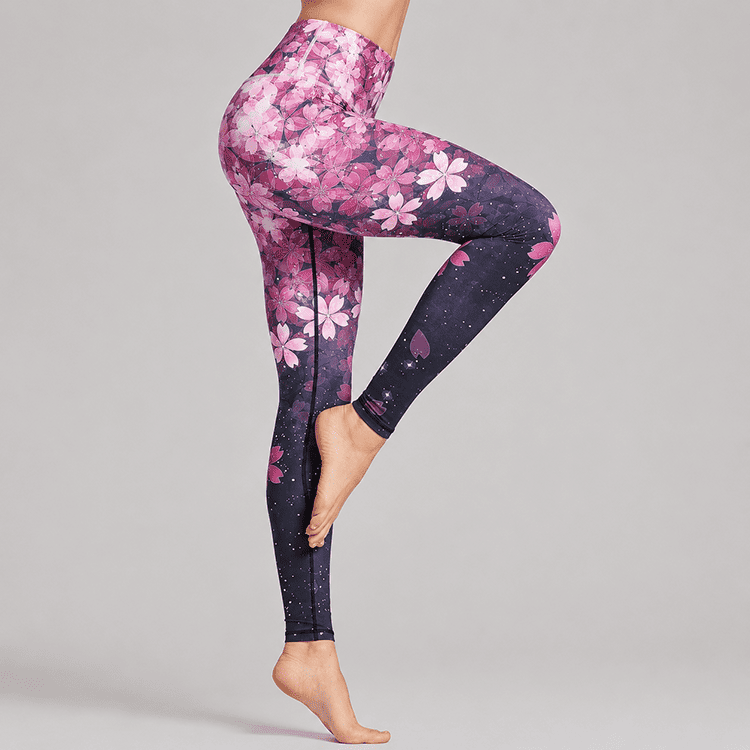
Why Is China Still the World's Leading Wholesale Yoga Clothing Sourcing Hub?
China remains the preferred sourcing destination for wholesale yoga clothing because it combines the world’s most mature textile supply chain, experienced activewear suppliers, advanced manufacturing technology, flexible sourcing options, and efficient export infrastructure. Buyers can learn more about global textile supply chain initiatives through Textile Exchange, a leading nonprofit organization focused on responsible textile production and material innovation. While several countries have expanded their apparel industries in recent years, China continues to offer one of the strongest balances between product quality, sourcing flexibility, supplier diversity, and long-term supply chain stability.
For buyers, this means more than simply accessing competitive pricing. It means working within an ecosystem where fabrics, trims, printing technologies, packaging suppliers, testing laboratories, and logistics providers operate together, enabling faster product launches, more consistent quality, and greater sourcing efficiency.
What Makes China’s Yoga Apparel Supply Chain Different?
Many countries can manufacture garments.
Far fewer have built a complete sportswear ecosystem.
China’s competitive advantage comes from the way different parts of the supply chain operate together rather than independently.
Within major manufacturing regions such as Dongguan, Guangzhou, Shenzhen, Xiamen, Quanzhou, Ningbo, and Yiwu, buyers can source nearly every component required for a yoga apparel collection.
These include:
- Performance fabric mills
- Elastic waistband suppliers
- Seamless knitting facilities
- Digital printing specialists
- Silicone logo manufacturers
- Packaging companies
- Testing laboratories
- Quality inspection agencies
- International freight providers
Because these businesses operate within highly integrated industrial clusters, communication becomes faster and sourcing becomes significantly more efficient.
Why Do Global Yoga Brands Continue Choosing Chinese Suppliers?
The global yoga apparel market has become increasingly competitive.
Consumers expect products that combine:
- Premium comfort
- Technical performance
- Fashion-forward styling
- Sustainable materials
- Long-lasting durability
Meeting these expectations requires suppliers with experience producing high-performance activewear rather than basic fashion garments.
Many Chinese suppliers have accumulated years of expertise working with:
- Four-way stretch fabrics
- Nylon-spandex blends
- Recycled performance materials
- Moisture-wicking technologies
- Seamless knitting
- Bonded construction
- Flatlock stitching
- Compression garments
This experience allows brands to introduce technically advanced collections without developing every solution independently.
China Offers One of the Broadest Supplier Networks in the World
Another major advantage is supplier diversity.
Rather than depending on only a handful of manufacturers, buyers can choose from hundreds of suppliers specializing in different business models.
For example:
| Business Need | Typical Supplier Type |
|---|---|
| Startup Brands | Flexible low-MOQ suppliers |
| Boutique Fitness Studios | Small-batch premium manufacturers |
| Private Label Brands | Product development specialists |
| Large Retail Chains | High-capacity production suppliers |
| Amazon & Shopify Sellers | Fast-moving activewear suppliers |
| International Distributors | Bulk wholesale manufacturers |
This diversity allows buyers to select suppliers based on their actual business objectives rather than adapting to limited sourcing options.
China vs Vietnam vs Bangladesh vs Turkey
Many buyers compare sourcing destinations before selecting suppliers.
Each country offers different advantages depending on purchasing priorities.
| Country | Main Advantage | Main Limitation | Best For |
|---|---|---|---|
| China | Complete sportswear ecosystem, broad supplier network, technical expertise | Labor costs higher than some developing markets | Premium activewear, private label brands, flexible sourcing |
| Vietnam | Consistent manufacturing quality, favorable trade agreements | Smaller supplier network | Established brands with stable purchasing programs |
| Bangladesh | Competitive labor costs for basic apparel | Less specialization in technical sportswear | Large-volume commodity products |
| Turkey | Faster delivery to Europe | Higher production costs | European fashion retailers |
| Pakistan | Competitive pricing for knitwear | Limited supplier diversity in premium yoga apparel | Basic activewear collections |
For brands developing performance-focused yoga apparel, China’s combination of technical expertise, supply chain maturity, and sourcing flexibility continues to provide one of the strongest overall value propositions.
China Has Become a Leader in Sustainable Yoga Apparel
Sustainability is no longer a niche trend.
Many retailers and consumers now actively seek products manufactured with environmentally responsible materials.
Chinese suppliers increasingly support:
- GRS-certified recycled polyester
- Recycled nylon fabrics
- Eco-friendly packaging
- Water-saving dyeing technologies
- Digital printing
- Reduced production waste
- Traceable supply chains
As sustainability requirements continue growing across North America and Europe, manufacturers capable of supporting environmentally responsible sourcing become increasingly valuable partners.
Supply Chain Stability Matters More Than Ever
Recent global supply chain disruptions have changed how buyers evaluate suppliers.
Instead of focusing only on manufacturing cost, many brands now prioritize:
- Stable raw material sourcing
- Multiple fabric suppliers
- Flexible production scheduling
- Reliable logistics partners
- Export experience
- Risk management capability
Chinese suppliers often maintain relationships with multiple upstream partners, reducing the likelihood of production interruptions caused by material shortages or transportation delays.
For brands operating seasonal product launches, this stability has become a significant competitive advantage.
Why Price Is No Longer China’s Biggest Advantage
A common misconception is that companies continue sourcing from China solely because of lower manufacturing costs.
Today’s buyers increasingly recognize that total sourcing value matters far more than the lowest quotation.
Experienced purchasing teams evaluate suppliers based on:
- Product consistency
- Technical expertise
- Communication efficiency
- Sampling accuracy
- On-time delivery
- Quality management
- Supply chain resilience
- Long-term partnership potential
Reducing quality problems, avoiding production delays, and maintaining customer satisfaction often generate substantially greater financial value than negotiating small reductions in unit pricing.
Why Many Buyers Continue Expanding Their Sourcing in China
China remains the preferred sourcing destination for wholesale yoga clothing because it combines the world’s most mature textile supply chain, experienced activewear suppliers, advanced manufacturing technology, flexible sourcing options, and efficient export infrastructure. Buyers can also explore internationally recognized textile standards and supply chain practices through OEKO-TEX®, which promotes safer and more responsible textile production worldwide. While several countries have expanded their apparel industries in recent years, China continues to offer one of the strongest balances between product quality, sourcing flexibility, supplier diversity, and long-term supply chain stability.
Rather than asking whether China remains competitive, many experienced buyers now focus on identifying which Chinese supplier is best equipped to support their next stage of growth.
How Do You Evaluate Wholesale Yoga Clothing Suppliers Before Placing an Order?
Selecting a wholesale yoga clothing supplier should never be based solely on pricing or product catalogs. A professional supplier evaluation examines manufacturing expertise, communication quality, supply chain reliability, quality management, certifications, financial stability, and long-term partnership potential. Buyers who invest time in evaluating suppliers before placing an order typically experience fewer production issues, better product consistency, and stronger long-term sourcing relationships.
Instead of asking, “Which supplier is the cheapest?”, experienced buyers ask, “Which supplier is most capable of supporting my business over the next three to five years?” That shift in mindset often separates successful brands from those that struggle with repeated sourcing problems.
Start with Product Specialization, Not Company Size
Many buyers assume that larger factories automatically produce better products.
In reality, specialization is often more valuable than scale.
A supplier that manufactures yoga apparel every day usually understands the technical requirements of stretch fabrics, ergonomic pattern making, moisture management, and garment construction far better than a general apparel factory producing dozens of unrelated product categories.
When evaluating suppliers, ask questions such as:
- How many years have you manufactured yoga apparel?
- Which international yoga brands have you worked with?
- What percentage of your production is activewear?
- What are your strongest product categories?
- Can you share examples of similar products?
Suppliers that answer these questions confidently and with specific examples are generally more experienced than those providing broad, generic responses.
Evaluate Communication Before Evaluating Price
One of the strongest indicators of a reliable supplier is communication quality.
Production challenges are inevitable in manufacturing. What separates excellent suppliers from average ones is how they communicate when those challenges arise.
Pay attention to whether the supplier:
- Responds within a reasonable timeframe
- Provides clear and complete answers
- Explains technical issues in understandable language
- Identifies potential risks early
- Offers practical solutions rather than excuses
If communication is inconsistent before receiving an order, it is unlikely to improve once production begins.
Strong communication reduces misunderstandings, speeds up decision-making, and minimizes costly production delays.
Verify Manufacturing Capability
A professional-looking website does not necessarily reflect manufacturing capability.
Before selecting a supplier, buyers should verify whether the company has the resources to support the required products and order volumes.
Key areas to evaluate include:
- Production lines
- Pattern development team
- Sample room capability
- Quality control procedures
- Technical equipment
- Export experience
- Fabric sourcing network
Requesting factory photos, production videos, or virtual factory tours can provide additional confidence, particularly when an on-site visit is not practical.
Understand Their Product Development Process
The strongest manufacturers contribute technical knowledge during development rather than simply following customer instructions.
Ask suppliers how they support:
- Pattern optimization
- Fabric recommendations
- Fit improvements
- Construction refinement
- Cost optimization
- Production feasibility
A supplier that actively improves products often becomes a strategic development partner rather than just a production facility.
For private label brands launching multiple collections each year, this capability can significantly reduce development time and improve product performance.
Which Certifications Should Buyers Verify?
Certifications demonstrate that a supplier follows recognized management or compliance standards.
While certifications alone do not guarantee excellent products, they provide useful evidence of structured manufacturing systems.
Common certifications include:
| Certification | Why It Matters |
|---|---|
| ISO9001 | Quality management systems |
| BSCI | Social compliance and responsible manufacturing |
| GRS | Recycled material certification |
| OEKO-TEX® Standard 100 | Textile safety and chemical testing |
| REACH Compliance | European market compliance |
Depending on your target market, additional testing or certification requirements may also apply.
Review MOQ and Production Flexibility
Minimum order quantity should support your business—not limit it.
Many emerging brands focus only on finding the lowest MOQ.
However, buyers should also evaluate:
- Style flexibility
- Mixed-size production
- Multiple color options
- Future order scalability
- Seasonal production planning
A supplier that accommodates business growth often creates more long-term value than one offering only a slightly lower MOQ.
Assess Supply Chain Stability
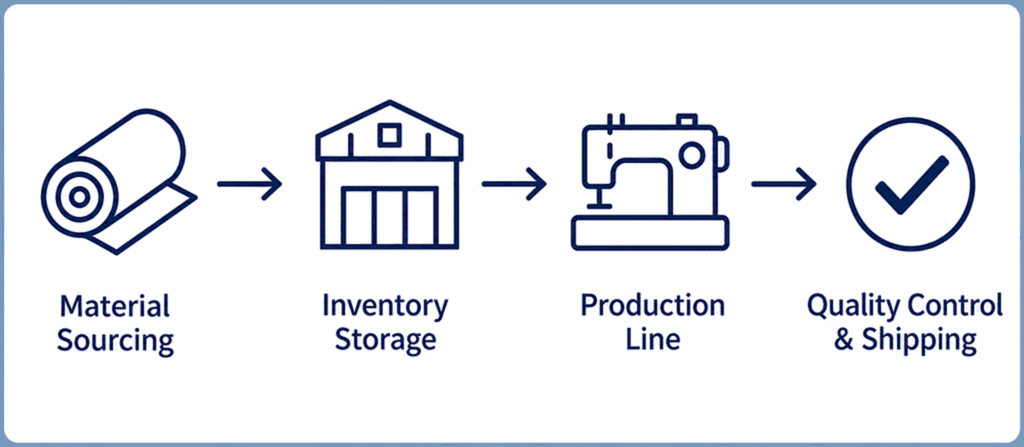
Reliable manufacturers rarely work in isolation.
Instead, they maintain long-term relationships with trusted:
- Fabric mills
- Trim suppliers
- Printing partners
- Packaging companies
- Logistics providers
These partnerships help maintain:
- Stable lead times
- Consistent fabric quality
- Faster replenishment
- Better production planning
Supply chain resilience has become one of the most important evaluation criteria following recent global disruptions.
Compare Suppliers Using a Scorecard
Rather than relying on intuition, many professional sourcing teams evaluate suppliers using weighted scorecards.
An example evaluation framework is shown below.
| Evaluation Criteria | Importance |
|---|---|
| Yoga apparel specialization | ⭐⭐⭐⭐⭐ |
| Communication quality | ⭐⭐⭐⭐⭐ |
| Product development capability | ⭐⭐⭐⭐⭐ |
| Quality management system | ⭐⭐⭐⭐⭐ |
| Supply chain stability | ⭐⭐⭐⭐⭐ |
| Export experience | ⭐⭐⭐⭐☆ |
| Certifications | ⭐⭐⭐⭐☆ |
| MOQ flexibility | ⭐⭐⭐⭐☆ |
| Sampling efficiency | ⭐⭐⭐⭐☆ |
| Pricing transparency | ⭐⭐⭐⭐☆ |
| Long-term partnership potential | ⭐⭐⭐⭐⭐ |
Using a structured scorecard makes supplier comparisons more objective and helps reduce purchasing decisions based purely on price.
Warning Signs Buyers Should Never Ignore
Not every supplier is the right supplier.
The following warning signs deserve careful attention:
- Prices that are significantly lower than every competitor.
- Unclear answers about production capability.
- Slow or inconsistent communication.
- Reluctance to provide certification details.
- Frequent changes to lead times.
- Inability to explain quality control procedures.
- Generic product portfolios with little yoga apparel experience.
One warning sign does not necessarily indicate a poor supplier, but multiple issues together should encourage buyers to investigate further before committing to production.
Think Beyond Your First Order
Many sourcing decisions focus entirely on the first purchase order.
Successful brands think differently.
Instead of asking:
Can this supplier manufacture my current collection?
Ask:
Can this supplier support my business as it grows?
A supplier capable of expanding alongside your brand can reduce development costs, improve product consistency, simplify communication, and strengthen your overall supply chain over time.
Choosing a wholesale yoga clothing supplier is therefore not just a purchasing decision—it is a strategic investment in your brand’s future competitiveness. Buyers who evaluate suppliers carefully before production are far more likely to establish stable partnerships, launch successful collections, and build sustainable businesses in the increasingly competitive global activewear market.
Which Wholesale Yoga Clothing Manufacturer Fits Your Business Stage?
Choosing the right wholesale yoga clothing manufacturer is not simply about finding the highest-rated supplier. The ideal partner depends on where your business is today and where you plan to be in the future. A startup launching its first collection has very different sourcing priorities from an established retailer managing thousands of units every season.
Instead of asking, “Who is the best manufacturer?”, buyers should ask, “Which manufacturer is best suited to my current business stage?” Matching supplier capabilities with your business model often leads to better product quality, healthier cash flow, fewer operational risks, and stronger long-term partnerships.
Best Manufacturers for Startup Yoga Brands
Launching a new yoga apparel brand requires flexibility more than scale.
Most startups have similar sourcing priorities:
- Limited purchasing budgets
- Small initial inventory
- Product testing before expansion
- Multiple design revisions
- Fast sample development
- Low inventory risk
At this stage, choosing a supplier with flexible production planning is often more valuable than selecting the largest factory.
Recommended Suppliers
| Supplier | Why It Fits Startups |
|---|---|
| Pair Fashion | Low MOQ, fast sampling, strong product development support, broad product range |
| Doven Garments | Responsive communication and flexible production |
| Aika Sportswear | Suitable for growing activewear startups |
Startups should prioritize suppliers willing to support gradual growth instead of requiring immediate high-volume commitments.
Best Manufacturers for Shopify and DTC Brands
Direct-to-consumer brands operate differently from traditional wholesalers.
They frequently launch:
- Limited-edition collections
- Seasonal color updates
- Influencer collaborations
- Customer feedback-driven improvements
These brands benefit from suppliers capable of:
- Fast sample revisions
- Flexible order quantities
- Consistent sizing
- Stable repeat production
- Quick communication
Recommended Suppliers
- Pair Fashion
- Aika Sportswear
- Doven Garments
These manufacturers generally provide greater flexibility for brands that continuously update product collections.
Best Manufacturers for Amazon Sellers
Amazon sellers often prioritize inventory turnover, customer reviews, and stable product quality.
Supplier evaluation should focus on:
- Product consistency
- Reliable lead times
- Quality control
- Packaging accuracy
- Repeat production capability
Since negative reviews can significantly affect sales performance, maintaining consistent manufacturing quality is often more valuable than reducing unit cost.
Recommended Suppliers
| Supplier | Main Strength |
|---|---|
| Pair Fashion | Stable quality and flexible product development |
| Ohsure Sportswear | Multi-category manufacturing experience |
| Lezhou Garment | Reliable wholesale production |
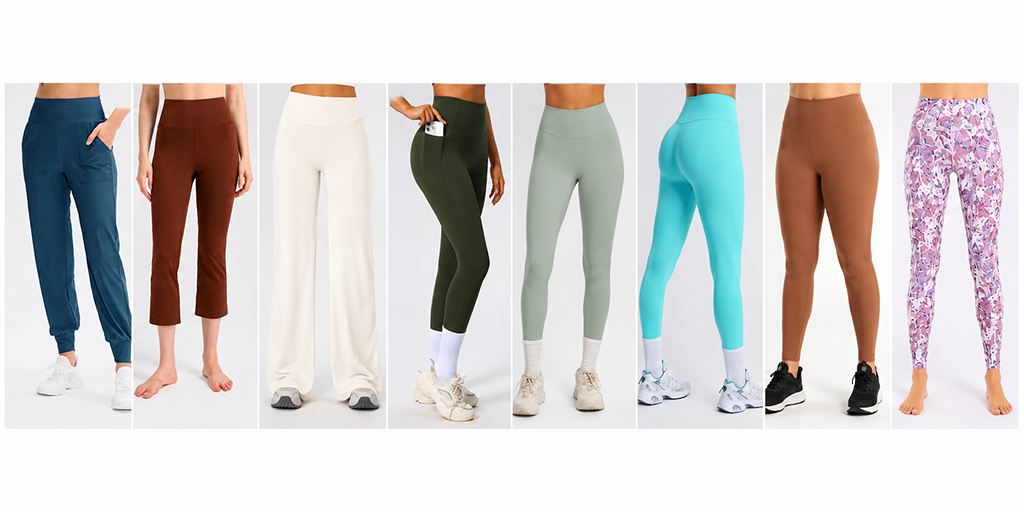
Best Manufacturers for Wholesale Distributors
Wholesale distributors usually purchase broader product ranges than individual brands.
They often require:
- Multiple product categories
- Stable wholesale pricing
- Repeat production
- Reliable shipping
- Inventory planning
Working with suppliers capable of manufacturing multiple activewear categories simplifies purchasing management.
Recommended Suppliers
- Lezhou Garment
- Ohsure Sportswear
- Wonders Sports
Best Manufacturers for Sustainable Yoga Apparel Brands
Sustainability has become an important purchasing criterion for many consumers.
Brands emphasizing environmental responsibility should evaluate suppliers based on:
- Recycled materials
- Environmental certifications
- Sustainable packaging
- Traceable sourcing
- Responsible manufacturing
Recommended Suppliers
| Supplier | Sustainability Strength |
|---|---|
| Pair Fashion | GRS-certified materials and sustainable product development |
| Aika Sportswear | Growing recycled fabric capabilities |
Best Manufacturers for Brands Planning Long-Term Growth
Some buyers focus only on their first production order.
However, successful brands usually evaluate suppliers according to future business requirements.
Consider whether the supplier can support:
- Additional product categories
- Larger production volumes
- International market expansion
- Technical fabric innovation
- Seasonal collection planning
- Long-term collaboration
Changing suppliers frequently often increases development costs and introduces unnecessary quality risks.
Recommended Suppliers
- Pair Fashion
- Aika Sportswear
- Wonders Sports
Business Stage Decision Matrix
| Your Business Stage | Recommended Supplier |
|---|---|
| Launching a New Brand | Pair Fashion |
| Shopify Brand | Pair Fashion |
| Amazon Seller | Pair Fashion |
| Boutique Fitness Studio | Pair Fashion |
| Premium Private Label Brand | Pair Fashion |
| Sustainable Activewear Brand | Pair Fashion |
| Regional Wholesaler | Lezhou Garment |
| Sports Club Supplier | Berunwear |
| Large Retail Program | Wonders Sports |
| Multi-Category Distributor | Ohsure Sportswear |
Choose a Supplier That Can Grow With Your Business
Every successful activewear brand evolves over time. A supplier that meets today’s requirements may not necessarily support tomorrow’s ambitions.
When evaluating wholesale yoga clothing manufacturers, consider not only your current order volume but also your future goals. A sourcing partner capable of adapting to new product categories, larger production runs, evolving sustainability requirements, and changing consumer trends can provide lasting value far beyond a single purchase order.
The strongest supplier relationships are built on shared growth, consistent communication, and continuous product improvement. By selecting a manufacturer that aligns with your long-term strategy rather than only your immediate needs, buyers create stronger supply chains and position their brands for sustainable success in the global yoga apparel market.
What Should Buyers Know About Wholesale Yoga Clothing Pricing?
Understanding wholesale yoga clothing pricing is about much more than comparing quotations from different suppliers. The lowest unit price rarely represents the lowest total sourcing cost. Experienced buyers evaluate pricing by considering product quality, material performance, manufacturing consistency, logistics, communication efficiency, and long-term supply chain reliability. A supplier that delivers stable quality, predictable lead times, and responsive support often creates greater business value than one offering the cheapest quotation.
Instead of asking, “Which supplier has the lowest price?”, buyers should ask, “Which supplier offers the best long-term value for my business?” This approach reduces sourcing risks while improving profitability throughout the product lifecycle.
What Factors Influence Wholesale Yoga Clothing Pricing?
There is no universal price for yoga apparel.
Even products that appear similar may have very different manufacturing costs because of differences in materials, construction techniques, order quantities, and sourcing requirements.
The most common pricing factors include:
- Product complexity
- Fabric quality
- Minimum order quantity (MOQ)
- Branding requirements
- Packaging specifications
- Lead time expectations
- Quality standards
- Shipping terms
- Order frequency
Rather than focusing on one factor, professional buyers evaluate how these elements combine to determine the overall sourcing cost.
Why MOQ Has Such a Significant Impact on Pricing
Minimum order quantity remains one of the largest influences on wholesale pricing.
Larger production runs improve manufacturing efficiency because suppliers can spread setup costs across more garments.
Typical pricing trends look like this:
| Order Quantity | Typical Pricing Trend |
|---|---|
| 50 pieces | Highest unit cost |
| 100 pieces | Moderate pricing |
| 300 pieces | More competitive |
| 500 pieces | Lower production cost |
| 1,000+ pieces | Best manufacturing efficiency |
However, ordering excessive inventory simply to reduce unit costs can increase warehousing expenses, tie up working capital, and create unnecessary inventory risk.
For many growing brands, balancing MOQ with realistic sales forecasts is more profitable than pursuing the absolute lowest unit price.
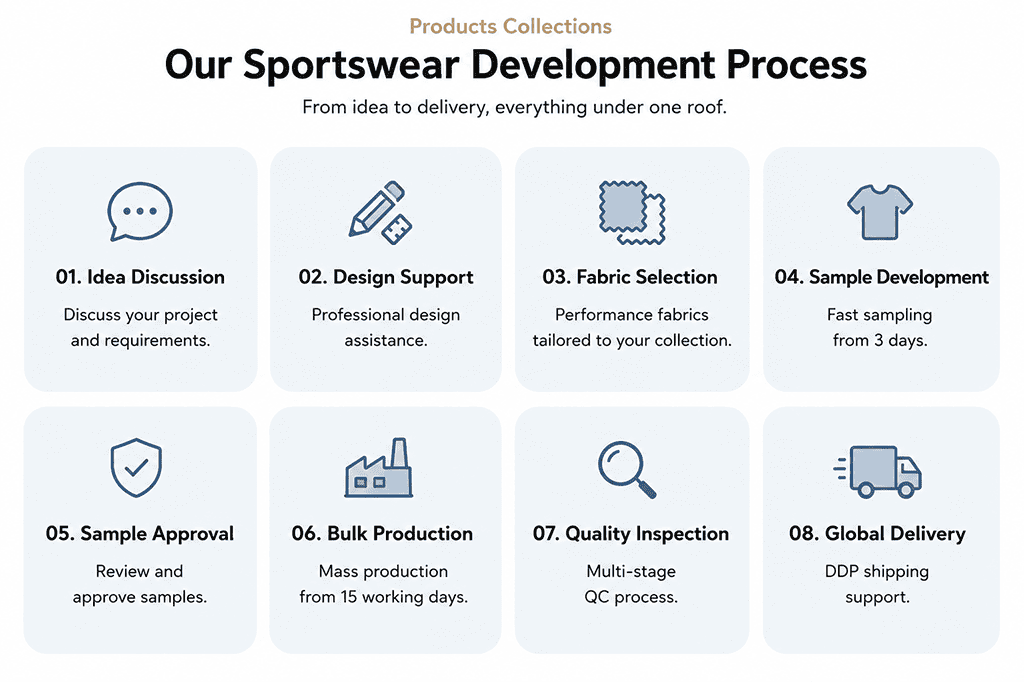
Why Fabric Selection Changes Pricing More Than Most Buyers Expect
Fabric choice influences not only manufacturing cost but also product positioning, customer satisfaction, and repeat purchase rates.
Common wholesale yoga apparel fabrics include:
| Fabric Type | Typical Positioning |
|---|---|
| Polyester | Entry-level activewear |
| Polyester-Spandex | Standard performance products |
| Nylon-Spandex | Premium yoga apparel |
| Recycled Polyester | Sustainable collections |
| Recycled Nylon | Premium sustainable products |
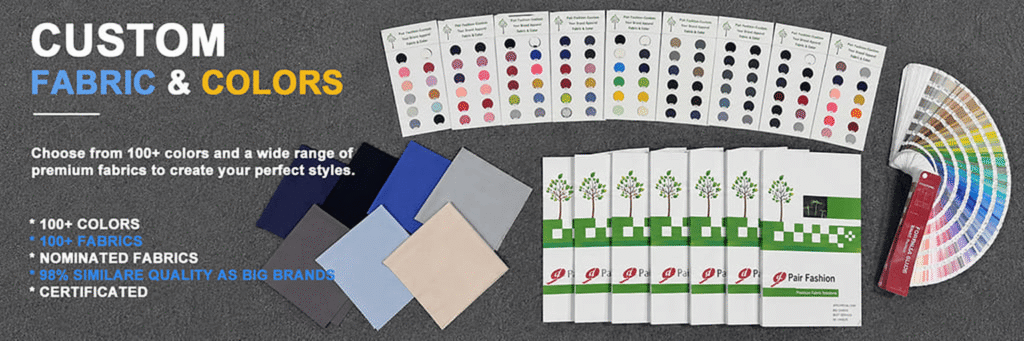
Higher-quality fabrics generally provide:
- Better stretch recovery
- Softer hand feel
- Improved durability
- Greater color retention
- Enhanced moisture management
- Longer product lifespan
Rather than viewing premium fabrics purely as an added expense, many brands consider them an investment in customer satisfaction and long-term brand value.
Hidden Procurement Costs Buyers Often Overlook
Many sourcing budgets focus only on manufacturing quotations.
In practice, several indirect costs can significantly influence overall profitability.
Common hidden costs include:
- Sample revisions
- Third-party inspections
- International freight
- Customs duties
- Currency fluctuations
- Product returns
- Quality claims
- Inventory storage
- Production delays
- Re-order management
A supplier offering a slightly higher manufacturing price but reducing these hidden costs may generate substantially greater long-term savings.
Freight Costs Can Influence Purchasing Decisions
Transportation expenses have become increasingly important in global sourcing.
The most common shipping methods include:
| Shipping Method | Best For |
|---|---|
| Sea Freight | Bulk wholesale orders |
| Air Freight | Urgent replenishment |
| Express Courier | Samples and small shipments |
| Rail Freight | Selected international routes |
Shipping costs depend on:
- Destination country
- Shipment volume
- Carton dimensions
- Gross weight
- Seasonal demand
- Delivery terms
Planning production schedules early allows buyers to select more economical shipping methods and avoid expensive last-minute transportation.
Currency Exchange Can Affect Total Procurement Costs
International sourcing involves multiple currencies.
Even small exchange rate movements can influence purchasing budgets, particularly for large wholesale orders.
Experienced buyers often:
- Monitor exchange rate trends.
- Confirm payment currencies early.
- Plan purchasing schedules strategically.
- Negotiate payment milestones when appropriate.
Although exchange rates cannot be controlled, understanding their impact improves budgeting accuracy.
How Should Buyers Compare Supplier Quotations?
Comparing quotations should never involve unit price alone.
Instead, evaluate suppliers across multiple categories.
| Comparison Factor | Why It Matters |
|---|---|
| Unit Price | Initial manufacturing cost |
| MOQ | Inventory investment |
| Lead Time | Product launch planning |
| Sample Policy | Development efficiency |
| Product Consistency | Customer satisfaction |
| Quality Management | Reduced defect rates |
| Communication | Project efficiency |
| Export Experience | Shipping reliability |
| Long-Term Flexibility | Business scalability |
Using this broader evaluation framework helps buyers identify suppliers delivering stronger overall value rather than simply lower pricing.
Practical Ways to Reduce Total Sourcing Costs
Reducing procurement costs does not necessarily require choosing cheaper suppliers.
Many successful brands lower costs through better sourcing strategies instead.
Consider the following approaches:
- Consolidate multiple styles into one production schedule.
- Standardize trims across different collections.
- Forecast demand more accurately.
- Plan production earlier to avoid expedited shipping.
- Build long-term supplier relationships.
- Simplify packaging where appropriate.
- Reduce unnecessary sample revisions through detailed technical documentation.
These improvements often generate greater financial savings than negotiating small price reductions.
Focus on Total Value Rather Than Lowest Cost
The strongest activewear brands understand that sourcing decisions affect much more than manufacturing expenses.
Reliable suppliers contribute to:
- Better customer satisfaction
- Lower return rates
- Faster product launches
- Stable inventory planning
- Stronger brand reputation
- Long-term business growth
Wholesale yoga clothing pricing should therefore be evaluated from a total value perspective rather than through unit cost alone. Buyers who balance pricing with quality, reliability, communication, and supply chain stability are far more likely to build resilient sourcing partnerships and maintain sustainable competitive advantages in the increasingly dynamic global activewear industry.

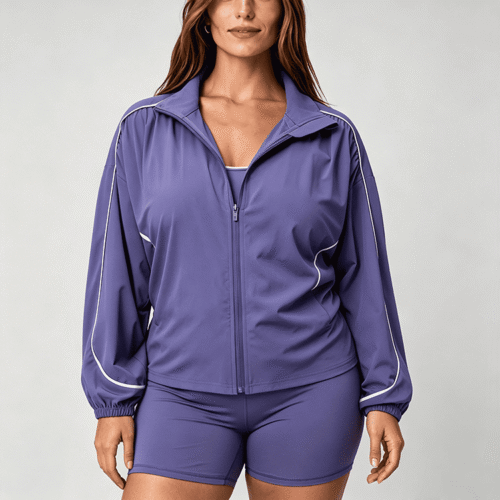
Custom Plus Size Activewear Set OEM ODM Zip-Up Workout Tracksuit
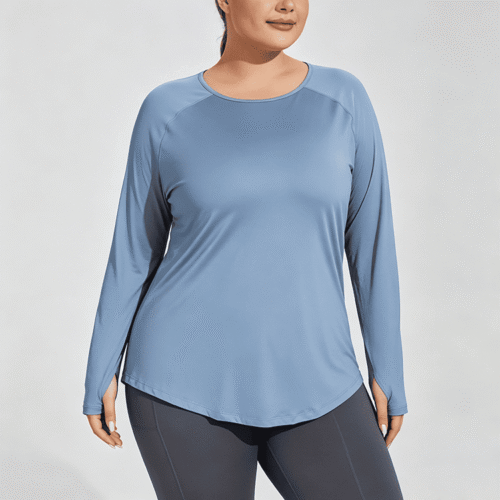
Custom Plus Size Activewear Top OEM ODM Long Sleeve Workout Shirt
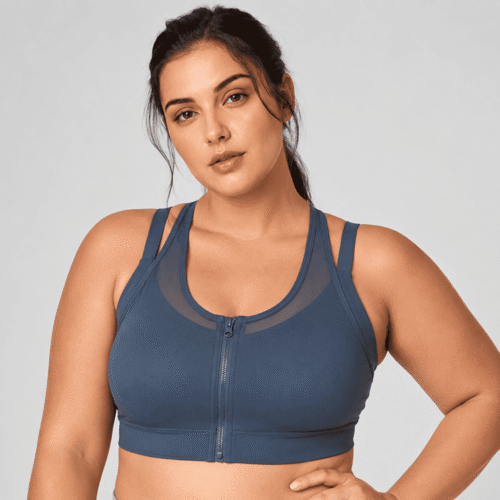
Custom Plus Size Front Zip Sports Bra OEM ODM High Support Activewear
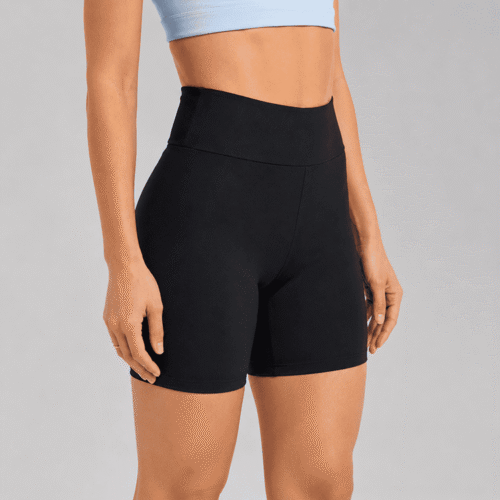
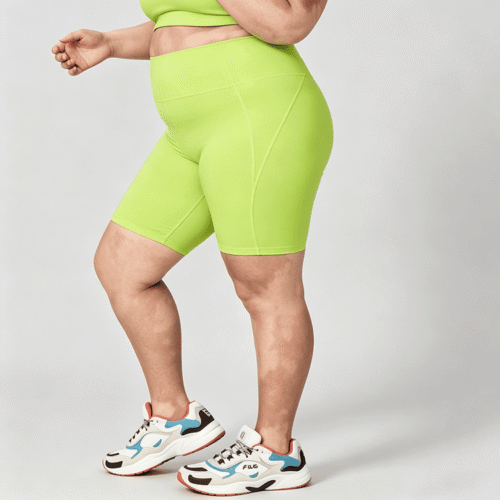
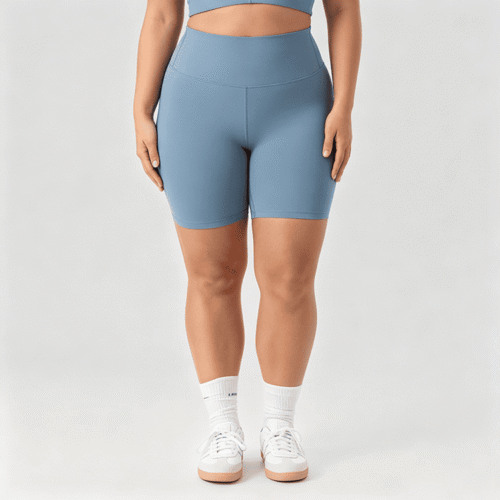
Custom Plus Size High Waist Biker Shorts OEM ODM Activewear
Custom Plus Size High Waist Biker Shorts OEM ODM Workout Shorts
Custom Plus Size High Waist Biker Shorts OEM ODM Yoga Shorts
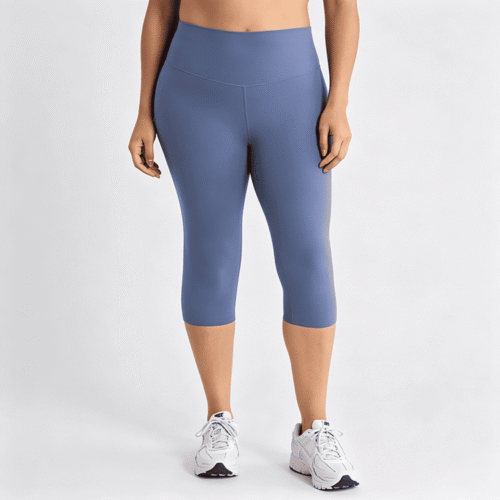
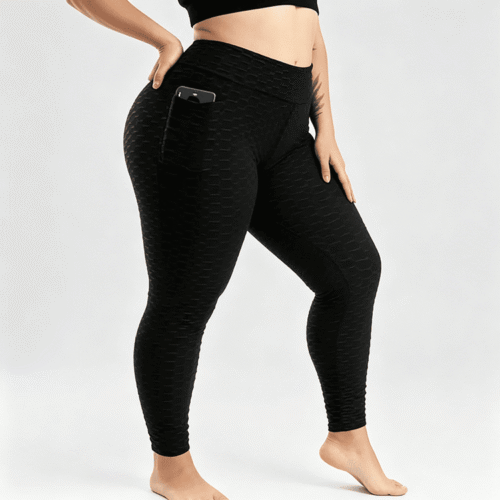
Custom Plus Size High Waist Capri Leggings OEM ODM Yoga Pants
Custom Plus Size Pocket Yoga Leggings OEM ODM High Waist Workout Pants
What Wholesale Yoga Clothing Categories Are Growing Fast in Global Markets?
The global yoga apparel market has evolved far beyond traditional leggings and basic sports bras. Consumer demand is increasingly driven by lifestyle trends, sustainability, inclusivity, functionality, and fashion, creating new opportunities for brands that understand where the market is heading. Rather than building collections around only bestselling products, successful brands analyze emerging categories, regional buying behavior, and long-term consumer preferences before making sourcing decisions.
For wholesale buyers, understanding these trends helps reduce inventory risk while increasing the likelihood of launching products that remain relevant throughout multiple selling seasons.
Seamless Yoga Wear Continues to Gain Market Share
Seamless yoga apparel has become one of the fastest-growing categories in the global activewear industry.
Consumers appreciate seamless garments because they offer:
- Improved comfort
- Reduced skin irritation
- Better stretch recovery
- Lightweight construction
- Modern aesthetic appeal
Popular seamless products include:
- Seamless yoga leggings
- Seamless sports bras
- Seamless shorts
- Seamless long-sleeve tops
- Matching seamless sets
This category is especially popular among younger consumers who value both athletic performance and minimalist fashion.
For brands targeting premium positioning, seamless collections often command higher retail prices while strengthening perceived product quality.
Sustainable Yoga Apparel Is Becoming a Purchasing Standard
Environmental responsibility is no longer limited to niche brands.
Consumers increasingly expect activewear companies to demonstrate responsible sourcing and sustainable manufacturing practices.
Growing product categories include:
- Recycled polyester yoga leggings
- Recycled nylon sports bras
- Organic cotton yoga apparel
- Biodegradable packaging
- Eco-friendly dyeing processes
Many retailers also request certifications such as:
- GRS
- OEKO-TEX® Standard 100
- REACH Compliance
Brands incorporating sustainability into their product strategy often strengthen customer loyalty while meeting evolving retail requirements.
Plus Size Yoga Clothing Is Expanding Rapidly
The global activewear market has become significantly more inclusive.
Consumers increasingly expect brands to provide stylish, high-performance apparel across a wider range of body types.
Popular products include:
- Plus size yoga leggings
- Supportive sports bras
- High-waisted yoga pants
- Longline yoga tops
- Compression shorts
- Matching activewear sets
Rather than simply increasing garment dimensions, successful brands invest in:
- Improved pattern engineering
- Enhanced waistband support
- Better fabric recovery
- Reinforced construction
These improvements help deliver both comfort and confidence during exercise.
Maternity Yoga Apparel Is Creating New Opportunities
Pregnant consumers are becoming more active throughout pregnancy, increasing demand for specialized activewear.
Popular maternity products include:
- Maternity yoga leggings
- Nursing sports bras
- Pregnancy workout tops
- Supportive yoga shorts
- High-stretch activewear sets
Key design priorities include:
- Soft stretch fabrics
- Gentle abdominal support
- Breathability
- Comfort throughout different pregnancy stages
Although this remains a niche category compared with traditional yoga apparel, it offers strong differentiation opportunities for private label brands.
Men’s Yoga Apparel Is Growing Steadily
Yoga participation among men continues to increase worldwide.
As a result, demand has expanded beyond generic gym clothing into dedicated yoga products.
Popular categories include:
- Men’s yoga pants
- Performance shorts
- Compression tops
- Lightweight hoodies
- Training joggers
- Stretch tanks
Male consumers generally prioritize:
- Flexibility
- Moisture management
- Durability
- Minimalist styling
Brands expanding into this segment often broaden their customer base while increasing average order values.
Matching Yoga Sets Continue to Dominate Social Media
Matching activewear sets remain one of the most influential product categories across Instagram, TikTok, Pinterest, and fitness communities.
Consumers appreciate coordinated outfits because they provide:
- Premium appearance
- Easier styling
- Greater purchase convenience
- Stronger perceived value
Popular combinations include:
- Sports bra + leggings
- Crop top + shorts
- Jacket + leggings
- Long-sleeve top + joggers
For brands, matching collections often encourage multiple-item purchases and higher average transaction values.
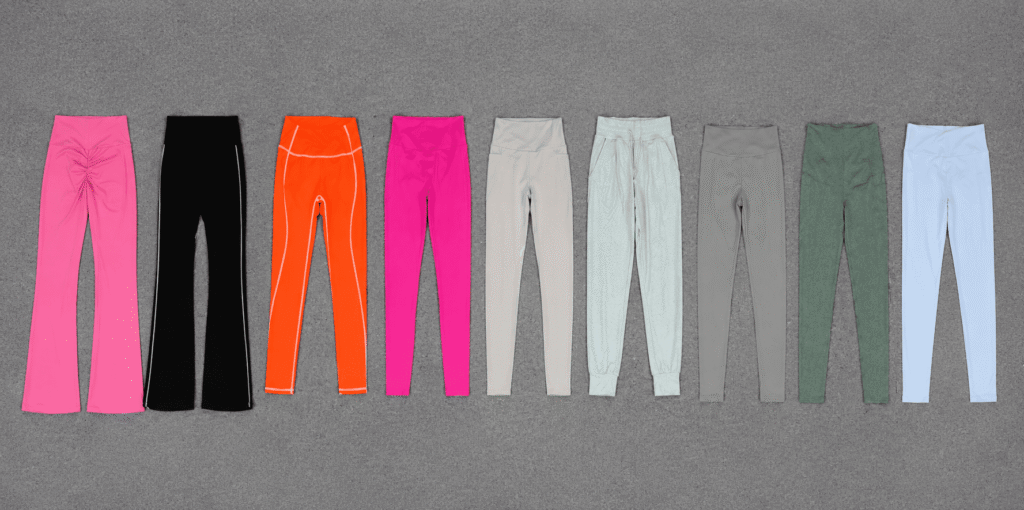
Neutral Colors Are Replacing Seasonal Fashion Colors
Color trends within yoga apparel have gradually shifted toward timeless, versatile palettes.
Instead of bright seasonal colors, consumers increasingly purchase:
- Black
- Stone
- Sand
- Taupe
- Olive
- Sage
- Navy
- Chocolate
- Charcoal
- Soft beige
Neutral collections generally remain in demand longer, helping brands reduce markdowns and simplify inventory planning.
Limited seasonal colors can then be introduced to create excitement without overcommitting inventory.
Functional Details Are Becoming Stronger Selling Points
Today’s consumers expect more than attractive designs.
Small functional improvements often influence purchasing decisions.
Popular performance features include:
- Hidden waistband pockets
- Phone pockets
- Thumbholes
- Laser ventilation
- Bonded hems
- Flatlock seams
- Four-way stretch
- Moisture management
- Squat-proof fabrics
- Anti-odor finishes
Rather than adding unnecessary complexity, brands should focus on features that genuinely improve comfort and functionality.
Regional Demand Is Becoming More Diverse
Different markets often prioritize different product categories.
| Region | Fastest-Growing Categories |
|---|---|
| North America | Seamless collections, sustainable activewear, matching sets |
| Europe | Recycled fabrics, minimalist designs, premium basics |
| Australia | Lightweight summer collections, UV-protection apparel |
| Middle East | Modest activewear, long-sleeve yoga tops, breathable fabrics |
| Southeast Asia | Lightweight leggings, affordable matching sets |
Understanding regional preferences helps brands build more targeted product assortments rather than relying on a one-size-fits-all strategy.
Build Collections Around Long-Term Demand, Not Short-Term Trends
Successful yoga apparel brands rarely chase every viral trend.
Instead, they combine timeless essentials with carefully selected growth categories.
A balanced collection typically includes:
- Core best-selling products for consistent revenue.
- Emerging categories that attract new customers.
- Seasonal updates to maintain freshness.
- Sustainable products that support long-term brand positioning.
By following market demand rather than short-term fashion cycles, buyers can improve inventory turnover, strengthen customer loyalty, and create collections with lasting commercial value.
As the yoga apparel market continues to evolve, brands that understand consumer behavior, regional demand, and product innovation will be better positioned to identify sourcing opportunities and maintain a competitive advantage in an increasingly sophisticated global marketplace.
What Mistakes Should Buyers Avoid When Sourcing Wholesale Yoga Clothing?
Sourcing wholesale yoga clothing successfully requires more than comparing supplier catalogs or negotiating lower prices. Many purchasing problems originate long before production begins, often during supplier evaluation, quotation comparison, or product development planning. The good news is that most of these issues are entirely avoidable. By understanding the most common sourcing mistakes, buyers can reduce procurement risks, improve product consistency, and build stronger long-term supplier relationships.
The following mistakes appear repeatedly across the global apparel industry. Avoiding them can save significant time, money, and operational resources while improving the overall success of your private label yoga apparel business.
Choosing a Supplier Based Only on the Lowest Price
One of the most common sourcing mistakes is assuming that the lowest quotation represents the best business decision.
In reality, extremely low prices often indicate compromises in areas such as:
- Fabric quality
- Garment construction
- Quality inspections
- Production management
- Worker experience
- Trim quality
- Packaging standards
Although the initial quotation may appear attractive, lower production quality can result in:
- Customer complaints
- Product returns
- Negative online reviews
- Increased warranty claims
- Inventory losses
Professional buyers evaluate overall sourcing value rather than manufacturing price alone.
A slightly higher quotation from a reliable supplier often delivers greater profitability over the product’s lifecycle.
Not Verifying Whether the Supplier Specializes in Yoga Apparel
Not every sportswear factory understands yoga apparel.
Yoga clothing requires unique expertise in:
- High-stretch fabrics
- Compression performance
- Ergonomic pattern development
- Flatlock construction
- Seam placement
- Squat-proof fabric performance
- Moisture management
- Long-term shape recovery
Some suppliers manufacture many categories of apparel but have limited experience producing technical yoga garments.
Before requesting quotations, ask suppliers:
- How many years have you produced yoga apparel?
- Which yoga products represent your strongest categories?
- Can you provide examples of previous yoga collections?
Choosing suppliers with proven specialization generally results in better product performance and fewer development issues.
Skipping Product Samples
Some buyers attempt to reduce costs by moving directly into bulk production.
This approach creates unnecessary risk.
A professional sample allows buyers to evaluate:
- Fabric quality
- Garment measurements
- Stitching accuracy
- Stretch performance
- Color consistency
- Branding details
- Overall workmanship
Whenever possible, samples should also undergo:
- Wash testing
- Wear testing
- Stretch recovery evaluation
- Fit assessment
Approving bulk production without thoroughly evaluating samples can lead to costly corrections after manufacturing has already begun.
Ignoring Communication Quality
Communication problems frequently create larger sourcing issues than manufacturing defects.
Reliable suppliers communicate clearly about:
- Production schedules
- Material availability
- Lead time adjustments
- Quality expectations
- Shipping arrangements
- Technical recommendations
Warning signs include:
- Delayed replies
- Incomplete answers
- Generic responses
- Frequent timeline changes
- Difficulty explaining technical questions
Strong communication builds trust and significantly reduces production misunderstandings.
Failing to Verify Certifications and Compliance
Some buyers assume certifications are unnecessary for smaller orders.
However, certifications often demonstrate structured quality management and responsible manufacturing practices.
Depending on your target market, verify whether suppliers can provide:
- ISO9001
- BSCI
- GRS
- OEKO-TEX® Standard 100
- REACH Compliance
Certification requirements vary between markets, but requesting relevant documentation during supplier evaluation helps reduce future compliance risks.
Choosing a Supplier That Cannot Grow with Your Brand
Many businesses evaluate suppliers only according to their first order.
Instead, buyers should consider whether the supplier can support:
- Future product categories
- Higher production volumes
- Seasonal collection expansion
- International retail requirements
- Sustainability initiatives
- New fabric technologies
Changing manufacturers every year often increases:
- Development costs
- Fit inconsistencies
- Communication challenges
- Supply chain complexity
Long-term supplier relationships generally improve operational efficiency over time.
Overlooking Supply Chain Stability
Manufacturing capability alone is not enough.
Reliable suppliers also maintain stable relationships with:
- Fabric mills
- Trim manufacturers
- Packaging suppliers
- Printing specialists
- Logistics providers
Strong supplier networks reduce disruptions caused by:
- Raw material shortages
- Transportation delays
- Seasonal production bottlenecks
- Unexpected market fluctuations
As global supply chains become increasingly interconnected, supply chain resilience has become one of the most important supplier evaluation criteria.
Comparing Suppliers Without a Standard Evaluation Method
Many buyers rely on personal impressions when comparing suppliers.
A more effective approach is using standardized evaluation criteria.
For example:
| Evaluation Area | Importance |
|---|---|
| Yoga apparel specialization | ⭐⭐⭐⭐⭐ |
| Communication quality | ⭐⭐⭐⭐⭐ |
| Product development capability | ⭐⭐⭐⭐⭐ |
| Quality management | ⭐⭐⭐⭐⭐ |
| Supply chain stability | ⭐⭐⭐⭐⭐ |
| MOQ flexibility | ⭐⭐⭐⭐☆ |
| Sampling efficiency | ⭐⭐⭐⭐☆ |
| Certifications | ⭐⭐⭐⭐☆ |
| Export experience | ⭐⭐⭐⭐☆ |
| Pricing transparency | ⭐⭐⭐⭐☆ |
Using a structured comparison framework makes supplier selection more objective while reducing emotional decision-making.
Buyer Checklist Before Confirming a Supplier
Before placing your first production order, confirm the following:
- □ The supplier specializes in yoga apparel.
- □ Product samples have been thoroughly evaluated.
- □ Certifications have been verified.
- □ MOQ matches your inventory strategy.
- □ Lead times are realistic.
- □ Communication is clear and responsive.
- □ Pricing includes all relevant costs.
- □ Quality control procedures are clearly explained.
- □ Supply chain stability has been discussed.
- □ The supplier can support future business growth.
Completing this checklist helps buyers identify potential risks before they become expensive production problems.
Strong Supplier Selection Creates Stronger Brands
The most successful yoga apparel brands are not necessarily those with the lowest manufacturing costs. They are the brands that build reliable sourcing systems based on careful supplier evaluation, consistent communication, and long-term collaboration.
Choosing a wholesale yoga clothing supplier should be viewed as a strategic business decision rather than a purchasing transaction. A dependable sourcing partner contributes not only to product quality but also to operational efficiency, customer satisfaction, supply chain resilience, and sustainable business growth.
By avoiding these common sourcing mistakes, buyers position themselves to develop stronger collections, improve inventory performance, reduce procurement risks, and build lasting competitive advantages in the rapidly evolving global yoga apparel industry.
Frequently Asked Questions About Wholesale Yoga Clothing Manufacturers in China
1. Who Is the Best Wholesale Yoga Clothing Manufacturer in China?
The best wholesale yoga clothing manufacturer is the one that matches your business goals, sourcing strategy, and long-term growth plans rather than simply offering the lowest price. Buyers should evaluate suppliers based on yoga apparel expertise, communication quality, MOQ flexibility, certifications, production consistency, and supply chain reliability before making a final decision.
There is no universal supplier that fits every buyer. Startup brands often need low MOQs and product development support, while established retailers usually prioritize production capacity and standardized quality systems. Comparing several manufacturers using the same evaluation criteria helps buyers identify the supplier that offers the best overall value instead of focusing only on company size or pricing. Long-term partnerships with experienced manufacturers generally lead to more consistent quality, smoother communication, and lower sourcing risks.
2. How Do I Choose the Right Wholesale Yoga Clothing Manufacturer?
Choosing the right wholesale yoga clothing manufacturer requires a structured supplier evaluation instead of relying only on quotations or product catalogs. Buyers should compare manufacturers based on industry specialization, product quality, communication efficiency, certifications, export experience, and long-term sourcing capability before placing an order.
Start by reviewing the supplier’s experience in yoga apparel, then request production samples to evaluate workmanship, fit, and fabric performance. Verify certifications where appropriate and assess how quickly and professionally the supplier communicates during the quotation process. Suppliers that provide transparent information, realistic lead times, and practical recommendations often become stronger long-term sourcing partners than those competing only on price.
3. What Is the Typical MOQ for Wholesale Yoga Clothing in China?
Most Chinese wholesale yoga clothing manufacturers require a minimum order quantity between 100 and 300 pieces per style, although some suppliers support lower MOQs for startups or product validation. The final MOQ depends on fabric availability, garment complexity, production planning, and the supplier’s business model.
Lower MOQs help brands reduce inventory risk while testing new collections. Buyers planning multiple products or long-term cooperation can often negotiate greater flexibility. Rather than selecting a supplier solely because of the lowest MOQ, consider whether the company can maintain product consistency, stable lead times, and scalable production as your business grows.
4. How Long Does Wholesale Yoga Clothing Production Usually Take?
Most wholesale yoga clothing orders are completed within 15 to 35 working days after sample approval, although production schedules vary depending on order quantity, product complexity, material availability, and factory workload. Early planning is the most effective way to improve delivery reliability.
A typical sourcing timeline includes sample development, material preparation, bulk production, quality inspection, and export preparation. Buyers should finalize measurements, branding details, colors, and packaging before production begins. Providing complete technical information early reduces revisions, improves manufacturing efficiency, and helps suppliers maintain predictable delivery schedules.
5. Is China Still the Best Country for Wholesale Yoga Clothing Manufacturing?
China remains one of the world’s leading sourcing destinations for wholesale yoga clothing because it combines an integrated textile supply chain, experienced activewear manufacturers, advanced production technology, and extensive export experience. These advantages help buyers improve sourcing efficiency while maintaining consistent product quality.
Compared with many alternative manufacturing countries, China offers easier access to performance fabrics, specialized sportswear suppliers, packaging companies, testing laboratories, and international logistics services. This mature manufacturing ecosystem enables brands to launch products more efficiently while reducing sourcing complexity and improving long-term supply chain stability.
6. What Certifications Should Buyers Look for When Comparing Yoga Clothing Suppliers?
Reliable wholesale yoga clothing manufacturers commonly hold certifications such as ISO9001, BSCI, and GRS, which demonstrate structured quality management, responsible manufacturing practices, and support for sustainable materials. However, certifications should always be evaluated together with production capability and supplier reliability.
Different markets require different compliance standards, so buyers should verify which certifications are relevant to their customers. In addition to certification documents, evaluate communication quality, product specialization, export history, and quality management systems. A balanced supplier assessment provides a much clearer picture of long-term sourcing capability than certifications alone.
7. How Can Buyers Reduce Sourcing Risks When Working with Chinese Suppliers?
Reducing sourcing risks begins with selecting the right supplier before production starts. Buyers should compare several manufacturers, request production samples, verify certifications, establish detailed product specifications, and maintain transparent communication throughout the sourcing process.
Avoid making purchasing decisions based only on price. Instead, compare sample quality, lead times, communication responsiveness, quality management systems, and long-term partnership potential. A structured supplier evaluation process helps reduce production delays, quality issues, and unexpected costs while creating stronger and more reliable sourcing relationships.
8. Should I Work with One Supplier or Multiple Wholesale Yoga Clothing Manufacturers?
The best sourcing strategy depends on your business size, product range, and growth plans. Many startups benefit from working with one reliable supplier to simplify communication and maintain product consistency, while larger brands often diversify production across multiple manufacturers to improve supply chain resilience.
A single supplier can streamline product development, inventory planning, and quality management during the early stages of growth. As sales increase, introducing additional suppliers may reduce dependency on one production source and provide greater flexibility during peak seasons. Regardless of the strategy you choose, prioritize suppliers that demonstrate stable communication, transparent operations, and a proven ability to support long-term business expansion.