OEM/ODM Sportswear Manufacturer | 3-Day Sampling | Low MOQ | 50K Monthly Capacity | ISO9001 & BSCI Certified

Wholesale Tennis Clothes Suppliers Evaluation Guide for Global Tennis Brands
Discover how global tennis brands evaluate wholesale tennis clothes suppliers, compare China suppliers, understand sourcing risks, and select reliable tenniswear partners based on quality, experience, pricing, and long-term business needs.
Top Wholesale Tennis Clothes Suppliers in China: Which Suppliers Should Global Brands Compare?
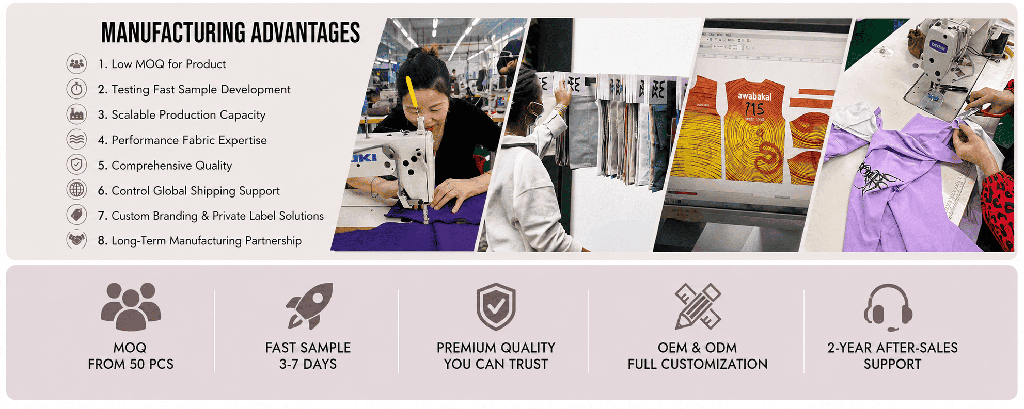
Chinese wholesale tennis clothes suppliers have become an important sourcing choice for global brands because of their mature sportswear supply chain, broad material resources, competitive production environment, and experience serving international markets. When comparing suppliers, buyers should focus on specialization, reliability, communication efficiency, and suitability rather than simply ranking companies by price.
Why Are Chinese Tennis Clothes Suppliers Considered by Global Brands?
China has become one of the most important sourcing markets for sportswear because the country offers a complete ecosystem covering fabrics, accessories, garment development, quality management, and international export services. For brands that want to understand how professional tennis apparel production is organized, working with an experienced Tennis Clothing Manufacturer can provide deeper insight into supplier capabilities and cooperation models.
Global tennis apparel development is also influenced by international competition standards and player requirements established by organizations such as the International Tennis Federation:
- Stretch performance
- Comfortable movement
- Breathable materials
- Durable construction
- Consistent sizing
- Professional appearance
A supplier located in a mature sportswear manufacturing region usually has easier access to specialized resources, including:
- Functional fabrics
- Sportswear accessories
- Printing and embroidery services
- Experienced technical teams
- Supporting supply chain partners
Compared with sourcing from multiple disconnected suppliers, working with an experienced regional supply network can reduce communication complexity and improve project coordination.
However, choosing China as a sourcing market does not automatically mean all suppliers can meet your expectations. Different suppliers have different levels of quality control, production experience, and service ability. Some companies mainly provide basic wholesale products, while professional suppliers understand the requirements of international tennis brands better, including stable product quality, market needs, and long-term business cooperation.
Therefore, global buyers should not only ask:
“Which country offers the lowest price?”
A better question is:
“Which supplier can support my brand’s current needs and future growth?”
Top Wholesale Tennis Clothes Suppliers in China Comparison List
When evaluating wholesale tennis clothes suppliers in China, international buyers usually compare supplier background, market focus, product capability, order flexibility, and suitability for different business models. After identifying the right supplier category, brands looking for a long-term production partner can further explore a professional Wholesale Tennis Clothes Manufacturer for OEM Solutions to support their product development goals.
The following suppliers represent different sourcing options available for global tennis brands.
| Supplier | Location | Main Focus | Suitable Buyers | Key Strength |
|---|---|---|---|---|
| Pair Fashion | Dongguan, Guangdong, China | Functional sportswear and tenniswear supplier | Tennis brands, private labels, growing sportswear companies | Flexible sourcing support and experience with international activewear categories |
| Roadsunshine | China | Tennis and activewear production | Wholesale buyers and sportswear brands | Broad sportswear product range |
| Ohsurewear | China | Custom sportswear development | Brands looking for apparel manufacturing guidance | Focus on supplier selection and customization solutions |
| China Fitness Clothing | China | Custom activewear manufacturing | Fitness and tennis apparel brands | Sportswear-focused supply chain experience |
| Supplier A | China | Tennis apparel wholesale | Retailers and distributors | Wholesale sourcing options |
| Supplier B | China | Performance sportswear | Brands seeking technical fabrics | Functional apparel focus |
| Supplier C | China | Private label sportswear | Emerging brands | Branding support |
| Supplier D | China | Bulk sportswear production | Larger buyers | Production scale |
| Supplier E | China | Sports apparel sourcing | Multi-category buyers | Broad product coverage |
| Supplier F | China | Custom sports clothing | New brands | Flexible development options |
Note: Buyers should verify current supplier information, certifications, production capability, and suitability before making final sourcing decisions.
Pair Fashion: Functional Tenniswear Supplier for Global Brand Development
Location: Dongguan, Guangdong, China
Established: 2016
MOQ Reference: Starting from 50 pieces for standard products
Sampling Reference: Fast sample development capability
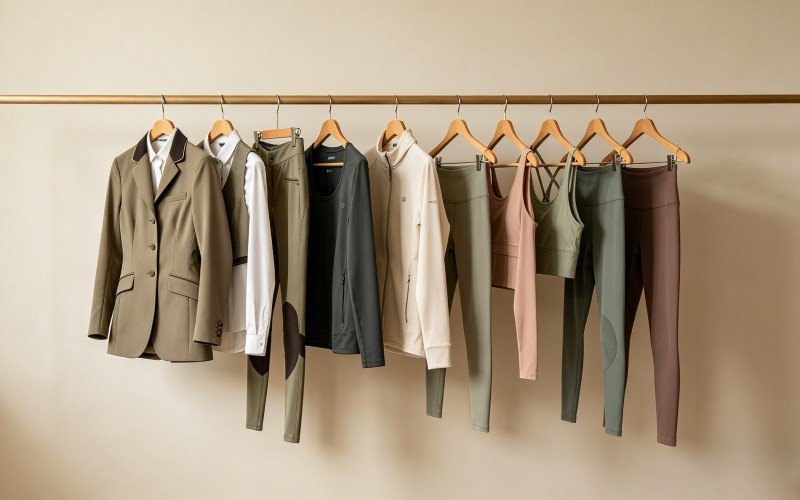
Main Categories: Tenniswear, activewear, yoga, fitness apparel, equestrian apparel, inclusive sportswear
Pair Fashion is positioned as a functional sportswear supplier serving international brands that require more than basic apparel sourcing. Located in Dongguan, one of China’s major garment manufacturing hubs, the company benefits from a mature sportswear supply chain and supports different types of buyers, including emerging brands, private label companies, and established sportswear businesses.
The company’s product scope covers tenniswear and other functional sportswear categories, allowing buyers to explore related product collections instead of sourcing isolated items from multiple suppliers.
Suitable customers:
- International tennis brands
- Activewear companies expanding into tennis collections
- Private label sportswear businesses
- Brands requiring flexible order quantities
Less suitable for:
- Buyers only searching for the lowest possible price
- Companies looking for ready-stock products without customization considerations
Key advantages:
- Located in Dongguan with strong apparel supply chain resources
- Experience across multiple functional sportswear categories
- Supports international brand sourcing requirements
- Flexible approach for different brand stages
Potential limitation:
- Premium functional sportswear development usually requires clearer product positioning and quality expectations from buyers compared with simple commodity sourcing.
Roadsunshine: Wholesale Tennis Apparel Supplier for Broad Sportswear Sourcing Needs
Location: China
Main Focus: Tennis clothing, activewear, sportswear collections
Suitable Buyers: Wholesale buyers, retailers, sportswear companies
Roadsunshine represents a type of supplier that focuses on broader sportswear sourcing needs, including tennis-related apparel categories. Suppliers with a wide product range can be attractive for buyers who want to develop multiple sportswear collections under one sourcing channel.
For wholesale buyers, working with suppliers that have a wider product portfolio can make it easier to expand different product categories. However, buyers should carefully evaluate whether the supplier has professional experience in tennis apparel, because tenniswear has specific requirements for movement flexibility, wearing comfort, fabric performance, and product positioning.
Suitable customers:
- Retailers managing multiple sportswear categories
- Buyers looking for broader product selections
- Companies testing different sports apparel markets
Less suitable for:
- Brands requiring highly specialized tennis collections
- Buyers needing strong product differentiation in a competitive market
Key advantages:
- Wide sportswear category coverage
- Suitable for buyers seeking diversified sourcing
- Experience in wholesale apparel markets
Potential limitation:
- A broad product range does not always mean deep specialization in every category. Buyers should confirm tenniswear expertise before making a decision.
Ohsurewear: Tenniswear Manufacturing Guidance and Custom Apparel Support
Location: China
Main Focus: Custom sportswear development and tennis apparel manufacturing guidance
Suitable Buyers: Brands needing product development support
Ohsurewear focuses on helping sportswear brands understand the process of selecting and working with tenniswear manufacturers. This type of supplier is valuable for buyers who are still building their sourcing knowledge and need clearer guidance before cooperation.
For emerging tennis brands, supplier communication and development support can be just as important as production capability. A supplier that understands brand expectations can help reduce misunderstandings during product discussions.
Suitable customers:
- New sportswear brands
- Buyers unfamiliar with apparel sourcing
- Companies seeking development guidance
Less suitable for:
- Buyers only comparing ready-made wholesale prices
- Large retailers requiring highly specialized supply chain structures
Key advantages:
- Focus on supplier communication
- Helpful for first-time buyers
- Provides insight into manufacturing decisions
Potential limitation:
- Buyers should still independently verify production capability, certifications, and long-term supply stability.
China Fitness Clothing: Activewear-Oriented Tennis Clothing Supplier Option
Location: China
Main Focus: Custom activewear and sports clothing
Suitable Buyers: Fitness, activewear, and tennis-related brands
China Fitness Clothing represents suppliers that come from the broader activewear manufacturing industry. Since tennis apparel shares many requirements with performance sportswear, such as flexibility, comfort, and functional fabrics, activewear-focused suppliers can be potential partners for tennis brands.
However, tenniswear is not exactly the same as general fitness clothing. Professional buyers should check whether a supplier understands tennis-specific requirements, including court movement, lightweight construction, and the balance between athletic performance and lifestyle design.
Suitable customers:
- Activewear brands expanding into tennis
- Fitness companies adding racket sports collections
- Buyers seeking sportswear production experience
Less suitable for:
- Brands requiring highly specialized tennis-only collections
- Buyers needing strong tennis market positioning support
Key advantages:
- Experience with performance apparel
- Familiarity with functional materials
- Suitable for cross-category sportswear development
Potential limitation:
- Activewear experience should be evaluated separately from tenniswear specialization.
What Should Buyers Look for When Comparing Tennis Clothing Suppliers?
A supplier comparison should never be based on one factor alone. The strongest sourcing decisions usually come from evaluating multiple areas together.
A reliable tenniswear supplier should demonstrate:
| Evaluation Factor | Why It Matters |
|---|---|
| Tenniswear Experience | Shows understanding of product expectations |
| Sportswear Knowledge | Helps achieve functional performance |
| Quality Management | Reduces product risks |
| Communication Ability | Improves cooperation efficiency |
| Market Experience | Indicates understanding of international buyers |
| Supply Stability | Supports long-term brand development |
| Business Compatibility | Ensures the supplier matches buyer needs |
Many buyers focus heavily on price during the first conversation. However, price only represents one part of sourcing value.
A supplier offering a slightly higher quotation may provide:
- More stable product quality;
- Better communication;
- Lower replacement risks;
- More reliable delivery;
- Stronger support for future collections.
For growing tennis brands, supplier selection should be viewed as a business decision rather than a simple purchasing transaction.
The right supplier can become a long-term partner supporting product expansion, while the wrong supplier may create additional costs through quality issues, communication problems, or inconsistent results.
Trusted Manufacturing Standards For Global Sportswear Brands
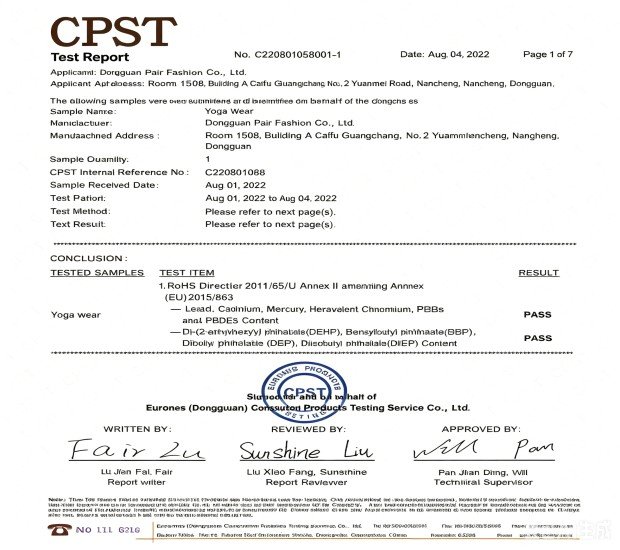
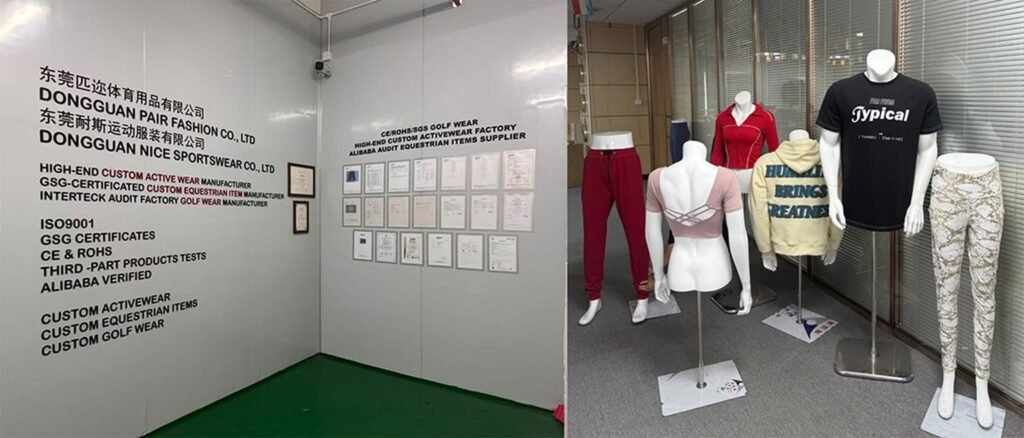
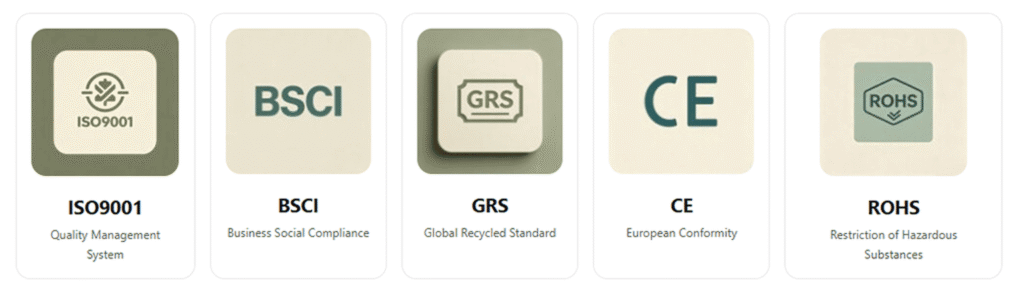
We operate under internationally recognized quality, sustainability, and ethical manufacturing standards. Our certifications help ensure consistent product quality, responsible sourcing, and reliable production for global sportswear brands.
- 20+ Countries Served
- 6000+ Styles Developed
- 50,000 PCS Monthly Capacity
- 3-Day Sample Development
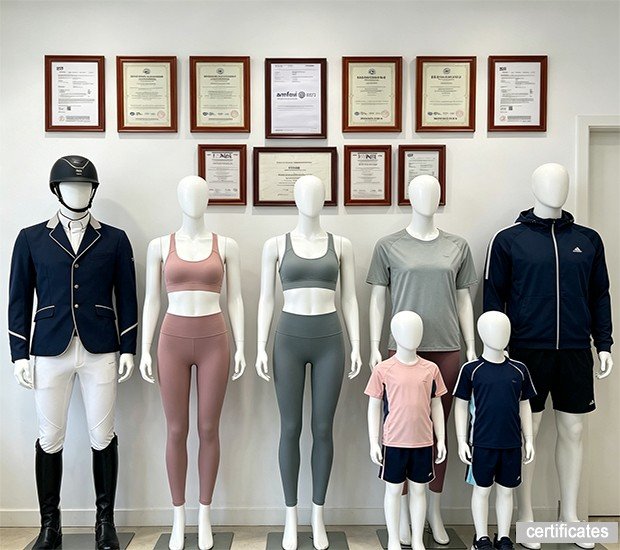
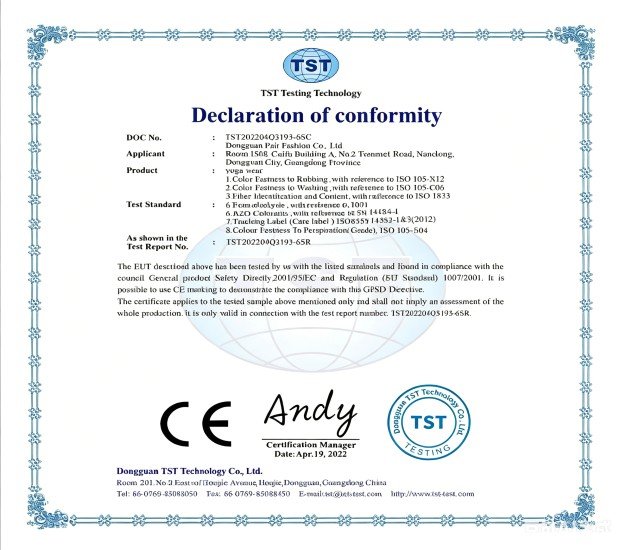
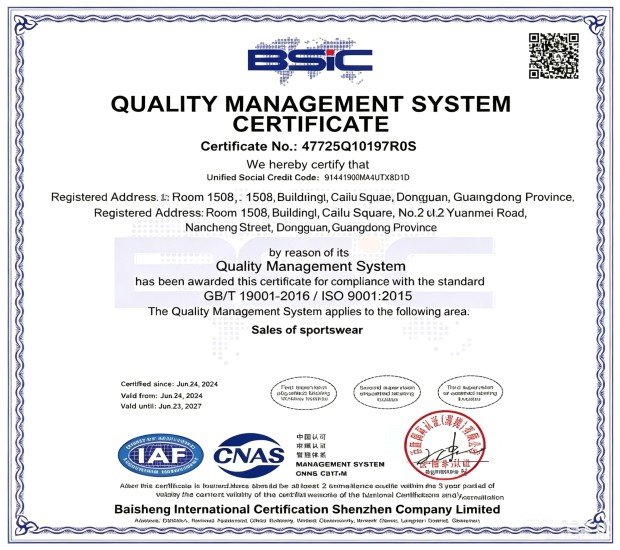
China Tennis Clothes Suppliers vs Other Regions: Which Market Fits Global Brands Better?
China remains one of the most considered sourcing markets for tennis clothing because it combines manufacturing experience, supply chain completeness, material availability, and international export capability. However, the best sourcing location depends on each brand’s priorities, including budget, product requirements, order expectations, and long-term business strategy.
China vs Europe Tennis Clothing Suppliers: What Should Buyers Know?
European tennis clothing suppliers often have strong advantages in design influence, local market understanding, and proximity to European consumers. For brands that prioritize local production, sustainability storytelling, or regional manufacturing identity, European suppliers may provide valuable options.
However, China has developed one of the world’s most complete apparel supply chains, especially in functional sportswear categories. Many global brands consider Chinese suppliers because they can access a wider ecosystem of materials, supporting industries, and manufacturing expertise.
A comparison between China and Europe often includes:
| Factor | China Suppliers | European Suppliers |
|---|---|---|
| Manufacturing ecosystem | Very mature | Developed but more limited in some categories |
| Production cost | Usually more competitive | Generally higher |
| Material sourcing | Wide supplier network | Strong but smaller ecosystem |
| Custom flexibility | Often high | Depends on supplier |
| Local market advantage | Limited | Strong in European markets |
For many international brands, the decision is not simply about choosing the cheapest region. It is about finding the right balance between quality expectations, product positioning, and supply chain efficiency.
China vs Southeast Asia Tenniswear Suppliers: Which One Is More Suitable?
Southeast Asian countries have become increasingly important apparel sourcing locations due to competitive labor costs and growing manufacturing capabilities.
Countries such as Vietnam, Cambodia, and Indonesia can provide attractive options for certain large-volume production requirements. However, buyers should consider the complete supply chain rather than only manufacturing labor costs.
Tenniswear production often involves:
- Functional fabrics;
- Specialized sportswear materials;
- Technical garment knowledge;
- Multiple supporting processes.
China continues to attract many buyers because of its complete apparel supply chain, where fabrics, accessories, printing, embroidery, and garment services can work together efficiently. For brands that need faster product development, flexible sourcing, or multiple product variations, a mature supply chain can bring clear advantages in product efficiency, communication, and overall sourcing management.
Why Does Supplier Location Matter When Sourcing Tennis Apparel?
Supplier location affects more than production cost. It influences communication speed, sourcing efficiency, quality management, and long-term cooperation.
A suitable supplier location can help brands achieve:
- Easier material sourcing;
- Faster problem-solving;
- More efficient supplier coordination;
- Better product consistency.
For tennis brands, especially those developing seasonal collections, supplier location becomes part of the overall business strategy.
A supplier with strong regional resources can help brands respond faster to market changes, introduce new collections more efficiently, and maintain stable product standards.
What Types of Wholesale Tennis Clothes Suppliers Can Brands Choose?
Wholesale tennis clothes suppliers can generally be divided into different types based on their business model, product approach, and customer needs. Global brands should understand these differences before selecting a partner because the right supplier type depends on whether the buyer prioritizes speed, product uniqueness, flexibility, or long-term cooperation.
Wholesale Tennis Supplier vs Direct Manufacturer: Which Option Fits Your Business?
The difference between a wholesale supplier and a direct manufacturer is mainly related to product control, sourcing flexibility, and cooperation depth.
A wholesale supplier often focuses on providing existing products or collections that buyers can purchase directly. This option can be suitable for businesses that need faster market entry without significant product development requirements.
A direct manufacturer usually works closer with brands on product specifications, production requirements, and long-term supply planning.
| Factor | Wholesale Supplier | Direct Manufacturer |
|---|---|---|
| Product availability | Usually faster | May require development |
| Product uniqueness | Limited | Higher potential |
| Brand customization | Depends on supplier | Usually stronger |
| Communication level | May involve intermediaries | More direct |
| Suitable buyers | Retailers and resellers | Brand owners and long-term buyers |
Neither option is universally better.
The correct choice depends on the business objective.
A retailer testing a new tennis category may prefer wholesale sourcing because it reduces initial complexity.
A brand building a unique tennis collection may need a supplier with stronger product understanding and closer cooperation. In this situation, companies should consider experienced custom tenniswear development partners that understand brand requirements and long-term collection planning.
Stock Tennis Clothing Supplier vs Custom Development Partner
Stock-based suppliers and custom-oriented partners serve different market needs.
Stock suppliers are useful when buyers need:
- Faster purchasing;
- Lower development involvement;
- Existing designs.
Custom development partners are more suitable when brands need:
- Unique product positioning;
- Differentiated collections;
- Stronger brand identity.
In today’s competitive tennis apparel market, differentiation has become increasingly important.
Many brands are no longer competing only through price. They compete through:
- Product design;
- Consumer experience;
- Functional features;
- Brand story.
For this reason, choosing the right supplier type should depend on the brand’s long-term strategy rather than only the first order.
How to Evaluate Wholesale Tennis Clothes Suppliers Before Making a Decision?
Reliable wholesale tennis clothes suppliers should be evaluated through more than product price. Global buyers need to examine supplier experience, market understanding, compliance standards, communication efficiency, and long-term cooperation capability. A suitable tenniswear supplier should match the brand’s business goals and reduce potential sourcing risks before large-scale purchasing decisions are made.
What Experience Should a Reliable Tenniswear Supplier Have?
Supplier experience is one of the most important factors when selecting a tennis clothing partner. However, experience should not only be measured by the number of years a company has existed. Buyers should understand whether the supplier has relevant experience serving the type of products and customers they are targeting.
A supplier with experience in tenniswear or performance sportswear is usually more familiar with important product considerations, such as:
- Movement comfort;
- Fabric performance expectations;
- Consumer preferences;
- Market trends;
- Product consistency requirements.
For example, a company that mainly produces casual fashion garments may not fully understand the requirements of tennis apparel, even if it has many years of general clothing experience.
When evaluating supplier history, buyers should consider:
| Evaluation Question | Why It Matters |
|---|---|
| How long has the supplier operated? | Indicates business stability |
| Has the supplier worked with international buyers? | Shows export experience |
| Does the supplier focus on sportswear? | Indicates category knowledge |
| Can they provide relevant product examples? | Helps verify experience |
| Do they understand tennis market requirements? | Reduces product mismatch risk |
A supplier’s business history can help buyers understand its experience and stability, but it should always be evaluated together with other important factors. A supplier with a long operating history is not always the best choice, while a younger supplier with strong specialization and professional ability may also bring valuable support to growing brands.
The key question is:
Can this supplier understand my product expectations and support my business development?
Which Certifications and Quality Standards Should Buyers Check?
Certifications are important indicators when evaluating wholesale tennis clothes suppliers, especially for brands selling in international markets.
However, certifications should not be viewed as the only measurement of supplier quality. They represent a supplier’s compliance capability, while actual product consistency still depends on daily management and execution.
For brands evaluating sustainable sourcing requirements, the Global Recycled Standard (GRS) provides a widely recognized framework for recycled textile materials and responsible production practices:
| Certification / Standard | Purpose |
|---|---|
| ISO9001 | Quality management system |
| BSCI | Social compliance and ethical production |
| GRS | Recycled material and sustainability verification |
| CE | Product compliance for specific markets |
| Third-party testing reports | Material and product performance verification |
For global tennis brands, compliance becomes increasingly important because consumers and retailers are paying more attention to:
- Sustainable materials;
- Responsible production;
- Product safety;
- Transparent supply chains.
A professional supplier should be able to provide clear documentation and explain how quality standards are maintained during cooperation.
However, buyers should avoid choosing suppliers only because they display many certificates.
A better evaluation approach is:
Certification + product experience + communication quality + real business performance.
How Can Brands Identify Reliable Suppliers From Trading Companies?
One common challenge for international buyers is understanding whether they are communicating directly with a manufacturer or a trading company.
Both models can have value, but they serve different purchasing needs.
A trading company may provide:
- Faster access to multiple products;
- Easier communication;
- Broader supplier connections.
A direct supplier or manufacturer may provide:
- Better product control;
- More direct communication;
- Stronger development capability;
- Better understanding of production details.
The right choice depends on the buyer’s business model.
For example:
- A small retailer looking for ready products may prefer a sourcing company.
- A growing tennis brand building a unique collection may prefer direct cooperation with a specialized supplier.
- A large retailer may use both models depending on product categories.
Before cooperation, buyers can ask several practical questions:
Supplier Verification Checklist
1. Product Capability
- Do you specialize in tenniswear or general apparel?
- Can you explain your product development experience?
- Do you understand performance sportswear requirements?
2. Business Background
- Where is your production base located?
- How long have you operated?
- Which markets do you mainly serve?
3. Cooperation Transparency
- Can you explain your sourcing process clearly?
- Can you provide product information and documentation?
- Is communication handled directly by your team?
The goal is not to avoid trading companies completely. The goal is to choose a partner whose business model matches your sourcing requirements.
Why Supplier Evaluation Is More Important Than Price Comparison
Many first-time buyers start supplier selection with one question:
“How much is the product?”
However, professional buyers usually start with:
“Can this supplier help my brand grow?”
The lowest quotation may look attractive at the beginning, but sourcing decisions involve many hidden factors:
- Product consistency;
- Communication efficiency;
- Problem-solving ability;
- Market timing;
- Customer satisfaction.
A supplier that saves a small amount on unit cost but creates delays or quality problems may increase the overall business cost.
For tennis brands, the final product represents the brand directly in the market. Customers do not see the supplier behind the product; they only experience the quality, comfort, design, and performance of the tenniswear. Therefore, choosing a reliable supplier is important for maintaining a consistent brand image and customer experience.
Therefore, supplier evaluation should focus on total sourcing value, not only initial pricing.

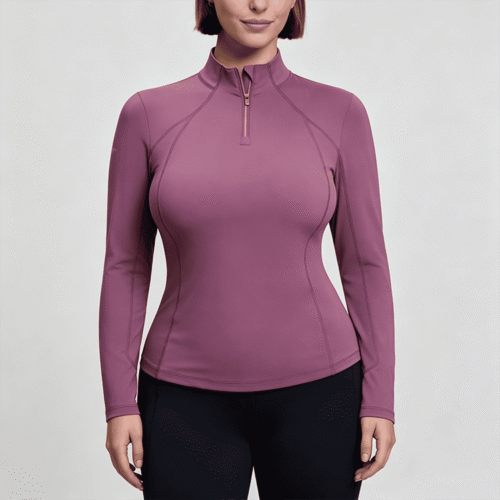
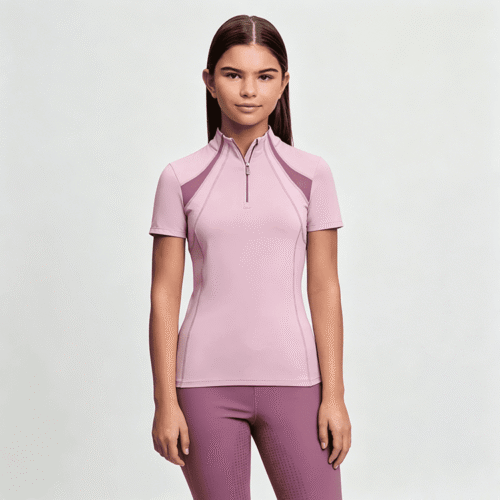
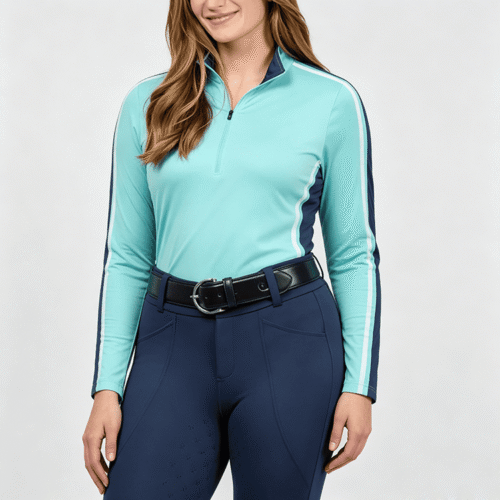
Custom Women’s Quarter Zip Equestrian Base Layer Long Sleeve Riding Shirt OEM ODM
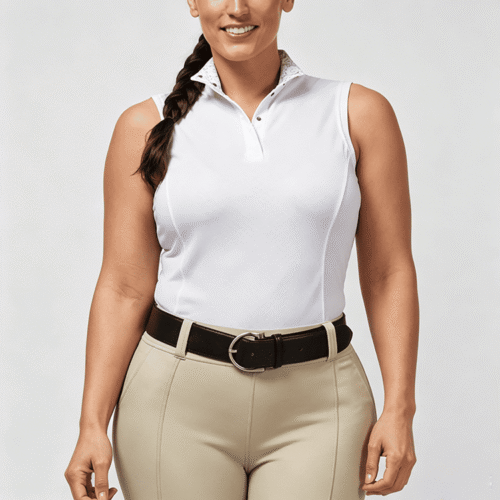
Custom Women’s Sleeveless Equestrian Competition Shirt OEM ODM
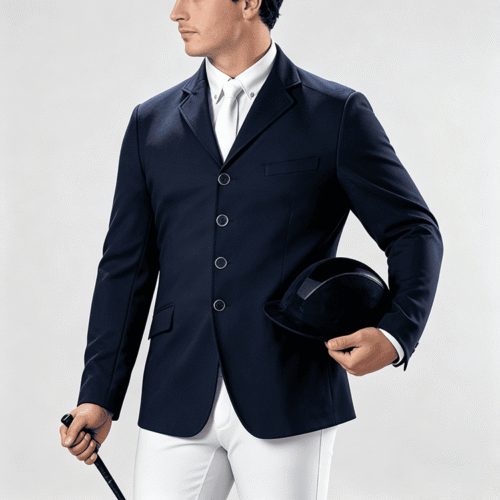
Custom Men’s Equestrian Show Jacket Competition Riding Coat OEM ODM
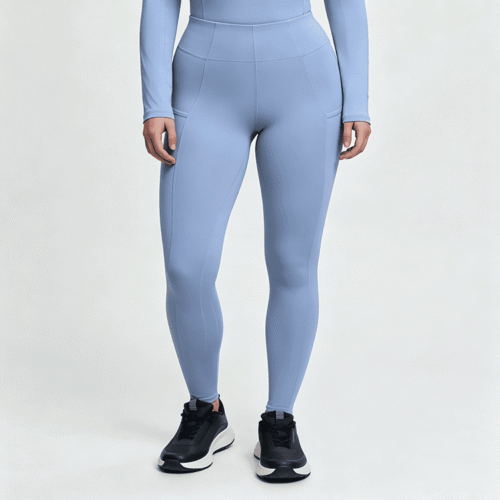
Custom Women’s Equestrian Riding Tights High Waist Performance Leggings OEM ODM
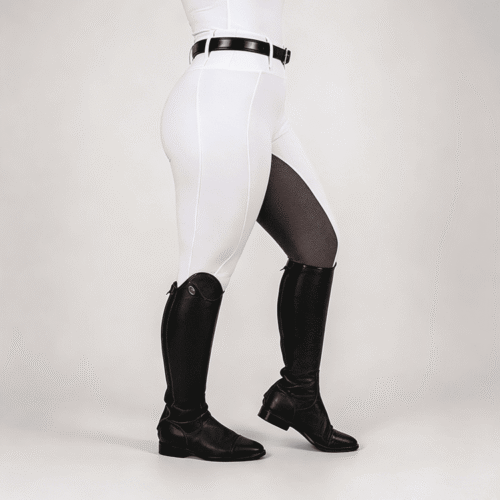
Custom Women’s Full Seat Equestrian Breeches Silicone Grip Riding Pants OEM ODM
Custom Girls Equestrian Base Layer Short Sleeve Riding Shirt OEM ODM
Custom Women’s Equestrian Base Layer Quarter Zip Riding Shirt OEM ODM
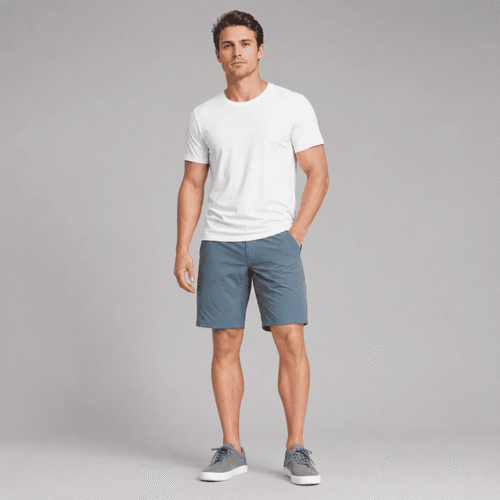
Custom Men’s Activewear Set Performance T-Shirt & Training Shorts OEM ODM
What Factors Should Brands Consider When Comparing Tennis Clothing Supplier Prices?
Tennis clothing supplier prices are influenced by multiple factors, including product positioning, material selection, order requirements, supplier experience, and market conditions. Global brands should evaluate the overall sourcing value instead of choosing a supplier only based on the lowest quotation. A reliable supplier should provide a reasonable balance between cost, quality consistency, communication efficiency, and long-term business value.
Why Is the Lowest Tennis Clothing Wholesale Price Not Always the Best Choice?
Price is always an important consideration when selecting a wholesale tennis clothes supplier. However, experienced buyers understand that the lowest initial quotation does not always create the lowest overall cost.
A supplier with extremely low pricing may reduce costs through:
- Lower-grade materials;
- Limited quality control;
- Less experienced production teams;
- Reduced communication support;
- Inconsistent product standards.
These factors may create additional expenses later, including:
- Product replacement;
- Customer complaints;
- Delayed launches;
- Lost sales opportunities.
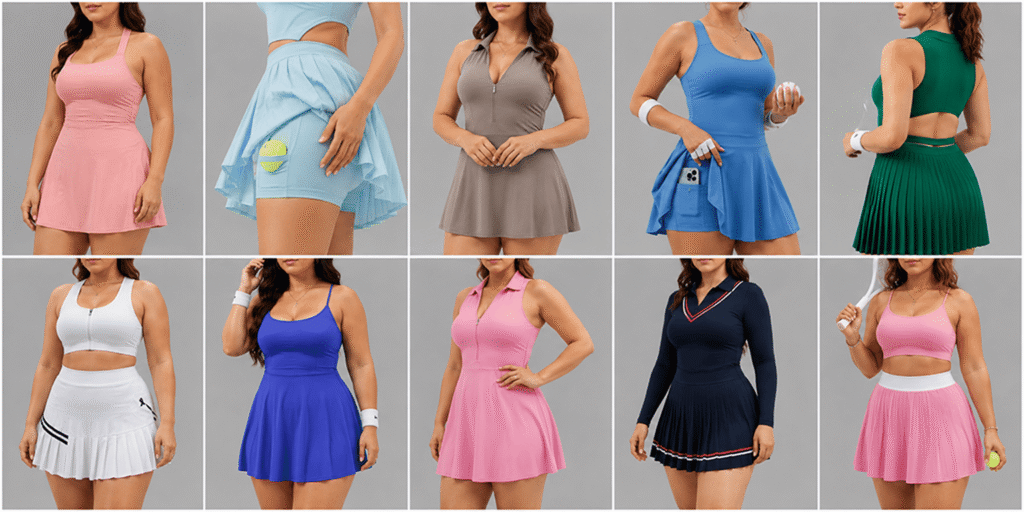
For tennis brands, the product experience is directly connected to customer expectations. A tennis skirt, polo shirt, dress, or training top must provide not only visual appeal but also comfort, movement flexibility, and reliable performance.
A professional sourcing decision should consider total business value, including:
| Cost Factor | Potential Impact |
|---|---|
| Unit price | Direct purchasing cost |
| Product consistency | Customer satisfaction |
| Communication efficiency | Project management cost |
| Supplier reliability | Business stability |
| Long-term cooperation | Future sourcing efficiency |
The most suitable supplier is usually not the cheapest option but the supplier that provides the best combination of quality, reliability, and business support.
Which Factors Influence Tennis Apparel Wholesale Pricing?
Wholesale tennis clothing prices can vary significantly because every product has different requirements. Buyers should understand the main factors that influence pricing before comparing quotations from different suppliers.
1. Product Materials
Fabric selection has a major impact on tennis apparel pricing.
Different materials provide different performance characteristics Brands researching sustainable material options can also refer to industry resources from Textile Exchange to better understand responsible textile development and material sourcing trends.
:
- Lightweight fabrics for mobility;
- Breathable materials for comfort;
- Stretch fabrics for movement;
- Sustainable materials for eco-conscious brands.
A premium tenniswear product may require higher-value materials because consumers increasingly expect both performance and comfort.
2. Product Complexity
Simple designs usually require fewer resources, while more complex products may involve additional development considerations.
Factors that can influence pricing include:
- Product structure;
- Design details;
- Functional requirements;
- Special finishing;
- Brand-specific requirements.
However, complexity should always be evaluated based on customer value rather than cost alone.
A unique design that strengthens brand positioning may create better market results than a cheaper but generic product.
3. Order Requirements
Order volume can influence supplier pricing because larger quantities often allow better resource utilization.
However, professional buyers should also consider supplier flexibility.
A supplier suitable for a large retail chain may not be the best option for a startup tennis brand testing its first collection.
The right supplier should match:
- Current order size;
- Future growth expectations;
- Product strategy.
How Can Brands Balance Price and Product Quality?
Successful tennis brands usually avoid two extremes:
Choosing only the cheapest supplier
or
Choosing the most expensive supplier without evaluating value
A better approach is to create a supplier evaluation framework.
Brands should compare:
| Evaluation Area | Key Question |
|---|---|
| Product Quality | Does the supplier meet market expectations? |
| Pricing | Is the quotation reasonable and transparent? |
| Reliability | Can the supplier support long-term cooperation? |
| Communication | Can problems be solved efficiently? |
| Business Fit | Does the supplier match the brand stage? |
For growing brands, supplier selection should be viewed as an investment decision.
A reliable partner can help reduce sourcing uncertainty and create a more stable foundation for future collections.
How Should Brands Match Tenniswear Suppliers With Their Business Stage?
Different tennis brands require different types of suppliers. A startup brand may need flexibility and lower sourcing risks, while an established retailer may prioritize consistency, capacity, and long-term supply stability. The best wholesale tennis clothes supplier is the one that matches the brand’s current stage, business goals, and future development plans.
Best Supplier Type for Startup Tennis Brands
Startup tennis brands usually face several challenges:
- Limited market experience;
- Uncertain customer demand;
- Small initial purchasing volumes;
- Need for product testing.
For these companies, the ideal supplier is usually one that provides flexibility rather than only large-scale production capability.
Important supplier qualities include:
Flexible Cooperation
Startups often need to test products before making larger investments. A supplier that understands early-stage brands can help reduce unnecessary inventory risks.
Strong Communication
New brands may need more discussion about:
- Product positioning;
- Market expectations;
- Design decisions;
- Product adjustments.
Clear communication can prevent costly mistakes.
Market Understanding
A supplier with sportswear knowledge can provide valuable practical suggestions based on product experience.
However, startups should also avoid choosing suppliers only because they accept smaller orders.
A small order capability does not automatically mean suitable cooperation.
The supplier should also demonstrate:
- Reliability;
- Quality awareness;
- Professional communication.
Best Supplier Type for Growing Tennis Brands
Growing tennis brands usually move beyond testing products and begin focusing on:
- Expanding collections;
- Improving product consistency;
- Increasing repeat purchases;
- Building stronger customer recognition.
At this stage, supplier selection becomes more strategic. Growing brands often need a reliable tenniswear manufacturing partner that can support consistent product quality, future collection planning, and long-term business development.
Important factors include:
Stable Supply Capability
Growing brands need suppliers who can support increasing demand without major changes in product standards.
Product Development Understanding
As collections expand, brands often need more variety:
- Different tennis styles;
- Seasonal collections;
- New customer segments.
A supplier with broader category understanding can become more valuable.
Long-Term Cooperation Mindset
Growth-stage brands benefit from suppliers who understand that cooperation is not only about individual orders but also future planning.
Best Supplier Type for Established Tennis Retailers
Established tennis retailers usually have more mature purchasing systems and clearer requirements.
Their priorities are often:
- Consistent quality;
- Stable supply;
- Predictable cooperation;
- Efficient communication.
For these buyers, supplier evaluation should focus on:
| Priority | Reason |
|---|---|
| Reliability | Protects market reputation |
| Consistency | Maintains customer experience |
| Supply stability | Supports ongoing sales |
| Compliance | Meets retail requirements |
| Professional communication | Improves efficiency |
Large buyers should not only evaluate whether a supplier can complete one successful order.
They should consider:
Can this supplier support the brand’s next three years of growth?
Why Long-Term Supplier Matching Matters for Tennis Brands
The relationship between a brand and supplier often develops over time.
A supplier that fits a startup may not be the best choice when the brand becomes larger.
Likewise, a supplier designed for large retailers may not provide the flexibility required by a new brand.
The most successful sourcing strategies usually involve selecting suppliers based on:
- Current business needs;
- Future growth plans;
- Product positioning;
- Market expectations.
Choosing the right supplier is not only about making a purchasing decision. It is an important strategic choice that can directly affect product quality, customer satisfaction, and long-term brand development.
What Questions Should Buyers Ask Before Choosing a Wholesale Tennis Clothes Supplier?
Before selecting a wholesale tennis clothes supplier, global buyers should ask detailed questions about supplier background, product capability, communication process, and long-term cooperation potential. The right questions help brands identify reliable partners, avoid sourcing risks, and choose suppliers that match their business goals rather than simply selecting the lowest quotation.
Questions About Supplier Background
Understanding a supplier’s background is the first step in evaluating whether they are suitable for your tenniswear business.
Many sourcing problems happen because buyers move too quickly from quotation comparison to ordering without understanding the supplier’s actual capabilities.
Before cooperation, buyers should consider asking:
1. How long has the supplier been operating?
A supplier’s business history can provide insight into stability and market experience.
However, years in business should not be the only measurement.
A more important question is:
Does the supplier’s experience match my product category and market needs?
2. What markets does the supplier mainly serve?
International experience can be valuable because suppliers familiar with overseas buyers often understand:
- Communication expectations;
- Product documentation requirements;
- Quality expectations;
- Delivery coordination.
A supplier serving global brands may have different operational standards compared with a supplier focused only on local markets.
3. Does the supplier specialize in tenniswear or general apparel?
Tennis clothing has unique market requirements.
Buyers should understand whether a supplier has experience with:
- Tennis apparel;
- Performance sportswear;
- Athletic lifestyle products;
- Related activewear categories.
A supplier specializing in sportswear may understand consumer expectations better than a general clothing supplier.
Questions About Product Capability
Supplier evaluation should focus on whether the partner understands your product vision.
Important questions include:
1. Can the supplier support different tenniswear product categories?
Global brands often develop collections rather than single products.
A suitable supplier should understand different tennis apparel categories, such as:
- Tennis dresses;
- Tennis skirts;
- Polo shirts;
- Training tops;
- Sports sets;
- Court-inspired lifestyle products.
2. Does the supplier understand different market segments?
The tenniswear market includes different customer groups:
- Professional players;
- Amateur tennis communities;
- Lifestyle consumers;
- Fashion-focused sports customers.
A supplier that understands these differences can better support brand positioning.
3. Can the supplier maintain consistent product standards?
For brands, consistency is critical.
Customers expect:
- Same product experience;
- Reliable sizing;
- Stable quality;
- Consistent appearance.
A supplier should have clear quality management practices to support repeat purchasing.
Questions About Cooperation Reliability
A supplier relationship is not only about the first order.
Long-term cooperation depends on communication, transparency, and problem-solving ability.
Buyers should ask:
1. How does the supplier handle communication?
Good communication helps reduce:
- Misunderstandings;
- Delays;
- Incorrect expectations.
Important factors include:
- Response speed;
- Professional explanations;
- Clear information sharing.
2. How does the supplier handle unexpected problems?
Every supply chain may face challenges.
Professional suppliers should have the ability to:
- Identify problems quickly;
- Communicate solutions;
- Reduce business impact.
The difference between an average supplier and a strong partner often appears when unexpected situations happen.
3. Can the supplier support long-term brand development?
A supplier should not only meet today’s order requirements.
Brands should consider:
- Future product expansion;
- Market growth;
- Increasing order needs;
- New customer segments.
The right partner grows together with the brand.
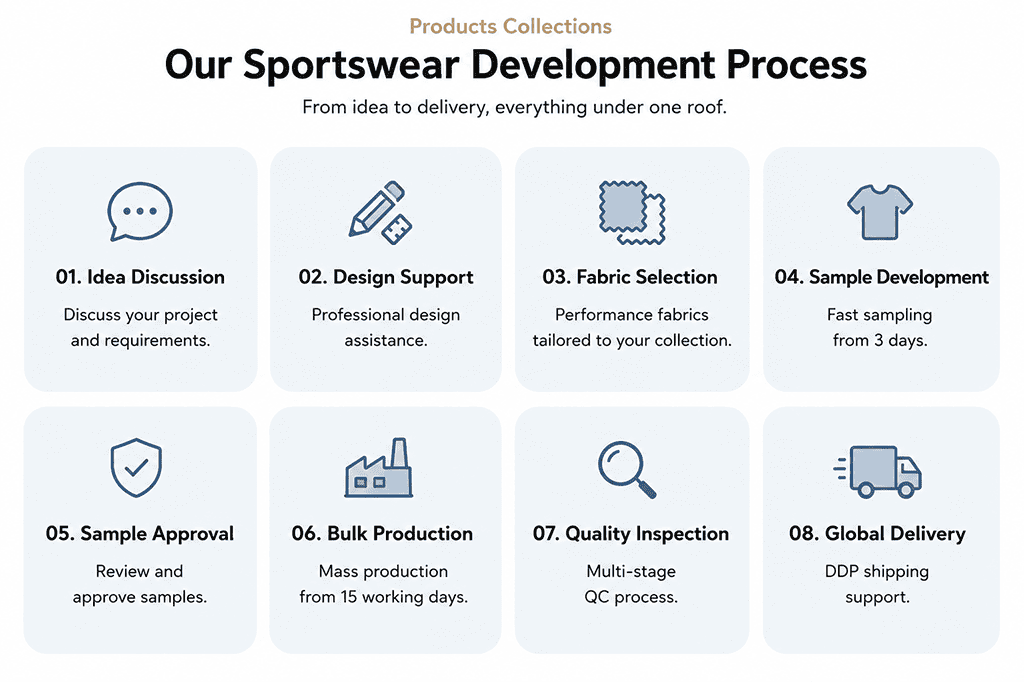
1. Product Development
Regular monthly product development ensures consistent updates to your brand line.
2. Fabric Sourcing
Regular monthly product development ensures consistent updates to your brand line.
3. Sample Making
Regular monthly product development ensures consistent updates to your brand line.
4. Bulk Production
Regular monthly product development ensures consistent updates to your brand line.
5. Packaging & Delivery
Regular monthly product development ensures consistent updates to your brand line.
Complete OEM & ODM Sportswear Solutions
We provide complete custom sportswear manufacturing services from concept development and fabric sourcing to bulk production and worldwide delivery.
- OEM & ODM Product Development
- Functional Fabric Sourcing & Material Selection
- Pattern Making & Sample Development
- Private Label Branding & Custom Packaging
- Quality-Controlled Bulk Manufacturing
- Global DDP Shipping & Delivery Support
Final Wholesale Tennis Clothes Supplier Evaluation Checklist
A reliable wholesale tennis clothes supplier should meet multiple evaluation standards, including category experience, business stability, communication quality, compliance awareness, and suitability for your brand stage. Using a structured checklist helps buyers compare suppliers objectively and make better sourcing decisions.
15-Point Tenniswear Supplier Evaluation Checklist
| Evaluation Point | Key Question |
|---|---|
| 1. Industry Experience | Does the supplier understand tenniswear and sports apparel markets? |
| 2. Business History | Has the supplier demonstrated long-term operational stability? |
| 3. Product Knowledge | Can the supplier understand tennis product requirements? |
| 4. Market Experience | Has the supplier worked with international buyers? |
| 5. Supplier Transparency | Is company information clear and verifiable? |
| 6. Quality Awareness | Does the supplier have effective quality management practices? |
| 7. Compliance Standards | Can the supplier provide relevant certifications? |
| 8. Communication Efficiency | Are questions answered clearly and professionally? |
| 9. Product Consistency | Can the supplier maintain stable product standards? |
| 10. Business Compatibility | Does the supplier fit your brand stage? |
| 11. Pricing Transparency | Are quotations clear and reasonable? |
| 12. Cooperation Flexibility | Can the supplier adapt to different buyer requirements? |
| 13. Long-Term Thinking | Is the supplier interested in ongoing partnerships? |
| 14. Problem-Solving Ability | Can the supplier handle challenges professionally? |
| 15. Partnership Potential | Can the supplier support future brand growth? |
How Global Brands Should Make the Final Supplier Decision
After comparing different wholesale tennis clothes suppliers, buyers should avoid making decisions based on one single factor.
A strong supplier evaluation combines:
Product Fit
Does the supplier understand your tenniswear category and target customers?
Business Fit
Does the supplier match your current purchasing stage?
A startup, growing brand, and established retailer may require different supplier characteristics.
Risk Control
Can the supplier reduce potential problems related to:
- Quality;
- Communication;
- Supply stability;
- Business continuity?
Long-Term Value
Can the supplier become a reliable business partner rather than only a short-term purchasing option?
Final Thoughts: Choosing the Right Wholesale Tennis Clothes Supplier for Long-Term Growth
The best wholesale tennis clothes supplier is not necessarily the largest company or the lowest-cost option. Global brands achieve better sourcing results by choosing partners that match their product expectations, business stage, and future development goals. A careful supplier evaluation process helps reduce risks and creates a stronger foundation for long-term tenniswear success.
The global tennis apparel market continues to evolve. Consumers now expect products that combine performance, comfort, design, and brand identity.
For businesses entering or expanding within this market, supplier selection becomes a strategic decision.
A suitable supplier should help brands achieve:
- More stable product quality;
- Better market response;
- Stronger customer satisfaction;
- More efficient sourcing management.
The sourcing journey should begin with the right questions:
Not:
“Who offers the cheapest price?”
But:
“Who can become the right long-term partner for my tenniswear business?”
A thoughtful supplier selection process allows brands to build stronger collections, reduce operational risks, and create sustainable growth in an increasingly competitive tennis apparel market.
Frequently Asked Questions About Wholesale Tennis Clothes Suppliers
FAQ 1
What Should Global Brands Consider When Choosing Wholesale Tennis Clothes Suppliers?
Global brands should evaluate wholesale tennis clothes suppliers based on product experience, supplier reliability, quality standards, communication ability, pricing transparency, and long-term cooperation potential. The right supplier should match the brand’s market positioning, customer expectations, and future growth plans rather than simply offering the lowest price.
When selecting a tenniswear supplier, buyers should review:
- Industry experience;
- Sportswear specialization;
- International market experience;
- Quality management practices;
- Business compatibility.
A reliable supplier should help reduce sourcing risks and provide stable support as the brand grows.
FAQ 2
Which Country Is Best for Wholesale Tennis Clothing Suppliers?
China is one of the most popular sourcing destinations for wholesale tennis clothing because of its mature sportswear supply chain, wide material resources, experienced apparel ecosystem, and ability to support different buyer requirements. However, the best sourcing location depends on product needs, budget, quality expectations, and long-term business goals.
Brands should compare different regions based on:
- Supply chain efficiency;
- Product capability;
- Communication convenience;
- Cost structure;
- Business requirements.
FAQ 3
How Do I Find Reliable Tenniswear Suppliers in China?
Finding reliable tenniswear suppliers in China requires evaluating supplier background, product specialization, business history, quality standards, communication efficiency, and customer suitability before cooperation. A professional evaluation process helps brands avoid unreliable partners and build stronger sourcing relationships.
Buyers should:
- Verify supplier information;
- Review relevant experience;
- Check certifications;
- Evaluate communication;
- Compare supplier suitability.
FAQ 4
What Is the Difference Between a Tennis Clothing Supplier and a Manufacturer?
A tennis clothing supplier usually focuses on providing apparel sourcing options, while a manufacturer is more directly involved in product production and development. The best choice depends on whether a brand needs ready products, greater product control, or a long-term sourcing partnership.
Wholesale suppliers may suit:
- Retailers;
- Distributors;
- Businesses testing markets.
Manufacturers may suit:
- Brands developing unique collections;
- Companies requiring closer production cooperation.
FAQ 5
How Can Buyers Compare Different Tennis Clothing Suppliers?
Buyers can compare tennis clothing suppliers by evaluating product specialization, business experience, quality standards, communication efficiency, pricing structure, and suitability for their business stage. A supplier comparison should focus on overall value rather than only quotation differences.
Important comparison factors include:
| Evaluation Factor | Why It Matters |
|---|---|
| Experience | Shows market knowledge |
| Quality system | Reduces product risks |
| Communication | Improves cooperation efficiency |
| Reliability | Supports long-term planning |
| Business fit | Matches brand requirements |
FAQ 6
What Factors Affect Wholesale Tennis Clothing Prices?
Wholesale tennis clothing prices are influenced by materials, product design, order requirements, supplier positioning, and market expectations. Brands should evaluate total sourcing value instead of selecting suppliers only based on the lowest price.
Important pricing factors include:
- Fabric performance;
- Product complexity;
- Order quantity;
- Quality expectations;
- Supplier experience.
A lower price does not always mean lower total cost if quality problems or delays occur.
FAQ 7
Are Chinese Tennis Clothing Suppliers Suitable for Startup Brands?
Many Chinese tennis clothing suppliers can be suitable for startup brands because they often provide flexible sourcing options, diverse product experience, and access to mature apparel supply chains. However, startups should choose suppliers based on communication, reliability, and business compatibility rather than size alone.
Startup brands should prioritize:
- Flexible cooperation;
- Clear communication;
- Product understanding;
- Long-term support.
FAQ 8
What Questions Should Buyers Ask Before Selecting a Tenniswear Supplier?
Before choosing a tenniswear supplier, buyers should ask questions about supplier experience, product capability, quality standards, communication process, and long-term cooperation potential. Asking the right questions helps brands identify suitable partners and avoid sourcing risks.
Key questions include:
- How long has the supplier operated?
- Do they have tenniswear experience?
- What markets do they serve?
- How do they maintain quality standards?
- Can they support long-term cooperation?