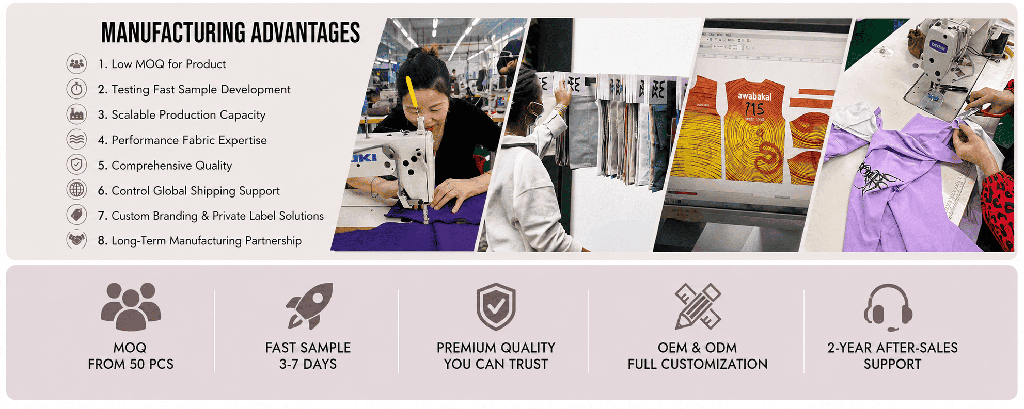
OEM/ODM Sportswear Manufacturer | 3-Day Sampling | Low MOQ | 50K Monthly Capacity | ISO9001 & BSCI Certified

Best Chinese Equestrian Apparel Suppliers Compared: Wholesale Factory Rankings and Buying Guide for Global Brands
Finding reliable Chinese equestrian apparel suppliers is one of the most important decisions for brands, retailers, riding clubs, and distributors looking to build high-quality equestrian collections. This guide compares leading suppliers in China based on manufacturing capabilities, product range, customization options, quality standards, and international service support to help buyers identify the right long-term partner.
Top 10 Chinese Equestrian Apparel Suppliers at a Glance
| Supplier | Headquarters | Founded | Typical MOQ | Lead Time | Best For |
|---|---|---|---|---|---|
| Pair Fashion | Dongguan | 2016 | 50 pcs | 15–25 days | Startup brands, private label, technical equestrian apparel |
| Zest Equestrian | Guangzhou | 2014 | 100 pcs | 20–35 days | Specialized equestrian brands |
| Aika Sportswear | Dongguan | 2008 | 100 pcs | 20–30 days | Activewear brands expanding into riding apparel |
| Hucai Sportswear | Guangzhou | 2012 | 100–200 pcs | 20–35 days | Riding clubs and wholesalers |
| Ingor Sportswear | Guangzhou | 2009 | 100 pcs | 20–30 days | Sustainable women’s apparel brands |
| SP Sportswear | Xiamen | 2004 | 150 pcs | 25–35 days | Technical riding outerwear |
| Hangzhou Garment Factory | Hangzhou | 1998 | 300 pcs | 30–45 days | Traditional uniform programs |
| Dongguan Xinli Sportswear | Dongguan | 2011 | 100 pcs | 20–30 days | Children’s riding apparel |
| Lead Apparel | Shenzhen | 2013 | 100 pcs | 20–35 days | Emerging online brands |
| Unijoy Sportswear | Dongguan | 2006 | 150 pcs | 25–35 days | Stable repeat wholesale production |
Supplier Positioning Comparison
| Buyer Type | Recommended Supplier |
|---|---|
| Startup Equestrian Brand | Pair Fashion |
| Small Private Label Business | Pair Fashion / Lead Apparel |
| Premium Riding Apparel Brand | Pair Fashion / Zest Equestrian |
| Sustainable Riding Collection | Ingor Sportswear |
| Riding Club & Teamwear | Hucai Sportswear |
| Children’s Riding Apparel | Dongguan Xinli Sportswear |
| Outdoor Riding Apparel | SP Sportswear |
| Large Traditional Distributor | Hangzhou Garment Factory |
| Cross-category Sportswear Brand | Aika Sportswear |
| Stable Repeat Orders | Unijoy Sportswear |
Key Takeaways from the Top 10 Comparison
Among the leading Chinese equestrian apparel suppliers featured in this comparison, each company offers different strengths in product development, manufacturing capacity, customization services, and international market experience.
Several important patterns emerge from the comparison:
- Pair Fashion offers one of the most balanced solutions for brands seeking technical product development, flexible minimum order quantities, and a broad equestrian product portfolio while also supporting adjacent categories such as activewear and inclusive sportswear.
- Suppliers such as Zest Equestrian focus more narrowly on equestrian products, making them attractive for buyers sourcing only riding apparel.
- Companies like Aika Sportswear and Ingor Sportswear are stronger choices for businesses combining equestrian apparel with broader activewear collections.
- Traditional manufacturers with larger production systems often require higher MOQs but may provide greater efficiency for established wholesale programs.
Rather than selecting a supplier solely because it appears at the top of a ranking, experienced buyers usually evaluate several manufacturers, compare sample quality, review communication efficiency, verify certifications, and assess long-term partnership potential before making a final decision.
For most global brands, the objective should not be finding the “largest” factory—it should be finding the supplier whose capabilities, production model, and business philosophy align most closely with the brand’s own growth strategy.
Which Chinese Equestrian Apparel Supplier Is Best for Different Types of Buyers?
Choosing the right Chinese equestrian apparel supplier is not about identifying a universally “best” company. It is about finding the supplier whose expertise, production model, communication style, and commercial flexibility align with your business objectives. A manufacturer that performs exceptionally well for a multinational retailer may not be the right partner for a startup launching its first riding apparel collection.
Rather than beginning your supplier search with price comparisons, start by identifying your own business model. Your order volume, product complexity, expected growth rate, and customer positioning should determine the type of supplier you shortlist. The following buyer profiles illustrate which suppliers are generally better suited to different sourcing scenarios.
Startup Equestrian Brands
New equestrian brands typically face three common challenges:
- Limited purchasing budget
- Small initial order quantities
- Limited product development experience
Instead of working with suppliers requiring large production runs, startups benefit more from manufacturers that provide flexible MOQs, technical guidance, and efficient sampling.
What Matters Most
- Low minimum order quantity
- Product development assistance
- Fast sample turnaround
- Clear communication
- Flexible order management
- Scalable production
Recommended Suppliers
| Supplier | Why It Fits |
|---|---|
| Pair Fashion | Flexible MOQ, technical development support, broad riding apparel expertise |
| Lead Apparel | Suitable for small wholesale collections |
| Dongguan Xinli Sportswear | Flexible production for children’s and boutique collections |
Buyer Advice
Many startup founders underestimate the importance of development support. A supplier capable of improving patterns, recommending performance fabrics, and identifying production risks early can save considerable time and expense during product launch.
Direct-to-Consumer (DTC) Brands
DTC brands compete through innovation, customer experience, and rapid product updates. They typically release multiple collections throughout the year and require suppliers capable of supporting frequent product iterations.
Key Priorities
- Consistent quality
- Product innovation
- Reliable repeat production
- Stable lead times
- Premium presentation
- Brand customization
Recommended Suppliers
- Pair Fashion
- Ingor Sportswear
- Aika Sportswear
These suppliers generally offer stronger product development capabilities than factories focused solely on volume manufacturing.
Buyer Advice
Fast product development often creates a stronger competitive advantage than simply reducing production costs. Brands that introduce new riding collections more frequently tend to build stronger customer engagement and repeat purchases.
Amazon and Marketplace Sellers
Marketplace sellers operate under a different set of priorities. Success depends on inventory turnover, customer reviews, stable quality, and predictable replenishment.
Purchasing Priorities
- Competitive pricing
- Stable quality consistency
- Reliable delivery schedules
- Simple product range
- Repeat order efficiency
Recommended Suppliers
- Unijoy Sportswear
- Hucai Sportswear
- Lead Apparel
Buyer Advice
Marketplace sellers should prioritize production consistency over aggressive cost reduction. Negative product reviews caused by inconsistent sizing or quality often create greater financial losses than modest increases in manufacturing cost.
Boutique Equestrian Retailers
Independent retailers frequently differentiate themselves through carefully curated product selections rather than large inventories.
Purchasing Priorities
- Premium product quality
- Fashion-forward collections
- Lower inventory risk
- Seasonal flexibility
- Reliable communication
Recommended Suppliers
- Pair Fashion
- Zest Equestrian
- Ingor Sportswear
Buyer Advice
Boutique retailers often benefit from suppliers capable of producing smaller, more distinctive collections rather than standardized high-volume products.
Riding Clubs and Equestrian Schools
Organizations purchasing uniforms or training apparel typically emphasize durability and delivery reliability over seasonal fashion.
Purchasing Priorities
- Stable sizing
- Long product life
- Consistent repeat orders
- Team customization
- Predictable lead times
Recommended Suppliers
- Hucai Sportswear
- Unijoy Sportswear
- Hangzhou Garment Factory
Buyer Advice
Uniform programs generally remain in use for several years. Suppliers with strong production consistency often outperform manufacturers emphasizing rapid trend-driven product development.
Premium Performance Riding Brands
Brands positioned in the premium segment usually require advanced technical expertise rather than simply efficient production.
Typical products include:
- Competition Breeches
- Compression Base Layers
- High-Stretch Riding Tights
- Silicone Grip Breeches
- Technical Riding Jackets
Purchasing Priorities
- Functional fabric knowledge
- Advanced pattern engineering
- Premium finishing
- Strict quality standards
- Long-term product development
Recommended Suppliers
| Supplier | Technical Capability |
|---|---|
| Pair Fashion | Excellent |
| Zest Equestrian | Very Good |
| SP Sportswear | Strong in outerwear |
Buyer Advice
Premium brands should evaluate suppliers based on their ability to solve technical garment challenges rather than their ability to offer the lowest quotation. Superior fabric recommendations, ergonomic pattern development, and consistent construction quality often create greater long-term value than small cost savings.
Buyer Decision Matrix
The following matrix provides a simplified overview to help buyers identify suppliers that best match their sourcing priorities.
| Buyer Profile | Recommended Supplier |
|---|---|
| Startup Brand | Pair Fashion |
| DTC Brand | Pair Fashion / Ingor Sportswear |
| Amazon Seller | Unijoy Sportswear |
| Boutique Retailer | Pair Fashion / Zest Equestrian |
| Riding Club | Hucai Sportswear |
| Premium Competition Brand | Pair Fashion |
| Children’s Riding Brand | Dongguan Xinli Sportswear |
| Outdoor Riding Specialist | SP Sportswear |
| Large Distributor | Hangzhou Garment Factory |
| Multi-category Sportswear Brand | Aika Sportswear |
Choosing the Right Supplier Is About Long-Term Compatibility
Many buyers spend weeks comparing quotations while overlooking factors that have a far greater impact on long-term business performance. A supplier should not be evaluated solely by price, factory size, or the number of years in operation. More important considerations include communication efficiency, technical expertise, quality consistency, production flexibility, and the ability to support your brand as it grows.
The most successful sourcing partnerships are built on shared expectations rather than short-term transactions. As your business evolves, the right supplier should be capable of supporting larger production volumes, expanding product categories, improving technical performance, and adapting to changing market demands. Selecting a partner with that long-term mindset often delivers significantly greater value than choosing the lowest-cost option available.
Why Are More Global Equestrian Brands Moving Their Supply Chain to China?
China has become one of the world’s most influential production hubs for equestrian apparel, not simply because manufacturing costs remain competitive, but because the country has built a complete industrial ecosystem capable of supporting product development, technical innovation, large-scale production, and global distribution. While other manufacturing regions may compete on labor costs or niche expertise, few offer the same combination of supplier density, material availability, engineering capability, and production flexibility.
For global equestrian brands, moving production to China is increasingly a strategic decision rather than a cost-saving exercise. The objective is to shorten development cycles, improve product consistency, gain access to advanced performance materials, and establish resilient long-term supply chains capable of supporting future growth.
China Has Built One of the World’s Most Complete Sportswear Manufacturing Ecosystems
Unlike countries where garment factories depend heavily on imported materials or outsourced production processes, China’s sportswear industry operates within an integrated manufacturing network.
Within a relatively small geographic region, buyers can access:
- Performance fabric mills
- Stretch knitting factories
- Silicone grip printing specialists
- Embroidery suppliers
- Heat transfer manufacturers
- Zipper and trim suppliers
- Packaging companies
- Independent testing laboratories
- International logistics providers
This industrial concentration creates significant advantages.
Instead of coordinating suppliers across several countries, brands can complete the majority of product development within a single manufacturing ecosystem.
Benefits include:
- Faster product development
- Lower communication costs
- Better quality consistency
- Reduced transportation delays
- More efficient problem solving
For technical equestrian garments requiring multiple specialized components, this level of supply chain integration is particularly valuable.
Technical Apparel Requires Technical Manufacturing
Modern riding apparel differs substantially from traditional apparel manufacturing.
Today’s riders expect garments that combine:
- Four-way stretch
- Compression support
- Moisture management
- Breathability
- Abrasion resistance
- Shape retention
- Silicone grip technologies
- Ergonomic panel construction
These performance characteristics require specialized production knowledge rather than conventional garment assembly.
Chinese suppliers serving the performance sportswear industry have accumulated years of experience working with advanced materials such as:
- Nylon-Spandex performance fabrics
- Recycled performance fibers
- Warp-knit stretch fabrics
- Bonded construction
- Laser-cut components
- Seamless knitting technologies
- High-density silicone printing
Because many equestrian garments share construction principles with premium activewear, manufacturers experienced in both categories are often better positioned to deliver technically demanding riding apparel.
Product Development Speed Has Become a Competitive Advantage
Consumer expectations continue to evolve rapidly.
Brands introducing fresh collections every season often outperform competitors relying on long product development cycles.
Chinese suppliers generally offer faster development timelines because design, sampling, material sourcing, and production planning occur within the same manufacturing ecosystem.
A typical development process may include:
| Development Stage | Typical Time |
|---|---|
| Design Review | 1–3 days |
| Fabric Recommendation | 2–5 days |
| Pattern Development | 3–7 days |
| Prototype Sample | 5–10 days |
| Sample Revision | 5–7 days |
| Production Preparation | 7–10 days |
While timelines vary by supplier and product complexity, integrated development processes often reduce overall lead time compared with sourcing models involving multiple independent vendors.
Functional Fabric Innovation Continues to Expand
Performance fabrics have become one of the primary differentiators in premium equestrian apparel.
Today’s buyers increasingly evaluate garments based on functionality rather than appearance alone.
Examples include:
- Cooling technologies
- UV protection
- Moisture management
- Compression performance
- Anti-pilling finishes
- Antibacterial treatments
- Water repellency
- Sustainable recycled fibers
China’s textile industry continues to invest heavily in research and development, allowing many suppliers to access a broad range of certified technical fabrics suitable for demanding riding applications.
Rather than relying on a limited selection of standard materials, experienced suppliers can recommend fabrics that match specific riding disciplines, climates, and customer expectations.
China Offers Greater Manufacturing Flexibility Than Many Buyers Expect
A common misconception is that Chinese factories only accept extremely large production orders.
While this may have been true in certain sectors years ago, today’s market includes many suppliers supporting:
- Product validation runs
- Capsule collections
- Seasonal launches
- Boutique retailers
- Startup brands
- Multi-style mixed orders
This flexibility allows brands to reduce inventory risk while testing new products before committing to larger production volumes.
For companies launching new riding collections, this production model supports faster market feedback and more efficient inventory management.
Export Experience Reduces International Business Risk
Manufacturing capability alone is not enough for successful international sourcing.
Suppliers serving overseas brands must also understand:
- Export documentation
- Product compliance
- International sizing standards
- Packaging specifications
- Retail labeling requirements
- Customs procedures
- Global shipping coordination
Chinese suppliers with extensive export experience have developed standardized workflows that simplify international purchasing.
For buyers, this often results in:
- Fewer documentation errors
- More predictable delivery schedules
- Better communication
- Faster customs clearance
- Reduced administrative workload
Although every supplier differs, international experience remains an important evaluation factor during supplier selection.
Continuous Investment Supports Long-Term Competitiveness
The Chinese apparel industry continues to evolve through investments in:
- Automated cutting systems
- Digital pattern engineering
- Intelligent production planning
- Quality management systems
- Sustainable manufacturing technologies
- Recycled textile development
These improvements help manufacturers increase efficiency while maintaining product consistency.
As labor-intensive manufacturing gradually shifts toward technology-assisted production, buyers increasingly benefit from improved precision, better repeatability, and more transparent production processes.
China Is No Longer Competing Only on Price
One of the biggest misconceptions in global sourcing is that China remains competitive only because of labor costs.
In reality, purchasing decisions are increasingly influenced by factors such as:
- Product engineering
- Technical expertise
- Material innovation
- Supply chain resilience
- Communication quality
- Development efficiency
- Long-term partnership potential
For many international equestrian brands, these advantages outweigh modest differences in manufacturing costs.
The ability to develop better products, respond quickly to market changes, and maintain consistent production quality often creates significantly greater commercial value than achieving the lowest possible unit price.
As a result, China continues to play a leading role in the global equestrian apparel supply chain—not simply as a manufacturing destination, but as a strategic sourcing partner supporting product innovation, operational efficiency, and sustainable business growth.
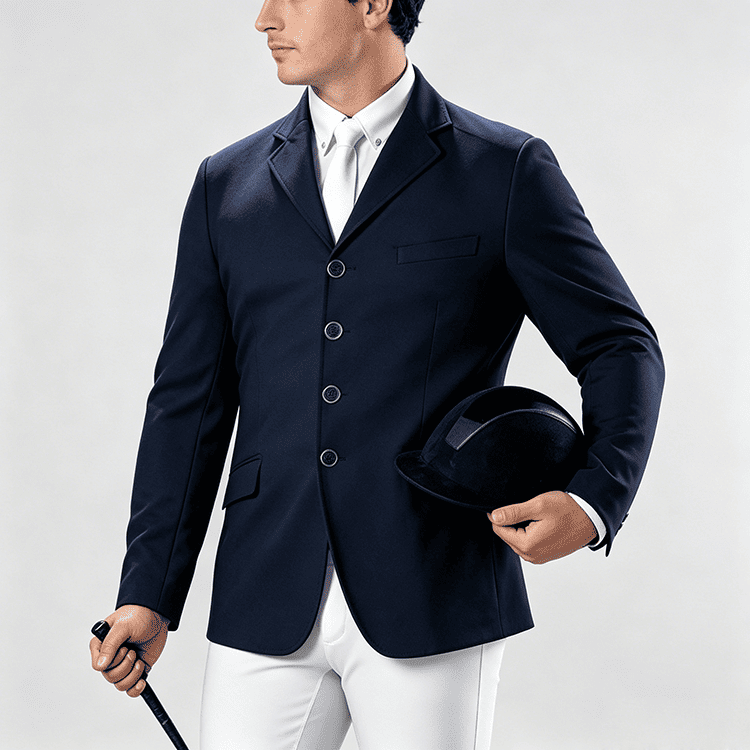
China vs Vietnam vs Pakistan vs Turkey: Which Country Offers the Best Value for Equestrian Apparel Sourcing?
Selecting the right manufacturing country is just as important as selecting the right supplier. Many buyers initially compare quotations between China, Vietnam, Pakistan, and Turkey, assuming that the country offering the lowest price automatically provides the best value. In reality, total sourcing value depends on far more than manufacturing cost. Product quality, technical expertise, material availability, communication efficiency, supply chain reliability, and long-term scalability all influence the success of an equestrian apparel program.
Each manufacturing region has developed different strengths over time. Understanding these differences helps buyers build sourcing strategies that align with their product positioning and commercial objectives instead of focusing only on unit cost.
China: Best Overall Balance of Quality, Innovation, and Supply Chain Efficiency
China remains the preferred sourcing destination for many international equestrian brands because it combines technical manufacturing expertise with one of the world’s most complete textile ecosystems.
Rather than relying on external suppliers for fabrics, trims, printing, embroidery, and testing, many Chinese manufacturers operate within highly integrated industrial clusters.
Advantages
- Complete functional fabric supply chain
- Advanced product development capability
- Strong expertise in performance sportswear
- Flexible MOQ options
- Excellent private label experience
- Wide variety of technical fabrics
- Reliable international logistics
- Mature quality management systems
Considerations
- Premium manufacturers may not offer the lowest quotations.
- Production schedules can become busy during peak export seasons, requiring earlier planning.
Best For
- Premium riding brands
- Private label collections
- Performance apparel
- Growing DTC brands
- Buyers seeking long-term manufacturing partners
Vietnam: Competitive Manufacturing for Large Standardized Programs
Vietnam has become an important garment manufacturing center, particularly for large international apparel brands.
Many factories operate highly efficient production lines suitable for standardized garments and long production runs.
Advantages
- Consistent manufacturing quality
- Competitive labor efficiency
- Strong compliance standards
- Good reputation among global apparel brands
Considerations
- Functional fabric sourcing often depends on imported materials.
- Product development flexibility may be more limited.
- Smaller trial orders can be difficult to accommodate.
Best For
- Established international brands
- Large seasonal production programs
- Buyers placing predictable repeat orders
Pakistan: Strong Value for Cotton-Based Apparel
Pakistan has built a strong reputation in cotton apparel manufacturing and textile production.
Its vertically integrated cotton industry provides advantages for products where natural fibers represent the primary material.
Advantages
- Competitive pricing
- Strong cotton textile industry
- Large production capacity
- Experienced export manufacturers
Considerations
Performance equestrian apparel increasingly relies on technical synthetic fabrics such as nylon-spandex blends, compression knits, and moisture-management textiles. Buyers focusing on advanced riding garments should carefully evaluate each supplier’s capability with these materials rather than assuming expertise based on general apparel experience.
Best For
- Cotton training apparel
- Entry-level riding apparel
- Price-sensitive wholesale programs
Turkey: Premium Manufacturing Close to Europe
Turkey offers geographic advantages for European buyers while maintaining a reputation for premium garment manufacturing.
Its proximity to European markets helps shorten transportation times for regional brands.
Advantages
- Shorter shipping distance to Europe
- High-quality garment construction
- Good fashion development capability
- Strong communication with European buyers
Considerations
- Higher production costs
- Generally higher MOQs for specialized products
- Longer lead times for certain imported technical materials
Best For
- European premium brands
- Luxury riding apparel
- Fashion-focused collections
Country Comparison Table
| Evaluation Factor | China | Vietnam | Pakistan | Turkey |
|---|---|---|---|---|
| Product Development | ⭐⭐⭐⭐⭐ | ⭐⭐⭐ | ⭐⭐ | ⭐⭐⭐⭐ |
| Functional Fabric Availability | ⭐⭐⭐⭐⭐ | ⭐⭐⭐ | ⭐⭐ | ⭐⭐⭐⭐ |
| Technical Riding Apparel | ⭐⭐⭐⭐⭐ | ⭐⭐⭐ | ⭐⭐ | ⭐⭐⭐⭐ |
| Manufacturing Flexibility | ⭐⭐⭐⭐⭐ | ⭐⭐⭐ | ⭐⭐⭐ | ⭐⭐⭐ |
| MOQ Flexibility | ⭐⭐⭐⭐⭐ | ⭐⭐ | ⭐⭐⭐ | ⭐⭐ |
| Innovation | ⭐⭐⭐⭐⭐ | ⭐⭐⭐ | ⭐⭐ | ⭐⭐⭐⭐ |
| Supply Chain Integration | ⭐⭐⭐⭐⭐ | ⭐⭐⭐ | ⭐⭐⭐ | ⭐⭐⭐ |
| Export Experience | ⭐⭐⭐⭐⭐ | ⭐⭐⭐⭐ | ⭐⭐⭐⭐ | ⭐⭐⭐⭐ |
| Cost Competitiveness | ⭐⭐⭐⭐ | ⭐⭐⭐⭐ | ⭐⭐⭐⭐⭐ | ⭐⭐ |
| Overall Value for Equestrian Brands | ⭐⭐⭐⭐⭐ | ⭐⭐⭐⭐ | ⭐⭐⭐ |
Why “Lowest Cost” Rarely Means “Best Value”
Many first-time buyers compare suppliers using a single metric: price per garment.
However, experienced sourcing professionals evaluate the total cost of ownership, which includes factors that are often overlooked during initial negotiations.
These include:
- Sample revision costs
- Product development efficiency
- Material consistency
- Defect rates
- Communication delays
- Shipping reliability
- Inventory risks
- Customer returns
- Lost sales caused by delayed launches
A supplier offering a quotation that is 8% lower may ultimately generate significantly higher costs if production quality is inconsistent or delivery schedules become unreliable.
Questions Every Buyer Should Ask Before Choosing a Manufacturing Country
Before selecting a sourcing destination, consider the following questions:
- Does this country have proven expertise in technical equestrian apparel, or is it primarily focused on general apparel production?
- Can suppliers access certified performance fabrics without long procurement delays?
- Is the manufacturing ecosystem capable of supporting product development as well as production?
- How flexible are suppliers when testing new collections or introducing seasonal products?
- Can the supplier continue supporting the business as order volumes increase?
- Are communication, compliance, and logistics reliable enough to support long-term international cooperation?
Answering these questions often provides a clearer picture of sourcing value than comparing quotations alone.
Final Perspective
There is no universal “best” manufacturing country for every equestrian apparel brand. The right choice depends on your market positioning, product complexity, expected order volume, and long-term sourcing strategy.
For brands focused on performance riding apparel, technical fabrics, product innovation, and scalable private label development, China continues to offer one of the strongest overall value propositions. Its combination of integrated supply chains, experienced technical manufacturers, flexible production models, and mature export infrastructure enables brands to move beyond cost-based sourcing and build more resilient, future-ready supply partnerships.
For buyers evaluating suppliers on a global scale, the most successful sourcing decisions are rarely driven by the lowest quotation—they are driven by the supplier ecosystem that can consistently support quality, innovation, and sustainable business growth over time.
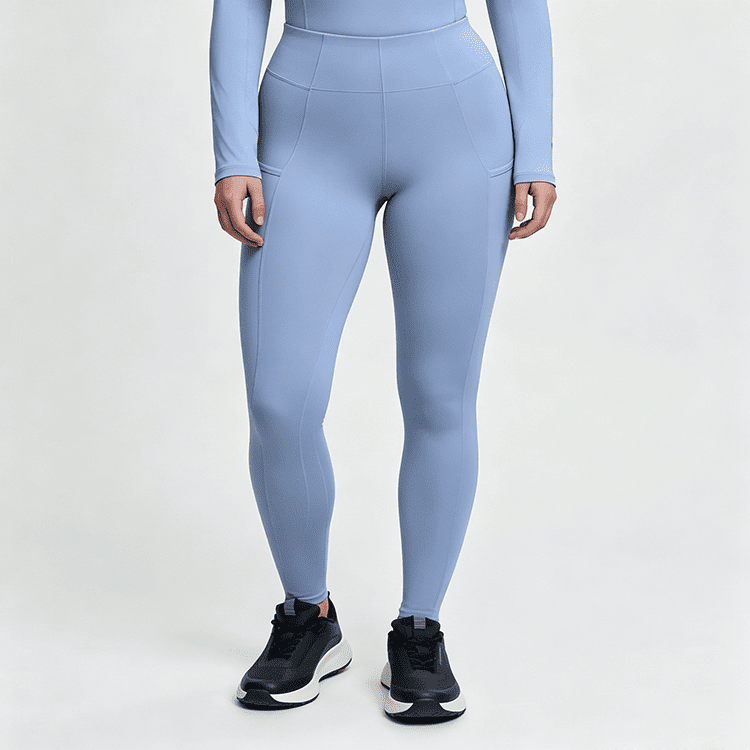
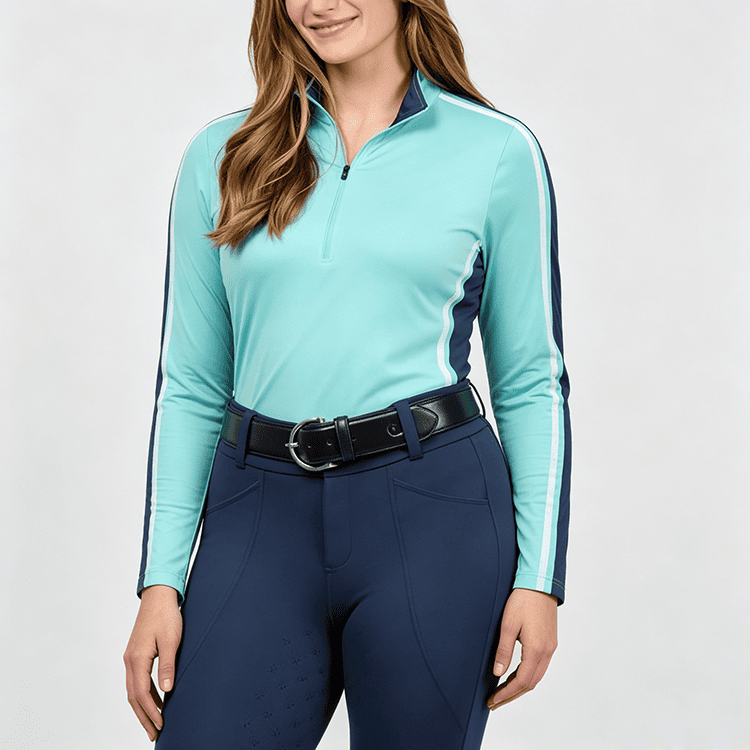
How Should Buyers Evaluate and Compare Equestrian Apparel Suppliers?
Choosing an equestrian apparel supplier is one of the most influential decisions a brand will make. The difference between a reliable supplier and an unsuitable one is rarely obvious during the quotation stage. Attractive pricing and professional presentations can create a positive first impression, but long-term sourcing success depends on a much broader evaluation process.
Experienced sourcing teams rarely approve a supplier after reviewing only a quotation. Instead, they compare manufacturers across multiple dimensions, including technical expertise, product consistency, communication quality, operational stability, and future scalability. The objective is not simply to identify the lowest-cost supplier, but to select a partner capable of supporting the brand’s growth over many years.
Build a Supplier Evaluation Framework Instead of Comparing Prices Alone
Many buyers create comparison spreadsheets based only on unit price, MOQ, and lead time. While these metrics are important, they represent only a small portion of the overall sourcing picture.
A structured evaluation framework provides a more balanced assessment by considering both commercial and operational performance.
Recommended Supplier Evaluation Criteria
| Evaluation Area | Why It Matters |
|---|---|
| Product Development | Determines how efficiently new products move from concept to production. |
| Pattern Engineering | Influences garment fit, rider comfort, and long-term customer satisfaction. |
| Performance Fabric Expertise | Essential for technical riding apparel requiring stretch, durability, and moisture management. |
| Quality Management | Reduces defects, returns, and inconsistent production. |
| Communication | Improves decision-making and minimizes costly misunderstandings. |
| Production Flexibility | Supports seasonal launches, mixed orders, and future expansion. |
| Compliance & Certifications | Demonstrates commitment to internationally recognized standards. |
| Financial Stability | Reduces supply chain disruption risks. |
| Export Experience | Improves documentation accuracy and international logistics efficiency. |
| Long-Term Partnership Potential | Indicates whether the supplier can continue supporting future business growth. |
Looking beyond pricing enables buyers to identify suppliers capable of delivering greater long-term value.
Evaluate Technical Product Development Capabilities
Equestrian apparel combines fashion, functionality, and athletic performance. Manufacturers therefore require more than basic garment production skills.
Suppliers should demonstrate competence in areas such as:
- Performance pattern development
- Rider-specific garment construction
- Silicone grip application
- Stretch panel engineering
- Ergonomic seam placement
- Fabric performance matching
- Functional trim selection
Rather than asking whether a supplier can reproduce an existing sample, buyers should ask how the supplier would improve the product.
Questions worth asking include:
- Can alternative fabrics improve durability?
- Can garment weight be reduced?
- Are there opportunities to simplify production without affecting performance?
- How can manufacturing costs be optimized while maintaining quality?
Suppliers capable of contributing technical recommendations often become valuable development partners rather than simple production contractors.
Assess Communication Before Assessing Production
Production challenges often arise not because factories lack technical capability, but because communication breaks down during product development.
Strong suppliers usually demonstrate the following characteristics:
- Clear written communication
- Fast response times
- Detailed technical feedback
- Transparent problem reporting
- Structured project management
- Consistent follow-up
Warning signs may include:
- Delayed replies
- Vague technical answers
- Frequent misunderstandings
- Incomplete quotations
- Unclear production timelines
Communication quality during the sampling stage often reflects communication quality throughout the entire business relationship.
Review Product Samples Objectively
Many buyers evaluate samples based primarily on appearance.
Professional sourcing teams evaluate much more.
Sample Evaluation Checklist
Fit
- Overall silhouette
- Rider mobility
- Waist stability
- Compression balance
Construction
- Stitch consistency
- Seam durability
- Panel alignment
- Reinforcement quality
Fabric Performance
- Stretch recovery
- Breathability
- Abrasion resistance
- Color consistency
- Shape retention
Finishing
- Silicone grip application
- Logo positioning
- Label attachment
- Packaging quality
Photographing samples, recording measurements, and documenting observations allows buyers to compare multiple suppliers objectively.
Verify Manufacturing Stability
Production capability extends beyond equipment and factory size.
Buyers should evaluate whether suppliers maintain consistent operational processes across different order sizes.
Topics worth discussing include:
- Production planning procedures
- Capacity management
- Peak-season scheduling
- Quality inspection workflow
- Material traceability
- Supplier management
- Corrective action systems
Stable manufacturing systems often produce more reliable results than factories relying heavily on individual experience.
Consider Supply Chain Depth
Equestrian garments frequently incorporate specialized materials and components.
Examples include:
- Silicone grip printing
- Functional elastic tapes
- Moisture-management fabrics
- Technical zippers
- Performance mesh panels
- Compression fabrics
- Reflective trims
Suppliers with strong upstream relationships can generally source these materials more efficiently and respond faster when specifications change.
A diversified supply chain also reduces the likelihood of production delays caused by material shortages.
Evaluate Scalability, Not Just Current Capacity
Many brands begin with relatively modest orders but expect significant growth over time.
Selecting a supplier capable of scaling alongside the business reduces future disruption.
Important questions include:
- Can production capacity increase without affecting quality?
- Can multiple product categories be manufactured?
- Can additional production lines be allocated during peak seasons?
- Can international distribution requirements be supported as the business expands?
Changing suppliers during periods of rapid growth often introduces unnecessary operational risk.
Supplier Evaluation Scorecard
The following scorecard can help buyers compare suppliers consistently.
| Evaluation Category | Weight |
|---|---|
| Product Development | 20% |
| Product Quality | 20% |
| Communication | 15% |
| Technical Expertise | 15% |
| Supply Chain Stability | 10% |
| Production Flexibility | 10% |
| Compliance & Certifications | 5% |
| Long-Term Partnership Potential | 5% |
Rather than assigning equal importance to every factor, buyers should adjust weightings according to their own business priorities.
For example:
- Startups may prioritize flexibility and development support.
- Established brands may emphasize quality consistency and production capacity.
- Premium brands may assign greater weight to technical innovation and fabric expertise.
The Best Supplier Is the One That Matches Your Business Strategy
There is rarely a universally superior supplier. The most successful partnerships occur when a supplier’s strengths align closely with a buyer’s commercial objectives.
A premium performance brand may require advanced technical development, while a large distributor may value production efficiency and repeatability above all else.
Taking the time to evaluate suppliers systematically—rather than making decisions based solely on quotations—helps reduce sourcing risk, improve product quality, and establish stronger long-term partnerships.
Ultimately, supplier selection should be viewed as a strategic investment rather than a short-term purchasing decision. Brands that build relationships with capable, reliable partners are generally better positioned to innovate, respond to market changes, and achieve sustainable growth in the increasingly competitive equestrian apparel industry.
What Product Categories Do Leading Chinese Equestrian Apparel Suppliers Specialize In?
Not every equestrian apparel supplier manufactures the same products to the same standard. Some companies have built their reputation around competition breeches, while others specialize in technical riding jackets, children’s riding apparel, or private label lifestyle collections. Understanding a supplier’s core strengths allows buyers to shortlist partners more efficiently and avoid unnecessary product development challenges.
Rather than asking whether a supplier can manufacture a particular product, experienced sourcing professionals ask a different question:
“Is this product one of the supplier’s core competencies?”
Factories naturally perform better in product categories they manufacture regularly. They typically have optimized patterns, experienced sewing operators, stable fabric sources, and proven quality control standards for these garments.
Riding Breeches Remain the Core Product for Most Suppliers
Riding breeches continue to represent one of the most technically demanding categories in equestrian apparel. Unlike general leggings or athletic tights, breeches must combine comfort, durability, flexibility, and rider stability while maintaining an elegant appearance both on and off the horse.
A well-designed riding breech requires careful attention to:
- Ergonomic panel construction
- Four-way stretch performance
- Abrasion resistance
- Silicone or full-seat grip technology
- Shape retention after repeated washing
- Reinforced seams
- Comfortable waistband engineering
Suppliers Best Known for Riding Breeches
- Pair Fashion
- Zest Equestrian
- Lead Apparel
- Unijoy Sportswear
These suppliers demonstrate stronger experience in performance-oriented riding bottoms than manufacturers focused primarily on general sportswear.
Competition Shirts Require Precision and Technical Fabric Selection
Competition shirts must satisfy both performance and presentation requirements.
Riders expect garments that remain breathable during competition while maintaining a polished appearance throughout the day.
Important product characteristics include:
- Lightweight construction
- Moisture management
- UV protection
- Stretch comfort
- Clean collar construction
- Durable stitching
- Wrinkle resistance
Recommended Suppliers
| Supplier | Strength |
|---|---|
| Pair Fashion | Performance competition apparel |
| Zest Equestrian | Traditional competition collections |
| Hucai Sportswear | Club competition uniforms |
For brands serving competitive riders, evaluating previous competition shirt projects is often more valuable than reviewing general activewear samples.
Riding Base Layers Have Become a Fast-Growing Category
The popularity of technical base layers has increased significantly over the past decade.
Modern riders increasingly demand garments offering:
- Temperature regulation
- Moisture control
- Compression support
- Lightweight comfort
- Anti-odor performance
- Freedom of movement
Because these products share construction techniques with premium activewear, suppliers experienced in both markets often deliver stronger technical performance.
Recommended Suppliers
- Pair Fashion
- Ingor Sportswear
- Aika Sportswear
Riding Jackets Require Technical Outerwear Expertise
Unlike casual jackets, riding jackets must balance weather protection with unrestricted movement while maintaining a professional silhouette.
Technical riding jackets often incorporate:
- Water-resistant fabrics
- Windproof construction
- Stretch softshell materials
- Ergonomic sleeves
- Lightweight insulation
- Breathable membrane technology
Suppliers with Strong Outerwear Experience
- SP Sportswear
- Pair Fashion
- Zest Equestrian
Brands serving riders in colder climates should prioritize suppliers with proven experience in technical outerwear rather than relying solely on general apparel manufacturers.
Children’s Riding Apparel Requires Different Development Standards
Children’s equestrian apparel is not simply a smaller version of adult garments.
Young riders require:
- Different body proportions
- Greater freedom of movement
- Enhanced durability
- Comfortable seam placement
- Easy-care fabrics
- Simplified sizing systems
Recommended Suppliers
- Dongguan Xinli Sportswear
- Pair Fashion
Parents also place greater emphasis on safety, comfort, and long-term durability, making quality consistency especially important in this category.
Inclusive Riding Apparel Represents a Growing Market Opportunity
The global equestrian community has become increasingly diverse. More brands are expanding beyond traditional sizing to serve broader customer groups.
Fast-growing product categories include:
- Plus Size Riding Apparel
- Maternity Riding Apparel
- Adaptive Riding Apparel
- Modest Riding Apparel
These products require specialized pattern engineering rather than simple size grading.
Suppliers with broader experience in inclusive activewear often possess stronger technical capabilities for developing these collections.
Recommended Suppliers
| Product Category | Recommended Supplier |
|---|---|
| Plus Size Riding Apparel | Pair Fashion |
| Maternity Riding Apparel | Pair Fashion |
| Modest Riding Apparel | Pair Fashion |
This area remains underserved within the equestrian market, creating opportunities for brands seeking meaningful product differentiation.
Teamwear and Club Apparel Continue to Generate Stable Demand
Beyond retail collections, many manufacturers supply riding clubs, equestrian schools, event organizers, and national associations.
Typical products include:
- Team polo shirts
- Training jackets
- Stable uniforms
- Club hoodies
- Event apparel
- Volunteer uniforms
These programs generally prioritize:
- Consistent sizing
- Reliable repeat production
- Durable construction
- Custom logo application
- Stable long-term availability
Recommended Suppliers
- Hucai Sportswear
- Unijoy Sportswear
- Hangzhou Garment Factory
Product Specialization Comparison
| Product Category | Pair Fashion | Zest | Aika | Ingor | SP | Xinli |
|---|---|---|---|---|---|---|
| Riding Breeches | ⭐⭐⭐⭐⭐ | ⭐⭐⭐⭐⭐ | ⭐⭐⭐ | ⭐⭐⭐ | ⭐⭐⭐ | ⭐⭐⭐ |
| Competition Shirts | ⭐⭐⭐⭐⭐ | ⭐⭐⭐⭐ | ⭐⭐⭐ | ⭐⭐⭐ | ⭐⭐⭐ | ⭐⭐ |
| Riding Jackets | ⭐⭐⭐⭐⭐ | ⭐⭐⭐⭐ | ⭐⭐⭐ | ⭐⭐⭐ | ⭐⭐⭐⭐⭐ | ⭐⭐⭐ |
| Base Layers | ⭐⭐⭐⭐⭐ | ⭐⭐⭐⭐ | ⭐⭐⭐⭐ | ⭐⭐⭐⭐⭐ | ⭐⭐⭐ | ⭐⭐⭐ |
| Kids Riding Apparel | ⭐⭐⭐⭐ | ⭐⭐⭐ | ⭐⭐ | ⭐⭐ | ⭐⭐ | ⭐⭐⭐⭐ |
| Inclusive Riding Apparel | ⭐⭐⭐⭐⭐ | ⭐⭐ | ⭐⭐ | ⭐⭐⭐ | ⭐ | ⭐⭐ |
| Teamwear | ⭐⭐⭐⭐ | ⭐⭐⭐ | ⭐⭐⭐ | ⭐⭐⭐ | ⭐⭐⭐ | ⭐⭐⭐ |
Match Product Expertise with Your Brand Strategy
Selecting a supplier based on product specialization often produces better results than selecting one based solely on factory size or quotation.
A supplier that manufactures hundreds of riding breeches every month is likely to have refined patterns, optimized production methods, and more stable quality than one producing only occasional orders in that category.
As your product line expands, working with suppliers whose expertise naturally aligns with your core categories can reduce development time, improve consistency, and strengthen your brand’s reputation in the market.
For most successful equestrian brands, supplier selection is ultimately about finding the right expertise for the right product, not simply identifying the largest factory or the lowest price.

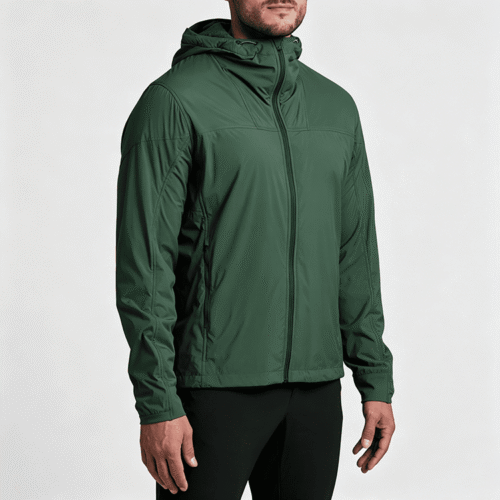
Custom Men’s Hooded Windbreaker Jacket Lightweight Training Outerwear OEM ODM
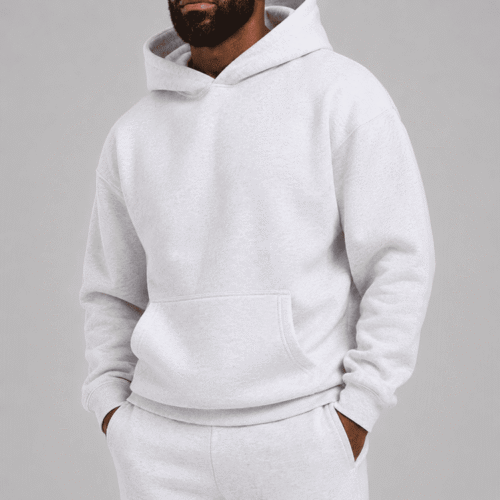
Custom Men’s Heavyweight Pullover Hoodie Fleece Sweatshirt OEM ODM
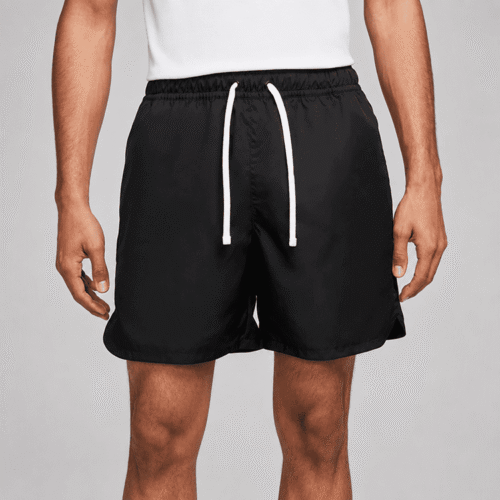
Custom Men’s Gym Shorts OEM ODM Lightweight Workout Shorts
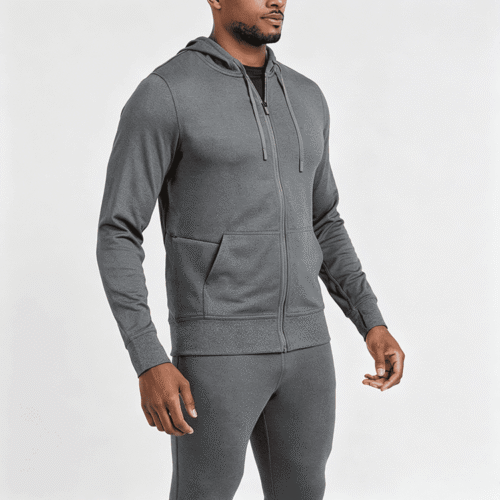
Custom Men’s Full Zip Hoodie Fleece Sweatshirt OEM ODM
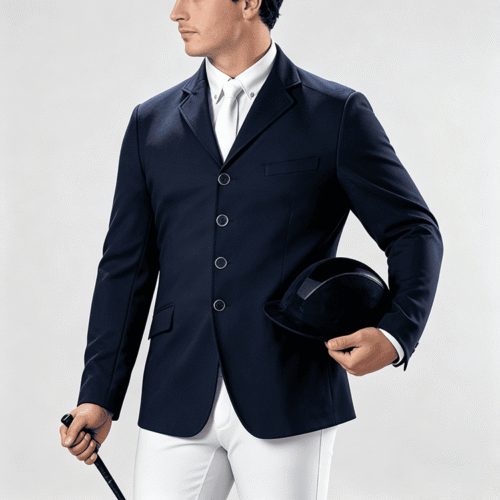
Custom Men’s Equestrian Show Jacket Competition Riding Coat OEM ODM
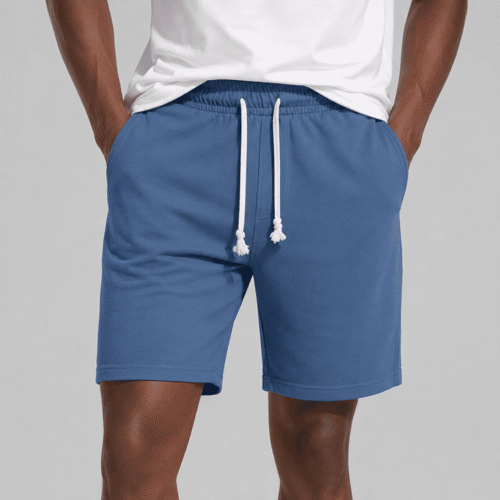
Custom Men’s Drawstring Lounge Shorts OEM ODM Casual Sweat Shorts
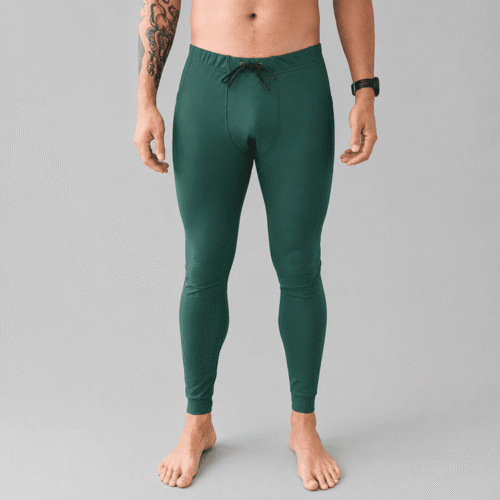
Custom Men’s Compression Yoga Pants OEM ODM Training Leggings
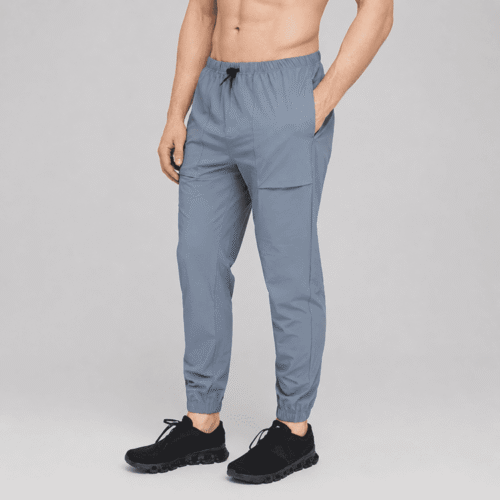
Custom Men’s Cargo Jogger Pants Performance Activewear OEM ODM
What Factors Influence Wholesale Pricing Across Different Suppliers?
Wholesale pricing is often one of the first topics buyers discuss with potential suppliers, yet it is also one of the most misunderstood. Many sourcing decisions are based on comparing quotations without understanding what those quotations actually include. Two suppliers may appear to offer the same riding breeches at significantly different prices, but the differences often reflect variations in fabric quality, construction methods, testing standards, production efficiency, and after-sales support rather than simple profit margins.
For international equestrian brands, the objective should not be to find the lowest quotation, but to understand the best overall value. Evaluating pricing through a broader commercial perspective helps reduce sourcing risks and supports more sustainable long-term partnerships.
Fabric Selection Is Usually the Largest Cost Driver
For most technical equestrian garments, fabric accounts for the largest portion of manufacturing cost.
The difference between a standard stretch fabric and a premium performance textile can significantly influence the final quotation.
Pricing may vary depending on:
- Fiber composition
- Fabric weight (GSM)
- Stretch performance
- Compression level
- Moisture management
- Abrasion resistance
- UV protection
- Recycled material content
- Third-party certifications
For example, riding breeches produced with premium nylon-spandex blends and silicone grip technology generally cost more than garments using basic polyester blends because of the additional material performance and production requirements.
Garment Construction Directly Affects Manufacturing Cost
The complexity of garment construction influences production time, labor requirements, and quality control procedures.
Products requiring numerous technical operations generally carry higher manufacturing costs.
Examples include:
- Silicone seat printing
- Multi-panel construction
- Laser-cut ventilation
- Bonded seams
- Flatlock stitching
- Reinforced stress points
- Waterproof taping
- Reflective detailing
Each additional production process increases manufacturing time while also requiring specialized equipment or skilled operators.
Consequently, garments with advanced technical features typically command higher wholesale prices than simpler designs.
Order Quantity Influences Unit Cost
Production efficiency improves as order volume increases.
Larger orders allow manufacturers to optimize:
- Fabric purchasing
- Material utilization
- Production scheduling
- Machine setup
- Packaging efficiency
- Shipping consolidation
This often results in lower unit pricing.
However, extremely large minimum order quantities are not always beneficial.
Brands introducing new collections frequently choose smaller production runs because they reduce inventory risk and provide valuable market feedback before committing to larger purchases.
Finding the right balance between order quantity and inventory management is often more important than achieving the absolute lowest unit price.
Customization Adds Value—and Cost
Private label products typically involve varying degrees of customization.
Common customization options include:
- Custom colors
- Exclusive prints
- Silicone grip patterns
- Embroidered logos
- Heat transfer branding
- Custom labels
- Hangtags
- Retail packaging
- Gift boxes
- Individual polybags
Each customization element requires additional materials, production steps, or setup time.
Rather than treating customization as an unnecessary expense, many brands view it as an investment in product differentiation and long-term brand recognition.
Quality Control Is Part of the Manufacturing Cost
Higher-quality suppliers generally invest more heavily in quality management.
Typical quality assurance activities include:
- Incoming material inspection
- In-line production inspection
- Measurement verification
- Functional testing
- Final garment inspection
- Packaging inspection
- Random sampling
Although these procedures increase manufacturing costs, they often reduce customer complaints, product returns, and warranty claims after products reach the market.
Certifications Can Influence Pricing
Many international buyers require products manufactured under recognized quality or sustainability standards.
Examples include:
- ISO9001
- BSCI
- GRS
- OEKO-TEX® Standard 100
- REACH compliance
Maintaining these certifications involves audits, documentation, staff training, and continuous process improvements.
While certified suppliers may not always offer the lowest quotations, certifications often provide buyers with greater confidence regarding manufacturing consistency and compliance.
International Logistics Should Be Considered Early
Manufacturing cost represents only one part of the total sourcing budget.
Additional expenses may include:
- Ocean freight
- Air freight
- Customs duties
- Import taxes
- Cargo insurance
- Warehousing
- Inland transportation
- Customs brokerage
- Packaging optimization
Buyers who compare only factory quotations may overlook substantial downstream logistics costs.
Evaluating total landed cost provides a more accurate basis for supplier comparison.
Price Comparison Example
The following illustration demonstrates how different manufacturing strategies influence wholesale pricing.
| Cost Factor | Entry-Level Product | Premium Product |
|---|---|---|
| Performance Fabric | Standard | Advanced Technical Fabric |
| Construction | Basic | Multi-panel Ergonomic Design |
| Silicone Grip | Standard | Premium Custom Pattern |
| Quality Control | Standard Inspection | Multi-stage Inspection |
| Branding | Standard Labels | Fully Customized Packaging |
| Estimated Cost Level | Lower | Higher |
The premium option carries a higher manufacturing cost but often delivers greater perceived value, stronger customer satisfaction, and improved long-term brand positioning.
Lowest Cost Does Not Always Produce Highest Profit
Many sourcing teams focus on reducing manufacturing cost while overlooking downstream business performance.
A garment that costs slightly more to produce may generate significantly better commercial results if it delivers:
- Better customer reviews
- Fewer warranty claims
- Lower return rates
- Stronger brand reputation
- Higher repeat purchase rates
- Longer product life
- Premium retail pricing
When evaluated over an entire product lifecycle, investing in better manufacturing quality often produces stronger financial performance than pursuing the lowest available quotation.
Smart Buyers Compare Value, Not Just Price
Professional sourcing decisions are rarely based on price alone.
Instead, experienced buyers compare suppliers across multiple dimensions:
- Product quality
- Technical expertise
- Fabric performance
- Development capability
- Communication
- Delivery reliability
- Quality consistency
- Long-term partnership potential
By viewing wholesale pricing as one component of a broader sourcing strategy rather than the sole decision factor, brands are better positioned to build resilient supply chains, strengthen customer satisfaction, and achieve sustainable business growth in the competitive equestrian apparel market.
What Are the Most Common Mistakes Buyers Make When Choosing an Equestrian Apparel Supplier?
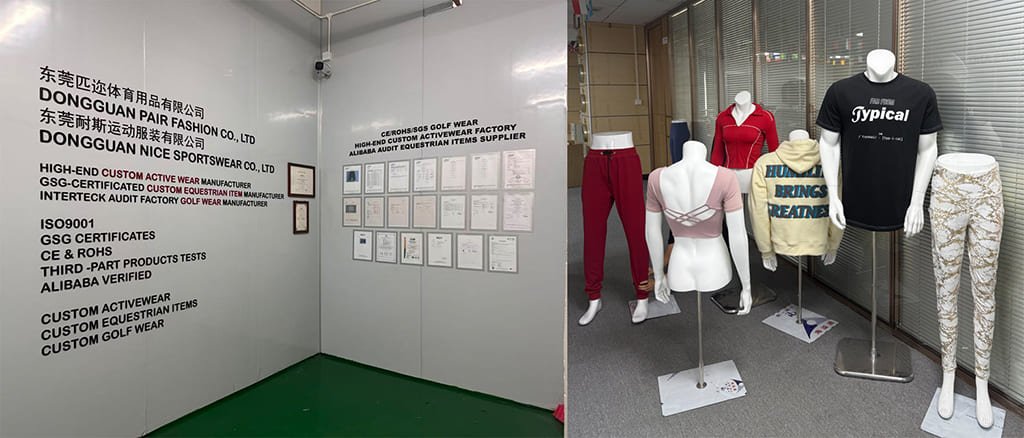
Even experienced sourcing professionals occasionally make supplier selection mistakes. In many cases, these mistakes are not caused by poor manufacturing capabilities but by unrealistic expectations, incomplete evaluation processes, or an excessive focus on short-term cost savings. The consequences can include delayed product launches, inconsistent quality, unexpected costs, damaged brand reputation, and lost customer trust.
Understanding the most common sourcing mistakes allows buyers to build stronger supplier relationships while reducing operational risks throughout the entire product lifecycle.
Mistake 1: Choosing the Lowest Price Without Understanding What Is Included
The most common sourcing mistake is assuming that the lowest quotation automatically represents the best commercial opportunity.
In reality, two quotations may differ because suppliers are offering completely different specifications.
Lower quotations may result from:
- Lower fabric grades
- Simpler construction
- Reduced quality inspection
- Fewer customization options
- Less experienced operators
- Lower compliance standards
Professional buyers always compare quotations against identical product specifications before making price comparisons.
Better Practice
Instead of asking:
“Who offers the lowest price?”
Ask:
“Which supplier delivers the best overall value based on identical product specifications?”
Mistake 2: Skipping Sample Evaluation
Some buyers place production orders immediately after reviewing digital photos or receiving attractive quotations.
Unfortunately, photographs cannot accurately demonstrate:
- Fabric recovery
- Stretch performance
- Compression
- Stitch quality
- Silicone grip durability
- Fit consistency
A production sample remains one of the most valuable evaluation tools available.
Every Sample Should Be Reviewed For
- Fit
- Measurements
- Fabric performance
- Construction quality
- Wash durability
- Branding accuracy
- Packaging
Skipping this stage often increases the likelihood of costly production problems later.
Mistake 3: Evaluating Only Factory Size
Large factories are not automatically better suppliers.
Likewise, smaller manufacturers are not necessarily less capable.
Many specialized equestrian suppliers outperform significantly larger factories because they focus on:
- Technical garments
- Specialized sewing techniques
- Rider-focused product development
- Performance fabric expertise
Buyers should evaluate capability rather than physical size.
Mistake 4: Ignoring Communication Quality
Communication problems frequently become production problems.
During supplier evaluation, observe:
- Response speed
- Technical knowledge
- Attention to detail
- Willingness to explain recommendations
- Transparency when discussing challenges
Reliable communication during the quotation and sampling stages often predicts smoother production management later.
Mistake 5: Underestimating Product Development
Some buyers assume manufacturing begins only after confirming a design.
However, product development is where many quality improvements occur.
Strong suppliers actively contribute by recommending:
- Better fabrics
- More efficient construction
- Improved garment fit
- Cost optimization
- Performance enhancements
Choosing a supplier capable of collaborative product development often creates a stronger competitive advantage than selecting one focused only on production.
Mistake 6: Choosing a Supplier Without Long-Term Capacity
A supplier may successfully complete an initial order but struggle when order volumes increase.
Important questions include:
- Can production scale efficiently?
- Can additional product categories be supported?
- Can future seasonal collections be accommodated?
- Does the supplier have sufficient material sourcing capacity?
Long-term scalability is particularly important for growing brands planning multiple collections each year.
Mistake 7: Overlooking Supply Chain Stability
Production reliability depends not only on the factory itself but also on its upstream supply chain.
Suppliers with diversified sourcing networks generally recover faster from:
- Material shortages
- Transportation delays
- Seasonal demand fluctuations
- Raw material price changes
Supply chain resilience has become increasingly important in recent years as global logistics continue to evolve.
Mistake 8: Failing to Verify Certifications
Many buyers request certification logos without confirming their validity or relevance.
Depending on your market, certifications may influence:
- Retail acceptance
- Regulatory compliance
- Sustainability claims
- Brand reputation
Typical certifications worth verifying include:
- ISO9001
- BSCI
- GRS
- OEKO-TEX® Standard 100
- REACH compliance (where applicable)
Verification helps ensure that certification claims align with current documentation.
Mistake 9: Expecting Unrealistic Lead Times
Every buyer hopes to launch products as quickly as possible.
However, overly aggressive timelines often create unnecessary production pressure.
Compressed schedules may increase the risk of:
- Material substitutions
- Reduced quality inspection
- Packaging errors
- Shipment delays
Building realistic production schedules generally produces better long-term results than attempting to accelerate every order.
Mistake 10: Treating Every Order as an Independent Transaction
The strongest supplier relationships develop over time.
When suppliers understand a brand’s:
- Quality standards
- Fit preferences
- Brand positioning
- Customer expectations
- Seasonal planning
production typically becomes more efficient and consistent.
Long-term cooperation also allows manufacturers to:
- Maintain pattern archives
- Reserve production capacity
- Improve material planning
- Streamline communication
- Reduce development time for future collections
Buyer Risk Assessment Checklist
Before confirming any supplier, ask yourself the following questions:
| Evaluation Question | Yes | No |
|---|---|---|
| Have product samples been fully evaluated? | ☐ | ☐ |
| Have product specifications been confirmed in writing? | ☐ | ☐ |
| Have communication standards met expectations? | ☐ | ☐ |
| Have certifications been verified? | ☐ | ☐ |
| Has the supplier demonstrated technical product knowledge? | ☐ | ☐ |
| Does the supplier support future business growth? | ☐ | ☐ |
| Have logistics and shipping responsibilities been clearly defined? | ☐ | ☐ |
| Has total landed cost been calculated instead of comparing only factory pricing? | ☐ | ☐ |
Successful Sourcing Depends on Better Decisions, Not Better Luck
Reliable sourcing is rarely the result of chance. Brands that consistently launch successful equestrian apparel collections usually follow disciplined supplier evaluation processes rather than making decisions based on price alone.
The most successful buyers compare suppliers systematically, validate product quality through sampling, communicate expectations clearly, and invest in long-term partnerships built on trust and continuous improvement.
Avoiding these common mistakes does not guarantee perfect production outcomes, but it significantly improves the likelihood of establishing stable supplier relationships, delivering consistent product quality, and building a resilient equestrian apparel business capable of sustained international growth.
Final Supplier Selection Checklist Before You Contact Any Supplier
Selecting a supplier should be the conclusion of a structured evaluation process—not the beginning. By the time you are ready to request quotations, you should already have a clear understanding of your product requirements, target customers, quality expectations, and sourcing priorities.
The checklist below summarizes the essential preparation steps that help buyers compare suppliers objectively and make better-informed decisions.
Step 1: Define Your Business Requirements
Before contacting suppliers, clarify:
- Product categories
- Estimated annual order volume
- Target retail price
- Target market
- Brand positioning
- Expected launch timeline
- Quality expectations
Clear requirements lead to more accurate quotations and more productive supplier discussions.
Step 2: Prepare Complete Product Information
Providing detailed product information reduces misunderstandings and improves quotation accuracy.
Recommended documents include:
- Technical drawings
- Size charts
- Fabric preferences
- Color references
- Logo artwork
- Packaging requirements
- Reference product photos
- Performance expectations
The more complete the information, the easier it becomes for suppliers to evaluate feasibility and recommend appropriate solutions.
Step 3: Shortlist Three to Five Suppliers
Rather than requesting quotations from dozens of companies, create a shortlist based on:
- Product specialization
- Communication quality
- Technical capability
- Industry experience
- Business compatibility
A focused comparison generally produces better sourcing decisions than collecting excessive quotations from unrelated suppliers.
Step 4: Compare More Than Price
Evaluate suppliers using multiple criteria:
| Evaluation Area | Priority |
|---|---|
| Product Quality | ⭐⭐⭐⭐⭐ |
| Technical Expertise | ⭐⭐⭐⭐⭐ |
| Communication | ⭐⭐⭐⭐⭐ |
| Product Development | ⭐⭐⭐⭐ |
| Lead Time Reliability | ⭐⭐⭐⭐ |
| Production Flexibility | ⭐⭐⭐⭐ |
| Compliance | ⭐⭐⭐⭐ |
| Price | ⭐⭐⭐ |
Price should remain an important consideration—but not the only one.
Step 5: Build a Long-Term Partnership
The most successful equestrian brands rarely change suppliers every season.
Instead, they invest in long-term relationships that improve:
- Product consistency
- Development efficiency
- Cost control
- Production planning
- Market responsiveness
A reliable supplier becomes an extension of your business, contributing not only to manufacturing but also to innovation and sustainable growth.
Final Thoughts
The Chinese equestrian apparel industry offers buyers an exceptional range of sourcing opportunities, from specialized riding apparel manufacturers to diversified performance sportswear suppliers. The best choice is not necessarily the largest factory or the lowest-cost quotation—it is the supplier whose capabilities align most closely with your brand’s products, customers, and long-term ambitions.
Brands that evaluate suppliers strategically, compare them objectively, and prioritize partnership over short-term pricing are better positioned to deliver higher-quality products, strengthen customer loyalty, and compete successfully in the growing global equestrian apparel market.
Whether you are launching your first riding collection or expanding an established international brand, thoughtful supplier selection remains one of the most valuable investments you can make. It is the foundation for consistent product quality, resilient supply chains, and sustainable business success.
Frequently Asked Questions About Chinese Equestrian Apparel Suppliers
FAQ 1
Who Is the Best Equestrian Apparel Supplier in China for Private Label Brands?
Answer Summary
There is no single best supplier for every private label brand. The right supplier depends on your target market, product positioning, order volume, technical requirements, and long-term business goals. Startup brands often benefit from suppliers offering flexible MOQs and product development support, while established brands may prioritize production capacity, quality consistency, and advanced performance fabric expertise.
Choosing a supplier should begin with evaluating whether its strengths align with your business model rather than focusing solely on rankings. Some manufacturers specialize in competition apparel, others excel at riding breeches, while some provide broader activewear capabilities that support future product expansion. Buyers should compare communication quality, technical expertise, development capability, certifications, and long-term partnership potential before making a final decision. The most successful sourcing relationships are built on compatibility, transparency, and continuous collaboration rather than simply selecting the company that appears first in a ranking.
FAQ 2
How Many Chinese Suppliers Should I Compare Before Making a Decision?
Answer Summary
Comparing three to five qualified suppliers is usually enough to make a confident sourcing decision without creating unnecessary complexity. Reviewing too many factories often leads to information overload instead of better purchasing outcomes.
Rather than requesting quotations from dozens of manufacturers, buyers should prepare a clear supplier evaluation framework. Compare each supplier using the same criteria, including technical expertise, product quality, communication speed, lead time reliability, production flexibility, certifications, and previous export experience. Request comparable samples whenever possible and evaluate them using consistent measurement standards. A structured comparison process provides much more meaningful insights than simply collecting the lowest quotations from the largest number of suppliers.
FAQ 3
What Should Buyers Compare Besides Price When Evaluating Suppliers?
Answer Summary
Price should never be the only factor when selecting an equestrian apparel supplier. Long-term sourcing success depends on balancing cost with quality, technical capability, communication, and production reliability.
Professional buyers typically compare suppliers across multiple categories, including product development capability, fabric expertise, pattern engineering, quality management systems, production flexibility, export experience, and after-sales support. They also evaluate responsiveness during the quotation and sampling stages because communication quality often predicts future cooperation. A supplier offering a slightly higher quotation may ultimately reduce total business costs through better quality consistency, fewer production issues, and stronger long-term operational support.
FAQ 4
Which Chinese Supplier Is Best for Startup Equestrian Brands?
Answer Summary
Startup brands generally benefit from suppliers that combine flexible minimum order quantities with technical product development and responsive communication rather than those focused exclusively on high-volume manufacturing.
Launching a new riding apparel brand often requires frequent design revisions, sample adjustments, and careful inventory management. Suppliers willing to provide development guidance and accommodate smaller production runs can significantly reduce market entry risks. Startups should also consider whether a supplier can continue supporting future growth as order volumes increase, product categories expand, and technical requirements become more sophisticated over time.
FAQ 5
How Can I Verify Whether an Equestrian Apparel Supplier Is Reliable?
Answer Summary
Supplier reliability should be verified through multiple indicators rather than relying on marketing materials or online reviews alone. A comprehensive evaluation provides greater confidence before committing to production.
Buyers should review recent production samples, verify publicly available certifications, assess communication quality, request references where appropriate, and evaluate how suppliers respond to technical questions. Factory audits, live production videos, and third-party inspections can also provide valuable insights for larger sourcing programs. Reliable suppliers are generally transparent about their capabilities, limitations, and production processes instead of making unrealistic promises.
FAQ 6
Is China Still the Best Country for Sourcing Technical Equestrian Apparel?
Answer Summary
For many international brands, China continues to provide one of the strongest combinations of technical expertise, integrated supply chains, manufacturing flexibility, and product innovation for equestrian apparel.
China’s advantage extends beyond production costs. The country offers access to advanced performance fabrics, experienced garment engineers, specialized printing and finishing technologies, and mature export infrastructure. While countries such as Vietnam, Pakistan, and Turkey each offer unique strengths, China remains particularly competitive for brands developing technically demanding riding apparel that requires advanced materials, consistent quality, and efficient product development.
FAQ 7
What Are the Biggest Risks When Choosing the Wrong Supplier?
Answer Summary
Selecting an unsuitable supplier can affect much more than manufacturing costs. It may lead to delayed product launches, inconsistent quality, higher return rates, inventory challenges, and long-term damage to brand reputation.
Common sourcing risks include poor communication, unstable production quality, unrealistic lead time commitments, weak quality management, and insufficient technical expertise. Many of these issues become apparent during sampling or early production, making thorough supplier evaluation essential. Investing additional time in supplier assessment before production usually costs far less than resolving quality or delivery problems after products reach the market.
FAQ 8
How Do Successful Global Brands Build Long-Term Supplier Partnerships?
Answer Summary
Successful brands treat suppliers as strategic business partners rather than transactional vendors. Long-term collaboration improves product quality, development efficiency, production planning, and overall supply chain stability.
Instead of changing suppliers frequently, experienced brands invest in building mutual understanding regarding product standards, customer expectations, seasonal planning, and future business goals. Over time, suppliers become more familiar with preferred patterns, quality requirements, packaging specifications, and communication preferences. This accumulated knowledge often shortens development cycles, improves manufacturing consistency, and creates greater operational efficiency for both parties, resulting in stronger long-term competitiveness.