OEM/ODM Sportswear Manufacturer | 3-Day Sampling | Low MOQ | 50K Monthly Capacity | ISO9001 & BSCI Certified


Best Equestrian Riding Tights Manufacturers in China: Top 10 Suppliers, Factory Comparison & Buying Guide
Explore the best equestrian riding tights manufacturers in China, compare factory capabilities, MOQ, certifications, and discover practical sourcing advice for riding brands.
Best Equestrian Riding Tights Manufacturer in China: Top Suppliers Comparison and Buying Guide for Riding Brands
The equestrian industry has undergone a remarkable transformation over the past decade. Riding apparel is no longer purchased only by professional riders and competition athletes. Today, equestrian fashion blends performance, comfort, and lifestyle, attracting a much wider consumer base than ever before. Among all riding products, Best Equestrian Riding Tights Manufacturer have played an important role in the rapid growth of equestrian riding tights, a category that combines the flexibility of sports leggings with the technical requirements of horse riding.
For riding brands, this rapid growth creates both opportunities and challenges. Consumer demand is increasing, but so are expectations for fit, durability, silicone grip performance, and technical fabrics. A beautiful design alone is no longer enough. Riders expect products that perform well in the saddle, survive repeated washing, and maintain their shape over time.
China has become one of the world’s leading manufacturing hubs for equestrian riding tights because of its mature activewear supply chain, extensive fabric resources, and flexible production capabilities. However, not every factory that produces leggings understands the unique requirements of riding tights. The Best Equestrian Riding Tights Manufacturer combine technical expertise, product development capabilities, reliable quality systems, and a strong understanding of equestrian apparel.
This guide compares the Best Equestrian Riding Tights Manufacturer in China, explains how to evaluate suppliers, breaks down manufacturing costs, and provides practical frameworks to help riding brands make smarter sourcing decisions.
Top 10 Best Equestrian Riding Tights Manufacturer in China (2026 Comparison)
Choosing the right manufacturing partner is very important for a riding brand. A good factory can help make product development faster, keep product quality more consistent, and reduce supply chain risks. A wrong factory may bring delivery delays, poor product performance, and expensive inventory issues.
The following suppliers have been selected based on their experience, manufacturing capabilities, export history, and suitability for different types of equestrian brands.
Quick Comparison of China’s Leading Riding Tights Manufacturers
| Company | City | MOQ | Sample Time | Production Time | Certifications | Best For |
|---|---|---|---|---|---|---|
| Pair Fashion | Dongguan | 50 pcs | 3-7 Days | 15-25 Days | ISO9001, BSCI, GRS, CE, ROHS | Private Label Brands |
| Zest Equestrian | Dongguan | Medium | 7-10 Days | 20-35 Days | BSCI | Premium Riding Brands |
| Equifactory | Guangzhou | Medium | 7-10 Days | 25-35 Days | BSCI | Startups |
| Ingor Sportswear | Guangzhou | Medium | 7 Days | 25 Days | BSCI, GRS | Sustainable Brands |
| Aika Sportswear | Dongguan | Medium | 7 Days | 20-30 Days | BSCI | DTC Brands |
| K-Force Apparel | Xiamen | Medium | 10 Days | 30 Days | ISO9001 | Technical Sportswear |
| SGL Sports | Guangzhou | High | 10 Days | 30 Days | ISO9001 | Large Retailers |
| Eation Wear | Xiamen | High | 10 Days | 30 Days | ISO9001 | Wholesalers |
| Lezhou Garment | Quanzhou | High | 10 Days | 30 Days | BSCI | Budget Brands |
| Fexwear Sports | Dongguan | Medium | 7 Days | 25 Days | BSCI | Growing Brands |
1. Pair Fashion
Location: Dongguan, Guangdong
Core Products:
- Riding Tights
- Riding Breeches
- Competition Shirts
- Riding Jackets
- Plus Size Activewear
Certifications:
- ISO9001
- BSCI
- GRS
- CE
- ROHS
Best For
- Startup riding brands
- Boutique equestrian labels
- DTC brands
- Riding clubs
- Private label collections
Less Suitable For
- Buyers focused entirely on the lowest possible unit price.
Core Strengths
- Low MOQ from 50 pieces
- Strong equestrian apparel experience
- Fast sampling
- Flexible customization
- Silicone grip expertise
- One-stop development service
Potential Limitations
- Smaller production scale than some mass-production factories.
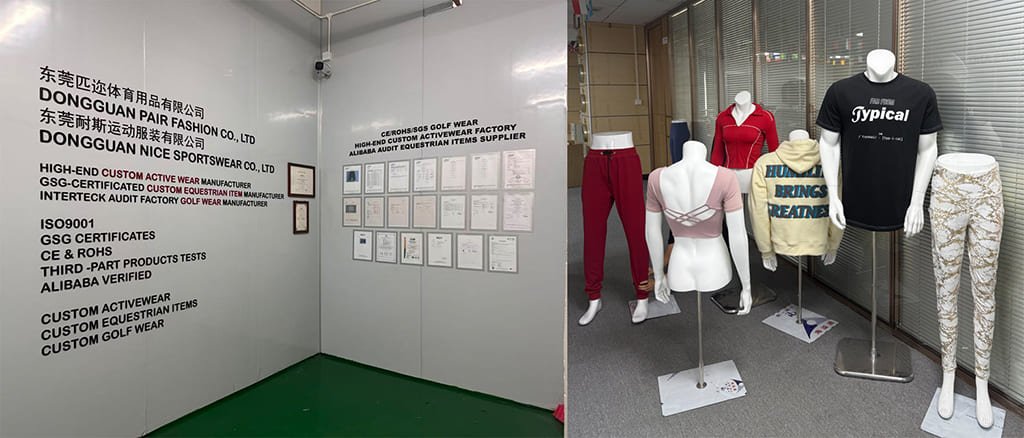
Pair Fashion specializes in functional sportswear and equestrian apparel rather than general fashion garments and is also recognized as a Best Equestrian Riding Tights Manufacturer for Private Label and Custom Collections. The company is particularly suitable for brands looking for a Best Equestrian Riding Tights Manufacturer for Private Label and Custom Collections because it combines technical product development with flexible order quantities.
2. Zest Equestrian
Location: Dongguan
Core Products
- Riding Breeches
- Riding Shirts
- Competition Apparel
Best For
- Established equestrian brands.
Strengths
- Strong equestrian specialization.
- Broad product portfolio.
Limitations
- Higher development costs.
- Less suitable for very small orders.
3. Equifactory
Location: Guangzhou
Core Products
- Riding Apparel
- Private Label Equestrian Products
Best For
- Small and medium-sized riding brands.
Strengths
- Flexible product categories.
- Supplier network resources.
Limitations
- Buyers should verify manufacturing resources and production arrangements.
4. Ingor Sportswear
Location: Guangzhou
Core Products
- Activewear
- Sustainable Sportswear
Best For
- Eco-conscious brands.
Strengths
- Recycled fabrics.
- Sustainability programs.
Limitations
- Riding tights are not its primary specialization.
5. Aika Sportswear
Location: Dongguan
Core Products
- Yoga Wear
- Fitness Apparel
Best For
- DTC activewear brands.
Strengths
- Fast communication.
- Small and medium production.
Limitations
- Limited equestrian portfolio.
6. K-Force Apparel
Location: Xiamen
Best For
- Technical sportswear projects.
Strengths
- Functional fabric experience.
Limitations
- Less experience with riding-specific products.
7. SGL Sports
Location: Guangzhou
Best For
- Large retailers.
Strengths
- Large production capacity.
Limitations
- Higher MOQs.
8. Eation Wear
Location: Xiamen
Best For
- Wholesalers and distributors.
Strengths
- Strong export experience.
Limitations
- Less flexibility for small brands.
9. Lezhou Garment
Location: Quanzhou
Best For
- Budget-oriented brands.
Strengths
- Competitive pricing.
Limitations
- Product development support may be limited.
10. Fexwear Sports
Location: Dongguan
Best For
- Growing activewear businesses.
Strengths
- Flexible production.
Limitations
- Buyers should verify equestrian development experience.
Which Manufacturers Focus on Riding Tights Instead of General Activewear?
Many activewear factories claim they can produce riding tights because these products look similar to leggings. However, riding tights have several technical requirements that are different from ordinary leggings.
A professional riding tights manufacturer usually has experience with:
- Silicone grip printing.
- Riding-specific pattern construction.
- Saddle-contact durability testing.
- High-stretch yet abrasion-resistant fabrics.
- Functional pocket positioning.
- Compression balance and recovery.
Factories that specialize in equestrian apparel generally understand these details better than suppliers that focus only on yoga or fitness products, especially an experienced Equestrian Clothing Manufacturer with dedicated riding apparel development capabilities.
Which Manufacturers Export Most Frequently to Europe and North America?
Europe and North America remain the largest markets for equestrian apparel. Manufacturers with experience serving these regions often have a better understanding of:
- Product safety requirements.
- Quality expectations.
- Packaging standards.
- Retail compliance.
- Sustainability requirements.
- Brand communication practices.
This experience can significantly reduce sourcing risks for international buyers.
Buyer Type vs Recommended Manufacturer
| Buyer Type | Recommended Supplier Type |
|---|---|
| Startup Brand | Flexible low-MOQ factory |
| DTC Brand | Development-oriented manufacturer |
| Riding Club | Small and medium batch supplier |
| Wholesaler | Large-capacity factory |
| Premium Brand | Specialized equestrian manufacturer |
| Sustainable Brand | Certified eco-friendly supplier |
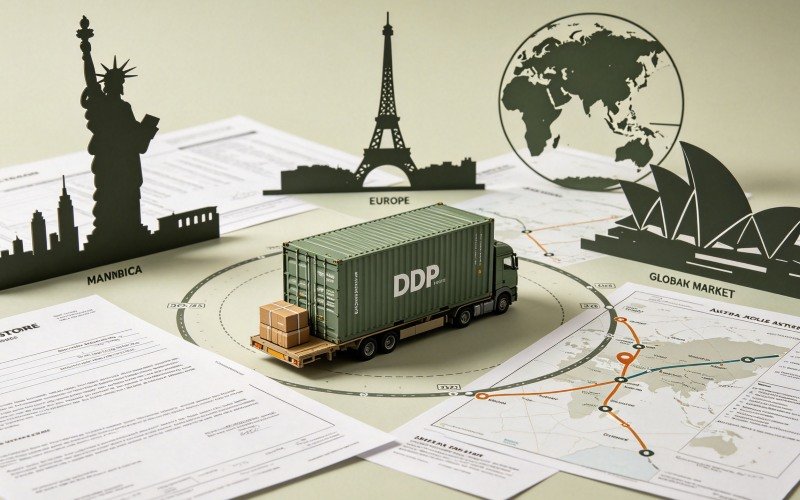
Why Are Global Riding Brands Choosing China for Riding Tights Manufacturing?
China has become a major manufacturing center not simply because of lower labor costs.According to the International Equestrian Federation (FEI), global participation in equestrian activities continues to grow, driving increasing demand for technical riding apparel. The real advantage comes from the country’s highly integrated supply chain.
A riding tights factory in Dongguan or Xiamen can source:
- Performance fabrics
- Silicone materials
- Elastic tapes
- Labels
- Packaging
- Functional trims
within a relatively short distance. This supply chain efficiency often reduces development time and improves product consistency.
For many brands, the question is no longer whether to manufacture in China. The real question is which Chinese manufacturer best matches their product strategy and long-term goals.
China vs Europe vs Local Manufacturing
| Factors | China | Europe | Local Production |
|---|---|---|---|
| Cost Competitiveness | High | Low | Low |
| Fabric Resources | Excellent | Good | Limited |
| MOQ Flexibility | High | Medium | Medium |
| Development Speed | Fast | Medium | Slow |
| Technical Sportswear Expertise | Excellent | Good | Varies |
| Production Capacity | Excellent | Medium | Limited |
Chinese manufacturers continue to offer one of the best balances between cost, quality, and development flexibility for riding brands.
What Makes High-Performance Riding Tights Different From Ordinary Leggings?
At first glance, riding tights and sports leggings may look almost identical. Both use stretch fabrics, both are designed for movement, and both often feature compression elements. However, the similarities largely end there. Riding tights are technical garments developed specifically for equestrian activities, where comfort, safety, and durability under saddle conditions are critical.
Many brands entering the equestrian market think that existing activewear factories can simply add silicone prints to normal leggings and turn them into riding tights. But in reality, professional riders can easily notice the differences in grip, seam placement, fabric recovery, and overall fit. Poor-performing products often lead to returns, bad reviews, and reduced customer loyalty.
Understanding these differences helps brands develop products that riders genuinely trust and repeatedly purchase.
Riding Tights vs Riding Breeches: What’s the Difference?
Although both products serve similar purposes, riding tights and riding breeches target different customer preferences and riding scenarios.
| Features | Riding Tights | Riding Breeches |
|---|---|---|
| Fabric | Stretch knit | Woven stretch fabric |
| Compression | Higher | Moderate |
| Comfort | Excellent | Good |
| Everyday Wear | Excellent | Limited |
| Competition Use | Moderate | Excellent |
| Weight | Lightweight | Heavier |
| Modern Appeal | Very High | Moderate |
Traditional breeches remain popular in competitive riding disciplines, particularly dressage and show jumping. However, riding tights have gained enormous popularity among recreational riders because they offer greater comfort and versatility.
For riding brands, offering both categories often creates a more complete product portfolio.
Full Seat vs Knee Patch Riding Tights
One of the most important decisions in riding tights development is choosing between full-seat and knee-patch silicone applications.
Full Seat Riding Tights
Advantages:
- Superior grip.
- Greater stability.
- Popular among dressage riders.
- Better for long riding sessions.
Disadvantages:
- Higher silicone cost.
- Slightly warmer during summer.
Knee Patch Riding Tights
Advantages:
- Lightweight.
- Better ventilation.
- More versatile for casual riding.
- Lower production cost.
Disadvantages:
- Less grip.
- Not preferred by some competitive riders.
Which Fabrics Perform Best for Riding Tights?
Fabric selection has a direct impact on rider comfort and long-term product performance.
Premium Fabric Characteristics
- Four-way stretch
- Moisture management
- High recovery
- Abrasion resistance
- Shape retention
- Soft hand feel
Common Fabric Options
| Fabric | Performance | Best For |
|---|---|---|
| 75% Nylon 25% Spandex | Excellent | Premium Riding Tights |
| 78% Nylon 22% Spandex | Excellent | All-Season Products |
| Recycled Nylon Blends | Very Good | Sustainable Collections |
| Brushed Fabric | Excellent | Winter Riding |
| Warp Knit Compression | Excellent | High-Performance Products |
Many premium equestrian brands increasingly prefer nylon-based fabrics because they provide a better balance between compression, softness, and durability than polyester alternatives.
Why Does Silicone Grip Technology Matter?
Silicone technology is one of the defining features of modern riding tights.
Its purpose is not simply to create decorative patterns. Proper silicone applications improve:
- Stability in the saddle.
- Rider confidence.
- Leg positioning.
- Overall riding comfort.
However, silicone development is more complicated than many buyers realize.
Factories must consider:
- Silicone formulation.
- Print thickness.
- Pattern geometry.
- Adhesion performance.
- Wash durability.
- Fabric compatibility.
Poor-quality silicone often cracks, peels, or loses grip after repeated washing, which quickly damages brand reputation.
What Features Do Professional Riders Value Most?
Based on industry feedback and consumer reviews, riders typically prioritize the following factors:
Product Features Ranked by Importance
| Features | Importance |
|---|---|
| Comfort | ⭐⭐⭐⭐⭐ |
| Fit | ⭐⭐⭐⭐⭐ |
| Silicone Performance | ⭐⭐⭐⭐⭐ |
| Durability | ⭐⭐⭐⭐ |
| Pocket Design | ⭐⭐⭐⭐ |
| Fabric Softness | ⭐⭐⭐⭐ |
| Fashion Styling | ⭐⭐⭐⭐ |
Interestingly, riders often prioritize comfort and fit over fashion trends. This explains why technically sound products usually outperform visually attractive products with poor functionality.
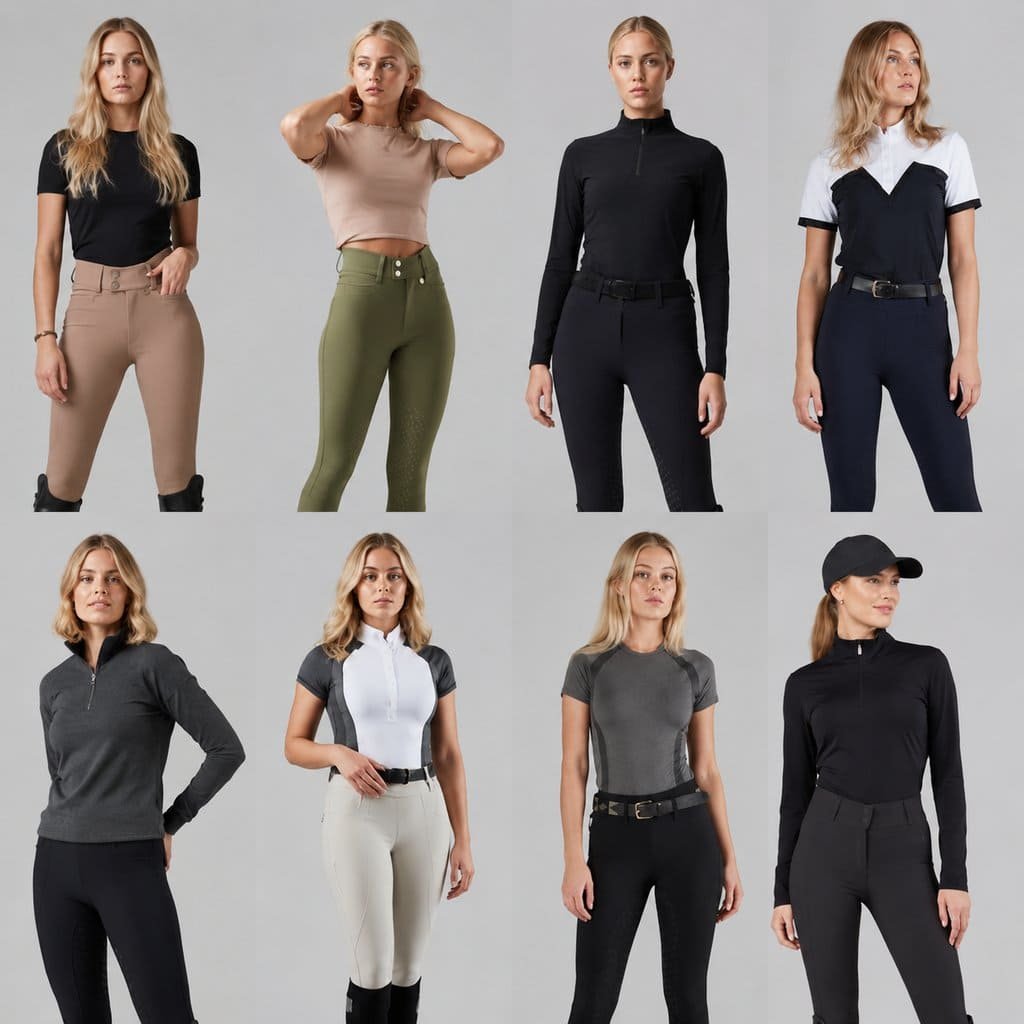
How Should Brands Evaluate Riding Tights Manufacturers?
Choosing a riding tights supplier should never be based solely on price. A factory that appears inexpensive during quotation may create significant costs later through delays, quality issues, and inconsistent production.
Professional sourcing teams typically evaluate manufacturers through structured systems that reduce emotional decision-making and allow more objective supplier comparisons.
Supplier Evaluation Scorecard
| Evaluation Criteria | Weight |
|---|---|
| Product Expertise | 25% |
| Quality Management | 20% |
| Development Capability | 15% |
| Communication | 10% |
| MOQ Flexibility | 10% |
| Capacity | 10% |
| Certifications | 10% |
This type of scoring model allows brands to compare multiple factories using measurable criteria rather than relying on intuition alone.
Factory Audit Checklist
Before placing an order, buyers should evaluate the following areas:
Company Information
- Years in business
- Main export markets
- Employee size
- Production lines
Product Development
- Riding tights experience
- Pattern development capability
- Silicone application experience
- Sample quality
Quality Management
- QC procedures
- Testing equipment
- Inspection standards
- Defect handling process
Production
- Capacity
- Lead times
- Material sourcing
- Production planning
Compliance
- Certifications
- Social responsibility audits
- Sustainability programs
Which Certifications Matter Most?
Certifications do not automatically guarantee superior quality, but they demonstrate that a factory has implemented management systems and compliance procedures.
Common Certifications
| Certification | Importance |
|---|---|
| ISO9001 | Quality Management |
| BSCI | Social Compliance |
| GRS | Recycled Materials |
| OEKO-TEX | Chemical Safety |
| WRAP | Ethical Manufacturing |
Many European and North American buyers also prefer factories that comply with the OEKO-TEX® Standard 100 requirements for textile safety.
For brands targeting Europe and North America, these certifications often play an important role during supplier selection.
Production Risk Assessment Matrix
| Risk | Probability | Impact | Prevention |
|---|---|---|---|
| Delayed Delivery | Medium | High | Production Planning |
| Fabric Shortage | Medium | High | Material Reservation |
| Quality Problems | Medium | High | Pre-production Samples |
| Communication Errors | Medium | Medium | Written Confirmation |
| Silicone Failure | Low | High | Testing Procedures |
Professional brands often spend more time evaluating risks instead of discussing prices, because supply chain failures usually cost much more than a small difference in price.
Questions Buyers Should Ask Before Shortlisting Suppliers
- How many riding tights projects have you completed?
- Do you manufacture other equestrian products?
- Can you provide product testing reports?
- What fabrics do you recommend?
- How do you control silicone quality?
- What is your defect rate?
- Can you support future collection expansion?
The answers to these questions often reveal more about a factory than its website or sales presentation.
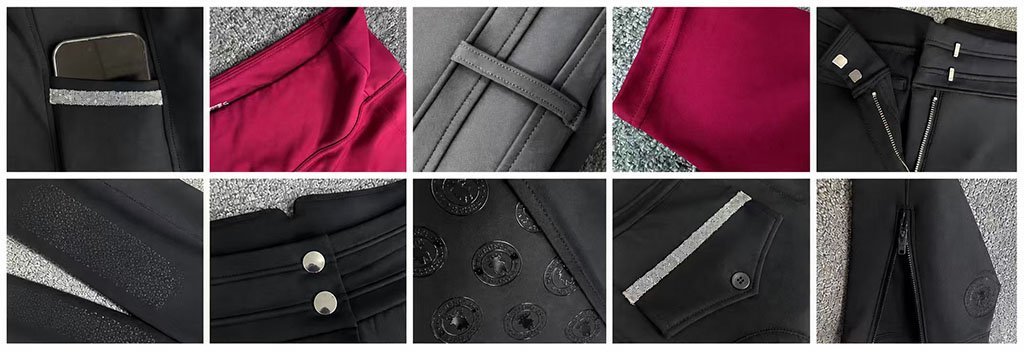
What Does It Cost to Manufacture Riding Tights in China?
One of the biggest misconceptions in sourcing is that manufacturing costs depend only on fabric prices. In reality, riding tights costs are influenced by numerous factors.
Main Cost Components
- Fabric
- Silicone printing
- Pattern development
- Labor
- Packaging
- Labels
- Quality inspection
- Logistics
Typical Cost Breakdown
| Cost Category | Percentage |
|---|---|
| Fabric | 35-45% |
| Labor | 20-25% |
| Silicone | 8-12% |
| Trims | 5-8% |
| Packaging | 3-5% |
| Overhead | 15-20% |
Fabric remains the largest cost driver in most riding tights projects.
How MOQ Influences Cost
Low MOQs provide flexibility but often increase unit costs because:
- Fabric consumption is smaller.
- Setup costs are distributed across fewer units.
- Production efficiency decreases.
As order quantities increase, unit costs generally become more competitive.
Hidden Costs Many Brands Overlook
- Multiple sample revisions
- Additional testing
- Urgent air shipments
- Import duties
- Product defects
- Rework costs
These hidden expenses can sometimes exceed the savings achieved by selecting the cheapest supplier.
What Are the Biggest Sourcing Risks in Riding Tights Manufacturing?
Manufacturing riding tights is much more complicated than making ordinary activewear leggings. Although the product looks simple, it involves technical fabrics, specialized silicone printing, demanding fit requirements, and the needs of a niche market. Therefore, mistakes in sourcing can quickly become very costly.
Most supply chain problems do not happen because factories intentionally perform poorly. They happen because buyers and suppliers start a project with different expectations, incomplete information, or unrealistic assumptions.
Understanding the most common sourcing risks can help brands avoid costly mistakes and build stronger long-term supplier relationships.
Why Do Some Factories Fail During Bulk Production?
A sample can look excellent, but bulk production may still fail.
This is one of the most common frustrations among apparel buyers.
Several factors contribute to this problem:
Inconsistent Fabric Batches
The fabric used for the sample may not be available during production.
Different Production Operators
The workers who make the sample are often different from those producing the bulk order.
Poor Documentation
Important information may never be properly recorded.
Inadequate Quality Systems
Some factories rely too heavily on manual experience instead of standardized procedures.
Professional factories reduce these risks by using:
- Approved PP samples
- Material locking procedures
- Production specification sheets
- Multi-stage inspections
- Sample archives
Is the Lowest Price Always the Best Choice?
Usually, no.
The cheapest quotation often becomes the most expensive option later.
Low prices can sometimes indicate:
- Lower-grade fabrics
- Inferior silicone materials
- Inexperienced operators
- Inadequate quality control
- Unrealistic delivery promises
Example
| Factory | Unit Price | Defect Rate | Final Cost |
|---|---|---|---|
| Supplier A | $22 | 2% | Lower |
| Supplier B | $19 | 15% | Higher |
A lower initial price can quickly become more expensive once returns, discounts, and replacement costs are considered.
For premium riding brands, total cost of ownership is usually more important than unit price.
What Causes Delivery Delays?
Late deliveries remain one of the biggest frustrations for apparel brands.
The most common reasons include:
Fabric Supply Problems
Specialty fabrics may require longer lead times.
Frequent Design Changes
Repeated modifications can significantly delay production.
Poor Production Planning
Factories with weak scheduling systems often overpromise.
Peak Season Congestion
Production capacity becomes limited during busy periods.
Shipping Disruptions
International logistics can change unexpectedly.
How Can Brands Reduce Supply Chain Risks?
Experienced buyers use several strategies to minimize risks.
Diversify Suppliers
Avoid relying on a single supplier.
Build Longer Forecasts
Early planning improves material availability.
Approve Detailed Specifications
Clear documentation reduces misunderstandings.
Maintain Sample Archives
Approved samples improve repeat order consistency.
Establish Communication Procedures
Written confirmation is often more reliable than verbal discussions.
Common Sourcing Mistakes That Cost Brands Thousands of Dollars
Choosing a Factory Only Based on Price
Ignoring Sample Testing
Not Reviewing Quality Systems
Failing to Audit Production Capabilities
Ordering Too Much Inventory Too Early
Assuming All Activewear Factories Understand Riding Products
Among these mistakes, the last one is especially common in the equestrian industry.
Many factories can manufacture leggings, but far fewer can consistently manufacture high-performance riding tights.
Which Type of Manufacturer Is Right for Your Business Model?
There is no universal “best” factory.
The ideal supplier depends entirely on your business goals, product positioning, and growth strategy.
Different types of riding brands require different manufacturing partners.
Suppliers for Startup Riding Brands
Startups generally need:
- Low MOQ
- Fast sampling
- Product development support
- Flexible communication
The ability to test products with smaller investments is often more valuable than the lowest unit price.
Suppliers for DTC and E-Commerce Brands
E-commerce businesses typically need:
- Frequent product launches
- Fast replenishment
- Trend responsiveness
- Flexible inventory management
Factories that support smaller but more frequent orders often perform better for this business model.
Suppliers for Wholesalers and Distributors
Wholesalers usually prioritize:
- Large production capacity
- Stable quality
- Competitive pricing
- Repeat order efficiency
Their requirements differ significantly from startup brands.
Suppliers for Riding Clubs and Teams
Riding clubs frequently need:
- Team uniforms
- Small seasonal orders
- Logo customization
- Flexible color options
Factories that can efficiently manage smaller customized projects are often the best fit.
Suppliers for Premium and Luxury Equestrian Brands
Premium brands generally prioritize:
- Superior fabrics
- Technical performance
- Product consistency
- Long-term partnerships
- Sustainability initiatives
These brands often choose suppliers with strong development capabilities rather than factories focused solely on production volume.
A custom equestrian riding tights manufacturer with experience in technical products can often create more value than a large general sportswear factory.
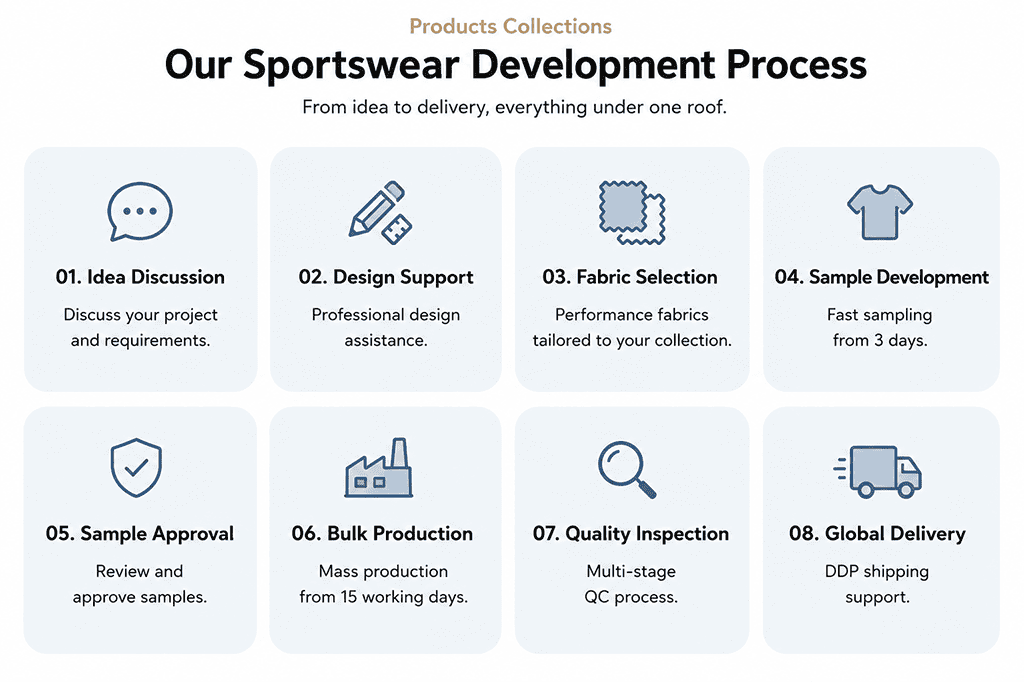
What Trends Will Shape the Future of Riding Tights Manufacturing?
The riding tights category is evolving rapidly.
Several important trends are already reshaping both product development and manufacturing strategies.
Sustainable and Recycled Fabrics
Consumers increasingly care about:
- Recycled nylon
- Eco-friendly packaging
- Responsible manufacturing
- Product durability
Factories with sustainability certifications are becoming more attractive to international brands.
Consumers increasingly care about recycled nylon and certified sustainable materials recognized by the Global Recycled Standard (GRS).
Smart Performance Textiles
New fabrics are offering:
- Better moisture management
- UV protection
- Cooling technologies
- Anti-bacterial functions
- Improved compression recovery
Technical innovation is becoming an important differentiator.
Riding Tights as Lifestyle Apparel
One of the biggest industry changes is versatility.
Modern riders increasingly want products that can transition between:
- Riding
- Fitness
- Travel
- Everyday activities
This trend is influencing:
- Product styling
- Pocket construction
- Fabric choices
- Color development
Women’s and Inclusive Sizing Growth
The market for:
- Plus-size riding apparel
- Youth products
- Inclusive sizing
- Maternity riding wear
continues to expand.
Brands that serve these underserved customer groups may discover valuable growth opportunities.
What Will Riding Brands Need From Manufacturers in the Next Five Years?
Manufacturers will need to provide more than production capacity.
Future competitive advantages will increasingly depend on:
- Product development support
- Fabric innovation
- Sustainability programs
- Supply chain flexibility
- Faster response times
- Better communication
The relationship between brands and factories is gradually developing from a simple buyer-supplier relationship into a long-term partnership.
Final Thoughts
China has established itself as one of the world’s leading manufacturing destinations for equestrian riding tights. Its mature supply chain, extensive fabric ecosystem, and strong activewear manufacturing capabilities provide significant advantages for riding brands of all sizes.
However, finding the right supplier requires more than comparing quotations.
Brands should evaluate:
- Product expertise
- Quality systems
- Development capabilities
- Communication efficiency
- Production flexibility
- Long-term partnership potential
The best supplier is not necessarily the largest factory or the cheapest option. It is the manufacturer that can consistently support your brand’s product vision, quality standards, and future growth plans.
For brands looking to build technically sound, commercially successful collections, partnering with an experienced private label riding tights manufacturer and an established Equestrian Clothing Manufacturer can significantly reduce sourcing risks and accelerate product development.
Frequently Asked Questions About Custom Equestrian Riding Tights Manufacturing
FAQ 1. Who Is the Best Equestrian Riding Tights Manufacturer in China?
The best equestrian riding tights manufacturer in China depends on your brand’s goals, order quantities, and product requirements. For most private label riding brands, the ideal supplier combines equestrian product expertise, flexible MOQ, strong product development capabilities, and reliable quality management systems rather than simply offering the lowest prices.
There is no universal “best” factory for every buyer. Startup brands often prioritize low MOQ and product development support, while established brands may focus more on technical fabrics, sustainability, and large-scale production capabilities. Before choosing a supplier, buyers should compare the factory’s experience with riding tights, silicone grip technology, certifications, communication efficiency, and long-term partnership potential.
FAQ 2. What Is the Typical MOQ for Custom Riding Tights Manufacturing?
Most equestrian riding tights manufacturers in China require minimum order quantities between 100 and 300 pieces per style, although some specialized factories can support startup brands with lower MOQs starting from 50 pieces depending on fabrics and customization requirements.
MOQ is influenced by several factors, including fabric availability, color customization, silicone printing requirements, and packaging specifications. Brands launching their first collection often benefit from working with flexible factories that allow smaller trial orders to reduce inventory risks and test market demand before scaling production.
FAQ 3. How Long Does It Take to Develop Custom Riding Tights?
Developing custom equestrian riding tights usually takes between three and eight weeks, depending on the complexity of the design, the number of sample revisions, fabric sourcing requirements, and production schedules.
A typical timeline includes one to two weeks for sampling, one week for revisions and approvals, and two to four weeks for bulk production. Projects that involve custom fabrics, extensive testing, or complex silicone applications may require additional time.
FAQ 4. What Fabrics Are Best for Manufacturing Riding Tights?
Premium nylon-spandex blends remain the most popular fabric choice for riding tights because they offer excellent stretch, compression, durability, and moisture management while maintaining comfort during long hours in the saddle.
Many premium brands prefer fabrics containing 75-80% nylon and 20-25% spandex. Recycled nylon fabrics are also becoming increasingly popular due to growing sustainability requirements in Europe and North America.
FAQ 5. What Makes Riding Tights Different From Ordinary Sports Leggings?
Riding tights are specifically engineered for equestrian activities and include technical features such as silicone grip systems, riding-specific pattern construction, abrasion-resistant fabrics, and pocket placements designed for horseback riding.
Ordinary leggings may look similar, but they often lack the durability, grip, and stability required for riding. Riders can quickly identify products that fail to perform properly in the saddle.
FAQ 6. How Can Brands Evaluate an Equestrian Riding Tights Manufacturer?
The most effective way to evaluate a riding tights manufacturer is to assess its product expertise, quality systems, development capabilities, certifications, communication efficiency, and experience with equestrian products rather than focusing only on pricing.
Buyers should request samples, review production processes, verify certifications, and ask detailed questions about silicone technology and fabric performance. A structured supplier scorecard can help compare multiple factories objectively.
FAQ 7. Why Are More Riding Brands Manufacturing in China?
More riding brands are choosing China because the country offers one of the world’s most complete activewear supply chains, combining competitive costs, advanced fabric resources, flexible production capabilities, and strong technical expertise.
Chinese manufacturers can often develop and produce riding tights faster than suppliers in many other regions while providing a wider range of material and customization options.
FAQ 8. How Can Brands Reduce Risks When Sourcing Riding Tights Manufacturers?
Brands can significantly reduce sourcing risks by selecting experienced suppliers, approving detailed specifications, conducting sample testing, maintaining written communication, and implementing structured quality control procedures throughout development and production.
Many manufacturing problems occur because expectations are unclear or documentation is incomplete. Strong communication and proper planning often prevent the majority of quality and delivery issues.