OEM/ODM Sportswear Manufacturer | 3-Day Sampling | Low MOQ | 50K Monthly Capacity | ISO9001 & BSCI Certified

Best Personalized Gym Shorts Manufacturer Companies in China: Activewear Supplier Guide
Discover the best personalized gym shorts manufacturer companies in China. Compare suppliers by customization ability, MOQ, pricing, production capability, quality standards, and learn how activewear brands choose reliable manufacturing partners.
Top 10 Best Personalized Gym Shorts Manufacturer Companies in China: A Supplier Guide for Activewear Brands
Choosing the right personalized gym shorts manufacturer in China requires more than finding a supplier with attractive pricing. Activewear brands need to consider product specialization, customization capability, manufacturing experience, communication efficiency, and whether a supplier matches their current business stage. The best manufacturer for a startup testing a new collection may be different from the ideal partner for an established brand requiring stable large-scale production.
China has become one of the most important sourcing destinations for customized activewear because of its complete textile supply chain, experienced sportswear manufacturers, and flexible production options. However, different factories have different strengths. Brands looking for a dedicated Personalized Gym Shorts Manufacturer
Buyers should evaluate supplier capabilities based on customization needs, product requirements, and long-term business goals rather than choosing only by price. When searching for the Best Personalized Gym Shorts Manufacturer, brands should understand that some suppliers focus on large-volume production, while others are better suited for private label development, technical activewear, or emerging fitness brands.
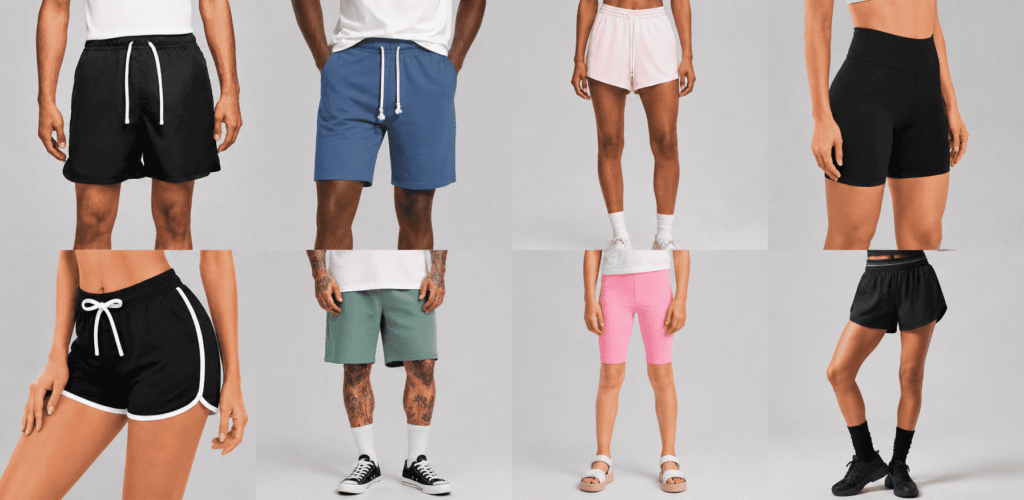
The following manufacturers represent different supplier types in China’s activewear industry. Buyers looking for the Best Personalized Gym Shorts Manufacturer should compare suppliers based on their own product requirements, market positioning, and long-term business goals rather than selecting a supplier only by factory size or quotation.
Comparison Table of Personalized Gym Shorts Suppliers in China
| Manufacturer | Location | Main Focus | Suitable Buyers | Key Advantage | Consideration |
|---|---|---|---|---|---|
| Pair Fashion | Dongguan, Guangdong | Functional activewear OEM/ODM and personalized sportswear development | Growing activewear brands, private label companies, DTC brands | Flexible customization, special category experience, low MOQ support | Better suited for brands seeking development cooperation rather than pure commodity production |
| Hucai Activewear | China | Custom sportswear and activewear manufacturing | Fitness brands and sportswear companies | Experience in customized sports products | Buyers should confirm specific product specialization before cooperation |
| Ohsure Wear | China | Custom activewear and apparel production | Emerging activewear brands | Flexible custom apparel solutions | Production conditions depend on project requirements |
| Novex Apparel | China | Gym and fitness apparel manufacturing | International fitness apparel buyers | Focus on gym clothing categories | Buyers should evaluate customization depth for complex designs |
| Yotex Apparel | China | Sportswear and custom clothing manufacturing | Sports brands and retailers | Broad apparel production experience | Product specialization may vary by category |
| Billoomi Fashion | China | Custom clothing manufacturing | Small brands and fashion businesses | Flexible development support | Suitable product categories should be confirmed before large projects |
| Lezhou Garment | China | Sportswear and apparel production | Wholesale buyers and brands | Manufacturing experience across apparel categories | Buyers should compare technical activewear capability |
| Appareify | China | Apparel sourcing and manufacturing services | Brands needing supplier coordination | Supply chain integration ability | Not all projects may be direct factory production |
| FUSH Apparel | China | Custom clothing manufacturing | Fashion and activewear businesses | Custom production flexibility | Buyers should evaluate sportswear-specific experience |
| Hongyu Apparel | China | Private label apparel manufacturing | International apparel brands | Long-term custom clothing experience | Activewear technical requirements should be discussed in advance |
Supplier capabilities, MOQ, lead time, and production scope may vary depending on product design, fabric requirements, order volume, and customization complexity.
How to Compare Personalized Gym Shorts Manufacturers Before Making a Decision?
A reliable personalized gym shorts manufacturer should be evaluated through multiple factors, including product experience, customization ability, manufacturing stability, and suitability for your business model. The right supplier is not always the largest factory or the lowest-cost option. Instead, it should have the capabilities required to support your specific product goals and market expectations.
When comparing manufacturers, activewear brands should first understand what type of supplier they actually need. A startup launching its first fitness collection may value flexibility and product guidance, while an established sportswear company may prioritize production consistency and supply chain stability.
1. Product Specialization Matters More Than General Manufacturing Experience
Many apparel factories can produce basic shorts, but personalized gym shorts require a deeper understanding of activewear construction.
Compared with ordinary casual shorts, gym shorts usually involve:
- Stretch fabric performance
- Body movement requirements
- Waistband stability
- Moisture management
- Comfortable fit during training
- Durability after repeated washing
A supplier with experience in activewear is more likely to understand how fabric selection, pattern structure, and sewing techniques affect the final product.
For example, a fitness brand selling high-intensity training shorts may require compression support, sweat-wicking materials, and durable stitching. A lifestyle brand selling casual gym-inspired shorts may prioritize appearance, comfort, and branding details.
Therefore, buyers should not only ask:
“Can this factory make shorts?”
A better question is:
“Does this manufacturer understand the performance requirements of gym shorts for my target customers?”
2. Customization Capability Determines Brand Differentiation
The activewear market has become increasingly competitive. Many brands can purchase similar basic gym shorts, but successful brands usually create differentiation through customized product details.
Important customization factors include:
- Fabric selection
- Color development
- Logo placement
- Printing or embroidery options
- Pocket design
- Waistband structure
- Packaging requirements
- Size range planning
A manufacturer suitable for personalized gym shorts should be able to support different levels of customization.
For example:
A new fitness startup may need a simple private label solution with customized logos and colors.
A premium activewear brand may require unique fabrics, exclusive patterns, special construction details, and consistent product development support.
The supplier’s ability to match different customization levels directly affects how easily a brand can build a recognizable product identity.
3. Buyer Type Should Influence Supplier Selection
There is no universal “best” personalized gym shorts manufacturer for every company. The right choice depends on business stage, sales channel, and product strategy.
Startup Activewear Brands
Usually need:
- Flexible order quantities
- Product development guidance
- Lower inventory risk
- Faster market testing
Growing DTC Fitness Brands
Usually need:
- Stable product quality
- Seasonal collection support
- Faster product updates
- Consistent sizing
Established Sportswear Companies
Usually need:
- Reliable production capacity
- Strong quality management
- Long-term supply planning
- International compliance support
Understanding your own business stage before selecting a supplier can prevent many sourcing problems.
4. Location and Supply Chain Strength Are Also Important
China has different apparel manufacturing regions with different advantages.
For activewear brands, locations with stronger textile supply chains can provide advantages in:
- Fabric availability
- Faster material sourcing
- More production resources
- Better customization options
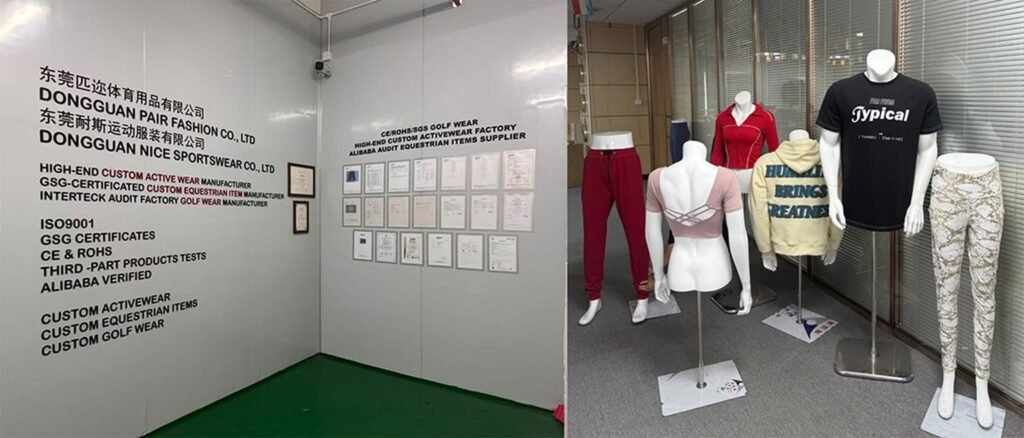
For example, Dongguan in Guangdong has developed a mature apparel ecosystem covering fabric suppliers, garment production, printing, embroidery, packaging, and export services.
This type of supply chain environment helps brands manage product development more efficiently, especially when creating customized gym shorts collections rather than purchasing standard products.
5. Price Should Be Compared Together With Overall Value
Price is an important factor, but experienced buyers understand that the lowest quotation does not always create the lowest total cost.
A cheaper supplier may create additional expenses through:
- Higher defect rates
- Repeated sample revisions
- Delayed delivery
- Poor customer reviews
- Product returns
A reliable manufacturer should provide a balance between:
- Product quality
- Customization ability
- Communication efficiency
- Delivery reliability
- Long-term cooperation potential
For activewear brands building a reputation in competitive markets, supplier selection should be considered an investment rather than a simple purchasing decision.
Why Are Activewear Brands Looking for Personalized Gym Shorts Manufacturers in China?
China has become one of the most preferred sourcing destinations for personalized gym shorts manufacturing because it combines a mature textile supply chain, experienced apparel production capabilities, flexible customization options, and competitive manufacturing costs. For activewear brands, the advantage is not only lower production expenses but also access to complete product development resources, from functional fabrics and garment construction to branding solutions.
However, choosing China is not simply about finding a cheaper supplier. Successful brands usually select Chinese manufacturers because they can support faster product iteration, more customization possibilities, and long-term collection development. The right Chinese supplier can help brands move from a simple product idea to a commercially competitive activewear collection.
What Makes China a Popular Choice for Custom Activewear Production?
China has built one of the world’s most complete apparel manufacturing ecosystems. Unlike regions where brands may need to source fabrics, accessories, and production services separately, many Chinese activewear manufacturers operate within a highly connected supply chain that supports product development, customization, and international brand requirements.
For personalized gym shorts, this ecosystem creates several practical advantages:
- Wide selection of performance fabrics
- Experienced activewear production teams
- Mature printing and embroidery resources
- Flexible customization capabilities
- Strong export experience
- Efficient supply chain coordination
Modern gym shorts are no longer just basic sports garments. Brands increasingly require products with specific performance characteristics, such as four-way stretch, moisture management, lightweight construction, durability, and comfortable fitting.
China’s textile industry provides access to different fabric solutions, including nylon-spandex blends, polyester performance fabrics, recycled materials, compression fabrics, quick-drying materials, and soft-touch athletic fabrics. Brands increasingly evaluate sustainable performance materials when developing activewear collections to meet changing consumer expectations.
This allows brands to develop products according to different customer groups.
For example:
A premium training brand may need high-compression gym shorts designed for intense workouts.
A lifestyle fitness brand may prefer softer fabrics, relaxed fits, and stronger visual branding.
A beginner fitness brand may focus on affordable but comfortable products for online sales.
A capable Chinese supplier can support these different market directions.
China vs Other Manufacturing Countries: Which Market Fits Different Brands?
Choosing a manufacturing location depends on more than production cost. Activewear brands should compare suppliers based on the complete business value they provide.
| Factor | China | Vietnam | USA / Europe |
|---|---|---|---|
| Fabric Supply Chain | Very mature | Developing | More limited for apparel sourcing |
| Customization Flexibility | High | Medium | High but usually higher cost |
| Small Batch Production | More flexible | Depends on supplier | Often limited |
| Production Cost | Competitive | Competitive | Higher |
| Product Variety | Very broad | Growing | More specialized |
| Supplier Experience | Extensive export experience | Increasing | Strong but expensive |
China remains an attractive manufacturing choice because it can provide a good balance between production cost efficiency, customization capability, and rich manufacturing experience.
Vietnam has developed quickly in the apparel manufacturing industry, especially for large-volume production. However, for brands that need frequent product updates, smaller order quantities, or more complex customization requirements, China’s supplier ecosystem can usually provide more flexible solutions.
The United States and Europe offer advantages in proximity and communication convenience, but production costs are usually significantly higher. For many emerging activewear brands, manufacturing locally may limit product experimentation because higher costs increase inventory pressure.
Why Are More DTC Activewear Brands Choosing Chinese Suppliers?
The growth of direct-to-consumer (DTC) activewear brands has changed how companies approach manufacturing. The continued expansion of the global activewear market growth shows why more brands are investing in differentiated products, flexible supply chains, and customized sportswear collections.
Traditional brands often focused on large seasonal orders. Today, many online brands prefer:
- Testing products before scaling
- Launching multiple small collections
- Adjusting designs based on customer feedback
- Building unique brand identities
This change has increased demand for suppliers that can provide flexibility.
A Shopify fitness brand launching its first gym shorts collection may not know which colors, lengths, or designs will perform best. Instead of producing thousands of units immediately, the brand may prefer testing several styles first.
A flexible Chinese manufacturer can help reduce this risk by supporting:
- Small production launches
- Multiple design variations
- Product improvements after market feedback
- Gradual order expansion
This approach allows brands to validate products before making larger investments.
What Supply Chain Advantages Do Chinese Gym Shorts Manufacturers Provide?
One of China’s biggest strengths is the connection between different parts of the apparel industry.
A personalized gym shorts project may involve:
- Fabric suppliers
- Dyeing facilities
- Pattern development
- Sewing production
- Printing and embroidery
- Packaging suppliers
- International logistics
In a mature manufacturing region, these resources can work together more efficiently.
This matters because activewear products often require more technical coordination than ordinary clothing.
For example:
A custom gym short with:
- A special waistband
- Functional fabric
- Reflective printing
- Custom packaging
- Multiple size options
requires cooperation between several production stages.
A supplier located within a strong manufacturing ecosystem can usually coordinate these requirements more efficiently than a company working through disconnected suppliers.
Why Product Development Experience Matters When Choosing a Chinese Supplier
Not every Chinese apparel factory is suitable for personalized gym shorts.
Some factories specialize in basic clothing production, while others focus on technical sportswear.
Activewear brands should look for suppliers that understand:
- Body movement
- Sportswear fitting
- Stretch recovery
- Seam durability
- Performance fabric behavior
- Different consumer body types
A manufacturer with activewear experience can often identify potential issues before production begins.
For example:
A waistband that looks acceptable in a sample may become uncomfortable during repeated training.
A fabric that feels soft initially may lose shape after multiple washes.
A printing method that works on cotton may not perform well on stretch athletic fabrics.
Experienced suppliers understand these differences and can provide more practical recommendations.
China Is Not Simply a Low-Cost Manufacturing Option
One common misunderstanding is that brands choose China only because of price.
In reality, many successful activewear companies choose Chinese suppliers because they need a combination of:
Cost efficiency + product flexibility + manufacturing knowledge + supply chain support
For growing fitness brands, the ability to develop better products faster is often more valuable than achieving the lowest possible unit cost.
The most successful supplier relationships are usually built around long-term cooperation, where manufacturers understand the brand’s customers, product positioning, and future development plans.
How Much Does Personalized Gym Shorts Manufacturing Cost in China?
The cost of manufacturing personalized gym shorts in China depends on multiple factors, including fabric selection, customization requirements, order quantity, construction details, branding elements, and production complexity. There is no single fixed price that applies to every project because different activewear brands have different product goals.
For buyers, the most important question is not simply “Which supplier offers the lowest price?” but rather “What value is included in the quotation?” A lower price may come from cheaper materials, fewer quality controls, limited customization, or reduced production flexibility. Professional buyers usually compare the complete product value, not only the unit cost.
What Factors Influence Personalized Gym Shorts Manufacturing Prices?
The final cost of custom gym shorts is usually determined by a combination of product design, material choices, and production requirements. Understanding these factors helps brands prepare realistic budgets and compare supplier quotations more effectively.
The main cost drivers include:
| Cost Factor | How It Influences Price |
|---|---|
| Fabric Selection | Performance fabrics with better stretch, recovery, softness, or sustainability features usually increase material costs |
| Order Quantity | Larger orders generally reduce average production costs because fixed preparation costs are distributed across more units |
| Design Complexity | More complex patterns, panels, pockets, or construction details require additional production time |
| Brand Customization | Labels, packaging, printing, embroidery, and special branding elements affect total cost |
| Functional Features | Compression, moisture-wicking, anti-bacterial, UV protection, or special finishes may increase development costs |
| Size Range | Extended sizing or multiple grading requirements may require additional pattern development |
| Quality Standards | Higher inspection requirements and stricter production controls can influence pricing |
Fabric Choice Has One of the Biggest Impacts on Gym Shorts Cost
For activewear products, fabric is often one of the most important cost factors because it directly affects product performance and customer experience.
A basic pair of gym shorts may use standard polyester materials, while premium training shorts may require advanced fabrics with:
- Better stretch recovery
- Higher durability
- Improved breathability
- Softer hand feel
- Moisture management
- Sustainable material options
For example:
A budget fitness brand selling entry-level workout clothing may prioritize affordable and functional fabrics.
A premium activewear brand targeting serious athletes may invest more in technical materials because customers expect better comfort and performance.
The difference between a low-cost and premium gym short is often not visible from appearance alone. The real difference usually comes from fabric performance, construction quality, and long-term wear experience.
Why Do Different Manufacturers Offer Different Quotes?
It is common for buyers to receive very different quotations from multiple personalized gym shorts manufacturers. This does not always mean one supplier is overpriced or another supplier is cheaper.
Price differences usually come from several hidden factors.
For example:
Supplier A:
- Uses standard fabric
- Offers limited customization
- Uses basic packaging
- Has fewer development services
Supplier B:
- Provides fabric recommendations
- Supports customized patterns
- Uses higher-performance materials
- Provides stronger quality management
Although Supplier B may have a higher initial quotation, the final product may create better customer satisfaction and fewer quality problems.
Experienced brands usually evaluate:
Total Product Value = Product Quality + Reliability + Development Support + Long-Term Cost Efficiency
rather than only comparing:
Lowest Unit Price = Best Supplier
How Does Order Quantity Affect Personalized Gym Shorts Pricing?
Order quantity has a direct influence on manufacturing economics. Larger production volumes usually reduce the average cost per piece because suppliers can optimize material purchasing, production preparation, and labor efficiency.
A general comparison:
| Order Volume | Typical Situation | Cost Characteristics |
|---|---|---|
| Small Batch Production | Product testing, new brand launch | Higher unit cost due to limited quantity |
| Medium Production Runs | Growing brands and seasonal collections | Better balance between flexibility and pricing |
| Large Volume Orders | Established brands and distributors | Lower unit cost with optimized production |
Growing brands usually face different challenges compared with startups. At this stage, the product has already received market validation, and the brand needs a more reliable supply chain to support growth. Many companies choose a custom activewear manufacturer that can provide stronger product development support, flexible customization options, and consistent quality as their collections expand.
However, large orders are not always the best choice for every brand.
For new activewear companies, producing too much inventory too early can create financial pressure. Many successful brands prefer testing products first, collecting customer feedback, and increasing production after confirming market demand.
What Additional Costs Should Activewear Brands Consider?
Many first-time buyers focus only on manufacturing price but overlook other costs involved in launching personalized gym shorts.
A complete budget may include:
Product Development Costs
- Pattern adjustments
- Sample development
- Fabric testing
- Design modifications
Branding Costs
- Custom labels
- Packaging
- Hangtags
- Brand accessories
Logistics Costs
- International shipping
- Customs requirements
- Warehouse delivery
Quality Management Costs
- Third-party inspections
- Testing reports
- Compliance requirements
Understanding the complete cost structure helps brands avoid unexpected expenses after production begins.
How Can Buyers Reduce Personalized Gym Shorts Manufacturing Costs Without Sacrificing Quality?
Reducing cost does not always mean choosing cheaper materials. Smart cost control focuses on improving production efficiency.
Effective strategies include:
1. Choose the Right Product Structure
Simple but well-designed products often achieve better commercial results than overly complicated designs.
2. Select Fabrics Based on Market Positioning
Not every product requires the most expensive fabric. The right material depends on customer expectations and selling price.
3. Optimize Order Planning
Instead of producing excessive inventory, brands can use market testing to determine future production quantities.
4. Develop Long-Term Supplier Relationships
Stable cooperation often improves communication efficiency, product consistency, and future planning.
Why the Cheapest Personalized Gym Shorts Supplier May Not Be the Best Choice
Price competition is common in apparel sourcing, but activewear brands should be careful when evaluating extremely low quotations.
Very low prices may indicate:
- Lower-grade fabrics
- Limited product development ability
- Reduced quality inspection
- Inconsistent sizing
- Weak communication support
These issues can become much more expensive after products reach customers.
For online brands, poor product quality can lead to:
- Negative reviews
- Higher return rates
- Customer complaints
- Reduced brand trust
A reliable manufacturer should help brands achieve a balance between competitive pricing and sustainable product quality.
What Is a Reasonable Approach When Comparing Gym Shorts Supplier Prices?
A professional buyer should compare quotations using the same product specifications.
Before comparing prices, confirm:
- Same fabric composition
- Same fabric weight
- Same customization details
- Same packaging requirements
- Same quality expectations
- Same delivery conditions
Otherwise, two quotations may appear different simply because suppliers are offering different products.
The goal is not to find the cheapest manufacturer.
The goal is to find the supplier that provides the best combination of:
Product quality + customization ability + production reliability + commercial value
1. Product Development
Regular monthly product development ensures consistent updates to your brand line.
2. Fabric Sourcing
Regular monthly product development ensures consistent updates to your brand line.
3. Sample Making
Regular monthly product development ensures consistent updates to your brand line.
4. Bulk Production
Regular monthly product development ensures consistent updates to your brand line.
5. Packaging & Delivery
Regular monthly product development ensures consistent updates to your brand line.
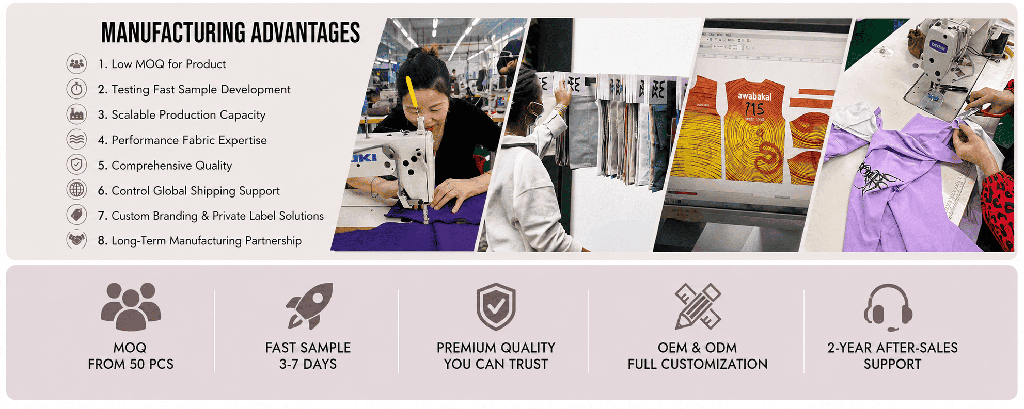
Complete OEM & ODM Sportswear Solutions
We provide complete custom sportswear manufacturing services from concept development and fabric sourcing to bulk production and worldwide delivery.
- OEM & ODM Product Development
- Functional Fabric Sourcing & Material Selection
- Pattern Making & Sample Development
- Private Label Branding & Custom Packaging
- Quality-Controlled Bulk Manufacturing
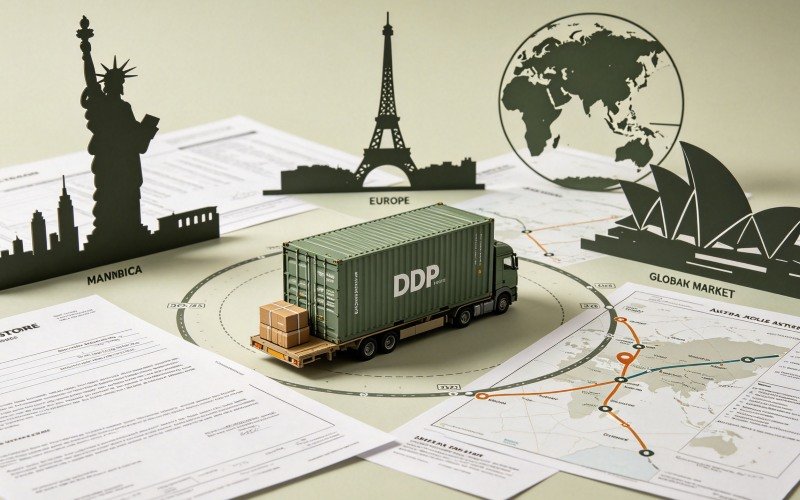
- Global DDP Shipping & Delivery Support
What Types of Personalized Gym Shorts Suppliers Are Available in China?
Choosing the right type of personalized gym shorts supplier in China depends on a brand’s business model, product requirements, order quantity, and current development stage. Not every manufacturer can meet the needs of every buyer. Large factories usually have stronger production capacity, but they may not provide enough flexibility for growing brands. Smaller custom activewear suppliers may offer better communication and more development support, but their production capacity may have certain limitations.
Before choosing a supplier, activewear brands should first understand the different types of manufacturers available in China and evaluate which supplier model is more suitable for their business goals and future development.
Large-Scale Sportswear Factories
Large-scale sportswear factories are usually designed for brands that require stable production capacity, standardized processes, and larger order volumes. These manufacturers often work with established brands, retailers, distributors, and companies that already have mature product designs and predictable purchasing schedules.
Their main advantages include:
- Higher production capacity
- Established manufacturing systems
- More standardized quality management
- Ability to handle larger purchase orders
- Experience with international buyers
These suppliers are often suitable for companies that already understand their market demand and need consistent replenishment.
For example, a sports retailer selling thousands of gym shorts every season may prioritize production stability over frequent design changes. In this situation, a large-scale factory can provide advantages because it has the workforce, equipment, and production planning systems needed for continuous supply.
However, large factories may not always be the best choice for every brand.
Some potential limitations include:
- Less flexibility for very small orders
- Higher requirements for production planning
- Less attention for simple experimental projects
- More standardized product development processes
A startup brand launching its first personalized gym shorts collection may find that a large-volume factory is not always the most suitable partner because the brand may still need more communication, product adjustment, and market testing.
Flexible Custom Activewear Manufacturers
Flexible custom activewear manufacturers are becoming increasingly important for emerging and growing fitness brands. These suppliers focus more on product development support, customization flexibility, and helping brands create unique collections.
They are often suitable for:
- New activewear startups
- DTC fitness brands
- Boutique sportswear companies
- Brands testing new product concepts
- Companies requiring personalized designs
Compared with traditional large factories, flexible manufacturers usually place more attention on:
- Product customization
- Small and medium production runs
- Design adjustment
- Fabric recommendations
- Brand-specific requirements
This supplier type is especially valuable in today’s activewear market because many brands no longer compete only through price. They compete through product differentiation.
For example, a fitness brand may want gym shorts with:
- A unique waistband design
- Specific fabric performance
- Custom colors
- Special logo placement
- Different sizing options
- Exclusive packaging
A flexible manufacturer can often provide more practical support during product development because customization is part of their daily workflow.
However, buyers should still evaluate these suppliers carefully. Flexibility does not automatically mean strong manufacturing capability. Brands should review:
- Previous activewear experience
- Production consistency
- Quality control systems
- Communication ability
- Export experience
The ideal supplier should provide both flexibility and reliable production performance.
Private Label Sportswear Suppliers
Private label sportswear suppliers focus on helping brands create products under their own brand identity. This model is popular among online fitness businesses, gym communities, influencers, and companies entering the activewear market. Working with an experienced private label activewear manufacturer allows brands to develop customized collections while maintaining control over branding, product positioning, and customer experience.
Private label suppliers typically support:
- Custom brand labels
- Packaging customization
- Logo application
- Product modifications
- Collection development
This option allows companies to build their own activewear identity without creating an entire manufacturing operation.
For many new fitness brands, private label manufacturing offers a practical entry point because it reduces the complexity of starting a clothing business.
Instead of managing:
- Fabric sourcing
- Factory coordination
- Production scheduling
- Packaging suppliers
- Quality inspections
the brand can focus more on:
- Marketing
- Customer acquisition
- Community building
- Product positioning
However, not all private label suppliers provide the same level of customization.
Some suppliers mainly offer existing products with simple branding changes, while others can support deeper product modifications.
Before choosing a private label supplier, buyers should understand:
- How much product modification is possible
- Whether exclusive designs are available
- How flexible the supplier is with branding requirements
- Whether the supplier can support future product expansion
Wholesale Gym Shorts Suppliers
Wholesale gym shorts suppliers are usually focused on providing ready-made or semi-customized products at competitive prices. They are commonly used by:
- Retail stores
- Distributors
- Fitness equipment companies
- Sports clubs
- Regional wholesalers
Their main strengths include:
- Competitive pricing
- Faster purchasing decisions
- Existing product availability
- Larger inventory options
Wholesale suppliers can be a good choice when buyers need products quickly and do not require extensive customization.
For example, a fitness retailer preparing for a seasonal promotion may prefer purchasing proven gym shorts styles rather than developing completely new products.
However, wholesale supply models may have limitations for brands that want strong differentiation.
Common limitations include:
- Limited design exclusivity
- Less control over product details
- Fewer customization options
- Higher risk of product similarity with competitors
For brands building a long-term identity, a manufacturer with stronger customization capability may create more value.
Which Type of Personalized Gym Shorts Supplier Is Best for Different Brands?
There is no single supplier type that works for every activewear company. The best choice depends on the brand’s current situation.
| Brand Situation | Recommended Supplier Type | Main Reason |
|---|---|---|
| New fitness startup | Flexible custom activewear manufacturer | Better development support and lower risk |
| Growing DTC brand | Private label or OEM/ODM supplier | Supports branding and product expansion |
| Established sportswear company | Large-scale sportswear factory | Provides stable production capacity |
| Retail distributor | Wholesale supplier | Focuses on pricing and volume |
| Premium performance brand | Technical activewear manufacturer | Supports advanced product requirements |
The most important decision is not choosing the biggest supplier. It is choosing the supplier whose capabilities match your business model.
A successful manufacturing partnership begins with understanding what your brand needs today and what capabilities you will need as your product line grows.
How Should Brands Evaluate Personalized Gym Shorts Manufacturers?
Selecting a personalized gym shorts manufacturer is not only a purchasing decision, but also an important decision for a brand’s long-term supply chain development. The right supplier can directly influence product quality, customer satisfaction, brand reputation, and future business growth. Professional activewear brands usually evaluate manufacturers from different aspects instead of making decisions only based on price.
A reliable manufacturer should have good product knowledge, stable production ability, effective communication, flexible customization capability, and the ability to support the brand’s future development. The best supplier is the one that can match your business requirements, product positioning, and development goals.
What Should Activewear Brands Check Before Choosing a Gym Shorts Manufacturer?
Before starting cooperation, buyers should evaluate manufacturers from several important aspects. A supplier that looks attractive during the quotation stage may not always provide the expected performance during product development or bulk production. Therefore, brands should carefully check the supplier’s overall capability before making a final decision.
A professional evaluation process helps brands reduce risks and identify manufacturers that can provide long-term value.
1. Evaluate Product Experience and Category Knowledge
The first thing brands should consider is whether the manufacturer truly understands gym shorts and activewear production.
Many clothing suppliers can produce basic shorts, but technical activewear requires more specialized knowledge.
A capable supplier should understand:
- Stretch fabric performance
- Body movement requirements
- Different training scenarios
- Fit and sizing standards
- Comfort during long-term wear
- Durability after repeated washing
For example, gym shorts designed for weight training, running, yoga, and lifestyle use may require different product structures.
A running short may prioritize:
- Lightweight materials
- Breathability
- Quick drying
A training short may require:
- Stronger durability
- Better stretch recovery
- More supportive construction
A lifestyle fitness short may focus more on:
- Appearance
- Comfort
- Versatile styling
A manufacturer with broader activewear experience can provide more accurate recommendations because they understand how product decisions affect customer experience.
2. Check Customization Capability
For modern activewear brands, customization is one of the most important factors when selecting suppliers.
A strong personalized gym shorts manufacturer should be able to support different levels of customization based on brand requirements.
Important customization areas include:
Product Design
- New styles
- Modified existing designs
- Different lengths
- New silhouettes
Fabric Options
- Performance fabrics
- Sustainable materials
- Different thickness levels
- Different stretch levels
Branding Elements
- Logo placement
- Labels
- Packaging
- Brand accessories
Functional Details
- Pockets
- Waistband construction
- Drawstrings
- Reflective elements
- Special stitching details
Brands should understand that customization capability is not only about whether a factory can add a logo.
True customization means the supplier can help create a product that fits the brand’s market positioning.
For example, a premium fitness brand may need exclusive product details to differentiate from competitors, while a new online brand may only require basic private label customization.
The right supplier should be flexible enough to support different development levels.
3. Review Manufacturing Reliability
A supplier’s production capability directly affects whether a brand can maintain stable product availability.
Important factors include:
| Evaluation Area | Questions Buyers Should Ask |
|---|---|
| Production Experience | How long has the supplier produced activewear products? |
| Capacity Planning | Can the supplier support future order growth? |
| Production Stability | How does the factory manage busy seasons? |
| Quality Management | What inspection procedures are used? |
| Communication | How quickly does the supplier respond? |
A manufacturer may have impressive equipment, but reliability depends on the entire production system.
For activewear brands, unstable production can create serious problems:
- Missed product launches
- Inventory shortages
- Customer complaints
- Lost sales opportunities
This is especially important for brands operating seasonal collections or frequent product releases.
4. Understand Communication Ability
Communication is often underestimated during supplier selection, but it becomes one of the most important factors after cooperation begins.
International manufacturing involves many details:
- Product specifications
- Fabric selection
- Size measurements
- Color confirmation
- Packaging requirements
- Production updates
Small misunderstandings during early discussions can create larger problems later.
A reliable supplier should be able to:
- Understand brand requirements clearly
- Provide detailed feedback
- Confirm important decisions
- Explain production limitations
- Suggest practical solutions
For overseas brands, communication quality can directly influence project efficiency.
A manufacturer that responds quickly and communicates professionally can help prevent unnecessary delays and misunderstandings.
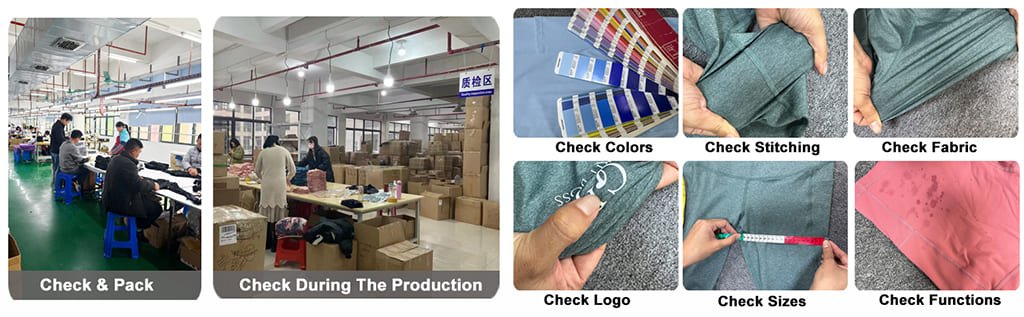
5. Evaluate Quality Management Standards
Quality consistency is one of the biggest concerns for activewear buyers.
A professional supplier should have clear quality control procedures covering different production stages.
Important quality checkpoints include:
Fabric Inspection
Checking:
- Fabric composition
- Color consistency
- Stretch performance
- Surface quality
Production Inspection
Checking:
- Sewing quality
- Measurements
- Construction details
- Workmanship
Final Inspection
Checking:
- Product appearance
- Packaging accuracy
- Quantity
- Shipping readiness
Brands should also consider whether the supplier can provide relevant compliance documents or testing support required for their target market.
Different markets may have different expectations regarding:
- Material safety
- Environmental standards
- Product testing
- Social responsibility requirements
6. Compare Supplier Fit Instead of Supplier Size
A common mistake is assuming that the largest manufacturer is always the best choice.
In reality, supplier suitability depends on business requirements.
A small or medium-sized activewear brand may benefit more from a flexible supplier that provides:
- Faster communication
- More product attention
- Greater customization flexibility
A large retail company may need:
- Higher capacity
- Stronger production systems
- Large-volume consistency
The question is not:
“Which factory is the biggest?”
The better question is:
“Which manufacturer has the capabilities that match my brand’s current and future needs?”
What Questions Should Buyers Ask Before Selecting a Personalized Gym Shorts Manufacturer?
Before placing an order, activewear brands should ask suppliers practical questions that reveal their real capabilities.
Examples include:
Product Capability Questions
- What types of gym shorts and activewear products do you specialize in?
- Can you develop custom designs?
- What fabric options can you provide?
Production Questions
- What order quantities do you usually handle?
- How do you maintain production consistency?
- How do you manage quality during bulk production?
Business Cooperation Questions
- Which markets do you mainly serve?
- What types of brands do you usually work with?
- Can you support long-term collection development?
Customization Questions
- How much can existing designs be modified?
- Can you support custom branding and packaging?
- Can you develop unique product features?
These questions help buyers understand whether a supplier is simply selling products or capable of becoming a long-term manufacturing partner.
A Practical Supplier Evaluation Checklist
Before making a final decision, brands can review suppliers using the following checklist:
| Evaluation Category | Key Points |
|---|---|
| Product Knowledge | Understands activewear requirements |
| Customization | Supports personalized product development |
| Communication | Clear and efficient international communication |
| Quality Control | Stable inspection and production standards |
| Reliability | Consistent delivery performance |
| Flexibility | Suitable for different order stages |
| Experience | Understands target markets |
| Transparency | Clear pricing and production information |
| Scalability | Can support future growth |
| Partnership Potential | Suitable for long-term cooperation |
Choosing a personalized gym shorts manufacturer should be considered as building a long-term supply chain partnership rather than just completing one order. Brands that spend more time evaluating suppliers usually can achieve more stable product quality, smoother communication, and better long-term cooperation results.
What Are the Common Mistakes When Choosing a Personalized Gym Shorts Supplier?
Choosing the wrong personalized gym shorts supplier can create problems that go far beyond production costs. Many activewear brands experience sourcing issues not because manufacturers cannot produce shorts, but because the supplier selection process focuses on the wrong factors. Common mistakes include choosing only based on price, overlooking product development ability, failing to evaluate communication quality, and selecting a supplier that cannot support future growth.
A professional supplier selection process should consider both current product requirements and long-term business goals. The right manufacturer should not only deliver products but also help brands reduce risks, improve efficiency, and build a stronger market position.
Why Is Choosing the Lowest Price Supplier Not Always the Best Decision?
Price is naturally one of the first factors brands consider when comparing personalized gym shorts manufacturers. However, focusing only on the lowest quotation can create hidden costs that are much higher than the initial savings.
A lower price may sometimes indicate:
- Lower-grade fabric selection
- Simplified construction methods
- Limited quality inspection
- Less experienced production teams
- Reduced customization capability
For example, two suppliers may quote very different prices for similar-looking gym shorts. On the surface, the products may appear identical, but the differences may exist in areas customers cannot immediately see:
- Fabric recovery after washing
- Waistband stability during exercise
- Stitching durability
- Size accuracy
- Color consistency
These details directly affect customer satisfaction.
For an activewear brand, product failure can create additional costs:
- Customer returns
- Negative reviews
- Lost repeat purchases
- Marketing waste
- Damaged brand reputation
A professional buyer should compare the total value behind the quotation rather than only comparing the unit price.
The better question is not:
“Which supplier offers the cheapest gym shorts?”
The better question is:
“Which supplier provides the best balance between cost, quality, reliability, and long-term value?”
Ignoring Product Development Capability Can Limit Brand Growth
Many new brands assume that manufacturing is only about producing an existing design. However, the activewear market changes quickly, and successful brands often need continuous product improvement.
A supplier with strong product development capability can help brands solve practical challenges before production begins.
Examples include:
- Improving fit based on target customers
- Selecting more suitable fabrics
- Adjusting construction details
- Reducing unnecessary production costs
- Improving product performance
This becomes especially important for personalized gym shorts because small design decisions can significantly affect the final product.
For example:
A waistband that looks attractive in a design sketch may not provide enough support during workouts.
A lightweight fabric may feel comfortable but may not offer enough durability for high-intensity training.
A pocket design may look practical but may affect movement during exercise.
Manufacturers with activewear experience can identify these issues earlier and suggest improvements.
For brands building a long-term collection, supplier development capability often becomes a competitive advantage.
Selecting a Supplier Without Understanding Your Own Business Needs
Another common mistake is choosing a manufacturer before clearly defining the brand’s own requirements.
Different businesses need different supplier capabilities.
A startup launching its first fitness collection may need:
- Flexible production options
- More communication support
- Lower inventory risk
- Product guidance
A growing activewear brand may need:
- Stable quality
- Faster collection development
- Consistent sizing
- Reliable replenishment
A mature brand may need:
- Strong production capacity
- Compliance support
- Long-term supply planning
Without understanding these priorities, buyers may select a supplier that looks attractive initially but becomes difficult to work with later.
Before contacting manufacturers, brands should define:
| Business Question | Why It Matters |
|---|---|
| Who are your target customers? | Determines product requirements |
| What price level will your brand sell at? | Influences material choices |
| How often will you launch new products? | Determines supplier flexibility needs |
| What order volume do you expect? | Helps match factory capability |
| How much customization do you require? | Determines suitable supplier type |
A clear business strategy helps brands identify manufacturers that are truly suitable.
Failing to Check Supplier Communication Quality
Communication problems are one of the most common reasons international manufacturing projects fail.
Even when a supplier has strong production ability, unclear communication can lead to:
- Incorrect product specifications
- Delayed confirmations
- Wrong materials
- Unexpected cost changes
- Production misunderstandings
This is especially important for customized gym shorts because projects often involve many details:
- Fabric selection
- Color standards
- Measurements
- Logo placement
- Packaging requirements
- Product adjustments
A professional supplier should be able to communicate clearly, explain production possibilities, and provide practical solutions.
Before cooperation, buyers should evaluate:
- Response speed
- Understanding of product requirements
- Ability to explain technical details
- Willingness to solve problems
- Transparency during discussions
Good communication is not just a service advantage. It directly reduces production risk.
Choosing a Supplier Without Checking Real Production Capability
Another mistake is judging manufacturers only through websites, photos, or product catalogs.
A professional buyer should verify whether a supplier’s claimed capabilities match actual production ability.
Important evaluation points include:
Product Experience
Does the supplier actually specialize in activewear?
Manufacturing Capability
Can the supplier handle your expected order volume?
Quality Management
Are there clear quality inspection procedures?
Market Experience
Does the supplier understand international buyer requirements?
Previous Product Range
Has the supplier produced similar products before?
A manufacturer may look attractive online, but real cooperation depends on operational ability.
Ignoring Future Growth Potential
Some brands choose suppliers based only on their first order.
However, a successful activewear business usually requires continuous development.
A supplier that works well for a small test order may not always support future expansion.
Brands should consider:
- Can the supplier support larger quantities later?
- Can they develop new products?
- Can they maintain consistent quality across seasons?
- Can they support expanding product categories?
Long-term supplier compatibility becomes increasingly important as a brand grows.
Common Supplier Selection Mistakes and Better Approaches
| Common Mistake | Better Approach |
|---|---|
| Choosing only by price | Compare total value, quality, and reliability |
| Selecting any clothing factory | Choose suppliers with activewear experience |
| Ignoring customization ability | Evaluate future product development needs |
| Focusing only on the first order | Consider long-term cooperation potential |
| Not asking enough questions | Build a clear supplier evaluation checklist |
| Skipping supplier verification | Review experience, capability, and communication |
How Professional Brands Reduce Supplier Selection Risks
Experienced activewear companies usually treat supplier selection as a strategic process rather than a simple purchasing task.
They compare:
- Product capability
- Manufacturing experience
- Communication quality
- Cost structure
- Market suitability
- Long-term cooperation potential
The goal is not to find the cheapest factory.
The goal is to find a manufacturing partner that can consistently support product quality, brand reputation, and business growth.
For personalized gym shorts, this approach is especially important because customers directly experience the difference between average products and well-developed activewear.
Which Personalized Gym Shorts Manufacturer Is Suitable for Different Brand Stages?
Lorem ipsum dolor sit amet, consectetur adipiscing elit. Ut elit tellus, luctus nec ullamcorper mattis, pulvinar dapibus leo.
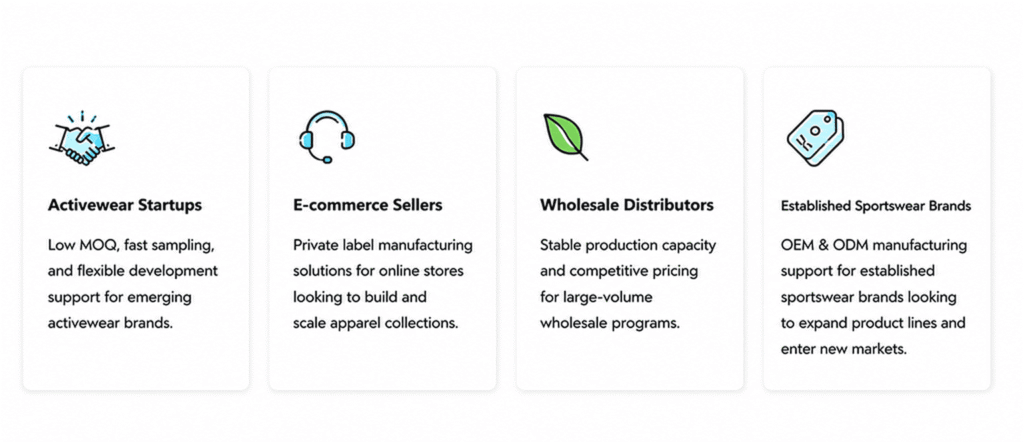
The best personalized gym shorts manufacturer is not the same for every activewear brand. A supplier that works well for a startup launching its first collection may not be the right choice for an established company managing large-scale seasonal production. The ideal manufacturing partner should match the brand’s current development stage, purchasing goals, product complexity, and future growth plans.
Understanding your business stage before selecting a supplier helps avoid common sourcing problems, including excessive inventory pressure, limited product development support, unstable quality, and supplier limitations during expansion.
Startup Activewear Brands: What Type of Manufacturer Should New Brands Choose?
New activewear brands usually face different challenges compared with established companies. Their main difficulty is not simply producing gym shorts, but creating a market-ready product while controlling financial risk.
Startups often need suppliers that can provide:
- Flexible production options
- Product development guidance
- Lower inventory risk
- Customization support
- Clear communication
- Assistance with improving product concepts
At the early stage, brands usually do not have enough market data to predict which designs will perform best. Producing a large quantity too early can create unnecessary inventory pressure.
A more practical approach is often:
- Develop several product concepts
- Test customer response
- Collect market feedback
- Improve successful designs
- Increase production gradually
For example, a new fitness brand may want to test:
- Different gym shorts lengths
- Multiple colors
- Various waistband designs
- Different fabric options
A flexible manufacturer can help the brand evaluate these choices before investing in larger production.
For startup companies, the most suitable supplier is usually not the largest factory. Instead, it is a manufacturer that understands the challenges of building a new activewear business and can provide practical support during product development.
Growing Activewear Brands: Which Supplier Capabilities Matter Most?
Growing brands are usually beyond the testing stage. They already have some market validation and need a supplier that can help them expand consistently.
At this stage, brands often focus on:
- Improving product quality
- Expanding product categories
- Maintaining consistent sizing
- Increasing production efficiency
- Developing seasonal collections
A suitable manufacturer should provide stronger supply chain support and better production stability.
Important capabilities include:
Consistent Product Quality
When a brand receives more customer orders, inconsistent products can quickly damage reputation.
Customers expect:
- The same fit between batches
- Stable fabric performance
- Reliable construction quality
Product Development Support
Growing brands often need to release new collections regularly.
A strong supplier should be able to support:
- New styles
- Fabric updates
- Design adjustments
- Market trend adaptation
Supply Flexibility
Growing companies need a supplier that can support both smaller launches and larger repeat orders.
For example:
A brand may start with a few hundred pieces per style and gradually increase successful products to larger quantities.
A supplier that understands this growth process can become a valuable long-term partner.
Established Activewear Brands: What Should Mature Companies Prioritize?
Established brands usually have different expectations from manufacturers.
Their main concerns are often:
- Production reliability
- Supply chain stability
- Quality consistency
- Compliance requirements
- Long-term cooperation
At this stage, brands usually need suppliers that can support structured purchasing systems.
Important factors include:
| Priority | Why It Matters |
|---|---|
| Production Capacity | Supports large and repeated orders |
| Quality Management | Maintains brand standards |
| Supply Stability | Prevents inventory problems |
| Compliance Capability | Meets international market requirements |
| Communication System | Supports efficient cooperation |
At this stage, the best manufacturer is usually one that can become a strategic supply chain partner rather than simply a production provider.
Different Business Models Require Different Supplier Types
Besides brand size, the sales model also influences supplier selection.
DTC Activewear Brands
Direct-to-consumer brands usually need:
- Product differentiation
- Flexible development
- Branding support
- Fast market response
They often benefit from suppliers experienced in customized activewear.
Amazon Fitness Brands
Amazon sellers usually focus on:
- Product competitiveness
- Reliable quality
- Cost control
- Inventory planning
They need suppliers that understand online marketplace requirements.
Gym and Fitness Community Brands
These businesses may require:
- Team customization
- Logo applications
- Repeat ordering
- Consistent sizing
They often prioritize communication and flexibility.
Retail and Distribution Companies
Retail buyers usually focus on:
- Production capacity
- Cost efficiency
- Delivery reliability
- Consistent supply
They often need suppliers capable of handling larger volumes.
How Should Brands Choose a Personalized Gym Shorts Manufacturer Based on Growth Stage?
A practical matching guide:
| Brand Stage | Recommended Supplier Characteristics |
|---|---|
| Startup Brand | Flexible, supportive, customization-focused |
| Growing Brand | Stable, scalable, development-oriented |
| Established Brand | High-capacity, reliable, compliance-focused |
| Retail Buyer | Volume-focused, cost-efficient, consistent |
The key principle is simple:
The best personalized gym shorts manufacturer is the supplier that fits your current business needs while supporting your next stage of growth.
A supplier that works well for a small startup may not be the same supplier needed after the brand reaches international expansion. Successful activewear companies regularly review supplier capabilities as their products, customers, and markets evolve.
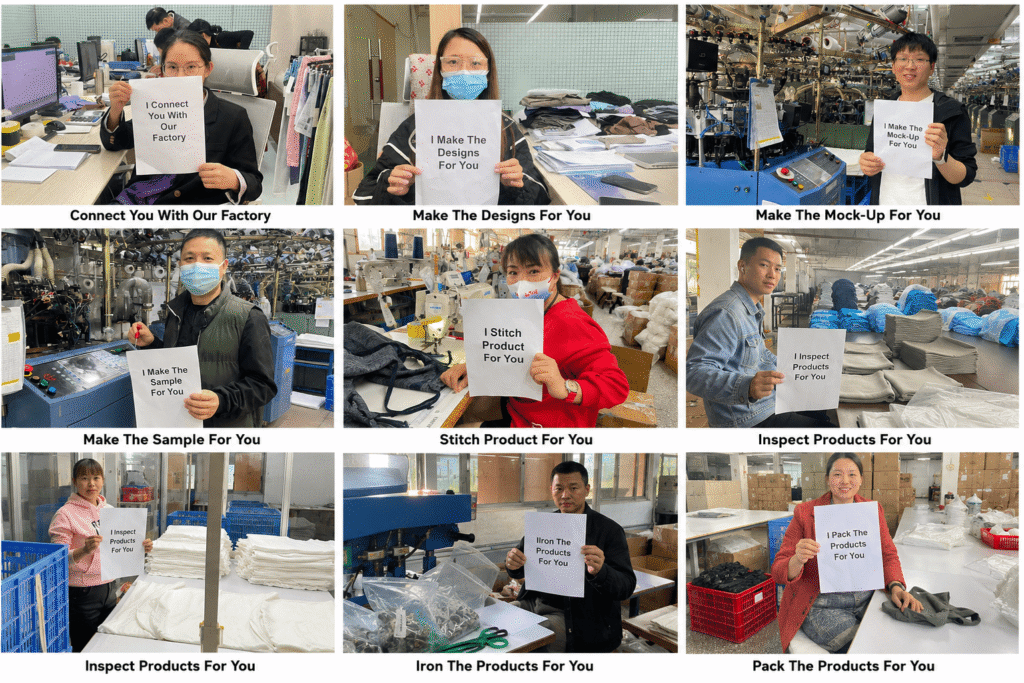
Final Guide: How to Select the Best Personalized Gym Shorts Manufacturer in China?
Selecting the best personalized gym shorts manufacturer in China requires a structured evaluation process that considers product capability, supplier reliability, customization needs, cost expectations, and long-term business compatibility. Following professional international sourcing practices can help brands reduce supply chain risks and build stronger manufacturing partnerships.The right manufacturer should not only meet your current production requirements but also have the ability to support future product expansion and market growth.
For activewear brands, supplier selection should be viewed as a strategic business decision rather than a simple purchasing activity. A manufacturer that understands your customers, product positioning, and growth goals can help you build stronger collections, reduce sourcing risks, and create more consistent product experiences.
What Should Brands Consider Before Choosing a Personalized Gym Shorts Manufacturer?
Before making a final decision, activewear brands should evaluate manufacturers from several perspectives. A supplier that looks attractive because of a low quotation or impressive product photos may not always provide reliable long-term support.
Professional buyers usually consider:
- Product expertise
- Customization capability
- Manufacturing reliability
- Communication efficiency
- Quality consistency
- Cost transparency
- Business suitability
- Future growth potential
The purpose is not to find the cheapest supplier.
The purpose is to find a manufacturer that can provide the right balance between product quality, commercial value, and long-term cooperation.
10-Point Supplier Selection Checklist for Activewear Brands
A practical supplier checklist helps brands compare manufacturers more objectively.
| Evaluation Point | Questions Buyers Should Consider |
|---|---|
| 1. Activewear Experience | Does the manufacturer understand gym shorts and performance apparel requirements? |
| 2. Product Knowledge | Can the supplier provide useful suggestions about fabrics, construction, and fit? |
| 3. Customization Ability | Can the manufacturer support personalized designs, branding, and product modifications? |
| 4. Production Reliability | Can the supplier maintain consistent quality during repeated orders? |
| 5. Quality Management | Does the manufacturer have clear quality inspection procedures? |
| 6. Communication Ability | Can the supplier understand requirements and solve problems efficiently? |
| 7. Cost Transparency | Are pricing factors clearly explained before production? |
| 8. Delivery Reliability | Can the supplier meet agreed production schedules? |
| 9. Market Experience | Does the manufacturer understand international activewear markets? |
| 10. Long-Term Compatibility | Can the supplier support future brand development? |
How Can Buyers Verify Whether a Personalized Gym Shorts Manufacturer Is Reliable?
Many supplier problems happen because brands make decisions based only on online information.
Before cooperation, buyers should collect more information and evaluate the supplier from multiple angles.
Important verification areas include:
Review Product Experience
Look beyond general apparel manufacturing experience.
A supplier producing casual clothing may not fully understand activewear requirements.
Check whether the manufacturer has experience with:
- Gym shorts
- Sports leggings
- Training apparel
- Performance fabrics
- Stretch garments
- Functional sportswear
Category experience often determines whether the final product meets customer expectations.
Evaluate Previous Development Capability
A strong supplier should understand how to transform an idea into a production-ready product.
Brands should consider whether the manufacturer can support:
- Product improvements
- Fabric recommendations
- Design adjustments
- Technical discussions
- Market-specific requirements
This is especially important for personalized gym shorts because small details often influence product performance.
Compare Communication Before Production
The quality of communication before placing an order often reflects future cooperation efficiency.
During initial discussions, brands should observe:
- Response speed
- Understanding of requirements
- Attention to details
- Problem-solving ability
- Professional recommendations
A supplier that communicates clearly during the early stage is usually easier to work with during production.
What Should Brands Avoid When Selecting a Gym Shorts Supplier?
Even experienced buyers can make mistakes during supplier selection.
The following situations should be carefully avoided:
Avoid Choosing Only Based on Price
A low quotation may appear attractive, but it may create additional risks.
Possible consequences include:
- Lower product quality
- More quality issues
- Delayed production
- Higher return rates
- Additional management costs
The lowest price does not always represent the lowest total cost.
Avoid Selecting a Supplier Without Understanding Their Strengths
Different manufacturers have different advantages.
Some suppliers are better at:
- Large-volume production
Others may specialize in:
- Flexible customization
- Product development
- Private label support
The supplier should match your business requirements.
Avoid Treating the First Order as the Only Goal
A strong manufacturing relationship should support future growth.
Brands should think about:
- Future product launches
- Increasing order quantities
- Expanding product categories
- Maintaining consistent quality
A supplier that supports long-term development can create more value than one that only provides a competitive first quotation.
How Do Successful Activewear Brands Build Better Supplier Relationships?
Successful brands usually approach manufacturing partnerships from a long-term perspective.
They focus on:
Clear Product Communication
Providing clear information about:
- Target customers
- Product expectations
- Brand positioning
- Market requirements
helps manufacturers provide better solutions.
Continuous Product Improvement
The strongest brands do not simply repeat the same products.
They continuously improve:
- Fabric choices
- Product designs
- Customer experience
- Functional features
A good supplier relationship allows these improvements to happen more efficiently.
Long-Term Planning
Brands that communicate future goals can often build stronger partnerships.
For example:
A fitness startup may initially launch gym shorts only.
Later, it may expand into:
- Sports bras
- Leggings
- Training sets
- Lifestyle activewear
A supplier that understands the brand direction can better support future development.
Final Buyer Decision Framework
Before selecting a personalized gym shorts manufacturer in China, brands should ask themselves:
Product Fit
- Does this supplier understand my product category?
- Can they support my customization requirements?
Business Fit
- Are they suitable for my current order volume?
- Can they support future growth?
Quality Fit
- Can they maintain consistent product standards?
- Do they understand my target market expectations?
Partnership Fit
- Is communication efficient?
- Can we build a long-term working relationship?
Final Thoughts: Choosing the Right Manufacturer Is About Long-Term Value
The best personalized gym shorts manufacturer companies in China are not necessarily the largest factories or the suppliers offering the lowest prices. The right choice depends on whether the manufacturer can support your brand’s product vision, market requirements, and growth strategy.
Activewear has become a highly competitive industry. Customers expect more than basic sports clothing; they expect comfortable fitting, reliable performance, attractive design, and strong brand identity.
For this reason, supplier selection should focus on finding a manufacturing partner that combines:
- Product understanding
- Customization capability
- Stable production
- Clear communication
- Long-term cooperation potential
Brands that carefully evaluate suppliers before production are more likely to build successful collections, reduce operational risks, and create stronger customer loyalty.
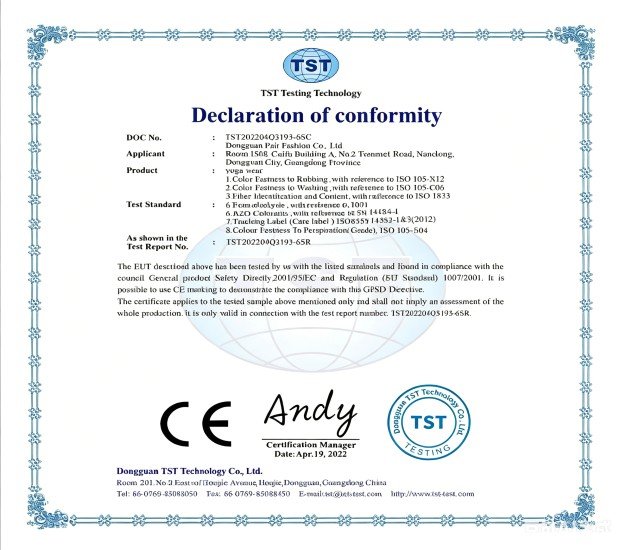
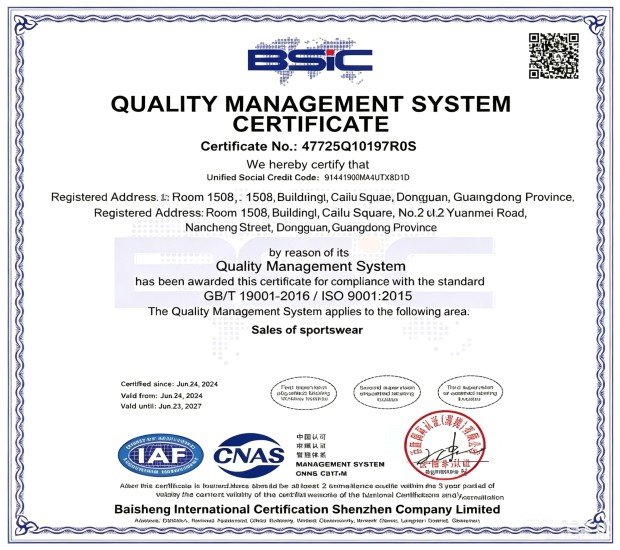
Frequently Asked Questions About Personalized Gym Shorts Manufacturers in China
1. What should I consider when choosing a personalized gym shorts manufacturer in China?
Choosing the right personalized gym shorts manufacturer requires evaluating more than price alone. Activewear brands should consider the supplier’s experience with gym shorts production, customization capability, fabric knowledge, quality management, communication efficiency, production reliability, and ability to support future business growth. The best manufacturer is the one that matches your brand stage, product requirements, target customers, and long-term development plans.
2. Which type of personalized gym shorts manufacturer is best for a startup activewear brand?
The best supplier type for a startup activewear brand is usually a flexible manufacturer that can support product development, smaller production requirements, and customization needs. Startups often need more guidance during fabric selection, fitting adjustments, and product improvement. A supplier with experience supporting emerging brands can help reduce inventory risks and create products that better match customer expectations before scaling to larger production volumes.
3. How much does it cost to manufacture personalized gym shorts in China?
The cost of manufacturing personalized gym shorts in China depends on several factors, including fabric selection, order quantity, design complexity, customization requirements, branding details, and packaging needs. Basic gym shorts with simple customization usually cost less, while premium products using performance fabrics, advanced construction, or exclusive designs require higher investment. Brands should compare overall value rather than selecting suppliers only based on the lowest quotation.
4. How long does it take to produce personalized gym shorts from a Chinese manufacturer?
The production timeline for personalized gym shorts depends on product complexity, sample approval speed, material availability, and order quantity. Sample development usually requires several days to a few weeks depending on customization requirements, while bulk production timelines vary based on manufacturing conditions and supplier capacity. Brands should discuss development schedules clearly with manufacturers before confirming orders to avoid delays.
5. What is the difference between OEM and ODM personalized gym shorts manufacturers?
OEM personalized gym shorts manufacturers produce products based on the brand’s own designs, specifications, or technical requirements, while ODM manufacturers usually provide more product development support, including design suggestions and existing product concepts that can be modified. OEM is suitable for brands with clear product ideas, while ODM is often better for companies that need more assistance creating new activewear collections.
6. How can I verify whether a personalized gym shorts supplier is reliable?
Brands can evaluate supplier reliability by reviewing manufacturing experience, previous product categories, customization capability, quality control systems, communication efficiency, export experience, and customer references. It is also important to ask detailed questions about production capability, material options, quality inspection procedures, and long-term cooperation experience before placing an order.
7. Why do personalized gym shorts manufacturers in China offer different prices?
Different manufacturers provide different quotations because production costs are affected by fabric quality, construction methods, order volume, customization level, labor requirements, quality standards, and packaging specifications. A lower price may come from simpler materials or reduced production processes, while a higher price may include better fabrics, stronger quality control, and more reliable manufacturing support. Buyers should evaluate total value rather than price alone.
8. Are Chinese personalized gym shorts manufacturers suitable for international activewear brands?
Chinese personalized gym shorts manufacturers are widely used by international activewear brands because they offer strong textile supply chains, extensive manufacturing experience, flexible customization options, and competitive production capabilities. The most suitable supplier depends on the brand’s requirements, including product positioning, order volume, customization expectations, quality standards, and future growth plans. Brands should focus on finding a manufacturing partner that fits their business strategy rather than simply choosing the largest supplier.