OEM/ODM Sportswear Manufacturer | 3-Day Sampling | Low MOQ | 50K Monthly Capacity | ISO9001 & BSCI Certified

Top 10 Bulk Sports Jackets Manufacturers in China for Global Brand Supplier Comparison
Discover reliable Bulk Sports Jackets Manufacturers in China through our supplier comparison guide. Learn how global sportswear brands evaluate manufacturers based on production experience, product capability, quality standards, pricing factors, and sourcing reliability before selecting the right long-term sports jacket partner.
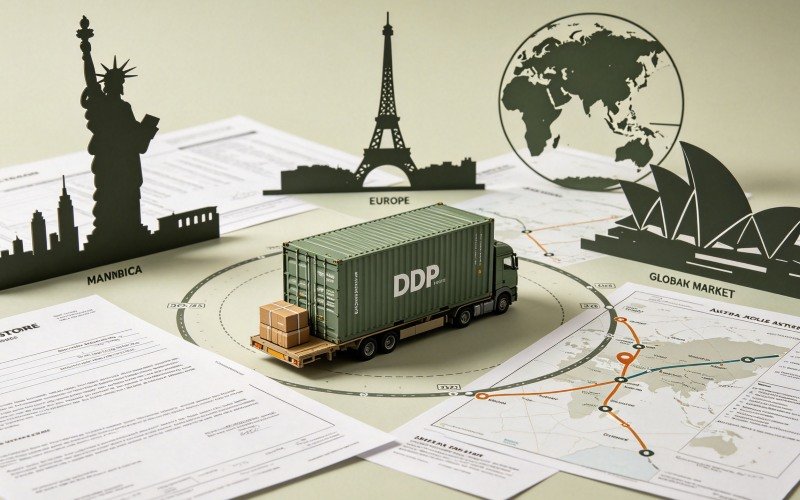
Why Are Chinese Bulk Sports Jackets Manufacturers Chosen by Global Brands?
Chinese bulk sports jackets manufacturers are widely selected by global brands because they combine a complete textile supply chain, strong production experience, competitive manufacturing costs, and flexible supplier options. For international buyers, China provides access to mature sportswear production clusters, diverse functional fabrics, and manufacturers capable of supporting different business models, from emerging brands to established retailers.
Why Does China Have Strong Advantages in Sports Jacket Manufacturing?
When global brands evaluate sourcing locations for bulk sports jackets, China remains one of the most competitive markets because of its complete apparel ecosystem. Unlike regions that rely heavily on imported fabrics or limited manufacturing resources, China has developed a full supply chain covering fabric development, garment production, accessories, testing, and international logistics.
One of the biggest advantages is the availability of functional sportswear fabrics. Sports jackets are no longer simple outerwear products. Modern buyers increasingly require lightweight construction, wind resistance, breathability, water-repellent performance, stretch comfort, and seasonal adaptability. Chinese suppliers benefit from a mature textile industry that provides access to a wide range of performance materials, including polyester blends, recycled fabrics, stretch woven fabrics, and technical outdoor textiles. Brands focusing on sustainable sourcing may also evaluate suppliers using recognized GRS recycled materials certification standards.
Another important factor is manufacturing experience. China has decades of experience producing apparel for international markets. Many suppliers have worked with brands from North America, Europe, Australia, and the Middle East, which means they understand different market expectations regarding sizing, quality standards, packaging requirements, and delivery processes.
For brands, this experience reduces many common sourcing risks. A supplier that understands international market requirements is more likely to provide consistent product quality and smoother communication throughout the purchasing process.
Key advantages of sourcing bulk sports jackets from China include:
- Complete sportswear supply chain from fabric to finished garments
- Large supplier selection for different order volumes and product categories
- Strong technical manufacturing experience for functional apparel
- Flexible production options for different brand stages
- Mature export experience serving global markets
However, buyers should also understand that not every Chinese supplier offers the same level of capability. The market includes large-scale manufacturers, specialized sportswear suppliers, trading companies, and small workshops. Therefore, supplier evaluation remains essential before making a long-term sourcing decision.
China Sports Jacket Manufacturers vs Other Sourcing Countries: Which Market Fits Different Brands?
Choosing a manufacturing location depends on a brand’s priorities, including production volume, product complexity, target price range, and supply chain expectations. While China is one of the world’s largest apparel manufacturing markets, other sourcing destinations may also provide advantages for certain business situations.
The following comparison helps buyers understand the differences:
| Evaluation Factor | China | Vietnam | Turkey | Local Production |
|---|---|---|---|---|
| Supply Chain Completeness | Very strong textile and garment ecosystem | Strong garment production but more dependent on imported materials | Strong for European nearby sourcing | Usually limited |
| Fabric Options | Extensive functional fabric resources | Good but narrower options | Good for certain apparel categories | Depends on region |
| Production Scale | Suitable for small to large orders | Better for medium and large production | Medium-scale production | Usually smaller |
| Custom Development | Strong supplier resources | Available but supplier selection varies | Good for European-focused brands | Depends on local capability |
| Cost Competitiveness | Highly competitive | Competitive | Usually higher than Asia | Usually highest |
| Export Experience | Extensive global experience | Growing international experience | Strong connection with European markets | Depends on market |
For brands looking for bulk sports jackets production, China often provides a better balance between cost, supplier availability, product development capability, and production flexibility.
For example, a startup brand may prioritize suppliers that can support smaller initial production quantities and provide development assistance. A wholesale distributor may focus more on production stability and pricing consistency. Meanwhile, an established sportswear company may require suppliers with stronger compliance systems, quality management, and long-term cooperation capability.
The best sourcing decision is not simply choosing the lowest-cost country. It is choosing the market where suppliers can match the brand’s product requirements, growth stage, and future purchasing plans.
What Should Global Buyers Consider Before Choosing a Chinese Sports Jacket Supplier?
Although China offers significant manufacturing advantages, professional buyers should avoid selecting suppliers only based on price or online appearance. A reliable supplier evaluation process should consider several factors before production begins.
Important evaluation points include:
1. Similar Product Experience
A supplier producing basic jackets may not have the same capability as a manufacturer experienced with sports performance products. Buyers should check whether the supplier has experience with:
- Running jackets
- Training jackets
- Outdoor sports jackets
- Team jackets
- Lightweight active jackets
Relevant product experience usually means better understanding of construction details, fabric behavior, and quality expectations.
2. Production Capability
Brands should evaluate whether a supplier can support their expected order volume and timeline. Important factors include:
- Production capacity
- Skilled workforce
- Quality inspection system
- Production organization
A supplier suitable for small test orders may not always be the right choice for large seasonal production programs.
3. International Market Experience
Suppliers serving global brands often have better knowledge of:
- International sizing requirements
- Export documentation
- Product compliance standards
- Communication expectations
This experience can help reduce misunderstandings during cooperation.
4. Long-Term Cooperation Potential
The best supplier is not always the cheapest option. For growing brands, a reliable manufacturing partner can provide more value through stable quality, predictable delivery, and continuous product improvement.
Before selecting a supplier, buyers should consider one key question:
Can this manufacturer support my brand not only for one order, but also for future growth?
That mindset helps global brands move from short-term purchasing decisions toward building a stronger and more reliable supply chain.
What Should Buyers Look for When Selecting a Bulk Sports Jackets Manufacturer?
Selecting a bulk sports jackets manufacturer requires more than comparing quotations. Global buyers should evaluate supplier capability, product experience, quality consistency, communication efficiency, and long-term reliability before placing production orders. Working with an experienced sports jacket manufacturer can help brands reduce sourcing risks and build a more stable supply chain before launching new collections. A suitable manufacturer should not only produce jackets but also understand the technical requirements, market expectations, and business goals behind each product collection.
Which Manufacturing Capabilities Matter Most Before Cooperation?
A professional sports jacket supplier should be evaluated based on whether its manufacturing capabilities match the product expectations of the buyer. Many sourcing problems happen because brands choose suppliers based only on price, while ignoring whether the manufacturer has experience with similar products.
Sports jackets combine multiple technical requirements compared with basic apparel. The supplier needs to understand how different materials perform during production and how construction details influence the final wearing experience.
Important manufacturing capabilities include:
1. Experience With Similar Sports Jacket Categories
Product experience is one of the strongest indicators of supplier suitability. A manufacturer familiar with sports jackets usually understands:
- How lightweight fabrics behave during cutting and sewing
- How to maintain garment shape after repeated movement
- How to balance protection and comfort
- How to control stitching quality on functional materials
- How to achieve consistent sizing across production batches
For example, a supplier experienced in outdoor running jackets may have stronger knowledge of wind-resistant materials and lightweight construction, while a supplier focused on team jackets may be more experienced in bulk uniform production.
The right choice depends on the product category a brand plans to develop.
2. Understanding of Functional Materials
Modern sports jackets are often designed around performance rather than appearance alone. Buyers should check whether manufacturers understand different fabric applications.
Common sports jacket materials include:
| Fabric Type | Typical Application | Key Features |
|---|---|---|
| Polyester Performance Fabric | Training jackets, team jackets | Durable, lightweight, easy care |
| Stretch Woven Fabric | Active outdoor jackets | Flexible movement and comfort |
| Recycled Fabric | Sustainable sportswear collections | Supports eco-conscious positioning |
| Water-Resistant Fabric | Outdoor performance jackets | Helps protect against weather conditions |
| Lightweight Technical Fabric | Running jackets | Breathability and easy packing |
A supplier with stronger material knowledge can provide better recommendations based on climate, activity level, and target customer expectations.
3. Quality Management Capability
Quality consistency becomes increasingly important when brands move from samples to bulk production. A jacket that looks good in a sample stage may still face problems during mass production if the supplier lacks effective quality control.
Before cooperation, buyers should understand:
- How suppliers inspect incoming materials
- Whether production checks are performed during manufacturing
- How finished products are reviewed before shipment
- Whether quality records are maintained
A reliable quality system helps reduce common problems such as:
- Uneven sizing
- Sewing defects
- Fabric inconsistency
- Incorrect labeling
- Packaging mistakes
For international brands, quality stability is often more valuable than a slightly lower production price.
4. Communication and Project Management Ability
Many production issues are not caused by manufacturing technology but by poor communication. Sports jacket projects often involve multiple decisions, including materials, colors, measurements, trims, and packaging details.
A capable supplier should be able to communicate clearly about:
- Product specifications
- Production progress
- Potential risks
- Required confirmations
- Delivery expectations
For overseas buyers, communication ability is especially important because time differences, language barriers, and different business practices can influence project efficiency.
A supplier with strong communication processes can help brands avoid unnecessary delays and misunderstandings.
Why Should Brands Evaluate Suppliers Beyond Price?
Price is always an important consideration when sourcing bulk sports jackets, but experienced buyers understand that the lowest quotation does not always create the lowest total cost.
A cheaper supplier may reduce the initial purchasing budget, but hidden risks can increase the final cost.
Common problems caused by choosing suppliers only based on price include:
- Lower-quality materials than expected
- Inconsistent production quality
- Delayed delivery schedules
- Limited problem-solving ability
- Additional correction costs
For sportswear brands, product quality directly affects customer reviews, repeat purchases, and brand reputation. A jacket with poor durability, uncomfortable fitting, or inconsistent performance can create higher business losses than the original production savings.
A better supplier evaluation approach considers the overall value:
Supplier Value = Product Quality + Manufacturing Reliability + Communication Efficiency + Long-Term Cooperation Potential
Professional buyers usually compare suppliers through multiple dimensions:
| Evaluation Area | Key Questions |
|---|---|
| Product Experience | Has the supplier produced similar sports jackets before? |
| Manufacturing Ability | Can the supplier support expected order volume? |
| Quality Control | How does the supplier maintain consistency? |
| Communication | Can issues be solved quickly and clearly? |
| Business Stability | Can the supplier support future growth? |
This approach helps brands avoid short-term decisions and build a more reliable sourcing strategy.
For companies searching for a manufacturing partner, evaluating the supplier’s overall capability before production is often the difference between a successful product launch and costly supply chain problems. Brands that take time to compare manufacturers usually achieve better quality control, smoother cooperation, and stronger long-term competitiveness.
How Do Global Buyers Compare Sports Jacket Suppliers Before Placing Orders?
Global buyers usually compare sports jacket suppliers by looking beyond product samples and quotations. A professional supplier evaluation process should include manufacturing experience, product capability, quality management, export background, communication efficiency, and business reliability. Before placing bulk orders, brands should collect enough information to understand whether a supplier can consistently meet their product expectations and long-term sourcing requirements.
What Questions Should Buyers Ask Potential Sports Jacket Manufacturers?
Before selecting a supplier, experienced buyers usually prepare a structured evaluation process instead of making decisions based on the first quotation received.
A supplier may appear attractive because of competitive pricing, but a complete assessment helps brands understand the real production capability behind the offer.
The following questions can help buyers evaluate potential sports jacket manufacturers more effectively:
1. How Long Have You Manufactured Sports Jackets or Similar Products?
Manufacturing history is an important indicator of supplier experience.
A company with years of experience in sportswear production usually has better knowledge of:
- Material performance
- Production challenges
- Quality expectations
- International buyer requirements
However, a longer history does not automatically mean a supplier is suitable for every project.
Buyers should also evaluate whether the supplier’s experience matches their specific product category.
For example:
- A supplier experienced in basic fashion jackets may not have enough knowledge of performance sports jackets.
- A supplier focused on large uniform orders may not be suitable for premium lifestyle sportswear collections.
The key question is not only:
“How many years have you been manufacturing?”
but also:
“Have you produced products similar to what my brand needs?”
2. Which Sports Jacket Categories Are Your Main Production Focus?
Many manufacturers produce different types of jackets, but specialization can vary significantly.
Buyers should understand whether suppliers mainly focus on:
- Running jackets
- Training jackets
- Outdoor jackets
- Team sports jackets
- Lifestyle active jackets
A supplier with relevant product experience usually understands:
- Suitable fabric selection
- Construction requirements
- Target customer expectations
- Common production risks
This helps brands avoid spending extra time correcting issues after production begins.
3. Which Markets Do You Export To?
Export experience can reveal whether a supplier understands international purchasing requirements and changing market conditions. Buyers can also refer to reliable global apparel trade information resources when evaluating international sourcing environments.
Manufacturers serving overseas markets often have experience with:
- Different sizing systems
- Packaging standards
- Import requirements
- Communication expectations
- Quality documentation
For example, suppliers working with European customers may have stronger experience with sustainability requirements, while suppliers serving North American brands may be more familiar with performance-oriented sportswear demands.
Understanding export background helps buyers identify suppliers closer to their market expectations.
4. What Quality Control System Do You Follow?
Quality management is one of the most important factors in bulk production.
Before cooperation, buyers should ask:
- How are raw materials inspected?
- Is quality checked during production?
- Are finished products reviewed before shipment?
- Are quality records maintained?
A supplier with a clear quality management process can reduce risks related to:
- Size inconsistency
- Sewing defects
- Material problems
- Incorrect product specifications
For brands building long-term market reputation, quality control should be considered a business investment rather than an additional cost.
5. What Production Information Can You Provide?
Reliable suppliers should be able to provide transparent information about their manufacturing capability.
Useful information includes:
- Factory background
- Production equipment
- Product categories
- Quality certificates
- Previous product experience
- Production capacity information
Transparency helps buyers separate professional suppliers from companies that only focus on sales communication.
What Documents Should Brands Request Before Selecting a Supplier?
Professional buyers usually verify suppliers through multiple sources rather than relying only on online introductions.
Important documents and information include:
| Information Type | Why Buyers Need It |
|---|---|
| Company Profile | Understand business background |
| Product Portfolio | Confirm relevant experience |
| Certification Documents | Evaluate compliance capability |
| Product Testing Reports | Review quality standards |
| Production Photos | Understand manufacturing environment |
| Sample Evaluation | Check actual product quality |
1. Company Background Information
A basic supplier profile should help buyers understand:
- Company history
- Main product categories
- Customer markets
- Production focus
This information helps determine whether the supplier matches the brand’s requirements.
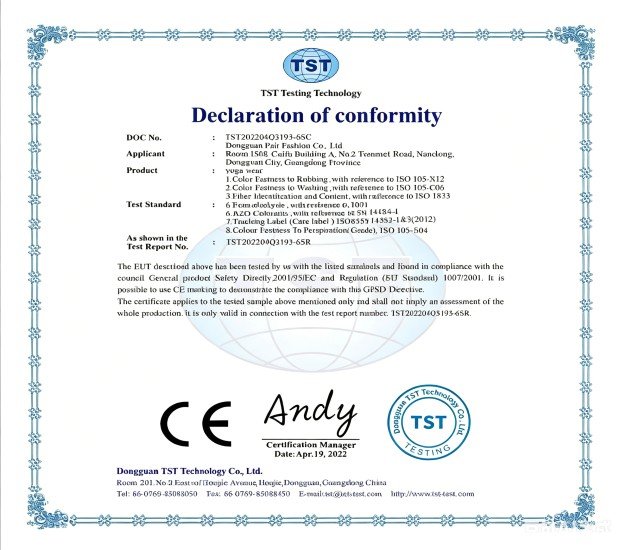
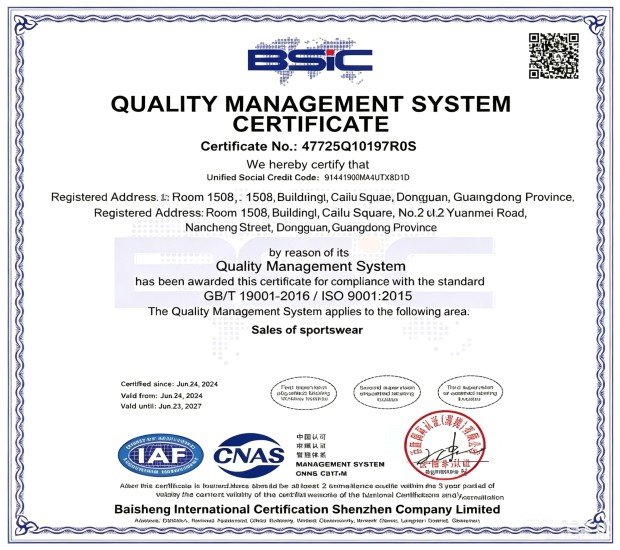
2. Certification and Compliance Information
International brands increasingly pay attention to supplier compliance and recognized ISO quality management standards when evaluating manufacturing partners.
Common certifications buyers may review include:
- ISO quality management certifications
- Social responsibility certifications
- Environmental certifications
- Product safety-related standards
The importance of certification depends on the target market and sales channel.
For example:
- European retailers may focus more on environmental and social compliance.
- Premium sportswear brands may require stronger quality management systems.
- Marketplace sellers may need product testing documentation.
3. Previous Product Experience
Past product experience is often more valuable than general company claims.
Buyers should review whether the supplier has produced similar products involving:
- Similar fabrics
- Similar construction
- Similar target markets
- Similar order requirements
A supplier’s previous experience can provide confidence that they understand the technical challenges of the product.
How Can Buyers Create a Practical Supplier Evaluation Checklist?
A simple evaluation system can help brands compare multiple suppliers objectively.
| Evaluation Category | Questions to Consider |
|---|---|
| Product Experience | Does the supplier produce similar sports jackets? |
| Manufacturing Capability | Can they handle expected order volumes? |
| Quality Control | Is there a clear inspection process? |
| Communication | Are responses clear and professional? |
| Business Stability | Can they support long-term cooperation? |
| Market Experience | Do they understand your target region? |
Using a structured checklist can help buyers avoid making decisions based only on personal impressions or short-term price advantages.
For international brands, supplier selection is not only a purchasing decision but also an important business decision that can influence product quality, customer satisfaction, inventory management, and future business development. The most successful supplier relationships usually start with careful comparison and evaluation before placing the first bulk order.
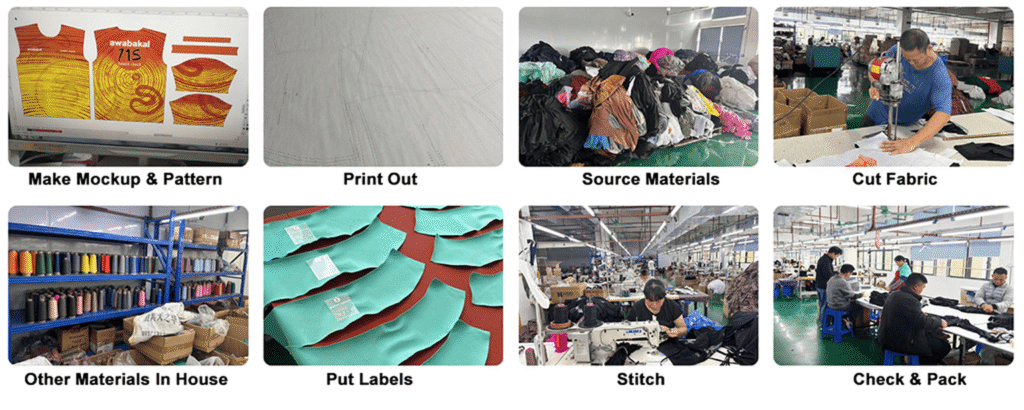
What Types of Sports Jacket Manufacturers Are Suitable for Different Brand Needs?
Different brands have different sourcing priorities, so the best sports jacket manufacturer depends on business stage, order expectations, product positioning, and long-term growth plans. A startup brand may need flexibility and supplier support, while a large retailer may prioritize production stability, compliance, and supply chain reliability. Understanding these differences helps buyers choose manufacturers that match their actual business requirements.
Which Suppliers Are Better for Startups, Wholesale Buyers, and Established Brands?
Choosing a sports jacket supplier is not only about finding a manufacturer that can produce garments. The more important question is whether the supplier’s capabilities match the buyer’s current business model.
Many sourcing mistakes happen because brands choose suppliers based on general reputation or low pricing without considering their own purchasing stage.
A suitable supplier for a new sportswear brand may not be the same supplier preferred by a large international retailer.
1. Sports Jacket Manufacturers for Startup Brands
Startup brands usually face different challenges compared with established companies. They may have strong product ideas but limited purchasing experience, smaller initial budgets, and less knowledge about supply chain management.
For these buyers, suitable suppliers usually provide:
- Flexible order quantities
- Clear communication support
- Product development experience
- Guidance on materials and production options
- Ability to support market testing
The main goal for startups is often not achieving the lowest unit price. Instead, they need to reduce early-stage risks and confirm whether their products can gain market acceptance.
For example, a new outdoor fitness brand launching its first jacket collection may prefer a supplier that can support smaller production volumes and help improve product details before scaling orders.
Important questions for startup buyers:
- Does the supplier understand emerging brand requirements?
- Can the supplier support gradual order growth?
- Is the supplier willing to communicate during product development?
- Can the supplier provide stable quality for future repeat orders?
2. Sports Jacket Suppliers for Wholesale Buyers and Distributors
Wholesale buyers usually have different priorities because they focus more on inventory planning, pricing control, and delivery reliability.
A suitable supplier for wholesalers should have:
- Stable production capacity
- Consistent product quality
- Competitive pricing structure
- Reliable delivery performance
- Experience handling larger order volumes
Wholesale businesses often purchase multiple styles or larger quantities, meaning supplier stability becomes more important.
A small supplier may offer attractive pricing but struggle when order volume increases. This can create problems with:
- Delayed shipments
- Uneven quality between batches
- Limited production scheduling flexibility
For wholesale buyers, the ideal supplier is usually one that can balance cost efficiency with dependable production management.
3. Sports Jacket Manufacturers for Established Global Brands
Established sportswear brands usually have more complex sourcing requirements. They are not only purchasing products but managing long-term supply chain relationships.
These buyers often evaluate:
- Manufacturing consistency
- Compliance standards
- Production transparency
- Supply chain stability
- Ability to support seasonal planning
Large brands may also require suppliers to cooperate with:
- Third-party inspections
- International quality standards
- Detailed production documentation
- Long-term product planning
For these companies, changing suppliers frequently can create unnecessary risks. Therefore, they usually prefer manufacturers that can become stable strategic partners.
What Types of Sports Jackets Are Commonly Produced by Chinese Suppliers?
Chinese sports jacket suppliers produce a wide range of products because different markets have different functional and lifestyle demands. Many brands also evaluate suppliers based on broader sportswear experience, especially when jackets are developed as part of complete collections from an experienced activewear manufacturer.
Understanding product categories helps buyers identify manufacturers with relevant experience.
1. Running Jackets
Running jackets are designed for lightweight performance and outdoor movement.
Common requirements include:
- Lightweight materials
- Breathability
- Wind protection
- Comfortable movement
- Easy storage design
Typical buyers:
- Running brands
- Fitness companies
- Outdoor sports retailers
2. Training Jackets
Training jackets are commonly used for gym, warm-up, and daily sports activities.
Important features include:
- Comfortable fit
- Stretch capability
- Moisture management
- Durable construction
Typical buyers:
- Fitness brands
- Sports clubs
- Training apparel companies
3. Outdoor Performance Jackets
Outdoor sports jackets usually require stronger functional performance because they may be used in changing weather conditions.
Buyers often evaluate:
- Weather resistance
- Fabric durability
- Functional construction
- Comfort during movement
Typical markets:
- Hiking
- Outdoor fitness
- Adventure sports
- Travel lifestyle brands
4. Team Sports Jackets
Team jackets are commonly purchased by:
- Sports teams
- Schools
- Clubs
- Event organizations
Important factors include:
- Consistent sizing
- Bulk order capability
- Logo application
- Delivery reliability
These projects often require suppliers that can handle larger quantities and repeated orders.
5. Lightweight Active Jackets
Lightweight active jackets combine sports performance with everyday lifestyle usage.
They are popular among brands targeting:
- Athleisure consumers
- Urban outdoor customers
- Travel markets
Key product expectations include:
- Comfortable daily wear
- Modern appearance
- Functional materials
- Versatile usage scenarios
How Should Buyers Match Product Type With Manufacturer Experience?
A common mistake is selecting a supplier only because they produce jackets. However, different jacket categories require different manufacturing knowledge.
For example:
| Product Type | Recommended Supplier Experience |
|---|---|
| Running Jacket | Lightweight performance apparel experience |
| Outdoor Jacket | Technical fabric and functional construction experience |
| Training Jacket | Activewear production experience |
| Team Jacket | Bulk order management experience |
| Lifestyle Jacket | Fashion and sportswear balance experience |
A manufacturer’s past product experience usually reflects whether they have a good understanding of the technical details and market requirements for specific product categories.
Before cooperation, buyers should ask:
- Have you produced similar sports jackets before?
- Which markets are these products sold in?
- What types of customers do you usually support?
- Can you provide examples of similar product categories?
Selecting the right manufacturer is ultimately about matching supplier capability with brand needs. A supplier that is excellent for one type of buyer may not be the ideal choice for another. The strongest sourcing decisions come from understanding business goals first and then selecting manufacturers based on capability, experience, and long-term suitability.

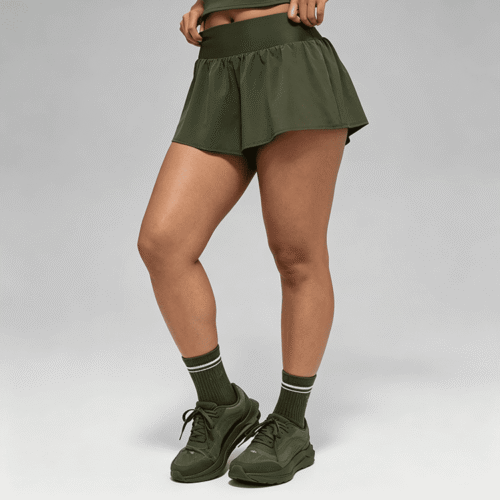
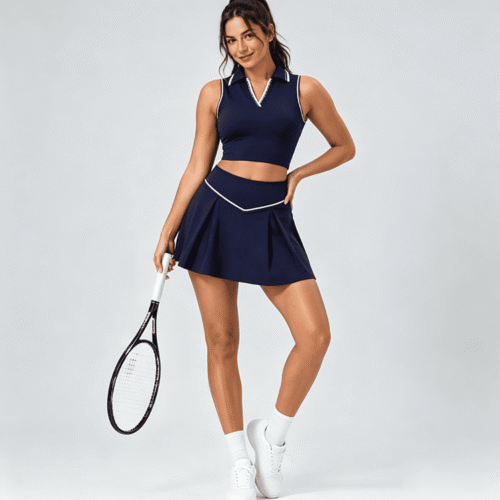
Custom High Waist Tennis Skort with Built-In Shorts OEM ODM
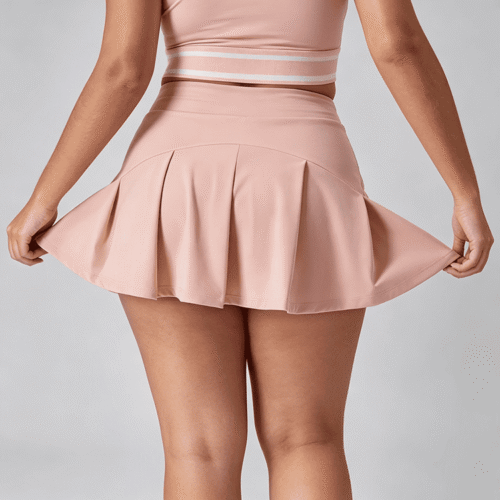
Custom High Waist Pleated Tennis Skort OEM ODM Women’s Tennis Wear
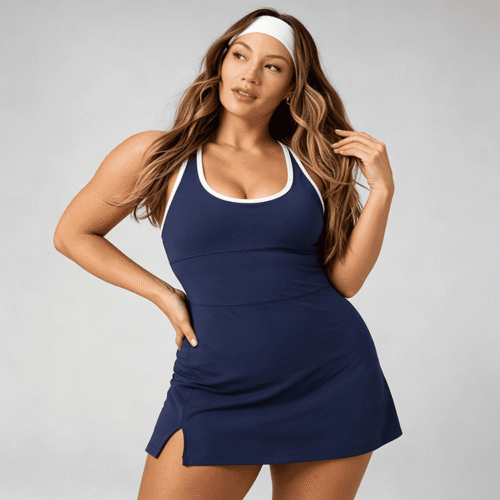
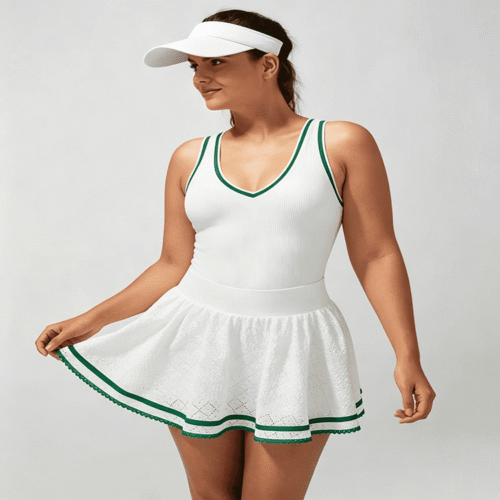
Custom Plus Size Tennis Dress OEM ODM Built-In Bra Activewear
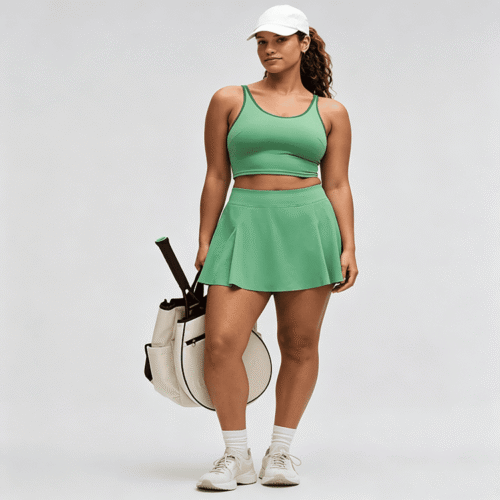
Custom Women’s Tennis Skirt Set OEM ODM Performance Tennis Outfit
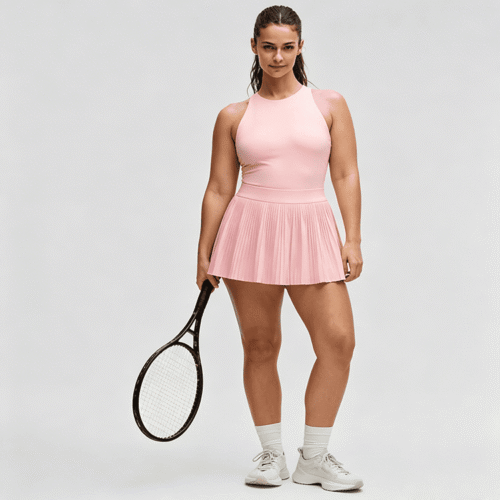
Custom Women’s Tennis Dress OEM ODM Performance Tennis Apparel
Custom Women’s Tennis Skirt Set OEM ODM Performance Tennis Outfit
Custom Pleated Tennis Dress OEM ODM Women’s Performance Tennis Wear
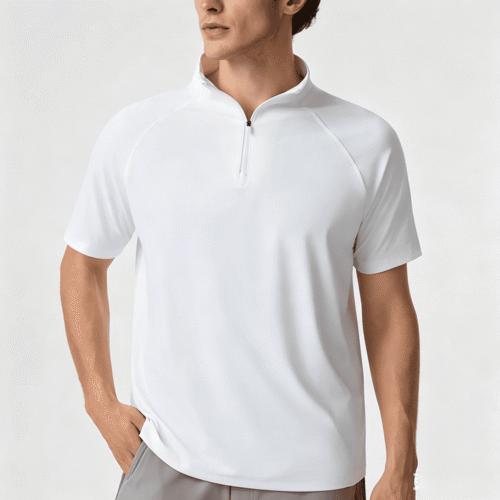
Custom Men’s Quarter Zip Performance Shirt OEM ODM Activewear
How Much Do Bulk Sports Jackets Manufacturers Charge?
The price of bulk sports jackets depends on multiple factors rather than a single fixed number. Global buyers usually evaluate fabric selection, product structure, order quantity, functional requirements, and quality standards before comparing supplier quotations. When brands move from supplier evaluation to actual production planning, selecting reliable bulk sports jackets manufacturers becomes an important step in maintaining product quality and delivery stability. Understanding these cost factors helps brands create realistic budgets, avoid unexpected expenses, and choose suppliers based on overall value instead of only the lowest price.
What Factors Influence Sports Jacket Manufacturing Prices?
When buyers receive quotations from different bulk sports jackets manufacturers, price differences are usually caused by variations in materials, production requirements, and order conditions. A professional evaluation should consider the complete product specification rather than comparing only the final unit price.
The main factors affecting sports jacket pricing include:
1. Fabric Selection and Performance Requirements
Fabric is one of the largest cost factors in sports jacket production.
Different markets require different performance levels. A basic training jacket and a technical outdoor jacket may have completely different material costs.
Common factors include:
- Fabric composition
- Weight and thickness
- Stretch performance
- Water-resistant treatment
- Breathability requirements
- Recycled or sustainable material options
For example:
A lightweight running jacket may prioritize:
- Low weight
- Breathability
- Packability
while an outdoor performance jacket may require:
- Stronger weather protection
- More durable construction
- Additional functional treatments
Therefore, buyers should first define product positioning before comparing prices.
A lower quotation may sometimes indicate differences in:
- Fabric quality
- Functional treatment
- Accessories
- Production standards
2. Order Quantity and Production Volume
Order quantity has a direct impact on manufacturing cost.
Generally, larger production volumes allow suppliers to optimize:
- Material purchasing
- Production scheduling
- Labor efficiency
- Packaging costs
However, smaller brands should not focus only on increasing order quantity. Ordering too much inventory before testing market demand may create unnecessary financial pressure.
A practical approach is to balance:
Production Cost + Inventory Risk + Market Demand
For example:
- Emerging brands may prefer smaller production quantities to test customer response.
- Established brands may benefit from larger production runs to improve cost efficiency.
The right order quantity depends on business strategy, not simply achieving the lowest possible unit price.
3. Jacket Construction and Design Complexity
Sports jackets can vary significantly in construction complexity.
Simple designs usually involve:
- Basic panels
- Standard zippers
- Regular sewing structures
More advanced products may include:
- Multiple fabric panels
- Technical seam structures
- Functional pockets
- Adjustable components
- Special finishing details
Additional design features can increase:
- Material consumption
- Production time
- Manufacturing difficulty
- Quality inspection requirements
Brands should clearly define which product features are essential and which features are optional before requesting quotations.
4. Custom Requirements and Product Specifications
Different product requirements influence final pricing.
Examples include:
- Custom colors
- Special trims
- Branding elements
- Unique fabric requirements
- Packaging specifications
- Additional testing requirements
However, experienced buyers understand that not every customization feature creates equal market value.
The better approach is to prioritize features based on customer needs.
For example:
A premium outdoor brand may invest more in technical fabric performance, while a lifestyle sportswear brand may focus more on appearance and comfort.
5. Quality Standards and Compliance Requirements
Quality expectations also influence production costs.
Brands selling in different markets may require different levels of compliance.
Examples:
- Retail brands may require stricter quality documentation.
- Premium brands may require higher material standards.
- Sustainable brands may focus on certified fabrics.
Higher standards usually require:
- Better material control
- Additional inspections
- More production management
Although these factors may increase initial costs, they can help reduce long-term problems related to returns, customer complaints, and brand reputation.
How Can Brands Reduce Bulk Sports Jacket Production Costs Without Lowering Quality?
Reducing production costs does not always mean choosing cheaper suppliers or lower-quality materials. Professional buyers usually improve cost efficiency through better planning and supplier communication.
Effective strategies include:
1. Select Materials Based on Product Positioning
Not every product needs the most expensive fabric option.
Brands should match materials with actual customer expectations.
For example:
- Training jackets may not require the same specifications as extreme outdoor products.
- Lifestyle jackets may prioritize comfort and appearance over advanced technical performance.
Choosing the right material avoids unnecessary costs while maintaining product value.
2. Optimize Product Structure Before Production
Small design changes can significantly influence manufacturing costs.
Examples:
- Reducing unnecessary construction complexity
- Standardizing certain components
- Selecting practical accessories
- Optimizing pattern efficiency
Professional suppliers can often identify areas where brands can improve cost efficiency without affecting the overall product experience.
3. Plan Production Earlier
Urgent production schedules often create additional costs.
Early planning allows brands to:
- Compare suppliers carefully
- Optimize materials
- Avoid rush production
- Manage inventory better
A well-planned sourcing timeline usually creates better cost control.
4. Compare Total Value Instead of Unit Price
The lowest quotation is not always the most economical choice.
Brands should evaluate:
| Factor | Why It Matters |
|---|---|
| Product Quality | Reduces returns and complaints |
| Delivery Reliability | Protects sales schedules |
| Communication | Reduces mistakes |
| Production Experience | Improves consistency |
| Long-Term Cooperation | Creates future efficiency |
A supplier with a little higher price may provide better overall business value when they can reduce production risks, improve product stability, and support long-term cooperation.
Why Do Experienced Buyers Avoid Choosing Suppliers Only by Price?
Experienced buyers understand that manufacturing price is only one part of the total sourcing equation.
A supplier offering an unusually low price may create risks such as:
- Lower-than-expected material quality
- Limited production management
- Poor communication
- Unstable delivery performance
For sportswear brands, these problems can affect:
- Customer satisfaction
- Online reviews
- Brand reputation
- Repeat purchase rates
A successful sourcing decision balances:
Competitive Cost + Reliable Quality + Stable Supply Capability
This approach allows brands to build healthier and more sustainable supply chains.
For global sportswear companies, understanding pricing factors before contacting manufacturers creates better negotiation outcomes. Instead of simply asking “How much does a sports jacket cost?”, professional buyers usually ask “What value does this supplier provide at this price level?”
That shift in thinking helps brands select manufacturers that support long-term growth rather than short-term savings.
What Are the Common Mistakes When Choosing Bulk Sports Jackets Manufacturers?
Many brands face sourcing problems not because there are no suitable manufacturers available, but because they do not conduct a complete supplier evaluation before making decisions. Common mistakes include only focusing on price, ignoring supplier product experience, skipping supplier background checks, and not considering the potential for long-term cooperation. Understanding these risks helps global buyers make better decisions before committing to bulk sports jacket production.
Why Do Brands Choose the Wrong Sports Jacket Supplier?
Selecting a sports jacket manufacturer is a strategic business decision. The supplier a brand chooses can directly influence product quality, delivery performance, customer satisfaction, and future growth.
However, many companies make similar mistakes during the supplier selection process.
1. Choosing a Supplier Only Based on the Lowest Price
Price is an important factor, but it should not become the only decision-making standard.
A very low quotation may look attractive at the beginning, but buyers should carefully understand what is included in that price.
Possible risks include:
- Lower-grade materials
- Reduced production control
- Limited communication support
- Unstable delivery schedules
- Unexpected additional costs
For sports jackets, product performance is often closely connected with material quality and manufacturing accuracy. A small difference in fabric performance, stitching quality, or construction details can significantly affect the final customer experience.
For example, a jacket designed for outdoor activities requires different performance expectations compared with a basic casual jacket. Choosing the cheapest supplier without checking technical capability may result in products that fail to meet customer expectations.
Professional buyers usually compare:
Price + Quality + Reliability + Long-Term Value
rather than simply selecting the lowest offer.
2. Ignoring Whether the Supplier Has Relevant Product Experience
A common mistake is assuming that any jacket manufacturer can produce sports jackets successfully.
Although many suppliers can produce basic outerwear, sports jackets often require additional knowledge related to:
- Functional materials
- Movement comfort
- Lightweight construction
- Performance requirements
- Different usage scenarios
A supplier experienced in fashion jackets may not fully understand the requirements of:
- Running jackets
- Training jackets
- Outdoor performance jackets
- Technical activewear products
Before cooperation, buyers should review:
- Previous similar products
- Main production categories
- Target markets served
- Manufacturing specialization
Relevant experience reduces development risks and improves production efficiency.
3. Failing to Verify Supplier Background
Some buyers make decisions based only on online information or sales communication.
However, a professional supplier evaluation should include background verification.
Important areas to review include:
Company Information
Buyers should understand:
- How long the company has operated
- Main product categories
- Business focus
- Export experience
Production Capability
Important questions:
- Does the supplier have its own production facilities?
- What types of products are produced regularly?
- Can production capacity match expected orders?
Quality Management
Buyers should evaluate:
- Quality inspection procedures
- Material control systems
- Product testing capability
Supplier verification helps brands distinguish between experienced manufacturers and companies that mainly act as intermediaries.
4. Not Paying Enough Attention to Communication Ability
Many international sourcing problems come from communication issues rather than manufacturing problems.
Sports jacket projects often involve many decisions:
- Product specifications
- Fabric selection
- Color confirmation
- Size requirements
- Packaging details
- Delivery arrangements
Poor communication can lead to:
- Incorrect understanding of product requirements
- Delayed approvals
- Production mistakes
- Additional modification costs
For overseas buyers, communication ability should be considered part of supplier capability.
A reliable supplier should provide:
- Clear responses
- Accurate information
- Timely updates
- Professional problem-solving
Good communication creates efficiency throughout the cooperation process.
5. Not Considering Future Growth Potential
Some brands select suppliers based only on their first order.
However, a successful supplier relationship should consider future development.
A suitable supplier should have the ability to support:
- Increasing order quantities
- New product categories
- Seasonal collections
- Market expansion
For growing sportswear brands, changing suppliers frequently can create unnecessary costs.
A supplier that understands a brand’s products and business goals can gradually improve cooperation efficiency over time.
How Can Buyers Reduce Supplier Selection Risks?
A structured evaluation checklist can help brands avoid common sourcing mistakes.
Before choosing a bulk sports jackets manufacturer, buyers should review:
| Evaluation Area | Questions Buyers Should Ask |
|---|---|
| Product Experience | Has the supplier produced similar sports jackets before? |
| Manufacturing Capability | Can the supplier support expected production requirements? |
| Quality Control | What systems ensure product consistency? |
| Communication | How quickly and clearly does the supplier respond? |
| Export Experience | Has the supplier worked with international buyers? |
| Business Stability | Can the supplier support long-term cooperation? |
A Practical Supplier Evaluation Process
A professional sourcing process usually includes:
Step 1: Compare Multiple Suppliers
Avoid making decisions based on only one quotation.
Comparing different suppliers helps buyers understand:
- Market pricing
- Different production capabilities
- Supplier specialization
Step 2: Review Product Experience
Check whether suppliers have experience with similar products.
Relevant experience is often more valuable than general manufacturing claims.
Step 3: Evaluate Samples Carefully
Samples help buyers understand:
- Material quality
- Construction details
- Fit performance
- Overall workmanship
A good sample evaluation process can prevent larger problems during bulk production.
Step 4: Consider Long-Term Cooperation
The ideal supplier is not necessarily the cheapest supplier.
Brands should consider whether the manufacturer can become a stable partner as the business grows.
For international sportswear brands, avoiding supplier selection mistakes is often more valuable than finding the lowest production price. A careful evaluation process helps reduce risks, improve product consistency, and create stronger supply chain relationships.
Choosing the right manufacturer is not simply about finding someone who can make sports jackets. It is about finding a supplier whose capabilities, experience, and business approach match the brand’s long-term goals.
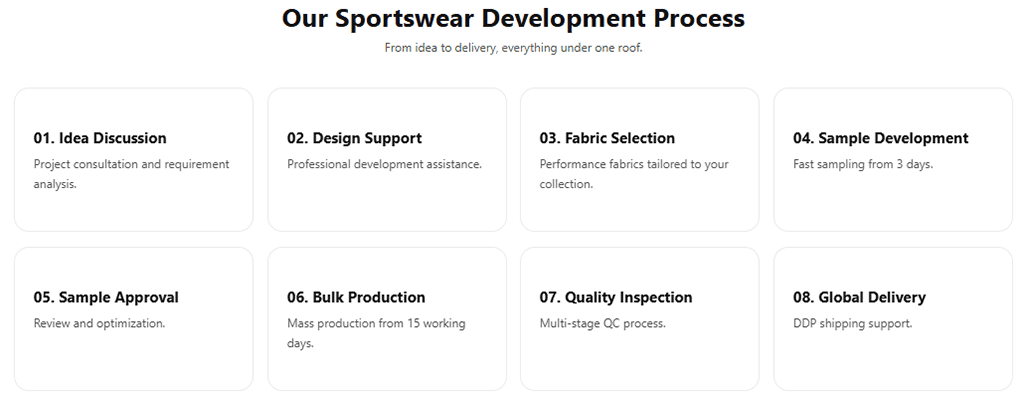
1. Product Development
Regular monthly product development ensures consistent updates to your brand line.
2. Fabric Sourcing
Regular monthly product development ensures consistent updates to your brand line.
3. Sample Making
Regular monthly product development ensures consistent updates to your brand line.
4. Bulk Production
Regular monthly product development ensures consistent updates to your brand line.
5. Packaging & Delivery
Regular monthly product development ensures consistent updates to your brand line.
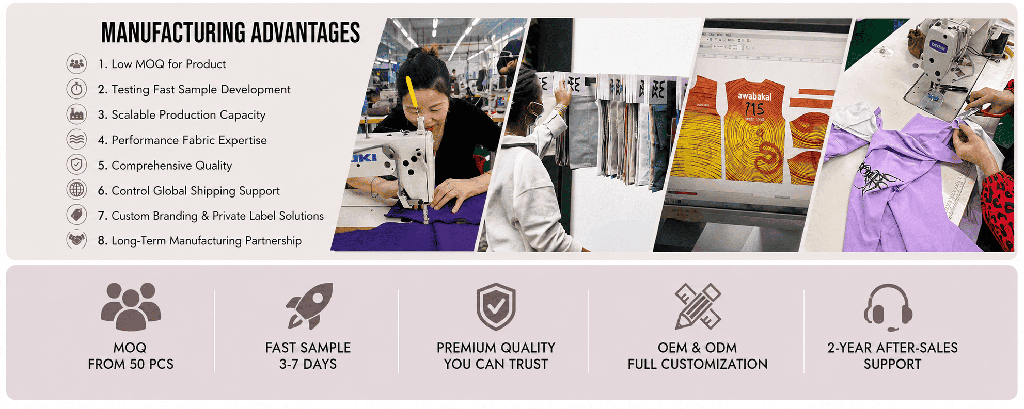
Complete OEM & ODM Sportswear Solutions
We provide complete custom sportswear manufacturing services from concept development and fabric sourcing to bulk production and worldwide delivery.
- OEM & ODM Product Development
- Functional Fabric Sourcing & Material Selection
- Pattern Making & Sample Development
- Private Label Branding & Custom Packaging
- Quality-Controlled Bulk Manufacturing
- Global DDP Shipping & Delivery Support
Final Guide: How to Choose the Best Bulk Sports Jackets Manufacturer for Your Brand?
The best bulk sports jackets manufacturer is not always the biggest supplier or the supplier with the lowest price. The right choice depends on the brand’s development stage, product requirements, target market, and long-term business goals. Global buyers should choose manufacturers based on product experience, stable production capability, communication efficiency, and the ability to support future business growth instead of considering only one single factor.
Which Supplier Is the Right Choice Depends on Your Business Model?
Every sportswear brand has different sourcing priorities. A supplier that works well for one company may not be the best choice for another.
Before making a final decision, buyers should first understand their own business requirements.
For Startup Sportswear Brands
Startup brands usually need flexibility because they are still testing market demand and developing their product direction.
The ideal supplier should provide:
- Reasonable order flexibility
- Strong communication support
- Experience helping new products move from concept to production
- Ability to support future order growth
For startups, the biggest risk is often not production cost but inventory pressure. Ordering large quantities before understanding customer demand can create unnecessary financial risk.
A suitable supplier should help startups build a stable foundation and gradually expand production as sales increase.
For Growing Sportswear Brands
Growing brands usually have clearer product positioning and increasing market demand.
Their priorities often shift toward:
- Stable product quality
- Reliable delivery schedules
- Consistent production results
- Improved supply chain efficiency
At this stage, brands need suppliers that can support repeated production and seasonal product planning.
A manufacturer that understands the brand’s products over time can often provide better cooperation efficiency because communication becomes easier and production expectations become clearer.
For Established International Brands
Established brands usually require stronger supply chain management.
Their supplier evaluation often focuses on:
- Production stability
- Quality consistency
- Compliance capability
- Long-term cooperation potential
- Supply chain transparency
For these companies, supplier selection is not simply a purchasing decision. It is part of their overall brand strategy.
A reliable manufacturing partner can help reduce operational risks and maintain consistent product quality across different collections.
Why Supplier Evaluation Should Come Before Bulk Production?
Many production problems can be traced back to supplier selection mistakes made before manufacturing begins.
Choosing the right supplier at an early stage helps brands avoid issues such as:
- Product quality inconsistency
- Delayed market launches
- Communication problems
- Unexpected production costs
- Unstable supply availability
A professional sourcing approach usually follows this sequence:
Supplier Comparison
↓
Capability Verification
↓
Product Experience Review
↓
Sample Evaluation
↓
Production Decision
This process allows buyers to make decisions based on facts rather than assumptions.
Final Bulk Sports Jackets Manufacturer Selection Checklist
Before confirming cooperation with a supplier, global buyers should review the following checklist:
| Evaluation Area | Key Questions |
|---|---|
| Product Experience | Does the supplier have experience producing similar sports jackets? |
| Manufacturing Capability | Can the supplier support your expected order requirements? |
| Quality Management | Are quality control procedures clearly established? |
| Material Knowledge | Does the supplier understand functional sports fabrics? |
| Communication | Can both sides communicate efficiently during cooperation? |
| Export Experience | Has the supplier worked with international markets? |
| Business Stability | Can the supplier support future growth? |
| Overall Value | Does the supplier provide the right balance of cost and reliability? |
Building a Long-Term Sportswear Supply Chain Partnership
The strongest sportswear brands rarely succeed by choosing suppliers only for individual orders. Long-term growth usually depends on developing reliable manufacturing relationships.
A strong supplier partnership can help brands:
- Improve product consistency
- Reduce sourcing risks
- Launch new collections more efficiently
- Respond faster to market changes
- Build stronger customer trust
For this reason, professional buyers should view manufacturer selection as a strategic investment rather than a simple purchasing activity.
The right supplier is not just a company that can produce sports jackets. It is a partner that understands your market, supports your product goals, and grows together with your brand.
For brands looking for a reliable sports jacket manufacturer, evaluating supplier capability before production is the first step toward building a stable supply chain. Companies developing multiple sportswear categories may also benefit from working with an experienced custom sportswear manufacturer that understands different product requirements and market expectations. Companies that take time to compare manufacturers, review capabilities, and understand their own requirements are more likely to achieve consistent quality and sustainable business growth.
For buyers who need a deeper understanding of professional sports jacket production capabilities, exploring experienced bulk sports jackets manufacturers can provide valuable insight into supplier selection, production standards, and long-term cooperation opportunities.
Frequently Asked Questions About Bulk Sports Jackets Manufacturers
FAQ 1
What Should Global Brands Consider When Choosing Bulk Sports Jackets Manufacturers?
Global brands should evaluate bulk sports jackets manufacturers based on product experience, manufacturing capability, quality control, export background, communication efficiency, and long-term reliability rather than focusing only on price.
Choosing a supplier is a strategic sourcing decision because the manufacturer directly affects product quality, delivery stability, and customer satisfaction.
Before cooperation, buyers should review:
- Whether the supplier has experience producing similar sports jackets
- Whether production capability matches expected order volume
- Whether quality control procedures are clearly established
- Whether the supplier understands international market requirements
- Whether the supplier can support future business growth
A reliable manufacturer should not only provide competitive pricing but also reduce production risks throughout the supply chain.
FAQ 2
Why Do Global Brands Choose Bulk Sports Jackets Manufacturers in China?
Global brands choose Chinese bulk sports jackets manufacturers because China offers a complete textile supply chain, experienced apparel production teams, diverse functional fabrics, competitive costs, and strong export experience for international markets.
China has developed one of the world’s most mature sportswear manufacturing ecosystems, covering fabric production, garment processing, accessories, quality inspection, and logistics support.
Compared with many sourcing regions, Chinese suppliers often provide:
- More choices of functional sports fabrics
- Flexible supplier options for different order volumes
- Strong experience serving overseas brands
- Better access to apparel production resources
However, buyers should still compare individual manufacturers because supplier capability varies significantly between companies.
FAQ 3
Which Types of Brands Are Suitable for Chinese Sports Jacket Manufacturers?
Chinese sports jacket manufacturers can support different types of buyers, including startups, wholesale distributors, DTC sportswear brands, retailers, and established international companies with different sourcing requirements.
Different buyers usually prioritize different supplier capabilities.
For example:
- Startups often need flexible suppliers with lower entry barriers and strong communication.
- Wholesale buyers usually focus on production stability and cost efficiency.
- Established brands often require consistent quality, compliance, and long-term supply reliability.
The best supplier depends on the brand’s business model, product positioning, order expectations, and future growth plans.
FAQ 4
How Can Buyers Compare Different Bulk Sports Jackets Manufacturers?
Buyers can compare bulk sports jackets manufacturers by evaluating supplier experience, product specialization, production capability, certifications, export markets, pricing structure, and previous customer requirements.
A professional comparison process should include more than checking quotations.
Important comparison factors include:
| Evaluation Area | Why It Matters |
|---|---|
| Product Experience | Shows whether the supplier understands similar products |
| Manufacturing Capability | Determines production reliability |
| Quality System | Reduces bulk production risks |
| Export Experience | Shows international market understanding |
| Communication | Improves project efficiency |
| Business Stability | Supports long-term cooperation |
A structured comparison helps brands avoid selecting suppliers based only on short-term price advantages.
FAQ 5
How Much Do Bulk Sports Jackets Manufacturers Usually Charge?
The cost of bulk sports jackets depends on fabric selection, product construction, order quantity, functional requirements, quality standards, and customization complexity rather than a single fixed price.
Several factors influence manufacturing costs:
- Fabric type and performance requirements
- Jacket design complexity
- Production quantity
- Accessories and trims
- Testing or compliance requirements
- Target market positioning
For example, a lightweight training jacket usually has different cost considerations compared with a technical outdoor jacket requiring stronger weather protection.
Professional buyers compare overall value instead of choosing the cheapest quotation.
FAQ 6
What Documents Should Buyers Request Before Selecting a Sports Jacket Supplier?
Before selecting a sports jacket supplier, buyers should request company information, product references, certification documents, production capability details, and quality-related information to verify supplier reliability.
Important documents and information include:
- Company profile
- Manufacturing background
- Product portfolio
- Relevant certifications
- Testing reports
- Previous production examples
- Factory capability information
These materials help buyers distinguish experienced manufacturers from suppliers that may lack production capability or industry experience.
Supplier verification is especially important for international buyers who cannot easily visit factories in person.
FAQ 7
Are Chinese Bulk Sports Jackets Manufacturers Reliable for International Brands?
Chinese bulk sports jackets manufacturers can be reliable partners for international brands when buyers select suppliers based on production experience, quality management, communication ability, and long-term cooperation potential.
China has many experienced sportswear manufacturers serving global markets, but reliability depends on individual supplier capability.
Before cooperation, brands should evaluate:
- Similar product experience
- Production consistency
- Quality inspection processes
- Export history
- Communication responsiveness
A professional supplier selection process is the key factor in building a successful international manufacturing partnership.
FAQ 8
What Are the Common Mistakes When Choosing Bulk Sports Jackets Manufacturers?
The most common mistakes include selecting suppliers only by price, ignoring product experience, failing to verify supplier capability, and not evaluating long-term cooperation potential.
Many sourcing problems happen before production begins.
Common mistakes include:
- Choosing the cheapest quotation without checking quality
- Working with suppliers without relevant sports jacket experience
- Ignoring communication problems during early discussions
- Not reviewing previous production examples
- Focusing only on the first order instead of future cooperation
A careful supplier evaluation process helps brands reduce risks and build a more stable sportswear supply chain.