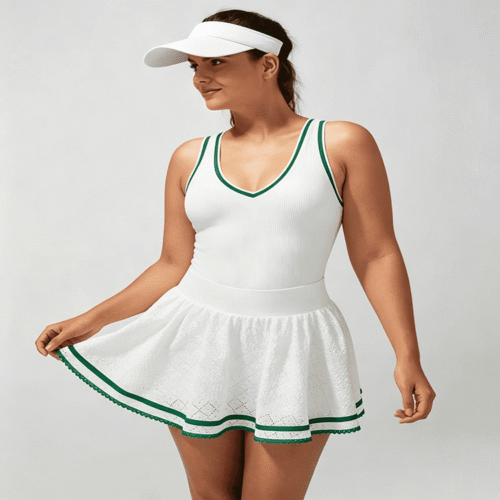
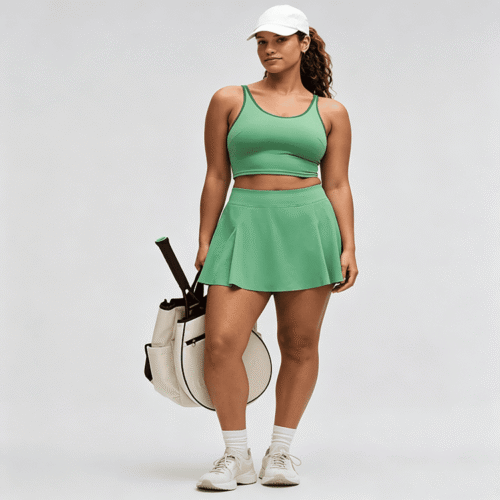
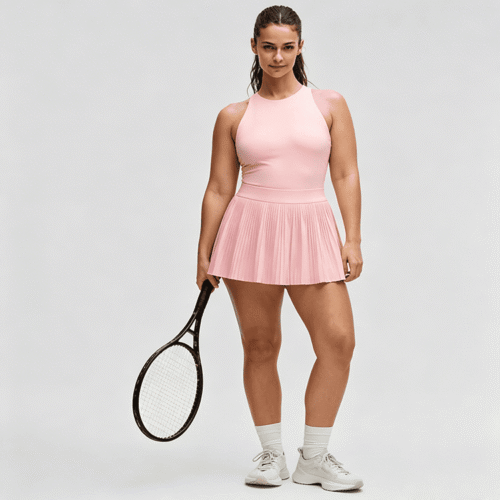
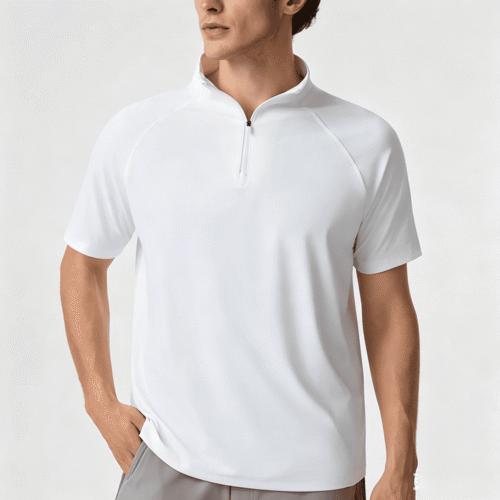
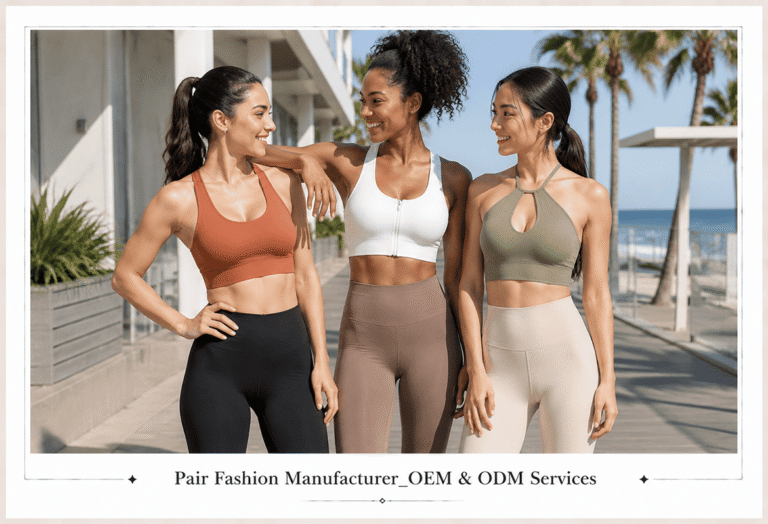
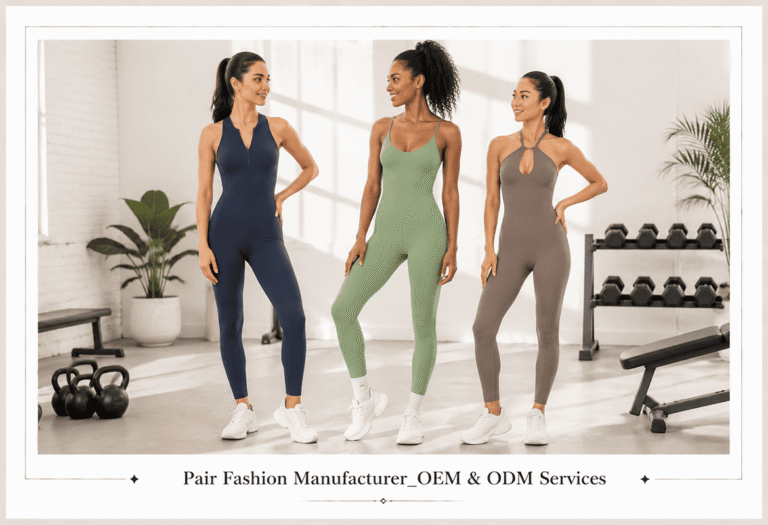
OEM/ODM Sportswear Manufacturer | 3-Day Sampling | Low MOQ | 50K Monthly Capacity | ISO9001 & BSCI Certified

Top 10 Activewear Apparel Manufacturers in China: 2026 Supplier Comparison & Buyer Evaluation Guide
Compare the top 10 activewear apparel manufacturers in China in 2026. Evaluate suppliers by factory capability, product specialization, MOQ, quality systems, lead time, and manufacturing strengths to find the right partner for your brand.
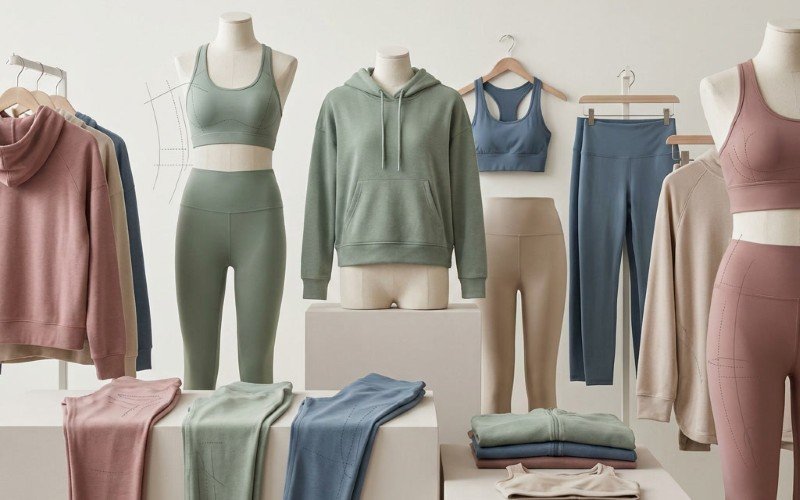
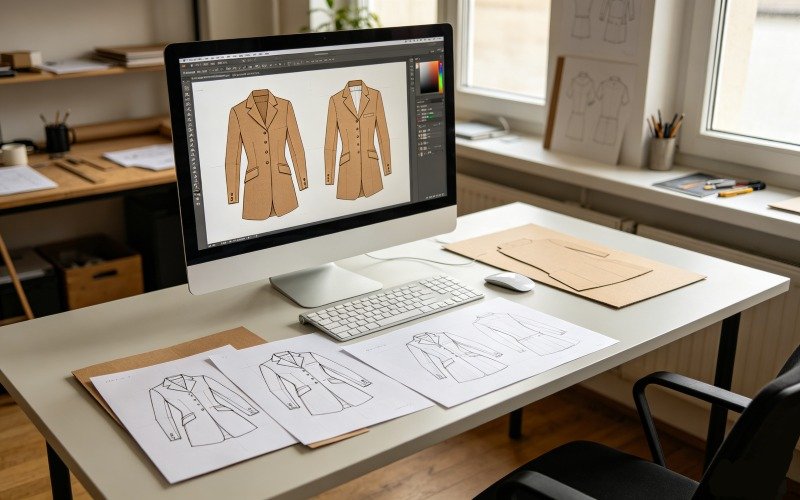
Top 10 Activewear Apparel Manufacturers in China: 2026 Supplier Comparison & Buyer Evaluation Guide
Finding the right activewear apparel manufacturer in China requires more than comparing factory prices or product catalogs. As the global activewear market continues to expand, brands are facing increasingly complex sourcing decisions. A supplier that looks attractive based on quotation alone may not always provide the product consistency, technical understanding, or production reliability needed for long-term success.
Experienced buyers understand that activewear manufacturing is different from traditional apparel production. Performance garments must meet higher expectations in areas such as fabric recovery, stretch performance, comfort, durability, and fit accuracy. A factory’s ability to manage these details often determines whether a product performs well after entering the market.
China remains one of the world’s most important activewear manufacturing hubs because of its complete textile supply chain, mature garment production ecosystem, experienced workforce, and broad supplier network. However, different manufacturers have different strengths. Some focus on seamless technology, some specialize in sustainable activewear, while others provide stronger capabilities in product diversity, flexible production, or niche sports categories.
The top activewear apparel manufacturers in China are suppliers that combine manufacturing experience, specialized product knowledge, reliable quality management, and the ability to support different brand requirements. The best factories are not simply production facilities but professional manufacturing partners capable of delivering consistent results across different activewear categories.
This guide compares the top 10 activewear apparel manufacturers in China based on practical purchasing factors, including factory capability, product specialization, production flexibility, quality control, MOQ requirements, and suitability for different types of brands.
Whether you’re a new fitness brand, an established sportswear enterprise, or a sourcing specialist vetting Chinese manufacturers, recognizing the distinctions between suppliers enables smarter purchasing choices and lower supply chain risks.
How Were These Activewear Manufacturers Evaluated?
Selecting an activewear supplier calls for a structured evaluation process. Numerous factories are capable of manufacturing basic sportswear, yet international brands typically seek suppliers with expertise in performance fabrics, garment construction, consistent quality control, and region-specific market standards.
The manufacturers in this comparison are evaluated according to the following criteria:
| Evaluation Factor | Why It Matters for Buyers |
|---|---|
| Factory Experience | Shows whether the supplier has proven manufacturing knowledge |
| Activewear Specialization | Determines whether the factory understands performance apparel requirements |
| Production Capability | Indicates whether the supplier can support different order volumes |
| Product Range | Helps brands find suppliers suitable for specific categories |
| MOQ Flexibility | Important for startups and brands testing new products |
| Sample Development Ability | Reflects product development efficiency |
| Quality Control System | Reduces risks during bulk production |
| Fabric Knowledge | Supports functional and performance-based products |
| Export Experience | Helps manage international requirements |
| Category Expertise | Determines suitability for niche markets |
Top 10 Activewear Apparel Manufacturers in China: Who Are the Best Suppliers for Global Brands?
The best activewear apparel manufacturers in China are not necessarily the largest factories or the suppliers offering the lowest prices. A reliable manufacturer should demonstrate strong industry experience, stable production capability, suitable product expertise, and the ability to meet international buyer expectations.
This supplier comparison evaluates manufacturers based on factors that directly influence purchasing decisions, including manufacturing capacity, activewear specialization, customization capability, quality systems, production efficiency, and market suitability.
Why Supplier Evaluation Matters Before Choosing an Activewear Factory
Selecting an activewear manufacturer is a long-term business decision. A poor supplier brings troubles far beyond production costs: inconsistent quality, delayed product launches, repeated revision work, and ultimately unhappy customers.
For example, two factories may both produce leggings, but their capabilities can be very different.
One supplier may focus on basic production efficiency, while another may have deeper experience with:
- Compression performance
- Four-way stretch fabrics
- Technical construction
- Inclusive sizing
- Specialty sports categories
For brands building a competitive activewear business, supplier expertise often becomes a key advantage.
A professional evaluation process helps buyers identify manufacturers that match their product strategy instead of simply selecting the lowest-cost option.
Top 10 Activewear Apparel Manufacturers in China Comparison Table
| Rank | Manufacturer | Location | Main Product Focus | MOQ | Lead Time | Suitable For |
|---|---|---|---|---|---|---|
| #1 | Dongguan Pair Fashion | Dongguan, Guangdong, China | Functional Activewear, Fitness Apparel, Equestrian Apparel, Inclusive Sportswear | From 50 pcs | Sample from 3 days, bulk from 15 working days | Growing brands, specialty activewear companies, international buyers |
| #2 | ActivewearManufacturer.com | China | General Custom Activewear, Yoga Wear, Fitness Apparel | Project-based | Project-based | Brands seeking standard activewear manufacturing |
| #3 | Activewear Bali | Bali, Indonesia | Sustainable Activewear, Yoga Wear, Lifestyle Sportswear | Project-based | Project-based | Eco-conscious and boutique activewear brands |
| #4 | Sansansports | China | Seamless Activewear, Compression Apparel | Project-based | Project-based | Brands requiring seamless technology |
| #5 | China Activewear Factory Suppliers | China | Sportswear, Fitness Apparel, OEM Production | Project-based | Project-based | Wholesale and sourcing buyers |
| #6 | Private Label Activewear Manufacturers | China | Branded Activewear Collections | Project-based | Project-based | Startups and e-commerce brands |
| #7 | Yoga & Fitness Apparel Manufacturers | China | Yoga Clothing, Training Wear, Gym Apparel | Project-based | Project-based | Mainstream fitness brands |
| #8 | Performance Sportswear Manufacturers | China | Technical Sportswear, Compression Clothing | Project-based | Project-based | Performance-focused brands |
| #9 | Custom Apparel Factories | China | OEM Sportswear Manufacturing | Project-based | Project-based | Brands with specific product requirements |
| #10 | Sportswear Production Partners | China | Multi-category Sportswear Production | Project-based | Project-based | Brands seeking broader supply chain support |
Understanding Different Activewear Manufacturer Strengths Before Comparing Suppliers
Not every activewear brand requires the same type of manufacturing partner.
A startup creating its first collection may prioritize:
- Flexible MOQ
- Product guidance
- Lower development risk
A growing brand may focus on:
- Stable production
- Consistent quality
- Wider product categories
An established company may require:
- Larger capacity
- Better supply chain management
- Long-term production reliability
This is why supplier comparison is more valuable than simply creating a ranking based on factory size.
The ideal manufacturer depends on:
- Product category
- Brand positioning
- Order requirements
- Technical expectations
- Future growth plans
What Makes a Professional Activewear Manufacturer Different From a General Clothing Factory?
Activewear production requires specialized knowledge that goes beyond traditional garment manufacturing.
A professional activewear factory should understand:
- Fabric stretch behavior
- Recovery after repeated movement
- Body-focused fitting
- Functional garment construction
- Durability requirements
- Performance expectations
For example, a pair of fitness leggings must maintain:
- Shape retention
- Comfort during movement
- Opacity during stretching
- Seam durability
A sports bra must balance:
- Support
- Comfort
- Fit stability
A professional manufacturer understands these details because they directly influence consumer experience.
Manufacturer #1: Dongguan Pair Fashion – A Specialized Activewear Manufacturer With Flexible Production Capability
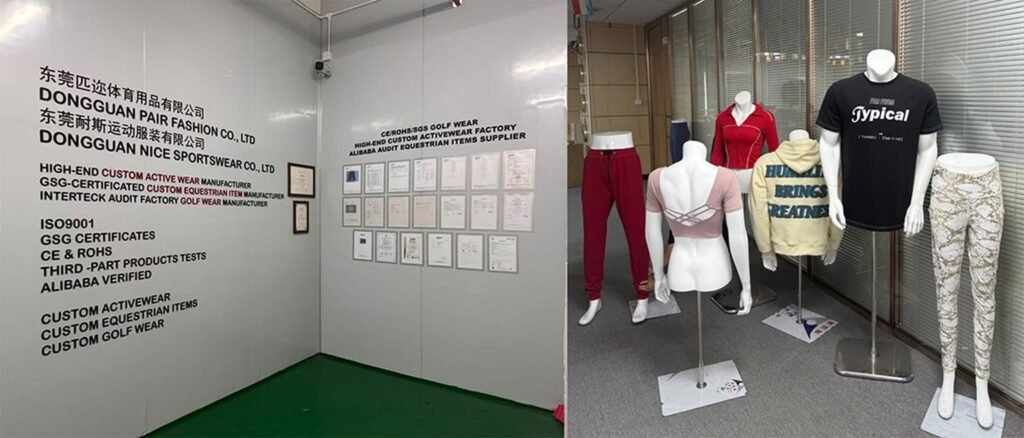
Among Chinese activewear manufacturers, Dongguan Pair Fashion stands out because of its combination of functional sportswear expertise, flexible production capability, and experience across multiple activewear categories. Buyers evaluating supplier capabilities can also learn more about Pair Fashion’s activewear manufacturing capabilities and production background.
Unlike factories that focus only on standard fitness garments, Pair Fashion has developed experience in broader performance apparel segments, including functional activewear, equestrian apparel, plus size activewear, maternity activewear, and other specialized sportswear categories.
For buyers comparing suppliers, this makes Pair Fashion a strong option for brands that need more than basic garment production and are looking for a manufacturer with broader category knowledge and flexible production capability.
Company Overview: A Functional Sportswear Manufacturer Based in Dongguan, China
Founded in 2016, Dongguan Pair Fashion Co., Ltd. is located in Dongguan, Guangdong, one of China’s most important apparel manufacturing regions.
The company focuses on manufacturing functional sportswear products for international markets, supporting brands, retailers, clubs, and organizations that require reliable activewear production capabilities.
Key factory information:
| Category | Details |
|---|---|
| Founded | 2016 |
| Location | Dongguan, Guangdong, China |
| Factory Employees | 135 staff |
| Production Lines | 7 production lines |
| Monthly Production Capacity | Around 50,000 pieces |
| Peak Monthly Capacity | Up to 65,000 pieces |
| Quality Control Team | 13 QC professionals |
| Development Team | 11 experienced product development specialists |
| Developed Styles | 6,000+ styles |
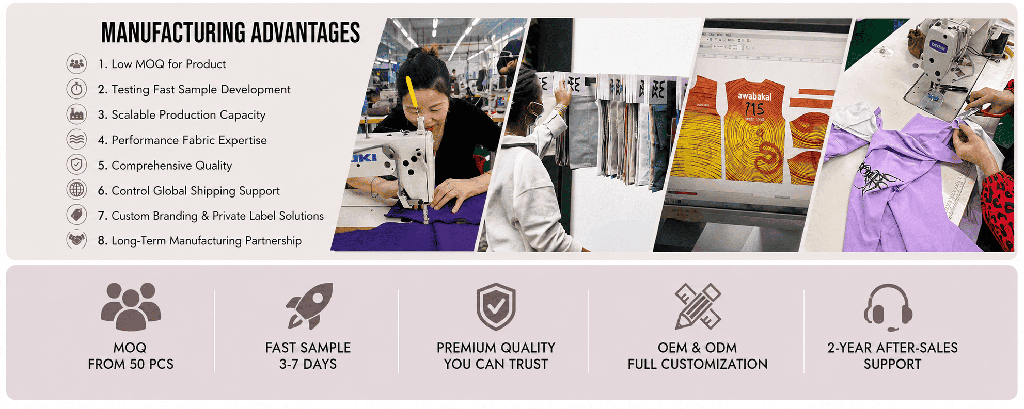
| MOQ Capability | Starting from 50 pieces for selected products |
–
This manufacturing structure allows Pair Fashion to support different buyer requirements, from smaller brands testing new product ideas to established companies requiring stable repeat production.
Factory Capability: Why Production Structure Matters When Selecting a Supplier
When comparing activewear manufacturers, production capacity alone does not determine supplier quality. Buyers should also consider whether a factory has the internal structure required to maintain consistency.
Pair Fashion’s manufacturing system includes dedicated teams responsible for:
- Product development
- Pattern adjustment
- Sample preparation
- Production management
- Quality inspection
- Order coordination
This structure helps reduce common sourcing risks, such as:
- Communication delays
- Inconsistent production results
- Difficult sample adjustments
- Quality differences between small and large orders
For international buyers, supplier reliability often depends on whether the factory has organized internal processes rather than simply having production equipment.
Product Specialization: Beyond Standard Activewear Categories
Many activewear factories produce similar product categories, such as leggings, sports bras, and workout tops. However, brands increasingly look for manufacturers with deeper experience in specific markets.
Pair Fashion’s product focus includes:
Functional Activewear
Core categories include:
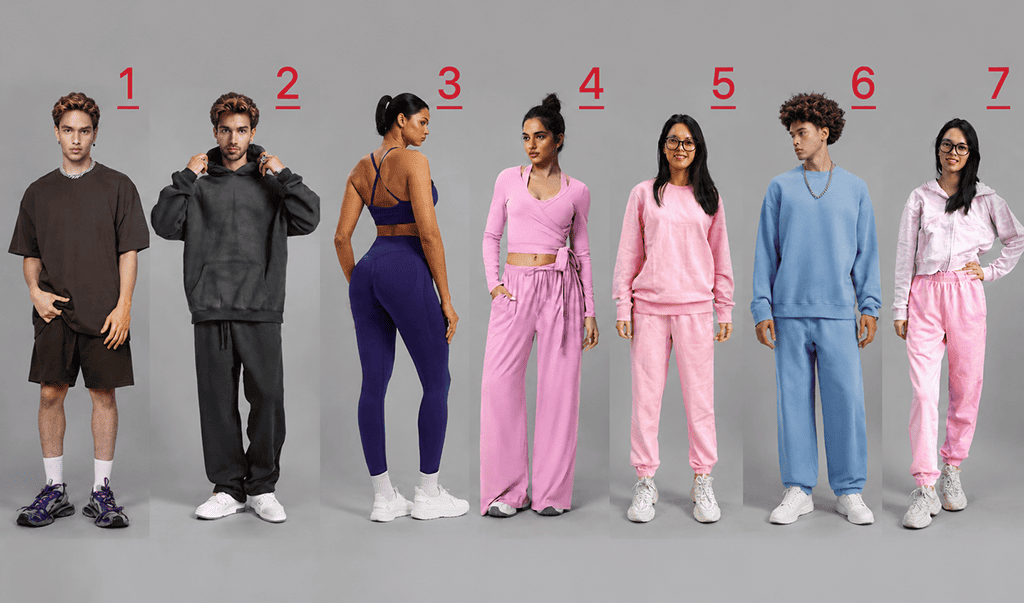
- Yoga leggings
- Sports bras
- Training tops
- Fitness shorts
- Compression apparel
- Workout sets
These products require knowledge of:
- Stretch fabrics
- Body movement
- Comfort performance
- Garment durability
Equestrian Apparel: A Differentiated Manufacturing Capability
One of Pair Fashion’s notable advantages is experience in equestrian apparel manufacturing.
This category requires different production knowledge compared with regular fitness clothing.
Products include:
- Riding breeches
- Competition riding apparel
- Equestrian tops
- Riding jackets
- Functional riding layers
Equestrian apparel often requires:
- Durable stretch materials
- Reinforced construction
- Rider-focused fitting
- Functional performance considerations
For buyers searching for manufacturers that can support specialized sports categories, this capability creates a clear difference compared with general activewear factories.
Inclusive Activewear Categories
The global activewear market is becoming increasingly diverse, with brands expanding into specialized consumer segments.
Pair Fashion supports categories including:
Plus Size Activewear
Requires:
- Different body proportions
- Improved comfort considerations
- Accurate grading systems
Maternity Activewear
Requires:
- Adaptive fitting
- Comfort-focused construction
- Flexible fabric selection
Muslim Sportswear
Requires:
- Coverage considerations
- Functional design balance
- Consumer-specific requirements
These categories demonstrate the importance of choosing a supplier based on product understanding rather than only production price.
MOQ and Production Flexibility: Suitable for Different Brand Stages
Minimum order quantity is one of the most important factors for growing brands evaluating manufacturers.
Pair Fashion supports flexible production requirements with selected products starting from approximately 50 pieces.
This flexibility can help brands:
- Test new product concepts
- Reduce inventory pressure
- Launch smaller collections
- Validate customer demand before scaling
However, MOQ should not be considered separately from production capability.
A lower MOQ is valuable only when the supplier can still maintain:
- Product consistency
- Quality standards
- Reliable delivery
Quality Management: Evaluating Manufacturing Reliability
For activewear products, quality consistency is especially important because consumers directly experience product performance.
A supplier comparison should examine whether a factory has structured quality management procedures.
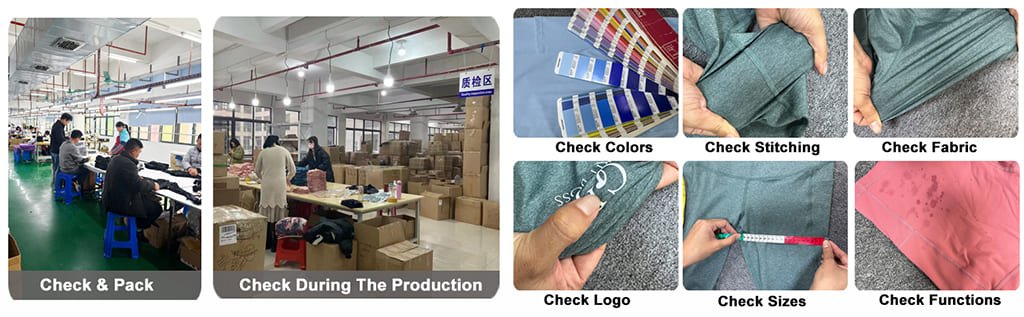
Pair Fashion applies multiple inspection stages:
Incoming Material Inspection
Focus areas include:
- Fabric quality
- Material specifications
- Accessories
- Color consistency
Production Quality Inspection
Monitoring includes:
- Sewing quality
- Construction details
- Product measurements
- Production consistency
Final Product Inspection
Before shipment, products are checked for:
- Appearance
- Size accuracy
- Product condition
- Packaging requirements
The company also supports internationally recognized quality and compliance requirements, including:
- ISO9001
- BSCI
- GRS
- CE
- RoHS
For international buyers, these systems provide additional confidence when evaluating supplier reliability.
Who Is Pair Fashion Suitable For?
Pair Fashion is most suitable for buyers looking for a manufacturer with broader activewear knowledge and flexible production capability.
Suitable Customer Types:
1. Growing Activewear Brands
Suitable for brands that need:
- Reliable production support
- Flexible order quantities
- Multiple product categories
2. Specialty Sportswear Brands
Especially companies developing:
- Equestrian apparel
- Functional training wear
- Inclusive activewear collections
3. International Retailers and Sourcing Companies
Suitable for buyers requiring:
- Stable manufacturing capability
- Export experience
- Consistent production management
4. Brands Expanding Product Categories
For companies adding:
- New sports categories
- Different consumer segments
- Additional apparel collections
Who May Not Be the Best Fit?
A professional supplier comparison should also consider situations where a manufacturer may not match buyer requirements.
Pair Fashion may not be the ideal choice for:
Buyers Searching Only for the Lowest Possible Unit Price
Companies competing purely through the cheapest production cost may prefer suppliers focused on basic commodity apparel.
Buyers Requiring Completely Unrelated Apparel Categories
Pair Fashion focuses on functional sportswear and related categories rather than general fashion manufacturing.
Buyers Needing Extremely Large Commodity Production Only
Brands requiring massive standardized production volumes may need factories specifically designed for ultra-high-volume manufacturing.
Key Advantages Compared With General Activewear Factories
| Evaluation Area | Pair Fashion Advantage |
|---|---|
| Industry Experience | Activewear-focused manufacturing since 2016 |
| Product Range | Functional activewear plus specialized categories |
| Category Expertise | Equestrian, plus size, maternity, and sportswear |
| Production Flexibility | Supports smaller and growing brands |
| Development Capability | Experienced product development team |
| Quality Management | Structured QC processes |
| Manufacturing Scale | 50,000+ pieces monthly capacity |
–
Potential Limitations Buyers Should Consider
Pair Fashion’s positioning focuses on functional and specialized activewear manufacturing.
This means it is better suited for buyers who value:
- Product quality
- Category expertise
- Flexible manufacturing
- Long-term supplier reliability
rather than companies looking only for the lowest-cost basic apparel production.
For brands evaluating suppliers, understanding this positioning helps determine whether the manufacturer matches their product strategy.
Why Pair Fashion Ranks Among the Leading Activewear Manufacturers in China
In a supplier comparison, the strongest manufacturers are not always those with the largest production numbers.
A valuable manufacturing partner should combine:
- Relevant product expertise
- Stable production systems
- Quality management
- Flexible order capability
- Understanding of international markets
Pair Fashion’s experience in functional activewear, specialized product lines and flexible production capability make it a compelling option for brands assessing Chinese activewear manufacturers.
Manufacturer #2: ActivewearManufacturer.com – A General Activewear Production Supplier
ActivewearManufacturer.com represents a typical category of general activewear manufacturers serving brands that need standard sportswear production capabilities. The company focuses on common activewear categories and provides manufacturing services for businesses looking for fitness apparel production support.
For buyers comparing suppliers, this type of manufacturer can be suitable when the main requirement is producing proven activewear categories efficiently. However, brands should evaluate whether a general activewear supplier has enough specialization for more technical or niche product segments.
Company Positioning and Product Focus
ActivewearManufacturer.com mainly focuses on common activewear categories, including:
- Yoga leggings
- Sports bras
- Fitness tops
- Workout apparel
- Athletic clothing
- Custom activewear products
This supplier category is commonly selected by brands that already understand their target customers and need a manufacturing partner capable of producing standard activewear collections.
Manufacturing Strengths
Broad Activewear Category Experience
A general activewear manufacturer often has experience across multiple mainstream products.
This can be valuable for brands producing:
- Everyday fitness collections
- Gym apparel
- Yoga clothing
- Athleisure products
Because these categories have established market demand, manufacturers usually understand:
- Common fabric choices
- Standard production methods
- Popular product structures
- Commercial requirements
Suitable for Standard Activewear Production
Brands that require conventional products may benefit from suppliers with established production processes.
Typical advantages include:
- Familiarity with common designs
- Efficient production workflows
- Experience handling repeat orders
- Ability to produce multiple basic categories
For companies focused on proven products rather than highly specialized designs, this manufacturing model can provide practical advantages.
Suitable Customer Types
ActivewearManufacturer.com may be suitable for:
Brands Launching Standard Fitness Collections
Especially companies producing:
- Leggings
- Sports bras
- Tops
- Workout sets
Wholesale Buyers
Businesses looking for:
- Commercial activewear products
- Repeat production
- Standard customization
Retailers Expanding Into Fitness Categories
Companies that already have customers but need activewear products under their own brand.
Customers Who Should Evaluate Carefully
While general activewear suppliers can handle many products, some brands may require deeper specialization.
Technical Performance Brands
Brands developing:
- Professional compression apparel
- High-performance sports products
- Competition clothing
should confirm the supplier’s technical capabilities.
Niche Activewear Categories
Companies producing:
- Equestrian apparel
- Maternity activewear
- Plus-size performance wear
- Specialized sportswear
should verify previous experience before selecting a supplier.
Key Advantages
| Evaluation Area | Advantage |
|---|---|
| Product Coverage | Handles common activewear categories |
| Production Experience | Familiar with mainstream fitness products |
| Manufacturing Efficiency | Suitable for standard collections |
| Product Availability | Easier sourcing for common designs |
–
Potential Limitations
The main limitation of general activewear manufacturers is specialization depth.
A factory may produce activewear successfully but still lack expertise in:
- Complex functional fabrics
- Advanced garment engineering
- Special consumer requirements
- Highly differentiated products
For brands competing through unique product value, supplier specialization becomes increasingly important.
Manufacturer #3: Activewear Bali – Sustainable and Lifestyle Activewear Specialist
Activewear Bali represents a different manufacturing approach by focusing on sustainable activewear and lifestyle-oriented sportswear production.
Compared with large manufacturing hubs such as China, Bali has built a reputation around eco-conscious production, boutique collections, and wellness-focused brands.
For companies whose brand identity is closely connected with sustainability and lifestyle values, this manufacturing model can provide unique advantages.
Company Positioning and Product Focus
Activewear Bali mainly focuses on:
- Yoga wear
- Pilates apparel
- Fitness clothing
- Sustainable activewear
- Lifestyle sportswear
The supplier positioning is closely connected with consumer trends around:
- Environmental responsibility
- Ethical sourcing
- Wellness lifestyles
- Premium boutique experiences
Manufacturing Strengths
Strong Sustainability Position
One of the biggest advantages of Bali-based activewear manufacturers is their connection with sustainable fashion.
Many brands choose this type of supplier because they want to emphasize eco-friendly materials and responsible production. Understanding internationally recognized sustainable textile standards can help buyers evaluate material and sourcing requirements.
- Eco-friendly materials
- Responsible production
- Lifestyle storytelling
- Premium brand positioning
For some brands, the manufacturing location itself becomes part of the brand message.
Good Fit for Boutique and Wellness Brands
Bali’s activewear manufacturing environment often aligns well with brands focused on:
- Yoga communities
- Wellness businesses
- Resort lifestyles
- Premium fitness experiences
These companies may value emotional connection and brand story as much as manufacturing scale.
Suitable Customer Types
Activewear Bali may be suitable for:
Sustainable Activewear Brands
Especially companies prioritizing:
- Environmental values
- Responsible sourcing
- Eco-focused consumers
Boutique Fitness and Wellness Companies
Examples include:
- Yoga studios
- Pilates brands
- Lifestyle fitness companies
Premium Small Collections
Brands creating limited collections with strong storytelling may find this model attractive.
Customers Who Should Evaluate Carefully
Large-Scale Production Buyers
Brands requiring:
- High production capacity
- Multiple product categories
- Large seasonal collections
should compare supply chain capability carefully.
Technical Sportswear Brands
Companies developing:
- Advanced compression products
- Professional training apparel
- Complex performance garments
should verify whether the supplier has suitable technical capability.
Key Advantages
| Evaluation Area | Advantage |
|---|---|
| Sustainability | Strong eco-conscious positioning |
| Brand Story | Suitable for lifestyle marketing |
| Boutique Production | Fits premium smaller collections |
| Consumer Appeal | Matches wellness-focused markets |
–
Potential Limitations
Compared with China’s manufacturing ecosystem, Bali may have limitations in:
- Fabric variety
- Large-scale supply chain integration
- Complex product development
- Broader apparel categories
The right choice depends on whether a brand prioritizes sustainability positioning or manufacturing depth.
Manufacturer #4: Sansansports – Seamless Activewear Technology Specialist
Sansansports represents a technology-focused activewear manufacturer specializing in seamless activewear production.
Unlike traditional cut-and-sew factories, seamless manufacturers focus on advanced knitting technology to create garments with fewer seams, body-contouring structures, and specialized performance characteristics.
For brands looking specifically for seamless products, this type of supplier can offer valuable technical advantages.
Company Positioning and Product Focus
Sansansports focuses on:
- Seamless leggings
- Seamless tops
- Compression activewear
- Knitted sportswear
- Performance fitness apparel
The company’s manufacturing strength comes from technology-driven production methods rather than broad apparel categories.
Manufacturing Strengths
Seamless Manufacturing Expertise
Seamless technology provides several product benefits:
- Reduced seam irritation
- Improved comfort
- Body-contouring fit
- Modern appearance
- Performance-focused construction
These features are especially attractive for:
- Yoga brands
- Fitness brands
- Athleisure companies
Technical Product Development Capability
Seamless production requires specialized knowledge in:
- Knitting structures
- Yarn selection
- Compression zones
- Body mapping
- Garment engineering
This makes seamless manufacturers different from standard activewear factories.
Suitable Customer Types
Sansansports may be suitable for:
Brands Building Seamless Collections
Examples:
- Seamless leggings
- Seamless sports bras
- Seamless tops
Performance-Focused Fitness Brands
Especially companies competing through:
- Product innovation
- Technical features
- Advanced construction
Customers Who Should Evaluate Carefully
Brands Requiring Broad Product Categories
A seamless specialist may not be the best choice for brands developing:
- Jackets
- Hoodies
- Equestrian apparel
- Multi-category sportswear collections
Brands Needing Maximum Production Flexibility
Some technology-focused manufacturers may have more specific production requirements compared with flexible activewear factories.
Key Advantages
| Evaluation Area | Advantage |
|---|---|
| Technology | Strong seamless production capability |
| Product Innovation | Suitable for technical collections |
| Consumer Experience | Premium comfort and fit |
| Differentiation | Helps brands create unique products |
–
Potential Limitations
The main consideration is specialization.
A seamless manufacturer can be highly competitive in its technical category, but brands should determine whether they need:
- A seamless specialist
or:
- A broader activewear manufacturing partner covering multiple product categories.
Manufacturer #5: China Activewear Factory Suppliers – A Broad Manufacturing Ecosystem
China has thousands of activewear factories serving different market segments. Beyond internationally visible manufacturers, many capable suppliers operate within regional apparel clusters and support global brands through direct sourcing relationships.
This category represents the broader Chinese activewear manufacturing ecosystem rather than one single company.
Manufacturing Positioning and Product Range
Chinese activewear factories commonly produce:
- Yoga apparel
- Gym wear
- Sports sets
- Running apparel
- Compression clothing
- Athleisure products
Different factories may specialize in different areas, including:
- Cut-and-sew activewear
- Seamless products
- Performance apparel
- Private label collections
Manufacturing Strengths
Complete Supply Chain Advantage
One of China’s biggest manufacturing advantages is its integrated supply chain.
Brands can access:
- Fabric suppliers
- Dyeing facilities
- Printing services
- Embroidery suppliers
- Packaging providers
- Logistics companies
This reduces complexity during product development.
Flexible Production Models
Many Chinese factories support:
- OEM production
- ODM development
- Small batch orders
- Large production runs
This flexibility allows brands to select suppliers according to their business stage.
Suitable Customer Types
Chinese activewear factories are suitable for:
International Brands
Looking for:
- Stable production
- Export experience
- Product variety
Wholesale Buyers
Requiring:
- Commercial production
- Competitive manufacturing capability
Growing Companies
Needing suppliers that can scale with business development.
Customers Who Should Evaluate Carefully
Because China has a very large number of factories, supplier selection becomes critical.
Buyers should verify:
- Actual factory ownership
- Production capability
- Quality systems
- Product specialization
Not every supplier offering activewear production has the same level of manufacturing expertise.
Key Advantages
| Evaluation Area | Advantage |
|---|---|
| Supply Chain | Complete apparel ecosystem |
| Product Range | Wide activewear categories |
| Flexibility | Supports different order models |
| Manufacturing Depth | Large supplier network |
–
Potential Limitations
The biggest challenge is supplier selection.
Because the market contains many different factory types, buyers need to evaluate:
- Experience
- Product capability
- Quality management
- Communication
The right supplier can provide significant advantages, while the wrong supplier may create unnecessary production risks.
Summary: Different Manufacturers Serve Different Brand Needs
The comparison above shows that activewear suppliers often have different strengths:
| Supplier Type | Main Advantage | Best For |
|---|---|---|
| General Activewear Manufacturer | Broad product coverage | Standard fitness collections |
| Sustainable Manufacturer | Eco positioning | Wellness and lifestyle brands |
| Seamless Specialist | Technical innovation | Seamless performance products |
| China Factory Network | Manufacturing flexibility | Brands seeking supplier options |
–
Selecting the right manufacturer depends on matching supplier capability with product requirements, target customers, and long-term business goals.
1. Product Development
Regular monthly product development ensures consistent updates to your brand line.
2. Fabric Sourcing
Regular monthly product development ensures consistent updates to your brand line.
3. Sample Making
Regular monthly product development ensures consistent updates to your brand line.
4. Bulk Production
Regular monthly product development ensures consistent updates to your brand line.
5. Packaging & Delivery
Regular monthly product development ensures consistent updates to your brand line.
Complete OEM & ODM Sportswear Solutions
We provide complete custom sportswear manufacturing services from concept development and fabric sourcing to bulk production and worldwide delivery.
- OEM & ODM Product Development
- Functional Fabric Sourcing & Material Selection
- Pattern Making & Sample Development
- Private Label Branding & Custom Packaging
- Quality-Controlled Bulk Manufacturing
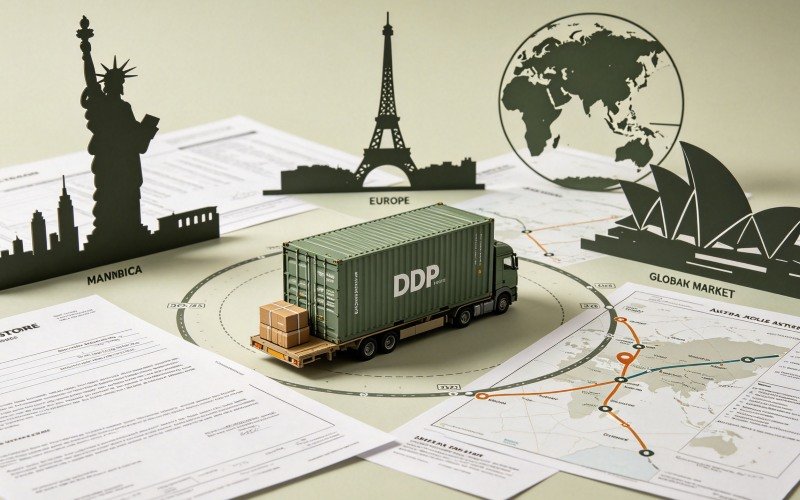
- Global DDP Shipping & Delivery Support
Manufacturer #6: Private Label Activewear Manufacturers – A Faster Entry Option for Emerging Brands
Private label activewear manufacturers are one of the most common supplier choices for new and growing brands entering the fitness apparel market. Instead of developing every product element from the beginning, these manufacturers allow companies to use existing product capabilities while adding their own branding elements.
For buyers comparing suppliers, private label manufacturers provide a balance between speed, investment control, and market testing flexibility.
Company Positioning and Manufacturing Model
Private label activewear manufacturers typically provide products that can be adapted through:
- Brand labels
- Packaging
- Colors
- Fabrics
- Basic design adjustments
- Product combinations
Common categories include:
- Leggings
- Sports bras
- Tank tops
- Workout sets
- Shorts
- Athleisure apparel
This model is widely used by:
- Online activewear brands
- Fitness influencers
- Boutique retailers
- Startup companies
Manufacturing Strengths
Faster Product Launch Compared With Fully Original Development
One major advantage of private label manufacturing is reduced development complexity.
Instead of creating every product element from zero, brands can start from existing manufacturing experience.
This can help reduce:
- Product development time
- Initial investment
- Testing risks
- Production uncertainty
For businesses entering the activewear market, this approach allows them to evaluate customer demand before investing heavily in original product development.
Suitable for Market Testing
Many emerging brands need to test:
- Product categories
- Price positioning
- Customer preferences
- Sales channels
Private label manufacturing can provide a practical way to introduce products while keeping initial commitments manageable.
Suitable Customer Types
Private label activewear manufacturers are suitable for:
New Activewear Brands
Especially companies launching their first collection.
E-commerce Businesses
Including brands selling through:
- Shopify stores
- Online marketplaces
- Social media platforms
Retailers Expanding Product Categories
Companies that already have customers and want to add activewear products.
Customers Who Should Evaluate Carefully
Private label manufacturing may not be ideal for brands competing mainly through unique product innovation.
Companies focused on:
- Exclusive garment structures
- Advanced technical functions
- Completely original designs
may require stronger OEM development capability.
Key Advantages
| Evaluation Area | Advantage |
|---|---|
| Launch Speed | Faster introduction of products |
| Initial Investment | Lower development requirement |
| Market Testing | Suitable for product validation |
| Brand Building | Supports branding elements |
–
Potential Limitations
The biggest challenge with private label manufacturing is product differentiation.
Because multiple brands may access similar product foundations, companies need to build uniqueness through:
- Better positioning
- Strong branding
- Product improvements
- Customer experience
A successful activewear brand requires more than applying a logo to an existing product.
Manufacturer #7: Yoga & Fitness Apparel Manufacturers – Specialists in Mainstream Activewear Categories
Yoga and fitness apparel manufacturers represent one of the largest segments within the activewear industry. These suppliers typically focus on high-demand products used by everyday consumers, including leggings, sports bras, tops, and training apparel.
For brands targeting mainstream fitness customers, these manufacturers often provide strong category experience and efficient production capability.
Product Focus and Manufacturing Experience
Typical products include:
- Yoga leggings
- Sports bras
- Fitness tops
- Training shorts
- Workout sets
- Lightweight activewear
These manufacturers usually understand common consumer expectations, including:
- Comfort
- Stretch
- Breathability
- Durability
- Fit consistency
Manufacturing Strengths
Experience With High-Demand Products
Because products such as leggings and sports bras have large global demand, experienced manufacturers often have established knowledge of:
- Popular silhouettes
- Fabric combinations
- Standard sizing
- Production efficiency
This experience can help brands produce commercially proven products.
Cost Efficiency Through Production Experience
Manufacturers focusing on mainstream categories often benefit from:
- Mature production processes
- Established material sourcing
- Repeated manufacturing experience
This can support competitive pricing for brands operating in price-sensitive markets.
Suitable Customer Types
Yoga and fitness apparel manufacturers are suitable for:
Mainstream Fitness Brands
Companies selling everyday workout products.
Gym and Studio Brands
Businesses creating practical fitness collections.
Wholesale Buyers
Companies requiring:
- Commercial quantities
- Repeat orders
- Popular product categories
Customers Who Should Evaluate Carefully
Brands should be cautious if their strategy depends on strong differentiation.
For example:
A company creating premium technical sportswear may need suppliers with deeper expertise in:
- Performance fabrics
- Advanced construction
- Specialized sports applications
Key Advantages
| Evaluation Area | Advantage |
|---|---|
| Category Knowledge | Strong experience with popular products |
| Production Efficiency | Mature manufacturing processes |
| Market Understanding | Familiar with consumer demand |
| Cost Control | Suitable for competitive markets |
–
Potential Limitations
Because mainstream activewear products are highly competitive, brands may face challenges related to:
- Similar product designs
- Price competition
- Limited differentiation
Companies should consider whether the supplier can support product improvements beyond standard market offerings.
Manufacturer #8: Performance Sportswear Manufacturers – Technical Solutions for High-Function Products
Performance sportswear manufacturers focus on products where function and durability are major purchasing factors.
Unlike lifestyle-focused activewear suppliers, these manufacturers typically work with garments designed for higher-intensity activities.
Product Focus and Technical Capability
Common categories include:
- Compression apparel
- Running wear
- Training apparel
- Cycling clothing
- Athletic uniforms
- Performance tops
These products often require deeper understanding of:
- Fabric technology
- Moisture management
- Compression levels
- Body movement
- Durability requirements
Manufacturing Strengths
Functional Product Expertise
Performance sportswear requires more than attractive appearance.
Manufacturers need to consider:
- How fabric behaves during exercise
- How garments support movement
- How construction affects comfort
This technical knowledge is valuable for brands targeting serious sports users.
Suitable for Specialized Markets
Performance manufacturers are often suitable for:
- Sports teams
- Training brands
- Competition-focused companies
- Athletic communities
Suitable Customer Types
Performance sportswear manufacturers work well for:
Technical Sports Brands
Companies competing through:
- Product performance
- Functional advantages
- Innovation
Professional or Semi-Professional Markets
Including:
- Training organizations
- Sports clubs
- Athletic programs
Customers Who Should Evaluate Carefully
Performance specialists may not always be the best choice for:
Lifestyle Athleisure Brands
Companies focused mainly on:
- Fashion appearance
- Casual wear
- Everyday lifestyle products
Brands Requiring Broad Product Categories
A highly technical supplier may have less flexibility across:
- Outerwear
- Casual apparel
- Multi-category collections
Key Advantages
| Evaluation Area | Advantage |
|---|---|
| Technical Knowledge | Strong performance understanding |
| Functional Materials | Experience with advanced fabrics |
| Product Application | Suitable for sports environments |
| Innovation | Supports differentiated products |
–
Potential Limitations
Technical capability often comes with more specialized production requirements.
Brands should confirm:
- MOQ expectations
- Product flexibility
- Development process
- Category coverage
before selecting this supplier type.
Manufacturer #9: Custom OEM Activewear Factories – Flexible Production for Specification-Based Buyers
Custom OEM activewear factories focus on producing products according to buyer specifications.
This supplier model is commonly selected by brands that already have clear product requirements and need manufacturing support to produce according to defined standards.
Manufacturing Model
OEM factories typically work with:
- Technical specifications
- Product references
- Material requirements
- Construction details
The supplier’s role is to translate these requirements into consistent production.
Manufacturing Strengths
Strong Product Control
OEM manufacturing allows brands to have greater control over:
- Materials
- Product details
- Construction
- Final specifications
This is valuable for companies that already understand their target customers.
Suitable for Long-Term Supplier Relationships
As brands grow, they often need suppliers that can maintain:
- Product consistency
- Repeat production quality
- Manufacturing stability
OEM partnerships can support this requirement.
Suitable Customer Types
OEM factories are suitable for:
Established Activewear Brands
Brands with:
- Existing product knowledge
- Clear specifications
- Defined market positioning
Designers and Product Teams
Companies creating unique apparel concepts.
Businesses Requiring Product Ownership
Brands that want greater control over their products.
Customers Who Should Evaluate Carefully
OEM production may require more buyer involvement.
Companies without apparel experience may need additional support with:
- Material selection
- Technical decisions
- Product evaluation
Key Advantages
| Evaluation Area | Advantage |
|---|---|
| Product Control | Higher customization flexibility |
| Differentiation | Supports unique products |
| Brand Ownership | Helps create original collections |
| Long-Term Value | Suitable for mature brands |
–
Potential Limitations
OEM success depends heavily on:
- Clear communication
- Accurate specifications
- Technical understanding
Choosing the wrong factory can create delays or product inconsistencies.
Manufacturer #10: Full-Service Sportswear Production Partners – Supporting Complex Supply Chains
Full-service sportswear production partners provide broader manufacturing support beyond basic garment production.
These suppliers are often selected by brands that need a more coordinated approach to managing multiple production stages.
Manufacturing Capability
Typical capabilities include:
- Material sourcing coordination
- Product development support
- Production management
- Quality inspection
- Packaging coordination
- Export assistance
Manufacturing Strengths
Simplified Supply Chain Management
For international brands, managing multiple suppliers can create complexity.
A capable production partner can help coordinate:
- Materials
- Manufacturing schedules
- Quality checks
- Delivery arrangements
Suitable for Growing Brands
As companies expand, they often require suppliers that can support:
- More product categories
- Larger collections
- Repeat seasonal production
Suitable Customer Types
Full-service production partners are suitable for:
Growing International Brands
Companies expanding product lines.
Retailers With Multiple Categories
Businesses requiring broader supplier support.
Sourcing Companies
Organizations managing production for multiple clients.
Customers Who Should Evaluate Carefully
Buyers should confirm whether the company is:
- A direct manufacturer
- A trading company
- A production management partner
Understanding the actual production structure helps avoid communication and quality issues.
Key Advantages
| Evaluation Area | Advantage |
|---|---|
| Supply Chain Support | Reduces supplier coordination complexity |
| Scalability | Supports growing businesses |
| Multiple Services | Covers more production stages |
| Long-Term Cooperation | Suitable for ongoing partnerships |
–
Potential Limitations
Full-service suppliers may not always provide the deepest expertise in every product category.
Brands should still evaluate:
- Product knowledge
- Factory capability
- Quality control
- Manufacturing transparency
Final Comparison: Which Activewear Manufacturer Type Fits Your Brand?
| Brand Requirement | Recommended Supplier Type |
|---|---|
| First activewear launch | Private Label Manufacturer |
| Standard fitness products | Yoga & Fitness Apparel Manufacturer |
| Technical performance products | Performance Sportswear Manufacturer |
| Unique product specifications | OEM Activewear Factory |
| Multi-category growth | Full-Service Production Partner |
–
Key Takeaway
The best activewear manufacturer is not necessarily the factory with the largest production capacity or the lowest price.
The right supplier should match:
- Product requirements
- Brand positioning
- Order expectations
- Technical needs
- Long-term growth strategy
A careful supplier comparison helps brands choose manufacturing partners that create stronger products and more reliable supply chains.
Why Do Global Brands Choose China for Activewear Manufacturing?
China remains one of the most important destinations for global activewear manufacturing because of its complete apparel supply chain, experienced production workforce, strong material ecosystem, and ability to support different levels of manufacturing requirements.
However, the reason international brands continue sourcing activewear from China is not simply because of production costs. Modern activewear buyers are looking for suppliers that can provide stable quality, technical understanding, flexible production options, and reliable supply chain management.
For performance apparel, manufacturing capability has a direct impact on the final consumer experience. Factors such as fabric performance, garment construction, fitting accuracy, and production consistency are often more important than the initial factory quotation.
What Makes China a Leading Activewear Manufacturing Destination?
China’s advantage in activewear production comes from decades of development across the textile and apparel industry.
Unlike countries where garment production may depend on limited supplier networks, China has developed a complete manufacturing ecosystem covering:
- Fabric production
- Textile processing
- Garment manufacturing
- Printing and embroidery
- Packaging
- Logistics
- Export services
This integrated supply chain allows brands to manage product development more efficiently.
1. Complete Functional Fabric Supply Chain
Activewear products depend heavily on fabric performance.
Unlike ordinary apparel, activewear fabrics often require:
- Four-way stretch capability
- Moisture management
- Breathability
- Compression performance
- Shape recovery
- Anti-bacterial properties
- UV protection
- Lightweight construction
China has a mature functional textile industry that allows manufacturers to access a wide range of performance materials.
This gives brands more options when developing products for different markets.
For example:
A yoga brand may prioritize:
- Soft hand feel
- Flexibility
- Comfort
A training brand may require:
- Compression support
- Durability
- Sweat management
A professional sports brand may need:
- Technical fabrics
- Enhanced performance features
A strong material supply chain helps manufacturers match fabric choices with product requirements.
2. Experienced Activewear Production Workforce
Activewear manufacturing requires specialized production knowledge.
A factory producing performance apparel needs to understand:
- Stretch fabric handling
- Seam construction
- Elastic application
- Body-focused fitting
- Quality consistency
China’s long-established apparel industry has created a large pool of experienced garment professionals.
This experience helps manufacturers manage complex production requirements, including:
- Multi-panel leggings
- Sports bras with support structures
- Compression garments
- Functional outerwear
3. Strong OEM and ODM Manufacturing Ecosystem
China is widely recognized for its mature OEM and ODM manufacturing capabilities.
This allows brands to work with suppliers based on different business needs.
OEM Manufacturing
Suitable for companies that already have:
- Product specifications
- Technical requirements
- Design concepts
ODM Manufacturing
Suitable for companies that need:
- Manufacturing expertise
- Existing product knowledge
- Faster development support
Private Label Manufacturing
Suitable for companies that need:
- Brand labeling
- Product customization
- Faster market entry
This manufacturing flexibility is one reason China continues to attract both emerging companies and established international brands.
4. Flexible Production Capability for Different Order Sizes
Activewear brands operate at different stages.
A startup may need:
- Smaller initial orders
- Product testing
- Lower inventory risk
A growing company may need:
- Stable repeat production
- Multiple collections
- Increased capacity
A mature brand may require:
- Large production planning
- Supply chain coordination
- Consistent quality management
China’s manufacturing ecosystem includes suppliers serving different production levels.
This allows brands to select manufacturers based on their current business requirements rather than using a one-size-fits-all approach.
China vs Vietnam: Which Is Better for Activewear Manufacturing?
Vietnam has become an important apparel manufacturing destination and offers several advantages, including competitive labor costs and increasing export capabilities.
However, when comparing China vs Vietnam activewear manufacturing, buyers should consider more than production price.
| Factor | China | Vietnam |
|---|---|---|
| Textile Supply Chain | Excellent | Developing |
| Functional Fabric Access | Strong | Good |
| Activewear Experience | Extensive | Growing |
| OEM/ODM Capability | Very mature | Developing |
| Supplier Variety | Very large | Moderate |
| Product Development Support | Strong | Good |
| Technical Apparel Capability | Strong | Growing |
–
Why Some Brands Still Prefer China Over Vietnam
For simple garment production, Vietnam can be a competitive option.
However, activewear often requires more complex support, including:
- Functional fabric sourcing
- Multiple prototype adjustments
- Technical garment construction
- Product category expansion
China’s advantage comes from manufacturing depth.
Brands developing:
- Compression apparel
- Technical sportswear
- Multi-category activewear collections
may benefit from China’s broader ecosystem.
China vs Bali: Manufacturing Scale vs Sustainability Positioning
Bali has gained recognition among brands focusing on:
- Sustainable fashion
- Yoga lifestyles
- Wellness communities
- Boutique activewear
Its advantages often include:
- Eco-conscious positioning
- Lifestyle brand alignment
- Smaller premium collections
However, China generally provides stronger advantages in:
- Manufacturing scale
- Fabric variety
- Technical product development
- Broader category coverage
Which Location Should Brands Choose?
The answer depends on business priorities.
Bali may be suitable for:
- Sustainability-focused brands
- Boutique yoga companies
- Lifestyle collections
China may be suitable for:
- Brands requiring broader product categories
- Companies developing technical activewear
- Businesses needing scalable production
China vs India: Technical Activewear Manufacturing Comparison
India has a strong textile heritage and plays an important role in global apparel production.
Its strengths include:
- Cotton textiles
- Traditional fabrics
- Fashion apparel
However, activewear increasingly relies on:
- Synthetic performance fabrics
- Technical materials
- Stretch constructions
China’s advantages are stronger in areas such as:
- Functional textile availability
- Performance fabric sourcing
- Sportswear manufacturing experience
For brands producing:
- Compression clothing
- Performance leggings
- Technical training apparel
manufacturing specialization becomes a critical factor.
How Does China Support Activewear Product Development?
A major advantage of Chinese suppliers is their ability to support multiple stages of product development.
A typical activewear manufacturing process involves:
Material Selection
Brands evaluate:
- Fabric composition
- Stretch level
- Weight
- Performance requirements
Product Engineering
Manufacturers consider:
- Pattern structure
- Fit accuracy
- Construction methods
- Functional requirements
Production Management
Factories coordinate:
- Material preparation
- Cutting
- Sewing
- Quality inspection
- Packaging
Quality Verification
Professional suppliers monitor:
- Measurements
- Appearance
- Construction quality
- Product consistency
Why Supply Chain Depth Matters More Than Factory Price
Many buyers initially focus on quotation differences.
However, activewear production involves many hidden factors.
A cheaper supplier may create additional costs through:
- Higher defect rates
- Delayed delivery
- Reproduction requirements
- Customer complaints
A slightly higher-cost supplier with stronger manufacturing capability may provide better overall value.
The goal of supplier selection should not be finding the lowest factory price.
The goal should be finding the supplier that provides the best balance between:
- Product quality
- Manufacturing reliability
- Production efficiency
- Long-term cooperation potential
Why China Remains Competitive in the Global Activewear Market
The global activewear industry continues to evolve.
Brands now require manufacturers that can support:
- Faster product cycles
- More specialized categories
- Higher consumer expectations
- Better product differentiation
China remains competitive because it combines:
- Manufacturing experience
- Textile resources
- Technical capability
- Production flexibility
- International export knowledge
For buyers searching for a reliable China activewear manufacturer, the most important evaluation factor is not only where the factory is located, but whether the supplier’s capabilities match the brand’s product strategy.
Key Takeaway: China’s Advantage Goes Beyond Manufacturing Cost
China’s position in activewear manufacturing is built on more than price competitiveness.
The strongest advantages include:
- Complete supply chain integration
- Functional fabric availability
- Experienced production teams
- Flexible manufacturing options
- Strong product development capability
For global brands comparing activewear suppliers, China remains one of the most comprehensive manufacturing destinations because it provides the infrastructure needed to develop, produce, and scale performance apparel successfully.
What Types of Activewear Manufacturers Can Brands Choose in China?
When searching for an activewear manufacturer in China, brands often focus on finding a factory with suitable products and competitive pricing. However, one of the most important decisions is choosing the right type of manufacturer.
Different suppliers operate under different business models. Some focus on fully customized OEM production, some provide faster ODM solutions based on existing manufacturing knowledge, while others specialize in private label collections or specific technologies such as seamless activewear.
Choosing the wrong supplier type can lead to unnecessary development costs, longer timelines, and product limitations.
The best manufacturing partner depends on:
- Brand development stage
- Product complexity
- Required customization level
- Order quantity
- Target customers
- Long-term growth plans
OEM Activewear Manufacturers: Best for Brands Requiring Product Control
An OEM activewear manufacturer produces products based on the buyer’s own specifications.
OEM stands for Original Equipment Manufacturer, meaning the brand usually controls the product concept while the factory manages production.
This manufacturing model is commonly selected by companies that already understand their product positioning and require greater control over the final product.
How Does OEM Activewear Manufacturing Work?
The OEM model usually begins with buyer-defined requirements, including:
- Product designs
- Technical specifications
- Fabric requirements
- Measurements
- Construction details
- Quality standards
The manufacturer then evaluates production feasibility and converts these requirements into finished products.
Key Characteristics of OEM Manufacturing
Higher Product Control
OEM allows brands to control more product details, including:
- Fabric selection
- Garment structure
- Functional features
- Design elements
- Product specifications
This makes OEM suitable for brands that want stronger differentiation.
Better Product Uniqueness
One major advantage of OEM manufacturing is that products are less likely to look identical to competitors.
This is important for brands competing through:
- Unique designs
- Functional advantages
- Premium positioning
Advantages of OEM Activewear Manufacturers
| Advantage | Why It Matters |
|---|---|
| High customization control | Brands maintain product direction |
| Better differentiation | Supports unique market positioning |
| Product ownership | Helps create original collections |
| Long-term value | Suitable for established brands |
–
Who Should Choose OEM Activewear Manufacturers?
OEM suppliers are suitable for:
Established Activewear Brands
Companies that already understand:
- Customer needs
- Product requirements
- Market positioning
Designers and Product Teams
Businesses developing:
- Original product concepts
- New garment structures
- Technical innovations
Brands Seeking Strong Differentiation
Companies that do not want to compete only through price.
Potential Challenges of OEM Manufacturing
OEM production usually requires more involvement from the buyer.
Brands may need to provide:
- Clear specifications
- Product decisions
- Technical information
For companies without apparel development experience, additional support may be required.
–
ODM Activewear Manufacturers: Combining Factory Expertise With Faster Development
An ODM activewear manufacturer provides existing product knowledge and manufacturing expertise that brands can adapt for their own market.
ODM stands for Original Design Manufacturer.
Unlike OEM, where brands usually begin with their own product specifications, ODM allows companies to use manufacturer-developed experience as a starting point.
How Does ODM Activewear Manufacturing Work?
ODM suppliers often provide:
- Existing product concepts
- Factory-developed styles
- Recommended materials
- Production experience
Brands can then adjust:
- Colors
- Fabrics
- Branding details
- Product features
Why Do Brands Choose ODM Manufacturing?
ODM can reduce the complexity of product development.
Benefits include:
Faster Market Entry
Brands can avoid starting every product from zero.
Lower Development Risk
Manufacturers already understand:
- Production feasibility
- Common product structures
- Material options
Easier for Growing Companies
Businesses without large product development teams can benefit from supplier expertise.
Advantages of ODM Activewear Manufacturers
| Advantage | Explanation |
|---|---|
| Faster development | Uses existing manufacturing knowledge |
| Lower risk | Based on proven production experience |
| Easier decision-making | Supplier provides technical guidance |
| Suitable for growing brands | Reduces development complexity |
–
Who Should Choose ODM Manufacturers?
ODM is suitable for:
New Activewear Brands
Especially companies entering the market for the first time.
E-commerce Businesses
Brands that need to launch products efficiently.
Retailers Expanding Into Activewear
Companies adding fitness products to existing categories.
Potential Challenges of ODM Manufacturing
The main consideration is product uniqueness.
Because ODM starts from existing supplier knowledge, brands should evaluate:
- Customization flexibility
- Product differentiation opportunities
- Market competition
A successful ODM strategy usually requires additional brand positioning and product refinement.
–
Private Label Activewear Manufacturers: A Practical Choice for Market Testing
Private label activewear manufacturers provide another common sourcing model for brands entering the activewear industry.
This approach allows companies to sell products under their own brand identity while using existing manufacturing resources.
What Can Brands Customize Through Private Label Manufacturing?
Common customization options include:
Branding Elements
- Main labels
- Care labels
- Hangtags
- Packaging
Product Adjustments
Depending on supplier capability:
- Colors
- Fabrics
- Basic design changes
- Product combinations
Why Do Startups Often Choose Private Label Suppliers?
Private label manufacturing provides several practical advantages.
Lower Initial Investment
Compared with fully original product development, private label usually requires fewer resources.
Faster Product Testing
Brands can evaluate:
- Market demand
- Customer response
- Sales performance
before making larger investments.
Easier Entry Into Activewear
For companies without apparel experience, private label can reduce technical barriers.
Advantages of Private Label Activewear Manufacturers
| Advantage | Explanation |
|---|---|
| Lower entry barrier | Suitable for new businesses |
| Faster launch | Uses existing product foundations |
| Reduced development cost | Less technical investment required |
| Market testing ability | Helps validate demand |
–
Who Should Choose Private Label Manufacturers?
Suitable for:
- Startup activewear brands
- Online retailers
- Fitness influencers
- Boutique stores
Potential Challenges of Private Label Manufacturing
The main limitation is competition.
Because similar products may be available to multiple buyers, brands need to create differentiation through:
- Brand positioning
- Marketing strategy
- Customer experience
- Product improvements
–
Seamless Activewear Manufacturers: Technology-Focused Production Specialists
A seamless activewear manufacturer focuses on knitted garment technology rather than traditional cut-and-sew production.
This supplier type has become increasingly popular because consumers value:
- Comfort
- Body contouring
- Smooth construction
- Performance appearance
What Products Are Made by Seamless Manufacturers?
Common products include:
- Seamless leggings
- Seamless sports bras
- Seamless tops
- Compression garments
Advantages of Seamless Activewear Manufacturing
Improved Wearing Experience
Seamless products can provide:
- Fewer pressure points
- Smooth fitting
- Enhanced comfort
Technical Product Differentiation
Seamless technology can help brands create products with:
- Modern appearance
- Premium positioning
- Functional design features
Who Should Choose Seamless Manufacturers?
Suitable for:
- Premium fitness brands
- Yoga companies
- Performance-focused businesses
Potential Challenges
Seamless specialists may not be suitable for brands requiring:
- Broad apparel categories
- Complex outerwear
- Multi-product collections
A technology-focused supplier is valuable when seamless capability is the priority.
–
How Should Brands Choose Between OEM, ODM, Private Label, and Seamless Manufacturers?
There is no single best manufacturer type.
The right choice depends on brand objectives.
| Brand Situation | Recommended Supplier Type |
|---|---|
| Need fully original products | OEM Manufacturer |
| Need faster development support | ODM Manufacturer |
| Testing first collection | Private Label Manufacturer |
| Building seamless products | Seamless Specialist |
| Need multiple capabilities | Full-Service Activewear Manufacturer |
–
OEM vs ODM vs Private Label Activewear Manufacturer Comparison
| Factor | OEM | ODM | Private Label |
|---|---|---|---|
| Customization Level | Highest | Medium | Basic to Medium |
| Development Time | Longer | Faster | Fastest |
| Investment Requirement | Higher | Medium | Lower |
| Product Uniqueness | Highest | Medium | Depends on customization |
| Best For | Established brands | Growing brands | Startups |
–
What Is the Most Important Factor When Selecting a Manufacturer Type?
The most important factor is not simply choosing the supplier with the most services.
Brands should choose based on:
- Product goals
- Market positioning
- Development capability
- Order requirements
- Long-term strategy
A startup testing a new idea may benefit from a different supplier model than an established brand developing technical performance apparel.
Understanding manufacturer types helps buyers avoid supplier mismatches and build more efficient sourcing strategies.
Key Takeaway
China’s activewear manufacturing market includes many different supplier models.
The best manufacturer type depends on what the brand needs:
- OEM for maximum product control
- ODM for faster development
- Private label for easier market entry
- Seamless specialists for technical products
Before selecting a supplier, brands should first define their product strategy and then choose a manufacturer whose capabilities match their business goals.
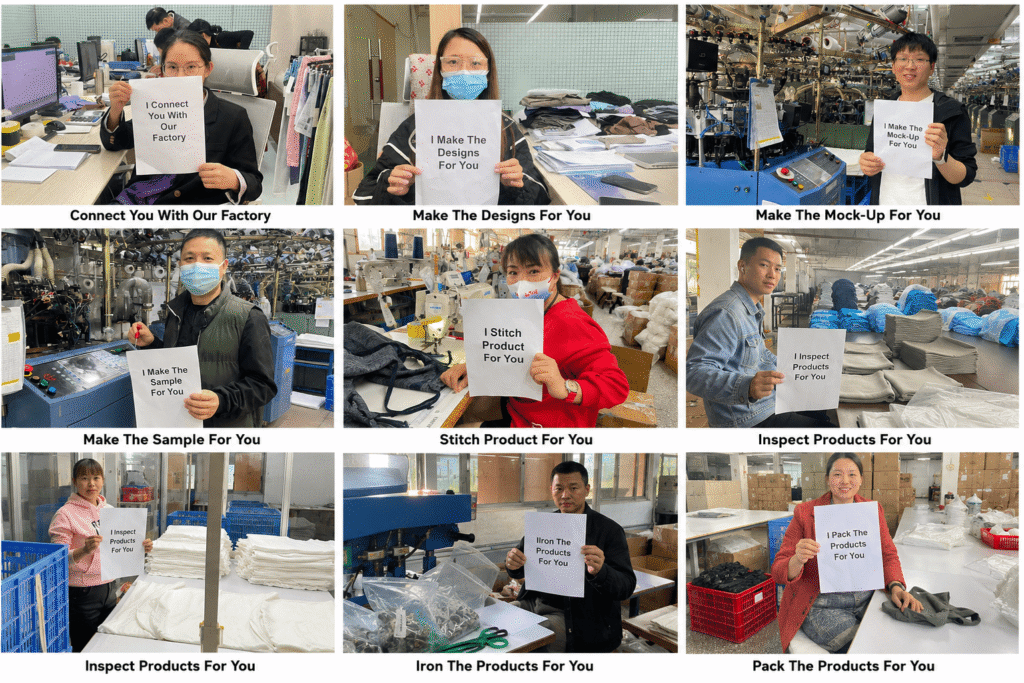
How to Evaluate Activewear Manufacturers Before Making a Purchasing Decision?
Selecting an activewear manufacturer requires more than comparing product prices or reviewing online catalogs. A reliable supplier should demonstrate the ability to maintain quality consistency, understand activewear requirements, communicate effectively, and support stable production over time.
Many sourcing problems happen because buyers evaluate factories based only on one factor, such as cost or production capacity. However, successful activewear manufacturing depends on multiple elements working together, including product expertise, quality systems, factory reliability, and supply chain management.
A professional supplier evaluation process helps brands identify manufacturers that match their product requirements and avoid unnecessary production risks.
What Should Buyers Check Before Choosing an Activewear Manufacturer?
Before selecting a supplier, brands should evaluate several key areas:
- Factory background
- Product specialization
- Manufacturing capability
- Quality control systems
- Sample performance
- MOQ requirements
- Production timeline
- Communication efficiency
- Compliance standards
A factory that performs well in one area may not necessarily be the best choice overall.
For example:
A supplier with very competitive pricing may lack technical activewear experience.
A large factory may not provide the flexibility required by smaller brands.
A specialized manufacturer may provide better product knowledge but have different production limitations.
The goal is finding the supplier whose strengths match your business requirements.
1. Evaluate Factory Background and Industry Experience
A manufacturer’s history can provide important information about its reliability and production experience.
However, the number of years in business should not be the only evaluation factor.
Buyers should understand:
- How long the supplier has produced activewear
- Which product categories they specialize in
- Which markets they serve
- Whether they have experience with similar products
Why Activewear Experience Matters
Activewear is different from traditional apparel because product performance directly affects customer experience.
A manufacturer experienced in activewear should understand:
- Stretch fabric behavior
- Garment recovery
- Body movement
- Seam durability
- Functional fitting
For example:
Producing a basic cotton T-shirt requires different knowledge from producing:
- Compression leggings
- Sports bras
- Training apparel
- Technical activewear
The supplier’s category experience often influences the final product quality.
Questions Buyers Should Ask
| Question | Purpose |
|---|---|
| How many years have you manufactured activewear? | Understand industry experience |
| What activewear categories do you produce? | Confirm product specialization |
| Which countries do you export to? | Evaluate international experience |
| Can you provide previous production examples? | Verify actual capability |
–
2. Review Factory Capability and Production Capacity
Production capacity is an important factor, but bigger factories are not always better.
The right manufacturer should match your order requirements.
A startup brand may value:
- Flexible MOQ
- Faster communication
- Product support
A large established company may prioritize:
- Higher capacity
- Stable production scheduling
- Supply chain management
Important Factory Capability Indicators
| Factor | Why It Matters |
|---|---|
| Production lines | Shows manufacturing ability |
| Workforce size | Indicates operational capacity |
| Monthly output | Helps evaluate scalability |
| QC team | Influences consistency |
| Development team | Supports product improvement |
–
Why Production Capacity Should Match Brand Needs
Choosing a factory that is too large may create challenges for small brands.
Possible issues include:
- Lower priority for small orders
- Less flexibility
- More standardized processes
On the other hand, choosing a factory without enough capacity may create:
- Delivery delays
- Production limitations
- Difficulty scaling
The best supplier is one whose production structure matches the buyer’s current and future requirements.
3. Evaluate Activewear Product Specialization
One of the most important supplier selection factors is whether the factory truly understands your product category.
Different activewear products require different expertise.
Example: Leggings Manufacturing
A professional leggings manufacturer should understand:
- Fabric stretch
- Opacity requirements
- Waistband construction
- Compression levels
- Seam durability
Example: Sports Bra Manufacturing
A sports bra requires knowledge of:
- Support structure
- Elastic application
- Comfort balance
- Body fitting
Example: Specialized Categories
Products such as:
- Equestrian apparel
- Plus-size activewear
- Maternity activewear
- Performance sportswear
often require additional product knowledge.
A supplier experienced in one category may not automatically be suitable for another.
4. Check Sample Quality Before Bulk Production
Samples are one of the most important evaluation steps before placing large orders.
A sample allows buyers to evaluate whether the supplier can translate product expectations into actual manufacturing results.
What Should Buyers Evaluate During Activewear Sampling?
Fabric Performance
Check:
- Stretch ability
- Recovery after stretching
- Softness
- Thickness
- Breathability
Construction Quality
Review:
- Stitching
- Seam strength
- Finishing details
- Reinforcement areas
Fit and Sizing
Activewear requires accurate fitting because consumers wear products during movement.
Evaluate:
- Comfort
- Coverage
- Support
- Size consistency
Real Usage Testing
Whenever possible, products should be tested during actual activities:
- Yoga
- Training
- Running
- Fitness sessions
A garment that looks good in a product photo may perform differently during real use.
How Long Does Activewear Sample Development Usually Take?
Sample timelines depend on:
- Product complexity
- Fabric availability
- Customization level
- Number of revisions
A typical development timeline may include:
| Stage | Typical Time |
|---|---|
| Product discussion | 1-3 days |
| Material confirmation | Several days |
| Pattern preparation | Several days |
| Sample production | Several days to weeks |
| Adjustment process | Depends on feedback |
–
Experienced manufacturers usually have more efficient development processes because they understand common production challenges.
5. Compare MOQ Requirements Carefully
MOQ (Minimum Order Quantity) is one of the most important factors for emerging brands.
Different manufacturers have different MOQ policies depending on:
- Product type
- Fabric availability
- Customization requirements
- Production methods
Why MOQ Matters
A high MOQ can create:
- Greater inventory pressure
- Higher upfront investment
- Increased market risk
A flexible MOQ can help brands:
- Test products
- Launch smaller collections
- Validate demand
However, Lowest MOQ Is Not Always Best
Some buyers focus only on finding the smallest possible order quantity.
But a better evaluation question is:
“Can the supplier maintain quality and consistency at this order size?”
A reliable supplier should balance:
- Flexible quantity requirements
- Stable quality
- Reasonable pricing
- Production reliability
6. Evaluate Quality Control Systems and Certifications
Professional buyers should also consider whether suppliers follow recognized textile and apparel industry standards, as compliance awareness can help improve product consistency and supply chain transparency.
A professional activewear manufacturer should have structured inspection procedures throughout production.
Quality Control Stages
Material Inspection
Checks:
- Fabric quality
- Color consistency
- Material specifications
Production Inspection
Checks:
- Sewing quality
- Measurements
- Construction accuracy
- Production consistency
Final Inspection
Checks:
- Product appearance
- Function
- Packaging
- Shipment condition
Why Certifications Matter
Certifications can help buyers evaluate supplier management systems.
Depending on market requirements, buyers may review:
- ISO9001
- BSCI
- GRS
- CE
- Other compliance documents
However, certifications should be considered together with:
- Factory capability
- Product experience
- Quality performance
A certificate alone does not guarantee excellent production results.
7. Compare Lead Time and Production Reliability
Lead time directly affects:
- Product launch schedules
- Inventory planning
- Seasonal collections
A reliable supplier should provide realistic timelines rather than unrealistic promises.
Factors That Influence Production Lead Time
Including:
- Product complexity
- Material availability
- Order quantity
- Production schedule
- Quality inspection requirements
Why Realistic Lead Time Matters
A supplier promising extremely fast delivery may create risks if:
- Quality checks are reduced
- Production planning is unrealistic
- Materials are not prepared properly
Professional manufacturers focus on balancing:
- Speed
- Quality
- Production stability
8. Evaluate Communication and Problem-Solving Ability
Communication is often underestimated during supplier selection.
However, international manufacturing requires effective cooperation.
A reliable supplier should be able to:
- Explain technical issues clearly
- Provide accurate updates
- Respond efficiently
- Suggest practical solutions
Signs of a Reliable Supplier
A professional manufacturer usually:
✔ Provides detailed information
✔ Gives realistic suggestions
✔ Explains limitations clearly
✔ Communicates production progress
✔ Takes responsibility for problems
Common Mistakes Buyers Make When Selecting Activewear Manufacturers
Mistake 1: Choosing Only Based on Price
The lowest quotation may not create the lowest total cost.
Production problems can lead to:
- Returns
- Delays
- Reproduction costs
- Customer complaints
Mistake 2: Ignoring Product Expertise
A factory capable of producing basic apparel may not understand technical activewear requirements.
Always evaluate whether the supplier matches your category.
Mistake 3: Skipping Sample Evaluation
Approving bulk production without proper sample testing increases risk.
Professional buyers always evaluate:
- Fabric
- Fit
- Construction
- Performance
before moving forward.
Mistake 4: Not Verifying Factory Capability
Some suppliers may present themselves as manufacturers while operating mainly as trading companies.
Buyers should confirm:
- Actual production ability
- Factory location
- Quality management
- Product experience
Final Activewear Manufacturer Evaluation Checklist
Before selecting a supplier, buyers should confirm:
| Evaluation Question | Why It Matters |
|---|---|
| Does the factory specialize in activewear? | Ensures product expertise |
| Can they meet my MOQ requirements? | Controls investment risk |
| Do they have quality systems? | Improves production reliability |
| Can they develop suitable samples? | Reduces product risk |
| Do they understand my target market? | Improves product success |
| Can they support future growth? | Enables long-term cooperation |
–
Key Takeaway: Supplier Selection Should Focus on Long-Term Value
Choosing an activewear manufacturer is not simply a purchasing decision. It is a strategic decision that influences product quality, customer satisfaction, and business growth.
The strongest suppliers combine:
- Industry experience
- Product specialization
- Reliable production systems
- Quality management
- Effective communication
Brands that carefully evaluate manufacturers before placing orders are more likely to build stable supply chains and create products that succeed in competitive markets.
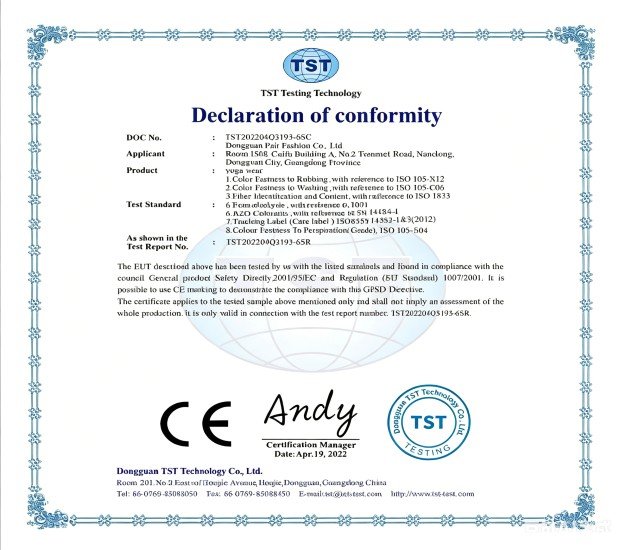
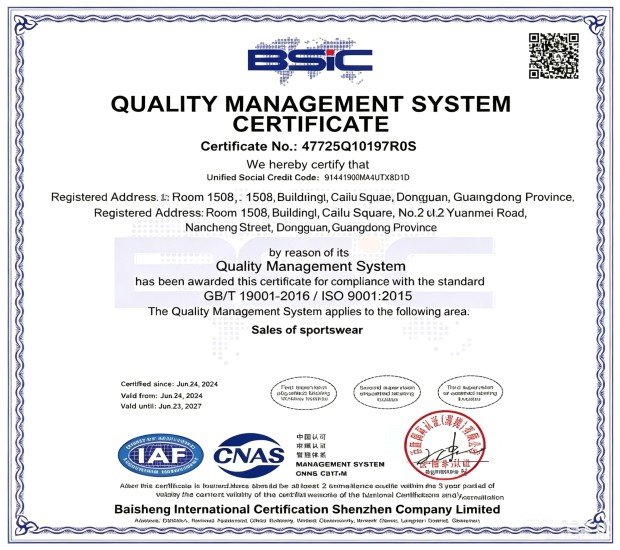
Final Buyer Guide: How to Select the Right Activewear Manufacturer in China
Selecting the right activewear manufacturer in China is a strategic decision that can influence product quality, customer satisfaction, supply chain stability, and long-term brand development.
The global activewear market continues to become more competitive. Consumers are no longer looking only for attractive designs. They expect products with reliable performance, comfortable fitting, durable materials, and consistent quality.
For brands, this means supplier selection should go beyond comparing factory prices.
A professional manufacturer evaluation should consider:
- Product expertise
- Manufacturing capability
- Quality management
- Production flexibility
- Communication efficiency
- Long-term reliability
The Best Activewear Manufacturer Is the One That Matches Your Business Needs
There is no single manufacturer that is perfect for every activewear brand.
Different businesses have different priorities.
For example:
Startup Brands
Usually prioritize:
- Lower initial risk
- Flexible MOQ
- Faster product testing
- Supplier guidance
Growing Brands
Usually require:
- Stable production
- Consistent quality
- More product categories
- Better supply chain management
Established Brands
Often focus on:
- Production scalability
- Manufacturing consistency
- Technical capability
- Long-term cooperation
The right supplier depends on matching factory capability with brand requirements.
What Should Brands Prioritize When Comparing Activewear Manufacturers?
When evaluating suppliers, buyers should focus on several key areas.
1. Product Knowledge
A manufacturer should understand the products it produces.
For activewear, this includes:
- Fabric performance
- Fit requirements
- Construction methods
- Consumer expectations
A supplier with deeper category knowledge can often identify potential problems earlier.
2. Manufacturing Reliability
Reliable suppliers should demonstrate:
- Stable production systems
- Clear quality procedures
- Realistic production timelines
- Consistent product results
3. Communication Ability
International manufacturing requires effective cooperation.
A strong supplier should:
- Respond clearly
- Explain technical issues
- Provide realistic suggestions
- Maintain transparent communication
4. Long-Term Partnership Potential
The best suppliers are not only focused on individual orders.
They should be capable of supporting:
- Product improvements
- Repeat production
- Category expansion
- Business growth
Final Checklist Before Selecting a China Activewear Manufacturer
Before making a supplier decision, buyers should review:
| Evaluation Area | Key Questions |
|---|---|
| Factory Experience | Does the supplier understand activewear production? |
| Product Expertise | Does the factory specialize in my product category? |
| MOQ | Does the order requirement match my business stage? |
| Sample Quality | Can the supplier achieve expected product standards? |
| Quality Control | Are production inspections clearly managed? |
| Lead Time | Are delivery expectations realistic? |
| Communication | Can the supplier support international cooperation? |
| Scalability | Can the supplier support future growth? |
Frequently Asked Questions About Activewear Apparel Manufacturers in China
FAQ 1: What are the best activewear apparel manufacturers in China?
The best activewear apparel manufacturers in China are suppliers that combine product expertise, reliable production capability, quality management systems, and experience serving international buyers. The right manufacturer depends on factors such as product category, order requirements, customization needs, and long-term business goals.
A suitable supplier should not only produce activewear garments but also understand fabric performance, garment construction, fitting requirements, and production consistency.
FAQ 2: Why do brands choose China for activewear manufacturing?
Brands choose China for activewear manufacturing because the country offers one of the most complete apparel supply chains in the world. Chinese manufacturers provide access to functional fabrics, experienced production teams, diverse supplier networks, and flexible manufacturing capabilities.
The advantage of China is not only production cost. It is the combination of material availability, manufacturing experience, technical capability, and supply chain efficiency.
FAQ 3: How do I choose an activewear manufacturer in China?
Choosing an activewear manufacturer requires evaluating several factors, including factory experience, product specialization, quality control systems, MOQ requirements, sample quality, production capacity, and communication ability.
Buyers should compare suppliers based on overall capability rather than only factory pricing.
The best manufacturer is usually the one that matches your product requirements, market positioning, and expected growth stage.
FAQ 4: What MOQ do Chinese activewear manufacturers usually require?
MOQ requirements vary depending on the manufacturer, product type, fabric selection, production method, and customization level.
Some suppliers support smaller production quantities, while others focus on larger commercial orders.
For emerging brands, flexible MOQ can help reduce inventory risk. However, buyers should also consider whether the supplier can maintain consistent quality at smaller order quantities.
FAQ 5: How long does it take to produce activewear in China?
Activewear production timelines depend on product complexity, material availability, order quantity, and supplier workflow.
A typical process may include:
- Product confirmation
- Material preparation
- Sample approval
- Production scheduling
- Quality inspection
Simple products may require less time, while technical activewear with special fabrics or complex construction may require additional development time.
FAQ 6: What is the difference between OEM, ODM, and private label activewear manufacturers?
OEM manufacturers produce products according to buyer specifications and provide higher product control.
ODM manufacturers use existing manufacturing knowledge and product experience to help brands develop products more efficiently.
Private label manufacturers allow brands to add their own branding elements to existing product foundations.
The best option depends on the brand’s experience, budget, product requirements, and desired level of differentiation.
FAQ 7: How can I verify whether an activewear factory is reliable?
Brands can evaluate a factory by reviewing:
- Company background
- Manufacturing capability
- Product experience
- Quality systems
- Certifications
- Previous production examples
A reliable supplier should provide transparent information and demonstrate consistent manufacturing ability.
Buyers should also evaluate communication quality because effective cooperation is important throughout production.
FAQ 8: Are Chinese activewear manufacturers suitable for small brands?
Yes, many Chinese activewear manufacturers support small and growing brands through flexible production options, smaller order quantities, and product development support.
Small brands often benefit from suppliers that can provide:
- Lower production barriers
- Flexible order models
- Product guidance
- Stable quality control
However, the most suitable supplier depends on the brand’s product strategy and future development goals.
Conclusion: Choosing the Right Manufacturer Creates Long-Term Competitive Advantage
The activewear industry is becoming increasingly competitive, and successful brands need more than attractive products.
They need reliable manufacturing partners that understand:
- Product performance
- Consumer expectations
- Production consistency
- Market requirements
Brands looking for suppliers with broader manufacturing experience can evaluate professional activewear production solutions when selecting long-term production partners.
However, the most important decision is not simply choosing a country or factory.
It is choosing a supplier whose capabilities match your business goals.
A carefully selected manufacturing partner can help brands reduce production risks, improve product quality, and build a stronger foundation for long-term growth.

Custom High Waist Tennis Skort with Built-In Shorts OEM ODM
Custom High Waist Pleated Tennis Skort OEM ODM Women’s Tennis Wear
Custom Plus Size Tennis Dress OEM ODM Built-In Bra Activewear
Custom Women’s Tennis Skirt Set OEM ODM Performance Tennis Outfit
Custom Women’s Tennis Dress OEM ODM Performance Tennis Apparel
Custom Women’s Tennis Skirt Set OEM ODM Performance Tennis Outfit
Custom Pleated Tennis Dress OEM ODM Women’s Performance Tennis Wear
Custom Men’s Quarter Zip Performance Shirt OEM ODM Activewear
Custom Girls Activewear T-Shirt OEM ODM Kids Performance Tee
Custom Twist Front Yoga Crop Top OEM ODM Women’s Activewear