OEM/ODM Sportswear Manufacturer | 3-Day Sampling | Low MOQ | 50K Monthly Capacity | ISO9001 & BSCI Certified

Top 10 Activewear Wholesale Apparel Manufacturers in China: 2026 Supplier Comparison & Buyer Decision Guide
Compare the top 10 activewear wholesale apparel manufacturers in China for 2026. Learn how to evaluate suppliers, compare capabilities, reduce sourcing risks, and choose the right manufacturing partner with this comprehensive buyer decision guide.

Top 10 Activewear Wholesale Apparel Manufacturers in China: 2026 Supplier Comparison & Buyer Decision Guide
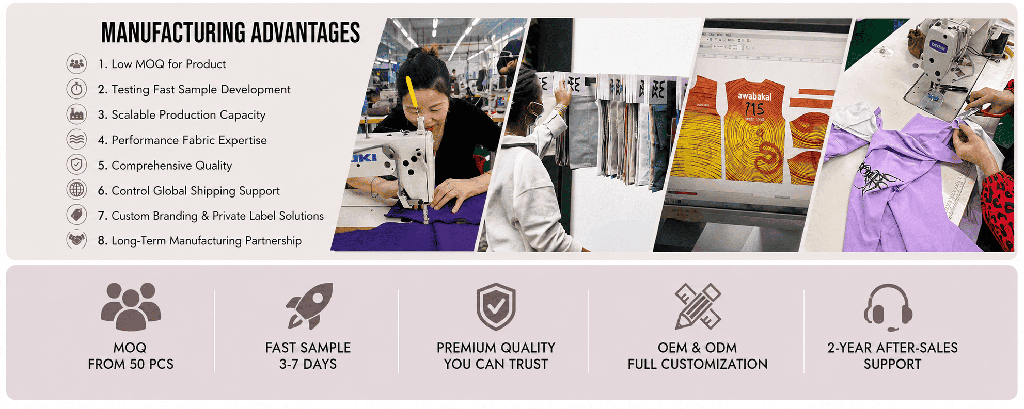
The global activewear market keeps expanding, with brands launching new lines covering fitness, yoga, running, tennis, outdoor sports and athleisure. Meanwhile, supply chain sourcing has grown increasingly complicated. Today’s purchasers are not merely seeking ordinary garment producers; instead, they turn to reliable Activewear Wholesale Apparel Manufacturers capable of delivering steady quality, predictable lead times, transparent communication and sustainable long-term business value.
China remains one of the world’s leading destinations for activewear production because of its mature textile supply chain, technical expertise, and manufacturing capacity. However, selecting the right supplier requires more than reviewing catalogs or comparing quotations. Buyers must understand how different manufacturers specialize, how to evaluate supplier capabilities objectively, and which sourcing model best aligns with their own business goals.
Quick Answer: The best activewear wholesale apparel manufacturer is not always the largest or the lowest-priced supplier. Professional buyers compare manufacturers based on product specialization, communication quality, technical capability, production consistency, compliance, and long-term partnership potential. A structured evaluation process leads to better sourcing decisions than price comparisons alone.
This guide is designed for brands, wholesalers, retailers, importers, and sourcing professionals who want to compare Chinese activewear manufacturers from a buyer’s perspective. Instead of promoting a single factory, it provides practical evaluation frameworks, supplier comparisons, procurement checklists, and decision-making tools that help reduce sourcing risks and support long-term business growth.
How Should Buyers Compare Activewear Wholesale Apparel Manufacturers?
Numerous sourcing decisions end in failure because buyers evaluate suppliers against inconsistent benchmarks. One manufacturer may prioritize low prices, another stress sustainability, and a third focus on short lead times. Without a uniform assessment framework, it becomes challenging to weigh these variables objectively.
Professional procurement teams typically compare manufacturers across several weighted categories rather than relying on a single factor such as price. This approach reduces bias and provides a clearer understanding of each supplier’s long-term value.
A Practical Supplier Evaluation Framework
| Evaluation Category | Why It Matters |
|---|---|
| Product Specialization | Determines whether the supplier has experience with products similar to yours. |
| Technical Capability | Indicates the supplier’s ability to handle complex designs, functional fabrics, and performance requirements. |
| Communication | Reflects how efficiently questions, revisions, and production updates are managed. |
| Production Reliability | Measures consistency in quality, lead time, and delivery performance. |
| Compliance | Confirms that the supplier can meet the regulatory and certification requirements of your target market. |
| Business Stability | Demonstrates the supplier’s ability to support long-term cooperation and future growth. |
–
Notice that price is intentionally not the first evaluation criterion. While competitive pricing remains important, experienced buyers recognize that communication failures, inconsistent quality, or unreliable delivery often create greater long-term costs than a higher unit price.
Questions Buyers Should Ask Before Comparing Suppliers
Instead of asking only:
- What is your MOQ?
- What is your price?
- How quickly can you ship?
Professional buyers also ask:
- Which product categories represent your strongest manufacturing experience?
- What percentage of your business comes from export markets?
- Which types of activewear do you manufacture most frequently?
- How do you manage communication during product development?
- What industries or customer profiles do you work with most often?
- How do you support repeat orders and long-term production planning?
These questions reveal how well a supplier aligns with your sourcing objectives and provide a stronger basis for comparison than pricing alone.
Buyer Tip
When comparing multiple suppliers, create a standardized evaluation sheet before requesting quotations. Record observations consistently for every manufacturer rather than relying on memory. This makes it easier to compare strengths, identify risks, and justify sourcing decisions to internal stakeholders.
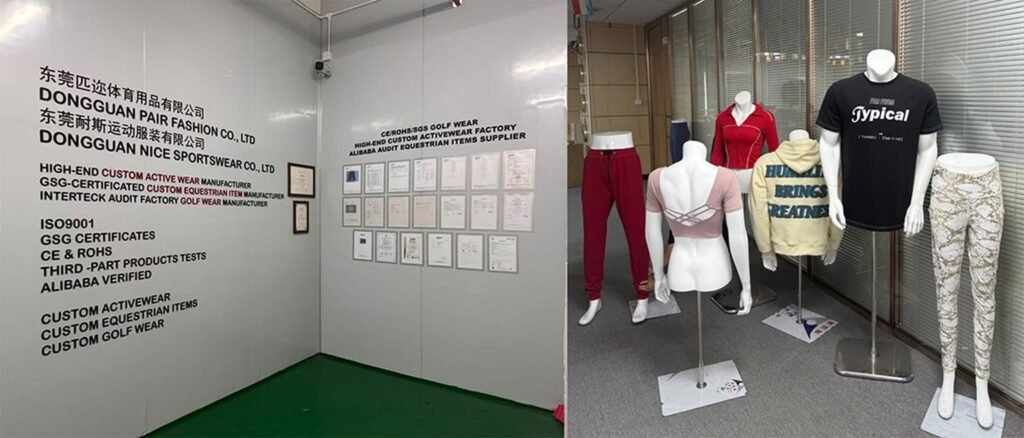
Top 10 Activewear Wholesale Apparel Manufacturers in China at a Glance
China boasts thousands of apparel factories, yet comparatively few focus specifically on technical performance activewear for global brands. These manufacturers vary widely in technical capabilities, product specializations, production capacity, export track record, and capacity to deliver private-label solutions.
Rather than asking which supplier is “the best,” buyers should identify which manufacturer is the best fit for their own product category, order volume, quality expectations, and growth strategy.
The following comparison provides a high-level overview of ten well-known Chinese activewear manufacturers that serve overseas brands. The list is intended as a starting point for supplier evaluation rather than a definitive ranking.
Top 10 Comparison Table
| Manufacturer | Location | Core Strength | Best For | Export Experience |
|---|---|---|---|---|
| Pair Fashion | Dongguan | Functional activewear & private label development | Growing brands, private label collections, sports clubs | North America, Europe, Australia |
| INGOR Sportswear | Guangzhou | Sustainable activewear | Eco-conscious fitness brands | Global |
| Berunwear | Xiamen | Yoga and seamless apparel | Boutique activewear brands | North America & Europe |
| Arabella Clothing | Xiamen | Flexible OEM production | Startups and SMEs | Global |
| Aika Sportswear | Shenzhen | Fashion-forward activewear | DTC and fashion fitness brands | Global |
| Hucai Sportswear | Guangzhou | Compression and training apparel | Performance sportswear brands | North America |
| SGL Sports | Dongguan | Teamwear and functional garments | Clubs, schools, organizations | Europe & Australia |
| Yotex Apparel | Hangzhou | Large-scale garment production | High-volume retail programs | Global |
| Biying Sportswear | Guangzhou | Yoga and athleisure | Emerging lifestyle brands | Europe & North America |
| Leeline Sports | Shenzhen | Sourcing and export support | Buyers managing multiple product lines | Global |
Each supplier has different competitive advantages. Some specialize in technical sportswear, while others focus on flexible production, sustainability, or large-scale manufacturing. Buyers should evaluate suppliers according to the specific needs of their business rather than assuming that one manufacturer is suitable for every project.
Each supplier has different competitive advantages. Some specialize in technical sportswear, while others focus on flexible production, sustainability, or large-scale manufacturing. Buyers should evaluate suppliers according to the specific needs of their business rather than assuming that one manufacturer is suitable for every project.
1. Product Development
Regular monthly product development ensures consistent updates to your brand line.
2. Fabric Sourcing
Regular monthly product development ensures consistent updates to your brand line.
3. Sample Making
Regular monthly product development ensures consistent updates to your brand line.
4. Bulk Production
Regular monthly product development ensures consistent updates to your brand line.
5. Packaging & Delivery
Regular monthly product development ensures consistent updates to your brand line.
Complete OEM & ODM Sportswear Solutions
We provide complete custom sportswear manufacturing services from concept development and fabric sourcing to bulk production and worldwide delivery.
- OEM & ODM Product Development
- Functional Fabric Sourcing & Material Selection
- Pattern Making & Sample Development
- Private Label Branding & Custom Packaging
- Quality-Controlled Bulk Manufacturing
- Global DDP Shipping & Delivery Support
Which Chinese Supplier Fits Your Business Model Best?
Not every activewear manufacturer is the right choice for every buyer. A supplier that performs exceptionally well for an established global brand may not be suitable for a startup launching its first collection. Likewise, a factory optimized for high-volume production may struggle to provide the flexibility required for niche or seasonal products.
Rather than asking “Who is the best manufacturer?”, buyers should ask “Which supplier is best suited to my business model?”
Matching supplier capabilities with business objectives improves communication, reduces operational friction, and creates a stronger foundation for long-term cooperation.
Which Supplier Type Matches Your Business?
| Buyer Profile | Primary Sourcing Priority | Recommended Supplier Characteristics |
|---|---|---|
| Startup Brand | Low risk, product validation | Flexible MOQ, responsive communication, product guidance |
| Private Label Brand | Product consistency, brand growth | Strong development experience, stable quality, scalable production |
| E-commerce Brand | Fast replenishment, product variety | Short lead times, flexible scheduling, efficient logistics |
| Wholesaler | Stable pricing, repeat production | High production capacity, standardized quality management |
| Retail Chain | Compliance, supply security | Mature manufacturing systems, international certification, long-term planning |
| Sports Club or Team | Consistent repeat orders | Reliable delivery schedules, customization experience |
–
The objective is not simply to identify a capable manufacturer but to select one whose operating model aligns with your commercial strategy.
Startup Brands
Startups often face unique challenges, including limited purchasing budgets, uncertain demand forecasts, and evolving product requirements.
Instead of prioritizing the lowest quotation, startups should look for suppliers that demonstrate:
- Clear and responsive communication
- Realistic production planning
- Flexibility during product development
- Transparent quotation processes
- Willingness to support future growth
An experienced supplier can help reduce avoidable sourcing mistakes during the early stages of brand development.
Growing Private Label Brands
Brands with established sales channels typically require greater consistency than startups.
Key evaluation priorities include:
- Stable manufacturing quality
- Consistent sizing across repeat orders
- Reliable production scheduling
- Ability to support expanding product categories
- Long-term capacity planning
For growing brands, supplier stability often becomes more valuable than short-term pricing advantages.
Retailers and Importers
Retail organizations generally focus on supply chain reliability rather than product experimentation.
Important evaluation criteria include:
- Delivery performance
- Compliance documentation
- Forecast planning
- Quality consistency
- Multi-season production capability
Suppliers supporting retail programs should demonstrate operational discipline and the ability to maintain stable production over extended periods.
Procurement Decision Matrix
The following framework helps buyers prioritize evaluation criteria according to their business objectives.
| Business Goal | Highest Priority |
|---|---|
| Launch Quickly | Communication & Flexibility |
| Build Premium Products | Technical Expertise |
| Reduce Supply Risk | Production Reliability |
| Scale Internationally | Manufacturing Capacity |
| Improve Profitability | Long-Term Operational Efficiency |
| Expand Product Categories | Supplier Stability |
–
Different business objectives naturally lead to different supplier selections. There is rarely a single “best” manufacturer for every purchasing scenario.
Key Takeaway
Successful sourcing begins with understanding your own business needs before evaluating suppliers. Buyers who define clear priorities—such as scalability, flexibility, technical capability, or operational reliability—are far more likely to identify manufacturing partners that support sustainable growth.
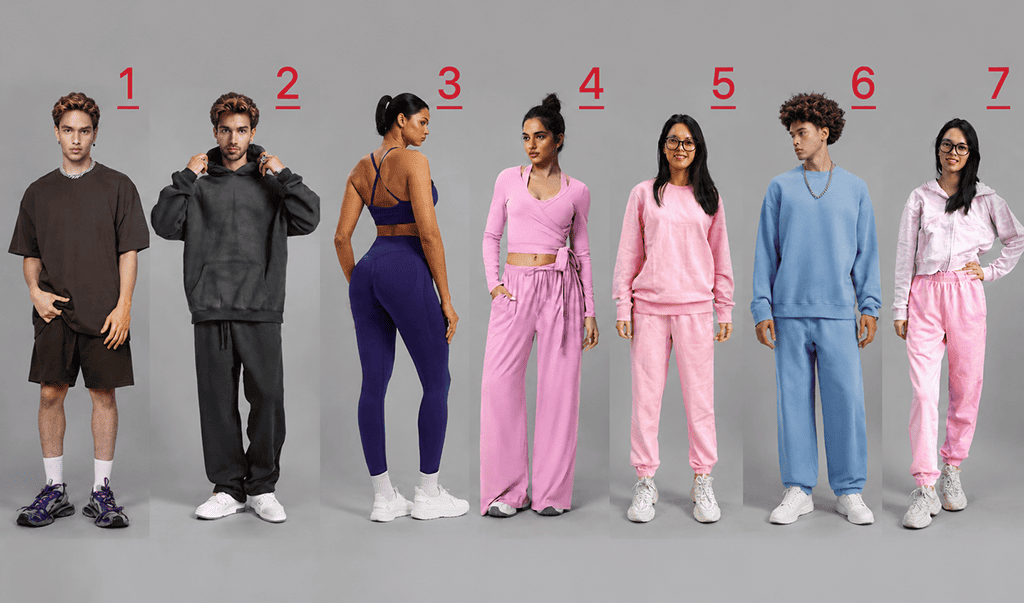
Why China Continues to Lead Global Activewear Manufacturing
China has remained one of the world’s most important activewear sourcing destinations not simply because of manufacturing capacity, but because of the depth and maturity of its industrial ecosystem. According to global apparel industry statistics, the worldwide apparel market continues to expand, reinforcing China’s role as one of the most important sourcing destinations for international brands.
For international buyers, competitive advantage increasingly comes from supply chain efficiency rather than labor cost alone. China’s integrated manufacturing network allows suppliers, material producers, testing laboratories, logistics providers, and garment factories to work within highly connected production clusters.
This ecosystem enables brands to move from product concept to commercial production more efficiently than in many alternative sourcing regions.
More Than Manufacturing Capacity
Modern activewear production relies on collaboration across multiple specialized industries.
A typical supply chain may involve:
- Functional fabric mills
- Dyeing and finishing facilities
- Elastic suppliers
- Printing specialists
- Trim manufacturers
- Testing laboratories
- Packaging suppliers
- Freight forwarders
The close proximity of these supporting industries helps reduce lead times, improve coordination, and simplify product development.
Strong Product Specialization
China’s manufacturing landscape is highly specialized.
Different regions have developed expertise in different product categories.
For example:
| Manufacturing Focus | Typical Regional Strength |
|---|---|
| Functional Activewear | Guangdong |
| Yoga Apparel | Fujian |
| Seamless Garments | Zhejiang |
| Knit Fabrics | Jiangsu |
| Technical Performance Textiles | Zhejiang & Guangdong |
–
Understanding these regional strengths helps buyers identify suppliers with relevant industry experience instead of searching broadly across all manufacturers.
Mature Export Experience
Many Chinese activewear manufacturers have extensive experience supplying brands in North America, Europe, Australia, and other international markets.
This often means greater familiarity with:
- International documentation
- Product compliance
- Commercial communication
- Global logistics
- Seasonal production planning
- Multi-market quality expectations
Export experience does not guarantee supplier quality, but it can reduce communication barriers during international sourcing projects.
Continuous Investment in Manufacturing Technology
Over the past decade, many manufacturers have invested in technologies that improve production consistency and operational efficiency.
Examples include:
- Digital pattern systems
- Automated cutting equipment
- Production planning software
- Digital quality tracking
- Warehouse management systems
For buyers, these investments may contribute to improved consistency, better production visibility, and more reliable delivery performance.
China Compared With Other Major Sourcing Regions
Every sourcing country offers different advantages. Rather than assuming one destination is universally better, buyers should compare sourcing options according to their business priorities.
| Evaluation Factor | China | Vietnam | Bangladesh |
|---|---|---|---|
| Supply Chain Integration | Excellent | Good | Moderate |
| Product Variety | Excellent | Good | Limited |
| Technical Activewear Experience | Excellent | Growing | Moderate |
| Material Availability | Excellent | Moderate | Moderate |
| Large-Scale Capacity | Excellent | Good | Excellent |
| Product Development Support | Excellent | Good | Limited |
| Lead Time Flexibility | Good | Moderate | Moderate |
–
The best sourcing destination depends on product complexity, order structure, compliance requirements, and long-term supply chain strategy.
Key Takeaway
China’s competitive advantage extends beyond manufacturing cost. Its integrated supply chain, specialized production clusters, export experience, and technical capabilities continue to make it one of the most comprehensive sourcing destinations for activewear brands seeking reliable long-term manufacturing partners.
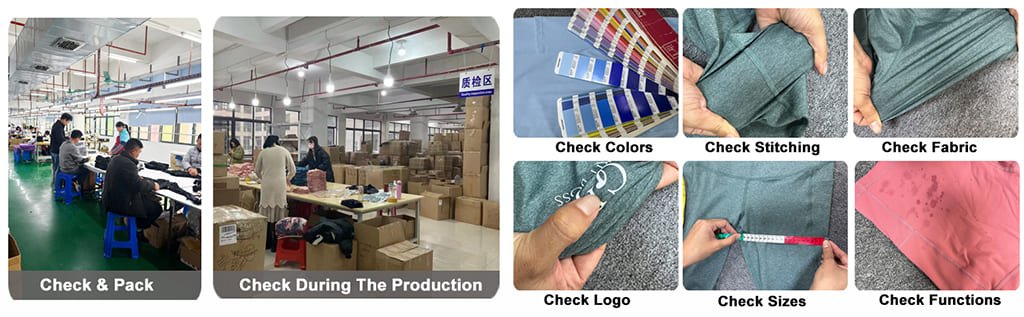
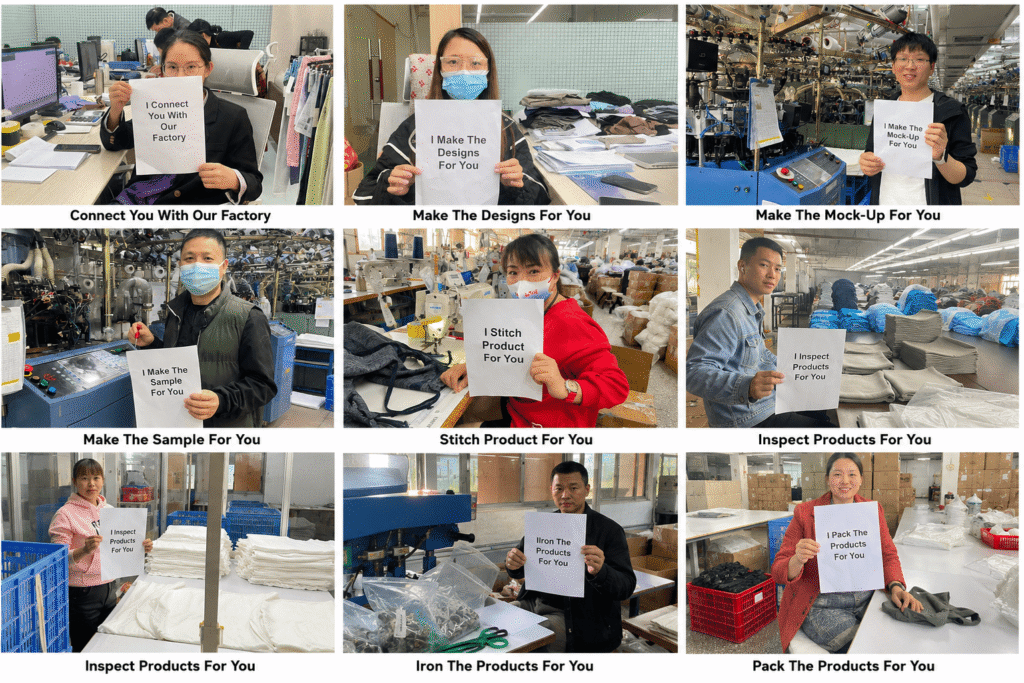
Factory, Trading Company or Sourcing Partner: Which One Fits Your Business?
One of the most common misconceptions in international sourcing is that working directly with a factory is always the best option. In reality, the most suitable sourcing model depends on your purchasing objectives, internal resources, product portfolio, and operational complexity.
Factories, trading companies, and sourcing partners each provide different types of value. Understanding these differences helps buyers choose a sourcing model that supports both immediate purchasing needs and long-term business development.
Comparing Different Supplier Models
| Evaluation Criteria | Factory | Trading Company | Sourcing Partner |
|---|---|---|---|
| Direct Production Access | Excellent | Moderate | Limited |
| Multi-Category Purchasing | Limited | Excellent | Excellent |
| Technical Product Knowledge | High | Moderate | Varies |
| Supplier Coordination | Limited | High | Excellent |
| Procurement Support | Limited | Moderate | Excellent |
| Supply Chain Visibility | High | Moderate | Moderate |
| Flexibility Across Industries | Low | High | Excellent |
Each model offers advantages under different sourcing scenarios.
When a Factory Is the Better Choice
Direct factory cooperation is often appropriate when buyers:
- Focus on one core product category
- Require consistent repeat production
- Need close technical communication
- Plan long-term product development
- Intend to build proprietary collections
In these situations, direct collaboration can improve communication efficiency and strengthen long-term product consistency.
When a Trading Company Adds Value
Trading companies may be beneficial for buyers who:
- Purchase multiple unrelated product categories
- Require supplier consolidation
- Have limited internal sourcing resources
- Prefer centralized order coordination
Rather than managing several independent suppliers, buyers work through a single commercial contact.
When a Sourcing Partner Makes Sense
Professional sourcing organizations are particularly valuable for companies that:
- Enter new markets
- Build diversified supplier networks
- Conduct supplier audits
- Require independent factory evaluations
- Need local procurement expertise
Their role is to help buyers make informed sourcing decisions rather than manufacture products directly.
Questions to Ask Before Choosing a Supplier Model
Before deciding which sourcing model is most suitable, buyers should consider:
- How many product categories will be purchased?
- How complex are the products?
- How much internal sourcing experience does the team have?
- Is long-term product development required?
- How important is direct technical communication?
- Will multiple suppliers need to be coordinated?
The answers to these questions often determine which sourcing approach creates the greatest long-term value.
Key Takeaway
There is no universally superior sourcing model. The most effective choice depends on your business objectives, purchasing complexity, and internal capabilities. Buyers who select the sourcing model that best matches their operational needs are more likely to achieve stable supply chains, efficient communication, and sustainable long-term partnerships.
Supplier Evaluation Scorecard: How Professional Buyers Compare Activewear Suppliers
Supplier selection for activewear should not hinge on intuition or one single quotation. Experienced procurement teams leverage standardized assessment frameworks to compare suppliers impartially, with every manufacturer evaluated against consistent commercial and operational standards.
A structured scorecard helps buyers minimize personal bias, justify procurement decisions internally, and identify suppliers capable of supporting long-term business growth. More importantly, it shifts the conversation from “Who offers the lowest price?” to “Who delivers the greatest long-term value?”
Build a Weighted Evaluation System
Not every evaluation criterion carries the same importance. For example, product quality generally has a greater commercial impact than a small difference in unit price. Assigning weights to each category allows buyers to compare suppliers more consistently.
Recommended Supplier Scorecard
| Evaluation Criteria | Weight | What Buyers Should Assess |
|---|---|---|
| Product Quality | 25% | Sample quality, construction, consistency, finishing |
| Technical Capability | 20% | Product expertise, functional fabrics, innovation |
| Communication | 15% | Response quality, problem-solving, professionalism |
| Production Reliability | 15% | Delivery consistency, planning, stability |
| Compliance & Certifications | 10% | Market compliance, audit records, documentation |
| Business Stability | 10% | Export experience, customer portfolio, operational maturity |
| Commercial Competitiveness | 5% | Overall value rather than lowest quotation |
–
This framework encourages buyers to make evidence-based decisions rather than relying on subjective impressions.
Example Supplier Comparison
The following example illustrates how three shortlisted suppliers might be evaluated using the same scoring model.
| Criteria | Supplier A | Supplier B | Supplier C |
|---|---|---|---|
| Product Quality | 24 | 20 | 22 |
| Technical Capability | 18 | 16 | 19 |
| Communication | 14 | 10 | 13 |
| Production Reliability | 13 | 12 | 14 |
| Compliance | 10 | 8 | 10 |
| Business Stability | 9 | 8 | 9 |
| Commercial Value | 4 | 5 | 4 |
| Total Score | 92 | 79 | 91 |
–
Although Supplier B offers the lowest quotation, Suppliers A and C demonstrate stronger overall performance. This illustrates why procurement decisions should be based on total value instead of price alone.
Evaluation Should Continue Throughout the Buying Process
Supplier evaluation is not a one-time exercise completed before placing an order. Buyers should update their assessments at key stages of the sourcing journey.
Recommended review points include:
- After the initial quotation
- After technical discussions
- After sample evaluation
- After commercial negotiation
- After the first production order
- After shipment delivery
This continuous evaluation process provides a more accurate picture of supplier performance over time.
Buyer Tip
Maintain evaluation records for every supplier, even those that are not selected. Historical data becomes valuable when comparing future quotations or revisiting suppliers for new product categories.
What Documents Should Buyers Request Before Comparing Suppliers?
Successful sourcing decisions rely on verifiable information rather than marketing materials. Company presentations and product catalogs provide useful introductions, but they do not offer enough evidence to evaluate operational capability or commercial reliability.
Before making supplier comparisons, buyers should request a consistent set of documents from every shortlisted manufacturer. Reviewing the same information from each supplier creates a fair basis for comparison and helps identify strengths, limitations, and potential risks.
Essential Supplier Documentation
| Document | Why Buyers Request It | Evaluation Focus |
|---|---|---|
| Company Profile | Understand business scope | Product specialization, export markets |
| Business Registration | Confirm legal operation | Company legitimacy |
| Product Catalog | Review manufacturing focus | Product relevance |
| Certification Summary | Verify compliance | Applicable standards and validity |
| Export Market Overview | Understand customer profile | International experience |
| Sample Policy | Clarify development approach | Commercial transparency |
| Quality Management Overview | Understand inspection practices | Process maturity |
–
The goal is not to collect as many documents as possible, but to compare equivalent information across suppliers.
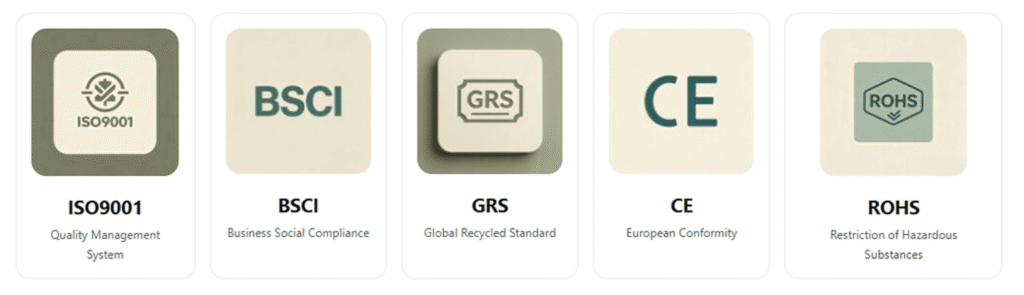
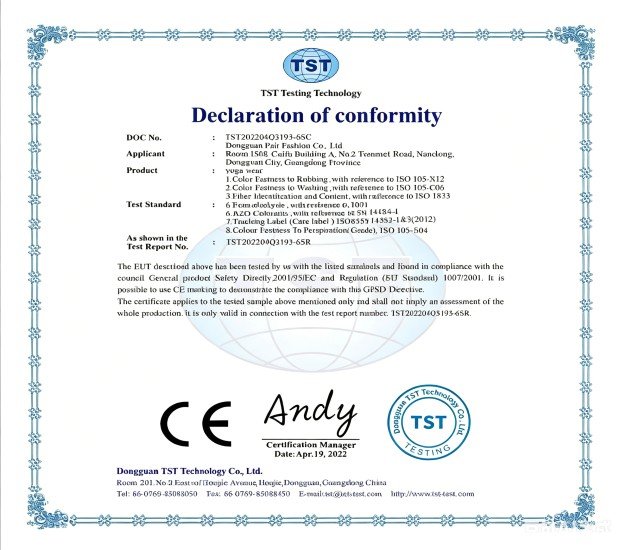
Look Beyond Certificates
Certificates are important, but they should not be the sole basis for supplier evaluation.
Buyers should also consider:
- Whether certifications are current
- Whether they apply to the intended product category
- Whether they support the destination market
- Whether operational practices match documented standards
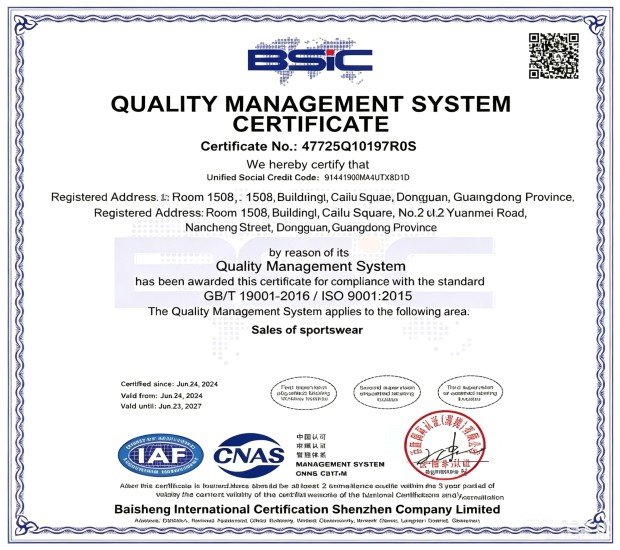
When reviewing supplier certifications, buyers should understand what each certification actually verifies rather than simply checking whether a certificate is available. For example, OEKO-TEX® STANDARD 100 focuses on testing textile products for harmful substances and is widely recognized in international apparel sourcing. Understanding the scope of each certification helps buyers determine whether it is relevant to their target market and product category. A supplier with fewer but highly relevant certifications may be a better fit than one presenting numerous certificates unrelated to the buyer’s requirements.
Questions Buyers Should Ask
Documentation should support meaningful discussions rather than replace them.
Helpful questions include:
- Which export markets represent your largest customer base?
- Which product categories account for most of your production?
- How long have you been producing activewear?
- What percentage of your business comes from repeat customers?
- How do you manage production planning during peak seasons?
These conversations often reveal valuable insights that cannot be captured through documentation alone.
Buyer Tip
Create a standardized document checklist before contacting suppliers. Request the same information from every manufacturer to simplify comparison and reduce evaluation bias.
How Should Buyers Evaluate Samples From Multiple Suppliers?
Receiving production samples is one of the most valuable stages in the supplier selection process. However, many buyers make the mistake of evaluating each sample independently instead of comparing them side by side using consistent criteria.
The objective of sample evaluation is not simply to identify defects. It is to understand how effectively each supplier interprets product requirements, executes technical specifications, and communicates throughout the development process.
Compare Samples Using the Same Standards
Every sample should be reviewed under identical conditions.
Recommended evaluation areas include:
| Evaluation Area | What Buyers Should Review |
|---|---|
| Overall Appearance | Visual consistency and finishing |
| Fit Accuracy | Measurement consistency and intended silhouette |
| Construction Quality | Stitching, seams, reinforcement |
| Fabric Performance | Stretch, recovery, texture, opacity |
| Branding Execution | Logo positioning, print quality, labels |
| Packaging Presentation | Protection, labeling, overall presentation |
–
Using a standardized checklist prevents subjective opinions from influencing the final decision.
Compare the Supplier Experience, Not Only the Product
The sample itself is only one part of the evaluation.
Buyers should also assess the supplier’s overall performance during the sampling process.
Questions to consider include:
- Was communication clear and timely?
- Were technical questions answered professionally?
- Were requested revisions understood correctly?
- Were commitments delivered on schedule?
- Did the supplier proactively identify potential improvements?
A well-managed sampling process often indicates a supplier’s ability to manage larger production programs effectively.
Sample Comparison Matrix
The following table provides an example of how buyers can compare three suppliers.
| Evaluation Category | Supplier A | Supplier B | Supplier C |
|---|---|---|---|
| Appearance | Excellent | Good | Excellent |
| Fit Accuracy | Excellent | Fair | Good |
| Construction | Excellent | Good | Excellent |
| Fabric Performance | Good | Good | Excellent |
| Branding | Excellent | Fair | Good |
| Communication | Excellent | Fair | Good |
| Delivery Commitment | On Time | Delayed | On Time |
| Overall Assessment | Highly Recommended | Needs Improvement | Recommended |
–
A structured comparison makes it easier to explain supplier selections to management teams and supports more transparent procurement decisions.
Avoid Common Sample Evaluation Mistakes
Many sourcing teams unintentionally reduce the effectiveness of sample evaluations by:
- Reviewing samples individually rather than comparatively
- Focusing only on appearance
- Ignoring communication quality
- Overlooking delivery performance
- Making decisions before documenting observations
- Allowing price to influence technical evaluation
Separating technical evaluation from commercial negotiation results in more objective supplier selection.
Key Takeaways
The best production sample is not always the one with the most attractive appearance. Buyers should evaluate samples as part of a broader supplier assessment that includes communication, technical understanding, execution consistency, responsiveness, and overall project management. A structured evaluation methodology provides a stronger foundation for selecting manufacturing partners capable of supporting long-term business growth.
Common Mistakes Buyers Make When Selecting Activewear Suppliers
Even experienced sourcing teams occasionally make supplier selection mistakes. In many cases, the issue is not choosing a poor manufacturer, but using an evaluation process that overlooks critical business risks.
The most successful buyers follow standardized procurement procedures that minimize subjective judgment and ensure every supplier is evaluated using the same criteria. Understanding common sourcing mistakes can help brands avoid unnecessary costs, production delays, and long-term supply chain instability.
Mistake 1: Comparing Prices Before Comparing Value
Price is often the first number buyers look at, but it should rarely be the first factor used to select a supplier.
Two quotations may differ by only a few percentage points, yet the suppliers may vary significantly in communication, delivery reliability, technical expertise, and operational stability.
Instead of asking:
“Which supplier is the cheapest?”
Professional buyers ask:
“Which supplier creates the greatest long-term business value?”
Mistake 2: Using Different Evaluation Standards
One supplier is judged on communication.
Another is judged on pricing.
Another is judged on sample quality.
Without standardized evaluation criteria, supplier comparisons become inconsistent and subjective.
Create one evaluation framework and apply it equally to every shortlisted supplier.
Mistake 3: Ignoring Business Compatibility
A technically capable supplier may still be the wrong partner if its business model does not match your purchasing strategy.
For example:
- A factory optimized for large production runs may not suit a startup requiring flexibility.
- A supplier specializing in yoga apparel may not be the ideal choice for a technical cycling collection.
- A sourcing company may be more suitable than a factory for buyers managing multiple product categories.
Compatibility is often more important than overall company size.
Mistake 4: Making Decisions Too Quickly
Supplier selection should be treated as a business process rather than a single purchasing decision.
Professional procurement teams typically compare multiple suppliers, review documentation, evaluate communication quality, assess samples, and verify commercial terms before making a final decision.
Taking additional time during supplier selection often reduces problems during production.
Common Procurement Risk Matrix
| Procurement Risk | Potential Business Impact | Suggested Mitigation |
|---|---|---|
| Selecting suppliers based only on price | Lower product consistency and higher long-term costs | Use a weighted supplier evaluation scorecard |
| Inconsistent comparison standards | Poor supplier selection decisions | Standardize evaluation criteria before requesting quotations |
| Limited supplier verification | Higher operational risk | Review documentation, references, and export experience |
| Poor communication assessment | Delays and misunderstandings | Evaluate responsiveness during the quotation and sample stages |
| Focusing only on current orders | Limited scalability | Assess long-term cooperation potential rather than immediate pricing |
–
The purpose of procurement risk management is not to eliminate every uncertainty, but to identify potential issues early and make better-informed sourcing decisions.
Procurement Best Practices
Experienced buyers often follow these principles throughout the supplier selection process:
- Compare at least three qualified suppliers before making a decision.
- Keep written evaluation records for every supplier.
- Separate technical evaluation from commercial negotiation.
- Base decisions on long-term business value rather than short-term savings.
- Review supplier performance after every completed order.
These practices improve sourcing consistency and support stronger supplier relationships over time.
Supplier Performance KPIs After Your First Order
Selecting a supplier is only the beginning of the procurement journey. Long-term supplier performance should be measured using objective indicators rather than personal impressions.
Leading brands regularly review supplier performance after each order to determine whether the partnership continues to meet business expectations.
Recommended Supplier KPI Dashboard
| KPI | Why It Matters | Suggested Review Frequency |
|---|---|---|
| On-Time Delivery Rate | Measures schedule reliability | Every shipment |
| Product Quality Consistency | Tracks manufacturing stability | Every order |
| Communication Responsiveness | Evaluates project management efficiency | Monthly |
| Quotation Accuracy | Compares estimated vs. actual costs | Every quotation cycle |
| Sample Approval Rate | Indicates technical understanding | Every development project |
| Issue Resolution Speed | Measures problem-solving capability | As required |
| Repeat Order Performance | Evaluates long-term operational consistency | Quarterly |
–
These KPIs help buyers monitor private label activewear manufacturers performance objectively and support continuous improvement discussions.
Annual Supplier Performance Review
Many international brands conduct annual supplier reviews to determine whether manufacturers continue to meet strategic business requirements.
Typical review topics include:
- Product quality trends
- Delivery performance
- Capacity planning
- Communication effectiveness
- Compliance updates
- Innovation capability
- Commercial competitiveness
- Future cooperation opportunities
This structured review process encourages continuous improvement on both sides and strengthens long-term partnerships.
Key Takeaway
Supplier evaluation does not end after production begins. Continuous performance measurement allows buyers to identify strengths, address weaknesses, and build more resilient supply chains capable of supporting future business growth.
Conclusion
Selecting an Activewear Wholesale Apparel Manufacturer should be viewed as a strategic procurement decision rather than a simple purchasing task. While China offers one of the world’s most mature activewear manufacturing ecosystems, the success of any sourcing project depends on choosing the supplier that best matches your business objectives, product requirements, and long-term growth strategy.
Instead of relying solely on pricing, buyers should compare suppliers using standardized evaluation frameworks, objective documentation, structured sample assessments, and measurable performance indicators. This approach helps reduce sourcing risks, improve communication, and establish partnerships built on transparency and consistent execution.
Ultimately, the goal of this guide is not to recommend a single manufacturer, but to provide buyers with a practical decision-making framework that supports more informed supplier comparisons and stronger procurement outcomes.
Frequently Asked Questions
1. How many suppliers should I compare before making a sourcing decision?
Comparing at least three qualified suppliers is generally recommended. This provides enough information to identify meaningful differences in communication, technical capability, commercial terms, and overall business fit without making the evaluation process unnecessarily complex. The objective is not to collect the largest number of quotations, but to compare suppliers using consistent evaluation criteria.
2. What is the best way to compare supplier quotations fairly?
Ensure that every supplier receives exactly the same RFQ, including product specifications, materials, branding requirements, packaging expectations, target quantities, and delivery terms. Consistent input leads to more meaningful quotation comparisons and reduces misunderstandings caused by different assumptions.
3. Should I visit a factory before placing an order?
A factory visit can provide valuable insights into operations, management practices, and production organization, particularly for long-term sourcing programs. However, for many international buyers, virtual meetings, structured documentation reviews, production videos, and sample evaluations are practical alternatives during the initial supplier selection stage.
4. How should I evaluate supplier communication?
Look beyond response speed. Consider whether the supplier provides clear explanations, answers technical questions accurately, communicates proactively, and follows through on commitments. Consistent communication is often one of the strongest indicators of future project management performance.
5. Why is business compatibility more important than company size?
Large manufacturers may excel at high-volume production but be less flexible for smaller or rapidly changing programs. Likewise, a specialized supplier may better support niche product categories than a larger generalist factory. Selecting a supplier whose business model aligns with your purchasing strategy usually creates stronger long-term results.
6. What documents are most useful when comparing suppliers?
Rather than collecting every available document, buyers should focus on consistent information such as company profiles, business registration, certification summaries, product catalogs, export market experience, and quality management documentation. Reviewing the same information across multiple suppliers enables fair comparisons.
7. How can buyers reduce sourcing risks before placing an order?
Use a structured evaluation process that includes supplier comparison, documentation review, standardized quotations, sample assessment, commercial negotiations, and objective scoring. Procurement decisions supported by multiple sources of evidence are generally more reliable than decisions based primarily on pricing.
8. How should supplier performance be reviewed after production begins?
Performance reviews should include measurable indicators such as delivery reliability, product consistency, communication quality, responsiveness to issues, and repeat order performance. Monitoring these KPIs over time helps buyers identify improvement opportunities and supports stronger long-term supplier relationships.

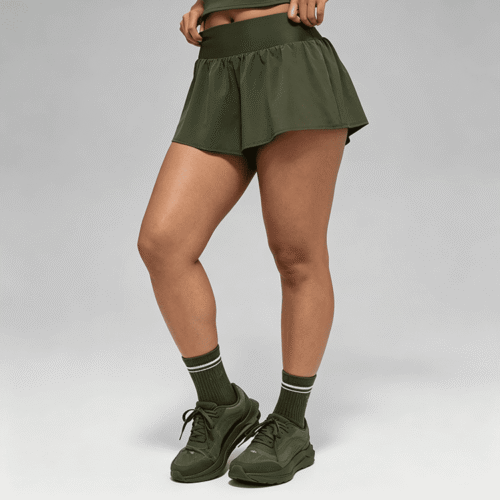
Custom High Waist Tennis Skort with Built-In Shorts OEM ODM
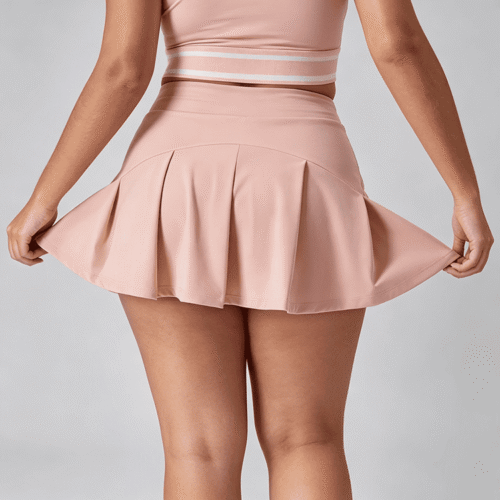
Custom High Waist Pleated Tennis Skort OEM ODM Women’s Tennis Wear
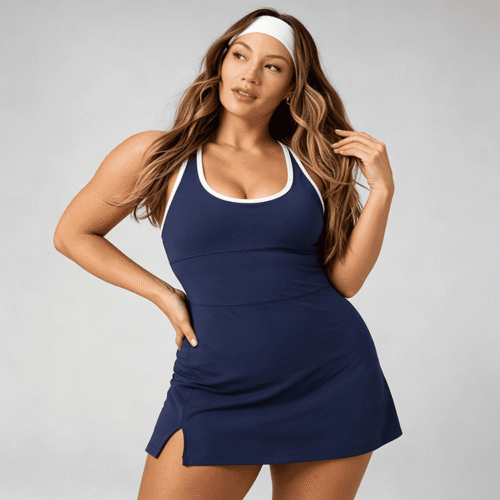
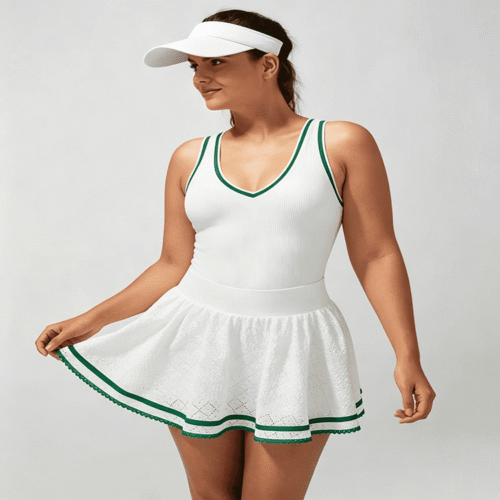
Custom Plus Size Tennis Dress OEM ODM Built-In Bra Activewear
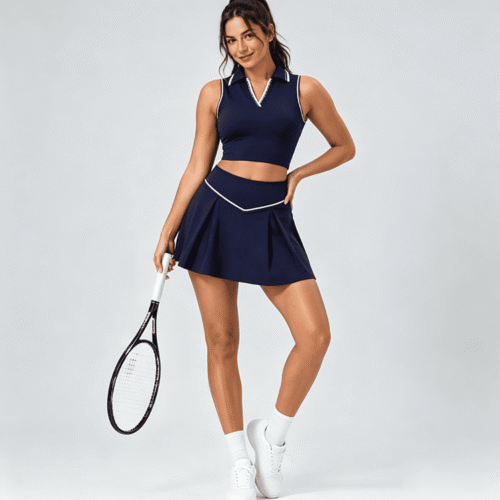
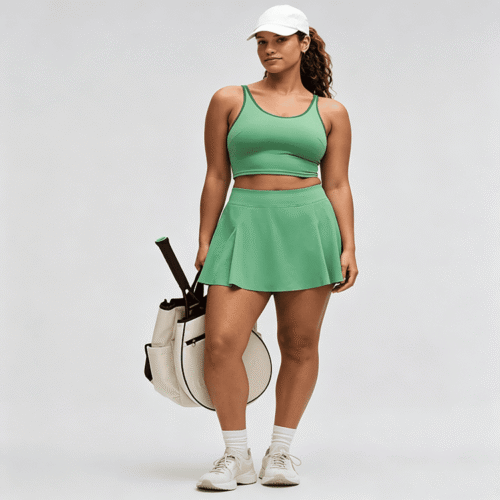
Custom Women’s Tennis Skirt Set OEM ODM Performance Tennis Outfit
Custom Women’s Tennis Dress OEM ODM Performance Tennis Apparel
Custom Women’s Tennis Skirt Set OEM ODM Performance Tennis Outfit
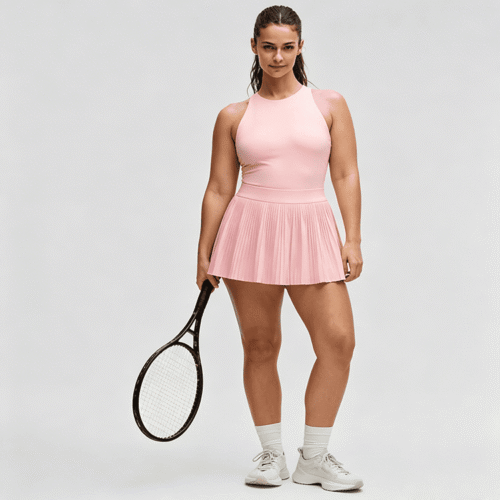
Custom Pleated Tennis Dress OEM ODM Women’s Performance Tennis Wear
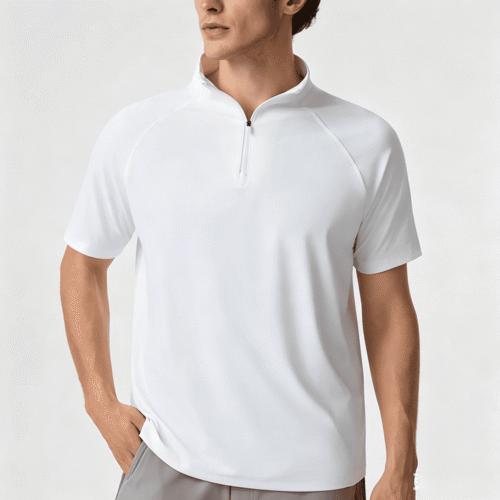
Custom Men’s Quarter Zip Performance Shirt OEM ODM Activewear
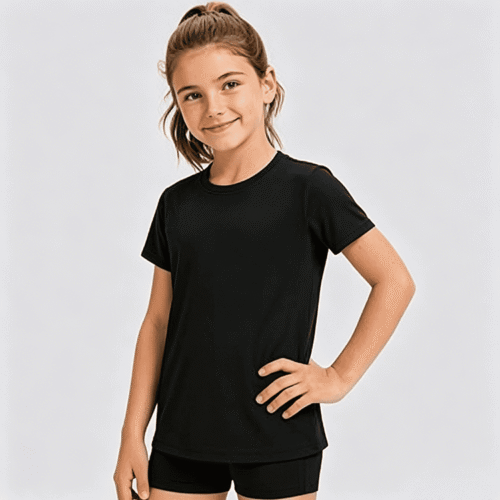
Custom Girls Activewear T-Shirt OEM ODM Kids Performance Tee
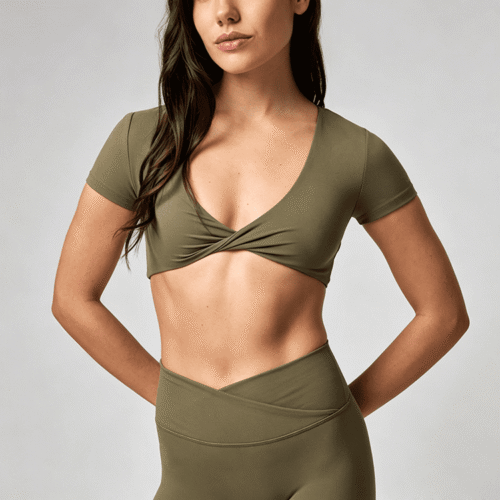
Custom Twist Front Yoga Crop Top OEM ODM Women’s Activewear