OEM/ODM Sportswear Manufacturer | 3-Day Sampling | Low MOQ | 50K Monthly Capacity | ISO9001 & BSCI Certified

Top 10 Wholesale Activewear Clothing Manufacturers in China (2026) | Factory Comparison & Buyer Guide
Compare the top 10 wholesale activewear clothing manufacturers in China for 2026. Explore supplier strengths, product specialties, buyer suitability, sourcing risks, and practical evaluation criteria to choose the right manufacturing partner for your activewear brand.
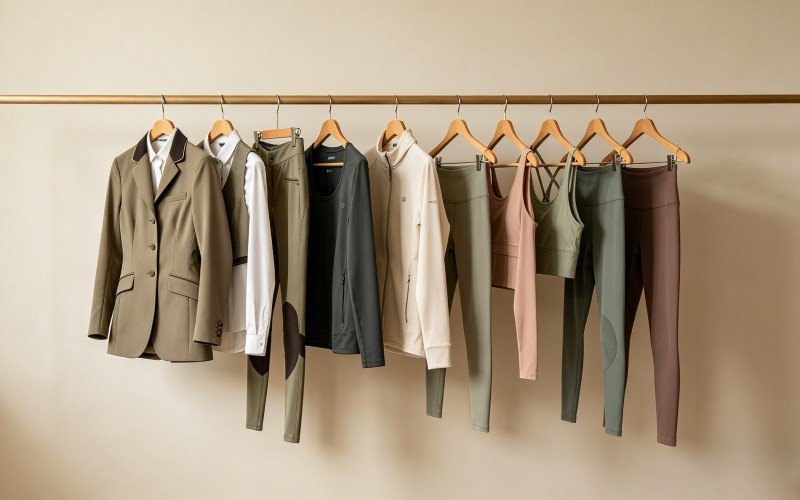
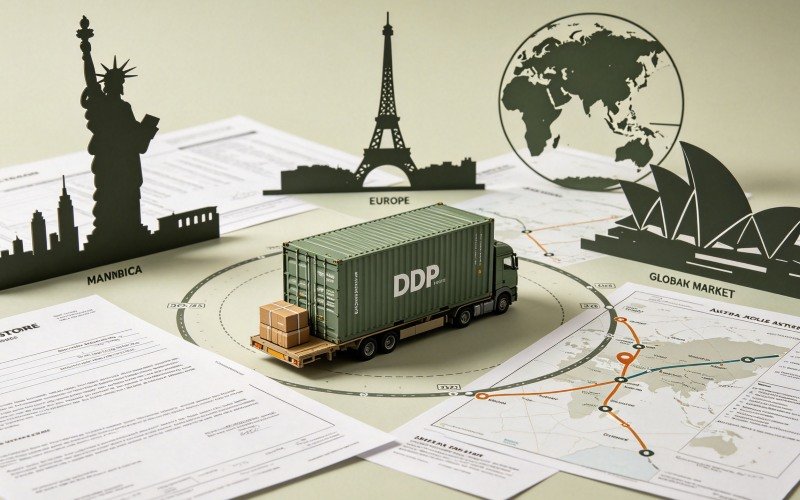
Top 10 Wholesale Activewear Clothing Manufacturers in China (2026): Factory Comparison & Buyer Decision Guide
The global activewear landscape faces mounting competition. New players step into the sector year after year, whereas established brands keep broadening their product lines to keep pace with evolving consumer demands. Meanwhile, purchasers encounter rising pressures: accelerating product launches, sustaining uniform quality standards, optimizing inventory control, and developing resilient supply chains that withstand volatile market shifts. Against this backdrop, selecting qualified Wholesale Activewear Clothing Manufacturers evolves from a routine procurement activity into a vital strategic business choice.
China continues to lead the global activewear manufacturing industry because of its highly integrated textile ecosystem, experienced apparel workforce, advanced production technologies, and extensive supplier network. However, the country’s manufacturing landscape is far from uniform. Some factories specialize in seamless knitting technology, while others focus on private label development, sustainable production, technical performance apparel, or flexible small-batch manufacturing. Understanding these differences is essential for selecting a supplier that aligns with your brand’s long-term objectives.
The best wholesale activewear clothing manufacturer is not always the largest factory or the supplier offering the lowest quotation. The right partner is the one whose manufacturing expertise, product specialization, operational reliability, and communication standards support your business model and future growth. This guide compares ten established Chinese manufacturers, helping buyers evaluate suppliers objectively through practical sourcing criteria instead of relying solely on promotional claims or pricing.
Whether you are launching a startup activewear brand, expanding a private label collection, supplying retail chains, or sourcing for wholesale distribution, this comparison guide is designed to help you identify the most suitable manufacturing partner while avoiding common sourcing mistakes that can delay product launches and increase operational costs.
Which Type of Manufacturer Fits Your Business Model?
Selecting the right wholesale activewear clothing manufacturer is not about identifying the highest-ranked factory—it is about choosing a supplier whose business model complements your own. The same manufacturer can be an excellent partner for one buyer and an unsuitable choice for another. Factors such as order volume, product complexity, target market, brand positioning, and internal sourcing experience all influence which type of supplier delivers the greatest long-term value.
Experienced sourcing professionals rarely ask, “Who is the best manufacturer?” Instead, they ask, “Which manufacturer is the best fit for my business?” This shift in thinking helps brands avoid costly mismatches and build more sustainable manufacturing partnerships. Buyers that plan to build long-term product lines often benefit from understanding how custom activewear manufacturing services support product development, private label branding, and scalable production beyond the initial sourcing stage.
Should Startups Prioritize Flexibility or Factory Size?
For newly established brands, flexibility is often more valuable than production scale.
Many startups place excessive emphasis on finding the largest factory, assuming that greater capacity automatically leads to better manufacturing. In reality, large-scale factories frequently prioritize high-volume production and standardized workflows, which may not align with the needs of emerging brands still refining their products.
Startups typically benefit from manufacturers that can provide:
- Flexible production planning
- Responsive communication
- Practical technical guidance
- Efficient sample revisions
- Support across multiple product categories
- Room for gradual business growth
The objective during the first stages of brand development is not maximum production capacity but maximum learning efficiency.
When Does a Large Manufacturing Group Make More Sense?
As brands expand internationally, manufacturing priorities change.
Higher order volumes, recurring production schedules, and multi-country distribution require stronger operational systems, larger production resources, and greater supply chain stability. At this stage, larger manufacturers often become attractive because they can support predictable production planning and long-term inventory management.
Large manufacturing groups are generally better suited for buyers who require:
- Continuous replenishment
- Stable production capacity
- Multi-season purchasing plans
- Global retail distribution
- High-volume purchasing programs
However, larger scale should never replace careful supplier evaluation. Operational discipline remains more important than factory size alone.
Is a Category Specialist Better Than a Full-Service Manufacturer?
There is no universal answer. The decision depends on your product strategy.
A category specialist focuses deeply on one product segment—for example, seamless activewear, compression apparel, or cycling clothing. These manufacturers often possess stronger technical expertise, specialized equipment, and more refined production knowledge within their chosen niche.
A full-service manufacturer, by contrast, supports a broader range of activewear categories, enabling buyers to consolidate sourcing across leggings, sports bras, jackets, tennis apparel, maternity collections, plus-size activewear, and lifestyle sportswear.
Comparison Overview
| Evaluation Factor | Category Specialist | Full-Service Manufacturer |
|---|---|---|
| Technical Expertise | Excellent | Very Good |
| Product Variety | Limited | Extensive |
| Supply Chain Simplicity | Lower | Higher |
| Expansion Flexibility | Moderate | Excellent |
| Best For | Single-category brands | Multi-category brands |
Brands planning long-term collection expansion often find additional operational efficiency by reducing the number of manufacturing partners involved.
Should Buyers Focus on Product Expertise or Production Capacity?
Production capacity is important, but it should never be evaluated in isolation.
A manufacturer capable of producing millions of garments each year provides little value if it lacks experience with your specific product category. Conversely, a smaller specialist factory with proven expertise in your target products may produce better commercial outcomes despite lower output capacity.
When evaluating suppliers, prioritize the following sequence:
- Relevant product expertise
- Quality consistency
- Communication efficiency
- Operational reliability
- Scalable production capability
- Competitive pricing
This approach places long-term business success ahead of short-term purchasing cost.
Buyer Decision Framework
Before adding any supplier to your shortlist, ask the following questions:
✔ Does this manufacturer regularly produce products similar to mine?
✔ Can the supplier support future product expansion?
✔ Does the company’s specialization match my target market?
✔ Will this supplier still meet my needs two years from now?
✔ Is communication clear, professional, and technically accurate?
✔ Does the supplier demonstrate consistent operational reliability?
A supplier that answers these questions positively is far more likely to become a strategic manufacturing partner rather than simply another production vendor.
Key Insight
The strongest sourcing partnerships are built on compatibility rather than rankings. A manufacturer should be selected because its strengths match your business objectives—not because it appears first in a comparison table or offers the lowest quotation. Buyers who align supplier capabilities with long-term brand strategy typically experience fewer sourcing disruptions, higher product consistency, and stronger commercial growth over time.
Top 10 Wholesale Activewear Clothing Manufacturers in China at a Glance
Before requesting quotations or samples, buyers should first understand how different manufacturers position themselves within the activewear industry. Every supplier has unique strengths, preferred customer profiles, and areas of specialization. Rather than searching for a universally “best” factory, successful sourcing teams compare manufacturers according to product expertise, production capabilities, business compatibility, and long-term partnership potential.
The following comparison provides a high-level overview of ten well-known wholesale activewear clothing manufacturers in China. The detailed analysis for each supplier follows immediately afterward.
Top 10 Supplier Comparison
| Manufacturer | Headquarters | Primary Specialization | Best Fit Buyers | Category Coverage |
|---|---|---|---|---|
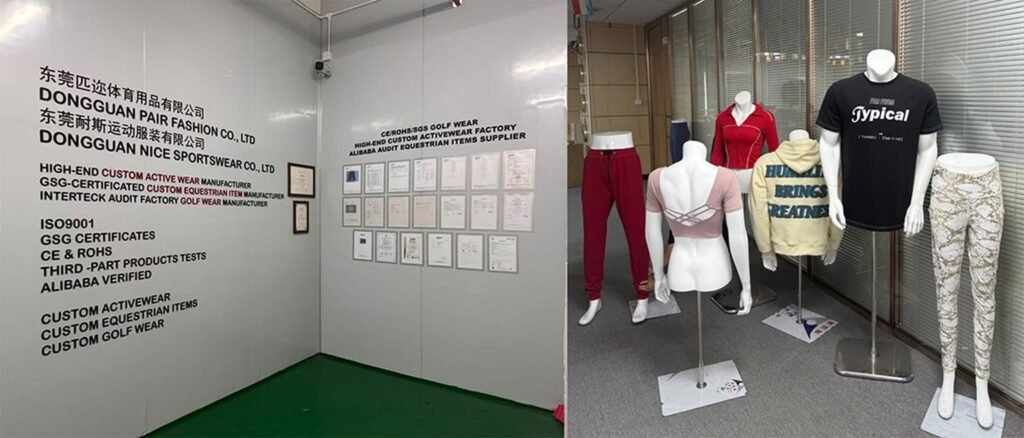
| Pair Fashion | Dongguan | Functional Activewear & Specialty Sportswear | Private Label Brands, Growing Businesses | ★★★★★ |
| Berunwear | Xiamen | Yoga & Fitness Apparel | Established Brands | ★★★★☆ |
| Aika Sportswear | Dongguan | OEM Fitness Apparel | Medium to Large Brands | ★★★★☆ |
| Arabella Clothing | Xiamen | Activewear for E-commerce | Online Retailers | ★★★★☆ |
| Sansansports | Dongguan | Seamless Activewear | Premium Activewear Brands | ★★★☆☆ |
| Ingor Sportswear | Guangzhou | Sustainable Activewear | Eco-conscious Brands | ★★★★☆ |
| Hucai Sportswear | Guangzhou | Multi-category Sportswear | Retailers & Importers | ★★★★★ |
| Yotex Apparel | Xiamen | Yoga & Athleisure | Growing Lifestyle Brands | ★★★★☆ |
| SGL Sports | Dongguan | Compression & Teamwear | Sports Organizations | ★★★☆☆ |
| Biying Apparel | Guangzhou | Functional Sportswear | Wholesalers | ★★★★☆ |
Supplier Review #1
Pair Fashion
Supplier Snapshot
| Category | Information |
|---|---|
| Headquarters | Dongguan, Guangdong |
| Business Focus | Functional Activewear Manufacturing |
| Product Coverage | Activewear, Tennis, Equestrian, Plus Size, Maternity, Modest Sportswear |
| Manufacturing Model | OEM & ODM |
| Typical Customer | Private Label Brands, DTC Brands, Retailers |
| Product Diversity | Excellent |
–
Company Overview
Pair Fashion focuses on manufacturing functional sportswear for brands seeking more than standard activewear production. Instead of concentrating on only one or two product categories, the company supports a broad portfolio that includes fitness apparel, tennis clothing, equestrian apparel, plus-size activewear, maternity collections, and modest sportswear. This diversified manufacturing capability allows buyers to consolidate multiple product categories within one supply chain, improving consistency across expanding collections.
From a sourcing perspective, Pair Fashion is frequently shortlisted by brands that prioritize product diversity, technical garment development, and long-term manufacturing collaboration. Rather than positioning itself as a volume-driven commodity supplier, the company emphasizes customized production for brands seeking differentiated products and category expansion.
Why Buyers Consider This Supplier
- Broad category expertise beyond traditional gym wear
- Experience supporting specialized activewear collections
- Suitable for brands planning long-term product expansion
- Ability to consolidate multiple product categories with one supplier
- Balanced capability across performance, lifestyle, and niche activewear segments
Potential Limitations
Brands sourcing only basic promotional sportswear with minimal customization requirements may also wish to compare larger volume-focused manufacturers whose production models are optimized for standardized commodity products.
Best Fit Buyer Profile
- Growing private label brands
- Activewear startups with long-term expansion plans
- Retailers building diversified sportswear collections
- Brands requiring both mainstream and niche activewear categories
Supplier Review #2
Berunwear
Supplier Snapshot
| Category | Information |
|---|---|
| Headquarters | Xiamen, Fujian |
| Business Focus | Yoga & Fitness Apparel |
| Manufacturing Model | OEM & ODM |
| Typical Customer | International Fitness Brands |
| Product Diversity | High |
–
Company Overview
Berunwear has established a strong presence within the international fitness apparel market through years of export-oriented manufacturing. The company’s product portfolio centers on yoga wear, training apparel, leggings, sports bras, and related fitness products commonly supplied to overseas brands.
Its manufacturing approach is generally well suited to businesses operating established product lines where production consistency, stable quality management, and repeat manufacturing are priorities. Buyers seeking standardized activewear collections often include Berunwear during the supplier evaluation process.
Why Buyers Consider This Supplier
- Extensive experience producing mainstream activewear
- Mature export-oriented manufacturing systems
- Suitable for recurring production programs
- Stable product consistency across repeat orders
Potential Limitations
Brands pursuing highly specialized product categories or extensive collaborative product innovation may wish to compare suppliers offering broader technical development capabilities.
Best Fit Buyer Profile
- Established fitness brands
- International wholesalers
- Retail chains
- Long-term sourcing partnerships
Supplier Review #3
Aika Sportswear
Supplier Snapshot
| Category | Information |
|---|---|
| Headquarters | Dongguan, Guangdong |
| Business Focus | Fitness Apparel Manufacturing |
| Manufacturing Model | OEM & ODM |
| Typical Customer | Medium-sized International Brands |
| Product Diversity | High |
–
Company Overview
Aika Sportswear manufactures a broad range of fitness apparel for international buyers and has become a familiar supplier within the OEM activewear industry. Its production capabilities cover many mainstream training categories, making it a practical option for brands seeking dependable manufacturing supported by established production systems.
From a buyer’s perspective, Aika is often evaluated by companies with clearly defined product specifications that require efficient manufacturing execution rather than extensive concept development. The supplier’s broad production experience allows buyers to source multiple fitness apparel categories while maintaining operational consistency.
Why Buyers Consider This Supplier
- Broad fitness apparel manufacturing experience
- Well-established export capability
- Suitable for recurring production schedules
- Flexible across multiple activewear categories
Potential Limitations
Brands expecting intensive collaborative design consultation during early product planning may wish to compare manufacturers offering stronger product development support alongside manufacturing services.
Best Fit Buyer Profile
- Medium-sized sportswear brands
- OEM purchasing teams
- Buyers with completed product specifications
- International fitness apparel distributors
Supplier Review #4
Arabella Clothing
Supplier Snapshot
| Category | Information |
|---|---|
| Headquarters | Xiamen, Fujian |
| Business Focus | Yoga Wear & Fitness Apparel |
| Manufacturing Model | OEM & ODM |
| Typical Customer | E-commerce Brands & Emerging Sportswear Labels |
| Product Diversity | High |
–
Company Overview
Arabella Clothing is recognized as an export-oriented activewear manufacturer serving international brands across North America, Europe, and Australia. Its product portfolio focuses on mainstream activewear categories such as leggings, sports bras, training tops, shorts, and coordinated fitness sets. Rather than specializing in one technical niche, Arabella positions itself as a versatile supplier capable of supporting brands that frequently update seasonal collections.
From a procurement perspective, Arabella is often shortlisted by companies that prioritize manufacturing flexibility, stable export experience, and the ability to produce a broad range of fitness apparel under one supplier relationship.
Why Buyers Consider This Supplier
- Broad experience manufacturing mainstream activewear
- Familiar with international quality expectations
- Suitable for brands managing multiple seasonal launches
- Supports a wide range of fitness apparel categories
- Established export experience across global markets
Potential Limitations
Brands developing highly technical products for specialist sports, such as cycling, triathlon, or elite performance training, may wish to compare manufacturers with deeper expertise in advanced garment engineering and technical fabric innovation.
Best Fit Buyer Profile
- Shopify brands
- Amazon sellers
- Online retailers
- Growing private label brands
- Mid-sized activewear businesses
Supplier Review #5
Sansansports
Supplier Snapshot
| Category | Information |
|---|---|
| Headquarters | Dongguan, Guangdong |
| Business Focus | Seamless Activewear Manufacturing |
| Manufacturing Model | OEM & ODM |
| Typical Customer | Premium Fitness & Yoga Brands |
| Product Diversity | Medium |
–
Company Overview
Sansansports specializes in seamless activewear manufacturing, making it one of the more focused suppliers within this comparison. Instead of producing every category of sportswear, the company concentrates on seamless leggings, seamless sports bras, fitted training apparel, and coordinated seamless collections. This specialization allows the manufacturer to build technical expertise in seamless construction methods and fabric performance.
For buyers entering the premium yoga or athleisure market, seamless garments remain one of the fastest-growing product categories. Manufacturers with dedicated seamless production capabilities can often provide better garment consistency, improved stretch recovery, and enhanced wearing comfort compared with suppliers whose primary expertise lies in conventional cut-and-sew apparel.
Why Buyers Consider This Supplier
- Dedicated seamless manufacturing expertise
- Strong technical knowledge of seamless garment construction
- Suitable for premium athleisure collections
- Focused product specialization
- Well suited for body-contouring activewear
Potential Limitations
Brands planning to source a complete activewear collection—including jackets, woven products, outerwear, tennis apparel, or niche sports categories—may require additional manufacturing partners because seamless technology represents only one segment of the overall activewear market.
Best Fit Buyer Profile
- Premium yoga brands
- Boutique fitness labels
- Athleisure startups
- Seamless activewear specialists
1. Product Development
Regular monthly product development ensures consistent updates to your brand line.
2. Fabric Sourcing
Regular monthly product development ensures consistent updates to your brand line.
3. Sample Making
Regular monthly product development ensures consistent updates to your brand line.
4. Bulk Production
Regular monthly product development ensures consistent updates to your brand line.
5. Packaging & Delivery
Regular monthly product development ensures consistent updates to your brand line.
Complete OEM & ODM Sportswear Solutions
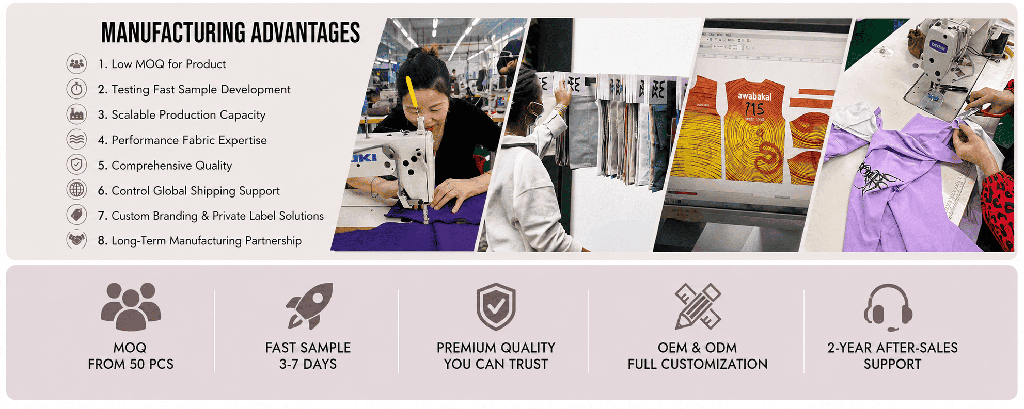
We provide complete custom sportswear manufacturing services from concept development and fabric sourcing to bulk production and worldwide delivery.
- OEM & ODM Product Development
- Functional Fabric Sourcing & Material Selection
- Pattern Making & Sample Development
- Private Label Branding & Custom Packaging
- Quality-Controlled Bulk Manufacturing
- Global DDP Shipping & Delivery Support
Why Do Global Brands Continue to Source Activewear from China?
Despite rising labor costs and increasing competition from manufacturing countries such as Vietnam, Bangladesh, and Türkiye, China remains the world’s leading sourcing destination for wholesale activewear. The reason is no longer low production cost alone. Today’s buyers choose China because of its complete industrial ecosystem, technical manufacturing expertise, stable supply chains, and ability to support both product innovation and large-scale production.
For procurement teams, selecting a manufacturing country is ultimately about balancing quality, efficiency, speed, risk, and long-term business growth. China’s competitive advantage comes from the combination of these factors rather than any single cost benefit.
China Offers One of the World’s Most Complete Activewear Supply Chains
Unlike many emerging manufacturing markets, China possesses an integrated supply chain covering every stage of activewear production.
From yarn production and technical knitting to dyeing, fabric finishing, garment manufacturing, printing, packaging, and export logistics, nearly every process can be completed within a highly connected manufacturing network.
This industrial concentration provides several practical advantages for buyers:
- Faster material sourcing
- Shorter product development cycles
- Easier coordination between suppliers
- Lower communication costs
- Better manufacturing consistency
- Greater flexibility for product revisions
Instead of managing multiple suppliers across different countries, buyers can often coordinate their entire production process within one regional manufacturing cluster.
Technical Fabric Resources Continue to Drive Product Innovation
Consumer expectations for sportswear have evolved significantly over the past decade. Modern activewear is expected to provide comfort, durability, moisture management, stretch recovery, compression, breathability, and attractive aesthetics simultaneously.
Chinese manufacturers benefit from close relationships with fabric mills that continuously develop new textile technologies, including:
- Moisture-wicking performance fabrics
- Four-way stretch materials
- Compression textiles
- Brushed thermal fabrics
- Recycled polyester and nylon
- Seamless knitting yarns
- UV-protection fabrics
- Anti-odor treatments
- Lightweight woven performance materials
For brands introducing new collections each season, direct access to innovative fabrics can significantly shorten product development timelines and improve market competitiveness. Many international brands also prioritize certified recycled materials when developing sustainable activewear collections. Standards such as the Global Recycled Standard (GRS) provide an internationally recognized framework for verifying recycled content, supply chain traceability, social responsibility, and environmental practices throughout textile production.
Manufacturing Flexibility Supports Brands at Different Growth Stages
One reason many international buyers continue sourcing from China is the diversity of available manufacturers.
Instead of serving only large global brands, China’s supplier landscape includes factories specializing in:
- Startup brand development
- Small-batch production
- Private label manufacturing
- High-volume wholesale orders
- Premium technical apparel
- Sustainable product collections
- Specialty sports categories
This diversity allows buyers to identify suppliers that closely match their current business requirements while maintaining options for future expansion.
As a brand grows, it can often continue sourcing within the same manufacturing ecosystem without completely rebuilding its supply chain.
Export Experience Reduces International Procurement Risk
Many Chinese activewear manufacturers have spent years supplying buyers across North America, Europe, Australia, and other international markets.
This export experience often translates into:
- Better documentation management
- Familiarity with international compliance requirements
- More standardized quality control procedures
- Greater understanding of overseas buyer expectations
- Improved communication throughout production
For purchasing teams, these operational capabilities help reduce delays, misunderstandings, and unnecessary sourcing risks.
China Provides Better Long-Term Value Than Cost Alone
One of the most common sourcing mistakes is selecting a supplier based solely on the lowest quotation.
Experienced buyers evaluate the Total Cost of Ownership (TCO) rather than unit price alone. Factors such as sample revisions, defect rates, production delays, logistics efficiency, communication quality, and supplier reliability all influence the actual cost of a manufacturing partnership.
Total Cost of Ownership Comparison
| Evaluation Factor | Low-Cost Supplier | Reliable Manufacturing Partner |
|---|---|---|
| Initial Unit Price | Lower | Moderate |
| Product Consistency | Variable | Stable |
| Communication Efficiency | Inconsistent | Professional |
| Defect Risk | Higher | Lower |
| Delivery Reliability | Unpredictable | Consistent |
| Long-Term Operating Cost | Often Higher | Usually Lower |
–
Numerous thriving activewear brands have found that accepting a modestly higher unit cost from a dependable supplier frequently cuts total operational expenses. This comes courtesy of fewer quality defects, minimal production interruptions and improved customer satisfaction.
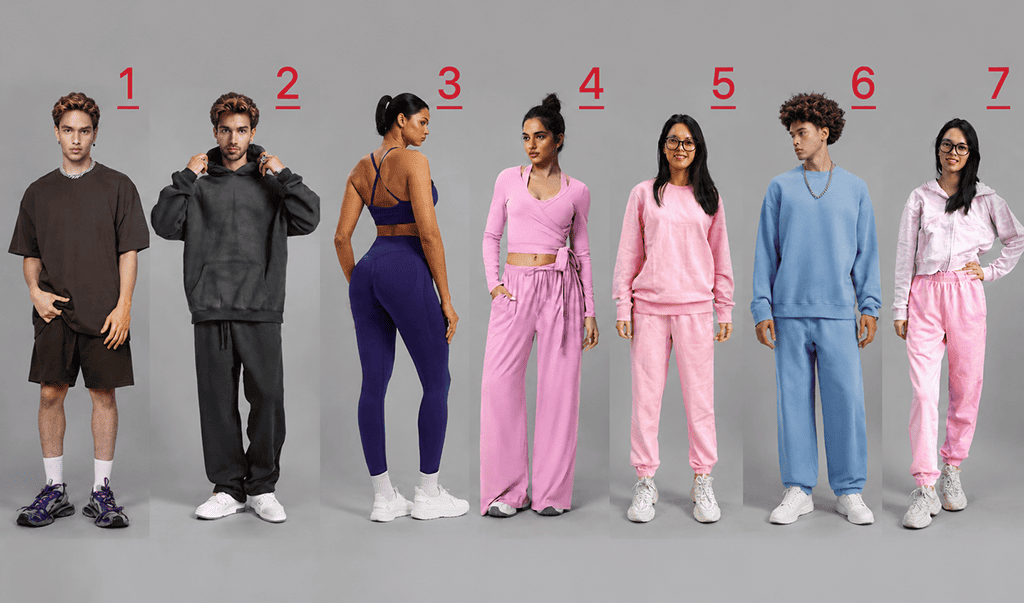
How to Evaluate an Activewear Manufacturer Before Contacting Them
Many sourcing problems begin long before production starts. They occur during the supplier selection process, when buyers rely on marketing materials instead of objective evaluation criteria.
Before requesting quotations, arranging samples, or scheduling meetings, buyers should complete an initial assessment to determine whether a manufacturer is likely to meet their business requirements. A structured evaluation process helps eliminate unsuitable suppliers early, saving time and reducing procurement risk.
Step 1: Confirm Product Category Expertise
Not every apparel factory is an activewear specialist.
Some manufacturers primarily produce fashion garments, casual clothing, or uniforms while only occasionally accepting sportswear projects. Although these factories may offer competitive pricing, they may lack experience with performance fabrics, technical construction, and functional garment requirements.
Ask yourself:
- Does the supplier regularly manufacture products similar to mine?
- Are comparable products displayed in recent catalogs or case studies?
- Does the factory demonstrate knowledge of performance apparel rather than general clothing?
Product expertise should always be evaluated before production capacity or pricing.
Step 2: Review Manufacturing Capability
Manufacturing capability extends beyond factory size.
Buyers should understand whether the supplier’s equipment, production systems, and workforce can consistently produce the required products while maintaining expected quality standards.
Evaluate factors such as:
- Production line specialization
- Quality control procedures
- Technical equipment
- Fabric handling experience
- Sample development capability
- Production planning systems
Operational maturity often has a greater impact on delivery performance than the number of sewing machines alone.
Step 3: Assess Communication Quality
Effective communication is one of the strongest indicators of a reliable manufacturing partner.
During early conversations, observe how the supplier responds to technical questions, clarifies specifications, and explains manufacturing recommendations.
Reliable manufacturers typically:
- Answer questions directly
- Explain technical limitations honestly
- Identify potential production risks early
- Respond within reasonable timeframes
- Demonstrate organized communication processes
Clear communication during supplier evaluation often predicts smoother collaboration throughout production.
Step 4: Examine Export and Compliance Experience
International buyers should verify whether a supplier has experience serving overseas markets with similar regulatory and quality expectations.
Consider asking about:
- Export destinations
- Quality management systems
- Social compliance certifications
- Material traceability
- Sustainability programs
- Product testing procedures
Previous export experience generally indicates familiarity with international documentation, logistics coordination, and customer requirements.
Step 5: Evaluate Long-Term Partnership Potential
Selecting a manufacturer should never focus only on the first purchase order.
Consider whether the supplier can support future business development by asking:
- Can production scale with increasing demand?
- Can additional product categories be developed later?
- Is the supplier financially and operationally stable?
- Does the company invest in continuous improvement?
- Will this partnership remain suitable as the brand grows?
Long-term compatibility often creates greater value than short-term pricing advantages.
Supplier Evaluation Matrix
| Evaluation Area | Key Question | Importance |
|---|---|---|
| Product Expertise | Do they manufacture similar products regularly? | ★★★★★ |
| Manufacturing Capability | Can they consistently meet technical requirements? | ★★★★★ |
| Communication | Are responses professional and technically accurate? | ★★★★★ |
| Export Experience | Do they understand international markets? | ★★★★☆ |
| Quality Management | Are quality systems clearly established? | ★★★★★ |
| Business Stability | Can they support long-term cooperation? | ★★★★☆ |
| Innovation Capability | Can they support future product development? | ★★★★☆ |
–
Factory Verification Checklist
Before adding any manufacturer to your final shortlist, verify the following:
□ Product categories match your sourcing needs.
□ Manufacturing capabilities align with your technical requirements.
□ Communication is responsive, transparent, and professional.
□ Export experience supports your target market.
□ Quality management systems are clearly documented.
□ Production capacity matches your growth plans.
□ Business operations appear stable and well organized.
Completing this checklist before requesting quotations helps buyers focus their time on suppliers with the strongest potential for long-term cooperation rather than evaluating every factory that appears in search results.
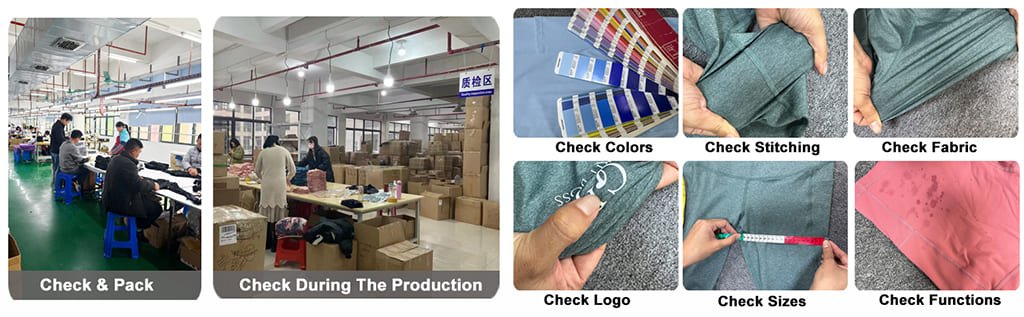
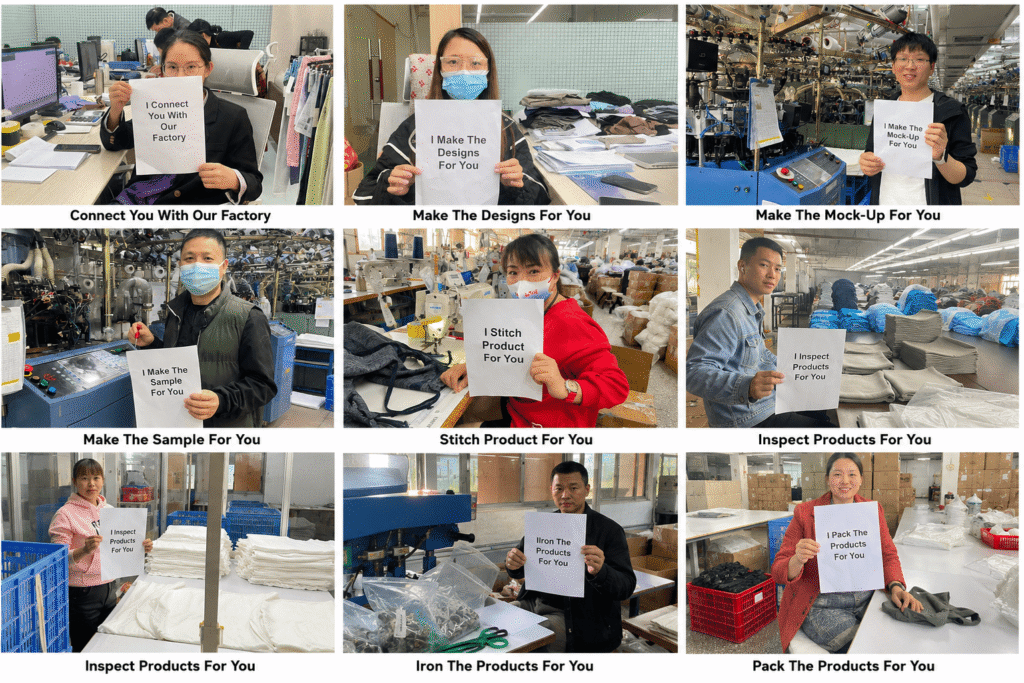
Manufacturer vs Trading Company vs Sourcing Company: Which Buying Model Is Right for You?
Many buyers searching for a wholesale activewear clothing manufacturer are not only comparing factories—they are also deciding whether to work directly with a manufacturer, a trading company, or a sourcing company. Each business model offers different advantages, and selecting the wrong one can increase costs, reduce transparency, or create unnecessary communication layers.
Rather than asking which option is universally better, experienced procurement teams evaluate which sourcing model best aligns with their purchasing volume, technical requirements, internal resources, and long-term growth strategy.
Understanding the Three Business Models
Although these businesses may appear similar during the quotation stage, they perform very different roles throughout the supply chain.
Manufacturer
A manufacturer owns or directly operates production facilities where garments are developed and produced. Buyers communicate directly with the production source, allowing technical discussions, quality management, and production planning to occur without intermediaries.
Manufacturers are generally responsible for:
- Product development
- Pattern making
- Sample production
- Fabric sourcing
- Bulk manufacturing
- Quality control
- Production scheduling
Trading Company
A trading company does not usually manufacture products itself. Instead, it purchases production services from one or more factories and manages customer communication throughout the project.
Trading companies often provide:
- Supplier coordination
- Export documentation
- Multi-factory sourcing
- Language support
- Project management
Because trading companies work with multiple factories, buyers may gain access to broader product categories. However, communication regarding technical issues may require additional coordination between the buyer, trading company, and factory.
Sourcing Company
A sourcing company acts as an independent purchasing representative on behalf of the buyer. Unlike trading companies, sourcing companies generally focus on identifying suppliers, evaluating factories, negotiating pricing, conducting inspections, and managing procurement projects rather than selling products directly.
Typical sourcing services include:
- Factory identification
- Supplier audits
- Price negotiation
- Sample coordination
- Production monitoring
- Quality inspections
- Shipment coordination
This model is particularly useful for companies without dedicated procurement teams in China.
Comparison Overview
| Evaluation Factor | Manufacturer | Trading Company | Sourcing Company |
|---|---|---|---|
| Direct Factory Communication | Excellent | Moderate | Moderate |
| Product Development Support | Excellent | Good | Limited |
| Supplier Selection | Single Factory | Multiple Factories | Multiple Factories |
| Technical Transparency | Excellent | Moderate | Good |
| Pricing Transparency | Excellent | Moderate | Moderate |
| Supply Chain Flexibility | Moderate | High | High |
| Best For | Long-term Manufacturing | Multi-category Purchasing | Overseas Procurement Support |
–
When Should Buyers Work Directly With a Manufacturer?
Direct factory cooperation is often the preferred option for brands planning long-term product development.
Working directly with a manufacturer typically offers:
- Faster technical communication
- Better production visibility
- More consistent quality management
- Stronger long-term collaboration
- Greater control over product development
This approach is particularly beneficial when buyers intend to develop proprietary products, build private label collections, or establish recurring production schedules over multiple seasons. For brands planning recurring product launches, working directly with experienced manufacturers can simplify communication, improve production transparency, and provide stronger support for private label activewear production throughout multiple collections.
When Does a Trading Company Add Value?
Trading companies can simplify purchasing when buyers require multiple product categories that no single factory specializes in.
For example, a retailer sourcing activewear, swimwear, casual apparel, and accessories simultaneously may benefit from centralized coordination through one trading company rather than managing numerous supplier relationships independently.
Trading companies may also reduce communication complexity for businesses with limited international sourcing experience.
When Is a Sourcing Company the Better Choice?
Sourcing companies are valuable when buyers need professional procurement support but do not have a local purchasing team.
They are particularly suitable for:
- First-time importers
- Overseas retailers
- Small procurement teams
- Companies entering the Chinese market
- Buyers sourcing from multiple manufacturers simultaneously
An experienced sourcing company can assist with supplier verification, production monitoring, quality inspections, and logistics coordination while helping buyers reduce operational risk.
Buyer Decision Matrix
| Your Situation | Recommended Model |
|---|---|
| Building a long-term activewear brand | Manufacturer |
| Developing customized collections | Manufacturer |
| Purchasing multiple unrelated product categories | Trading Company |
| Limited sourcing experience in China | Sourcing Company |
| Managing several factories simultaneously | Sourcing Company |
| Seeking maximum production transparency | Manufacturer |
Key Takeaway
No single sourcing model holds universal superiority. Manufacturers, trading firms and sourcing agents each address distinct procurement challenges. The optimal option hinges on your business goals, available resources, purchasing complexity and long-term sourcing roadmap. Buyers who clearly outline their operational requirements upfront stand a much better chance of choosing a sourcing framework that generates lasting value, instead of chasing merely the lowest upfront quote.
Which Questions Should You Ask Before Shortlisting a Manufacturer?
Choosing a supplier based solely on websites, catalogs, or quotations can lead to costly sourcing mistakes. Before requesting samples or negotiating pricing, buyers should conduct structured discussions that reveal how a manufacturer actually operates. The quality of a supplier’s answers often provides more insight than its marketing materials.
The following questions help procurement teams evaluate technical capability, operational reliability, and long-term partnership potential.
Can You Show Similar Products You Have Manufactured?
One of the quickest ways to verify a supplier’s expertise is to review products similar to your own.
Ask for examples that demonstrate:
- Comparable garment construction
- Similar fabric applications
- Related product categories
- Comparable printing or branding methods
- Previous manufacturing experience
A manufacturer with proven experience in similar products is generally better positioned to anticipate production challenges and recommend practical solutions.
How Do You Handle Product Changes During Development?
Product specifications frequently evolve throughout the sampling stage. Buyers should understand how a manufacturer manages revisions and design updates.
Key questions include:
- How are revision requests documented?
- How many sample revisions are typically supported?
- How are technical changes communicated to production teams?
- How are revised specifications verified before bulk production?
Well-defined revision procedures reduce the risk of misunderstandings and improve production consistency.
How Is Quality Managed Throughout Production?
Quality should be controlled continuously rather than inspected only after production is complete.
Ask manufacturers about:
- Incoming material inspections
- In-line quality control
- Final product inspections
- Defect reporting procedures
- Corrective action processes
Suppliers with structured quality management systems generally produce more consistent results than those relying solely on final inspections.
What Happens If Production Is Delayed?
Production delays can affect product launches, retail promotions, and inventory planning.
Discuss scenarios such as:
- Material shortages
- Equipment breakdowns
- Peak-season scheduling
- Unexpected order changes
- Shipping disruptions
Reliable manufacturers should explain both their preventive measures and their contingency plans rather than simply promising that delays never occur.
Can Production Scale as My Business Grows?
Many brands begin with relatively small orders before expanding rapidly.
Ask suppliers:
- What production capacity is available?
- How are additional production lines allocated?
- Can future product categories be supported?
- How are larger orders scheduled?
Understanding a supplier’s growth capacity helps buyers avoid changing manufacturers unnecessarily as their business expands.
Factory Interview Checklist
Before placing a manufacturer on your shortlist, confirm that you can confidently answer the following questions:
| Evaluation Question | Verified |
|---|---|
| Does the supplier regularly manufacture similar products? | □ |
| Are production processes clearly explained? | □ |
| Is the quality management system well defined? | □ |
| Are communication responses professional and timely? | □ |
| Can the supplier support future business growth? | □ |
| Are potential production risks discussed openly? | □ |
| Do answers remain consistent throughout the evaluation process? | □ |
–
Buyer Insight
The most reliable suppliers are not necessarily those that promise perfection—they are the ones that communicate transparently, explain technical limitations honestly, and demonstrate structured processes for solving problems. Buyers who ask thoughtful questions before requesting quotations are more likely to identify dependable manufacturing partners and avoid costly sourcing issues later in the production cycle.
How to Compare Quotations Without Focusing Only on Price
For many buyers, the quotation stage appears straightforward: collect several prices, compare the numbers, and choose the lowest offer. In reality, this approach often leads to higher overall sourcing costs. A quotation reflects far more than the unit price of a garment—it also represents differences in materials, workmanship, production methods, quality standards, lead times, and after-sales support.
Professional sourcing teams evaluate quotations as indicators of a supplier’s overall manufacturing capability rather than simply comparing the final price. Understanding what is included—and what is omitted—in each quotation enables buyers to make better-informed procurement decisions.
A Lower Price Does Not Always Mean Lower Cost
A manufacturer may offer a lower unit price by using different fabrics, simplifying garment construction, reducing inspection procedures, or excluding services that other suppliers include.
For example, two suppliers may quote similar-looking leggings, yet one quotation may include:
- Premium four-way stretch fabric
- Custom branded labels
- Individual poly bags
- Colorfastness testing
- Final quality inspection
- Export packaging
while another quotation may exclude several of these items.
Without reviewing quotation details, buyers risk making inaccurate cost comparisons.
Compare the Complete Scope of Supply
Instead of asking “Which quotation is cheaper?”, buyers should ask “What exactly am I receiving?”
Review every quotation against the same technical requirements, including:
- Fabric composition
- Fabric weight (GSM)
- Fabric performance
- Sewing construction
- Printing method
- Embroidery specifications
- Accessories
- Labels
- Packaging
- Inspection standards
- Shipping terms
Only quotations based on identical specifications can be compared fairly.
Hidden Costs Often Appear After Production Begins
Some quotations appear highly competitive initially but generate additional costs later through:
- Material substitutions
- Additional sample revisions
- Packaging changes
- Unexpected testing fees
- Rush production charges
- Air freight caused by production delays
Evaluating these potential costs before selecting a supplier helps reduce budget overruns and protects delivery schedules.
Compare Total Value Instead of Unit Price
Experienced procurement managers often use a value-based evaluation model.
Supplier Quotation Comparison Matrix
| Evaluation Factor | Supplier A | Supplier B | Supplier C |
|---|---|---|---|
| Unit Price | ★★★★★ | ★★★★☆ | ★★★☆☆ |
| Product Quality | ★★★★☆ | ★★★★★ | ★★★☆☆ |
| Technical Capability | ★★★★☆ | ★★★★★ | ★★★☆☆ |
| Communication | ★★★★★ | ★★★★☆ | ★★★☆☆ |
| Delivery Reliability | ★★★★☆ | ★★★★★ | ★★★☆☆ |
| Long-Term Value | ★★★★★ | ★★★★★ | ★★★☆☆ |
–
This type of comparison highlights suppliers that deliver stronger overall value rather than simply the lowest initial quotation.
Buyer Tip
View quotations as business proposals, not just price lists. The supplier that brings optimal long-term value minimizes operational risks, sustains uniform quality and supports steady business expansion, rather than merely offering the lowest unit cost.
How to Evaluate Samples Like a Professional Buyer
Samples provide the first opportunity to verify whether a manufacturer can translate technical requirements into commercial products. Rather than approving a sample based on appearance alone, buyers should evaluate it systematically using measurable criteria that reflect both product quality and manufacturing capability.
A structured sample evaluation process not only identifies potential quality issues but also reveals how effectively a supplier communicates, solves problems, and responds to feedback.
Step 1: Verify Technical Accuracy
The sample should closely match the approved specifications.
Inspect areas such as:
- Overall dimensions
- Size tolerance
- Stitch density
- Seam construction
- Pattern alignment
- Logo placement
- Label positioning
- Packaging details
Even minor deviations may indicate weaknesses in production control.
Step 2: Evaluate Fabric Performance
Performance fabrics should be assessed beyond appearance.
Consider:
- Stretch recovery
- Opacity
- Hand feel
- Moisture management
- Color consistency
- Shape retention
- Fabric weight
- Surface quality
Where appropriate, laboratory testing can provide additional confidence before bulk production.
Step 3: Assess Manufacturing Quality
Examine the sample as though it were a retail-ready product.
Check for:
- Loose threads
- Uneven stitching
- Fabric puckering
- Printing quality
- Embroidery accuracy
- Seam strength
- Overall workmanship
Consistent finishing often reflects disciplined production management.
Step 4: Evaluate Supplier Responsiveness
The sampling stage also measures how the manufacturer collaborates.
Observe:
- Response speed
- Technical recommendations
- Revision accuracy
- Problem-solving ability
- Communication clarity
A supplier that handles revisions efficiently during sampling is more likely to manage bulk production successfully.
Professional Sample Evaluation Scorecard
| Evaluation Area | Weight | Score |
|---|---|---|
| Technical Accuracy | 25% | ____ |
| Fabric Performance | 20% | ____ |
| Manufacturing Quality | 20% | ____ |
| Fit & Comfort | 15% | ____ |
| Communication | 10% | ____ |
| Revision Capability | 10% | ____ |
| Total | 100% | ____ |
–
Using a consistent scorecard allows buyers to compare samples objectively across multiple manufacturers rather than relying on personal impressions.
Buyer Insight
A perfect sample with zero revisions is not the ultimate benchmark. Far more critical is the supplier’s efficiency in spotting defects, executing adjustments and communicating technical resolutions. Factories with structured problem-solving capabilities during sampling make robust long-term manufacturing partners.
Supplier KPI Dashboard for Long-Term Partnerships
Selecting a manufacturer is only the beginning of the sourcing journey. To maintain a productive relationship, buyers should regularly measure supplier performance using objective Key Performance Indicators (KPIs). A KPI dashboard helps procurement teams identify trends, address issues early, and support continuous improvement.
Why Ongoing Performance Measurement Matters
Even experienced manufacturers can experience changes in production capacity, workforce stability, or supply chain conditions over time. Regular performance reviews help buyers determine whether a supplier continues to meet business expectations as order volumes and product requirements evolve.
Monitoring supplier performance also encourages greater accountability and creates a shared focus on long-term operational excellence.
Recommended Supplier KPI Dashboard
| KPI | Target | Why It Matters |
|---|---|---|
| On-Time Delivery Rate | ≥95% | Maintains launch schedules |
| First-Pass Quality Rate | ≥98% | Reduces rework and returns |
| Sample Approval Rate | ≥90% | Reflects development efficiency |
| Response Time | Within 24 hours | Supports effective communication |
| Corrective Action Completion | ≤7 days | Resolves issues quickly |
| Order Accuracy | ≥99% | Minimizes fulfillment errors |
| Customer Complaint Rate | As low as possible | Indicates overall product consistency |
–
Conduct Quarterly Supplier Reviews
Rather than waiting for problems to occur, schedule regular performance reviews with key manufacturing partners.
Topics may include:
- Delivery performance
- Product quality trends
- Production capacity
- New fabric developments
- Cost optimization opportunities
- Sustainability initiatives
- Continuous improvement plans
These reviews strengthen collaboration and help both parties align on future business objectives.
Continuous Improvement Creates Competitive Advantage
The strongest buyer–supplier relationships evolve through ongoing improvement rather than one-time transactions. Manufacturers that actively review performance data, respond constructively to feedback, and invest in operational improvements are better positioned to support brands as they grow.
For buyers, a KPI-based management approach transforms supplier relationships from reactive problem-solving into proactive strategic partnerships.
Key Takeaway
Successful sourcing does not end when the first purchase order ships. Long-term success depends on selecting the right supplier, evaluating performance objectively, and continuously improving collaboration. Buyers who manage supplier relationships through measurable KPIs are more likely to achieve stable quality, reliable delivery, and sustainable business growth.
Supplier Performance KPIs After Your First Order
Selecting a manufacturer is only the beginning of the sourcing journey. To maintain a productive relationship, buyers should regularly measure supplier performance using objective Key Performance Indicators (KPIs). A KPI dashboard helps procurement teams identify trends, address issues early, and support continuous improvement.
Why Ongoing Performance Measurement Matters
Even experienced manufacturers can experience changes in production capacity, workforce stability, or supply chain conditions over time. Regular performance reviews help buyers determine whether a supplier continues to meet business expectations as order volumes and product requirements evolve.
Monitoring supplier performance also encourages greater accountability and creates a shared focus on long-term operational excellence.
Recommended Supplier KPI Dashboard
| KPI | Target | Why It Matters |
|---|---|---|
| On-Time Delivery Rate | ≥95% | Maintains launch schedules |
| First-Pass Quality Rate | ≥98% | Reduces rework and returns |
| Sample Approval Rate | ≥90% | Reflects development efficiency |
| Response Time | Within 24 hours | Supports effective communication |
| Corrective Action Completion | ≤7 days | Resolves issues quickly |
| Order Accuracy | ≥99% | Minimizes fulfillment errors |
| Customer Complaint Rate | As low as possible | Indicates overall product consistency |
–
Conduct Quarterly Supplier Reviews
Rather than waiting for problems to occur, schedule regular performance reviews with key manufacturing partners.
Topics may include:
- Delivery performance
- Product quality trends
- Production capacity
- New fabric developments
- Cost optimization opportunities
- Sustainability initiatives
- Continuous improvement plans
These reviews strengthen collaboration and help both parties align on future business objectives.
Continuous Improvement Creates Competitive Advantage
The strongest buyer–supplier relationships evolve through ongoing improvement rather than one-time transactions. Manufacturers that actively review performance data, respond constructively to feedback, and invest in operational improvements are better positioned to support brands as they grow.
For buyers, a KPI-based management approach transforms supplier relationships from reactive problem-solving into proactive strategic partnerships.
Key Takeaway
Successful sourcing does not conclude once the first purchase order is dispatched. Long-term profitability hinges on choosing suitable suppliers, conducting objective performance assessments, and steadily enhancing collaborative ties. Purchasers who oversee supplier partnerships using quantifiable KPIs stand a better chance of securing consistent product quality, dependable lead times, and sustained business expansion.
Frequently Asked Questions About Wholesale Activewear Clothing Manufacturers
1. How do I choose the right wholesale activewear clothing manufacturer?
The best wholesale activewear clothing manufacturer is the one whose expertise, production capabilities, communication standards, and long-term business goals align with your brand—not necessarily the supplier offering the lowest price. Buyers should evaluate manufacturers based on product specialization, experience with similar products, quality management systems, export capability, communication efficiency, and production scalability. It is also advisable to request comparable samples, verify certifications, and assess how the supplier responds during the sampling process. A structured evaluation process significantly reduces sourcing risks and improves the likelihood of building a long-term manufacturing partnership.
2. What is the typical MOQ for wholesale activewear manufacturing?
Minimum Order Quantity (MOQ) varies significantly between manufacturers because it depends on garment complexity, fabric sourcing requirements, customization level, and production efficiency rather than following a universal industry standard. Some suppliers support small trial orders for new brands, while others focus on larger production runs. Buyers should discuss MOQ alongside product specifications, color options, size ratios, and future purchasing plans instead of treating MOQ as an isolated number. In many cases, establishing a long-term sourcing relationship provides greater flexibility than negotiating solely on minimum quantities.
3. How long does activewear production usually take?
Production timelines depend on product complexity, material availability, sampling requirements, order volume, and factory scheduling rather than following a fixed industry standard. A complete sourcing project generally includes product development, sample approval, material preparation, bulk production, quality inspections, and international shipping. Buyers can reduce lead-time risks by finalizing specifications early, approving samples promptly, confirming materials in advance, and maintaining regular communication throughout production. Effective planning often has a greater impact on delivery performance than selecting the fastest quoted lead time.
4. Should I work directly with a manufacturer or use a sourcing company?
Both approaches can be effective, but the right choice depends on your sourcing experience, internal resources, and purchasing strategy. Direct cooperation with manufacturers usually provides greater technical transparency, faster communication, and stronger long-term collaboration. Sourcing companies, on the other hand, can assist buyers by identifying suppliers, coordinating projects, conducting factory inspections, and managing procurement activities. Businesses with experienced purchasing teams often benefit from direct manufacturer relationships, while companies entering the Chinese market for the first time may appreciate the additional support provided by professional sourcing partners.
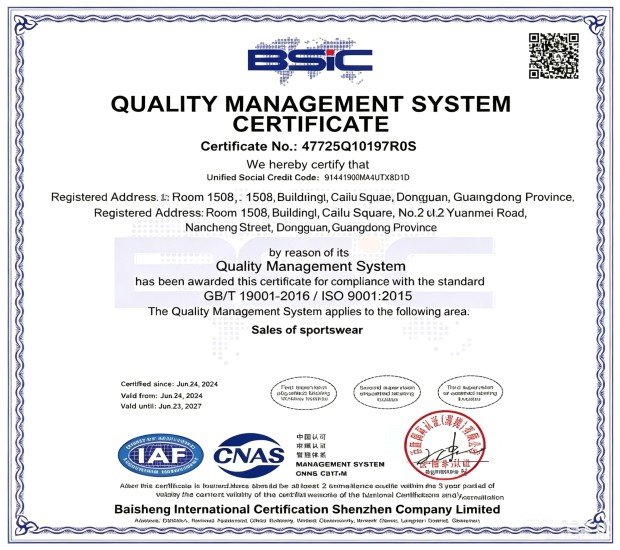
5. What certifications should an activewear manufacturer have?
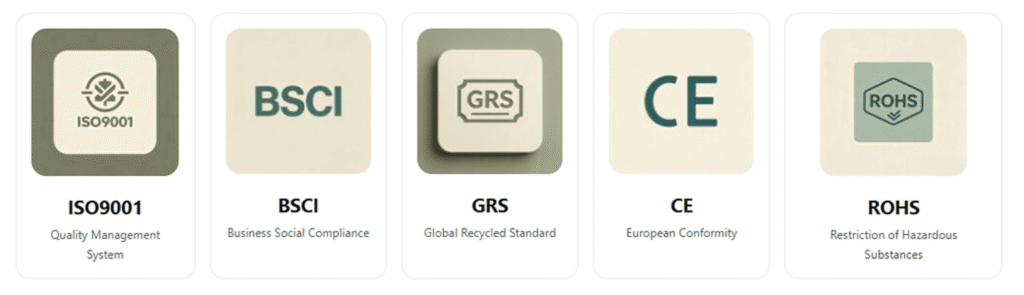
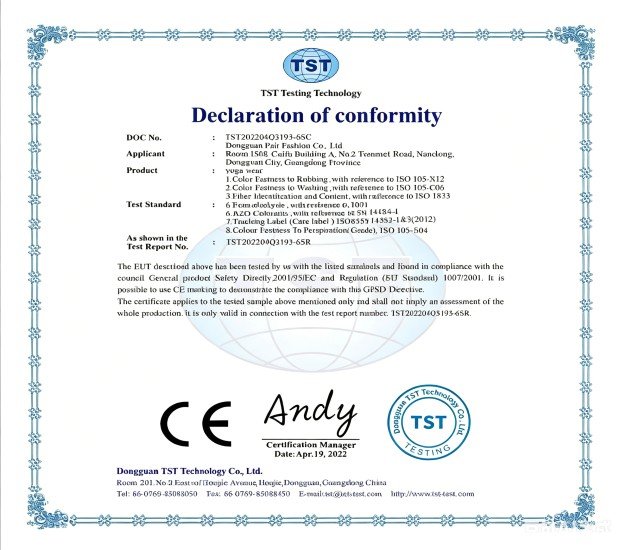
There is no single certification that guarantees manufacturing quality, but internationally recognized certifications demonstrate a supplier’s commitment to quality management, responsible manufacturing, and regulatory compliance. Buyers commonly review certifications related to quality systems, environmental responsibility, social compliance, and product safety depending on their target markets. However, certifications should be considered alongside practical factors such as production capability, quality consistency, communication, and previous export experience rather than serving as the sole basis for supplier selection. For textile product safety, many international buyers also look for compliance with OEKO-TEX® STANDARD 100, one of the world’s most widely recognized certification systems for testing harmful substances in textile products.
6. How many samples should I compare before selecting a supplier?
Comparing samples from multiple manufacturers provides a more objective understanding of product quality, technical capability, and supplier responsiveness than evaluating only one sample. Rather than focusing exclusively on appearance, buyers should assess fit consistency, stitching quality, fabric performance, logo execution, packaging accuracy, and how effectively each supplier handles revision requests. Using a standardized evaluation scorecard enables procurement teams to compare manufacturers fairly and identify partners that consistently meet technical and commercial expectations.
7. Is China still the best place to source wholesale activewear?
China continues to be one of the world’s leading sourcing destinations because of its integrated textile supply chain, experienced manufacturing workforce, advanced production technologies, and strong export infrastructure. While other manufacturing countries may offer competitive labor costs in certain situations, many international brands continue choosing China for its ability to support product development, technical apparel production, efficient material sourcing, and reliable large-scale manufacturing. Buyers should evaluate suppliers individually rather than assuming every factory offers the same capabilities.
8. What factors are most important for building a long-term manufacturing partnership?
Successful long-term partnerships are built on consistent product quality, transparent communication, mutual trust, and continuous operational improvement rather than price alone. Buyers should regularly monitor supplier performance through measurable indicators such as delivery reliability, quality consistency, responsiveness, and problem-solving effectiveness. Periodic performance reviews and open communication help both parties improve processes, reduce sourcing risks, and create a stable foundation for future business growth. Strong partnerships often deliver greater value over time than repeatedly changing suppliers in search of marginal cost savings.
Conclusion
Selecting a wholesale activewear clothing manufacturer is a strategic decision that extends far beyond comparing quotations or production capacity. The right supplier should align with your product category, quality expectations, sourcing strategy, and long-term business objectives. Throughout this guide, we have compared ten leading manufacturers in China while introducing practical evaluation frameworks that help buyers make informed sourcing decisions based on objective criteria rather than marketing claims.
Whether you are launching a new activewear brand, expanding an existing product range, or reviewing your current supply chain, applying structured procurement methods—including supplier comparison, quotation analysis, sample evaluation, and ongoing performance measurement—can significantly reduce sourcing risks and improve long-term business outcomes.
At its core, effective sourcing hinges on choosing suitable partners, maintaining transparent communication, and steadily refining collaboration alongside your business expansion.

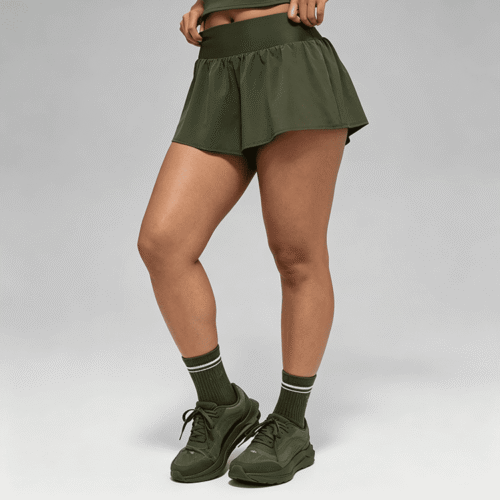
Custom High Waist Tennis Skort with Built-In Shorts OEM ODM
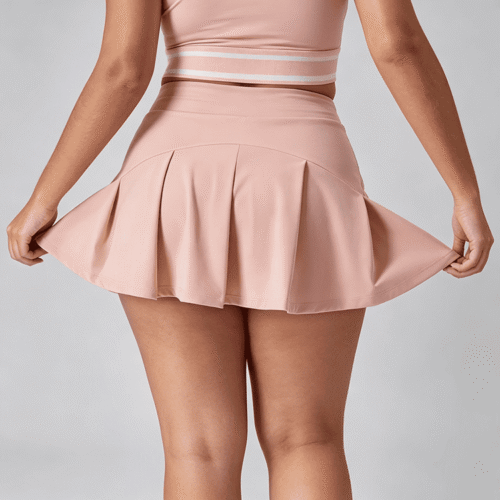
Custom High Waist Pleated Tennis Skort OEM ODM Women’s Tennis Wear
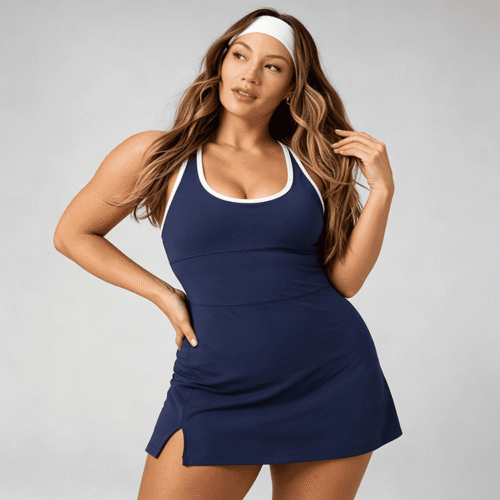
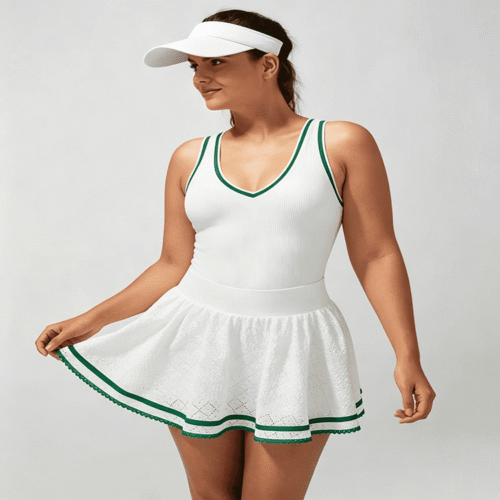
Custom Plus Size Tennis Dress OEM ODM Built-In Bra Activewear
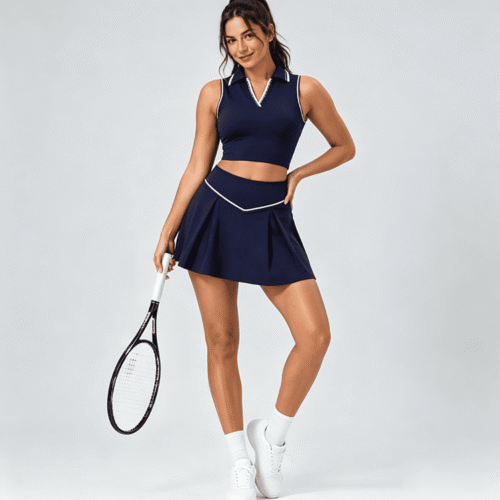
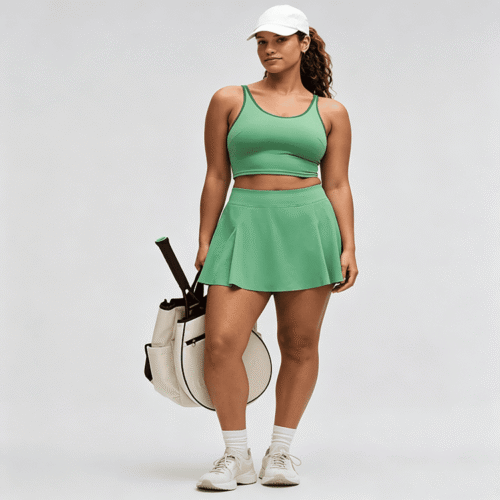
Custom Women’s Tennis Skirt Set OEM ODM Performance Tennis Outfit
Custom Women’s Tennis Dress OEM ODM Performance Tennis Apparel
Custom Women’s Tennis Skirt Set OEM ODM Performance Tennis Outfit
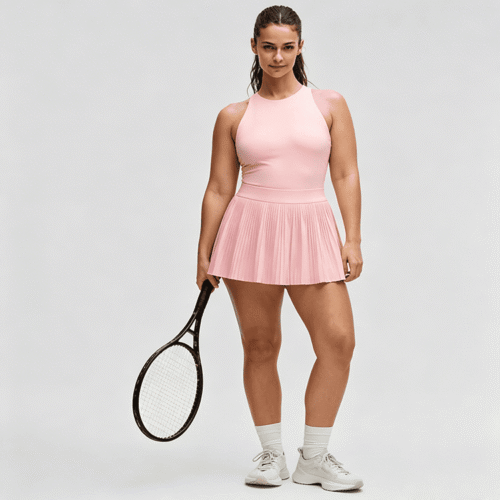
Custom Pleated Tennis Dress OEM ODM Women’s Performance Tennis Wear
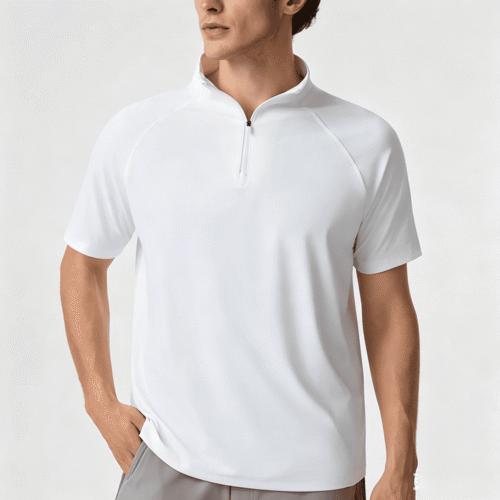
Custom Men’s Quarter Zip Performance Shirt OEM ODM Activewear
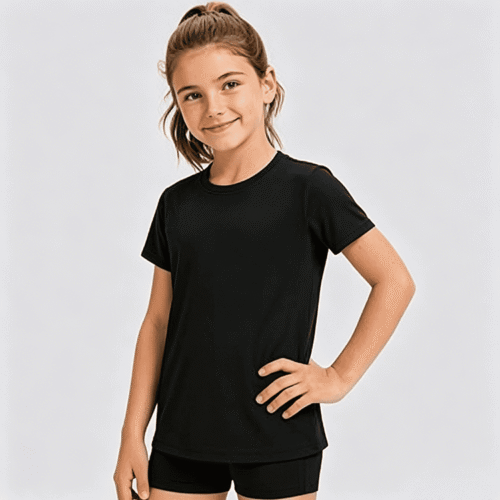
Custom Girls Activewear T-Shirt OEM ODM Kids Performance Tee
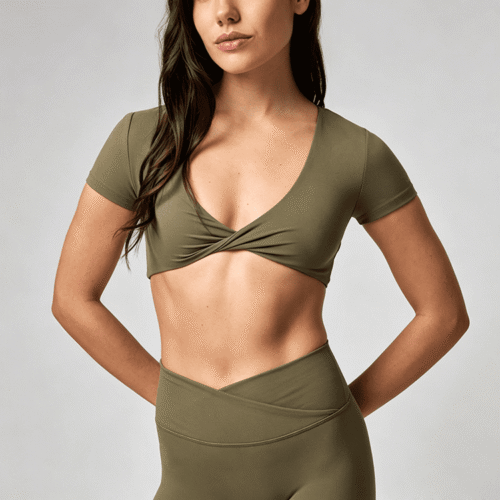
Custom Twist Front Yoga Crop Top OEM ODM Women’s Activewear