OEM/ODM Sportswear Manufacturer | 3-Day Sampling | Low MOQ | 50K Monthly Capacity | ISO9001 & BSCI Certified

Top 10 Activewear Wholesale Apparel Manufacturers in China (2026): Supplier Comparison & Buyer Evaluation Guide
Discover the top 10 activewear wholesale apparel manufacturers in China for 2026. Compare suppliers by specialization, export experience, manufacturing strengths, certifications, buyer suitability, and sourcing advantages to choose the right long-term manufacturing partner for your activewear brand.
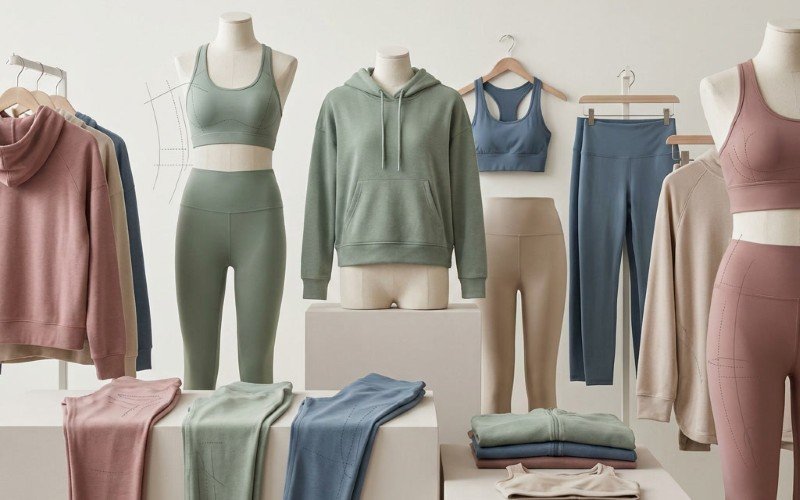
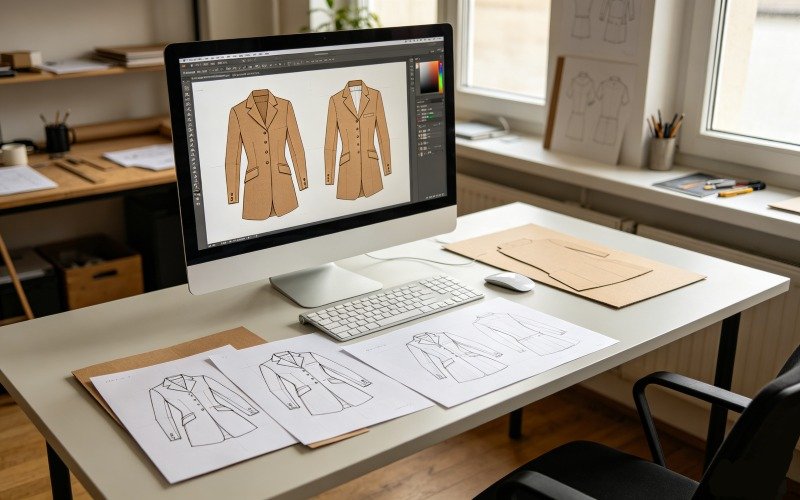
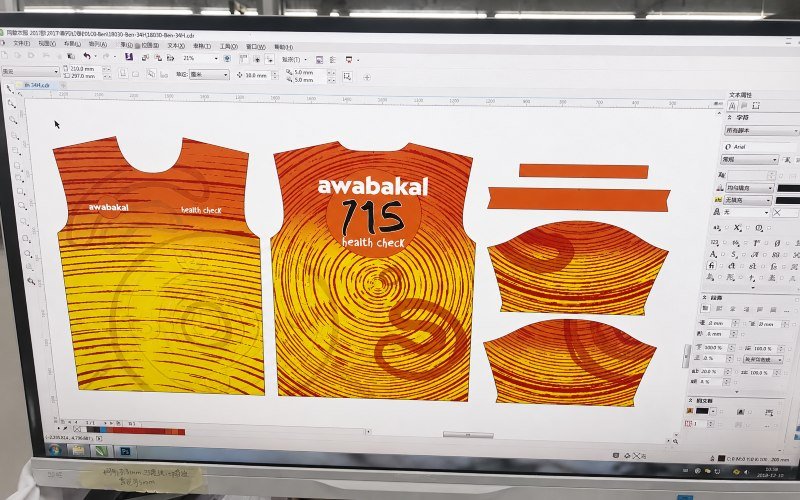
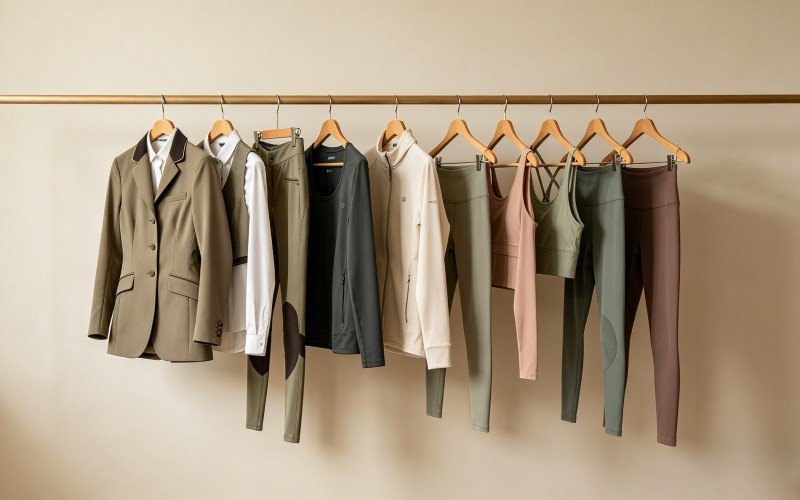
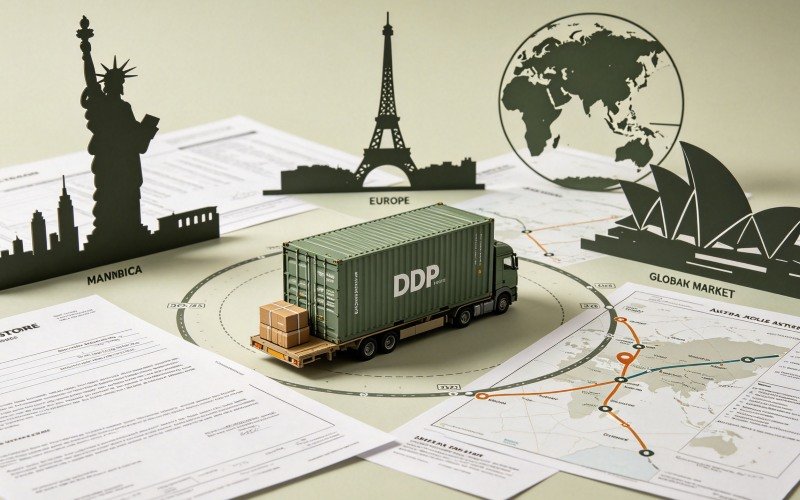
Top 10 Activewear Wholesale Apparel Manufacturers in China: 2026 Supplier Comparison & Buyer Evaluation Guide
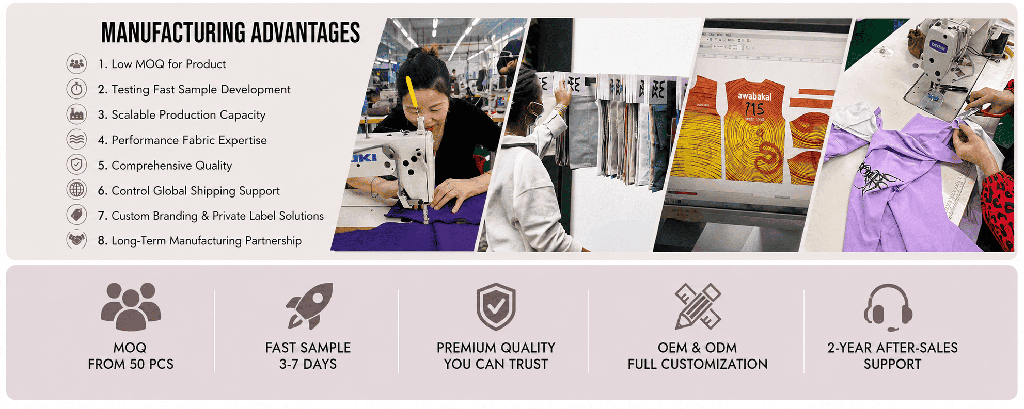
The global activewear industry is evolving faster than ever. Consumers expect more than comfortable leggings or moisture-wicking sports bras—they demand functional performance, sustainable materials, inclusive sizing, stylish designs, and products that seamlessly transition from workouts to everyday life. As these expectations continue to rise, activewear brands face increasing pressure to launch better products faster while maintaining competitive pricing and consistent quality. Behind every successful collection is not only creative design but also a manufacturing partner capable of transforming ideas into commercially successful products.
China has remained at the center of global activewear manufacturing for decades, not simply because of its production capacity, but because of its highly integrated textile supply chain, experienced engineering teams, advanced manufacturing technologies, and ability to support brands at every stage of growth. Yet, with thousands of apparel factories across the country, identifying the right supplier has become increasingly challenging. Choosing solely based on price or factory size often leads to quality issues, communication difficulties, delayed deliveries, and expensive supplier changes.
China is home to many experienced activewear manufacturers, but the best supplier depends on your product category, business model, sourcing priorities, and long-term growth strategy. Rather than ranking factories by size alone, this guide evaluates ten leading activewear wholesale apparel manufacturers based on specialization, export experience, manufacturing capability, industry reputation, and buyer suitability. It also explains how international buyers compare suppliers, why China continues to lead global activewear manufacturing, and what procurement teams should consider before building long-term manufacturing partnerships.
Whether you are launching your first private label activewear brand, expanding into new international markets, or replacing an existing supplier, understanding how different manufacturers position themselves will help you make sourcing decisions based on long-term value rather than short-term cost. The objective is not simply to find a factory that can produce garments, but to identify a manufacturing partner capable of supporting product innovation, business growth, and supply chain stability for years to come.
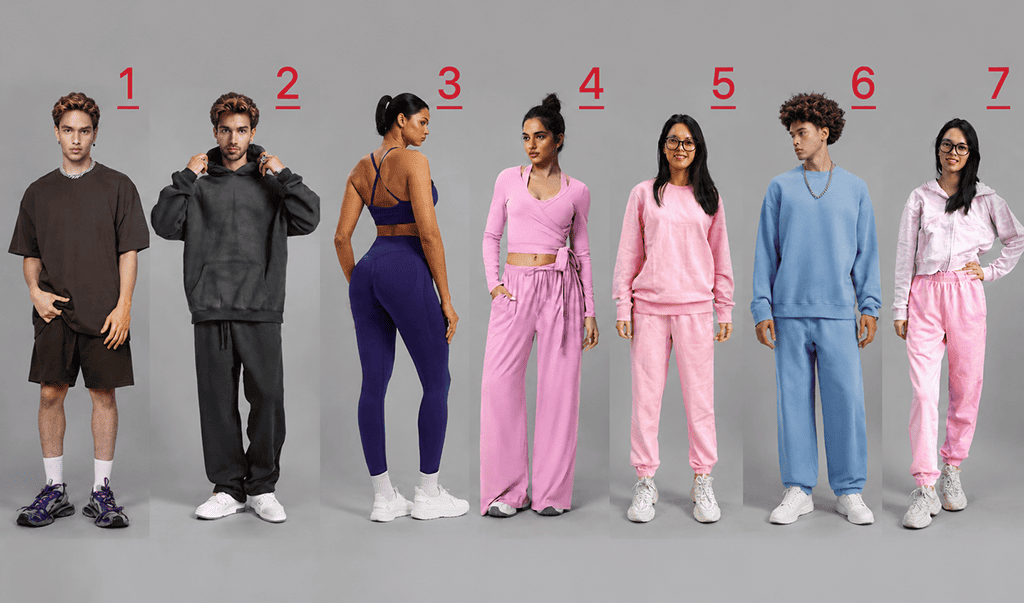
Comparison Summary: Which Manufacturer Offers the Best Strategic Fit?
Selecting an activewear wholesale apparel manufacturer should never be viewed as choosing the “largest” or “highest-ranked” factory. The more effective approach is to identify suppliers whose expertise aligns with your product strategy, target market, and long-term sourcing objectives.
The following comparison summarizes the strategic positioning of each manufacturer.
| Manufacturer | Primary Advantage | Ideal Buyer | Product Breadth | Strategic Position |
|---|---|---|---|---|
| Pair Fashion | Multi-category custom activewear expertise | Private label brands | ★★★★★ | Premium diversified manufacturing |
| Berunwear | Standard OEM activewear | Startup brands | ★★★★☆ | Entry-level OEM |
| INGOR Sportswear | Sustainable activewear | Eco-conscious brands | ★★★★☆ | Sustainability specialist |
| Arabella Clothing | Fashion fitness apparel | DTC brands | ★★★☆☆ | Trend-focused manufacturing |
| AIKA Sportswear | Mature OEM & ODM capability | Established brands | ★★★★☆ | Large-scale OEM partner |
| Hucai Sportswear | Stable volume production | Importers & wholesalers | ★★★☆☆ | High-volume manufacturing |
| SGL Sports | Teamwear production | Clubs & institutions | ★★★☆☆ | Organizational apparel specialist |
| Yotex Apparel | Outdoor performance apparel | Outdoor brands | ★★★★☆ | Technical performance specialist |
| Biying Sportswear | Women’s activewear | Boutique retailers | ★★★☆☆ | Fashion fitness specialist |
| Sansansun Sports | Seamless technology | Seamless brands | ★★☆☆☆ | Seamless manufacturing specialist |
Rather than asking “Which manufacturer is ranked number one?”, experienced sourcing professionals ask a more valuable question:
“Which manufacturer is best equipped to support my business over the next three to five years?”
The answer often depends less on factory size and more on strategic alignment. Manufacturers whose expertise matches your product category, customer expectations, and long-term growth plans are generally better positioned to become reliable supply chain partners than those selected solely because of lower quotations or larger production capacity.
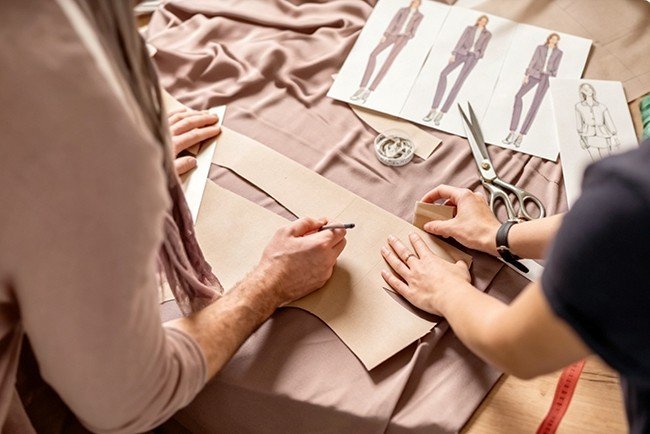
Why Brands Choose Pair Fashion
Many brands struggle with slow sampling, unstable quality, delayed delivery and unreliable suppliers.
- Slow sampling cycles
- Production inconsistency
- Poor communication
- Logistics complexity
- No after-sales support
- Can’t design products.
Top 10 Activewear Wholesale Apparel Manufacturers in China at a Glance
Selecting an activewear manufacturer should never begin with quotations alone. Experienced sourcing professionals first identify suppliers whose expertise aligns with their product categories, target customers, and business objectives. The manufacturers listed below represent different strengths within China’s activewear industry. Some focus on premium private label development, others specialize in seamless technology, sustainable manufacturing, or large-scale wholesale production. Comparing suppliers through a broader sourcing perspective allows buyers to build stronger, more resilient supply chains.
| Manufacturer | Headquarters | Primary Specialization | Best For |
|---|---|---|---|
| Pair Fashion | Dongguan | Premium Custom Activewear | Private Label Brands |
| Berunwear | Xiamen | Yoga & Fitness Apparel | Startup Brands |
| INGOR Sportswear | Guangzhou | Sustainable Activewear | Eco-conscious Brands |
| Arabella Clothing | Xiamen | Fashion Fitness Apparel | DTC Brands |
| AIKA Sportswear | Dongguan | OEM & ODM Manufacturing | Established Brands |
| Hucai Sportswear | Guangzhou | Large-Scale Sportswear Production | Importers & Wholesalers |
| SGL Sports | Guangzhou | Teamwear & Sports Uniforms | Clubs & Organizations |
| Yotex Apparel | Hangzhou | Functional Outdoor Performance Apparel | Outdoor Brands |
| Biying Sportswear | Guangzhou | Women’s Activewear | Boutique Fitness Brands |
| Sansansun Sports | Dongguan | Seamless Activewear | Seamless Collections |
1. Pair Fashion
Headquarters: Dongguan, Guangdong, China
Founded: 2016
Primary Product Categories
- Activewear
- Yoga Apparel
- Tennis Apparel
- Plus Size Activewear
- Maternity Activewear
- Modest Sportswear
- Equestrian Apparel
- Performance Loungewear
Primary Export Markets
North America, Europe, Australia, New Zealand, and the Middle East.
Best For
- Premium private label brands
- Growing activewear businesses
- Buyers seeking multiple product categories from one supplier
- Brands developing differentiated collections
- Companies requiring long-term manufacturing partnerships
May Not Be the Best Choice For
Buyers purchasing standardized commodity products where the primary purchasing criterion is the lowest possible manufacturing cost.
Company Overview
Pair Fashion has established itself as a product-focused activewear manufacturer serving brands that require more than standard OEM production. Rather than concentrating on a single category, the company supports multiple performance apparel segments, including traditional fitness clothing as well as niche categories such as tennis apparel, plus-size activewear, maternity activewear, modest sportswear, and equestrian apparel.
This broad product portfolio makes Pair Fashion particularly attractive for brands planning to expand beyond a single product line while maintaining consistent manufacturing standards across different collections.
Another distinguishing characteristic is the company’s emphasis on collaborative product development. Instead of functioning solely as a production facility, Pair Fashion works with customers throughout collection planning, material selection, garment engineering, branding, and product refinement. This collaborative approach allows brands to build cohesive product ranges while reducing supplier fragmentation.
From a sourcing perspective, Pair Fashion is particularly suitable for businesses seeking a strategic manufacturing partner capable of supporting long-term brand development rather than isolated production projects.
Key Strengths
- Broad product expertise across multiple activewear categories.
- Strong experience serving international private label brands.
- Balanced capabilities for both emerging and established businesses.
- Comprehensive manufacturing support from product development to final delivery.
- Suitable for brands planning long-term product expansion.
Potential Considerations
Since Pair Fashion focuses on custom manufacturing and diversified product development, it may not be the top choice for buyers looking to source only highly standardised, price-sensitive commodity apparel.
2. Berunwear
Headquarters: Xiamen, Fujian, China
Primary Product Categories
- Yoga Wear
- Gym Clothing
- Sports Bras
- Leggings
- Running Apparel
Primary Export Markets
North America, Europe, and Oceania.
Best For
- Startup activewear brands
- Entry-level OEM projects
- Small and medium-sized fitness brands
May Not Be the Best Choice For
Brands seeking highly specialized technical activewear categories.
Company Overview
Berunwear has developed a strong presence within China’s yoga and fitness apparel sector by offering accessible OEM manufacturing services for growing brands. Its product range focuses primarily on mainstream activewear essentials, making it a practical choice for businesses launching their first collections or expanding existing product lines with proven silhouettes.
The company benefits from years of export experience and maintains familiarity with international market requirements. Buyers looking for straightforward activewear manufacturing rather than extensive product innovation may find Berunwear an efficient sourcing option.
Key Strengths
- Well-established experience in fitness apparel manufacturing.
- Broad selection of standard activewear styles.
- Stable export experience.
- Suitable for brands seeking efficient OEM production.
Potential Considerations
Brands pursuing highly differentiated product positioning or specialized performance apparel may require manufacturers with broader technical development capabilities.
3. INGOR Sportswear
Headquarters: Guangzhou, Guangdong, China
Primary Product Categories
- Sustainable Activewear
- Yoga Apparel
- Sports Bras
- Leggings
- Eco-Friendly Performance Wear
Primary Export Markets
Europe, North America, and Australia.
Best For
- Sustainable activewear brands
- Premium yoga companies
- Businesses emphasizing recycled materials
May Not Be the Best Choice For
Brands primarily competing within the budget sportswear segment.
Company Overview
INGOR Sportswear has positioned itself around sustainable manufacturing and environmentally responsible product development. Rather than competing purely on manufacturing scale, the company differentiates itself through recycled performance fabrics, eco-conscious production practices, and modern activewear collections designed for brands prioritizing sustainability.
Its focus on environmentally responsible manufacturing has made INGOR a suitable partner for businesses building premium fitness brands where sustainability forms part of the overall brand identity.
Key Strengths
- Strong sustainability positioning.
- Extensive recycled material options.
- Modern activewear product portfolio.
- Well-recognized within the eco-conscious sportswear sector.
Potential Considerations
Its specialization in sustainable manufacturing may not align with buyers seeking the lowest production costs or highly diversified product categories.
4. Arabella Clothing
Headquarters: Xiamen, Fujian, China
Primary Product Categories
- Women’s Activewear
- Sports Bras
- Leggings
- Gym Wear
- Running Apparel
- Lifestyle Fitness Clothing
Primary Export Markets
North America, Europe, Australia.
Best For
- Direct-to-consumer (DTC) brands
- Boutique fitness brands
- Amazon sellers
- Shopify activewear businesses
May Not Be the Best Choice For
Brands seeking highly technical performance apparel across multiple specialized sports categories.
Company Overview
Arabella Clothing has become a recognized supplier among growing direct-to-consumer fitness brands by focusing on fashionable activewear that balances commercial appeal with dependable manufacturing quality. Rather than attempting to serve every segment of the apparel industry, the company concentrates on core women’s fitness products including leggings, sports bras, workout tops, and coordinated gym sets.
Its experience with export markets and online retail brands enables it to understand the shorter product cycles commonly seen in e-commerce. Buyers launching seasonal collections or regularly introducing new colorways may benefit from Arabella’s familiarity with trend-driven product development.
Compared with larger manufacturing groups, Arabella’s strength lies in maintaining a focused product portfolio and providing relatively straightforward collaboration for brands requiring fashionable activewear rather than highly technical garments.
Key Strengths
- Strong focus on women’s fitness apparel.
- Experience supporting DTC and e-commerce brands.
- Fashion-oriented product development.
- Good understanding of international retail trends.
Potential Considerations
Brands planning to expand into technical categories such as seamless compression wear, outdoor performance apparel, or niche sports products may eventually require additional manufacturing partners.
5. AIKA Sportswear
Headquarters: Dongguan, Guangdong, China
Primary Product Categories
- Gym Wear
- Sports Bras
- Leggings
- Hoodies
- Joggers
- Men’s Training Apparel
- Women’s Fitness Apparel
Primary Export Markets
North America, Europe, Oceania.
Best For
- Established activewear brands
- OEM buyers
- ODM projects
- International wholesalers
May Not Be the Best Choice For
Micro brands seeking extremely small production programs.
Company Overview
AIKA Sportswear has built a solid reputation within China’s activewear industry by supporting OEM and ODM manufacturing across a broad range of fitness apparel. The company works with brands requiring dependable production systems and established export capabilities rather than purely fashion-oriented product development.
Its portfolio includes training apparel for both men’s and women’s markets, making it suitable for brands planning balanced product assortments across multiple customer segments.
Another advantage is its familiarity with international manufacturing standards, allowing buyers to coordinate repeat production programs with relatively consistent operational processes.
Key Strengths
- Broad activewear manufacturing capability.
- Strong OEM and ODM experience.
- Mature export operations.
- Suitable for long-term production programs.
Potential Considerations
Although AIKA supports various product categories, buyers looking for highly differentiated niche markets may find more specialized expertise elsewhere.
6. Hucai Sportswear
Headquarters: Guangzhou, Guangdong, China
Primary Product Categories
- Sportswear
- Training Apparel
- Team Sportswear
- Running Wear
- Promotional Sports Apparel
Primary Export Markets
Europe, North America, South America.
Best For
- Importers
- Wholesalers
- Large-volume purchasing programs
- Retail distributors
May Not Be the Best Choice For
Brands prioritizing highly customized premium collections.
Company Overview
Hucai Sportswear is recognized for its manufacturing stability and ability to support larger production programs. Rather than emphasizing fashion innovation or niche product development, the company focuses on dependable execution across mainstream sportswear categories.
This positioning makes Hucai particularly suitable for wholesalers and distributors requiring predictable production schedules and consistent manufacturing performance over repeated orders.
For buyers managing seasonal inventory planning or supplying multiple retail channels, operational reliability often becomes more valuable than extensive product experimentation.
Key Strengths
- Strong production stability.
- Suitable for large wholesale orders.
- Mature export experience.
- Reliable operational management.
Potential Considerations
Brands seeking highly differentiated private label collections may require manufacturers offering stronger product innovation capabilities.
7. SGL Sports
Headquarters: Guangzhou, Guangdong, China
Primary Product Categories
- Team Uniforms
- Sports Jerseys
- Training Apparel
- Club Sportswear
- Corporate Sportswear
Primary Export Markets
Europe, Asia-Pacific, North America.
Best For
- Sports clubs
- Schools
- Universities
- Corporate organizations
- Teamwear distributors
May Not Be the Best Choice For
Premium consumer activewear brands emphasizing technical fitness apparel.
Company Overview
Unlike manufacturers specializing primarily in retail fitness apparel, SGL Sports has developed extensive experience serving institutional buyers requiring customized teamwear and sports uniforms.
Its production capabilities support consistent branding across repeat orders, making it particularly attractive for organizations managing ongoing team apparel programs.
The company’s experience with customized decoration methods—including sublimation printing, embroidery, and logo application—allows clubs and organizations to maintain consistent visual identity throughout multiple purchasing cycles.
Key Strengths
- Strong teamwear expertise.
- Experience serving institutional buyers.
- Reliable repeat-order production.
- Consistent branding capability.
Potential Considerations
Retail brands seeking fashion-driven activewear collections may prefer manufacturers specializing specifically in consumer fitness apparel.
8. Yotex Apparel
Headquarters: Hangzhou, Zhejiang, China
Primary Product Categories
- Running Apparel
- Outdoor Clothing
- Functional Jackets
- Hiking Apparel
- Performance Sportswear
Primary Export Markets
Europe, North America.
Best For
- Outdoor brands
- Running brands
- Functional performance apparel companies
May Not Be the Best Choice For
Brands focused exclusively on yoga or gym apparel.
Company Overview
Yotex Apparel occupies a unique position by combining activewear manufacturing with functional outdoor apparel expertise. Instead of concentrating solely on indoor fitness products, the company develops garments intended for running, hiking, trail activities, and outdoor performance environments.
Its experience with weather-resistant materials, lightweight construction, and technical fabric applications makes it an attractive supplier for brands operating at the intersection of activewear and outdoor performance.
Key Strengths
- Functional performance apparel expertise.
- Outdoor product specialization.
- Technical fabric experience.
- Suitable for multi-season performance collections.
Potential Considerations
Fashion-oriented fitness brands may require suppliers with stronger expertise in studio, yoga, or athleisure categories.
9. Biying Sportswear
Headquarters: Guangzhou, Guangdong, China
Primary Product Categories
- Yoga Apparel
- Women’s Activewear
- Sports Bras
- Leggings
- Fitness Sets
Primary Export Markets
North America, Europe.
Best For
- Boutique fitness brands
- Women’s activewear labels
- Fashion-focused retailers
May Not Be the Best Choice For
Buyers requiring diversified product categories under one manufacturing partner.
Company Overview
Biying Sportswear focuses primarily on women’s activewear designed for both performance and everyday lifestyle use. The company’s product philosophy emphasizes modern aesthetics while maintaining the functional requirements expected from contemporary fitness apparel.
This positioning appeals particularly to boutique brands targeting consumers who value both style and comfort.
Its focused product assortment also enables buyers to develop cohesive women’s collections without managing an overly broad product portfolio.
Key Strengths
- Women’s fitness specialization.
- Fashion-conscious product positioning.
- Consistent activewear collections.
- Suitable for boutique retailers.
Potential Considerations
Large wholesalers or brands requiring technical outdoor, maternity, or teamwear categories may need additional manufacturing partners.
10. Sansansun Sports
Headquarters: Dongguan, Guangdong, China
Primary Product Categories
- Seamless Activewear
- Seamless Leggings
- Seamless Sports Bras
- Compression Apparel
- Seamless Fitness Sets
Primary Export Markets
North America, Europe, Australia.
Best For
- Seamless activewear brands
- Performance fitness companies
- Private label seamless collections
May Not Be the Best Choice For
Brands planning to source a complete multi-category activewear collection from one supplier.
Company Overview
Sansansun Sports has built its market position around seamless knitting technology rather than conventional cut-and-sew production. As consumer demand for seamless garments continues to increase, manufacturers specializing in this technology have become increasingly valuable for brands seeking premium comfort and modern aesthetics.
The company focuses on developing seamless leggings, sports bras, compression garments, and coordinated workout sets designed for both performance and lifestyle markets.
Its specialization allows buyers to access dedicated seamless manufacturing expertise that may not be available from more generalized sportswear factories.
Key Strengths
- Strong seamless manufacturing expertise.
- Dedicated knitting technology.
- Performance-oriented product focus.
- Suitable for specialized seamless collections.
Potential Considerations
Brands planning to build extensive product portfolios—including tennis apparel, maternity collections, outerwear, or equestrian apparel—may benefit from supplementing seamless production with manufacturers offering broader category coverage.
Which Chinese Activewear Manufacturers Specialize in Different Product Categories?
Not all activewear manufacturers excel at every product category. One of the biggest sourcing mistakes buyers make is assuming that a factory producing yoga leggings can manufacture technical tennis apparel, seamless garments, or equestrian clothing with the same level of expertise. In reality, China’s activewear industry is highly specialized. Many manufacturers have spent years refining specific product categories, investing in dedicated equipment, technical know-how, and experienced development teams. Matching your product category with the right manufacturing specialist often results in faster development, fewer revisions, better product quality, and stronger long-term business relationships.
Rather than asking “Who is the biggest manufacturer?”, buyers should ask:
“Which manufacturer has the deepest experience producing the products I actually sell?”
Different Product Categories Require Different Manufacturing Expertise
Although all activewear belongs to the broader sportswear industry, manufacturing requirements vary considerably.
For example:
- A sports bra requires precise support construction, elastic engineering, and fit testing.
- Seamless leggings depend on computerized circular knitting technology rather than traditional cut-and-sew production.
- Maternity activewear demands specialized pattern grading and ergonomic construction.
- Tennis apparel combines athletic performance with fashion aesthetics and strict fit consistency.
- Equestrian apparel requires abrasion-resistant fabrics, reinforced seams, and rider-specific ergonomics.
Factories that regularly manufacture these products build valuable technical knowledge that is difficult to replicate quickly.
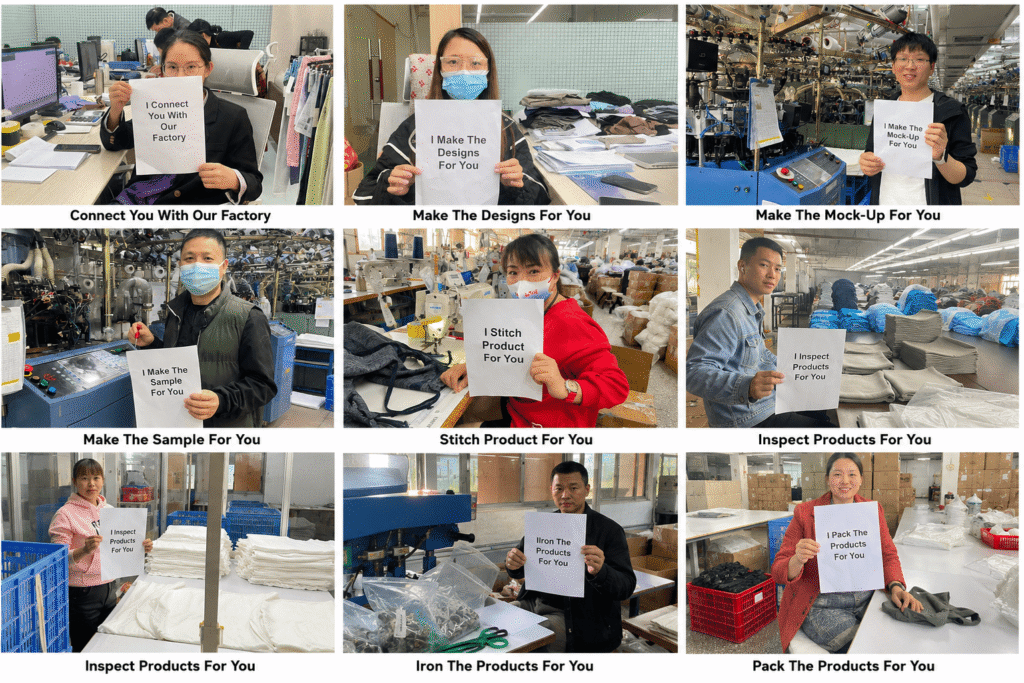
Product Category Recommendation Guide
The following comparison highlights manufacturers according to their strongest publicly recognized product categories.
| Product Category | Recommended Manufacturer(s) | Why They Stand Out |
|---|---|---|
| Yoga Apparel | Berunwear, INGOR Sportswear, Biying Sportswear | Extensive yoga product portfolios with established export experience. |
| Gym Wear | AIKA Sportswear, Pair Fashion | Broad fitness apparel capability across men’s and women’s collections. |
| Seamless Activewear | Sansansun Sports | Dedicated seamless knitting specialization. |
| Sustainable Activewear | INGOR Sportswear | Strong focus on recycled materials and sustainable production. |
| Running Apparel | Yotex Apparel, Berunwear | Experience with lightweight functional performance garments. |
| Tennis Apparel | Pair Fashion | Dedicated tennis apparel development alongside broader activewear expertise. |
| Plus Size Activewear | Pair Fashion | Specialized experience in inclusive sizing and performance fit development. |
| Maternity Activewear | Pair Fashion | Product engineering designed specifically for maternity performance apparel. |
| Equestrian Apparel | Pair Fashion | Technical riding apparel requiring specialized construction knowledge. |
| Teamwear & Sports Uniforms | SGL Sports | Extensive institutional and clubwear manufacturing experience. |
–
This comparison demonstrates why supplier selection should always begin with product specialization rather than general factory size.
Yoga and Fitness Apparel Remain China’s Largest Manufacturing Segment
Yoga apparel continues to represent one of the largest activewear categories manufactured in China.
Manufacturers specializing in yoga products generally possess experience with:
- Four-way stretch fabrics
- Moisture management
- Flatlock construction
- High-waist leggings
- Sports bras
- Coordinated workout sets
Because demand for yoga apparel remains consistently high worldwide, buyers have access to a wide range of experienced suppliers.
However, competition within this category is also intense, making product differentiation increasingly important.
Brands competing in the yoga market often benefit from manufacturers capable of supporting unique fabrics, elevated construction quality, or distinctive design features rather than relying solely on standard OEM products.
Seamless Activewear Requires Dedicated Manufacturing Technology
Unlike traditional sportswear, seamless garments are produced using computerized circular knitting equipment rather than conventional fabric cutting and sewing.
This manufacturing process offers several advantages:
- Reduced seam irritation
- Improved comfort
- Better body contouring
- Enhanced stretch recovery
- Modern aesthetic appeal
However, seamless production also requires significant investment in specialized machinery and technical expertise.
For this reason, buyers developing seamless collections should prioritize manufacturers with dedicated seamless manufacturing capabilities rather than factories treating seamless products as occasional additions to broader product portfolios.
Technical Sports Categories Demand Specialized Knowledge
Certain activewear categories involve significantly higher technical complexity than general fitness apparel.
Examples include:
Tennis Apparel
Requires:
- Lightweight stretch fabrics
- Precise movement allowance
- Skirt construction
- Built-in shorts
- Consistent sizing
Maternity Activewear
Requires:
- Ergonomic pattern grading
- Stretch panel engineering
- Body-shape adaptation
- Supportive waistband construction
Plus Size Activewear
Requires:
- Independent size grading
- Reinforced construction
- Compression balancing
- Inclusive fit development
Equestrian Apparel
Requires:
- Abrasion resistance
- Silicone grip technology
- Rider ergonomics
- High-strength stitching
- Technical performance fabrics
Because these categories involve unique engineering requirements, manufacturers with proven specialization often produce better results than general activewear factories attempting unfamiliar product types.
Should You Choose One Multi-Category Manufacturer or Several Specialists?
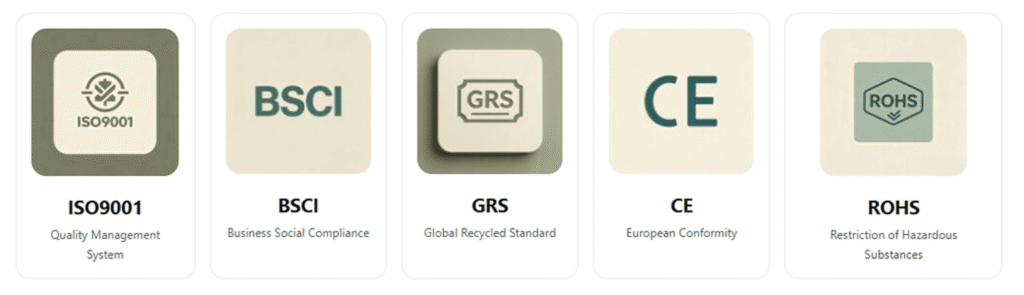
This is a common sourcing question, and the answer depends on your brand strategy.
One Comprehensive Manufacturing Partner
Advantages include:
- Simpler communication
- Unified quality standards
- Easier production planning
- Stronger long-term collaboration
- Lower administrative complexity
This approach often works well for brands developing coordinated collections across multiple categories.
Multiple Specialized Manufacturers
Advantages include:
- Best technical expertise in each category
- Access to specialized innovation
- Reduced dependence on one supplier
- Greater sourcing flexibility
However, managing several factories also increases:
- Communication complexity
- Production coordination
- Quality consistency challenges
- Logistics management
Many mature brands adopt a hybrid strategy, maintaining one primary manufacturing partner for core collections while working with specialized factories for technical or niche products.
Product Expertise Creates Long-Term Competitive Advantages
As the activewear industry becomes increasingly specialized, product expertise is becoming a more valuable sourcing criterion than factory size alone.
Manufacturers investing deeply in specific categories often develop:
- Better pattern engineering
- More refined construction techniques
- Stronger supplier relationships
- Faster product development
- More accurate technical recommendations
For buyers, selecting manufacturers according to genuine product specialization often reduces development risk while improving product quality and accelerating time to market.
Ultimately, choosing the right manufacturer is less about finding a factory capable of producing everything, and more about partnering with suppliers that consistently excel in producing the products that define your brand.
Where Are China's Major Activewear Manufacturing Clusters?
China’s activewear manufacturing industry is not concentrated in a single city. Instead, it has developed several specialized manufacturing clusters, each with its own strengths, supplier networks, technical expertise, and product focus. Understanding these regional differences helps buyers identify manufacturers whose capabilities align with their sourcing objectives instead of evaluating factories based solely on individual company profiles.
For experienced sourcing professionals, choosing the right manufacturing region is often just as important as choosing the right factory.
Why Manufacturing Clusters Matter
A manufacturing cluster is a geographic area where factories, fabric mills, trim suppliers, printing companies, logistics providers, and supporting industries operate within the same ecosystem.
This concentration creates several advantages:
- Faster product development
- Shorter material sourcing cycles
- Lower transportation costs
- Better communication between suppliers
- Greater production flexibility
- Easier access to specialized technical resources
For international buyers, sourcing from mature manufacturing clusters generally results in more predictable lead times and smoother project management.
Dongguan – China’s Innovation Center for Premium Activewear
Primary Strengths
- Premium activewear
- Private label manufacturing
- Technical sportswear
- Tennis apparel
- Plus-size activewear
- Maternity activewear
- Equestrian apparel
- Performance loungewear
Dongguan has become one of China’s most important activewear manufacturing hubs due to its mature supply chain and strong concentration of performance apparel factories.
Unlike regions primarily focused on mass production, many Dongguan manufacturers specialize in higher-value product development and customized manufacturing.
Buyers sourcing from Dongguan often benefit from:
- Experienced product development teams
- Advanced garment engineering
- Access to premium functional fabrics
- Strong export experience
- Efficient logistics through nearby Shenzhen and Guangzhou ports
For brands building premium private label collections, Dongguan remains one of the strongest sourcing destinations in China.
Guangzhou – Large-Scale Manufacturing with Diverse Product Categories
Primary Strengths
- Fitness apparel
- Yoga wear
- Sports uniforms
- Fashion activewear
- Sustainable sportswear
Guangzhou has long been recognized as one of China’s largest apparel manufacturing centers.
Its activewear ecosystem combines:
- Large production capacity
- Extensive textile resources
- Mature export infrastructure
- Experienced international trading networks
The region supports a wide variety of activewear manufacturers, ranging from OEM suppliers to fashion-oriented fitness apparel producers.
Because of its broad supplier base, Guangzhou offers buyers numerous sourcing options across different price points and product categories.
Xiamen – A Well-Established Export Manufacturing Base
Primary Strengths
- Yoga apparel
- Running wear
- Outdoor sportswear
- Women’s fitness clothing
Located on China’s southeastern coast, Xiamen has developed a strong reputation for export-oriented sportswear manufacturing.
Many factories in the region have served European and North American markets for years, giving them extensive experience with:
- International sizing
- Retail packaging
- Compliance requirements
- Overseas communication
Xiamen manufacturers are particularly attractive to brands seeking dependable export partners with established production systems.
Hangzhou – Functional Performance and Outdoor Apparel
Primary Strengths
- Running apparel
- Outdoor clothing
- Technical jackets
- Functional sportswear
Hangzhou is traditionally associated with textile innovation and technical apparel manufacturing.
Compared with regions focusing primarily on fitness fashion, Hangzhou manufacturers often emphasize:
- Functional performance
- Outdoor activities
- Lightweight construction
- Weather-resistant materials
Brands combining activewear with outdoor performance products frequently consider Hangzhou an attractive sourcing location.
Ningbo – Efficient Manufacturing and International Logistics
Although Ningbo is more widely known for general apparel manufacturing, the region also supports a growing number of activewear suppliers.
Its advantages include:
- One of China’s busiest international ports
- Efficient global shipping
- Mature textile industry
- Strong export infrastructure
For buyers prioritizing international logistics efficiency, Ningbo offers meaningful supply chain advantages despite having fewer activewear specialists than Dongguan or Guangzhou.
Comparison of China’s Major Activewear Manufacturing Regions
| Manufacturing Region | Main Product Focus | Typical Buyer Profile | Competitive Advantage |
|---|---|---|---|
| Dongguan | Premium activewear, tennis, plus size, maternity, equestrian | Private label brands | Product development and technical expertise |
| Guangzhou | Fitness apparel, yoga wear, teamwear | Importers and wholesalers | Diverse supplier ecosystem |
| Xiamen | Yoga, running, women’s activewear | Export-oriented brands | Strong international manufacturing experience |
| Hangzhou | Outdoor and performance apparel | Technical performance brands | Functional apparel expertise |
| Ningbo | General sportswear | Global distributors | Logistics and export efficiency |
How Should Buyers Choose the Right Manufacturing Region?
Rather than selecting factories randomly through online searches, buyers should first identify the manufacturing region that best matches their product strategy.
For example:
If your brand focuses on premium private label activewear
Consider manufacturers located in:
- Dongguan
If your products emphasize sustainability or mainstream fitness apparel
Consider:
- Guangzhou
If your business concentrates on yoga or running apparel
Consider:
- Xiamen
If your collections combine activewear with outdoor performance
Consider:
- Hangzhou
If logistics efficiency is your highest priority
Consider:
- Ningbo
Manufacturing Ecosystems Often Matter More Than Individual Factories
Many buyers spend considerable time comparing individual manufacturers while overlooking the advantages created by regional manufacturing ecosystems.
Factories operating within mature industrial clusters benefit from:
- Faster access to materials
- Specialized subcontractors
- Experienced technical talent
- Better production coordination
- Continuous innovation driven by industry competition
These ecosystem advantages often translate into shorter development cycles, greater manufacturing flexibility, and more reliable long-term cooperation.
For this reason, experienced sourcing professionals frequently evaluate where a factory is located before evaluating which factory to choose. Understanding China’s manufacturing geography provides buyers with valuable context that supports more informed supplier selection and strengthens long-term sourcing strategies.

How Were These Top 10 Activewear Wholesale Apparel Manufacturers Evaluated?
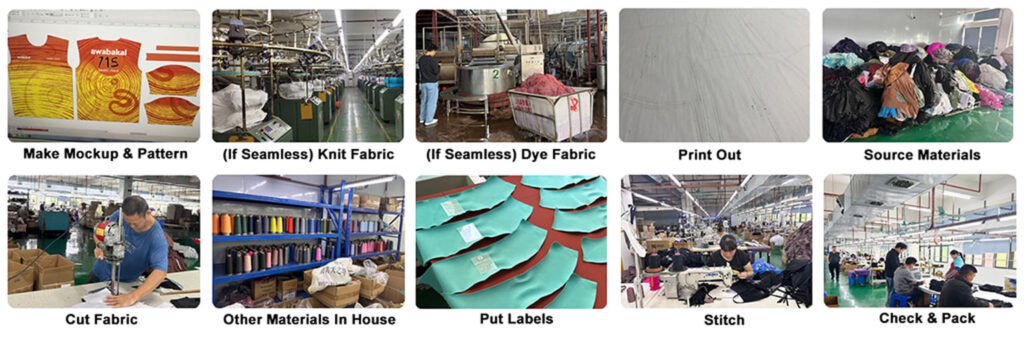
Selecting an activewear manufacturing partner should never rely on rankings, marketing claims, or pricing alone. The most successful procurement teams evaluate suppliers using a structured framework that reflects long-term business objectives rather than short-term purchasing decisions. Instead of asking “Which factory is the biggest?”, professional buyers ask “Which supplier is the best strategic fit for our products, customers, and future growth?”
The manufacturers included in this guide were assessed using publicly available company information, industry reputation, export experience, product specialization, and manufacturing positioning. Rather than assigning scores based on production volume alone, this evaluation emphasizes the factors that international brands typically consider when building reliable and scalable supply chains.
Product Specialization Carries More Weight Than Factory Size
One of the biggest misconceptions in global sourcing is that larger factories automatically produce better products.
In reality, manufacturers often become highly competitive by specializing in a limited number of product categories.
For example:
- A factory known for seamless activewear may have world-class knitting technology but limited experience producing technical tennis apparel.
- A manufacturer specializing in team uniforms may not possess the same expertise required for premium yoga collections.
- A supplier experienced in outdoor performance clothing may use different construction methods than one focused on studio fitness apparel.
This is why product specialization was one of the most important evaluation criteria in this guide.
Rather than rewarding factories that manufacture “everything,” priority was given to suppliers demonstrating long-term expertise within clearly defined activewear categories.
Industry Reputation Reflects Long-Term Business Performance
A manufacturer’s reputation is built over years of cooperation with customers, not through advertising alone.
Although reputation should never be the only evaluation criterion, it often provides valuable insight into a supplier’s operational maturity.
The manufacturers included in this guide were assessed according to factors such as:
- Years serving international markets
- Visibility within the activewear industry
- Consistency of product focus
- Recognition among overseas buyers
- Stability of business operations
- Ability to maintain long-term customer relationships
Factories that consistently serve international brands over multiple years generally demonstrate stronger organizational systems than suppliers frequently changing their market positioning.
Export Experience Indicates Operational Maturity
Manufacturing capability is only one part of successful international sourcing.
Equally important is the ability to manage overseas projects efficiently.
Experienced exporters typically understand:
- International business communication
- Retail packaging expectations
- Documentation requirements
- Shipping coordination
- Import procedures
- Seasonal production planning
- Cross-border customer support
For buyers operating outside China, these capabilities reduce project uncertainty and improve collaboration throughout the sourcing process.
Rather than measuring export experience by company age alone, buyers should consider how consistently a manufacturer has served overseas markets.
Product Portfolio Diversity Was Carefully Considered
Another evaluation factor was the breadth and strategic positioning of each manufacturer’s product portfolio.
Some suppliers intentionally focus on one specialized category, while others support broader activewear collections.
Neither approach is inherently better.
For example:
| Product Strategy | Typical Advantage | Best For |
|---|---|---|
| Specialized Portfolio | Deep technical expertise | Brands focused on one product category |
| Diversified Portfolio | Broader manufacturing support | Brands developing multiple collections |
–
This guide therefore does not favor broad product portfolios over specialized expertise.
Instead, manufacturers were evaluated according to how effectively their product positioning serves specific buyer needs.
Buyer Suitability Was Prioritized Over Generic Rankings
Many supplier lists rank manufacturers from “best” to “worst.”
However, this approach oversimplifies the sourcing process.
Different businesses require different manufacturing partners.
Throughout this guide, every manufacturer has been evaluated according to the types of buyers it serves most effectively.
Examples include:
- Startup activewear brands
- Private label brands
- Boutique fitness companies
- Large wholesalers
- Sports clubs
- International distributors
- Outdoor performance brands
This buyer-centered approach allows readers to identify suppliers that fit their own sourcing strategy rather than assuming one factory is universally superior.
Manufacturing Positioning Was Evaluated Instead of Promotional Claims
Rather than relying on self-described marketing advantages, manufacturers were compared according to their observable market positioning.
Questions considered during evaluation included:
- What product categories does the manufacturer consistently promote?
- Which international markets does it primarily serve?
- What types of buyers appear to be its core customers?
- Does the company emphasize sustainability, seamless technology, technical apparel, or volume production?
- Is the business positioned as a specialist or a general manufacturer?
These questions provide buyers with a clearer understanding of where each supplier fits within China’s activewear manufacturing landscape.
Evaluation Criteria Summary
The following framework summarizes the methodology used throughout this comparison.
| Evaluation Criteria | Purpose in Supplier Selection |
|---|---|
| Product Specialization | Measures depth of expertise within specific activewear categories rather than general manufacturing capability. |
| Industry Reputation | Assesses long-term credibility and recognition among international buyers. |
| Export Experience | Evaluates familiarity with overseas markets, communication, and international business practices. |
| Product Portfolio Positioning | Identifies whether the manufacturer is a specialist or supports diversified collections. |
| Buyer Suitability | Determines which business models the supplier is best equipped to serve. |
| Strategic Market Position | Compares each company’s role within China’s activewear manufacturing ecosystem. |
–
No evaluation system can identify a single “best” manufacturer for every buyer. Instead, the purpose of this framework is to help brands compare suppliers objectively, understand their respective strengths, and shortlist manufacturers that align with their product strategy, target customers, and long-term sourcing goals. Buyers sourcing premium activewear should also understand internationally recognized textile safety standards such as OEKO-TEX® STANDARD 100, which helps verify that textile products have been tested for harmful substances.
Successful supplier selection ultimately hinges less on rankings and more on strategic alignment. A manufacturer with expertise closely aligned to your product range, market positioning and business goals will nearly always deliver superior long-term value, compared to a supplier chosen purely based on scale, pricing or market reputation.
Which Activewear Wholesale Apparel Manufacturer Fits Different Buyer Types?
Selecting a manufacturer is not only about evaluating factories—it is equally about understanding your own business. The ideal supplier for a startup activewear brand is rarely the best choice for a multinational retailer, and a manufacturer specializing in seamless apparel may not be the right partner for a company developing tennis collections or maternity activewear. The most successful sourcing strategies begin by matching supplier capabilities with specific buyer profiles rather than searching for a universally “best” manufacturer.
Instead of asking “Which manufacturer ranks first?”, buyers should ask:
“Which manufacturer is most likely to help my business succeed?”
Best Manufacturers for Startup Activewear Brands
Startup brands face a unique set of challenges. Limited budgets, uncertain market demand, and the need to validate product concepts make flexibility more valuable than maximum production capacity.
When selecting a manufacturing partner, startup brands should prioritize suppliers that understand early-stage business needs and can support gradual growth.
Recommended characteristics include:
- Flexible order planning
- Clear communication
- Efficient product development
- Experience working with emerging brands
- Strong guidance throughout the sourcing process
Recommended Manufacturers
| Manufacturer | Why It Fits Startup Brands |
|---|---|
| Pair Fashion | Broad product expertise and long-term brand development support. |
| Berunwear | Strong experience with standard activewear collections. |
| Arabella Clothing | Well suited for small and growing DTC brands. |
–
These manufacturers generally provide balanced manufacturing capabilities without requiring buyers to operate at very large production volumes from the beginning.
Best Manufacturers for Private Label Activewear Brands
Private label businesses require suppliers capable of maintaining consistent quality while supporting continuous product expansion.
Rather than focusing on one-time production projects, private label brands typically build long-term collections that evolve season after season.
Manufacturers serving this market should demonstrate strengths in:
- Product consistency
- Collection planning
- Brand-oriented manufacturing
- Multiple activewear categories
- Long-term collaboration
Recommended Manufacturers
| Manufacturer | Primary Advantage |
|---|---|
| Pair Fashion | Multi-category private label manufacturing. |
| AIKA Sportswear | Mature OEM and ODM manufacturing systems. |
| INGOR Sportswear | Sustainable premium activewear collections. |
–
For private label businesses, manufacturing stability generally becomes more valuable than aggressively reducing production costs. Buyers planning to build long-term private label collections may also benefit from understanding how a specialized private label activewear manufacturing partner supports product development, branding, and scalable production throughout different growth stages.
Best Manufacturers for E-commerce Brands
Online retailers often launch products much faster than traditional wholesale businesses.
Consumer feedback, seasonal trends, and digital marketing campaigns require continuous product updates.
Manufacturers serving e-commerce brands should offer:
- Responsive communication
- Efficient development cycles
- Flexible production scheduling
- Experience supporting online retail businesses
Recommended Manufacturers
- Arabella Clothing
- Pair Fashion
- Berunwear
These companies generally demonstrate experience working with brands that require frequent product introductions rather than large annual purchasing programs.
Best Manufacturers for Wholesalers and Importers
Wholesale businesses usually prioritize supply chain efficiency over product experimentation.
Their primary objectives often include:
- Reliable production schedules
- Consistent quality
- Stable supplier relationships
- Efficient international logistics
Large importers frequently source proven products rather than introducing entirely new collections every season.
Recommended Manufacturers
| Manufacturer | Why It Fits Wholesale Buyers |
|---|---|
| Hucai Sportswear | Strong production stability. |
| AIKA Sportswear | Broad manufacturing capability. |
| Pair Fashion | Suitable for wholesalers expanding into multiple activewear categories. |
–
These manufacturers are generally well suited for buyers managing repeat purchasing programs across international markets.
Best Manufacturers for Sports Clubs and Organizations
Schools, universities, sports clubs, and corporate organizations have purchasing priorities that differ from commercial apparel brands.
Instead of launching fashion collections, they typically require:
- Consistent branding
- Accurate color matching
- Repeat-order capability
- Reliable delivery schedules
- Team customization
Recommended Manufacturers
| Manufacturer | Core Strength |
|---|---|
| SGL Sports | Teamwear specialization. |
| Hucai Sportswear | Large organizational orders. |
–
These suppliers possess stronger experience supporting institutional purchasing projects than manufacturers focused exclusively on retail activewear.
Best Manufacturers for Sustainable Activewear Brands
Sustainability has become an increasingly important purchasing consideration for both consumers and retailers.
Brands positioning themselves around environmental responsibility should evaluate manufacturers according to:
- Sustainable material expertise
- Environmental management
- Recycled fabric availability
- Responsible manufacturing practices
Recommended Manufacturers
| Manufacturer | Sustainability Position |
|---|---|
| INGOR Sportswear | Eco-focused activewear specialist. |
| Pair Fashion | Supports recycled performance fabrics across multiple product categories. |
–
Rather than treating sustainability as an isolated feature, these manufacturers incorporate environmentally responsible materials into broader activewear development strategies.
Best Manufacturers for Technical Performance Apparel
Brands targeting serious athletes often require products with higher technical complexity.
Examples include:
- Compression apparel
- Tennis apparel
- Running apparel
- Outdoor performance wear
- Equestrian apparel
- Maternity performance clothing
- Plus-size activewear
Manufacturing these products requires specialized knowledge that extends beyond standard fitness apparel production.
Recommended Manufacturers
| Product Category | Recommended Manufacturer |
|---|---|
| Tennis Apparel | Pair Fashion |
| Running Apparel | Yotex Apparel |
| Outdoor Performance | Yotex Apparel |
| Seamless Apparel | Sansansun Sports |
| Plus Size Activewear | Pair Fashion |
| Maternity Activewear | Pair Fashion |
| Equestrian Apparel | Pair Fashion |
–
Choosing manufacturers with established expertise in these technical categories generally reduces product development risks while improving fit, functionality, and long-term product consistency.
There Is No Universal “Best” Manufacturer
The comparison throughout this guide highlights an important sourcing principle:
The right manufacturer depends on the right buyer.
A supplier that performs exceptionally well for an outdoor performance brand may not be the ideal partner for a women’s yoga label. Likewise, a factory specializing in seamless garments may offer limited support for equestrian apparel or maternity collections.
Successful procurement teams therefore avoid searching for the “highest-ranked” supplier. Instead, they identify manufacturers whose capabilities, product specialization, and long-term business positioning closely match their own commercial objectives.
The strongest manufacturing partnerships are built not on rankings, but on strategic compatibility. Brands that align their sourcing decisions with their product roadmap, target customers, and future expansion plans are far more likely to establish resilient supply chains and sustainable competitive advantages in the increasingly competitive global activewear market.
Manufacturer vs Trading Company: Which Sourcing Model Is Better for Activewear Brands?
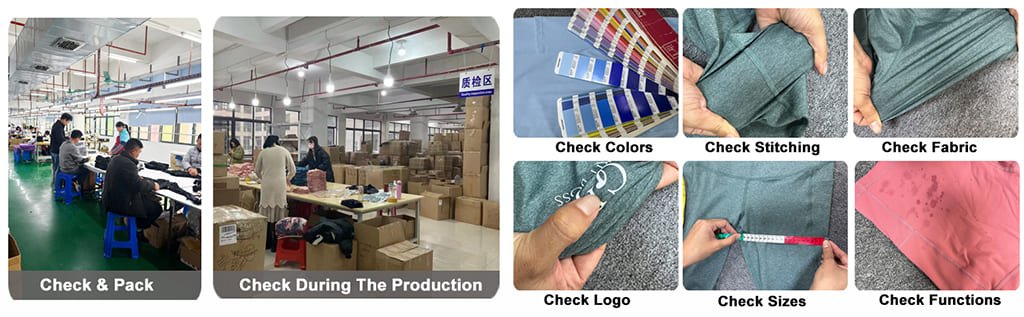
Many international buyers use the terms manufacturer, factory, OEM supplier, and trading company interchangeably. However, these business models operate very differently and offer distinct advantages depending on your sourcing strategy. Choosing the wrong partner can lead to communication delays, inconsistent product quality, unexpected costs, and slower product development.
The right question is not “Which is better?” but rather “Which sourcing model best supports my business goals?” Understanding the differences allows buyers to build a supply chain that matches their growth stage, product complexity, and long-term sourcing strategy.
What Is an Activewear Wholesale Apparel Manufacturer?
An activewear wholesale apparel manufacturer is a company that directly manages garment production. Depending on its scale and specialization, the manufacturer may operate its own production facilities or oversee dedicated manufacturing operations within an integrated factory system.
Most manufacturers provide services such as:
- Product engineering
- Pattern development
- Fabric sourcing
- Sample production
- Cutting and sewing
- Printing and embroidery
- Quality management
- Packaging
- Export coordination
Many premium manufacturers also assist brands during product planning by recommending suitable fabrics, construction methods, and manufacturing improvements before production begins.
Working directly with manufacturers usually gives buyers greater visibility into product development and manufacturing processes.
What Is a Trading Company?
A trading company generally acts as an intermediary between buyers and factories.
Instead of producing garments itself, the trading company coordinates sourcing through one or multiple manufacturing partners.
Typical responsibilities include:
- Factory selection
- Supplier coordination
- Quotation management
- Production follow-up
- Quality monitoring
- Export documentation
- Shipping arrangements
Some experienced trading companies maintain relationships with dozens of specialized factories, enabling buyers to source multiple apparel categories through a single point of contact.
For buyers unfamiliar with China’s manufacturing landscape, trading companies can simplify supplier management.
Manufacturer vs Trading Company: Side-by-Side Comparison
| Comparison Factor | Manufacturer | Trading Company |
|---|---|---|
| Direct Production Management | ✔ Yes | ✖ No |
| Product Development Support | Usually Strong | Depends on factory network |
| Communication with Technical Team | Direct | Through intermediary |
| Supply Chain Transparency | High | Moderate |
| Multi-Category Purchasing | Moderate | Excellent |
| Factory Visibility | High | Limited |
| Production Flexibility | Depends on factory capability | Depends on supplier network |
| Suitable for Long-Term Strategic Partnerships | Excellent | Good |
| Ability to Consolidate Multiple Suppliers | Limited | Excellent |
–
Neither model is universally superior. The appropriate choice depends on purchasing objectives rather than organizational structure.
When Is Working Directly with a Manufacturer the Better Choice?
Direct cooperation with manufacturers is often the preferred option when buyers require:
- Custom product development
- Technical activewear
- Premium private label collections
- Long-term product consistency
- Continuous collection expansion
- Close collaboration throughout development
Working directly with manufacturing teams allows faster communication between designers, developers, and production specialists.
For example, if a brand wants to improve the fit of a high-impact sports bra or refine the compression level of performance leggings, direct communication with technical teams can significantly reduce development time.
Brands introducing multiple collections every year also benefit from manufacturers that gradually accumulate detailed knowledge of their products, fabrics, sizing standards, and quality expectations.
When Does a Trading Company Offer Greater Advantages?
Trading companies are often valuable when sourcing requirements extend beyond a single product category.
Examples include:
- Activewear
- Casual apparel
- Accessories
- Bags
- Hats
- Packaging
Instead of coordinating several independent factories, buyers can communicate with one sourcing partner responsible for managing multiple suppliers.
Trading companies may also be useful when:
- Buyers have limited sourcing experience.
- Multiple specialized factories are required.
- Local supplier management is difficult.
- Purchasing volumes are spread across several product categories.
For retailers developing complete lifestyle collections, this centralized coordination can reduce administrative workload.
Cost Should Not Be the Only Decision Factor
Many buyers assume working directly with factories always results in lower costs.
While manufacturers generally eliminate intermediary service fees, the overall sourcing cost depends on many factors, including:
- Product complexity
- Order volume
- Development requirements
- Communication efficiency
- Supply chain coordination
- Quality consistency
A trading company that effectively manages several specialized suppliers may ultimately reduce operational costs despite charging service fees.
Similarly, a manufacturer providing strong technical support may reduce development costs by preventing production errors and minimizing sample revisions.
Evaluating total project value often produces better sourcing outcomes than comparing unit prices alone.
Which Model Works Better for Different Buyer Types?
The answer varies according to business objectives.
| Buyer Type | Recommended Sourcing Model | Primary Reason |
|---|---|---|
| Startup Activewear Brand | Manufacturer | Product development support and closer collaboration |
| Private Label Brand | Manufacturer | Long-term product consistency and technical expertise |
| Established International Brand | Manufacturer | Stable strategic partnership and scalable production |
| Boutique Retailer | Manufacturer | Strong brand differentiation |
| Multi-Category Importer | Trading Company | Centralized supplier management |
| Department Store Buyer | Trading Company | Consolidated purchasing across multiple product groups |
| Promotional Product Company | Trading Company | Flexible sourcing from different manufacturers |
–
The most suitable sourcing model depends on how products are developed, managed, and expanded over time.
Some Successful Brands Use Both Models
Many international companies do not rely exclusively on manufacturers or trading companies.
Instead, they build diversified sourcing strategies.
A common approach includes:
- Working directly with manufacturers for core activewear collections.
- Using trading companies for complementary product categories.
- Maintaining secondary suppliers to reduce supply chain risk.
- Developing long-term relationships with specialized factories while retaining sourcing flexibility.
This hybrid model balances operational efficiency with supply chain resilience.
The Best Sourcing Model Depends on Your Long-Term Strategy
There is no universal answer to whether manufacturers or trading companies are better.
Brands developing technical activewear, building proprietary product lines, or planning long-term private label growth often benefit from direct manufacturing partnerships.
Conversely, buyers managing multiple product categories or seeking simplified sourcing coordination may achieve greater efficiency through experienced trading companies.
Rather than selecting suppliers based on assumptions, successful procurement teams first define their business objectives, product strategy, and future growth plans. They then choose the sourcing model that best supports those priorities.
Ultimately, sustainable sourcing success comes not from choosing one model over another, but from building transparent, reliable partnerships with organizations that consistently support product quality, operational efficiency, and long-term business growth.
What Common Mistakes Do Buyers Make When Selecting Chinese Activewear Manufacturers?
Even seasoned sourcing specialists sometimes err when selecting suppliers. That said, the most financially damaging sourcing issues seldom stem purely from inadequate manufacturing capabilities; more often, they arise during the supplier assessment phase. Selecting a manufacturer based on incomplete data, overly optimistic expectations, or a narrow focus on short-term cost reductions may result in variable product quality, shipment delays, communication breakdowns, and costly supplier replacements.
Understanding these common mistakes allows buyers to build stronger sourcing strategies before production even begins.
Mistake 1: Choosing the Lowest Price Instead of the Best Overall Value
Price is one of the first factors buyers compare, but it should never become the only decision criterion.
A quotation that is significantly lower than competing suppliers may indicate differences in:
- Fabric quality
- Garment construction
- Workmanship
- Production management
- Inspection standards
- Trim quality
- Packaging specifications
While lower pricing may appear attractive initially, inconsistent product quality often creates higher long-term costs through customer complaints, returns, delayed launches, and damaged brand reputation.
Professional buyers evaluate total sourcing value, not simply manufacturing cost.
Mistake 2: Assuming Every Factory Can Produce Every Product Equally Well
The activewear industry has become increasingly specialized.
Factories often develop expertise in specific product categories over many years.
For example:
| Product Category | Specialized Knowledge Required |
|---|---|
| Seamless Activewear | Circular knitting technology |
| Sports Bras | Support engineering and technical construction |
| Plus Size Activewear | Independent grading systems and inclusive fit expertise |
| Tennis Apparel | Lightweight performance fabrics and ergonomic movement |
| Maternity Activewear | Adaptive pattern engineering |
| Equestrian Apparel | Abrasion resistance and riding-specific garment construction |
–
Choosing manufacturers without relevant category expertise often results in longer development cycles and more product revisions.
Instead of asking whether a factory can produce a product, buyers should determine whether it regularly produces similar products for international customers.
Mistake 3: Comparing Manufacturers Only by Factory Size
Large factories often appear more impressive during supplier research.
However, production scale alone does not determine manufacturing quality.
Smaller specialized manufacturers frequently outperform larger factories in areas such as:
- Product development
- Technical expertise
- Customer communication
- Product consistency
- Innovation
- Flexibility
Rather than focusing exclusively on employee numbers or factory size, buyers should evaluate whether a supplier’s capabilities align with their specific sourcing objectives.
Mistake 4: Ignoring Long-Term Business Compatibility
Many sourcing decisions concentrate exclusively on immediate production needs.
However, changing manufacturers repeatedly can become expensive.
Every new supplier must learn:
- Product specifications
- Brand standards
- Preferred fabrics
- Fit expectations
- Packaging requirements
- Communication preferences
These repeated onboarding processes consume valuable time and often delay future product launches.
Long-term manufacturing partnerships generally become more efficient because suppliers continuously improve their understanding of a brand’s products and quality expectations.
Mistake 5: Overlooking Communication Quality During Supplier Evaluation
Technical expertise is important, but communication quality often determines project success.
Buyers should pay close attention to how manufacturers communicate during the quotation and evaluation process.
Positive indicators include:
- Prompt responses
- Clear explanations
- Professional documentation
- Transparent discussions
- Proactive recommendations
- Honest acknowledgement of limitations
Conversely, inconsistent communication during supplier selection often becomes more problematic after production begins.
Good communication reduces misunderstandings, accelerates decision-making, and improves collaboration throughout the sourcing process.
Mistake 6: Selecting Suppliers Without Understanding Their Core Business
Some buyers choose manufacturers simply because they appear in online searches or supplier directories.
However, manufacturers often focus on specific customer groups.
Examples include:
- Private label brands
- Large wholesalers
- Sports clubs
- Government procurement
- Fashion retailers
- Outdoor brands
- E-commerce businesses
A factory serving multinational retailers may not be the best partner for an emerging startup brand.
Similarly, a manufacturer specializing in institutional uniforms may not be ideal for premium boutique activewear.
Understanding a supplier’s primary customer profile helps buyers identify partners whose operational strengths match their own business model.
Mistake 7: Treating Supplier Selection as a One-Time Purchasing Decision
The strongest brands view manufacturers as long-term strategic partners rather than temporary vendors.
Instead of asking:
“Who offers the lowest quotation today?”
Successful procurement teams ask:
- Who understands our products?
- Who can support future expansion?
- Who communicates effectively?
- Who demonstrates operational stability?
- Who can continue supporting our business as it grows?
This mindset shifts sourcing from transactional purchasing toward collaborative business development.
Over time, these partnerships often produce faster product launches, improved quality consistency, and greater supply chain resilience.
A Practical Checklist Before Shortlisting Manufacturers
Before requesting samples or quotations, buyers can use the following checklist to compare suppliers objectively.
| Evaluation Question | Why It Matters |
|---|---|
| Does the manufacturer specialize in my product category? | Reduces development risk. |
| Does it regularly export to my target market? | Improves communication and compliance. |
| Is its primary customer profile similar to my business? | Ensures stronger operational compatibility. |
| Does it demonstrate consistent market positioning? | Indicates long-term specialization. |
| Does communication remain professional throughout the evaluation process? | Predicts future project management quality. |
| Can the supplier support future business growth? | Reduces the need for costly supplier changes. |
–
Answering these questions before requesting quotations often leads to more informed supplier selection and significantly lowers sourcing risk.
Successful Supplier Selection Is About Strategic Fit
There is rarely a perfect manufacturer.
Instead, there are manufacturers that are better aligned with certain products, markets, and business models.
Brands that invest time in evaluating suppliers according to specialization, communication, operational stability, and long-term compatibility generally build stronger supply chains than companies making decisions based solely on pricing.
The most successful sourcing partnerships are not created through aggressive price negotiations—they are built through shared objectives, transparent communication, and mutual commitment to continuous improvement. Over time, these relationships become a competitive advantage that supports consistent product quality, faster innovation, and sustainable business growth.
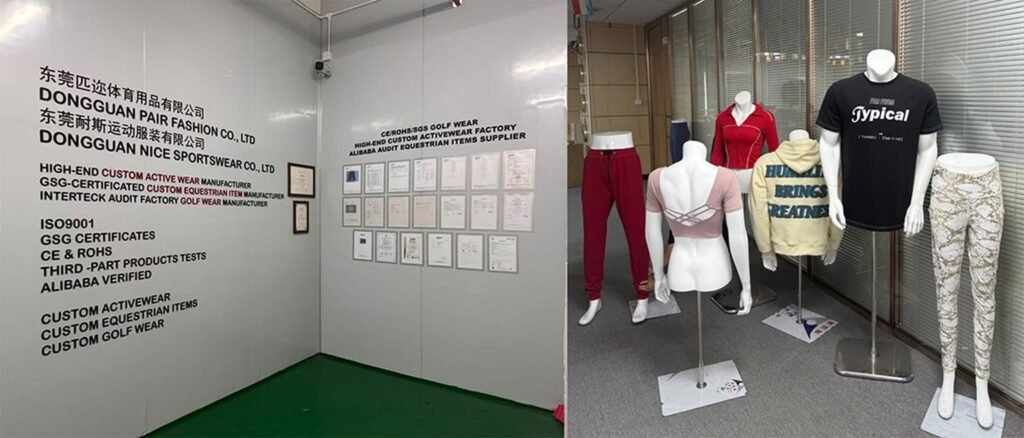
Frequently Asked Questions About Activewear Wholesale Apparel Manufacturers in China
1. Who Is the Best Activewear Wholesale Apparel Manufacturer in China?
There is no single manufacturer that is objectively the best for every buyer. The right supplier depends on your product category, target market, business model, and long-term sourcing strategy. For example, a brand developing seamless activewear should prioritize manufacturers with dedicated knitting expertise, while companies launching tennis, maternity, or plus size collections may benefit from suppliers with specialized product development capabilities. Rather than choosing the highest-ranked factory, experienced buyers compare manufacturers according to category expertise, export experience, industry reputation, and compatibility with their long-term business goals.
2. Why Do So Many International Brands Manufacture Activewear in China?
China continues to be the world’s leading activewear manufacturing hub because of its complete textile ecosystem rather than labor costs alone. The country offers integrated supply chains, experienced garment engineers, advanced fabric technologies, mature export infrastructure, and access to specialized manufacturers across different product categories. Many international brands also follow material guidance published by Textile Exchange when evaluating recycled fibers and responsible sourcing strategies. These advantages allow brands to develop products more efficiently while maintaining consistent quality and scalable production. Buyers also benefit from having fabric mills, printing facilities, accessory suppliers, and garment factories located within close geographic proximity, improving both communication and production efficiency.
3. How Should Buyers Compare Different Activewear Manufacturers?
Comparing manufacturers requires a structured evaluation process instead of focusing only on quotations. Buyers should assess suppliers according to product specialization, export experience, customer profile, manufacturing stability, communication quality, and industry reputation. It is equally important to determine whether the supplier regularly produces products similar to yours rather than assuming all activewear factories have the same technical capabilities. Establishing a comparison framework before requesting quotations enables buyers to shortlist suppliers more objectively and significantly reduces sourcing risk.
4. Is It Better to Work with One Manufacturer or Several Suppliers?
Both sourcing strategies have advantages depending on the complexity of your product portfolio. Working with one primary manufacturer often improves communication, production consistency, and long-term collaboration because the supplier develops a deeper understanding of your products and quality expectations. On the other hand, using multiple specialized suppliers provides access to broader technical expertise and reduces dependence on a single factory. Many mature brands adopt a hybrid approach by maintaining one strategic manufacturing partner while working with additional specialists for niche categories such as seamless apparel or outdoor performance wear.
5. What Information Should Buyers Request Before Shortlisting a Manufacturer?
Before selecting a supplier, buyers should collect enough information to evaluate both business credibility and manufacturing suitability. Instead of requesting only quotations, procurement teams should ask for company profiles, product catalogs, export market information, factory photographs, quality certifications, major product categories, and customer references where available. Understanding a manufacturer’s specialization and operational background provides a much clearer picture of its capabilities than comparing prices alone. Thorough supplier research at the beginning of the sourcing process often prevents costly problems later.
6. Are Large Factories Always Better Than Smaller Manufacturers?
Not necessarily. Large factories generally offer higher production capacity and more standardized management systems, making them suitable for established retailers and large-volume purchasing programs. However, smaller specialized manufacturers frequently demonstrate greater flexibility, stronger technical expertise within specific product categories, and closer collaboration during product development. For many private label brands, category specialization and business compatibility create more long-term value than factory size. Buyers should therefore evaluate operational capability rather than assuming larger facilities automatically produce better products.
7. How Can Buyers Reduce Supplier Selection Risks?
Supplier selection risks can be reduced through systematic evaluation rather than relying on marketing materials or online rankings. Buyers should compare multiple manufacturers, verify business information, assess communication quality, evaluate product specialization, and request relevant documentation before making sourcing decisions. Visiting factories or arranging third-party audits can provide additional confidence for larger purchasing programs. Establishing clear expectations during the supplier selection stage also creates a stronger foundation for long-term cooperation and minimizes misunderstandings throughout production.
8. What Makes a Long-Term Manufacturing Partnership Successful?
Successful manufacturing partnerships stem from strategic alignment, not short-sighted procurement choices. The most robust supplier relationships rest on open communication, mutual trust, unified quality standards, and a joint dedication to ongoing improvement. Suppliers with a clear grasp of a brand’s product lineup, target customer positioning and long-term development roadmap can deliver greater sustained value. Rather than switching suppliers in pursuit of minor cost savings, many thriving brands nurture enduring partnerships. These alliances boost operational efficiency, speed up product rollouts, and reinforce the overall resilience of their supply chains.

Custom Women’s Sleeveless Equestrian Competition Shirt OEM ODM
Custom Women’s Tennis Dress OEM ODM Performance Tennis Apparel
Custom Women’s Tennis Skirt Set OEM ODM Performance Tennis Outfit
Custom Women’s Tennis Skirt Set OEM ODM Performance Tennis Outfit
Custom Women’s Wide Leg Lounge Pants OEM ODM Athleisure Wear
Custom Women’s Flared Yoga Jumpsuit OEM ODM Spaghetti Strap Activewear Bodysuit
Custom Women’s Half Zip Loungewear Set OEM ODM Relaxed Fit Sweat Set
Custom Women’s Half Zip Loungewear Set OEM ODM Sweatshirt Shorts Set
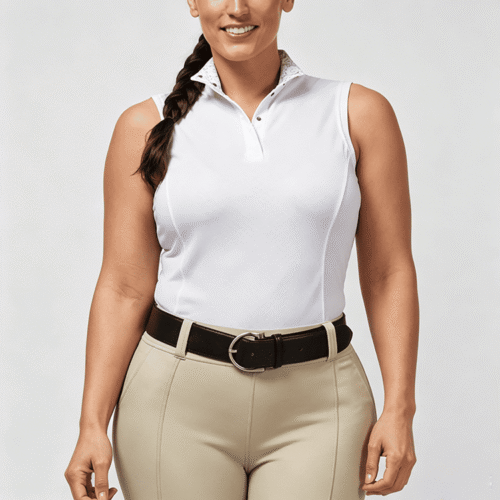
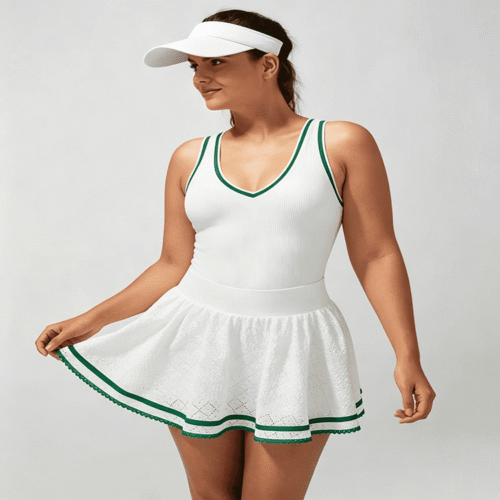
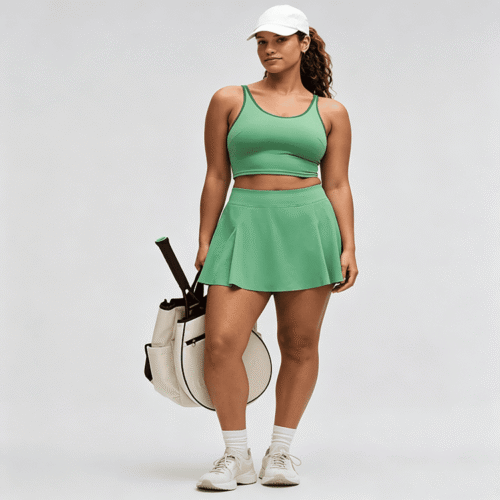
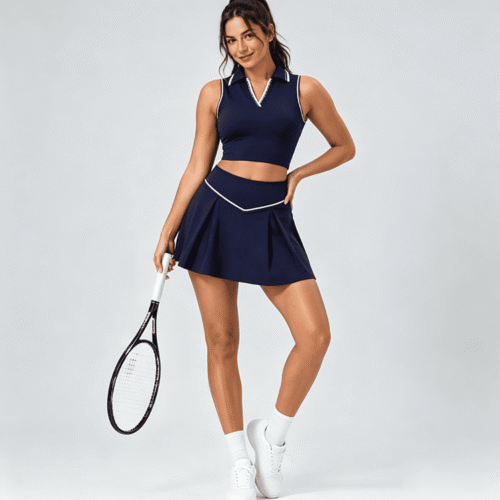
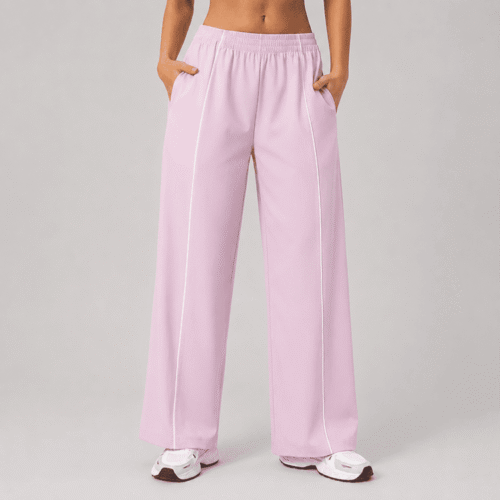
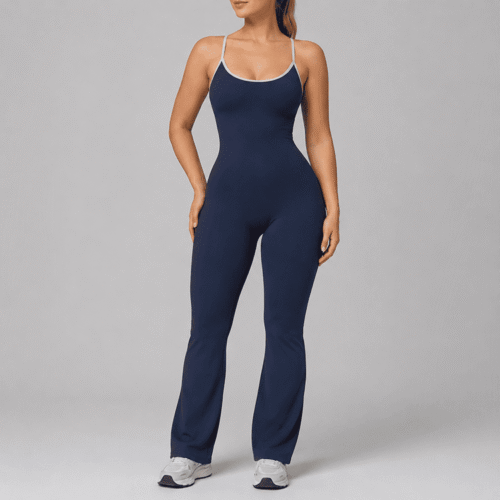
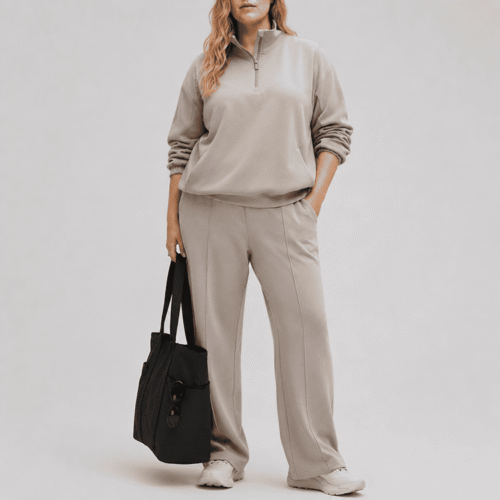
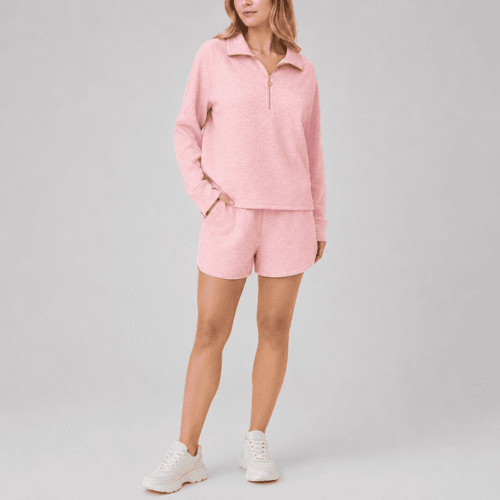
Conclusion
Selecting a wholesale activewear manufacturer stands as one of the most critical strategic choices for any apparel brand. A reliable partner impacts much more than just manufacturing; it shapes product quality, development turnaround, customer experience, inventory management, and your brand’s sustained competitive edge.
This guide has compared ten leading activewear wholesale apparel manufacturers in China, examined their areas of specialization, explored the strengths of China’s manufacturing ecosystem, and provided practical frameworks to help buyers evaluate suppliers more effectively. Rather than promoting a single “best” factory, the objective has been to demonstrate that successful sourcing depends on finding the manufacturer whose capabilities best match your products, business model, and long-term growth strategy.
As the global activewear market continues to evolve, manufacturers are becoming strategic business partners instead of simple production providers. Brands increasingly value suppliers that contribute industry expertise, stable operations, category specialization, and collaborative problem-solving throughout the product lifecycle.
For buyers entering the Chinese market, supplier selection should therefore extend beyond pricing discussions. Evaluating manufacturers according to specialization, export experience, industry reputation, communication quality, and strategic compatibility creates stronger supply chains and more sustainable business growth.
Ultimately, the most successful sourcing decisions are built on long-term partnerships. Manufacturers that consistently understand your products, support your evolving business needs, and maintain reliable operational performance often become one of the most valuable competitive advantages a growing activewear brand can develop. Before making a final sourcing decision, buyers can also review how a professional custom activewear manufacturer manages product development, manufacturing capabilities, and long-term cooperation to better understand what differentiates strategic manufacturing partners from general suppliers.