OEM/ODM Sportswear Manufacturer | 3-Day Sampling | Low MOQ | 50K Monthly Capacity | ISO9001 & BSCI Certified

Top 10 Custom Activewear Manufacturers in China (2026): Supplier Comparison & Buyer Evaluation Guide
Discover the top 10 custom activewear manufacturers in China for 2026. Compare leading suppliers, evaluate factory capabilities, understand sourcing risks, and learn how to choose the right manufacturing partner for your activewear brand.
Top 10 Custom Activewear Manufacturers in China (2026): Supplier Comparison & Buyer Evaluation Guide
The global activewear sector keeps growing, driven by consumer demand for high-performance apparel, eco-friendly materials, size-inclusive ranges and unique brand positioning. For brands launching new fitness lines or scaling mature sportswear operations, choosing reliable Custom Activewear Manufacturers stands out as one of their most critical strategic choices.
China remains the world’s leading manufacturing hub for custom activewear, not simply because of production capacity, but because of its mature textile ecosystem, experienced product development teams, integrated supply chains, and ability to support brands across different stages of growth. However, with thousands of apparel factories operating across the country, identifying manufacturers that genuinely match your business objectives can be challenging.
This guide compares ten established custom activewear manufacturers in China using a buyer-focused evaluation framework. Rather than ranking suppliers by popularity or marketing claims, it examines factors such as product specialization, development capability, manufacturing strengths, ideal customer profiles, and sourcing considerations. The goal is to help brands build a reliable supplier shortlist based on business needs instead of assumptions.
Instead of promoting any single manufacturer, this article provides practical procurement insights that sourcing teams, brand founders, product managers, and purchasing professionals can use throughout the supplier selection process.
How This Comparison Was Conducted
Every manufacturer included in this guide was evaluated using publicly available business information, export experience, product specialization, manufacturing focus, industry reputation, and relevance to international activewear brands.
The comparison does not rank suppliers solely by company size or production capacity. Instead, each manufacturer is reviewed using consistent evaluation criteria designed to reflect the priorities of professional sourcing teams.
The assessment considers factors including:
| Evaluation Criteria | Why It Matters to Buyers |
|---|---|
| Product Specialization | Indicates technical expertise within specific activewear categories. |
| Manufacturing Focus | Helps buyers identify suppliers aligned with their product strategy. |
| Export Experience | Demonstrates familiarity with international quality and compliance expectations. |
| Product Development Capability | Reflects the supplier’s ability to support customized projects. |
| Production Scale | Indicates suitability for different order volumes. |
| Best-Fit Customer Profile | Helps buyers determine whether the supplier matches their business stage. |
| Procurement Considerations | Highlights factors buyers should verify before making decisions. |
–
Because every brand has different objectives, this guide should be viewed as a decision-support resource rather than a universal ranking.
Why Read This Guide?
Selecting a manufacturer is rarely as simple as comparing quotations.
Many suppliers appear similar on their websites, yet differ significantly in product expertise, technical capabilities, production management, communication efficiency, and long-term partnership potential. Choosing the wrong manufacturer may result in repeated sampling, inconsistent quality, delayed product launches, or unnecessary operational costs.
This guide has been developed to help buyers answer practical sourcing questions such as:
- Which manufacturers are best suited for startups?
- Which suppliers specialize in technical performance apparel?
- How should buyers compare factories objectively?
- What strengths distinguish one manufacturer from another?
- Which supplier characteristics matter most for long-term collaboration?
Rather than recommending a single “best” manufacturer, this guide explains which type of supplier is likely to fit different sourcing requirements, allowing readers to make informed procurement decisions based on their own business priorities.
Top 10 Custom Activewear Manufacturers in China at a Glance
| Manufacturer | Headquarters | Primary Strength | Best Fit For |
|---|---|---|---|
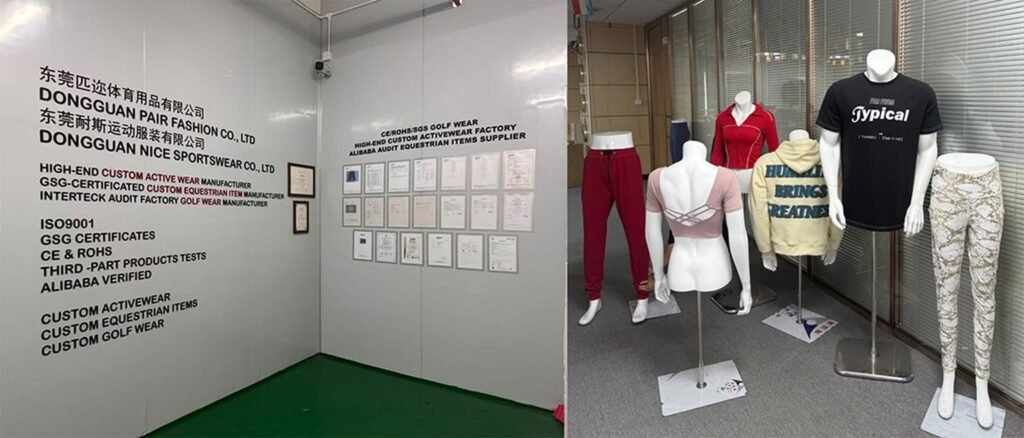
| Pair Fashion | Dongguan | Flexible custom development across multiple activewear categories | Startups, premium brands, growing private labels |
| INGOR Sportswear | Guangzhou | Sustainable activewear and international brand collaboration | Eco-conscious activewear brands |
| Arabella Clothing | Xiamen | Fashion-oriented activewear manufacturing | Lifestyle and fashion fitness brands |
| AIKA Sportswear | Shenzhen | Technical sportswear production | Medium and large international brands |
| Lezhou Garment | Guangzhou | OEM and ODM activewear manufacturing | Established wholesalers and retailers |
| Hucai Sportswear | Dongguan | Performance apparel manufacturing | Running and fitness apparel brands |
| SGL Sports | Xiamen | Large-scale sportswear production | Volume purchasing programs |
| Berunwear | Guangzhou | Private label activewear | Emerging sportswear companies |
| Yotex Apparel | Ningbo | Functional knit apparel | Outdoor and performance brands |
| UGA Wear | Guangzhou | Fashion activewear collections | Boutique fitness and yoga brands |
These manufacturers adopt varied production models, possess distinct technical capabilities and serve different target clientele. Rather than presuming the largest factory delivers the optimal solution, purchasers ought to select suppliers whose strengths match their product lines, development goals and long-term procurement strategies.
1. Pair Fashion
Supplier Snapshot
| Category | Information |
|---|---|
| Headquarters | Dongguan, Guangdong |
| Business Model | OEM / ODM Custom Activewear Manufacturing |
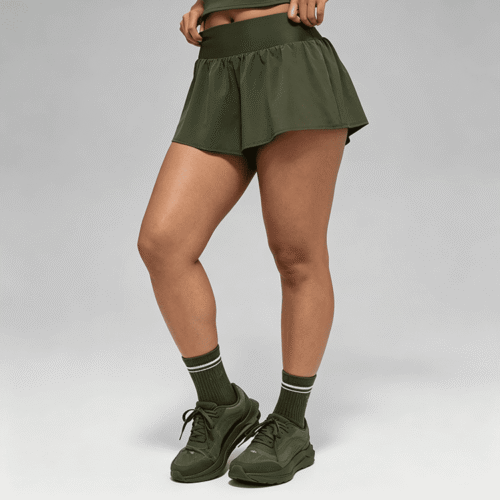
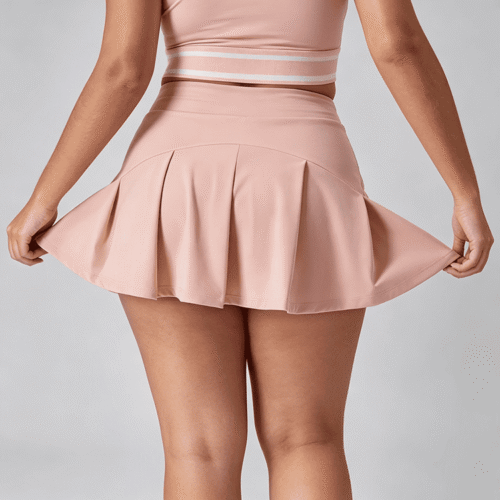
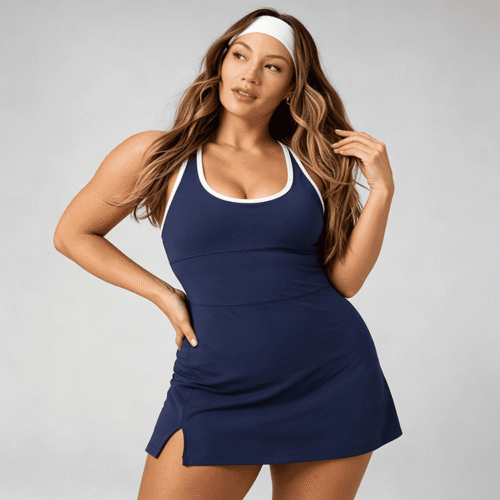
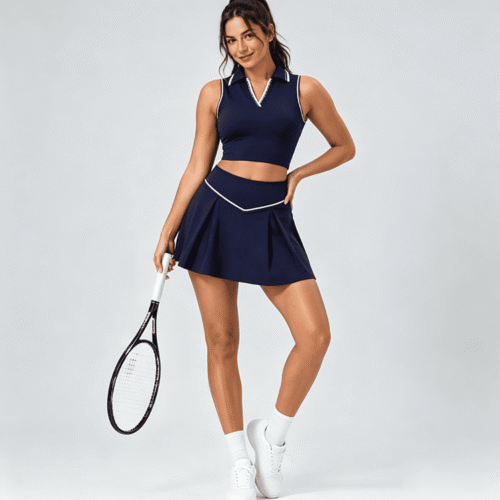
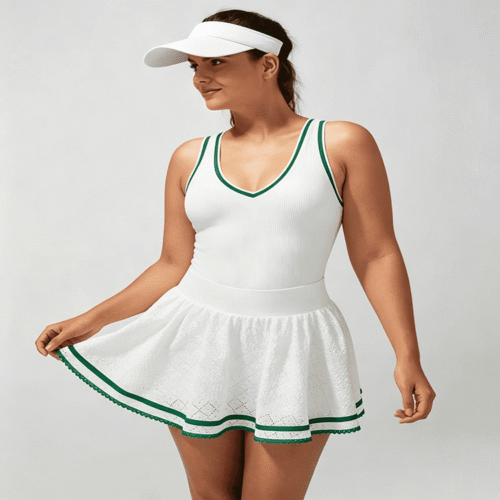
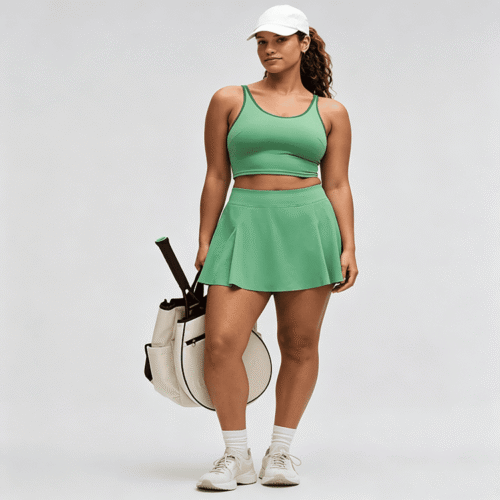
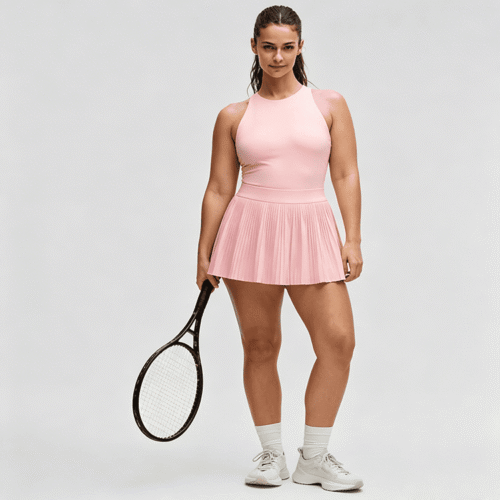
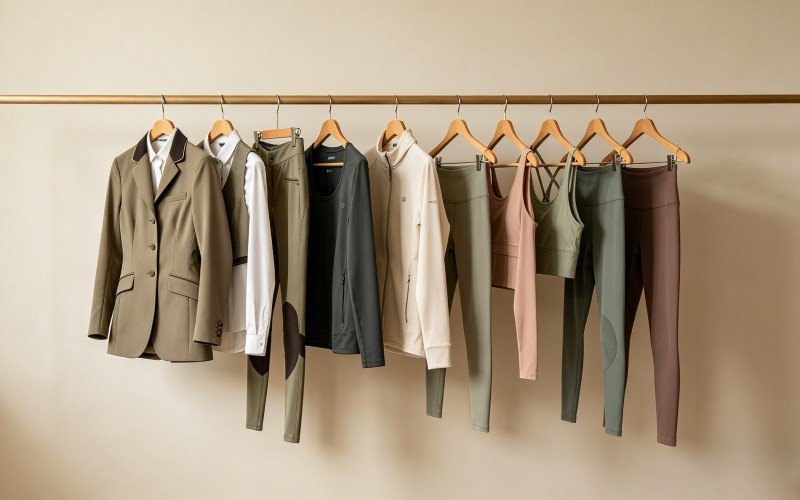
| Core Product Categories | Activewear, Tennis Apparel, Equestrian Apparel, Plus Size Activewear, Maternity Activewear, Teamwear |
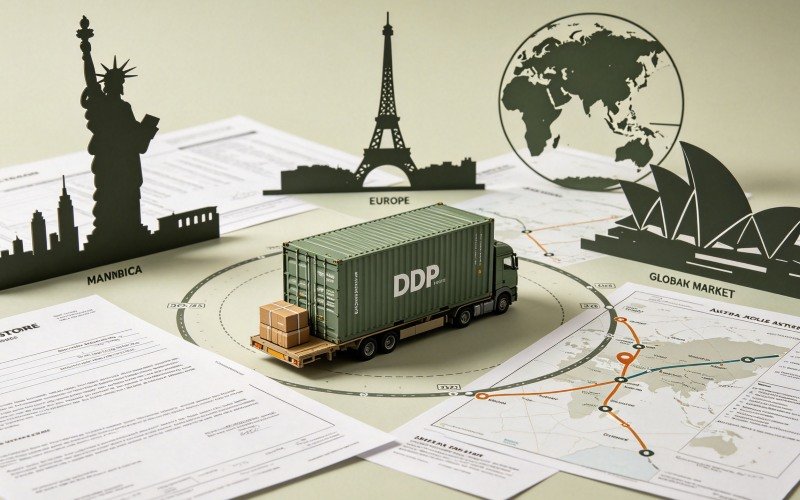
| Export Markets | North America, Europe, Australia, New Zealand |
| Typical Customer Profile | Private label brands, growing apparel companies, premium sportswear startups |
–
Company Overview
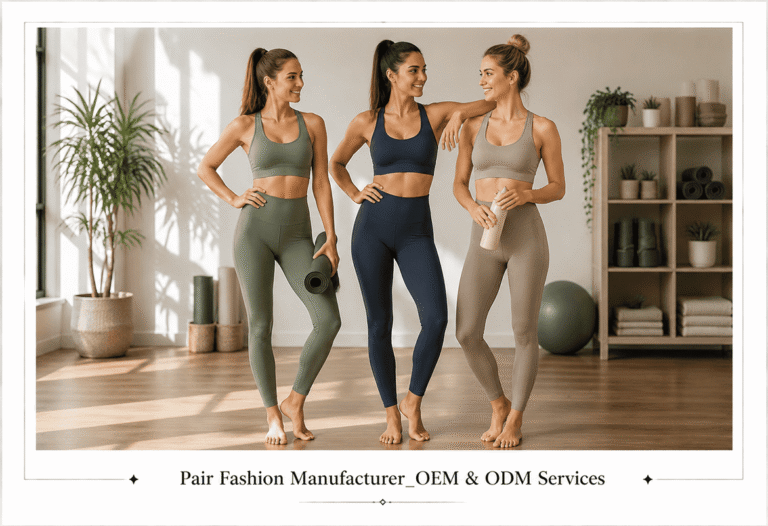
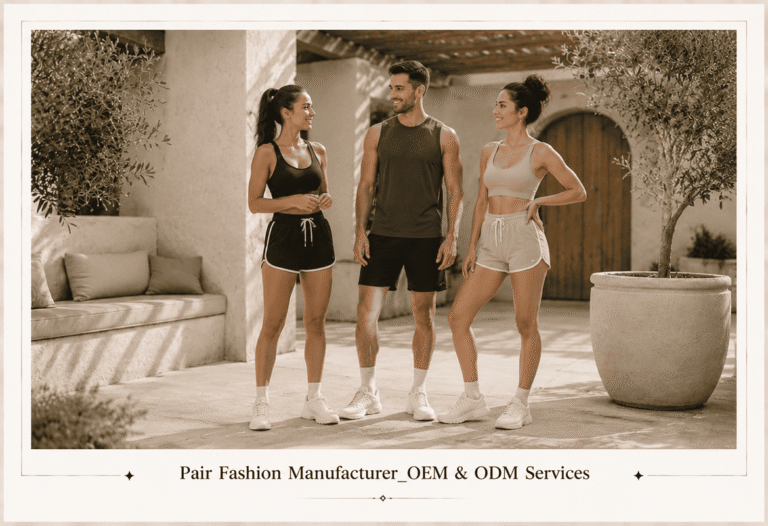
Pair Fashion is a Dongguan-based apparel manufacturer specializing in customized activewear for international brands seeking product flexibility rather than standardized mass production. Instead of concentrating on a single garment category, the company develops collections across fitness apparel, tennis clothing, equestrian apparel, inclusive activewear, and team sportswear.
Compared with many factories focused primarily on large-volume manufacturing, Pair Fashion demonstrates broader adaptability across different product categories and customization requirements. This makes the company particularly relevant for brands planning to expand their collections over time instead of sourcing individual products from multiple suppliers.
For buyers evaluating potential manufacturing partners, the company’s diversified product portfolio may reduce supplier management complexity while supporting consistent brand development across multiple apparel lines.
Ideal Buyer
Pair Fashion may be a suitable option for:
- Brands developing multiple activewear categories
- Companies launching premium private label collections
- Businesses requiring collaborative product development
- Buyers seeking flexible production rather than purely standardized manufacturing
- Growing brands planning long-term supplier relationships
Purchasing Considerations
Before shortlisting Pair Fashion, buyers should verify:
- Product experience relevant to their target category
- Development workflow for customized projects
- Production planning for expected order volumes
- Communication procedures during sampling
- Quality documentation and inspection processes
Independent Assessment
Unlike manufacturers concentrating largely on high-volume standardized production, Pair Fashion is a stronger match for brands in need of diversified product lines, joint development and custom apparel solutions. For buyers who value operational flexibility, category expansion and long-term supplier partnerships, the company stands out as a suitable candidate in supplier screening.
1. Product Development
Regular monthly product development ensures consistent updates to your brand line.
2. Fabric Sourcing
Regular monthly product development ensures consistent updates to your brand line.
3. Sample Making
Regular monthly product development ensures consistent updates to your brand line.
4. Bulk Production
Regular monthly product development ensures consistent updates to your brand line.
5. Packaging & Delivery
Regular monthly product development ensures consistent updates to your brand line.
Complete OEM & ODM Sportswear Solutions
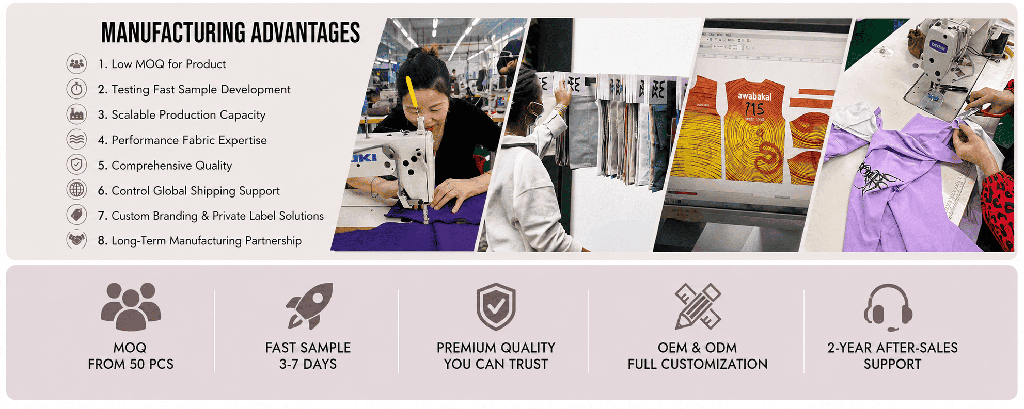
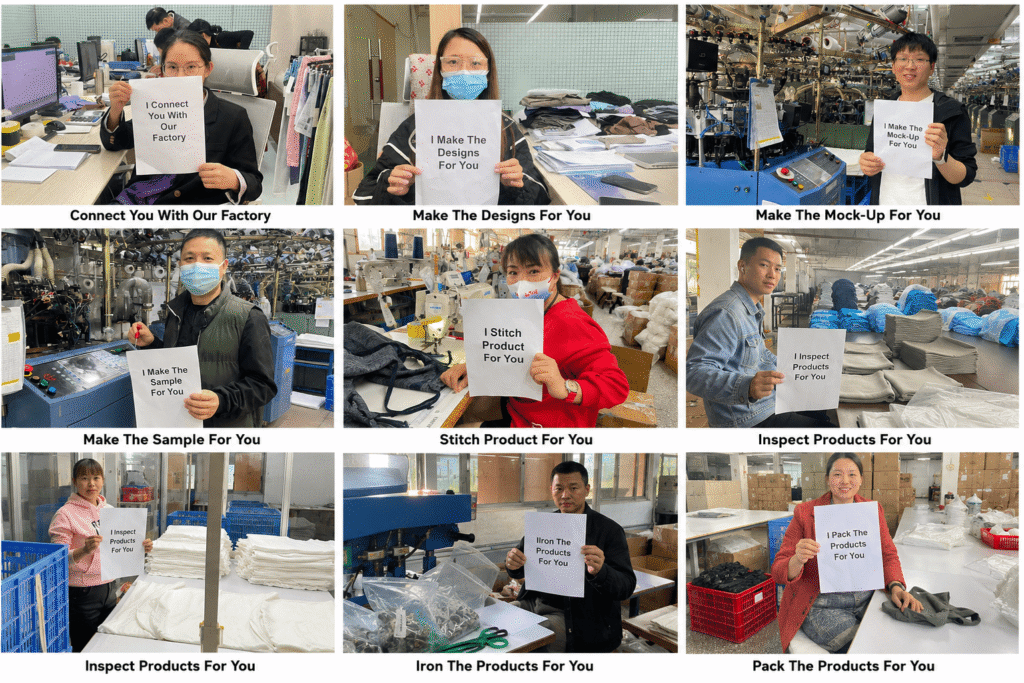
We provide complete custom sportswear manufacturing services from concept development and fabric sourcing to bulk production and worldwide delivery.
- OEM & ODM Product Development
- Functional Fabric Sourcing & Material Selection
- Pattern Making & Sample Development
- Private Label Branding & Custom Packaging
- Quality-Controlled Bulk Manufacturing
- Global DDP Shipping & Delivery Support
2. INGOR Sportswear
Supplier Snapshot
| Category | Information |
|---|---|
| Headquarters | Guangzhou, Guangdong |
| Business Model | OEM / ODM Activewear Manufacturing |
| Core Product Categories | Yoga Apparel, Sports Bras, Leggings, Sustainable Activewear |
| Export Markets | Europe, North America, Australia |
| Typical Customer Profile | Sustainable activewear brands and established international retailers |
–
Company Overview
INGOR Sportswear has established a strong presence in the activewear manufacturing sector through its emphasis on sustainable materials, technical apparel development, and long-term collaboration with international fitness brands. The company is particularly recognized for integrating recycled fabrics and environmentally conscious manufacturing practices into its product portfolio.
Rather than competing primarily on manufacturing scale, INGOR has positioned itself within the premium activewear segment, making it an attractive option for brands seeking performance apparel with sustainability objectives.
Its experience across yoga wear, training apparel, and fitness collections enables buyers to evaluate the company as a potential supplier for brands targeting environmentally conscious consumer markets.
Ideal Buyer
INGOR may be suitable for:
- Sustainable activewear brands
- Premium yoga apparel companies
- Businesses prioritizing recycled materials
- International retailers seeking environmentally responsible suppliers
- Brands with established product development requirements
Purchasing Considerations
Buyers evaluating INGOR should consider:
- Material sourcing capabilities
- Sustainability certifications relevant to target markets
- Development capacity for customized collections
- Production scheduling during peak seasons
- Long-term cost competitiveness compared with similar suppliers
Independent Assessment
INGOR is generally viewed as a strong candidate for brands where sustainability forms part of the core product strategy. Buyers prioritizing environmentally responsible sourcing, technical activewear construction, and premium positioning may find the company’s manufacturing profile aligned with their procurement objectives.
3. Arabella Clothing
Supplier Snapshot
| Category | Information |
|---|---|
| Headquarters | Xiamen, Fujian |
| Business Model | OEM / ODM Activewear Manufacturing |
| Core Product Categories | Yoga Wear, Gym Apparel, Sports Bras, Leggings, Fitness Sets |
| Export Markets | North America, Europe, Australia |
| Typical Customer Profile | Fashion-oriented fitness brands and mid-sized private label companies |
–
Company Overview
Arabella Clothing has developed its reputation by focusing on fashionable activewear collections that balance commercial design trends with practical manufacturing capabilities. Rather than specializing exclusively in technical sports performance, the company serves brands looking for contemporary fitness apparel with strong retail appeal.
Its product portfolio covers a wide range of women’s activewear, including coordinated gym sets, leggings, sports bras, training tops, and lifestyle athleisure. This diversified offering makes Arabella relevant for brands that regularly introduce seasonal collections and require manufacturing support across multiple product categories.
For buyers prioritizing aesthetic differentiation and frequent product launches, Arabella may represent an attractive sourcing option during the supplier evaluation stage.
Ideal Buyer
Arabella Clothing may be suitable for:
- Fashion-driven activewear brands
- Boutique fitness labels
- Lifestyle athleisure collections
- Social media and influencer brands
- Companies introducing seasonal product updates
Purchasing Considerations
Before adding Arabella to a supplier shortlist, buyers should evaluate:
- Experience with technical performance garments
- Fabric sourcing consistency
- Sample development quality
- Production planning during seasonal launches
- Quality consistency across multiple product categories
Independent Assessment
Arabella Clothing appears particularly well suited for brands where product appearance, seasonal variety, and commercial styling are primary priorities. Buyers seeking highly technical sportswear or specialized performance apparel should conduct additional product-specific evaluations before making procurement decisions.
4. AIKA Sportswear
Supplier Snapshot
| Category | Information |
|---|---|
| Headquarters | Shenzhen, Guangdong |
| Business Model | OEM / ODM Sportswear Manufacturing |
| Core Product Categories | Compression Wear, Running Apparel, Training Clothing, Team Sportswear |
| Export Markets | North America, Europe, Middle East |
| Typical Customer Profile | Established sportswear brands, distributors, and international retailers |
–
Company Overview
AIKA Sportswear has established itself as a manufacturer focused on technical sportswear production for brands requiring functional apparel across multiple athletic disciplines. Its manufacturing portfolio includes running apparel, training garments, compression clothing, teamwear, and performance fitness products.
Compared with manufacturers primarily targeting fashion-oriented collections, AIKA demonstrates broader experience in functional apparel intended for demanding athletic applications. This positioning may appeal to brands emphasizing technical fabrics, durability, and performance features over rapidly changing fashion trends.
The company’s experience serving international wholesale customers also makes it relevant for businesses managing repeat production programs across multiple markets.
Ideal Buyer
AIKA Sportswear may be suitable for:
- Performance sportswear brands
- Running apparel companies
- Team sports suppliers
- Wholesale distributors
- Medium and large international retailers
Purchasing Considerations
Buyers should evaluate:
- Technical fabric expertise
- Consistency across repeat production
- Communication during development
- Production scheduling flexibility
- Product testing capabilities where applicable
Independent Assessment
AIKA is generally viewed as a strong option for buyers sourcing functional sportswear rather than fashion-led collections. Brands focused on technical performance, repeat manufacturing, and stable production capacity may find the company well aligned with their sourcing objectives.
5. Lezhou Garment
Supplier Snapshot
| Category | Information |
|---|---|
| Headquarters | Guangzhou, Guangdong |
| Business Model | OEM / ODM Apparel Manufacturing |
| Core Product Categories | Activewear, Yoga Wear, Casual Sportswear, Private Label Apparel |
| Export Markets | Europe, North America, Southeast Asia |
| Typical Customer Profile | Retail brands, wholesalers, importers, and private label businesses |
–
Company Overview
Lezhou Garment manufactures a broad selection of apparel products spanning activewear, casual sportswear, and private label clothing. Rather than concentrating exclusively on high-performance garments, the company serves buyers seeking versatile manufacturing solutions for multiple apparel categories.
Its diversified production profile may benefit companies that manage broader product portfolios extending beyond activewear alone. Buyers consolidating several apparel categories under fewer manufacturing partners may find this approach operationally efficient.
Because of its broader manufacturing scope, buyers should verify category-specific experience for products requiring advanced technical construction or specialized performance fabrics.
Ideal Buyer
Lezhou Garment may be suitable for:
- Apparel importers
- Multi-category retail brands
- Private label wholesalers
- General sportswear distributors
- Businesses seeking consolidated apparel sourcing
Purchasing Considerations
Before supplier selection, buyers should confirm:
- Experience within their target product category
- Manufacturing consistency across different apparel lines
- Product development capability
- Material sourcing network
- Production lead time stability
Independent Assessment
Lezhou Garment appears most appropriate for buyers seeking manufacturing flexibility across several apparel categories. Brands requiring highly specialized technical activewear should evaluate category-specific expertise alongside broader manufacturing capabilities.
6. Hucai Sportswear
Supplier Snapshot
| Category | Information |
|---|---|
| Headquarters | Dongguan, Guangdong |
| Business Model | OEM / ODM Performance Apparel Manufacturing |
| Core Product Categories | Running Apparel, Cycling Wear, Compression Clothing, Training Apparel |
| Export Markets | Europe, North America |
| Typical Customer Profile | Performance-focused sportswear brands and technical apparel companies |
–
Company Overview
Hucai Sportswear specializes in manufacturing performance-oriented athletic apparel designed for demanding sports applications. Its product portfolio emphasizes garments requiring technical construction, functional fabrics, and performance-driven design.
Compared with suppliers focused primarily on lifestyle fitness apparel, Hucai’s manufacturing direction appears more closely aligned with endurance sports, training apparel, and technical performance products. Buyers requiring compression garments, running apparel, or cycling collections may therefore consider the company during supplier comparisons.
As with any technical manufacturer, brands should evaluate whether the supplier’s expertise matches their intended product category rather than assuming experience transfers equally across all activewear segments.
Ideal Buyer
Hucai Sportswear may be suitable for:
- Running apparel brands
- Cycling clothing companies
- Technical performance labels
- Endurance sports brands
- Functional sportswear distributors
Purchasing Considerations
Buyers should verify:
- Technical fabric capabilities
- Construction quality for performance garments
- Product testing procedures
- Production consistency
- Communication during product development
Independent Assessment
Hucai Sportswear is generally positioned as a manufacturer with stronger relevance for technical athletic apparel than for fashion-oriented fitness collections. Buyers emphasizing product functionality, durability, and sport-specific performance should include detailed sample evaluations and technical discussions as part of their supplier assessment process.
Buyer Insight
After reviewing the first six manufacturers, an important pattern becomes clear: there is no universally “best” custom activewear manufacturer. Each supplier demonstrates different strengths depending on product category, business model, target market, and manufacturing focus.
Professional sourcing teams rarely ask, “Which factory ranks first?” Instead, they ask:
- Which supplier best matches our product strategy?
- Which manufacturer has experience with our category?
- Which partner can support our growth over the next three to five years?
- Which factory presents the lowest operational risk?
These questions lead to more reliable supplier decisions than rankings alone and provide a stronger foundation for long-term manufacturing partnerships.
7. SGL Sports
Supplier Snapshot
| Category | Information |
|---|---|
| Headquarters | Xiamen, Fujian |
| Business Model | OEM / ODM Sportswear Manufacturing |
| Core Product Categories | Teamwear, Running Apparel, Training Wear, Outdoor Sportswear |
| Export Markets | Europe, North America, Australia |
| Typical Customer Profile | Sporting goods companies, distributors, teamwear brands |
–
Company Overview
SGL Sports has established itself as a manufacturer serving brands that require dependable production across multiple sportswear categories. Rather than focusing exclusively on fashion-oriented activewear, the company has developed experience in teamwear, running apparel, outdoor clothing, and training garments.
Its broader manufacturing portfolio makes SGL relevant for buyers managing larger product programs or supplying institutional customers such as sports clubs, schools, retailers, and distributors.
Brands requiring coordinated collections across several product categories may find SGL’s manufacturing profile suitable for long-term sourcing programs.
Ideal Buyer
SGL Sports may be suitable for:
- Sporting goods distributors
- Teamwear brands
- School uniform suppliers
- Running apparel companies
- Multi-category sports retailers
Purchasing Considerations
Buyers should evaluate:
- Production planning capacity
- Repeat-order consistency
- Fabric sourcing flexibility
- Quality management procedures
- Seasonal production scheduling
Independent Assessment
SGL Sports appears best suited for buyers managing multiple apparel categories or recurring purchasing programs. Companies requiring stable production across larger order volumes should compare its operational capabilities with suppliers specializing in customized development.
8. Berunwear
Supplier Snapshot
| Category | Information |
|---|---|
| Headquarters | Guangzhou, Guangdong |
| Business Model | OEM / ODM Activewear Manufacturing |
| Core Product Categories | Yoga Apparel, Fitness Wear, Gym Clothing, Private Label Collections |
| Export Markets | Europe, North America |
| Typical Customer Profile | Emerging activewear brands and private label businesses |
–
Company Overview
Berunwear primarily serves brands developing private label activewear collections with an emphasis on commercially popular fitness apparel. Its manufacturing portfolio covers leggings, sports bras, gym tops, shorts, and coordinated workout sets designed for growing consumer demand.
Compared with manufacturers serving broader apparel markets, Berunwear demonstrates stronger concentration within mainstream fitness apparel categories. This may simplify supplier evaluation for buyers seeking manufacturers with established experience in contemporary activewear collections.
Ideal Buyer
Berunwear may be suitable for:
- Startup fitness brands
- Private label activewear businesses
- Online activewear retailers
- Boutique gym apparel companies
- Social commerce brands
Purchasing Considerations
Buyers should confirm:
- Sampling consistency
- Production scheduling
- Material sourcing options
- Communication responsiveness
- Long-term production scalability
Independent Assessment
Berunwear is generally appropriate for brands developing mainstream fitness apparel collections. Buyers requiring highly specialized technical garments should evaluate category-specific manufacturing experience before supplier selection.
9. Yotex Apparel
Supplier Snapshot
| Category | Information |
|---|---|
| Headquarters | Ningbo, Zhejiang |
| Business Model | Apparel Manufacturing |
| Core Product Categories | Functional Knitwear, Outdoor Apparel, Activewear |
| Export Markets | Europe, Japan, North America |
| Typical Customer Profile | Outdoor brands and functional apparel companies |
–
Company Overview
Yotex Apparel operates across several functional apparel categories, including knitwear, outdoor garments, and activewear. Its manufacturing profile reflects experience in technical textile applications rather than fashion-led seasonal collections.
For buyers sourcing garments requiring functional fabrics and practical performance characteristics, Yotex may represent an alternative to manufacturers concentrating exclusively on fitness apparel.
Because its product portfolio extends beyond activewear, buyers should verify category-specific production experience during supplier evaluation.
Ideal Buyer
Yotex Apparel may be suitable for:
- Outdoor apparel brands
- Functional clothing companies
- Technical knitwear businesses
- Performance lifestyle brands
- European importers
Purchasing Considerations
Buyers should evaluate:
- Functional fabric capability
- Product category experience
- Production consistency
- Supply chain stability
- Export documentation experience
Independent Assessment
Yotex Apparel appears more suitable for brands balancing functional apparel with outdoor or technical lifestyle products rather than companies focusing exclusively on gym apparel.
10. UGA Wear
Supplier Snapshot
| Category | Information |
|---|---|
| Headquarters | Guangzhou, Guangdong |
| Business Model | OEM / ODM Fashion Activewear Manufacturing |
| Core Product Categories | Yoga Wear, Athleisure, Women’s Fitness Apparel |
| Export Markets | Europe, North America |
| Typical Customer Profile | Boutique brands and fashion-oriented activewear companies |
–
Company Overview
UGA Wear focuses primarily on contemporary women’s activewear and athleisure collections designed for retail markets where commercial styling plays a significant role in purchasing decisions.
Its product portfolio reflects current consumer trends across yoga apparel, coordinated workout sets, and casual fitness clothing, making it relevant for brands emphasizing retail presentation alongside functional performance.
Ideal Buyer
UGA Wear may be suitable for:
- Boutique fitness brands
- Women’s activewear labels
- Fashion retailers
- Yoga brands
- Lifestyle apparel companies
Purchasing Considerations
Before supplier selection, buyers should review:
- Sample consistency
- Seasonal production capacity
- Fabric sourcing
- Quality management documentation
- Development communication
Independent Assessment
UGA Wear works exceptionally well for brands building fashion-led activewear collections. Buyers seeking large-scale industrial production or highly technical athletic apparel should compare other suppliers before confirming sourcing arrangements.
Which Manufacturer Fits Your Business Stage?
One of the most common sourcing mistakes is assuming that the highest-ranked manufacturer is automatically the best choice. In practice, the ideal supplier depends on a brand’s current stage of development, purchasing priorities, and long-term growth objectives. Brands developing compression wear, yoga collections, or high-impact products may also benefit from evaluating a specialized sports bra manufacturer.
Rather than selecting a factory based solely on reputation or production scale, buyers should identify manufacturers whose capabilities align with their immediate business needs.
The following framework provides a practical starting point.
| Business Stage | Procurement Priorities | Manufacturer Characteristics to Prioritize |
|---|---|---|
| Startup Brand | Flexible MOQ, collaborative sampling, product guidance | Manufacturers experienced in supporting early-stage product development |
| Growing Brand | Stable quality, repeat production, expanding product lines | Suppliers with scalable production and diversified product capabilities |
| Established Retail Brand | Capacity, quality consistency, supply chain reliability | Manufacturers with structured production management and export experience |
| Premium Brand | Technical expertise, material innovation, consistent workmanship | Suppliers specializing in performance apparel and premium fabrics |
| Teamwear & Institutional Buyers | Reliable delivery, repeat orders, production planning | Manufacturers experienced in large-scale, scheduled production programs |
–
The most successful sourcing decisions occur when supplier capabilities match business objectives rather than company size or marketing visibility.
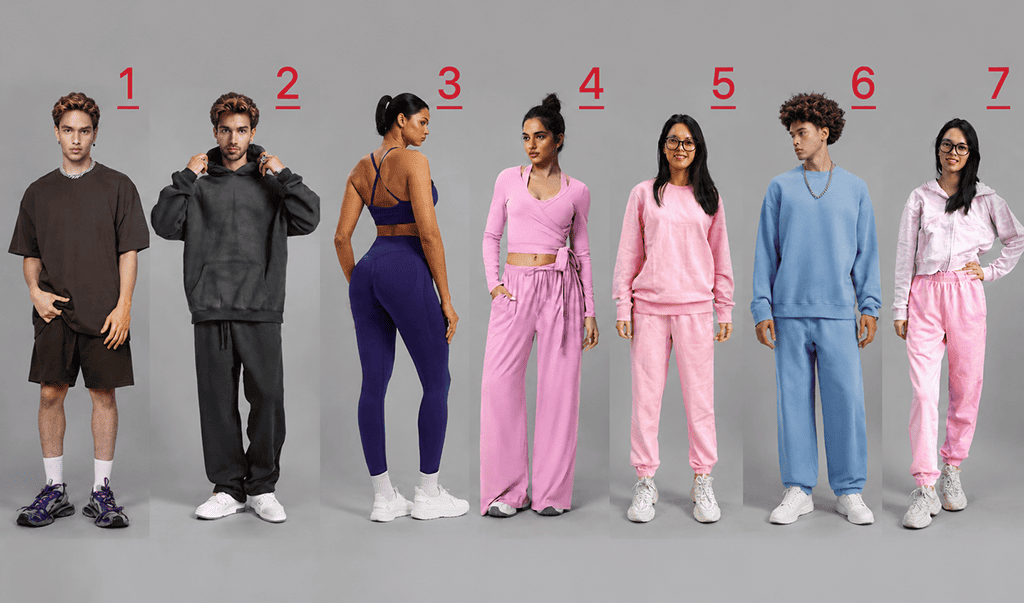
Which Type of Custom Activewear Manufacturer Should You Choose?
Not all manufacturers operate using the same business model. Understanding these differences helps buyers build a more effective supplier shortlist before requesting quotations or samples.
| Manufacturer Type | Typical Strength | Best Suited For |
|---|---|---|
| OEM Manufacturer | Produces products according to buyer specifications | Brands with complete tech packs and established product designs |
| ODM Manufacturer | Provides existing product designs with customization options | Companies seeking faster product launches |
| Product Development Partner | Supports design optimization and technical refinement | Brands developing new collections or innovative products |
| High-Volume Manufacturer | Efficient large-scale production | Retail chains and established distributors |
| Specialized Category Manufacturer | Deep expertise within a specific apparel segment | Brands requiring technical or niche activewear products |
–
No single manufacturing model is inherently superior. The right choice depends on factors such as product complexity, order volume, development resources, and long-term sourcing strategy.
Key Takeaway
The ten manufacturers presented in this guide represent different manufacturing philosophies, operational strengths, and customer focuses. Some excel in flexible product development, while others prioritize production efficiency, technical performance apparel, sustainability, or large-scale manufacturing.
Rather than asking “Who is the best manufacturer?”, professional sourcing teams ask “Which manufacturer is the best fit for our business?” This shift in perspective leads to more effective supplier selection, lower sourcing risk, and stronger long-term partnerships.
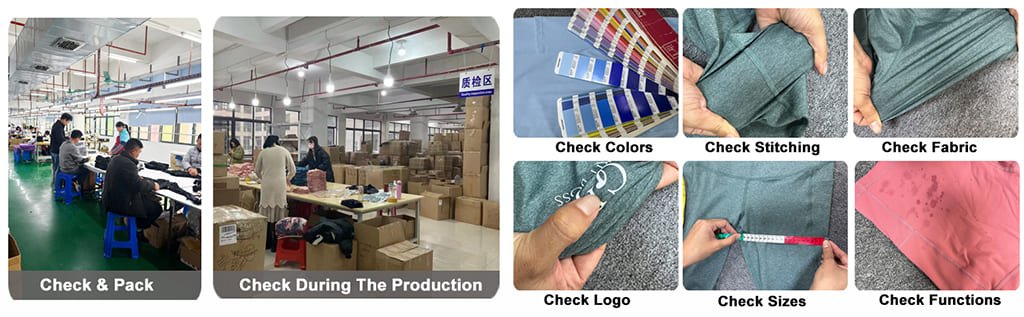
How Should Buyers Compare Custom Activewear Manufacturers?
Tracking down ten competent manufacturers is relatively simple. Pinpointing the ideal match for your business is a much harder task.
Many sourcing decisions go wrong when buyers evaluate suppliers on uneven standards. A factory may look more competitive with a cheaper quotation, while others deliver stronger product development, dependable quality control or better long-term scalability. Objective assessment of these gaps is impossible without a structured benchmark system.
Professional sourcing teams rarely choose suppliers based on price or marketing materials alone. Instead, they compare manufacturers using standardized criteria that measure operational capability, technical expertise, communication quality, and long-term partnership potential.
The following evaluation framework can help buyers compare suppliers more consistently while reducing procurement risks.
Start With Business Requirements Before Comparing Suppliers
Before requesting quotations or reviewing samples, buyers should first define their own sourcing objectives.
Without a clear understanding of business priorities, even the most comprehensive supplier comparison may produce misleading conclusions.
Start by answering questions such as:
- What product categories will be manufactured?
- What annual purchasing volume is expected?
- Is the project focused on OEM production or collaborative product development?
- Will the collection expand into additional categories in the future?
- Which export markets must the products comply with?
- Is speed, flexibility, innovation, or production scale the highest priority?
Once these objectives are established, suppliers can be evaluated according to their ability to support those specific requirements rather than general reputation.
Compare Manufacturers Using Consistent Evaluation Criteria
Every supplier should be assessed using the same evaluation framework.
Changing evaluation standards from one factory to another often results in subjective decisions and inconsistent supplier selection.
A practical comparison framework includes the following areas.
| Evaluation Area | Why It Matters | Suggested Weight |
|---|---|---|
| Product Category Experience | Demonstrates familiarity with similar products | 20% |
| Product Development Capability | Indicates ability to support customized projects | 15% |
| Manufacturing Capacity | Reflects production scalability | 10% |
| Quality Management System | Supports production consistency | 20% |
| Communication Efficiency | Reduces project delays | 10% |
| Supply Chain Stability | Improves delivery reliability | 10% |
| Commercial Flexibility | Supports long-term cooperation | 10% |
| Business Reputation & Export Experience | Provides additional sourcing confidence | 5% |
–
Although weighting may vary by business model, using consistent criteria across every supplier creates a more objective procurement process.
Evaluate Product Category Experience Instead of General Manufacturing Experience
Many manufacturers describe themselves as activewear factories, yet their practical experience may differ significantly.
For example, expertise in yoga apparel does not necessarily translate into technical proficiency in:
- Compression garments
- Cycling apparel
- Tennis clothing
- Equestrian apparel
- Maternity activewear
- Plus size activewear
- Team sports uniforms
Instead of asking:
“How many years have you been manufacturing apparel?”
Professional buyers ask more specific questions:
- Which product categories account for most of your production?
- Which international brands or markets do you primarily serve?
- How many similar projects have you completed?
- What technical challenges have you solved within this category?
- Which products require the greatest manufacturing expertise?
Category-specific experience usually provides a more reliable indicator of future performance than company history alone.
Assess Product Development Capability Through Evidence
A manufacturer’s product development capability should be evaluated using observable evidence rather than general claims.
Instead of asking whether a supplier offers development support, buyers should verify how that capability is demonstrated in practice.
Examples of useful evidence include:
- Technical review of customer tech packs
- Pattern engineering expertise
- Sample revision documentation
- Fabric recommendation reports
- Fit improvement suggestions
- Construction optimization proposals
- Size grading consistency
- Product refinement history
Suppliers able to explain previous development projects in a structured and technical manner generally demonstrate stronger engineering capability than those relying on broad marketing descriptions.
Compare Quality Management Systems, Not Quality Claims
Nearly every manufacturer claims to produce high-quality garments.
A more meaningful comparison focuses on how quality is managed throughout production.
Rather than accepting general statements, buyers should understand whether quality procedures are documented, repeatable, and consistently implemented.
Key Questions to Verify
- Are incoming materials inspected before production?
- How are measurement tolerances controlled?
- Is inline inspection conducted during sewing?
- How are production defects recorded and corrected?
- Are final inspections based on recognized sampling standards?
- Is every shipment documented before dispatch?
Factories that can explain their quality management processes in detail generally provide stronger operational transparency than those relying on broad quality promises.
Evaluate Communication as a Business Capability
Communication is often underestimated during supplier selection, yet it has a direct influence on project efficiency, sampling accuracy, and production stability.
Strong communication is characterized by more than rapid responses.
Professional sourcing teams observe whether suppliers:
- Answer technical questions clearly
- Explain manufacturing limitations honestly
- Provide structured documentation
- Confirm specifications before production
- Communicate potential risks proactively
- Maintain consistency across different departments
Manufacturers demonstrating transparent and solution-oriented communication often reduce project uncertainty throughout long-term cooperation.
Review Manufacturing Scalability for Future Growth
The best supplier for today’s order may not be the best supplier for future business expansion.
Buyers should evaluate whether manufacturers can support increasing order volumes, additional product categories, and more complex production requirements over time.
Questions worth considering include:
- Can multiple product lines be produced simultaneously?
- How is production capacity allocated during peak seasons?
- Are expansion plans supported by additional production resources?
- Can manufacturing remain consistent as order volume increases?
Evaluating scalability helps buyers avoid unnecessary supplier changes as their business grows.
Supplier Comparison Scorecard
After completing discussions with shortlisted manufacturers, buyers can summarize findings using a standardized scorecard.
| Evaluation Criteria | Weight | Supplier A | Supplier B | Supplier C |
|---|---|---|---|---|
| Category Experience | 20% | |||
| Development Capability | 15% | |||
| Quality Management | 20% | |||
| Communication | 10% | |||
| Capacity | 10% | |||
| Supply Chain | 10% | |||
| Commercial Flexibility | 10% | |||
| Export Experience | 5% | |||
| Total Score | 100% |
–
Using the same scorecard for every shortlisted supplier makes procurement decisions more transparent, especially when multiple departments are involved in supplier selection.
Common Comparison Mistakes Buyers Should Avoid
Even experienced sourcing teams occasionally make evaluation mistakes that increase procurement risk.
Some of the most common include:
- Comparing suppliers using different standards
- Selecting factories primarily because of low pricing
- Assuming company size guarantees product quality
- Ignoring communication quality during sampling
- Failing to verify category-specific manufacturing experience
- Overlooking long-term scalability
- Relying on marketing materials instead of operational evidence
Recognizing these issues early helps buyers establish more objective evaluation procedures and reduce avoidable sourcing risks.
Key Takeaway
Effective supplier selection depends on structured comparison rather than intuition. Manufacturers should be evaluated using consistent criteria that reflect product expertise, development capability, quality management, communication, production scalability, and long-term business compatibility.
By adopting a standardized evaluation framework and documenting supplier performance objectively, buyers can build a stronger shortlist, reduce sourcing uncertainty, and establish manufacturing partnerships that support sustainable business growth rather than short-term purchasing decisions.
What Type of Custom Activewear Manufacturer Should You Choose?
One of the biggest misconceptions in apparel sourcing is the belief that every custom activewear manufacturer offers the same capabilities. In reality, manufacturers often operate under very different business models, production strategies, and customer focuses.
Choosing the wrong type of supplier can lead to unnecessary sampling revisions, communication challenges, production delays, or limited scalability as your business grows. Conversely, selecting a manufacturer whose business model aligns with your sourcing objectives often results in smoother collaboration and stronger long-term performance.
Before requesting quotations or comparing production costs, buyers should first determine which type of manufacturing partner best supports their product strategy, development resources, and business stage.
OEM Manufacturers
Original Equipment Manufacturers (OEMs) produce garments according to specifications provided by the customer. Buyers typically supply technical documents such as tech packs, measurement charts, artwork, and construction details, while the manufacturer focuses on converting those specifications into finished products.
OEM manufacturing generally provides brands with greater control over product design, branding, and differentiation. Brands looking for a dedicated production partner can also explore a professional custom activewear manufacturer for private label brands to better understand OEM and private label manufacturing capabilities.
Typical Characteristics
- Customer owns the product design
- Production follows buyer specifications
- Suitable for customized collections
- Greater flexibility for brand differentiation
- Requires more preparation before development begins
Best Suited For
- Established activewear brands
- Companies with experienced product development teams
- Buyers working with professional designers
- Businesses seeking highly customized collections
Procurement Considerations
When evaluating OEM manufacturers, buyers should verify whether the supplier has experience producing garments similar to their intended product category. Technical capability, development communication, and manufacturing consistency are generally more important than production capacity alone.
ODM Manufacturers
Original Design Manufacturers (ODMs) provide pre-developed garment designs that buyers can customize with branding, colors, fabrics, or minor design modifications.
Rather than developing products entirely from scratch, buyers adapt existing manufacturing resources to accelerate product launches.
This approach often shortens development timelines while reducing design complexity.
Typical Characteristics
- Existing product templates available
- Faster sampling process
- Lower development workload
- Suitable for rapid product launches
- Less product exclusivity than OEM manufacturing
Best Suited For
- Startup brands
- Retailers expanding product ranges
- Importers seeking efficient sourcing
- Companies introducing seasonal collections
Procurement Considerations
Buyers should clarify which product elements can be customized and which design components remain standardized. Understanding these limitations early helps avoid unrealistic expectations during development.
Product Development Partners
Some manufacturers contribute far beyond production by supporting technical refinement, construction improvements, fabric recommendations, and product optimization throughout the development process.
Rather than functioning solely as production facilities, these suppliers collaborate closely with brands during product creation.
Their value often lies in solving technical challenges before bulk manufacturing begins.
Typical Characteristics
- Strong development teams
- Collaborative engineering approach
- Pattern and fit optimization
- Fabric recommendations
- Technical problem-solving capabilities
Best Suited For
- Premium activewear brands
- Innovative product concepts
- Complex performance apparel
- Businesses expanding into new categories
Procurement Considerations
When comparing development-oriented manufacturers, buyers should request evidence of previous product optimization projects rather than relying on general capability statements.
High-Volume Manufacturing Specialists
Some factories prioritize manufacturing efficiency, standardized production systems, and large-scale output over highly customized product development.
These suppliers often operate multiple production lines and serve established retailers or international distributors requiring consistent repeat production.
Typical Characteristics
- Large production capacity
- Standardized operating procedures
- Stable repeat manufacturing
- Structured production planning
- Efficient cost management
Best Suited For
- Retail chains
- Sporting goods distributors
- International wholesalers
- Large purchasing programs
Procurement Considerations
High-volume manufacturers may be less suitable for projects requiring extensive sampling, frequent design revisions, or highly customized development. Buyers should balance production efficiency with flexibility according to their business needs.
Specialized Category Manufacturers
Rather than producing every type of sportswear, some manufacturers concentrate on a limited number of product categories or market segments. For buyers sourcing across multiple performance apparel categories, reviewing an experienced activewear manufacturer can provide additional insight into broader production capabilities.
Examples include suppliers specializing in:
- Tennis apparel
- Cycling clothing
- Compression garments
- Equestrian apparel
- Maternity activewear
- Plus size activewear
- Seamless activewear
- Outdoor performance apparel
Focused specialization often results in deeper technical expertise, category-specific manufacturing knowledge, and greater familiarity with performance requirements.
Best Suited For
- Brands operating within niche markets
- Businesses requiring specialized garment construction
- Companies emphasizing technical performance
- Buyers seeking long-term category expertise
Procurement Considerations
Category specialists often provide stronger technical understanding within their focus areas, but buyers should confirm whether the supplier can also support future product expansion if additional apparel categories are planned.
Boutique Manufacturers vs. Large-Scale Factories
Many buyers automatically assume that larger factories provide better manufacturing solutions. However, factory size should be viewed as one evaluation factor rather than the deciding criterion.
Boutique manufacturers and large-scale factories each offer distinct advantages depending on business priorities.
| Comparison Area | Boutique Manufacturers | Large-Scale Factories |
|---|---|---|
| Flexibility | High | Moderate |
| Product Development | Often collaborative | Usually standardized |
| MOQ | Frequently lower | Often higher |
| Communication | More direct | Structured through departments |
| Capacity | Limited | High |
| Scalability | Moderate | Excellent |
| Best For | Startups and premium brands | Retail chains and volume buyers |
–
The appropriate choice depends on product complexity, purchasing volume, and long-term sourcing strategy rather than factory size alone.
How to Match Manufacturer Type With Your Business Goals
Instead of asking which manufacturing model is “best,” buyers should determine which model best supports their current objectives.
| Business Objective | Recommended Manufacturer Type |
|---|---|
| Launch a new private label brand | ODM Manufacturer or Boutique Manufacturer |
| Build a differentiated premium collection | OEM Manufacturer or Product Development Partner |
| Expand into multiple activewear categories | Flexible Multi-Category Manufacturer |
| Reduce production costs for mature products | High-Volume Manufacturing Specialist |
| Develop technical performance apparel | Specialized Category Manufacturer |
| Establish long-term strategic sourcing | Manufacturer with scalable production and collaborative development capability |
–
Matching supplier type to business objectives often produces stronger long-term sourcing outcomes than selecting manufacturers based solely on rankings or pricing.
Key Takeaway
The most suitable custom activewear manufacturer depends on a buyer’s business model, product complexity, available development resources, and future growth strategy. OEM manufacturers, ODM suppliers, product development partners, high-volume factories, and category specialists each serve different sourcing requirements.
Grasping these manufacturing models prior to supplier evaluation enables buyers to create a more targeted shortlist, boost procurement efficiency, and forge sustainable partnerships capable of adapting alongside business growth.
What Documents Should Buyers Request Before Choosing a Custom Activewear Manufacturer?
A professional supplier evaluation should never rely solely on websites, product catalogs, or sales presentations. While these materials provide a useful introduction, they rarely offer enough evidence to assess whether a manufacturer can consistently meet a brand’s quality, compliance, and delivery expectations.
Experienced sourcing teams typically request supporting documentation before investing significant time in product development or supplier negotiations. These documents help verify manufacturing capability, business legitimacy, quality management, and operational transparency.
Rather than requesting every available document at once, buyers should focus on obtaining information that directly supports their sourcing objectives and risk assessment.
Start With Business Verification Documents
Before evaluating production capability, buyers should first confirm that a manufacturer operates as a legitimate business entity.
Basic company documentation helps establish credibility and reduces procurement risks during the early stages of supplier selection.
Documents Worth Requesting
- Business Registration Certificate
- Company Profile
- Factory Address Confirmation
- Export Registration Information (where applicable)
- Organization Overview
- Main Product Categories
- Manufacturing Facility Information
These documents provide a foundation for understanding the supplier’s operational scope before discussing product development or pricing.
Verify Manufacturing and Production Capability
Manufacturing capability should be demonstrated through evidence rather than marketing statements.
Instead of asking whether a factory is experienced, buyers should request documentation showing how production is organized and managed.
Useful supporting information may include:
- Production line overview
- Factory layout (if available)
- Equipment summary
- Monthly production capacity range
- Product category distribution
- Manufacturing process overview
- Workforce structure
This information helps buyers determine whether the supplier’s production resources align with expected order volumes and product complexity.
Request Product Development Evidence
Product development capability is difficult to measure through conversation alone.
Instead, buyers should request examples demonstrating how the manufacturer approaches customized projects.
Examples include:
- Sample development workflow
- Pattern development examples
- Size grading samples
- Technical review process
- Product improvement case studies
- Fabric recommendation examples
- Product specification templates
The objective is not to evaluate confidential customer information but to understand whether the supplier follows a structured development methodology.
Manufacturers able to explain their development process with clear documentation generally demonstrate greater technical maturity.
Review Quality Management Documentation
Quality management should be supported by documented procedures rather than general quality claims.
Buyers should understand how quality is monitored before, during, and after production.
Examples of useful documentation include:
- Incoming material inspection procedures
- Inline inspection records
- Final inspection checklists
- Measurement control procedures
- Defect reporting workflow
- Corrective action process
- Packaging inspection standards
Well-documented quality systems generally indicate more consistent manufacturing operations.
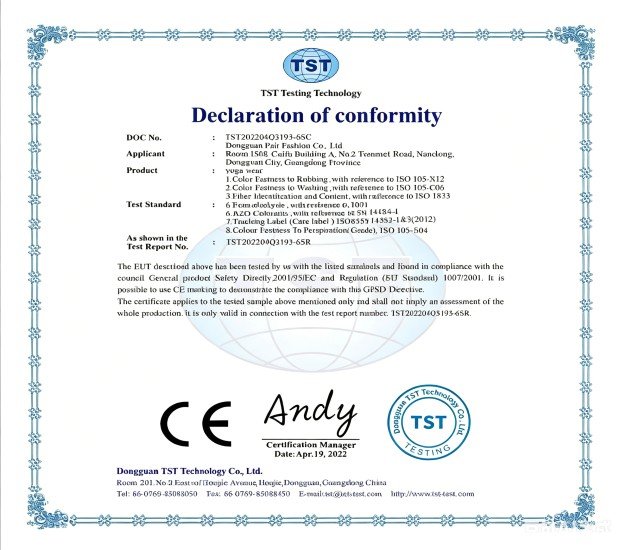
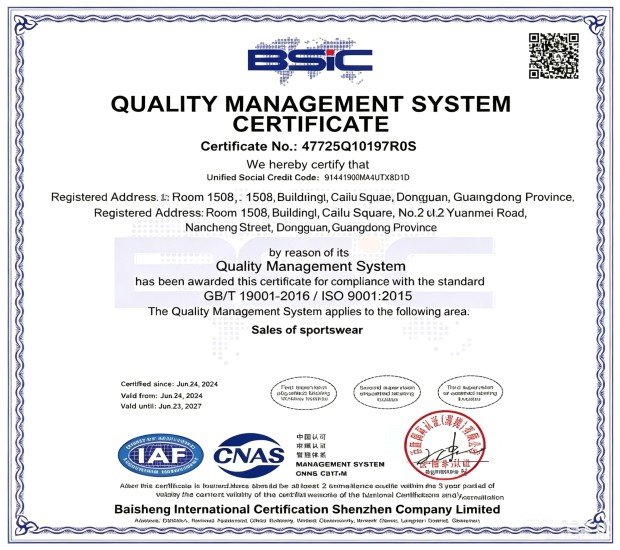
Confirm Compliance and Certification Information
Compliance requirements differ by country, retailer, and product category. Therefore, buyers should request only the certifications relevant to their target market rather than assuming every manufacturer requires the same documentation.
Depending on sourcing requirements, buyers may ask about:
- ISO 9001
- BSCI
- GRS
- OEKO-TEX®
- WRAP
- SEDEX
- Product testing reports
- Material compliance documentation
Certification alone does not guarantee manufacturing quality, but it provides additional evidence that established management systems are in place.
Review Supply Chain Transparency
Many production issues originate outside the sewing factory itself.
Material shortages, delayed trims, printing bottlenecks, or logistics disruptions often affect delivery schedules more than garment assembly.
Professional sourcing teams therefore evaluate the stability of a manufacturer’s supporting supply chain.
Questions worth discussing include:
- How many fabric mills regularly supply the factory?
- Are alternative material sources available?
- How are fabric shortages managed?
- Does the manufacturer work with long-term trim suppliers?
- Can sustainable materials be sourced consistently?
Understanding the supplier’s sourcing network helps buyers assess long-term production resilience rather than current production capability alone.
Ask for Customer Service and Project Management Information
Communication quality plays a significant role throughout product development and bulk production.
Instead of relying on assumptions, buyers should understand how projects are managed internally.
Topics worth discussing include:
- Primary communication channels
- Technical project management structure
- Sampling coordination process
- Production update frequency
- Problem escalation procedures
- After-sales communication workflow
Well-defined communication procedures often reduce misunderstandings during production and improve collaboration throughout the partnership.
Recommended Supplier Documentation Checklist
The following checklist summarizes the most valuable documents buyers may request during supplier evaluation.
| Document | Purpose | Priority |
|---|---|---|
| Business Registration | Verify legal business status | ★★★★★ |
| Company Profile | Understand manufacturing scope | ★★★★★ |
| Product Catalog | Review core product categories | ★★★★☆ |
| Production Overview | Assess manufacturing capability | ★★★★★ |
| Sample Development Process | Evaluate technical support | ★★★★☆ |
| Quality Management Documents | Verify inspection procedures | ★★★★★ |
| Certification Copies | Confirm compliance systems | ★★★★☆ |
| Product Testing Reports | Assess technical performance | ★★★☆☆ |
| Factory Audit Report (if available) | Review operational standards | ★★★★★ |
| Project Management Workflow | Evaluate communication process | ★★★★☆ |
–
Buyers do not necessarily need every document before making initial contact. However, requesting the appropriate information at each stage of supplier evaluation creates a more transparent decision-making process and reduces unnecessary sourcing risks.
Which Documents Matter Most at Each Procurement Stage?
Different documents become relevant at different stages of the sourcing journey. Requesting everything at once may slow communication without improving decision quality.
The table below illustrates a practical approach.
| Procurement Stage | Documents to Prioritize |
|---|---|
| Initial Supplier Screening | Business registration, company profile, product catalog |
| Supplier Shortlisting | Production overview, product development documentation, certifications |
| Sample Development | Development workflow, quality procedures, testing reports |
| Pre-Production Approval | Factory audit reports, inspection standards, production planning |
| Long-Term Partnership | Supply chain information, continuous improvement processes, compliance updates |
–
Using a staged documentation approach helps buyers verify supplier capability progressively while maintaining efficient communication throughout the sourcing process.
Key Takeaway
Reliable supplier selection depends on evidence rather than assumptions. Business registration documents, manufacturing information, product development records, quality management procedures, compliance certifications, and project management documentation each provide valuable insight into a manufacturer’s operational capability.
Rather than requesting documentation for its own sake, buyers should focus on obtaining information that supports objective supplier evaluation and informed procurement decisions. A structured document review process improves transparency, reduces sourcing uncertainty, and establishes a stronger foundation for long-term manufacturing partnerships.
How Should Buyers Conduct a Factory Evaluation Before Making a Final Decision?
Selecting a supplier based on quotations, catalogs, or online meetings alone provides only a partial understanding of its capabilities. Before committing to product development or bulk production, buyers should perform a structured factory evaluation to verify whether the manufacturer’s operations match its stated capabilities.
A factory evaluation is not intended to identify a “perfect” supplier. Instead, it helps buyers confirm that the manufacturer has the people, systems, equipment, and management processes necessary to support long-term cooperation.
Whether the evaluation is conducted through an on-site visit, a third-party audit, or a virtual factory tour, the same principles apply: focus on operational evidence rather than marketing presentations.
Start With the Sample Development Area
The sample room often provides the clearest indication of a manufacturer’s technical capability.
This is where ideas are transformed into physical products, making it one of the most important areas to review during supplier evaluation.
Buyers should observe:
- Pattern development workflow
- Sample organization
- Garment construction quality
- Fabric and trim management
- Communication between development staff
- Sample documentation procedures
A well-organized sample department generally reflects a structured product development process rather than ad hoc execution.
Review Production Organization Instead of Production Size
Many buyers associate larger factories with stronger manufacturing capability. However, production organization often matters more than the number of sewing machines.
During a factory evaluation, buyers should consider:
- Is material flow clearly organized?
- Are workstations properly arranged?
- Are production lines balanced?
- Are products traceable throughout manufacturing?
- Is housekeeping maintained consistently?
Efficient organization usually contributes more to production stability than factory size alone.
Evaluate Quality Control Throughout the Production Process
Quality should be visible at every production stage rather than concentrated only at final inspection.
When reviewing manufacturing operations, buyers should look for evidence that inspection activities are integrated into daily production.
Examples include:
- Incoming material inspection stations
- Inline quality checkpoints
- Measurement verification areas
- Defect recording procedures
- Rework management processes
- Final inspection before packing
Factories where quality control is embedded throughout production generally achieve more consistent manufacturing outcomes than those relying primarily on end-of-line inspections.
Observe Material Storage and Inventory Management
Material management has a direct influence on production consistency and delivery performance.
Improper storage conditions may affect fabric quality, color consistency, or production efficiency.
During an evaluation, buyers should review:
- Fabric storage conditions
- Trim organization
- Material identification systems
- Batch tracking procedures
- Inventory management practices
- Protection against contamination or damage
Structured inventory management indicates stronger operational discipline and reduces the likelihood of production errors caused by material mix-ups.
Assess Communication and Project Coordination
Operational efficiency depends not only on production equipment but also on how departments work together.
During meetings or factory visits, buyers should evaluate communication across the organization.
Indicators include:
- Clear responsibility assignment
- Technical discussions involving relevant departments
- Consistent responses from different team members
- Well-documented production procedures
- Transparent reporting of production progress
A manufacturer with coordinated internal communication is generally better positioned to manage complex or customized projects.
Review Warehouse and Shipment Preparation
The warehouse represents the final stage before products leave the factory.
Well-managed shipping operations reduce the risk of packing errors, shipment delays, and product damage.
Buyers should review:
- Packaging organization
- Carton labeling procedures
- Shipment documentation workflow
- Finished goods storage
- Export preparation process
- Loading procedures
Attention to detail during shipment preparation often reflects broader operational discipline throughout the manufacturing process.
Factory Visit Checklist
The following checklist summarizes key areas buyers should review during a factory evaluation.
| Factory Area | What Buyers Should Verify | Why It Matters |
|---|---|---|
| Sample Room | Pattern development, sample quality, documentation | Demonstrates product development capability |
| Cutting Department | Material handling, workflow organization | Supports production accuracy |
| Sewing Lines | Production flow, workstation management | Indicates manufacturing efficiency |
| Quality Control | Inspection procedures throughout production | Improves consistency and defect prevention |
| Warehouse | Inventory organization and traceability | Supports stable material management |
| Packing Area | Labeling, packaging accuracy, shipment preparation | Reduces delivery errors |
| Project Management | Cross-department communication | Improves execution of customized projects |
–
A structured factory visit provides considerably more insight than simply touring production facilities or reviewing presentation materials.
When an On-Site Visit Is Not Possible
International buyers are not always able to visit manufacturing facilities in person, particularly during the early stages of supplier selection.
In these situations, buyers can still conduct a meaningful evaluation by requesting additional evidence and arranging structured online meetings.
Alternative approaches include:
- Live virtual factory tours
- Video demonstrations of production areas
- Online meetings with technical teams
- Third-party factory audit reports
- Production workflow documentation
- Recent sample reviews
- Quality management records
Although these methods cannot completely replace an on-site visit, they provide valuable information that supports supplier verification and shortlisting.
Factory Evaluation Scorecard
After completing a factory review, buyers can summarize their observations using a standardized evaluation matrix.
| Evaluation Area | Weight | Score (1–10) | Notes |
|---|---|---|---|
| Sample Development | 20% | ||
| Production Organization | 15% | ||
| Quality Management | 20% | ||
| Material Management | 10% | ||
| Communication | 15% | ||
| Warehouse & Shipping | 10% | ||
| Overall Operational Transparency | 10% | ||
| Overall Score | 100% |
–
Using a consistent scorecard across every factory visit helps procurement teams compare suppliers objectively and document the reasons behind sourcing decisions.
Common Mistakes During Factory Visits
Even experienced buyers sometimes focus on the wrong indicators during supplier evaluations.
Some of the most common mistakes include:
- Judging capability primarily by factory size
- Paying more attention to showroom displays than production operations
- Failing to speak with technical or quality personnel
- Overlooking warehouse and inventory management
- Ignoring documentation and process control
- Accepting verbal claims without supporting evidence
- Completing factory visits without a standardized evaluation checklist
Avoiding these mistakes leads to more accurate supplier assessments and better-informed procurement decisions.
Key Takeaway
A factory evaluation should focus on how a manufacturer operates, not simply on how it presents itself. By reviewing product development, production organization, quality management, material control, communication, and shipment preparation through a structured framework, buyers gain a clearer understanding of a supplier’s operational capability.
Whether conducted on-site or remotely, a systematic factory evaluation helps reduce sourcing uncertainty, improves supplier selection, and supports the development of reliable, long-term manufacturing partnerships.
How Should Buyers Compare Samples, Quotations, and Overall Supplier Value?
One of the most common sourcing mistakes is comparing suppliers using a single metric such as unit price, sample appearance, or quoted lead time. While these factors are important, none of them provides a complete picture of a manufacturer’s long-term value.
Professional sourcing teams evaluate suppliers using a balanced framework that considers product quality, commercial terms, operational reliability, communication efficiency, and total procurement cost. This approach helps buyers avoid short-term savings that may lead to higher costs later in the production cycle.
Instead of asking “Which quotation is cheaper?”, experienced buyers ask “Which supplier creates the greatest overall business value?”
Compare Product Samples Using Technical Standards
A sample is more than a demonstration garment. It represents how accurately a manufacturer understands technical requirements and how consistently those requirements can be translated into production.
Rather than evaluating samples based on appearance alone, buyers should compare them using objective technical criteria.
Sample Evaluation Matrix
| Evaluation Item | What Buyers Should Verify | Importance |
|---|---|---|
| Pattern Accuracy | Does the garment match the intended silhouette and proportions? | ★★★★★ |
| Measurement Consistency | Are measurements within specified tolerances? | ★★★★★ |
| Stitch Quality | Are seams clean, secure, and consistent? | ★★★★★ |
| Fabric Performance | Does the material meet functional expectations? | ★★★★★ |
| Fit & Comfort | Does the garment perform during movement? | ★★★★★ |
| Printing & Logo Quality | Are branding elements accurately applied? | ★★★★☆ |
| Construction Details | Are reinforcement points and finishing well executed? | ★★★★☆ |
| Overall Presentation | Is the sample commercially ready? | ★★★☆☆ |
–
Whenever possible, evaluate multiple supplier samples side by side under the same assessment criteria. This reduces subjective judgment and creates a more consistent basis for comparison.
Compare Quotations Beyond Unit Price
Two quotations with similar prices may represent very different commercial value.
Some manufacturers include development services, quality inspections, or packaging, while others price these items separately. Without reviewing quotation details carefully, buyers may underestimate the true cost of sourcing.
A structured quotation comparison should include:
Quotation Comparison Checklist
| Cost Component | Supplier A | Supplier B | Supplier C |
|---|---|---|---|
| Unit Price | |||
| Sample Fee | |||
| Pattern Development | |||
| Fabric Cost | |||
| Logo & Decoration | |||
| Packaging | |||
| Quality Inspection | |||
| Payment Terms | |||
| Production Lead Time | |||
| Shipping Terms |
–
Reviewing quotations line by line allows buyers to identify differences that may not be immediately visible in the final price.
Evaluate Total Cost of Ownership Instead of Initial Manufacturing Cost
The lowest quotation does not always produce the lowest overall sourcing cost.
Professional procurement teams increasingly evaluate suppliers using the concept of Total Cost of Ownership (TCO), which considers every cost generated throughout the sourcing lifecycle rather than manufacturing price alone.
Examples of additional costs include:
- Multiple sample revisions
- Development delays
- Production defects
- Quality claims
- Air freight caused by late delivery
- Customer returns
- Inventory write-offs
- Communication inefficiencies
- Repeat production caused by quality problems
A supplier with a slightly higher manufacturing price may ultimately generate lower overall procurement costs if it consistently delivers reliable quality, stable lead times, and efficient project management.
Evaluate Commercial Terms Alongside Technical Capability
Technical capability is essential, but commercial terms also influence the long-term success of a manufacturing partnership.
Areas worth comparing include:
- Payment structure
- Production scheduling flexibility
- Order change procedures
- Repeat-order consistency
- Communication during production
- Dispute resolution process
- Long-term cooperation policies
A manufacturer with transparent commercial practices often creates fewer operational challenges than one offering attractive pricing but unclear contractual arrangements.
Balance Short-Term Savings With Long-Term Value
Supplier selection should support business growth rather than simply reduce the cost of the first purchase order.
When comparing manufacturers, buyers should consider whether the supplier can contribute to future objectives such as:
- Expanding product categories
- Improving product quality
- Supporting international market growth
- Increasing production capacity
- Introducing material innovations
- Improving operational efficiency
Long-term collaboration often produces greater value than repeatedly changing suppliers to obtain marginal price reductions.
Overall Supplier Value Scorecard
A structured scorecard helps buyers compare suppliers beyond quotations alone.
| Evaluation Area | Weight | Supplier A | Supplier B | Supplier C |
|---|---|---|---|---|
| Sample Quality | 20% | |||
| Quotation Transparency | 15% | |||
| Product Development | 15% | |||
| Quality Management | 15% | |||
| Commercial Terms | 10% | |||
| Communication | 10% | |||
| Delivery Reliability | 10% | |||
| Long-Term Partnership Potential | 5% | |||
| Overall Score | 100% |
–
Using the same evaluation model across every shortlisted supplier enables more objective procurement decisions and provides a documented rationale for supplier selection.
What Are the Biggest Risks When Choosing a Custom Activewear Manufacturer?
Every sourcing decision involves uncertainty. While no manufacturer can eliminate all production risks, buyers can significantly reduce potential problems by identifying warning signs before confirming a supplier.
The most expensive sourcing mistakes are often preventable. They usually result from incomplete supplier evaluation, insufficient documentation, or unrealistic purchasing expectations rather than unexpected manufacturing failures.
Understanding common procurement risks enables buyers to establish stronger verification procedures and more resilient sourcing strategies.
The Most Common Sourcing Risks
The following table summarizes several risks frequently encountered during international apparel sourcing and practical methods for reducing them.
| Risk Area | Potential Impact | Risk Mitigation Strategy |
|---|---|---|
| Choosing Suppliers Based Only on Price | Lower quality, hidden costs | Compare total business value rather than unit price |
| Limited Category Experience | Technical issues and repeated revisions | Verify similar project experience before development |
| Weak Communication | Misunderstood specifications and delays | Establish structured communication procedures early |
| Inconsistent Quality Management | Product defects and customer complaints | Review documented inspection systems and quality records |
| Supply Chain Disruptions | Material shortages and delayed production | Assess supplier sourcing network and contingency planning |
| Unrealistic Lead Times | Missed launch schedules | Confirm production planning and material availability before ordering |
| Overdependence on a Single Supplier | Operational vulnerability | Develop secondary supplier options where appropriate |
–
Build a Risk Assessment Matrix
Rather than reacting to problems after production begins, buyers should evaluate sourcing risks before making a final supplier decision.
Supplier Risk Assessment Matrix
| Evaluation Area | Risk Level | Recommended Action |
|---|---|---|
| Business Legitimacy | Low / Medium / High | Verify registration and export history |
| Product Capability | Low / Medium / High | Review samples and comparable production experience |
| Quality System | Low / Medium / High | Examine documented inspection procedures |
| Communication | Low / Medium / High | Evaluate responsiveness during sampling |
| Supply Chain | Low / Medium / High | Confirm sourcing stability and backup options |
| Delivery Reliability | Low / Medium / High | Review historical production planning methods |
–
This matrix provides procurement teams with a structured method for documenting supplier risks before production commitments are made.
Key Takeaway
Effective supplier selection requires more than comparing prices or reviewing attractive samples. Buyers achieve stronger sourcing outcomes by evaluating quotations, sample quality, commercial terms, operational capability, and long-term business value through a consistent decision framework.
In the same vein, identifying procurement risks at the pre-production stage empowers brands to cut down uncertainties, foster supplier relationships and develop resilient supply chains. Standardized evaluation supports optimal procurement decisions and builds a firmer platform for sustainable growth in today’s competitive activewear industry.
Frequently Asked Questions About Custom Activewear Manufacturers in China
1. How do I choose the right custom activewear manufacturer in China?
The right manufacturer depends on your product category, business stage, production volume, and long-term sourcing objectives rather than company size or quotation alone. Instead of searching for the “best” factory, buyers should identify suppliers whose technical expertise, product development capabilities, quality systems, and communication processes align with their specific business needs.
A structured evaluation process should include supplier comparison, sample assessment, documentation review, quality verification, factory evaluation, and commercial analysis. Using consistent criteria across multiple manufacturers allows buyers to make evidence-based decisions instead of relying on marketing claims or pricing alone.
2. Should startups work with large factories or smaller manufacturers?
There is no universal answer. The most suitable supplier depends on the complexity of the product, expected order quantity, and the level of development support required.
Smaller or boutique manufacturers often provide greater flexibility during product development, faster communication, and more collaborative sampling. Larger factories may offer stronger production capacity and standardized management systems but can be better suited to established brands with stable purchasing volumes. Buyers should compare manufacturers based on operational fit rather than factory size.
3. What documents should I request before selecting a supplier?
Buyers should request documents that verify business legitimacy, manufacturing capability, quality management, and compliance rather than relying solely on company presentations.
Examples include:
- Business registration documents
- Company profile
- Product catalogs
- Quality management procedures
- Certification copies
- Production overview
- Factory audit reports (when available)
- Product testing reports (where applicable)
The objective is to verify operational capability through evidence rather than promotional materials.
4. How should I compare quotations from different manufacturers?
Quotations should be compared line by line rather than by unit price alone. Important considerations include sample costs, development services, material specifications, quality inspection, packaging, payment terms, production lead times, and shipping conditions.
Professional sourcing teams also evaluate Total Cost of Ownership (TCO) by considering factors such as communication efficiency, production consistency, defect rates, and long-term operational value. A higher quotation may represent better overall value if it reduces sourcing risks and improves production reliability.
5. Is visiting a factory still necessary before placing an order?
Whenever practical, a factory visit provides valuable insight into production organization, quality management, material handling, and communication processes that cannot always be verified through presentations or online meetings.
However, when an on-site visit is not feasible, buyers can still perform meaningful due diligence through virtual factory tours, third-party audit reports, structured video meetings, product sample evaluations, and detailed documentation reviews. The goal is to verify operational capability using multiple sources of evidence.
6. How can buyers reduce sourcing risks when working with a new manufacturer?
Risk reduction begins before production starts. Buyers should verify supplier qualifications, review product samples, compare documentation, evaluate communication quality, and confirm manufacturing experience within the relevant product category.
Establishing clear technical specifications, realistic production schedules, and documented quality expectations before mass production significantly reduces misunderstandings and improves long-term cooperation. Structured supplier evaluation is generally more effective than resolving problems after production begins.
7. Is a manufacturer with more certifications always the better choice?
Not necessarily. Certifications demonstrate that certain management systems or compliance standards have been implemented, but they do not automatically guarantee product quality, technical expertise, or operational performance.
Buyers should consider certifications alongside sample quality, manufacturing experience, communication, quality management procedures, and supplier transparency. The most reliable sourcing decisions are based on multiple evaluation factors rather than any single qualification.
8. Why do many international activewear brands continue sourcing from China?
China remains one of the world’s most important activewear manufacturing regions because of its integrated textile supply chain, experienced manufacturing workforce, product development resources, and mature export infrastructure.
Rather than competing solely on production cost, many Chinese manufacturers support buyers through efficient material sourcing, diversified manufacturing capabilities, established logistics networks, and the ability to produce a wide range of customized activewear products across different market segments.
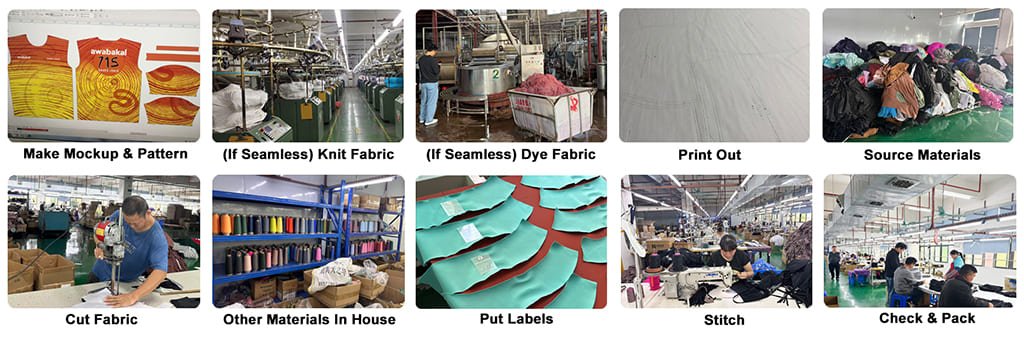
Conclusion
Selecting a custom activewear manufacturer is not simply a purchasing decision—it is a long-term business decision that influences product quality, supply chain stability, customer satisfaction, and brand growth.
As demonstrated throughout this guide, manufacturers differ significantly in their product specialization, operational strengths, development capabilities, and ideal customer profiles. No single supplier is the right choice for every business. The most successful sourcing strategies focus on matching supplier capabilities with business objectives, product requirements, and future growth plans rather than relying on rankings or pricing alone.
By comparing manufacturers through standardized evaluation criteria, verifying operational evidence, reviewing documentation, assessing samples objectively, and understanding potential sourcing risks, buyers can establish more reliable manufacturing partnerships and make procurement decisions with greater confidence.
Ultimately, a structured supplier selection process reduces uncertainty, strengthens long-term collaboration, and creates a more resilient foundation for sustainable growth in the increasingly competitive activewear industry. For broader information on international textile trade, buyers may also refer to resources published by the World Trade Organization (WTO).

Custom High Waist Tennis Skort with Built-In Shorts OEM ODM
Custom High Waist Pleated Tennis Skort OEM ODM Women’s Tennis Wear
Custom Plus Size Tennis Dress OEM ODM Built-In Bra Activewear
Custom Women’s Tennis Skirt Set OEM ODM Performance Tennis Outfit
Custom Women’s Tennis Dress OEM ODM Performance Tennis Apparel
Custom Women’s Tennis Skirt Set OEM ODM Performance Tennis Outfit
Custom Pleated Tennis Dress OEM ODM Women’s Performance Tennis Wear
Custom Men’s Quarter Zip Performance Shirt OEM ODM Activewear
Custom Girls Activewear T-Shirt OEM ODM Kids Performance Tee
Custom Twist Front Yoga Crop Top OEM ODM Women’s Activewear