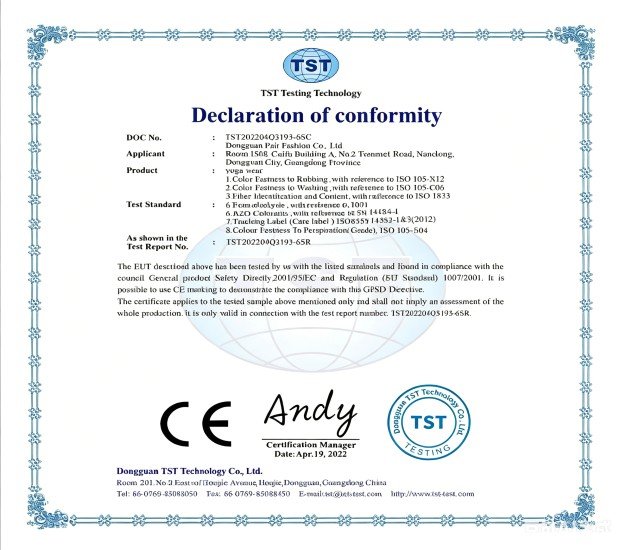
OEM/ODM Sportswear Manufacturer | 3-Day Sampling | Low MOQ | 50K Monthly Capacity | ISO9001 & BSCI Certified

Top 10 Plus Size Printed Leggings Manufacturers in China: Supplier Comparison & Buyer Evaluation Guide
Compare the top plus size printed leggings manufacturers in China. Explore supplier strengths, sourcing risks, evaluation criteria, industry trends, and practical buyer insights to choose the right manufacturing partner for your activewear brand.
Top 10 Plus Size Printed Leggings Manufacturers in China: Supplier Comparison & Buyer Evaluation Guide
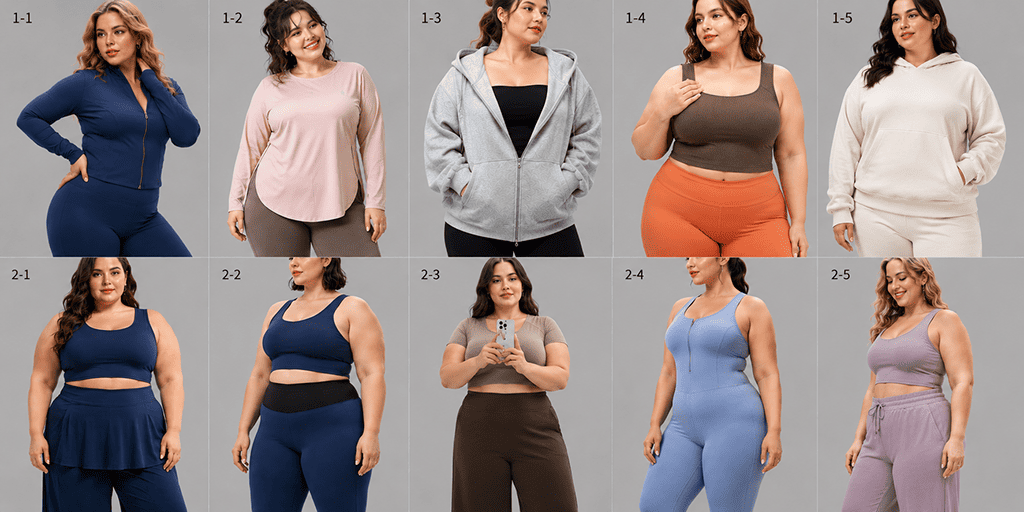
The global activewear market has entered a new phase of growth where inclusivity is no longer optional. Consumers increasingly expect brands to offer extended sizing, better fit consistency, and product designs that reflect diverse body types rather than simply scaling up standard garments. Within this shift, plus size printed leggings have emerged as one of the most dynamic categories, combining performance functionality with fashion-driven design.
Activewear brands face substantial market opportunities. Even so, success hinges on far more than simply tapping into trending product segments. Selecting a suitable manufacturing partner shapes every critical aspect of the business — ranging from product quality and customer satisfaction to inventory exposure and long-term profit margins. Though countless suppliers advertise capacity to make plus-size leggings, only a limited number hold deep professional know-how in extended-size pattern grading, stretch-friendly printing techniques, and stable quality control systems.
China remains one of the most important sourcing destinations for plus size printed leggings because of its mature activewear ecosystem, specialized textile resources, and extensive manufacturing experience. The strongest suppliers are not necessarily the largest factories. Instead, they are the manufacturers whose capabilities, product focus, and operational strengths align with a buyer’s specific business goals. This guide compares leading suppliers, explains how to evaluate them, and highlights the key factors that influence sourcing success in the plus size activewear market.
Whether you are researching suppliers for the first time, reviewing alternative manufacturing partners, or exploring opportunities within the growing inclusive activewear segment, understanding how to evaluate manufacturers systematically can help reduce sourcing risks and improve long-term results.
Who Are the Top 10 Plus Size Printed Leggings Manufacturers in China?
Supplier selection should focus on specialization, market positioning, and operational fit rather than simply comparing factory size. Each manufacturer serves different customer profiles, and understanding these differences helps buyers identify the most suitable partners for their business objectives.
1. Pair Fashion
Company Focus
Specialized manufacturer focused on inclusive activewear, plus size activewear, printed leggings, maternity activewear, and custom sportswear development.
Market Position
Strong focus on helping brands develop differentiated activewear collections rather than producing commodity products.
Product Strengths
- Plus size activewear expertise
- Printed leggings development
- Inclusive sizing experience
- Multi-category activewear capabilities
Best For
- Private label brands
- Growing activewear businesses
- Inclusive activewear collections
- Brands requiring custom development
Potential Limitations
- Less suitable for buyers seeking stock inventory programs
- Not positioned as a low-cost commodity supplier
2. SGL Sports
Company Focus
Broad sportswear manufacturing covering multiple product categories.
Market Position
Established supplier serving international activewear markets.
Product Strengths
- Large-scale production experience
- Broad product portfolio
Best For
- High-volume wholesale programs
- Established sportswear brands
Potential Limitations
- Less specialized in plus size categories
3. Arabella Clothing
Company Focus
Fitness apparel and private label activewear.
Product Strengths
- Fitness apparel expertise
- International market experience
Best For
- Private label fitness brands
- Growing activewear companies
Potential Limitations
- Broader activewear focus rather than plus size specialization
4. Ingor Sportswear
Company Focus
Sustainable activewear and environmentally conscious product development.
Best For
- Sustainability-focused brands
- Premium activewear collections
Potential Limitations
- Sustainability-focused products may increase sourcing costs
5. Berunwear
Company Focus
OEM and ODM activewear manufacturing.
Best For
- Multi-category activewear programs
- International sportswear brands
Potential Limitations
- Less focused on extended-size specialization
6. Hucai Sportswear
Company Focus
Large-scale performance apparel manufacturing.
Best For
- Established brands
- High-volume production requirements
Potential Limitations
- May be less suitable for small-scale testing programs
7. Aika Sportswear
Company Focus
Fitness apparel and gym wear.
Best For
- Emerging activewear brands
- Fitness-focused product lines
Potential Limitations
- Mainstream fitness focus rather than niche plus size specialization
8. Yotex Apparel
Company Focus
Boutique activewear and premium sportswear.
Best For
- Premium positioning
- Niche activewear collections
Potential Limitations
- Smaller operational scale than some competitors
9. Biying Sportswear
Company Focus
Wholesale sportswear programs.
Best For
- Distributors
- Wholesale-focused businesses
Potential Limitations
- Less emphasis on advanced product development
10. ZYP Clothing
Company Focus
Leggings and activewear bottoms.
Best For
- Leggings-focused businesses
- Activewear retailers
Potential Limitations
- Narrower product diversification compared with broader activewear manufacturers
Top 10 Plus Size Printed Leggings Manufacturers in China at a Glance
The best plus size printed leggings manufacturer depends on your business model, growth stage, target customer, and sourcing priorities. Rather than searching for a universally “best” supplier, buyers should focus on finding the manufacturer whose strengths align most closely with their product strategy, quality expectations, and operational requirements.
Many sourcing decisions fail because buyers compare suppliers only by price. Successful brands typically evaluate manufacturers based on multiple factors including product specialization, fit expertise, communication quality, production consistency, and long-term scalability.
Quick Comparison of Leading Chinese Suppliers
| Manufacturer | Location | Product Focus | Best For |
|---|---|---|---|
| Pair Fashion | Dongguan | Plus Size Activewear & Printed Leggings | Inclusive Activewear Brands |
| SGL Sports | Guangzhou | Sportswear Manufacturing | Large Wholesale Programs |
| Arabella Clothing | Xiamen | Fitness Apparel | Private Label Activewear |
| Ingor Sportswear | Guangzhou | Sustainable Activewear | Eco-Conscious Brands |
| Berunwear | Xiamen | OEM & ODM Sportswear | Multi-Category Collections |
| Hucai Sportswear | Dongguan | Performance Sportswear | Large-Scale Programs |
| Aika Sportswear | Dongguan | Fitness Wear | Growing Activewear Brands |
| Yotex Apparel | Xiamen | Boutique Activewear | Premium Niche Brands |
| Biying Sportswear | Guangzhou | Wholesale Sportswear | Distributors |
| ZYP Clothing | Dongguan | Leggings Manufacturing | Leggings-Focused Retailers |
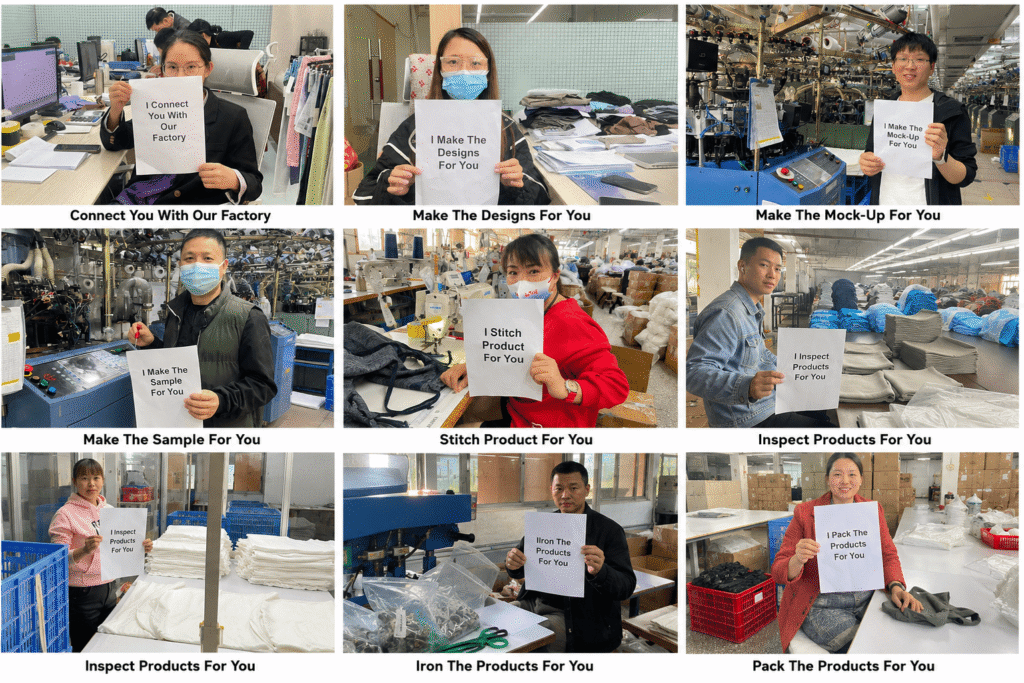
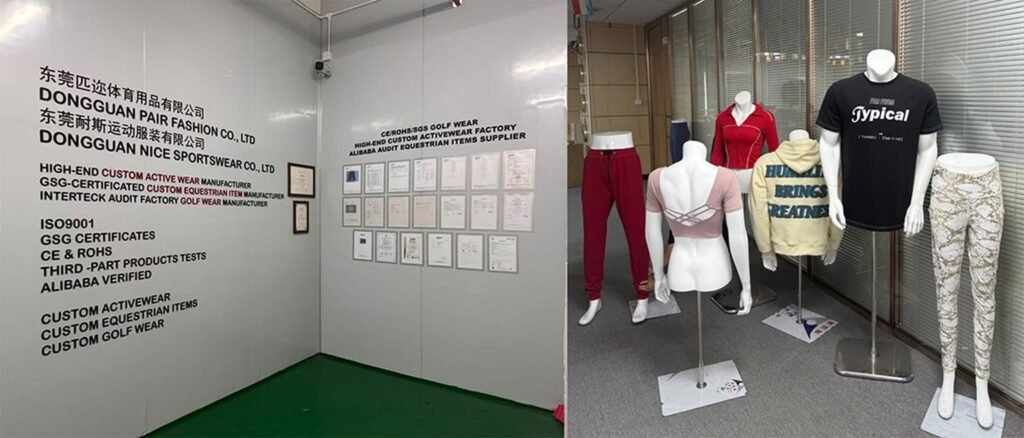
Why Brands Choose Pair Fashion
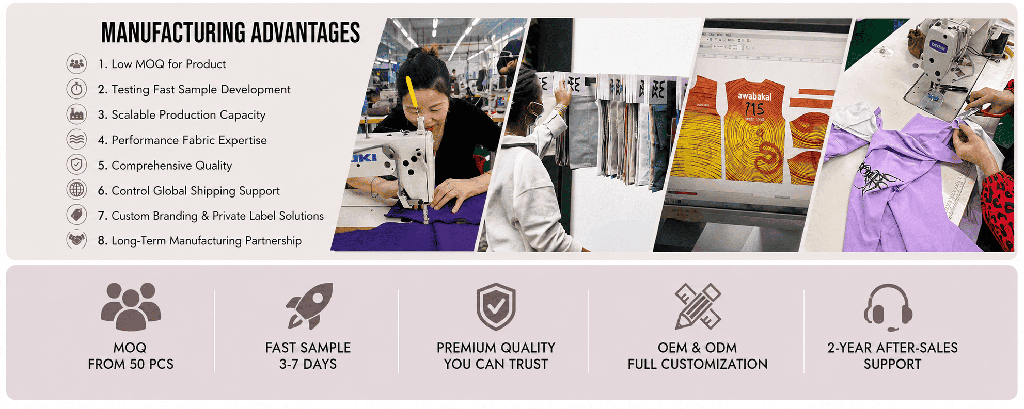
Many brands struggle with slow sampling, unstable quality, delayed delivery and unreliable suppliers.
- Slow sampling cycles
- Production inconsistency
- Poor communication
- Logistics complexity
- No after-sales support
- Can’t design products.
Which Supplier Is Best for Startup Brands?
When selecting suppliers, priority should be given to specialization, market positioning and operational compatibility instead of merely comparing factory scale. Every manufacturer targets distinct customer groups. Recognizing these disparities enables buyers to source the most appropriate partners aligned with their business goals.
Which Supplier Is Best for Large Wholesale Programs?
Large distributors and established retailers typically prioritize production stability, supply chain management, quality consistency, and operational reliability. These buyers often place greater emphasis on long-term capacity and standardized manufacturing systems.
Which Supplier Is Best for Private Label Businesses?
Private label buyers usually require support for branding, packaging, product customization, and collection development. Suppliers with experience serving international activewear brands often provide stronger support in these areas.
Why Are More Brands Sourcing Plus Size Printed Leggings from China?
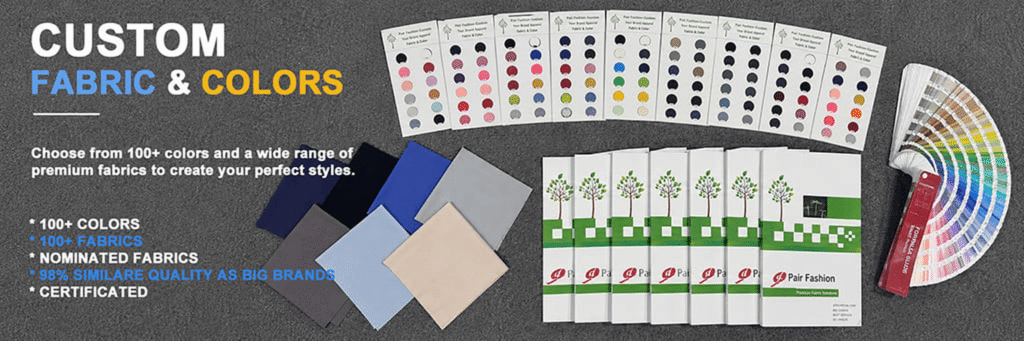
China remains a key hub for global activewear sourcing, boasting one of the world’s most mature manufacturing ecosystems for performance apparel. Its strong textile know-how, advanced printing techniques, ready access to raw materials, and scalable production capacity together make it an appealing sourcing base for brands of all scales.
The advantage extends beyond labor costs. Modern activewear production depends on a network of specialized suppliers working together across multiple stages of development.
What Makes China a Leading Activewear Manufacturing Hub?
Several factors contribute to China’s position within the activewear industry:
- Extensive performance fabric resources
- Mature garment manufacturing infrastructure
- Advanced printing capabilities
- Established export experience
- Strong logistics networks
Major manufacturing regions such as Dongguan, Guangzhou, and Xiamen have developed specialized expertise in sportswear production over many years.
Why Is China’s Printing Supply Chain Difficult to Replicate?
Printed leggings require coordination between fabric suppliers, printing specialists, pattern developers, and garment manufacturers.
China’s manufacturing clusters often allow brands to access:
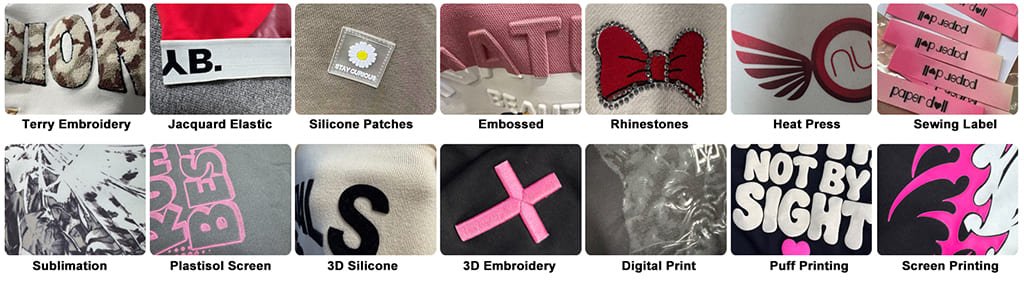
- Sublimation printing
- Digital printing
- Heat transfer printing
- Technical activewear fabrics
- Specialized sportswear production
within a relatively concentrated supply chain environment.
This integration can simplify sourcing and improve production efficiency.
China vs Other Sourcing Destinations
| Sourcing Factor | China | Vietnam | Turkey | USA |
|---|---|---|---|---|
| Activewear Expertise | Strong | Growing | Moderate | Strong |
| Supplier Variety | Extensive | Moderate | Moderate | Limited |
| Printing Infrastructure | Advanced | Developing | Moderate | Moderate |
| Fabric Availability | Extensive | Moderate | Strong | Strong |
| Production Scalability | High | Moderate | Moderate | Limited |
Different sourcing destinations offer different advantages, but China remains one of the most comprehensive options for activewear brands seeking flexibility, specialization, and scale.
What Makes a Great Plus Size Printed Leggings Manufacturer?
A great plus size printed leggings manufacturer does far more than produce garments. The best suppliers understand fit engineering, inclusive sizing, fabric performance, print durability, and consumer expectations. Brands that work with specialized manufacturers often experience fewer returns, stronger customer satisfaction, and more consistent product performance across extended size ranges.
Many activewear brands discover that producing plus size leggings successfully requires a different level of expertise than producing standard-size collections. A manufacturer that performs well in conventional activewear may struggle when handling complex size grading, stretch-sensitive printing, and fit consistency across larger sizes.
Why Is Plus Size Pattern Development Different?
One of the biggest misconceptions in apparel manufacturing is that plus size products are simply larger versions of standard-size garments.
In reality, body proportions change as sizing increases.
Manufacturers must account for:
- Waist-to-hip ratio changes
- Thigh circumference variations
- Rise depth adjustments
- Compression distribution
- Movement requirements
Simply enlarging a standard pattern often creates problems such as:
- Waistband rolling
- Fabric pulling
- Unbalanced fit
- Excessive compression
- Transparency issues
Experienced manufacturers use dedicated grading systems and fit-testing procedures to ensure garments perform properly across the entire size range.
Why Does Size Grading Matter Beyond XL?
Many factories advertise extended sizing, but true plus size expertise is measured by consistency.
Consumers expect:
- Similar comfort
- Similar support
- Similar appearance
whether they purchase XL, 2XL, 4XL, or 6XL.
Poor grading frequently leads to:
| Problem | Customer Impact |
|---|---|
| Tight waistbands | Reduced comfort |
| Loose knees | Poor appearance |
| Fabric stress | Reduced durability |
| Print distortion | Lower perceived quality |
| Fit inconsistency | Increased returns |
Brands that invest in accurate grading often achieve higher customer retention rates because consumers trust the sizing.
What Fabric Characteristics Matter Most?
Fabric selection plays a critical role in product success.
The most effective plus size printed leggings typically prioritize:
Four-Way Stretch
Allows unrestricted movement while maintaining comfort.
Recovery
Helps the garment return to its original shape after repeated wear.
Opacity
Prevents transparency during stretching and exercise.
Moisture Management
Improves comfort during workouts.
Print Compatibility
Supports durable, high-quality graphics without affecting elasticity.
Manufacturers that specialize in performance fabrics generally deliver better long-term results than suppliers focused solely on garment assembly.
Why Do Specialized Factories Often Outperform General Activewear Suppliers?
Specialized manufacturers usually possess:
- More fit-testing experience
- Better understanding of plus size consumers
- Stronger pattern development capabilities
- Greater knowledge of performance fabrics
For brands building long-term activewear collections, these advantages often translate into stronger customer reviews and fewer product complaints.
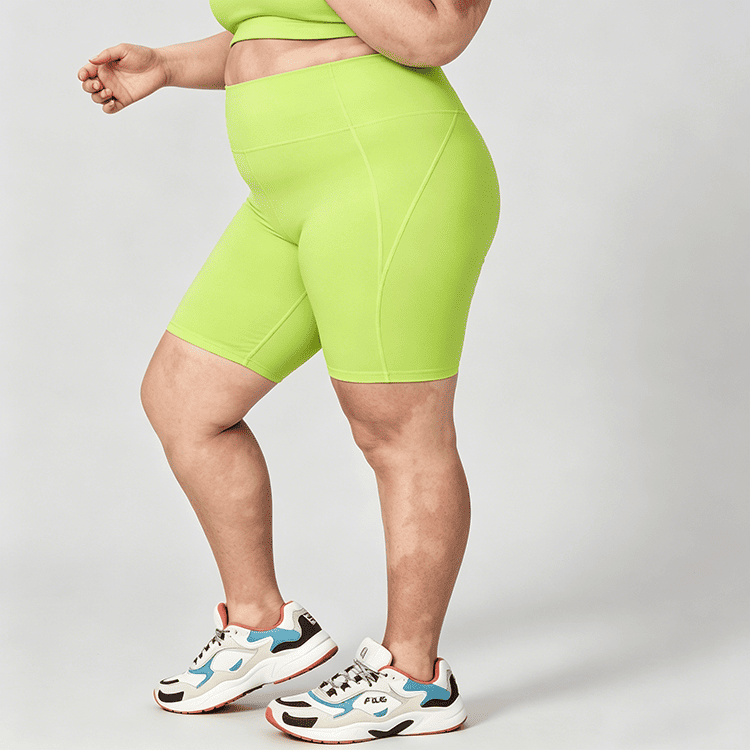
Which Types of Plus Size Printed Leggings Are Most Popular Today?
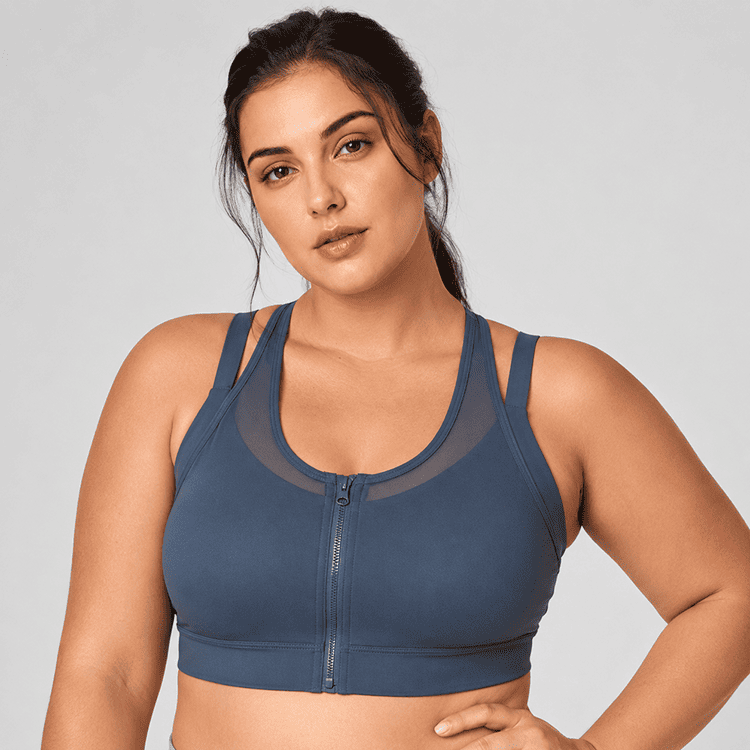
Tastes among consumers in the plus-size activewear sector keep shifting. Although plain black leggings stay a staple, printed styles have emerged as a powerful tool for brands to stand out, craft a distinct visual brand image and drive repeat orders. Grasping prevailing product trends enables buyers to identify manufacturers capable of fuelling long-term business expansion.
Sublimation Printed Leggings
Sublimation remains one of the most popular printing technologies in activewear manufacturing.
Advantages include:
- Vibrant colors
- Full-garment print coverage
- Long-lasting graphics
- Excellent stretch compatibility
Because the design becomes part of the fabric rather than sitting on top of it, sublimation often provides superior durability compared with certain alternative methods.
Popular Applications
- Floral collections
- Geometric designs
- Ombre patterns
- Abstract prints
- Seasonal collections
Compression Printed Leggings
Consumers increasingly expect activewear to provide both aesthetic and performance benefits.
Compression leggings are popular because they offer:
- Enhanced support
- Improved stability
- Streamlined appearance
- Performance-oriented positioning
Many premium activewear brands combine compression fabrics with custom prints to create higher-value products.
High-Waist Plus Size Leggings
High-waist designs remain one of the most requested features in the category.
Benefits include:
- Greater support
- Improved comfort
- Better coverage
- Enhanced confidence
For many consumers, waistband construction influences purchasing decisions as much as fabric quality or print design.
Seamless Printed Leggings
Seamless activewear continues to gain popularity among consumers seeking comfort and modern aesthetics.
Advantages include:
- Reduced chafing
- Smooth appearance
- Improved flexibility
- Lightweight feel
Although seamless production requires specialized machinery, it often appeals to consumers looking for premium activewear experiences.
Eco-Friendly Printed Leggings
Sustainability is becoming increasingly important across the apparel industry.
Many consumers actively seek products made with:
- Recycled polyester
- Recycled nylon
- GRS-certified materials
- Responsible manufacturing practices
Brands that successfully combine sustainability with performance and style often strengthen their competitive position.
Limited Edition Graphic Collections
Many direct-to-consumer brands are moving beyond basic prints and introducing:
- Artist collaborations
- Seasonal graphics
- Community-inspired designs
- Event collections
- Limited-edition releases
These collections often generate stronger engagement and encourage repeat purchases.

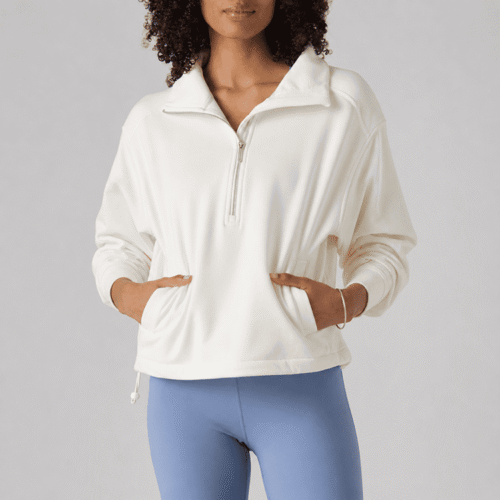
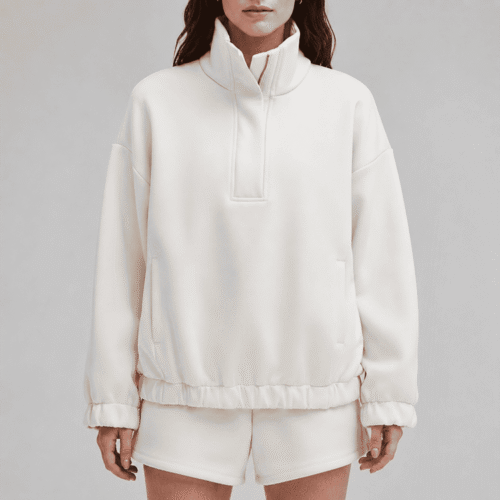
Custom Women’s Half Zip Oversized Sweatshirt Athleisure Pullover OEM ODM
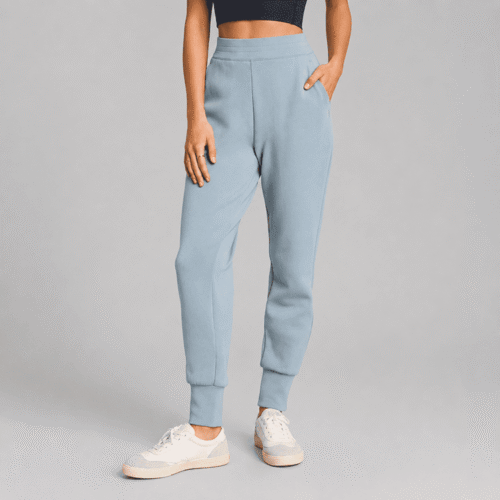
Custom Women’s High-Waist Jogger Pants OEM ODM Athleisure Sweatpants
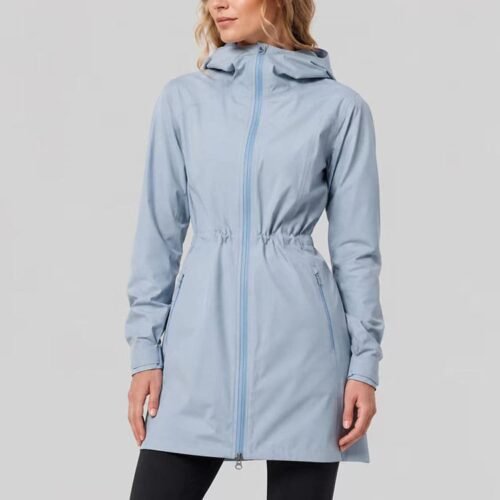
Custom Women’s Hooded Longline Windbreaker Jacket Waterproof Outerwear OEM ODM
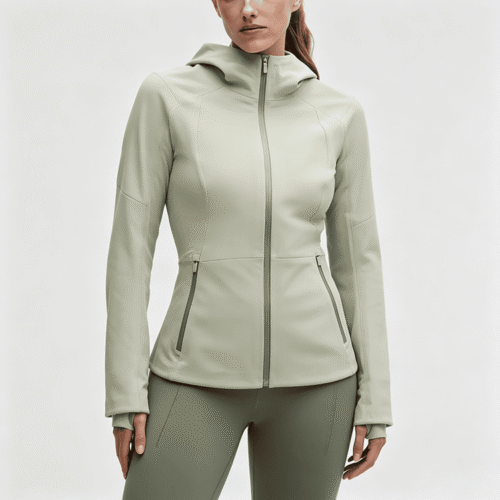
Custom Women’s Hooded Performance Jacket Full Zip Athleisure Outerwear OEM ODM
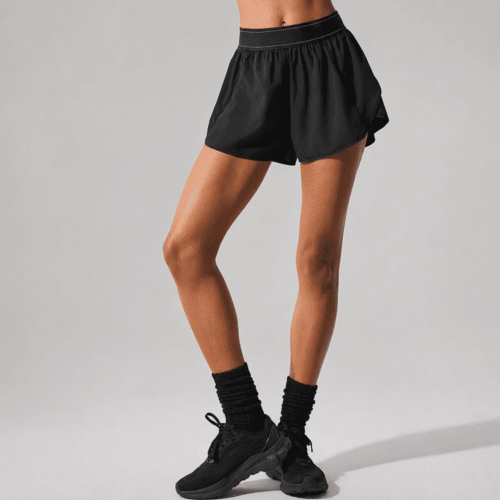
Custom Women’s Lightweight Running Shorts OEM ODM Workout Shorts
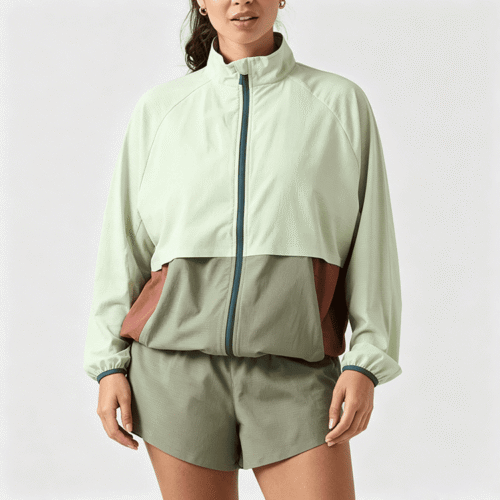
Custom Women’s Lightweight Windbreaker Jacket Full Zip Training Outerwear OEM ODM
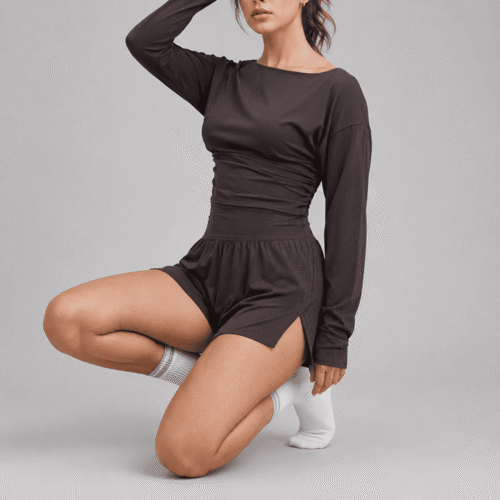
Custom Women’s Long Sleeve Lounge Romper OEM ODM Loungewear
Custom Women’s Oversized Half Zip Sweatshirt Fleece Pullover OEM ODM
How Should Buyers Evaluate Chinese Manufacturers Before Choosing a Supplier?
Supplier selection is a systematic assessment process, not just a straightforward price comparison. High-performing brands evaluate manufacturers on multiple dimensions, covering technical know-how, communication standards, production dependability and long-term strategic fit.
Many sourcing failures occur because buyers focus too heavily on initial quotations while overlooking operational factors that directly influence business performance.
What Certifications Should Buyers Look For?
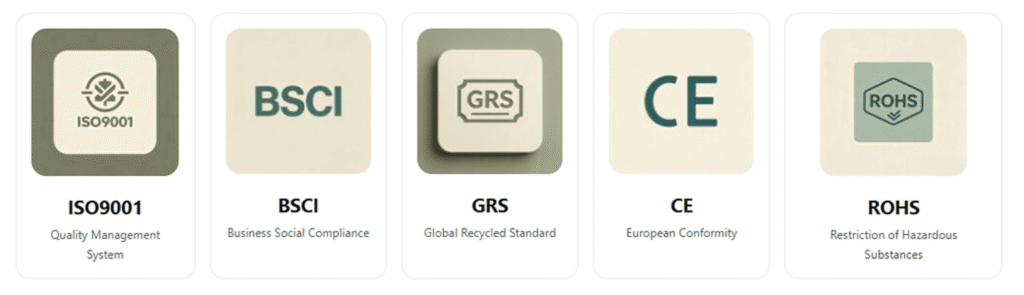
Certifications help demonstrate commitment to operational standards.
Common certifications include:
| Certification | Significance |
|---|---|
| ISO9001 | Quality management systems |
| BSCI | Social compliance |
| GRS | Recycled materials verification |
| OEKO-TEX | Textile safety |
| WRAP | Responsible manufacturing practices |
.
Buyers should also understand how internationally recognized textile certifications help verify material safety, responsible sourcing practices, and product compliance requirements.While certifications should not be the sole selection criterion, they often provide useful supporting information.
How Can Buyers Verify Production Capability?
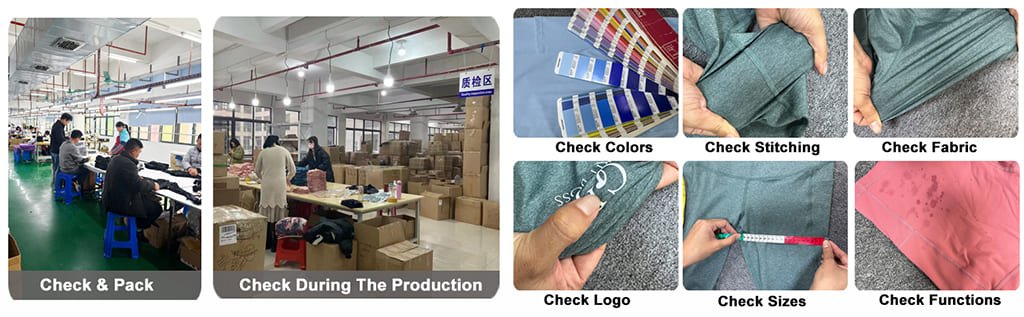
Rather than relying solely on marketing materials, buyers should request evidence such as:
- Factory tours
- Production videos
- Quality inspection procedures
- Sample development records
- Existing export market experience
Useful questions include:
- How is production capacity managed during peak seasons?
- What quality controls exist throughout manufacturing?
- How are delays handled?
- How are repeat orders supported?
The answers often reveal far more than promotional claims.
What Questions Should Buyers Ask During Supplier Screening?
Effective supplier evaluation involves understanding both technical expertise and communication quality.
Important questions include:
- How is plus size grading performed?
- Which printing methods are recommended?
- How is print durability tested?
- What fit-testing procedures are used?
- How is color consistency controlled?
Experienced suppliers typically provide detailed, practical answers rather than generic responses.
Which Red Flags Should Buyers Watch For?
Potential warning signs include:
- Unrealistically low prices
- Vague communication
- Inconsistent information
- Lack of technical explanations
- Reluctance to provide verification materials
Many sourcing issues can be avoided by identifying these warning signs early in the evaluation process.
How Can Buyers Compare Suppliers More Effectively?
A practical evaluation framework may include:
| Evaluation Area | Recommended Weight |
|---|---|
| Product Quality | 30% |
| Plus Size Expertise | 20% |
| Communication | 15% |
| Printing Capability | 15% |
| Reliability | 10% |
| Pricing | 10% |
This approach encourages balanced decision-making rather than price-driven sourcing.
What Do Buyers Often Get Wrong When Sourcing Plus Size Printed Leggings?
Many sourcing mistakes occur before production even begins. Buyers often focus on the wrong metrics, underestimate fit complexity, or assume all activewear manufacturers possess the same technical capabilities. Understanding common mistakes can significantly reduce sourcing risk.
Why Lowest Price Often Creates Higher Costs
The lowest quotation frequently excludes hidden costs associated with:
- Quality problems
- Product returns
- Production delays
- Repeated sampling
- Customer complaints
Successful brands typically evaluate total value rather than unit cost alone.
Why Plus Size Fit Problems Cause More Returns
Fit remains one of the most common reasons for apparel returns.
Poor grading can create:
- Waist fit issues
- Length inconsistencies
- Compression imbalances
- Appearance concerns
These issues become more significant as size ranges expand.
Why Print Quality Matters More Than Many Buyers Realize
Consumers often judge quality based on appearance.
Poor print performance can result in:
- Cracking
- Fading
- Distortion
- Uneven color reproduction
Strong print durability contributes directly to customer satisfaction and perceived product value.
Why Communication Quality Influences Product Success
Many sourcing problems originate from misunderstandings rather than manufacturing limitations.
Effective communication helps ensure:
- Accurate specifications
- Faster problem resolution
- Better development outcomes
- Stronger long-term partnerships
Why Factory Size Doesn’t Always Predict Performance
Larger factories are not automatically better suppliers.
Smaller specialized manufacturers may offer:
- Greater flexibility
- Faster decision-making
- Stronger customer support
- More specialized expertise
The best supplier is often the one whose strengths align most closely with a brand’s goals rather than the one with the largest production capacity.
Why Are Inclusive Sizing and Printed Activewear Becoming Major Industry Trends?
Inclusive sizing and printed activewear are no longer niche categories within the sportswear industry. They are becoming major growth drivers across global activewear markets. Brands that understand these shifts early are often better positioned to capture emerging opportunities, build stronger customer loyalty, and differentiate themselves in increasingly competitive markets.
Historically, many activewear brands treated plus size collections as secondary product lines. Today, consumer expectations have changed. Shoppers increasingly expect brands to offer the same level of innovation, style, performance, and variety across all size ranges.
At the same time, printed leggings have evolved from occasional fashion products into year-round activewear essentials that help consumers express individuality while maintaining functionality.
How Large Is the Plus Size Activewear Market?
The plus size apparel sector has grown significantly over the past decade, driven by several structural changes:
- Increased awareness of body diversity
- Greater participation in fitness activities
- Expanding availability of inclusive products
- More representation in marketing and media
- Growing demand for fashion-forward activewear
Many industry analysts expect the inclusive apparel segment to continue outperforming traditional apparel growth rates over the coming years.
For brands, this means the opportunity is no longer limited to serving an underserved audience. It now represents a substantial and increasingly influential consumer group.
Why Are Consumers Demanding Better Fit and More Print Options?
Modern consumers expect activewear to serve multiple functions.
Today’s leggings are often worn for:
- Gym workouts
- Yoga sessions
- Running
- Travel
- Daily casual wear
- Work-from-home lifestyles
Because activewear has become part of everyday wardrobes, consumers increasingly seek products that combine:
- Performance
- Comfort
- Style
- Individual expression
Printed leggings satisfy this demand by offering visual variety while maintaining functional performance.
Consumers are no longer satisfied with choosing between black, gray, and navy. Many actively seek products that reflect personal taste and lifestyle identity.
What Design Features Improve Customer Retention?
Successful activewear brands often discover that retention is driven by product experience rather than marketing alone.
Features that consistently improve customer satisfaction include:
High-Waist Construction
Provides support, comfort, and confidence.
Squat-Proof Fabrics
Reduces transparency concerns during movement.
Durable Prints
Maintains appearance after repeated washing and wear.
Thoughtful Seam Placement
Improves comfort and mobility.
Consistent Sizing
Builds trust and encourages repeat purchases.
When consumers find leggings that fit well and perform consistently, they are significantly more likely to become repeat buyers.
How Are Inclusive Brands Reshaping Activewear Categories?
Leading activewear brands increasingly approach plus size development as a core business strategy rather than an afterthought.
This shift includes:
- Dedicated fit testing
- Specialized grading systems
- Expanded style selections
- Equal access to premium fabrics
- Wider print variety
As a result, the gap between standard-size and plus size collections continues to narrow.
Brands that embrace inclusive design often benefit from stronger customer advocacy and higher long-term loyalty.
What Opportunities Exist for New Brands?
Despite growing competition, opportunities remain substantial.
Emerging brands can differentiate themselves through:
| Opportunity Area | Potential Advantage |
|---|---|
| Specialized Fit | Better customer satisfaction |
| Unique Prints | Stronger brand identity |
| Sustainable Materials | Increased consumer trust |
| Community Building | Higher engagement |
| Niche Positioning | Reduced direct competition |
.
Rather than competing directly against global giants, many successful brands focus on serving specific audiences exceptionally well.
Industry reports continue to show that inclusive apparel categories are growing faster than many traditional fashion segments, creating new opportunities for activewear brands that invest in extended sizing and product innovation.

Frequently Asked Questions About Plus Size Printed Leggings Manufacturers in China
1. What Is the Difference Between a Manufacturer and a Supplier?
A manufacturer directly produces garments using its own facilities or managed production network, while a supplier may function as a sourcing company, trading company, or intermediary. For buyers seeking greater visibility into product development and production processes, working directly with a manufacturer often provides stronger communication and better control over product quality. However, experienced suppliers can also add value by coordinating sourcing activities across multiple factories.
2. Can Chinese Manufacturers Produce High-Quality Plus Size Printed Leggings?
Yes. Many Chinese manufacturers possess extensive experience producing performance activewear, including plus size printed leggings. Product quality depends less on geographic location and more on the supplier’s expertise in fit development, fabric selection, print technology, and quality management systems. Buyers should evaluate suppliers based on demonstrated capabilities rather than assumptions about manufacturing regions.
3. How Important Is Plus Size Expertise When Choosing a Supplier?
Plus size expertise is one of the most important evaluation factors. Extended-size products require specialized grading, dedicated fit testing, and a strong understanding of body proportion changes across size ranges. Manufacturers lacking this expertise may struggle to maintain comfort, support, and consistency in larger sizes, leading to customer dissatisfaction and higher return rates.
4. Which Printing Method Is Best for Plus Size Leggings?
The ideal printing method depends on product goals, fabric composition, and design complexity. Sublimation printing is widely used because it delivers vibrant colors, excellent durability, and strong stretch compatibility. Digital printing and heat-transfer methods may also be appropriate depending on the desired visual effect and production requirements. Buyers should discuss printing options with suppliers based on their specific product objectives.
5. How Can Buyers Reduce Supplier Selection Risks?
Supplier risk can be reduced through a structured evaluation process that includes sample reviews, factory verification, quality assessments, technical discussions, and reference checks. Comparing multiple suppliers using consistent evaluation criteria often produces better outcomes than selecting a manufacturer based solely on price.
6. Are Chinese Manufacturers Suitable for Premium Activewear Brands?
Many premium activewear brands source products from China because of the country’s advanced activewear ecosystem, technical fabric resources, and specialized production expertise. The key is selecting manufacturers whose capabilities align with premium product requirements, including quality management, performance fabrics, fit development, and consistent production standards.
7. Why Do Some Plus Size Leggings Perform Better Than Others?
Performance differences are often linked to factors such as fabric quality, pattern engineering, grading accuracy, print durability, and manufacturing precision. Two products may appear similar visually but deliver very different experiences in terms of comfort, support, opacity, and longevity. These differences frequently originate during product development rather than during final production.
8. What Should Brands Prioritize When Building Long-Term Manufacturing Partnerships?
Long-term success is usually built on more than pricing. Brands should prioritize suppliers that demonstrate reliability, technical expertise, strong communication, quality consistency, and a willingness to support future growth. Stable manufacturing partnerships often lead to improved product quality, faster development cycles, and stronger operational efficiency over time.