OEM/ODM Sportswear Manufacturer | 3-Day Sampling | Low MOQ | 50K Monthly Capacity | ISO9001 & BSCI Certified

Top 10 Premium Loungewear Manufacturers in China: 2026 Supplier Comparison & Sourcing Guide
Discover the top 10 premium loungewear manufacturers in China. Compare suppliers by product specialization, sourcing strengths, buyer suitability, production capabilities, and market focus to find the right manufacturing partner for your brand.
Top 10 Premium Loungewear Manufacturers in China: Supplier Comparison Guide for Brands
The global loungewear market has undergone a remarkable transformation over the past decade. What was once viewed primarily as sleepwear or stay-at-home clothing has evolved into a major lifestyle category that blends comfort, fashion, versatility, and premium quality. Consumers increasingly expect loungewear to perform across multiple scenarios—from working remotely and traveling to casual social settings and everyday leisure.
This shift has created significant opportunities for brands entering the premium comfortwear segment. However, success depends on far more than selecting attractive designs. Fabric quality, fit consistency, manufacturing expertise, sustainability initiatives, and supply chain reliability now play a critical role in determining whether a collection succeeds or struggles.
Many buyers begin their sourcing journey by comparing manufacturers across different countries and production regions. While several nations have developed strong apparel industries, China continues to dominate premium loungewear manufacturing due to its mature textile ecosystem, advanced product development resources, and ability to support brands at various stages of growth.
The best premium loungewear manufacturers in China are not necessarily the largest factories. The strongest suppliers combine specialized fabric knowledge, consistent quality systems, flexible production models, strong sourcing networks, and the ability to support evolving brand requirements. Buyers who evaluate manufacturers based on long-term value rather than price alone often achieve stronger business outcomes.
This guide reviews ten leading premium loungewear manufacturers in China, explains how they differ, and provides a practical sourcing framework to help brands make more informed supplier decisions.
Top 10 Premium Loungewear Manufacturers Ranked
1. Pair Fashion
Location
Dongguan, Guangdong
Established
2016
Product Focus
- Premium Loungewear
- Joggers
- Sweatshirts
- Hoodie Sets
- Athleisure Collections
- Plus Size Apparel
- Maternity Apparel
Best For
- Startup Brands
- DTC Ecommerce Businesses
- Boutique Retailers
- Growing Private Brands
Buyer Considerations
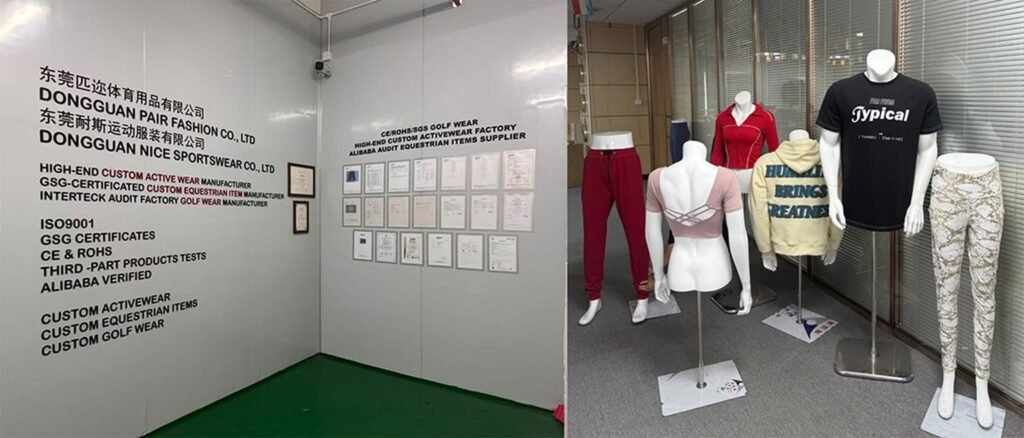
Pair Fashion focuses on premium comfortwear and active-lifestyle apparel categories. The company serves brands looking for flexibility, broad product coverage, and support across multiple apparel segments. Buyers developing loungewear collections alongside activewear, inclusive sizing, or coordinated lounge sets may find this specialization particularly relevant.
Key Strengths
- Broad product category coverage
- Flexible production model
- Strong comfortwear focus
- Experience serving international brands
- Suitable for emerging and growing brands
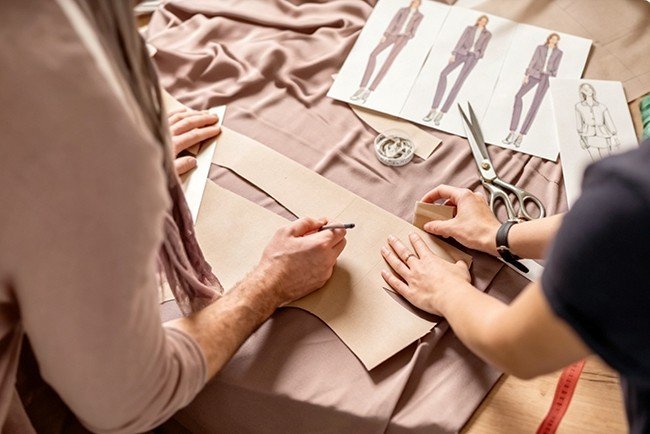
Why Brands Choose Pair Fashion
Many brands struggle with slow sampling, unstable quality, delayed delivery and unreliable suppliers.
- Slow sampling cycles
- Production inconsistency
- Poor communication
- Logistics complexity
- No after-sales support
- Can’t design products.
2. Hucai Sportswear
Location
Dongguan, Guangdong
Product Focus
- Sportswear
- Casual Apparel
- Loungewear
- Activewear
Best For
- Growing Brands
- Medium-Volume Programs
Buyer Considerations
Hucai has extensive manufacturing experience and serves multiple apparel categories. Buyers should evaluate how closely the supplier’s expertise aligns with premium comfortwear requirements, particularly regarding fabric selection and fit development.
Key Strengths
- Established manufacturing infrastructure
- Export experience
- Broad production capabilities
3. Arabella Clothing
Location
Xiamen, Fujian
Product Focus
- Activewear
- Casualwear
- Lifestyle Apparel
Best For
- Ecommerce Brands
- Digital-First Businesses
Buyer Considerations
Arabella has developed a reputation among online apparel businesses. Brands should review relevant product examples to ensure alignment with premium loungewear positioning and target customer expectations.
Key Strengths
- Responsive communication
- Flexible customization
- Ecommerce-oriented experience
4. Aika Sportswear
Location
Dongguan, Guangdong
Product Focus
- Athleisure
- Fitness Apparel
- Casual Lifestyle Products
Best For
- Active Lifestyle Brands
Buyer Considerations
Aika is well known within the activewear sector. Buyers interested in athleisure-inspired loungewear may find useful synergies between performance apparel and comfort-focused product development.
Key Strengths
- Performance fabric experience
- Athleisure expertise
- International market exposure
5. Ingor Sportswear
Location
Guangzhou, Guangdong
Product Focus
- Sustainable Apparel
- Activewear
- Lifestyle Products
Best For
- Sustainability-Focused Brands
Buyer Considerations
Brands prioritizing environmental positioning often evaluate Ingor due to its emphasis on sustainable materials and responsible sourcing initiatives.
Key Strengths
- Sustainability programs
- Recycled material options
- Eco-conscious product focus
6. Yotex Apparel
Location
Guangzhou, Guangdong
Product Focus
- Casualwear
- Knitwear
- Fashion Basics
Best For
- Boutique Fashion Brands
Key Strengths
- Fashion-oriented collections
- Broad style coverage
- Private label support
7. SGL Sportswear
Location
Fuzhou, Fujian
Product Focus
- Sportswear
- Casual Apparel
- Lifestyle Products
Best For
- Established Brands
- Larger Programs
Key Strengths
- Production stability
- Broader manufacturing scale
- Long-term sourcing suitability
8. Berunwear
Location
Dongguan, Guangdong
Product Focus
- Active Lifestyle Apparel
- Athleisure
- Casualwear
Best For
- DTC Brands
- Lifestyle Businesses
Key Strengths
- Flexible customization
- Active lifestyle positioning
- Export experience
9. Biying Clothing
Location
Guangzhou, Guangdong
Product Focus
- Women’s Apparel
- Casualwear
- Lifestyle Collections
Best For
- Boutique Retailers
- Small Brands
Key Strengths
- Fashion flexibility
- Smaller-scale programs
- Women’s category experience
10. Lezhou Garment
Location
Jiaxing, Zhejiang
Product Focus
- Knitwear
- Sleepwear
- Loungewear
Best For
- Retail Programs
- Volume Production
Key Strengths
- Knitwear specialization
- Established production systems
- Retail-focused operations
Top 10 Premium Loungewear Manufacturers in China at a Glance
Choosing a loungewear supplier involves balancing multiple priorities. Some brands prioritize flexibility and product development support, while others focus on production scale, sourcing resources, or long-term operational stability.
The following manufacturers were reviewed based on publicly available information, product focus, export orientation, manufacturing specialization, customization capabilities, and suitability for different buyer profiles.
Quick Comparison Table of the Top 10 Suppliers
| Manufacturer | City | Primary Focus | Suitable For | Production Model |
|---|---|---|---|---|
| Pair Fashion | Dongguan | Premium Loungewear & Active Lifestyle Apparel | Startups, DTC Brands | Flexible OEM/ODM |
| Hucai Sportswear | Dongguan | Sportswear & Casual Apparel | Growing Brands | OEM |
| Arabella Clothing | Xiamen | Activewear & Lifestyle Apparel | Ecommerce Brands | OEM/ODM |
| Aika Sportswear | Dongguan | Athleisure & Fitness Apparel | Active Lifestyle Brands | OEM |
| Ingor Sportswear | Guangzhou | Sustainable Apparel | Eco-Focused Brands | OEM/ODM |
| Yotex Apparel | Guangzhou | Fashion Basics & Casualwear | Boutique Brands | OEM |
| SGL Sportswear | Fuzhou | Sportswear & Volume Production | Established Brands | OEM |
| Berunwear | Dongguan | Active Lifestyle Collections | DTC Businesses | OEM/ODM |
| Biying Clothing | Guangzhou | Women’s Apparel & Casualwear | Boutique Retailers | OEM |
| Lezhou Garment | Jiaxing | Knitwear & Sleepwear | Large Retail Programs | OEM |
Which Supplier Is Best for Startups, Retailers, and Established Brands?
There is no universally best premium loungewear manufacturer. The ideal supplier depends largely on the brand’s growth stage, sourcing priorities, and operational requirements.
Many sourcing failures occur because brands choose suppliers that do not match their current business needs. A startup often requires flexibility and development support, while an established retailer may prioritize production consistency and supply chain stability.
Startup Brands
Early-stage brands typically benefit from suppliers that provide:
- Flexible production models
- Faster product validation opportunities
- Strong communication
- Broader development support
The primary objective at this stage is reducing risk while gathering market feedback.
Growing Brands
As order volumes increase, priorities often shift toward:
- Product consistency
- Supply chain stability
- Collection expansion
- Cost optimization
Growing brands frequently require suppliers capable of balancing flexibility with scalability.
Established Brands
Larger brands often focus on:
- Operational efficiency
- Production planning
- Long-term sourcing stability
- Compliance requirements
For these businesses, supply chain reliability can become more important than flexibility.
Brand Growth Stage Matching Framework
| Business Stage | Recommended Supplier Type |
|---|---|
| Startup | Flexible Development-Oriented Manufacturer |
| Early Growth | Balanced OEM/ODM Partner |
| Scaling Brand | Capacity-Oriented Supplier |
| Retail Program | Compliance-Focused Manufacturer |
| International Expansion | Multi-Category Production Partner |
The most effective sourcing strategy is not choosing the largest factory. It is choosing the supplier that best supports the brand’s current stage of growth. Brands seeking a dedicated premium loungewear manufacturer with product development support, fabric expertise, and scalable production capabilities should also evaluate specialized manufacturing partners before making a final sourcing decision.
Why Are More Global Brands Sourcing Premium Loungewear from China?
China remains the world’s most influential apparel manufacturing hub, but the reasons go far beyond production volume. In the premium loungewear segment, brands increasingly choose Chinese manufacturers because of their ability to combine product development resources, fabric innovation, manufacturing flexibility, and supply chain efficiency within a single ecosystem.
For many buyers, the sourcing decision is no longer simply about finding the lowest production cost. Instead, the focus has shifted toward finding suppliers that can help launch products faster, improve product quality, and support long-term brand growth.
The strongest Chinese manufacturers offer access to extensive textile networks, experienced development teams, specialized garment factories, and scalable production systems that are difficult to replicate elsewhere.
Why China Has Become a Global Hub for Premium Loungewear Production
China’s position as a manufacturing leader is the result of decades of investment across the entire textile value chain.
Unlike many production regions that specialize primarily in garment assembly, China has developed an integrated ecosystem that includes:
- Fiber production
- Fabric knitting and weaving
- Dyeing and finishing
- Garment manufacturing
- Packaging production
- Logistics infrastructure
This level of integration provides significant advantages for brands developing premium comfortwear collections.
When a brand decides to launch a new loungewear collection, it often requires:
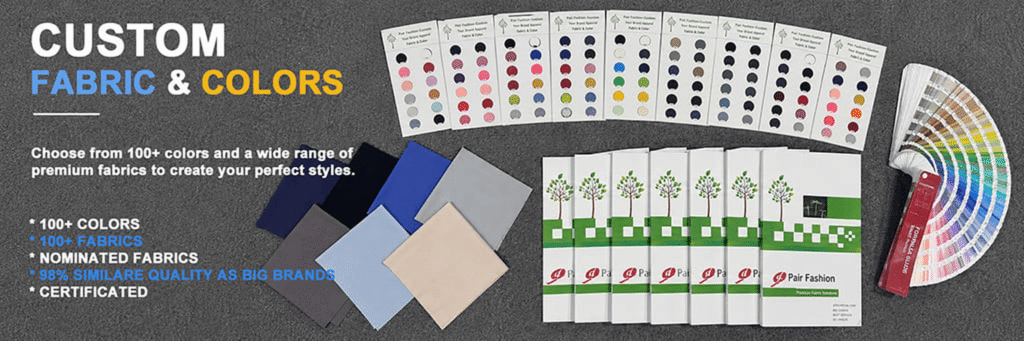
- Multiple fabric options
- Custom colors
- Sample revisions
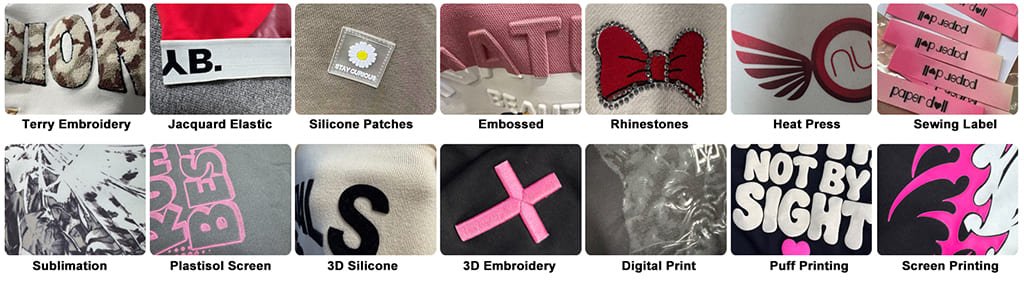
- Branding components
- Packaging development
China’s supply chain allows many of these processes to happen within a relatively concentrated geographic area, reducing development complexity and accelerating time-to-market.
China vs Portugal vs Turkey vs Vietnam: Which Manufacturing Region Is Better?
Every sourcing region has strengths and weaknesses. The best choice depends on a brand’s priorities.
China
Best known for:
- Deep supply chain integration
- Product development resources
- Manufacturing flexibility
- Broad fabric availability
- Diverse supplier options
Potential Considerations:
- Supplier quality varies significantly
- Requires careful supplier selection
Portugal
Best known for:
- Luxury garment production
- Premium craftsmanship
- European market proximity
Potential Considerations:
- Higher production costs
- More limited supplier availability
Turkey
Best known for:
- Strong textile industry
- Fast European delivery
- Knitwear expertise
Potential Considerations:
- Smaller supplier ecosystem than China
- Cost advantages have narrowed
Vietnam
Best known for:
- Competitive production costs
- Strong export orientation
- Large-scale manufacturing
Potential Considerations:
- More limited textile ecosystem
- Product development resources vary widely
Regional Comparison Overview
| Factor | China | Portugal | Turkey | Vietnam |
|---|---|---|---|---|
| Fabric Availability | Excellent | Good | Good | Moderate |
| Product Development | Excellent | Good | Good | Moderate |
| Supplier Diversity | Excellent | Moderate | Moderate | Moderate |
| Production Flexibility | Excellent | Moderate | Moderate | Good |
| Sustainability Programs | Strong | Strong | Good | Developing |
| Cost-to-Value Ratio | Strong | Moderate | Moderate | Strong |
For premium loungewear brands, China often provides the most balanced combination of development capability, sourcing flexibility, and manufacturing efficiency.
What Advantages Do Chinese Suppliers Offer Beyond Pricing?
Many buyers still associate China primarily with cost savings.
In reality, some of the most valuable advantages have little to do with labor costs.
Access to Specialized Fabrics
Chinese textile mills continuously develop new materials and finishes.
Brands can access:
- Modal blends
- Bamboo fabrics
- Organic cotton
- Brushed comfort fabrics
- Performance comfort textiles
- Sustainable fibers
without relying on multiple international sourcing partners.
Faster Development Cycles
The proximity of fabric suppliers, development teams, and manufacturing facilities often accelerates product development.
Benefits include:
- Faster sample revisions
- Easier material sourcing
- Improved communication
- Shorter product launch timelines
Manufacturing Diversity
China offers suppliers across virtually every segment of the apparel market.
Brands can find manufacturers specializing in:
- Premium comfortwear
- Athleisure
- Sleepwear
- Knitwear
- Sustainable apparel
- Inclusive sizing
This diversity allows buyers to select suppliers based on expertise rather than geography.
How Chinese Supply Chains Support Faster Product Launches
Speed has become a major competitive advantage in modern apparel retail.
Consumer preferences evolve rapidly, and brands that respond quickly often outperform slower competitors.
Chinese manufacturing clusters support faster launches by reducing friction between development stages.
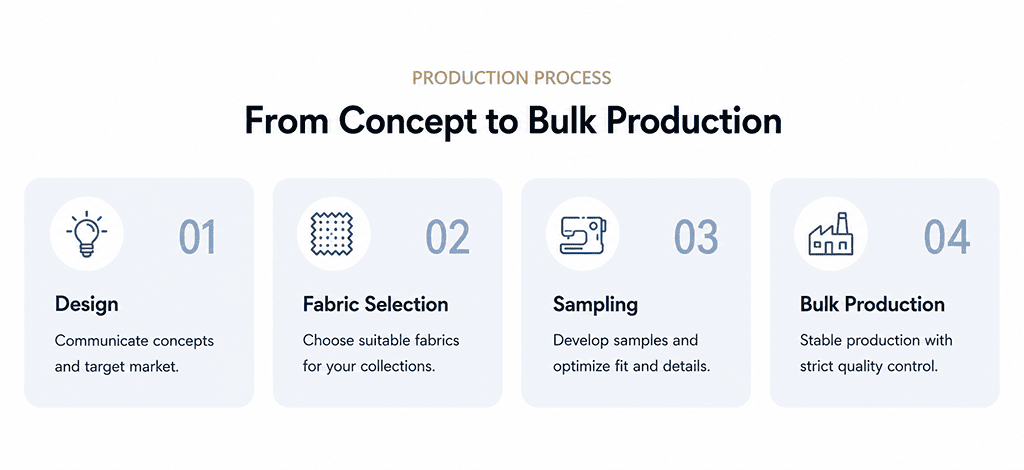
A typical product launch may involve:
- Fabric sourcing
- Pattern development
- Sample creation
- Fit revisions
- Material approval
- Production planning
- Manufacturing
- Shipment preparation
When these resources are geographically connected, timelines can often be reduced significantly.
For brands operating in highly competitive markets, faster product launches frequently create greater business value than small differences in manufacturing cost.
What Defines a Premium Loungewear Manufacturer?
Not every factory producing loungewear qualifies as a premium manufacturer.
Premium manufacturers distinguish themselves through the quality of their systems, resources, expertise, and consistency. While many factories can produce comfortable garments, fewer possess the specialized capabilities required to create products that meet premium consumer expectations.
The difference becomes especially important as brands move beyond basic products and begin developing collections designed to command higher retail prices.
Premium Loungewear vs Standard Loungewear Factories
The distinction is not necessarily about factory size.
Instead, it is often about specialization.
Standard Loungewear Factories Typically Focus On:
- Basic production efficiency
- Cost control
- Standard materials
- Large-volume output
Premium Loungewear Manufacturers Often Focus On:
- Advanced fabric sourcing
- Fit refinement
- Product consistency
- Consumer experience
- Material innovation
- Long-term quality performance
The result is a product that feels noticeably different to the end customer.

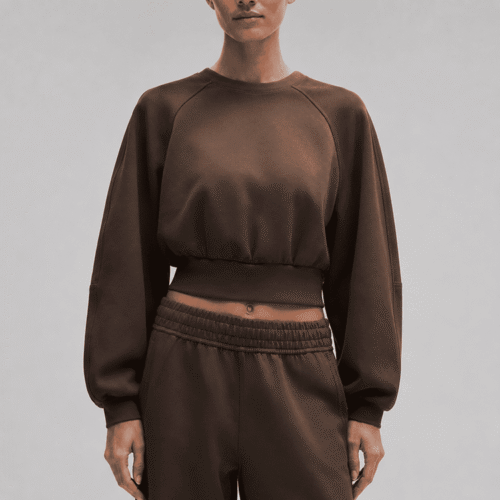
Custom Women’s Cropped Crewneck Sweatshirt Athleisure Pullover OEM ODM
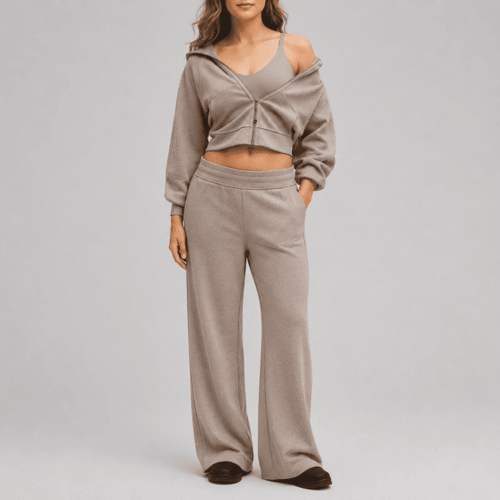
Custom Women’s Cropped Hoodie Loungewear Set OEM ODM Wide Leg Lounge Pants
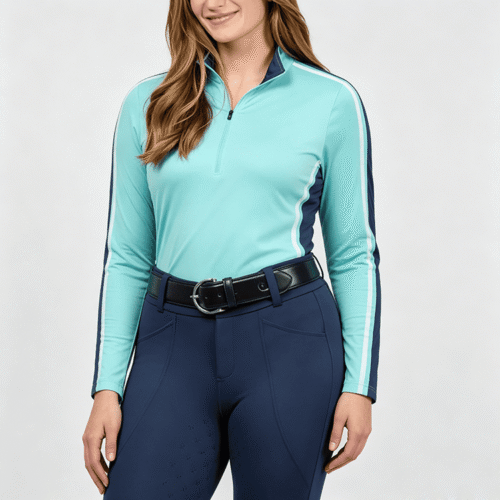
Custom Women’s Equestrian Base Layer Quarter Zip Riding Shirt OEM ODM
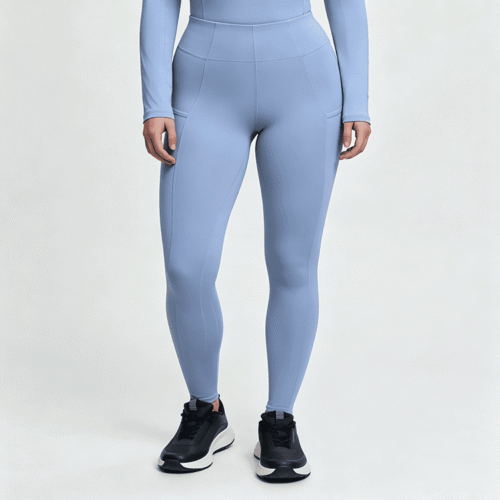
Custom Women’s Equestrian Riding Tights High Waist Performance Leggings OEM ODM
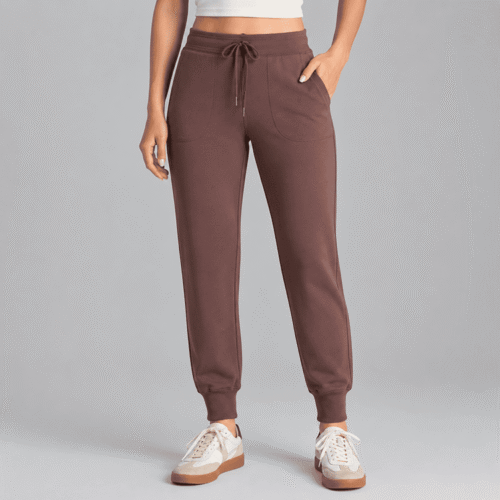
Custom Women’s Fleece Jogger Pants Athleisure Sweatpants OEM ODM
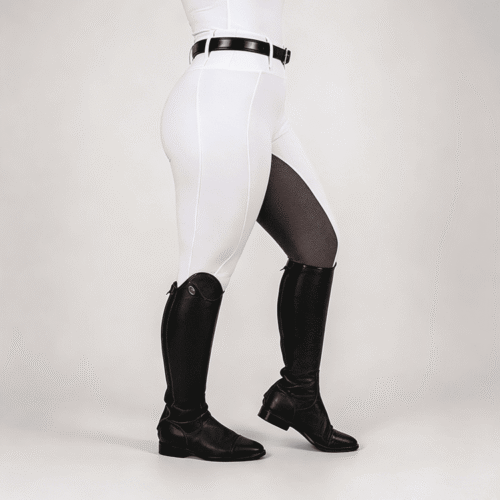
Custom Women’s Full Seat Equestrian Breeches Silicone Grip Riding Pants OEM ODM
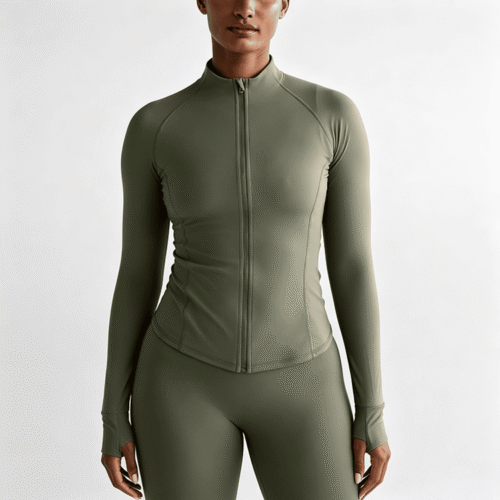
Custom Women’s Full Zip Yoga Jacket Performance Activewear OEM ODM
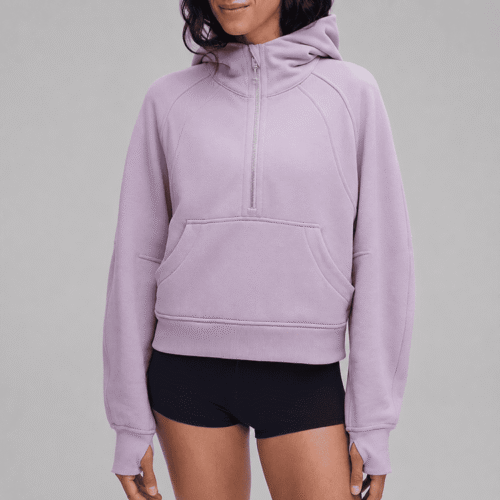
Custom Women’s Half Zip Fleece Hoodie Athleisure Pullover OEM ODM
Which Capabilities Separate Leading Suppliers from Average Factories?
Pricing remains one of the most important considerations when sourcing plus size leggings, but many buyers focus too heavily on unit cost while overlooking the factors that actually determine profitability.
The most successful brands do not simply look for the lowest manufacturing price. Instead, they evaluate the relationship between cost, quality, fit consistency, customer satisfaction, and long-term scalability. A product that costs one dollar less to manufacture but generates significantly higher return rates is rarely the better business decision.
Understanding how pricing works allows buyers to build realistic budgets, compare suppliers more accurately, and avoid unexpected expenses later in the sourcing process.
What Is the Typical Wholesale Price of Plus Size Leggings in China?
Wholesale pricing varies depending on fabric quality, construction complexity, order quantity, and customization requirements.
The following ranges provide general market guidance:
Several factors consistently distinguish stronger manufacturers.
Fabric Expertise
Premium comfortwear depends heavily on fabric performance.
Leading suppliers understand:
- Fabric drape
- Stretch recovery
- Softness retention
- Wash durability
- Seasonal suitability
These variables directly influence customer satisfaction.
Pattern Development Resources
Fit consistency remains one of the most important drivers of repeat purchases.
Manufacturers with strong pattern-making capabilities can help brands improve:
- Comfort
- Movement
- Sizing consistency
- Consumer satisfaction
Product Category Experience
A supplier specializing in comfortwear often understands category-specific requirements better than a general garment factory.
Examples include:
- Relaxed silhouettes
- Premium finishing techniques
- Lounge-specific fabric recommendations
- Comfort-focused construction methods
What Certifications and Quality Standards Matter Most?
Certifications can provide useful insights into a supplier’s operational systems.
Common certifications include:
ISO 9001
Focuses on quality management systems.
BSCI
Evaluates social compliance and workplace standards.
GRS
Supports recycled material verification.
OEKO-TEX®
OEKO-TEX® helps verify that textile products meet internationally recognized safety requirements and are tested for harmful substances.
WRAP
Assesses ethical manufacturing practices.
However, certifications should complement—not replace—practical supplier evaluation.
Sample quality, communication, production consistency, and sourcing expertise often reveal more about a supplier’s true capabilities.
Why Fabric Development Capability Matters More Than Factory Size
Many buyers assume larger factories automatically produce better products.
This is not always true.
A factory with exceptional fabric resources and development expertise may outperform a much larger facility when producing premium comfortwear.
Consumers rarely notice:
- Factory size
- Production capacity
- Employee count
They do notice:
- Comfort
- Softness
- Durability
- Fit
- Appearance after washing
These characteristics are heavily influenced by material selection and product development rather than factory scale.
For many premium loungewear brands, fabric capability is a stronger predictor of product success than manufacturing volume.

How We Evaluated the Top 10 Premium Loungewear Manufacturers
The global apparel industry contains thousands of suppliers claiming expertise in premium products. However, only a small percentage consistently support international brands with the combination of product knowledge, manufacturing capability, and sourcing expertise required for long-term success.
To create a more meaningful comparison, manufacturers were evaluated across several categories rather than being ranked solely by size or production capacity.
Manufacturing Experience and Reputation
Experience remains an important consideration because it often reflects:
- Operational stability
- Supply chain relationships
- Process maturity
- Market knowledge
Long-standing manufacturers frequently possess deeper industry expertise and stronger sourcing networks.
Product Development Resources
Not all suppliers contribute equally during the development process.
Evaluation factors included:
- Pattern-making capabilities
- Sample development resources
- Technical communication
- Product category specialization
Suppliers with stronger development resources often provide greater long-term value.
Fabric Sourcing Networks
Fabric quality directly influences:
- Product performance
- Customer satisfaction
- Brand perception
Manufacturers with stronger textile networks typically offer greater flexibility and broader material options.
Production Stability
Reliable production remains critical.
Evaluation criteria included:
- Manufacturing consistency
- Capacity planning
- Lead-time reliability
- Scalability
Brands often benefit more from predictable performance than maximum theoretical capacity.
Buyer Suitability
Perhaps the most important factor was evaluating which types of buyers each supplier serves best.
Different suppliers may be appropriate for:
- Startups
- Ecommerce brands
- Boutique retailers
- Established brands
- Retail programs
Matching supplier strengths to business requirements remains one of the most effective sourcing strategies available.
What Fabrics Do Leading Premium Loungewear Brands Prefer Today?
Fabric selection has become one of the most important competitive advantages in the premium loungewear market. While consumers may initially be attracted by design or branding, long-term satisfaction is often determined by how the garment feels, performs, and maintains its appearance after repeated wear and washing.
Leading premium brands rarely compete solely on style. Instead, they invest heavily in fabric innovation because material quality directly influences customer retention, online reviews, repeat purchases, and overall brand perception.
As the market becomes increasingly crowded, the difference between an average loungewear collection and a premium one is often found in the fabric rather than the silhouette.
Modal vs Bamboo vs Organic Cotton vs French Terry
Different fabrics appeal to different customer segments, price points, and brand positions.
Understanding these differences helps brands align product development with consumer expectations.
Modal
Modal has become one of the most widely used fabrics in premium comfortwear.
Advantages
- Exceptional softness
- Excellent drape
- Lightweight feel
- Moisture management
- Luxury appearance
Best For
- Women’s lounge sets
- Elevated basics
- Premium travel apparel
- Modern comfortwear collections
Market Position
Premium to upper-premium.
Many direct-to-consumer brands position modal collections as luxury comfort essentials.
Bamboo Viscose
Bamboo fabrics continue gaining popularity among wellness-focused and sustainability-oriented brands.
Advantages
- Smooth texture
- Breathability
- Lightweight comfort
- Sustainability appeal
Best For
- Sleep-inspired loungewear
- Wellness brands
- Sustainable collections
Market Position
Mid-premium to premium.
Organic Cotton
Organic cotton remains one of the most trusted premium materials.
Advantages
- Natural fiber story
- Consumer familiarity
- Sustainability positioning
- Durability
Best For
- Heritage brands
- Sustainable apparel
- Minimalist collections
Market Position
Premium.
Organic cotton often attracts consumers seeking both comfort and environmental responsibility.
French Terry
French terry remains a cornerstone fabric for premium lounge sets.
Advantages
- Comfortable structure
- Excellent versatility
- Year-round usability
- Long-term durability
Best For
- Joggers
- Hoodies
- Coordinated lounge sets
- Athleisure-inspired collections
Market Position
Mid-premium to premium.
French terry remains one of the most widely used materials for premium joggers and coordinated lounge sets, which is why many brands work closely with a specialized custom jogger manufacturer when expanding their comfortwear collections.
Which Fabrics Deliver the Best Comfort-to-Value Ratio?
One of the biggest misconceptions in apparel development is that the most expensive fabric automatically creates the best product.
In reality, successful brands often achieve superior commercial performance by selecting fabrics that balance comfort, durability, and profitability.
| Fabric Type | Comfort | Durability | Value Ratio |
|---|---|---|---|
| Modal-Cotton Blend | Excellent | Good | Excellent |
| Bamboo-Cotton Blend | Very Good | Good | Very Good |
| Organic Cotton | Good | Excellent | Very Good |
| French Terry Blend | Very Good | Excellent | Excellent |
| Tencel-Cotton Blend | Excellent | Very Good | Good |
Many of today’s best-selling premium loungewear products rely on thoughtfully engineered blends rather than relying solely on luxury materials.
The goal is not necessarily the most expensive fabric.
The goal is the best consumer experience at a sustainable margin.
How Sustainable Materials Are Influencing Supplier Selection
Sustainability has evolved from a marketing feature into a purchasing requirement for many retailers and consumers.
Increasingly, buyers expect suppliers to offer:
- Organic cotton
- Recycled polyester
- Recycled nylon
- Tencel™ fibers
- Bamboo-based fabrics
- Responsible packaging options
As a result, manufacturers with stronger sustainability programs often become preferred sourcing partners.
Many premium brands now evaluate sustainability capabilities during supplier selection rather than treating them as an optional benefit.
This shift is especially visible in North America, Western Europe, Australia, and emerging premium lifestyle markets.
What Fabric Trends Are Emerging in 2026?
Several trends are expected to shape premium loungewear development throughout 2026 and beyond.
Elevated Softness
Consumers increasingly prioritize sensory comfort.
Ultra-soft fabrics continue outperforming traditional materials across multiple demographics.
Lightweight Luxury
Heavyweight lounge products are gradually giving way to lighter, more versatile garments suitable for:
- Home
- Travel
- Casual outings
- Hybrid work environments
Performance Comfort
The distinction between activewear and loungewear continues to narrow.
Modern consumers increasingly expect:
- Stretch recovery
- Moisture management
- Wrinkle resistance
- Breathability
even in comfort-focused products.
Sustainable Premium Materials
Consumers no longer view sustainability and luxury as mutually exclusive.
The strongest-performing brands increasingly combine:
- Responsible sourcing
- Premium aesthetics
- Superior comfort
within the same product offering. Many premium brands also prioritize suppliers that can support internationally recognized sustainability programs such as Global Organic Textile Standard (GOTS) certification when developing environmentally responsible product lines.
Premium Loungewear Manufacturing Costs: What Buyers Should Expect in China
Pricing remains one of the most misunderstood aspects of sourcing premium apparel.
Many buyers compare quotations without fully understanding the factors influencing manufacturing costs. As a result, they may select suppliers based solely on unit pricing while overlooking variables that have a greater impact on profitability and product quality.
Successful sourcing decisions require a broader understanding of total product cost rather than focusing exclusively on manufacturing rates.
What Factors Influence Product Pricing?
Several variables contribute to the final manufacturing cost of premium loungewear.
Fabric Selection
Fabric often represents the largest cost component.
Premium materials such as:
- Modal
- Tencel™
- Organic cotton
- Sustainable blends
typically command higher prices than standard cotton or polyester alternatives.
However, higher material costs often contribute directly to stronger retail positioning and customer satisfaction.
Construction Complexity
Garments requiring additional manufacturing processes generally cost more to produce.
Examples include:
- Specialty stitching
- Garment washing
- Embroidery
- Custom trims
- Decorative details
Complexity affects labor requirements and production efficiency.
Branding Components
Many premium collections include:
- Custom woven labels
- Printed neck labels
- Premium hangtags
- Branded packaging
- Retail-ready presentation materials
These elements increase product differentiation but also contribute to overall production cost.
Production Volume
Order volume influences cost efficiency.
Larger production runs often reduce per-unit costs because development, setup, and operational expenses are distributed across more units.
However, excessive inventory can create financial risk.
Successful brands balance production efficiency with inventory flexibility.
How MOQ Structures Influence Supplier Selection
Many buyers focus heavily on MOQ when comparing suppliers.
However, MOQ should be viewed as a sourcing strategy consideration rather than simply a cost factor.
Different manufacturers structure production differently.
Some prioritize:
- Product development
- Emerging brands
- Market testing
Others focus on:
- Volume efficiency
- Long production runs
- Retail replenishment programs
Rather than asking:
“Which supplier has the lowest MOQ?”
Buyers often benefit more from asking:
“Which supplier’s production model best matches my business stage?”
This perspective leads to more sustainable sourcing decisions and stronger long-term supplier relationships.
OEM vs ODM: Which Approach Creates Better Value?
Both OEM and ODM production models offer advantages.
OEM Manufacturing
Typically suitable for:
- Established brands
- Unique product concepts
- Strong differentiation strategies
Benefits include:
- Greater exclusivity
- Brand-specific development
- Stronger product differentiation
ODM Manufacturing
Often suitable for:
- Faster market entry
- Lower development complexity
- Trend-focused collections
Benefits include:
- Reduced development timelines
- Lower technical requirements
- Faster commercialization
Many successful brands use a combination of both strategies depending on product category and business objectives.
What Hidden Costs Should Buyers Consider?
The lowest quotation does not always represent the lowest overall business cost.
Additional expenses may include:
Sample Revisions
Multiple development rounds can significantly increase project costs.
Laboratory Testing
Testing may be required for:
- Colorfastness
- Fabric composition
- Shrinkage
- Performance verification
Logistics
Shipping costs vary based on:
- Season
- Destination
- Shipping method
Import Duties
Duty structures differ across markets and should be incorporated into sourcing calculations.
Inventory Risk
Larger production runs may improve unit economics but increase inventory exposure.
Strong sourcing decisions consider the entire financial picture rather than focusing solely on manufacturing price.
How Do Chinese Manufacturers Compare on Cost Efficiency?
China remains highly competitive because of its integrated supply chain structure.
Advantages include:
- Extensive textile resources
- Efficient manufacturing clusters
- Broad material availability
- Established export infrastructure
- Strong production flexibility
For many premium loungewear brands, these factors create greater value than labor-cost comparisons alone.
The most successful sourcing strategies evaluate manufacturers based on overall supply chain performance, product quality potential, and long-term partnership value rather than simply seeking the lowest initial quotation.
How Different Chinese Loungewear Manufacturers Manage Product Development
Product development is often the hidden factor that determines whether a collection becomes a long-term bestseller or an expensive inventory problem.
Many buyers assume all manufacturers follow a similar development process. In reality, development capabilities vary significantly between suppliers. Some factories function primarily as production facilities, while others actively contribute technical expertise, fabric recommendations, construction improvements, and commercial insights.
For premium loungewear brands, these differences can directly impact product quality, launch speed, and customer satisfaction.
Do All Suppliers Offer Design Support?
The answer is no.
Chinese manufacturers generally fall into three categories.
Production-Oriented Factories
These suppliers expect buyers to provide:
- Complete Tech Packs
- Approved measurements
- Fabric specifications
- Construction details
Their primary responsibility is manufacturing.
This model works well for established brands with experienced product development teams.
Development-Assisted Manufacturers
These suppliers can help refine existing concepts.
Typical support may include:
- Fabric recommendations
- Construction suggestions
- Cost optimization
- Fit adjustments
This approach is often suitable for growing brands seeking external expertise without outsourcing the entire development process.
Full-Service Development Partners
Some manufacturers provide broader support throughout the product creation journey.
Potential services include:
- Trend analysis
- Material sourcing
- Pattern development
- Fit optimization
- Packaging recommendations
These suppliers are often attractive to startups and emerging brands with limited internal resources. Brands comparing supplier capabilities should understand that OEM loungewear manufacturing projects often require different development resources than standard apparel production, particularly when custom fabrics, private branding, and category-specific fit requirements are involved.
How Long Does Sampling Usually Take?
Sampling timelines vary depending on:
- Product complexity
- Fabric availability
- Development requirements
- Supplier resources
Typical industry timelines include:
| Development Stage | Typical Timeline |
|---|---|
| Fabric Sourcing | 3–10 Days |
| Pattern Creation | 2–5 Days |
| First Sample Production | 3–10 Days |
| Sample Shipping | 3–7 Days |
| Revision Samples | 5–10 Days |
Most premium loungewear projects require at least one revision cycle before production approval.
Brands that allocate sufficient time for fit refinement generally achieve better commercial outcomes.
What Development Resources Should Buyers Look For?
When comparing suppliers, buyers often focus on pricing and production capacity while overlooking development capabilities.
Several resources consistently contribute to stronger product outcomes.
Pattern-Making Teams
Experienced pattern makers help improve:
- Fit consistency
- Consumer comfort
- Size grading accuracy
Premium brands often consider pattern quality a competitive advantage.
Fabric Specialists
Strong suppliers frequently maintain relationships with multiple textile mills.
Benefits include:
- Greater material selection
- Faster sourcing
- Better cost optimization
- Access to innovative fabrics
Technical Communication
Effective communication remains one of the most valuable development resources.
Manufacturers capable of providing clear technical feedback often help prevent costly misunderstandings later in production.
Product Category Experience
Experience within the premium comfortwear category often matters more than general apparel manufacturing experience.
Suppliers familiar with:
- Lounge sets
- Relaxed silhouettes
- Premium fabrics
- Comfort-driven construction
can often provide more relevant recommendations.
How Do Leading Suppliers Reduce Development Risks?
The strongest manufacturers actively work to minimize development uncertainty.
Rather than simply following instructions, they identify potential issues before production begins.
Common Risk Areas
Premium loungewear development often encounters challenges involving:
- Shrinkage
- Fabric pilling
- Color consistency
- Fit variation
- Stretch recovery
- Wash performance
Leading suppliers typically address these concerns through testing and sample validation.
Structured Development Processes
Experienced manufacturers often implement:
- Fabric evaluation
- Fit reviews
- Construction verification
- Pre-production approvals
before bulk manufacturing begins.
This reduces the likelihood of costly production issues.
Cross-Functional Collaboration
Some suppliers encourage collaboration between:
- Pattern makers
- Fabric specialists
- Production managers
- Quality teams
This approach often improves product quality and development efficiency.
Which Manufacturers Are Best for New Product Launches?
Not all suppliers are equally suited for launching new collections.
The ideal choice depends on a brand’s business stage and risk tolerance.
Startup Brands
Typically benefit from suppliers offering:
- Flexible production models
- Strong communication
- Development support
- Broader product guidance
Growing Brands
Often seek manufacturers capable of supporting:
- Collection expansion
- Product diversification
- Operational consistency
Established Brands
Frequently prioritize:
- Supply chain stability
- Compliance systems
- Capacity planning
- Long-term sourcing efficiency
Understanding these differences helps buyers choose suppliers based on strategic alignment rather than simple factory size.
Which Type of Loungewear Manufacturer Is Right for Your Business?
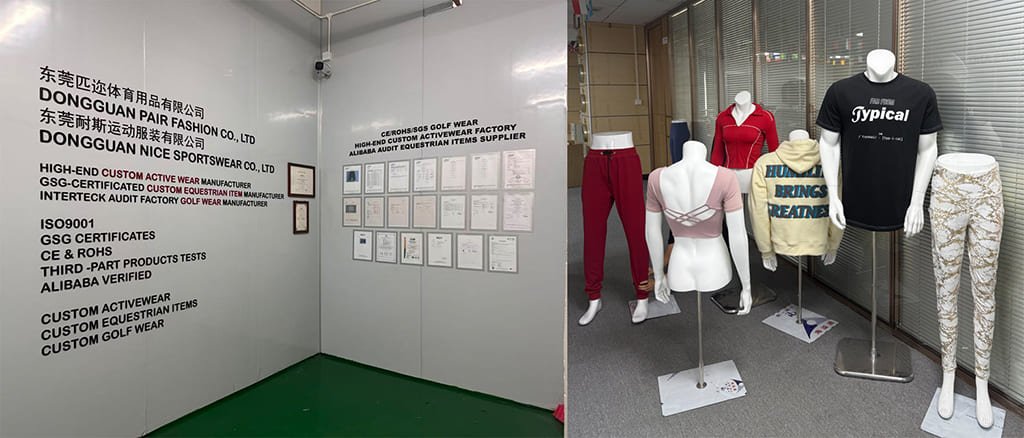
One of the biggest sourcing mistakes is assuming the same supplier works equally well for every type of brand.
In reality, different manufacturers excel at supporting different business models.
Understanding which supplier type aligns with your brand can dramatically improve sourcing outcomes.
Startup Brand Manufacturers
Startups often face unique challenges:
- Limited budgets
- Unproven products
- Uncertain demand
- Small initial order quantities
The most suitable suppliers typically emphasize flexibility and collaboration.
Important characteristics include:
- Strong communication
- Product development support
- Flexible production programs
- Broad category knowledge
For many startups, reducing risk is more important than maximizing production efficiency.
DTC Ecommerce Manufacturers
Direct-to-consumer brands often operate in fast-moving environments.
These businesses typically prioritize:
- Faster launches
- Product testing
- Collection expansion
- Consumer feedback integration
Suitable suppliers often provide:
- Quick development cycles
- Flexible sourcing options
- Responsive communication
Boutique Retail Manufacturers
Boutique retailers often differentiate through:
- Unique product selection
- Premium quality
- Limited production runs
Manufacturers serving this segment frequently emphasize:
- Product quality
- Customization
- Fabric diversity
- Brand presentation
Wholesale Program Manufacturers
Wholesale-focused brands usually require:
- Consistent production
- Reliable lead times
- Broad product coverage
These businesses often prioritize operational stability over maximum flexibility.
Large Retail Chain Manufacturers
Large retail programs typically emphasize:
- Compliance
- Capacity
- Quality consistency
- Supply chain reliability
Manufacturers supporting these programs often maintain more structured operational systems and larger-scale manufacturing resources.
2026 Premium Loungewear Industry Trends Every Brand Should Know
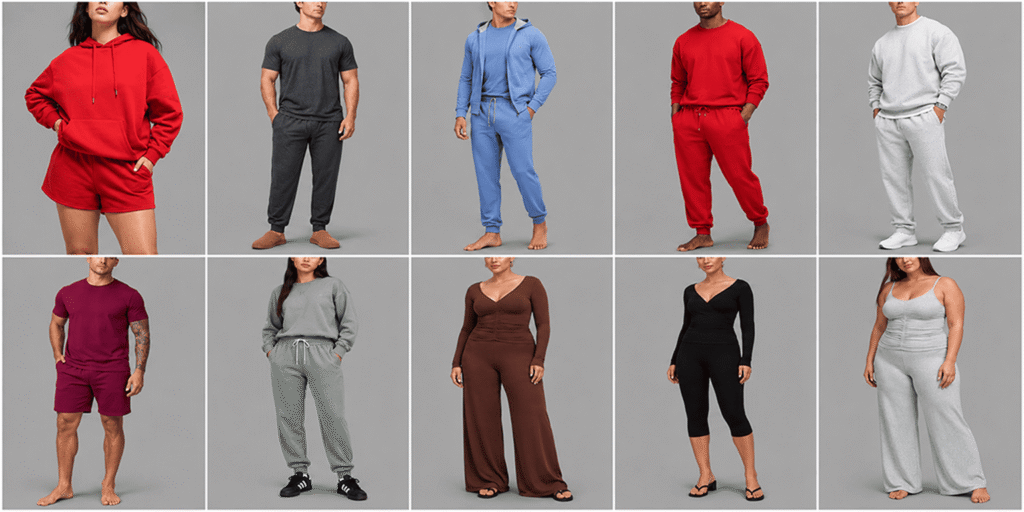
The premium loungewear market continues evolving rapidly as consumer expectations shift and new product categories emerge.
Brands that understand these trends often identify opportunities earlier and make more effective sourcing decisions.
Why Luxury Comfortwear Continues to Grow
Consumers increasingly value products that combine:
- Comfort
- Versatility
- Style
- Everyday functionality
As a result, premium comfortwear continues expanding beyond traditional homewear categories.
Modern consumers expect garments to transition seamlessly between:
- Home
- Travel
- Remote work
- Casual social settings
This versatility has become a key driver of category growth.
Are Sustainable Collections Becoming the New Standard?
Sustainability is becoming increasingly important across premium apparel categories.
Consumers are paying closer attention to:
- Material sourcing
- Manufacturing practices
- Product longevity
- Environmental impact
Brands that integrate sustainability into product development often strengthen long-term customer loyalty.
How AI Is Influencing Apparel Product Development
Artificial intelligence is beginning to influence multiple areas of apparel development.
Applications include:
- Trend forecasting
- Consumer sentiment analysis
- Demand prediction
- Product research
Manufacturers capable of adapting to digital workflows may provide additional advantages as the industry continues evolving.
Which Premium Loungewear Categories Are Growing Fastest?
Several product segments are experiencing particularly strong growth.
Coordinated Lounge Sets
Matching collections remain one of the most commercially successful categories.
Elevated Basics
Consumers increasingly prefer versatile products with long-term wardrobe value.
Sustainable Comfortwear
Environmental considerations continue influencing purchasing decisions.
Gender-Neutral Collections
Inclusive sizing and relaxed silhouettes are expanding market opportunities.
Travel-Focused Apparel
Consumers increasingly seek products that combine:
- Comfort
- Wrinkle resistance
- Versatility
- Ease of care
What Will Buyers Prioritize When Selecting Manufacturers?
Supplier selection criteria continue evolving.
Historically, price dominated sourcing decisions.
Today, many buyers increasingly prioritize:
- Product development capability
- Supply chain stability
- Sustainability programs
- Quality consistency
- Communication efficiency
- Speed to market
Manufacturers capable of supporting these priorities will likely remain preferred sourcing partners throughout the remainder of the decade.
The premium loungewear market is becoming more competitive, but also more rewarding for brands that make informed sourcing decisions. Understanding supplier differences, fabric trends, development capabilities, and industry direction helps buyers build stronger collections and more resilient supply chains.
The most successful brands are rarely those that simply find the cheapest factory. They are the brands that build long-term partnerships with suppliers capable of supporting growth, innovation, and evolving consumer expectations.
Premium Loungewear Market Overview: Size, Growth, and Future Opportunities
The premium loungewear sector stands among the fastest-growing segments of the global apparel industry. Although traditional sleepwear continues to hold significance, consumers are increasingly drawn to versatile apparel that balances comfort, aesthetics and practical functionality.
This shift has expanded the definition of loungewear beyond home use. Today, premium comfortwear is commonly worn for travel, remote work, casual social activities, and everyday leisure. As consumer lifestyles continue evolving, many industry analysts expect premium loungewear to remain a long-term growth category rather than a temporary trend.
For brands evaluating manufacturing partners, understanding where the market is heading can help guide product development, sourcing strategies, and future investment decisions.
How Fast Is the Premium Loungewear Market Growing?
Several factors continue driving category growth:
- Increased focus on comfort-first fashion
- Expansion of remote and hybrid work models
- Growing consumer interest in versatile wardrobes
- Rising demand for premium fabrics
- Increased spending on lifestyle apparel
Many successful brands now view premium loungewear as a core category rather than a seasonal collection.
Compared with traditional sleepwear, premium loungewear often achieves:
- Higher average order values
- Stronger repeat purchase rates
- Broader consumer appeal
- Greater product diversification opportunities
These advantages continue attracting both established apparel companies and emerging direct-to-consumer brands.
What Regions Are Driving Demand?
Demand growth is occurring globally, but several regions remain particularly important.
North America
Consumers increasingly prioritize:
- Comfort
- Versatility
- Sustainable materials
The United States remains one of the largest premium comfortwear markets worldwide.
Western Europe
European consumers often place greater emphasis on:
- Fabric quality
- Sustainability
- Product longevity
Premium and environmentally responsible collections continue performing strongly.
Australia and New Zealand
Demand is supported by:
- Casual lifestyle preferences
- Active-lifestyle consumers
- Growing direct-to-consumer brands
Emerging Markets
Premium comfortwear adoption continues increasing in:
- Southeast Asia
- Middle East
- Latin America
As disposable incomes rise, consumers often shift toward higher-quality apparel categories.
Which Consumer Segments Are Growing Fastest?
Several consumer groups continue expanding faster than the overall market.
Female Professionals
Consumers seeking garments that transition between:
- Home
- Travel
- Casual work environments
often represent a key growth segment.
Wellness-Oriented Consumers
Consumers focused on:
- Comfort
- Sustainability
- Lifestyle balance
frequently prioritize premium fabrics and elevated comfortwear.
Travel-Focused Consumers
Versatile apparel suitable for multiple situations continues gaining popularity among frequent travelers.
Inclusive Apparel Consumers
Growing demand exists for:
- Plus-size collections
- Maternity comfortwear
- Gender-neutral products
Manufacturers capable of supporting these categories may benefit from long-term market growth.
Why Premium Comfortwear Outperforms Traditional Sleepwear
Traditional sleepwear serves a relatively limited purpose.
Premium loungewear offers broader functionality.
Consumers increasingly prefer products that can be worn:
- At home
- During travel
- While working remotely
- During casual social activities
This versatility often increases perceived value and purchase frequency.
For brands, this creates opportunities to develop larger collections with stronger customer lifetime value.
How to Shortlist Premium Loungewear Manufacturers Before Requesting Quotes
Numerous sourcing projects fall through even before quotations are gathered.
A frequent error buyers commit is reaching out to dozens of suppliers without defining clear evaluation criteria upfront.
Effective supplier selection begins with structured research rather than immediate price comparisons.
The goal is not to find the cheapest supplier.
The goal is to identify the manufacturers most capable of supporting the brand’s objectives.
What Information Should Buyers Collect First?
Before contacting manufacturers, buyers should define:
Product Requirements
Including:
- Product categories
- Target price range
- Fabric preferences
- Quality expectations
Business Requirements
Such as:
- Launch timelines
- Expected order volumes
- Market positioning
- Sustainability goals
Operational Requirements
Including:
- Preferred communication style
- Sampling expectations
- Shipping requirements
- Long-term sourcing plans
Clear requirements make supplier evaluation significantly more effective.
How Many Suppliers Should You Compare?
Many buyers compare either too few or too many suppliers.
A practical approach is:
Initial Research
10–15 suppliers
Detailed Evaluation
5–8 suppliers
Sample Stage
3–5 suppliers
Final Selection
1–2 suppliers
This process balances efficiency with sufficient market visibility.
What Questions Should You Ask During Initial Contact?
Strong initial conversations often reveal valuable information.
Recommended questions include:
- What categories do you specialize in?
- What export markets do you serve?
- What certifications do you maintain?
- What fabrics do you frequently use?
- What type of customers do you typically work with?
The quality of responses often provides insight into the supplier’s expertise and professionalism.
How Can Buyers Verify Manufacturer Claims?
Verification is critical.
Recommended methods include:
Reviewing Product Examples
Evaluate:
- Construction quality
- Fabric selection
- Finishing standards
Requesting Certifications
Verify relevant documentation directly.
Reviewing Export Experience
Assess whether the supplier has experience serving similar markets.
Evaluating Communication
Consistent communication often reflects broader operational quality.
When Should You Request Samples?
Sampling should begin after narrowing the supplier list.
Requesting samples from too many factories often wastes time and budget.
The most effective approach is:
- Research suppliers
- Conduct initial discussions
- Evaluate capabilities
- Shortlist candidates
- Request samples
This process generally produces stronger sourcing outcomes.
Common Mistakes Brands Make When Choosing Loungewear Manufacturers
Many sourcing challenges are preventable.
The following mistakes appear repeatedly across both emerging and established brands.
Understanding them can significantly reduce sourcing risk.
Choosing Only by Price
The lowest quotation rarely represents the best value.
Extremely low prices may indicate:
- Lower-grade materials
- Reduced quality control
- Limited development resources
Long-term product performance often matters more than short-term savings.
Ignoring Fabric Quality
Consumers directly experience fabric quality.
Poor materials frequently result in:
- Negative reviews
- Product returns
- Reduced repeat purchases
Brands should evaluate materials with the same rigor used when evaluating suppliers.
Skipping Supplier Verification
Assumptions create risk.
Verification helps confirm:
- Manufacturing capabilities
- Product expertise
- Quality systems
- Export experience
Due diligence often prevents expensive sourcing mistakes.
Ordering Too Much Inventory Too Early
Many new brands overestimate demand.
Large initial orders increase:
- Inventory risk
- Cash flow pressure
- Forecasting uncertainty
Gradual scaling often produces more sustainable growth.
Overlooking Communication Quality
Communication problems rarely improve after production begins.
Delayed responses during supplier evaluation often become larger operational challenges later.
Strong communication remains one of the most important indicators of a productive manufacturing relationship.
Final Thoughts: How to Choose the Right Premium Loungewear Manufacturer for Long-Term Growth
Selecting a premium loungewear manufacturer is far more than a simple procurement choice. It constitutes a strategic decision that shapes product quality, customer satisfaction, operational efficiency and the long-term growth of your brand.
The best supplier is not necessarily the largest, the cheapest, or the most well-known.
Instead, the right partner is the one whose capabilities align with the brand’s current needs and future objectives.
Brands that invest time in evaluating manufacturers based on:
- Product expertise
- Fabric knowledge
- Supply chain stability
- Communication quality
- Long-term scalability
often build stronger and more resilient businesses.
Recommended Manufacturer Types by Brand Stage
| Brand Stage | Recommended Manufacturer Type |
|---|---|
| Startup Brand | Flexible Development-Oriented Supplier |
| DTC Ecommerce Brand | Fast-Response Product Development Partner |
| Boutique Retail Brand | Premium Fabric Specialist |
| Growing Brand | Scalable OEM/ODM Manufacturer |
| Established Retail Program | Compliance-Focused Production Partner |
| International Expansion Brand | Multi-Category Manufacturing Partner |
As premium comfortwear continues evolving, manufacturers that combine product expertise, sourcing strength, quality consistency, and adaptability will remain valuable partners for brands seeking sustainable long-term success.
For buyers, the most effective sourcing strategy is not finding a factory for the next order—it is finding a manufacturing partner capable of supporting the next stage of growth.
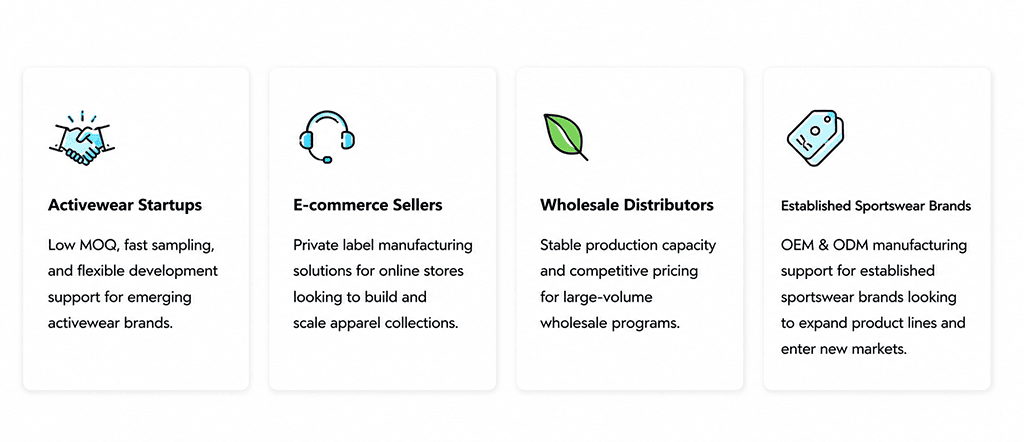
Premium Loungewear Supplier Scorecard: A Practical Framework for Comparing Manufacturers
Many sourcing decisions are made using incomplete information. Buyers often compare suppliers based on price, website quality, or response speed without evaluating the factors that have the greatest impact on long-term business performance.
A structured scorecard helps brands make more objective decisions and reduces the likelihood of choosing a supplier based on short-term impressions.
The following framework can be adapted for brands of different sizes and sourcing strategies.
How to Score Premium Loungewear Manufacturers
Assign a score from 1 to 10 for each category.
| Evaluation Factor | Weight | Why It Matters |
|---|---|---|
| Product Expertise | 20% | Determines category knowledge and execution quality |
| Fabric Resources | 20% | Influences comfort, durability, and product differentiation |
| Product Development Support | 15% | Helps improve product quality before production |
| Quality Control Systems | 15% | Reduces returns and consistency issues |
| Communication Efficiency | 10% | Impacts project management and timelines |
| Lead Time Reliability | 10% | Supports inventory planning |
| Sustainability Capability | 10% | Increasingly important for retailers and consumers |
| Evaluation Factor | Weight | Why It Matters |
|---|---|---|
| Product Expertise | 20% | Determines category knowledge and execution quality |
| Fabric Resources | 20% | Influences comfort, durability, and product differentiation |
| Product Development Support | 15% | Helps improve product quality before production |
| Quality Control Systems | 15% | Reduces returns and consistency issues |
| Communication Efficiency | 10% | Impacts project management and timelines |
| Lead Time Reliability | 10% | Supports inventory planning |
| Sustainability Capability | 10% | Increasingly important for retailers and consumers |
Example Supplier Evaluation
| Factor | Weight | Supplier A | Supplier B |
|---|---|---|---|
| Product Expertise | 20% | 9 | 7 |
| Fabric Resources | 20% | 8 | 6 |
| Product Development | 15% | 9 | 5 |
| Quality Systems | 15% | 8 | 8 |
| Communication | 10% | 9 | 6 |
| Lead Time Reliability | 10% | 8 | 8 |
| Sustainability | 10% | 8 | 7 |
| Total Score | 100% | 8.5/10 | 6.6/10 |
This approach often reveals that the cheapest supplier is not necessarily the strongest long-term partner.
What Matters Most for Startup Brands?
Startups should place greater emphasis on:
- Product development support
- Communication quality
- Flexibility
- Category expertise
A supplier that helps avoid costly mistakes often creates more value than one offering slightly lower pricing.
What Matters Most for Established Brands?
Established brands generally prioritize:
- Consistency
- Compliance
- Capacity
- Supply chain reliability
At scale, operational stability often becomes more important than flexibility.
Red Flags When Comparing Premium Loungewear Manufacturers
Finding a good supplier is important.
Avoiding the wrong supplier is equally important.
Many sourcing failures can be attributed to red flags identifiable early in the evaluation process, which were overlooked.
The following red flags frequently appear when brands encounter production, quality, or communication problems.
Red Flag #1: The Supplier Only Talks About Price
Price matters.
However, manufacturers that focus exclusively on low pricing while avoiding discussions about:
- Fabric quality
- Product development
- Quality systems
- Production consistency
may not be suitable for premium positioning.
Premium loungewear succeeds because of customer experience, not because of the lowest manufacturing cost.
Red Flag #2: Limited Fabric Knowledge
Fabric is the foundation of premium comfortwear.
If a supplier struggles to explain:
- Modal blends
- Bamboo fabrics
- Organic cotton options
- Fabric performance differences
it may indicate limited expertise within the premium segment.
Strong manufacturers typically provide thoughtful recommendations rather than generic answers.
Red Flag #3: No Clear Quality Control Process
Every manufacturer claims to produce quality products.
The important question is how quality is managed.
Suppliers should be able to explain:
- Material inspections
- In-process quality checks
- Final inspections
- Corrective action procedures
Vague answers often indicate weak operational systems.
Red Flag #4: Poor Communication During Sampling
Sampling is usually the easiest stage of a sourcing project.
If communication is already slow or inconsistent during development, larger problems often appear during production.
Warning signs include:
- Delayed responses
- Missing information
- Incomplete answers
- Repeated misunderstandings
Strong communication often predicts stronger long-term performance.
Red Flag #5: No Relevant Product Examples
A factory may be excellent at producing sportswear, knitwear, or fashion apparel.
That does not automatically mean it excels at premium loungewear.
Buyers should request examples demonstrating experience with:
- Lounge sets
- Joggers
- Hoodies
- Premium fabrics
- Comfort-focused construction
Category-specific experience frequently improves outcomes.
Red Flag #6: Unrealistic Promises
Be cautious when suppliers claim:
- Any MOQ is possible
- Any lead time is possible
- Any fabric is immediately available
- No development challenges exist
Experienced manufacturers usually provide balanced, realistic expectations.
Red Flag #7: No Export Experience
Premium international brands often require:
- Compliance documentation
- Packaging standards
- Product testing
- Market-specific requirements
Manufacturers with relevant export experience are often better prepared to support these needs.
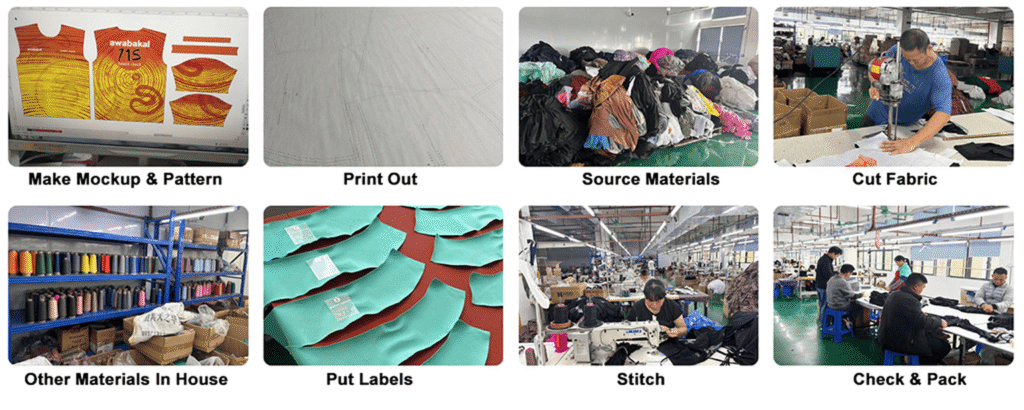
Frequently Asked Questions About Premium Loungewear Manufacturers in China
1. Who Is the Best Premium Loungewear Manufacturer in China?
There is no single manufacturer that is best for every brand. The ideal supplier depends on product category, business stage, order volume, target market, and sourcing priorities. Some brands prioritize flexibility and development support, while others focus on capacity, compliance, or cost efficiency. Buyers should evaluate manufacturers based on long-term suitability rather than reputation alone.
The strongest suppliers often combine fabric expertise, quality systems, communication efficiency, and product development resources. A supplier that aligns with a brand’s growth strategy will usually deliver more value than simply choosing the largest factory.
2. What Is the Typical MOQ for Premium Loungewear Manufacturing?
MOQ structures vary significantly depending on the supplier’s business model and customer focus. Flexible manufacturers may support lower-volume development programs, while larger factories often prioritize higher-volume production.
Rather than searching for the lowest MOQ, buyers should focus on finding a supplier whose production model aligns with their current stage of growth. The right balance between flexibility and operational efficiency often produces stronger long-term results.
3. How Long Does It Take to Develop a Premium Loungewear Collection?
Most premium loungewear projects require time for fabric sourcing, pattern development, sampling, fit refinement, and production planning. The exact timeline depends on product complexity and development requirements.
Brands that invest sufficient time in product development typically achieve better fit consistency, stronger customer satisfaction, and lower return rates after launch.
4. Can Chinese Manufacturers Develop Products From Sketches or Reference Photos?
Many experienced manufacturers can work from sketches, mood boards, reference garments, product photos, or technical specifications. However, development accuracy generally improves when brands provide detailed information about construction, materials, and fit expectations.
The most successful projects involve close collaboration between brands and manufacturers throughout the development process.
5. What Fabrics Are Most Popular for Premium Loungewear?
Modal, bamboo blends, organic cotton, French terry, and Tencel™-based fabrics remain among the most popular materials in premium comfortwear.
The ideal fabric depends on target customers, product positioning, climate considerations, and retail pricing strategy. Many successful collections use carefully engineered blends to balance softness, durability, and value.
6. How Can Buyers Verify the Quality of a Manufacturer?
Quality evaluation should extend beyond certifications and marketing materials.
Buyers should review:
- Product samples
- Fabric quality
- Construction consistency
- Communication responsiveness
- Technical expertise
Strong suppliers typically demonstrate quality through their processes, product examples, and development capabilities rather than relying solely on certifications.
7. Is China Still Better Than Portugal, Turkey, or Vietnam for Premium Loungewear?
Each region offers unique advantages. Portugal is known for luxury craftsmanship, Turkey has a strong textile heritage, and Vietnam remains competitive for larger-scale production.
China continues to stand out because of its integrated supply chain, product development resources, fabric availability, manufacturing flexibility, and supplier diversity. For many brands, this combination creates a strong balance between quality, efficiency, and scalability.
8. How Can Startup Brands Reduce Sourcing Risk?
Startup brands can reduce risk by taking a structured approach to supplier selection and product development. This includes carefully evaluating suppliers, investing in sample reviews, verifying fabric performance, and scaling production gradually.
Strong communication, realistic planning, and clear documentation often contribute more to sourcing success than simply negotiating lower prices.

Final Buyer Takeaway
The premium loungewear market is becoming increasingly competitive, but it also offers significant opportunities for brands that make informed sourcing decisions. Comparing manufacturers through a structured framework, understanding fabric trends, recognizing supplier warning signs, and selecting partners aligned with business goals can dramatically improve product quality and long-term profitability.
Top-performing brands rarely win by chasing the cheapest manufacturers. Their advantage lies in building reliable production partnerships able to support innovation, consistent output, and lasting sustainable growth.