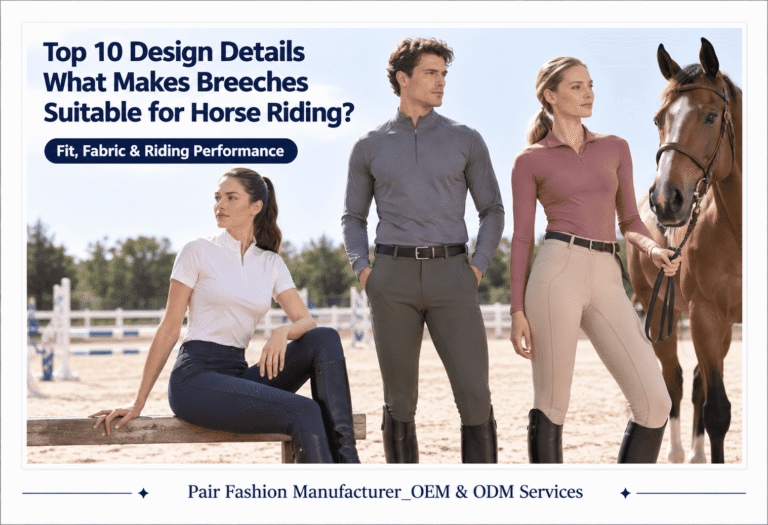
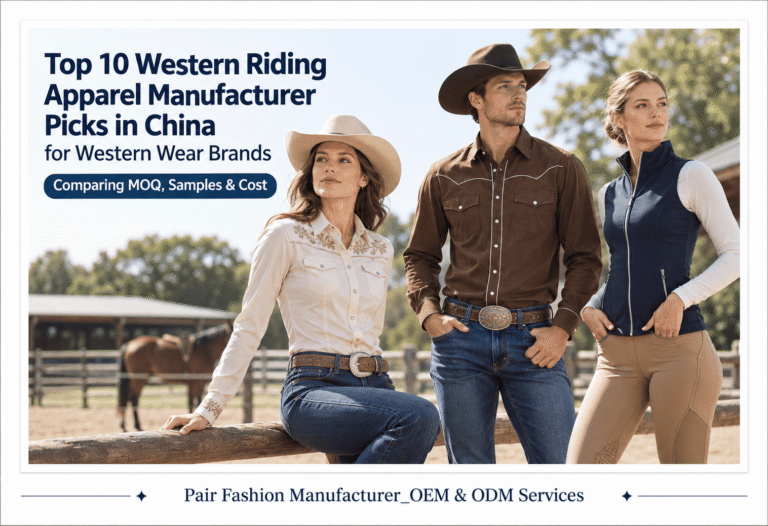
OEM/ODM Sportswear Manufacturer | 3-Day Sampling | Low MOQ | 50K Monthly Capacity | ISO9001 & BSCI Certified

Top 10 top premiere equestrian brand netherlands Picks: Riding Apparel Compared
Compare Top premiere equestrian brand netherlands picks by riding apparel fit, style and price. Explore Chinese manufacturers, assess samples, MOQ and production terms, and build a practical supplier shortlist for your next private label equestrian collection with clearer purchasing decisions.
Which 10 Brands Should Buyers Compare? A Guide to top premiere equestrian brand netherlands
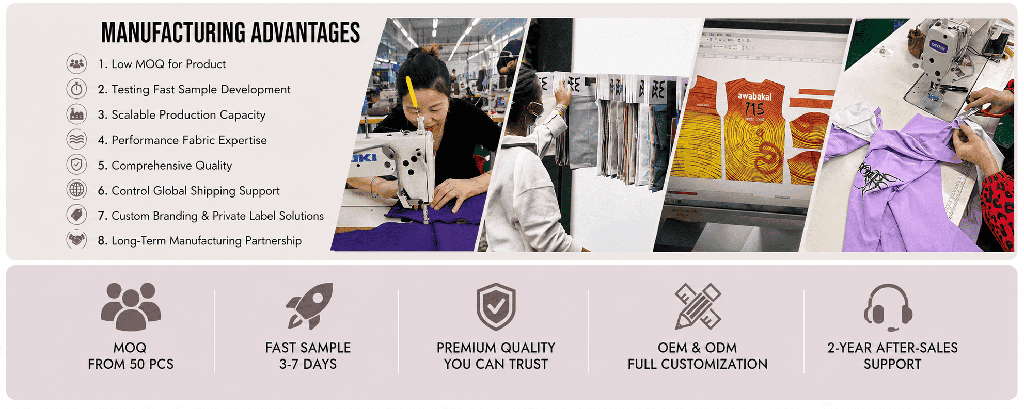
For buyers researching top premiere equestrian brand netherlands, ten useful comparison candidates are Premiere, BR, ANKY, QHP, HORKA, Harry’s Horse, Imperial Riding, HV POLO, Mrs. Ros and euro-star. Compare them by garment category, intended customer, fit, collection style and purchasing route. Treat this as a shortlist rather than a quality ranking: the right choice depends on the products you need and the commercial terms available to your business.
How Do the Ten Brands Compare at a Glance?
The first step in a top premiere equestrian brand netherlands comparison is deciding what you are buying. A retailer selecting finished branded clothing needs to assess assortment, dealer conditions and replenishment. A founder developing a private-label collection needs product benchmarks and a separate manufacturing assessment.
The table below identifies what to investigate, rather than awarding untested performance scores. The buyer-fit suggestions are purchasing assessments, not statements that the brands formally restrict themselves to those customer groups.
| Brand | Starting point for comparison | Potential relevance to buyers | Important purchasing check |
|---|---|---|---|
| Premiere | Accessible market positioning | Buyers investigating an entry-price assortment | Confirm the current apparel range and compare equivalent garments |
| BR | Riding breeches and wider rider collections | Retailers building an assortment around recognisable equestrian products | Evaluate individual fits, grip configurations and replenishment terms |
| ANKY | Technical clothing and training-oriented products | Buyers serving customers who ask about garment functionality | Verify which features apply to each product |
| QHP | Colourful, fashion-conscious collections | Stores developing coordinated seasonal selections | Check size availability and continuity beyond the initial order |
| HORKA | Practical, accessible positioning | Buyers assessing everyday riding products | Distinguish HORKA from the group’s other brand ranges |
| Harry’s Horse | Broad rider assortment and named collections | Retailers comparing clothing across several product categories | Review individual collection specifications and size coverage |
| Imperial Riding | Expressive colours, patterns and decorative styling | Stores whose customers respond to visible seasonal changes | Assess whether decoration and colour choices suit local demand |
| HV POLO | Polo-inspired equestrian lifestyle styling | Retailers combining riding clothing with casual equestrian fashion | Separate riding-specific requirements from lifestyle appeal |
| Mrs. Ros | Coordinated clothing and collection presentation | Buyers considering related items across an outfit | Check whether matching products remain available together |
| euro-star | Breeches development and fit-focused positioning | Buyers making riding trousers a central category | Compare specific cuts, grip options and size charts |
Do not assign one price band to an entire brand without checking representative products. A discounted pair of tights, a current-season breech and an insulated winter version are different purchases. Record the product name, season, composition, grip construction and price date before drawing conclusions.
Premiere, BR and ANKY: How Do Their Positions Differ?
Premiere is a useful starting point for investigating accessible pricing. Bieman de Haas describes its development as a way to serve customers looking for dependable products in a lower price category. Its company history also identifies BR and ANKY within its brand portfolio. That relationship helps explain the assortment, but it does not establish that the three brands use identical materials, patterns or production arrangements.
For a buyer building a top premiere equestrian brand netherlands shortlist, shared ownership is background information. The decision still needs to happen at garment level:
- Premiere: establish which current clothing products meet your brief before using the brand as an entry-price reference.
- BR: compare named breeches models, including their intended wearer and grip configuration. Its official assortment includes silicone-seat riding breeches.
- ANKY: examine technical features product by product. Its official clothing page highlights functional details, including Polygiene finishes on relevant shirts and polos; that should not be read as a feature of every garment.
Buyer implication: a lower purchase price only helps if the product performs the job your customer expects. Compare waistband construction, movement allowance, opacity and care requirements before deciding whether two garments are substitutes.
QHP and HORKA: Which Approach Fits Your Everyday Riding Assortment?
QHP describes its style as colourful and fashionable, with products intended for training, competitions and leisure riding. That makes its collection approach relevant when assessing how colour and outfit coordination might support your store’s presentation. It does not, by itself, prove stronger sell-through or better garment performance.
HORKA’s official brand presentation distinguishes HORKA’s practical, accessible positioning from EQPRO’s more elevated positioning and Red Horse’s children-focused range. Buyers should keep those identities separate when comparing products and prices. A group-level website can contain several propositions that serve different customers.
A useful top premiere equestrian brand netherlands comparison asks what your customers return to buy. If they mainly replace everyday training garments, prioritise fit continuity, care and replacement availability. If coordinated seasonal outfits drive interest, investigate how tops, trousers and layers are ordered together—and what happens when one size sells out.
Harry’s Horse: How Should Buyers Evaluate a Broad Collection?
Harry’s Horse’s official range includes riding breeches, tops, outerwear and competition wear. Its collection listings also distinguish named breeches and Equitights products, including full-grip options. This gives buyers several starting points for comparison, rather than a reason to treat the entire range as one uniform product offer.
A broad catalogue needs a focused buying plan. Select a small number of representative garments and check:
- Whether the size range matches your customers.
- Whether similar-looking products differ in fabric or construction.
- Which items are intended as seasonal purchases.
- Whether replacements can be ordered in the sizes you expect to sell.
- What written dealer terms apply to stock availability and returns.
The practical question is whether the range fills gaps in your assortment. Adding another similar breech can spread your budget across more stock without giving customers a meaningful additional choice.
Imperial Riding and HV POLO: When Does Collection Style Matter Most?
HV Equestrian presents Imperial Riding through vibrant colours, playful patterns and expressive styling. It describes HV POLO through polo-inspired equestrian fashion that extends beyond riding. These are useful distinctions when comparing collection identity; they are not evidence that one brand offers better construction or riding performance.
For retailers using top premiere equestrian brand netherlands research to plan an assortment, style needs a commercial test. A striking colour may attract attention on a display but have a narrow customer base. A restrained item may be easier to combine with existing clothing but face more direct competition.
Ask which role each product serves:
- Core item: expected to sell across a longer period.
- Seasonal feature: brings a fresh colour or visual identity.
- Outfit companion: supports another product rather than carrying demand alone.
- Lifestyle addition: extends the range beyond riding-specific use.
For a private-label founder, those roles can inform an original collection brief. They do not justify reproducing another brand’s logos, prints or distinctive design elements.
Mrs. Ros: Can Coordinated Collections Support a Better Buying Plan?
Mrs. Ros’s official store presents riding breeches, training tops, jackets, competition clothing and children’s products alongside named collections. This makes it a useful reference for studying how several clothing categories are presented together. The purchasing question is whether the assortment can be bought and replenished in a combination that works for your business.
Matching products create a stock-planning commitment. If the top sells faster than the trousers, you may be left with incomplete outfit options. Before ordering, request availability by product, colour and size. Consider whether each garment remains commercially useful when sold on its own.
A coordinated collection should therefore be assessed twice: first as a visual offer, then as a group of individual stock commitments. Attractive presentation cannot answer the second question.
euro-star: Why Should Breeches Be Compared by Cut and Construction?
euro-star’s official history traces its beginnings to a German atelier in 1959 and emphasises breeches, fit and functional design. Its current website separates several full-grip and knee-grip options. These details make it relevant to a Dutch-market comparison, while also showing why brand origin and market presence need separate descriptions.
For buyers assessing top premiere equestrian brand netherlands options, a breeches-focused comparison should go beyond the brand name. Check rise, waistband shape, leg length, seam placement and grip coverage. Then assess the garment in a riding position: standing comfort alone does not tell you whether the waist pulls down or the knees feel restricted.
The strongest shortlist is built around a defined purchase. Choose the garment category and intended customer first, compare equivalent products, and obtain written purchasing terms. Use retail brands to understand the market; assess manufacturers separately for their ability to develop and reproduce your own specifications.
Which Equestrian Apparel Manufacturers in China Are Worth Shortlisting?
For buyers moving from top premiere equestrian brand netherlands research into private-label sourcing, ten China-based candidates worth investigating are Pair Fashion, SGL Sports, Zest Equestrian, Kala Apparel, OpeEquestrian, Shuyu Activewear, Run Equestrian, Jinjiang Junqi, Fex Equestrian and EquestCo. Start with relevant garment experience, order feasibility and sample quality. Then verify the contracting company, production site and supporting documents. These are sourcing candidates, not independently audited winners or confirmed suppliers to the retail brands discussed earlier.
How Do the Ten Manufacturing Candidates Compare?
A top premiere equestrian brand netherlands search can help define a market position, but it cannot establish which manufacturer can reproduce your specifications. Supplier selection needs a separate comparison.
Published figures below are supplier statements or company-provided information reviewed on 31 October 2026. They are starting points for enquiries, not binding quotations. “Not established” means the reviewed material did not provide a sufficiently clear answer; it does not mean the supplier lacks the capability.
| Manufacturing candidate | Published location | Establishment information | Main reason to investigate | First point to clarify |
|---|---|---|---|---|
| Pair Fashion | Dongguan, Guangdong | 2016, company-provided | Riding apparel development alongside functional sportswear | MOQ allocation by style, colour and fabric |
| SGL Sports | Dongguan, Guangdong | Exact year not established | Equestrian clothing within a broader sportswear offer | Product-specific terms versus general FAQ |
| Zest Equestrian | Dongguan, Guangdong | Publishes 16+ years of textile/OEM/ODM experience; incorporation year not established | Rider apparel, horse equipment and accessories | Which operations are performed at which site |
| Kala Apparel | Dongguan, Guangdong | Kala Active publishes 2015; confirm against contracting entity | Equestrian and wider performance apparel development | Current company documents and project terms |
| OpeEquestrian | Chashan, Dongguan | Publishes 2015 | Equestrian apparel and horse tack | Garment-specific MOQ and production schedule |
| Shuyu Activewear | Dongguan, Guangdong | Describes predecessor manufacturing business founded in 2012 | Riding apparel combined with activewear | Legal-entity history and applicable product conditions |
| Run Equestrian | Guangzhou, Guangdong | Publishes 2009 | Equestrian-focused apparel range | Reconciliation of facility information |
| Jinjiang Junqi / ClothesEquestrian | Jinjiang, Fujian | Publishes 2013 | Specialist equestrian OEM/ODM offer | Contracting identity and order-specific MOQ |
| Junteng / Fex Equestrian | Jinjiang, Fujian | Publishes 2016 | Small-batch riding apparel with UK-oriented positioning | Whether its fit blocks suit your target market |
| EquestCo / Anchi | Humen, Dongguan | Publishes 2015 | Small-batch riding and team clothing | Certificate scope and suitability beyond its UK focus |
A location or founding date is not a quality score. Use these details to identify the business and plan verification. The more important question is whether its actual production arrangement fits your garment, quantity and approval requirements.
1. Pair Fashion — Custom Riding Apparel and Collection Development
Dongguan Pair Fashion Co., Ltd. provides OEM, ODM and private-label support across riding apparel and functional sportswear. Its company information describes development from concepts, reference garments or technical packs through sampling, production and delivery coordination.
- City / establishment: Dongguan, Guangdong; founded in 2016.
- Core products: Breeches, riding tights, base layers, competition shirts, jackets and related collections.
- MOQ: Regular programmes from 100 pieces; confirm allocation by style, colour and material.
- Sampling: Fastest stated turnaround of three days; routine sampling described as approximately seven days, subject to requirements.
- Bulk lead time: Fastest stated production of 15 working days; the company document also gives standard schedules and a longer illustrative production timeline. Request one project-specific schedule with a defined starting point.
- Certification evidence: Company materials reference ISO 9001, BSCI and GRS. Request current documents, audit details and applicable scope.
- Potential buyer fit: Startups and growing brands needing development support across several garment categories.
- Less suitable when: The requirement is unrestricted complex production below the regular MOQ or immediate delivery from stock.
- Principal advantage: Coordinated development, material sourcing, branding and production support.
- Point to resolve: Finalise sample revisions, material availability and delivery assumptions before comparing speed or price.
Buyers can review Pair Fashion’s equestrian clothing manufacturing services for the service scope before submitting a product brief. Pair Fashion publishes this comparison; its position in the list is not an independent quality award.
2. SGL Sports — Equestrian Apparel Within a Broader Sportswear Range
SGL publicly describes OEM/ODM production, pattern making and material sourcing for equestrian clothing, activewear and other sportswear. Its riding categories include base layers, breeches, leggings and jackets.
- City / establishment: Dongguan; an exact establishment year was not established from the reviewed profile.
- MOQ: General FAQ states 200 pieces per design per colour, with up to five sizes.
- Sampling: FAQ indicates about one week; some product pages indicate ten days.
- Bulk lead time: General FAQ indicates approximately 30 days.
- Certification evidence: The profile displays certificate imagery; request readable, current documents.
- Potential buyer fit: Brands combining riding apparel with other sportswear categories.
- Less suitable when: The buying plan depends on a much smaller quantity per colour.
- Principal advantage: Published development support across several apparel categories.
- Point to resolve: Obtain a product-specific quotation that supersedes general website conditions.
Within a top premiere equestrian brand netherlands sourcing exercise, SGL is a production candidate to assess against your specifications—not evidence of a relationship with any featured retail brand.
3. Zest Equestrian — Rider Apparel and Horse Equipment
Zest presents an OEM/ODM offer spanning breeches, jodhpurs, show shirts, jackets, horse equipment and accessories. Its official profile describes textile and manufacturing experience, but does not establish a precise incorporation year.
- City / establishment: Dongguan; publishes 16+ years of textile/OEM/ODM experience.
- MOQ: Flexible, product-dependent conditions; no universal garment minimum established.
- Sampling: Published FAQ indicates 7–15 days.
- Bulk lead time: Published FAQ indicates 25–45 days, depending on product, quantity and workload.
- Certification evidence: Request documents matched to the product and production site rather than relying on broad compliance wording.
- Potential buyer fit: Buyers considering coordinated rider apparel and horse-product procurement.
- Less suitable when: Purchasing requires one fixed MOQ and schedule across unrelated categories.
- Principal advantage: Breadth of equestrian product sourcing.
- Point to resolve: Identify the production location, subcontracted operations and inspection arrangements for each category.
A wider catalogue may simplify communication, but apparel and horse equipment still need separate specifications and acceptance criteria.
4. Kala Apparel — Riding Wear and Performance Apparel Development
Kala Apparel describes pattern refinement, fabric selection, sampling and private-label production across equestrian and performance clothing. Its website identifies the business as Dongguan Kala Active Co., Ltd.
- City / establishment: Dongguan; Kala Active’s introduction states 2015. Confirm the date against the legal entity issuing the contract.
- Core products: Riding tights, breeches, base layers, jackets and other performance apparel.
- MOQ: Small-batch support is advertised; a universal numeric MOQ was not established.
- Sample / bulk lead time: Obtain written project-specific figures.
- Certification evidence: The company profile references BSCI; request the current audit report and applicable site details.
- Potential buyer fit: Brands wanting collaborative development across riding and activewear categories.
- Less suitable when: A purchase requires fixed, publicly documented terms before any technical discussion.
- Principal advantage: Published emphasis on fit development, materials and communication.
- Point to resolve: Reconcile company-history descriptions and confirm the contracting business before payment.
For top premiere equestrian brand netherlands buyers developing an original range, assess Kala through a controlled sample brief rather than resemblance to a branded reference.
5. OpeEquestrian — Riding Apparel and Horse Tack
OpeEquestrian’s company introduction states that it was established in 2015 and operates a manufacturing site in Chashan, Dongguan. It presents OEM/ODM services for equestrian clothing and horse tack.
- Core products: Published offerings include riding breeches, shirts, jackets and saddle pads.
- MOQ: Confirm by garment, colour and customisation; no universal minimum established.
- Sampling / bulk lead time: Request an order-specific schedule.
- Certification evidence: Current certification scope was not established from the reviewed company introduction.
- Potential buyer fit: Equestrian businesses sourcing both rider clothing and horse-related products.
- Less suitable when: Procurement requires independently verified facility and compliance evidence before the enquiry stage.
- Principal advantage: A publicly stated equestrian-specific manufacturing focus.
- Point to resolve: Confirm the legal entity, manufacturing address and production responsibility behind each quotation.
Treat missing public terms as questions to resolve. Ask for a quote against one defined garment instead of assuming that a sample product’s terms apply to the entire catalogue.
6. Shuyu Activewear — Riding Apparel Combined With Activewear
Shuyu describes a predecessor manufacturing business founded in 2012 and offers equestrian clothing alongside activewear and other apparel. That distinction matters: a predecessor’s history should not automatically become the incorporation date of the current company.
- City: Dongguan, Guangdong.
- Core products: Riding tops, leggings/breeches and wider activewear.
- MOQ: A published equestrian base-layer page indicates 100–200 pieces; confirm the per-style and per-colour rules.
- Sampling: Some apparel listings indicate approximately two weeks, with product-specific variation.
- Bulk lead time: Equestrian listings show 25–35 days after PP-sample confirmation; other lead-time fields differ.
- Certification evidence: Request applicable documents; current scope was not established.
- Potential buyer fit: Brands combining riding basics with gym or lifestyle products.
- Less suitable when: The project requires a supplier dedicated exclusively to equestrian apparel.
- Principal advantage: Cross-category product-development coverage.
- Point to resolve: Obtain one consolidated specification and schedule that replaces inconsistent listing fields.
7. Run Equestrian — Equestrian-Focused Apparel
Run Equestrian publishes an equestrian-focused offer covering breeches, jodhpurs, shirts, jackets and competition apparel, with a Guangzhou contact location.
- Establishment: Publishes 2009.
- MOQ: Advertises trial orders from 100 pieces, including mixed sizes and colours; reconfirm allocation.
- Sampling: About-us page advertises seven days.
- Bulk lead time: Advertises 20-day shipment timing and shorter rush options; confirm the starting point and exclusions.
- Certification evidence: Lists ISO 9001, BSCI, OEKO-TEX and other references. Their current validity and scope were not independently verified.
- Potential buyer fit: Buyers seeking an equestrian-centred product range.
- Less suitable when: Procurement cannot proceed until all facility information has been reconciled.
- Principal advantage: A focused riding-apparel proposition.
- Point to resolve: The reviewed about-us page describes a 5,000-square-metre facility, while homepage imagery describes 10,000 square metres. Ask whether these refer to different premises or periods.
For a top premiere equestrian brand netherlands buyer, this discrepancy is a verification task. A documented explanation is more useful than either dismissing it or ignoring it.
8. Jinjiang Junqi / ClothesEquestrian — Specialist OEM/ODM Apparel
ClothesEquestrian identifies its manufacturing business as Jinjiang Junqi Equestrian Sportswear and publishes a history beginning in 2013. Its product pages cover riding layers, show jackets and other equestrian items.
- City: Jinjiang, Fujian.
- MOQ: Some garment listings state 100 pieces; confirm the exact model and colour conditions.
- Sampling: FAQ indicates 5–7 working days after design confirmation; ODM design work can add time.
- Bulk lead time: FAQ publishes 15–20 working days off-peak and 20–30 working days in peak periods, starting after golden-sample approval and deposit receipt.
- Certification evidence: Product pages reference ISO 9001:2015; obtain the certificate and scope.
- Potential buyer fit: Brands seeking made-to-order equestrian development.
- Less suitable when: Immediate stock dispatch is essential; its FAQ describes made-to-order production.
- Principal advantage: Published separation of design, sampling and production timing.
- Point to resolve: Verify the legal company name and confirm which published terms apply to your garment.
9. Junteng / Fex Equestrian — Small-Batch, UK-Oriented Riding Wear
Fex’s about page identifies Junteng Equestrian Sportswear in Jinjiang and states a 2016 founding date. It describes breeches, riding tops, outerwear and competition clothing.
- MOQ: Published standard of 50 pieces per design, with limited colour mixing; smaller exceptions are advertised for selected categories.
- Sampling: Ten working days from confirmed design.
- Bulk production: 30–35 days, with shipping stated separately.
- Certification evidence: Publishes ISO 9001, OEKO-TEX and SMETA references; request the underlying certificates or audit reports.
- Potential buyer fit: Boutique brands investigating small-batch, UK-oriented riding apparel.
- Less suitable when: The project assumes that UK fit blocks automatically match Dutch customer measurements.
- Principal advantage: Clearly described sampling and production stages.
- Point to resolve: Confirm grading, sample-fee deductions, revision limits and production-site documentation.
A smaller MOQ helps only if the size and colour allocation suits the buying plan. Compare total development spend and usable stock, not the minimum quantity alone.
10. EquestCo / Anchi — Small-Batch Riding and Team Clothing
EquestCo identifies its business as Anchi Equestrian Apparel Co., Ltd., founded in 2015 in Humen, Dongguan. Its published offer includes breeches, show jackets, shirts and team clothing.
- MOQ: Advertises programmes from 50 pieces; confirm garment-specific conditions.
- Sampling: About-us page indicates 5–7 days; homepage refers to seven working days.
- Bulk lead time: Not established from the reviewed pages; request a dated schedule.
- Certification evidence: Publishes OEKO-TEX, BSCI and ISO 9001 references. Another page describes a certified supply chain, so distinguish fabric certification from site-level evidence.
- Potential buyer fit: Clubs and smaller brands considering riding and teamwear programmes.
- Less suitable when: Dutch sizing or non-UK distribution requirements must be assumed without development checks.
- Principal advantage: Published small-batch positioning and sampling workflow.
- Point to resolve: Confirm legal identity, site address and the scope of every compliance document.
Which Candidates Should Receive Your First Enquiry?
The most useful outcome of top premiere equestrian brand netherlands research is a manageable shortlist tied to one product brief. Sending vague requests to all ten companies creates quotations that are difficult to compare.
Choose three or four candidates whose published product focus and quantity conditions appear compatible. Send each the same:
- Garment specification: Drawings, measurements, fabric target and construction details.
- Quantity breakdown: Pieces by style, colour and size.
- Sample scope: What must be developed, tested and approved.
- Quality requirements: Measurement tolerances, workmanship checks and relevant testing.
- Commercial requirements: Quote basis, payment terms, packing and inspection.
- Timing: Required sample date, shipment date and delivery destination.
Approve evidence in stages. A clear quotation justifies further discussion; an acceptable sample supports a trial-order decision; a successful trial order supports consideration for repeat supply. None of those steps alone proves that every product, size or future production run will perform equally well.

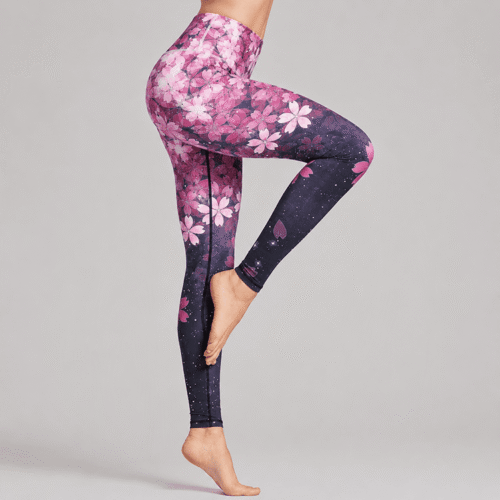
Custom Cherry Blossom Print Yoga Leggings OEM ODM High Waist Workout Pants
Custom Girls Activewear T-Shirt OEM ODM Kids Performance Tee
Custom Girls Biker Shorts OEM ODM Kids Activewear Shorts
Custom Girls Equestrian Base Layer Short Sleeve Riding Shirt OEM ODM
Custom Girls Sports Bra OEM ODM Youth Activewear Training Bra
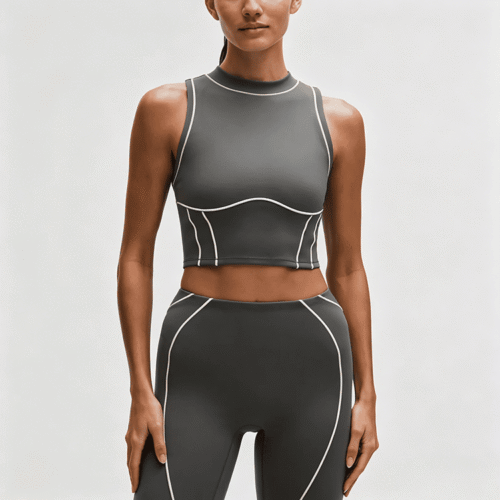
Custom High Neck Performance Crop Tank Top OEM ODM Activewear
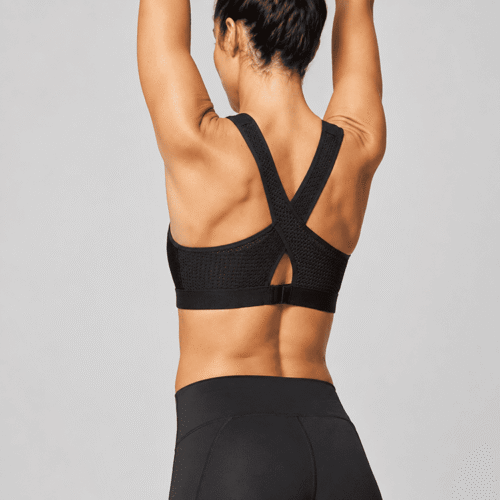
Custom High Support Cross Back Sports Bra OEM ODM Workout Bra
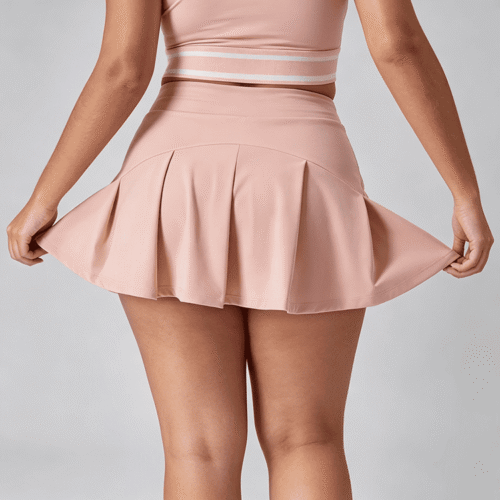
Custom High Waist Pleated Tennis Skort OEM ODM Women’s Tennis Wear
What Is Premiere, and How Does Brand History Affect a Buying Decision?
For buyers searching for top premiere equestrian brand netherlands, Premiere is an equestrian brand that focuses on practical products at affordable prices. It is different from Premier Equine, which describes itself as a British brand. A brand’s history can help you understand its market position, but it does not confirm where a garment is made, how well it currently performs or whether it is suitable for your customers. Check these points through product information, samples and purchase documents.
Is Premiere the Same as Premier Equine?
Premiere and Premier Equine are distinct brand identities. Cavalli Group’s current brand page presents Premiere alongside BR and ANKY. Premier Equine operates its own website and describes itself as a British equestrian brand. Similar spelling is not evidence of shared ownership, product specifications or production arrangements.
This matters when collecting references. A search result, saved photograph or supplier message can easily lose the original product context. Before using a garment as a benchmark, record:
- Exact brand and product name.
- Product code and source URL.
- Fabric composition and published construction details.
- Size, colour and collection season.
- Price date, currency and promotional status.
For a top premiere equestrian brand netherlands comparison, this record prevents a basic but expensive mistake: requesting a quotation for one product while expecting the fit, material or finish of another.
What Does the History of Premiere, BR and ANKY Explain?
Bieman de Haas’s published company history records the introduction of BR in 1988 and its acquisition of ANKY in 2012. Cavalli Group’s current presentation separately dates ANKY’s founding by Anky van Grunsven and Sjef Janssen to 1999. The acquisition date and brand founding date describe different events.
The current brand presentation also gives buyers a useful positioning distinction:
| Brand | Published positioning | Practical question for a buyer |
|---|---|---|
| Premiere | Practical, accessible and affordable equestrian products | Does the specific garment deliver the construction your price-sensitive customer needs? |
| BR | Comfort, contemporary design and a broad rider-and-horse assortment | Does the selected product fill a clear role in your existing range? |
| ANKY | Technical clothing and equipment for training and competition | Which advertised functions apply to the exact product being purchased? |
These descriptions reflect the group’s own positioning, rather than independent performance testing.
Use the following distinctions throughout a top premiere equestrian brand netherlands supplier review:
| Information | What it establishes | What it does not establish |
|---|---|---|
| Brand origin | Where the brand’s history began | Where every current garment is made |
| Current ownership | The business or group controlling the brand | Which production site handles a particular order |
| Design location | Where development work is described as taking place | Material origin or assembly location |
| Contracting entity | The business accepting your purchase order | Whether it owns every production operation |
| Manufacturing site | Where specified production work occurs | The origin of all fabrics, trims and components |
| Product documentation | Details recorded for the identified garment or shipment | Equivalent conditions for the entire catalogue |
For branded wholesale, ask the authorised seller for relevant product and purchasing information. For custom manufacturing, confirm the contracting company and production arrangement directly. A factory photograph is not a link between a particular retail brand and that supplier.
Does a Long Brand History Prove Better Fit, Quality or Supply Reliability?
A long history can provide context, but it cannot answer an order-specific question. Your customer buys a particular garment in a particular size—not the company timeline.
Imagine two breeches with a similar appearance. One has a firmer waistband and structured fabric; the other feels softer and stretches more easily. Either could suit a defined customer. The useful assessment concerns movement, recovery, coverage and comfort, rather than which label has existed longer.
For a retailer conducting top premiere equestrian brand netherlands research, separate three decisions:
- Product suitability: Does the garment meet the intended rider’s needs?
- Commercial suitability: Do price, size allocation and order conditions fit the business?
- Supply suitability: Can the required products be delivered and replenished under written terms?
A successful product sample answers only part of that assessment. It does not confirm future stock availability, unchanged materials or the same fit across every size.
How Should Brand Research Become a Useful Manufacturing Brief?
If your goal is an original private-label range, translate observations into measurable requirements. “We want the quality of a famous European brand” leaves too much room for interpretation. A supplier cannot quote consistently against a reputation.
A stronger brief identifies what the customer needs and what must be checked:
| Broad reference | More useful development requirement |
|---|---|
| “A comfortable high waist” | Define waist height, waistband construction, measurements and riding-position checks |
| “Good stretch” | Specify the proposed fabric and agree on stretch-and-recovery evaluation |
| “Strong silicone grip” | Define coverage, placement and agreed adhesion and wash checks |
| “Premium finishing” | Identify seam construction, trim specifications and workmanship acceptance criteria |
| “European sizing” | Supply a measurement chart, grading rules and intended fit |
| “The same quality on reorders” | Record approved materials, patterns, tolerances and substitution approval rules |
The commercial value of top premiere equestrian brand netherlands research comes from making these requirements clearer. Use brand comparisons to understand the market, then develop your own product identity and acceptance standards. That gives manufacturers a brief they can assess—and gives you evidence for deciding whether their proposal is suitable.
Why Choose a Chinese Manufacturer, and When Is Another Sourcing Route Better?
For buyers moving from top premiere equestrian brand netherlands comparisons into private-label sourcing, China is worth considering when a project benefits from coordinated material sourcing, garment development and repeat production. The decision should depend on your specifications, quantity, budget and ability to manage approvals. Compare the complete arrangement with European production and branded wholesale. A competitive unit quotation is useful only when development, inspection, transport and inventory commitments also fit your business.
How Can Fabric, Trim and Grip Sourcing Support a Coordinated Collection?
A riding garment brings several decisions together. The fabric must work with the pattern, the waistband must suit the intended fit, and the grip application must perform on the selected material. Labels, zips and packaging add further specifications. Managing those decisions through one capable production partner can simplify communication—provided that responsibilities are clear.
Some Chinese suppliers publicly describe this coordinated role. SGL, for example, lists pattern making, material development, sampling and production support within its OEM/ODM offer. This establishes the services it advertises; the quality of their execution still needs project-specific assessment.
For a top premiere equestrian brand netherlands buyer planning an original range, the useful advantage is access to connected development work:
- Fabric selection: Evaluate composition, weight, stretch and intended performance together.
- Pattern development: Assess how the material behaves in the proposed silhouette.
- Grip application: Confirm placement, flexibility and compatibility with the fabric.
- Brand presentation: Coordinate labels, trims and packaging against approved artwork.
- Repeat production: Record the approved specifications and control substitutions.
One contact does not mean every operation happens in one building. Ask which steps are performed internally, which use outside specialists, and who checks the work before it moves to the next stage.
OEM vs ODM vs Branded Wholesale: Which Route Gives You the Control You Need?
These routes solve different business problems. Branded wholesale gives a retailer access to an existing label and product assortment. ODM development starts from a supplier’s available designs or development base. OEM production generally follows the buyer’s supplied specifications. The exact scope must still be agreed in writing.
Before using top premiere equestrian brand netherlands research to approach a manufacturer, decide which outcome you want.
| Purchasing route | Useful when | Main responsibility to assess | Important limitation |
|---|---|---|---|
| Branded wholesale | You want to sell an established brand’s finished products | Assortment selection, dealer terms, stock and replenishment | Product changes are limited to what the brand offers |
| ODM development | You want to adapt an available design into your own range | Confirming permitted changes, fit, materials and branding | An available design does not automatically provide exclusivity |
| OEM production | You have a defined product specification | Maintaining clear technical files and approval records | Incomplete specifications leave decisions unresolved |
| Development-led custom production | You need help turning a concept into a producible garment | Agreeing deliverables, revisions, ownership and acceptance | Development takes time and may involve several paid stages |
Consider a retailer whose customers already ask for a named riding brand. A custom garment may not satisfy that demand, even if its specification is strong. Conversely, a founder seeking a distinctive fit or underserved size range may need more control than branded wholesale provides.
Buyers exploring private-label equestrian apparel development can assess the service scope against those needs before paying for samples. The first discussion should establish what already exists, what must be developed and which decisions remain with the buyer.
China vs European Manufacturing: What Changes in Development, Freight and Inventory?
Location alone cannot predict the better quotation. Compare actual suppliers against the same specification, quantity and delivery requirement. A nearby producer may offer convenient sample review but still depend on imported fabric. A Chinese partner may coordinate several materials efficiently but require more deliberate remote approvals.
For a top premiere equestrian brand netherlands sourcing comparison, request the following information from both routes:
| Decision area | What to compare |
|---|---|
| Development | Pattern work, sample stages, revision allowances and associated fees |
| Materials | Availability, minimum purchase quantities, custom-dye requirements and replacement options |
| Production | Capacity for your order, approval conditions and confirmed shipment date |
| Quality oversight | Inspection access, reporting, acceptance criteria and corrective action |
| Transport | Quoted service, destination, shipment size and expected transit assumptions |
| Inventory | Total pieces purchased, size allocation and likely stock-holding period |
| Communication | Technical clarity, response arrangements and change control |
Before comparing a factory-gate quotation with a delivered price, confirm the quoted delivery basis and consult the ICC’s Incoterms® rules to understand how delivery tasks, costs and risks are allocated between buyer and seller. Likewise, do not compare a stock-fabric programme with a custom-developed material and assume the price difference reflects manufacturing efficiency.
A useful exercise is to ask each shortlisted supplier for two clearly defined options: the requested specification and a proposed cost-saving alternative. Require every change to be identified. This shows whether a lower price comes from a different material, simpler construction, larger quantity or genuinely better purchasing conditions.
Who Benefits Most From Small-Batch Testing and Planned Reorders?
Small-batch production can suit a brand that wants to test a focused product before expanding. It works best when the first order has a clear learning objective: fit feedback, size demand, colour preference or customer response to a new category.
For buyers using top premiere equestrian brand netherlands research, a low MOQ should be assessed alongside the full stock commitment. A 100-piece minimum may be manageable for one style, yet become difficult when divided across several colours and a broad size range.
Before placing a trial order, define:
- The product question: What must this order help you learn?
- The allocation: How many pieces will be purchased in each size and colour?
- The acceptance standard: What must pass before shipment?
- The replenishment plan: Can materials and trims be sourced again?
- The reorder decision: What sales and product feedback would justify another order?
A smaller first order does not guarantee an easy second order. Confirm material continuity, minimum reorder quantities and the approval process for any substitution. A trial that sells well creates a supply requirement; it does not reserve future capacity.
When Do Quantity, Complexity or Delivery Needs Make China a Poor Fit?
China-based custom production may be unsuitable when the required arrival date leaves little room for development, material procurement and transport. It can also be difficult when a very small order combines several custom fabrics, many colours and complex decoration. The issue is the fit between the project and the supplier’s production model.
A top premiere equestrian brand netherlands buyer should reconsider the route when:
- Immediate stock is essential: Available branded products may serve the need more directly.
- Specifications change continuously: Production quotations and schedules cannot remain reliable without a stable brief.
- Each colour needs only a few pieces: Material and processing minimums may outweigh garment-level flexibility.
- Frequent physical fittings are necessary: Distance can make each development round harder to coordinate.
- The buyer cannot manage approvals: A capable manufacturer still needs timely, recorded decisions.
- The business requires a particular production origin: The sourcing route must satisfy that requirement from the outset.
The right choice is the arrangement you can evaluate and manage. Select China when the supplier’s relevant capabilities, commercial terms and delivery plan fit your collection. Choose another route when it better serves the same brief. In either case, base the decision on comparable quotations and evidence from the actual project.

Which Type of Riding Apparel Should You Compare Before Comparing Brands?
Buyers researching top premiere equestrian brand netherlands should first separate riding tights, structured breeches, training tops, competition shirts and seasonal outerwear. Each category serves a different purpose and creates different purchasing requirements. Compare equivalent garments by intended use, fit, fabric, construction and grip configuration. A lower-priced tight is not automatically a substitute for a structured breech, and a fashionable training shirt does not automatically meet a competition customer’s needs.
Riding Tights vs Breeches: What Changes in Structure, Coverage and Price?
Riding tights commonly use a pull-on construction with an elastic waistband. Breeches generally have a more tailored structure and may include a fly fastening, belt loops and shaped waistband. Both categories can offer knee-patch or full-seat grip, so the presence of silicone does not distinguish them on its own. Ariat’s product guidance makes these broad construction distinctions, although individual designs can overlap.
For a top premiere equestrian brand netherlands product comparison, examine the actual garment rather than relying on its category name.
| Comparison point | Riding tights: what to investigate | Structured breeches: what to investigate |
|---|---|---|
| Waist construction | Elastic width, stability and pull-on comfort | Waistband shaping, fastening and pressure when seated |
| Fabric behaviour | Coverage under stretch and recovery after wear | Mobility, recovery and interaction with the garment’s structure |
| Fit | Whether stretch accommodates movement without sliding | Whether shaping provides room where the rider needs it |
| Pockets | Whether loaded pockets pull or distort the garment | Whether openings, bags or trims create pressure |
| Lower leg | Smoothness beneath socks and riding boots | Bulk from seams, panels or fastenings |
| Cost comparison | Confirm fabric, grip and finishing before judging value | Identify which additional construction steps are included |
Neither category guarantees better quality. A carefully developed riding tight may cost more than a basic breech. Likewise, adding a zip and belt loops does not prove that a garment fits well in the saddle.
For an original collection, choose the role first. A pull-on training product and a more structured riding trouser may both deserve a place in the range, but each needs its own specification and price comparison.
Full-Seat vs Knee-Patch Grip: Which Option Fits the Intended Riding Use?
Full-seat designs provide grip across a larger seat area, while knee-patch designs concentrate it around the inner knee. Both are established options in riding trousers. The appropriate choice depends on the rider’s preferences, intended activity and the specific garment—not simply the amount of silicone applied.
Buyers using top premiere equestrian brand netherlands research should avoid treating “more grip” as a universal upgrade. A larger printed area changes the product, but its practical value still needs to be evaluated.
Ask for a placement drawing and assess:
- Coverage: Where the grip begins and ends on each size.
- Pattern: Whether the arrangement suits the intended contact areas.
- Flexibility: Whether the application moves comfortably with the fabric.
- Surface condition: Whether edges lift, crack or change after agreed care checks.
- Consistency: Whether placement remains balanced across the size range.
A visually striking grip pattern can be useful for product identity. It should still pass the same comfort and durability checks as a simpler design. Approve the application on the intended fabric, rather than accepting a demonstration printed on another material.
Training Tops vs Competition Shirts: Which Details Require Separate Evaluation?
A training top can prioritise everyday comfort, convenient care and the customer’s preferred styling. A competition shirt adds an appearance brief tied to its intended competition use. Buyers should confirm the relevant event requirements before finalising that brief; a product name or white colour alone does not establish suitability.
For a top premiere equestrian brand netherlands shortlist, separate the questions instead of scoring every shirt against one standard.
| Area | Training-top assessment | Competition-shirt assessment |
|---|---|---|
| Neckline | Comfort during movement and fastening preference | Intended appearance, collar structure and closure |
| Sleeves | Reach, cuff comfort and layering | Mobility and appearance with the intended competition outfit |
| Fabric | Hand feel, coverage, stretch and care | The same checks, including appearance under the intended layers |
| Seams | Contact with skin and freedom of movement | Contact with skin and interaction with a jacket |
| Branding | Customer preference and collection identity | Placement appropriate to the intended use |
| Colour | Assortment relevance and colour consistency | Agreed shade, opacity and appearance after washing |
Assess the complete outfit. A shirt that feels comfortable alone may bunch under a fitted jacket. A collar that looks tidy on a hanger may sit differently when fastened and worn.
For sampling, provide the intended layering arrangement and record what the wearer experiences. “Sleeve pulls when reaching forward” gives a developer something to investigate; “the shirt feels wrong” does not.
Summer Base Layers vs Winter Jackets: How Should Climate Shape Your Range?
Seasonal buying should start with the conditions your customers encounter. Ask whether they ride indoors or outdoors, how much time they spend doing yard work, and which layers they already wear. A season name does not explain those differences.
PIKEUR’s official breeches guidance distinguishes breathable year-round products from warm winter options. That is a useful reminder to compare the seasonal construction of the selected garment rather than assigning one performance profile to an entire brand.
When applying top premiere equestrian brand netherlands comparisons to a seasonal collection, define the requirement before choosing fabric or weight:
- Warm-weather layers: Assess coverage, movement, drying expectations and comfort beneath other garments.
- Cool-weather midlayers: Check layering room, sleeve movement and whether hems remain comfortable while seated.
- Winter trousers: Evaluate the complete fabric construction, fit and boot compatibility.
- Outerwear: Define the required weather protection, ventilation, pocket access and riding-position comfort.
Fabric weight alone cannot settle the decision. Two materials with similar weight can differ in construction, finish and feel. Ask suppliers to explain their proposal and support performance claims with relevant evidence where required.
For a new collection, a focused seasonal offer can be easier to evaluate than several similar products with unclear differences. Each additional option should answer a customer need.
How Do Size Charts and In-Saddle Fit Change the Comparison?
A size label is only a starting point. Before comparing two products, establish whether their charts show body measurements or finished-garment measurements, how each measurement is taken, and what fit the product is intended to provide.
For buyers researching top premiere equestrian brand netherlands, this is especially important when turning a retail reference into a custom specification. The label “Medium” does not give a manufacturer enough information to reproduce a fit.
Use a consistent sample review:
| Check | What to observe | Useful feedback |
|---|---|---|
| Standing | Balance, coverage, waistband position and leg length | Record where the garment sits and any visible pulling |
| Seated in riding posture | Waist pressure, back coverage and knee restriction | Identify the affected area and movement |
| Bending and reaching | Hem movement, shoulder reach and seam pressure | Describe when the issue occurs |
| With boots and layers | Bulk, rubbing and garment interaction | Name the items worn during assessment |
| After agreed care checks | Dimensional change, appearance and recovery | Compare with recorded initial measurements |
Do not assume that approving one size validates every size. Decide which additional sizes need physical assessment, particularly when the range serves customers whose proportions differ from the base fit.
The most useful buying brief connects customer, garment and use: who will wear it, what they will do in it, which construction supports that activity, and how acceptance will be checked. Once those decisions are clear, brand prices and manufacturer quotations become much easier to compare.
1. Product Development
Regular monthly product development ensures consistent updates to your brand line.
2. Fabric Sourcing
Regular monthly product development ensures consistent updates to your brand line.
3. Sample Making
Regular monthly product development ensures consistent updates to your brand line.
4. Bulk Production
Regular monthly product development ensures consistent updates to your brand line.
5. Packaging & Delivery
Regular monthly product development ensures consistent updates to your brand line.
How Much Does Riding Apparel Cost From Retail Benchmark to Delivered Order?
For buyers researching top premiere equestrian brand netherlands, riding apparel costs should be compared at three separate levels: retail market price, branded wholesale purchase price and custom manufacturing cost. Each figure covers a different transaction. Establish the product specification and quotation scope first, then calculate development, inspection, transport and inventory commitments. The lowest garment price is not necessarily the lowest-cost purchasing plan, especially when minimum quantities force you to buy stock you cannot sell.
Retail Price vs Wholesale Price vs OEM Price: What Does Each Figure Include?
A retail price helps you understand what a customer is being asked to pay. A wholesale quotation tells you the commercial terms for buying finished branded products. An OEM quotation concerns manufacturing against agreed requirements. These figures cannot be placed in one ranking without explaining the differences.
When using top premiere equestrian brand netherlands research to develop a buying budget, keep separate records:
| Price type | What it helps you assess | What you still need to establish |
|---|---|---|
| Retail price | Consumer positioning of a specific product | Promotional status, tax treatment, market and date |
| Branded wholesale price | Your purchase cost for the brand’s finished product | Order conditions, allocation, freight and replenishment |
| OEM garment quotation | Production cost within the stated specification and quantity | Development, testing, packaging, inspection and delivery exclusions |
| Delivered-order quotation | Cost to the named destination under stated conditions | Included charges, responsibilities and possible additional costs |
A manufacturer’s price below a branded retail price does not demonstrate an equivalent margin opportunity. You are comparing production with a finished commercial offer that also involves product development, distribution, marketing and customer service.
For your own collection, work backwards from a realistic selling proposition. What will make the product worth buying, and what must it cost to leave room for the business activities needed to sell it?
How Do You Compare Representative Products Without Mixing Categories or Sale Prices?
Choose one defined garment category before collecting prices. For example, compare adult full-seat training breeches with similar construction. Do not mix them with children’s pull-on tights or insulated winter trousers simply because they appear on the same search page.
A useful top premiere equestrian brand netherlands price record includes:
- Exact model and product code.
- Adult or children’s sizing.
- Tight or structured-breech construction.
- Fabric composition and published seasonal features.
- Grip type and coverage.
- Regular or promotional price.
- Currency, market, date and stated tax basis.
- Availability in the sizes being evaluated.
An unavailable clearance size is a weak reference for a repeatable buying plan. It may show a genuine purchase opportunity, but it does not tell you what replenishing the product will cost.
Where specifications differ, record the difference rather than pretending the products are interchangeable. A comparison can remain useful without forcing every garment into a single price ladder.
What Do Fabric, Grip, Construction and Custom Branding Add to Cost?
A supplier needs more than a photograph to explain its price. The same silhouette can be produced with different fabric constructions, waistband components, pocket details and finishing methods. Those choices change what is being quoted.
For buyers translating top premiere equestrian brand netherlands comparisons into an original product, ask manufacturers to identify the main cost drivers:
| Cost driver | Information to specify | Question to ask |
|---|---|---|
| Fabric | Composition, construction, weight, colour and performance requirements | Is the proposed material available, custom-made or subject to a separate minimum? |
| Grip | Material, coverage, pattern and placement | Are development and setup charges included? |
| Garment construction | Panels, pockets, waistband, seams and fastenings | Which details contribute most to production cost? |
| Branding | Application method, artwork, dimensions and number of locations | Does each colour or location require additional setup? |
| Trims | Zips, elastic, labels and other specified components | Are minimum purchase quantities or leftover materials involved? |
| Packaging | Bags, hangtags, barcodes and packing instructions | Is the quotation based on standard or customised packaging? |
Ask the supplier to clearly quote the version you requested before asking for ways to reduce the cost. Otherwise, you may get a cheaper garment without knowing which requirements have been changed.
Approve alternatives explicitly. If a supplier proposes a different fabric, simpler pocket or reduced grip coverage, document that as a revised specification and evaluate its effect on the customer experience.
Do Sample Fees, Testing, Inspection and Freight Change the Supplier Ranking?
They can. A lower unit price may come with higher development charges, additional sample rounds or a larger purchasing commitment. Another supplier may include more work in its quotation. The comparison needs to account for both.
The following hypothetical example shows how order conditions can change the initial decision. These figures are illustrative—not supplier quotations, market averages or estimates for a particular riding garment.
| Purchasing item | Supplier A | Supplier B |
|---|---|---|
| Garment unit price | €22 | €25 |
| Required order quantity | 300 pieces | 100 pieces |
| Garment subtotal | €6,600 | €2,500 |
| Development charges | €350 | €450 |
| Inspection allowance | €250 | €250 |
| Freight allowance | €600 | €350 |
| Illustrative initial commitment | €7,800 | €3,550 |
| Commitment divided by ordered pieces | €26.00 | €35.50 |
Supplier A has the lower illustrated cost per ordered piece. Supplier B requires less cash for the first purchase. Neither is automatically better: the decision depends on demand, product acceptance and the consequences of holding the additional stock. Applicable import charges, taxes, storage, selling costs and returns are excluded from this example.
For a top premiere equestrian brand netherlands purchasing comparison, calculate at least two figures:
- Total initial commitment: What must be paid to develop and receive the order?
- Cost per ordered piece: What does that commitment represent across the quantity purchased?
Then assess how much stock you can reasonably sell. Do not assume that every piece ordered will generate a full-price sale.
How Can MOQ by Style, Colour and Fabric Increase Your Cash Commitment?
“MOQ 100 pieces” is incomplete information. It might mean 100 pieces across an order, per style, per colour or under a particular material arrangement. Each interpretation produces a different commitment.
Consider a proposed range of three styles in two colours:
- At 100 pieces per style, the garment commitment could be 300 pieces, subject to colour allocation.
- At 100 pieces per style per colour, it becomes 600 pieces.
- A separate custom-fabric minimum could create an additional material commitment.
Confirm the permitted size mix as well. A minimum that accommodates your total quantity may still produce an unsuitable allocation if individual sizes carry additional restrictions.
A sound top premiere equestrian brand netherlands sourcing decision therefore ends with a reconciled quotation:
- Confirm the specification version used for pricing.
- Show quantities by style, colour and size.
- Separate one-time charges from repeat production costs.
- List included and excluded services.
- Name the delivery basis and destination.
- Record quotation validity and repricing conditions.
Also clarify any sample-fee credit: the qualifying order, deadline, amount and method of deduction should be written down. A potential credit is not a saving until the conditions are met.
The best quotation is one you can connect to an approved product and a workable order plan. Price becomes a useful selection tool when the specification, purchasing scope and inventory commitment are equally clear.

How Do You Verify a Manufacturer and Approve a Meaningful Custom Sample?
For buyers moving from top premiere equestrian brand netherlands research into custom production, verification should connect the supplier’s identity, production arrangements and quality evidence to the garment being ordered. Confirm who accepts the contract, where the work happens and which documents apply. Then assess the sample against written requirements for fit, materials, construction and appearance. A persuasive website or attractive sample alone cannot establish that the complete bulk order will meet your expectations.
Is the Supplier a Factory, Trading Company or Managed Production Partner?
Start by identifying the business responsible for your order. A production owner, trading company and managed sourcing partner may offer different arrangements. The useful question is whether the supplier explains its role accurately and accepts clear responsibility for delivery and quality.
For a top premiere equestrian brand netherlands supplier comparison, request:
- Legal company name: The entity issuing the quotation and accepting the purchase order.
- Production address: The site proposed for the relevant garment.
- Process allocation: Where pattern making, cutting, grip application, sewing and packing occur.
- Outside processing: Which operations use subcontractors and who approves changes.
- Inspection access: How the buyer or an appointed inspector can review production.
- Payment documentation: An explanation of any difference between the contracting entity and payment recipient.
A live production walkthrough can help you understand the arrangement. Ask to follow a relevant garment through the stated workflow rather than viewing unrelated machines and sample displays. Treat the visit as one piece of evidence, supported by documents and order-specific checks.
What Evidence Confirms Relevant Riding Apparel Production Experience?
A supplier may sew stretch clothing competently yet still need development work to meet a riding brief. Ask questions tied to the garment: how will the waistband behave when seated, where could seams create pressure, and how will grip placement change across sizes?
Buyers using top premiere equestrian brand netherlands references should assess the supplier’s explanation as well as its photographs.
| Evidence | What it can help establish | What to check next |
|---|---|---|
| Relevant physical samples | Familiarity with similar construction | Whether materials and methods match your proposed product |
| Measurement reports | A documented approach to checking dimensions | Measurement method, tolerances and sample identity |
| Pattern and grading examples | Ability to explain size development | How the approach will apply to your size range |
| Process records | How production checks are recorded | Whether records identify dates, batches and corrective actions |
| Test reports | Results for identified specimens and methods | Whether the tested material or garment represents your order |
| Corrective-action examples | How problems are investigated | Whether changes are verified before work resumes |
References from other customers can add context where permission is available. Confidentiality may limit what a supplier can disclose. Ask for evidence it can legitimately share rather than treating access to another brand’s private files as a positive sign.
Which Fit, Movement and Construction Checks Should the Sample Pass?
A sample should answer defined questions. A first prototype may establish structure and direction; a fit sample may assess proportions and movement. Neither automatically confirms final fabric, decoration, packaging or production readiness.
For a top premiere equestrian brand netherlands development brief, record the purpose and limitations of each submission. If substitute fabric is used, state which conclusions remain provisional.
| Review area | Practical check | Approval record |
|---|---|---|
| Measurements | Measure agreed points using a consistent method | Actual dimensions against targets and tolerances |
| Standing fit | Review balance, coverage and garment position | Photographs and specific comments |
| Riding-position fit | Assess waist pressure, back coverage and movement | Where and when restriction occurs |
| Construction | Examine seams, pockets, fastenings and reinforcement | Accepted details and required corrections |
| Branding | Check artwork, dimensions, colour and placement | Approved artwork version and measurements |
| Materials | Confirm fabric, trims and any substitutions | Approved material references |
Avoid using unclear messages to approve samples. “Looks good” does not clearly confirm whether the buyer has approved the fit, colour, materials or all three. State which sample version is approved, which parts are accepted and what work still needs to be done.
Buyers assessing custom riding apparel sampling and production should agree on these review stages before development begins. That makes sample fees and revision scope easier to compare.
How Should Grip Adhesion, Stretch Recovery and Wash Performance Be Evaluated?
Agree on the assessment method before interpreting results. “Wash tested” is incomplete without identifying the specimen, care conditions, number of cycles and acceptance criteria. Likewise, a fabric stretched by hand provides limited information about repeatable performance.
When applying top premiere equestrian brand netherlands comparisons to a custom garment, distinguish wearer feedback from controlled testing:
- Wearer feedback: Records comfort, movement, pressure and perceived grip during the intended activity.
- Dimensional checks: Compare agreed measurements before and after specified care procedures.
- Appearance checks: Record visible cracking, lifting, distortion or colour changes.
- Laboratory testing: Agree on methods and acceptance criteria appropriate to the intended use; services such as SGS comfort and performance wear testing can help evaluate specified properties of fabrics and finished garments.
Test the relevant combination. A grip application on one fabric does not validate its performance on another. If the material, application process or care instruction changes, decide which checks need repeating.
Do not invent a universal pass threshold. Establish acceptance criteria appropriate to the garment, intended use and claim, with technical input where needed.
Which Audit Records, Test Reports and Inspection Arrangements Apply to Your Order?
Different documents answer different questions: ISO 9001 addresses quality management systems, so it should not be treated as a substitute for test results or inspection evidence for the garment being purchased.A social audit concerns workplace conditions; a textile certificate may cover specified products or materials; a test report records results for identified specimens. None should be treated as a blanket guarantee of garment quality.
For top premiere equestrian brand netherlands buyers reviewing supplier evidence, three distinctions are especially useful:
| Evidence | What to verify | What not to assume |
|---|---|---|
| amfori BSCI audit | Audited site, date, findings and follow-up information | BSCI is a product certification |
| OEKO-TEX STANDARD 100 | Certificate or label number, validity and covered scope | A fabric certificate automatically covers every finished garment |
| GRS-related documentation | Relevant scope and transaction evidence, where applicable | A company-level certificate alone proves every shipment is certified |
amfori BSCI is an audit system rather than a certification scheme. OEKO-TEX provides a Label Check for validity, and certificate scope matters. Textile Exchange distinguishes scope certificates, which establish eligibility to produce certified products, from transaction certificates covering specific certified products.
Finally, agree on inspection timing, access, sampling arrangements, defect definitions and the response to a failed inspection. Specify whether corrective work requires reinspection before release.
Approval should produce a traceable reference: the accepted sample version, technical file, material list, measurements, artwork and unresolved exclusions. Those records give the production team a common target and give the buyer a practical basis for evaluating the order.
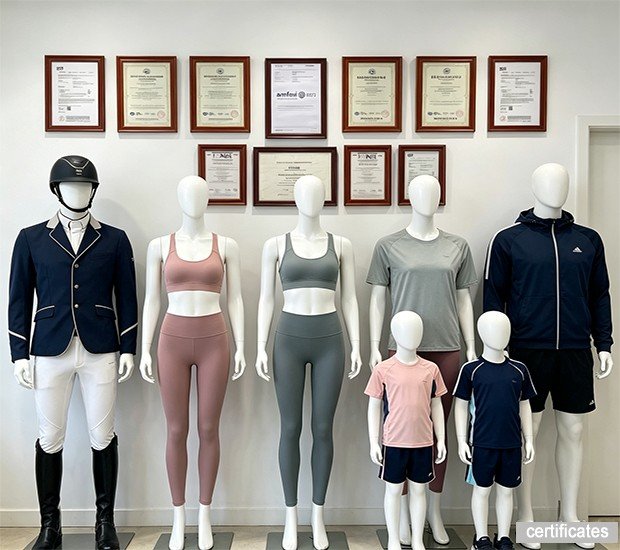
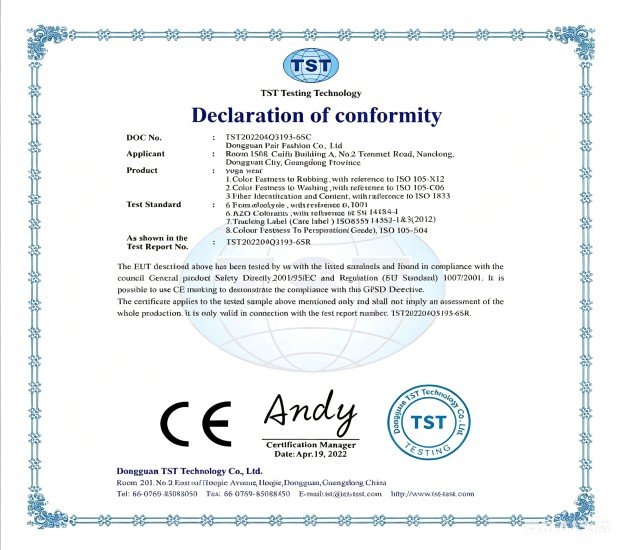
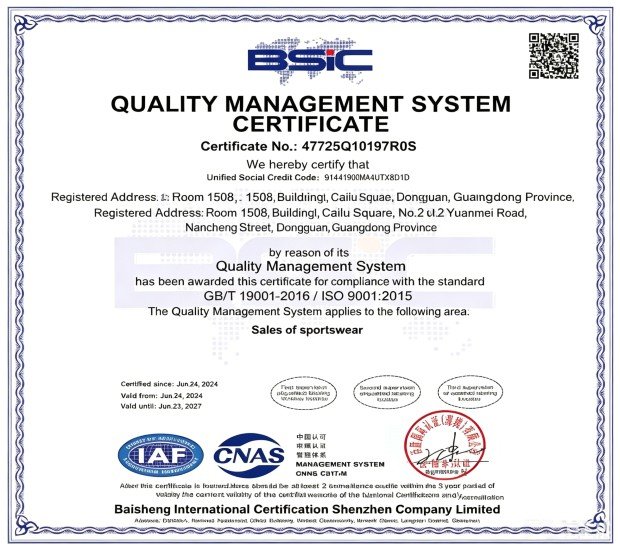
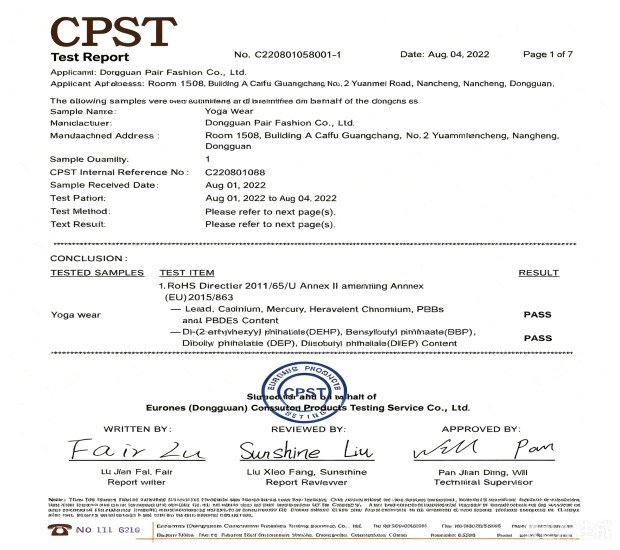
Trusted Manufacturing Standards For Global Sportswear Brands
We operate under internationally recognized quality, sustainability, and ethical manufacturing standards. Our certifications help ensure consistent product quality, responsible sourcing, and reliable production for global sportswear brands.
- 20+ Countries Served
- 6000+ Styles Developed
- 50,000 PCS Monthly Capacity
- 3-Day Sample Development
How Long Does the Sample-to-Delivery Process Take, and What Can Delay It?
For buyers researching top premiere equestrian brand netherlands, sample-to-delivery timing should be assessed as separate stages: development, approvals, material procurement, production, inspection and transport. There is no reliable universal schedule for custom riding apparel. Ask each manufacturer to define its starting point, dependencies and shipment milestone. Then work backwards from your required warehouse arrival date, allowing time for revisions and corrective work rather than treating the fastest advertised production time as the complete delivery promise.
When Does the Lead-Time Clock Start for Samples and Bulk Production?
“Thirty days” is not a complete schedule. It could mean thirty days after payment, material receipt, sample approval or confirmation of all production details. Two suppliers may quote the same duration while describing different commitments.
For a top premiere equestrian brand netherlands supplier comparison, ask each candidate to complete the same timing framework:
| Stage | Starting condition to confirm | Completion milestone to confirm |
|---|---|---|
| Initial development | Brief and development scope accepted | Pattern or first sample ready for review |
| Sample revision | Consolidated comments and required materials received | Revised sample dispatched or available |
| Material procurement | Specifications, colour and purchasing authority confirmed | Required materials received and checked |
| Bulk production | Agreed approvals, payment and material conditions satisfied | Finished garments ready for inspection |
| Inspection and correction | Required quantity available for assessment | Order accepted for release |
| Transport | Shipment collected or handed to the carrier | Arrival at the named destination |
Separate “ready,” “dispatched” and “delivered.” A sample ready at the manufacturer has not yet reached your fitting team. Garments ready for inspection have not yet been released for shipment.
Record whether durations use calendar days or working days. Also confirm which holidays or planned closures affect the proposed schedule.
How Do Stock Fabrics and Custom-Dyed Materials Change the Schedule?
Stock fabric can remove some development steps, but availability still needs checking. A swatch in a sample room does not establish that enough material remains for the proposed order—or that it will remain available for a reorder.
For buyers applying top premiere equestrian brand netherlands comparisons to an original collection, distinguish three material situations:
- Available stock material: Confirm quantity, colour, batch identification and reservation conditions.
- Existing fabric requiring custom colour: Allow for colour development, approval, processing and inspection.
- Newly developed fabric: Define the development stages, testing requirements and purchasing minimums before assigning a production date.
Trims can also control the schedule. A garment may use available fabric but depend on a custom zip, branded elastic or packaging component that is not ready.
Ask the supplier to identify the latest required material, rather than reporting only the main fabric’s status. If one component arrives late, establish whether production can continue safely or whether the sequence must change.
Approving a substitute may help, but it creates another decision. Record what changes, how it affects the product and which checks must be repeated.
Which Approvals Must Come Before Cutting and Bulk Production?
Some activities can run together; others depend on a confirmed decision. Artwork review may take place while a fit sample is being assessed. Bulk cutting, however, should follow the agreed approval of the production pattern, materials and cutting instructions.
A top premiere equestrian brand netherlands purchasing plan should identify those dependencies explicitly.
| Decision | What should be settled | Why it affects timing |
|---|---|---|
| Fit and pattern | Approved proportions, measurements and required corrections | Changes can affect patterns, material consumption and construction |
| Fabric and colour | Accepted material reference and colour approval | Substitution or rejection can require further sourcing |
| Grip and decoration | Artwork, dimensions, placement and application approval | Changes can require setup work and another sample |
| Size range | Grading rules and any required size-set approval | Unresolved sizing can delay cutting instructions |
| Production reference | Approved sample and matching technical-file version | Conflicting instructions create production uncertainty |
| Packing | Labels, barcodes, assortment and carton requirements | Missing details can hold completed garments before shipment |
Close the comments loop. When a revised sample arrives, confirm whether each requested correction was completed. Do not assume that dispatching another sample means every issue has been resolved.
Give one person responsibility for consolidating buyer feedback. Separate messages from design, merchandising and purchasing can create incompatible instructions unless someone issues a final, controlled response.
How Do Inspection, Rework and Shipping Affect the Required Delivery Date?
A production completion date leaves several tasks ahead. The order may still need inspection, corrections, packing confirmation and transport arrangements. If the schedule assumes every stage passes immediately, a manageable problem can become a missed delivery.
For top premiere equestrian brand netherlands buyers planning a launch, distinguish these milestones:
- Production complete: Garments have reached the defined manufacturing endpoint.
- Inspection ready: The required quantity and packing status are available for the agreed assessment.
- Released for shipment: Inspection and any required corrective work have been accepted.
- Carrier handover: The shipment has entered the agreed transport arrangement.
- Warehouse arrival: Goods have reached the destination used in your launch plan.
Transport should be quoted against the actual destination and shipment details. Ask what the estimate includes, which events it depends on and who communicates changes.
Work backwards from the date stock is needed for sale. Warehouse arrival may still be followed by receiving checks, stock allocation, product photography or retailer preparation. A delivery that meets the shipping plan can still leave too little time for the commercial launch.
Keep any contingency visible in the schedule. It should address identified uncertainty rather than disguising an unsupported promise.
What Should Be Reconfirmed When Specifications Change or a Reorder Is Placed?
A change after approval can affect more than the detail being edited. Increasing a pocket size may alter a pattern; changing fabric may affect fit; replacing a label may interrupt packing. Ask the supplier to assess the impact before approving the change.
Within a top premiere equestrian brand netherlands sourcing process, every significant change should receive a written response covering:
- The revised specification and version.
- Additional development or production charges.
- Materials or completed work affected.
- Required samples, tests or approvals.
- The revised shipment date, or confirmation that it remains achievable.
Reorders also need review. Stored patterns and an approved sample can reduce repeated development work, but they do not confirm current material availability or reserve production capacity.
Before repeating an order, verify the material references, colours, trims, quantities, size allocation, price and schedule. Identify any substitutions before production begins. Where the original product had a recurring issue, include the agreed correction in the new order documents.
A useful schedule is one both parties can update against observable milestones. It shows what is complete, what is awaiting approval, what could delay the next stage and who must act. That makes delivery discussions practical—and gives the buyer time to respond before a small delay becomes a launch problem.

How Do You Choose the Best Supplier for a Trial Order and Long-Term Supply?
For buyers completing top premiere equestrian brand netherlands research, the best supplier is the candidate that meets essential requirements, produces an acceptable sample and offers workable commercial terms. Apply mandatory checks before scoring advantages. Then compare candidates through one controlled request for quotation, use a trial order to test production execution and retain approved records for replenishment. A low price or strong first sample supports further evaluation; neither proves long-term supply reliability.
What Must a Supplier Meet Before You Apply a Weighted Scorecard?
Some requirements should determine whether a candidate remains eligible. A supplier that cannot manufacture the required garment, meet an essential specification or accept agreed inspection arrangements should not compensate for that gap with a lower price.
Before scoring a top premiere equestrian brand netherlands manufacturing shortlist, establish your minimum conditions:
- Relevant capability: Evidence of the required garment construction and material handling.
- Order feasibility: Acceptable quantity, colour and size-allocation conditions.
- Technical agreement: Willingness to work against a controlled specification.
- Sample acceptance: Completion of the agreed development and review stages.
- Business identity: A clear contracting entity and documented production arrangement.
- Quality access: Agreed inspection, reporting and corrective-action procedures.
- Schedule feasibility: A credible plan tied to approvals, materials and shipment.
- Required documentation: Applicable reports and certificates where the brief requires them.
Distinguish not yet verified from does not meet the requirement. Missing information may justify a follow-up enquiry. An unresolved essential requirement should remain unresolved in the evaluation, rather than receiving an optimistic score.
How Should Startups, Retailers and Established Brands Weight the Criteria Differently?
Once mandatory requirements are satisfied, compare the remaining trade-offs. A startup may place more weight on development support and initial cash commitment. An established brand may prioritise repeatability, material continuity and production planning.
The following scorecard is an illustrative framework, not an industry standard. Its weights total 100% in each column and can be adjusted to the buying brief.
| Evaluation area | Startup private-label brand | Retailer adding a private-label range | Established apparel brand |
|---|---|---|---|
| Relevant product and development capability | 25% | 20% | 20% |
| Sample performance and quality control | 25% | 30% | 30% |
| MOQ and initial purchasing commitment | 25% | 15% | 10% |
| Production planning and supply continuity | 10% | 20% | 25% |
| Communication and document control | 15% | 15% | 15% |
| Total | 100% | 100% | 100% |
For a top premiere equestrian brand netherlands supplier assessment, use a consistent rating scale and attach evidence to each score:
- 1: Material weaknesses remain against the requirement.
- 3: The requirement is adequately supported by reviewed evidence.
- 5: Evidence demonstrates an advantage relevant to the project.
Leave unverified criteria open. Calculate the final result only when essential evidence is available, and record why one supplier scored higher. A difference in points should represent a meaningful purchasing advantage, not personal preference for a polished presentation.
What Should One Controlled RFQ Include for Comparable Quotations?
Send the same quotation request to all shortlisted suppliers and ask them to clearly list anything that is different from your requirements. Otherwise, a supplier may quote a different fabric, leave out packaging or base the price on a higher minimum quantity per colour without clearly explaining these differences.
A useful top premiere equestrian brand netherlands sourcing enquiry contains:
| RFQ section | Information to include | Required supplier response |
|---|---|---|
| Product identification | Style code, drawings and specification version | Confirm the version quoted |
| Materials | Fabric target, trims and approved references | Identify proposed materials and substitutions |
| Construction | Seams, pockets, waistband, grip and decoration | Confirm feasibility and exceptions |
| Sizing | Measurement chart, grading and tolerances | State development or size-set requirements |
| Quantities | Pieces by style, colour and size | Explain all applicable minimums |
| Sampling | Required submissions and review scope | Itemise charges, timing and revision allowances |
| Quality | Inspection requirements and acceptance criteria | Confirm access, reporting and corrective action |
| Packing and delivery | Labels, barcodes, packing instructions and destination | State inclusions, exclusions and delivery basis |
| Commercial terms | Required quotation validity and payment information | Provide written conditions and repricing triggers |
Keep alternatives separate from the requested quotation. A supplier may propose a useful cost-saving option, but it should explain exactly what changes.
After clarification, issue one consolidated specification. Scattered email comments are difficult to price consistently and even harder to use as a production reference.
When Should You Place a Trial Order or Qualify a Backup Manufacturer?
Place a trial order when the sample has passed the agreed checks, commercial terms are understood and the remaining question concerns production execution. A trial should test a defined proposition, such as measurement consistency, grip placement, packing accuracy or adherence to the reporting schedule.
For buyers acting on top premiere equestrian brand netherlands comparisons, the trial quantity should be manageable while still representing the intended product. An unusually simplified trial may reveal little about a more complex future order.
Agree on what happens next:
- Pass: Record the accepted production reference and review reorder conditions.
- Correctable issues: Document causes, corrective work and verification before expanding.
- Unresolved failure: Pause further commitments until an acceptable solution is demonstrated.
A backup manufacturer is useful when it addresses a specific supply risk. It also needs qualification. Sending the same photograph to a second supplier does not establish an interchangeable product.
Where a backup is commercially justified, confirm its materials, patterns, fit and approval requirements independently. Allow for differences rather than assuming production can transfer immediately.
Who Owns the Patterns, and Which Records Protect Future Reorders?
Clarify pattern ownership, permitted use and access before development work begins. Payment for sampling should not be treated as an automatic answer to every ownership question. Record the agreed position, including any restrictions attached to an ODM design.
For a top premiere equestrian brand netherlands buyer planning repeat supply, maintain an approved product file containing:
- Technical specification: Current version, drawings and construction instructions.
- Pattern and grading references: Ownership terms and approved size development.
- Material list: Fabric, trims, supplier references and permitted substitutions.
- Colour and artwork approvals: Identified references, dimensions and placement.
- Measurement records: Approved targets, tolerances and inspection methods.
- Sample identification: Which physical sample represents which approval.
- Production findings: Inspection results and verified corrective actions.
- Packing instructions: Labels, barcodes, size allocation and carton details.
Confirm how long physical samples and electronic records will be retained, who can access them and how changes are authorised. A stored sample is useful only when both parties know what it represents.
What Is the Next Step Once Your Shortlist Is Ready?
Choose a small number of candidates whose evidence matches your product and purchasing plan. Resolve specification differences, compare complete quotations and move through development in clear approval stages.
If Pair Fashion remains on your shortlist, you can discuss your equestrian collection requirements with a brief covering the garment category, target customer, proposed quantities, size range and required delivery date. Include drawings, reference photographs or a technical pack where available, and identify which details still need development.
That gives the discussion a concrete purpose: establishing what can be made, what must be tested, what the order will cost and whether the proposed route fits your business.