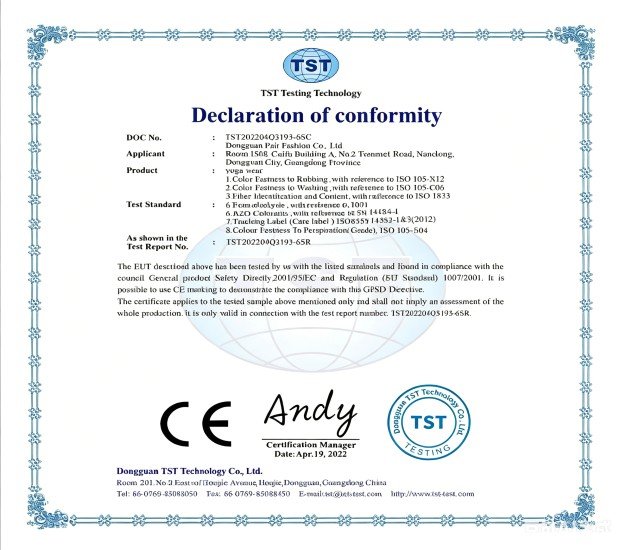
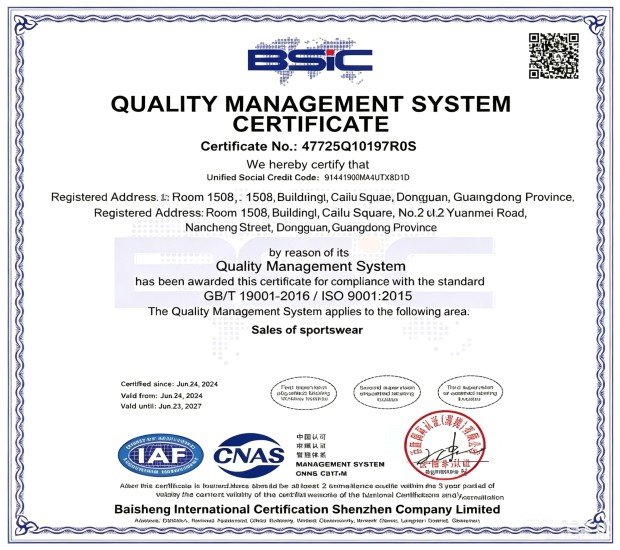
OEM/ODM Sportswear Manufacturer | 3-Day Sampling | Low MOQ | 50K Monthly Capacity | ISO9001 & BSCI Certified

Top 10 Wholesale Activewear Manufacturers in China (2026): Supplier Comparison & Buyer Evaluation Guide
Compare the Top 10 Wholesale Activewear Manufacturers in China using practical buyer-focused criteria, including product specialization, market positioning, manufacturing strengths, certifications, and supplier suitability. Learn how to evaluate Chinese suppliers and make better sourcing decisions for your activewear brand.
Top 10 Wholesale Activewear Manufacturers in China: Supplier Comparison & Buyer Evaluation Guide (2026)
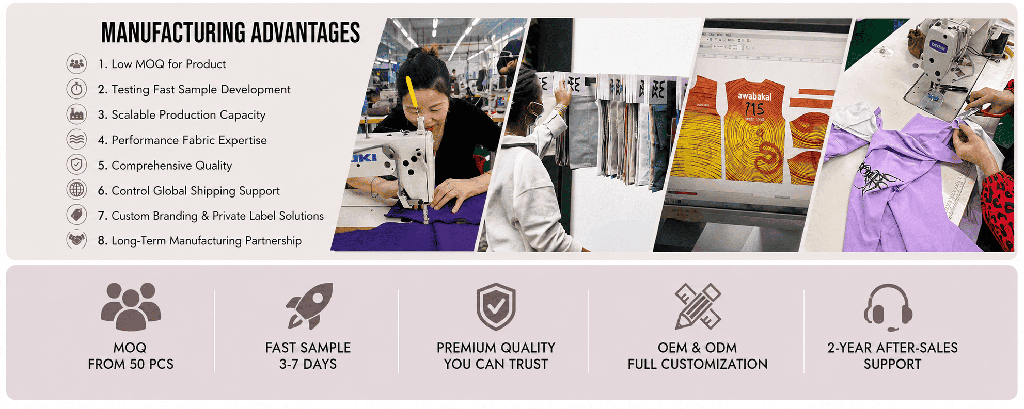
The wholesale activewear manufacturers industry has evolved into one of the fastest-growing sectors of the global apparel market. As consumers continue to embrace healthier lifestyles and versatile athletic clothing, brands are expanding product categories, entering new markets, and launching private label collections at an unprecedented pace. Behind every successful activewear brand is a wholesale activewear manufacturer capable of delivering consistent quality, reliable execution, and the flexibility to support long-term growth.
Finding that partner has become increasingly challenging. China is home to thousands of apparel factories, yet their capabilities vary dramatically. Some manufacturers specialize in seamless knitting, while others focus on technical performance garments, sustainable materials, or fashion-oriented athleisure. Factory size alone no longer determines supplier quality. Instead, buyers must evaluate product specialization, export experience, communication efficiency, supply chain maturity, and long-term collaboration potential before making sourcing decisions.
Quick Answer
There is no single best wholesale activewear manufacturer in China for every business. The most suitable supplier depends on your product category, target market, business stage, quality expectations, and sourcing strategy. Rather than ranking factories solely by size or price, this guide compares China’s leading activewear manufacturers through a buyer’s perspective, helping brands identify suppliers that best match their commercial objectives while reducing sourcing risks.
Whether you are launching your first activewear collection, expanding into new product categories, or reassessing your existing supply chain, understanding how manufacturers differ is essential. This guide combines supplier comparison, procurement strategy, and practical evaluation methods to help buyers make informed decisions beyond simple price comparisons.
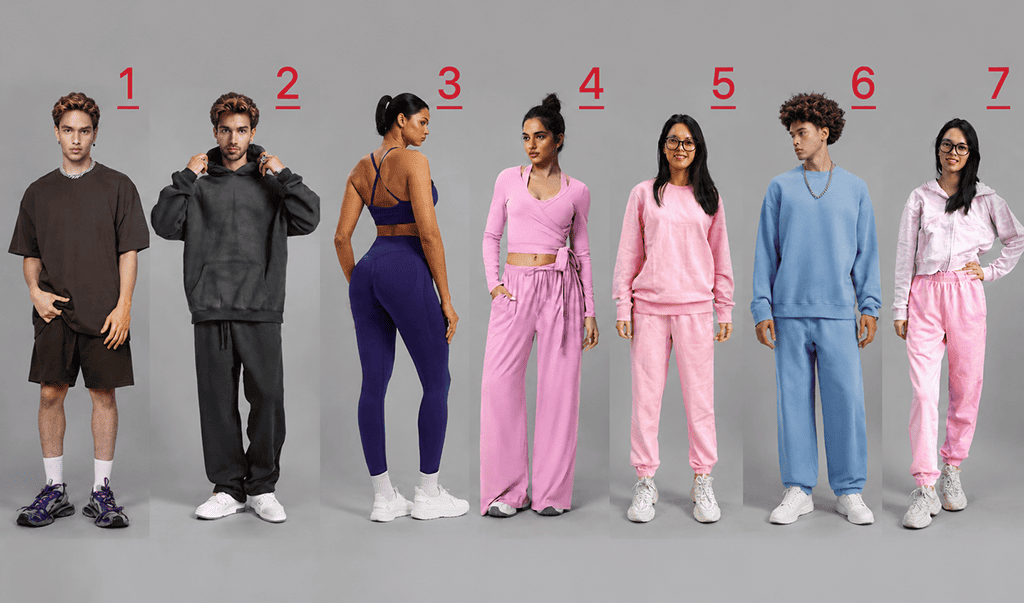
Which Wholesale Activewear Manufacturers Stand Out in Today's Market?
All manufacturers listed in this guide have established unique competitive positioning in China’s activewear industry. Several focus on supplying global retailers with streamlined, standardized production systems, whereas others prioritize product innovation, niche categories and fast-growing private-label brands.
Instead of asking “Which factory is number one?”, experienced sourcing professionals usually ask three more practical questions:
- Which supplier understands my product category best?
- Which supplier is most experienced with businesses like mine?
- Which supplier can continue supporting my brand as it grows?
These questions produce more meaningful supplier comparisons than simply reviewing quotations or production capacity.
The following sections examine each manufacturer individually, focusing on their market positioning, product strengths, competitive advantages, and the types of buyers they are best equipped to serve.
1. Pair Fashion
Company Snapshot
Based in Dongguan, Pair Fashion has established itself as a product development-focused manufacturing partner serving international activewear brands across multiple performance apparel categories. Rather than concentrating on a single product segment, the company supports brands developing collections in fitness, tennis, equestrian, maternity, plus size, and other specialized sportswear markets.
Its market positioning is built around helping brands create differentiated product lines instead of competing solely on manufacturing volume. This makes the company particularly relevant for businesses looking to develop collections with stronger product identity and broader category expansion.
Product Focus
- Performance Activewear
- Plus Size Activewear
- Maternity Activewear
- Tennis Apparel
- Equestrian Apparel
- Athleisure Collections
Best For
- Growing activewear brands
- Private label businesses
- DTC brands
- Multi-category sportswear collections
- Buyers expanding into niche activewear markets
Competitive Advantages
Instead of limiting its expertise to mainstream fitness apparel, Pair Fashion has developed experience across several specialized product categories that require different pattern engineering, grading standards, and performance fabric applications. This broader capability allows brands to consolidate multiple product lines under one manufacturing partnership while maintaining technical consistency across collections.
The company is particularly suitable for brands that view manufacturing as part of long-term product strategy rather than simply garment production.
Potential Considerations
Brands focused exclusively on high-volume commodity basics may find greater economies of scale with manufacturers specializing in standardized mass production. Pair Fashion is generally better suited to brands seeking product differentiation, category expansion, and ongoing collection development.
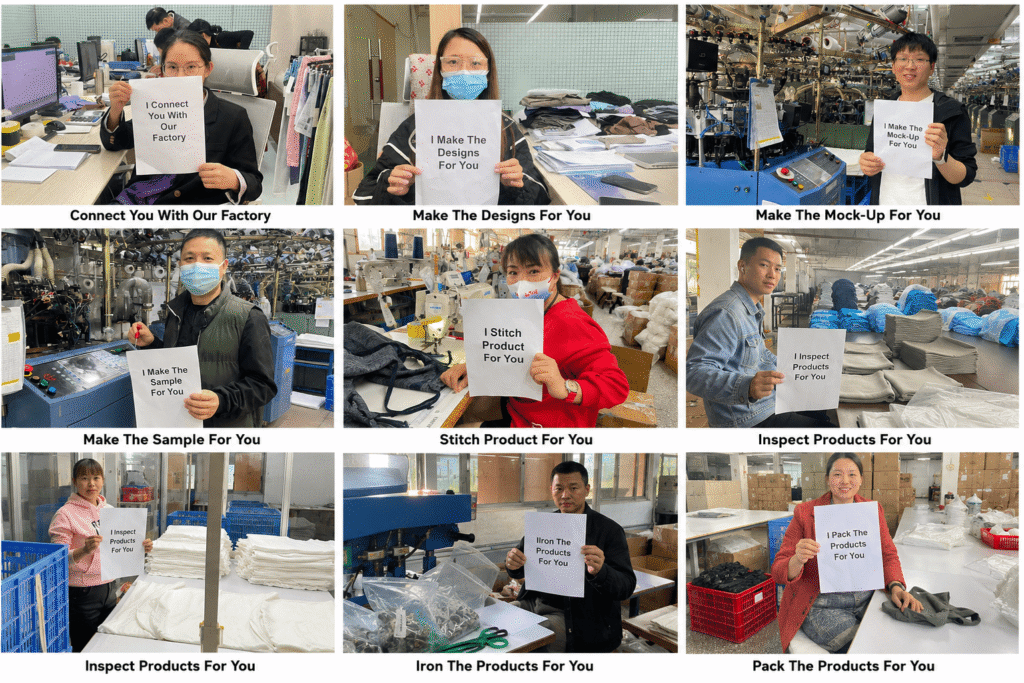
2. Ingor Sportswear
Company Snapshot
Headquartered in Guangzhou, Ingor Sportswear has built a strong international reputation in the premium yoga and activewear segment. Rather than competing through broad product diversification, the company has concentrated on technical fitness apparel, sustainable materials, and design collaboration for established brands.
Its market positioning appeals to businesses that value innovation, environmentally responsible sourcing, and premium consumer experiences over low-cost mass production.
Product Focus
- Yoga Apparel
- Sports Bras
- Leggings
- Women’s Fitness Wear
- Sustainable Activewear Collections
Best For
- Premium activewear brands
- Sustainable fashion companies
- Boutique yoga brands
- Established private label businesses
Competitive Advantages
Ingor differentiates itself through continuous investment in product innovation and sustainability. Brands seeking recycled fabrics, environmentally conscious manufacturing, and fashion-forward collections often consider the company a suitable development partner.
The supplier has also developed considerable experience working with overseas activewear brands that emphasize branding, premium positioning, and long-term product evolution rather than frequent supplier changes.
Potential Considerations
Brands requiring extensive product diversification across categories such as equestrian apparel, maternity sportswear, or highly specialized niche collections may benefit from supplementing Ingor with additional manufacturing partners whose expertise extends beyond mainstream fitness apparel.
3. Arabella Clothing
Company Snapshot
Located in Xiamen, Arabella Clothing has positioned itself as a flexible manufacturing partner for emerging brands entering the global activewear market. The company serves buyers seeking balanced manufacturing solutions without the complexity often associated with very large production organizations.
Its business model focuses on supporting growing companies through collaborative product development and adaptable manufacturing arrangements.
Product Focus
- Yoga Wear
- Gym Apparel
- Running Clothing
- Lifestyle Sportswear
- Casual Athleisure
Best For
- Startup brands
- Amazon sellers
- Shopify businesses
- Small and medium-sized activewear companies
Competitive Advantages
Arabella is often selected by businesses launching their first activewear collections because of its willingness to collaborate throughout the early stages of product planning. Rather than limiting cooperation to standard product catalogs, the company supports customized branding, seasonal collection updates, and ongoing product improvements.
Its relatively broad product portfolio also enables buyers to consolidate several mainstream activewear categories under one supplier.
Potential Considerations
Companies requiring advanced technical apparel engineering or highly specialized sportswear categories should evaluate Arabella’s category experience against project-specific requirements before proceeding with large-scale development.
4. Aika Sportswear
Company Snapshot
Based in Dongguan, Aika Sportswear has developed a strong presence in OEM and ODM sportswear manufacturing, supplying gym apparel and training clothing to buyers across multiple international markets.
The company’s market position is centered on customization and production flexibility, making it attractive to brands seeking established manufacturing systems for conventional sportswear collections.
Product Focus
- Gym Wear
- Training Apparel
- Hoodies
- Joggers
- Sportswear Essentials
Best For
- OEM buyers
- International distributors
- Sportswear retailers
- Commercial fitness brands
Competitive Advantages
Aika has accumulated broad experience across mainstream sportswear categories, allowing buyers to source coordinated collections from a supplier familiar with commercial fitness markets.
Its manufacturing capabilities support a variety of branding options, enabling businesses to customize garments according to different retail strategies and seasonal product plans.
For buyers seeking dependable production of traditional activewear products, Aika remains one of the more established manufacturers within southern China’s sportswear industry.
Potential Considerations
Brands building highly differentiated collections through technical fabrics, inclusive sizing, or niche sports categories may wish to compare Aika with manufacturers possessing deeper specialization in those specific product areas.
5. Hucai Sportswear
Company Snapshot
Established in Guangzhou, Hucai Sportswear is recognized primarily for its expertise in seamless knitting technology. Rather than manufacturing a broad spectrum of sportswear products, the company has concentrated on seamless performance apparel where technical knitting plays a significant role in both garment functionality and consumer appeal.
Its specialization has made Hucai a preferred supplier for brands building seamless-focused product ranges.
Product Focus
- Seamless Leggings
- Seamless Sports Bras
- Seamless Shorts
- Seamless Training Sets
Best For
- Seamless activewear brands
- Boutique fitness labels
- Premium seamless collections
- Fashion-forward sportswear businesses
Competitive Advantages
The company’s expertise lies in advanced seamless construction, enabling the development of garments with body-contouring structures, engineered ventilation zones, ribbed textures, and integrated compression features.
This specialization provides brands with opportunities to create visually distinctive products while maintaining high levels of comfort and stretch performance.
For companies targeting premium seamless collections, Hucai’s focused manufacturing experience represents a meaningful competitive advantage.
Potential Considerations
Brands seeking a comprehensive sportswear supplier covering woven garments, outerwear, tennis apparel, equestrian products, or maternity activewear should consider whether additional manufacturing partners will be required to complete their product assortment.
6. SGL Sports
Company Snapshot
Operating from Guangzhou, SGL Sports focuses on technical sports apparel designed for athletic performance rather than lifestyle fashion. The company has developed considerable expertise supplying compression garments, team uniforms, and performance training apparel for organizations that require consistent product standards across repeat production cycles.
Its customer base includes sports organizations, institutional buyers, and performance-oriented brands seeking functional apparel built around durability and technical performance.
Product Focus
- Compression Apparel
- Team Sportswear
- Running Apparel
- Cycling Clothing
- Performance Training Wear
Best For
- Sports organizations
- Teamwear suppliers
- Institutional buyers
- Performance apparel brands
Competitive Advantages
SGL Sports differentiates itself through technical garment construction rather than fashion-oriented design. Buyers requiring compression technology, durable athletic uniforms, or repeat production for organized sports programs often value the company’s manufacturing experience and consistent execution.
Its specialization in functional performance products makes it particularly suitable for brands prioritizing athletic performance over lifestyle positioning.
Potential Considerations
Lifestyle activewear brands targeting athleisure, fashion fitness, or premium consumer collections may prefer suppliers with stronger experience in trend forecasting, fabric innovation, and contemporary design development.
Comparing the First Six Manufacturers
Although these manufacturers all operate within China’s activewear industry, their competitive positioning differs significantly.
| Manufacturer | Primary Positioning | Ideal Buyer | Core Differentiator |
|---|---|---|---|
| Pair Fashion | Product Development Partner | Growing brands & private labels | Multi-category technical expertise |
| Ingor Sportswear | Premium Activewear Supplier | Sustainable premium brands | Innovation & sustainability |
| Arabella Clothing | Flexible Manufacturing Partner | Startup businesses | Collaborative development |
| Aika Sportswear | Commercial OEM Supplier | Sportswear retailers | Broad customization capability |
| Hucai Sportswear | Seamless Specialist | Seamless fitness brands | Technical knitting expertise |
| SGL Sports | Performance Apparel Manufacturer | Sports organizations | Functional sportswear engineering |
Rather than ranking one supplier above another, this comparison illustrates how different manufacturers excel in different market segments. The most suitable partner depends on the buyer’s product strategy, target consumer, and long-term business objectives rather than a single measure such as factory size or production capacity.
7. Berunwear
Company Snapshot
Headquartered in Xiamen, Berunwear is an export-focused activewear manufacturer catering to brands throughout North America, Europe and Oceania. Specialising in mainstream fitness apparel supply, the company delivers consistent operations to retailers, distributors and private-label partners looking for long-term manufacturing collaborations.
Rather than positioning itself as a specialist in one niche category, Berunwear competes by offering a balanced combination of product diversity, export experience, and supply chain coordination.
Product Focus
- Yoga Apparel
- Gym Wear
- Running Clothing
- Fitness Sets
- Athleisure Apparel
Best For
- International retailers
- Sporting goods distributors
- Mid-sized private label brands
- Buyers seeking long-term manufacturing stability
Competitive Advantages
Berunwear’s strength lies in its experience working with overseas buyers that require dependable production across multiple product categories. Instead of emphasizing trend-driven collections, the company focuses on manufacturing consistency and export reliability.
For brands managing several product lines simultaneously, Berunwear’s broad portfolio can simplify supplier management by reducing the need to coordinate multiple factories.
Potential Considerations
Brands developing technically demanding collections—such as seamless compression apparel, adaptive sportswear, or niche performance categories—should confirm the supplier’s experience within those segments before finalizing sourcing decisions.
8. Yotex Apparel
Company Snapshot
Located in Hangzhou, Yotex Apparel serves international buyers looking for flexible sourcing solutions across activewear and lifestyle apparel. The company has developed experience supporting OEM, private label, and customized apparel programs while working with importers, sourcing companies, and growing consumer brands.
Its market positioning centers on manufacturing adaptability rather than specialization in a single product category.
Product Focus
- Activewear
- Yoga Apparel
- Lifestyle Sportswear
- Casual Performance Wear
Best For
- Importers
- Sourcing companies
- Lifestyle activewear brands
- Buyers managing diversified product portfolios
Competitive Advantages
Yotex is frequently selected by buyers seeking manufacturing flexibility across multiple apparel categories. Rather than limiting production to a narrow product range, the company supports a variety of activewear programs that can evolve alongside changing market demand.
Its collaborative manufacturing approach is particularly valuable for businesses expanding into adjacent product categories while maintaining a streamlined supplier network.
Potential Considerations
Brands requiring highly technical performance garments or advanced fabric engineering should conduct detailed product evaluations during supplier selection to confirm technical suitability.
9. Biying Sportswear
Company Snapshot
Based in Dongguan, Biying Sportswear focuses on commercial sportswear manufacturing for wholesalers, distributors, and established fitness apparel businesses. The company emphasizes standardized production systems and repeat manufacturing programs rather than highly customized product innovation.
Its market position appeals to buyers seeking dependable production for established product lines with consistent quality expectations.
Product Focus
- Running Apparel
- Gym Wear
- Training Clothing
- Commercial Fitness Apparel
Best For
- Sportswear wholesalers
- Commercial retailers
- Regional distributors
- Buyers expanding repeat product lines
Competitive Advantages
Biying Sportswear has developed operational experience supporting repeat production across common sportswear categories. For businesses requiring stable replenishment programs rather than continuous product innovation, this manufacturing approach can contribute to improved inventory planning and supply consistency.
The company is generally well suited to buyers whose sourcing priorities emphasize operational stability over frequent collection redevelopment.
Potential Considerations
Brands positioning themselves within premium, fashion-forward, or technically differentiated activewear markets should evaluate whether additional product development support may be required.
10. Sansansports
Company Snapshot
Situated in Dongguan, Sansansports has developed a strong market presence within the seamless activewear sector. The company’s collections emphasize contemporary styling, body-contouring silhouettes, and seamless knitting technologies that appeal to brands targeting modern fitness consumers.
Its specialization has made Sansansports particularly visible among buyers focused on fashionable seamless activewear rather than traditional cut-and-sew sportswear.
Product Focus
- Seamless Activewear
- Seamless Leggings
- Sports Bras
- Seamless Fitness Sets
- Fashion Athleisure
Best For
- Boutique fitness brands
- Fashion activewear companies
- Seamless collection specialists
- Trend-focused retailers
Competitive Advantages
Sansansports demonstrates strong capability in producing seamless garments featuring engineered textures, sculpting constructions, and modern aesthetic details that reflect current activewear trends.
For brands building coordinated seamless collections, the company’s focused manufacturing experience can provide greater consistency than suppliers offering seamless products as only one part of a broader portfolio.
Potential Considerations
Businesses planning to source complete sportswear collections—including tennis apparel, outerwear, equestrian clothing, maternity activewear, or inclusive sizing—may benefit from supplementing seamless specialists with manufacturers possessing broader category expertise.
Top 10 Wholesale Activewear Manufacturers in China at a Glance
A supplier comparison should do more than list factory names. For professional buyers, the objective is to understand which manufacturer fits a specific business model, not simply which company is the largest or offers the lowest quotation.
The following overview compares ten established Chinese activewear manufacturers based on publicly available information, market positioning, product specialization, and buyer suitability. Instead of focusing on operational details that change over time, this comparison highlights where each supplier creates the greatest value and which types of buyers are most likely to benefit from working with them.
| Manufacturer | Headquarters | Market Position | Product Focus | Best For | Key Strength |
|---|---|---|---|---|---|
| Pair Fashion | Dongguan | Product Development Partner | Performance Activewear, Inclusive Activewear, Tennis, Equestrian | Growing Brands & Private Label | Multi-category technical development |
| Ingor Sportswear | Guangzhou | Premium Activewear Supplier | Yoga & Sustainable Activewear | Premium Activewear Brands | Sustainability and innovation |
| Arabella Clothing | Xiamen | Flexible Private Label Supplier | Fitness & Lifestyle Activewear | Startups & Small Businesses | Flexible collaboration |
| Aika Sportswear | Dongguan | OEM & ODM Manufacturer | Gym Wear & Sportswear | OEM Buyers | Product customization |
| Hucai Sportswear | Guangzhou | Seamless Specialist | Seamless Activewear | Seamless Brands | Advanced knitting technology |
| SGL Sports | Guangzhou | Performance Apparel Manufacturer | Compression & Teamwear | Sports Organizations | Technical performance garments |
| Berunwear | Xiamen | Export-Oriented Supplier | Yoga & Fitness Apparel | International Retailers | Mature export experience |
| Yotex Apparel | Hangzhou | Flexible Manufacturing Partner | Activewear & Lifestyle Apparel | Importers | Diverse sourcing solutions |
| Biying Sportswear | Dongguan | Commercial Sportswear Supplier | Running & Training Apparel | Wholesalers | Stable repeat production |
| Sansansports | Dongguan | Fashion Seamless Supplier | Seamless Fitness Collections | Boutique Fitness Brands | Trend-driven seamless products |
Supplier information is based on publicly available company resources and industry references available at the time of writing. Buyers should verify certifications, production capabilities, commercial terms, and compliance documentation directly with each supplier before making purchasing decisions.
Why Brands Choose Pair Fashion
Many brands struggle with slow sampling, unstable quality, delayed delivery and unreliable suppliers.
- Slow sampling cycles
- Production inconsistency
- Poor communication
- Logistics complexity
- No after-sales support
- Can’t design products.
Why Are More Global Brands Choosing China for Wholesale Activewear Manufacturing?
China remains one of the world’s most influential activewear manufacturing hubs — not by offering the lowest production costs, but by boasting one of the most complete apparel supply chain ecosystems in existence today. Over the past two decades, Chinese manufacturers have consistently invested in technical expertise, automation, material innovation, and export infrastructure, empowering brands of all sizes to develop increasingly sophisticated products without compromising supply chain efficiency.
For buyers, this means sourcing decisions can be based on capability rather than compromise. Instead of assembling multiple suppliers across different countries, many brands are able to complete product development, material sourcing, manufacturing, testing, packaging, and international logistics within a single integrated manufacturing network.
China’s Competitive Advantage Goes Beyond Manufacturing Costs
One of the biggest misconceptions in apparel sourcing is that China remains competitive solely because of pricing.
In reality, today’s leading manufacturers compete through:
- Integrated supply chain efficiency
- Technical garment engineering
- Product development expertise
- Material innovation
- Manufacturing automation
- Export experience
- Supply chain resilience
For performance apparel, these advantages often contribute more to long-term sourcing success than small differences in unit price.
Specialized Industrial Clusters Create Faster Product Development
China’s apparel industry has evolved into highly specialized regional clusters where suppliers across different production stages operate within close geographic proximity.
Examples include:
| Manufacturing Region | Industry Strength |
|---|---|
| Dongguan | Activewear, sportswear, product development |
| Guangzhou | Performance apparel and technical sportswear |
| Xiamen | Fitness apparel and export manufacturing |
| Hangzhou | Functional textiles and apparel sourcing |
| Ningbo | Performance fabrics and garment production |
| Quanzhou | Sportswear manufacturing and footwear ecosystem |
.
These industrial clusters enable faster collaboration between:
- Fabric mills
- Dyeing facilities
- Printing specialists
- Trim suppliers
- Pattern development teams
- Testing laboratories
- Packaging manufacturers
- Logistics providers
Instead of transporting materials across multiple regions or countries, manufacturers can often coordinate production within highly integrated local supply networks.
China’s Material Supply Chain Supports Product Innovation
Performance apparel continues to evolve as consumers expect garments that combine comfort, durability, functionality, and sustainability.
China’s textile ecosystem supports these demands through extensive access to:
- Recycled polyester
- Recycled nylon
- Four-way stretch fabrics
- Compression textiles
- Brushed performance materials
- Moisture-management fabrics
- Cooling technologies
- UV-protection treatments
- Anti-odor finishes
- Seamless knitting yarns
As sustainability becomes increasingly important, many brands also follow guidance published by Textile Exchange when evaluating recycled materials, responsible sourcing practices, and supply chain transparency. Many premium brands also require fabrics certified under OEKO-TEX® STANDARD 100 to help ensure textile safety and compliance with international market expectations. This extensive material availability allows brands to respond more quickly to changing consumer preferences without fundamentally redesigning their manufacturing strategy.
Manufacturing Flexibility Supports Brands at Different Growth Stages
Not every activewear brand follows the same growth path.
Some companies launch with a single product, while others introduce complete seasonal collections across multiple categories.
China’s manufacturing ecosystem accommodates a wide range of sourcing strategies, including:
- Startup product launches
- Seasonal retail collections
- Private label development
- DTC brand expansion
- Wholesale replenishment programs
- International retail distribution
This flexibility enables brands to scale production gradually while maintaining continuity with trusted manufacturing partners instead of rebuilding supply chains as the business grows.
Export Experience Reduces International Sourcing Risks
China’s decades of experience supplying international apparel markets have contributed to mature export systems that many overseas buyers consider a significant competitive advantage.
Experienced manufacturers are generally familiar with:
- International product standards
- Packaging requirements
- Retail compliance expectations
- Third-party inspection procedures
- International logistics coordination
- Cross-border documentation
- Market-specific labeling requirements
For buyers entering overseas markets, this accumulated export knowledge can reduce sourcing complexity and improve project execution.
China Continues to Evolve With the Global Activewear Industry
China’s competitive advantage no longer depends on manufacturing volume alone.
Leading suppliers increasingly invest in:
- Digital product development
- Automated manufacturing equipment
- Sustainable material sourcing
- Product innovation
- Technical talent
- Supply chain transparency
As consumer expectations continue to evolve, manufacturers capable of combining technical expertise with flexible collaboration are becoming increasingly valuable partners for brands seeking sustainable long-term growth.
Rather than competing only on production efficiency, China’s leading activewear manufacturers are increasingly competing on innovation, specialization, and partnership value—qualities that continue to strengthen the country’s position within the global sportswear supply chain.

How Can Buyers Evaluate a Reliable Wholesale Activewear Manufacturer?
Selecting a wholesale activewear manufacturer is not simply about identifying the supplier with the largest factory or the lowest quotation. Experienced sourcing professionals evaluate manufacturers through a broader business lens, considering operational stability, technical expertise, communication quality, supply chain resilience, and long-term partnership potential.
The strongest suppliers are rarely those that promise everything. Instead, they are manufacturers with clearly defined strengths, transparent business practices, and a proven ability to consistently deliver products that meet commercial expectations. A structured evaluation process allows buyers to reduce sourcing risks before development begins rather than solving expensive problems after production has already started.
Instead of relying on marketing materials or supplier claims, buyers should compare manufacturers using objective evaluation criteria that reflect both current project requirements and future business growth.
Look Beyond Factory Scale
Large factories often create a strong first impression, but production scale alone rarely predicts sourcing success.
Some highly specialized manufacturers operate smaller facilities while delivering exceptional technical expertise, product consistency, and customer support. Conversely, very large factories may prioritize high-volume standardized production and have limited flexibility for brands requiring customized collections or frequent product updates.
Rather than asking how large a factory is, buyers should evaluate whether its organizational structure matches the complexity of their products and business model.
Questions worth considering include:
- Does the supplier specialize in your product category?
- Does the company regularly work with brands similar to yours?
- Is the manufacturer investing in innovation or simply expanding production capacity?
- Can the supplier support future product diversification?
These questions provide more meaningful insight than factory size alone.
Evaluate Product Category Expertise
Activewear has become increasingly specialized.
Today’s market includes:
- Performance training apparel
- Yoga collections
- Tennis apparel
- Running wear
- Cycling clothing
- Outdoor performance garments
- Plus size activewear
- Adaptive sportswear
- Maternity collections
- Equestrian apparel
- Seamless activewear
A supplier producing excellent seamless leggings may have limited experience developing structured tennis dresses or technically engineered equestrian breeches.
Likewise, manufacturers specializing in fashion athleisure may not possess the pattern engineering expertise required for compression garments or professional sports uniforms.
Selecting suppliers whose experience aligns with the intended product category typically results in shorter development cycles, fewer revisions, and stronger product performance.
Assess Communication Quality as a Business Capability
Communication is often underestimated during supplier selection, yet it directly affects every stage of product development.
Reliable manufacturers communicate clearly before problems become production delays.
Professional suppliers typically provide:
- Well-structured quotations
- Organized technical documentation
- Clear development timelines
- Transparent project updates
- Practical product recommendations
- Early notification of potential risks
Good communication reflects strong internal management rather than simply good customer service.
Manufacturers capable of explaining technical decisions clearly are generally better equipped to execute complex projects consistently.
Review Long-Term Business Stability
Selecting a supplier should be viewed as choosing a long-term business partner rather than purchasing a single production order.
Manufacturers demonstrating stable market positioning often invest continuously in:
- Technical talent
- Manufacturing technology
- Material sourcing
- Product innovation
- Customer relationships
- Quality systems
These investments help suppliers remain competitive while supporting customer growth over multiple product cycles.
Businesses planning long-term brand development should prioritize manufacturers capable of evolving alongside changing market requirements.
Buyer Evaluation Checklist
The following checklist provides a practical framework for comparing wholesale activewear manufacturers beyond pricing alone.
| Evaluation Area | Why It Matters |
|---|---|
| Product Specialization | Determines technical suitability for your collection |
| Export Experience | Reduces international sourcing risks |
| Product Development Capability | Supports future product innovation |
| Communication Quality | Improves project efficiency |
| Industry Reputation | Indicates long-term market credibility |
| Manufacturing Stability | Supports reliable delivery |
| Supply Chain Integration | Reduces sourcing complexity |
| Sustainability Commitment | Supports evolving consumer expectations |
| Innovation Investment | Indicates future competitiveness |
| Long-Term Partnership Potential | Creates operational continuity |
.
Rather than assigning equal importance to every category, buyers should prioritize the evaluation criteria most relevant to their business objectives. Brands comparing suppliers in this guide can also explore what an experienced Activewear Manufacturer looks like in practice, including manufacturing capabilities, product development expertise, and long-term partnership considerations.
What Are the Most Common Mistakes Buyers Make When Comparing Manufacturers?
Many sourcing issues arise well before production kicks off.
These common missteps are the primary reasons brands switch suppliers after just one or two production cycles.
Mistake 1 — Comparing Suppliers Only by Price
A lower quotation may reflect differences in materials, technical expertise, production systems, or service scope rather than genuine manufacturing efficiency.
Professional buyers compare overall sourcing value rather than unit price alone.
Mistake 2 — Assuming Every Activewear Factory Has the Same Expertise
Manufacturers often develop deep expertise within particular product categories.
Choosing a supplier outside its core specialization frequently increases development time and product revisions.
Mistake 3 — Ignoring Long-Term Business Compatibility
Some suppliers perform well on individual projects but struggle to support expanding product lines, increasing order volumes, or evolving brand strategies.
Long-term compatibility often becomes more valuable than short-term production savings.
Mistake 4 — Relying Entirely on Marketing Materials
Professional sourcing decisions require objective evaluation.
Websites, brochures, and presentations provide useful introductions but should be supplemented with technical discussions, reference checks, product reviews, and commercial due diligence.
Mistake 5 — Comparing Too Few Suppliers
Evaluating only two or three manufacturers rarely provides sufficient market perspective.
Comparing several suppliers allows buyers to better understand differences in specialization, positioning, communication style, and overall sourcing strategy.

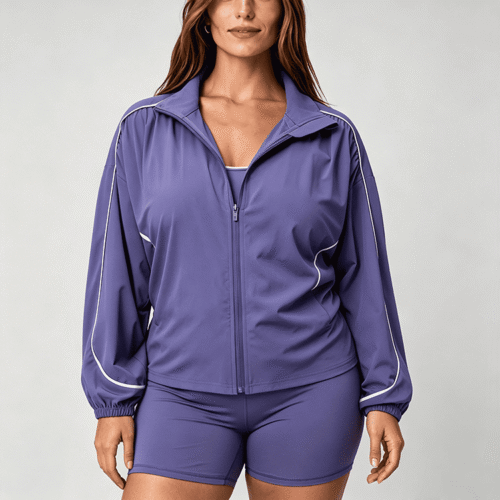
Custom Plus Size Activewear Set OEM ODM Zip-Up Workout Tracksuit
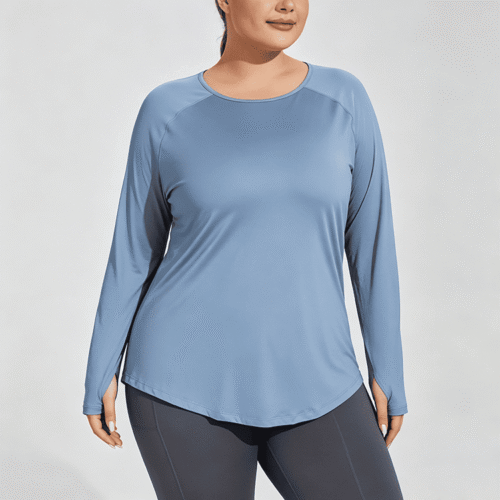
Custom Plus Size Activewear Top OEM ODM Long Sleeve Workout Shirt
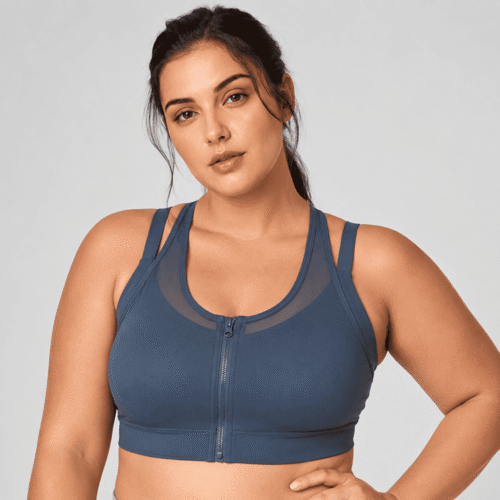
Custom Plus Size Front Zip Sports Bra OEM ODM High Support Activewear
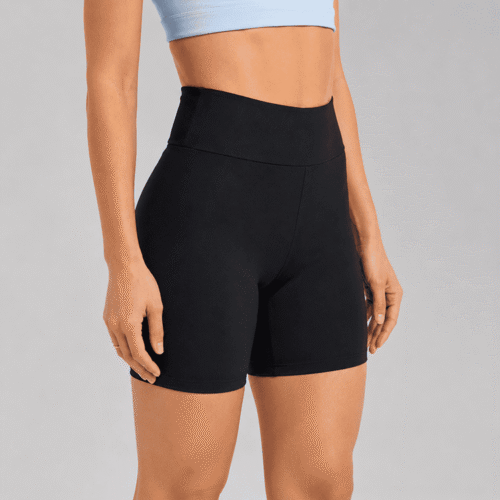
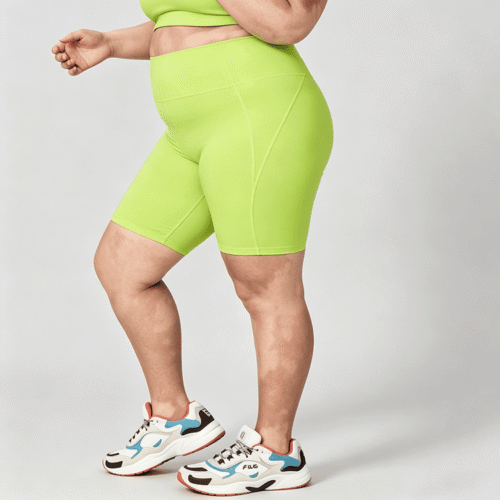
Custom Plus Size High Waist Biker Shorts OEM ODM Activewear
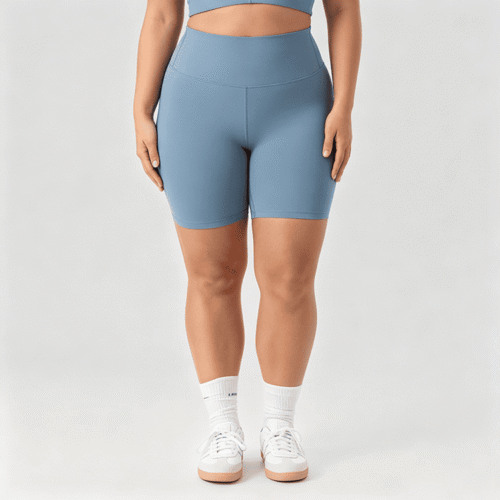
Custom Plus Size High Waist Biker Shorts OEM ODM Workout Shorts
Custom Plus Size High Waist Biker Shorts OEM ODM Yoga Shorts
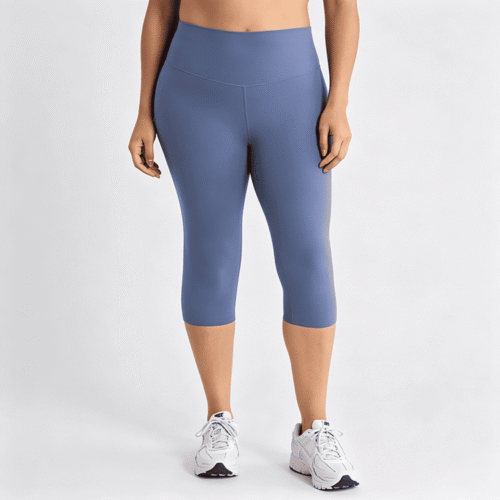
Custom Plus Size High Waist Capri Leggings OEM ODM Yoga Pants
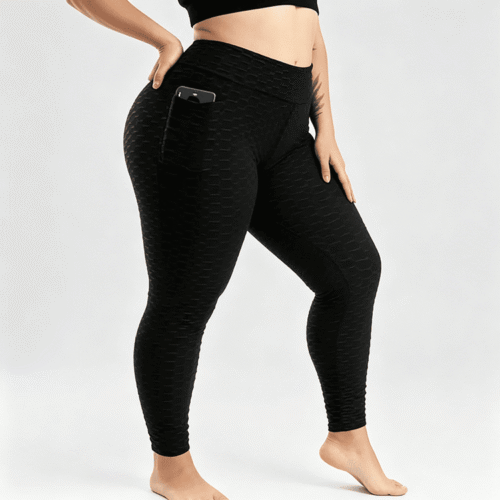
Custom Plus Size Pocket Yoga Leggings OEM ODM High Waist Workout Pants
What Hidden Procurement Costs Should Buyers Consider Beyond Unit Price?
The purchase price represents only one component of total sourcing cost.
Experienced procurement teams evaluate additional factors that influence profitability throughout the product lifecycle.
Hidden procurement costs may include:
- Extended product development
- Multiple supplier transitions
- Inventory delays
- Product quality inconsistencies
- Market launch postponements
- Communication inefficiencies
- Additional compliance requirements
- Supply chain disruptions
Many of these costs remain invisible during supplier selection but become highly significant after production begins.
The most cost-effective supplier is often the manufacturer capable of delivering consistent quality, stable collaboration, and predictable project execution over many seasons.
Should You Work With One Manufacturer or Multiple Suppliers?
There is no universal sourcing strategy suitable for every business.
The decision depends on product diversity, purchasing volume, operational resources, and long-term growth plans.
Working With One Manufacturer
Advantages
- Stronger collaboration
- Better product consistency
- Simplified communication
- Easier supply chain management
- Greater efficiency during future collection development
Potential Challenges
- Increased dependence on one supplier
- Reduced sourcing flexibility
- Higher exposure to unexpected production disruptions
Working With Multiple Manufacturers
Advantages
- Access to specialized expertise
- Greater sourcing flexibility
- Reduced dependency
- Better category optimization
Potential Challenges
- More complex supplier management
- Additional communication requirements
- Greater coordination across product categories
- Increased operational workload
Many established brands adopt a hybrid sourcing strategy by maintaining one primary manufacturing partner while collaborating with specialized suppliers for niche product categories.
Final Buyer Guide: Which Type of Manufacturer Fits Your Business Best?
Rather than identifying a universally “best” supplier, buyers should focus on selecting manufacturers whose capabilities align with their commercial objectives.
| Business Situation | Recommended Supplier Type |
|---|---|
| Launching a new activewear brand | Flexible product development partner |
| Building a premium activewear collection | Innovation-focused manufacturer |
| Developing seamless collections | Seamless knitting specialist |
| Expanding into multiple sports categories | Multi-category manufacturing partner |
| Growing international retail distribution | Export-oriented supplier |
| Developing highly technical sportswear | Performance apparel specialist |
| Building long-term supply chain stability | Strategic manufacturing partner with diversified capabilities |
.
The most successful sourcing strategies recognize that manufacturing partnerships evolve alongside brand growth. A supplier that supports innovation, transparent communication, and continuous improvement often contributes more to long-term competitiveness than one offering the lowest initial quotation. For businesses planning fully customized collections, understanding the OEM Activewear Manufacturing process can help determine whether a supplier’s capabilities align with long-term product development goals.
Conclusion
China continues to offer one of the world’s most comprehensive activewear manufacturing ecosystems, supported by mature supply chains, specialized production clusters, and decades of export experience. While numerous manufacturers compete within this market, the right sourcing decision depends on finding a supplier whose expertise, market positioning, and collaboration style align with your specific business objectives.
Rather than selecting a manufacturer based solely on price, successful brands evaluate suppliers through a broader procurement framework that considers product specialization, operational stability, communication quality, innovation capability, and long-term partnership potential.
As global competition within the activewear industry continues to intensify, thoughtful supplier selection has become a strategic business decision rather than a simple purchasing activity. Brands that invest time in comparing manufacturers systematically are better positioned to reduce sourcing risks, improve product quality, and build resilient supply chains capable of supporting sustainable long-term growth. After shortlisting potential suppliers, brands looking for a dedicated manufacturing partner can further evaluate a Wholesale Activewear Manufacturer for Custom Brand Collections to better understand custom development capabilities, private label support, and long-term manufacturing collaboration.
Frequently Asked Questions About Choosing Wholesale Activewear Manufacturers in China
1. How Many Wholesale Activewear Manufacturers Should I Compare Before Choosing One?
Direct Answer
Most experienced sourcing professionals recommend comparing at least five to ten manufacturers before making a final decision. Comparing more suppliers helps buyers understand differences in specialization, communication style, pricing strategy, product quality, and long-term business compatibility instead of relying on a single quotation.
Many first-time buyers compare only two or three suppliers, which often creates a narrow understanding of the market. A broader comparison makes it easier to identify manufacturers with strengths that match specific business goals rather than simply selecting the lowest-priced option.
When evaluating suppliers, compare factors such as:
- Product specialization
- Industry experience
- Customer profile
- Technical capability
- Communication efficiency
- Export history
- Market reputation
The objective is not to find the cheapest factory, but to identify the supplier that offers the best overall sourcing value.
2. Is It Better to Work With One Manufacturer or Multiple Activewear Suppliers?
Direct Answer
There is no universal sourcing strategy. Smaller brands often benefit from working with one reliable manufacturing partner to simplify communication and maintain product consistency, while larger businesses frequently use multiple specialized suppliers to reduce risk and improve flexibility.
A single supplier can provide better coordination across product lines and support long-term product development. Multiple suppliers, however, allow buyers to leverage different technical strengths—for example, using one manufacturer for seamless activewear and another for performance outerwear.
The best approach depends on product diversity, internal sourcing resources, and business growth plans.
3. Why Do Prices Vary So Much Between Activewear Manufacturers?
Direct Answer
Different quotations often reflect differences in materials, technical expertise, quality systems, development support, and manufacturing processes rather than simple profit margins.
Factors influencing pricing include:
- Fabric quality
- Garment construction
- Technical complexity
- Product testing
- Compliance standards
- Packaging
- Supply chain management
Comparing quotations without understanding these variables can lead to inaccurate purchasing decisions.
4. How Can Buyers Verify Whether a Manufacturer Is Truly Reliable?
Direct Answer
Reliable manufacturers demonstrate consistency across multiple business areas rather than relying on marketing claims alone.
Before making a sourcing decision, buyers should evaluate:
- Company history
- Export experience
- Product specialization
- Customer references
- Communication quality
- Product consistency
- Industry certifications
- Supply chain stability
A systematic evaluation process provides a more reliable indicator of supplier performance than factory size alone.
5. Can One Manufacturer Produce Every Type of Activewear?
Direct Answer
Very few manufacturers excel across every activewear category. Most suppliers develop deep expertise within specific product segments such as seamless apparel, yoga wear, compression garments, tennis clothing, or technical sportswear.
Brands with diverse product portfolios should first determine whether a single supplier possesses sufficient technical expertise across all required categories or whether multiple specialized manufacturers would create better product quality.
Matching supplier strengths with product categories usually delivers stronger commercial results.
6. What Are the Biggest Risks When Choosing a New Activewear Manufacturer?
Direct Answer
The greatest sourcing risks usually involve selecting suppliers whose capabilities do not match project requirements rather than choosing the “wrong” factory.
Common risks include:
- Limited product specialization
- Poor communication
- Weak quality management
- Supply chain instability
- Inconsistent production
- Delayed market launches
Most sourcing risks can be significantly reduced through structured supplier evaluation before development begins.
7. Should Buyers Prioritize Price or Long-Term Value?
Direct Answer
Long-term sourcing value generally produces better commercial results than selecting suppliers based solely on the lowest quotation.
Manufacturers that consistently deliver stable quality, efficient communication, reliable delivery, and continuous product improvement often reduce overall procurement costs over time, even if their initial quotations are slightly higher.
Successful brands evaluate total business value rather than unit price alone.
8. What Makes a Wholesale Activewear Manufacturer a Strategic Long-Term Partner?
Direct Answer
A strategic manufacturing partner contributes more than production capacity. The strongest suppliers continuously support product innovation, market expansion, quality improvement, and supply chain stability as a brand grows.
Characteristics of long-term partners include:
- Consistent communication
- Technical expertise
- Stable operations
- Industry experience
- Continuous innovation
- Collaborative problem solving
- Commitment to mutual growth
Manufacturing partnerships built on trust and continuous improvement often become an important competitive advantage for growing activewear brands.