OEM/ODM Sportswear Manufacturer | 3-Day Sampling | Low MOQ | 50K Monthly Capacity | ISO9001 & BSCI Certified

Top Bombshell Sportswear Suppliers Manufacturers in China: Best Factory Comparison & Buyer Selection Guide
The best Bombshell Sportswear suppliers manufacturers in China are those with proven expertise in premium activewear production, advanced fabric sourcing, stable quality control, flexible customization, and reliable delivery performance. Rather than choosing the lowest-priced supplier, buyers should compare manufacturers based on product specialization, production consistency, certifications, minimum order quantities, communication efficiency, sampling capability, and long-term supply chain stability. The right manufacturer depends on your business goals, brand positioning, and expected growth stage rather than factory size alone.
What Is Bombshell Sportswear and Why Are More Sportswear Suppliers Inspired by It?
Quick Answer
Bombshell Sportswear has become one of the world’s most influential women’s activewear brands by successfully combining performance fabrics, body-contouring construction, and fashion-driven design. Rather than competing on technical sports performance alone, Bombshell creates products that enhance confidence, emphasize body shape, and seamlessly transition from workouts to everyday wear. As consumers increasingly demand premium athleisure products, more Sportswear Suppliers are helping brands develop Bombshell-inspired collections with advanced fabrics, precision garment construction, and premium finishing. For brands looking to enter this growing market, choosing experienced Sportswear Suppliers with strong product development capabilities is essential to achieving consistent quality, reliable production, and long-term success.
What Is Bombshell Sportswear?
Bombshell Sportswear is widely recognized as a premium women’s fitness apparel brand that blends athletic functionality with modern fashion aesthetics. Its collections focus on creating products that not only support physical performance but also enhance the wearer’s silhouette through thoughtful garment engineering.
Unlike traditional sportswear brands that prioritize basic functionality, Bombshell places significant emphasis on sculpting fits, premium fabric selection, flattering seam placement, and contemporary styling. The result is activewear that performs inside the gym while remaining stylish enough for everyday lifestyle wear.
Today, Bombshell-inspired apparel has become an important product category for many independent activewear brands, boutique fitness labels, online retailers, and private label businesses worldwide.
What Makes Bombshell Different From Traditional Activewear?
Although many activewear brands manufacture leggings and sports bras, Bombshell-inspired products follow a noticeably different design philosophy.
Traditional sportswear generally focuses on:
- Moisture management
- Basic comfort
- Athletic movement
- Durability
- Functional simplicity
Bombshell-inspired collections, however, combine athletic performance with premium fashion design by emphasizing:
- Sculpting compression
- High-waisted silhouettes
- Glute-enhancing construction
- Contouring seam placement
- Luxurious fabric hand feel
- Premium matte finishes
- Coordinated matching sets
- Modern feminine aesthetics
This combination allows consumers to feel confident both inside and outside the gym, making the products attractive to a wider lifestyle audience rather than performance athletes alone. This shift reflects the continued growth of the global athleisure market, as highlighted in the annual State of Fashion report by McKinsey & Company.
Which Products Define the Bombshell Style?
Bombshell-inspired collections typically include a complete range of women’s premium activewear rather than focusing on a single hero product.
The most common product categories include:
| Product Category | Key Design Characteristics | Typical Target Market |
|---|---|---|
| High-Waisted Leggings | Sculpting compression, contour seams | Women’s fitness brands |
| Scrunch Leggings | Glute-enhancing back construction | Social media fitness brands |
| Sports Bras | Fashion-forward support with premium finishes | Boutique activewear labels |
| Matching Sets | Coordinated tops and bottoms | DTC activewear brands |
| Crop Tops | Body-contouring athletic tops | Lifestyle fitness collections |
| Bodysuits | One-piece performance apparel | Premium women’s activewear |
| Training Shorts | Sculpting fit with flexible compression | Gym apparel retailers |
| Lightweight Jackets | Layering pieces for athleisure collections | Premium sportswear brands |
Many manufacturers can produce these categories, but relatively few consistently achieve the combination of fit, stretch recovery, fabric quality, and construction precision expected by premium international buyers.
Why Are Bombshell-Inspired Collections Growing Worldwide?
Several long-term industry trends continue driving global demand for Bombshell-style activewear.
Consumers increasingly expect activewear to deliver multiple benefits simultaneously, including:
- Performance during workouts
- Stylish everyday appearance
- Comfortable compression
- Figure-enhancing silhouettes
- Premium fabric texture
- Social media appeal
- Versatile styling
- Long-term durability
At the same time, platforms such as Instagram, TikTok, and YouTube have significantly increased consumer awareness of fashion-oriented fitness apparel. Influencers and fitness creators regularly showcase coordinated activewear collections, encouraging brands to develop products that combine athletic performance with premium aesthetics.
This growing demand creates significant opportunities for brands capable of partnering with manufacturers experienced in producing fashion-driven performance apparel.
Who Should Source Bombshell-Style Products?
Bombshell-inspired activewear is particularly suitable for businesses targeting consumers who value both performance and appearance. While not every apparel company requires this product category, it represents a strong growth opportunity for brands seeking higher perceived value and product differentiation.
Typical buyers include:
- Startup activewear brands launching premium collections
- Direct-to-consumer fitness brands
- Boutique women’s fitness labels
- Private label retailers
- Online activewear marketplaces
- Regional sportswear wholesalers
- Gym chains developing branded apparel
- Lifestyle fashion brands expanding into activewear
For these businesses, selecting the right manufacturing partner becomes increasingly important because product consistency, garment fit, and premium fabric performance directly influence customer satisfaction and long-term brand reputation.
Why Choosing the Right Manufacturer Matters More Than Ever
The popularity of Bombshell-inspired activewear has encouraged many factories to advertise similar production capabilities. However, garments that appear almost identical in product photographs often differ substantially in real-world quality.
Differences in pattern engineering, compression balance, stitching precision, seam durability, fabric recovery, color consistency, and finishing details all contribute to the final customer experience.
An experienced manufacturer contributes much more than production capacity alone. The right supplier helps improve product consistency, reduce development risks, stabilize delivery schedules, support future product expansion, and build a stronger long-term supply chain.
For this reason, the next section compares some of the leading Bombshell Sportswear supplier manufacturers in China, helping buyers identify which factories best match different business models, sourcing priorities, and brand growth strategies.
Top Bombshell Sportswear Supplier Manufacturers in China (2026 Comparison)
Choosing the right manufacturer is one of the most important decisions when building a Bombshell-inspired activewear brand. While China is home to thousands of apparel factories, only a relatively small number specialize in premium women’s fitness apparel that combines flattering silhouettes, technical fabrics, consistent quality, and reliable customization. A factory may offer competitive pricing, but if it lacks experience with compression garments, contour stitching, premium stretch fabrics, or fashion-oriented activewear, the final product may fail to meet customer expectations.
The manufacturers listed below were selected based on several practical sourcing criteria, including activewear specialization, international export experience, product development capability, manufacturing stability, quality certifications, customization flexibility, and long-term partnership value. Rather than ranking factories solely by size, this comparison focuses on helping buyers identify the supplier that best matches their business model, product positioning, and future growth plans.
1. Pair Fashion
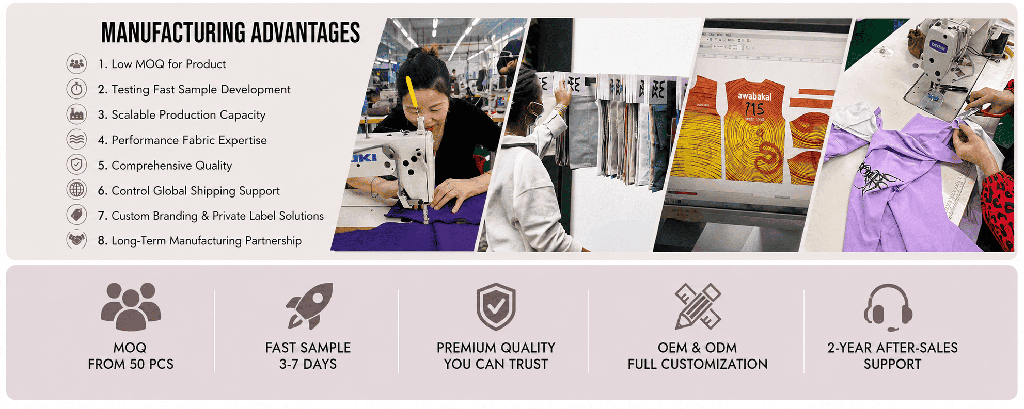
Pair Fashion has become one of the most competitive activewear manufacturers in China for brands seeking premium quality, flexible production, and long-term product development support. Established in 2016 and located in Dongguan, Guangdong, the company focuses exclusively on functional sportswear instead of general apparel manufacturing. This specialization allows Pair Fashion to develop products that combine performance, comfort, and fashion—qualities that closely match the characteristics of Bombshell-inspired activewear.
Unlike many factories that primarily manufacture standard gym clothing, Pair Fashion offers a broader product portfolio covering yoga apparel, fitness wear, sports bras, leggings, matching sets, tennis wear, equestrian apparel, maternity activewear, plus-size activewear, Muslim sportswear, hoodies, joggers, and other premium sportswear collections. This wide product range enables brands to expand from a single product category into complete seasonal collections while working with one manufacturing partner.
Another significant advantage is the company’s flexible approach to product development. Customers can begin with a technical pack, reference sample, sketch, or even a design concept. The development team assists with pattern optimization, fabric recommendations, fit improvements, trim selection, and production planning before moving into sampling and mass production. This collaborative process is particularly valuable for startup brands and growing DTC businesses that require technical support during product development.
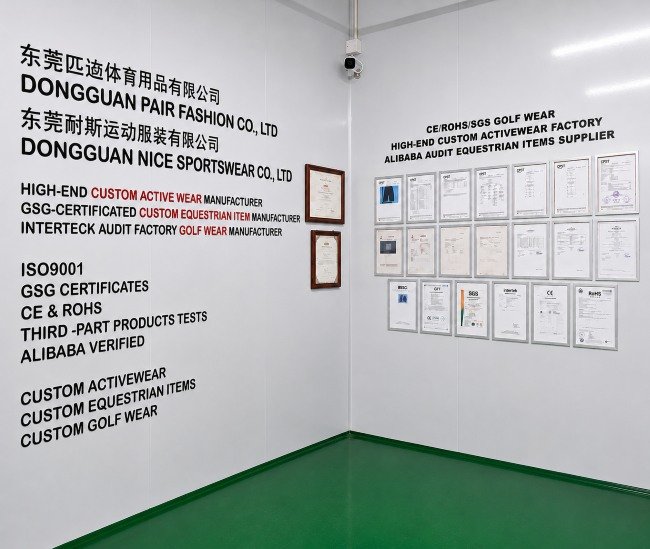
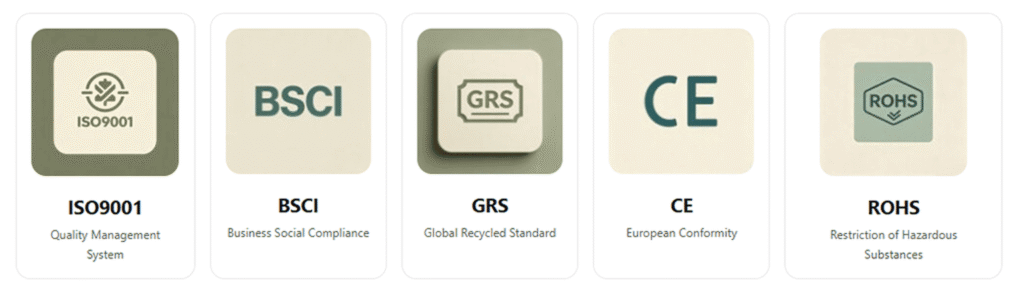
Pair Fashion also maintains internationally recognized certifications including ISO9001, BSCI, GRS, CE, and ROHS, demonstrating compliance with global quality, environmental, and social responsibility standards. Combined with a low minimum order quantity, fast sample development, stable lead times, and dedicated customer service, these strengths make the company an excellent choice for brands looking to build premium private label activewear collections.
Headquarters: Dongguan, Guangdong
Founded: 2016
Typical MOQ: 50 pieces
Typical Lead Time: 15–25 working days
Main Product Categories
- Sports Bras
- Leggings
- Yoga Apparel
- Matching Sets
- Tennis Wear
- Equestrian Apparel
- Plus Size Activewear
- Maternity Activewear
- Muslim Sportswear
- Hoodies
- Joggers
Public Certifications
- ISO9001
- BSCI
- GRS
- CE
- ROHS
Best Fit For
- Startup activewear brands
- Growing DTC brands
- Private label businesses
- Boutique fitness labels
- Buyers requiring flexible MOQs
- Brands developing premium Bombshell-inspired collections
May Not Be the Best Choice For
Businesses sourcing extremely low-cost promotional apparel or standardized commodity sportswear with minimal customization requirements.
2. Aika Sportswear
Aika Sportswear is a well-established activewear manufacturer based in Dongguan that has supplied international sportswear brands for more than a decade. The company focuses primarily on fitness apparel, yoga wear, gym clothing, and private label manufacturing, serving customers across North America, Europe, and Australia. Its experience with OEM and ODM production has made it a familiar supplier for buyers looking for dependable manufacturing rather than highly experimental product development.
The company offers a balanced product portfolio that includes sports bras, leggings, training tops, hoodies, joggers, shorts, and coordinated fitness sets. Its manufacturing processes emphasize consistent quality and standardized production, making it suitable for brands with stable product lines and recurring seasonal orders.
Compared with suppliers targeting startup brands, Aika generally works more efficiently with customers who already have clear product specifications and established sales channels. Buyers with mature collections may appreciate the company’s structured production management and predictable delivery performance.
Headquarters: Dongguan, Guangdong
Founded: 2010
Typical MOQ: 100 pieces
Typical Lead Time: 20–30 working days
Main Product Categories
- Sports Bras
- Leggings
- Yoga Wear
- Fitness Apparel
- Hoodies
- Joggers
- Gym Shorts
- Matching Sets
Public Certifications
- ISO9001
Best Fit For
- Growing activewear brands
- Medium-sized retailers
- Private label collections
- International distributors
May Not Be the Best Choice For
Very early-stage brands requiring extensive product development assistance or exceptionally low minimum order quantities.
3. Ingor Sportswear
Founded in Guangzhou, Ingor Sportswear has positioned itself as a manufacturer specializing in sustainable activewear and environmentally responsible production. The company has invested significantly in recycled materials, eco-friendly manufacturing processes, and certified sustainable fabrics, making it an attractive option for brands that prioritize environmental responsibility alongside product quality.
Its product portfolio includes yoga wear, sports bras, leggings, active tops, shorts, and matching sets, with particular emphasis on recycled nylon and recycled polyester fabrics. Ingor has developed long-term relationships with international brands that require compliance with sustainability standards while maintaining fashionable product designs.
Although its minimum order quantities are generally higher than those of some competitors, the company’s experience with certified recycled materials makes it a strong candidate for brands targeting environmentally conscious consumers.
Headquarters: Guangzhou, Guangdong
Founded: 2009
Typical MOQ: 200 pieces
Typical Lead Time: 25–35 working days
Main Product Categories
- Sustainable Activewear
- Yoga Apparel
- Sports Bras
- Leggings
- Training Tops
- Matching Sets
Public Certifications
- BSCI
- GRS
- ISO9001
Best Fit For
- Sustainable activewear brands
- Eco-conscious retailers
- Premium fitness collections
- Brands requiring recycled fabrics
May Not Be the Best Choice For
Startups testing small production runs or businesses focused primarily on achieving the lowest manufacturing cost.
4. Hucai Sportswear
Hucai Sportswear specializes in seamless activewear manufacturing and has built a strong reputation for producing knitted performance garments with excellent stretch, comfort, and body-contouring characteristics. The company’s expertise in seamless knitting technology makes it particularly suitable for brands developing lightweight fitness collections where flexibility and comfort are key selling points.
Its manufacturing capabilities include seamless leggings, seamless sports bras, crop tops, shorts, and coordinated gym sets. The company continuously updates its knitting technologies and fabric structures to improve garment performance while maintaining fashionable aesthetics.
For brands planning to launch seamless Bombshell-inspired collections, Hucai offers technical experience that differs from traditional cut-and-sew manufacturers.
Headquarters: Yiwu, Zhejiang
Founded: 2012
Typical MOQ: 100 pieces
Typical Lead Time: 20–30 working days
Main Product Categories
- Seamless Leggings
- Seamless Sports Bras
- Seamless Crop Tops
- Gym Sets
- Training Shorts
Public Certifications
- ISO9001
Best Fit For
- Seamless activewear brands
- Boutique fitness labels
- DTC sportswear businesses
- Fashion-oriented gym apparel collections
May Not Be the Best Choice For
Brands requiring a wide variety of cut-and-sew technical sportswear or highly customized multi-category product lines.
5. Yotex Apparel
Yotex Apparel is a Zhejiang-based manufacturer with extensive experience in yoga wear, fitness apparel, and functional activewear for international brands. Over the years, the company has developed strong capabilities in producing clean, minimalist sportswear collections that emphasize comfort, flexibility, and modern styling. Its product range covers many of the core categories required by Bombshell-inspired brands, including leggings, sports bras, workout tops, shorts, and coordinated activewear sets.
One of Yotex’s advantages is its familiarity with supplying medium-sized overseas brands that require consistent production quality without extremely high minimum order quantities. The company also works with a wide selection of performance fabrics, allowing customers to choose materials based on compression level, stretch recovery, moisture management, and seasonal requirements.
Although Yotex offers customization services, its greatest strength lies in producing mature product collections with stable quality rather than highly experimental fashion designs.
Headquarters: Zhejiang, China
Founded: 2015
Typical MOQ: 100 pieces
Typical Lead Time: 20–30 working days
Main Product Categories
- Yoga Wear
- Sports Bras
- Leggings
- Tank Tops
- Shorts
- Fitness Sets
Public Certifications
- ISO9001
- BSCI
Best Fit For
- Boutique activewear brands
- Yoga apparel retailers
- Medium-sized private label businesses
- Online fitness stores
May Not Be the Best Choice For
Brands requiring highly specialized compression engineering or extensive product innovation during the development stage.
6. Santic Garment
Santic is widely recognized for manufacturing technical sports apparel, particularly cycling clothing and high-performance athletic garments. While its primary reputation comes from endurance sports, the company’s expertise in technical fabrics, ergonomic pattern development, and performance-oriented construction also makes it capable of supporting selected premium activewear projects.
Compared with fashion-focused manufacturers, Santic places greater emphasis on technical functionality and garment performance. Buyers whose collections combine high-performance training apparel with Bombshell-inspired styling may benefit from the company’s engineering experience and rigorous production standards.
Because Santic primarily serves established international brands, its production requirements and minimum order quantities are generally better suited to medium and large businesses.
Headquarters: Xiamen, Fujian
Founded: 2005
Typical MOQ: 300 pieces
Typical Lead Time: 30–45 working days
Main Product Categories
- Performance Sportswear
- Cycling Apparel
- Running Wear
- Compression Clothing
- Technical Jackets
Public Certifications
- ISO9001
- BSCI
Best Fit For
- Premium performance brands
- Established sportswear companies
- Buyers prioritizing technical garment construction
May Not Be the Best Choice For
Startup brands, small private label projects, or companies requiring low-volume production flexibility.
7. Baohui Garment
Baohui Garment manufactures a broad range of sportswear products for overseas importers, wholesalers, and regional distributors. Rather than specializing in a single niche, the company provides comprehensive production across multiple apparel categories, allowing customers to consolidate sourcing through one supplier.
Its activewear range includes leggings, sports bras, workout tops, shorts, hoodies, and casual sportswear collections. Baohui focuses on standardized manufacturing processes and dependable production management, making it attractive for buyers with recurring seasonal orders.
Although the company may not position itself as a luxury activewear specialist, it offers practical solutions for businesses balancing quality, delivery stability, and manufacturing cost.
Headquarters: Fujian, China
Founded: 2011
Typical MOQ: 200 pieces
Typical Lead Time: 25–35 working days
Main Product Categories
- Activewear
- Sports Bras
- Leggings
- Hoodies
- Joggers
- Sports Sets
Public Certifications
- ISO9001
Best Fit For
- Regional wholesalers
- Sporting goods distributors
- Private label retailers
- Mid-market activewear brands
May Not Be the Best Choice For
Luxury fitness labels requiring highly fashion-driven product development.
8. Jinsheng Sportswear
Jinsheng Sportswear focuses primarily on OEM manufacturing for international apparel buyers seeking efficient production and scalable manufacturing capacity. With experience serving wholesalers and large retail programs, the company emphasizes standardized workflows, production efficiency, and competitive pricing.
Its product offering includes fitness apparel, sports uniforms, leggings, T-shirts, shorts, and training wear. While the company is capable of customization, its operational model is generally optimized for repeat production rather than highly complex product development.
Businesses planning long-term volume purchasing may find Jinsheng’s manufacturing capacity advantageous once product specifications have been finalized.
Headquarters: Jiangsu, China
Founded: 2008
Typical MOQ: 300 pieces
Typical Lead Time: 30–40 working days
Main Product Categories
- Fitness Apparel
- Sports Uniforms
- Leggings
- Shorts
- T-Shirts
- Training Wear
Public Certifications
- ISO9001
Best Fit For
- High-volume buyers
- Chain retailers
- International wholesalers
- Established OEM customers
May Not Be the Best Choice For
Brands developing premium fashion-focused activewear collections or testing new products in small quantities.
9. ApparelCN
ApparelCN is a full-service garment manufacturing company that works with clients across multiple apparel categories, including sportswear, casual wear, uniforms, and fashion garments. For buyers managing diversified product portfolios, ApparelCN offers the convenience of sourcing different apparel categories through one supplier.
Within activewear, the company manufactures leggings, sports bras, fitness tops, shorts, hoodies, and coordinated gym sets. Its broad production capability makes it suitable for businesses that require multiple clothing categories beyond activewear alone.
Because the company serves a wide range of industries, brands seeking highly specialized Bombshell-inspired product engineering should carefully evaluate whether ApparelCN’s expertise aligns with their technical expectations.
Headquarters: Guangzhou, Guangdong
Founded: 2009
Typical MOQ: 100 pieces
Typical Lead Time: 25–35 working days
Main Product Categories
- Activewear
- Casual Wear
- Sports Bras
- Leggings
- Hoodies
- Matching Sets
Public Certifications
- ISO9001
- BSCI
Best Fit For
- Multi-category apparel brands
- Retail groups
- Private label importers
- Buyers seeking one-stop garment sourcing
May Not Be the Best Choice For
Brands focusing exclusively on premium women’s activewear with highly technical construction requirements.
10. Eation Wear
Eation Wear has established itself as a reliable OEM and ODM sportswear manufacturer serving overseas buyers with customized fitness apparel solutions. The company produces a variety of activewear products while maintaining stable production management and export experience.
Its manufacturing portfolio includes leggings, sports bras, yoga apparel, training tops, shorts, and athleisure collections. Eation works with both standard functional fabrics and selected performance materials, providing buyers with multiple options based on their target price point and market positioning.
For businesses seeking a balanced combination of quality, customization, and manufacturing experience, Eation represents a practical sourcing option, particularly for brands preparing to expand beyond their initial product range.
Headquarters: Fujian, China
Founded: 2013
Typical MOQ: 100 pieces
Typical Lead Time: 20–30 working days
Main Product Categories
- Yoga Wear
- Sports Bras
- Leggings
- Shorts
- Tank Tops
- Matching Sets
Public Certifications
- ISO9001
Best Fit For
- Growing activewear brands
- Private label programs
- Boutique retailers
- Cross-border e-commerce businesses
May Not Be the Best Choice For
Brands requiring extremely specialized product engineering or complex performance apparel with advanced technical construction.
Which Manufacturer Should You Shortlist?
After comparing these manufacturers, one conclusion becomes clear: there is no single factory that fits every buyer. The best supplier depends on your business model, product positioning, expected order volume, and long-term sourcing strategy.
For example:
- Startup brands generally benefit from manufacturers offering lower MOQs, stronger product development support, and flexible customization.
- Growing DTC brands often prioritize consistent quality, reliable lead times, and the ability to launch new collections several times each year.
- Premium fitness brands usually focus on technical fabrics, garment construction, certifications, and refined manufacturing standards.
- Large wholesalers and retail chains typically place greater emphasis on production capacity, operational stability, and long-term pricing competitiveness.
Understanding these differences makes it much easier to narrow your supplier list before requesting quotations or samples.

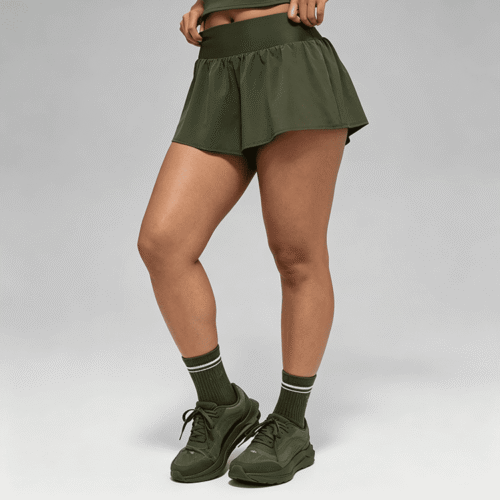
Custom High Waist Tennis Skort with Built-In Shorts OEM ODM
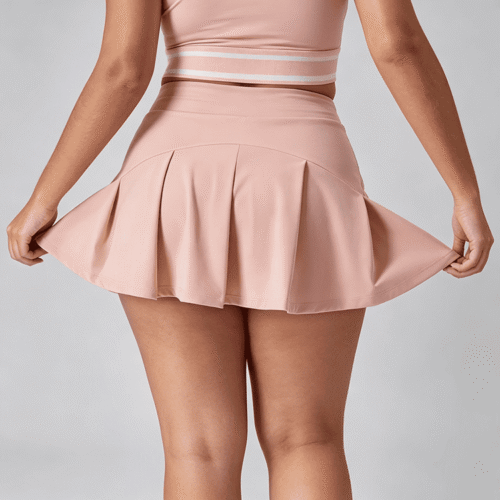
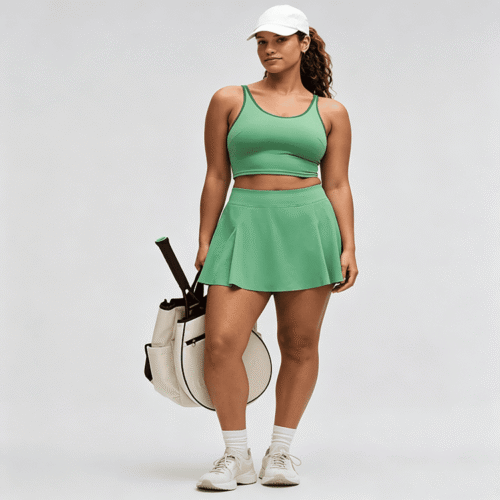
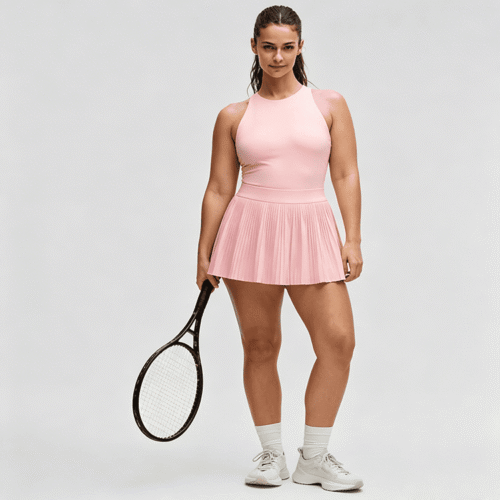
Custom High Waist Pleated Tennis Skort OEM ODM Women’s Tennis Wear
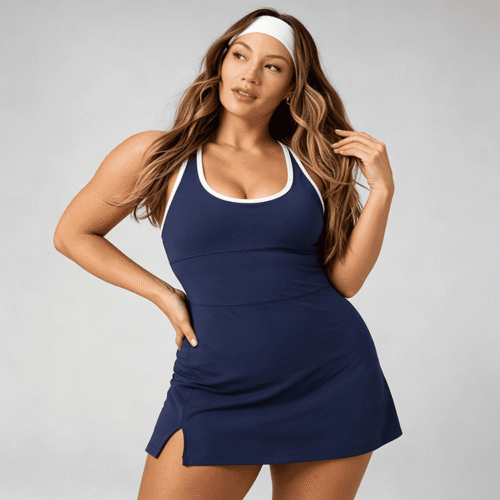
Custom Plus Size Tennis Dress OEM ODM Built-In Bra Activewear
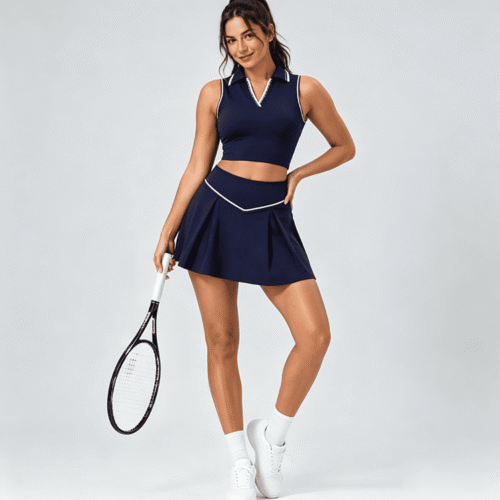
Custom Women’s Tennis Skirt Set OEM ODM Performance Tennis Outfit
Custom Women’s Tennis Dress OEM ODM Performance Tennis Apparel
Custom Women’s Tennis Skirt Set OEM ODM Performance Tennis Outfit
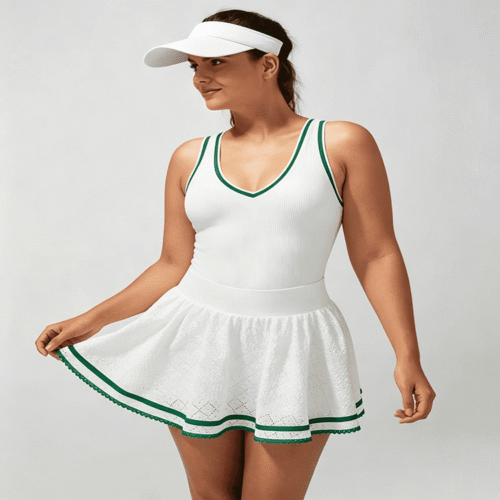
Custom Pleated Tennis Dress OEM ODM Women’s Performance Tennis Wear
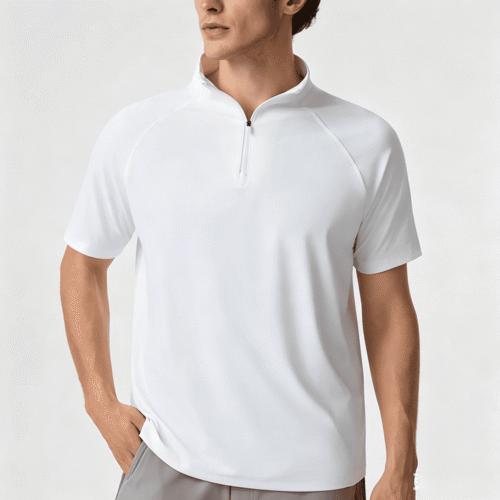
Custom Men’s Quarter Zip Performance Shirt OEM ODM Activewear
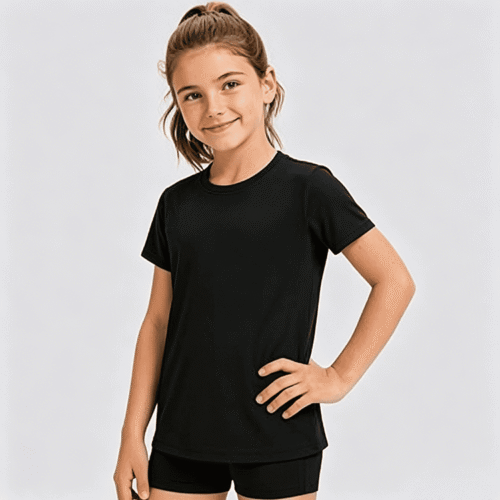
Custom Girls Activewear T-Shirt OEM ODM Kids Performance Tee
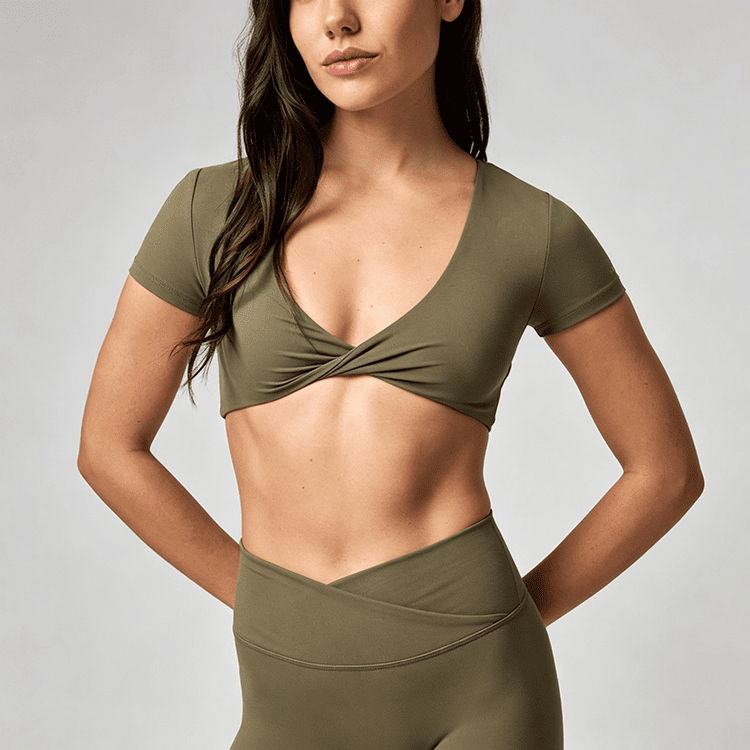
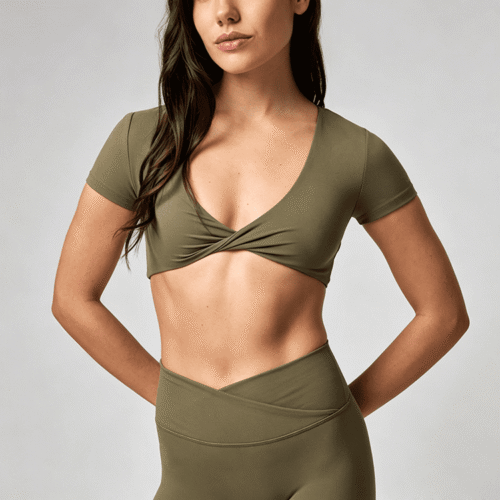
Custom Twist Front Yoga Crop Top OEM ODM Women’s Activewear
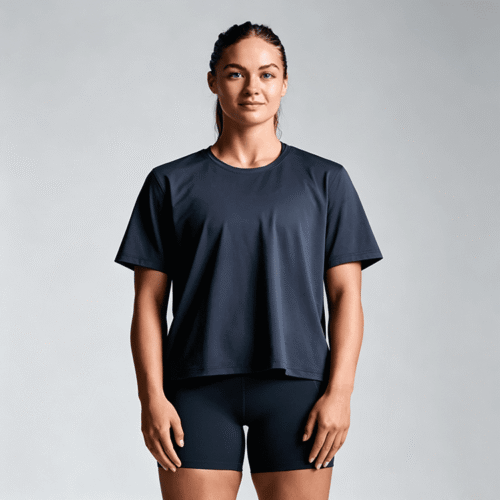
Custom Women’s Performance Training T-Shirt OEM ODM Activewear Tee
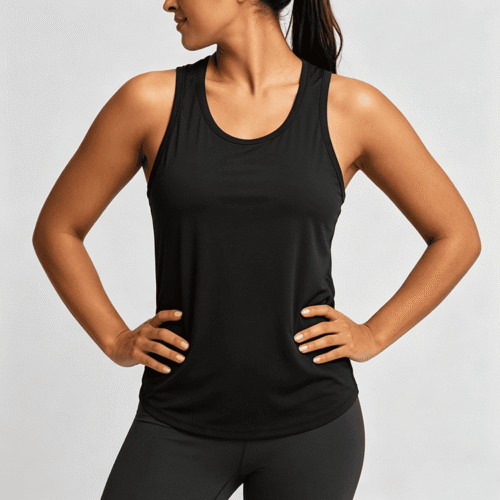
Custom Women’s Performance Tank Top OEM ODM Workout Activewear
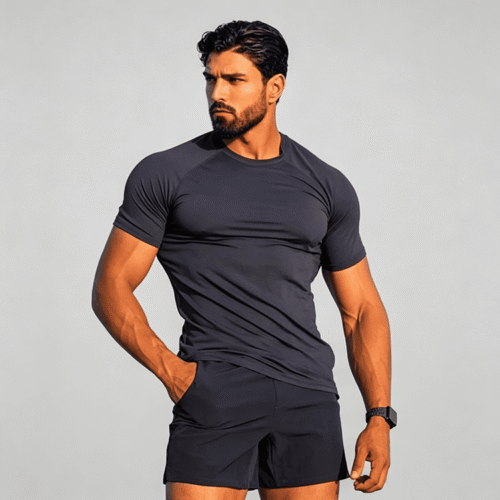
Custom Men’s Performance Training T-Shirt OEM ODM Activewear
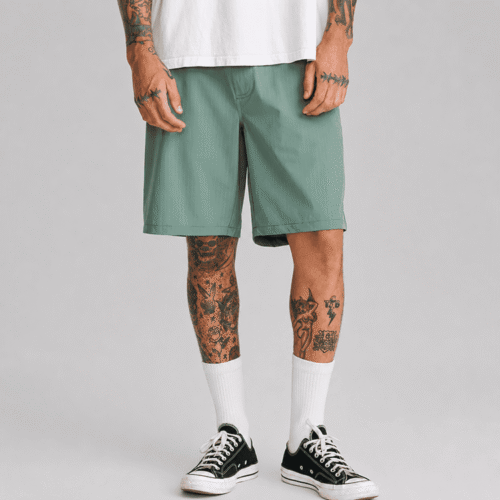
Custom Men’s Performance Training Shorts OEM ODM Activewear
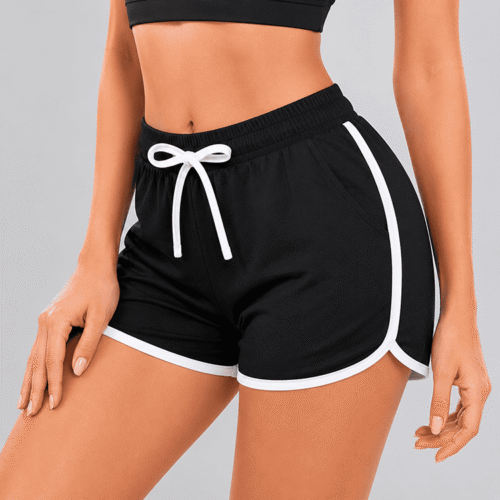
Custom Women’s Running Shorts OEM ODM Contrast Trim Workout Shorts
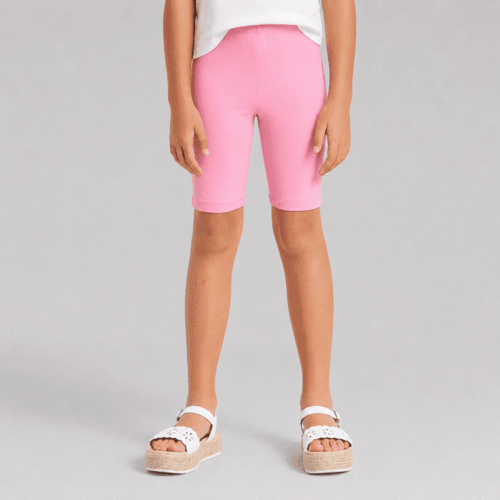
Custom Girls Biker Shorts OEM ODM Kids Activewear Shorts
Which Chinese Manufacturer Is Right for Your Business Model?
Finding the right Bombshell Sportswear manufacturer is not about choosing the biggest factory or the lowest quotation. It is about selecting a supplier whose strengths match your company’s current stage of growth, target customers, product positioning, and long-term business strategy. Following a structured supplier evaluation process can help buyers make more informed sourcing decisions and reduce long-term supply chain risks. A manufacturer that performs exceptionally well for a startup fitness brand may not be the best option for a large retail chain, while a factory optimized for mass production may struggle to support highly customized product development.
Before requesting quotations or samples, buyers should first understand what type of manufacturing partner their business actually needs. This approach not only shortens the supplier selection process but also reduces development costs, communication issues, and production risks.
Best for Startup Activewear Brands
For newly established brands, flexibility is often more valuable than factory size. Most startups are still validating products, testing customer demand, and refining their brand identity. Large minimum order quantities or rigid production systems can quickly increase inventory pressure and financial risk.
A suitable manufacturing partner for startup brands should ideally provide:
- Low minimum order quantities
- Flexible product development
- Sample optimization support
- Fast communication
- Small-batch production
- Private label customization
- Willingness to support product improvements
Among the manufacturers listed above, Pair Fashion stands out for startup brands because of its flexible MOQ beginning at 50 pieces, extensive product development experience, and ability to support businesses from concept development through commercial production.
Best for Fast-Growing DTC Brands
Direct-to-consumer brands operate differently from traditional wholesalers. Their success depends on frequent product launches, rapid inventory replenishment, and maintaining consistent product quality across multiple collections.
As sales increase, DTC brands often introduce seasonal launches, influencer collaborations, and limited-edition collections. Their manufacturing partner must therefore balance flexibility with production stability.
Important supplier characteristics include:
- Stable quality across repeat orders
- Short production lead times
- Multiple product categories
- Strong communication
- Reliable delivery schedules
- Capacity to scale production
Manufacturers such as Pair Fashion, Aika Sportswear, and Yotex Apparel are generally well suited for this business model because they combine customization capabilities with relatively flexible production systems.
Best for Premium Activewear Labels
Premium brands compete through product quality rather than pricing. Their customers expect superior fabrics, exceptional garment construction, comfortable fit, and refined finishing details. As a result, manufacturing standards become one of the most important factors influencing brand reputation.
When selecting a supplier for premium collections, buyers should prioritize factories that offer:
- Premium performance fabrics
- Advanced pattern development
- Consistent garment measurements
- High-quality stitching
- Strict quality control
- International certifications
- Long-term product consistency
Factories with strong product development capabilities and experience producing technical activewear generally perform better in this segment than manufacturers focused solely on high-volume production.
Best for Boutique Fitness Brands
Boutique brands often compete by offering unique designs, niche collections, and distinctive brand identities rather than extensive product catalogs. Their manufacturing needs typically include lower production volumes combined with greater design flexibility.
Suitable suppliers should be capable of:
- Developing customized collections
- Supporting multiple colorways
- Producing premium packaging
- Offering flexible order quantities
- Assisting with fabric selection
- Maintaining high product consistency
Manufacturers experienced in private label activewear usually provide greater value for boutique brands than factories specializing exclusively in standardized OEM production.
Best for Wholesalers
Wholesale businesses generally prioritize manufacturing efficiency, stable pricing, and dependable delivery schedules. Since they often supply multiple retailers, maintaining inventory availability and production consistency is essential.
Key supplier requirements include:
- Competitive pricing
- Stable production capacity
- Consistent product quality
- Efficient production planning
- Reliable shipping schedules
- Broad product selection
Manufacturers such as Leeline Sports, Baohui Garment, and Jinsheng Sportswear are generally more suitable for wholesale-oriented business models where standardized production and operational efficiency take priority.
Best for Large Retail Chains
Retail chains typically manage large purchasing volumes, seasonal buying schedules, and strict compliance requirements. Their supplier selection process focuses heavily on manufacturing stability rather than flexibility.
Large retailers usually evaluate manufacturers according to:
- Factory scale
- Production capacity
- Quality management systems
- Social compliance
- Delivery performance
- Documentation accuracy
- Long-term pricing stability
Factories serving this segment generally require higher minimum order quantities but offer greater production consistency for ongoing supply programs.
Manufacturer Recommendation by Business Stage
Rather than choosing a supplier based solely on popularity, buyers should consider where their business is today and where they expect it to be over the next three to five years.
| Business Stage | Recommended Manufacturer Type | Primary Selection Focus |
|---|---|---|
| Startup Brand | Flexible private label manufacturer | Low MOQ, product development, customization |
| Growing DTC Brand | Scalable activewear specialist | Stable quality, repeat production, faster launches |
| Boutique Fitness Brand | Premium activewear manufacturer | Design flexibility, premium fabrics, niche products |
| Wholesale Business | Large-scale production factory | Cost efficiency, production stability, delivery reliability |
| Retail Chain | Enterprise-level manufacturer | Capacity, compliance, long-term supply security |
Choosing a manufacturer that aligns with your current business stage creates a stronger foundation for future growth than simply selecting the supplier offering the lowest quotation. As your product line expands and customer expectations evolve, a capable manufacturing partner can become an important contributor to your brand’s long-term success rather than just a production vendor.
Why Choose a Chinese Manufacturer Instead of Suppliers in Other Countries?
Featured Snippet
China remains the world’s leading destination for activewear manufacturing because it combines mature supply chains, advanced production technology, experienced garment engineers, competitive costs, and access to premium performance fabrics. While countries such as Vietnam, Pakistan, Turkey, and the United States each have their own advantages, China continues to offer the best overall balance of quality, flexibility, customization, and manufacturing scalability for most Bombshell-inspired activewear brands.
China has been the center of global apparel manufacturing for decades, but its competitive advantage today extends far beyond lower labor costs. Modern Chinese sportswear manufacturers have developed highly specialized expertise in premium activewear, enabling them to support international brands with complex product development, advanced fabric sourcing, and consistent large-scale production.
For Bombshell-inspired collections, this manufacturing ecosystem offers significant advantages because premium leggings, sports bras, and sculpting apparel require precise pattern engineering, specialized sewing techniques, and high-performance materials that are not equally accessible in every manufacturing region.
Many buyers naturally compare China with alternative sourcing destinations before making procurement decisions. Understanding the strengths and limitations of each region helps brands choose suppliers based on long-term value rather than short-term pricing alone.
China vs Vietnam
Vietnam has become an increasingly popular sourcing destination for apparel manufacturing, particularly after many international brands diversified their supply chains. The country offers competitive labor costs and has built a strong reputation in footwear, casual apparel, and large-scale garment production. However, when it comes to premium women’s activewear, especially Bombshell-inspired collections, Vietnam still relies heavily on imported fabrics, trims, and accessory suppliers.
Chinese manufacturers generally offer greater flexibility during product development because fabric mills, dyeing facilities, printing factories, embroidery workshops, accessory suppliers, and logistics providers are concentrated within the same manufacturing ecosystem. This shortens development cycles and makes product modifications more efficient.
For buyers developing premium compression leggings, sculpting sports bras, or fashion-driven fitness collections, China’s integrated supply chain often results in faster sampling, broader material selection, and better communication throughout the development process.
| Comparison | China | Vietnam |
|---|---|---|
| Activewear Manufacturing Experience | Excellent | Good |
| Fabric Supply Chain | Excellent | Moderate |
| Product Development | Excellent | Good |
| Low MOQ Flexibility | High | Moderate |
| Premium Fabric Availability | Excellent | Good |
| Production Scalability | Excellent | Excellent |
China vs Turkey
Turkey has developed a strong apparel industry, particularly for European fashion brands that benefit from shorter transportation times and geographical proximity. Turkish manufacturers are well known for knitwear, fashion apparel, and fast-fashion production.
However, for buyers outside Europe, China continues to provide broader manufacturing resources and significantly greater activewear specialization. Chinese suppliers generally offer more experience with compression garments, seamless collections, moisture-wicking fabrics, recycled performance textiles, and private label fitness apparel.
Another important advantage is supplier diversity. China offers thousands of specialized activewear manufacturers, allowing buyers to compare factories based on quality, niche expertise, pricing, and production capacity.
| Comparison | China | Turkey |
|---|---|---|
| Activewear Specialization | Excellent | Good |
| Product Variety | Excellent | Good |
| Performance Fabric Supply | Excellent | Moderate |
| Factory Choices | Excellent | Limited |
| Production Cost | Competitive | Higher |
| Private Label Experience | Excellent | Good |
China vs Pakistan
Pakistan has long been recognized for producing sportswear, particularly team uniforms, sports jerseys, boxing equipment, and cotton-based apparel. Manufacturing costs are often competitive, making Pakistan attractive for buyers sourcing basic sportswear products.
However, Bombshell-inspired activewear requires more than basic garment production. Premium leggings and sports bras depend on high-quality nylon-spandex fabrics, precision pattern engineering, advanced stitching techniques, and consistent garment measurements.
Chinese manufacturers generally have greater experience working with technical stretch fabrics, premium finishing processes, and modern athleisure product development. Buyers pursuing fashion-oriented activewear collections usually benefit from China’s broader technical capabilities.
| Comparison | China | Pakistan |
|---|---|---|
| Fashion Activewear Expertise | Excellent | Moderate |
| Technical Fabric Options | Excellent | Good |
| Premium Garment Construction | Excellent | Moderate |
| Product Development Support | Excellent | Limited |
| Factory Flexibility | High | Moderate |
| Overall Supply Chain | Excellent | Good |
China vs United States
Manufacturing within the United States offers advantages such as shorter domestic shipping times, easier communication, and local production for American brands. However, production costs are significantly higher, and the number of factories specializing in premium private label activewear remains relatively limited.
For brands focused on cost competitiveness, seasonal product launches, and diverse product portfolios, Chinese manufacturers generally provide better overall value. They combine lower production costs with access to advanced performance fabrics, experienced activewear engineers, mature supply chains, and scalable manufacturing systems.
Many successful American activewear brands continue to design products domestically while partnering with Chinese manufacturers for production because this approach balances product quality, manufacturing efficiency, and commercial competitiveness.
| Comparison | China | United States |
|---|---|---|
| Manufacturing Cost | Lower | Higher |
| Product Development | Excellent | Good |
| Fabric Availability | Excellent | Good |
| Production Capacity | Excellent | Moderate |
| Private Label Support | Excellent | Good |
| Overall Value | Excellent | Moderate |
Which Country Offers Better Long-Term Value?
No manufacturing destination is perfect for every buyer, and the best choice depends on your product positioning, target market, and sourcing priorities. Nevertheless, when evaluating the complete picture—including product development, material availability, manufacturing expertise, scalability, customization, certifications, and overall cost efficiency—China continues to offer the strongest long-term value for most activewear brands.
Rather than competing solely on manufacturing cost, today’s leading Chinese suppliers compete through technical expertise, stable quality systems, flexible production models, and increasingly sophisticated product development capabilities. This is particularly important for Bombshell-inspired collections, where garment construction, fit consistency, and premium fabric performance directly influence customer satisfaction and brand reputation.
For startup brands, China’s flexible minimum order quantities and comprehensive supplier ecosystem help reduce development risks. For growing DTC businesses, scalable production and dependable lead times support frequent product launches. For established international brands, China’s mature manufacturing infrastructure provides the consistency required to maintain long-term supply partnerships across multiple product categories.
As Bombshell-style activewear continues to evolve, manufacturers capable of combining innovation with reliable execution will become increasingly valuable. Choosing a supplier with proven experience, transparent communication, and long-term manufacturing stability is often more important than achieving the lowest initial quotation.
Custom High Waist Tennis Skort with Built-In Shorts OEM ODM
Custom High Waist Pleated Tennis Skort OEM ODM Women’s Tennis Wear
Custom Plus Size Tennis Dress OEM ODM Built-In Bra Activewear
Custom Women’s Tennis Skirt Set OEM ODM Performance Tennis Outfit
Custom Women’s Tennis Dress OEM ODM Performance Tennis Apparel
Custom Women’s Tennis Skirt Set OEM ODM Performance Tennis Outfit
Custom Pleated Tennis Dress OEM ODM Women’s Performance Tennis Wear
Custom Men’s Quarter Zip Performance Shirt OEM ODM Activewear
How Do Experienced Buyers Evaluate a Bombshell Sportswear Manufacturer?
Featured Snippet
Experienced buyers evaluate Bombshell Sportswear manufacturers using objective criteria rather than price alone. They assess product specialization, factory experience, quality consistency, certifications, supply chain reliability, communication efficiency, and long-term manufacturing stability. A factory that performs well across all these areas is more likely to become a dependable long-term partner than one offering only the lowest quotation.
Selecting a manufacturer is ultimately a risk management decision. Professional sourcing teams rarely choose suppliers based on a single quotation because production quality, delivery performance, and communication have a far greater impact on long-term profitability than a small difference in unit price.
The following evaluation criteria are widely used by experienced buyers when narrowing down potential manufacturing partners. These factors help identify suppliers capable of supporting premium activewear brands through multiple product launches and future business growth.
Factory Experience
A manufacturer’s years in business are important, but experience should be measured by specialization rather than company age alone. A factory that has spent fifteen years producing basic T-shirts may have less expertise in premium activewear than one that has focused exclusively on sportswear for eight years.
When evaluating potential suppliers, buyers should investigate whether the factory has extensive experience manufacturing products similar to their own collections. Bombshell-inspired activewear requires precise garment engineering, advanced sewing techniques, and familiarity with high-stretch performance fabrics. These capabilities are usually developed through years of dedicated activewear production rather than general garment manufacturing.
Questions worth asking include:
- How long has the factory specialized in activewear?
- Which international markets does it serve?
- What percentage of production is dedicated to sportswear?
- Does it manufacture premium women’s fitness apparel on a regular basis?
- Can it provide examples of similar projects?
Factories with deep specialization are generally better equipped to anticipate technical challenges before production begins, reducing costly mistakes during sampling and bulk manufacturing.
Product Specialization
Not every sportswear factory is capable of producing Bombshell-inspired apparel at a premium level. While many suppliers advertise leggings and sports bras, true expertise lies in consistently achieving the desired fit, compression, comfort, and appearance.
Experienced buyers evaluate whether a manufacturer specializes in product categories such as:
- High-waisted leggings
- Compression leggings
- Scrunch leggings
- Sports bras
- Matching fitness sets
- Crop tops
- Bodysuits
- Performance shorts
Beyond product categories, buyers should also assess the factory’s ability to work with premium technical fabrics, advanced sewing methods, and modern pattern development. Manufacturers with a dedicated focus on women’s activewear are generally more capable of delivering products that meet premium market expectations.
Certifications
International certifications provide valuable evidence that a manufacturer follows recognized quality, environmental, and social responsibility standards. Although certifications alone do not guarantee superior products, they demonstrate that a factory has invested in standardized management systems and compliance processes.
Common certifications requested by international buyers include:
| Certification | Purpose |
|---|---|
| ISO9001 | Quality management system |
| BSCI | Social compliance and ethical manufacturing |
| GRS | Recycled materials and sustainability |
| OEKO-TEX® Standard 100 | Textile safety and restricted substances |
| CE (where applicable) | Compliance with relevant product requirements |
| REACH Compliance | Chemical safety for the European market |
Brands selling into Europe, North America, or Australia often require suppliers to maintain appropriate certifications before establishing long-term partnerships.
Factory Scale
Many buyers assume that larger factories automatically provide better products. In reality, factory size should be evaluated according to your business requirements rather than viewed as an indicator of quality.
Smaller specialized manufacturers may offer:
- Greater production flexibility
- Lower minimum order quantities
- Faster product adjustments
- More personalized customer service
Larger factories often provide:
- Higher monthly production capacity
- Better automation
- Stronger supply chain integration
- Greater ability to manage large retail programs
Instead of asking whether a factory is “big enough,” buyers should determine whether its production scale aligns with their projected order volumes over the next several years.
Quality Consistency
Product consistency is one of the most important indicators of manufacturing capability. An excellent sample means very little if bulk production cannot maintain the same standards.
Experienced buyers pay close attention to consistency in:
- Fabric color between production batches
- Garment measurements
- Stitch density
- Compression performance
- Print positioning
- Logo placement
- Packaging quality
- Overall garment appearance
Factories with mature quality management systems typically implement multiple inspection stages throughout production rather than relying solely on final inspections before shipment.
When evaluating suppliers, ask how quality is monitored from raw material inspection through cutting, sewing, finishing, packaging, and final shipment.
Communication
Communication efficiency has a direct impact on project timelines, product accuracy, and overall sourcing experience. Even technically capable manufacturers can create costly delays if communication is slow, unclear, or inconsistent.
Professional suppliers typically demonstrate strong communication by:
- Responding promptly to inquiries
- Confirming technical details in writing
- Providing regular production updates
- Identifying potential risks early
- Offering practical solutions instead of simply reporting problems
Good communication reduces misunderstandings during product development and helps maintain trust throughout long-term cooperation.
Supply Chain Stability
Reliable manufacturing depends on more than the factory itself. A supplier’s network of fabric mills, trim suppliers, printing facilities, embroidery partners, packaging providers, and logistics companies also affects production performance.
A stable supply chain helps manufacturers:
- Secure consistent raw materials
- Shorten lead times
- Reduce production interruptions
- Respond quickly to repeat orders
- Maintain product quality across multiple seasons
For Bombshell-inspired activewear, where premium stretch fabrics and specialized trims are essential, supply chain reliability becomes even more important.
Before selecting a manufacturing partner, buyers should understand whether the supplier has established relationships with trusted material vendors and whether contingency plans exist for unexpected disruptions.
Practical Buyer Checklist
Before requesting a quotation or placing an order, consider evaluating each manufacturer using the following checklist:
| Evaluation Item | Why It Matters |
|---|---|
| Activewear specialization | Demonstrates relevant manufacturing expertise |
| Premium product portfolio | Indicates experience with high-value collections |
| International certifications | Supports compliance and quality assurance |
| Stable production capacity | Reduces delivery risks |
| Product development capability | Helps improve new collection success |
| Quality management system | Improves consistency between samples and bulk orders |
| Communication efficiency | Reduces sourcing errors and delays |
| Long-term partnership potential | Supports sustainable business growth |
Using a structured evaluation process makes supplier selection more objective and significantly reduces the likelihood of costly sourcing mistakes.
What Should You Compare Before Choosing a Bombshell Sportswear Supplier?
Featured Snippet
Comparing manufacturers involves much more than reviewing prices. Buyers should evaluate minimum order quantities, lead times, fabric options, product categories, sampling capabilities, sustainability practices, customization flexibility, and international compliance. Looking at these factors together provides a much clearer picture of which supplier offers the best overall value rather than simply the lowest manufacturing cost.
Selecting a supplier based on one or two factors often leads to disappointing results. The most successful sourcing decisions are made by comparing multiple aspects of each manufacturer to determine which one best supports the brand’s current needs and future growth objectives.
Minimum Order Quantity (MOQ)
Minimum order quantity is often one of the first factors buyers compare, but it should never be evaluated in isolation. A lower MOQ reduces inventory risk and allows brands to test new products before committing to large production runs. However, buyers should also consider how product complexity, fabric availability, customization requirements, and production efficiency influence the final minimum order.
For startup brands, a flexible MOQ can significantly reduce financial pressure while allowing faster market validation. Established brands, on the other hand, may prioritize manufacturing stability over the lowest possible minimum order.
When comparing suppliers, consider questions such as:
- Can different colors be combined to meet the MOQ?
- Can multiple sizes count toward one production run?
- Does the MOQ vary by fabric type?
- Are repeat orders subject to the same MOQ?
- Is there additional flexibility for long-term customers?
The goal is not simply to find the lowest MOQ but to identify a manufacturer whose production model supports your brand’s growth strategy.
Lead Time
Delivery performance directly affects inventory planning, product launches, and customer satisfaction. Even a high-quality product can become a commercial failure if it arrives too late for the intended selling season.
Lead time should be evaluated across the entire sourcing process rather than focusing only on bulk production.
Typical production timeline includes:
| Production Stage | Typical Time |
|---|---|
| Product Evaluation | 1–3 Days |
| Sample Development | 5–10 Days |
| Sample Revision | 3–7 Days |
| Material Preparation | 7–15 Days |
| Bulk Production | 15–35 Working Days |
| Quality Inspection | 1–3 Days |
| Export & Shipping | Depends on destination |
Experienced manufacturers usually provide realistic delivery schedules rather than overly optimistic promises. Buyers should also ask how production capacity changes during peak seasons and whether priority scheduling is available for repeat customers.
Product Categories
A supplier’s product portfolio provides valuable insight into its manufacturing capabilities. Factories specializing in premium activewear often develop expertise across multiple related categories rather than producing only one type of garment.
For Bombshell-inspired collections, buyers may eventually expand beyond leggings into complete lifestyle product lines. Working with a manufacturer capable of supporting multiple categories simplifies future sourcing and helps maintain consistent quality.
Common product categories include:
- High-waisted leggings
- Compression leggings
- Sports bras
- Crop tops
- Training shorts
- Bodysuits
- Matching fitness sets
- Jackets
- Hoodies
- Joggers
Selecting a supplier with a broader activewear portfolio reduces the need to manage multiple factories as your collection grows.
Fabric Options
Fabric selection has a greater influence on product quality than almost any other manufacturing decision. Even the best garment construction cannot compensate for low-quality materials.
Bombshell-inspired activewear typically requires fabrics that balance stretch, recovery, comfort, durability, and visual appearance.
Common performance fabrics include:
| Fabric Type | Typical Advantages |
|---|---|
| Nylon-Spandex | Excellent stretch, soft hand feel, premium appearance |
| Polyester-Spandex | Good durability, moisture management, competitive pricing |
| Recycled Nylon | Sustainability with premium performance |
| Recycled Polyester | Eco-friendly alternative for activewear |
| Brushed Performance Fabric | Soft touch, comfortable for everyday wear |
| Rib Knit Fabric | Fashion-forward texture with flexibility |
| Seamless Knit Fabric | Lightweight comfort with reduced seams |
Buyers should also ask suppliers about:
- Fabric GSM options
- Colorfastness
- Stretch recovery
- Moisture-wicking performance
- Anti-pilling performance
- UV protection
- Third-party testing reports
Premium fabric quality often becomes a key differentiator for brands competing in higher-value market segments.
Sampling Capability
Sampling is the stage where product concepts become physical garments. An experienced manufacturer uses sampling not only to verify construction but also to improve fit, functionality, and production efficiency before bulk manufacturing begins.
Professional suppliers generally offer multiple sample types, including:
- Prototype Samples
- Fit Samples
- Sales Samples
- Pre-Production Samples
- Size Set Samples
- Photo Samples
During sampling, buyers should evaluate:
- Pattern accuracy
- Fit consistency
- Fabric performance
- Stitch quality
- Logo placement
- Garment balance
- Overall workmanship
A thorough sampling process significantly reduces production risks and improves the consistency between approved samples and finished bulk orders.
Sustainability
Sustainability has become an increasingly important purchasing criterion for activewear brands worldwide. Consumers are paying closer attention to recycled materials, responsible manufacturing practices, and transparent supply chains.
Many international retailers now require suppliers to demonstrate environmental compliance before approving production.
Areas worth comparing include:
- Availability of recycled fabrics
- GRS-certified materials
- Waste reduction practices
- Energy-efficient production
- Packaging sustainability
- Chemical management
- Environmental certifications
Even brands that do not market themselves as sustainable can benefit from working with manufacturers that have already invested in responsible production systems.
International Compliance
Compliance requirements vary between markets, but meeting international standards is essential for brands selling globally. Buyers should confirm that manufacturers understand the regulatory expectations of their target regions before production begins.
Depending on the destination market, suppliers may need to support:
- Product testing
- Chemical compliance
- Material traceability
- Social responsibility audits
- Packaging requirements
- Import documentation
Manufacturers with experience exporting to North America, Europe, Australia, and the Middle East are generally better prepared to meet these requirements than factories focused primarily on domestic production.
Compare Overall Value, Not Just Price
Many first-time buyers compare manufacturers based primarily on unit cost. Experienced sourcing professionals take a broader view by evaluating the complete value offered by each supplier.
A slightly higher quotation may represent better long-term value if the manufacturer provides:
- More consistent quality
- Better communication
- Faster problem resolution
- Lower defect rates
- Shorter development cycles
- More reliable delivery
- Greater product innovation
- Stronger long-term partnership potential
Successful brands rarely build lasting supplier relationships around price alone. Instead, they work with manufacturers capable of supporting product quality, operational efficiency, and sustainable business growth throughout multiple production seasons.
Featured Snippet
The biggest sourcing risks include inconsistent product quality, unrealistic pricing, poor communication, delayed deliveries, insufficient certifications, inaccurate samples, and unstable supply chains. Identifying these risks early helps buyers avoid costly production problems and build stronger long-term manufacturing partnerships.
Even experienced buyers occasionally encounter sourcing challenges. While no manufacturer is completely risk-free, understanding the most common issues allows brands to evaluate suppliers more carefully before placing production orders.
The following sections highlight the risks international buyers most frequently encounter when sourcing premium activewear from overseas manufacturers.
Inconsistent Product Quality
Quality inconsistency remains one of the most common reasons buyers replace their manufacturing partners. A sample garment may meet expectations, but bulk production can vary significantly if the factory lacks standardized production procedures or effective quality management.
Common quality issues include:
- Inconsistent garment measurements
- Uneven stitching
- Fabric color variation between production lots
- Weak seam strength
- Poor logo positioning
- Loose threads
- Fabric defects
- Packaging inconsistencies
To reduce this risk, buyers should request detailed quality control procedures before production begins. Manufacturers that perform incoming material inspections, in-process inspections, and final product inspections are generally more capable of maintaining consistent quality throughout the entire production cycle.
Another useful practice is approving a pre-production sample before authorizing bulk manufacturing. This allows both parties to confirm every production detail before large-scale production starts.
Unrealistic Pricing
Extremely low quotations may appear attractive during supplier selection, but they often result in higher costs later. Manufacturers offering prices significantly below the market average may compensate by reducing fabric quality, simplifying construction, using lower-grade trims, or shortening quality inspection procedures.
Rather than asking which factory offers the lowest price, buyers should ask:
- What materials are included in the quotation?
- Does the price include customized labels and packaging?
- Are testing costs included?
- Are there additional pattern or sampling fees?
- What quality standard does the quotation assume?
A transparent quotation should clearly explain every cost component, allowing buyers to compare suppliers fairly instead of making decisions based on incomplete pricing information.
Weak Communication
Communication problems often create more delays than manufacturing itself. Technical misunderstandings, slow responses, and incomplete confirmations can easily lead to incorrect samples, repeated revisions, and postponed production schedules.
Reliable manufacturers generally demonstrate strong communication by:
- Responding promptly to emails and messages
- Confirming technical specifications in writing
- Providing regular production progress updates
- Explaining potential risks before they become problems
- Offering practical solutions rather than simply reporting issues
Buyers should evaluate communication quality during the quotation and sampling stages, as these interactions usually reflect how the supplier will perform throughout future production.
Delivery Delays
Missing delivery deadlines can affect product launches, seasonal promotions, inventory planning, and customer satisfaction. Delays may occur for many reasons, including raw material shortages, production scheduling conflicts, equipment maintenance, labor shortages, or unexpected logistics disruptions.
Before placing an order, buyers should discuss:
- Standard production lead times
- Peak-season scheduling
- Material preparation timelines
- Shipping arrangements
- Contingency plans for unexpected delays
Experienced manufacturers typically provide realistic production schedules with built-in flexibility rather than making unrealistic delivery promises that cannot be achieved.
Missing Certifications
Many international buyers assume every activewear manufacturer holds internationally recognized certifications. In reality, certification levels vary considerably.
If your target market requires environmental compliance, recycled materials, or social responsibility standards, verify that the factory maintains valid documentation before production begins.
Typical certifications may include:
- ISO9001
- BSCI
- GRS
- OEKO-TEX® Standard 100
- REACH compliance (where applicable)
Requesting current certificates and confirming their validity helps avoid compliance issues later in the purchasing process.
Sampling Problems
Sampling is intended to reduce production risk, but inaccurate sampling procedures can create additional problems if not managed carefully.
Common sampling issues include:
- Bulk production differs from approved samples
- Incorrect fabric substitutions
- Pattern changes without approval
- Different sewing methods
- Color inconsistencies
- Incomplete accessories
To minimize these risks, buyers should request a formal pre-production sample manufactured using the same materials, equipment, and production methods planned for mass production.
Maintaining detailed written approvals for fabrics, trims, measurements, logos, colors, and packaging also improves consistency between sampling and bulk manufacturing.
Hidden Supply Chain Risks
A factory’s production capability depends heavily on the reliability of its supporting suppliers. Even highly capable manufacturers may experience delays if fabric mills, accessory suppliers, printing facilities, or logistics partners encounter disruptions.
Questions worth discussing include:
- Does the manufacturer work with multiple fabric suppliers?
- How are material shortages managed?
- Are alternative suppliers available if necessary?
- How are logistics delays handled?
- Does the factory maintain safety stock for commonly used materials?
Manufacturers with diversified supply chains generally recover more quickly from unexpected disruptions than those relying on a single material source.
Risk Assessment Checklist Before Placing an Order
Before confirming a production partner, experienced buyers often complete a structured risk assessment rather than relying solely on quotations or sample quality.
| Risk Area | Questions to Consider |
|---|---|
| Product Quality | Does the factory have a documented QC system? |
| Pricing | Is the quotation transparent and complete? |
| Communication | Are responses timely and technically accurate? |
| Delivery | Are lead times realistic and clearly documented? |
| Compliance | Are certifications valid and up to date? |
| Sampling | Does the supplier provide pre-production approval samples? |
| Supply Chain | Can the factory manage unexpected material shortages? |
Performing this evaluation before placing production orders helps reduce sourcing uncertainty and creates a stronger foundation for long-term cooperation.
Frequently Asked Questions Buyers Ask Before Selecting a Manufacturer
Featured Snippet
Choosing a Bombshell Sportswear manufacturer involves more than comparing prices. Buyers frequently ask how many suppliers they should evaluate, whether factory size matters, how to verify manufacturing capabilities, and how long they should test a supplier before establishing a long-term partnership. Addressing these questions early helps reduce sourcing risks and improve supplier selection decisions.
Selecting a manufacturing partner is a strategic decision that affects product quality, delivery performance, customer satisfaction, and future business growth. The following questions are among the most common topics discussed by international buyers before choosing a long-term activewear supplier.
How Many Manufacturers Should I Compare Before Making a Decision?
Comparing only one supplier rarely provides enough information to make an informed sourcing decision. Most experienced buyers shortlist between three and five manufacturers before requesting quotations, samples, and production proposals.
This approach allows brands to compare important factors such as:
- Product quality
- Manufacturing experience
- Communication efficiency
- Pricing structure
- Lead times
- Product development capability
- Overall professionalism
After reviewing these factors, buyers can identify which supplier provides the strongest overall value instead of simply choosing the lowest quotation.
Is Factory Size the Most Important Factor?
Factory size is important, but it should never be the only selection criterion.
Large factories generally offer:
- Higher production capacity
- Better automation
- More standardized production
- Stronger supply chain resources
Smaller specialized factories often provide:
- Lower MOQs
- Greater flexibility
- Faster communication
- More personalized customer service
- Better support during product development
The best choice depends on your business model rather than employee numbers or factory floor space.
Can Smaller Factories Produce Premium Quality?
Absolutely.
Many boutique activewear manufacturers focus exclusively on premium sportswear and have highly experienced development teams despite operating on a smaller scale.
Quality depends more on:
- Technical expertise
- Pattern development
- Quality management
- Fabric sourcing
- Production standards
than factory size alone.
Some smaller manufacturers consistently outperform much larger factories when producing premium private label activewear.
Should I Choose the Lowest Price?
Price should always be considered alongside overall value.
An unusually low quotation may indicate compromises in:
- Fabric quality
- Sewing quality
- Quality inspection
- Accessories
- Packaging
- Customer service
Instead of asking:
“Who offers the cheapest price?”
buyers should ask:
“Which supplier offers the best long-term value?”
Reliable quality, stable deliveries, and fewer production issues often generate much greater savings over time than selecting the lowest initial quotation.
How Can I Verify a Manufacturer Before Placing an Order?
Supplier verification is one of the most effective ways to reduce sourcing risks.
Professional buyers commonly verify manufacturers by:
- Reviewing company certifications
- Requesting recent factory photographs
- Scheduling video factory tours
- Evaluating sample quality
- Reading customer reviews
- Confirming export experience
- Reviewing production capability
- Checking business licenses
- Assessing communication responsiveness
Building confidence before production begins significantly reduces the likelihood of costly misunderstandings later.
How Long Should I Work With a Supplier Before Scaling Production?
Most brands begin with a relatively small order after completing sample approval.
This initial production allows buyers to evaluate:
- Bulk quality consistency
- Delivery performance
- Communication
- Packaging
- Documentation
- After-sales support
If the first order meets expectations, larger production volumes can be introduced gradually. Developing long-term relationships often leads to improved pricing, more efficient communication, and greater production priority.
What Makes a Manufacturer Suitable for Long-Term Partnership?
The strongest manufacturing relationships are built on trust, transparency, and consistent performance rather than short-term pricing advantages.
Long-term partners typically demonstrate:
- Stable product quality
- Reliable lead times
- Honest communication
- Continuous product improvement
- Flexible problem solving
- Strong quality management
- Supply chain stability
- Commitment to mutual business growth
For brands planning to expand their product portfolios over multiple seasons, selecting a manufacturer capable of growing alongside the business is often more valuable than changing suppliers to achieve small cost savings.
Buyer Decision Summary
Before making your final supplier selection, ask yourself the following questions:
✓ Does this manufacturer understand premium activewear?
✓ Can it consistently produce Bombshell-inspired products?
✓ Does it communicate professionally?
✓ Are certifications appropriate for my target market?
✓ Can it support future product expansion?
✓ Does its MOQ fit my business stage?
✓ Can it become a long-term manufacturing partner?
Answering these questions objectively will help narrow your supplier shortlist and improve your chances of building a stable, scalable supply chain.
Final Comparison: Which Bombshell Sportswear Manufacturer Best Matches Your Growth Stage?
Featured Snippet
The ideal Bombshell Sportswear manufacturer depends on where your business is today and where you want it to be in the future. Startup brands typically benefit from flexible suppliers with low MOQs and strong development support, while established retailers often prioritize production capacity and operational stability. Selecting a manufacturer that aligns with your current growth stage creates a stronger foundation for long-term success than simply choosing the lowest-cost supplier.
No manufacturer is perfect for every buyer. The factories compared throughout this guide each possess different strengths, making them suitable for different business models and sourcing priorities.
Rather than searching for the single “best” manufacturer, buyers should focus on finding the supplier whose capabilities align most closely with their own commercial objectives.
Best Choice for Startup Brands
Startup businesses often require flexibility more than production scale.
The ideal supplier should provide:
- Low MOQ
- Product development assistance
- Fast communication
- Flexible customization
- Sample optimization
- Long-term scalability
For these reasons, manufacturers such as Pair Fashion are particularly suitable because they allow new brands to launch collections with manageable inventory levels while providing support throughout the product development process.
Best Choice for Growing DTC Brands
Growing direct-to-consumer brands typically introduce several new collections each year while maintaining consistent quality across repeat orders.
Recommended supplier characteristics include:
- Stable production
- Fast lead times
- Premium fabrics
- Strong quality control
- Multiple product categories
- Reliable communication
Factories capable of balancing flexibility with scalable production generally provide the greatest long-term value for this business model.
Best Choice for Premium Activewear Collections
Brands positioned in the premium market should prioritize manufacturing quality over short-term cost savings.
Key evaluation criteria include:
- Technical fabric expertise
- Pattern engineering
- Garment construction
- Quality consistency
- International certifications
- Product refinement
Premium customers quickly notice differences in fit, comfort, and durability, making manufacturing quality a critical component of brand reputation.
Best Choice for Large Retail Programs
Retail chains and large wholesalers generally require manufacturers capable of delivering high production volumes while maintaining consistent quality standards.
Suitable suppliers typically offer:
- Large production capacity
- Standardized manufacturing systems
- Reliable delivery performance
- Mature supply chain management
- Comprehensive compliance documentation
These characteristics become increasingly important as order volumes grow across multiple seasons.
Final Recommendations
Every activewear brand follows a different growth path, and the right manufacturing partner should evolve alongside that journey.
Before making a final decision, compare suppliers using objective criteria rather than relying solely on quotations or marketing materials. Evaluate product specialization, communication quality, certifications, production consistency, and long-term cooperation potential.
For brands seeking to develop Bombshell-inspired activewear collections, the manufacturers featured in this guide represent some of the strongest options currently available in China. By carefully matching supplier capabilities with your own business goals, you can build a manufacturing partnership that supports sustainable growth, consistent product quality, and long-term success in the increasingly competitive global activewear market.
Frequently Asked Questions
1. How do I choose the best Bombshell Sportswear manufacturer in China?
The best Bombshell Sportswear manufacturer is the one that matches your product positioning, order volume, quality expectations, and long-term growth plans rather than simply offering the lowest quotation. Before making a decision, compare suppliers based on activewear specialization, product development capability, certifications, communication efficiency, quality management systems, and manufacturing stability. Request samples from several factories and evaluate both product quality and responsiveness. A supplier capable of supporting future product expansion is often a better investment than one focused only on low-cost production.
2. What is the typical MOQ for Bombshell-inspired activewear manufacturing?
Most Chinese manufacturers require minimum order quantities ranging from 50 to 300 pieces per style, depending on product complexity, fabric availability, and customization requirements. Startup-friendly manufacturers may accept smaller production runs, while larger factories often focus on higher-volume orders. Buyers should also ask whether colors and sizes can be combined within the MOQ, as this provides greater flexibility when launching new collections or testing market demand.
3. How long does Bombshell Sportswear production usually take?
Sample development generally takes 5–10 days, while bulk production typically requires 15–35 working days after sample approval and material confirmation. The exact timeline depends on order quantity, customization level, seasonal production schedules, and fabric sourcing. Buyers should always confirm production milestones before placing an order and allow additional time for international shipping, customs clearance, and quality inspections if required.
4. Can Chinese manufacturers produce the same quality as premium activewear brands?
Yes. Many specialized Chinese activewear manufacturers are capable of producing premium-quality products when provided with suitable technical specifications, performance fabrics, and approved samples. Product quality depends primarily on pattern development, fabric selection, garment construction, quality control, and production management rather than manufacturing location. Selecting an experienced activewear specialist significantly improves the likelihood of achieving premium results.
5. Should I choose a manufacturer based on price alone?
No. Manufacturing price should be considered alongside quality, communication, delivery reliability, and long-term cooperation potential. Extremely low quotations may indicate compromises in materials, workmanship, inspection procedures, or customer support. Experienced buyers evaluate the supplier’s overall value by considering product consistency, technical expertise, certifications, and after-sales service rather than focusing exclusively on unit cost.
6. How can I verify whether a manufacturer is reliable?
Reliable manufacturers demonstrate consistent communication, transparent documentation, recognized certifications, professional sampling capabilities, and proven export experience. Buyers should request company certifications, evaluate product samples, arrange virtual or on-site factory visits when possible, verify business licenses, and discuss quality management procedures before confirming production. These verification steps help reduce sourcing risks and improve supplier confidence.
7. What fabrics are commonly used for Bombshell-style activewear?
Bombshell-inspired activewear is typically manufactured using premium nylon-spandex or polyester-spandex performance fabrics that provide excellent stretch, recovery, compression, and comfort. Depending on the target market, brands may also select recycled nylon, recycled polyester, brushed performance fabrics, seamless knit structures, or ribbed materials. Choosing the appropriate fabric affects garment appearance, durability, customer comfort, and overall product positioning.
8. Can one manufacturer support my brand as it grows?
Yes, provided the manufacturer has sufficient production capacity, product development expertise, and supply chain stability to scale alongside your business. Many successful activewear brands begin with smaller production runs before expanding into multiple product categories and larger seasonal orders. Establishing a long-term partnership with a manufacturer capable of supporting each stage of growth often leads to better communication, more efficient production planning, and stronger overall business performance.